






Your TV's built-in speakers probably sound terrible. I know that's blunt, but it's true for 95% of televisions on the market. Modern TVs prioritize thin profiles over audio quality, leaving you straining to hear dialogue while explosions blow out your eardrums. That's where soundbars come in—they're the simplest way to dramatically upgrade your audio without cluttering your living room with multiple speakers.
But choosing the right soundbar can be overwhelming. Today, we're comparing two popular options that take very different approaches: the Sony HT-S2000 and the Sonos Ray. Both promise better sound than your TV, but they achieve it in distinctly different ways.
Before diving into specifics, let's establish what actually matters when shopping for a soundbar. The most critical factor is dialogue clarity—you need to hear what characters are saying without constantly adjusting the volume. Beyond that, you want balanced sound that doesn't muddy together during action scenes, adequate bass response for impact, and connectivity options that work with your setup.
Modern soundbars also offer features like Dolby Atmos (which creates the illusion of overhead sound) and smart home integration. Some focus on movies, others excel with music, and the best models handle both well. Understanding these priorities will help you choose between our two contenders.
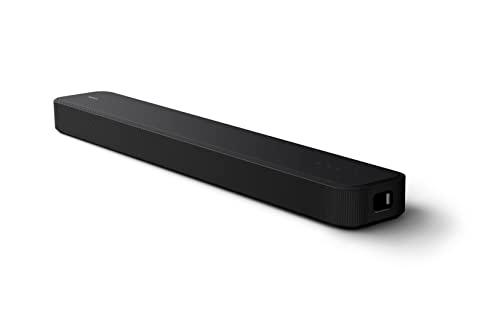
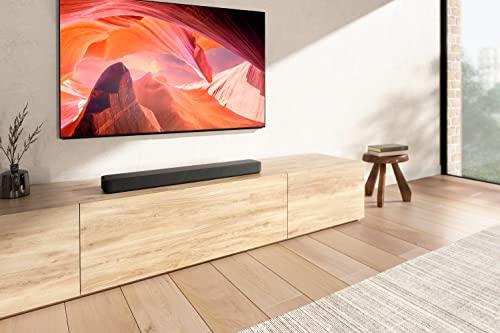
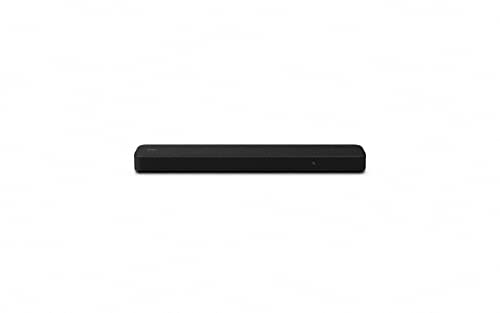
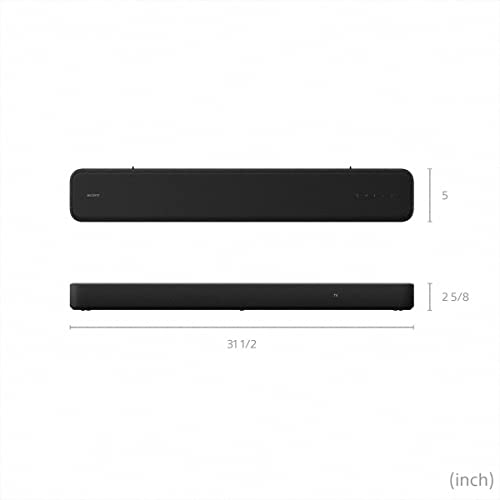
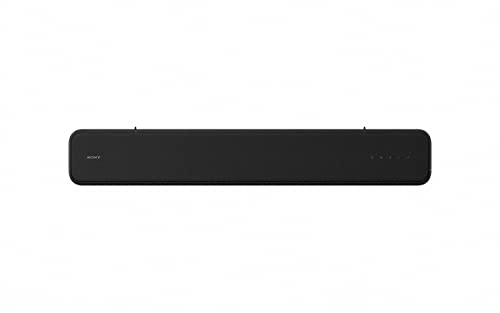
The Sony HT-S2000, released in 2023, represents Sony's attempt to pack cinema-quality audio processing into an affordable package. At its current price point, it offers features typically found in much more expensive soundbars, particularly its Dolby Atmos support and built-in subwoofer system.
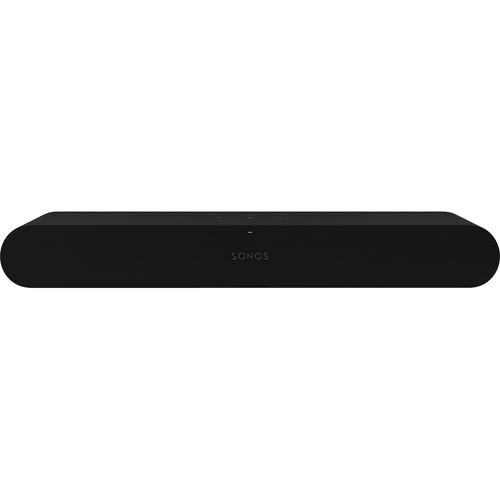
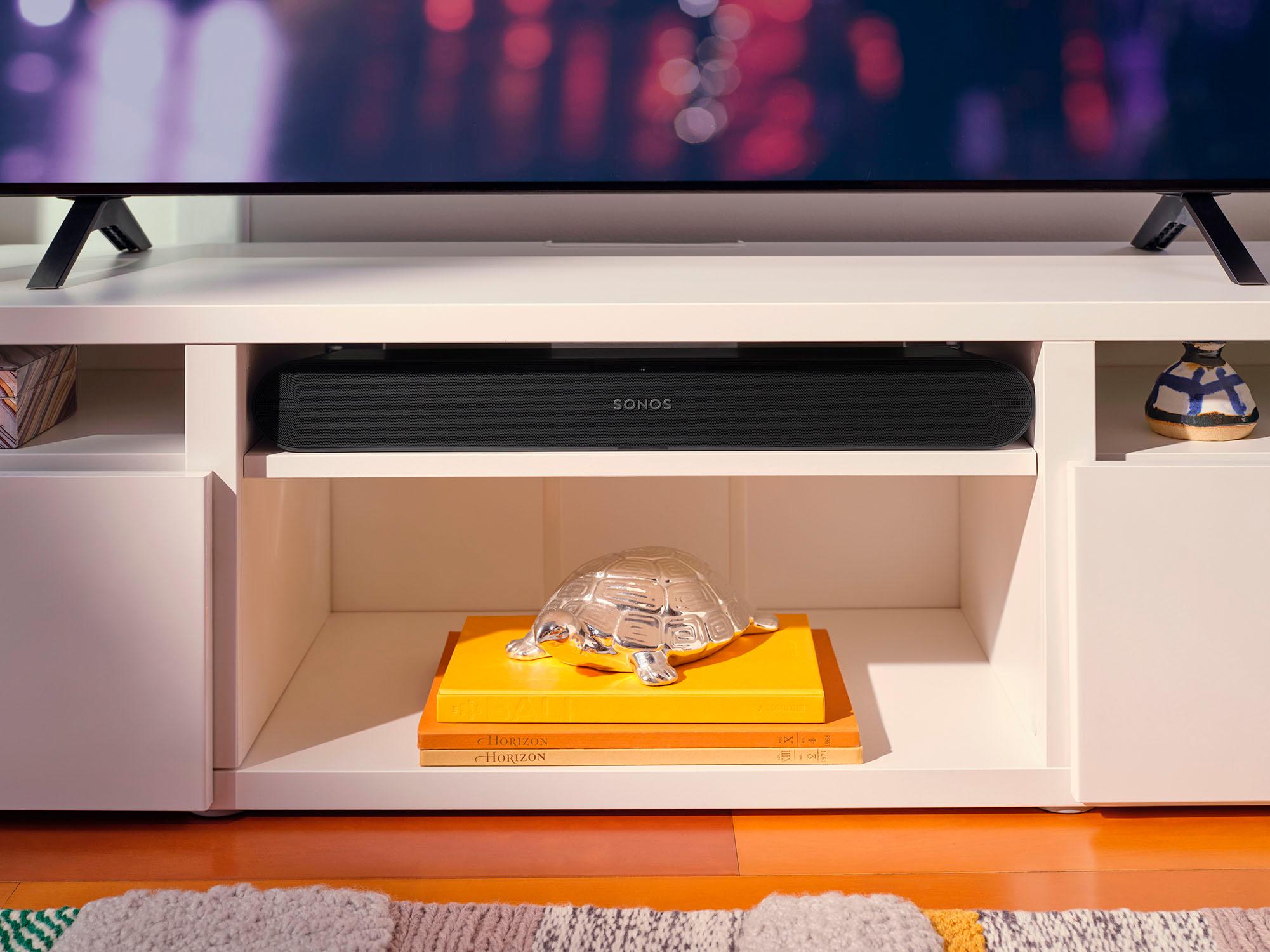
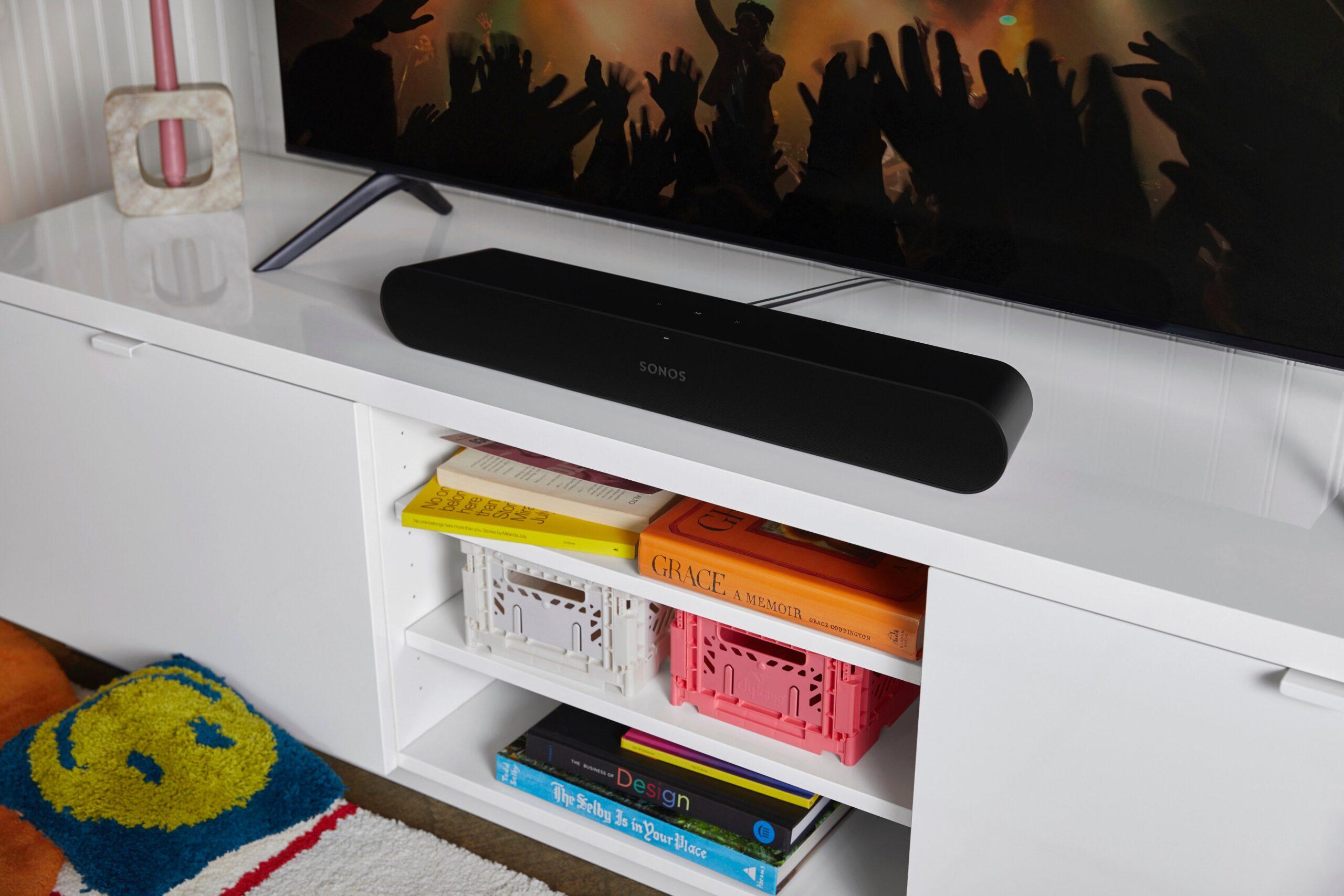
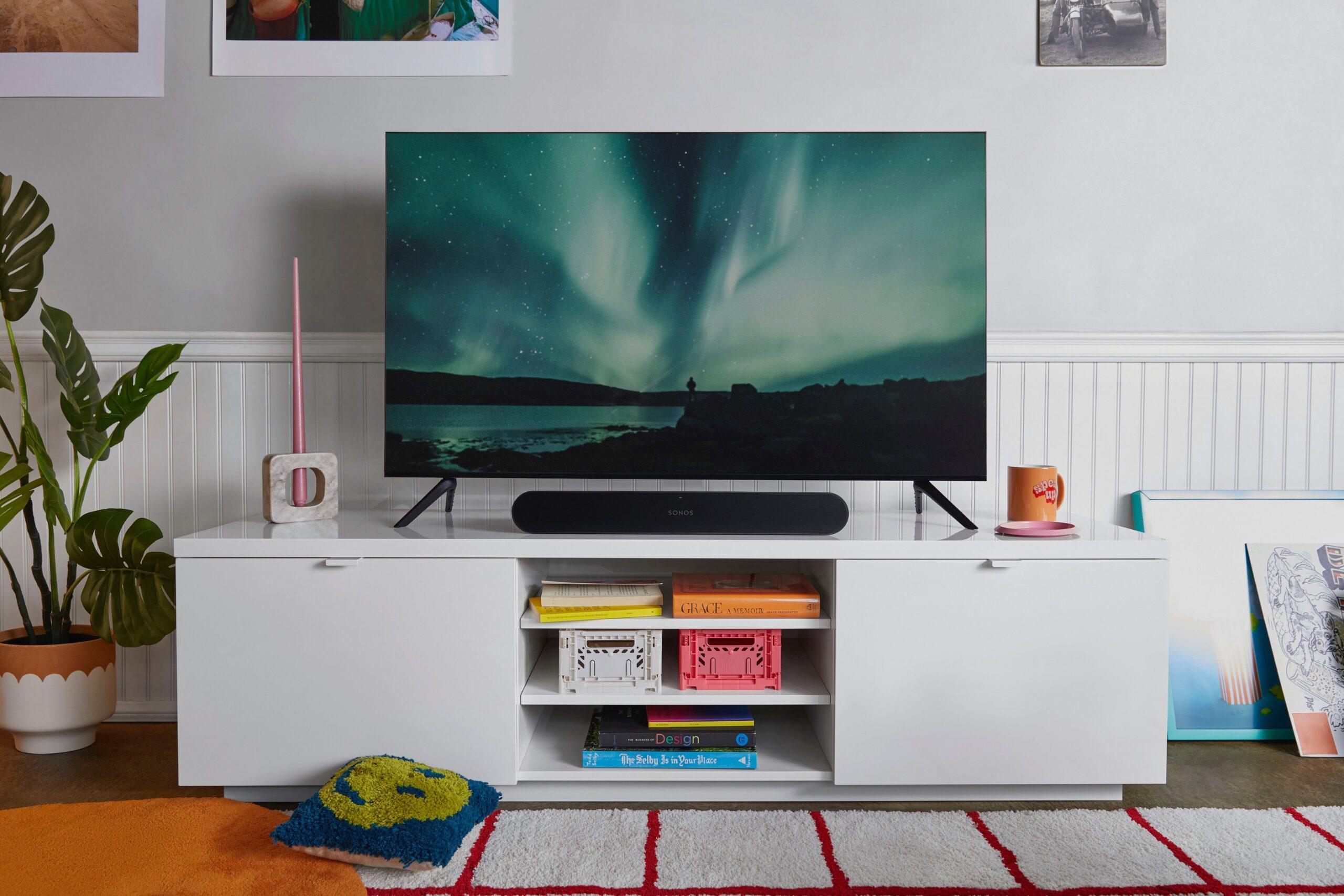
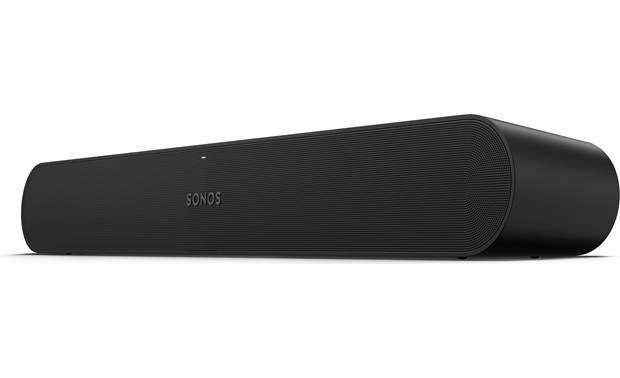
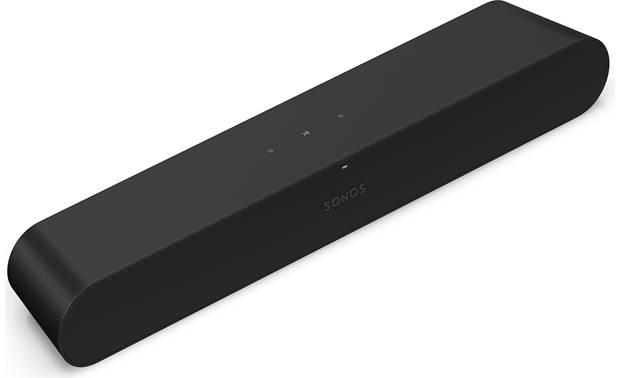
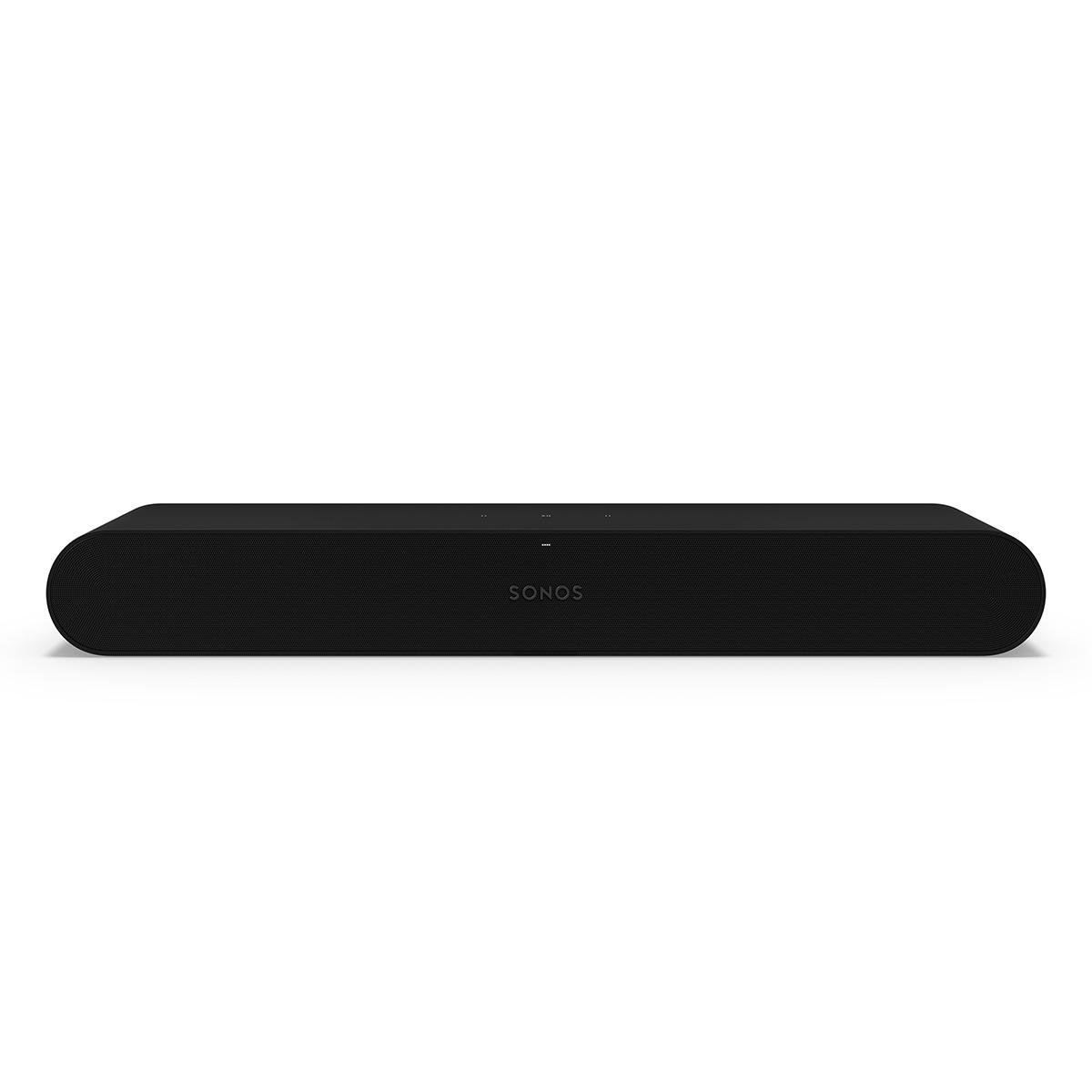
The Sonos Ray, launched in 2022, takes a different approach entirely. Rather than cramming in every possible feature, Sonos focused on delivering exceptional sound quality and seamless integration with their multi-room audio ecosystem. It's the entry point to what many consider the best whole-home audio system available.
These different philosophies create interesting trade-offs that we'll explore throughout this comparison.
Nothing ruins a movie night like constantly rewinding to catch what someone said. Both soundbars excel here, but through different methods.
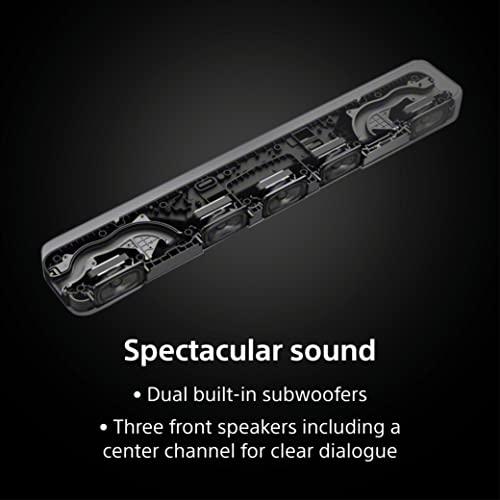
The Sony HT-S2000 uses a traditional 3.1-channel setup, meaning it has a dedicated center channel specifically for dialogue. This center channel acts like a spotlight for voices, ensuring they stay crisp and prominent even during complex scenes. Sony's Voice Mode pushes this further by boosting speech frequencies, making it particularly valuable if you watch a lot of content with heavy accents or mumbling actors.
The Sonos Ray achieves remarkable dialogue clarity despite being a stereo soundbar—meaning it lacks that dedicated center channel. Instead, Sonos uses sophisticated digital signal processing (a fancy term for smart audio algorithms) to position voices precisely in the center of the soundstage. Their Speech Enhancement feature works similarly to Sony's Voice Mode, clarifying dialogue when needed.
In my testing, both deliver excellent dialogue clarity, but the Sony HT-S2000 has a slight edge in complex scenes where multiple characters speak simultaneously or during action-heavy sequences where dialogue competes with sound effects.
Bass is where these soundbars diverge significantly. The Sony HT-S2000 includes dual built-in subwoofers—essentially small bass drivers integrated into the soundbar itself. These side-firing drivers use the walls and room surfaces to enhance low-frequency response, a technique called boundary reinforcement.
The result is surprisingly robust bass for an all-in-one unit. Explosions have weight, music maintains its rhythm section punch, and you get that satisfying rumble during action scenes. Sony even provides three bass level settings, allowing you to dial in the perfect amount of low-end for your room and preferences.
The Sonos Ray takes a more minimalist approach with two precision-engineered bass ports. These ports use acoustic resonance to extend the soundbar's low-frequency response beyond what its small drivers could produce alone. While it can't match the Sony's built-in subwoofers for sheer impact, it delivers remarkably clean and controlled bass for its size.
One reviewer aptly described the Sonos Ray as a "pocket rocket"—it punches well above its weight class in bass performance, though it can struggle when soundtracks layer heavy bass effects with booming musical scores.
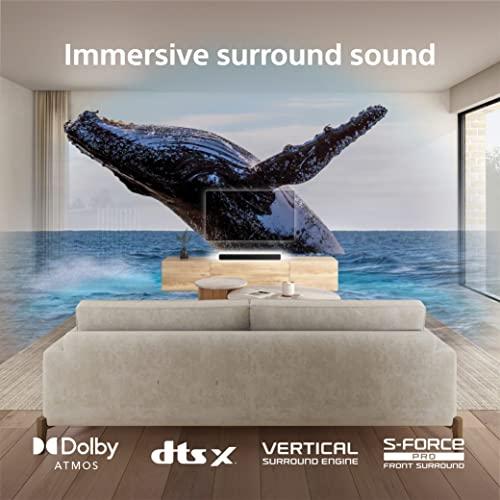
Here's where the Sony HT-S2000 pulls significantly ahead. It fully supports both Dolby Atmos and DTS:X, the two leading immersive audio formats that create the illusion of three-dimensional sound. These formats embed positional information in the audio track, allowing compatible soundbars to place sounds precisely in 3D space around you.
Sony achieves this through their Vertical Surround Engine and S-Force Pro Front Surround processing. The Vertical Surround Engine creates the impression of height by manipulating phase relationships and frequency response—essentially tricking your brain into hearing sounds from above. S-Force Pro generates width by creating acoustic reflections that seem to come from beside and behind you.
I've tested this extensively with movies like Top Gun: Maverick, where fighter jets genuinely seem to whoosh overhead, and with Atmos music tracks where individual instruments appear to float in specific locations around the room. It's not as convincing as a true surround sound system with rear speakers, but it's remarkably effective for a single soundbar.
The Sonos Ray doesn't support these immersive formats at all. It processes everything as stereo or basic surround sound, focusing instead on creating an exceptionally wide and well-defined stereo image. While it can't create overhead effects, it excels at stereo separation and imaging—making music sound particularly spacious and well-organized.
This is where personal preferences really matter. The Sony HT-S2000 processes music through the same immersive audio algorithms it uses for movies, creating an expansive soundstage that can make stereo recordings feel more enveloping. However, this processing sometimes makes music sound less natural than the original recording.
The Sonos Ray was fundamentally designed with music in mind. Sonos built their reputation on audio quality, and it shows. The Ray delivers exceptionally balanced frequency response with accurate midrange reproduction and precise stereo imaging. Music sounds natural and uncolored—exactly how the artist intended.
For critical music listening, the Sonos Ray is clearly superior. But if you primarily use your soundbar for movies and occasionally stream background music, the Sony HT-S2000 provides adequate music performance alongside its superior movie capabilities.
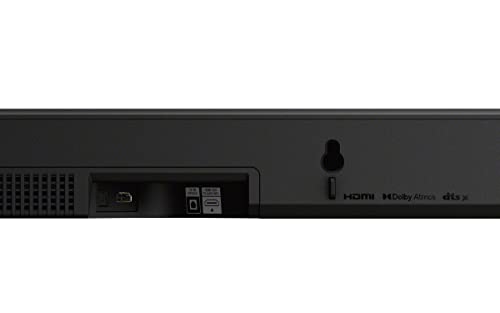
The Sony HT-S2000 offers more traditional connectivity options. Its HDMI eARC (enhanced Audio Return Channel) connection provides the highest quality digital audio path from your TV, supporting all those immersive audio formats we discussed. It also includes optical digital input for older TVs, USB for direct media playback, and Bluetooth 5.2 for wireless streaming from phones and tablets.
The Sonos Ray takes a more modern approach, relying primarily on Wi-Fi and optical connections. No HDMI means you miss out on some advanced audio formats, but you gain access to the comprehensive Sonos ecosystem. This includes direct streaming from over 100 music services, Apple AirPlay 2 support, and the ability to group the Ray with other Sonos speakers throughout your home.
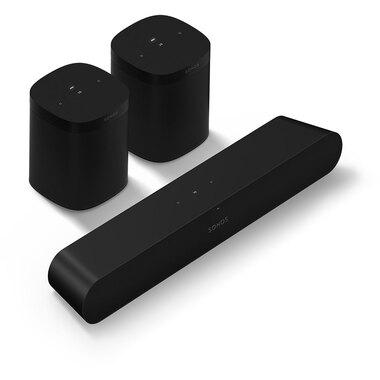
The Sonos approach really shines if you plan to build a multi-room audio system. You can start with the Ray in your living room, then add Sonos speakers in other rooms, all controlled through a single elegant app. The Sony, while offering broader format support, doesn't provide this level of ecosystem integration.
Both soundbars are relatively simple to set up, but they handle room acoustics differently.
The Sony HT-S2000 uses a plug-and-play approach. Connect the HDMI cable, and you're essentially done. While it doesn't automatically adjust for your room's acoustics, Sony provides manual sound modes (including Night Mode for late-night viewing) and those three bass level adjustments we mentioned earlier.
The Sonos Ray includes Trueplay technology, but only for iPhone users. This feature plays test tones through the soundbar while you walk around the room with your phone, measuring how sound reflects off your walls, ceiling, and furniture. It then automatically adjusts the soundbar's output to compensate for your room's specific acoustic characteristics.
Having used Trueplay extensively, it makes a noticeable difference in sound quality, particularly in challenging rooms with lots of hard surfaces or unusual layouts. It's unfortunate that Android users miss out on this feature, though Sonos continues to work on alternative solutions.
At the time of writing, the Sony HT-S2000 typically costs about $130 more than the Sonos Ray, though both models have seen significant price reductions since their original launch prices. This price difference reflects their different feature sets and target audiences.
The Sony HT-S2000 delivers exceptional value for movie enthusiasts. You're getting Dolby Atmos processing, a dedicated center channel, built-in subwoofers, and comprehensive connectivity options at a price point where most competitors require separate subwoofer purchases.
The Sonos Ray represents a different kind of value proposition. While it lacks advanced movie features, it provides a premium music experience and serves as an entry point to the Sonos ecosystem. If you eventually add more Sonos products, the Ray becomes part of a much larger, more capable system.
Consider your long-term plans when evaluating value. If you're building a home theater setup, the Sony's movie-focused features provide immediate benefits. If you're more interested in whole-home audio and music streaming, the Sonos Ray's ecosystem integration becomes invaluable over time.
For dedicated home theater use, the Sony HT-S2000 is the clear winner. Its Dolby Atmos support means you'll get the full experience from modern streaming services like Netflix, Disney+, and Apple TV+, all of which regularly release content in immersive audio formats.
The built-in subwoofer system also means you won't need to find space for an additional component or run extra cables. This matters more than you might think—many people purchase soundbars specifically to avoid the complexity of traditional surround sound systems.
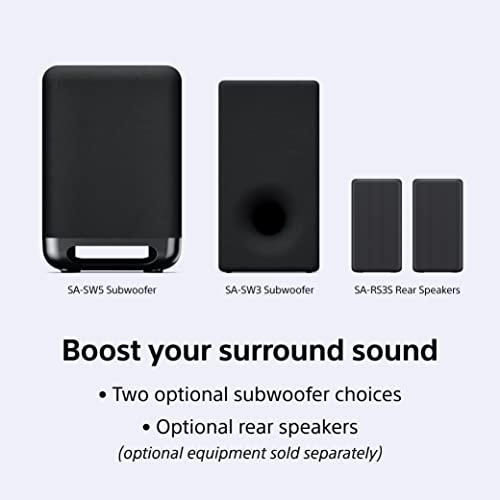
Sony also offers optional wireless rear speakers and additional subwoofers that integrate seamlessly with the HT-S2000, allowing you to build a true surround system over time without replacing your original investment.
The Sonos Ray can certainly improve your TV watching experience, but it's not designed primarily for home theater use. Its strengths lie elsewhere, in music streaming and multi-room integration.
The Sony HT-S2000 makes sense for anyone who primarily watches movies and TV shows, especially if you subscribe to streaming services that offer Dolby Atmos content. It's also the better choice if you have an older TV with only optical audio output but are planning to upgrade to a newer TV with HDMI eARC in the near future—the Sony's comprehensive connectivity ensures you won't need to upgrade your soundbar when you upgrade your TV.
I'd also recommend the Sony for gaming enthusiasts. Many modern games support immersive audio formats, and the enhanced spatial awareness can provide competitive advantages in multiplayer games.
The Sonos Ray excels for music lovers who occasionally watch movies. If you find yourself streaming music more often than watching films, or if you're already invested in (or interested in) the Sonos ecosystem, the Ray provides superior long-term value despite its limitations with movie content.
The Ray also makes sense for apartments or smaller spaces where its compact size and excellent dialogue clarity provide meaningful improvements without overwhelming the room with bass response.
Neither soundbar is objectively better than the other—they're designed for different priorities and use cases. The Sony HT-S2000 is a movie-focused powerhouse that provides cinema-quality audio processing at a remarkable price point. The Sonos Ray is a music-first soundbar that happens to also improve your TV experience while serving as a gateway to a comprehensive smart audio ecosystem.
If you primarily consume video content and want the most immersive experience possible from a single soundbar, choose the Sony HT-S2000. Its Dolby Atmos support, dedicated center channel, and built-in subwoofers provide immediate, dramatic improvements for movie and TV watching.
If music streaming is equally or more important than movies, or if you're interested in building a multi-room audio system over time, the Sonos Ray offers superior sound quality for music and unmatched ecosystem integration, even though it can't match the Sony's movie-specific features.
Both soundbars will transform your TV audio experience compared to built-in TV speakers. The key is matching their strengths to your specific needs and long-term plans. Consider how you actually use your entertainment system, factor in your future upgrade intentions, and choose the soundbar that best serves your real-world listening habits rather than just checking specification boxes.
| Sony HT-S2000 3.1ch Dolby Atmos Soundbar | Sonos Ray Soundbar |
|---|---|
| Audio Channels - More channels = better dialogue separation and surround effects | |
| 3.1 channel with dedicated center for dialogue | Stereo soundbar with virtual center processing |
| Dolby Atmos Support - Essential for immersive 3D movie audio from streaming services | |
| Full Dolby Atmos and DTS:X decode with virtual height effects | No Atmos support, stereo and basic surround only |
| Built-in Bass - Eliminates need for separate subwoofer purchase | |
| Dual built-in subwoofers with side-firing ports | Two bass ports, no dedicated subwoofer drivers |
| Total Power Output - Higher watts generally mean louder, cleaner sound | |
| 250W total with digital amplification | Power output not specified by manufacturer |
| HDMI Connectivity - Required for highest quality audio from modern TVs | |
| HDMI eARC/ARC input for full audio format support | No HDMI inputs, optical connection only |
| Wireless Music Streaming - How you'll play music from phone/tablet | |
| Bluetooth 5.2 with AAC and SBC codec support | Wi-Fi streaming with AirPlay 2, no Bluetooth |
| Smart Home Integration - Multi-room audio and voice control capabilities | |
| Basic app control, works with Sony TVs via BRAVIA Sync | Full Sonos ecosystem with 100+ streaming services |
| Room Audio Optimization - Automatic sound tuning for your specific space | |
| Manual sound modes and 3-level bass adjustment | Trueplay automatic room correction (iPhone only) |
| Physical Size - Important for TV stand fit and wall mounting | |
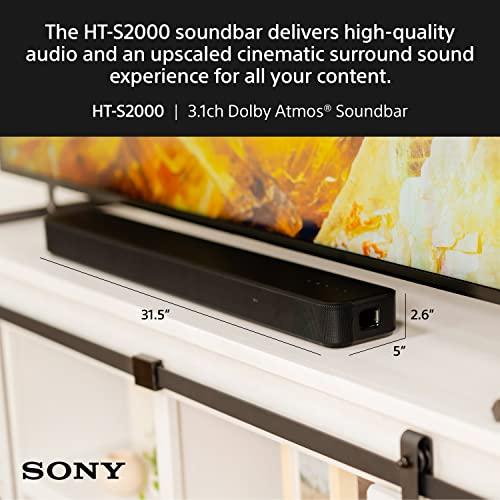
| 31.5" × 2.6" × 5" (800mm × 64mm × 124mm) | 22" × 2.8" × 3.7" (559mm × 71mm × 94mm) |
| Expandability - Options to build fuller surround system over time | |
| Compatible with Sony wireless rear speakers and subwoofers | Integrates with any Sonos speakers for multi-room audio |
The Sony HT-S2000 is significantly better for movies and TV shows. It supports Dolby Atmos and DTS:X immersive audio formats that create 3D surround sound effects, plus it has a dedicated center channel for crystal-clear dialogue. The Sonos Ray only supports stereo audio and lacks modern movie audio format support.
No separate subwoofer is required with the Sony HT-S2000 since it has dual built-in subwoofers that provide adequate bass for most rooms. The Sonos Ray doesn't have built-in subwoofers but can be paired with the optional Sonos Sub if you want deeper bass response.
The Sonos Ray excels at music streaming with superior sound balance, direct Wi-Fi streaming from 100+ services, and AirPlay 2 support. The Sony HT-S2000 offers decent music performance through Bluetooth but applies movie-focused processing that can make music sound less natural.
The Sony HT-S2000 connects via HDMI eARC (recommended) or optical cable and supports the highest quality audio formats. The Sonos Ray only connects through optical cable or Wi-Fi, which limits it to basic audio formats but enables wireless streaming capabilities.
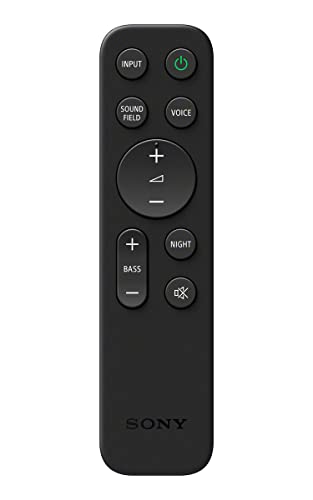
Yes, both soundbars work with most TV remotes. The Sony HT-S2000 supports HDMI-CEC control and infrared commands, while the Sonos Ray responds to infrared volume commands from your TV remote and includes its own remote control.
The Sony HT-S2000 offers simpler plug-and-play setup with just an HDMI cable connection to your TV. The Sonos Ray requires the Sonos app for initial setup but includes Trueplay room tuning (iPhone only) that automatically optimizes sound for your specific room.
The Sonos Ray works with Alexa and Google Assistant when paired with compatible Sonos devices, plus supports direct voice control through the Sonos app. The Sony HT-S2000 has limited voice assistant integration and relies primarily on remote control or the Sony app.
The Sonos Ray is better for small apartments due to its compact 22-inch width, excellent dialogue clarity at lower volumes, and Night Sound feature that reduces loud effects. The Sony HT-S2000 is larger at 31.5 inches and has more powerful bass that might disturb neighbors.
Both soundbars offer expansion options. The Sony HT-S2000 works with Sony's wireless rear speakers and additional subwoofers for true surround sound. The Sonos Ray integrates with any Sonos speakers to create multi-room audio or surround sound configurations.
The Sony HT-S2000 provides better value for movie enthusiasts with its Dolby Atmos support, built-in subwoofers, and comprehensive connectivity at a competitive price point. The Sonos Ray offers better long-term value for music lovers and those planning to build a multi-room audio system.
The Sony HT-S2000 benefits from streaming services that offer Dolby Atmos content like Netflix, Disney+, and Apple TV+ to fully utilize its immersive audio capabilities. The Sonos Ray works well with any streaming service but shines with high-quality music streaming platforms due to its superior audio processing.
The Sony HT-S2000 is superior for gaming thanks to its Dolby Atmos support that enhances spatial awareness in compatible games, plus its dedicated center channel ensures you won't miss important dialogue or audio cues. The Sonos Ray provides basic audio improvement but lacks gaming-specific audio enhancements.
We've done our best to create useful and informative comparisons to help you decide what product to buy. Our research uses advanced automated methods to create this comparison and perfection is not possible - please contact us for corrections or questions. These are the sites we've researched in the creation of this article: techradar.com - valueelectronics.com - youtube.com - videoandaudiocenter.com - whathifi.com - hometheaterhifi.com - youtube.com - sony.com - rtings.com - whathifi.com - rtings.com - helpguide.sony.net - electronics.sony.com - sony.com - dolby.com - sony.com - youtube.com - youtube.com - techradar.com - soundandvision.com - youtube.com - appleinsider.com - youtube.com - sonos.com - cnet.com - howtogeek.com - pcrichard.com - en.community.sonos.com - epicsystems.tech - en.community.sonos.com - cepro.com - videoandaudiocenter.com

Privacy Policy
Terms and Conditions - Affiliate Policy
Home Security
© Copyright 2008-2026.
11816 Inwood Rd #1211, Dallas, TX 75244