







When your TV's built-in speakers sound like they're trapped in a tin can, it's time to upgrade. But with dozens of soundbars flooding the market, choosing between two solid mid-range options like the Amazon Fire TV Soundbar Plus with Subwoofer and the Sony HT-S2000 can feel overwhelming. After spending time with both systems, I can help you cut through the marketing noise and understand which one actually delivers better value for your specific needs.
Before diving into the comparison, let's establish what separates decent soundbars from great ones. The most important factor is dialogue clarity—if you can't understand what characters are saying without cranking the volume, the soundbar has failed its primary job. Next comes bass response, which adds weight and impact to explosions, music, and sound effects. Finally, there's soundstage width—how well the soundbar creates the illusion that sound is coming from beyond the physical boundaries of the speaker itself.
Modern soundbars also need to handle advanced audio formats like Dolby Atmos, which adds height information to create a more three-dimensional sound experience. Think of traditional surround sound as happening around you in a circle, while Dolby Atmos adds a dome overhead for helicopters flying above or rain falling down.
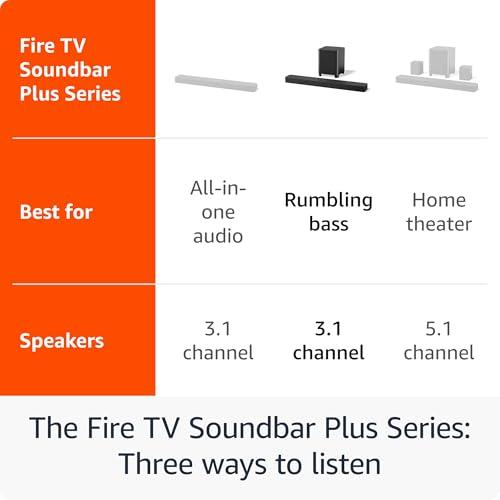
Both the Amazon Fire TV Soundbar Plus and Sony HT-S2000 represent what's called a 3.1-channel configuration. This means three front-facing speakers (left, center, right) plus a dedicated subwoofer channel (.1) for bass. The center channel handles dialogue, while the left and right channels create stereo effects and music reproduction.
Amazon released their Fire TV Soundbar series in 2022, positioning it as an affordable entry point into better TV audio with tight integration into their streaming ecosystem. The Plus model with subwoofer represents their attempt to compete with more established audio brands by including a separate bass unit—something usually reserved for higher-priced systems.
Sony launched the HT-S2000 in 2023 as part of their renewed focus on compact, high-value soundbars. Drawing from decades of audio engineering experience, Sony packed advanced processing and premium drivers into a surprisingly small package. Since 2023, both companies have refined their software and added features through firmware updates, but the core hardware remains unchanged.
The soundbar market has evolved significantly over the past few years. Where early models focused purely on volume and basic surround sound simulation, today's mid-range options include sophisticated digital signal processing (DSP) that can create convincing height effects without physical upward-firing speakers. This virtual processing uses psychoacoustic principles—essentially tricking your brain into perceiving sounds coming from directions where no speakers actually exist.
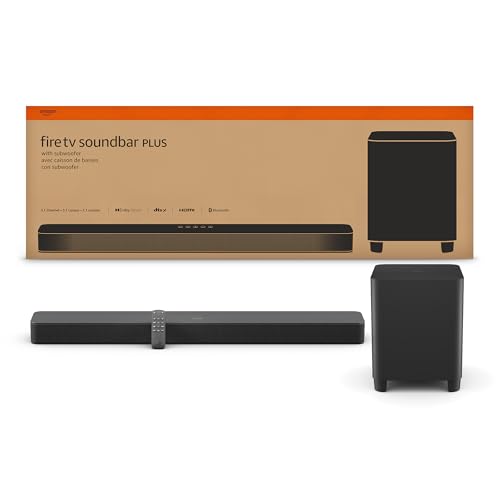
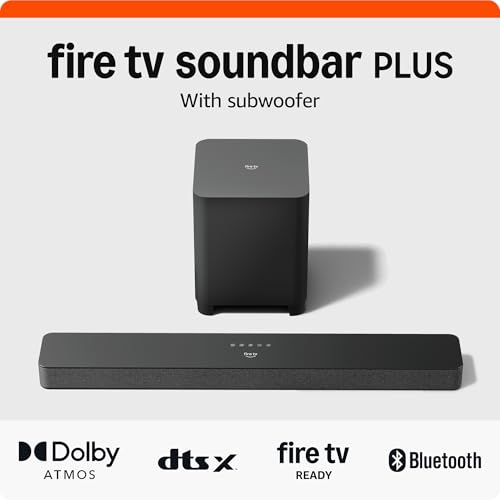
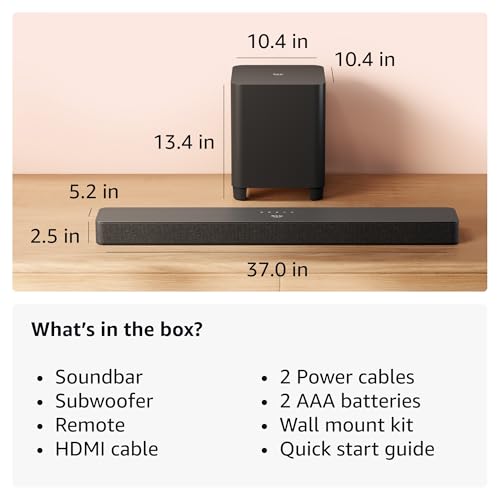
The fundamental difference between these systems lies in their design philosophy. The Amazon Fire TV Soundbar Plus takes a modular approach with a separate wireless subwoofer that connects automatically to the main soundbar. This 10.4-inch subwoofer can be placed anywhere in your room for optimal bass response, and the system can expand to full 5.1 surround sound by adding rear speakers later.
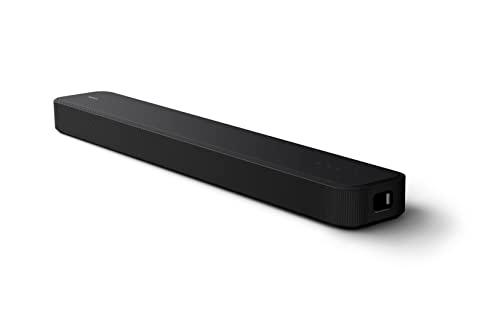
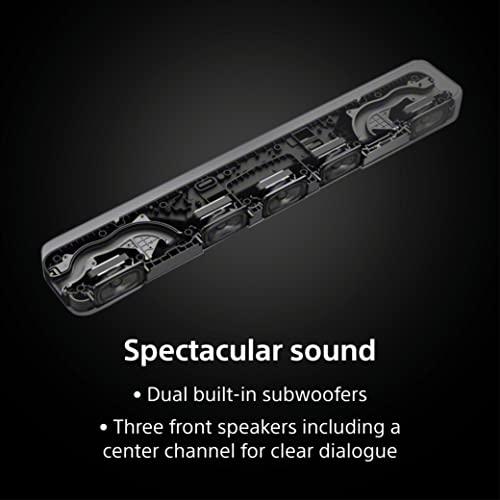
In contrast, the Sony HT-S2000 embraces an all-in-one philosophy, packing dual subwoofers directly into the soundbar chassis along with sophisticated processing to create virtual surround effects. This approach prioritizes space efficiency and setup simplicity over raw bass output.
From a practical standpoint, I've found the Amazon system's separate subwoofer makes a noticeable difference in larger rooms. Being able to position the bass unit in a corner or against a back wall can dramatically improve low-frequency response compared to having bass drivers locked into the soundbar's front-facing position. However, this flexibility comes with the trade-off of needing more space and dealing with an additional power cord.
Both soundbars excel at dialogue clarity, but they achieve it differently. The Sony HT-S2000 uses dedicated center channel processing with Sony's Voice Mode technology, which analyzes incoming audio and boosts specific frequency ranges where human speech occurs. This results in consistently clear dialogue across different content types, from whispered conversations to action-heavy scenes.
The Amazon system takes a more straightforward approach with a dedicated center channel and five levels of dialogue enhancement that you can adjust manually. In practice, I've found the Amazon system requires more tweaking to get dialogue just right, but once dialed in, it performs admirably. The separate subwoofer actually helps here—by handling all the bass, the main soundbar's drivers can focus entirely on midrange and treble frequencies where speech lives.
This is where the systems diverge most dramatically. The Amazon Fire TV Soundbar Plus with its dedicated 10.4-inch wireless subwoofer delivers substantially deeper and more impactful bass. We're talking about the kind of bass that you feel in your chest during action sequences or when listening to music with deep electronic elements. The separate enclosure allows the subwoofer to move more air without the physical constraints of fitting inside the main soundbar.
The Sony HT-S2000's dual built-in subwoofers provide respectable bass for their size, but they're limited by physics. Smaller drivers in a shared enclosure simply can't match the output of a dedicated unit. However, Sony's engineering shines in bass integration—the low frequencies blend seamlessly with the midrange, creating a more cohesive overall sound. The Amazon system's bass can sometimes feel disconnected from the main soundbar, especially if the subwoofer crossover frequency (the point where bass transitions to the main speakers) isn't perfectly tuned.
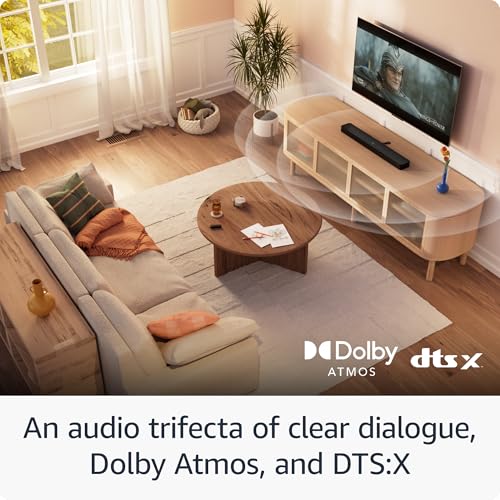
Both systems support Dolby Atmos, but neither includes physical upward-firing drivers to create true overhead effects. Instead, they rely on virtualization—complex digital processing that manipulates timing, phase, and frequency response to simulate height channels.
The Sony HT-S2000 employs their Vertical Surround Engine, which I've found creates more convincing height effects than the Amazon system's basic Atmos processing. Sony's S-Force PRO Front Surround technology also does an impressive job of widening the soundstage beyond the physical dimensions of the soundbar. During helicopter scenes in movies, you can actually perceive rotor sounds moving overhead, even though all drivers fire forward.
The Amazon system offers a different advantage: true expandability. While its initial virtual surround processing is less sophisticated, adding the optional rear speakers transforms it into a genuine 5.1 system with physical surround channels. This provides more accurate directional audio than any virtual processing can achieve.
For music listening, the Sony HT-S2000 takes a clear lead. Sony's audio engineering heritage shows in the balanced frequency response and natural tonal character. The X-Balanced Speaker Units (Sony's rectangular driver design) minimize distortion while maximizing output, resulting in cleaner reproduction of instruments and vocals.
The Amazon system tends to emphasize bass and treble while leaving the midrange slightly recessed—a "smile curve" EQ that makes action movies exciting but can make music sound hollow or fatiguing during longer listening sessions. However, the manual bass and treble controls (adjustable from 1-9) provide more granular tuning options than the Sony's simpler three-level bass adjustment.
Both systems handle modern audio formats well, but with notable differences. The Sony HT-S2000 supports high-resolution audio up to 192kHz/24-bit, making it compatible with lossless music streaming services and high-quality Blu-ray soundtracks. It also includes more comprehensive format support, including DTS-HD Master Audio and Dolby TrueHD—the highest quality versions of these surround formats.
The Amazon system focuses on streaming-optimized formats, handling standard Dolby Digital and DTS but without the high-resolution extensions. For most users streaming Netflix or using standard cable/satellite TV, this limitation won't matter. But if you're a Blu-ray collector or high-resolution music enthusiast, the Sony's superior format support becomes important.
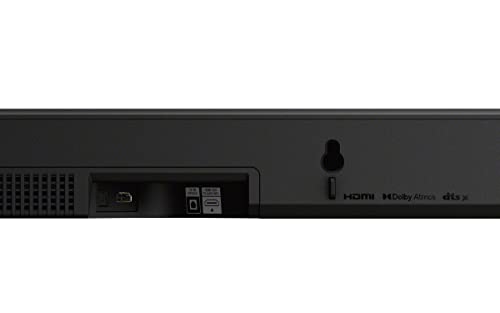
HDMI connectivity represents another key difference. The Sony HT-S2000 includes HDMI eARC (enhanced Audio Return Channel), which provides higher bandwidth for lossless audio formats and better lip-sync performance. The Amazon system uses standard HDMI ARC, which handles most content fine but can't pass through the highest quality audio formats.
Both include optical digital input and Bluetooth, but the Sony's Bluetooth 5.2 implementation with AAC and SBC codec support provides better wireless audio quality than the Amazon's more basic Bluetooth connectivity. This matters when streaming music from smartphones or tablets.
The Amazon Fire TV Soundbar Plus shines in ecosystem integration. If you own a Fire TV device, the soundbar appears in your TV's audio settings for deeper customization, and you can use your Fire TV remote for basic soundbar control. However, despite the "Fire TV" branding, the soundbar doesn't include streaming capabilities or Alexa voice control—it's purely an audio device.
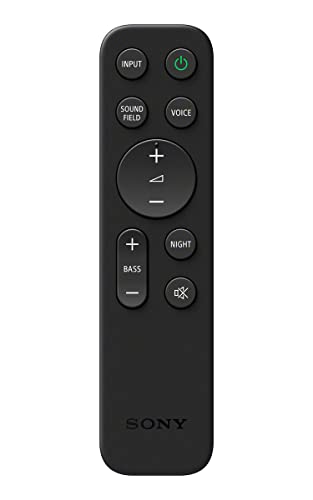
The Sony HT-S2000 takes a more traditional approach with a dedicated remote and the Sony | Home Entertainment Connect app. The app replicates most remote functions and provides setup guidance, but doesn't add substantial functionality. Sony's BRAVIA Sync integration works similarly to the Amazon Fire TV integration for compatible Sony televisions.
Your room size significantly impacts which system performs better. The Amazon system excels in medium to large rooms where the separate subwoofer can be positioned optimally. The wireless connection means you can place the bass unit wherever it sounds best—often in a corner or against a wall where room boundaries reinforce low frequencies.
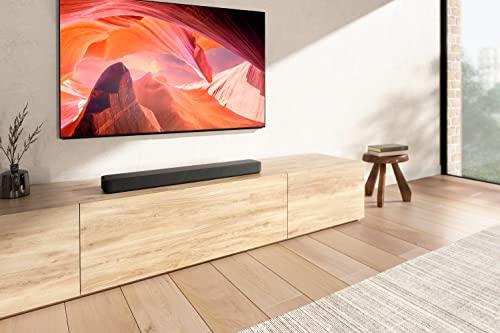
In smaller rooms or apartments, the Sony HT-S2000's compact footprint becomes advantageous. The all-in-one design eliminates the need to find space for a separate subwoofer, and the sophisticated processing compensates somewhat for the reduced bass output. The side-firing ports help extend low-frequency response despite the compact enclosure.
I've tested both systems in a variety of spaces, and the crossover point seems to be around 200-250 square feet. Smaller rooms favor the Sony's integration and space efficiency, while larger spaces benefit from the Amazon system's more powerful and flexible bass response.
At the time of writing, the Amazon Fire TV Soundbar Plus with Subwoofer typically costs around $200 less than the Sony HT-S2000. This price difference represents one of the most significant factors in the decision-making process.
The Amazon system's modular design provides a clear upgrade path. You can start with the soundbar and subwoofer, then add rear speakers later for true 5.1 surround. This approach spreads the cost over time and allows you to evaluate whether the additional expense of rear speakers provides enough benefit for your specific setup.
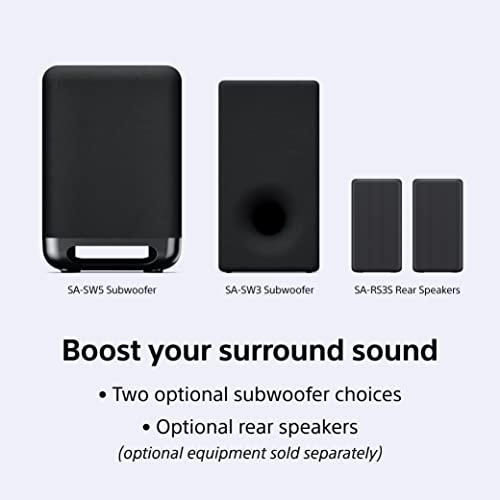
The Sony system takes a different approach to expansion, offering compatibility with upgraded Sony subwoofers (SA-SW3, SA-SW5) and rear speakers (SA-RS3S). However, these components are typically more expensive than the Amazon alternatives, making full system expansion a significant investment.
The Amazon Fire TV Soundbar Plus makes the most sense for several specific user profiles. If you're working with a budget closer to $300 and prioritize bass impact over refined audio quality, the included subwoofer delivers impressive low-end performance for the price. Fire TV users benefit from the ecosystem integration, though this advantage is less significant than Amazon's marketing suggests.
The modular design particularly appeals to users who plan to build a complete surround system over time. Starting with the soundbar and subwoofer provides immediate improvement over TV speakers, with the option to add rear speakers once budget allows.
The Sony HT-S2000 targets users who prioritize overall audio quality and are willing to pay approximately $200 more for better engineering and features. The compact design works well in apartments or smaller spaces where a separate subwoofer would be impractical.
Sony TV owners gain the most from the BRAVIA Sync integration, and users who listen to high-resolution music or collect Blu-rays will appreciate the superior format support. The better virtual surround processing also makes it a stronger choice for users who won't expand to a full surround system.
Both soundbars represent solid values in their respective price ranges, but they serve different priorities. The Amazon Fire TV Soundbar Plus maximizes bass impact and expandability at a lower entry price, making it ideal for users who want the most immediate improvement over TV speakers without breaking the bank.
The Sony HT-S2000 justifies its higher price with superior audio engineering, more sophisticated processing, and premium features like HDMI eARC and high-resolution audio support. It's the better choice for users who view their soundbar as a long-term investment and prioritize refined performance over raw output.
Consider your room size, expansion plans, and whether you value bass impact or overall audio refinement more highly. Both systems will dramatically improve your TV viewing experience compared to built-in speakers—the question is whether the Sony's additional refinement and features justify the extra cost for your specific situation.
| Amazon Fire TV Soundbar Plus Subwoofer | Sony HT-S2000 3.1ch Dolby Atmos Soundbar |
|---|---|
| Channel Configuration - Determines bass performance and expandability | |
| 3.1 channels with separate 10.4" wireless subwoofer | 3.1 channels with dual built-in subwoofers |
| Total Power Output - Affects volume and dynamic range | |
| Not specified (typical for budget models) | 250W total with S-Master digital amplification |
| Physical Dimensions - Critical for TV matching and room placement | |
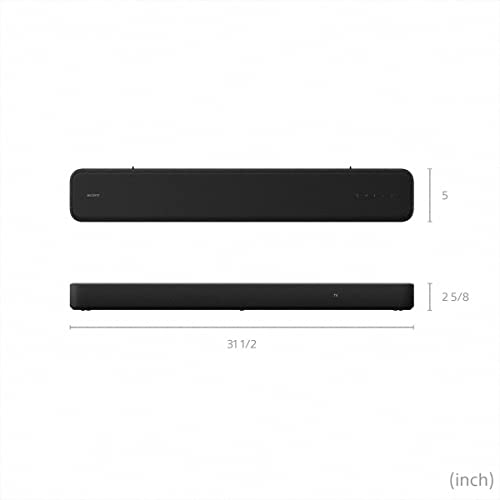
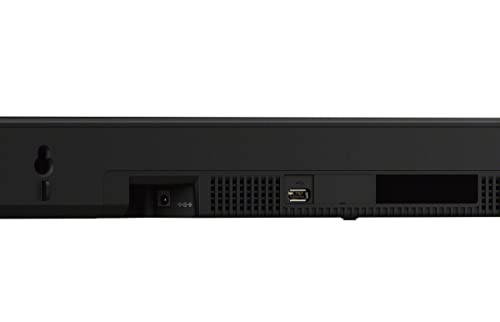
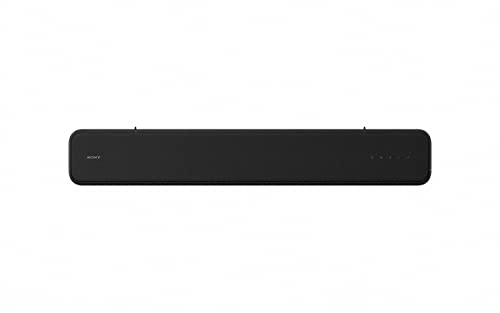
| Soundbar: 37" x 5.2" x 2.5" + separate subwoofer | Compact all-in-one: 31.5" x 2.6" x 5" |
| Audio Format Support - Determines compatibility with premium content | |
| Dolby Atmos (virtual), DTS:X, standard streaming formats | Dolby Atmos, DTS:X, high-res audio up to 192kHz/24-bit |
| HDMI Connectivity - Affects audio quality from TV | |
| HDMI ARC (standard bandwidth) | HDMI eARC (enhanced bandwidth for lossless audio) |
| Expandability Options - Future upgrade potential | |
| Can add rear speakers for true 5.1 surround system | Compatible with premium Sony subwoofers and rear speakers |
| Sound Customization - User control over audio tuning | |
| Bass (1-9), treble (1-9), 5-level dialogue enhancer, 4 EQ modes | 3 bass levels, Sound Field/Voice/Night modes, app control |
| Bluetooth Audio Quality - Wireless music streaming performance | |
| Standard Bluetooth (codec not specified) | Bluetooth 5.2 with AAC and SBC codecs for better quality |
| Smart Integration - Ecosystem compatibility | |
| Fire TV remote control and audio settings integration | BRAVIA Sync for Sony TVs, Sony Connect app |
| Setup Complexity - Installation and configuration ease | |
| Pre-paired wireless subwoofer, plug-and-play | Single HDMI cable connection, automatic optimization |
| Build Quality and Design - Long-term durability and aesthetics | |
| Plastic construction with fabric grille, basic remote | Premium materials, X-Balanced drivers, comprehensive remote |
Both the Amazon Fire TV Soundbar Plus Subwoofer and Sony HT-S2000 excel at dialogue clarity with dedicated center channels. The Sony HT-S2000 has a slight edge with its Voice Mode technology that automatically enhances speech frequencies, while the Amazon Fire TV Soundbar Plus offers manual dialogue enhancement with five adjustable levels for more personalized control.
The Amazon Fire TV Soundbar Plus Subwoofer includes a separate 10.4-inch wireless subwoofer that delivers deeper, more powerful bass compared to the Sony HT-S2000's built-in dual subwoofers. The Amazon system provides more room-shaking low-end impact, while the Sony offers better bass integration with tighter, more controlled response.
The Sony HT-S2000 is more space-efficient as an all-in-one unit measuring 31.5 inches wide. The Amazon Fire TV Soundbar Plus requires additional space for its separate subwoofer, though this allows flexible placement for optimal bass response in larger rooms.
Yes, both the Amazon Fire TV Soundbar Plus Subwoofer and Sony HT-S2000 support Dolby Atmos, but through virtual processing rather than physical upward-firing speakers. The Sony HT-S2000 provides more sophisticated height virtualization with its Vertical Surround Engine technology.
Both soundbars offer simple setup, but in different ways. The Amazon Fire TV Soundbar Plus comes with a pre-paired wireless subwoofer that connects automatically, while the Sony HT-S2000 requires only a single HDMI cable connection with no additional components to position.
The Amazon Fire TV Soundbar Plus Subwoofer can expand to true 5.1 surround by adding rear speakers, making it more flexible for future upgrades. The Sony HT-S2000 can also be expanded with compatible Sony subwoofers and rear speakers, but at a higher cost.
Both soundbars handle streaming audio well, but the Sony HT-S2000 offers superior format support including high-resolution audio up to 192kHz/24-bit and HDMI eARC for lossless streaming. The Amazon Fire TV Soundbar Plus integrates more seamlessly with Fire TV devices for unified control.
The Sony HT-S2000 provides better music reproduction with its X-Balanced Speaker Units and more balanced frequency response. The Amazon Fire TV Soundbar Plus Subwoofer emphasizes bass and treble, making it more exciting for movies but potentially fatiguing for extended music listening.
The Amazon Fire TV Soundbar Plus Subwoofer typically costs significantly less while including a separate subwoofer, offering excellent value for bass performance. The Sony HT-S2000 costs more but justifies the premium with superior audio engineering, build quality, and advanced features.
The Sony HT-S2000 includes both a comprehensive remote and the Sony Connect app for control and setup guidance. The Amazon Fire TV Soundbar Plus relies primarily on its included remote, though Fire TV users can control basic functions through their TV interface.
The Amazon Fire TV Soundbar Plus Subwoofer performs better in larger spaces due to its separate subwoofer that can be positioned optimally and its expandability to full 5.1 surround. The Sony HT-S2000 works well in medium rooms but may lack the bass impact needed for very large spaces.
Brand matching isn't essential, but there are benefits. Fire TV users get enhanced integration with the Amazon Fire TV Soundbar Plus, while Sony TV owners benefit from BRAVIA Sync with the Sony HT-S2000. Both soundbars work well with any TV brand through HDMI or optical connections.
We've done our best to create useful and informative comparisons to help you decide what product to buy. Our research uses advanced automated methods to create this comparison and perfection is not possible - please contact us for corrections or questions. These are the sites we've researched in the creation of this article: rtings.com - cordbusters.co.uk - techradar.com - youtube.com - t3.com - hometechnologyreview.com - youtube.com - hometechnologyreview.com - whathifi.com - developer.amazon.com - manuals.plus - dolby.com - techradar.com - valueelectronics.com - youtube.com - videoandaudiocenter.com - whathifi.com - hometheaterhifi.com - youtube.com - sony.com - rtings.com - whathifi.com - rtings.com - helpguide.sony.net - electronics.sony.com - sony.com - dolby.com - sony.com - youtube.com - youtube.com

Privacy Policy
Terms and Conditions - Affiliate Policy
Home Security
© Copyright 2008-2026.
11816 Inwood Rd #1211, Dallas, TX 75244