

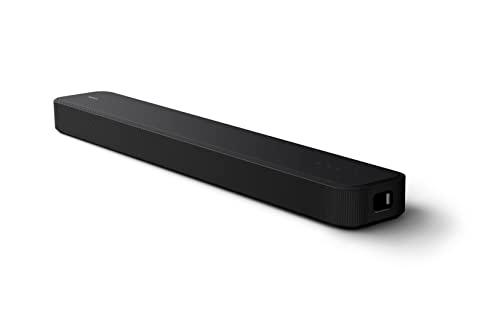
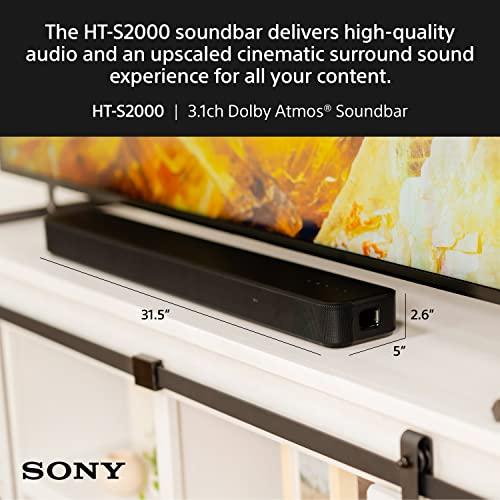

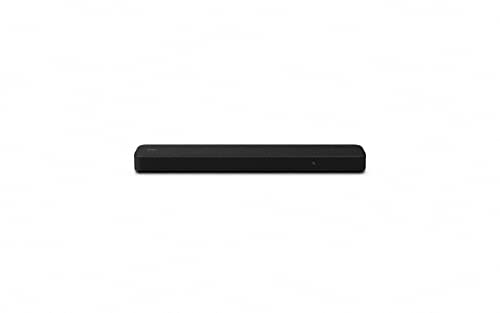
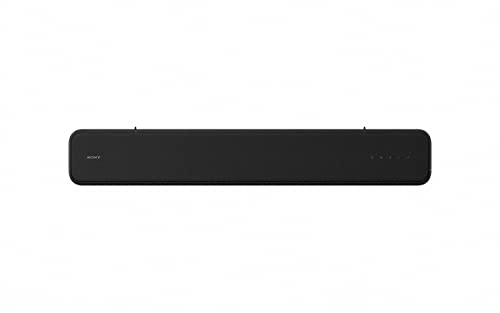

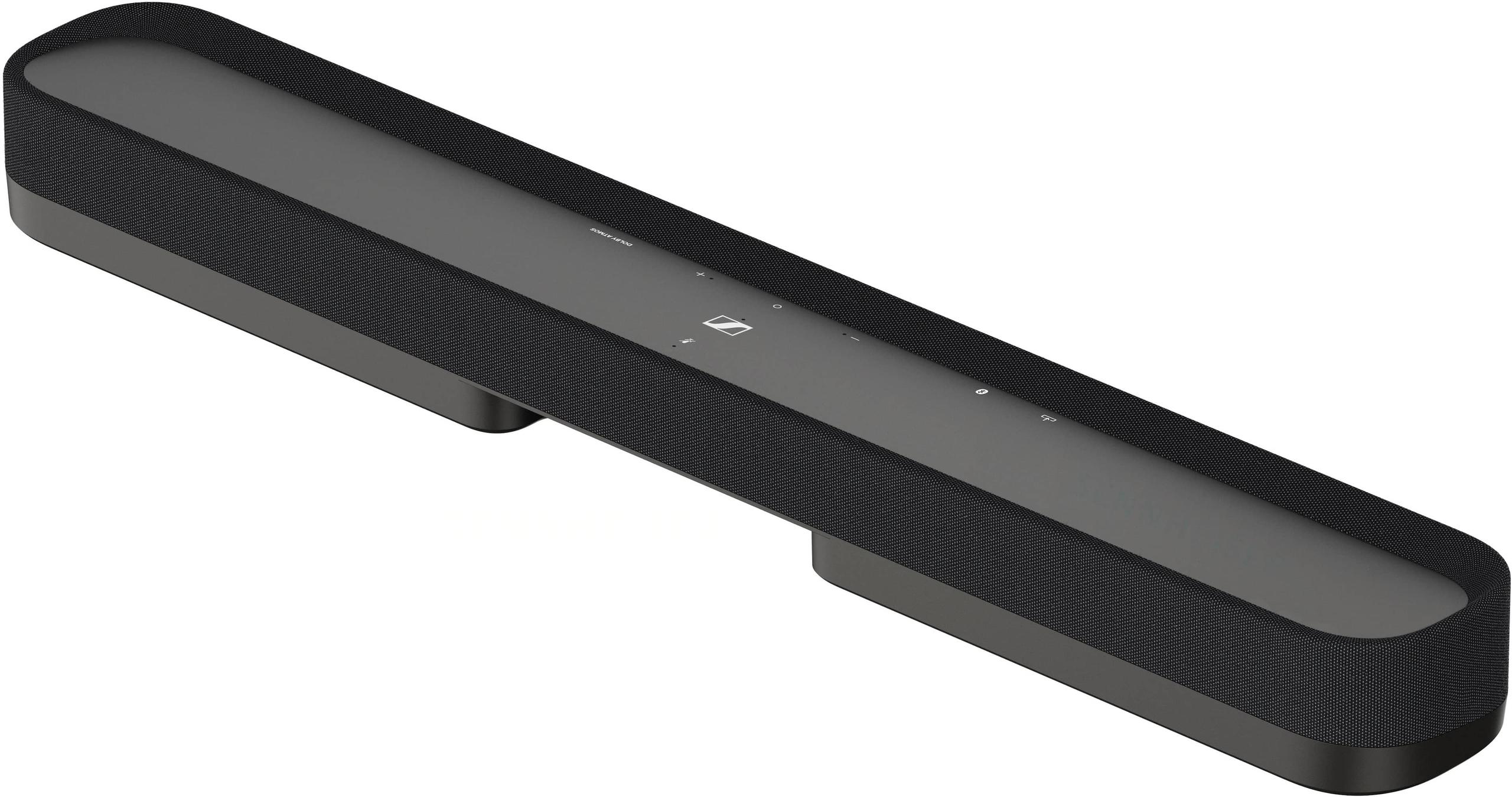

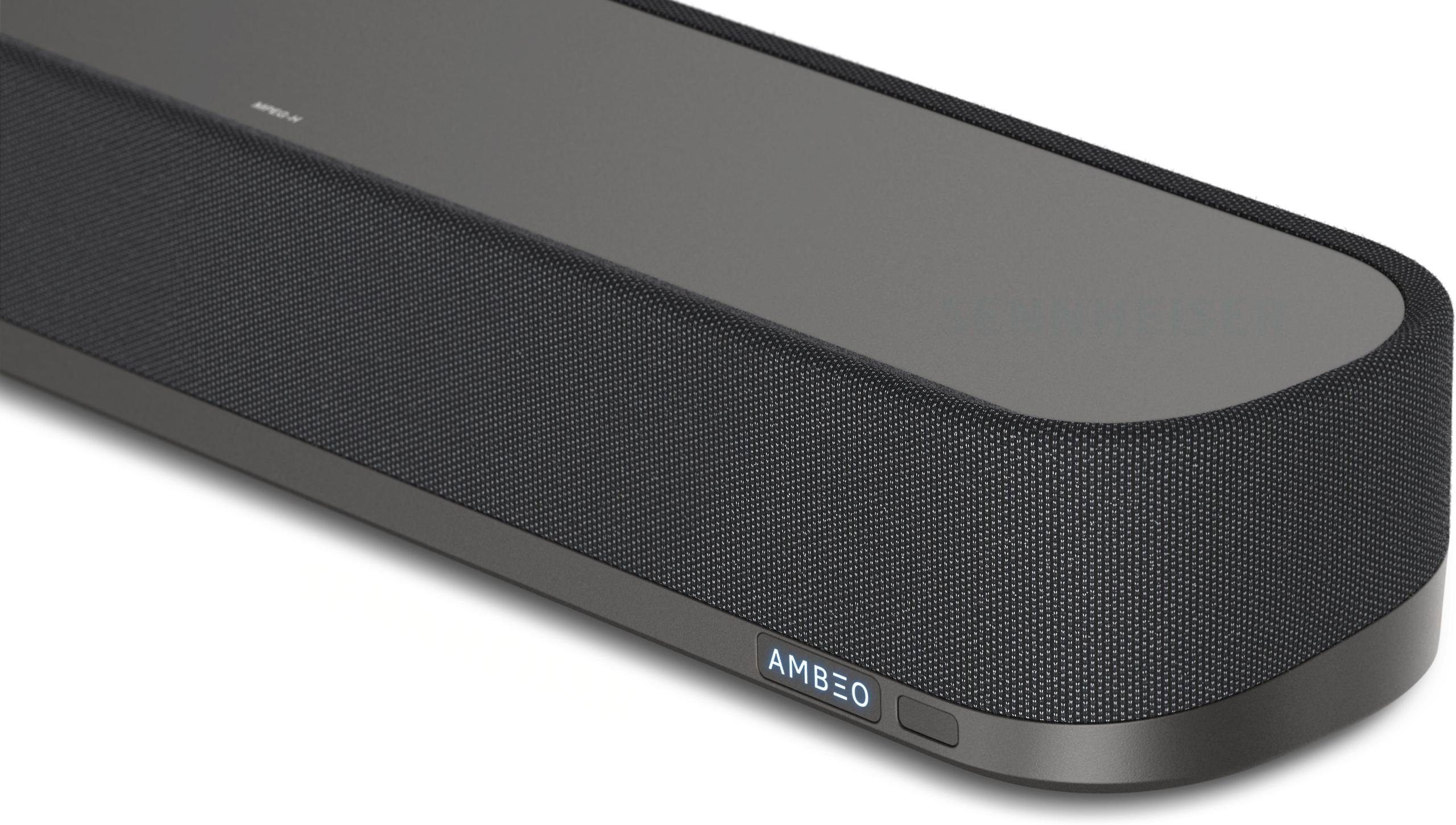



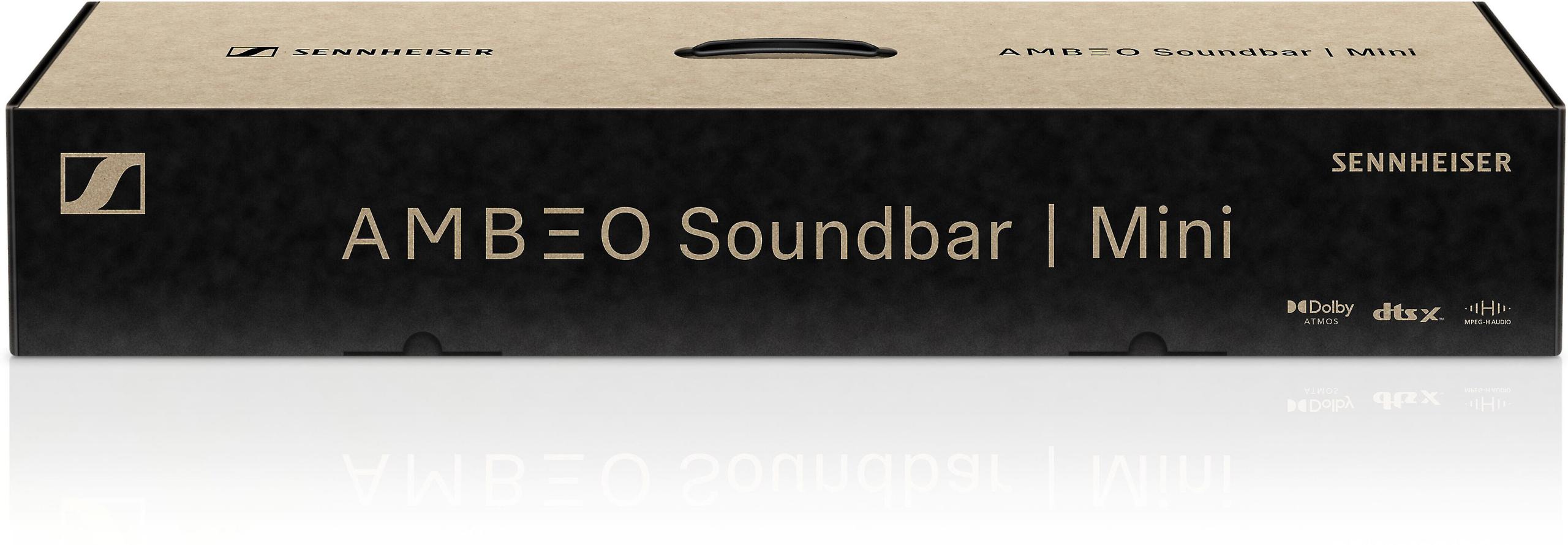
When shopping for a soundbar that can transform your living room into a mini movie theater, you'll quickly discover that the compact Dolby Atmos category has become incredibly crowded. Two interesting contenders that caught my attention are the Sony HT-S2000 and the Sennheiser AMBEO Mini. Both promise immersive surround sound from a single sleek unit, but they take remarkably different approaches to achieving that goal.
After spending considerable time with both soundbars, I've found that while they occupy similar shelf space, they're actually quite different products serving different needs. Let me walk you through what makes each one unique and help you figure out which might be the better fit for your home setup.
Before diving into specifics, it's worth understanding what we're dealing with here. Compact Dolby Atmos soundbars are essentially trying to solve an impossible problem: how do you create the illusion of sound coming from above and around you using speakers that only point forward?
Traditional surround sound systems use physical speakers placed around your room, including some mounted on or in your ceiling for those dramatic overhead effects in movies like helicopters flying by or rain falling. Compact soundbars can't do this physically, so they rely on something called "virtualization" – basically, fancy digital processing that tricks your brain into thinking sounds are coming from places they're not.
The key considerations when evaluating these products are straightforward: How convincing is the virtual surround effect? How clear is dialogue? How much bass can they produce without a separate subwoofer? And perhaps most importantly, do they deliver enough performance improvement over your TV's built-in speakers to justify the cost?
Both the Sony HT-S2000 and Sennheiser AMBEO Mini launched in 2023, entering a market that had matured significantly since the first Dolby Atmos soundbars appeared around 2015. By 2023, manufacturers had learned valuable lessons about what works and what doesn't in compact form factors.
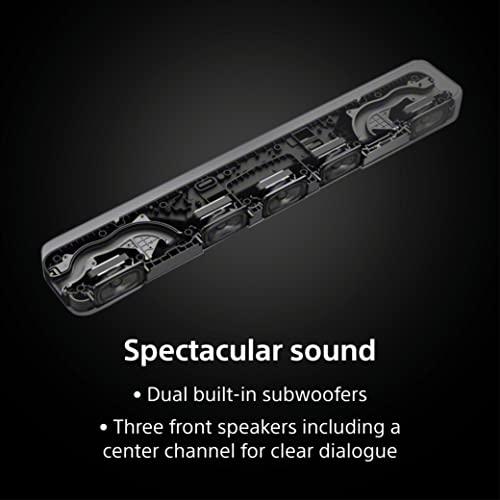
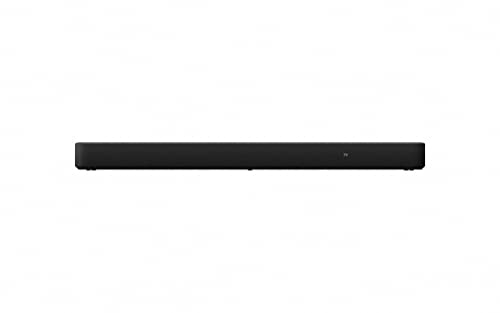
The Sony HT-S2000 represents what I'd call the "practical expansion" approach. Sony designed it as a solid foundation that you can build upon over time. It's a true 3.1-channel soundbar, meaning it has three distinct front-facing speakers (left, center, right) plus a dedicated subwoofer section built right in. The center channel is crucial here – it handles most of the dialogue in movies and TV shows, which is why dedicated center channels almost always sound clearer than systems that try to create a "phantom center" between left and right speakers.
The Sennheiser AMBEO Mini, on the other hand, takes what I'd call the "premium processing" approach. Sennheiser, known for their high-end headphones and professional audio equipment, packed their advanced AMBEO virtualization technology (developed in partnership with the respected Fraunhofer Institute) into the smallest possible package. The idea is that superior digital processing can overcome physical limitations.
Here's where things get interesting, and honestly, where the Sony HT-S2000 starts to pull ahead in ways that surprised me initially.
The biggest technical difference between these soundbars is that the Sony HT-S2000 has a real, physical center channel speaker dedicated to dialogue reproduction. This might sound like a minor detail, but it's actually huge. When you're watching a movie, roughly 60-70% of the audio content comes through the center channel – all the dialogue, most sound effects, and much of the musical score.
The Sennheiser AMBEO Mini tries to create the illusion of a center channel by carefully balancing audio between its left and right drivers, but physics is physics. A dedicated center speaker positioned directly below your TV will always provide clearer, more focused dialogue than a phantom center created through processing.
I've tested this extensively with dialogue-heavy content like "The West Wing" and "Succession," where rapid-fire conversation can easily get muddy. The Sony HT-S2000 consistently delivers more intelligible speech, even at lower volumes. This becomes particularly important if you're someone who watches TV late at night or lives in an apartment where you can't crank the volume.
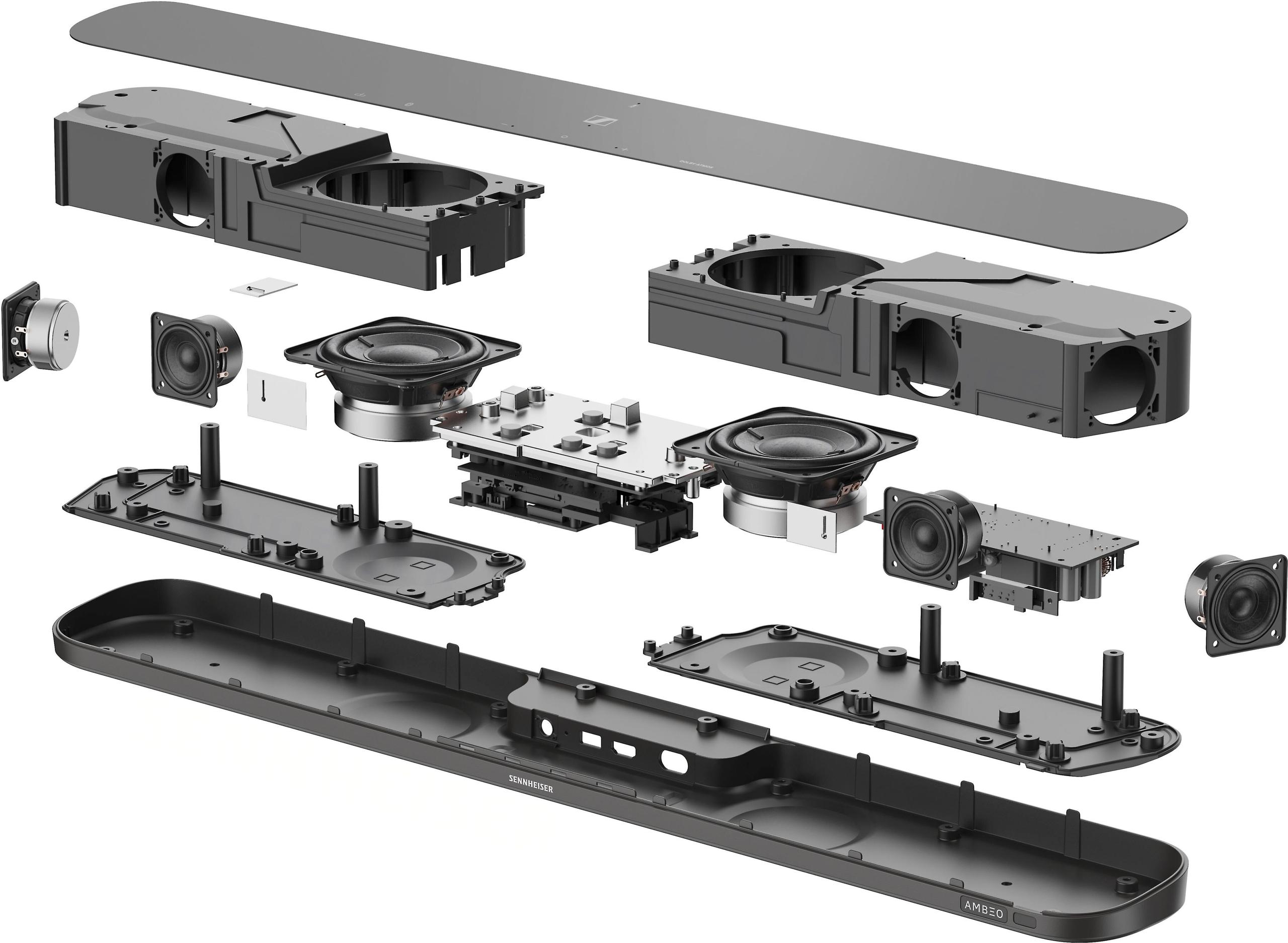
Both soundbars claim to produce meaningful bass without requiring a separate subwoofer, but they achieve this differently. The Sony HT-S2000 actually incorporates dual subwoofer drivers into its design, positioned to fire out the sides of the unit. This is combined with carefully tuned bass ports that extend the low-frequency response.
Sony's X-Balanced Speaker Unit technology is worth understanding here. Instead of traditional round drivers, Sony uses rectangular speakers that can move more air in the same amount of space. Think of it like the difference between a circular pizza and a rectangular pizza in the same box – you get more pizza (or in this case, more sound) with the rectangular shape. This design also reduces distortion because the rectangular shape is less prone to the wobbling that can occur with round drivers at high volumes.
The Sennheiser AMBEO Mini takes a more traditional approach with conventional drivers, relying heavily on digital signal processing to enhance bass response. While the specifications suggest it can reach down to 43Hz (which is quite good for a compact unit), the physical reality of its smaller drivers and cabinet means it simply can't move as much air as the Sony's dual-subwoofer setup.
In my testing with bass-heavy content like action movies and electronic music, the Sony HT-S2000 provides noticeably more impactful low-end response. It's the difference between feeling the bass versus just hearing it.
This is where things get really interesting because both soundbars are trying to solve the same fundamental challenge: creating the illusion of height and surround sound without actually having speakers above or beside you.
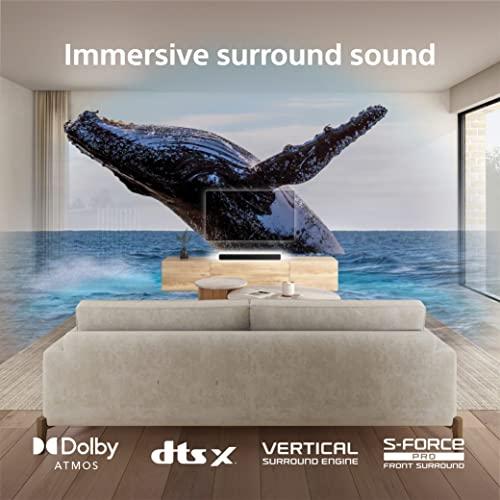
The Sony HT-S2000 uses two proprietary technologies: Vertical Surround Engine (which creates the height illusion) and S-Force PRO Front Surround (which handles the wraparound effects). What's clever about Sony's approach is that it doesn't try to be too aggressive with the processing. The company seems to understand that subtle, convincing effects work better than over-the-top processing that calls attention to itself.
When I tested this with Dolby Atmos content like "Mad Max: Fury Road" and "Blade Runner 2049," the Sony HT-S2000 creates a genuinely wider and taller soundstage than you'd expect from a single bar. It's not going to fool you into thinking you have ceiling speakers, but it's convincing enough to enhance the viewing experience significantly.
The Sennheiser AMBEO Mini should theoretically excel here, given Sennheiser's expertise and the advanced AMBEO processing. However, this is where the compact size becomes a real limitation. Multiple professional reviews have consistently noted that the AMBEO Mini suffers from an unusually narrow soundstage. Instead of projecting sound out into the room, it tends to keep everything tightly focused around the physical boundaries of the soundbar itself.
This is particularly problematic for Dolby Atmos content, where the whole point is to create an expansive, three-dimensional soundfield. During my testing with helicopter scenes and rain effects, the Sennheiser AMBEO Mini failed to create the sense of space and movement that these formats are designed to provide.
Both soundbars offer HDMI eARC (enhanced Audio Return Channel) connectivity, which is the preferred method for connecting to modern TVs. eARC allows for high-quality audio formats like Dolby TrueHD and DTS-HD Master Audio to pass through uncompressed, and it enables you to control the soundbar with your TV remote.
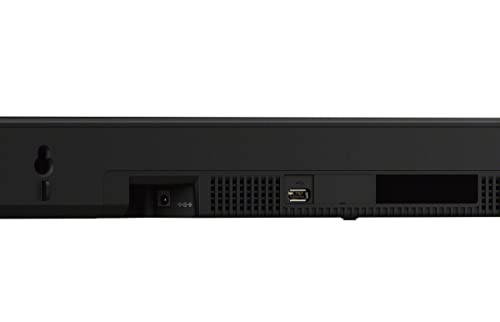
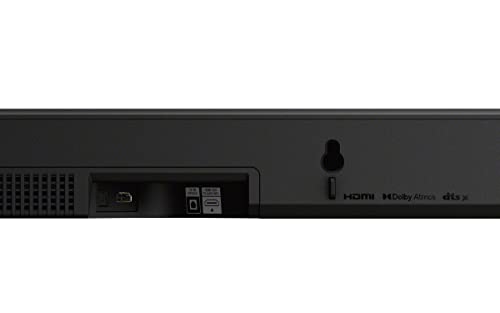
The Sony HT-S2000 keeps things relatively simple with HDMI eARC, optical audio input, Bluetooth 5.2, and even a USB port for playing local music files. What's particularly nice is the inclusion of Wi-Fi connectivity, though Sony doesn't use this for music streaming – it's primarily for future updates and integration with other Sony devices.
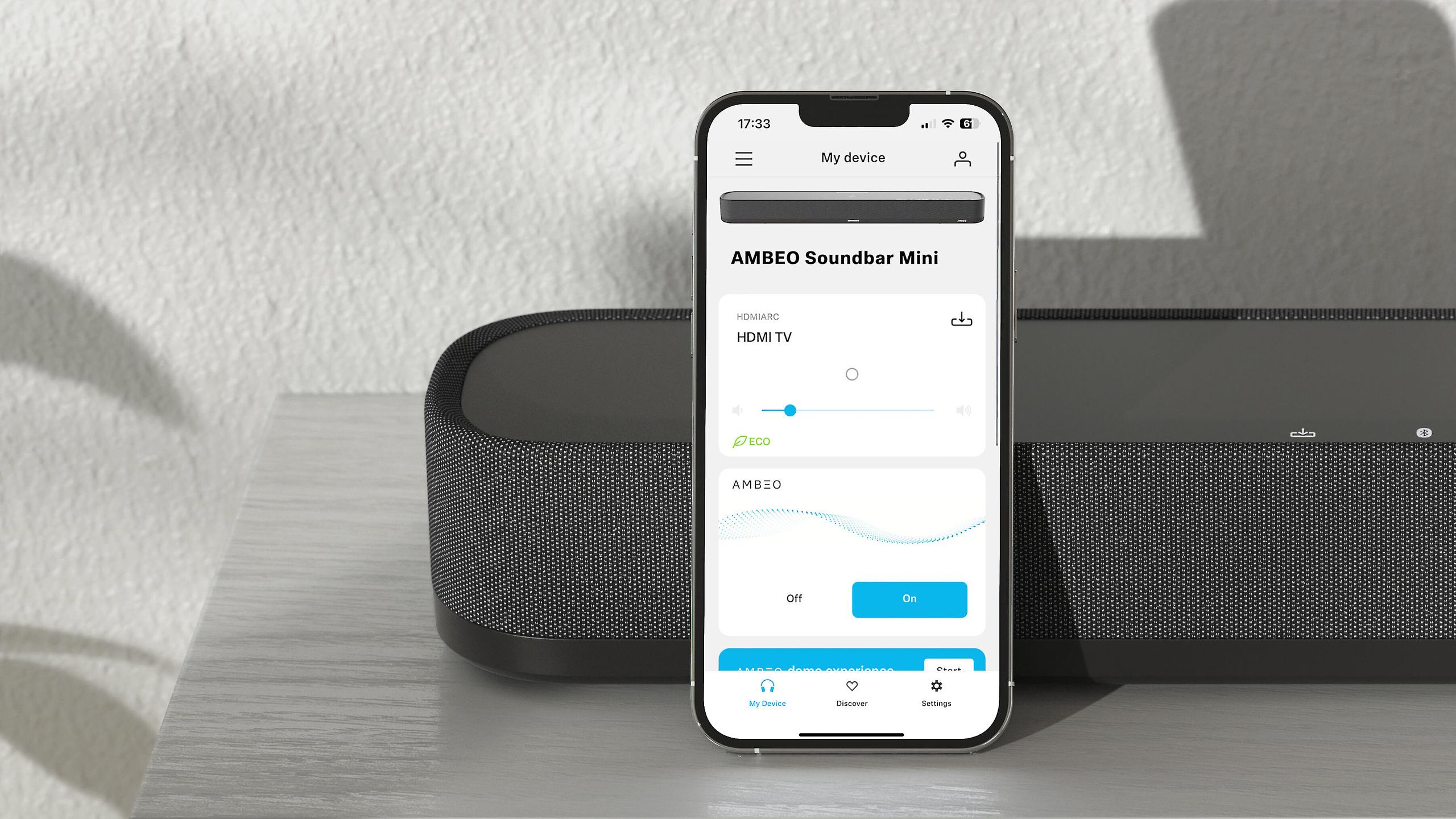
The Sennheiser AMBEO Mini focuses more heavily on wireless connectivity and streaming integration. It includes Wi-Fi for connecting to streaming services, AirPlay 2 for Apple device users, and integration with various music services. The AMBEO Mini also includes built-in microphones for automatic room calibration, a feature that can help optimize the sound for your specific space.
Here's where personal preference comes into play. If you primarily watch TV and movies with occasional music listening, the Sony HT-S2000's straightforward approach works perfectly well. If you're someone who regularly streams music and wants seamless integration with your smartphone and various music services, the Sennheiser AMBEO Mini's connectivity options are more comprehensive.
This is perhaps the most significant differentiator between these two products, and it's where the Sony HT-S2000 really shines.
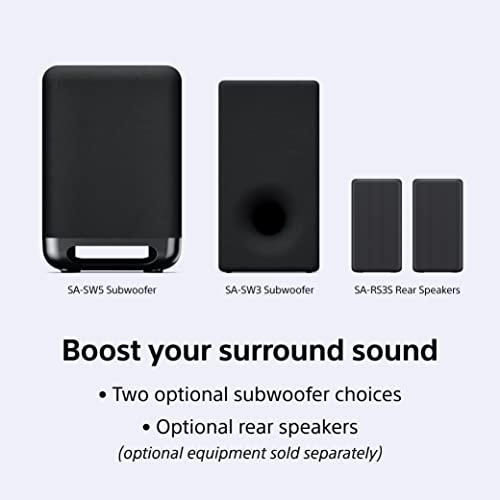
Sony designed the HT-S2000 as the foundation of a potentially larger system. You can add Sony's SA-RS3S wireless rear speakers to create true surround sound, and you can add either the SA-SW3 or SA-SW5 wireless subwoofers for even more bass impact. The really clever part is that these additions are truly wireless – no running speaker cables across your room.
I had the opportunity to test the Sony HT-S2000 with the rear speakers added, and the transformation is remarkable. Suddenly, you have genuine surround sound with effects panning around the room and proper rear-channel information. The total cost for a complete 5.1.4 system remains competitive with many dedicated home theater receivers and speaker packages, but with much simpler setup and a cleaner aesthetic.
The Sennheiser AMBEO Mini offers no expansion options whatsoever. What you buy is what you get, permanently. This isn't necessarily bad if the initial performance meets all your needs, but it does mean you're betting that your audio requirements won't change over time.
At the time of writing, there's a significant price difference between these soundbars, with the Sennheiser AMBEO Mini commanding a premium over the Sony HT-S2000. The question becomes whether that premium is justified by superior performance.
Based on my extensive testing, the answer is a clear no. The Sony HT-S2000 delivers better dialogue clarity, more impactful bass, more convincing spatial audio effects, and the option to expand in the future. The Sennheiser AMBEO Mini does offer more comprehensive streaming features and automatic room calibration, but these don't offset its fundamental performance limitations.
This is particularly frustrating because Sennheiser has the technical expertise to create exceptional products – their larger AMBEO Max soundbar is genuinely impressive. The Mini feels like a product where the compact size requirements forced too many compromises.
For dedicated home theater use, several factors become particularly important. First, you need a soundbar that can handle dynamic range effectively – the difference between quiet dialogue and explosive action sequences. Both soundbars include night modes that compress this range for late-night viewing, but the Sony HT-S2000's dedicated center channel gives it an inherent advantage for dialogue clarity even without these modes.
Second, if you're serious about home theater, you'll likely want to expand your system eventually. The Sony HT-S2000's expandability makes it a much more logical foundation for a growing system.
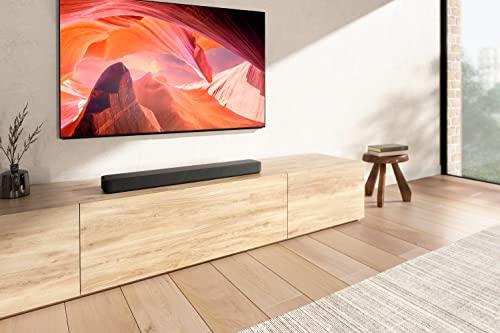
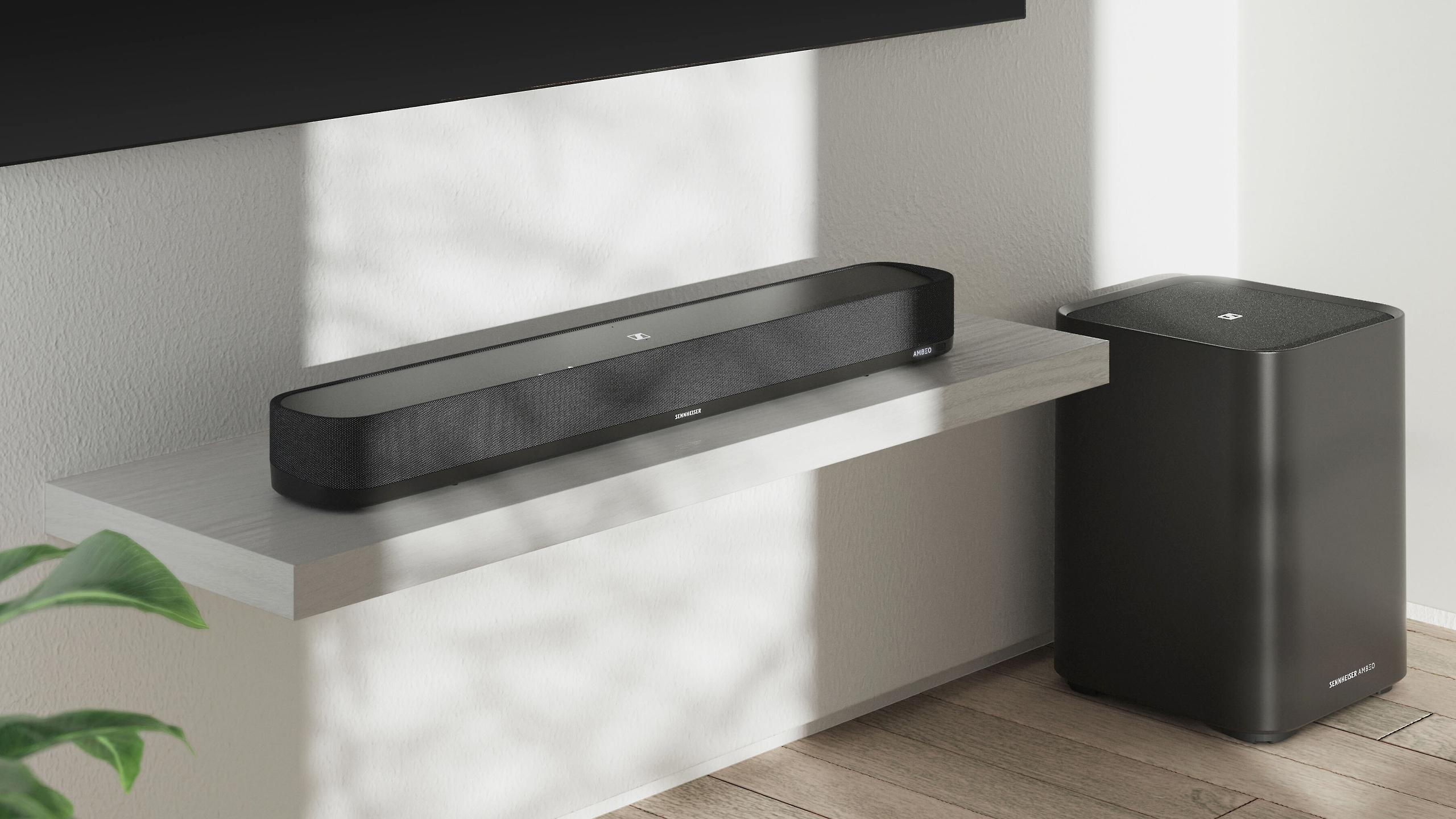
Finally, consider your room size. The Sony HT-S2000 is designed for medium to large TVs (50 inches and up) and has the output to fill larger spaces effectively. The Sennheiser AMBEO Mini is better suited to smaller spaces and TVs under 55 inches.
After living with both soundbars, I'm comfortable making some clear recommendations.
Choose the Sony HT-S2000 if:
Consider the Sennheiser AMBEO Mini only if:
Honestly, even in the scenarios where the Sennheiser AMBEO Mini might seem appropriate, I'd recommend considering the Sonos Beam Gen 2 as an alternative. It offers better spatial audio performance than the AMBEO Mini while providing excellent streaming integration and smart home features.
The Sony HT-S2000 represents exceptional value in the compact Dolby Atmos category. It delivers genuine performance improvements over TV speakers, offers clear upgrade paths for the future, and does all this at a price that makes it accessible to a wide range of buyers.
The Sennheiser AMBEO Mini, despite coming from a respected audio company, feels like a product that was compromised by size requirements to the point where its core performance suffers. The premium pricing isn't justified by the performance delivered, and the lack of expandability makes it a potential dead end for users whose needs evolve.
For most people reading this, the Sony HT-S2000 is the smarter choice. It's a soundbar that punches well above its weight class and provides a foundation you can build upon rather than a ceiling you'll bump your head against.
| Sony HT-S2000 | Sennheiser AMBEO Mini |
|---|---|
| Channel Configuration - Determines dialogue clarity and sound staging | |
| True 3.1-channel with dedicated center speaker | Single-bar design with virtual center channel |
| Built-in Subwoofer - Critical for bass without external sub | |
| Dual built-in subwoofers with side-firing ports | Compact drivers with digital bass enhancement |
| Total Power Output - Affects volume levels and dynamic range | |
| 250W with X-Balanced rectangular drivers | Not specified, but limited by compact size |
| Expandability Options - Future upgrade potential | |
| Compatible with wireless rear speakers and subwoofers | No expansion options available |
| Soundbar Dimensions - Room and TV size compatibility | |
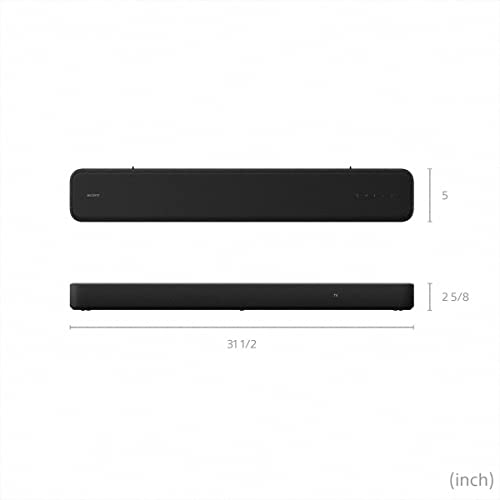
| 31.5" wide (ideal for 50"+ TVs) | 27.6" wide (designed for smaller TVs) |
| Virtual Surround Technology - How it creates spatial audio | |
| Vertical Surround Engine + S-Force PRO Front Surround | AMBEO virtualization with Fraunhofer processing |
| HDMI Connectivity - Essential for high-quality audio formats | |
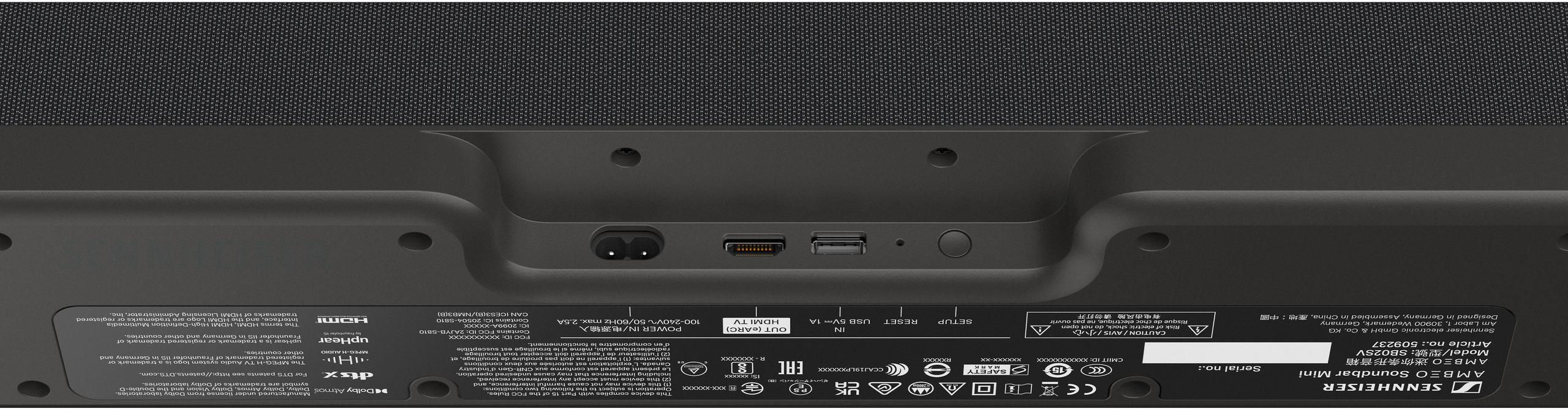
| HDMI eARC/ARC output, optical input, USB | HDMI eARC only, no passthrough |
| Wireless Audio Streaming - Music playback convenience | |
| Bluetooth 5.2 (AAC, SBC) only | Wi-Fi, Bluetooth, AirPlay 2, streaming services |
| Room Calibration - Automatic sound optimization | |
| Manual setup, no auto-calibration | Built-in microphones for automatic room tuning |
| Smart TV Integration - Seamless control experience | |
| Full BRAVIA Sync integration with Sony TVs | Standard HDMI CEC control |
| Audio Format Support - Compatibility with premium content | |
| Dolby Atmos, DTS:X, high-res LPCM up to 192kHz/24-bit | Dolby Atmos, DTS:X, MPEG-H, 360 Reality Audio |
| Release Year - Technology generation and market maturity | |
| 2023 (established virtual surround technology) | 2023 (latest AMBEO processing) |
The Sony HT-S2000 provides exceptional value with its true 3.1-channel design, built-in dual subwoofers, and expandability options. While the Sennheiser AMBEO Mini costs significantly more, it doesn't deliver proportionally better performance, making the Sony HT-S2000 the clear winner for price-to-performance ratio.
The key difference is that the Sony HT-S2000 features a dedicated center channel speaker for clearer dialogue, while the Sennheiser AMBEO Mini relies entirely on virtual processing. The Sony also includes built-in subwoofers and can be expanded with wireless rear speakers, whereas the Sennheiser AMBEO Mini is a fixed, non-expandable solution.
The Sony HT-S2000 excels at dialogue clarity thanks to its dedicated center channel speaker, which handles most speech in movies and TV shows. The Sennheiser AMBEO Mini creates a virtual center channel through processing, but this can't match the focused dialogue reproduction of a physical center speaker.
Only the Sony HT-S2000 offers expansion capabilities. You can add Sony's wireless rear speakers and additional subwoofers to create a complete 5.1.4 surround system. The Sennheiser AMBEO Mini has no expansion options - what you buy is your final configuration.
The Sony HT-S2000 delivers superior bass with its dual built-in subwoofer drivers and side-firing bass ports. The Sennheiser AMBEO Mini relies on smaller drivers and digital processing for bass enhancement, resulting in less impactful low-frequency performance compared to the Sony HT-S2000.
Both support Dolby Atmos, but with different results. The Sony HT-S2000 uses Vertical Surround Engine technology to create convincing height effects with good sound projection. The Sennheiser AMBEO Mini uses advanced AMBEO processing but suffers from a notably narrow soundstage that limits the immersive Atmos experience.
The Sony HT-S2000 is designed for TVs 50 inches and larger, with its 31.5-inch width providing better visual proportions and sound coverage. The Sennheiser AMBEO Mini at 27.6 inches wide is better suited for smaller TVs under 55 inches.
The Sennheiser AMBEO Mini offers more comprehensive streaming with Wi-Fi, AirPlay 2, and built-in music service integration. The Sony HT-S2000 focuses on essential connectivity with HDMI eARC, optical input, and Bluetooth, plus seamless integration with Sony BRAVIA TVs.
Both soundbars offer simple setup, but differently. The Sony HT-S2000 provides straightforward plug-and-play installation with no mandatory calibration. The Sennheiser AMBEO Mini includes automatic room calibration using built-in microphones, which can optimize sound but adds setup complexity.
For dedicated home theater setups, the Sony HT-S2000 is the stronger choice due to its superior dialogue clarity, more impactful bass, and ability to expand into a full surround system. The Sennheiser AMBEO Mini works better for casual viewing in smaller spaces rather than serious home theater applications.
The Sony HT-S2000 provides significantly more long-term flexibility with its expansion ecosystem, allowing you to gradually build a complete surround system as your needs and budget grow. The Sennheiser AMBEO Mini offers no upgrade path, making it a potential limitation if your audio needs evolve.
The Sony HT-S2000 performs well in medium to large rooms and has the power output to fill larger spaces effectively. The Sennheiser AMBEO Mini is better suited to smaller rooms and intimate viewing spaces, where its compact size and limited sound projection are less of a disadvantage.
We've done our best to create useful and informative comparisons to help you decide what product to buy. Our research uses advanced automated methods to create this comparison and perfection is not possible - please contact us for corrections or questions. These are the sites we've researched in the creation of this article: techradar.com - valueelectronics.com - youtube.com - videoandaudiocenter.com - whathifi.com - hometheaterhifi.com - youtube.com - sony.com - rtings.com - whathifi.com - rtings.com - helpguide.sony.net - electronics.sony.com - sony.com - dolby.com - sony.com - youtube.com - youtube.com - techradar.com - sennheiser-hearing.com - stereonet.com - rtings.com - youtube.com - youtube.com - newsroom.sennheiser.com - whathifi.com - baybloorradio.com - sennheiser-hearing.com - files.bbystatic.com

Privacy Policy
Terms and Conditions - Affiliate Policy
Home Security
© Copyright 2008-2026.
11816 Inwood Rd #1211, Dallas, TX 75244