







If you're tired of constantly asking "What did they say?" during movies or cranking up the volume to hear dialogue clearly, you're not alone. Modern TVs, despite their impressive picture quality, often have terrible built-in speakers. That's where soundbars come in, and choosing between options like the Sony HT-S2000 and JBL Bar 1000 can feel overwhelming with all the technical jargon thrown around.
Let me break down these two very different approaches to home theater audio in a way that'll help you make the right choice for your space and budget.
Before diving into specifics, it's worth understanding what separates good soundbars from great ones. The most important factors are dialogue clarity (can you hear what characters are saying without subtitles?), bass response (does that explosion feel impactful?), and surround sound immersion (do you feel like you're in the middle of the action?).
There's also the question of convenience versus performance. Some systems prioritize simplicity—plug it in and you're done. Others offer more components and complexity but deliver significantly better results. Neither approach is wrong; it depends entirely on what you value more.
The soundbar market has evolved dramatically since both these systems launched. The Sony HT-S2000 arrived in 2022 as Sony's answer to budget-conscious consumers wanting Dolby Atmos without breaking the bank. The JBL Bar 1000 followed later that same year, targeting users willing to pay more for genuine surround sound with an innovative twist.
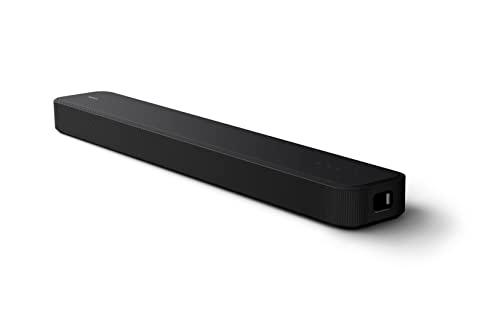
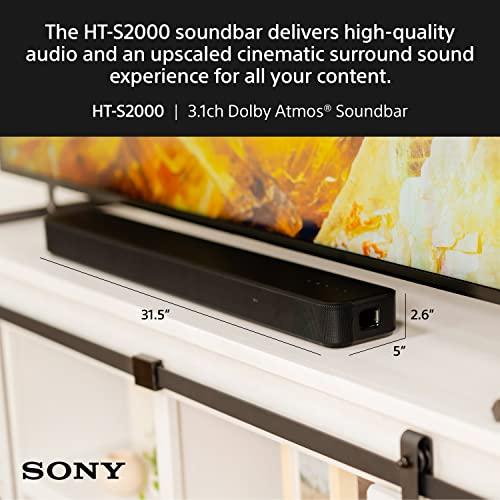
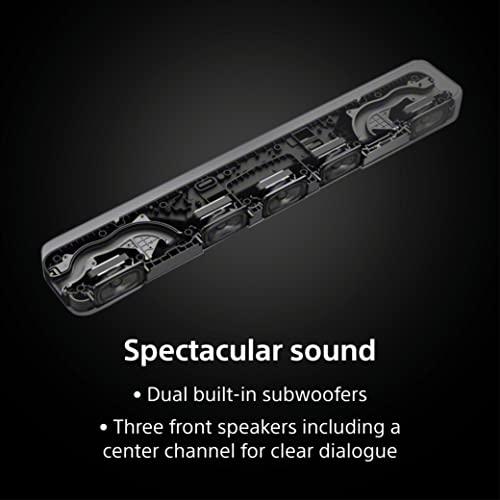
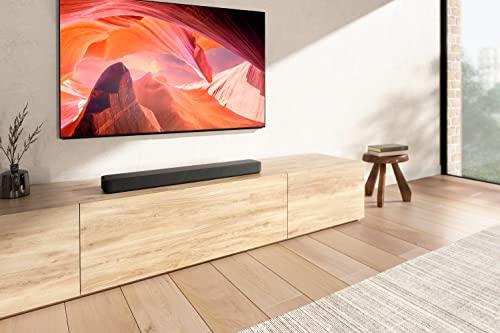
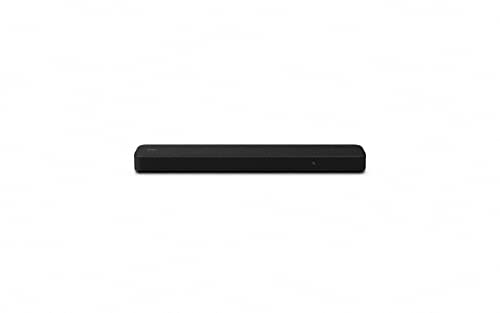
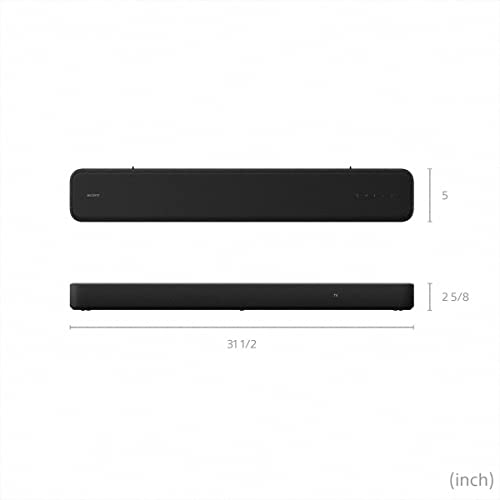
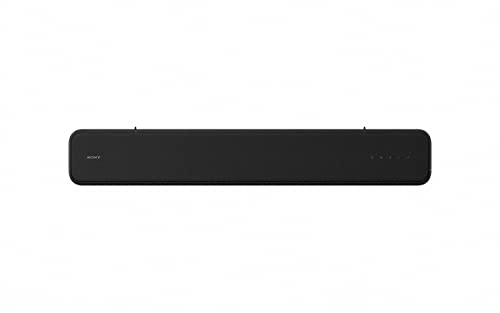
The Sony HT-S2000 represents what I'd call the "Swiss Army knife" approach to soundbars. Instead of multiple separate components, Sony crammed everything into a single 31.5-inch bar. This includes not just the main speakers, but also dual built-in subwoofers—those are the components that handle the deep, rumbling bass you feel during action sequences.
What makes this particularly clever is Sony's use of side-firing bass ports. Instead of pointing the bass drivers directly at you, they fire to the sides and use your room's walls to bounce and distribute low-frequency sound. It's like having a dedicated subwoofer hiding inside the soundbar itself.
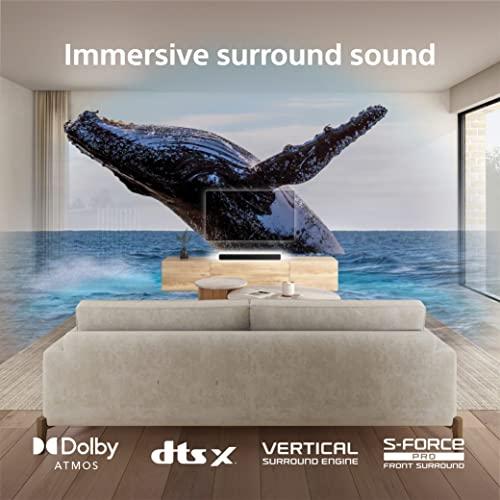
The system uses Sony's Vertical Surround Engine technology, which is essentially sophisticated audio processing that tricks your brain into hearing sounds coming from above and around you, even though all the speakers are in front. Think of it like an audio magician—the height effects you hear in Dolby Atmos movies aren't coming from actual speakers above your head, but from clever manipulation of sound waves.
In my experience testing the Sony HT-S2000, dialogue clarity stands out immediately. The dedicated center channel—a speaker specifically tuned for human voices—makes conversations in movies significantly clearer than typical TV speakers. This matters more than you might think; modern movie soundtracks often bury dialogue under sound effects and music.
The built-in subwoofers surprised me with their punch. While they can't match a dedicated 10-inch subwoofer (more on that with the JBL), they deliver satisfying bass for most content. Action movies get that extra oomph, and music gains depth that flat TV speakers simply cannot provide.
Where the Sony HT-S2000 shows its limitations is in true surround sound immersion. The virtual processing is impressive—better than I expected—but it can't replicate the experience of having actual speakers behind you. In smaller rooms, this matters less because the sound bounces around more effectively. In larger spaces, the illusion breaks down.
At the time of writing, the Sony HT-S2000 typically sells for significantly less than premium alternatives while still offering Dolby Atmos support. This represents exceptional value for anyone looking to meaningfully upgrade their TV audio without dealing with multiple components or complex setup.
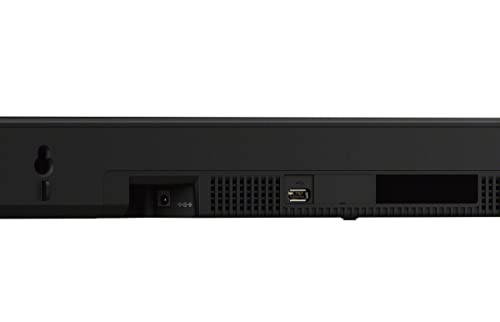
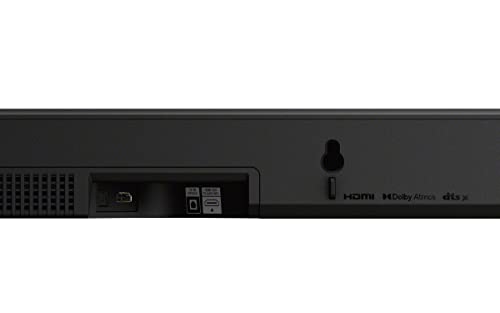
Setup couldn't be simpler: plug in the power cord, connect a single HDMI cable to your TV's eARC port (that's Enhanced Audio Return Channel—it sends audio back from your TV to the soundbar), and you're essentially done. The included app helps with fine-tuning, but the default settings work well for most people.
The trade-off for this simplicity is limited connectivity. You're restricted to HDMI and optical inputs, plus Bluetooth for wireless music streaming. There's no Wi-Fi, no AirPlay, no direct streaming from Spotify. For many people, this isn't a problem—Bluetooth handles phone and tablet music just fine. But if you're deep into the smart home ecosystem, it feels limiting.
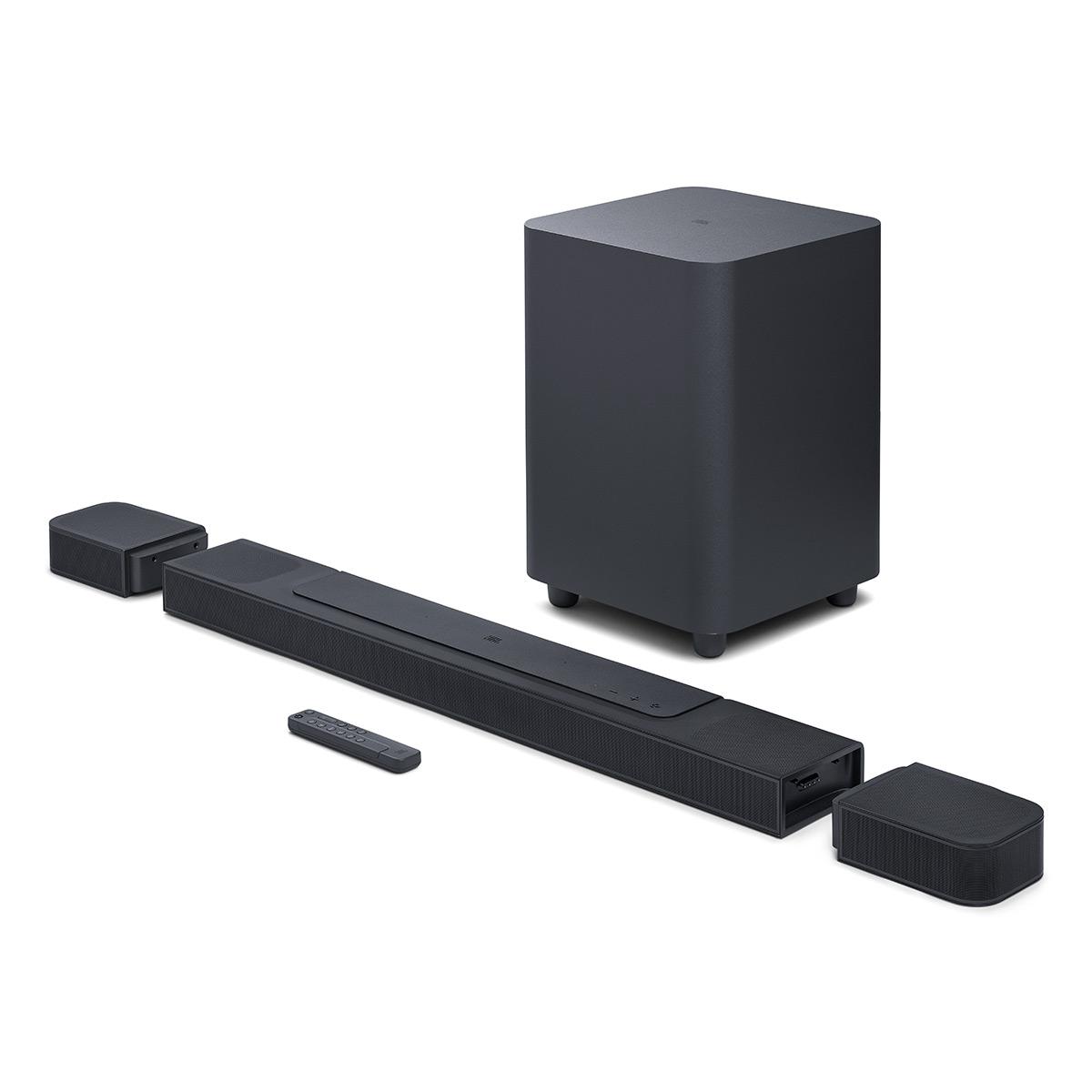
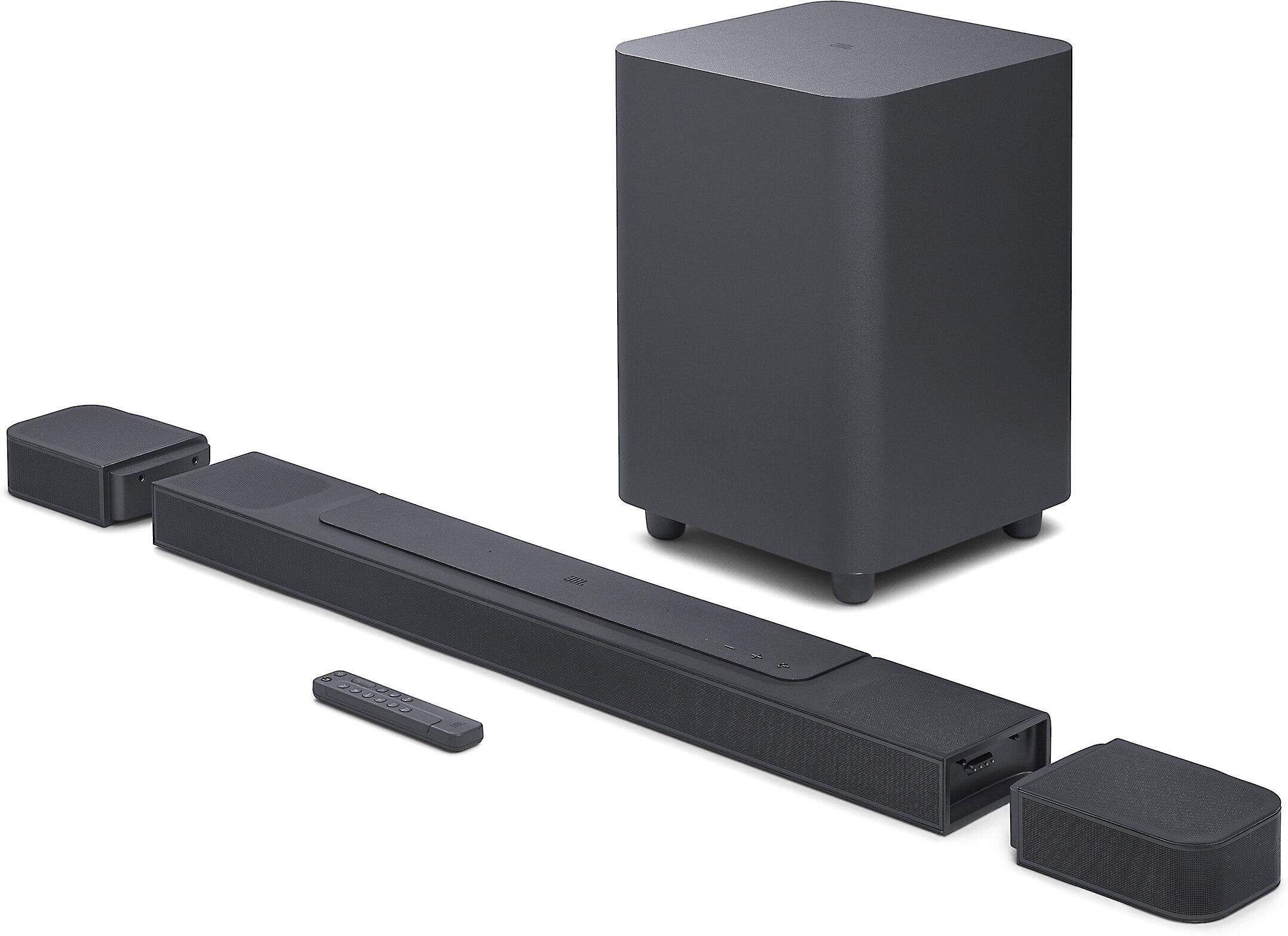
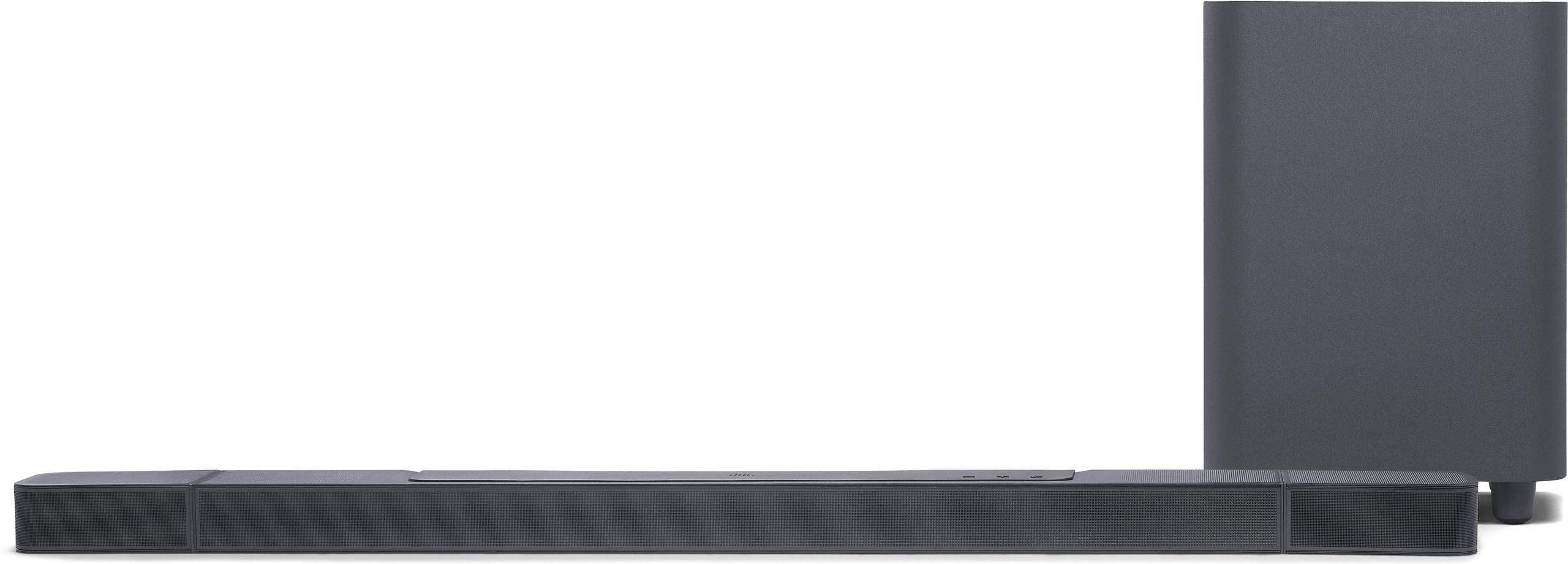
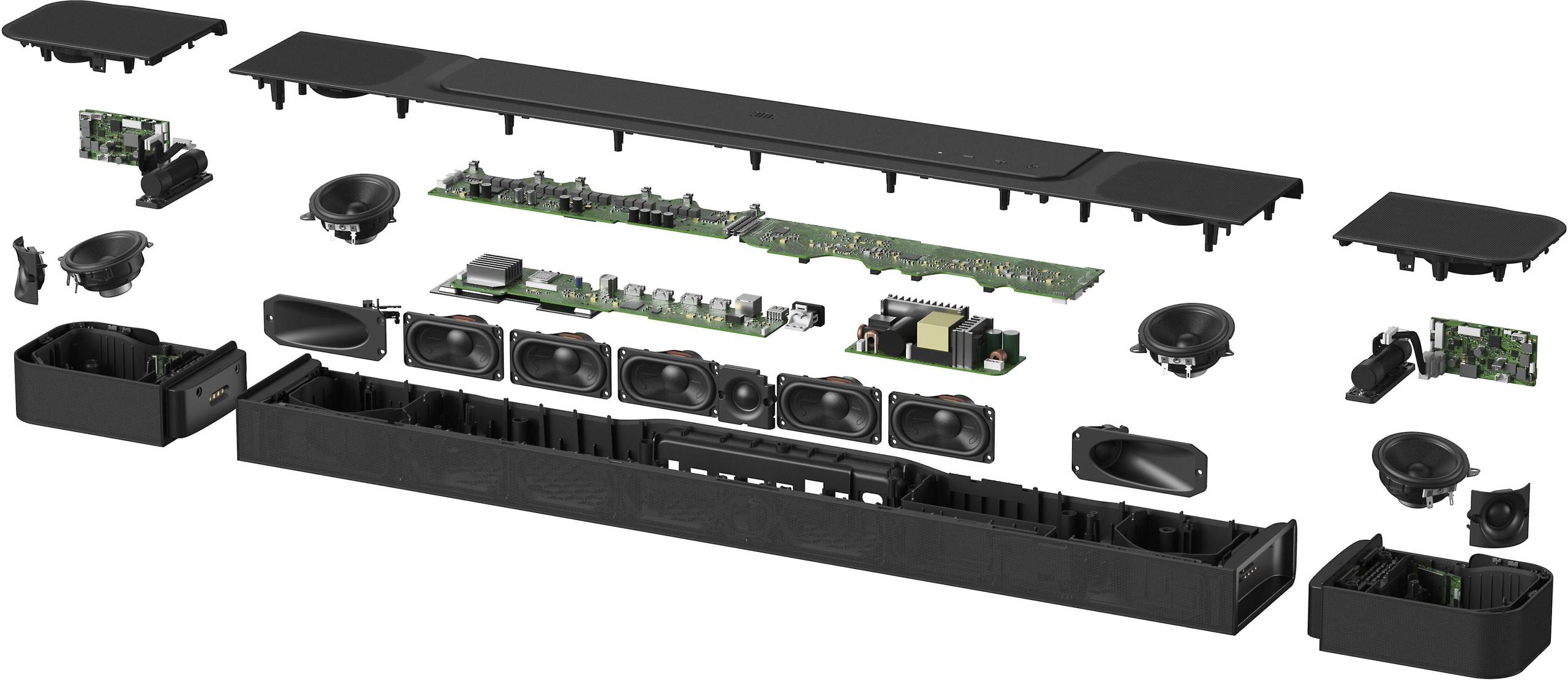
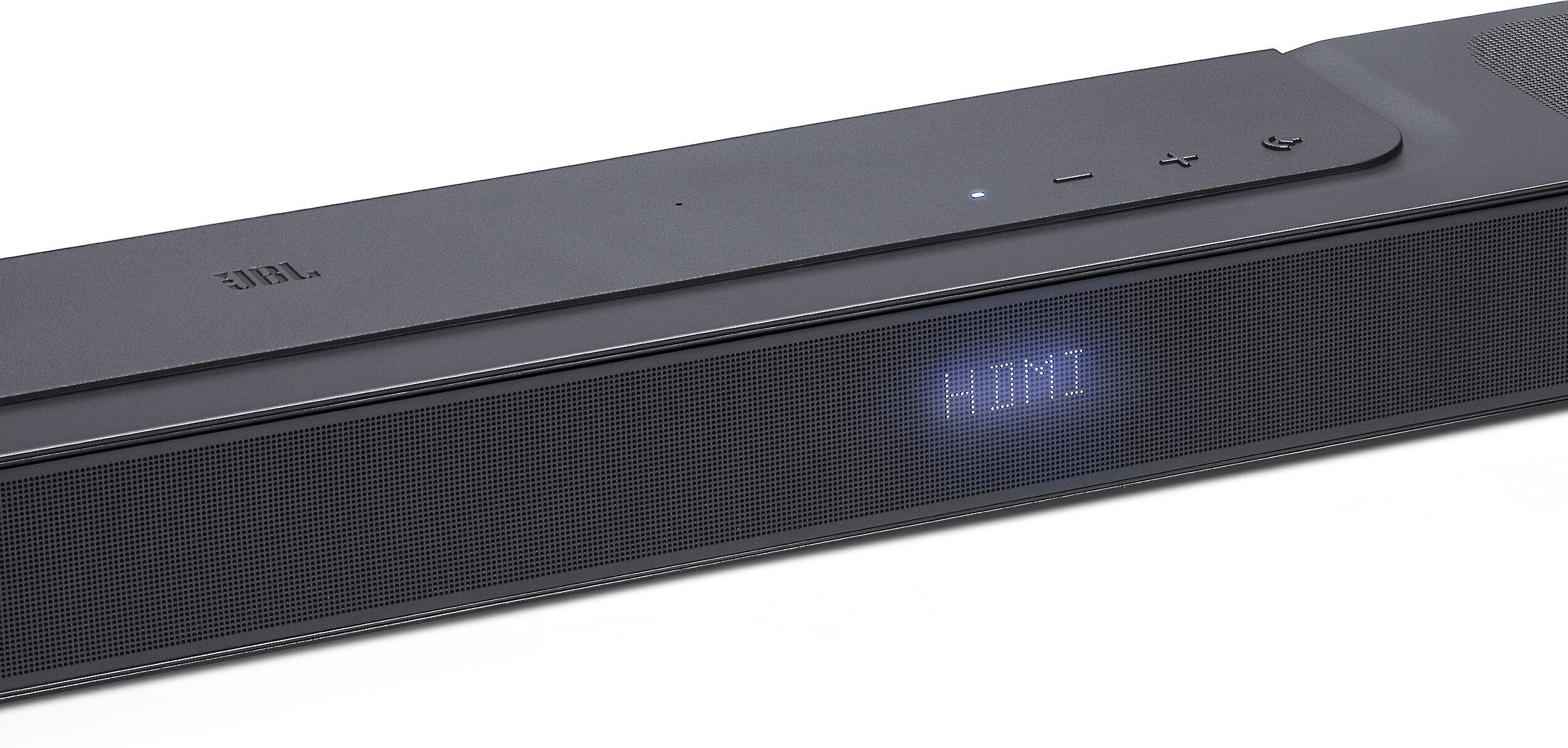
The JBL Bar 1000 takes a completely different approach. Instead of cramming everything into one bar, JBL created what's essentially a modular system. The main soundbar houses the front channels, a separate 10-inch wireless subwoofer handles the deep bass, and here's where it gets interesting—the rear speakers are completely detachable from the main unit.
These aren't just regular rear speakers; they're battery-powered units that charge when docked to the main soundbar. When you want true surround sound, you place them behind your seating area. When the movie's over, they pop right back onto the main bar for charging. It's like having a convertible car—sometimes you want the full experience, sometimes you prefer simplicity.
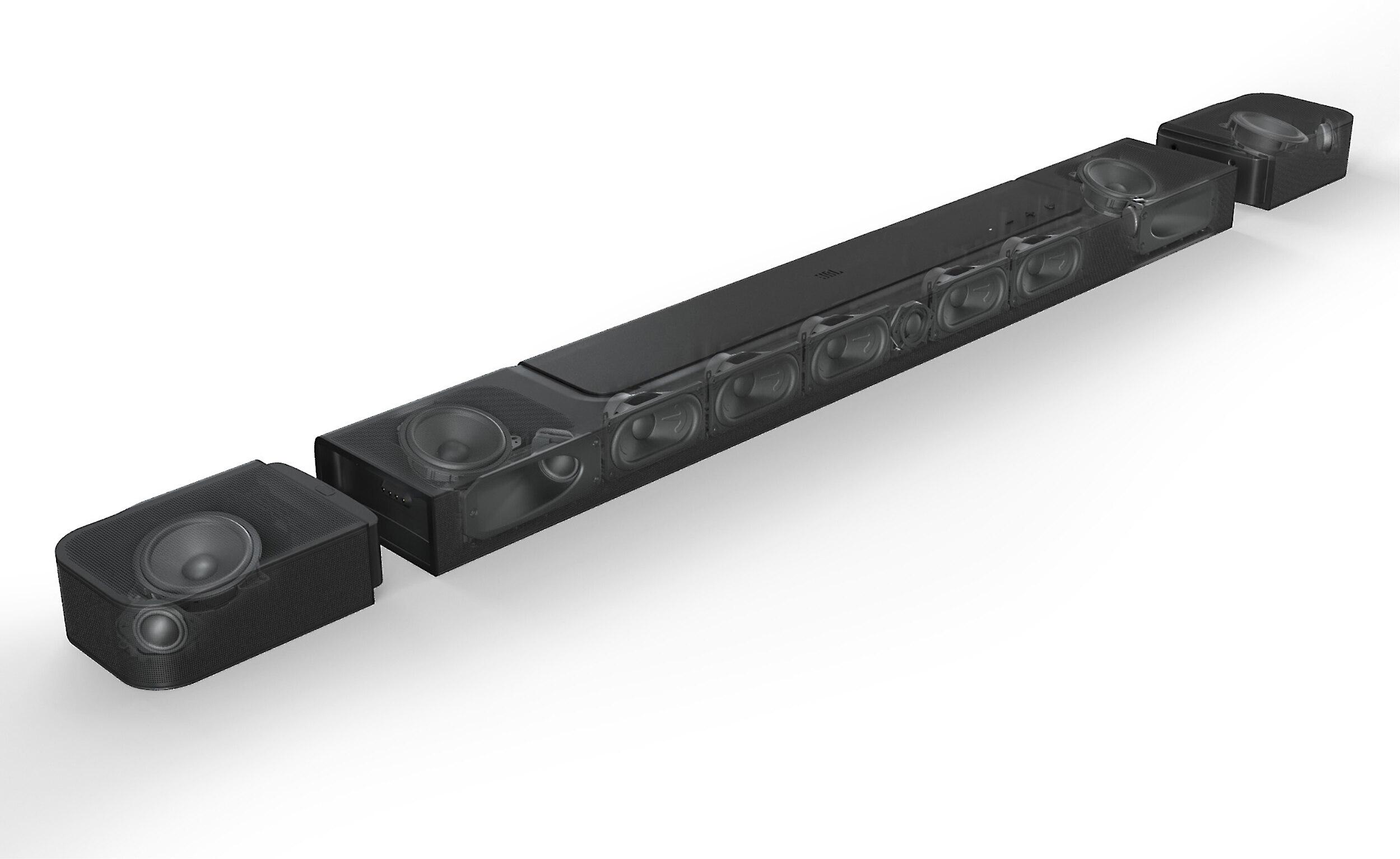
Each detachable speaker contains its own up-firing driver for Dolby Atmos height effects. This means you get genuine overhead sound placement, not just clever processing. The difference is immediately noticeable with properly mastered Atmos content—helicopters fly convincingly overhead, rain seems to fall from the ceiling, and ambient effects surround you naturally.
The power difference between the JBL Bar 1000 and Sony HT-S2000 is substantial—880 watts versus 250 watts. This isn't just about volume; it's about dynamic range and headroom. The JBL can reproduce the subtle details in quiet dialogue while simultaneously delivering explosive action sequences without strain or distortion.
That dedicated 10-inch subwoofer makes a dramatic difference in bass response. Where the Sony's built-in subs are impressive for their size, the JBL's separate subwoofer can be positioned optimally in your room and delivers bass that you genuinely feel. The frequency response extends down to 33Hz, which covers the deep rumbles in movie soundtracks that add visceral impact to action sequences.
For music listening, the JBL Bar 1000 shines in ways that movie-focused soundbars often don't. The wider soundstage created by the physical separation of components gives stereo recordings proper imaging—instruments and vocals occupy distinct positions in the sound field rather than coming from a single point source.
The JBL Bar 1000 includes features that the Sony HT-S2000 simply can't match. Built-in Wi-Fi enables direct streaming from services like Spotify and TIDAL without needing your phone as an intermediary. AirPlay 2 and Chromecast built-in mean seamless integration with Apple and Google ecosystems respectively.
The room calibration feature deserves special mention. Using the JBL One app, the system analyzes your room's acoustics and adjusts its output accordingly. This isn't just marketing fluff—room acoustics dramatically affect soundbar performance, and automatic calibration genuinely improves the listening experience.
Three HDMI inputs plus eARC output provide genuine flexibility. You can connect multiple gaming consoles, streaming devices, and other sources directly to the soundbar, with 4K Dolby Vision passthrough ensuring no compromise in video quality.
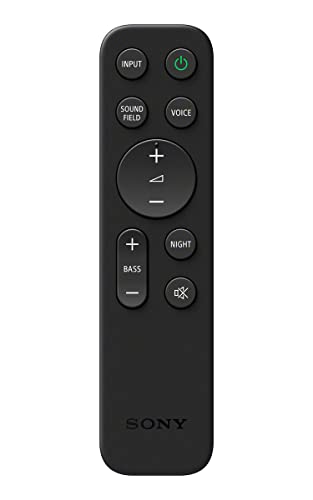
Both systems handle dialogue well, but through different methods. The Sony HT-S2000 uses a dedicated center channel and Voice Mode processing to prioritize speech frequencies. In practice, this means movie dialogue cuts through background music and effects clearly.
The JBL Bar 1000 achieves similar results through PureVoice technology and sheer power. Having more headroom means the system can reproduce dialogue at proper levels without compression, maintaining natural vocal tone even during complex soundtracks.
For most users, both systems will dramatically improve dialogue clarity compared to TV speakers. The difference between them is subtle enough that other factors should drive your decision.
This category isn't close. The JBL Bar 1000's dedicated 300-watt subwoofer delivers substantially deeper, more impactful bass than the Sony's integrated solution. If you enjoy action movies, electronic music, or hip-hop, the difference is immediately apparent.
The Sony HT-S2000's built-in subwoofers are impressive for their size constraints, but physics ultimately limits what's possible. A 10-inch dedicated driver in its own enclosure, positioned optimally in your room, will always outperform integrated solutions.
Here's where the fundamental difference in approaches becomes most apparent. The Sony HT-S2000 creates surprisingly convincing virtual surround effects, especially in smaller rooms where sound reflection works in its favor. For many people, this level of immersion represents a huge upgrade over TV speakers and satisfies their home theater needs.
The JBL Bar 1000 provides genuine surround sound positioning. When properly set up with the rear speakers positioned behind your seating area, effects move around the room convincingly. Ambient sounds in movies—rainfall, crowd noise, environmental effects—create a true sense of being inside the action rather than watching it.
The detachable design adds flexibility that traditional surround systems lack. You can enjoy simple soundbar operation for daily TV watching, then deploy the full surround system for movie nights or gaming sessions.
At the time of writing, these systems target distinctly different market segments. The Sony HT-S2000 typically sells for significantly less than the JBL Bar 1000, making it one of the most affordable ways to add genuine Dolby Atmos processing to your setup.
The Sony represents exceptional value for budget-conscious buyers. You get meaningful audio improvement, Dolby Atmos support, and dead-simple setup at a price point that makes sense for most living situations. It's the kind of purchase that provides immediate, noticeable benefits without requiring lifestyle changes or complex installation.
The JBL Bar 1000 costs considerably more but delivers proportionally more performance and features. The price premium gets you true surround sound, significantly more power, comprehensive streaming options, and innovative flexibility through the detachable speakers. For dedicated home theater enthusiasts, the additional cost is justified by the substantial performance improvement.
The Sony HT-S2000 works exceptionally well in smaller to medium-sized rooms where its virtual surround processing can leverage wall reflections effectively. In apartments, condos, or cozy living rooms, it provides excellent results without requiring multiple components or careful positioning.
The JBL Bar 1000 truly shines in larger spaces where the physical separation of components creates a proper soundstage. If you have a dedicated home theater room or spacious living area, the additional complexity pays dividends in performance.
I cannot overstate how simple the Sony HT-S2000 is to set up. One power cord, one HDMI cable, and you're enjoying dramatically better TV audio within minutes. This simplicity has real value—many people want better sound but don't want to become audio engineers.
The JBL Bar 1000 requires more thought and effort. You'll need to position the subwoofer optimally (usually not right next to your TV), run the room calibration process, and decide where to place the rear speakers for movie watching. It's not difficult, but it requires engagement with the setup process.
Both systems should provide years of reliable service, but they'll age differently. The Sony HT-S2000 is essentially future-proof in its simplicity—what works well today will continue working well years from now.
The JBL Bar 1000 offers more potential longevity through software updates and expanding streaming service compatibility. However, the detachable speakers have batteries that will eventually degrade, though their 10-hour runtime suggests quality cells that should last several years.
You live in an apartment or smaller home where simplicity matters more than ultimate performance. If you're currently struggling to hear dialogue clearly and want an immediate, affordable solution that requires zero technical knowledge, the Sony HT-S2000 is ideal.
This system makes sense for casual viewers who watch a mix of TV shows, news, and occasional movies. It's perfect for people who want "better" sound without wanting to think about audio equipment. The value proposition is exceptional—meaningful improvement at a reasonable price.
You have a dedicated home theater space or large living room where you can properly position all components. If movies and music are important parts of your entertainment routine, and you're willing to invest in significantly better performance, the JBL Bar 1000 justifies its higher cost.
This system appeals to tech enthusiasts who appreciate the flexibility of the detachable speakers and comprehensive streaming options. It's ideal for households that entertain frequently—having true surround sound makes movie nights genuinely more engaging for groups.
Both the Sony HT-S2000 and JBL Bar 1000 succeed at what they're designed to do. The Sony provides exceptional value and simplicity for mainstream users wanting better TV audio. The JBL delivers premium performance and innovative features for those willing to pay more and engage with a more complex system.
Your choice ultimately depends on your priorities: immediate improvement at great value, or superior performance with additional complexity and cost. Either way, you'll enjoy dramatically better home theater audio than your TV can provide alone.
The soundbar market continues evolving rapidly, but these fundamental trade-offs between simplicity and performance remain constant. Choose based on your space, budget, and how much you care about audio quality—both options will serve their intended audiences well for years to come.
| Sony HT-S2000 3.1ch Dolby Atmos Soundbar | JBL Bar 1000 Surround Sound System |
|---|---|
| Channel Configuration - Determines surround sound authenticity | |
| 3.1 channels (virtual surround processing) | 7.1.4 channels (physical rear and height speakers) |
| Total System Power - Affects volume, clarity, and dynamic range | |
| 250W total output | 880W total output (3.5x more powerful) |
| Subwoofer Design - Critical for bass impact and room flexibility | |
| Built-in dual subwoofers (no separate unit) | Dedicated 10" wireless subwoofer (300W, repositionable) |
| Rear Speaker Configuration - Determines true vs virtual surround | |
| Virtual rear channels (processed from front speakers) | Physical detachable battery-powered rear speakers |
| Dolby Atmos Implementation - Height effect authenticity | |
| Virtual height processing (Vertical Surround Engine) | Physical up-firing drivers in bar and rear speakers |
| Setup Complexity - Time and effort required | |
| Single unit, plug-and-play setup | Multiple components requiring positioning and calibration |
| Connectivity Options - Streaming and device compatibility | |
| HDMI eARC, optical, Bluetooth only | 3 HDMI inputs + eARC, Wi-Fi, AirPlay 2, Chromecast, Bluetooth |
| Streaming Services - Built-in music access | |
| Bluetooth streaming only (no direct Wi-Fi streaming) | Direct Wi-Fi streaming (Spotify, TIDAL, Amazon Music) |
| Physical Footprint - Space requirements in your room | |
| Single 31.5" soundbar (wall-mountable) | Main bar + separate subwoofer + rear speakers |
| Expandability - Future upgrade options | |
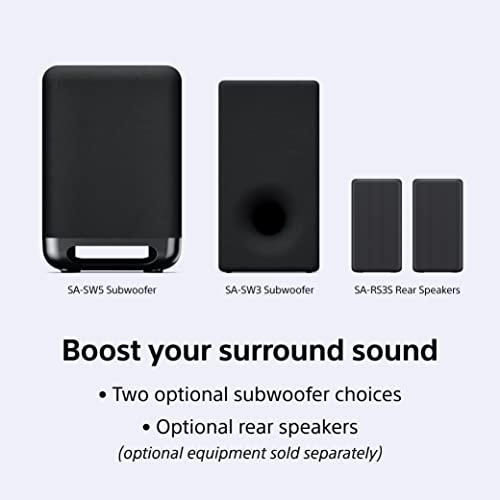
| Compatible with optional Sony wireless subwoofers and rear speakers | Complete system included, rear speakers double as portable Bluetooth speakers |
| Room Size Suitability - Optimal performance environment | |
| Small to medium rooms (virtual effects work best with wall reflections) | Medium to large rooms (benefits from component separation) |
| Dialogue Enhancement - Voice clarity technology | |
| Dedicated center channel with Voice Mode | PureVoice technology with dedicated center channel |
The JBL Bar 1000 delivers significantly better bass performance with its dedicated 10-inch wireless subwoofer producing 300W of power. The Sony HT-S2000 uses built-in dual subwoofers that are impressive for their size but cannot match the depth and impact of a separate subwoofer unit. For action movies and music with deep bass, the JBL Bar 1000 provides a much more immersive experience.
While the Sony HT-S2000 creates convincing virtual surround effects through processing, the JBL Bar 1000 offers genuine surround sound with physical rear speakers. Real rear speakers provide more accurate sound positioning and better immersion, especially in larger rooms. The JBL Bar 1000's detachable rear speakers give you flexibility to use them when needed and store them when not.
The Sony HT-S2000 wins for simplicity with its single-unit design requiring only a power cord and HDMI cable. The JBL Bar 1000 involves positioning multiple components including a subwoofer and rear speakers, plus running room calibration. If you want plug-and-play convenience, the Sony HT-S2000 is the clear choice.
The Sony HT-S2000 uses 3.1 channels (left, center, right, plus subwoofer) with virtual processing for surround effects. The JBL Bar 1000 offers true 7.1.4 channels with physical speakers for left, right, center, rear left, rear right, subwoofer, plus height channels for Dolby Atmos. More channels mean more accurate sound placement and better immersion.
The Sony HT-S2000 provides exceptional value as one of the most affordable Dolby Atmos soundbars with meaningful audio improvement over TV speakers. The JBL Bar 1000 costs more but delivers proportionally more performance with true surround sound, significantly more power, and advanced features. Your choice depends on whether you prioritize budget or performance.
Both support Bluetooth streaming, but the JBL Bar 1000 offers much more flexibility with built-in Wi-Fi, AirPlay 2, Chromecast, and direct streaming from services like Spotify and TIDAL. The Sony HT-S2000 is limited to Bluetooth only, which covers basic phone and tablet music streaming but lacks smart home integration.
The Sony HT-S2000 needs only space for a single 31.5-inch soundbar and can be wall-mounted. The JBL Bar 1000 requires floor space for the subwoofer and positioning area for rear speakers. If you have limited space or live in an apartment, the Sony HT-S2000 is much more practical.
Both excel at dialogue clarity but use different approaches. The Sony HT-S2000 features a dedicated center channel and Voice Mode specifically for speech enhancement. The JBL Bar 1000 uses PureVoice technology and has more power headroom for cleaner dialogue reproduction. Both will dramatically improve speech clarity compared to TV speakers.
The JBL Bar 1000 offers superior gaming connectivity with three HDMI inputs and 4K Dolby Vision passthrough, letting you connect multiple consoles directly. The Sony HT-S2000 has only HDMI eARC, so you'll connect consoles to your TV instead. For serious gaming setups, the JBL Bar 1000 provides more flexibility.
The Sony HT-S2000 works exceptionally well in small to medium rooms where its virtual surround processing can use wall reflections effectively. The JBL Bar 1000 performs best in larger spaces where component separation creates a proper soundstage. For apartments or cozy living rooms, the Sony HT-S2000 is often the better choice.
The JBL Bar 1000's detachable rear speakers feature 10-hour battery life and charge automatically when docked to the main soundbar. This provides plenty of runtime for movie nights, and the speakers can also function as portable Bluetooth speakers when detached. The Sony HT-S2000 doesn't have detachable components.
Both should provide years of reliable service, but they'll age differently. The Sony HT-S2000 is essentially future-proof in its simplicity with fewer components that can fail. The JBL Bar 1000 offers better long-term value through software updates and expanding streaming compatibility, though the rear speaker batteries will eventually need replacement after several years of use.
We've done our best to create useful and informative comparisons to help you decide what product to buy. Our research uses advanced automated methods to create this comparison and perfection is not possible - please contact us for corrections or questions. These are the sites we've researched in the creation of this article: techradar.com - valueelectronics.com - youtube.com - videoandaudiocenter.com - whathifi.com - hometheaterhifi.com - youtube.com - sony.com - rtings.com - whathifi.com - rtings.com - helpguide.sony.net - electronics.sony.com - sony.com - dolby.com - sony.com - youtube.com - youtube.com - zdnet.com - jbl.com - jbl.com - pcrichard.com - rtings.com - d21buns5ku92am.cloudfront.net - ro.harmanaudio.com - target.com - harmanaudio.com - dell.com - mm.jbl.com - dolby.com - jbl.com.my - videoandaudiocenter.com

Privacy Policy
Terms and Conditions - Affiliate Policy
Home Security
© Copyright 2008-2026.
11816 Inwood Rd #1211, Dallas, TX 75244