

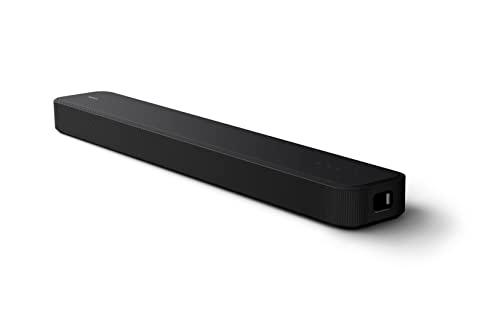
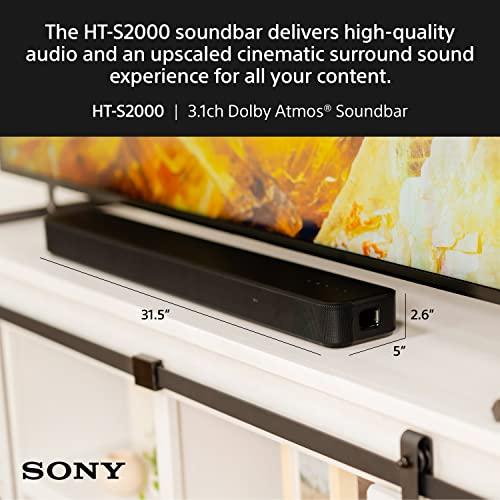




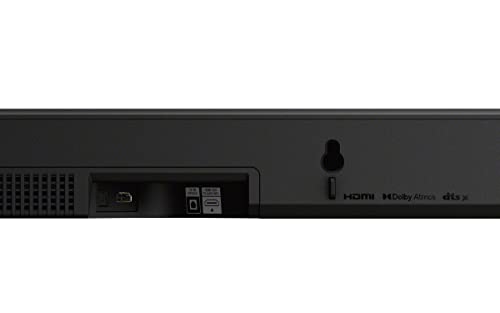
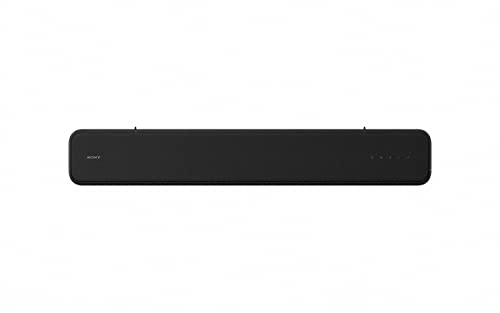
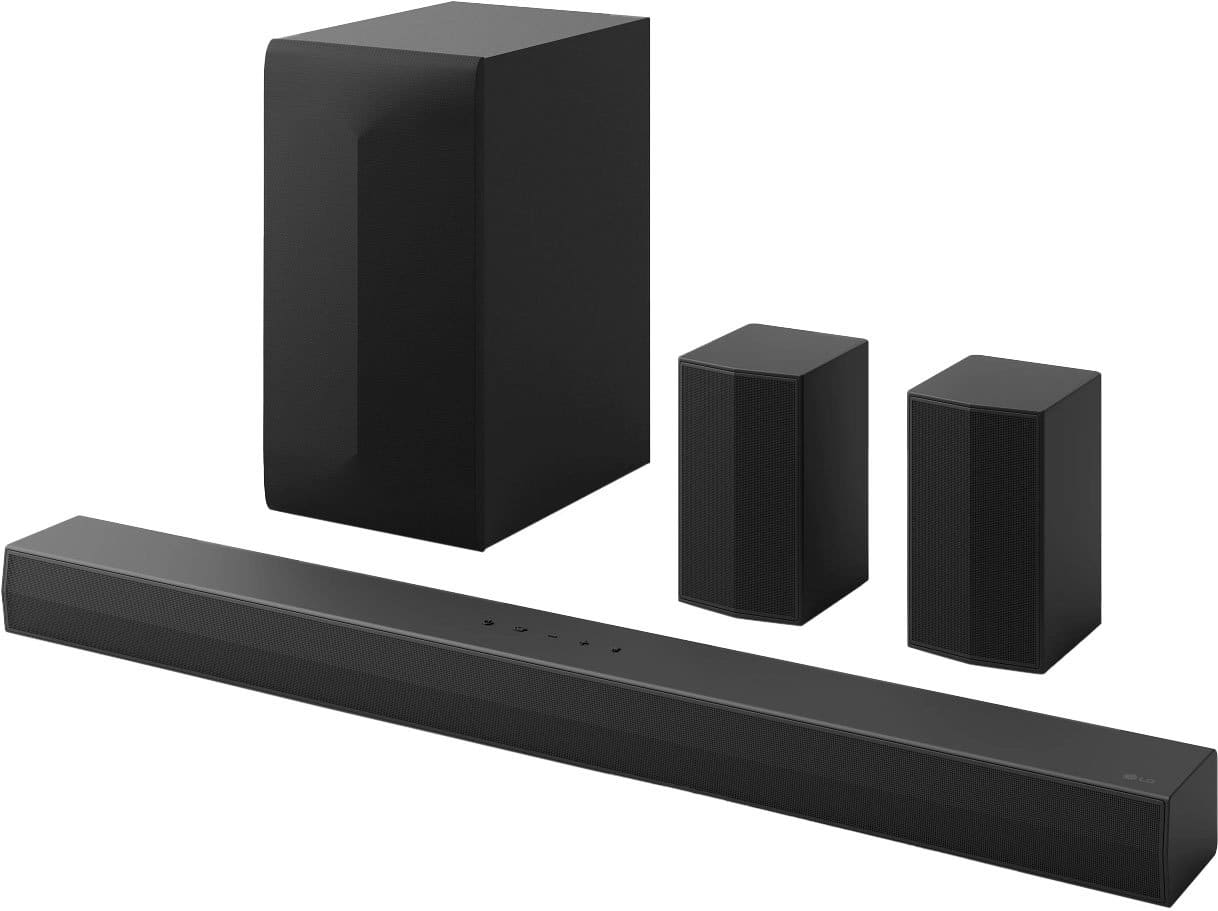
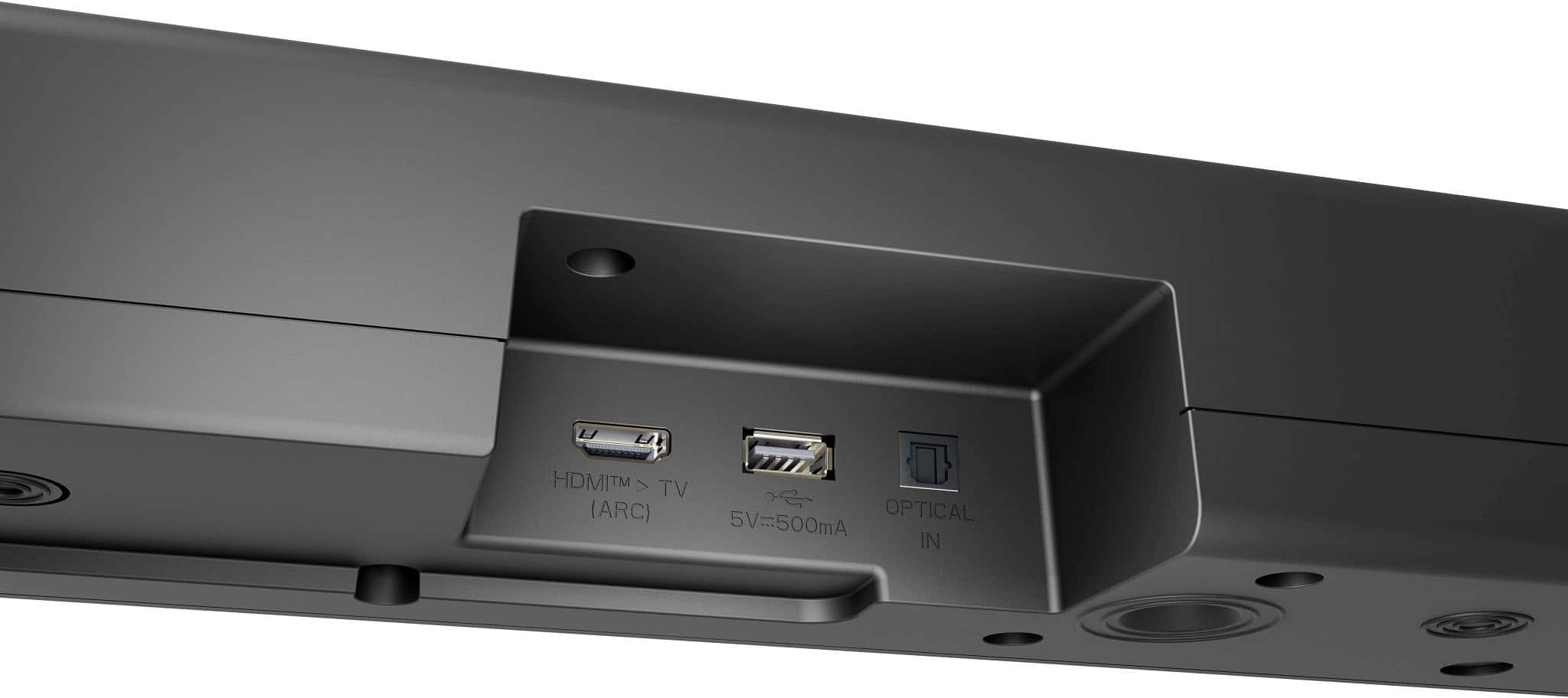
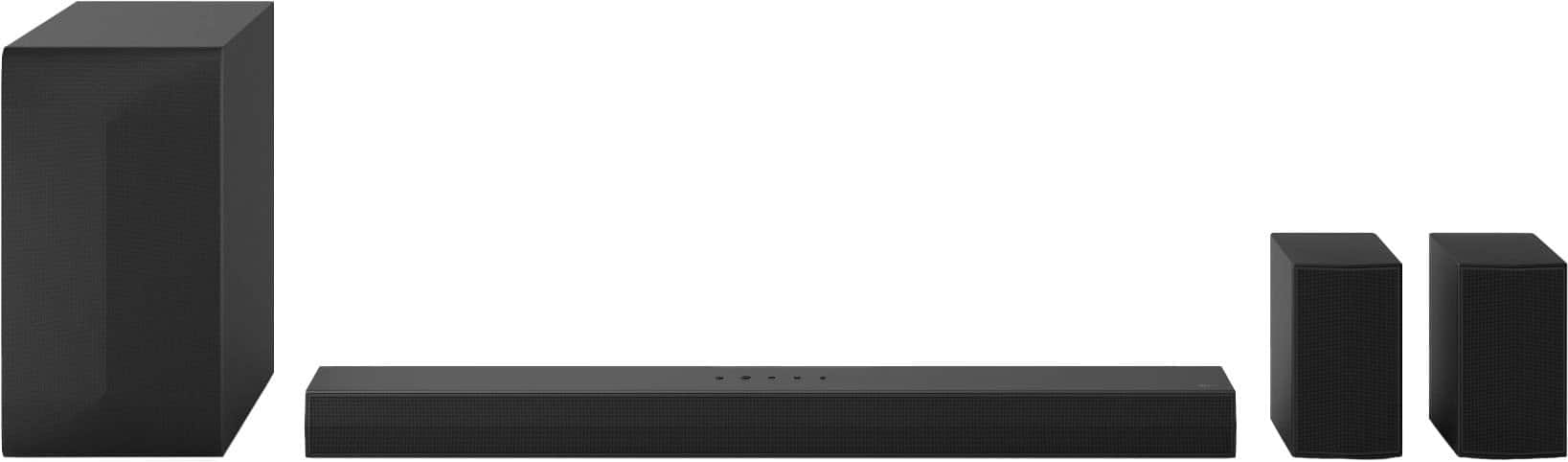



When your TV's built-in speakers just aren't cutting it anymore, you're faced with a fundamental choice in the soundbar world. Do you want the simplicity of an all-in-one unit that fits neatly under your TV, or are you ready to embrace a complete surround sound system with multiple speakers around your room? The Sony HT-S2000 and LG S60TR represent these two distinct philosophies, and at the time of writing, they're priced within dollars of each other – making your decision about much more than just cost.
The soundbar market has evolved dramatically since the early 2000s when these devices were simple stereo speakers designed to be louder than TV speakers. Today's soundbars fall into two main camps: virtual surround processors and physical surround systems.
Virtual surround soundbars like the Sony HT-S2000 use sophisticated digital signal processing (DSP) to create the illusion of surround sound from a single unit. Think of it like audio optical illusions – the soundbar analyzes incoming audio and uses psychoacoustic principles to trick your brain into perceiving sounds coming from directions where no speakers actually exist.
Physical surround systems like the LG S60TR take the traditional approach: placing actual speakers around your room to create genuine multichannel audio. When a helicopter flies overhead in a movie, you hear it moving through real speakers positioned above and behind you, not through clever audio processing.
The choice between these approaches affects everything from setup complexity to long-term satisfaction, and understanding the trade-offs helps explain why these products exist at similar price points despite offering fundamentally different experiences.
The LG S60TR launched in 2024 as LG's response to customer feedback about expandable soundbar systems being frustrating and expensive. Instead of selling a basic soundbar and expecting customers to buy additional components later, LG decided to include everything needed for complete 5.1 surround sound in one package. This timing allowed them to incorporate the latest HDMI 2.1 gaming features that became standard after the PlayStation 5 and Xbox Series X launched.
Sony released the HT-S2000 as their 2025 budget Dolby Atmos offering, positioning it as proof that height-enhanced audio doesn't require expensive setups. Sony's approach reflects their belief that most people want better TV audio without dealing with multiple speakers, even if it means accepting some performance compromises.
Since 2024, we've seen significant improvements in virtual surround processing algorithms, with manufacturers using machine learning to better analyze room acoustics and content types. However, the fundamental physics limitations of single-unit designs remain unchanged – you simply cannot create the same bass impact or directional accuracy as dedicated speakers positioned throughout your room.
Bass performance represents the most dramatic difference between these systems, and it's worth understanding why this matters beyond just "louder low notes."
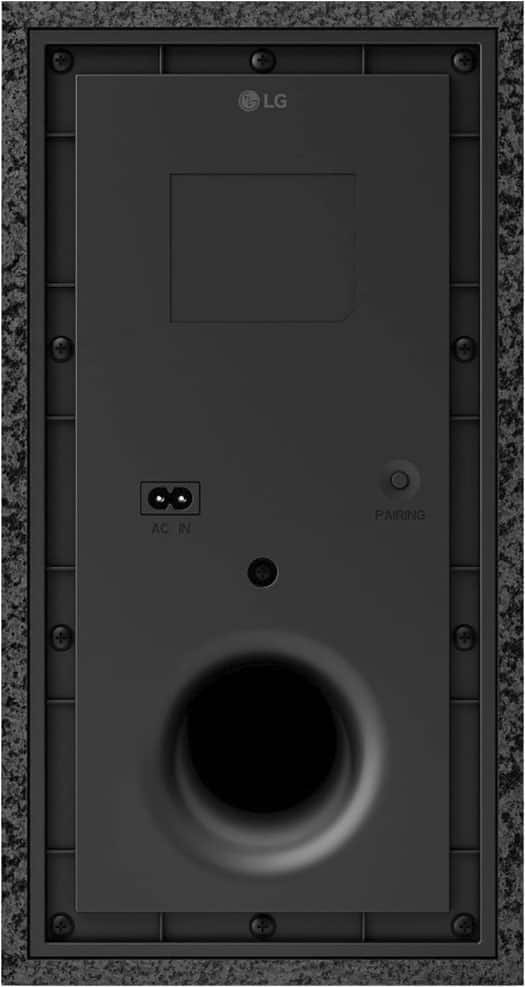
The LG S60TR's dedicated 220-watt wireless subwoofer uses a larger driver in a properly tuned enclosure, typically around 8-10 inches in diameter. This allows it to move substantial amounts of air – the key to creating bass you feel in your chest rather than just hear. When an explosion happens in an action movie, the subwoofer creates actual pressure waves that your body perceives as impact.
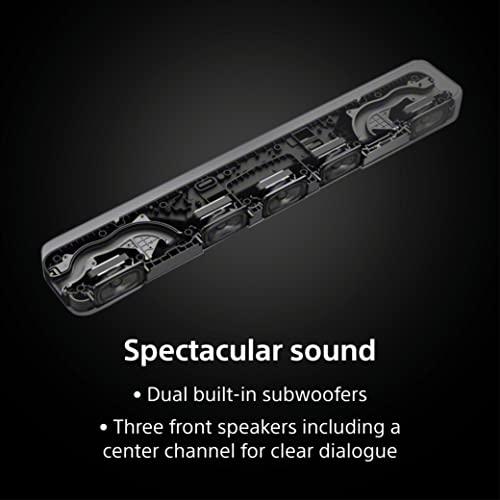
The Sony HT-S2000's built-in subwoofer drivers face severe physical constraints. Squeezed into the soundbar's compact form factor alongside mid-range and tweeter drivers, these smaller drivers simply cannot displace enough air to create room-pressurizing bass. It's like trying to create ocean waves in a bathtub – the container limits what's physically possible.
During testing with content like "Mad Max: Fury Road" or "Blade Runner 2049," the difference becomes immediately apparent. The LG S60TR delivers the visceral rumble that makes explosions feel dangerous and car engines sound powerful. You'll feel bass notes through your furniture and even in your chest during intense scenes.
The Sony HT-S2000 handles dialogue and mid-range effects beautifully, but action sequences feel somewhat restrained. Bass is present but lacks the authority and depth that makes movie soundtracks truly engaging. For apartment dwellers who need to keep bass levels reasonable anyway, this limitation might actually be beneficial.
Bass performance dramatically affects music enjoyment across genres. Electronic music, hip-hop, and rock rely heavily on low-frequency impact that the LG S60TR delivers effectively. The dedicated subwoofer provides the foundation that makes kick drums punch and synthesizer bass lines feel substantial.
The Sony HT-S2000 performs better with acoustic music, jazz, and classical content where dialogue clarity and mid-range detail matter more than bass extension. Its balanced presentation suits genres that don't rely heavily on low-frequency impact.
Understanding how these systems create surround sound helps explain their different strengths and limitations.
The Sony HT-S2000 uses Sony's Vertical Surround Engine and S-Force PRO Front Surround to create the illusion of height and surround effects. These systems analyze incoming Dolby Atmos or DTS:X audio and use phase manipulation, timing delays, and frequency adjustments to make sounds appear to come from directions where no speakers exist.
This virtual processing works by exploiting how your brain interprets sound. By carefully controlling which frequencies reach each ear and when, the soundbar can create the perception that sounds are coming from above, behind, or to the sides. The effectiveness depends heavily on room acoustics – hard surfaces like walls and ceilings help reflect processed audio to create more convincing effects.
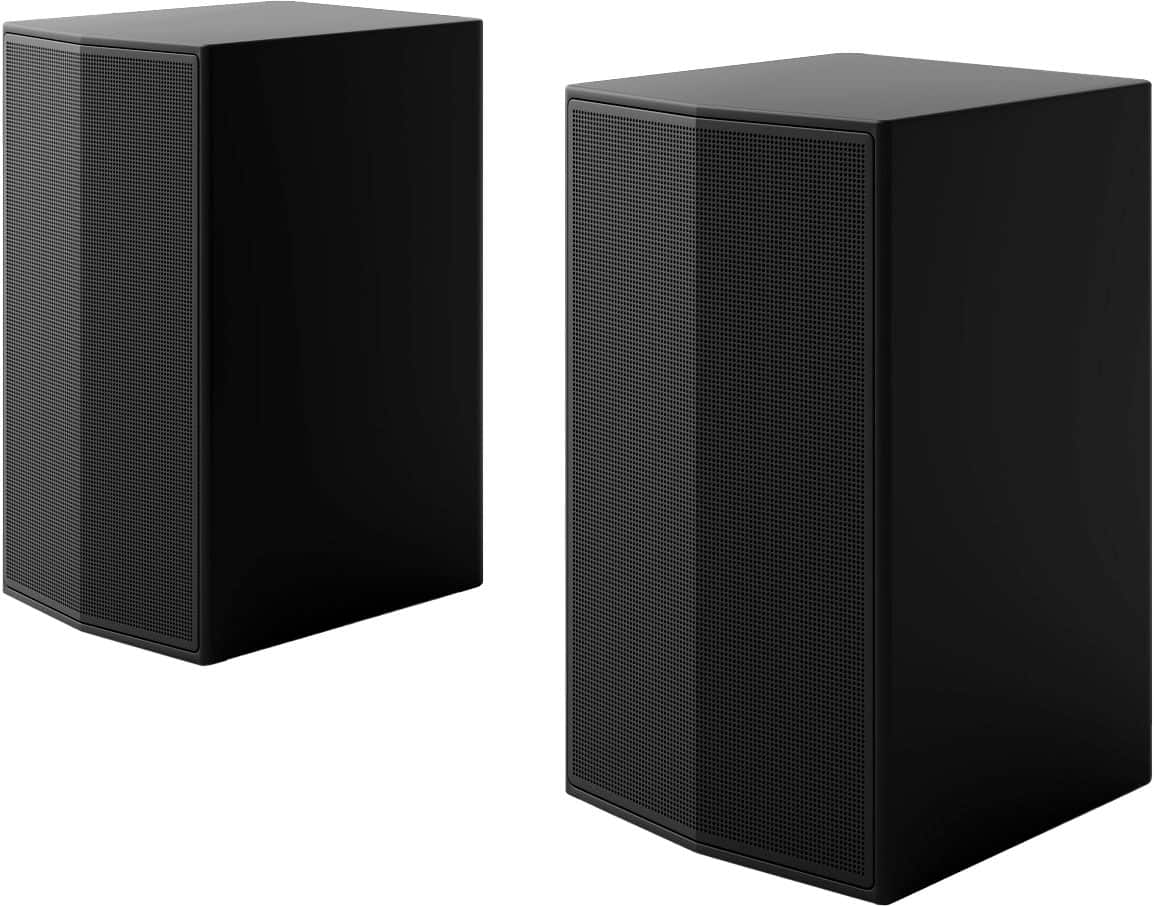
The LG S60TR places actual speakers behind your listening position, creating genuine directional audio. When a character speaks off-screen to the left, you hear their voice from your left. When rain falls in a movie, it sounds like it's actually surrounding you because it literally is – coming from speakers positioned around your room.
This physical approach provides several advantages that virtual processing cannot match:
Virtual surround works best in smaller, acoustically reflective rooms where processed audio can bounce off nearby surfaces to reach your ears from multiple directions. In large or acoustically absorptive rooms (lots of furniture, carpeting, curtains), virtual effects often fall flat because there aren't enough surfaces to reflect the processed audio effectively.
Physical surround systems like the LG S60TR maintain their effectiveness regardless of room size or acoustic treatment. The rear speakers project sound directly to your listening position without relying on room reflections.
Gaming audio has become increasingly sophisticated, especially with current-generation consoles that support advanced audio formats and high-refresh gaming.
The LG S60TR includes comprehensive HDMI 2.1 support with features essential for modern gaming:
These features are particularly important for PlayStation 5 and Xbox Series X owners who want to take full advantage of their console's capabilities. Without proper HDMI 2.1 support, you might experience audio delays, visual artifacts, or reduced gaming performance.
The LG S60TR's physical rear speakers provide crucial directional audio accuracy for competitive gaming. In first-person shooters, being able to precisely locate enemy footsteps or gunfire can mean the difference between victory and defeat. Virtual surround processing simply cannot provide the same level of directional precision as speakers actually positioned behind you.
The Sony HT-S2000 lacks these modern gaming features and relies entirely on virtual processing for directional cues. While adequate for casual gaming, it cannot provide the competitive advantages that serious gamers require.
The setup experience differs dramatically between these approaches, affecting who should consider each option.
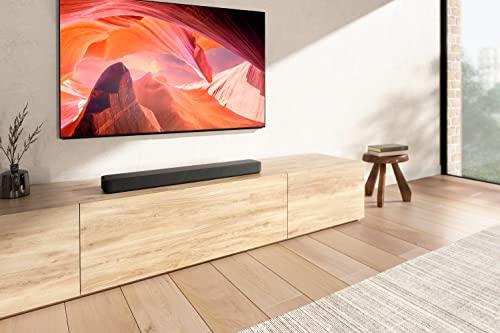
The Sony HT-S2000 offers genuine plug-and-play convenience. You place the soundbar under your TV, connect a single HDMI cable, and you're done. There's no speaker positioning to worry about, no wireless pairing procedures, and no cables to hide. For apartment dwellers, renters, or anyone who moves frequently, this simplicity is genuinely valuable.
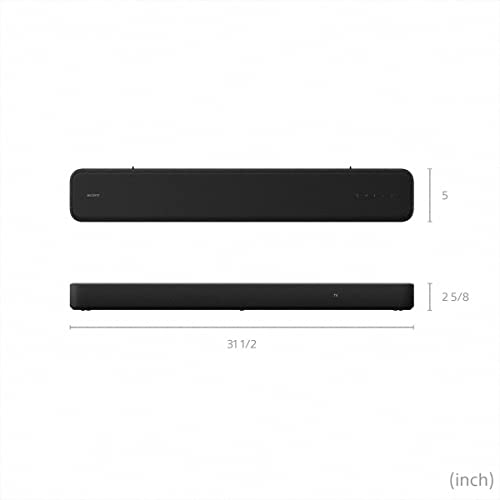
The compact form factor also works well in bedrooms, small living rooms, or any space where placing multiple speakers isn't practical. If you're dealing with a studio apartment or a TV setup where rear speakers would block walkways, the single-unit approach makes perfect sense.
The LG S60TR requires more thoughtful setup. You'll need to position the wireless subwoofer somewhere in your room (typically near a wall for bass reinforcement), and the rear speakers need placement behind your seating area at roughly ear height. While the wireless connections eliminate cable runs, you still need power outlets for each component.
This complexity pays dividends in performance, but it does require commitment to the setup. If you're renting and can't mount speakers on walls, or if your room layout doesn't accommodate rear speaker placement, the physical advantages become irrelevant.
Different content types reveal each system's strengths and weaknesses in interesting ways.
The Sony HT-S2000 truly excels with dialogue-heavy content. Its dedicated center channel and Voice Mode feature work together to make speech intelligible even at lower volumes – crucial for late-night viewing when you can't crank up the volume. The X-Balanced Speaker Units (Sony's rectangular driver design) minimize distortion in vocal frequencies, making actors' voices sound natural and clear.
This specialization becomes particularly valuable with streaming content, which often has inconsistent audio mixing. Netflix shows, for example, sometimes have dialogue that's barely audible over background music and effects. The Sony HT-S2000 compensates for these mixing issues better than most soundbars in its class.
The LG S60TR provides good dialogue clarity without specializing in it. The AI Sound Pro feature analyzes content and adjusts processing accordingly – boosting dialogue during talking scenes and enhancing effects during action sequences. While not quite matching Sony's focused speech processing, it offers more versatility across different content types.
For households that watch everything from sitcoms to action movies to documentaries, the LG S60TR's adaptability provides a more well-rounded experience.
Both soundbars support modern audio formats, but with different implementations that affect real-world performance.
The Sony HT-S2000 supports Dolby Atmos through virtual processing only. When it receives an Atmos signal, it uses the Vertical Surround Engine to create the illusion of height effects. This works reasonably well for ambient effects like rain or aircraft, but lacks the precision and impact of physical height speakers.
The LG S60TR doesn't include physical height speakers either, but its physical rear speakers provide a more convincing foundation for surround effects. While both systems rely on virtual processing for height effects, the LG's authentic rear surround makes the overall experience more immersive.
Sony's S-Master digital amplification provides clean, efficient power delivery with minimal distortion. The 250-watt total output is distributed across five drivers, with sophisticated crossover management ensuring each driver operates in its optimal frequency range.
The LG S60TR's 440-watt total output is distributed across more drivers and includes the dedicated subwoofer amplification. This higher power budget allows for better dynamics and headroom – the system can handle peak volumes without strain or distortion.
These systems take opposite approaches to expandability, which affects their long-term value.
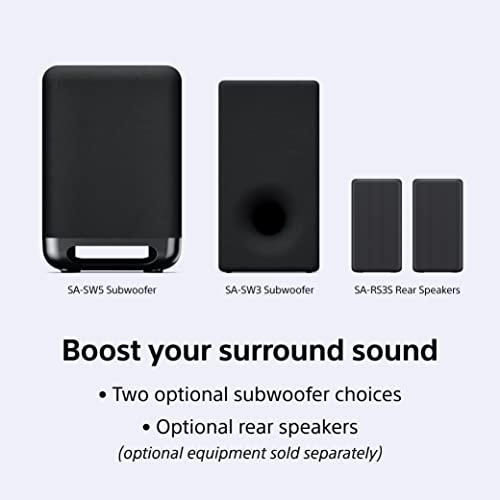
The Sony HT-S2000 is designed as a starting point that can grow into a full surround system. Sony offers compatible wireless subwoofers (SA-SW3, SA-SW5) and rear speakers (SA-RS3S) that integrate seamlessly. However, this modular approach means significant additional investment to achieve what the LG S60TR includes from day one.
The advantage is flexibility – you can start simple and add components as budget and space allow. The disadvantage is cost – building a complete Sony system through expansion costs considerably more than the LG's all-inclusive approach.
The LG S60TR includes everything needed for complete 5.1 surround sound, with no additional purchases required. This approach provides immediate satisfaction and complete functionality, but offers limited upgrade paths beyond the included components.
For most users, this completeness represents better value. You get authentic surround sound immediately without worrying about future component compatibility or additional expenses.
Room size dramatically affects these systems' effectiveness, often determining which approach works better.
In smaller spaces, the Sony HT-S2000's virtual processing can work quite effectively. Nearby walls provide good reflection surfaces for processed audio, and the limited bass output doesn't feel as inadequate when you're sitting closer to the soundbar. The compact design also fits better proportionally in smaller rooms.
However, even in small rooms, the LG S60TR's physical speakers provide more convincing surround effects. The main limitation becomes rear speaker placement – you might not have optimal positioning options in a cramped layout.
Larger rooms expose the Sony HT-S2000's limitations significantly. Virtual surround effects become less convincing as distance increases, and the integrated subwoofer cannot pressurize larger volumes of air effectively. You'll find yourself wanting more bass impact and missing the immersive surround effects that larger rooms should provide.
The LG S60TR shines in larger spaces. The wireless subwoofer can be positioned optimally for room acoustics, and the rear speakers provide authentic surround effects regardless of room size. The higher total power output also ensures the system can fill larger spaces without strain.
Different entertainment preferences reveal each system's strengths most clearly.
If you primarily watch sitcoms, dramas, documentaries, or news programming, the Sony HT-S2000's dialogue enhancement capabilities provide genuine value. Streaming services often compress audio in ways that make dialogue harder to understand, and Sony's Voice Mode and dedicated center channel processing compensate effectively.
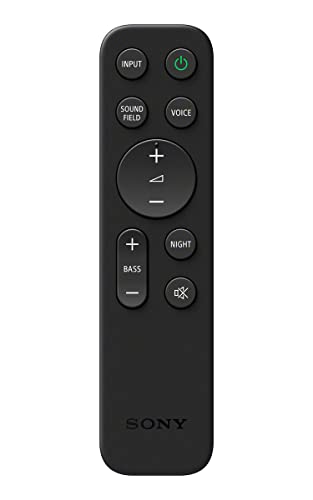
The Night Mode feature is particularly useful for apartment living or late-night viewing, compressing dynamic range so you can hear dialogue clearly without loud effects disturbing others. This feature shows real thoughtfulness in Sony's design approach.
Action movies, thrillers, and adventure films benefit dramatically from the LG S60TR's physical surround capabilities and powerful bass. Movies are mixed with the expectation that you'll have speakers around your room, and virtual processing cannot fully replicate the director's intended experience.
The bass impact difference becomes particularly apparent during action sequences. Explosions, car chases, and dramatic musical scores rely on low-frequency impact that the LG's dedicated subwoofer delivers convincingly while the Sony's integrated approach cannot match.
Music performance varies significantly by genre. The Sony HT-S2000 handles acoustic music, jazz, and classical content beautifully, with its balanced presentation and dialogue-tuned drivers providing natural vocal reproduction and instrumental detail.
Electronic music, hip-hop, rock, and other bass-heavy genres strongly favor the LG S60TR. The dedicated subwoofer provides the foundation these genres require, making kick drums punch and bass lines feel substantial rather than thin.
Modern gaming has pushed soundbar requirements beyond simple stereo enhancement, particularly for console gaming.
The LG S60TR's HDMI 2.1 features are essential for PlayStation 5 and Xbox Series X owners. Without 4K/120Hz support, VRR (Variable Refresh Rate), and ALLM (Auto Low Latency Mode), you're not getting the full performance you paid for from these consoles. The physical rear speakers also provide crucial directional audio for competitive gaming – knowing exactly where enemy footsteps are coming from can determine success in multiplayer games.
The Sony HT-S2000 works fine for casual gaming but lacks the features and precision that serious gamers require. Its virtual surround processing cannot provide the directional accuracy that competitive gaming demands.
Both manufacturers bring different design philosophies to their construction approaches.
Sony's engineering focuses on maximizing performance within severe space constraints. The X-Balanced Speaker Units use rectangular drivers instead of traditional round ones, allowing more driver surface area within the soundbar's limited internal volume. This engineering approach shows Sony's expertise in miniaturization, though it cannot overcome fundamental physics limitations.
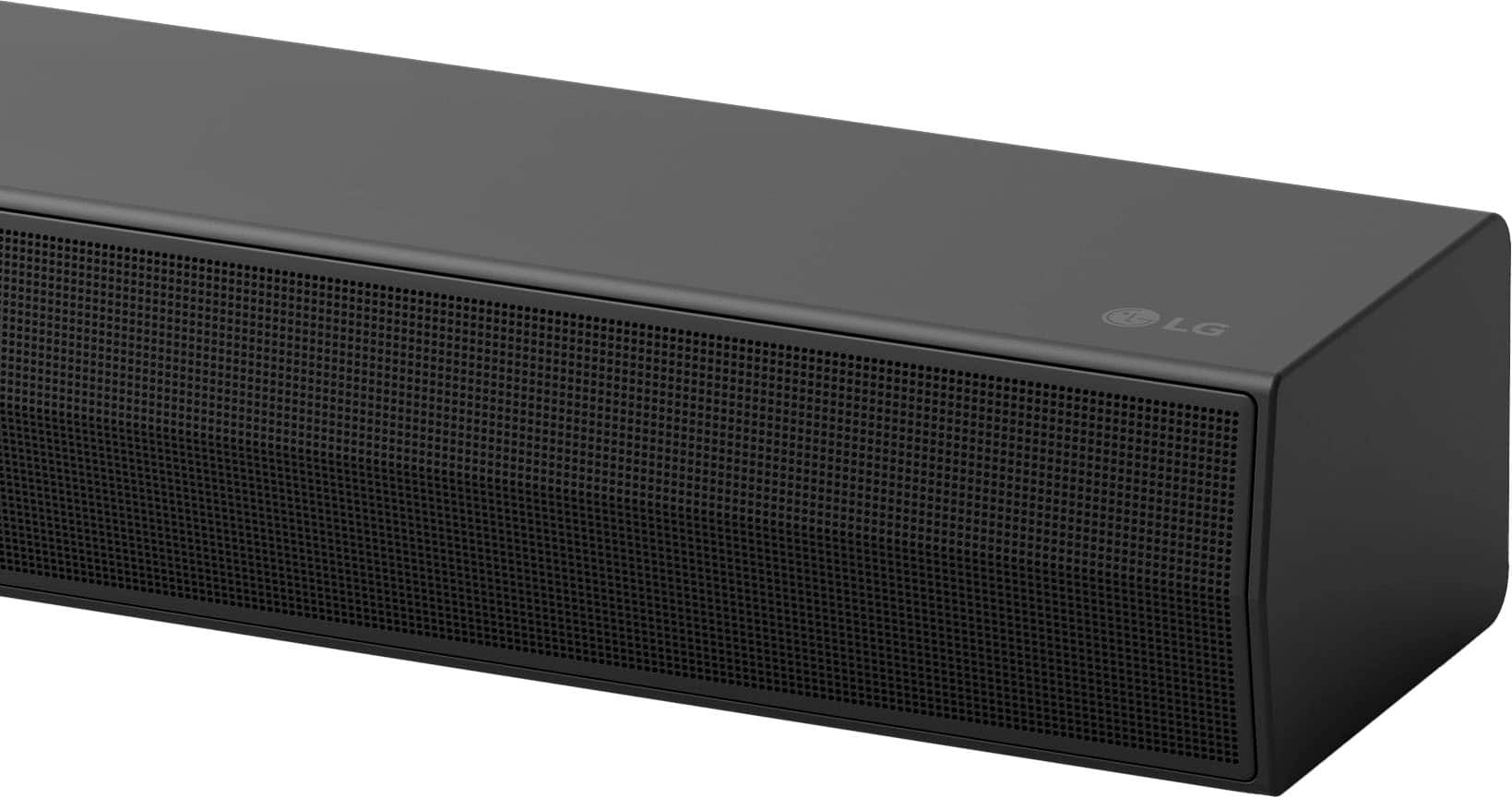
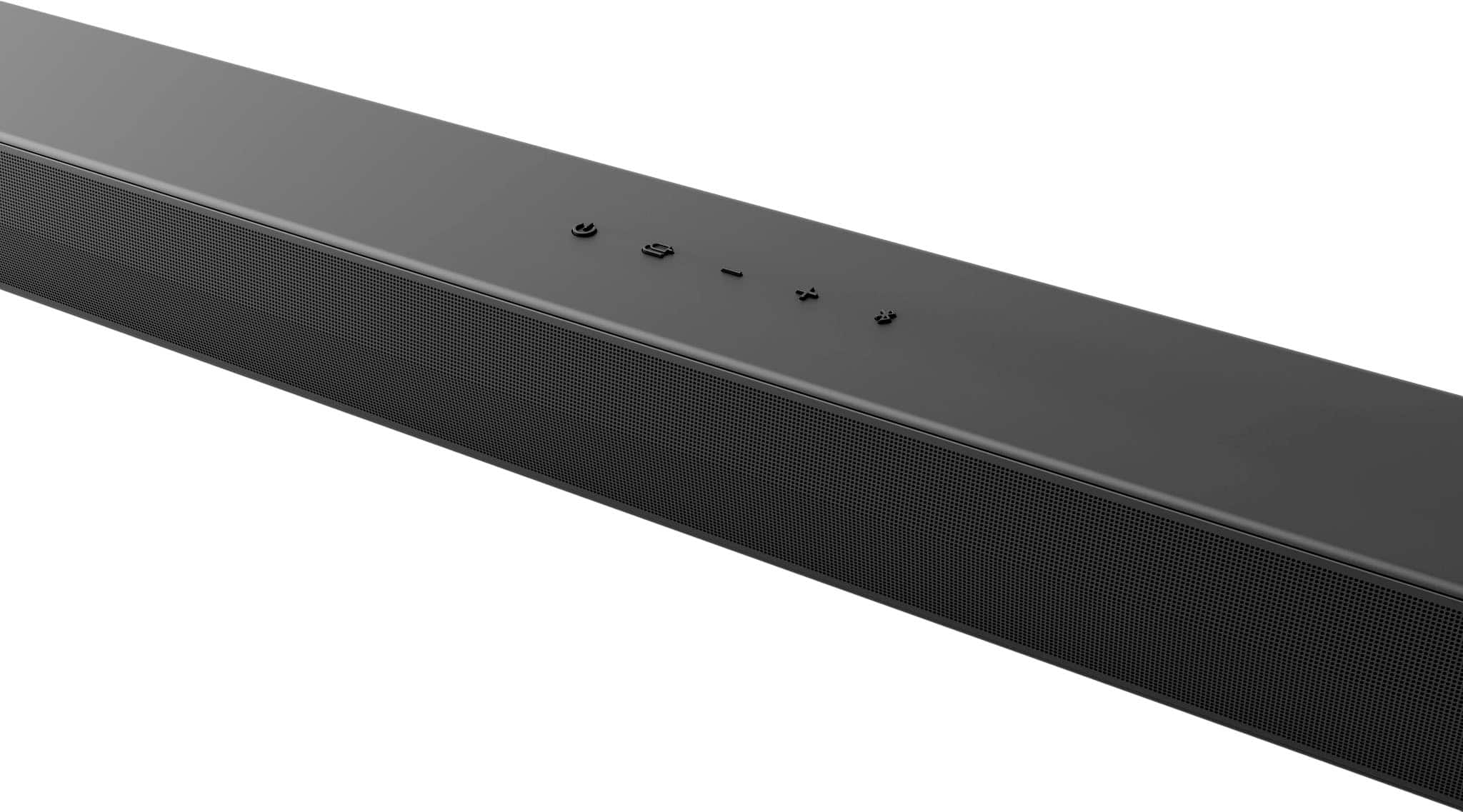
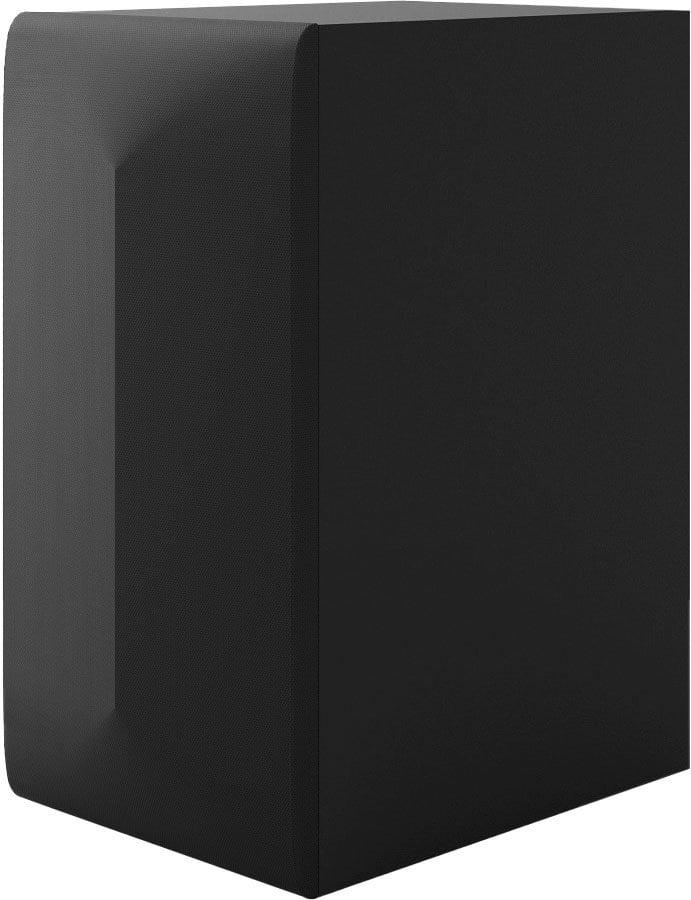
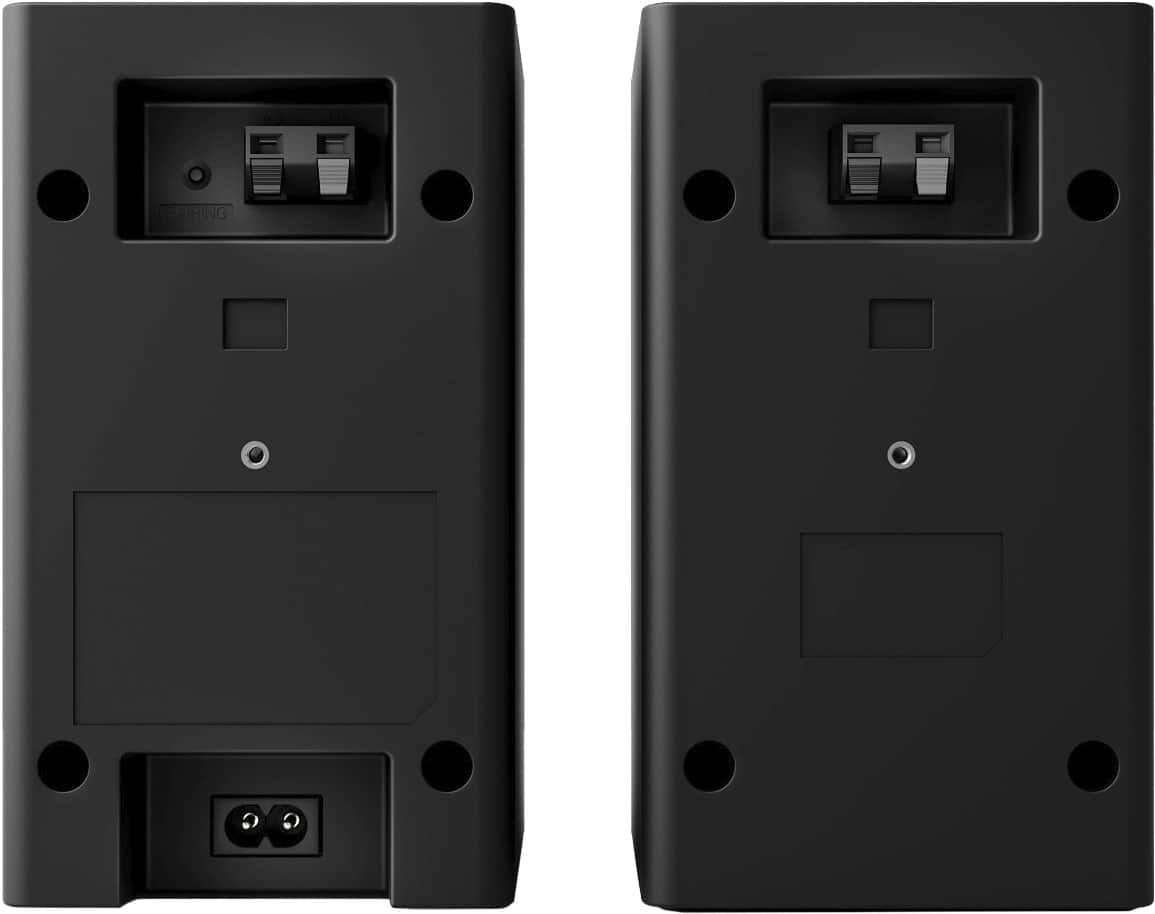
LG's approach prioritizes performance over compactness. The wireless subwoofer uses a traditional design optimized for bass reproduction, while the main soundbar handles mid-range and treble without compromise. The rear speakers are small but dedicated to their surround duties, creating a more effective overall system.
Both systems offer smartphone app control, but with different focuses and capabilities.
The Sony HT-S2000 integrates beautifully with Sony's ecosystem, particularly BRAVIA TVs. The BRAVIA Sync feature allows your TV remote to control soundbar functions seamlessly, and the overall integration feels polished. However, connectivity options are limited – Bluetooth for wireless audio, but no Wi-Fi streaming capabilities for services like Spotify Connect or AirPlay.
The LG S60TR provides more comprehensive connectivity with both Bluetooth and Wi-Fi, though the app interface is less refined than Sony's. The WOW interface integration works well with LG TVs, providing similar single-remote convenience for LG TV owners.
At the time of writing, these systems are priced within a few dollars of each other, making the value comparison particularly interesting.
The Sony HT-S2000 appears to offer excellent value as a complete solution – until you realize what's missing. To achieve bass performance comparable to the LG, you'd need to add one of Sony's compatible wireless subwoofers, which costs significantly more than the price difference between these systems. Adding rear speakers for true surround sound pushes the total cost well beyond the LG's complete package price.
The LG S60TR includes everything needed for complete 5.1 surround sound with no additional purchases required. When you calculate the cost of building an equivalent Sony system through expansion, the LG represents substantially better value for most users.
Setup complexity affects long-term satisfaction more than many buyers realize.
The Sony HT-S2000 truly delivers on its plug-and-play promise. Place it under your TV, connect one HDMI cable, and you're enjoying better audio within minutes. There's something genuinely appealing about this simplicity, especially if you've struggled with complex AV setups in the past.
The LG S60TR requires more thoughtful installation. You'll need to position the subwoofer (usually near a wall for bass reinforcement), place rear speakers behind your seating area, and ensure all components have power access. While the wireless connections eliminate cable runs, initial setup takes longer and requires more planning.
However, this setup complexity is front-loaded. Once properly positioned, the LG system requires no more maintenance or adjustment than the Sony.
Live in a small space where rear speakers aren't practical or allowed. Studio apartments, small bedrooms, or shared living situations often make multiple speakers impossible, making virtual surround the only viable option.
Prioritize dialogue clarity above all else. If you struggle to understand dialogue in movies and TV shows, or if household members have hearing difficulties, the Sony HT-S2000's specialized speech processing provides genuine benefits that matter more than surround effects.
Want absolute setup simplicity. Some people genuinely prefer the elegance of a single-unit solution, even with performance trade-offs. If you move frequently, rent your space, or simply don't want to deal with multiple components, the Sony's approach has merit.
Have a Sony TV and value ecosystem integration. The BRAVIA Sync features and overall integration polish provide additional value for Sony TV owners.
Have adequate space for proper speaker placement. If you can position rear speakers behind your seating area and have room for a subwoofer, the physical advantages justify any setup complexity.
Watch action movies, play games, or listen to bass-heavy music. Content that relies on surround effects, directional audio, or substantial bass benefits dramatically from the LG's physical speaker approach.
Want complete value without future purchases. Getting everything needed for authentic 5.1 surround sound in one package represents excellent value, especially compared to building an equivalent system through expansion.
Own a PlayStation 5 or Xbox Series X. The HDMI 2.1 gaming features and directional rear speakers provide tangible benefits for current-generation console gaming.
Have a medium to large room. Spaces larger than 12x12 feet benefit significantly from the LG's more powerful amplification and physical speaker distribution.
These soundbars represent fundamentally different philosophies that serve different user needs. The Sony HT-S2000 excels in specific scenarios – small spaces, dialogue priority, setup simplicity – but its integrated design creates performance limitations that cannot be overcome regardless of price.
The LG S60TR provides authentic surround sound with complete functionality included, making it the better choice for most users seeking significant home theater improvement. The physical speakers and dedicated subwoofer deliver performance that virtual processing cannot match, while modern connectivity features ensure compatibility with current and future devices.
Unless space constraints make rear speakers impossible or dialogue clarity is your absolute top priority, the LG S60TR's complete 5.1 package offers substantially better value and performance. The nearly identical pricing makes this comparison particularly clear-cut – you're getting significantly more audio hardware and capability for essentially the same investment.
Consider your living situation, content preferences, and setup tolerance carefully. Both systems deliver meaningful improvements over TV speakers, but they excel in different scenarios and serve different user priorities.
| Sony HT-S2000 | LG S60TR |
|---|---|
| Channel Configuration - Determines authentic surround sound capability | |
| 3.1 channels (virtual surround processing) | 5.1 channels (physical rear speakers included) |
| Total Power Output - Affects volume capability and dynamic range | |
| 250W total (all drivers in single unit) | 440W total (distributed across separate components) |
| Subwoofer Design - Most critical factor for bass impact and movie immersion | |
| Built-in dual subwoofers (limited by soundbar size) | Dedicated 220W wireless subwoofer (full-size driver and enclosure) |
| Physical Rear Speakers - Essential for authentic surround sound positioning | |
| None (uses virtual processing) | Wireless rear speakers included (50W each) |
| HDMI Gaming Features - Critical for PS5/Xbox Series X owners | |
| Basic HDMI eARC only | HDMI 2.1 with 4K/120Hz, VRR, ALLM support |
| Setup Complexity - Affects installation time and room requirements | |
| Single soundbar, one HDMI cable | Multiple components requiring strategic placement |
| Dialogue Enhancement - Important for TV shows and unclear audio mixing | |
| Dedicated center channel with Voice Mode specialization | Standard center channel with AI Sound Pro adaptation |
| Room Size Effectiveness - Determines performance in your specific space | |
| Best in small to medium rooms (under 150 sq ft) | Effective in any room size, excels in larger spaces |
| Dolby Atmos Implementation - Affects height effect realism | |
| Virtual height processing only | Virtual height processing with physical surround foundation |
| Expandability Options - Future upgrade potential and additional costs | |
| Compatible with optional Sony wireless sub/rears (significant extra cost) | Complete system included, limited expansion options |
| Streaming Connectivity - Wireless music playback options | |
| Bluetooth 5.2 only (no Wi-Fi streaming) | Bluetooth and Wi-Fi connectivity |
| Best Use Cases - Scenarios where each product excels | |
| Small spaces, dialogue priority, setup simplicity | Home theater, gaming, larger rooms, complete surround experience |
The Sony HT-S2000 is better for small apartments because it's a single compact unit that doesn't require rear speaker placement. Its built-in subwoofer and virtual surround processing work well in smaller spaces where you can't position multiple speakers around the room.
Yes, physical rear speakers like those included with the LG S60TR provide much more authentic surround sound than virtual processing. While the Sony HT-S2000 uses clever audio tricks to simulate surround effects, actual speakers behind you create genuine directional audio that virtual processing cannot match.
The LG S60TR has significantly better bass performance due to its dedicated 220W wireless subwoofer. The Sony HT-S2000 has built-in subwoofer drivers, but they're limited by the soundbar's compact size and cannot produce the deep, room-filling bass that a separate subwoofer provides.
The Sony HT-S2000 is 3.1 channel, meaning left, right, center, and subwoofer channels. The LG S60TR is 5.1 channel, adding dedicated left and right rear speakers for true surround sound. The extra ".1" in both refers to the subwoofer channel for bass effects.
The Sony HT-S2000 is much easier to set up - just place it under your TV and connect one HDMI cable. The LG S60TR requires positioning a subwoofer and rear speakers around your room, though the wireless connections make this less complicated than traditional wired systems.
The LG S60TR is excellent for gaming with HDMI 2.1 features like 4K/120Hz support and low latency modes, plus rear speakers that provide crucial directional audio for competitive gaming. The Sony HT-S2000 works for casual gaming but lacks advanced gaming features.
The Sony HT-S2000 excels at dialogue clarity with its dedicated center channel and Voice Mode feature specifically designed to enhance speech. While the LG S60TR has good dialogue performance, Sony's specialized processing makes voices clearer and more intelligible.
Yes, both the Sony HT-S2000 and LG S60TR support Dolby Atmos, but neither has upward-firing speakers. Both use virtual processing to create height effects, though the LG's physical rear speakers provide a better foundation for the overall surround experience.
The LG S60TR offers better overall value because it includes everything needed for complete 5.1 surround sound - soundbar, wireless subwoofer, and rear speakers. To get equivalent performance from the Sony HT-S2000, you'd need to purchase additional components separately at much higher total cost.
The Sony HT-S2000 can be expanded with optional Sony wireless subwoofers and rear speakers, but this requires significant additional investment. The LG S60TR includes a complete 5.1 system already, with limited expansion options beyond the included components.
The LG S60TR performs much better in large rooms due to its higher total power output (440W vs 250W) and physical speaker distribution. The Sony HT-S2000 works best in smaller spaces where its virtual surround processing and integrated design are more effective.
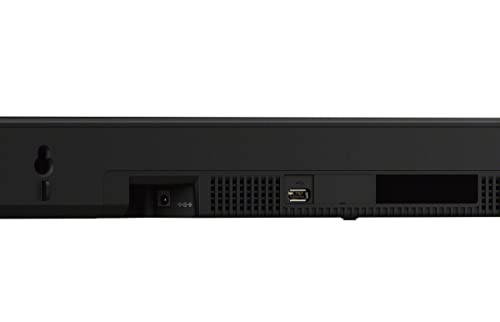
Both soundbars offer HDMI eARC and optical inputs, but the LG S60TR includes HDMI 2.1 features for modern gaming consoles and Wi-Fi connectivity. The Sony HT-S2000 has more basic connectivity with HDMI eARC, optical, USB, and Bluetooth, but no advanced gaming features or Wi-Fi streaming.
We've done our best to create useful and informative comparisons to help you decide what product to buy. Our research uses advanced automated methods to create this comparison and perfection is not possible - please contact us for corrections or questions. These are the sites we've researched in the creation of this article: techradar.com - valueelectronics.com - youtube.com - videoandaudiocenter.com - whathifi.com - hometheaterhifi.com - youtube.com - sony.com - rtings.com - whathifi.com - rtings.com - helpguide.sony.net - electronics.sony.com - sony.com - dolby.com - sony.com - youtube.com - youtube.com - bestbuy.com - mynavyexchange.com - youtube.com - consumerreports.org - avsforum.com - rentacenter.com - bestbuy.com - homechoicestores.com - oconsommateur.com - lg.com - bestbuy.com - samsung.com

Privacy Policy
Terms and Conditions - Affiliate Policy
Home Security
© Copyright 2008-2026.
11816 Inwood Rd #1211, Dallas, TX 75244