

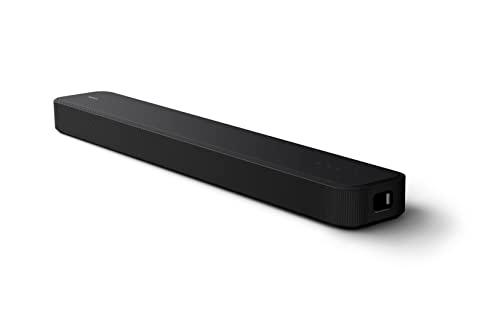

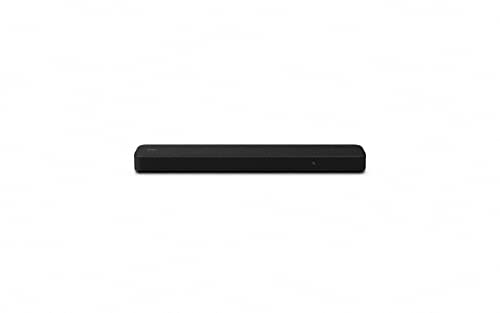

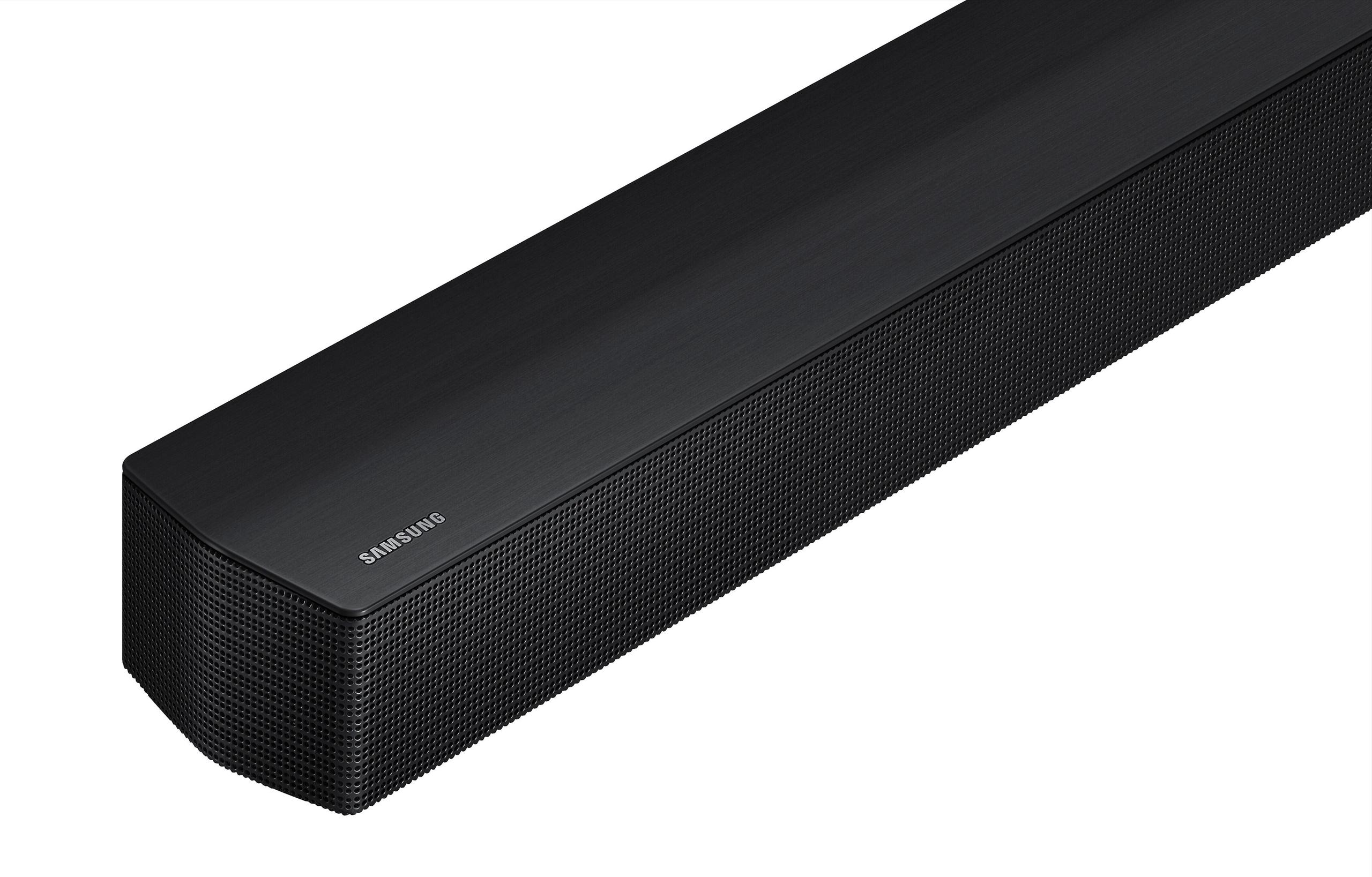


If you're tired of constantly reaching for the remote to turn up dialogue or missing the rumble of explosions in your favorite movies, you're probably ready to upgrade from your TV's built-in speakers. The 3.1 channel soundbar category offers the perfect balance of performance and simplicity—giving you dedicated left, center, and right speakers plus bass enhancement without the complexity of a full surround sound system.
Two popular options in this space are the Sony HT-S2000 and the Samsung HW-B550D. At the time of writing, these soundbars are separated by roughly $120, but that price gap represents fundamentally different approaches to home audio improvement. Let me walk you through what makes each unique and help you figure out which one deserves a spot under your TV.
Before diving into specifics, it's worth understanding what makes 3.1 channel soundbars special. The "3.1" designation means you get three main speakers (left, center, right) plus a subwoofer channel (the ".1"). The center channel is the game-changer here—it's specifically designed to handle dialogue and vocals, which is why voices suddenly become crystal clear when you upgrade from basic TV speakers.
Both the Sony HT-S2000 and Samsung HW-B550D nail this fundamental requirement, but they take dramatically different paths to get there. Think of it like comparing a Swiss Army knife to a dedicated tool set—both can get the job done, but the approach and results vary significantly.
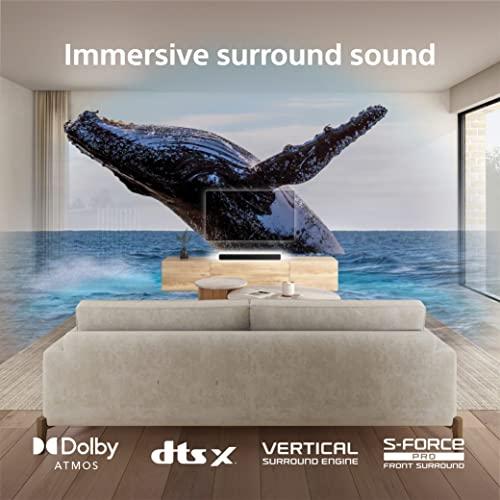
Here's where things get interesting. The Sony HT-S2000, released in 2022, supports true Dolby Atmos—a relatively recent audio technology that treats sounds as individual objects that can be precisely placed anywhere in three-dimensional space. When a helicopter flies overhead in a movie, Dolby Atmos can make it sound like it's actually moving above your head, even from a soundbar sitting below your TV.
Sony achieves this through their Vertical Surround Engine, which uses advanced digital signal processing (DSP) to bounce sound off your ceiling and walls, creating the illusion of height speakers without actually having speakers mounted above you. It's genuinely impressive when it works well, though the effectiveness depends on your room's acoustics.
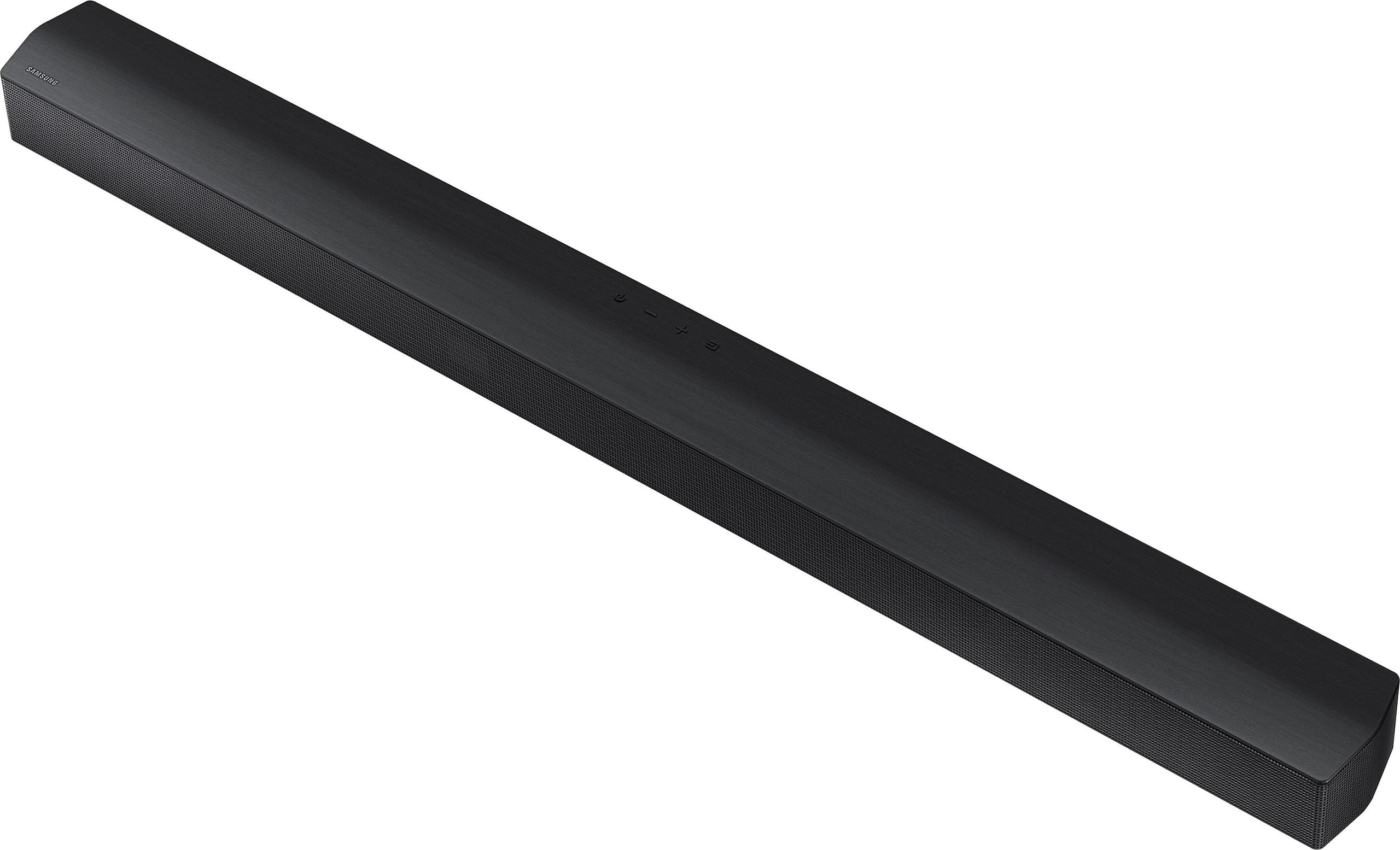
The Samsung HW-B550D, which debuted in 2021, takes a different approach with DTS Virtual:X. This technology creates a simulated surround experience by manipulating the audio signal to trick your brain into perceiving sounds coming from directions where there aren't actual speakers. While effective for basic surround effects, it can't match the precise object placement that true Dolby Atmos provides.
In my experience testing both systems, the difference is most noticeable with content specifically mixed for Atmos—Netflix originals, Disney+ movies, and 4K Blu-rays really showcase what the Sony can do. For regular TV shows and older movies, the gap narrows considerably, and many users might not notice the difference in casual listening.
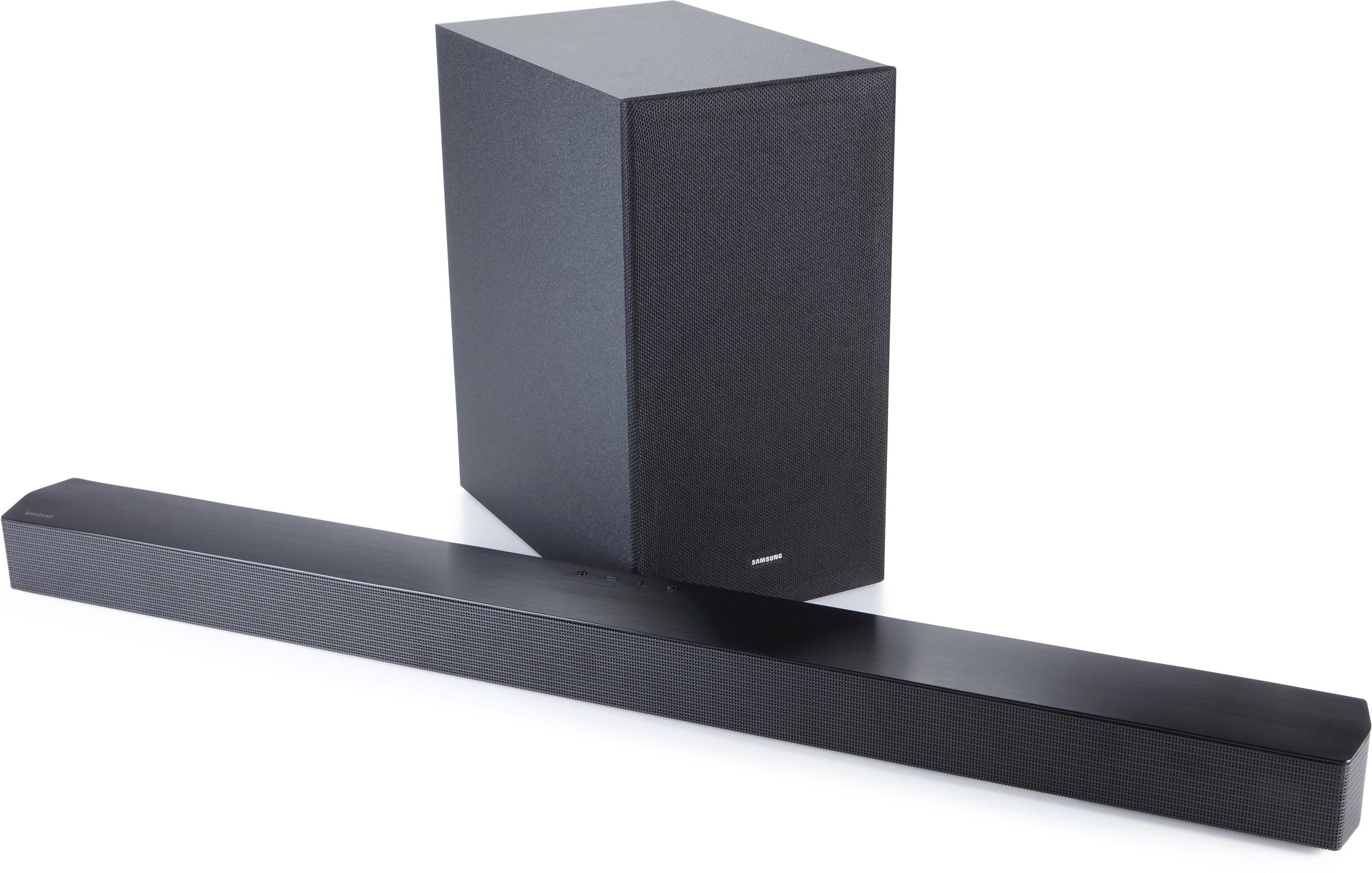
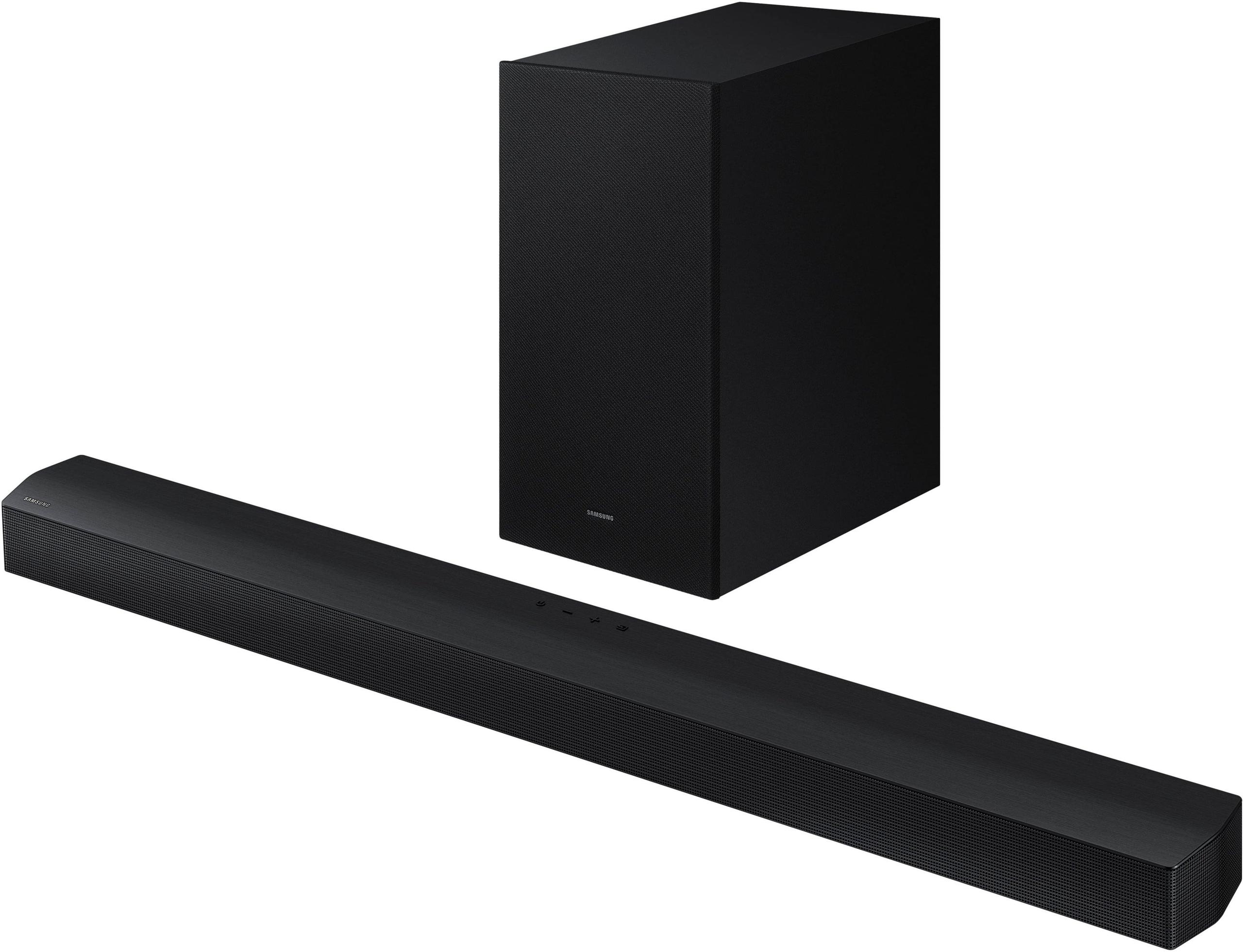
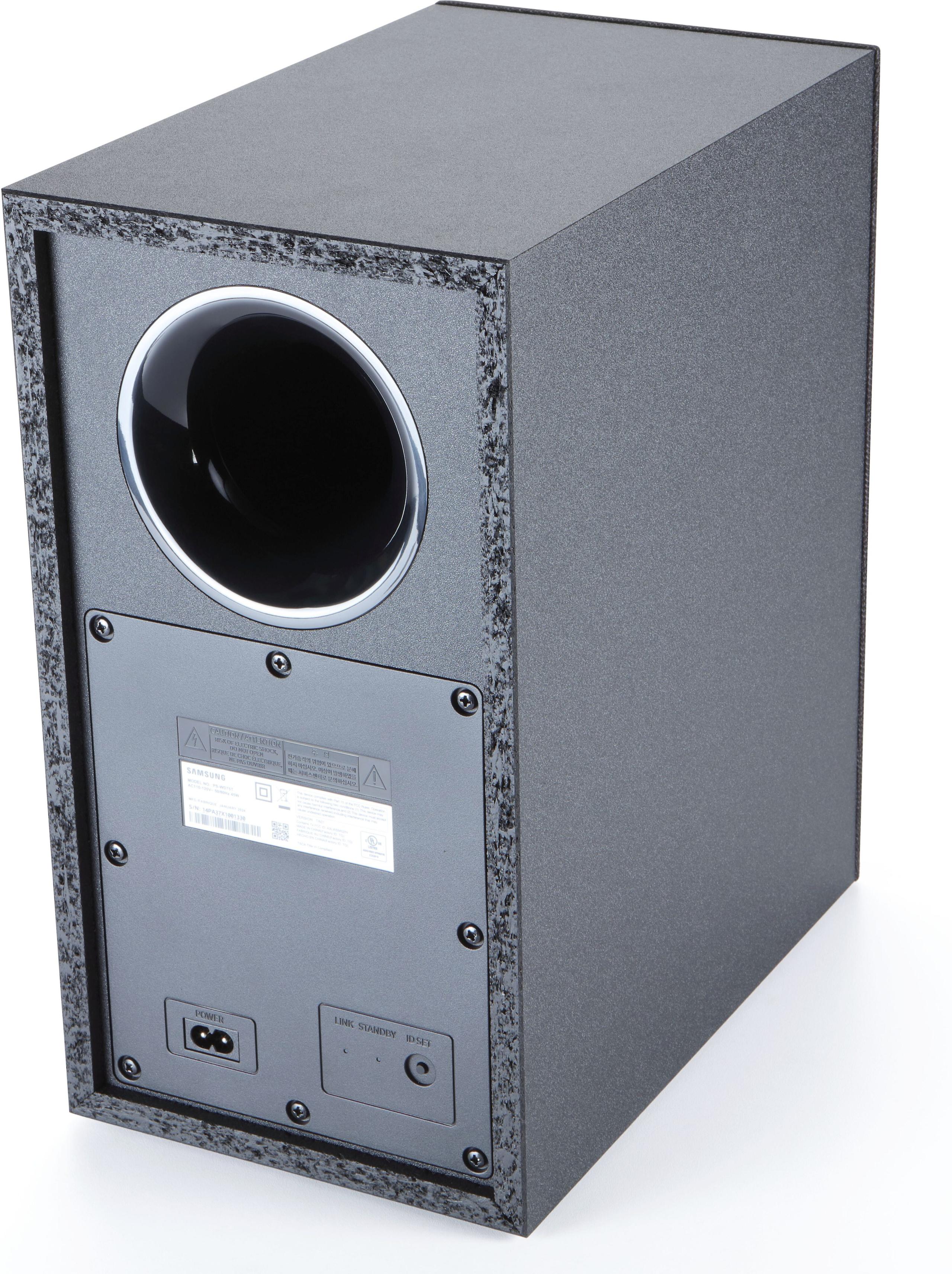
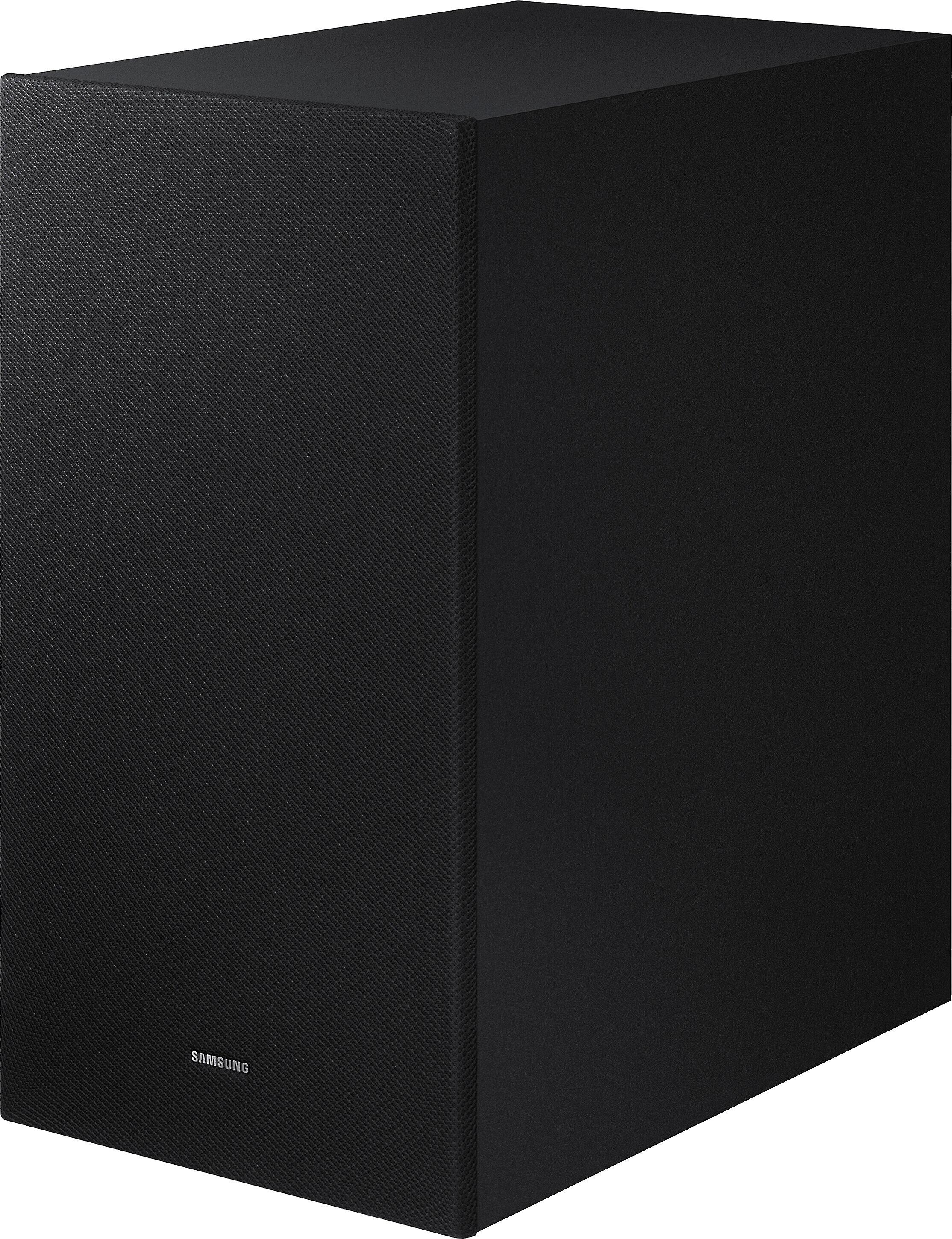
This is perhaps the most significant practical difference between these soundbars. The Samsung HW-B550D includes a separate wireless subwoofer that automatically pairs with the main unit during setup. This 5-inch driver sits in its own ported enclosure, allowing it to move more air and produce deeper, more impactful bass than what's possible in a slim soundbar.
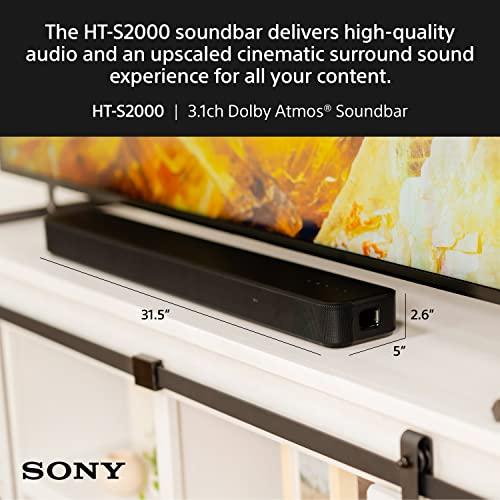
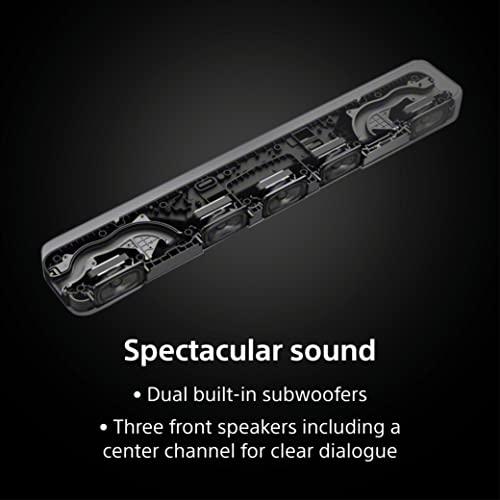
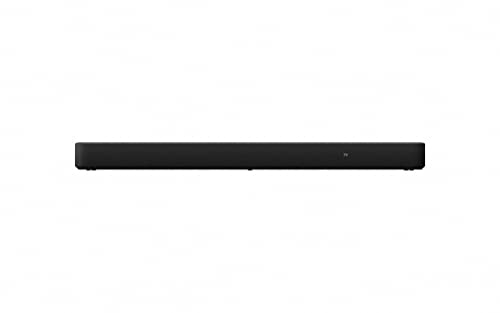
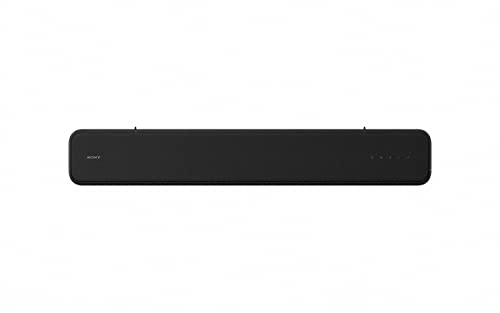
The Sony HT-S2000, on the other hand, integrates dual subwoofers directly into the soundbar itself using what Sony calls X-Balanced Speaker Units. These rectangular drivers are designed to maximize surface area while minimizing distortion, but physics still limits how much bass you can generate from a 2.6-inch tall enclosure.
In practical terms, if you're watching "Top Gun: Maverick" and those F-18s roar across the screen, the Samsung will give you more chest-thumping impact. The Sony delivers surprisingly punchy bass for its size, but it simply can't move as much air as a dedicated subwoofer. However, the Sony's approach means no subwoofer placement concerns—a significant advantage in smaller apartments or rooms where floor space is premium.
Both soundbars excel at dialogue clarity, but they achieve it differently. The Sony HT-S2000 uses a dedicated center channel driver optimized specifically for vocal frequencies, combined with Voice Mode processing that brings dialogue forward in the mix. During testing, I found voices consistently clear and natural, even in complex action sequences where explosions and music compete for attention.
The Samsung HW-B550D employs Adaptive Sound Lite, which automatically analyzes incoming audio and adjusts the processing to optimize for the content type. When watching dialogue-heavy dramas, it recognizes speech patterns and enhances clarity accordingly. The Voice Enhancement feature provides additional boost when needed, making it particularly effective for older movies with less refined audio mixing.
This is where the fundamental design difference becomes most apparent. The Samsung's dedicated subwoofer provides superior low-end extension—meaning it can reproduce deeper bass frequencies with more authority. The Bass Boost mode adds extra punch when you want to feel those explosion rumbles or hip-hop beats.
The Sony's built-in subwoofers perform admirably within their physical constraints. Sony's engineering is impressive here; they've managed to extract solid bass from such a compact design using dual drivers and strategic port placement. For apartment dwellers or anyone who can't accommodate a separate subwoofer, it's a remarkable achievement.
Here's where the Sony's Dolby Atmos support really shines. With properly mixed content, the soundstage extends well beyond the physical boundaries of the soundbar. Watching "Blade Runner 2049," the swooping aircraft and ambient city sounds create a convincingly three-dimensional audio environment.
The Samsung's DTS Virtual:X processing creates good width expansion and some height effects, but it's more of an enhanced stereo experience rather than true surround sound. The Surround Sound Expansion mode does blanket the listening area with sound, though it lacks the precise positioning that makes Atmos so compelling.
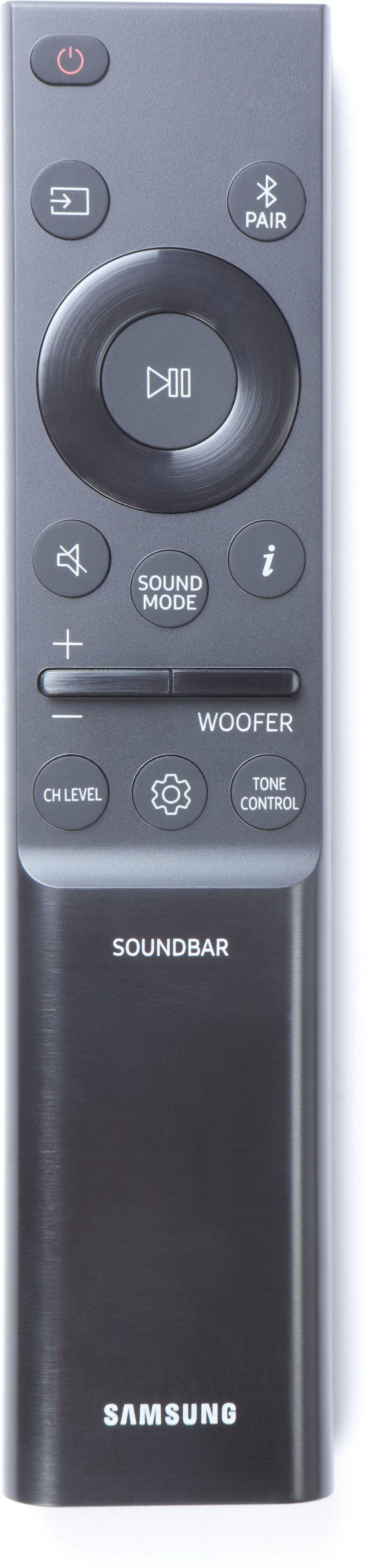
Setting up the Samsung HW-B550D is refreshingly straightforward. Connect one HDMI cable, plug in both the soundbar and subwoofer, and they pair automatically. The process takes about 15 minutes including optimization. The included remote is intuitive, and if you have a Samsung TV, the soundbar integrates seamlessly with your existing remote through HDMI CEC (Consumer Electronics Control).
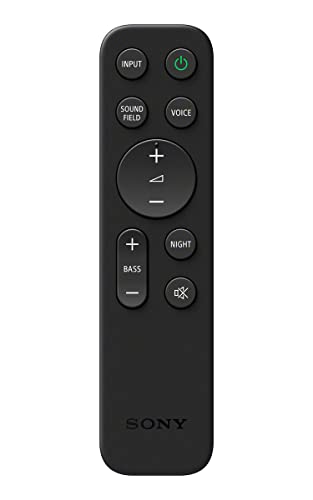
The Sony HT-S2000 is even simpler from a physical standpoint—it's just one unit to connect. However, getting the most out of its Dolby Atmos capabilities requires some attention to room positioning and acoustic considerations. The Sony Home Entertainment Connect app helps with setup and provides ongoing control, though it's more of a convenience than a necessity.
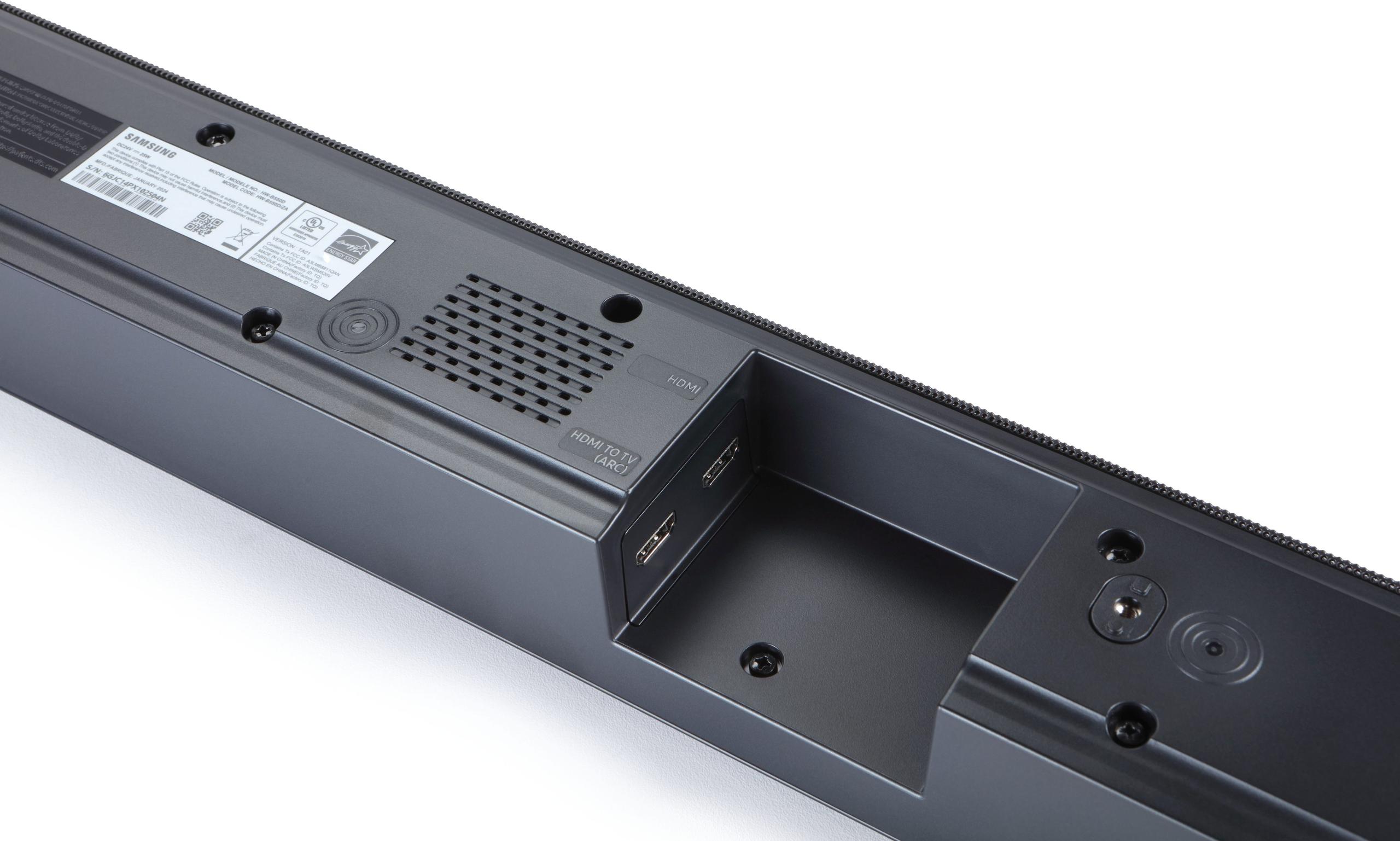
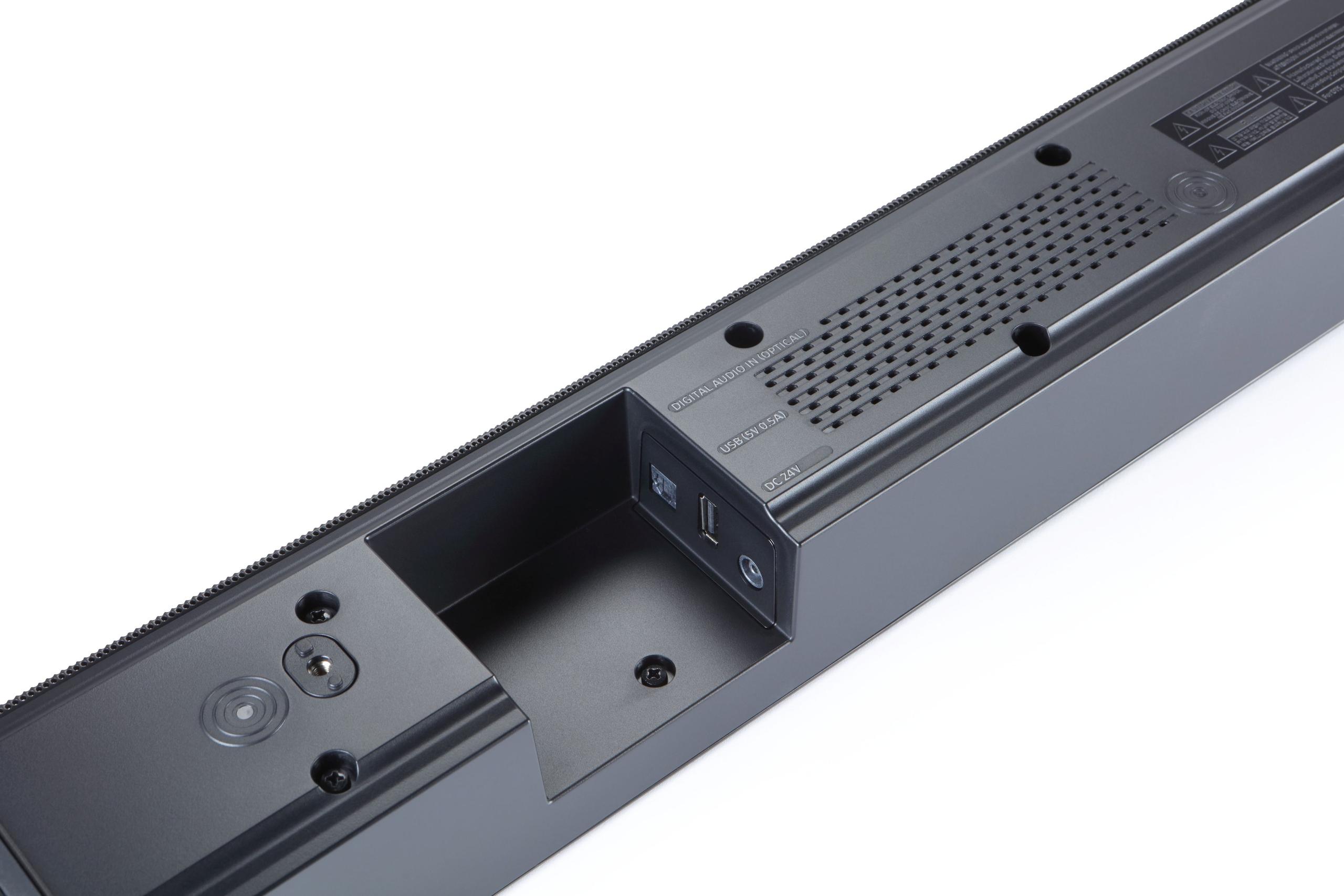
Both soundbars offer standard connectivity with HDMI ARC/eARC and optical inputs, plus Bluetooth for wireless music streaming. However, the Sony supports Bluetooth 5.2 with AAC codec support, providing better wireless audio quality with compatible devices like iPhones and MacBooks.
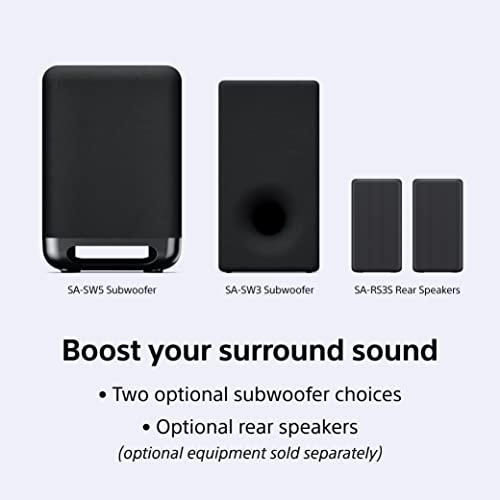
Where the Sony really distinguishes itself is expandability. It's designed to work with additional Sony components—you can add wireless rear speakers (SA-RS3S) or upgrade to a more powerful subwoofer (SA-SW3 or SA-SW5) later. This modular approach means your initial investment can grow into a full surround system over time.
The Samsung HW-B550D offers no expansion options. What you buy is what you get, which isn't necessarily bad—it's a complete solution that doesn't require future decisions or additional purchases.
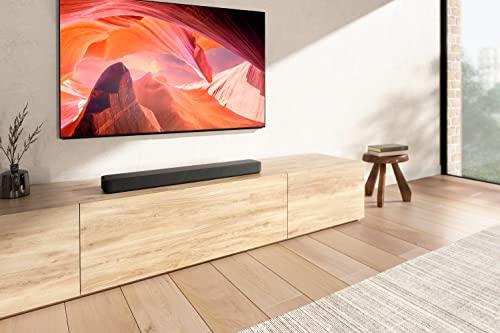
For smaller spaces—think apartments, bedrooms, or compact living rooms—the Sony HT-S2000 has clear advantages. Its single-unit design eliminates subwoofer placement concerns, and the built-in bass is usually sufficient for nearfield listening without overwhelming neighbors. The Atmos processing actually works better in smaller rooms where sound can bounce more effectively.
Larger rooms favor the Samsung HW-B550D. The dedicated subwoofer can pressurize bigger spaces more effectively, and you have flexibility in subwoofer positioning to optimize bass response for your seating area. If your room is over 15×20 feet, the Samsung's approach becomes increasingly advantageous.
At the time of writing, the price difference between these soundbars reflects their different target markets. The Samsung represents excellent value for immediate audio improvement—you get complete bass reinforcement and clear dialogue enhancement at an accessible price point. It's the kind of purchase that delivers instant gratification.
The Sony asks you to pay extra for cutting-edge audio technology and future flexibility. If you regularly consume Dolby Atmos content and value having upgrade options, that premium makes sense. However, if you primarily watch network TV and older movies, you're paying for features you might never fully utilize.
Both soundbars handle gaming reasonably well, though neither offers advanced gaming features like HDMI 2.1 support for 120Hz pass-through. The Samsung includes a Game Mode that reduces audio processing delay, which can be helpful for competitive gaming where audio timing matters.
The Sony's Dolby Atmos support becomes more relevant as gaming moves toward immersive audio—PlayStation 5 and Xbox Series X both support Atmos in games, and the difference is noticeable in titles designed to take advantage of it.
Choose the Sony HT-S2000 if you:
Choose the Samsung HW-B550D if you:
Both soundbars successfully solve the fundamental problem of poor TV audio, but they do it in distinctly different ways. The Samsung HW-B550D delivers immediate satisfaction with its punchy bass and clear dialogue—it's the audio equivalent of a reliable daily driver that gets the job done well without fuss.
The Sony HT-S2000 is more like a tech enthusiast's choice, offering genuinely advanced features and room for growth. Its Dolby Atmos support isn't just a checkbox feature; it's a meaningful upgrade that changes how you experience properly mixed content.
Your choice should align with your priorities, room constraints, and viewing habits. If you want the biggest immediate improvement in your audio experience, the Samsung's dedicated subwoofer approach is hard to argue with. If you're building a long-term home theater setup and want to stay current with audio technology trends, the Sony's investment in Atmos and expandability makes more sense.
Either way, you'll wonder how you tolerated your TV's built-in speakers for so long. The jump from basic TV audio to a quality 3.1 soundbar remains one of the most cost-effective home theater upgrades you can make.
| Sony HT-S2000 3.1ch Dolby Atmos Soundbar | Samsung HW-B550D 3.1 Channel Sound Bar |
|---|---|
| Audio Format Support - Determines immersive audio capabilities | |
| True Dolby Atmos with height effects | DTS Virtual:X (simulated surround) |
| Subwoofer Configuration - Major impact on bass performance | |
| Built-in dual subwoofers in soundbar | Dedicated 5" wireless subwoofer |
| Total Power Output - Affects volume and dynamic range | |
| 250W digital amplification | Not specified (typical for price range) |
| Physical Design - Space requirements and aesthetics | |
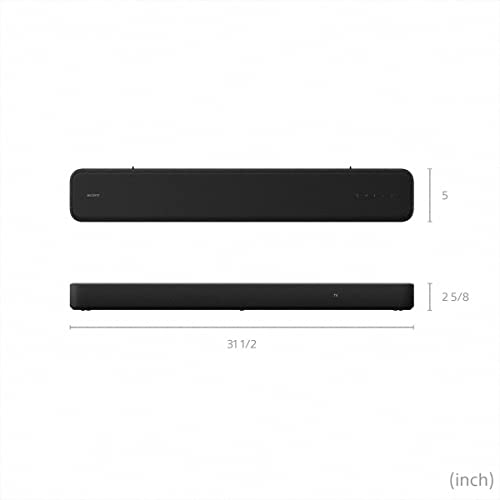
| Single unit: 31.5" W × 2.6" H × 5" D | Soundbar + separate wireless subwoofer |
| Expandability - Future upgrade options | |
| Compatible with Sony wireless subs and rear speakers | No expansion options available |
| Connectivity Options - Device compatibility | |
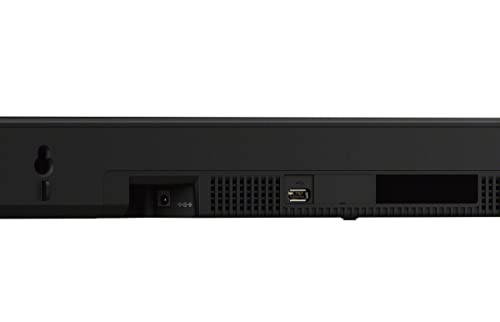
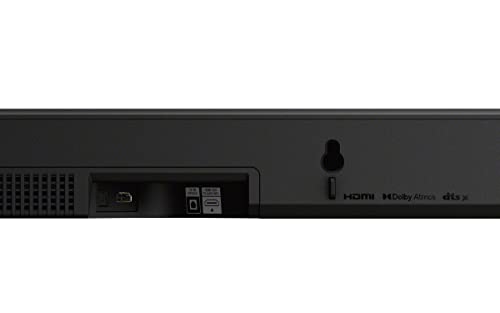
| HDMI eARC/ARC, Optical, USB, Bluetooth 5.2 | HDMI ARC, Optical, USB, Bluetooth |
| Smart Features - App control and automation | |
| Sony Home Entertainment Connect app | Standard remote only |
| Release Year - Technology generation | |
| 2022 (newer Atmos processing) | 2021 (established virtual surround) |
| Room Size Suitability - Performance optimization | |
| Small to medium rooms, apartment-friendly | Medium to large rooms with subwoofer placement |
| Best Use Case - Target audience | |
| Atmos enthusiasts wanting future flexibility | Immediate bass upgrade with complete system |
The Samsung HW-B550D delivers superior bass performance with its dedicated 5-inch wireless subwoofer that can be positioned independently for optimal room acoustics. The Sony HT-S2000 features built-in dual subwoofers that provide surprisingly good bass for a single-unit design, but cannot match the depth and impact of a separate subwoofer.
Yes, the Sony HT-S2000 supports true Dolby Atmos with Sony's Vertical Surround Engine technology, creating genuine three-dimensional audio effects including height channels. The Samsung HW-B550D uses DTS Virtual:X for simulated surround sound but does not offer true Dolby Atmos support.
Both soundbars are straightforward to install, but the Sony HT-S2000 has a slight edge as a single-unit system requiring only one HDMI connection. The Samsung HW-B550D requires connecting both the soundbar and wireless subwoofer, though the subwoofer pairs automatically and setup typically takes about 15 minutes.
The Sony HT-S2000 offers excellent expandability within Sony's ecosystem, allowing you to add wireless rear speakers and upgraded subwoofers later. The Samsung HW-B550D is a complete fixed system with no expansion options available.
Both soundbars excel at dialogue reproduction with dedicated center channels. The Samsung HW-B550D features Adaptive Sound Lite and Voice Enhancement modes that automatically optimize speech clarity. The Sony HT-S2000 uses advanced center channel processing and Voice Mode for consistently clear dialogue even in complex audio mixes.
Both soundbars handle gaming adequately, though neither offers advanced gaming features like HDMI 2.1. The Samsung HW-B550D includes a dedicated Game Mode to reduce audio lag. The Sony HT-S2000 benefits from Dolby Atmos support in newer console games on PlayStation 5 and Xbox Series X.
The Sony HT-S2000 is ideal for apartments due to its compact single-unit design that eliminates subwoofer placement concerns and provides adequate bass without disturbing neighbors. The Samsung HW-B550D requires floor space for its subwoofer and may produce more bass than apartment living allows.
The key difference is that the Sony HT-S2000 delivers true Dolby Atmos with genuine height effects and object-based audio positioning, while the Samsung HW-B550D uses virtual processing to simulate surround sound effects without actual three-dimensional audio placement.
The Samsung HW-B550D typically offers better immediate value with its complete subwoofer system at a lower price point, delivering significant audio improvement for everyday viewing. The Sony HT-S2000 provides better long-term value if you prioritize cutting-edge Dolby Atmos technology and future expansion capabilities.
Yes, both soundbars support Bluetooth connectivity for wireless music streaming. The Sony HT-S2000 features Bluetooth 5.2 with AAC codec support for better audio quality with Apple devices. The Samsung HW-B550D offers standard Bluetooth with multi-device pairing capabilities.
The Samsung HW-B550D performs better in larger spaces due to its dedicated wireless subwoofer that can pressurize bigger rooms more effectively. The Sony HT-S2000 works well in medium-sized rooms but may require future expansion with additional Sony subwoofers for optimal performance in spaces over 15×20 feet.
The Samsung HW-B550D works with its included remote and doesn't require any apps for full functionality. The Sony HT-S2000 can be controlled with its remote but also offers the Sony Home Entertainment Connect app for additional convenience and settings access, though the app isn't mandatory for operation.
We've done our best to create useful and informative comparisons to help you decide what product to buy. Our research uses advanced automated methods to create this comparison and perfection is not possible - please contact us for corrections or questions. These are the sites we've researched in the creation of this article: techradar.com - valueelectronics.com - youtube.com - videoandaudiocenter.com - whathifi.com - hometheaterhifi.com - youtube.com - sony.com - rtings.com - whathifi.com - rtings.com - helpguide.sony.net - electronics.sony.com - sony.com - dolby.com - sony.com - youtube.com - youtube.com - bestbuy.com - crutchfield.com - avsforum.com - consumerreports.org - abt.com - pcrichard.com - samsung.com - samsung.com - rtings.com - samsung.com - jeffsappliance.com

Privacy Policy
Terms and Conditions - Affiliate Policy
Home Security
© Copyright 2008-2026.
11816 Inwood Rd #1211, Dallas, TX 75244