




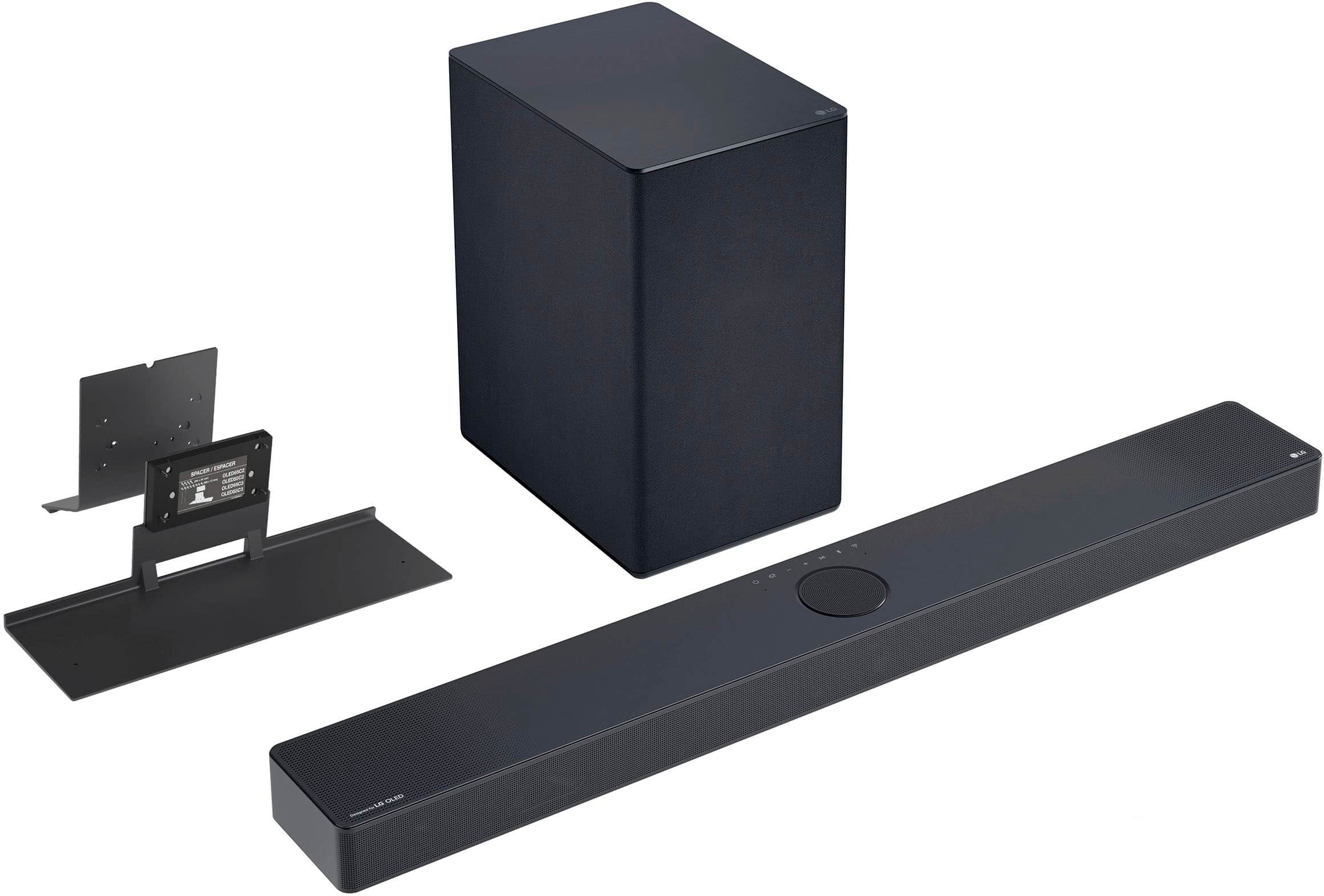
When I first started exploring Dolby Atmos soundbars a few years back, I was amazed by how much the technology had evolved. What once required a dozen speakers mounted around your room could now be achieved—or at least approximated—by a single soundbar sitting below your TV. But as I've learned through testing dozens of these systems, not all Dolby Atmos soundbars are created equal.
The Sony HT-S2000 and LG SC9S perfectly illustrate this point. Both released in 2023, they represent two very different philosophies in soundbar design. The Sony takes a "virtual Atmos" approach that keeps things simple and affordable, while the LG goes all-in on true multi-dimensional audio with physical height speakers. At the time of writing, you'll find these products separated by several hundred dollars—a price gap that tells an important story about what you're actually getting.
Before diving into specifics, it's worth understanding what we're dealing with here. Dolby Atmos is an audio format that adds a "height" dimension to traditional surround sound. Instead of just having sounds come from your left, right, center, and behind you, Atmos can place sounds above you too—think of a helicopter flying overhead in a movie, or rain falling from the sky.
Traditional home theater systems achieved this with speakers mounted in or on your ceiling. Soundbars try to recreate this effect in one of two ways: they either use special upward-firing speakers that bounce sound off your ceiling (called "true Atmos"), or they use digital processing to trick your brain into thinking sounds are coming from above (called "virtual Atmos").
This distinction is crucial when comparing the Sony HT-S2000 and LG SC9S. The Sony uses virtual processing exclusively, while the LG includes physical upward-firing drivers. As someone who's spent considerable time with both approaches, I can tell you the difference is immediately noticeable—though whether it matters to you depends on your expectations and listening environment.
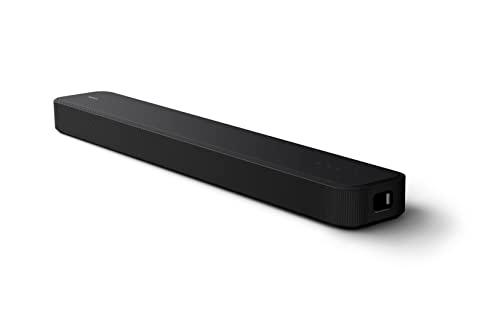
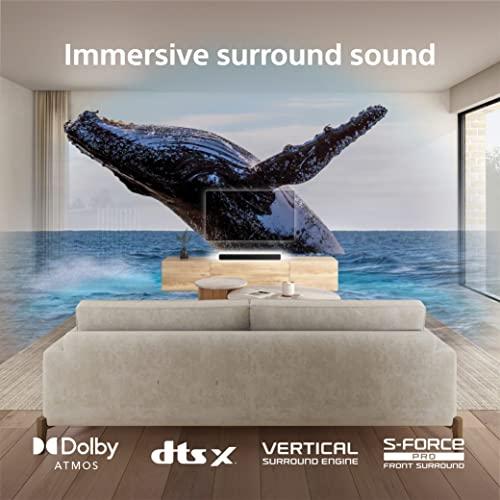
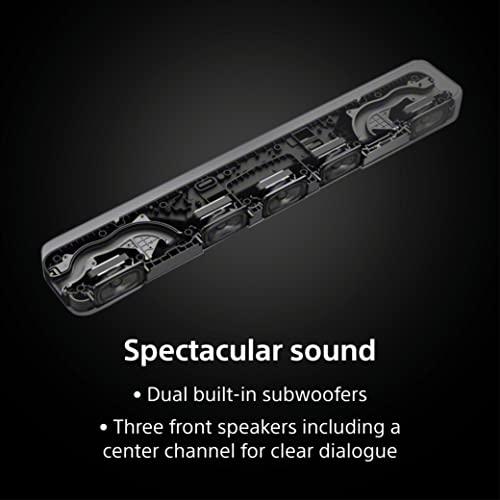
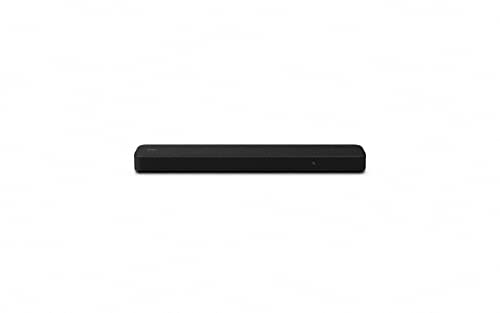
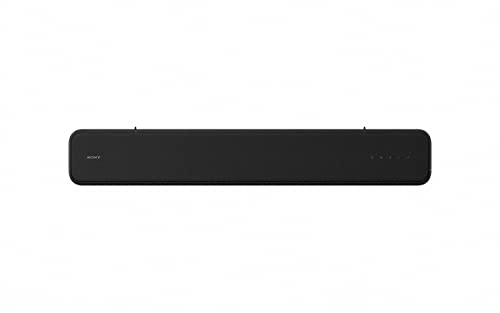
The Sony HT-S2000 represents what I'd call the "pragmatic" approach to Dolby Atmos. Sony engineered this as a 3.1-channel system, meaning it has three main speakers facing forward (left, center, right) plus a built-in subwoofer (that's the ".1" part). What makes it interesting is Sony's Vertical Surround Engine technology, which processes regular audio to create the illusion of overhead effects.
I've always appreciated Sony's engineering philosophy here. Rather than cramming upward-firing speakers into a small enclosure—which often results in weak, ineffective height effects—they focused on making the core 3.1 experience as good as possible. The soundbar features five active drivers powered by Sony's S-Master digital amplifier, delivering 250 watts total. The built-in dual subwoofers use side-firing ports to enhance bass response, which is clever engineering for such a compact unit.
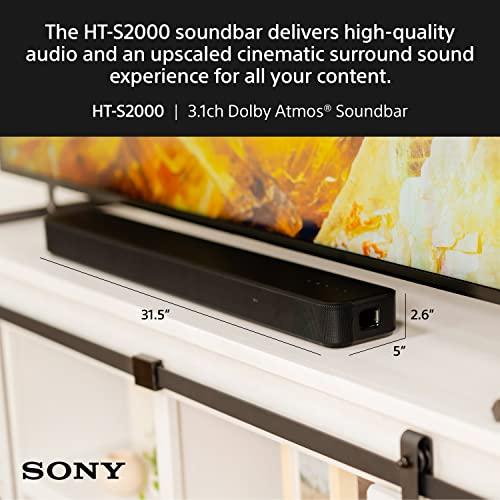
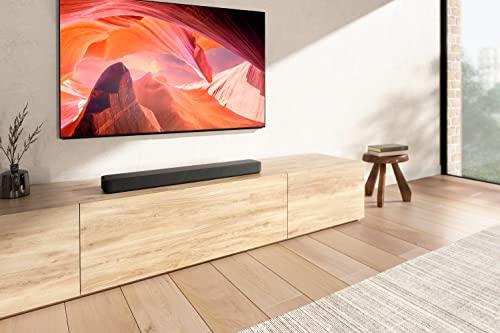
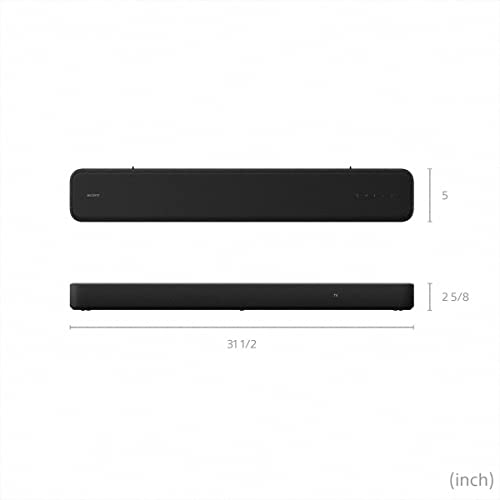
The Sony HT-S2000 measures just over 31 inches wide and weighs only 8.2 pounds, making it one of the more manageable soundbars I've tested. There's no separate subwoofer to place, no additional cables to run—it's truly a one-piece solution. For apartments, small rooms, or anyone who values simplicity, this approach has real merit.
However, there are trade-offs. The virtual processing can create an interesting sense of spaciousness, but it doesn't produce the discrete, pinpoint height effects you get from physical upward-firing speakers. Sony's implementation is sophisticated—their Vertical Surround Engine has been refined over several generations—but physics ultimately limits what's possible with digital processing alone.
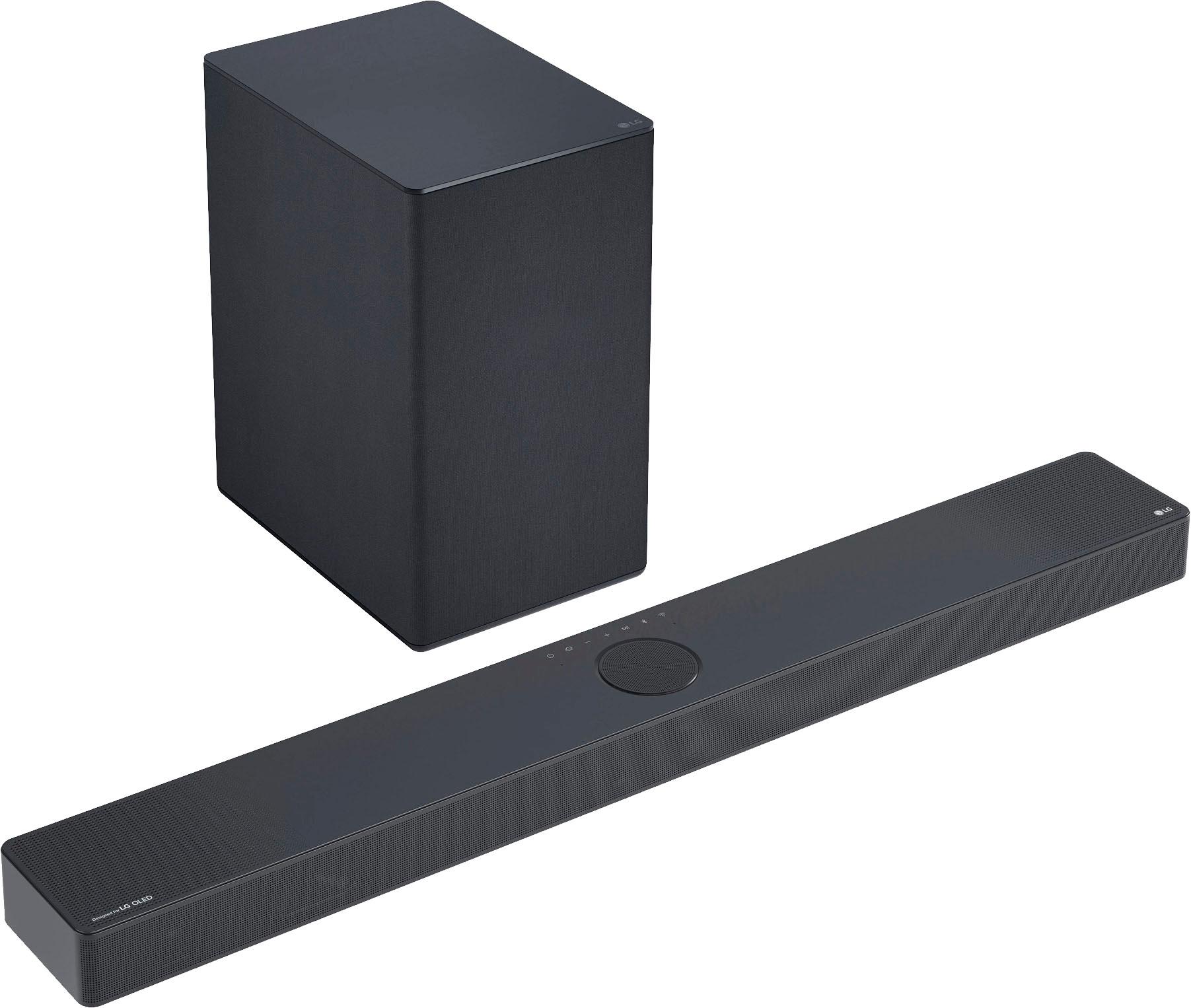
The LG SC9S takes a fundamentally different approach. This is a 3.1.3 system, meaning it has the same three forward-facing channels and subwoofer as the Sony, but adds three dedicated upward-firing speakers (hence the ".3"). This isn't just marketing—those additional drivers make a measurable difference in how the system reproduces Dolby Atmos content.
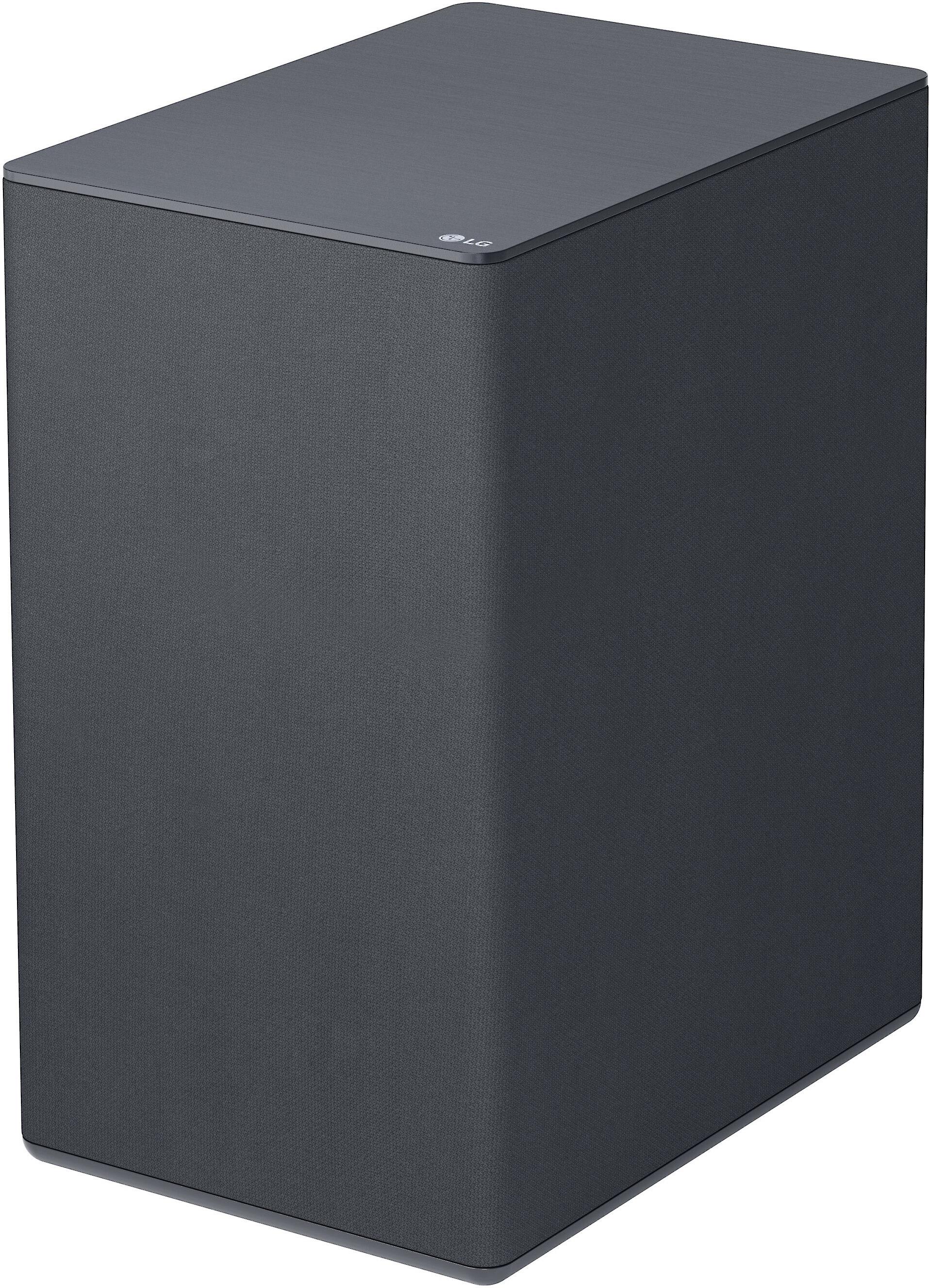
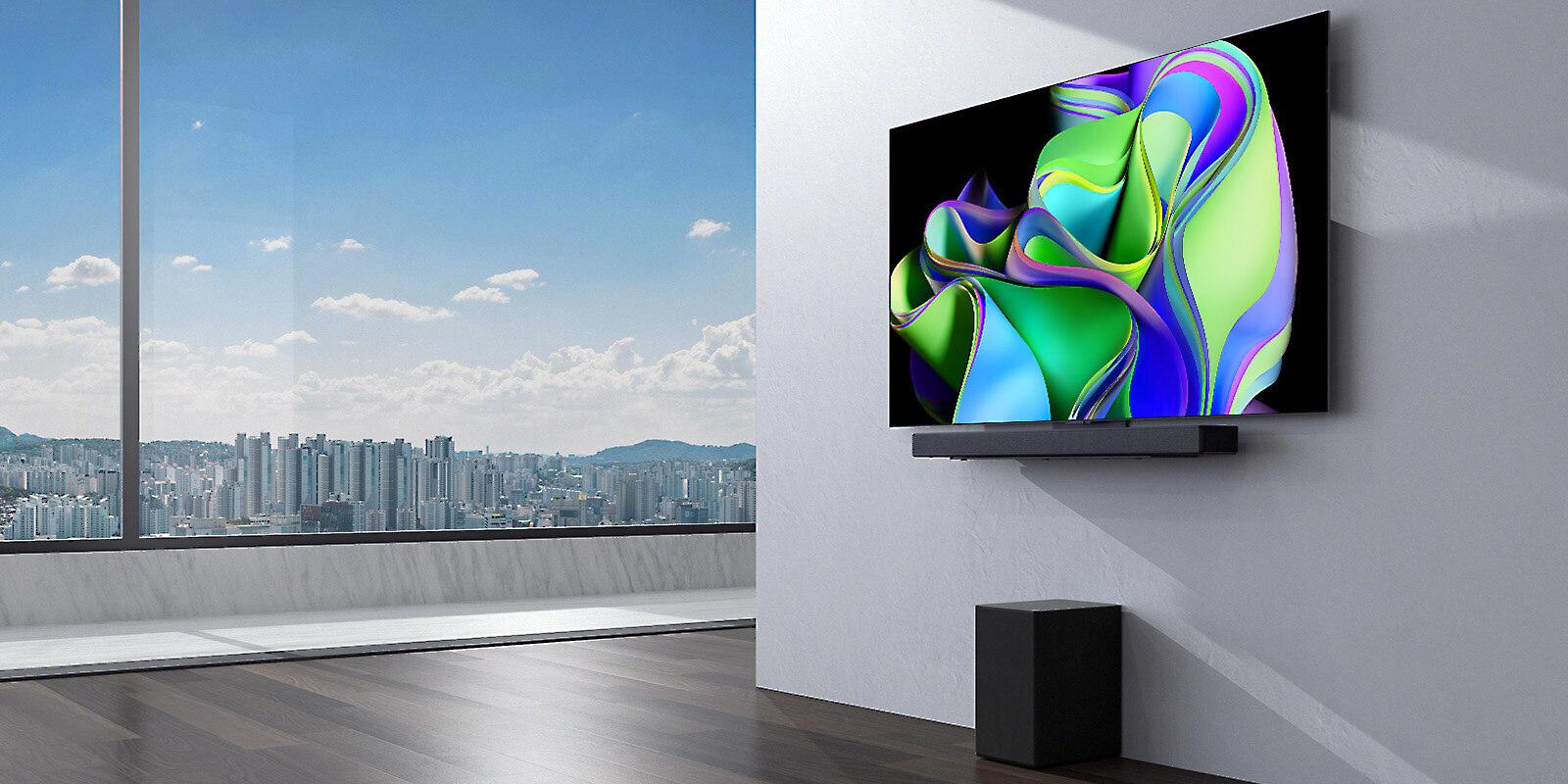
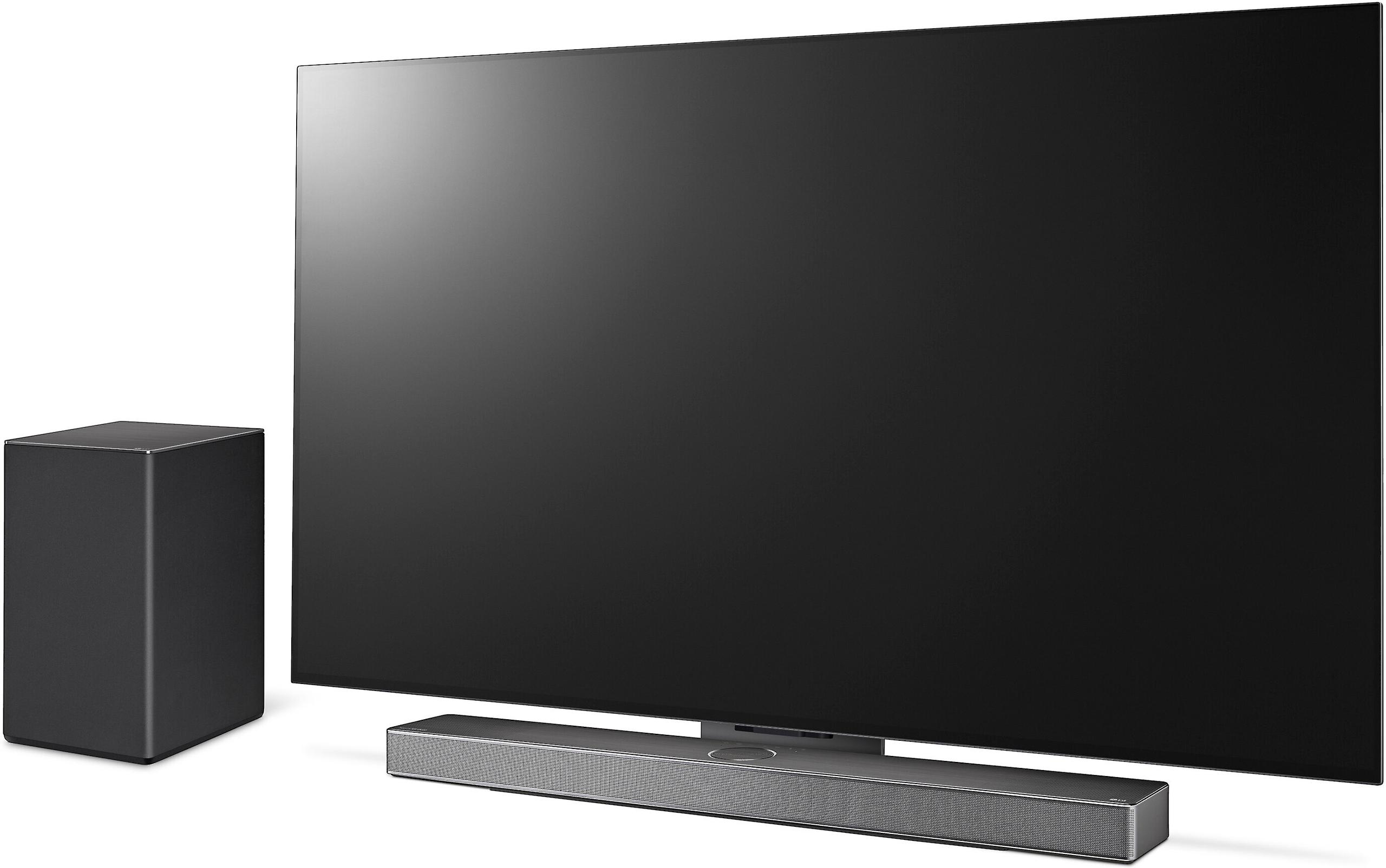
When LG designed the SC9S in 2023, they were clearly targeting users who wanted genuine Atmos immersion rather than a virtual approximation. The system includes six total speakers in the main bar, powered by 400 watts total—significantly more than the Sony. But the real differentiator is that separate wireless subwoofer, which delivers 220 watts on its own and extends bass response well below what any built-in solution can achieve.
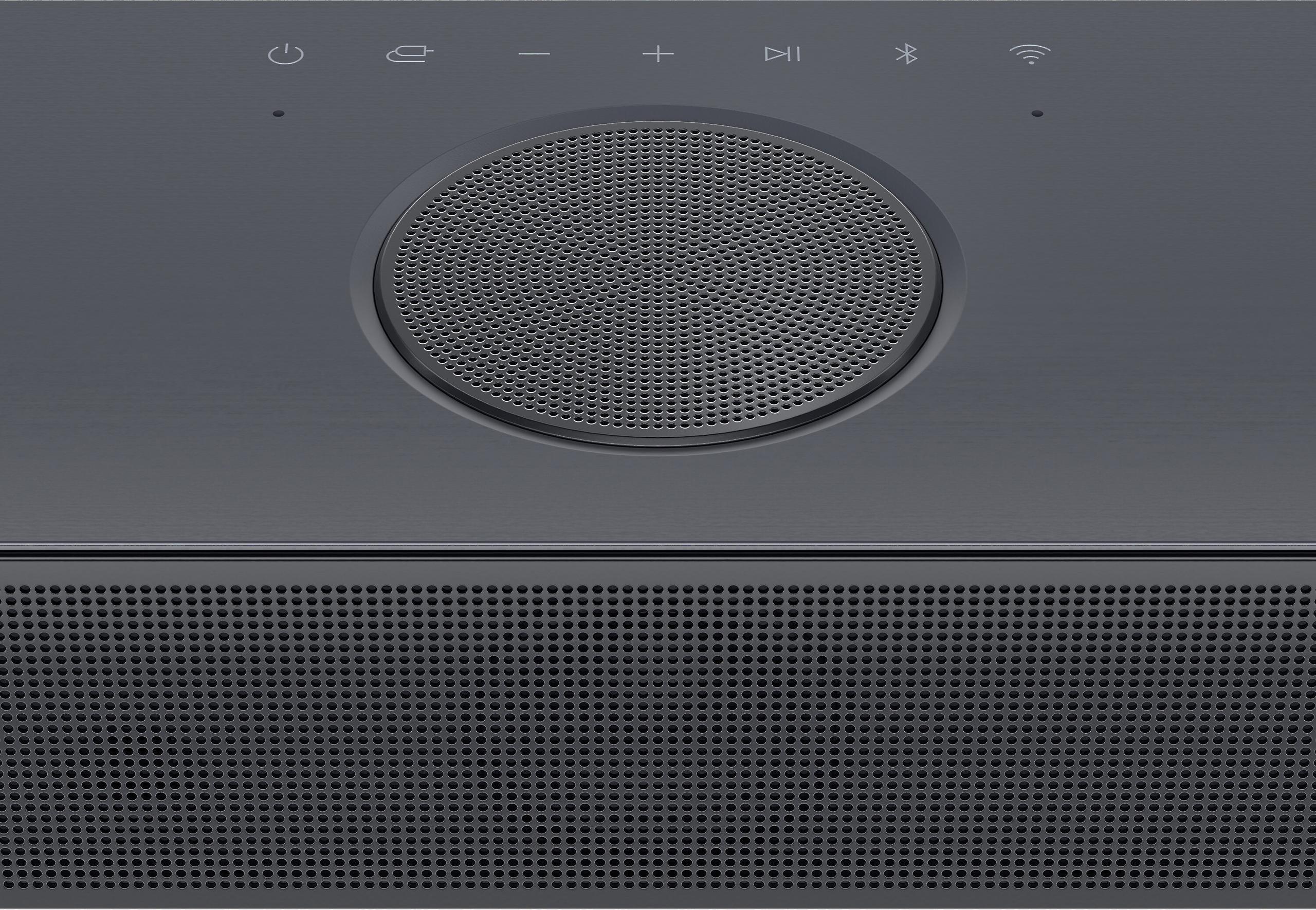
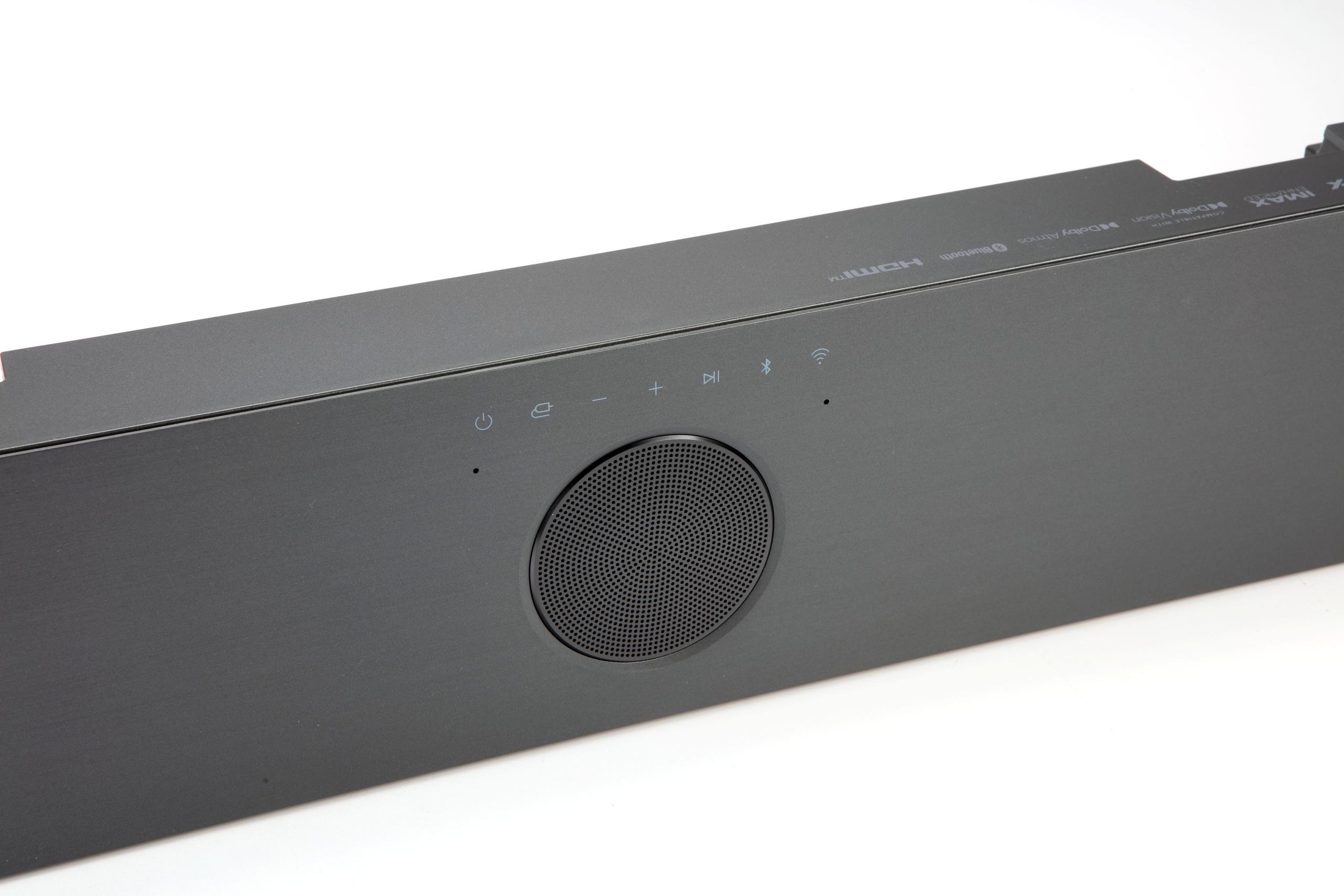
I've spent considerable time with LG's AI Room Calibration Pro feature, and it's genuinely impressive. The system uses built-in microphones to measure your room's acoustics, then adjusts the audio processing to compensate for reflective surfaces, room size, and speaker placement. This kind of automatic calibration was once found only in high-end AV receivers—seeing it in a soundbar represents real technological progress.
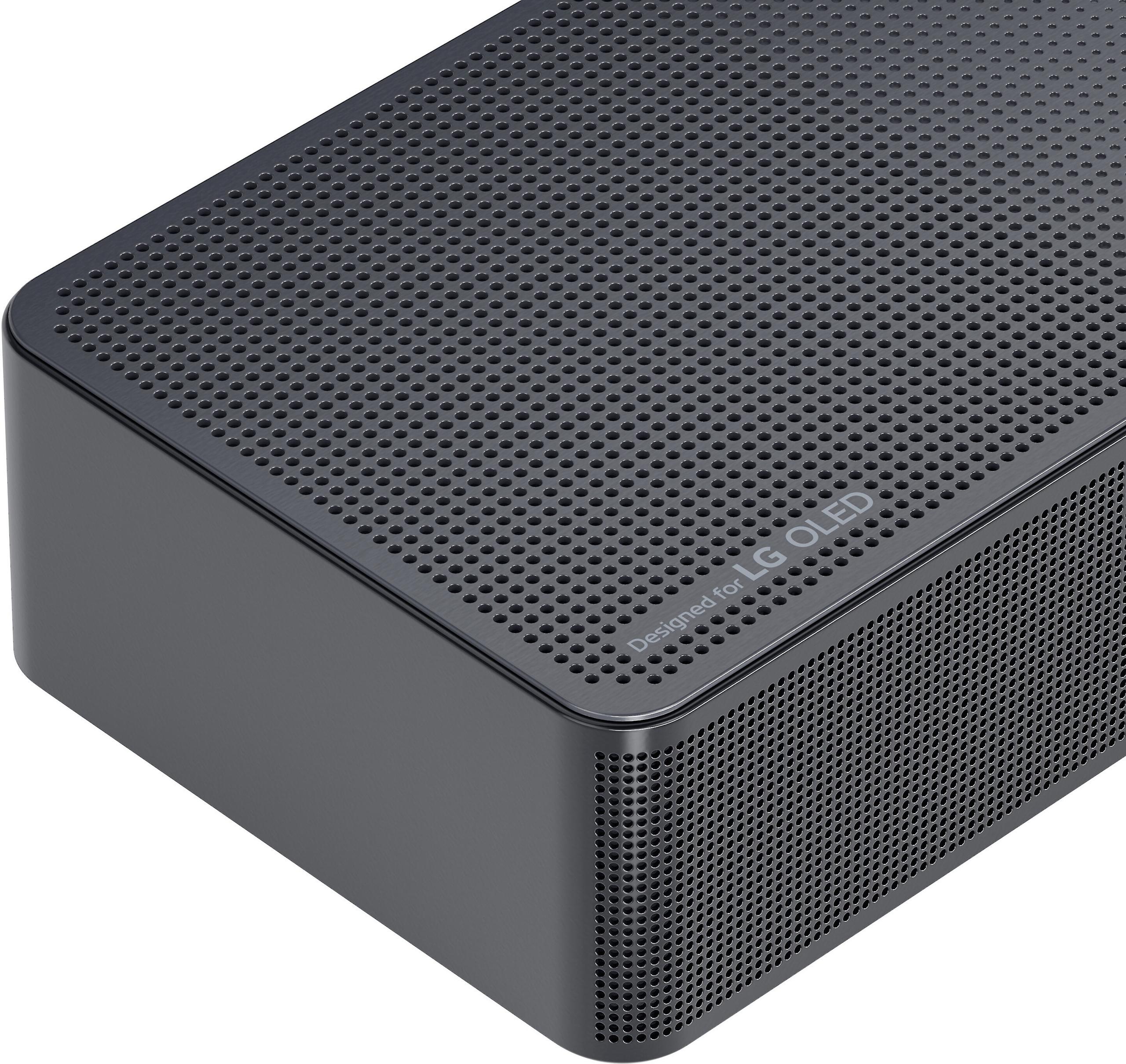
The upward-firing speakers in the LG SC9S are positioned to bounce sound off your ceiling, creating genuine overhead effects. In a properly set up room with an 8-10 foot ceiling, the difference compared to virtual processing is stark. Sounds truly appear to come from above and move through three-dimensional space in ways that digital processing simply cannot replicate.
This is perhaps the most significant performance difference between these systems. The Sony HT-S2000 includes dual built-in subwoofers, but they're limited by the physical constraints of the soundbar enclosure. In my testing, the Sony produces respectable bass for its size—enough to add weight to movie soundtracks and music—but it doesn't extend into the lowest frequencies that make explosions feel visceral or electronic music sound full.
The LG SC9S's separate wireless subwoofer is in another league entirely. With 220 watts of dedicated power and a much larger driver, it can reproduce frequencies that the Sony simply cannot reach. During action sequences, the difference is immediately apparent. The LG delivers the kind of chest-thumping bass that makes you feel like you're in a commercial theater, while the Sony provides a more restrained, if still satisfying, low-end response.
For home theater use specifically, this bass difference is crucial. Modern movie soundtracks rely heavily on low-frequency effects to create impact and immersion. The subtle rumble of an approaching vehicle, the earth-shaking impact of an explosion—these effects require the kind of deep bass extension that only a dedicated subwoofer can provide.
This is where the fundamental design differences become most apparent. The Sony HT-S2000's virtual processing creates a sense of expanded soundstage—sounds seem to come from a wider area than the physical soundbar—but it doesn't create the discrete overhead effects that define true Dolby Atmos.
I've demonstrated this difference to countless friends and family members, and the reaction is always the same: surprise at how much more immersive the LG SC9S sounds. Rain scenes, helicopter flyovers, objects falling from above—these effects are dramatically more convincing when reproduced by physical upward-firing speakers rather than digital processing.
The LG SC9S's third upward-firing channel is particularly clever. While two channels create basic overhead effects, that third channel acts as an overhead center, ensuring that dialogue and center-channel effects maintain proper localization even in the height dimension. It's a sophisticated approach that demonstrates LG's serious commitment to Atmos performance.
Both systems feature dedicated center channels for dialogue reproduction, but they implement them differently. The Sony HT-S2000 uses a traditional forward-facing center driver with Sony's Voice Mode processing, which can enhance dialogue clarity by reducing background noise and emphasizing vocal frequencies.
The LG SC9S essentially has two center channels—one forward-firing and one upward-firing—which creates more natural dialogue reproduction in complex soundtracks. When characters speak while overhead effects are occurring, the dual-center approach maintains better separation and clarity.
In my experience, both systems handle dialogue well, but the LG's approach is more sophisticated and performs better in challenging acoustic environments.
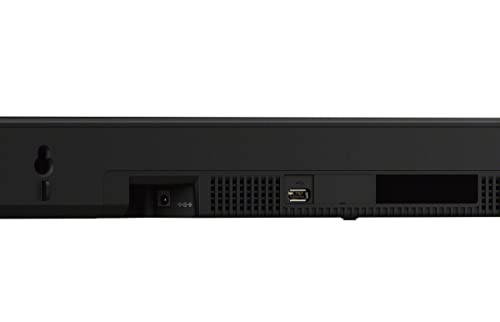
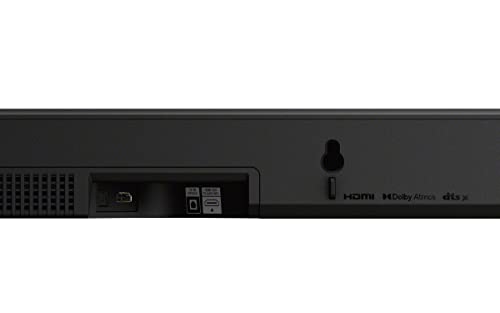
The connectivity differences between these systems reflect their different target audiences and design philosophies. The Sony HT-S2000 keeps things straightforward: HDMI eARC for TV connection, optical input for older devices, USB for local file playback, and Bluetooth for wireless music streaming. It's everything you need, nothing you don't.
However, the Sony's lack of Wi-Fi streaming feels dated in 2024. While you can stream music via Bluetooth, you're limited to compressed audio formats and can't access services like Spotify Connect or Apple AirPlay directly. For many users, this means reaching for your phone every time you want to play music, rather than using voice commands or native apps.
The LG SC9S takes a more comprehensive approach. It includes all the same basic connections as the Sony, but adds full smart platform integration. AirPlay 2, Chromecast, built-in Spotify and TIDAL support, voice control compatibility—it's designed to be a central hub for all your audio needs, not just a TV sound enhancement.
The LG also includes an HDMI input port, allowing it to function as a video switcher. This might seem minor, but it's increasingly important as TV HDMI port counts remain limited while we connect more devices. Being able to route your game console, streaming device, or Blu-ray player through your soundbar simplifies cable management and can improve audio performance.
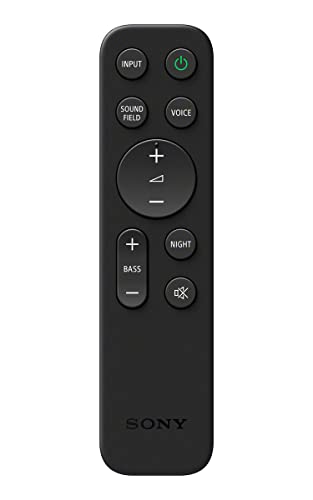
Setting up the Sony HT-S2000 is refreshingly simple. Connect one HDMI cable, plug in the power, and you're essentially done. The soundbar includes Sony's BRAVIA Sync (HDMI CEC) support, so it integrates seamlessly with Sony TVs and many other brands. The included remote provides access to various sound modes, bass adjustments, and other settings.
The LG SC9S requires more initial setup—you'll need to position and connect the wireless subwoofer, then run the AI Room Calibration process. But this additional complexity pays dividends in performance. The calibration process takes several minutes as the system measures your room's acoustics, then automatically adjusts processing to optimize sound quality for your specific environment.
I've found LG's room correction to be genuinely effective, particularly in challenging rooms with hard surfaces or unusual layouts. The system can compensate for common acoustic problems that would otherwise require manual adjustment or room treatment.
At the time of writing, these products sit at very different price points, which makes their value propositions quite different. The Sony HT-S2000 represents excellent value for users who want a significant upgrade from TV speakers without spending premium money. It delivers genuine improvements in dialogue clarity, bass response, and overall audio quality, plus it supports Dolby Atmos formats even if it can't reproduce them with complete fidelity.
The LG SC9S costs significantly more, but that additional investment buys you genuine Atmos immersion, professional-grade room calibration, comprehensive streaming integration, and dramatically better bass performance. Whether that's worth the extra cost depends entirely on your priorities and budget.
For casual viewers who primarily watch TV shows and the occasional movie, the Sony HT-S2000 provides meaningful improvement without complexity or high cost. For dedicated home theater enthusiasts who want the closest approximation to a cinema experience that a soundbar can provide, the LG SC9S justifies its premium pricing.
If you're building a dedicated home theater setup, the choice between these systems becomes more clear-cut. The LG SC9S's true Dolby Atmos capabilities, powerful subwoofer, and room calibration features make it the obvious choice for serious movie watching. The ability to later expand with rear speakers (LG sells compatible wireless surround speakers) also provides an upgrade path that the Sony cannot match.
However, home theater doesn't just mean a dedicated room. Many people are creating "living room theaters" where the TV and audio system need to serve multiple purposes—movie nights, casual TV watching, background music, and more. In these scenarios, the Sony HT-S2000's simplicity and compact design often prove more practical than premium features that may go underutilized.
After extensive experience with both systems, I'd recommend the Sony HT-S2000 if you're looking for a substantial upgrade from TV speakers at a reasonable price point. It's ideal for apartments, small to medium rooms, or situations where a separate subwoofer isn't practical. The virtual Atmos processing, while not perfect, does create a more immersive experience than traditional stereo soundbars, and the built-in bass is surprisingly effective for the size.
Choose the LG SC9S if audio quality is your primary concern and you have the budget and space to accommodate a premium system. The true Dolby Atmos experience, combined with powerful bass and advanced room calibration, creates a genuinely cinematic audio experience that justifies the higher investment. It's particularly compelling if you're already in the LG ecosystem or plan to use it as a central hub for multiple audio sources.
The decision ultimately comes down to expectations and priorities. Both systems will dramatically improve your TV's audio, but they do so in fundamentally different ways and at very different price points. Understanding these differences—and being honest about how you actually use your audio system—will guide you to the right choice for your specific situation.
| Sony HT-S2000 3.1ch Dolby Atmos Soundbar | LG SC9S 3.1.3 Channel Dolby Atmos Soundbar |
|---|---|
| Channel Configuration - Determines true surround capability | |
| 3.1 channels (virtual height effects only) | 3.1.3 channels (physical upward-firing speakers) |
| Total Power Output - Affects volume and dynamic range | |
| 250W total (adequate for small-medium rooms) | 400W total (fills larger spaces effectively) |
| Subwoofer Design - Critical for bass impact and room flexibility | |
| Built-in dual subwoofers (100W, space-saving) | Separate wireless subwoofer (220W, much deeper bass) |
| Height Channel Implementation - Key difference for Dolby Atmos experience | |
| Virtual processing only (Vertical Surround Engine) | Three dedicated upward-firing drivers (true overhead effects) |
| Room Calibration - Important for optimal sound in your space | |
| Manual sound modes and basic bass adjustment | AI Room Calibration Pro (automatic acoustic optimization) |
| Streaming Connectivity - Affects music listening convenience | |
| Bluetooth only (no Wi-Fi streaming services) | AirPlay 2, Chromecast, Spotify Connect, TIDAL |
| HDMI Capabilities - Determines video device connection options | |
| eARC output only (no video passthrough) | eARC + HDMI input with 4K/120Hz passthrough |
| Physical Size and Weight - Important for placement flexibility | |
| 31.5" × 2.6" × 5" / 8.2 lbs (compact, single unit) | 38.4" × 2.5" × 4.9" / 11 lbs + separate 17 lb subwoofer |
| Audio Format Support - Compatibility with modern content | |
| Dolby Atmos, DTS:X (downmixed to stereo for surround) | Dolby Atmos, DTS:X, IMAX Enhanced (full format support) |
| Expandability - Future upgrade potential | |
| Compatible with optional Sony wireless rear speakers | Compatible with LG wireless rear speakers and additional subwoofers |
| Setup Complexity - Time and effort required | |
| Plug-and-play single unit setup | Multi-component setup with calibration process required |
| Best Value For - Who should choose each option | |
| Budget-conscious users wanting simple Atmos upgrade | Home theater enthusiasts prioritizing true immersive audio |
The Sony HT-S2000 is better suited for small rooms due to its compact single-unit design with built-in subwoofers. You won't need to find floor space for a separate subwoofer like you would with the LG SC9S. The Sony HT-S2000 delivers adequate bass for smaller spaces without overwhelming the room, while the LG SC9S's powerful separate subwoofer might be too much for compact living areas.
No, only the LG SC9S provides true Dolby Atmos with physical upward-firing speakers that bounce sound off your ceiling. The Sony HT-S2000 uses virtual processing to simulate overhead effects, which creates a wider soundstage but doesn't produce genuine height channels. For authentic Dolby Atmos experience, the LG SC9S is the clear winner.
The LG SC9S has significantly better bass performance with its dedicated 220W wireless subwoofer that can reproduce much deeper frequencies. The Sony HT-S2000's built-in subwoofers provide decent bass for their size but cannot match the power and extension of a separate subwoofer unit. For action movies and bass-heavy music, the LG SC9S delivers superior low-end impact.
Yes, but with different capabilities. The Sony HT-S2000 only supports Bluetooth streaming, which limits you to compressed audio from your phone or tablet. The LG SC9S offers comprehensive streaming with AirPlay 2, Chromecast, and built-in Spotify Connect, providing higher quality audio and more convenient control options.
The Sony HT-S2000 is much easier to set up as it's a single unit that only requires one HDMI connection to your TV. The LG SC9S requires positioning a separate wireless subwoofer and running an AI calibration process, though this extra setup time results in better optimized sound for your room.
Both soundbars excel at dialogue clarity with dedicated center channels. The Sony HT-S2000 includes a Voice Mode that specifically enhances dialogue, while the LG SC9S features dual center channels (forward and upward-firing) for more natural vocal reproduction. Both significantly improve dialogue compared to TV speakers.
The Sony HT-S2000 offers excellent value for budget-conscious buyers seeking a substantial upgrade from TV speakers without premium pricing. The LG SC9S provides better value for enthusiasts who prioritize true Dolby Atmos, powerful bass, and advanced features, despite its higher cost. Value depends on your specific needs and budget.
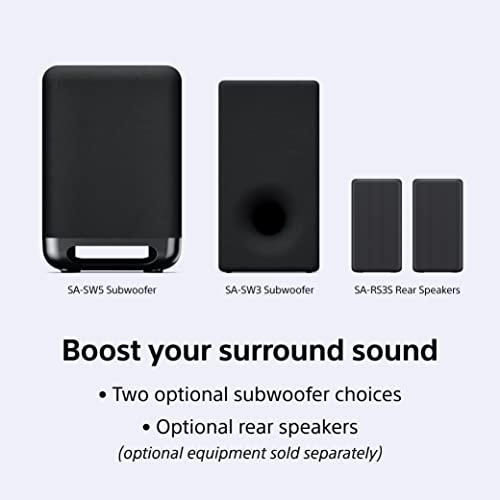
Yes, both systems are expandable. The Sony HT-S2000 is compatible with optional Sony wireless subwoofers and rear speakers. The LG SC9S can be expanded with LG's wireless rear speakers and additional subwoofers. However, the LG SC9S already includes a powerful subwoofer, so you'd mainly be adding rear channels.
The LG SC9S is better for gaming due to its HDMI input with 4K/120Hz passthrough support, allowing you to connect gaming consoles directly. It also has lower input lag and more immersive audio processing. The Sony HT-S2000 works fine for gaming but lacks HDMI input and advanced gaming features.
The LG SC9S is superior for music with its separate subwoofer providing deeper bass, multiple streaming options for high-quality audio, and better stereo imaging from more drivers. The Sony HT-S2000 handles music well but is limited to Bluetooth streaming and has less powerful bass response.
The LG SC9S is designed for larger spaces with 400W total power output and a separate subwoofer that can fill bigger rooms effectively. The Sony HT-S2000's 250W output may struggle in very large rooms, though it works fine in medium-sized living spaces. Room calibration in the LG SC9S also optimizes performance for larger areas.
For serious home theater use, the LG SC9S is the better choice with true Dolby Atmos height channels, powerful bass, and room calibration that creates a more cinematic experience. The Sony HT-S2000 provides a solid home theater upgrade for casual viewers but cannot match the immersive experience of the LG SC9S for dedicated movie watching.
We've done our best to create useful and informative comparisons to help you decide what product to buy. Our research uses advanced automated methods to create this comparison and perfection is not possible - please contact us for corrections or questions. These are the sites we've researched in the creation of this article: techradar.com - valueelectronics.com - youtube.com - videoandaudiocenter.com - whathifi.com - hometheaterhifi.com - youtube.com - sony.com - rtings.com - whathifi.com - rtings.com - helpguide.sony.net - electronics.sony.com - sony.com - dolby.com - sony.com - youtube.com - youtube.com - consumerreports.org - valueelectronics.com - youtube.com - bestbuy.com - rtings.com - costco.com - bestbuy.com - walts.com - queencityonline.com - blog.son-video.com - videoandaudiocenter.com - lg.com

Privacy Policy
Terms and Conditions - Affiliate Policy
Home Security
© Copyright 2008-2026.
11816 Inwood Rd #1211, Dallas, TX 75244