




When I first started testing soundbars seriously a few years back, I quickly learned that this category is full of tough choices. The two products we're comparing today perfectly illustrate the central tension in modern soundbar design: do you want simplicity or completeness? The Sony HT-S2000 and LG S70TR represent two fundamentally different philosophies for solving the same problem—making your TV sound dramatically better.
The soundbar market has evolved tremendously since these products launched in 2024. Both the Sony HT-S2000 and LG S70TR arrived during a particularly competitive period when manufacturers were pushing hard to differentiate their offerings through either advanced virtual processing or more complete physical speaker arrangements.
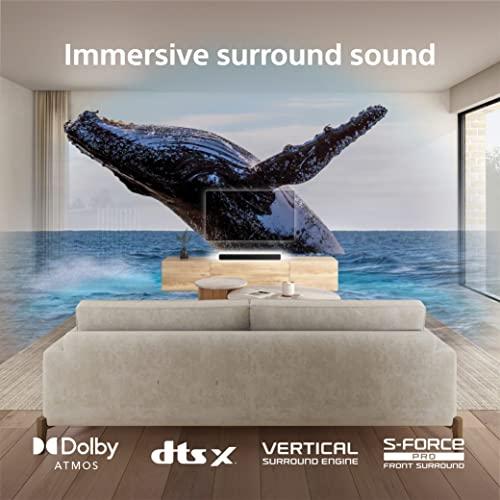
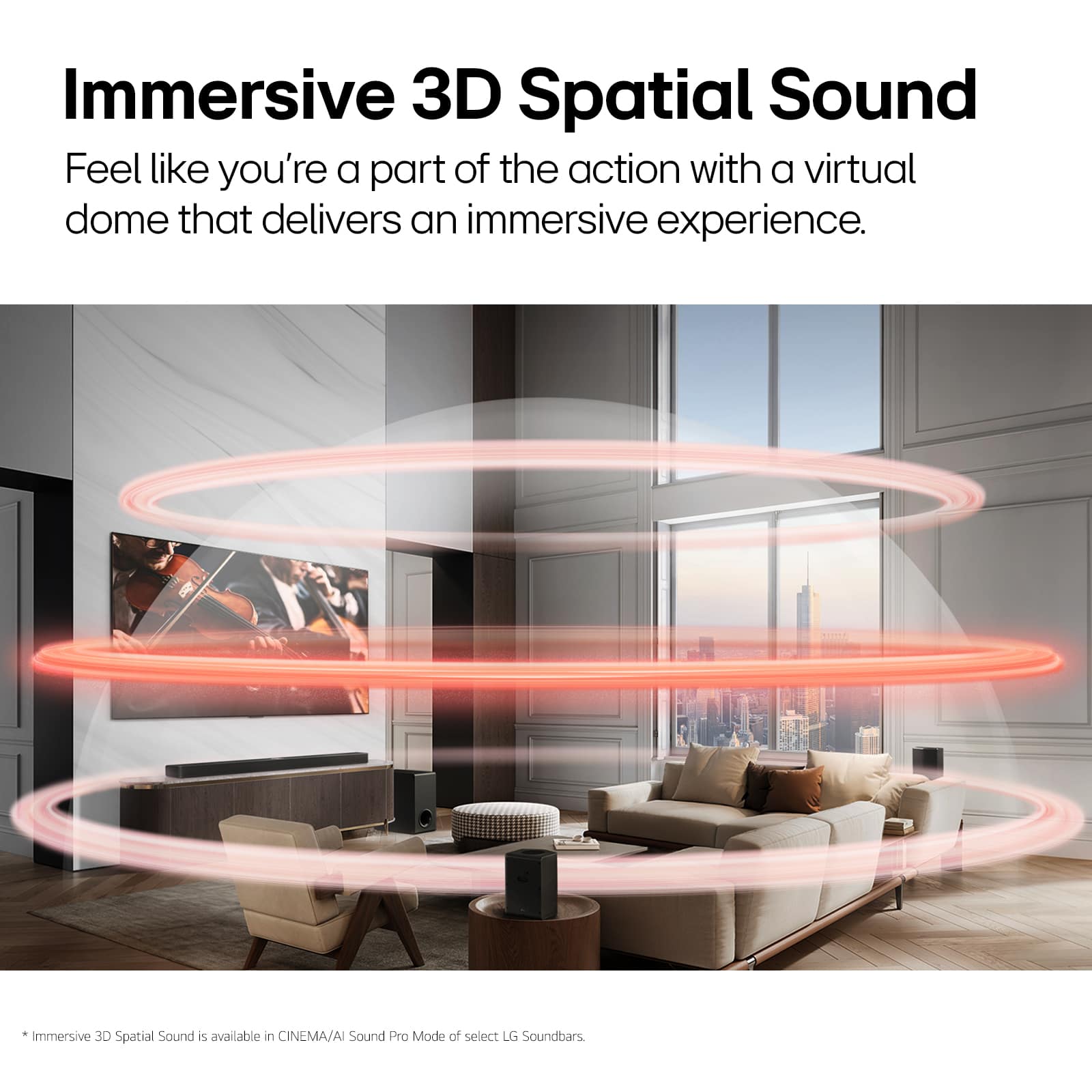
What's fascinating about this timing is how both companies approached the challenge of delivering Dolby Atmos—a surround sound format that originally required speakers mounted in your ceiling—through completely different methods. Dolby Atmos, for those unfamiliar, creates a "sound dome" around you by precisely controlling where specific sounds appear to come from, including overhead effects like helicopters or rain.
The core decision you're making between these two isn't just about sound quality—it's about your entire approach to home audio. Do you want one sleek device that does clever audio tricks, or do you want multiple components that create authentic surround sound the traditional way?
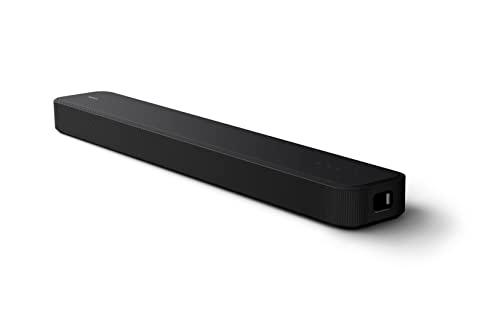
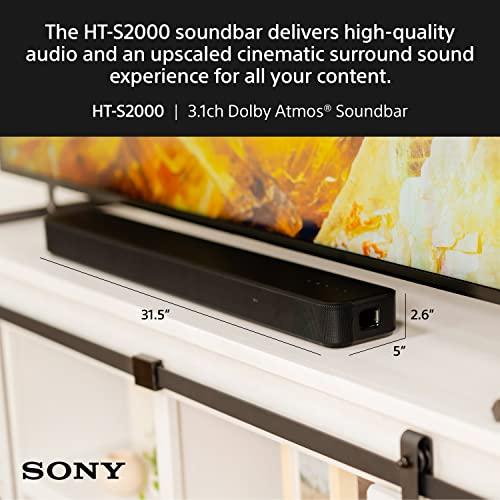
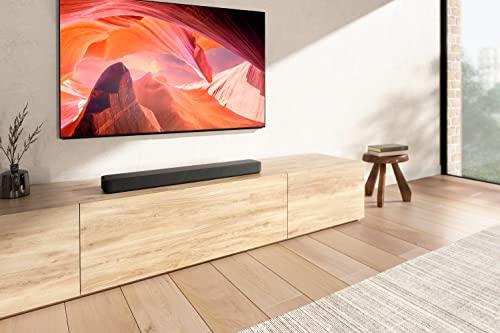
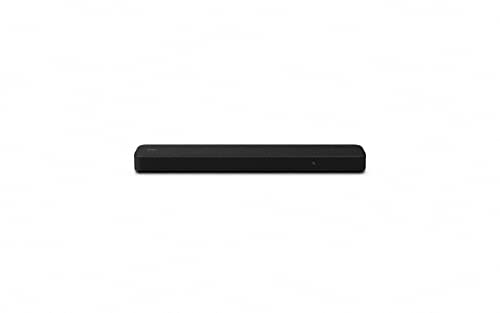
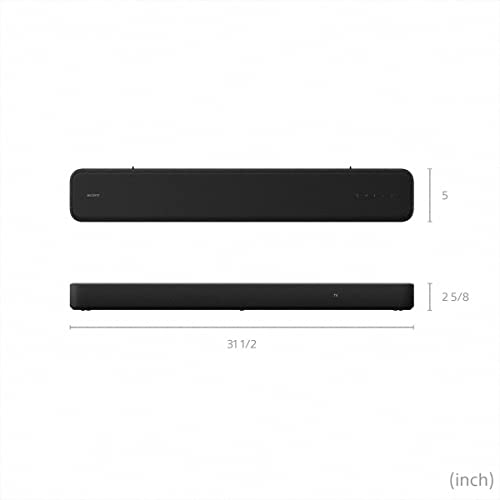
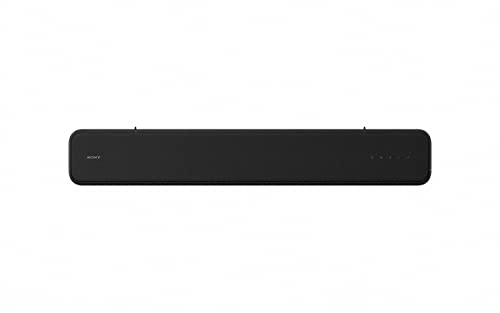
The Sony HT-S2000 embodies what I call the "invisible upgrade" philosophy. At just over 31 inches wide and weighing less than 9 pounds, this soundbar is designed to disappear visually while making your TV's audio dramatically better.
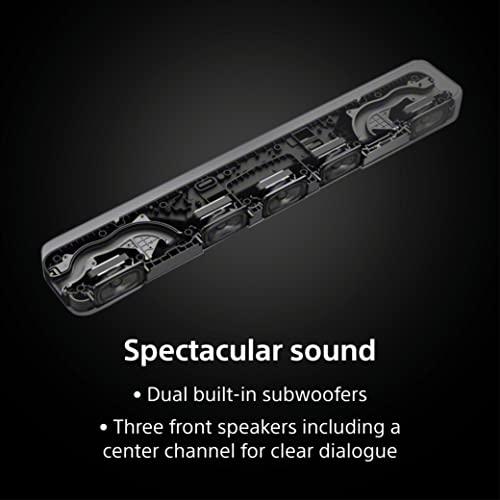
Sony's engineering team packed some impressive technology into this compact package. The heart of the system is Sony's Vertical Surround Engine, which uses psychoacoustic processing—basically tricking your brain into hearing sounds that aren't physically there. This isn't marketing fluff; it's sophisticated digital signal processing that analyzes incoming Dolby Atmos signals and redirects them through the soundbar's five drivers to create the illusion of height and surround effects.
The Sony HT-S2000 also features Sony's X-Balanced Speaker Units, which are rectangular rather than round. This design choice isn't just aesthetic—rectangular drivers can move more air in the same space, potentially delivering more bass and overall output without increasing the soundbar's size.
What struck me most during testing was how effectively this system handles dialogue. The dedicated center channel, combined with Sony's Voice Mode, brings conversation forward in the mix. When watching complex action scenes where dialogue often gets buried under sound effects, the Sony HT-S2000 consistently kept voices intelligible.
However, there's a fundamental limitation here: physics. No amount of clever processing can create the chest-thumping bass that comes from moving large volumes of air, which is why many users eventually find themselves shopping for an additional subwoofer.
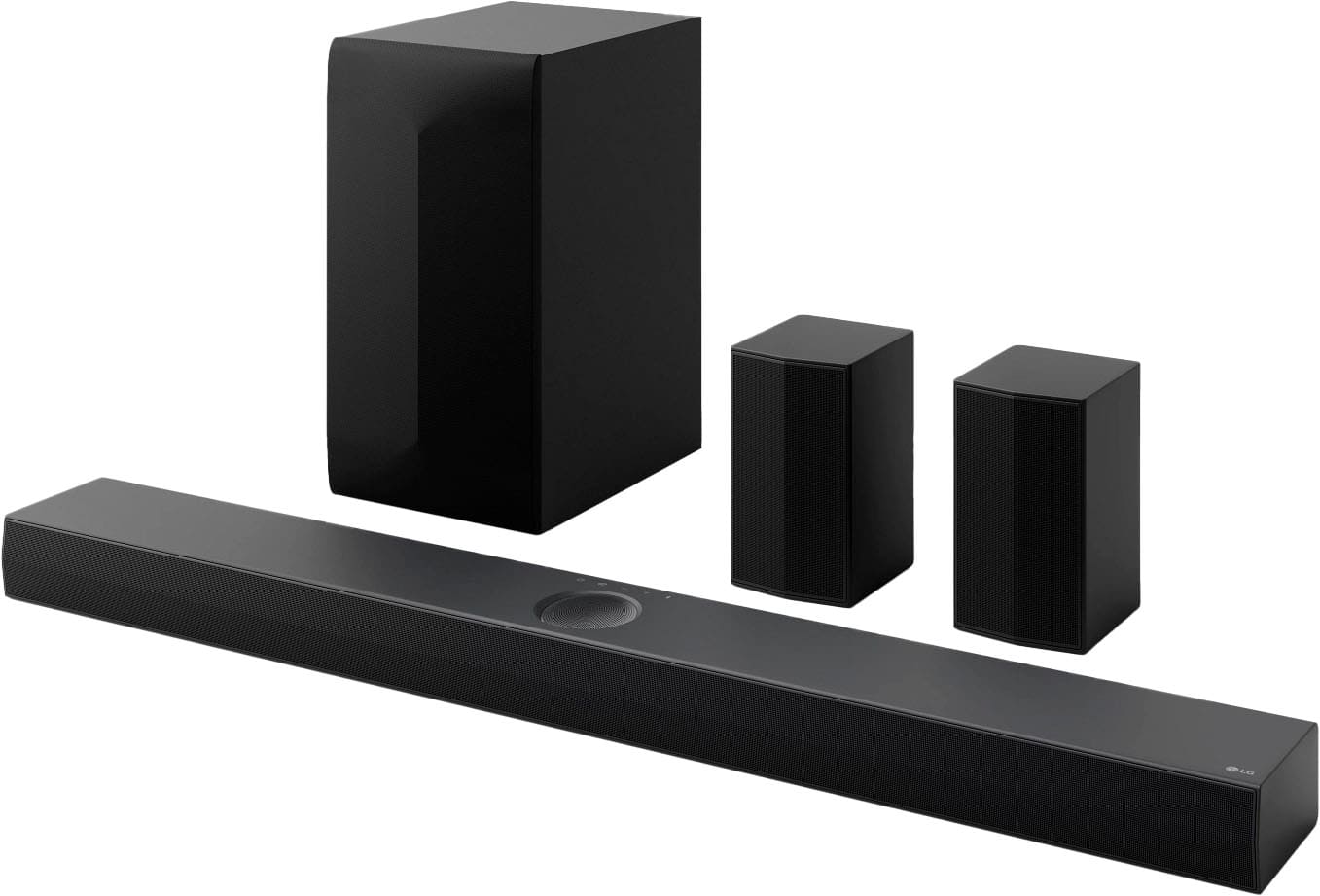
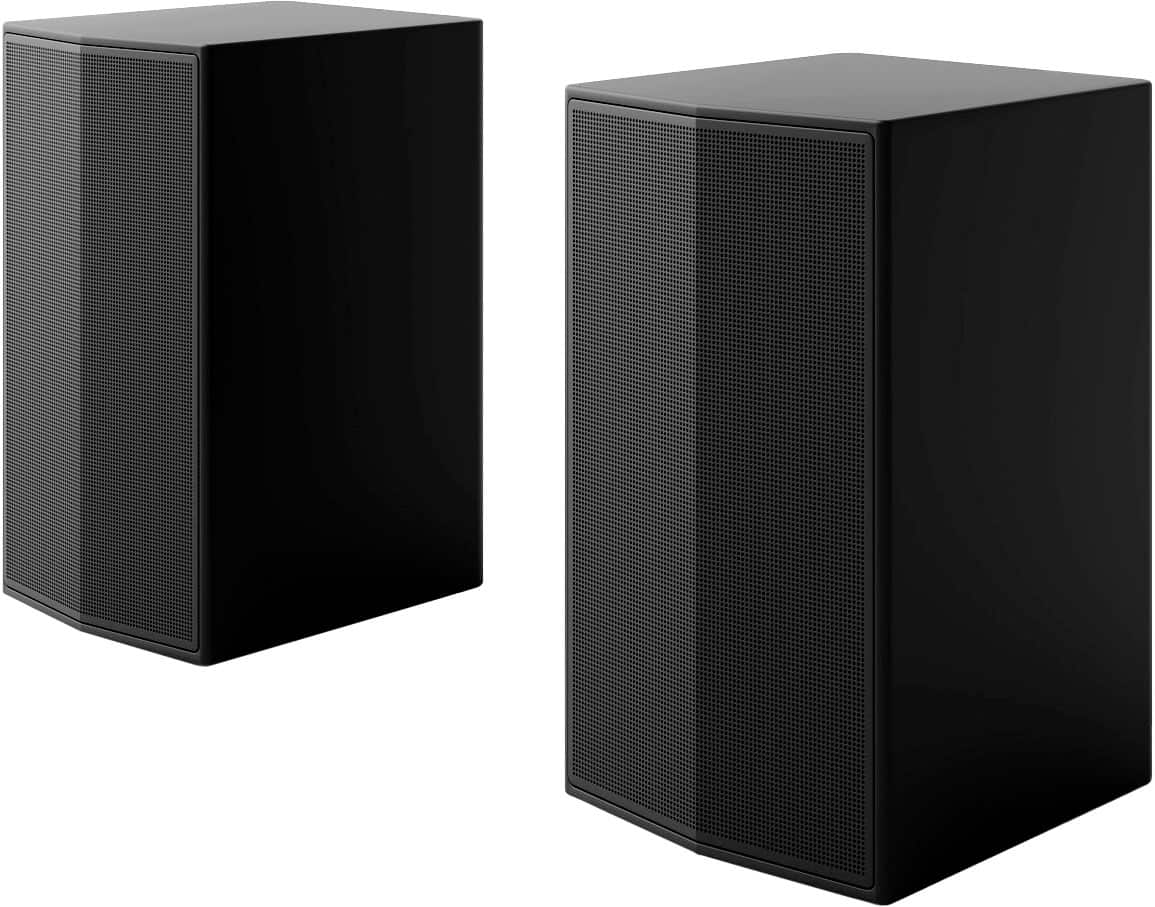
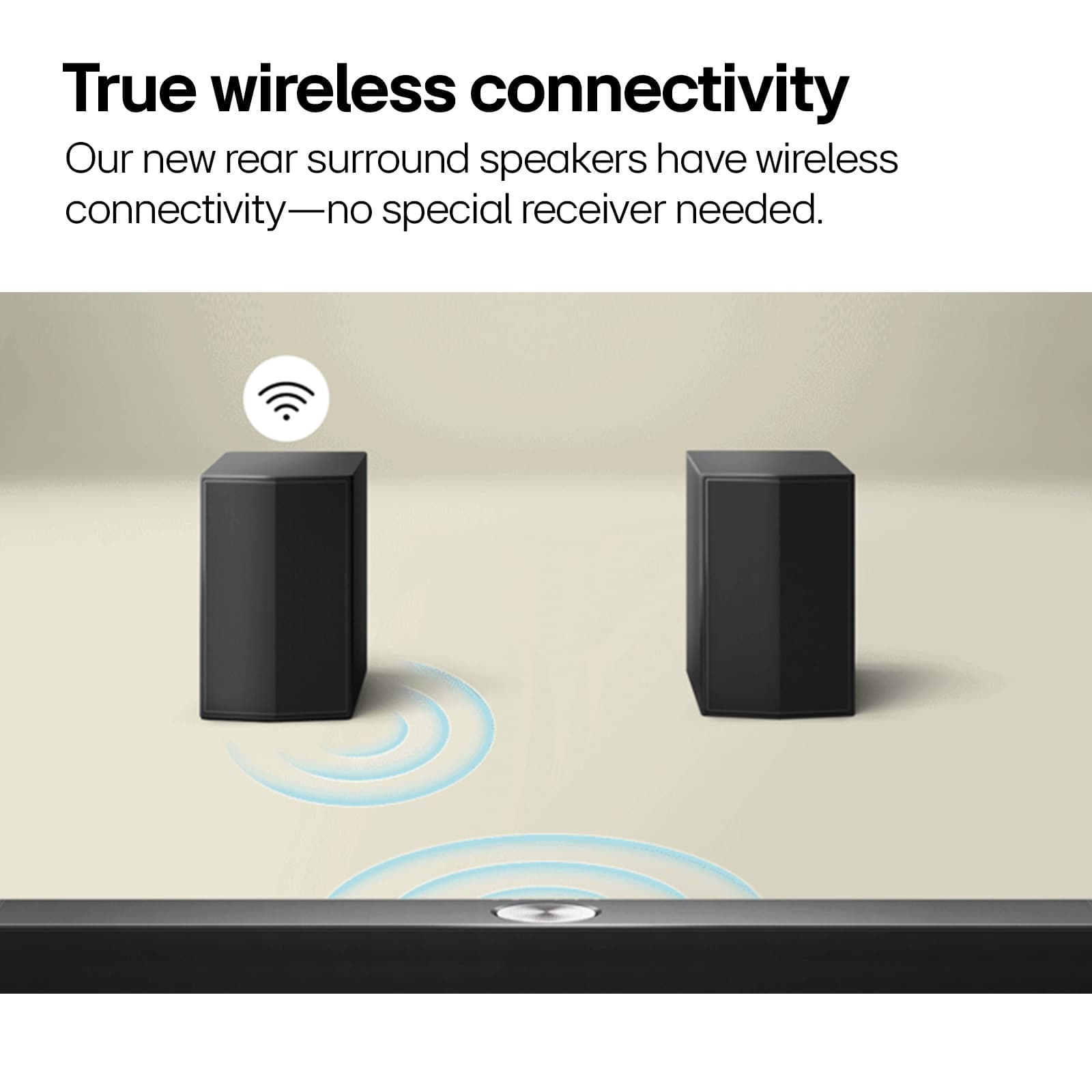
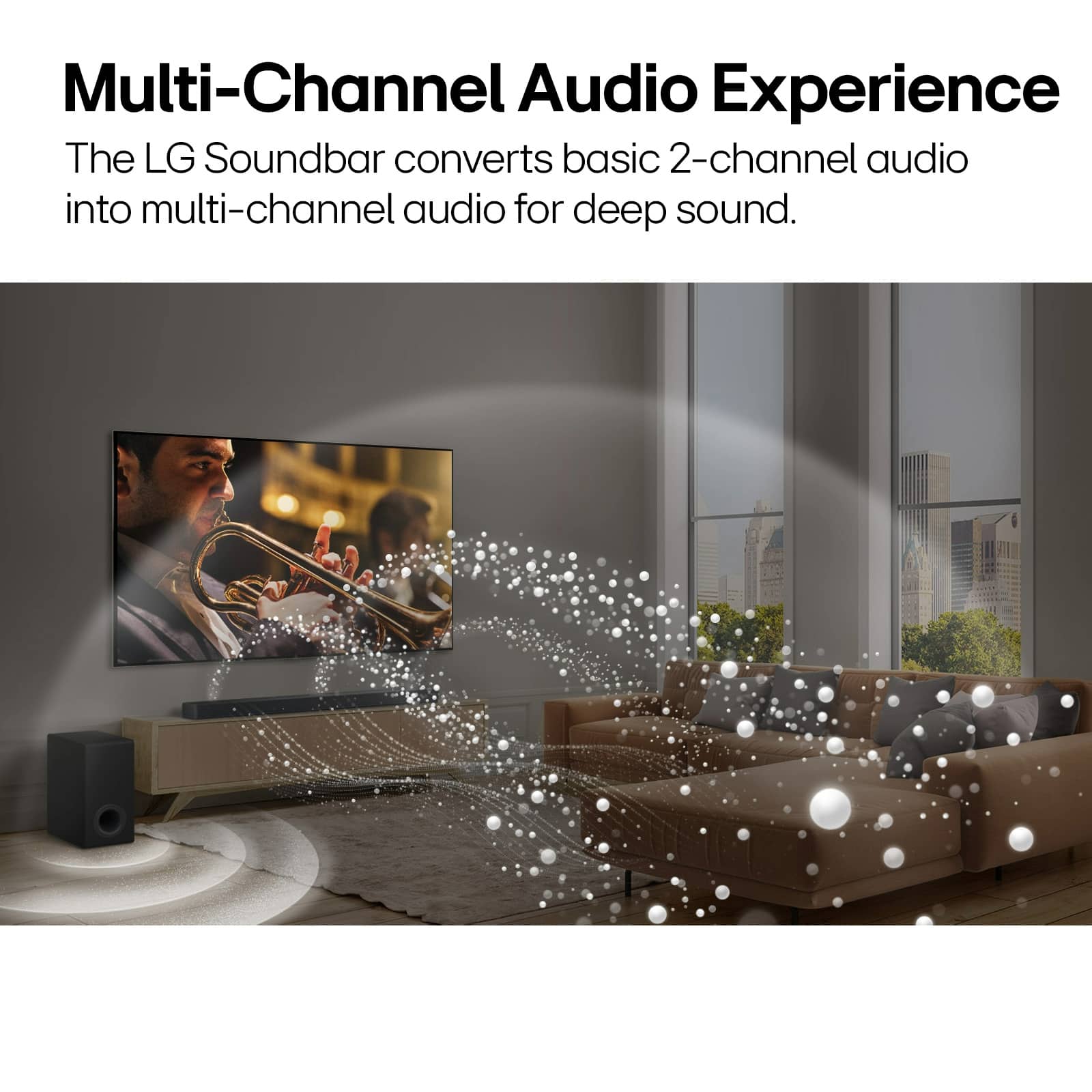
The LG S70TR takes the opposite approach—give you everything upfront. This is a true 5.1.1 channel system, meaning five main speakers, one subwoofer, and one overhead channel. When you unbox the LG S70TR, you're getting four separate components: the main soundbar, a wireless subwoofer, and two rear speakers.
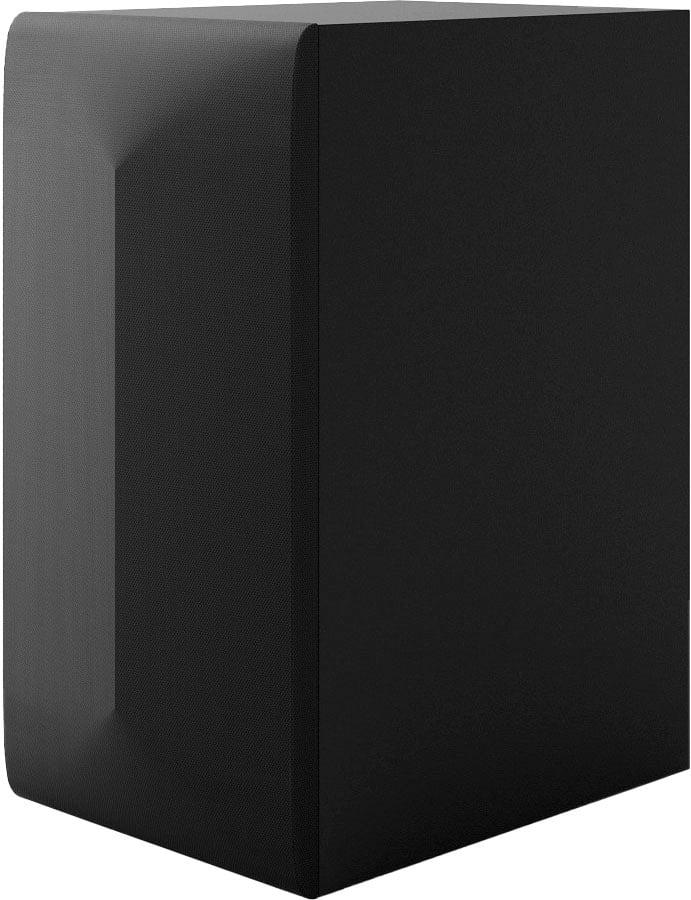
This physical approach to surround sound offers some inherent advantages. The wireless subwoofer features a 7-inch driver powered by a dedicated 220-watt amplifier. That's serious power dedicated solely to bass reproduction. During my testing with bass-heavy content like action movies or hip-hop music, the difference was immediately apparent—you feel the low-frequency effects in your chest rather than just hearing them.
The rear speakers deserve special attention because they solve one of the biggest challenges in home audio: creating convincing surround effects. When a helicopter flies overhead in a movie, physical speakers behind you can create that effect authentically. Virtual processing, no matter how sophisticated, is essentially guessing where your ears are and how sound will bounce around your room.
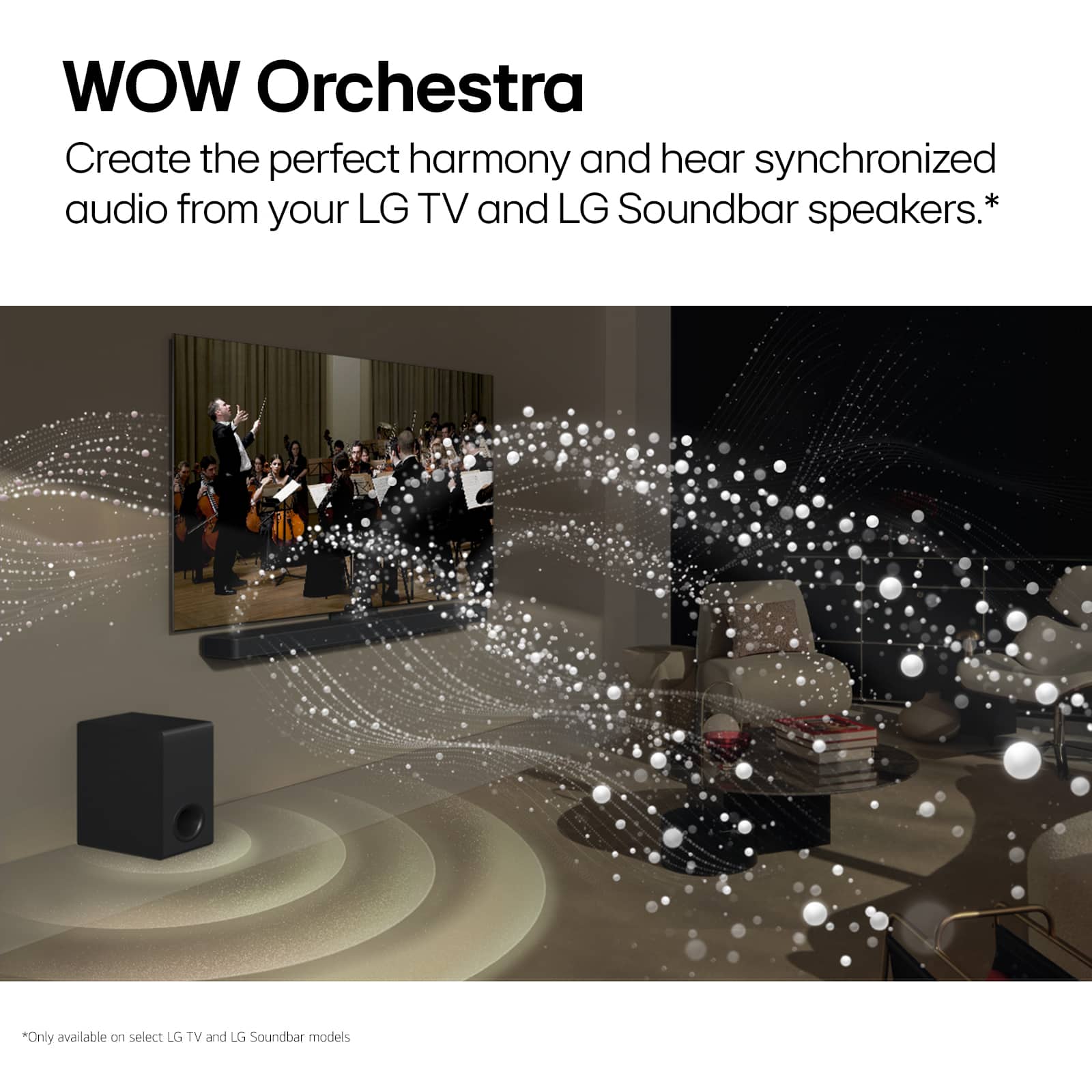
LG also integrated some clever technology here. The WOW Orchestra feature allows the LG S70TR to work in conjunction with your LG TV's built-in speakers, essentially turning your entire entertainment center into one large speaker array. If you have an LG TV, this creates an even wider soundstage.
Bass performance is where these two systems diverge most dramatically. The Sony HT-S2000 includes dual built-in subwoofers with side-firing ports, which is impressive engineering for a single-bar solution. However, these drivers are limited by the soundbar's compact enclosure.
During my testing with the opening sequence of "Mad Max: Fury Road"—a torture test for any audio system—the Sony HT-S2000 delivered adequate low-end rumble but left me wanting more foundation. The explosions felt like they were happening to someone else rather than around me.
The LG S70TR's dedicated subwoofer completely changed this experience. The same explosion sequences had genuine impact, creating that visceral feeling that makes action movies engaging. The subwoofer's front-firing design with a rear bass port creates deeper bass extension than what's physically possible in a soundbar enclosure.
For music listening, this difference becomes even more pronounced. Bass-heavy genres like electronic music or hip-hop need substantial low-frequency support to sound balanced. The Sony HT-S2000 handles vocals and mid-range instruments well but struggles with the foundation that makes music feel full and engaging.
This is where the fundamental difference in approach becomes most apparent. The Sony HT-S2000 uses Sony's S-Force Pro Front Surround technology alongside its Vertical Surround Engine to create virtual surround effects. In ideal conditions—a medium-sized room with good acoustics and optimal seating position—this can be surprisingly effective.
I tested both systems with the ornithopter scenes from "Dune," which features complex overhead movement and ambient desert sounds. The Sony HT-S2000 created a noticeable sense of width and some height effects, definitely an improvement over TV speakers. However, the illusion required me to sit in a specific sweet spot, and the overhead effects felt more suggested than convincing.
The LG S70TR with its physical rear speakers created genuine spatial positioning. The desert wind seemed to swirl around the room, and the ornithopter's movement felt three-dimensional rather than just wider. This is the difference between processing magic and physics—you can't argue with sound actually coming from behind you.
Gaming has become increasingly important in soundbar design, and here the LG S70TR shows clear advantages. The system supports Variable Refresh Rate (VRR) and Auto Low Latency Mode (ALLM)—features that ensure audio stays synchronized with fast-moving visuals.
VRR allows the soundbar to match your gaming console's frame rate, preventing audio-video sync issues during intense gaming sessions. ALLM automatically switches to the lowest possible audio delay when it detects gaming content. For competitive gaming where every millisecond matters, these features are essential.
The Sony HT-S2000 lacks these gaming-specific features, making it less suitable for serious gaming. While it handles gaming audio adequately, the higher latency can create noticeable delays between controller input and audio feedback.
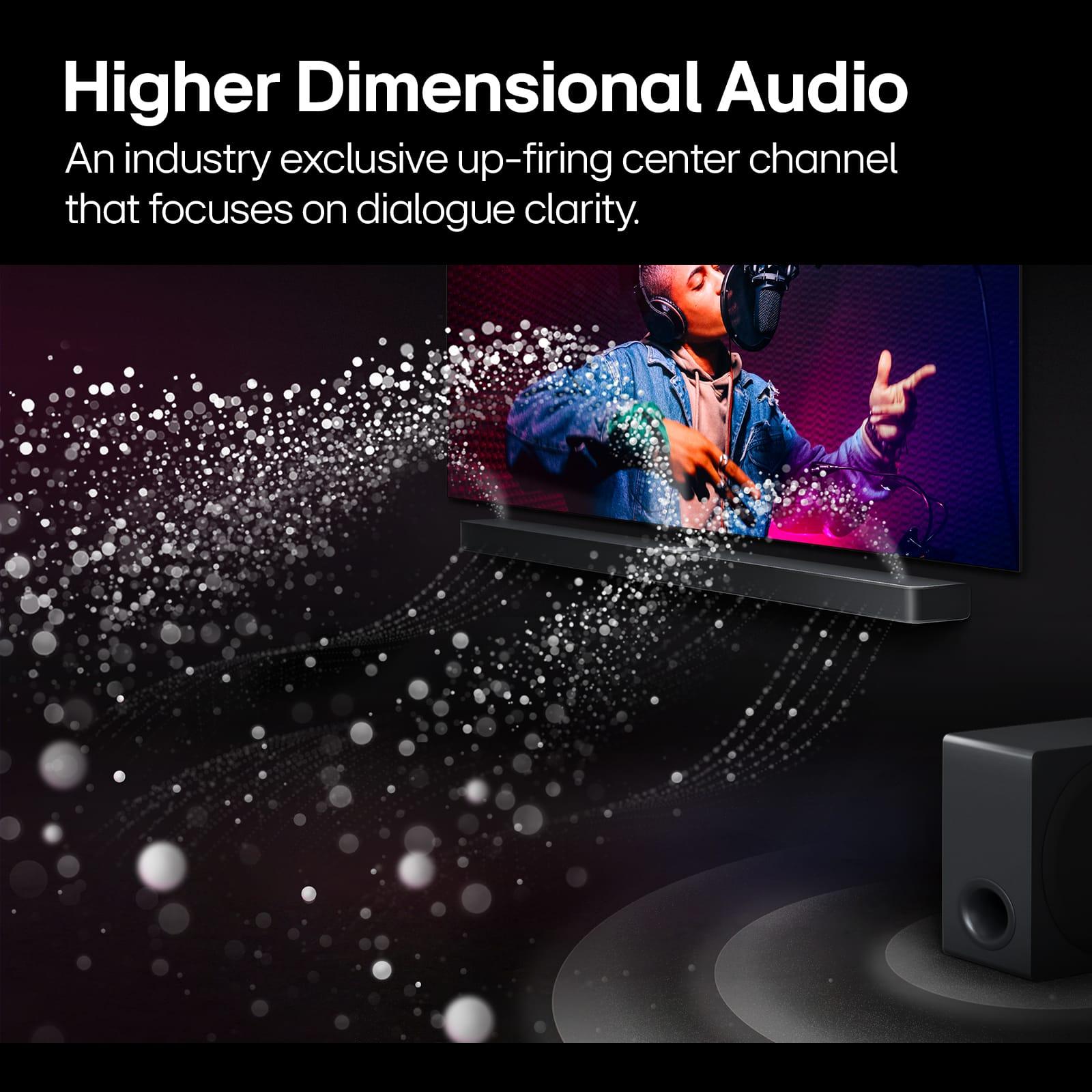
Both systems excel at dialogue clarity, but through different methods. The Sony HT-S2000's dedicated center channel and Voice Mode create excellent speech intelligibility. Sony's engineering specifically targets the frequency ranges where human speech lives, bringing dialogue forward even in complex soundtracks.
The LG S70TR uses its upfiring center channel and Clear Voice Plus processing to achieve similar results. During my testing with dialogue-heavy content like "The West Wing," both systems made conversations easy to follow without constantly adjusting volume.
However, I noticed the Sony HT-S2000 had a slight edge for pure dialogue focus, likely due to its dedicated center channel design being optimized specifically for this purpose.
At the time of writing, these products occupy different price points that reflect their design philosophies. The Sony HT-S2000 positions itself as an accessible entry point into better TV audio, while the LG S70TR costs approximately 30-40% more but includes everything needed for complete surround sound.
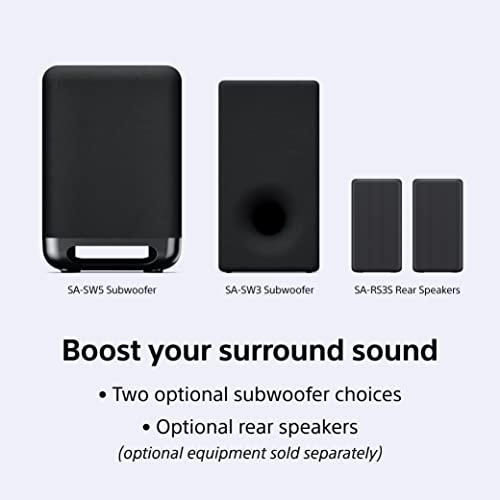
However, the value equation becomes more complex when you consider expansion paths. The Sony HT-S2000's minimalist approach seems budget-friendly initially, but users who eventually want full surround sound will need to purchase additional components. Sony's compatible wireless subwoofers and rear speakers can easily double or triple the total system cost.
The LG S70TR's higher upfront cost includes everything immediately. You're getting a wireless subwoofer that would cost several hundred dollars separately, plus rear speakers that add even more to standalone pricing. From a pure components-per-dollar perspective, the LG system offers significant value.
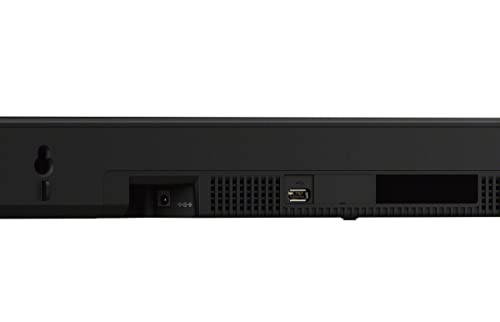
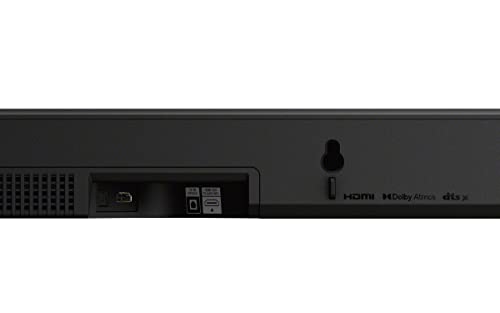
Setup complexity matters in real homes. The Sony HT-S2000 requires one HDMI cable and maybe fifteen minutes of setup time. It sits cleanly under most TVs without dominating your entertainment center's visual space.
The LG S70TR involves placing four wireless components around your room. While the setup isn't complex, it does require planning speaker placement and potentially running power cables to outlets near your seating area. Some users will love having physical rear speakers; others will find them inconvenient.
I've found that room size plays a crucial role in this decision. In smaller rooms (under 200 square feet), the Sony HT-S2000's virtual processing can be surprisingly effective. The walls help reflect and position sound, making the psychoacoustic tricks more convincing. Larger rooms typically need the physical presence of multiple speakers to create convincing surround effects.
For dedicated home theater use, the LG S70TR provides a more complete cinematic experience. The physical subwoofer and rear speakers create the kind of immersive environment that makes movie nights feel special. Action sequences have proper impact, and quieter dramatic moments benefit from the subtle ambient effects that surround speakers provide.
Gaming enthusiasts will particularly appreciate the LG S70TR's VRR and ALLM support, especially with newer gaming consoles that output high frame rates. The system's ability to handle 120Hz passthrough ensures compatibility with the latest gaming technology.
The Sony HT-S2000 works better for mixed-use scenarios where the TV serves multiple purposes throughout the day. Its clean profile and excellent dialogue clarity make it ideal for daily TV watching, news, and casual content consumption.
Choose the Sony HT-S2000 if you value simplicity above all else and want immediate improvement over TV speakers without the complexity of multiple components. It's particularly well-suited for smaller rooms, apartments, or situations where a clean aesthetic is important. The system excels at dialogue and provides a meaningful upgrade for daily TV watching.
However, be honest about your long-term needs. If you know you'll eventually want full surround sound, the modular upgrade path can become expensive quickly.
The LG S70TR makes sense for users who want complete surround sound performance immediately. It's the better choice for larger rooms, serious movie watching, and gaming. The higher upfront cost delivers genuine value when compared to building a comparable system piece by piece.
The LG S70TR also offers better future-proofing with its gaming features and room correction capabilities. If you're investing in a system you want to keep for several years, the complete feature set provides better long-term satisfaction.
Both products represent solid engineering approaches to the soundbar challenge. Your choice ultimately depends on whether you prioritize immediate simplicity or complete performance, and whether your budget allows for the LG S70TR's more comprehensive approach. Either way, you'll experience dramatically better audio than your TV's built-in speakers can provide.
| Sony HT-S2000 | LG S70TR |
|---|---|
| Channel Configuration - Determines surround sound authenticity | |
| 3.1 channels (virtual surround processing) | 5.1.1 channels (physical rear speakers + overhead) |
| Total System Power - Affects volume and dynamic range | |
| 250W (single soundbar unit) | 400W+ (distributed across multiple components) |
| Bass Solution - Critical for action movies and music | |
| Built-in dual subwoofers (limited by compact size) | Dedicated 7" wireless subwoofer with 220W amplifier |
| Surround Sound Method - Virtual vs physical positioning | |
| Sony's Vertical Surround Engine (psychoacoustic processing) | Physical rear speakers create authentic surround effects |
| Gaming Features - Important for console gaming | |
| Basic HDMI support (higher latency) | VRR, ALLM, and 120Hz passthrough support |
| Setup Complexity - Time and effort required | |
| Single unit, one HDMI cable, 15-minute setup | Four wireless components, more involved placement |
| Room Size Suitability - Where each performs best | |
| Small to medium rooms (virtual processing more effective) | Medium to large rooms (physical speakers fill space better) |
| Expandability Options - Future upgrade potential | |
| Compatible with optional Sony subwoofers and rear speakers | Complete system included, no expansion needed |
| Dimensions - Space requirements | |
| Soundbar only: 31.5" × 2.6" × 5" | Soundbar + subwoofer + rear speakers placement needed |
| Special Features - Unique capabilities | |
| Sony HT-S2000: Voice Mode, X-Balanced drivers, app control | LG S70TR: WOW Orchestra, room correction, 3-band EQ |
| Best Use Case - Who should choose each | |
| Clean aesthetic priority, dialogue focus, gradual upgrades | Complete surround sound, gaming, larger rooms |
The Sony HT-S2000 is generally better for small apartments due to its compact single-unit design and virtual surround processing that works well in smaller spaces. The LG S70TR requires placing multiple wireless components around your room, which can be challenging in limited space.
The rear speakers with the LG S70TR create authentic surround sound positioning that virtual processing cannot match. While the Sony HT-S2000 uses clever audio tricks to simulate surround effects, physical rear speakers provide genuine spatial audio that's especially noticeable in action movies and gaming.
The LG S70TR has significantly better bass performance thanks to its dedicated 7-inch wireless subwoofer with 220W of power. The Sony HT-S2000 includes built-in subwoofers, but they're limited by the compact soundbar enclosure and cannot match the deep, impactful bass of a dedicated subwoofer.
Yes, the Sony HT-S2000 is compatible with optional Sony wireless subwoofers and rear speakers, allowing you to build a complete surround system over time. However, the LG S70TR includes everything you need for full surround sound immediately, which often provides better value than upgrading piecemeal.
The LG S70TR is better for gaming because it supports VRR (Variable Refresh Rate), ALLM (Auto Low Latency Mode), and 120Hz passthrough - features that reduce audio lag and ensure smooth gaming performance. The Sony HT-S2000 lacks these gaming-specific features.
The Sony HT-S2000 is much simpler to set up, requiring only one HDMI cable connection and taking about 15 minutes. The LG S70TR involves positioning four wireless components (soundbar, subwoofer, and two rear speakers) around your room, making setup more involved but not difficult.
Both soundbars work with any TV brand, but the Sony HT-S2000 offers more universal compatibility. The LG S70TR includes special features like WOW Orchestra that only work with LG TVs, though it still performs excellently with other TV brands.
Both the Sony HT-S2000 and LG S70TR support Dolby Atmos, but through different methods. The Sony uses virtual processing to simulate overhead effects, while the LG uses physical upfiring speakers and rear channels to create more authentic three-dimensional sound positioning.
The LG S70TR is better for music listening due to its dedicated subwoofer and full-range speaker setup that handles bass-heavy genres like hip-hop and electronic music effectively. The Sony HT-S2000 performs well with vocals and mid-range instruments but lacks the low-frequency foundation that makes music sound full and engaging.
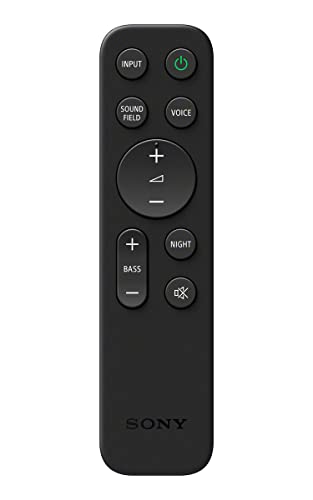
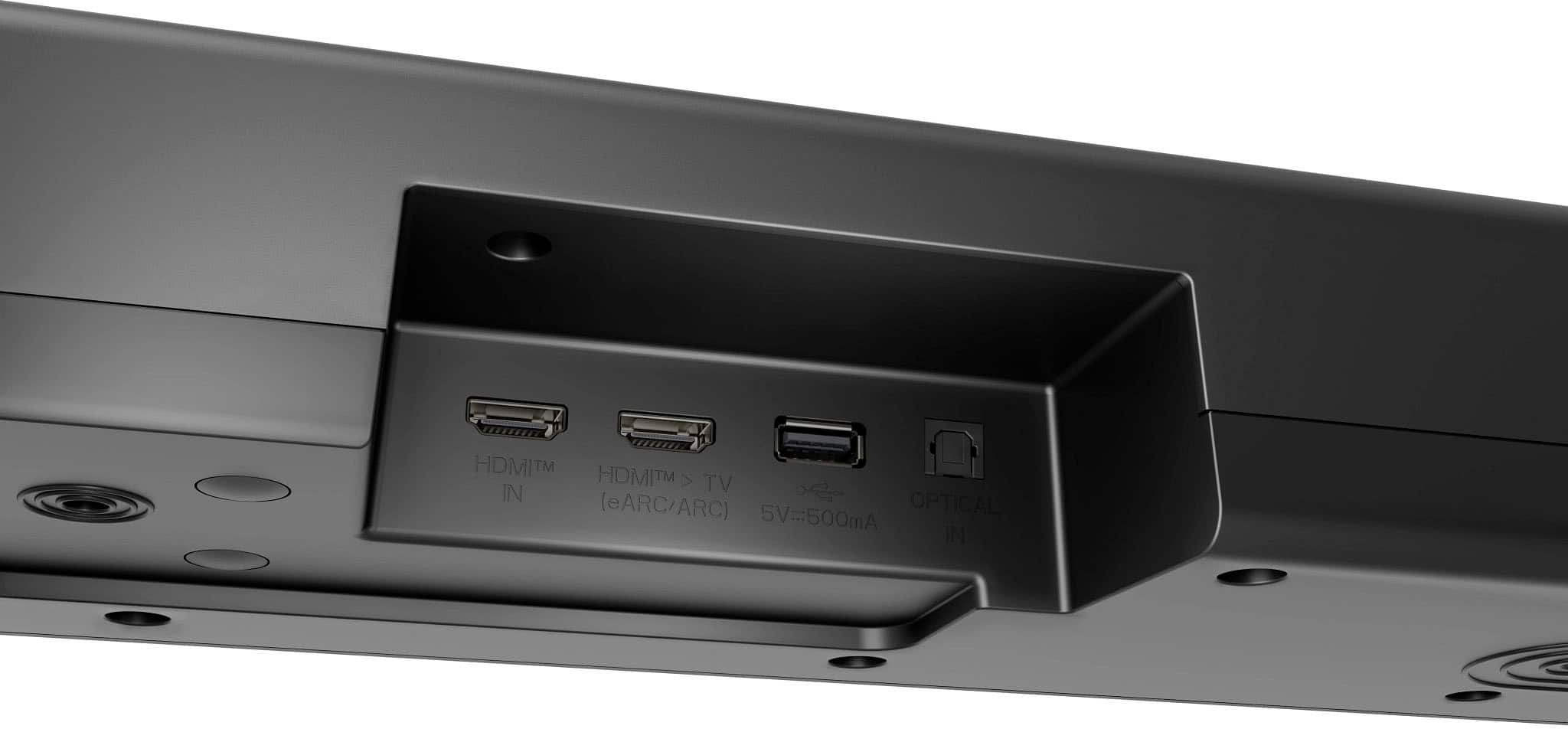
Both the Sony HT-S2000 and LG S70TR support HDMI CEC, allowing basic volume control through your TV remote. Both also include dedicated remote controls and smartphone apps for full feature access and customization options.
Both soundbars excel at dialogue clarity, with the Sony HT-S2000 having a slight edge due to its dedicated center channel and Voice Mode feature specifically designed to enhance speech. The LG S70TR also provides excellent dialogue clarity through its upfiring center channel and Clear Voice Plus processing.
The LG S70TR typically provides better long-term value despite its higher upfront cost because it includes everything needed for complete surround sound immediately. The Sony HT-S2000 may seem more affordable initially, but adding compatible subwoofers and rear speakers later can significantly increase the total system cost.
We've done our best to create useful and informative comparisons to help you decide what product to buy. Our research uses advanced automated methods to create this comparison and perfection is not possible - please contact us for corrections or questions. These are the sites we've researched in the creation of this article: techradar.com - valueelectronics.com - youtube.com - videoandaudiocenter.com - whathifi.com - hometheaterhifi.com - youtube.com - sony.com - rtings.com - whathifi.com - rtings.com - helpguide.sony.net - electronics.sony.com - sony.com - dolby.com - sony.com - youtube.com - youtube.com - bestbuy.com - mynavyexchange.com - rixaudiovideoappliance.com - rtings.com - youtube.com - bestbuy.com - howards.siteontimedev.com - bestbuy.com - appliancestogousa.us

Privacy Policy
Terms and Conditions - Affiliate Policy
Home Security
© Copyright 2008-2026.
11816 Inwood Rd #1211, Dallas, TX 75244