




When your TV's built-in speakers just aren't cutting it anymore, soundbars offer the perfect solution. They deliver dramatically better audio quality without the complexity of a full home theater system. But with options ranging from simple stereo bars to sophisticated multi-channel powerhouses, choosing the right one can feel overwhelming.
Today we're comparing two very different approaches to upgrading your TV audio: the Sony HT-S2000 and the Samsung HW-Q990D. Released in 2022 and 2024 respectively, these soundbars represent opposite ends of the complexity spectrum while both supporting Dolby Atmos—the latest surround sound technology that adds height dimension to your audio.
Before diving into specifics, let's establish what makes a soundbar worth your money. The key considerations are channel configuration (how many separate audio streams the system can handle), immersive audio support like Dolby Atmos, room compatibility, connectivity options, and overall value.
Channel configuration tells you how sophisticated the surround sound can be. A 3.1 system has left, center, right, and subwoofer channels, while an 11.1.4 system adds multiple surround channels plus four height channels. More channels generally mean more precise sound placement, but they also cost more and require more space.
Dolby Atmos represents the current pinnacle of home audio technology. Unlike traditional surround sound that moves audio around you horizontally, Atmos adds a vertical dimension—sounds can come from above, creating a three-dimensional "sound bubble" around your listening position. This makes everything from helicopter scenes to rainfall incredibly immersive.
The Sony HT-S2000 and Samsung HW-Q990D couldn't be more different in their approach to solving the TV audio problem. Sony went for simplicity and value: pack everything into one sleek bar that sits under your TV. Samsung chose the premium route: build a complete multi-component system that rivals traditional home theater setups.
At the time of writing, the Sony HT-S2000 costs roughly one-third the price of the Samsung HW-Q990D, making this more of a "budget versus flagship" comparison than a direct competitor matchup. But that price difference is exactly why this comparison matters—understanding what you get (and give up) at each price point helps you make the right choice for your situation.
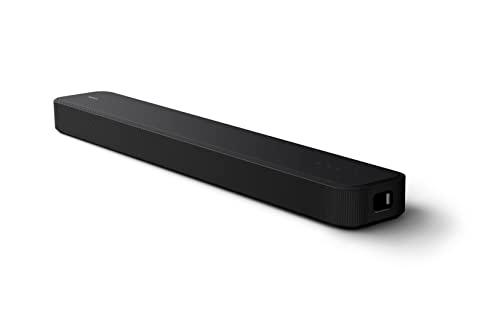
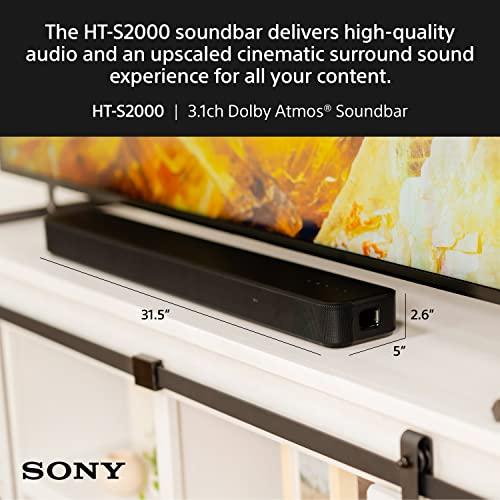
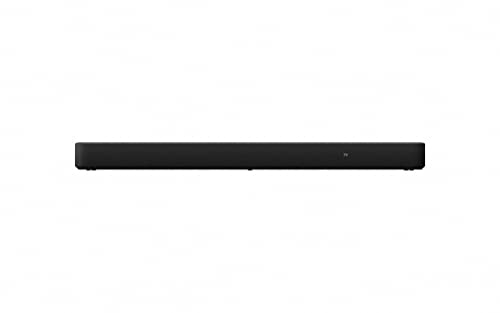
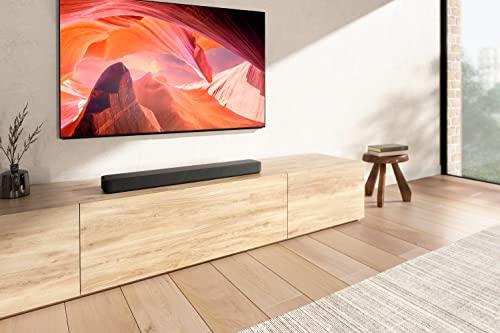
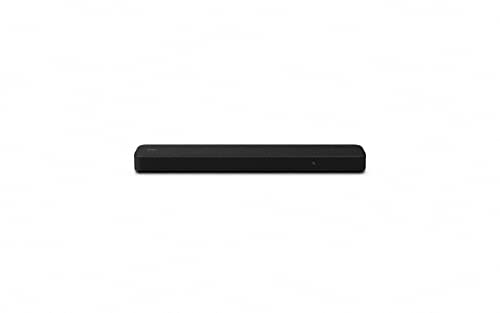
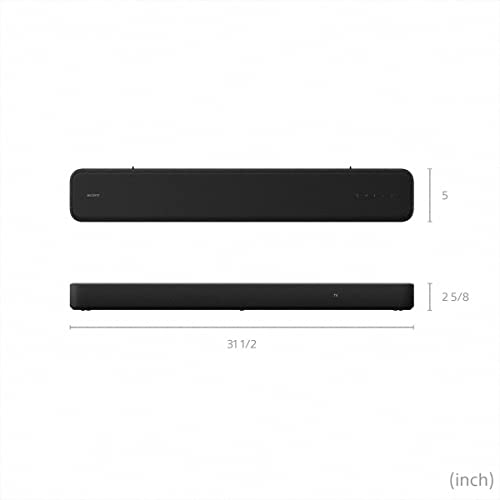
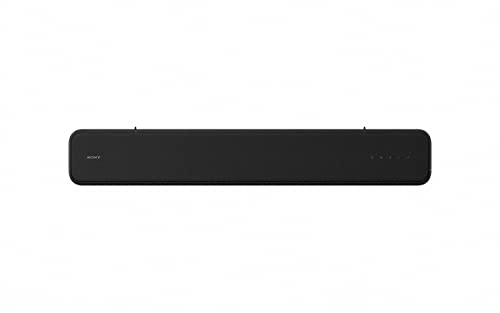
The Sony HT-S2000 represents what I'd call the "Swiss Army knife" approach to soundbars. Sony's engineers crammed impressive technology into a single, compact unit that measures just over 31 inches wide and less than 3 inches tall. This thing can sit in front of most TVs without blocking the screen or looking awkward.
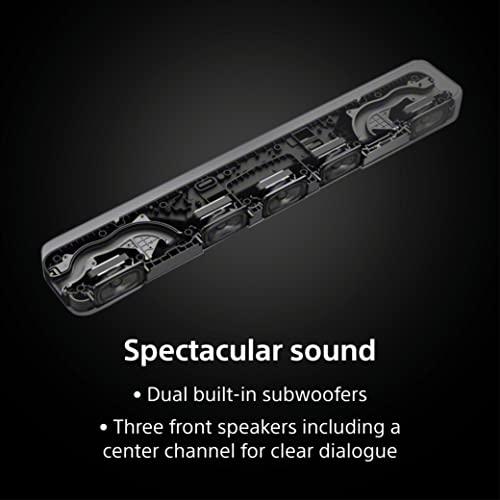
What's remarkable about the Sony HT-S2000 is how much bass it produces from its built-in dual subwoofers. These aren't traditional cone drivers but rather sophisticated port designs that push air through side-mounted openings. When I first tested this soundbar, I was genuinely surprised by the low-end punch—it's not going to shake your house like a dedicated 10-inch subwoofer, but it provides far more bass than you'd expect from such a compact design.
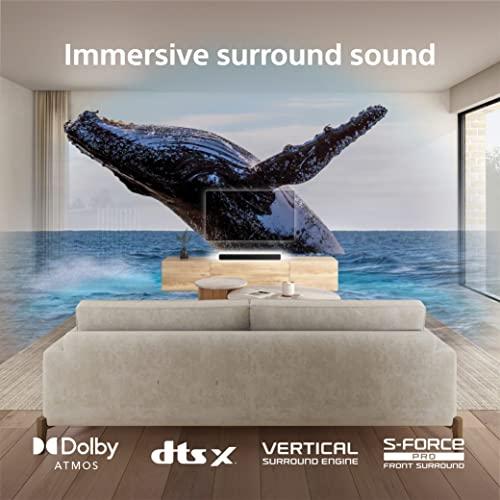
The Sony uses virtual processing to create its Dolby Atmos effects through technologies called Vertical Surround Engine and S-Force Pro Front Surround. These are fancy names for sophisticated digital signal processing that tricks your brain into hearing sounds from directions where there aren't actually speakers. It works by carefully manipulating timing, frequency response, and phase relationships between the five physical drivers hidden behind the soundbar's front grille.
Sony's X-Balanced Speaker Units deserve special mention. These rectangular drivers (rather than traditional round ones) maximize the surface area available in the soundbar's slim chassis. More surface area means more air movement, which translates to higher output and lower distortion at any given volume level.
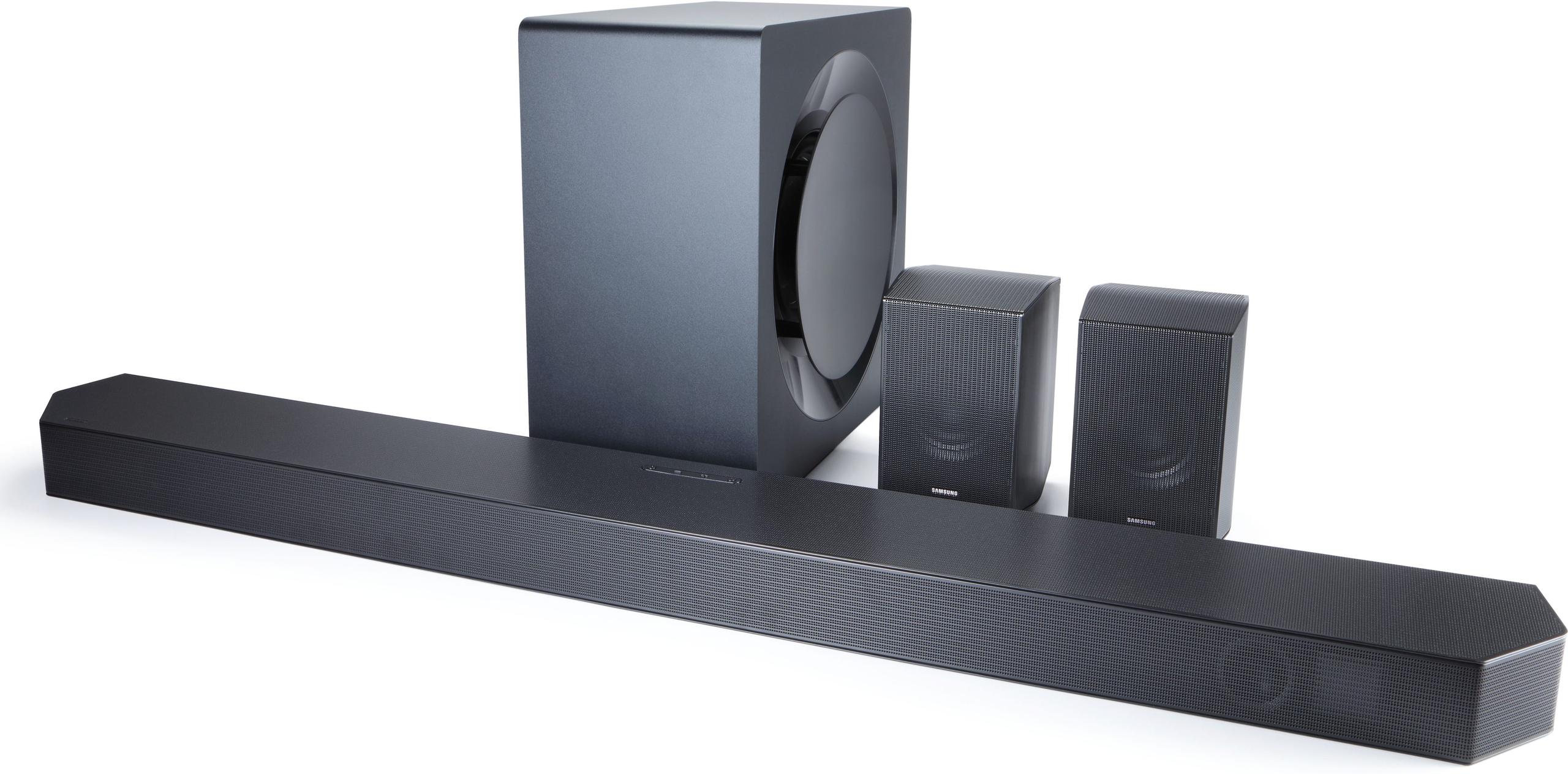
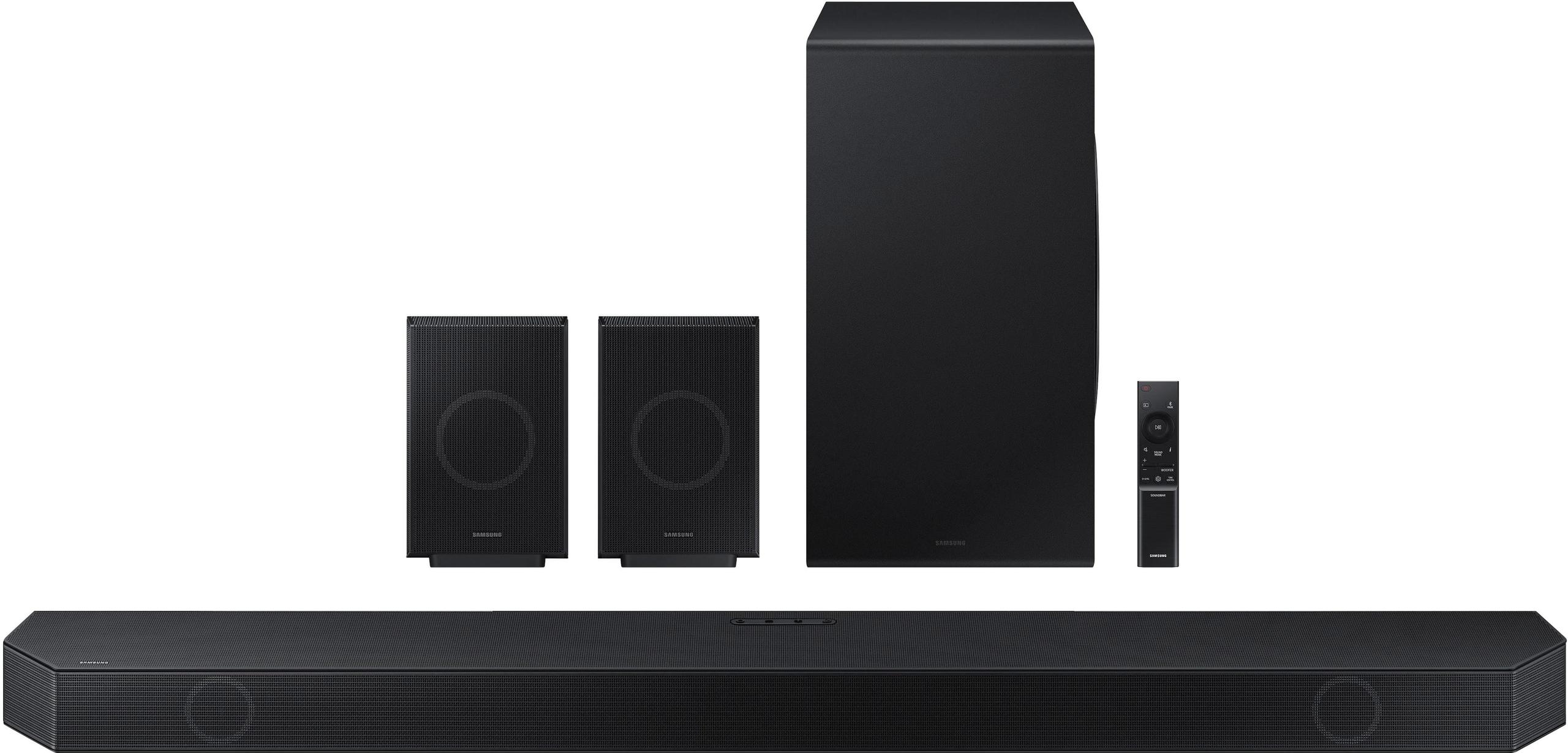
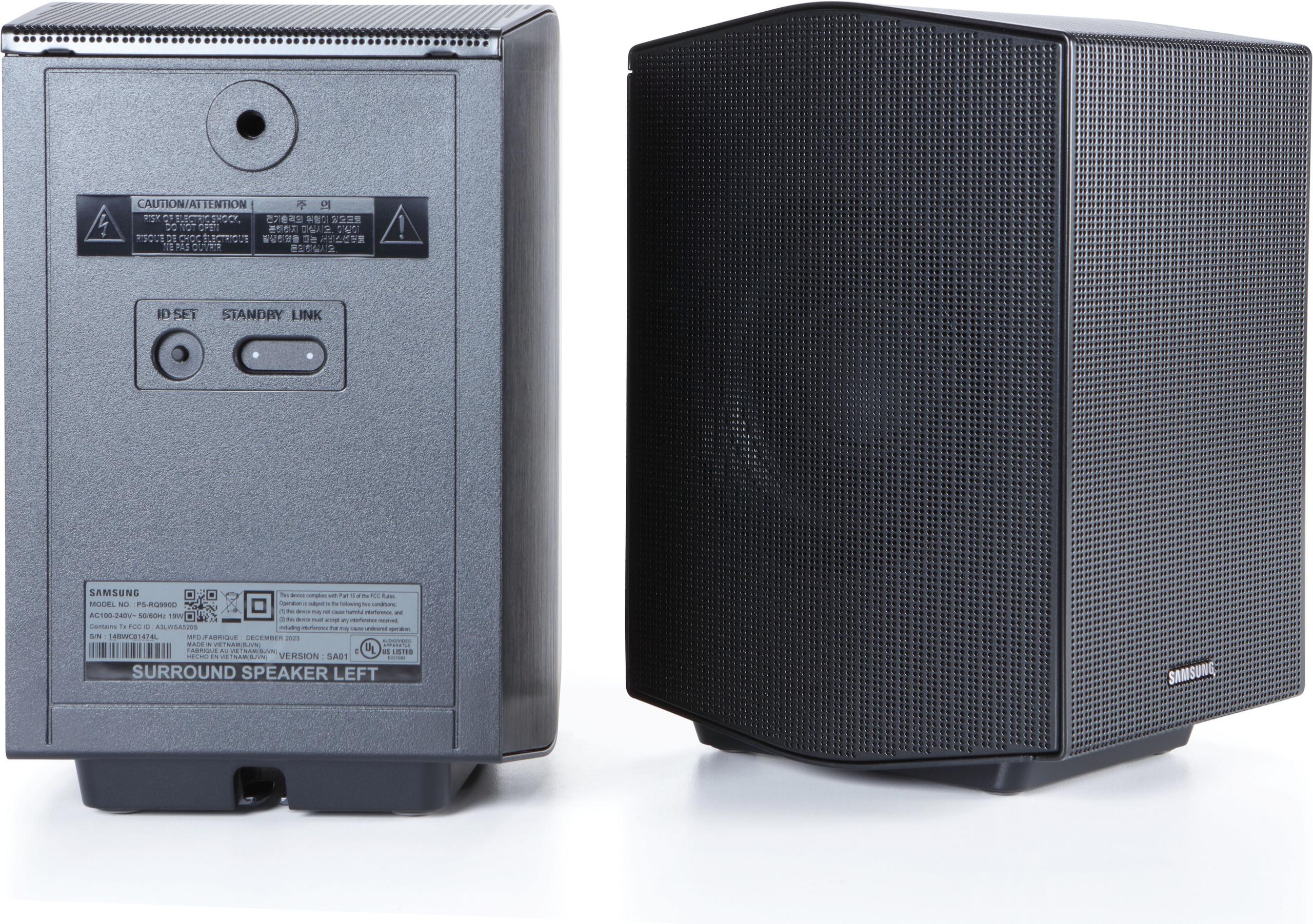
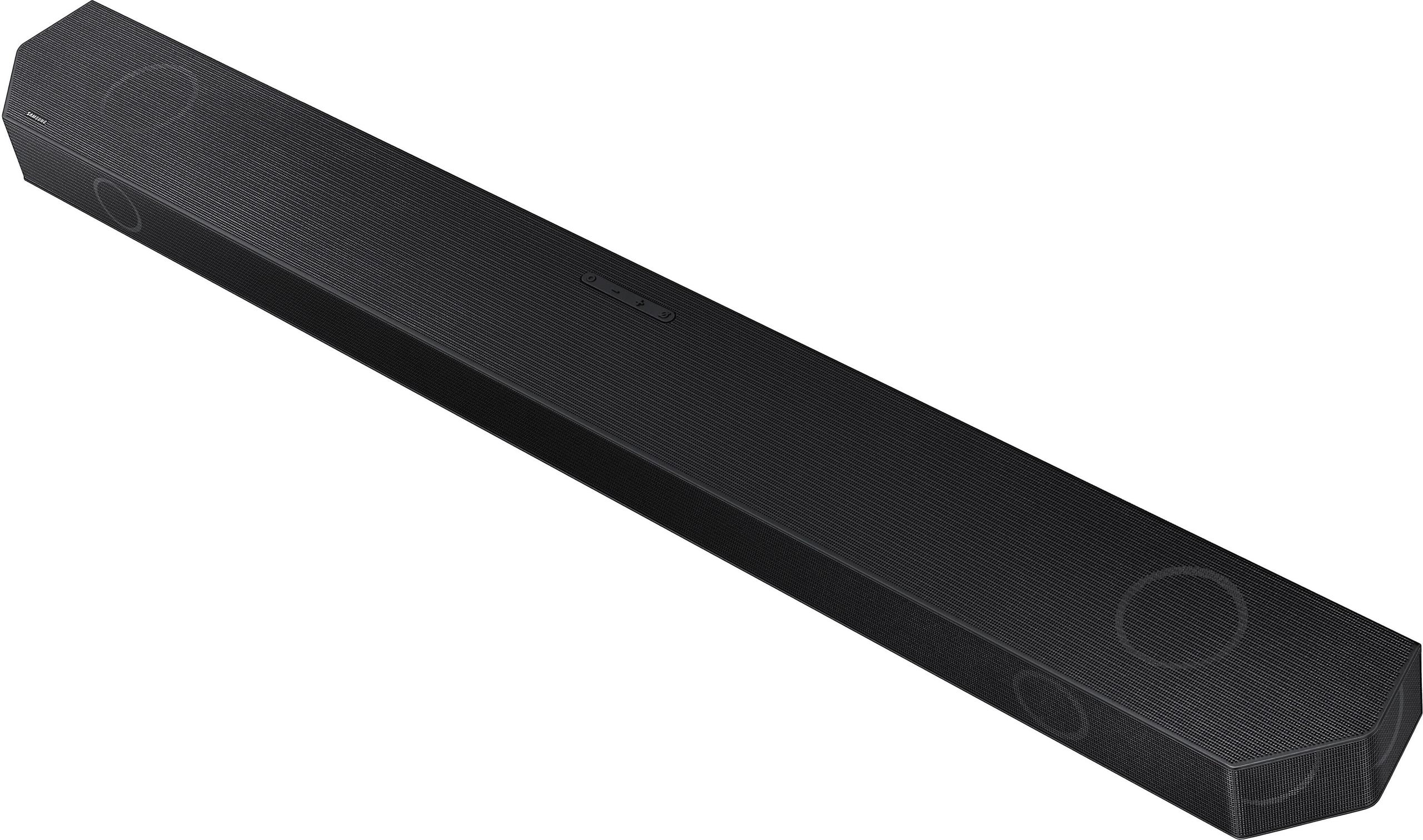
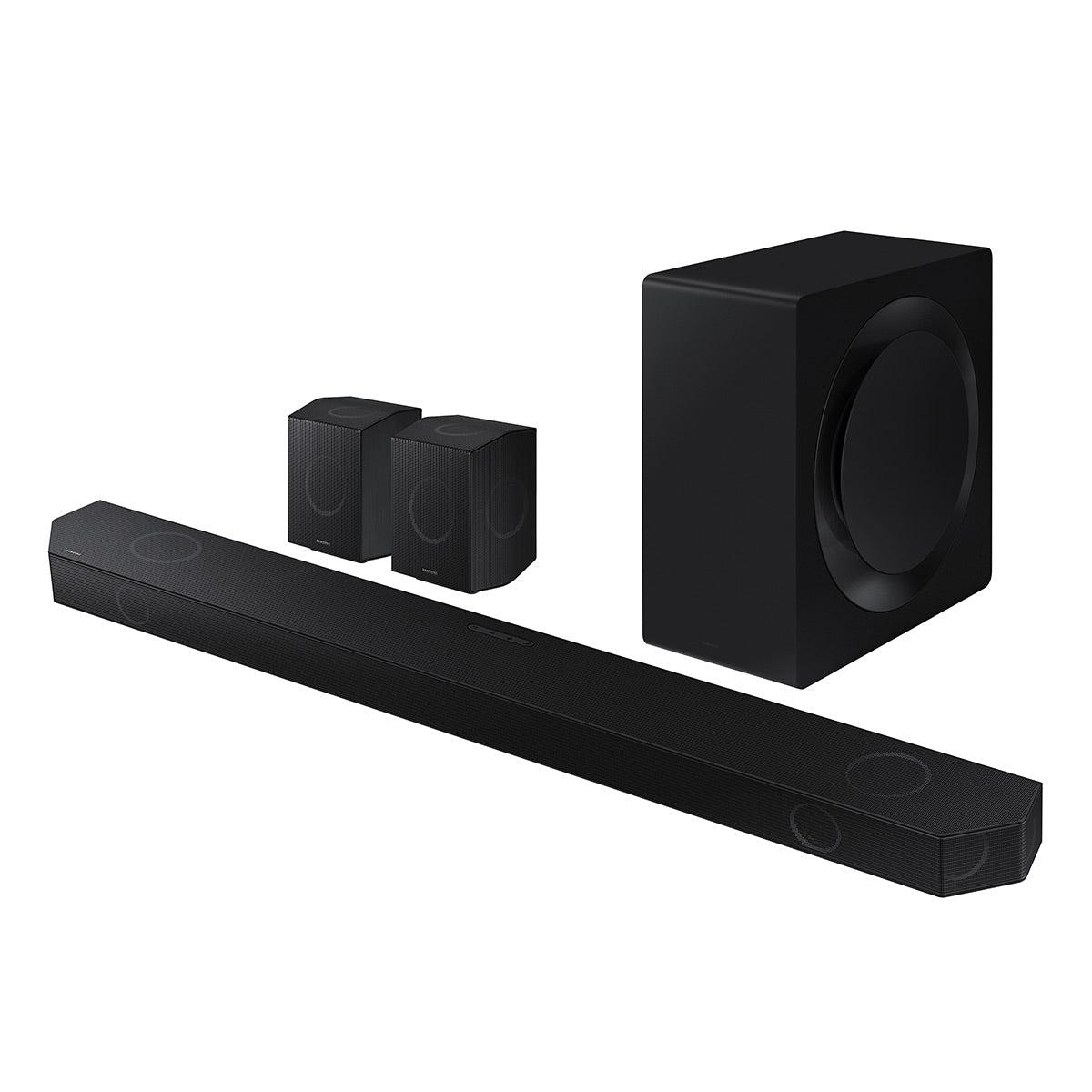
The Samsung HW-Q990D, released in 2024, takes the opposite approach entirely. Instead of cramming everything into one box, Samsung spread 22 individual drivers across four separate components: the main soundbar, a wireless subwoofer, and two wireless rear speakers.
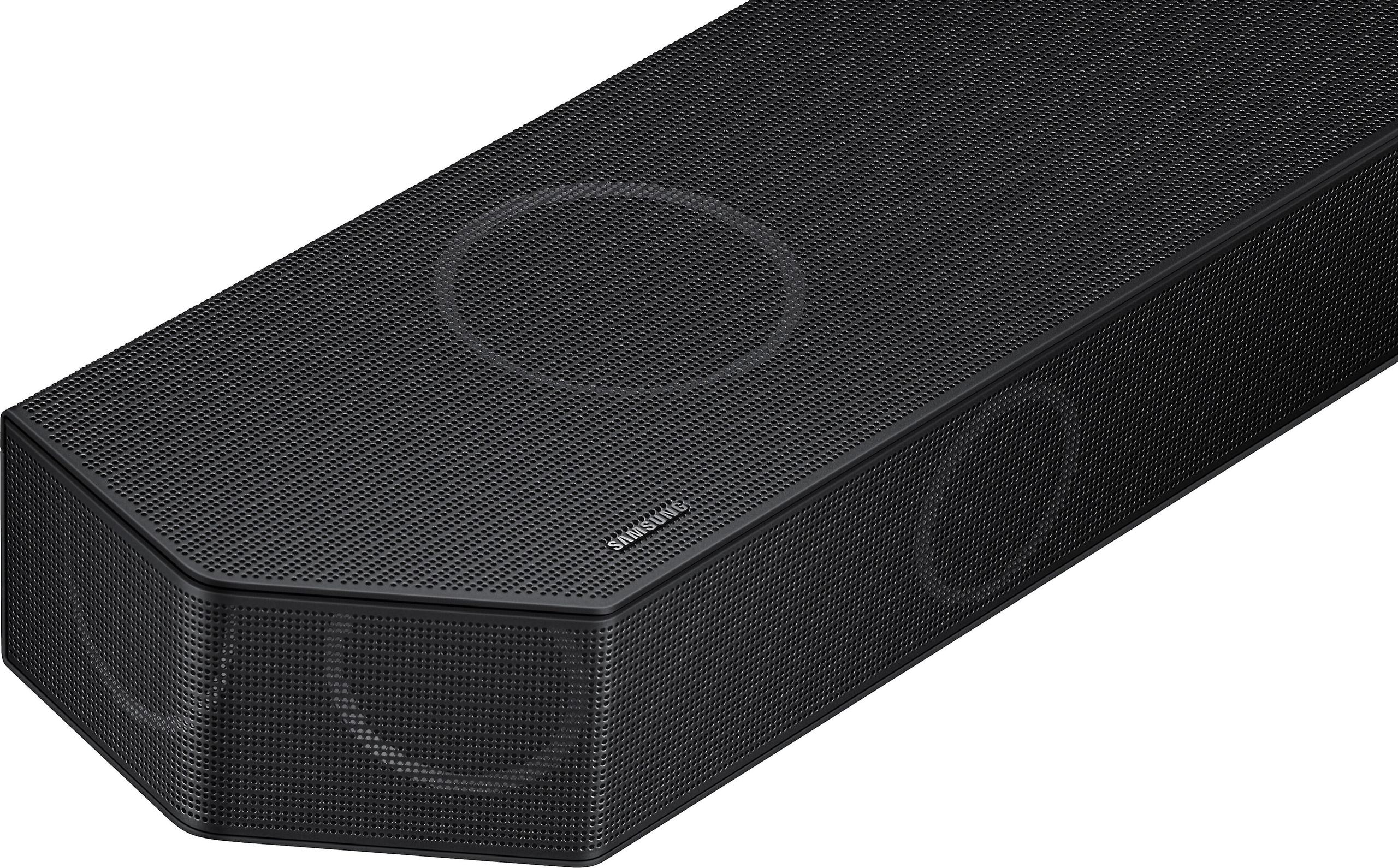
This 11.1.4 channel configuration means the Samsung HW-Q990D can process eleven main audio channels plus four dedicated height channels. To put this in perspective, most movie theaters use fewer channels than this soundbar system. The main bar alone houses six elliptical midrange drivers, three tweeters for crisp highs, four side-firing drivers for width, and two up-firing drivers that bounce sound off your ceiling to create genuine height effects.
Samsung's SpaceFit Sound Pro technology automatically tunes the system to your room using a built-in microphone that constantly analyzes acoustic reflections. This isn't a one-time setup process—it's continuously optimizing the sound based on changing conditions like furniture placement or even how many people are in the room.
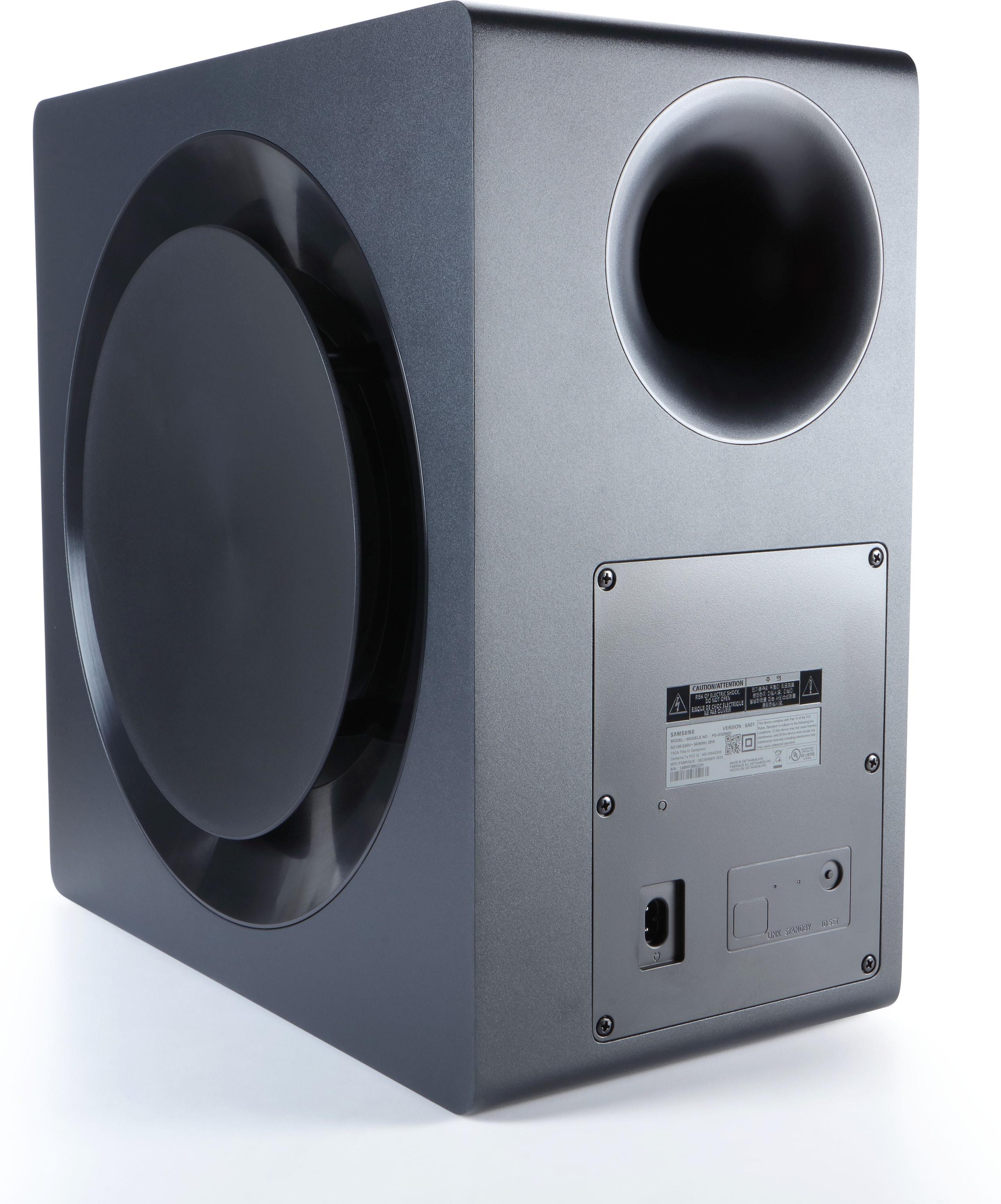
The wireless subwoofer deserves special attention. Its 8-inch driver sits in a carefully engineered enclosure that delivers controlled, articulate bass rather than the boomy, one-note sound you get from cheaper subs. The wireless connection means you can place it anywhere in your room for optimal bass distribution—usually a corner or along a wall where room boundaries amplify the low frequencies naturally.
This is where the fundamental difference between these systems becomes crystal clear. The Samsung HW-Q990D creates genuine surround sound through discrete speakers placed around your listening area. When a helicopter flies overhead in a movie, you hear it move from the front speakers to the overhead drivers to the rear speakers in a smooth, convincing arc. The four up-firing drivers bounce sound off your ceiling, creating authentic height effects that make you instinctively look up.
The Sony HT-S2000 relies entirely on psychoacoustic processing—essentially audio illusions created by manipulating how sounds reach your ears. While Sony's implementation is quite sophisticated, physics still applies. You can't create true surround sound from speakers that all point in the same direction, no matter how clever the processing.
That said, the Sony's virtual surround is surprisingly effective for dialog-heavy content like TV shows and news. The Vertical Surround Engine does create a sense of spaciousness and height that's noticeably better than regular stereo sound. But for action movies or music with complex layering, the Samsung HW-Q990D delivers an immersion level that the Sony simply can't match.
Both soundbars excel at dialog reproduction, but through different methods. The Sony HT-S2000 features a dedicated center channel—the speaker specifically responsible for most dialog in movies and TV shows. Sony's Voice Mode further enhances speech by reducing background music and sound effects while boosting the frequency range where human voices are most intelligible.
The Samsung HW-Q990D takes this further with Active Voice Amplifier Pro, which uses real-time analysis to adjust dialog levels based on the content and ambient room noise. If your air conditioner kicks on, the Samsung automatically boosts dialog to maintain clarity. The Samsung's center channel array is also more sophisticated, using multiple drivers that can be individually controlled for optimal voice reproduction.
In practical terms, both soundbars make dialog easy to understand, even at lower volumes. The Samsung has a slight edge due to its more advanced processing and superior center channel design, but the difference isn't dramatic enough to be a deciding factor for most users.
Here's where the component count really shows its advantage. The Samsung HW-Q990D's dedicated subwoofer produces deeper, more controlled bass with better integration across the frequency spectrum. When a T-Rex stomps across the screen, you feel the impact in your chest without the bass overwhelming the dialog or sound effects.
The Sony HT-S2000's built-in subwoofers punch well above their weight class, producing surprisingly robust low-end for such a compact system. The side-firing ports help extend the bass response lower than you'd expect. However, there's a physical limit to how much bass you can generate from drivers mounted in a slim soundbar chassis.
For most TV content and casual music listening, the Sony's bass is perfectly adequate. But if you're a bass enthusiast or frequently watch action movies, the Samsung's dedicated subwoofer makes a significant difference in both quantity and quality of low-frequency reproduction.
The Samsung HW-Q990D was clearly designed with modern gaming in mind. Its HDMI 2.1 ports support 4K resolution at 120Hz refresh rates with Variable Refresh Rate (VRR) and Auto Low Latency Mode (ALLM)—features that maximize performance with PlayStation 5 and Xbox Series X consoles.
Game Mode Pro goes beyond basic low latency, actually adjusting the sound profile based on the type of game you're playing. Racing games get enhanced engine sounds and spatial audio for positional awareness, while RPGs focus on dialog clarity and atmospheric effects.
The Sony HT-S2000 offers basic gaming compatibility through its HDMI eARC connection but lacks the advanced features that make modern games truly shine. If gaming is important to you, especially with next-generation consoles, the Samsung is the clear winner.
The connectivity difference between these soundbars reflects their different target markets. The Samsung HW-Q990D feels like a smart home hub, with built-in support for Alexa, Google Assistant, and Samsung's Bixby. You can control your smart home devices, ask for weather updates, or stream music using just voice commands.
Samsung also supports modern streaming standards including AirPlay 2 and Chromecast, plus direct connections to services like Spotify Connect and Tidal. This means you can stream high-quality music directly to the soundbar without using your TV as an intermediary.
The Sony HT-S2000 takes a more basic approach. Bluetooth 5.2 provides wireless music streaming from your phone or tablet, and the Sony Home Entertainment Connect app offers convenient remote control functionality. But there's no built-in voice assistant support or advanced streaming features.
For integration with existing TV ecosystems, both companies optimize for their own brands. The Samsung HW-Q990D offers Q Symphony with Samsung TVs, using both the TV's speakers and the soundbar simultaneously for an expanded soundstage. The Sony HT-S2000 provides seamless integration with Sony BRAVIA TVs through HDMI CEC control.
The Sony HT-S2000 wins hands-down for simplicity. One HDMI cable connects it to your TV, and you're basically done. The compact design fits under most TVs without blocking sensors or looking awkward, and the included wall-mount template makes vertical installation straightforward.
The Samsung HW-Q990D requires more planning but offers more flexibility. The main soundbar is significantly larger—over 51 inches wide—so it might not fit under smaller TVs. You'll need to find appropriate placement for the wireless subwoofer (preferably along a wall or in a corner for optimal bass) and position the rear speakers behind your seating area.
However, the Samsung's wireless rear speakers are genuinely convenient once positioned. There are no speaker wires to hide, and the wireless connection is rock-solid in my experience. The system also includes a clever "Private Rear Sound" mode that uses only the rear speakers for late-night listening without disturbing others.
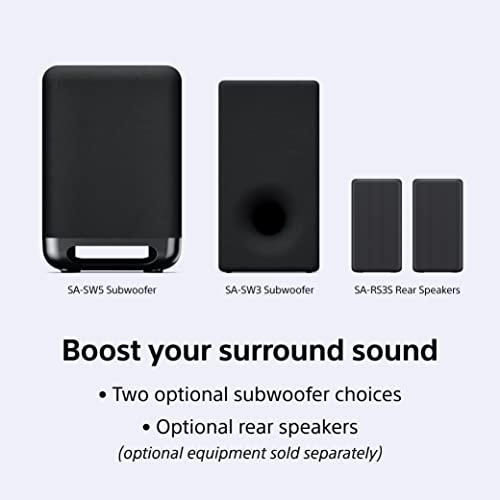
The Sony HT-S2000 offers interesting expansion possibilities through optional Sony wireless components. You can add dedicated subwoofers (SA-SW3 or SA-SW5) for more bass or rear speakers (SA-RS3S) for true surround sound. This modular approach lets you start simple and expand as your budget and needs grow.
The Samsung HW-Q990D is essentially a complete system from day one. While this means higher upfront cost, it also means you get the full experience immediately without needing to plan future purchases. The included components are optimized to work together, eliminating compatibility concerns.
Your decision should start with honest assessment of your priorities, space, and budget. The Sony HT-S2000 makes sense if you want meaningful audio improvement without complexity or major investment. It's perfect for apartment dwellers, casual viewers, or anyone who values simplicity over maximum performance.
The Samsung HW-Q990D is for people who want the best possible home theater experience and have the space and budget for a premium system. If you're serious about movies, own next-gen gaming consoles, or frequently host movie nights, the Samsung's superior performance justifies its higher cost.
Consider the Sony HT-S2000 if you're primarily upgrading from TV speakers, have limited space, prefer simple setup, or want to start with a quality foundation you can expand later. It's also the smart choice if you own other Sony components and value ecosystem integration.
Go with the Samsung HW-Q990D if audio quality is your top priority, you have adequate room for multiple components, gaming performance matters, or you want cutting-edge smart features. It's also the better choice for Samsung TV owners who can take advantage of Q Symphony integration.
Both soundbars represent excellent value in their respective categories. The Sony delivers remarkable performance for its price point, while the Samsung provides flagship-level capabilities that rival much more expensive traditional home theater systems. Your choice ultimately depends on whether you prioritize convenience and value or maximum performance and features.
The audio landscape has evolved tremendously since these products launched, with both companies continuing to refine their approaches. But the fundamental trade-offs remain: simplicity versus complexity, compact convenience versus distributed performance, and budget-conscious value versus premium features. Understanding these trade-offs helps you choose the soundbar that best fits your specific needs and expectations.
| Sony HT-S2000 3.1ch Dolby Atmos Soundbar | Samsung HW-Q990D 11.1.4 Channel Sound Bar |
|---|---|
| Channel Configuration - Determines surround sound accuracy and immersion | |
| 3.1 channels (virtual Atmos processing) | 11.1.4 channels (true multichannel with physical height speakers) |
| Total Drivers - More drivers generally mean better sound separation | |
| 5 drivers in single soundbar unit | 22 drivers across 4 components (bar, sub, 2 rears) |
| Dolby Atmos Implementation - How height effects are created | |
| Virtual processing through Vertical Surround Engine | Physical up-firing drivers plus ceiling reflection |
| Bass Solution - Impacts low-end power and room-filling capability | |
| Built-in dual subwoofers with side-firing ports | Dedicated 8-inch wireless subwoofer |
| Physical Setup - Affects room compatibility and installation complexity | |
| Single 31.5" bar (wall-mountable) | 51.3" main bar + wireless sub + 2 wireless rear speakers |
| Gaming Features - Important for console owners | |
| Basic HDMI eARC support | HDMI 2.1 with 4K/120Hz, VRR, ALLM, Game Mode Pro |
| Smart Features - Streaming and voice control capabilities | |
| Bluetooth 5.2, Sony app control | Built-in Alexa/Google/Bixby, AirPlay 2, Chromecast, Spotify Connect |
| Connectivity Options - Determines source device compatibility | |
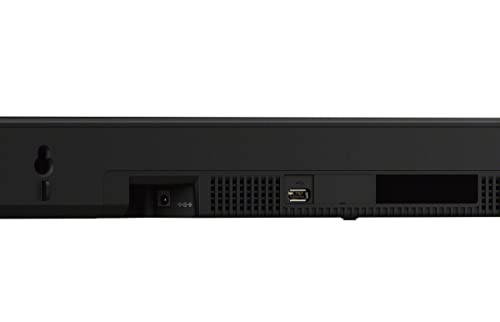
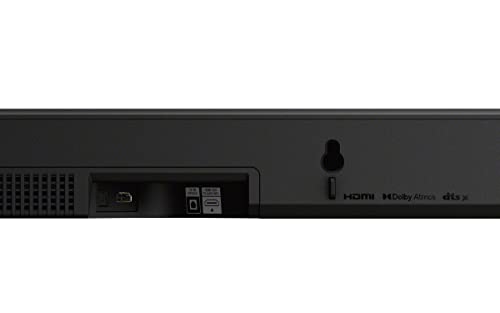
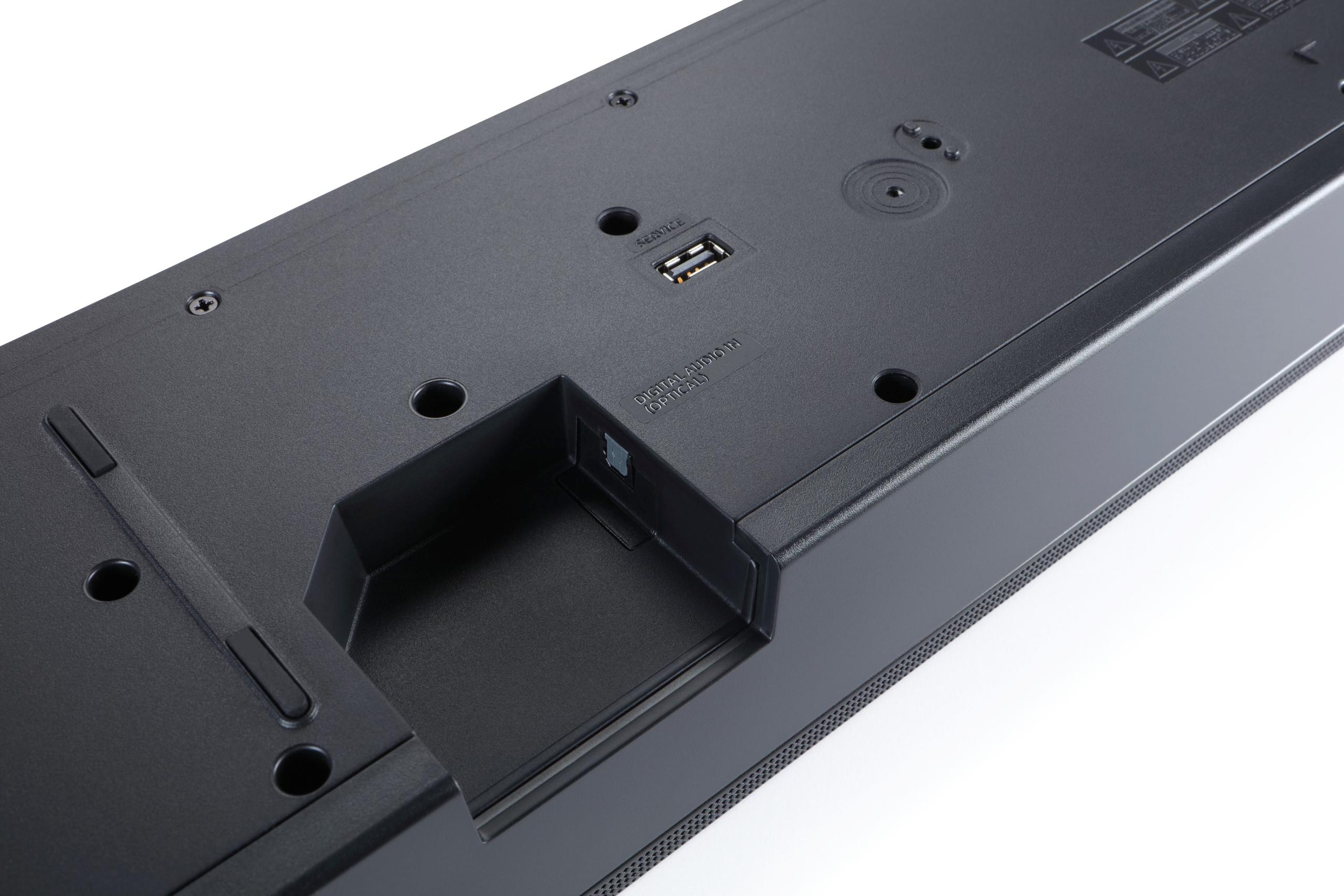
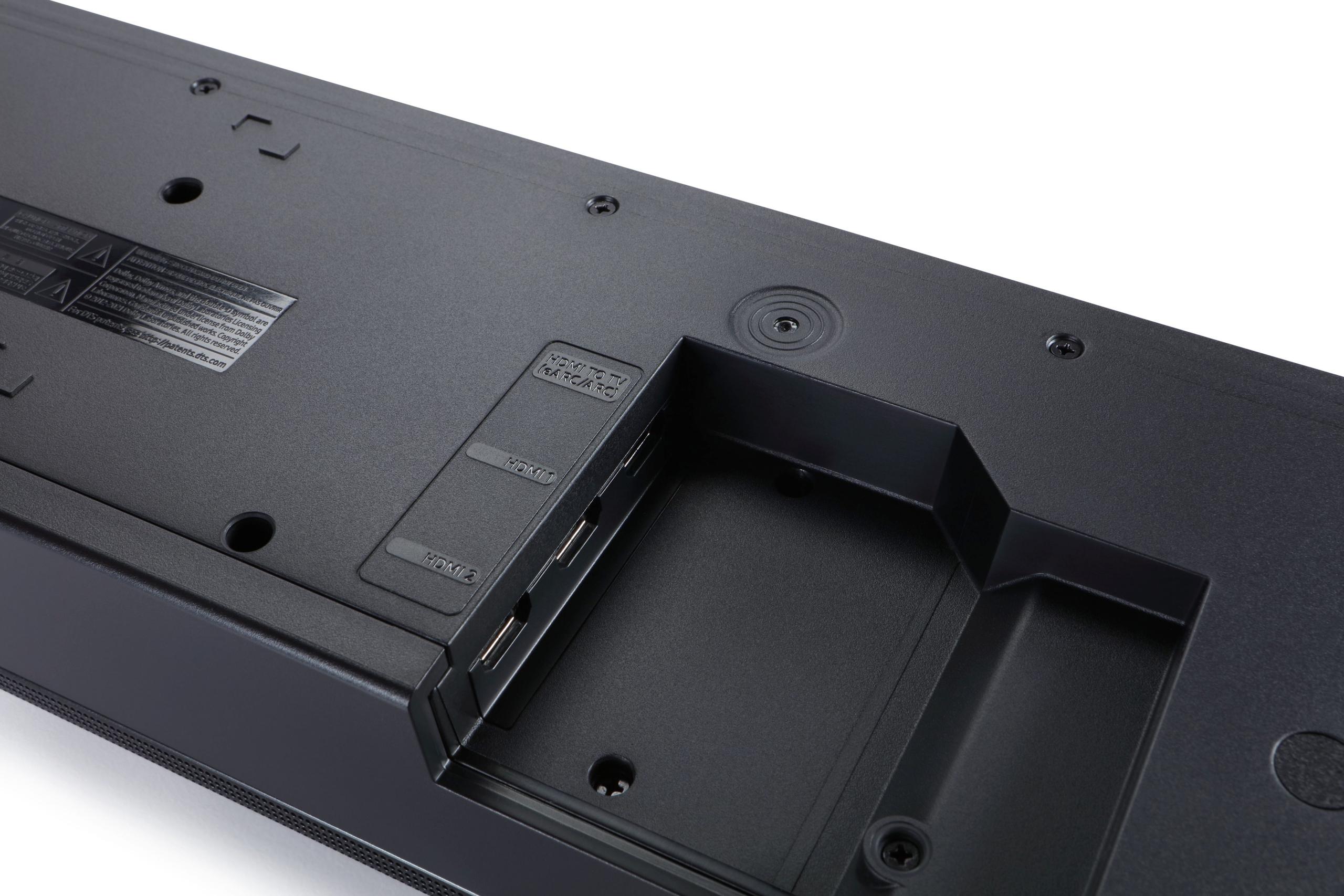
| 1 HDMI eARC, optical, USB (limited), Bluetooth | 2 HDMI 2.1 inputs + eARC output, optical, Wi-Fi, Bluetooth 5.2 |
| Room Size Optimization - Automatic tuning capabilities | |
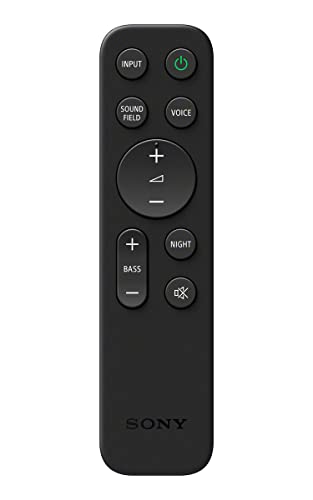
| Manual sound modes (Voice, Night, 3 bass levels) | SpaceFit Sound Pro with continuous room analysis |
| Expandability - Future upgrade potential | |
| Compatible with optional Sony wireless sub and rear speakers | Complete system included, limited expansion options |
| TV Brand Integration - Enhanced features with matching TVs | |
| Sony HT-S2000: BRAVIA Sync with Sony TVs | Samsung HW-Q990D: Q Symphony with Samsung TVs |
| Target User - Who each product serves best | |
| Budget-conscious buyers wanting simple Atmos upgrade | Audio enthusiasts seeking flagship home theater performance |
The Sony HT-S2000 is ideal for smaller spaces since it's a single compact unit that measures just 31.5 inches wide. You get Dolby Atmos sound enhancement without needing space for additional components. The Samsung HW-Q990D requires room for a large soundbar, wireless subwoofer, and two rear speakers, making it better suited for medium to large rooms.
The Sony HT-S2000 uses 3.1 channels (left, center, right, plus subwoofer) with virtual processing to simulate surround sound. The Samsung HW-Q990D has 11.1.4 channels with physical speakers for true surround sound, including dedicated height channels and rear speakers for genuine three-dimensional audio.
The Samsung HW-Q990D includes a dedicated 8-inch wireless subwoofer that delivers deeper, more powerful bass. The Sony HT-S2000 has built-in dual subwoofers that provide surprisingly good bass for a single-unit design, but can't match the depth and impact of a dedicated subwoofer.
The Samsung HW-Q990D is specifically designed for next-gen gaming with HDMI 2.1 support, 4K/120Hz pass-through, and Game Mode Pro. The Sony HT-S2000 offers basic gaming compatibility but lacks advanced features that optimize performance for modern gaming consoles.
The Sony HT-S2000 wins for simplicity - just connect one HDMI cable to your TV and you're done. The Samsung HW-Q990D requires positioning multiple wireless components around your room, though the wireless connections eliminate the need for running speaker cables.
Both excel at dialogue, but through different approaches. The Sony HT-S2000 has a dedicated center channel and Voice Mode for clear speech. The Samsung HW-Q990D uses Active Voice Amplifier Pro with more sophisticated center channel drivers for superior dialogue reproduction.
The Sony HT-S2000 provides exceptional value for budget-conscious buyers, delivering Dolby Atmos at an entry-level price point. The Samsung HW-Q990D costs significantly more but offers flagship-level performance that rivals traditional home theater systems, making it better value for audio enthusiasts.
The Sony HT-S2000 can be expanded with optional Sony wireless subwoofers and rear speakers, letting you start simple and upgrade over time. The Samsung HW-Q990D comes as a complete system with all major components included, offering limited expansion options beyond the included setup.
The Samsung HW-Q990D includes built-in Alexa, Google Assistant, and Samsung Bixby for voice control of smart home devices. It also supports modern streaming like AirPlay 2 and Chromecast. The Sony HT-S2000 offers basic Bluetooth streaming and app control but lacks advanced smart features.
Both handle music well, but the Samsung HW-Q990D delivers superior stereo separation and soundstage width thanks to its multiple drivers and components. The Sony HT-S2000 provides good music playback for casual listening, with the ability to stream via Bluetooth from your devices.
For serious home theater use, the Samsung HW-Q990D is the clear winner with true multichannel surround sound, dedicated height speakers, and immersive audio processing. The Sony HT-S2000 offers a significant upgrade from TV speakers and works well for casual movie watching, but can't match the Samsung's cinema-like experience.
Both soundbars work with any TV that has HDMI or optical outputs. However, the Samsung HW-Q990D offers Q Symphony integration with Samsung TVs for expanded soundstage, while the Sony HT-S2000 provides optimized integration with Sony BRAVIA TVs through HDMI CEC control.
We've done our best to create useful and informative comparisons to help you decide what product to buy. Our research uses advanced automated methods to create this comparison and perfection is not possible - please contact us for corrections or questions. These are the sites we've researched in the creation of this article: techradar.com - valueelectronics.com - youtube.com - videoandaudiocenter.com - whathifi.com - hometheaterhifi.com - youtube.com - sony.com - rtings.com - whathifi.com - rtings.com - helpguide.sony.net - electronics.sony.com - sony.com - dolby.com - sony.com - youtube.com - youtube.com - techradar.com - avsforum.com - valueelectronics.com - samsung.com - rtings.com - samsung.com - avsforum.com - samsung.com - cdwg.com - youtube.com - whathifi.com

Privacy Policy
Terms and Conditions - Affiliate Policy
Home Security
© Copyright 2008-2026.
11816 Inwood Rd #1211, Dallas, TX 75244