




When your TV's built-in speakers sound like they're speaking through a tin can, it's time to consider a soundbar. These sleek audio devices sit below your TV and dramatically improve sound quality without the complexity of a full surround sound system. But with options ranging from ultra-budget to premium, choosing the right one can feel overwhelming.
Today we're comparing two soundbars that represent very different approaches to better TV audio: the budget-focused Amazon Fire TV Soundbar and the more feature-rich Sony HT-S2000. At the time of writing, there's roughly a $200 price gap between these models, which translates to significant differences in performance and capabilities.
Before diving into specifics, let's establish what makes a good soundbar. The most important factors are audio quality, channel configuration, spatial audio support, connectivity options, and overall value. Channel configuration refers to how many separate audio channels the soundbar can produce—a 2.0 system has left and right channels, while a 3.1 system adds a center channel for dialogue plus a subwoofer channel for bass.
Spatial audio technologies like Dolby Atmos and DTS:X create the illusion of sound coming from above and around you, even without physical speakers in those positions. This virtual processing can make movies feel more immersive, though it's not quite the same as having actual speakers placed throughout your room.
The Amazon Fire TV Soundbar launched in 2023 as Amazon's entry into the competitive soundbar market, while the Sony HT-S2000 also debuted in 2023 as part of Sony's refreshed home audio lineup. Both represent their manufacturers' attempts to capture different segments of the growing soundbar market.
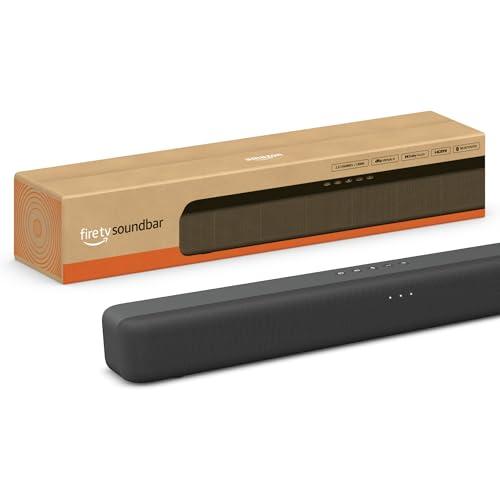
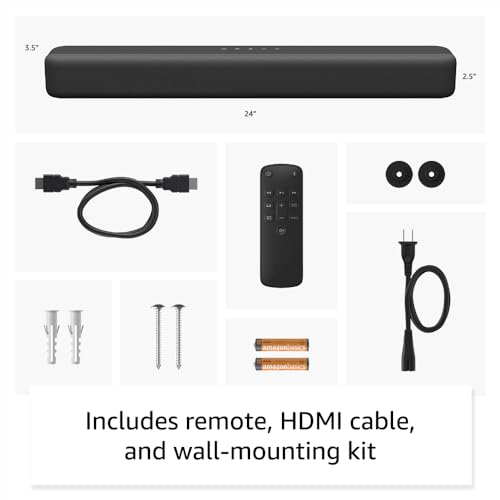
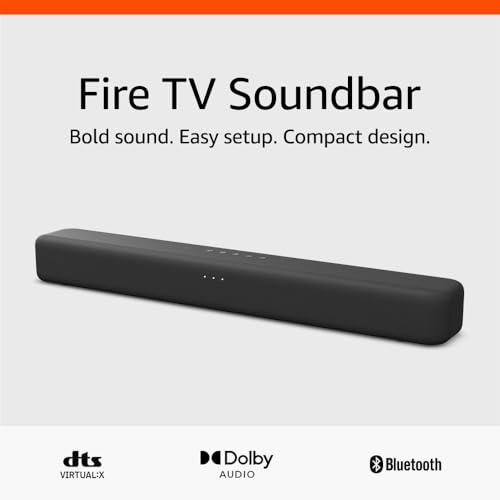
The physical differences between these soundbars immediately tell you what they're designed for. The Amazon Fire TV Soundbar measures just 61 centimeters wide and maintains an ultra-slim profile at only 6.5 centimeters deep. This compact design makes it ideal for smaller TVs or tight spaces where every centimeter counts.
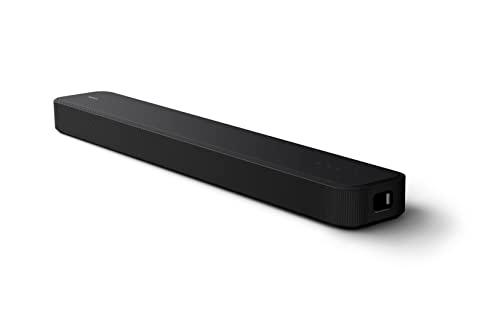
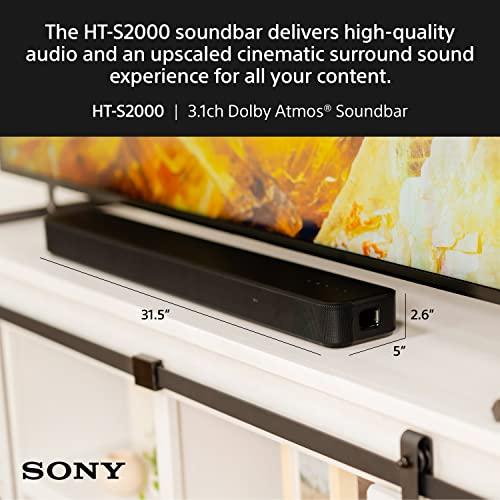
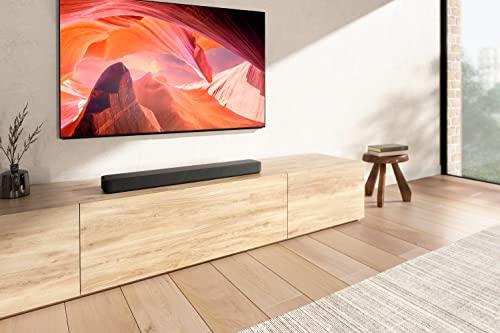
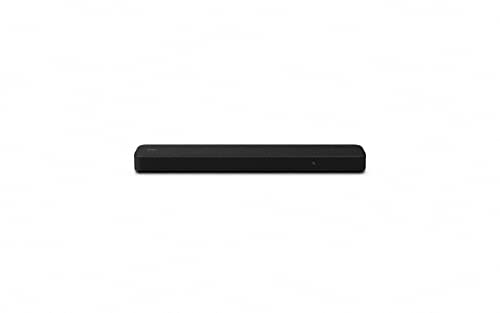
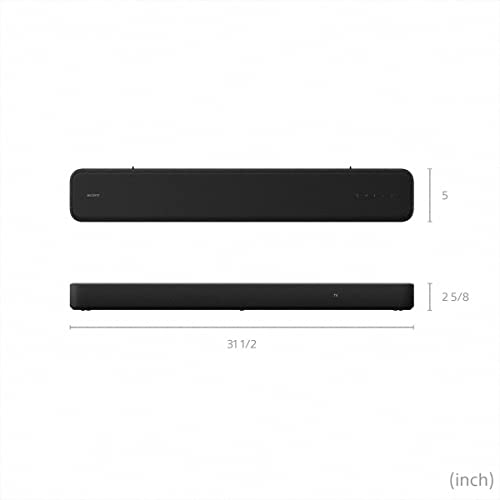
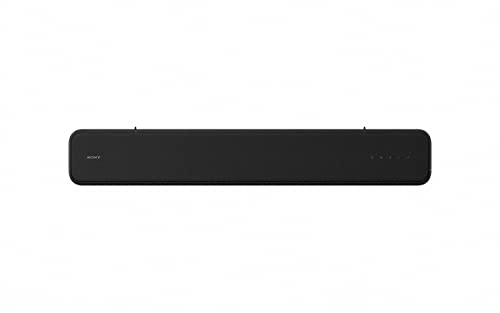
In contrast, the Sony HT-S2000 stretches to 80 centimeters wide with a deeper 12.4-centimeter profile. While still relatively compact for a 3.1-channel system, it's clearly designed for larger TVs and rooms where audio performance takes priority over space savings.
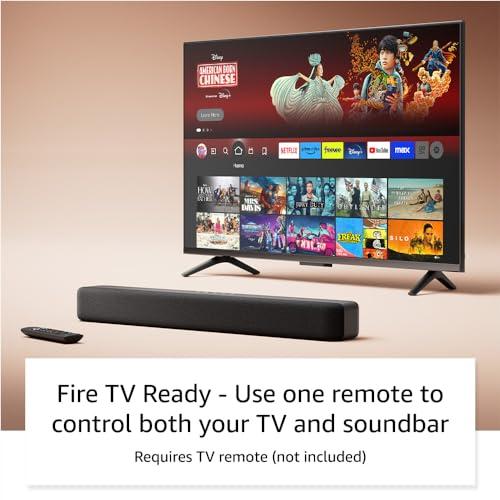
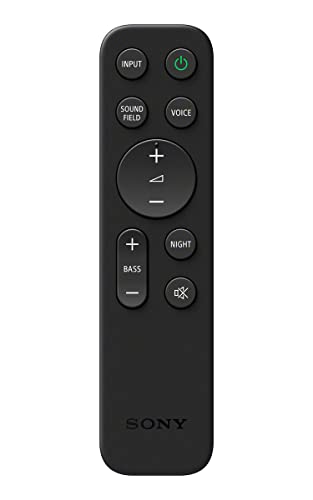
Both use black plastic construction with fabric grilles, keeping costs reasonable while maintaining a clean aesthetic that won't clash with most TV setups. The Amazon Fire TV Soundbar includes simple touch controls for basic functions, while the Sony HT-S2000 comes with both a physical remote and smartphone app control.
Here's where the fundamental differences become clear. The Amazon Fire TV Soundbar uses a 2.0-channel configuration with two full-range "Racetrack" drivers. These oval-shaped drivers are designed to maximize surface area within the compact housing, delivering decent sound from a small package. However, with only 40 watts of total amplification (20 watts per channel), there are inherent limits to how loud and dynamic the sound can get.
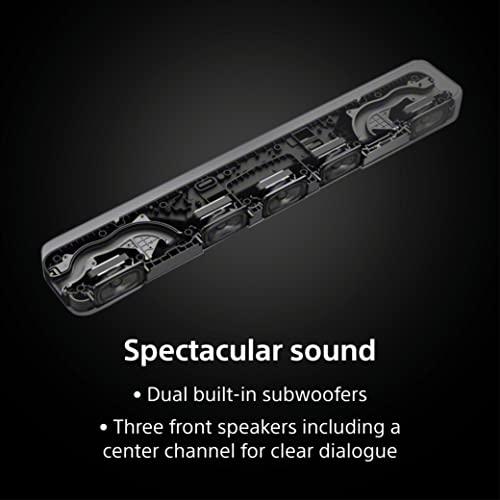
The Sony HT-S2000 takes a completely different approach with its 3.1-channel system. It features five active drivers including a dedicated center channel specifically for dialogue reproduction. This center channel is crucial—it ensures that voices stay anchored to the screen rather than seeming to float between the left and right speakers. Sony's X-Balanced Speaker Units use a rectangular design that reduces distortion while maximizing sound pressure, a technical approach that translates to cleaner, more powerful audio.
Perhaps most importantly, the Sony HT-S2000 includes built-in dual subwoofers with side-firing bass ports. This means it can reproduce the low-frequency rumble of explosions, thunder, and music bass lines that the Amazon Fire TV Soundbar simply cannot match due to its compact drivers and lack of dedicated bass reproduction.
For most TV watching, dialogue clarity trumps everything else. Nothing ruins a movie or show like mumbled conversations you can't understand. The Amazon Fire TV Soundbar does improve dialogue compared to typical TV speakers, thanks to its dedicated drivers and basic processing. However, without a center channel, voices can sometimes seem to wander between the left and right sides of the soundstage.
The Sony HT-S2000 excels here with its dedicated center channel driver. This speaker handles virtually all dialogue, keeping voices locked to the center of the screen where they belong. Based on professional reviews and user feedback, the difference is immediately noticeable—conversations sound more natural and remain intelligible even during complex action sequences with lots of background noise.
Bass performance reveals the starkest difference between these soundbars. The Amazon Fire TV Soundbar includes a bass reflex port design that helps extend low-frequency response somewhat, but physics limits what's possible from small drivers in a compact enclosure. You'll hear some bass, but don't expect the chest-thumping impact of movie explosions or the full weight of music.
The Sony HT-S2000 changes the game with its integrated dual subwoofers. These dedicated bass drivers, combined with side-firing ports, can reproduce frequencies that the Amazon simply cannot reach. The result is more impactful movie soundtracks and fuller-sounding music. Sony even includes three bass level settings, letting you adjust the low-end response to your room and preferences.
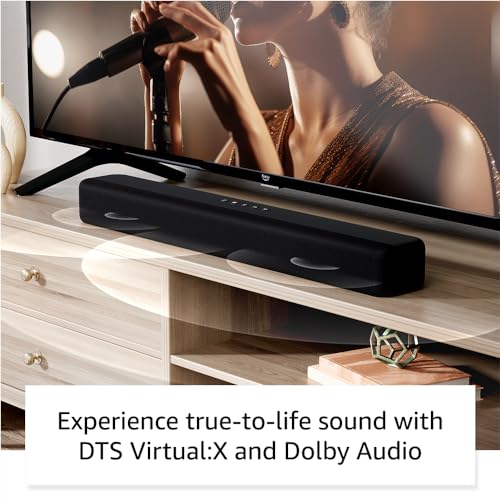
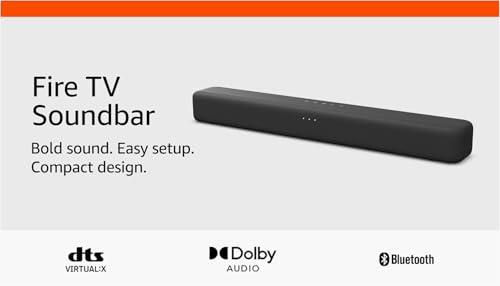
Both soundbars attempt to create a surround sound experience without rear speakers, but they use different technologies and achieve different results. The Amazon Fire TV Soundbar supports DTS Virtual:X, which processes audio to create some sense of width and spatial positioning. While this does expand the soundstage beyond what you'd get from basic stereo speakers, the effect is relatively subtle.
The Sony HT-S2000 takes virtual surround more seriously with full Dolby Atmos and DTS:X support. Sony's Vertical Surround Engine processes these formats to simulate height effects, creating the impression that sounds are coming from above. The S-Force PRO Front Surround technology adds width and depth to the soundstage. While neither soundbar includes physical upward-firing drivers like more expensive Atmos systems, the Sony's processing algorithms are more sophisticated and create a more convincing surround effect.
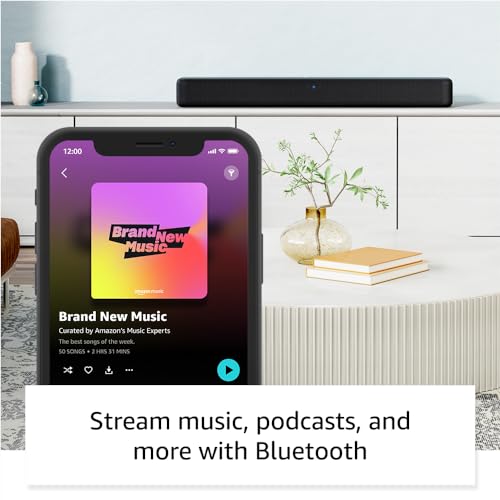
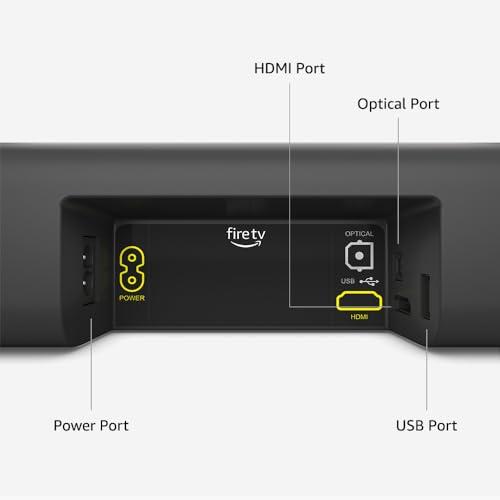
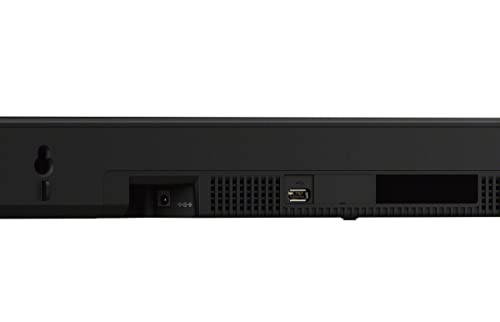
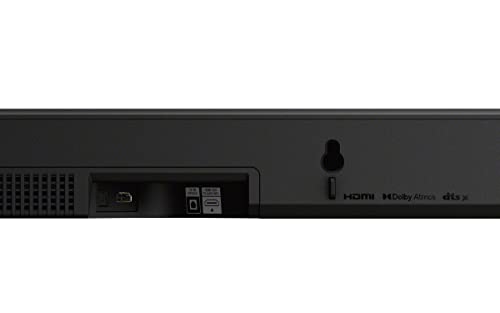
The Amazon Fire TV Soundbar keeps connectivity simple with HDMI ARC (not the more advanced eARC), optical input, and Bluetooth for music streaming. This covers the basics for most users, though the lack of eARC means it can't handle the highest-quality audio formats that some streaming services and Blu-ray discs offer.
The Sony HT-S2000 steps up with HDMI eARC support, which provides higher bandwidth for lossless audio formats. It also includes Bluetooth 5.2 with support for AAC codec, delivering better wireless audio quality than the Amazon's basic Bluetooth implementation. The Sony Home Entertainment Connect app adds convenient control and setup options, while BRAVIA Sync integration provides seamless operation with Sony TVs.
At the time of writing, the Amazon Fire TV Soundbar typically costs around $100, positioning it as an ultra-budget option for users who simply want something better than TV speakers without spending much money. For this price point, it delivers reasonable value—the sound is balanced, dialogue is clearer than most TVs, and setup is straightforward.
However, the performance limitations are real. The lack of meaningful bass, absence of a center channel, and basic processing mean this soundbar functions more as a "TV speaker replacement" than a true home theater upgrade. If you primarily watch news, talk shows, or light entertainment, it might be sufficient. But for movies, sports, or music, you'll quickly notice what you're missing.
The Sony HT-S2000, typically priced around $300 at the time of writing, represents what we'd call the "meaningful upgrade" category. The additional cost translates to substantially better audio quality across every metric that matters. The dedicated center channel makes dialogue noticeably clearer, the built-in subwoofers add real impact to movies and music, and the advanced spatial processing creates a more immersive experience.
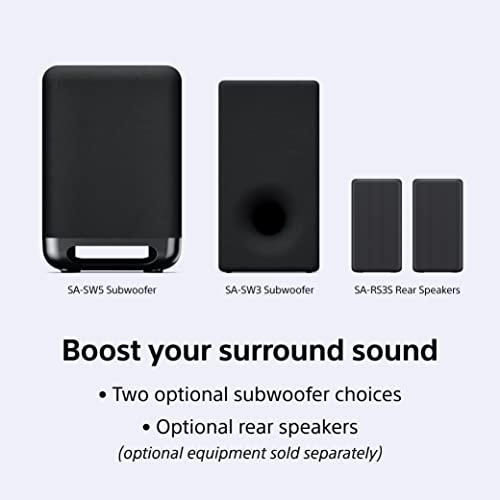
One area where the Sony HT-S2000 truly shines is expandability. Sony designed it to work with additional components from their wireless audio lineup. You can add the SA-SW3 or SA-SW5 wireless subwoofers for even deeper bass, or the SA-RS3S rear speakers to create a true surround sound system. This modular approach means you can start with the soundbar and gradually build a more comprehensive system as budget allows.
The Amazon Fire TV Soundbar offers no expansion options—what you buy is what you get. While this simplicity has its appeal, it also means you can't upgrade the system as your needs or preferences evolve.
Your room size and typical viewing habits should heavily influence your decision. The Amazon Fire TV Soundbar works best in smaller spaces—bedrooms, apartments, or secondary viewing areas where space is limited and audio demands are modest. Its compact size won't overwhelm smaller TVs, and the more restrained sound output won't disturb neighbors in close quarters.
The Sony HT-S2000 suits medium to large living rooms where you want a more cinematic experience. The wider soundstage, deeper bass, and superior processing make movies and shows more engaging. If you regularly watch action films, sports, or enjoy streaming music through your TV setup, the Sony's capabilities justify the higher cost.
From a home theater standpoint, the differences become even more pronounced. The Amazon Fire TV Soundbar functions as a basic audio improvement but doesn't create anything approaching a cinematic experience. You'll hear dialogue better and get slightly wider sound, but action scenes lack impact and music feels thin.
The Sony HT-S2000 starts to approach what we'd consider entry-level home theater performance. The combination of clear dialogue, meaningful bass, and convincing virtual surround makes movies more engaging. While it can't match a full multi-speaker setup, it provides enough improvement to transform your viewing experience meaningfully.
Both soundbars benefit from recent advances in digital signal processing and virtual surround algorithms. The 2023 launch timing means they incorporate relatively current Dolby and DTS processing capabilities, though neither includes cutting-edge features like room correction or AI-based audio enhancement found in premium models.
The Sony HT-S2000 particularly benefits from Sony's years of experience in home audio, incorporating technologies developed for their higher-end soundbars in a more affordable package. The Vertical Surround Engine, for instance, represents genuine innovation in virtual height processing.
After extensive research into professional reviews, user feedback, and technical specifications, the choice comes down to your priorities and budget flexibility.
Choose the Amazon Fire TV Soundbar if you have a strict budget under $150 and primarily need better dialogue clarity for TV shows and news. It works well in small rooms with smaller TVs where space is limited. However, understand that you're buying a modest improvement over TV speakers rather than a transformative audio experience.
Choose the Sony HT-S2000 if you can stretch to around $300 and want meaningful improvement in your entertainment experience. The superior dialogue clarity, real bass impact, and more convincing virtual surround make movies, sports, and music significantly more enjoyable. The expansion options also provide a clear upgrade path if you want to build a fuller system later.
The performance gap between these soundbars is substantial enough that most users will find the Sony worth the additional cost. While the Amazon serves its ultra-budget market adequately, the Sony represents the minimum investment for what most people would consider a genuine home theater upgrade. Unless budget constraints are absolute, the Sony HT-S2000 delivers significantly better value for the money spent.
| Amazon Fire TV Soundbar | Sony HT-S2000 3.1ch Dolby Atmos Soundbar |
|---|---|
| Channel Configuration - Determines dialogue clarity and bass response | |
| 2.0 stereo (no center channel or subwoofer) | 3.1 channels (dedicated center + built-in dual subwoofers) |
| Total Power Output - Affects maximum volume and dynamic range | |
| 40W (2 x 20W) | 250W with S-Master digital amplifier |
| Spatial Audio Support - Creates immersive surround sound experience | |
| DTS Virtual:X, Dolby Audio (basic virtual processing) | Dolby Atmos, DTS:X with Vertical Surround Engine |
| Bass Performance - Critical for movies and music impact | |
| Bass reflex port, no dedicated subwoofer | Built-in dual subwoofers with side-firing ports |
| Dimensions - Space requirements and TV compatibility | |
| 61 x 9 x 6.5 cm (compact, fits smaller TVs) | 80 x 6.4 x 12.4 cm (larger but more powerful) |
| HDMI Connectivity - Determines audio format support | |
| HDMI ARC (standard quality audio) | HDMI eARC (high-quality lossless audio formats) |
| Bluetooth Audio Quality - Wireless music streaming performance | |
| Basic Bluetooth with SBC codec | Bluetooth 5.2 with AAC and SBC codecs |
| Sound Customization - Ability to tailor audio to your preferences | |
| Basic sound modes, no app control | Night Mode, Voice Mode, 3 bass levels, smartphone app |
| Expandability - Future upgrade options | |
| None (fixed 2.0 system) | Compatible with Sony wireless subwoofers and rear speakers |
| Best Use Case - Ideal buyer and room type | |
| Small rooms, tight budgets, basic TV audio improvement | Medium-large rooms, movie watching, meaningful audio upgrade |
The Sony HT-S2000 provides significantly better dialogue clarity thanks to its dedicated center channel that keeps voices anchored to the screen. The Amazon Fire TV Soundbar lacks a center channel, so dialogue can seem to wander between left and right speakers, making conversations less clear during complex scenes.
Only the Sony HT-S2000 supports full Dolby Atmos and DTS:X processing with Sony's Vertical Surround Engine for height effects. The Amazon Fire TV Soundbar only supports basic DTS Virtual:X and Dolby Audio, which provides less immersive virtual surround sound.
The Sony HT-S2000 delivers substantially better bass with its built-in dual subwoofers and side-firing ports that can reproduce deep, impactful low frequencies. The Amazon Fire TV Soundbar has limited bass response due to its compact drivers and lack of dedicated subwoofer.
The Sony HT-S2000 can be expanded with optional Sony wireless subwoofers and rear speakers to create a full surround system. The Amazon Fire TV Soundbar has no expansion options and remains a fixed 2.0-channel system.
The Amazon Fire TV Soundbar works well in small spaces due to its compact 61cm width and slim profile that won't overwhelm smaller TVs. The Sony HT-S2000 at 80cm wide is better suited for medium to large rooms where its superior audio performance can be fully appreciated.
Both offer HDMI connectivity, but the Sony HT-S2000 supports the more advanced HDMI eARC standard for higher-quality audio formats, while the Amazon Fire TV Soundbar only supports standard HDMI ARC with more limited audio capabilities.
The Sony HT-S2000 provides a much better home theater experience with its 3.1-channel configuration, Dolby Atmos support, and powerful bass that makes action scenes more impactful. The Amazon Fire TV Soundbar offers basic improvement over TV speakers but lacks the dynamic range for cinematic experiences.
The Sony HT-S2000 includes the Sony Home Entertainment Connect app for convenient control and customization. The Amazon Fire TV Soundbar relies on physical touch controls and doesn't offer smartphone app functionality.
The Sony HT-S2000 provides superior wireless audio quality with Bluetooth 5.2 and AAC codec support for better sound when streaming music. The Amazon Fire TV Soundbar has basic Bluetooth connectivity that's adequate for casual music listening.
The Sony HT-S2000 offers multiple sound modes including Night Mode for late viewing, Voice Mode for enhanced dialogue, and adjustable bass levels. The Amazon Fire TV Soundbar has basic sound processing with limited customization options.
While the Amazon Fire TV Soundbar offers decent value at its budget price point, the Sony HT-S2000 delivers significantly better performance per dollar with superior audio quality, expandability, and features that justify the higher cost for most users.
Choose the Amazon Fire TV Soundbar if you have strict budget constraints and only need basic improvement over TV speakers. Choose the Sony HT-S2000 if you want meaningful audio enhancement for movies and music, better dialogue clarity, and the option to expand your system in the future.
We've done our best to create useful and informative comparisons to help you decide what product to buy. Our research uses advanced automated methods to create this comparison and perfection is not possible - please contact us for corrections or questions. These are the sites we've researched in the creation of this article: rtings.com - developer.amazon.com - stereoguide.com - developer.amazon.com - techradar.com - hometechnologyreview.com - whathifi.com - youtube.com - whathifi.com - wirelessplace.com - hometechnologyreview.com - dolby.com - aboutamazon.com - developer.amazon.com - community.anker.com - youtube.com - cordbusters.co.uk - techradar.com - valueelectronics.com - youtube.com - videoandaudiocenter.com - whathifi.com - hometheaterhifi.com - youtube.com - sony.com - rtings.com - whathifi.com - rtings.com - helpguide.sony.net - electronics.sony.com - sony.com - dolby.com - sony.com - youtube.com - youtube.com

Privacy Policy
Terms and Conditions - Affiliate Policy
Home Security
© Copyright 2008-2026.
11816 Inwood Rd #1211, Dallas, TX 75244