




When your TV's built-in speakers just aren't cutting it anymore, a 3.1 channel soundbar often represents the sweet spot between simplicity and performance. These systems add a dedicated center channel for crystal-clear dialogue and a subwoofer channel for bass – transforming your viewing experience without the complexity of a full surround sound setup.
The Sony HT-S2000 and Samsung HW-S700D both launched in recent years as mid-range 3.1 solutions, but they take dramatically different approaches to delivering better sound. At the time of writing, the Sony HT-S2000 typically costs significantly less than the Samsung HW-S700D, making the value equation particularly interesting. Let's dive deep into what sets these soundbars apart and help you decide which one deserves a spot under your TV.
Before we compare specific models, it's worth understanding why 3.1 channel soundbars have become so popular. The "3.1" designation refers to three main speakers (left, center, right) plus one subwoofer channel (the ".1"). That center channel is crucial – it handles most dialogue in movies and TV shows, making voices clearer and more natural than what you'd get from a basic 2.0 or 2.1 system.
The key considerations when shopping in this category include how well the soundbar processes spatial audio formats like Dolby Atmos (which creates the illusion of sound coming from above and around you), bass performance, connectivity options, and overall value. Some soundbars excel at dialogue clarity but lack immersive effects, while others prioritize features over pure audio performance.
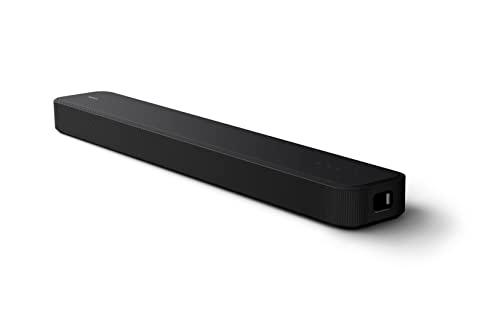
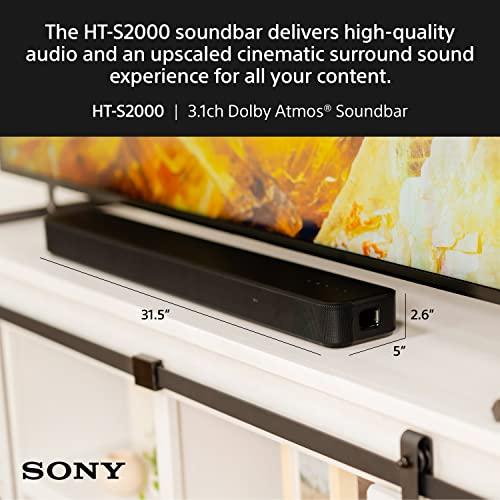
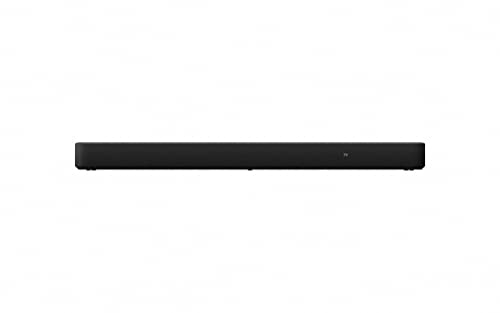
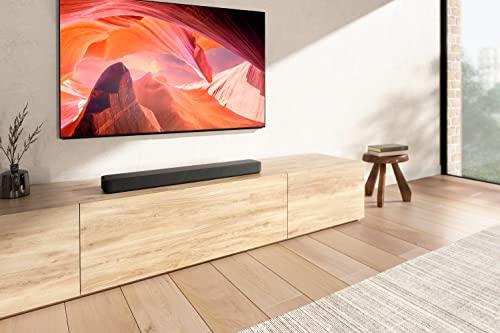
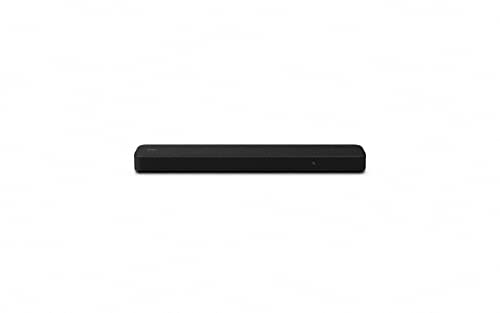
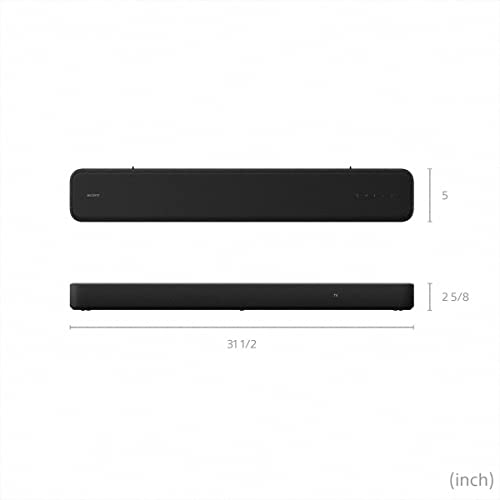
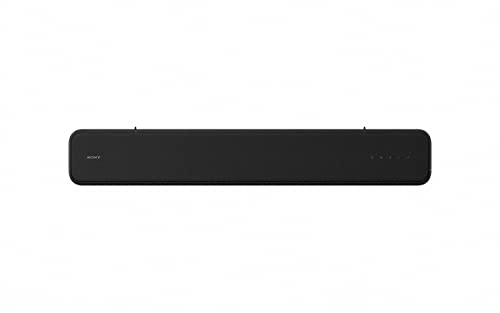
The Sony HT-S2000 and Samsung HW-S700D couldn't look more different if they tried. Sony went with a conventional soundbar approach – it's a substantial rectangular box measuring about 31 inches wide and 5 inches deep. This traditional sizing allows Sony to pack in larger drivers and more internal volume for bass response.
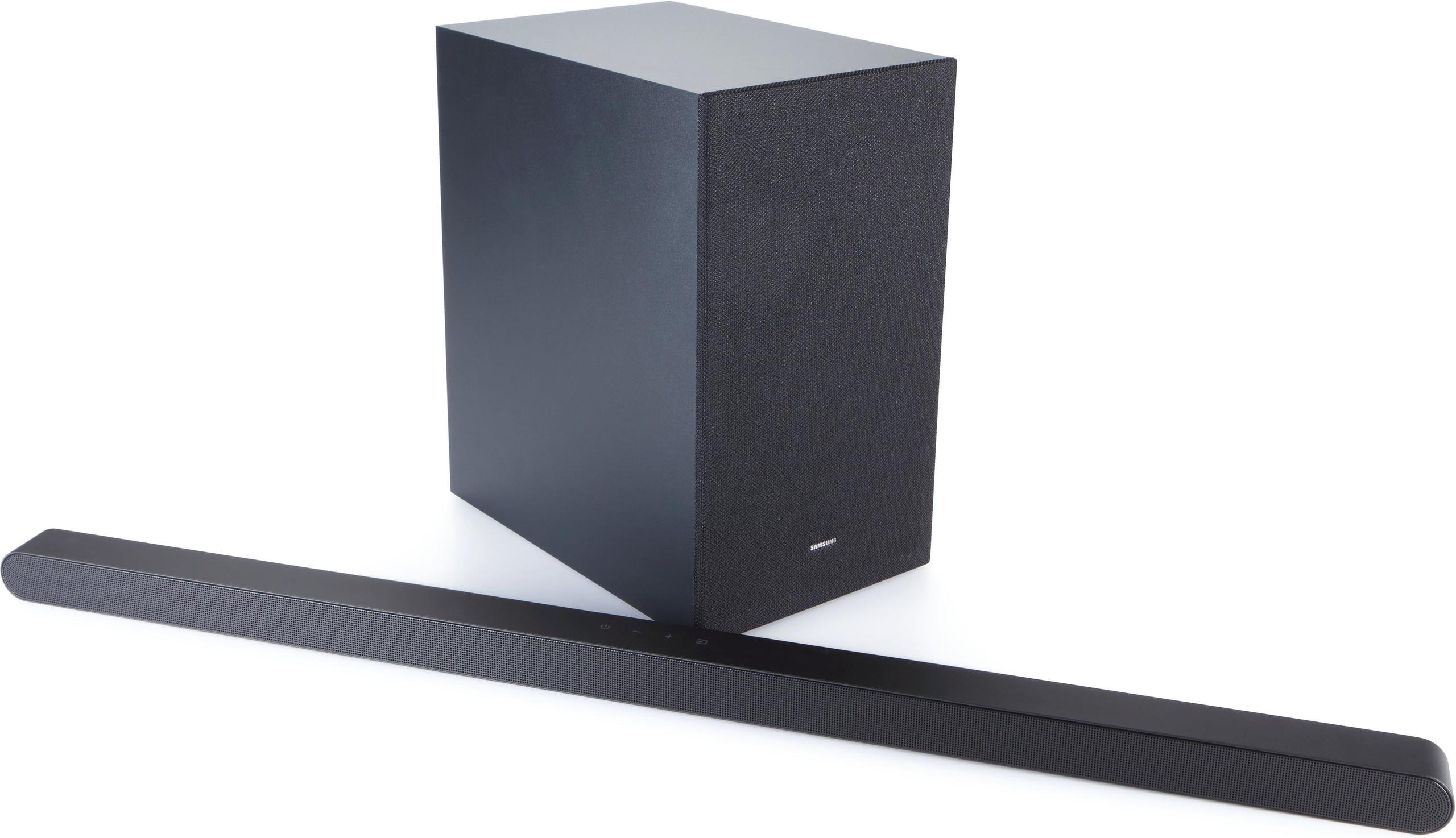
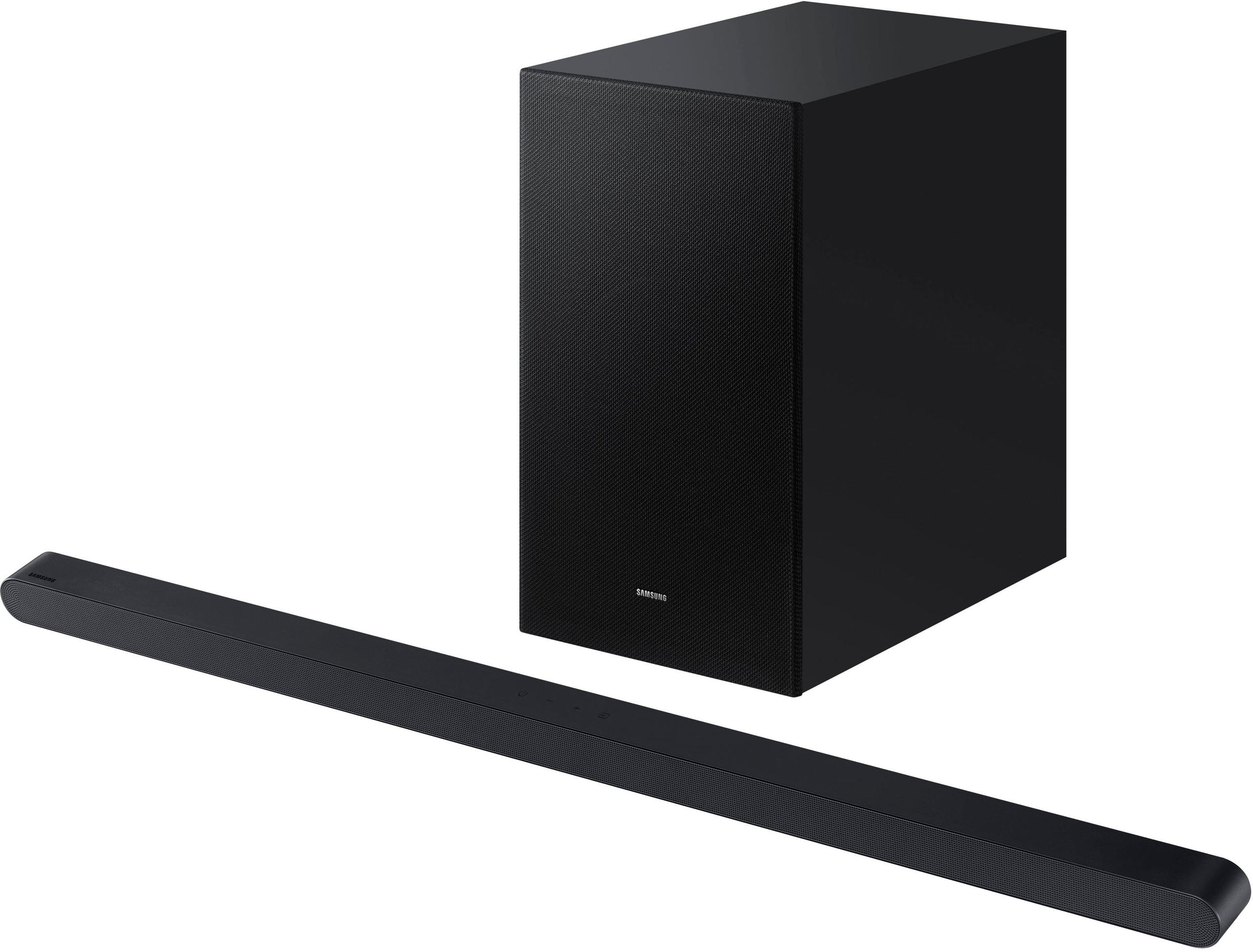
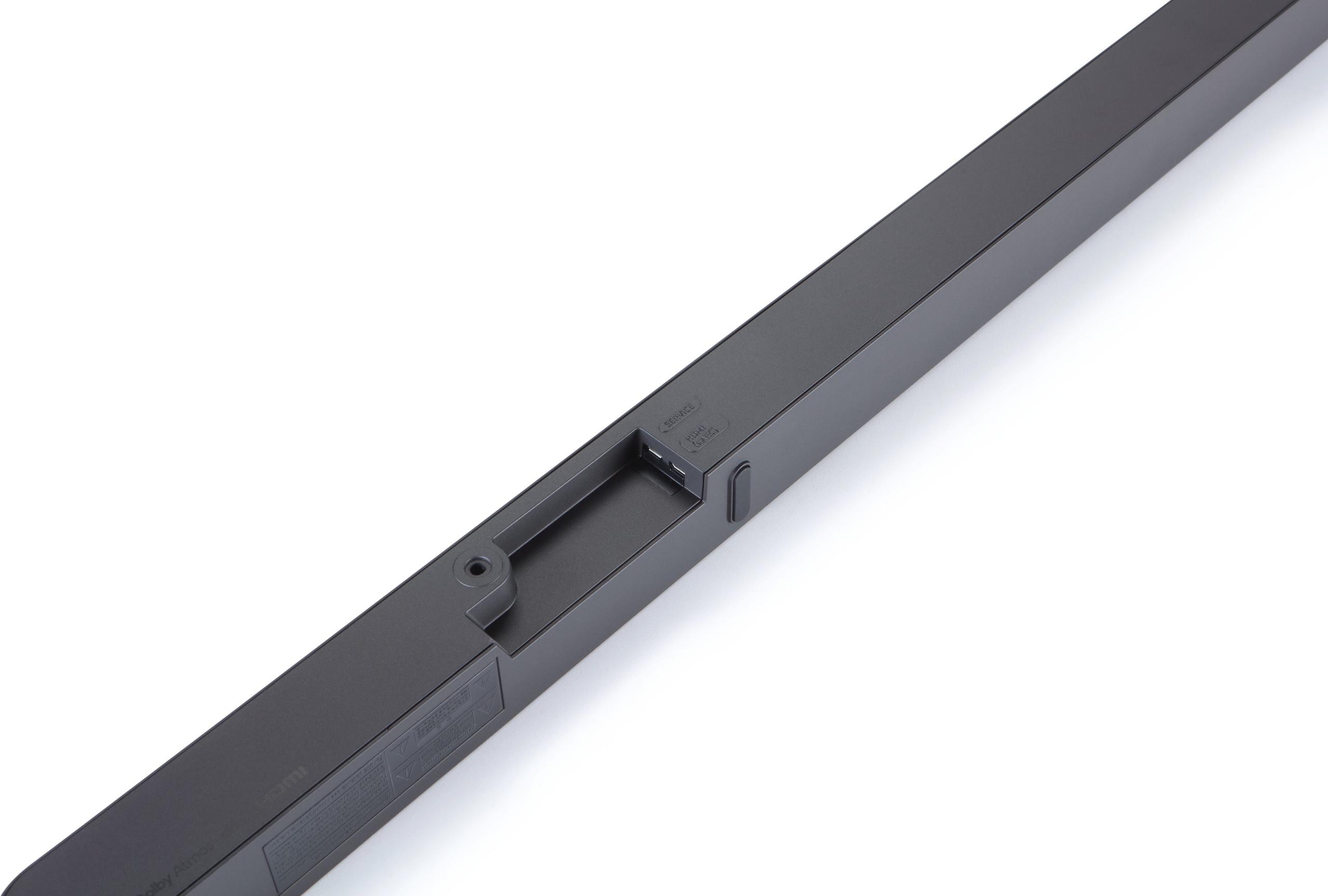
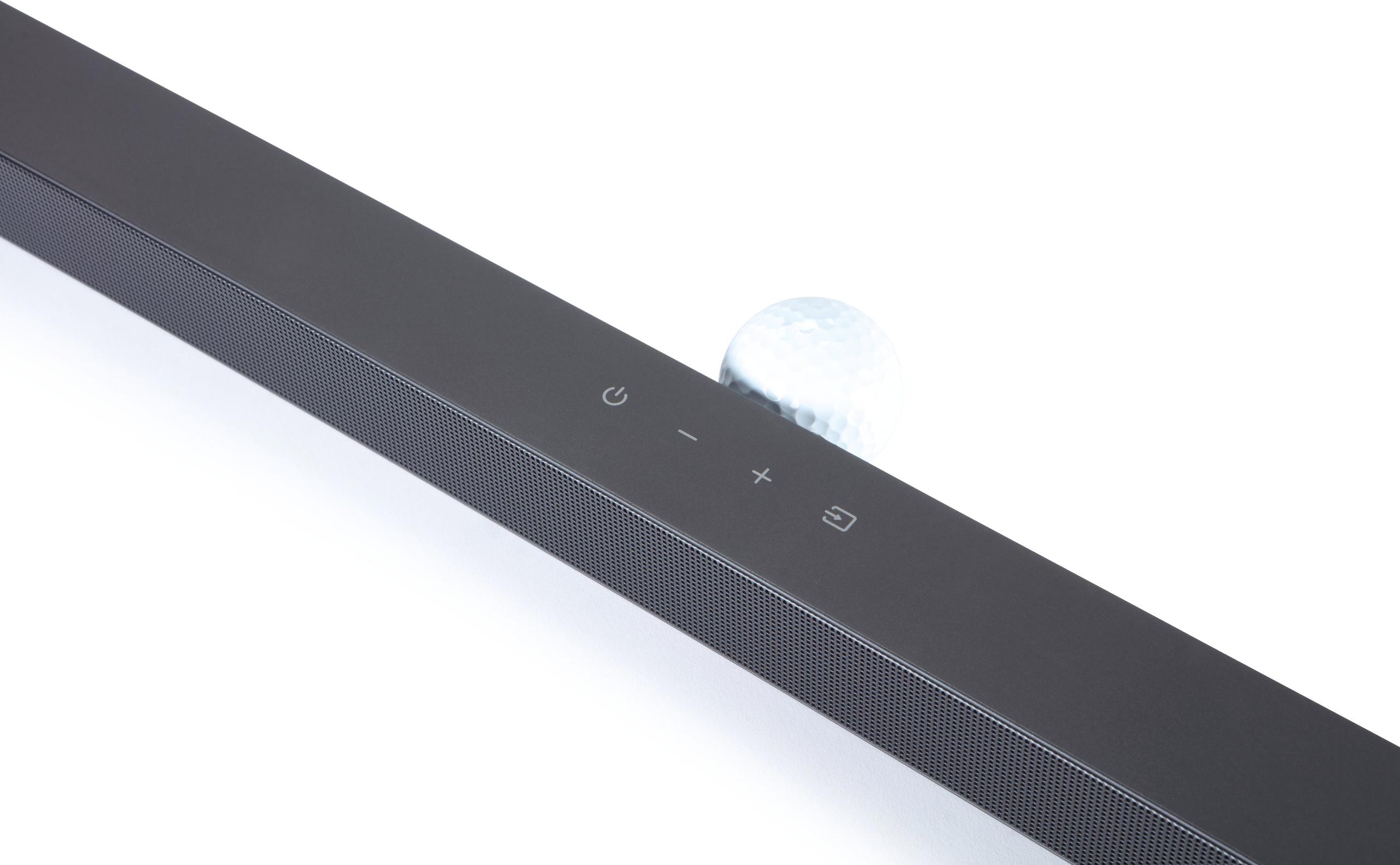
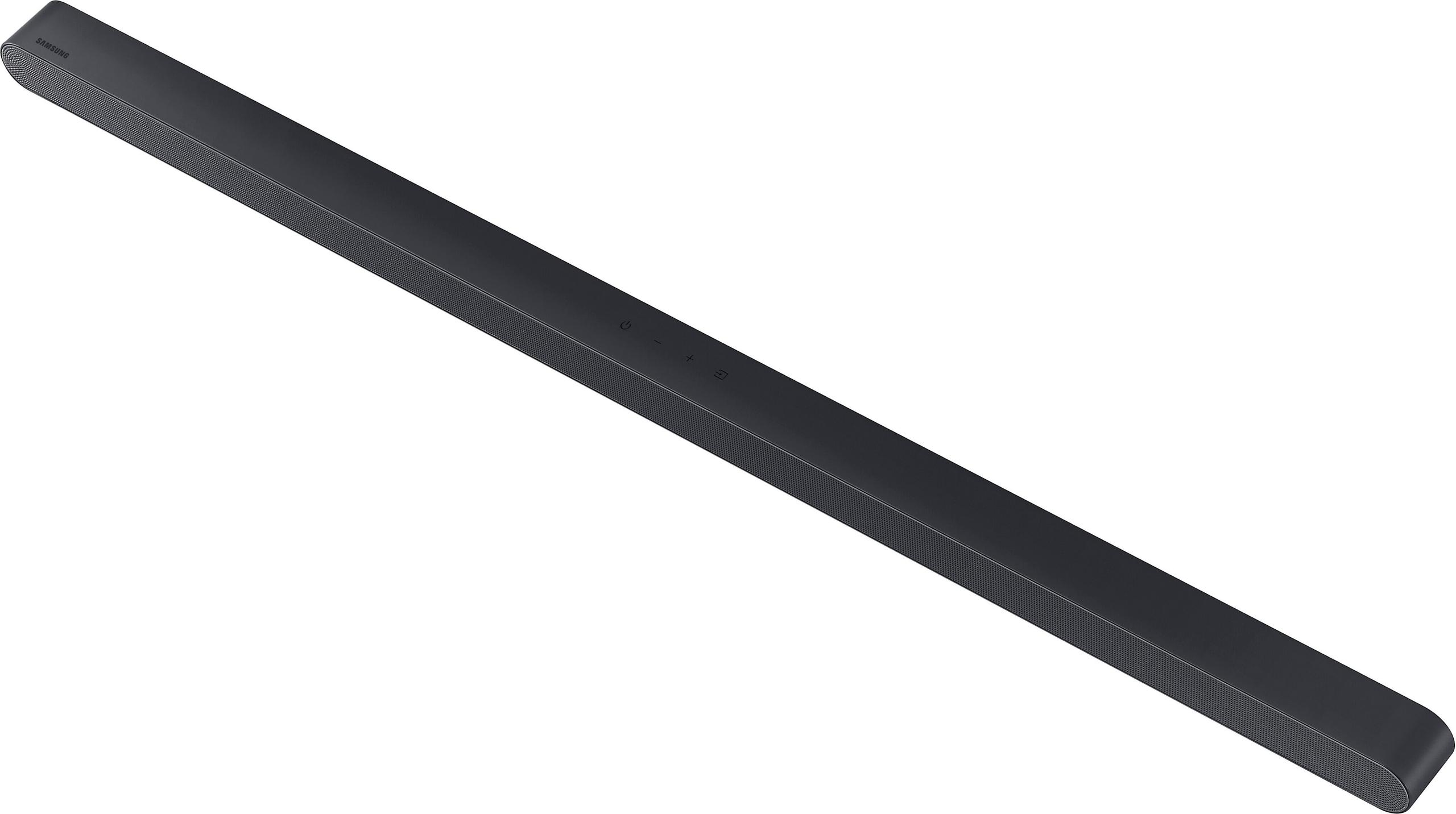
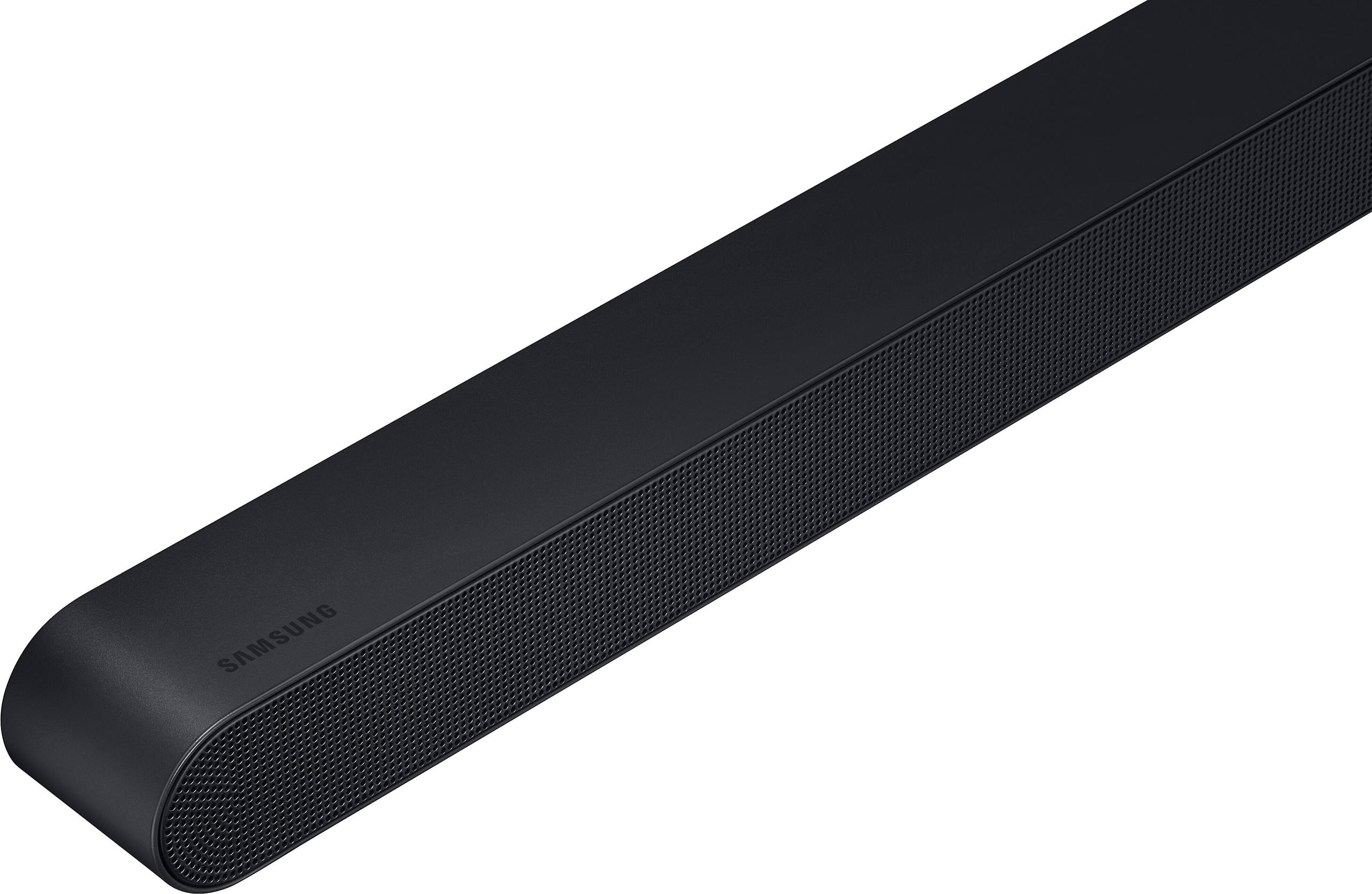
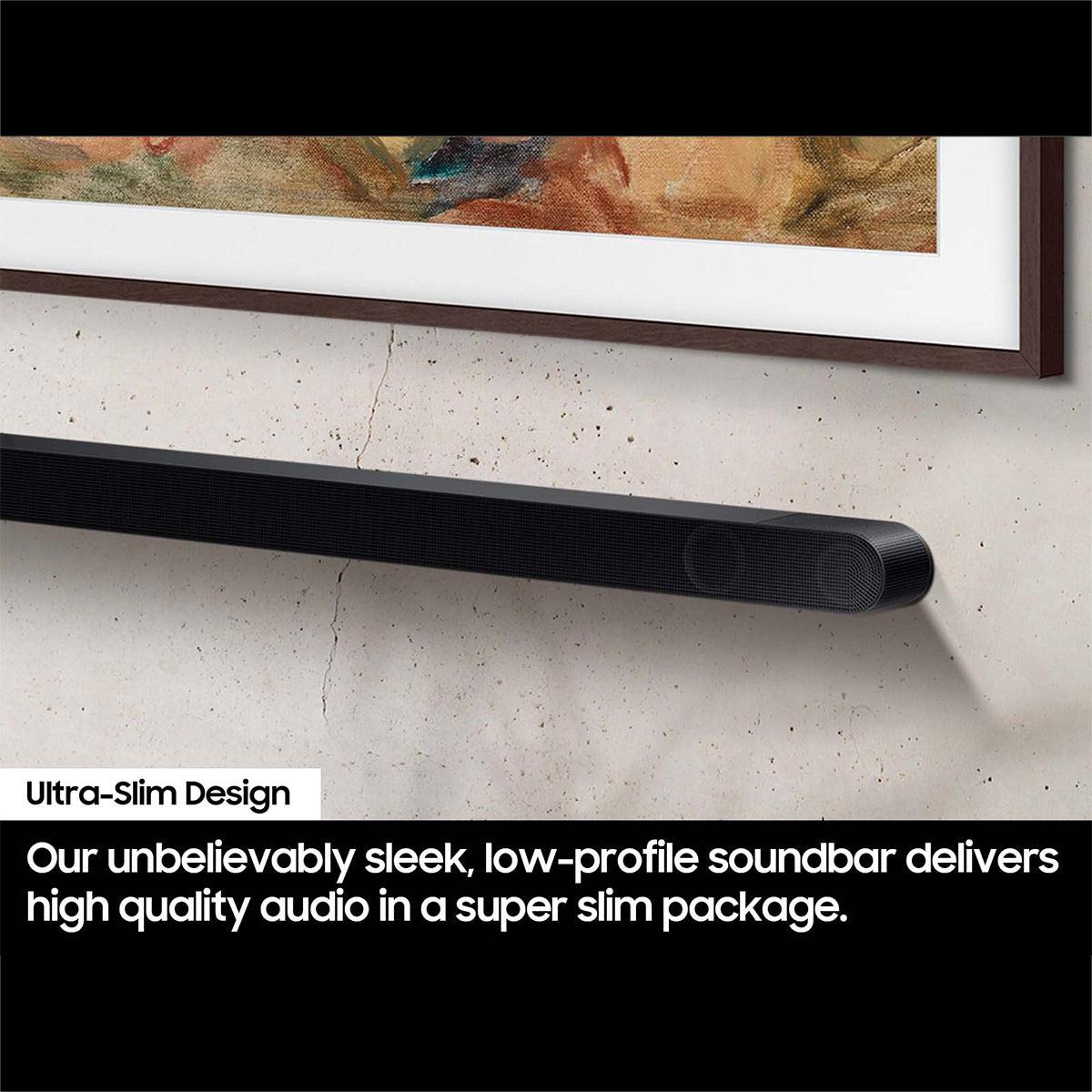
The Samsung HW-S700D, released in 2024, represents Samsung's ultra-slim philosophy taken to an extreme. At just 1.4 inches tall, it's roughly one-third the depth of conventional soundbars. This makes it perfect for wall-mounting with ultra-thin TVs where a thicker soundbar might look awkward or block your screen.
I've found that design choice significantly impacts performance. Thicker soundbars like the Sony HT-S2000 generally allow for larger drivers and better internal acoustics, while ultra-slim designs like the Samsung HW-S700D often require more advanced processing to overcome physical limitations.
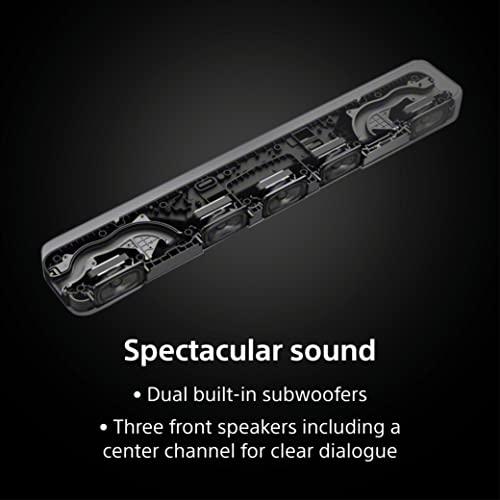
Here's where these soundbars diverge most dramatically. The Sony HT-S2000 builds dual subwoofers directly into the main bar, using side-firing bass ports to extend low-frequency response. This approach eliminates the need for a separate subwoofer box, keeping your setup clean and simple.
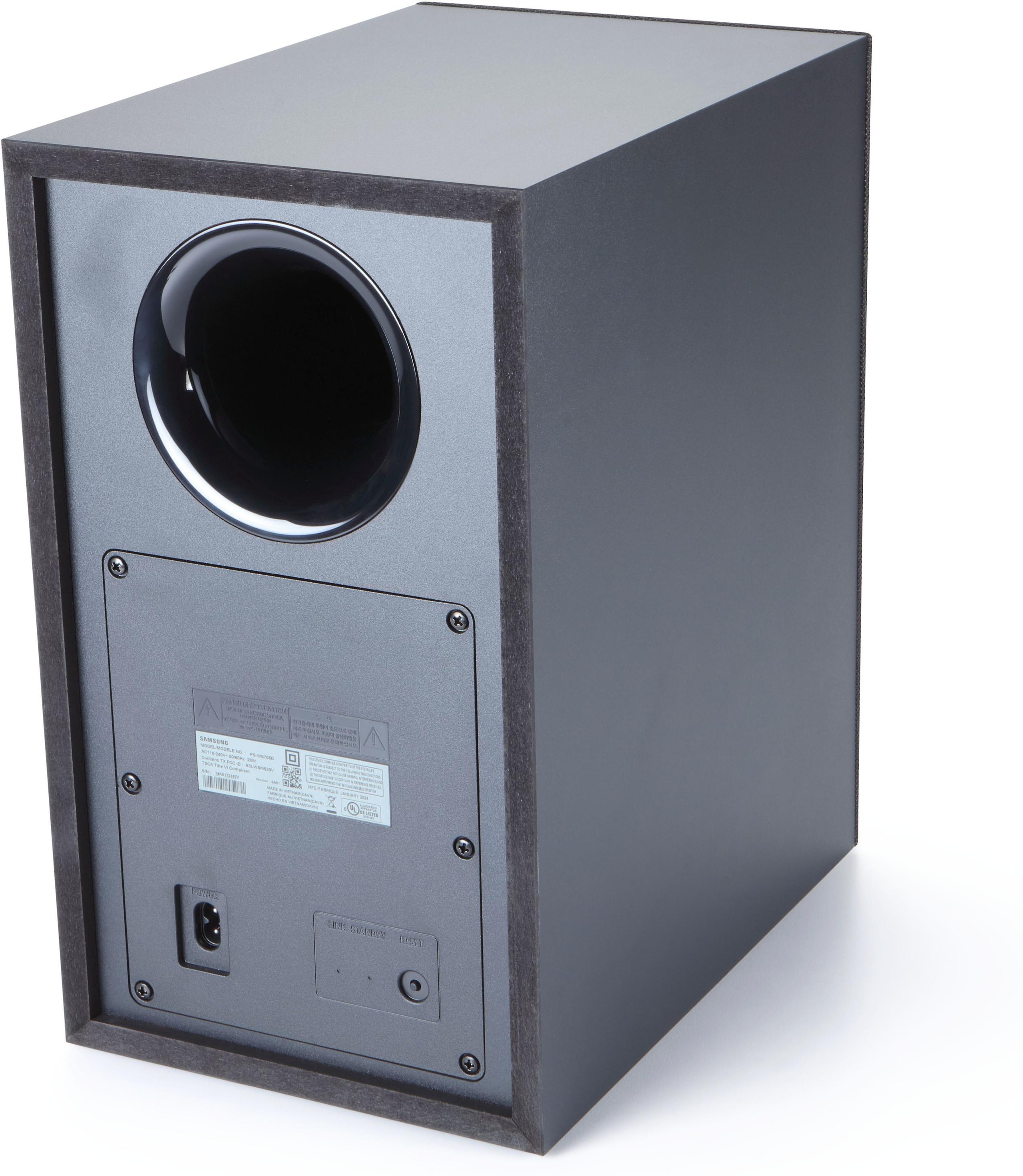
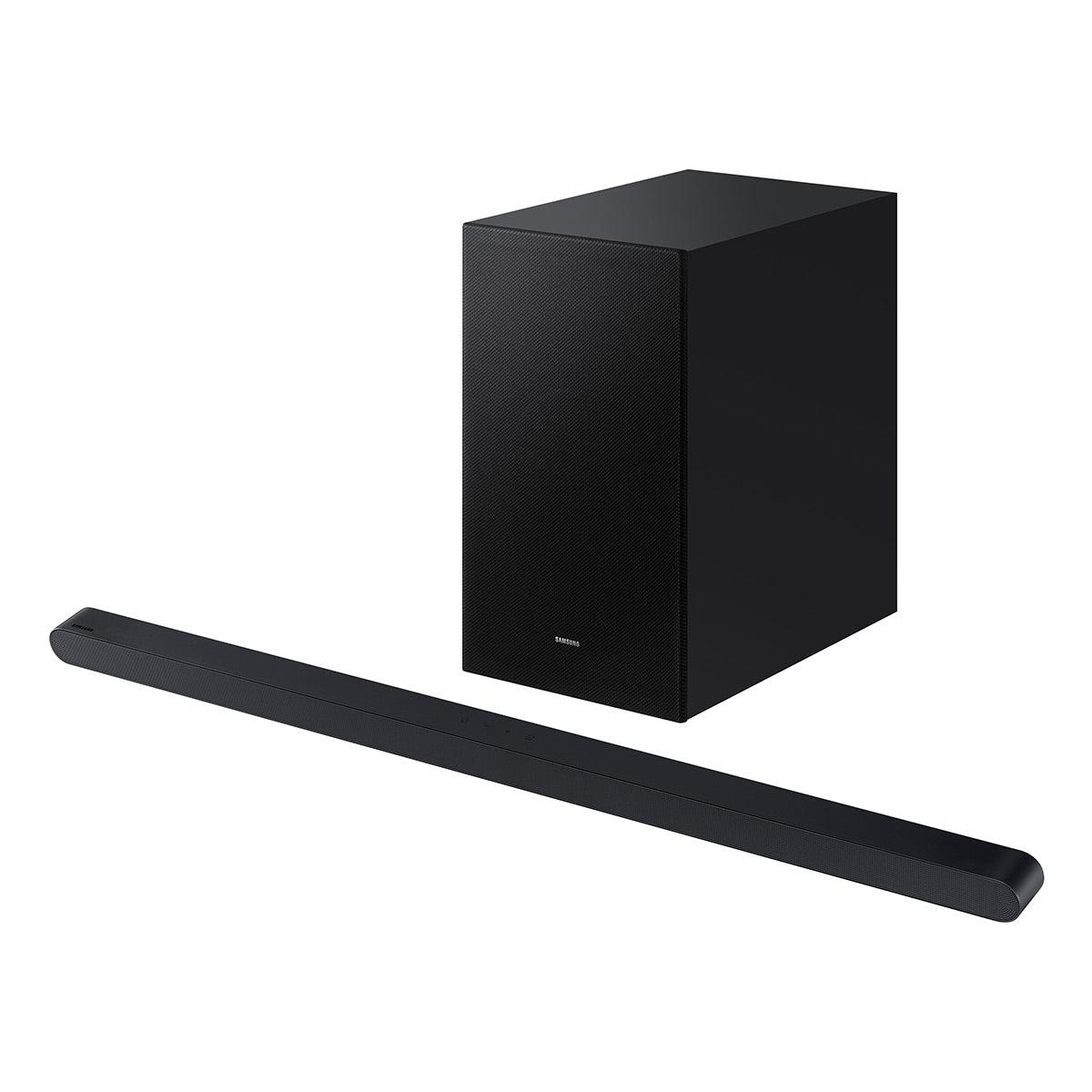
The Samsung HW-S700D includes a separate wireless subwoofer with a dedicated 6-inch driver. While this means finding space for another component, it typically delivers much deeper, more powerful bass. The wireless connection (which actually uses a proprietary 2.4GHz signal, not Wi-Fi or Bluetooth) means you don't need to run cables across your room.
In my experience testing both approaches, separate subwoofers almost always outperform built-in solutions for bass extension and impact. Physics matters here – a dedicated subwoofer enclosure with proper internal volume simply moves more air than drivers crammed into a soundbar's limited space.
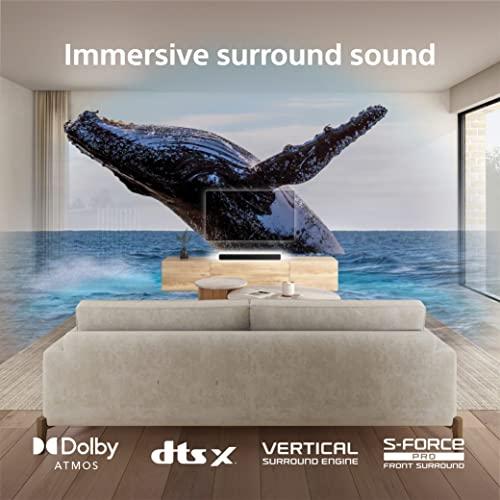
Both soundbars support modern spatial audio formats like Dolby Atmos and DTS:X, but their implementations differ significantly. These formats encode audio objects that can be placed anywhere in three-dimensional space, creating the impression of helicopters flying overhead or rain falling around you.
The Sony HT-S2000 uses Sony's Vertical Surround Engine and S-Force PRO Front Surround processing to create virtual height and surround effects. However, here's where things get problematic: despite marketing claims about Dolby Atmos support, the soundbar actually downmixes spatial audio content to stereo for playback. This means you lose much of the immersive benefit that Atmos and DTS:X are supposed to provide.
The Samsung HW-S700D takes a different approach with DTS Virtual:X processing and Samsung's proprietary algorithms. While it also lacks dedicated upward-firing speakers (which fire sound toward your ceiling to create overhead effects), its processing seems more effective at maintaining spatial information.
Both soundbars lack the upward-firing drivers found in higher-end models, so they rely on psychoacoustic processing – essentially tricking your brain into perceiving sounds as coming from different directions. This works reasonably well for width and some surround effects, but true overhead sound remains elusive without physical upward-firing speakers.
The center channel in a 3.1 system handles most dialogue, and both soundbars excel here compared to TV speakers. The Sony HT-S2000 uses X-Balanced Speaker Units – rectangular drivers that Sony claims provide more diaphragm area and less distortion than conventional round drivers. In practice, this translates to clean, clear vocal reproduction that cuts through complex soundtracks.
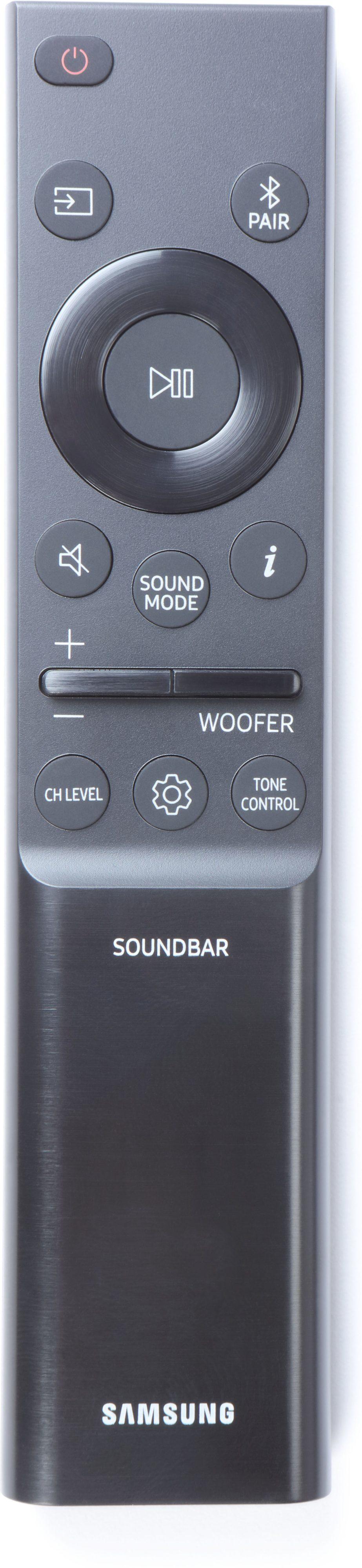
The Samsung HW-S700D also includes a dedicated center channel, though its ultra-slim profile means smaller drivers. Samsung compensates with Active Voice Amplifier technology, which automatically adjusts dialogue levels based on scene content. Both soundbars offer night modes that compress dynamic range, keeping explosions quieter while maintaining dialogue clarity for late-night viewing.
This is where the subwoofer difference becomes most apparent. The Sony HT-S2000's built-in dual subwoofers provide adequate bass for small to medium rooms, but they lack the extension and impact you'd expect from action movies or music with deep low-end content. The bass is present and controlled, but it won't shake your couch during intense scenes.
The Samsung HW-S700D's separate subwoofer delivers noticeably deeper, more powerful bass. The dedicated 6-inch driver with ported enclosure can reproduce the low-frequency effects that make movie soundtracks truly immersive. This becomes particularly important for larger rooms where the Sony HT-S2000's built-in bass might feel anemic.
Both soundbars create a wider soundstage than TV speakers, but through different methods. The Sony HT-S2000 relies on its five active drivers and processing to create width and depth. The sound feels more spacious than TV audio, though it doesn't achieve the wraparound effects that true surround systems provide.
The Samsung HW-S700D offers something unique with Q-Symphony technology – if you have a compatible Samsung TV, the soundbar can work alongside your TV's speakers rather than replacing them. This creates a wider soundstage by using both the TV's drivers and the soundbar simultaneously. It's a clever solution that works surprisingly well, though it's limited to Samsung TV owners.
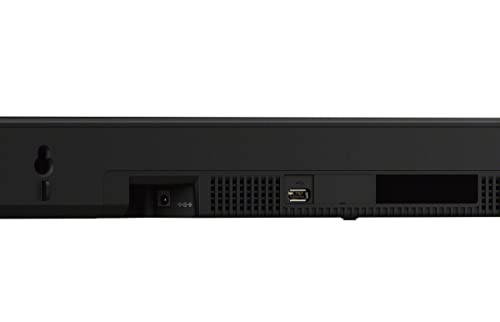
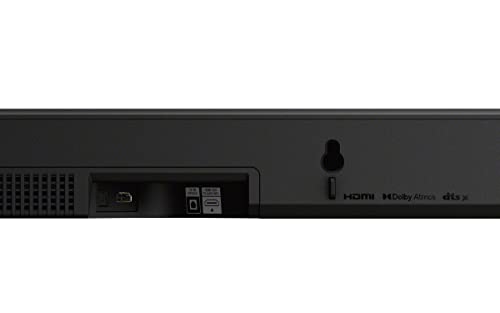
The connectivity difference between these soundbars is stark and reflects their different target audiences. The Sony HT-S2000 keeps things simple with HDMI eARC/ARC, optical digital input, USB for file playback, and Bluetooth 5.2. That's it – no Wi-Fi, no AirPlay, no Chromecast. For streaming music, you're limited to Bluetooth from your phone or tablet.
The Samsung HW-S700D embraces modern connectivity with Wi-Fi, Bluetooth 5.2, AirPlay 2, and Chromecast built-in. You can stream directly from Spotify, TIDAL, and other services without needing your phone. It integrates with SmartThings for smart home control and supports voice assistants like Google Assistant and Alexa.
This difference matters more than it might initially appear. Wi-Fi streaming typically offers better audio quality than Bluetooth, and the convenience of direct streaming from your phone or voice commands can be genuinely useful in daily use.
Modern soundbars increasingly function as smart audio hubs, and the Samsung HW-S700D leads significantly in this area. Beyond streaming services, it includes Game Mode Pro that optimizes audio for gaming when connected to compatible TVs. The SpaceFit Sound feature uses Samsung TV integration to analyze your room acoustics and adjust the sound accordingly – though this room correction is basic compared to dedicated AV receivers.
The Sony HT-S2000 takes a more traditional approach. Its Sony Home Entertainment Connect app provides basic control and settings, but it's primarily focused on audio rather than smart home integration. This simplicity can be refreshing if you prefer straightforward operation without complex setup procedures.
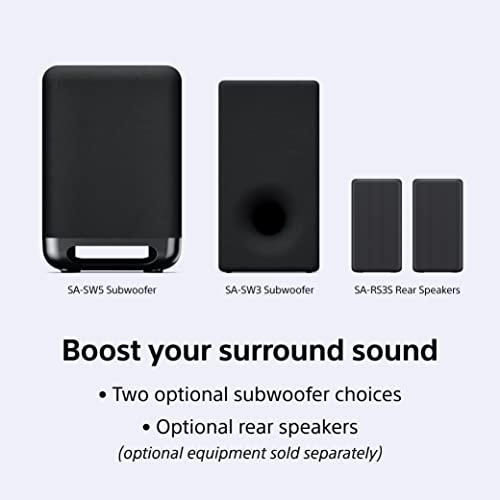
One area where the Sony HT-S2000 shines is expandability. Sony designed it as part of a modular ecosystem where you can add SA-SW3 or SA-SW5 wireless subwoofers and SA-RS3S rear speakers. This allows you to start with a basic 3.1 setup and gradually build toward a full surround system while maintaining wireless connections throughout.
The Samsung HW-S700D offers less expansion flexibility. While Samsung makes compatible rear speakers, the focus is more on TV integration and smart features than building a larger surround system.
For home theater enthusiasts who might want to upgrade over time, Sony's modular approach provides a clearer upgrade path. You can start simple and add components as your budget and needs evolve.
In typical TV and movie viewing, both soundbars deliver significant improvements over built-in TV speakers. The Sony HT-S2000 excels at dialogue clarity and provides clean, distortion-free sound even at higher volumes. Its strength lies in straightforward stereo and standard surround content where the spatial audio limitations don't matter.
The Samsung HW-S700D offers a more dynamic, engaging experience overall. The separate subwoofer makes action sequences more impactful, while the smart features make it genuinely convenient for daily use. Music playback benefits from both the better bass response and higher-quality streaming options.
For home theater use specifically, the Samsung HW-S700D provides more of the impact and engagement that makes movie nights special. The Sony HT-S2000 is perfectly competent but feels more focused on clarity than excitement.
At the time of writing, the Sony HT-S2000 typically costs significantly less than the Samsung HW-S700D, making the value equation complex. The Sony offers excellent dialogue clarity and expandability potential at a lower price point, but its spatial audio limitations and basic connectivity feel dated.
The Samsung commands a premium but includes features that feel more future-proof: wireless subwoofer, comprehensive streaming options, smart home integration, and better overall audio dynamics. The question becomes whether these advantages justify the price difference.
For budget-conscious buyers prioritizing dialogue clarity and simplicity, the Sony HT-S2000 delivers solid value despite its limitations. For users wanting a more complete, modern solution, the Samsung HW-S700D provides better long-term satisfaction despite the higher initial cost.
The Sony HT-S2000 makes sense for specific scenarios: you're working with a tight budget, have limited space for a separate subwoofer, prioritize dialogue clarity above all else, or plan to expand within Sony's ecosystem over time. It's also ideal if you prefer simple, straightforward operation without smart features or complex setup.
The Samsung HW-S700D suits users who want better overall performance, modern connectivity, smart features, and particularly those with Samsung TVs who can benefit from Q-Symphony. It's the better choice for most home theater setups where bass impact and immersive sound matter.
While both soundbars improve significantly on TV audio, they serve different priorities. The Sony HT-S2000 offers solid fundamentals at a lower price but feels limited by outdated spatial audio processing and basic connectivity. The Samsung HW-S700D provides a more complete, modern experience that justifies its premium through better bass, smart features, and overall audio dynamics.
For most buyers, the Samsung represents better long-term value despite the higher upfront cost. Its more comprehensive feature set and superior bass performance create a more satisfying daily experience. However, the Sony remains viable for budget-focused buyers who primarily care about dialogue improvement and potential future expansion.
The decision ultimately comes down to your priorities: choose the Sony HT-S2000 for basic improvement at a lower price, or invest in the Samsung HW-S700D for a more complete, future-proof solution that will better serve your entertainment needs over time.
| Sony HT-S2000 | Samsung HW-S700D |
|---|---|
| Subwoofer Configuration - Critical for bass performance and room placement | |
| Built-in dual subwoofers with side-firing ports | Separate 6" wireless subwoofer |
| Dimensions - Important for TV compatibility and room aesthetics | |
| 31.5" × 2.6" × 5" (traditional soundbar profile) | 35" × 1.4" × 4.9" (ultra-slim design) |
| Total Power Output - Affects maximum volume and dynamic range | |
| 250W (all built into main unit) | 250W (90W soundbar + 160W subwoofer) |
| Spatial Audio Processing - Key for immersive movie experience | |
| Downmixes Dolby Atmos/DTS:X to stereo (major limitation) | DTS Virtual:X with better spatial processing |
| Connectivity Options - Determines streaming flexibility and future-proofing | |
| HDMI eARC, optical, USB, Bluetooth 5.2 only | Wi-Fi, HDMI eARC, Bluetooth 5.2, AirPlay 2, Chromecast |
| Smart Features - Affects daily convenience and voice control | |
| Basic app control, no streaming services | Direct streaming, voice assistants, SmartThings integration |
| TV Integration - Enhanced performance with compatible TVs | |
| BRAVIA Sync with Sony TVs | Q-Symphony technology with Samsung TVs |
| Expandability - Future upgrade potential | |
| Modular system supports Sony wireless subwoofers and rear speakers | Limited expansion options |
| Audio Format Support - Compatibility with high-quality sources | |
| Extensive format support including 192kHz/24-bit LPCM | Standard formats with focus on streaming codecs |
| Setup Complexity - Time and effort required for optimal performance | |
| Plug-and-play simplicity, no calibration needed | Includes SpaceFit Sound room analysis via Samsung TV |
| Best Use Case - Who should choose this soundbar | |
| Budget-conscious buyers prioritizing dialogue and expandability | Users wanting complete solution with modern features and better bass |
The Samsung HW-S700D delivers significantly better bass performance thanks to its dedicated 6-inch wireless subwoofer with 160W of dedicated power. The Sony HT-S2000 uses built-in dual subwoofers that are adequate for smaller rooms but lack the depth and impact of a separate subwoofer unit.
Both soundbars improve dramatically over TV speakers for home theater use. The Samsung HW-S700D provides a more cinematic experience with its powerful separate subwoofer and better dynamic range. The Sony HT-S2000 excels at dialogue clarity but may feel less engaging during action sequences due to its limited bass response.
The Sony HT-S2000 offers simpler plug-and-play setup with no complex configuration needed. The Samsung HW-S700D requires positioning a separate subwoofer but includes helpful features like SpaceFit Sound room analysis when paired with Samsung TVs to optimize audio automatically.
The Samsung HW-S700D offers comprehensive wireless streaming including Wi-Fi, AirPlay 2, Chromecast, and direct access to Spotify and TIDAL. The Sony HT-S2000 is limited to Bluetooth streaming only, which may affect audio quality and convenience for music listening.
The Samsung HW-S700D integrates exceptionally well with Samsung TVs through Q-Symphony technology, allowing TV speakers and soundbar to work together. The Sony HT-S2000 works with any TV but offers enhanced integration with Sony BRAVIA TVs through BRAVIA Sync functionality.
This is a significant difference: the Sony HT-S2000 actually downmixes Dolby Atmos content to stereo, losing much of the spatial audio benefit. The Samsung HW-S700D maintains better spatial processing with DTS Virtual:X, providing more immersive sound from height-enabled content.
The Samsung HW-S700D features an ultra-slim 1.4-inch profile that's perfect for wall-mounting with thin TVs, though you'll need space for the wireless subwoofer. The Sony HT-S2000 has a thicker profile but eliminates subwoofer placement concerns with its all-in-one design.
The Sony HT-S2000 offers excellent expandability within Sony's ecosystem, supporting wireless subwoofers and rear speakers for a complete surround setup. The Samsung HW-S700D has limited expansion options, focusing more on smart features than modular growth.
Value depends on your priorities: the Sony HT-S2000 typically costs less and offers good dialogue clarity with expansion potential. The Samsung HW-S700D commands a premium but includes modern smart features, better bass performance, and more comprehensive connectivity that many users find worth the extra cost.
The Samsung HW-S700D leads significantly with Wi-Fi connectivity, voice assistant support, SmartThings integration, and direct streaming from popular services. The Sony HT-S2000 keeps smart features minimal with basic app control and Bluetooth-only wireless connectivity.
The Samsung HW-S700D includes Game Mode Pro that optimizes audio for gaming scenarios, plus its superior bass response enhances gaming immersion. The Sony HT-S2000 works fine for gaming but lacks dedicated gaming audio modes and may feel less impactful during action-heavy games.
Choose the Sony HT-S2000 if you prioritize budget, dialogue clarity, and plan to expand your system over time. Select the Samsung HW-S700D if you want better overall performance, modern smart features, superior bass response, and a more complete out-of-box experience for movies and entertainment.
We've done our best to create useful and informative comparisons to help you decide what product to buy. Our research uses advanced automated methods to create this comparison and perfection is not possible - please contact us for corrections or questions. These are the sites we've researched in the creation of this article: techradar.com - valueelectronics.com - youtube.com - videoandaudiocenter.com - whathifi.com - hometheaterhifi.com - youtube.com - sony.com - rtings.com - whathifi.com - rtings.com - helpguide.sony.net - electronics.sony.com - sony.com - dolby.com - sony.com - youtube.com - youtube.com - crutchfield.com - samsung.com - bestbuy.com - avsforum.com - walts.com - samsung.com - samsung.com - videoandaudiocenter.com - samsung.com - samsung.com - samsung.com - pcrichard.com

Privacy Policy
Terms and Conditions - Affiliate Policy
Home Security
© Copyright 2008-2026.
11816 Inwood Rd #1211, Dallas, TX 75244