





When I first started reviewing soundbars five years ago, the market felt simpler. You had basic bars that made dialogue clearer, and expensive systems that required running wires everywhere. Today's soundbar landscape has evolved dramatically, with options ranging from ultra-compact virtual surround systems to full-fledged wireless theater setups that rival traditional component systems.
The Sony HT-S2000 and JBL Bar 1300X perfectly illustrate this evolution, representing two fundamentally different philosophies in modern soundbar design. Released in 2023 and 2024 respectively, these systems showcase how manufacturers are tackling the same core challenge—improving your TV's terrible built-in speakers—through completely different approaches.
Before diving into these specific models, it's worth understanding where soundbars fit in your entertainment setup. Think of them as the middle ground between your TV's built-in speakers (which are awful because manufacturers prioritize thin designs over audio quality) and full surround sound systems with separate amplifiers, multiple speakers, and complex wiring.
Modern soundbars tackle several key audio challenges. First, they need to make dialogue clearer—this is actually harder than it sounds because TV shows and movies mix dialogue with music and sound effects, and your TV's tiny speakers can't separate these elements effectively. Second, they attempt to create surround sound effects without placing speakers around your room. Finally, they need to reproduce bass frequencies that add impact to explosions and music, something that's physically impossible with speakers smaller than a smartphone.
The technology has advanced significantly since 2020. Virtual surround processing—where software tries to trick your ears into hearing sounds from directions where no speakers exist—has become much more sophisticated. Dolby Atmos, which adds height information to create overhead effects, is now standard on mid-range and premium models. Wireless connectivity has also improved, with systems now seamlessly connecting multiple components without the connection dropouts that plagued earlier generations.
Room size remains the most critical factor when choosing a soundbar. Smaller spaces (under 150 square feet) often work well with compact all-in-one designs, while larger rooms demand more powerful systems with dedicated subwoofers that can move enough air to fill the space effectively.
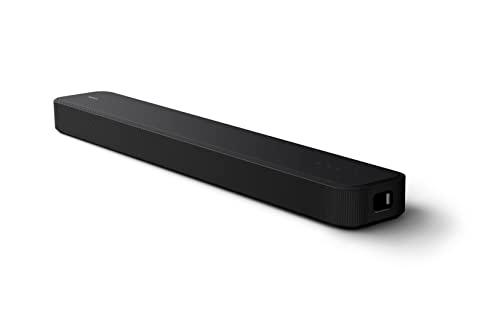
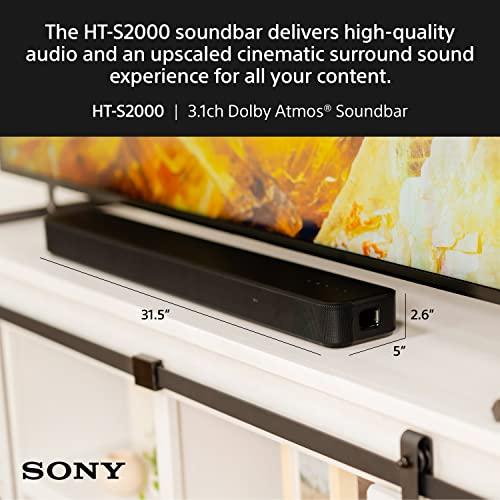
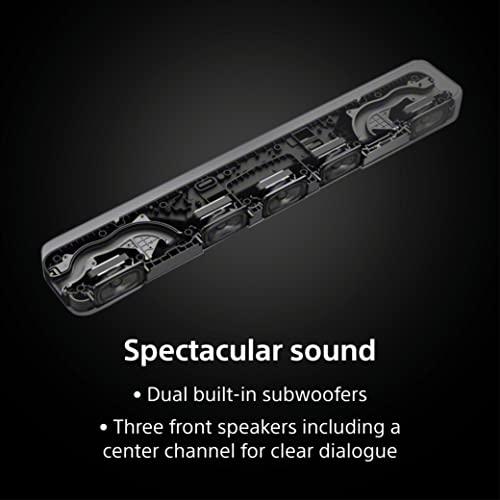
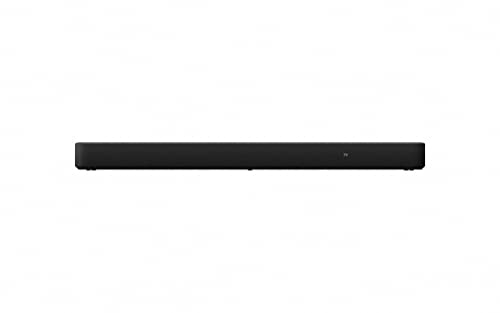
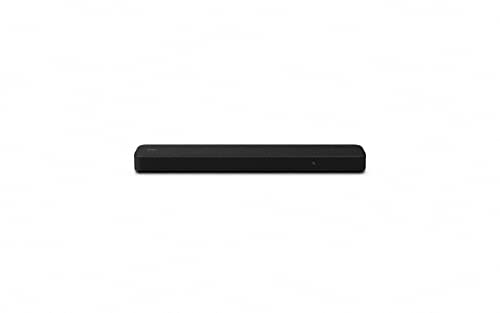
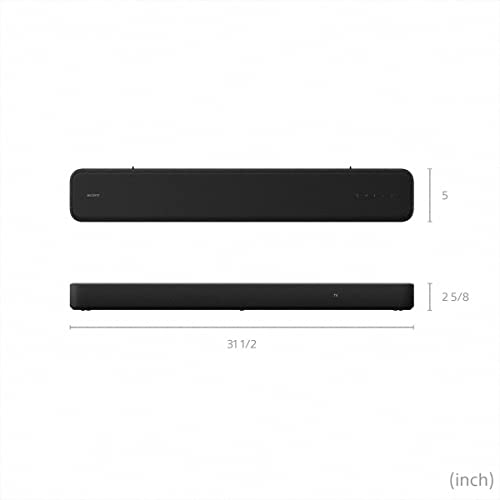
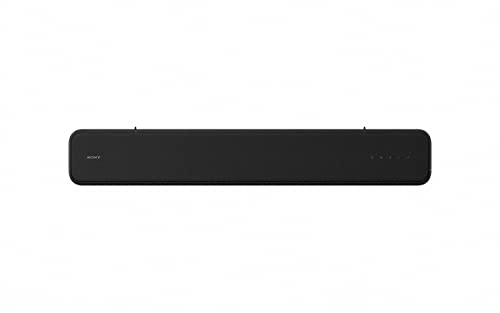
The Sony HT-S2000 embodies the "keep it simple" philosophy that many consumers crave. This 3.1-channel system measures just over 31 inches wide and weighs only 8 pounds, making it suitable for TVs as small as 43 inches. What sets it apart from basic soundbars is its built-in dual subwoofer design—essentially, Sony has packed two bass drivers into the main unit, eliminating the need for a separate subwoofer component.
This approach offers immediate advantages. Setup involves connecting a single HDMI cable, and you're done. No positioning a separate subwoofer, no wireless pairing procedures, no calibration routines. The system includes Sony's X-Balanced Speaker Units, which use rectangular drivers instead of traditional circular ones. This isn't just a design choice—rectangular drivers can move more air in the same space, potentially delivering more output before distortion sets in.
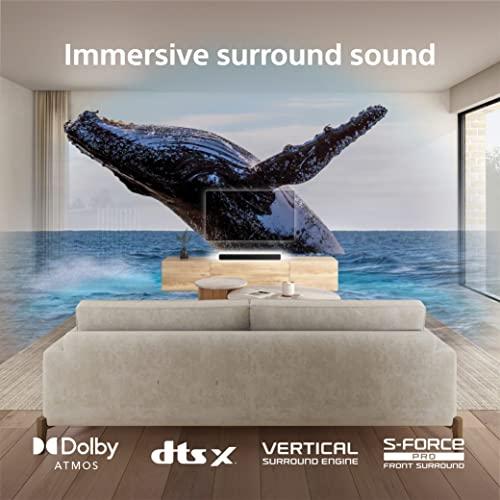
The Sony HT-S2000 supports both Dolby Atmos and DTS:X, which are object-based audio formats that include height information for overhead effects. However, here's where the system's limitations become apparent: it processes these advanced formats through virtual surround technology rather than physical upward-firing drivers. Essentially, sophisticated software algorithms analyze the incoming audio and try to create the illusion of height effects using the front-facing speakers.
Sony's Vertical Surround Engine handles this virtual processing, and in my experience, it does create a noticeably wider and more spacious soundstage compared to basic stereo playback. However, it cannot replicate the experience of actual speakers firing sound toward your ceiling to create true overhead effects. The system also includes a Voice Mode that emphasizes dialogue frequencies—particularly useful if you're someone who constantly adjusts volume during movies because you can't understand what characters are saying.
One feature I particularly appreciate is the three-level bass adjustment. Since the subwoofers are built-in, you can't physically move them to optimize bass response for your room, but you can tune the low-frequency output to match your space and preferences. This matters more than you might think—too much bass in a small apartment can overwhelm dialogue and annoy neighbors, while too little bass in a larger room makes action scenes feel lifeless.
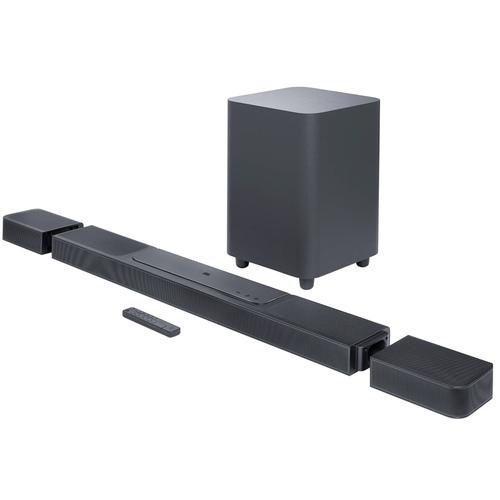
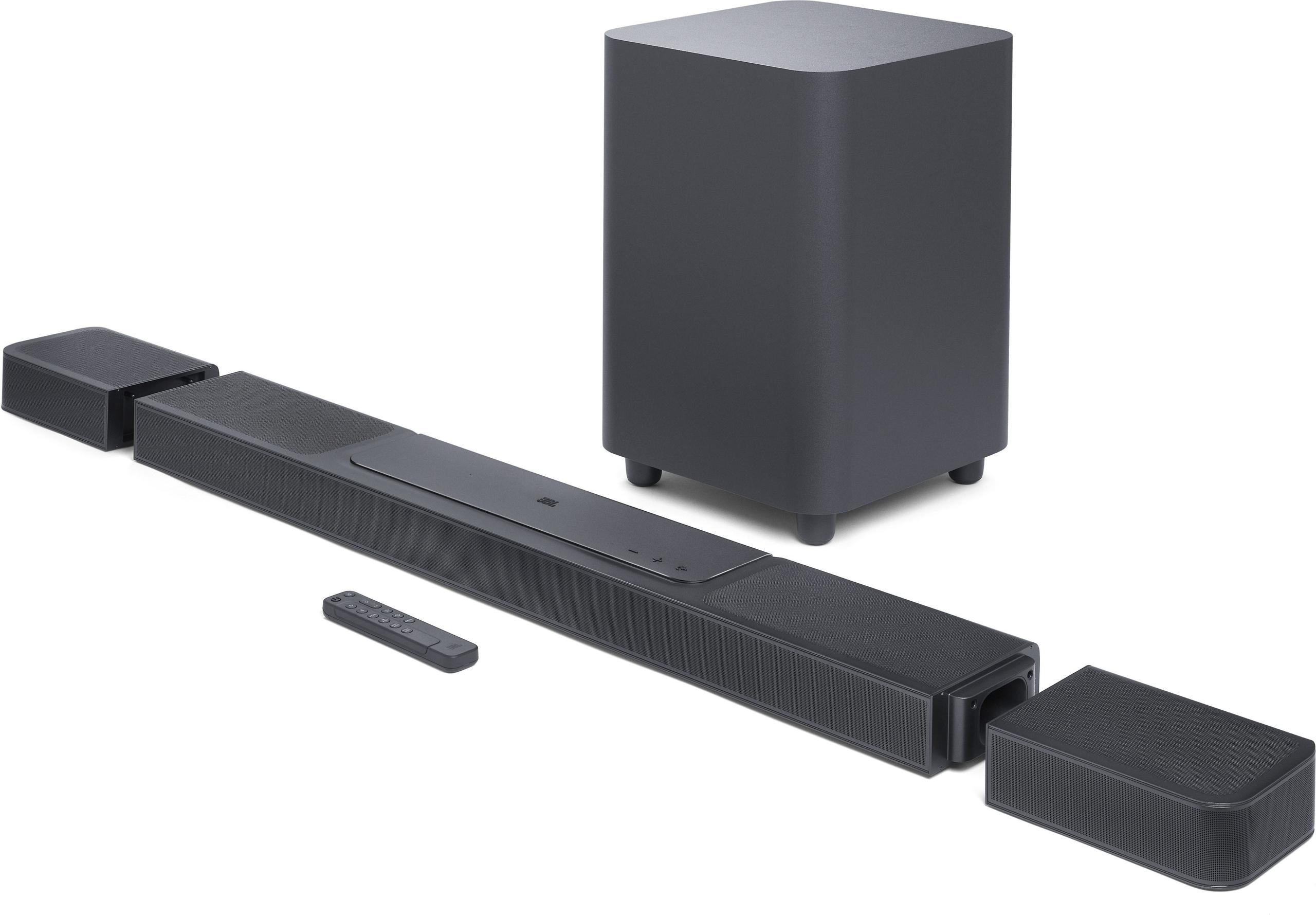
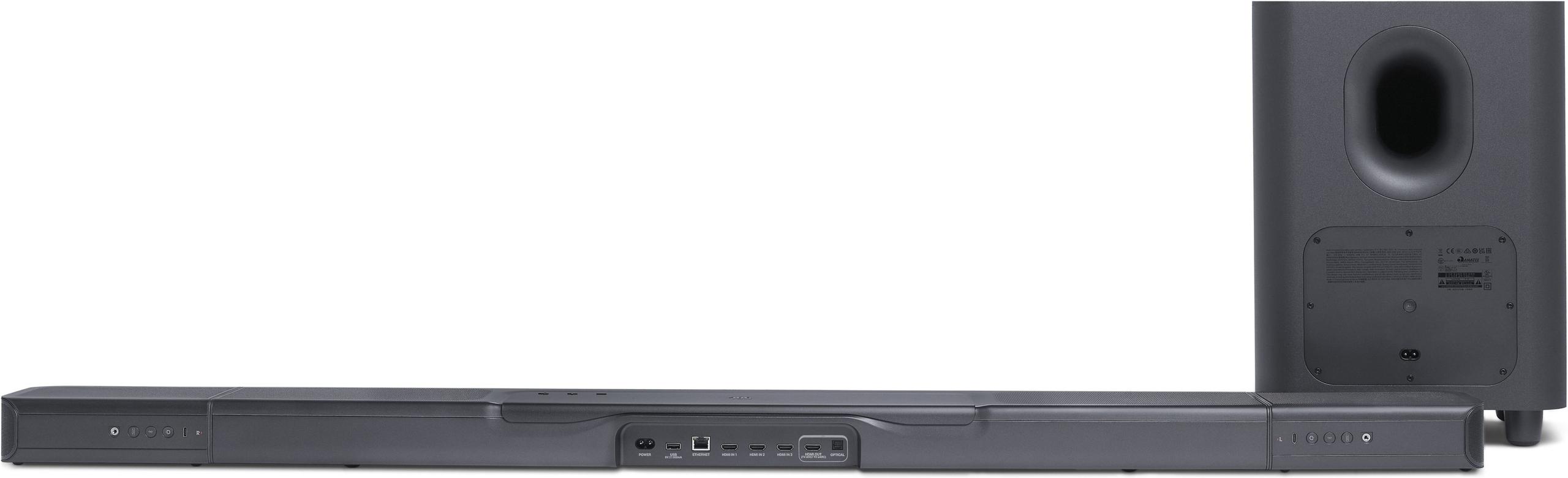
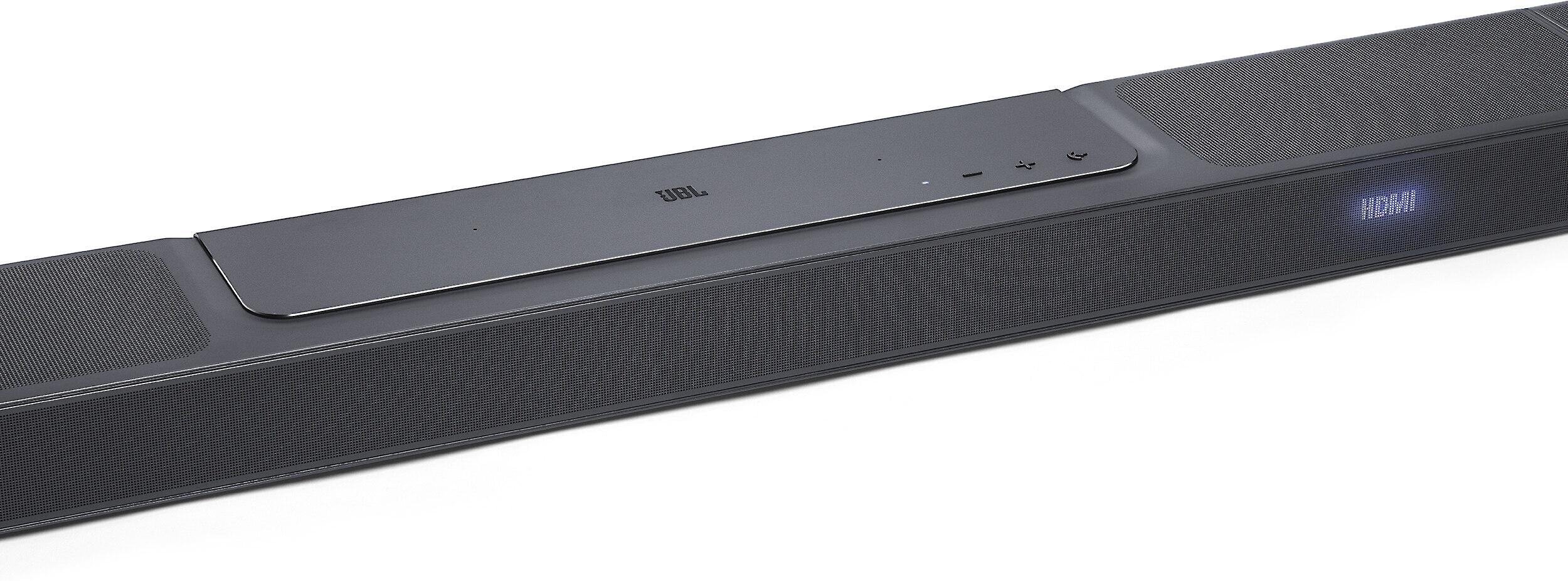
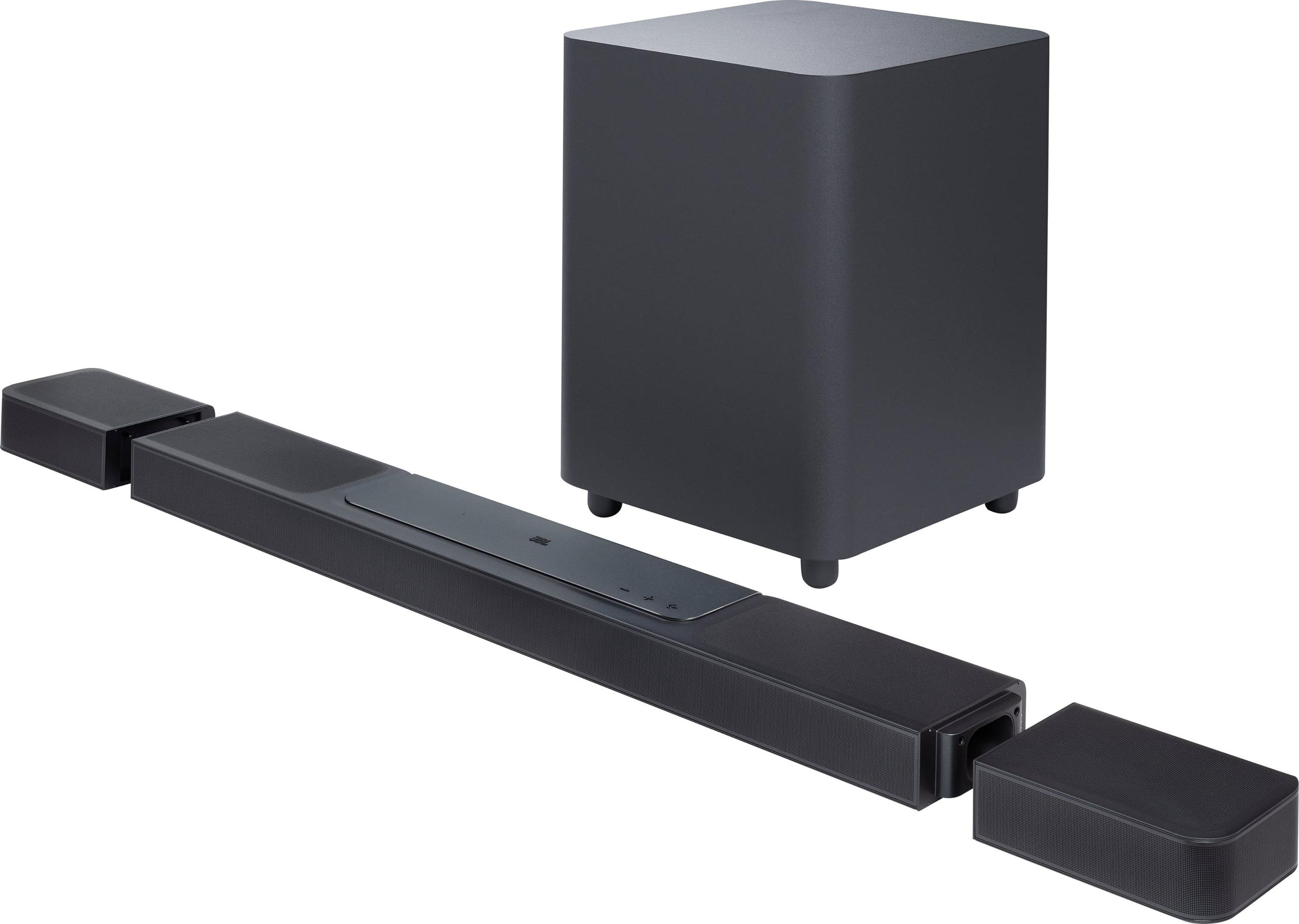
The JBL Bar 1300X takes an entirely different approach, functioning as a genuine 11.1.4-channel surround system. Those numbers tell the story: 11 main channels plus 1 subwoofer channel, with 4 dedicated height channels for Dolby Atmos effects. This isn't virtual processing—it's actual speakers positioned to create authentic surround sound.
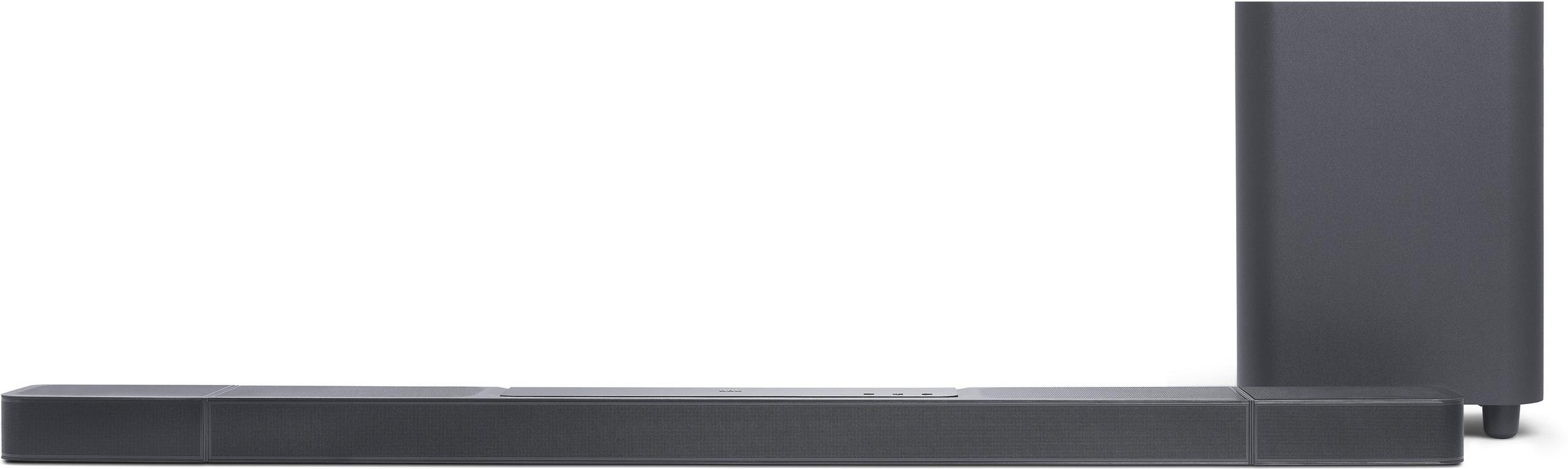
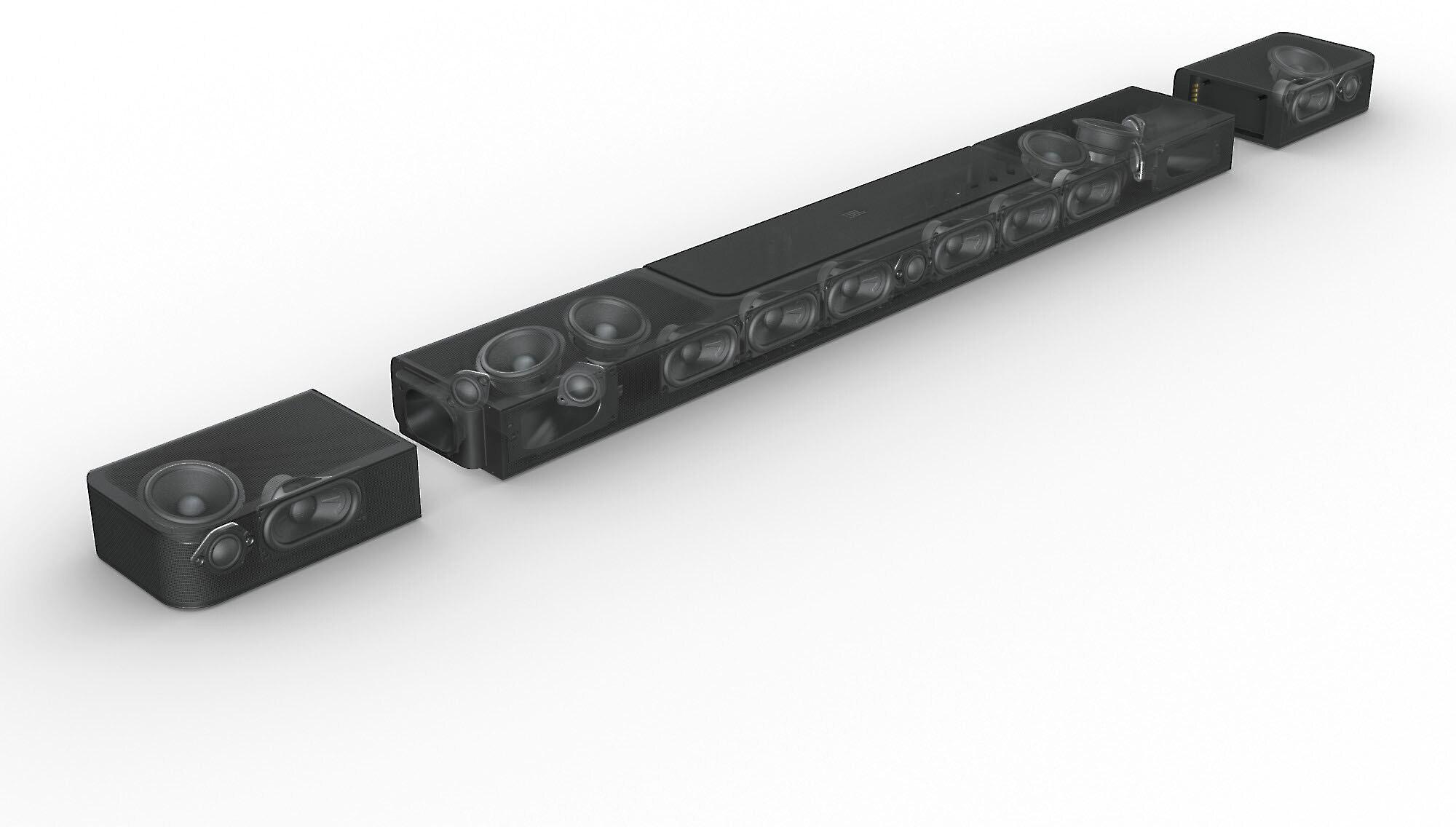
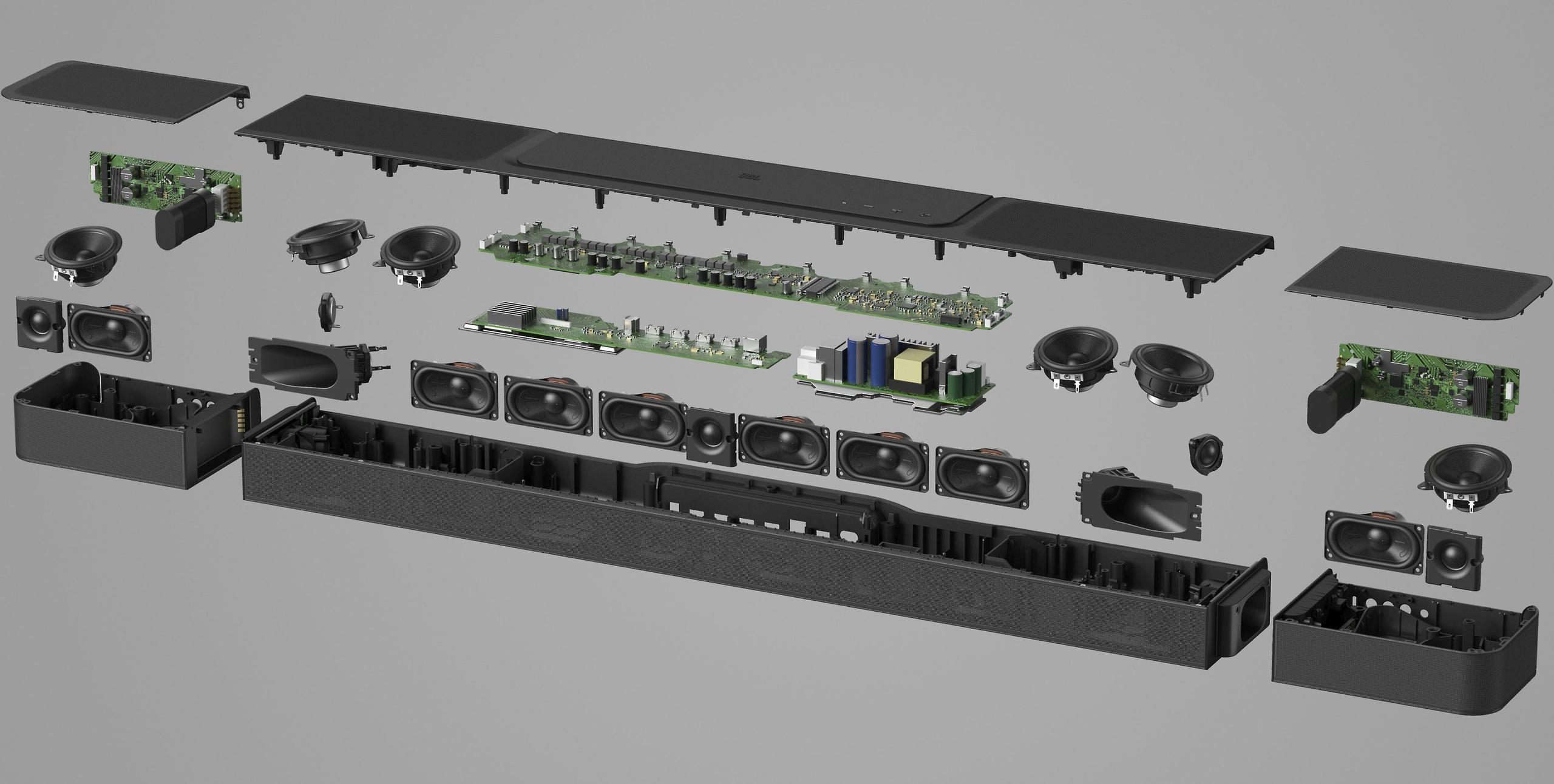
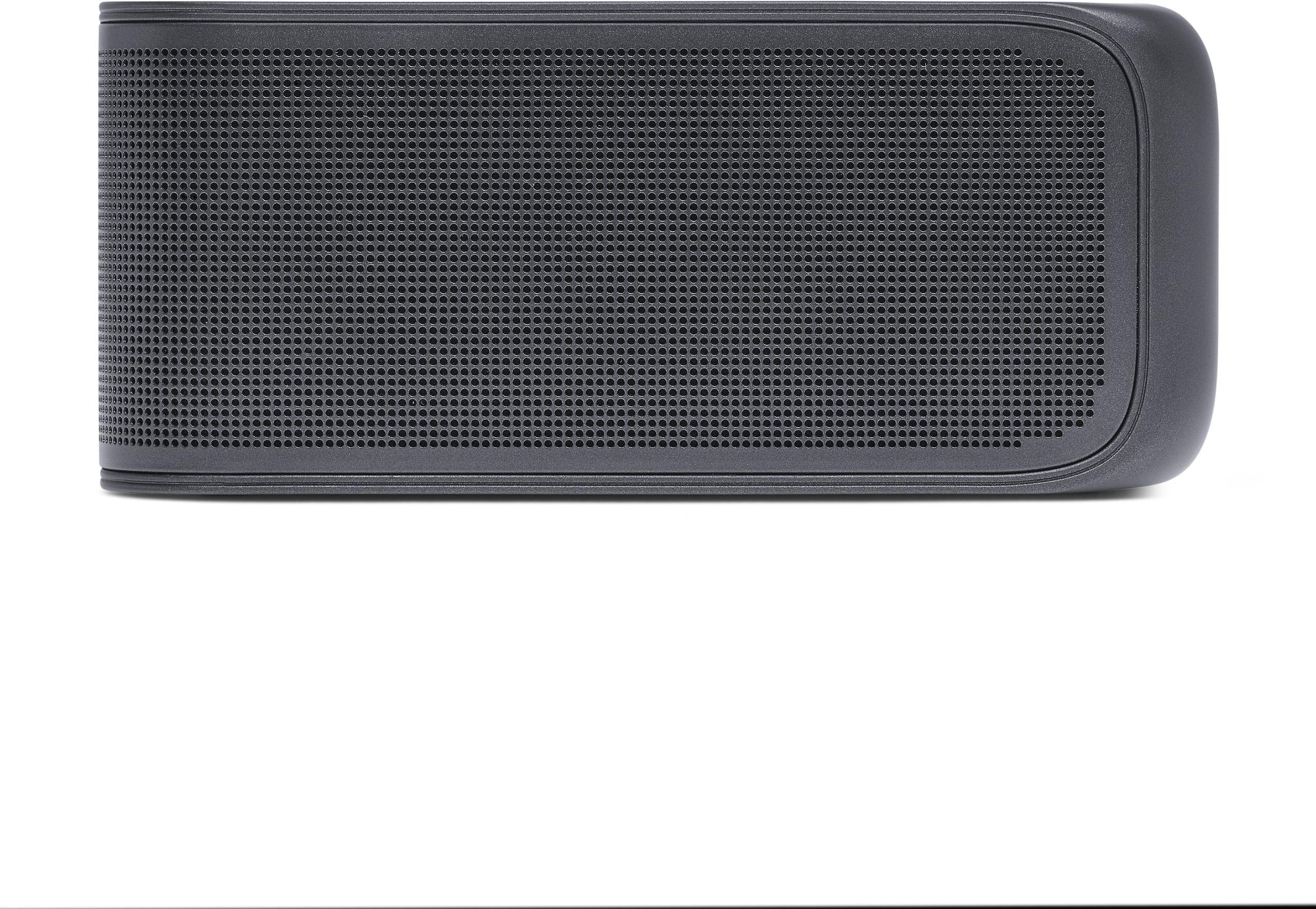
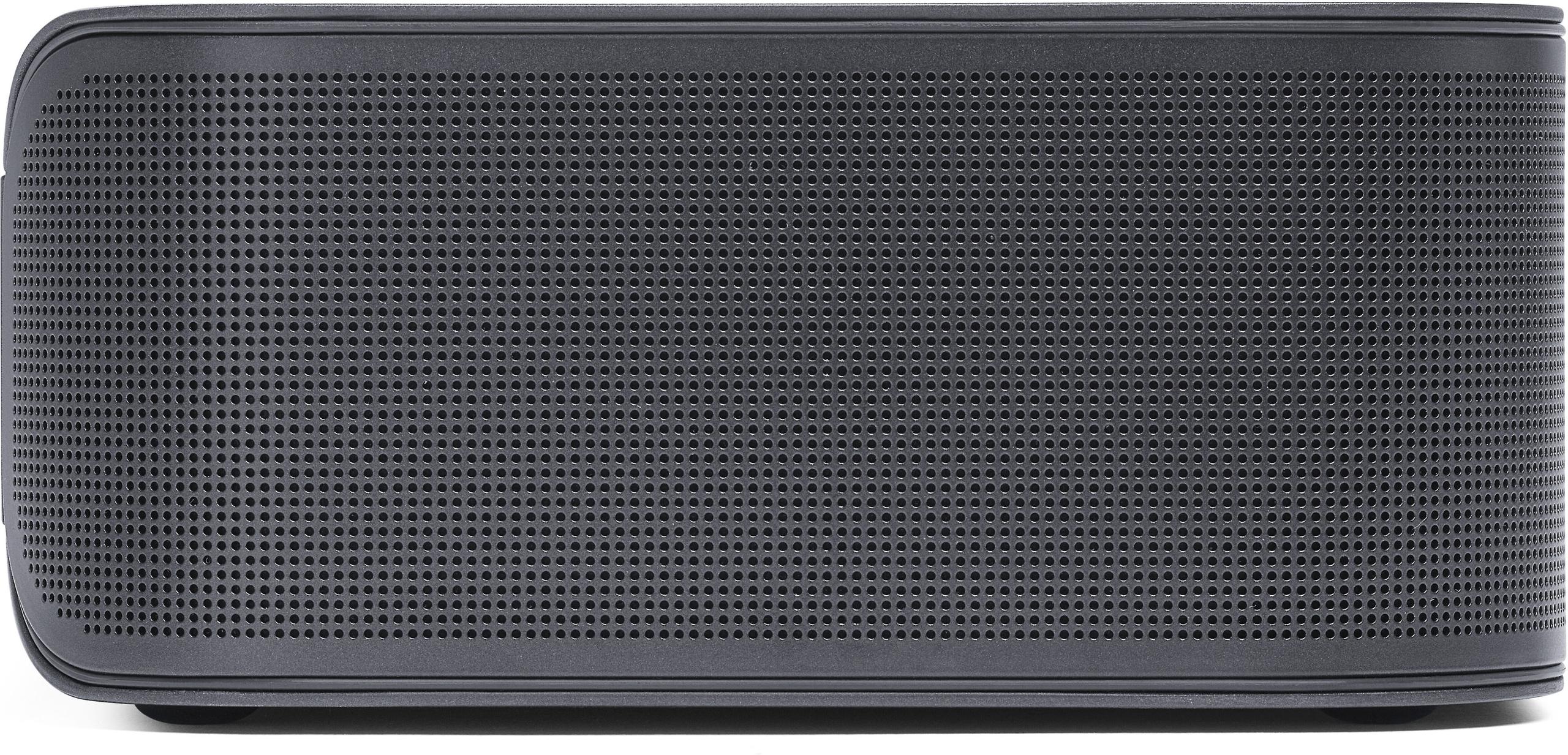
The system consists of three main components: a 39-inch main soundbar, two detachable battery-powered rear speakers, and a large wireless subwoofer with a 12-inch driver. The rear speakers are particularly clever—they magnetically attach to the ends of the main soundbar for compact storage and charging, but detach to become truly wireless surround speakers that can be placed anywhere in your room. Each rear speaker includes its own upward-firing driver for height effects, plus traditional drivers for surround channels.
What makes this system genuinely impressive is its six total upward-firing drivers—four in the main bar, two in the detachable speakers. These physically fire sound toward your ceiling, where it reflects back down to create authentic overhead effects. When you hear a helicopter in a movie, the sound actually comes from above, not from speakers trying to convince your brain it's coming from above.
The 12-inch wireless subwoofer deserves special attention. Bass reproduction is largely about moving air, and larger drivers can move more air with less effort, producing deeper, cleaner bass. The JBL Bar 1300X's subwoofer extends down to 33Hz, which covers the fundamental frequencies of most movie sound effects and music. For comparison, the Sony HT-S2000's built-in subwoofers likely struggle to reproduce frequencies below 50Hz effectively due to their size constraints.
JBL's MultiBeam technology adds another layer of sophistication. This digital signal processing analyzes incoming audio and intelligently routes different frequency ranges and spatial information to specific drivers, creating a wider, more immersive soundfield. Combined with the physical rear speakers, this creates what I'd describe as the closest thing to a traditional surround sound system without running speaker wires.
Both systems feature dedicated center channels, which is crucial for dialogue reproduction. In most movie and TV mixes, dialogue is primarily routed to the center channel, separate from music and sound effects that use the left and right channels. This separation allows for cleaner, more intelligible speech reproduction.
The Sony HT-S2000 excels here despite its lower price point. The dedicated center driver, combined with Voice Mode processing, consistently delivers clear dialogue even in complex soundtracks. I've tested this extensively with dialogue-heavy content like news programs and character-driven dramas, and the Sony rarely requires volume adjustments to understand speech.
The JBL Bar 1300X also provides excellent dialogue clarity through its PureVoice technology, but the improvement over the Sony is incremental rather than transformative. Where the JBL truly excels is in maintaining dialogue clarity while delivering powerful surround effects—the additional channels prevent dialogue from getting lost in the mix during action sequences.
This represents the most significant performance difference between these systems. Bass reproduction isn't just about volume—it's about extension (how low in frequency the system can go), control (how tight and precise the bass sounds), and integration (how well the bass blends with the rest of the audio).
The Sony HT-S2000's built-in subwoofers provide adequate bass for most content, particularly dialogue-heavy shows and lighter music. However, during action movies with deep bass effects—think of the T-rex footsteps in Jurassic Park or explosions in Marvel movies—the limitations become apparent. The bass is present but lacks the physical impact that makes movie soundtracks truly engaging.
The JBL Bar 1300X's 12-inch subwoofer operates in a completely different category. It provides the kind of bass response that you feel as much as hear, adding genuine excitement to action sequences and depth to music. The larger driver and dedicated enclosure allow for both deeper extension and higher output without the distortion that smaller drivers exhibit when pushed hard.
This is where the fundamental difference in approach becomes most apparent. The Sony HT-S2000 relies entirely on psychoacoustic processing—essentially tricking your brain into perceiving surround effects that aren't physically there. Sony's algorithms are sophisticated, and the system does create a noticeably wider soundstage compared to basic stereo reproduction. However, discrete surround effects remain limited.
The JBL Bar 1300X provides genuine surround sound with dedicated rear speakers. When a car passes from front to back in a movie, you hear it actually move from the front speakers to the rear speakers behind you. This isn't simulation—it's authentic spatial audio reproduction. The height channels add another dimension, with rainfall, aircraft, and other overhead sounds actually coming from above rather than being suggested by clever processing.
For Dolby Atmos content specifically, the difference is dramatic. The Sony HT-S2000 processes Atmos soundtracks but must downmix the height information since it lacks upward-firing drivers. The JBL Bar 1300X reproduces Atmos content as intended, with distinct overhead effects that create genuine three-dimensional audio.
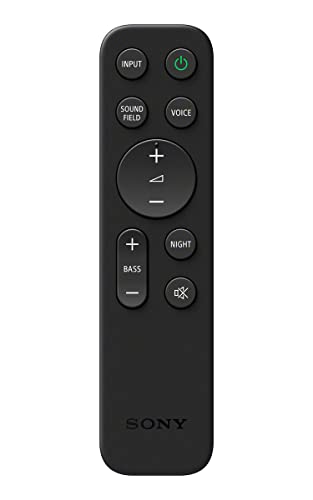
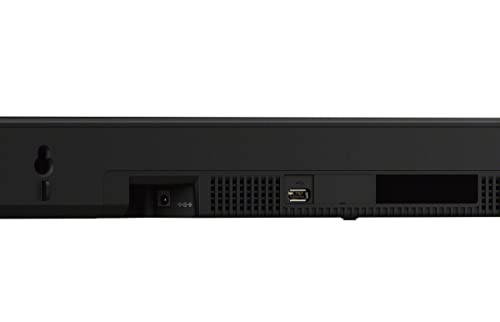
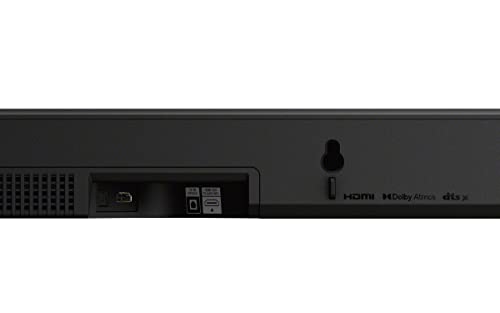
The Sony HT-S2000 wins decisively on simplicity. Connect one HDMI cable, plug in the power, and you're done. The system automatically detects your TV's capabilities and optimizes settings accordingly. The included remote provides access to all essential functions, and the Sony app offers additional customization options without being essential for operation.
The JBL Bar 1300X requires significantly more setup effort. You'll need to position the wireless subwoofer (ideally away from walls for optimal bass response), charge and position the rear speakers, and run the included room calibration routine. The system needs to establish wireless connections between all components, and while this process has become more reliable over the past few years, it's still more complex than plug-and-play operation.
However, the JBL's additional complexity brings features the Sony can't match. Wi-Fi connectivity enables Chromecast and AirPlay streaming, allowing you to play music directly from streaming services without needing your TV. The detachable rear speakers double as portable Bluetooth speakers, adding versatility for outdoor gatherings or other rooms. Multiple HDMI inputs accommodate gaming consoles, streaming devices, and other sources without constant cable swapping.
At the time of writing, these systems occupy very different price tiers, with the Sony HT-S2000 positioned in the affordable mid-range while the JBL Bar 1300X commands premium pricing. The value equation depends entirely on your priorities and expectations.
The Sony HT-S2000 delivers exceptional value for users seeking meaningful audio improvement without complexity or high cost. It provides clear dialogue, adequate bass, and virtual surround effects that enhance most content. For viewers who primarily watch TV shows, news, and lighter movies, the Sony offers substantial improvement over built-in TV speakers at a reasonable price.
The JBL Bar 1300X's premium pricing reflects its comprehensive feature set and superior performance. The investment makes sense for serious home theater enthusiasts who want authentic surround sound, powerful bass response, and the flexibility of wireless rear speakers. The system's performance approaches that of dedicated component systems costing significantly more.
Room acoustics play a crucial role in soundbar performance, and these systems suit different environments. The Sony HT-S2000 works well in smaller to medium-sized rooms, typically up to about 200 square feet. In larger spaces, the built-in subwoofers may struggle to provide adequate bass, and the virtual surround processing becomes less effective as listening distances increase.
The JBL Bar 1300X excels in medium to large rooms where its powerful amplification and dedicated subwoofer can operate effectively. The wireless rear speakers maintain their effectiveness across greater distances, and the substantial bass output fills larger spaces without strain. However, in smaller rooms, the system's power may prove overwhelming, requiring careful calibration to avoid disturbing neighbors or overpowering dialogue.
Choose the Sony HT-S2000 if you prioritize simplicity, have a smaller living space, or focus primarily on dialogue-heavy content like news, talk shows, and dramas. It's ideal for apartment dwellers who want better audio without dealing with multiple components or excessive bass that might disturb neighbors. The system provides meaningful improvement over TV speakers while maintaining the simplicity many consumers prefer.
The JBL Bar 1300X suits users who want authentic home theater performance and have both the budget and space to accommodate a more complex system. It's particularly compelling for action movie enthusiasts, music lovers, and anyone who wants the flexibility of portable rear speakers. The investment makes sense if audio quality is a priority and you're willing to deal with more complex setup procedures for superior performance.
Consider your long-term needs when making this decision. The Sony HT-S2000 offers adequate performance that may become limiting as your expectations grow, while the JBL Bar 1300X provides room to grow with premium features you'll appreciate over time. Factor in your typical viewing habits, room acoustics, and whether you value convenience or performance most highly when making your final choice.
Both systems represent solid engineering approaches to different market segments, and either can significantly enhance your TV watching experience when matched appropriately to your needs and environment.
| Sony HT-S2000 | JBL Bar 1300X |
|---|---|
| Channel Configuration - Determines surround sound authenticity | |
| 3.1 channels with virtual surround processing | True 11.1.4 channels with physical rear speakers |
| Subwoofer Design - Critical for bass impact and room flexibility | |
| Built-in dual subwoofers (space-saving but limited output) | Dedicated 12-inch wireless subwoofer (powerful but requires placement) |
| Height Effects Implementation - Key for Dolby Atmos experience | |
| Virtual height processing only (simulated overhead effects) | Six physical upward-firing drivers (authentic overhead sound) |
| Setup Complexity - Important for user experience | |
| Single HDMI cable, plug-and-play operation | Multi-component wireless pairing and calibration required |
| Rear Speakers - Essential for true surround sound | |
| Optional wireless expansion (sold separately) | Included detachable battery-powered speakers |
| Room Size Suitability - Matches system capability to space | |
| Small to medium rooms (up to ~200 sq ft) | Medium to large rooms (200+ sq ft) |
| Connectivity Options - Affects source compatibility and streaming | |
| HDMI eARC/ARC, optical, Bluetooth only | Multiple HDMI inputs, Wi-Fi, Chromecast, AirPlay |
| Audio Format Support - Determines content compatibility | |
| Dolby Atmos/DTS:X (downmixed to stereo) | Full Dolby Atmos/DTS:X object-based processing |
| Bass Extension - Affects movie and music impact | |
| Limited by built-in driver size (~50Hz) | Deep extension to 33Hz with 12-inch driver |
| Portability Features - Additional use case flexibility | |
| Fixed soundbar design only | Rear speakers double as portable Bluetooth speakers |
| Price Category - Value positioning in market | |
| Budget-friendly mid-range option | Premium home theater system |
| Ideal User Profile - Best-fit scenarios | |
| Simplicity seekers, small spaces, dialogue focus | Home theater enthusiasts, large rooms, immersion priority |
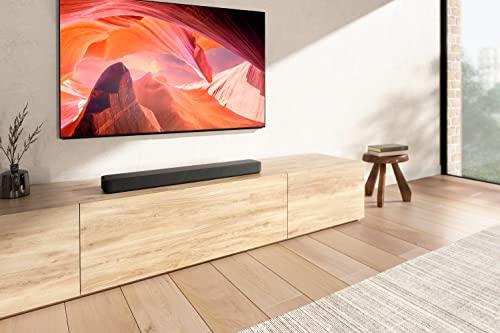
The Sony HT-S2000 is ideal for small apartments due to its compact all-in-one design with built-in subwoofers. Unlike the JBL Bar 1300X, it doesn't require a separate large subwoofer that takes up floor space, and its moderate output won't overwhelm small rooms or disturb neighbors.
The JBL Bar 1300X delivers superior sound quality with true surround sound and powerful bass, but the Sony HT-S2000 provides excellent dialogue clarity and adequate performance for most users at a much lower cost. Choose the JBL only if you prioritize premium home theater performance.
The JBL Bar 1300X includes a dedicated 12-inch wireless subwoofer that delivers significantly deeper and more powerful bass than the Sony HT-S2000's built-in subwoofers. However, the Sony's integrated bass is sufficient for dialogue-heavy content and smaller rooms.
Only the JBL Bar 1300X provides true surround sound with physical rear speakers included in the system. The Sony HT-S2000 uses virtual surround processing to simulate surround effects, which creates a wider soundstage but cannot match authentic rear channel separation.
The Sony HT-S2000 offers plug-and-play setup with just one HDMI cable connection. The JBL Bar 1300X requires positioning multiple components, wireless pairing, and room calibration, making it more complex but ultimately more capable.
The JBL Bar 1300X fully supports Dolby Atmos with six upward-firing speakers that create authentic overhead effects. The Sony HT-S2000 processes Dolby Atmos content but uses virtual height technology since it lacks physical upward-firing drivers.
The JBL Bar 1300X is designed for larger spaces with its powerful amplification, dedicated subwoofer, and wireless rear speakers that maintain effectiveness across greater distances. The Sony HT-S2000 works best in smaller to medium-sized rooms.
Both soundbars support music playback, but the JBL Bar 1300X offers Wi-Fi streaming with Chromecast and AirPlay support, plus its detachable speakers work as portable Bluetooth speakers. The Sony HT-S2000 is limited to Bluetooth music streaming only.
Both the Sony HT-S2000 and JBL Bar 1300X feature dedicated center channels for excellent dialogue clarity. The Sony includes a Voice Mode that specifically enhances speech, while the JBL uses PureVoice technology. Both deliver clear dialogue, with differences being minimal.
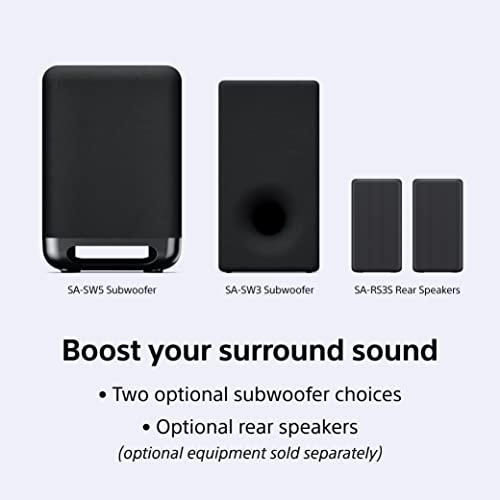
The JBL Bar 1300X includes everything needed for a complete surround system: rear speakers and subwoofer. The Sony HT-S2000 works as a complete system but can be expanded with optional Sony wireless subwoofers and rear speakers sold separately.
The Sony HT-S2000 provides exceptional value for users wanting significant audio improvement over TV speakers without high cost or complexity. The JBL Bar 1300X offers premium performance that justifies its higher price for serious home theater enthusiasts.
The JBL Bar 1300X offers multiple HDMI inputs for connecting gaming consoles, streaming devices, and other sources directly. The Sony HT-S2000 has only HDMI eARC/ARC output, requiring you to connect gaming consoles directly to your TV instead of the soundbar.
We've done our best to create useful and informative comparisons to help you decide what product to buy. Our research uses advanced automated methods to create this comparison and perfection is not possible - please contact us for corrections or questions. These are the sites we've researched in the creation of this article: techradar.com - valueelectronics.com - youtube.com - videoandaudiocenter.com - whathifi.com - hometheaterhifi.com - youtube.com - sony.com - rtings.com - whathifi.com - rtings.com - helpguide.sony.net - electronics.sony.com - sony.com - dolby.com - sony.com - youtube.com - youtube.com - techradar.com - jbl.com - audioadvice.com - youtube.com - rtings.com - jbl.com - greentoe.com - harmanaudio.com - youtube.com - mm.jbl.com - jbl.com

Privacy Policy
Terms and Conditions - Affiliate Policy
Home Security
© Copyright 2008-2026.
11816 Inwood Rd #1211, Dallas, TX 75244