




When your TV's built-in speakers leave dialogue sounding muddy and action scenes feeling flat, it's time to consider a soundbar upgrade. But with dozens of options flooding the budget market, choosing between different design philosophies can feel overwhelming. Today, we're diving deep into two compelling 2023 releases that take radically different approaches to solving your audio woes: the Sony HT-S2000 and the Yamaha SR-B40A.
Both soundbars launched within months of each other in 2023, representing the latest thinking in affordable home theater audio. Since their release, they've established distinct reputations—the Sony HT-S2000 as the dialogue champion with surprising bass for its size, and the Yamaha SR-B40A as the bass powerhouse that can shake your floor without breaking your budget.
Before we compare these specific models, let's establish what really matters in this price category. Budget soundbars exist to solve one fundamental problem: most TV speakers are terrible. They're tiny, face backward, and prioritize thin profiles over acoustic performance. A good soundbar should dramatically improve dialogue clarity, add some bass punch, and create a wider soundstage than your TV can manage alone.
The key considerations boil down to a few critical areas. First is dialogue clarity—if you can't understand what characters are saying without subtitles, nothing else matters. Second is bass response, which adds weight and impact to music, explosions, and dramatic moments. Third is the overall soundstage width—how well the soundbar can make audio seem to come from beyond the physical boundaries of the speaker itself.
Modern soundbars also compete on virtual surround processing, which uses psychoacoustic tricks to simulate surround sound without rear speakers. Some support object-based audio formats like Dolby Atmos, which places sounds in three-dimensional space rather than just left-right channels. Finally, there's setup simplicity—nobody wants to wrestle with complicated installations when they just want better TV audio.
The Sony HT-S2000 and Yamaha SR-B40A represent opposing design philosophies, each with clear advantages depending on your priorities and living space.
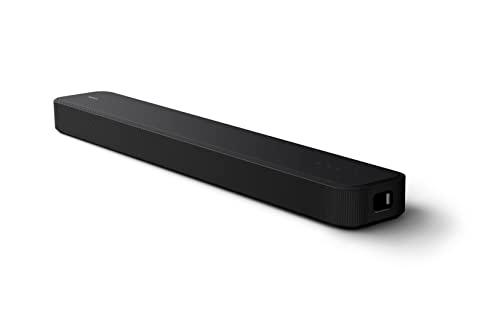
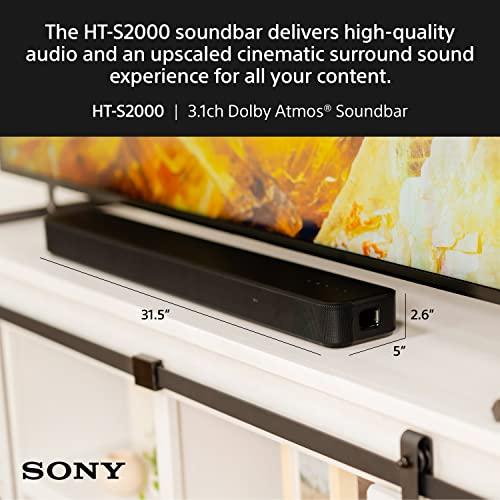
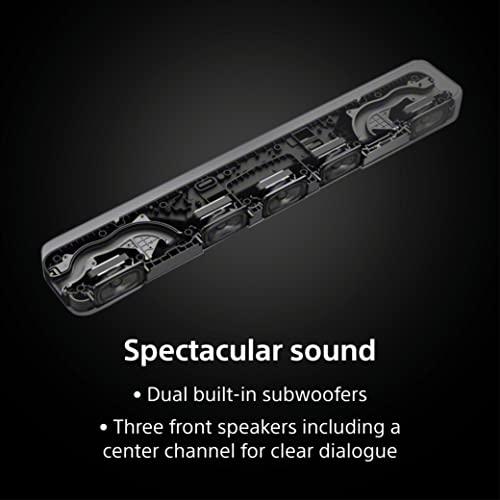
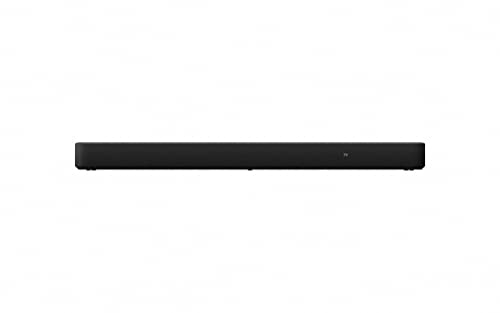
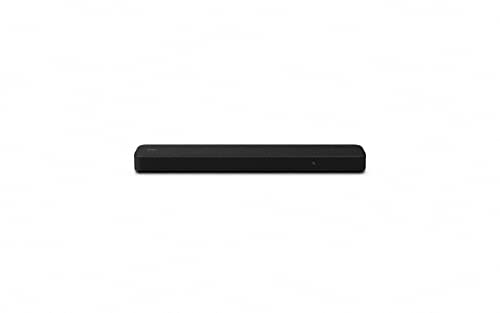
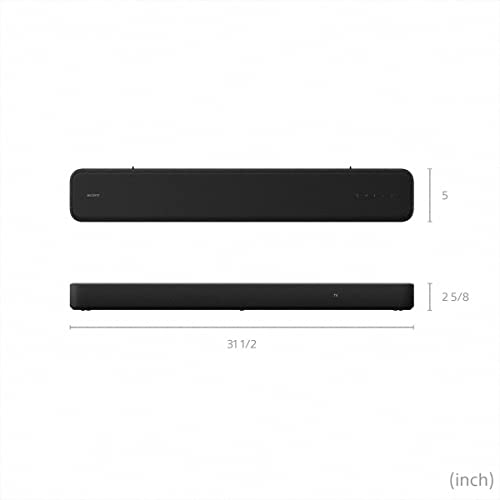
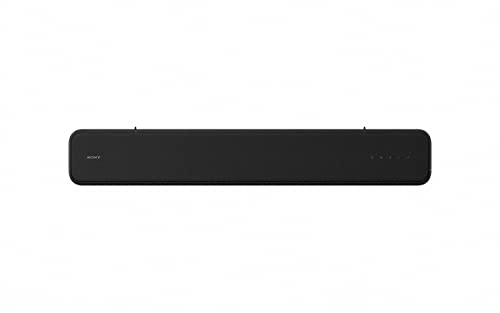
The Sony HT-S2000 packs everything into a single sleek bar measuring just over 31 inches wide. This isn't just convenience—it's acoustic engineering. Sony built this as a true 3.1-channel system, meaning it has separate left, center, and right channels, plus built-in subwoofers. The center channel is crucial here because it's specifically tuned to reproduce human voices with exceptional clarity.
Inside this compact package, Sony fits five active drivers using their X-Balanced speaker technology. These aren't typical round drivers—they're rectangular, which Sony claims allows for more speaker area in the same space while reducing distortion. The dual built-in subwoofers work with side-firing bass ports to extend low-frequency response despite the compact form factor.
The magic happens through Sony's Vertical Sound Engine, which processes audio to create the illusion of height channels for Dolby Atmos content. Instead of physical upward-firing drivers (which would make the soundbar taller and more expensive), Sony uses digital signal processing to trick your brain into hearing sounds from above. It's clever engineering that keeps costs down while delivering genuine surround effects.
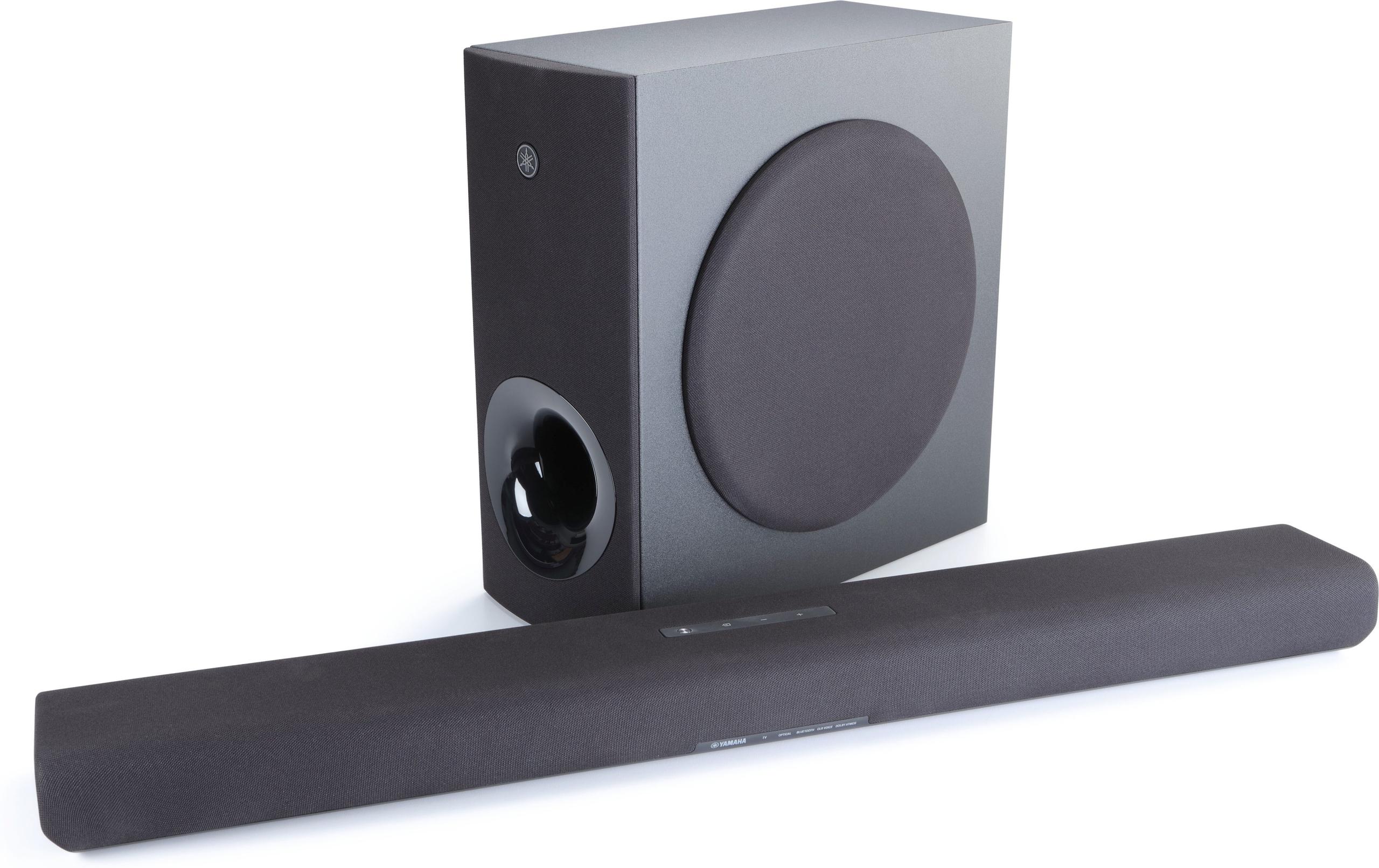
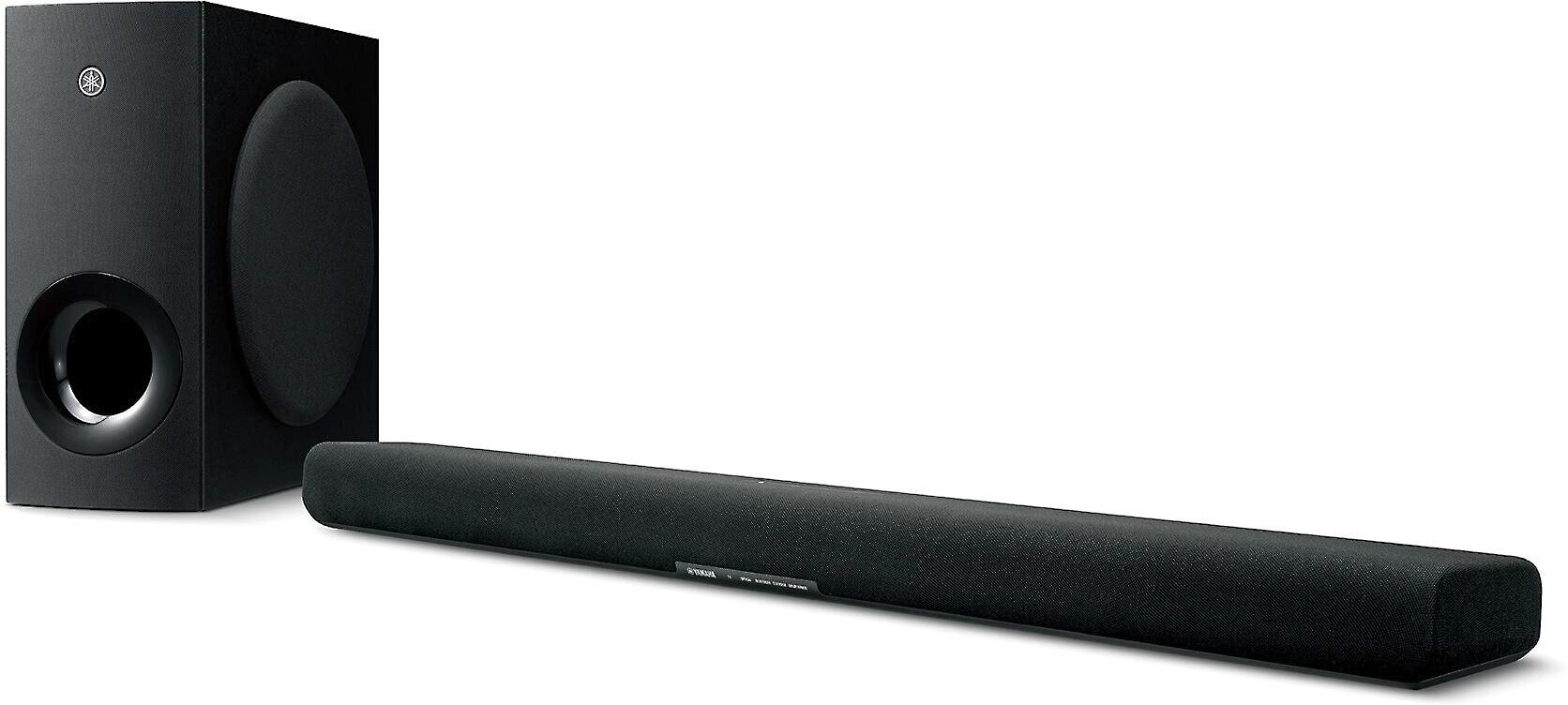
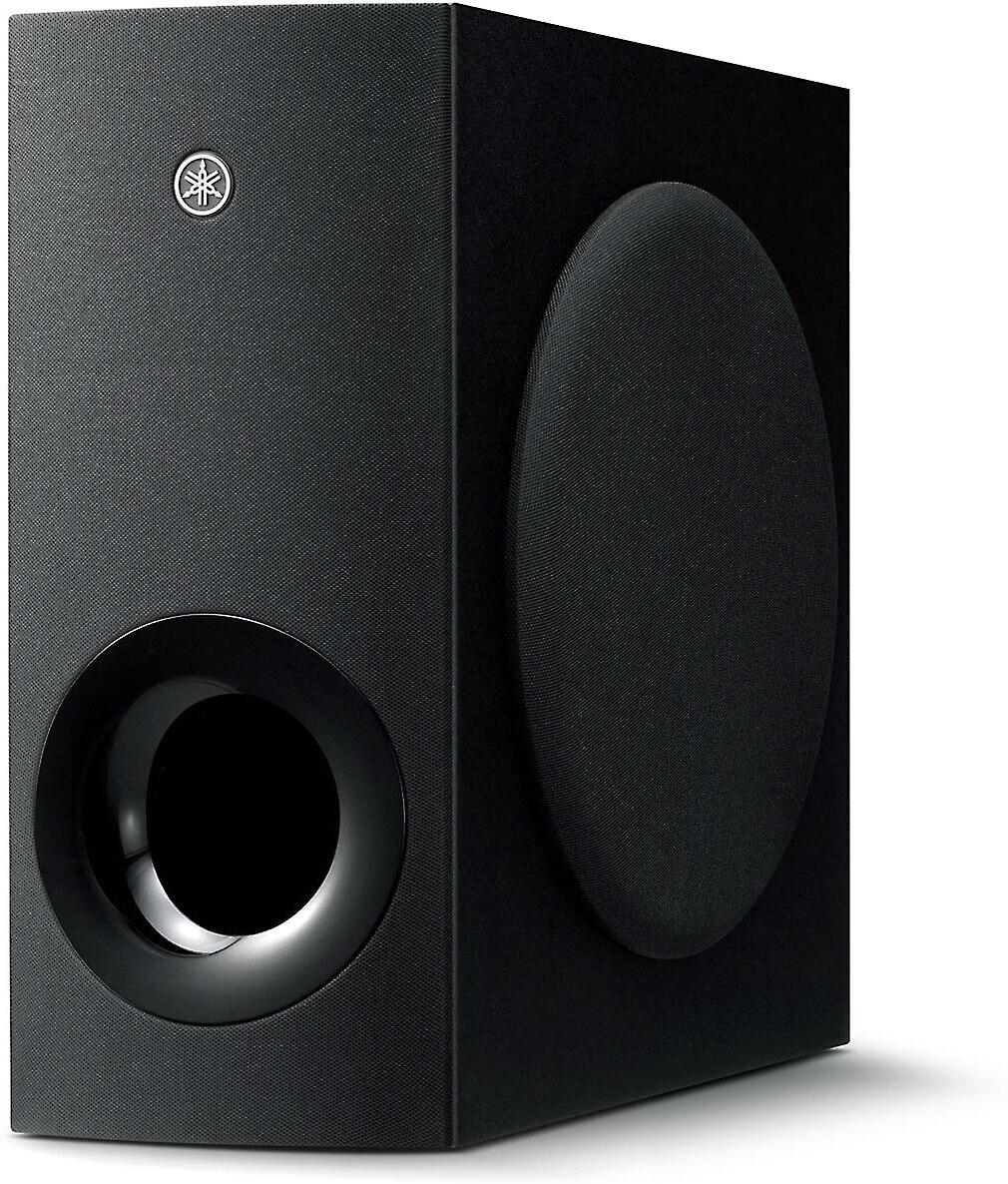
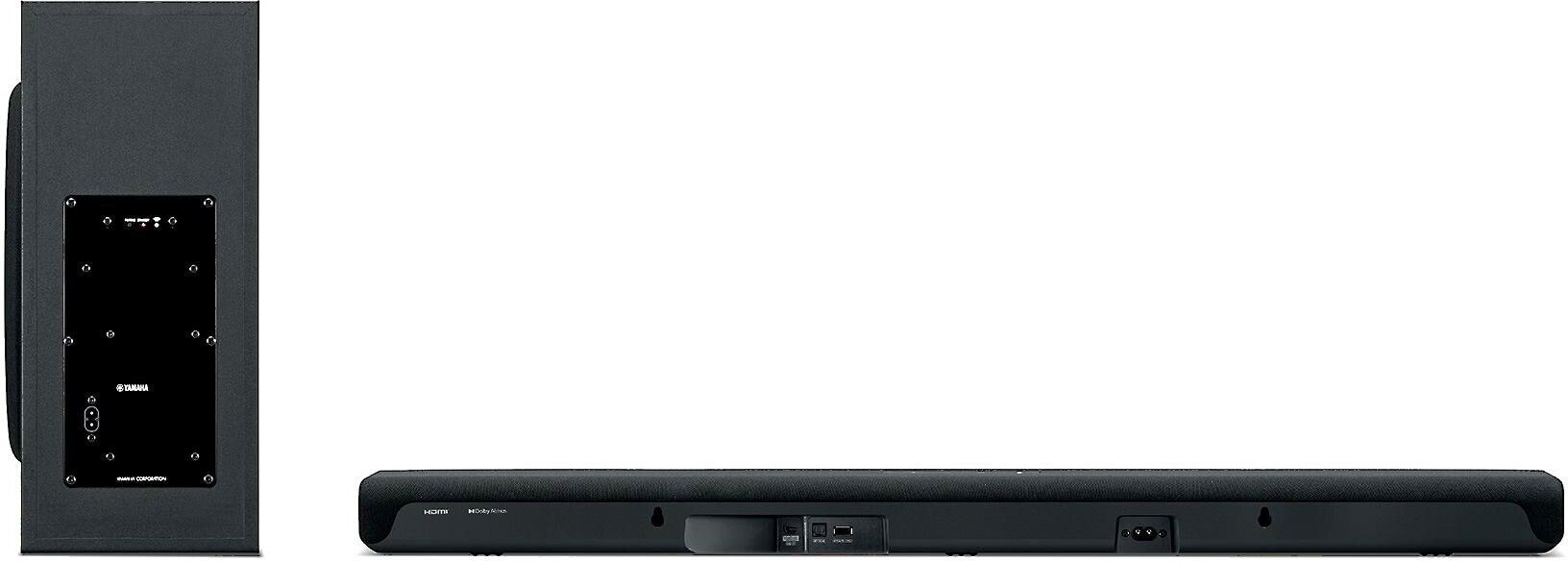
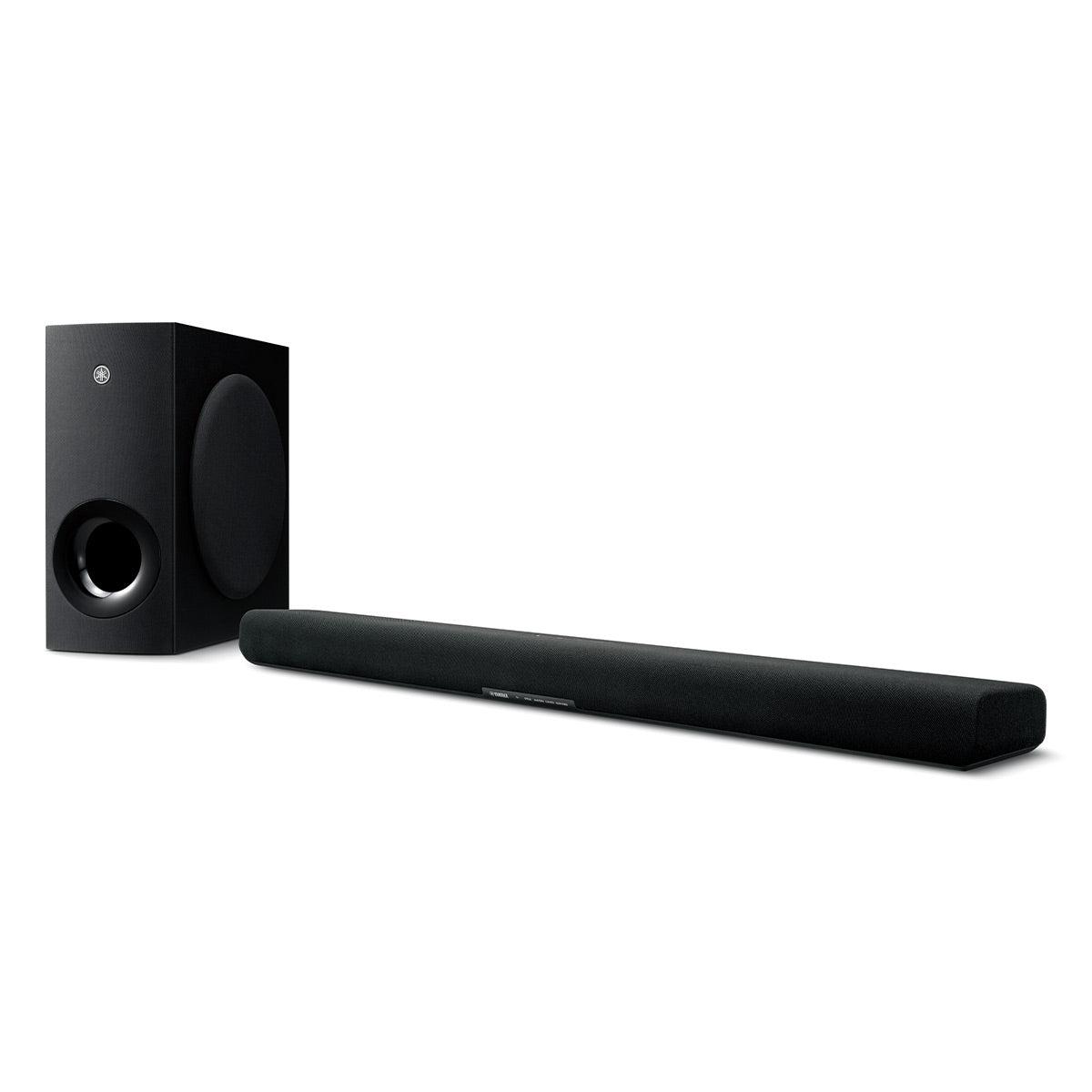
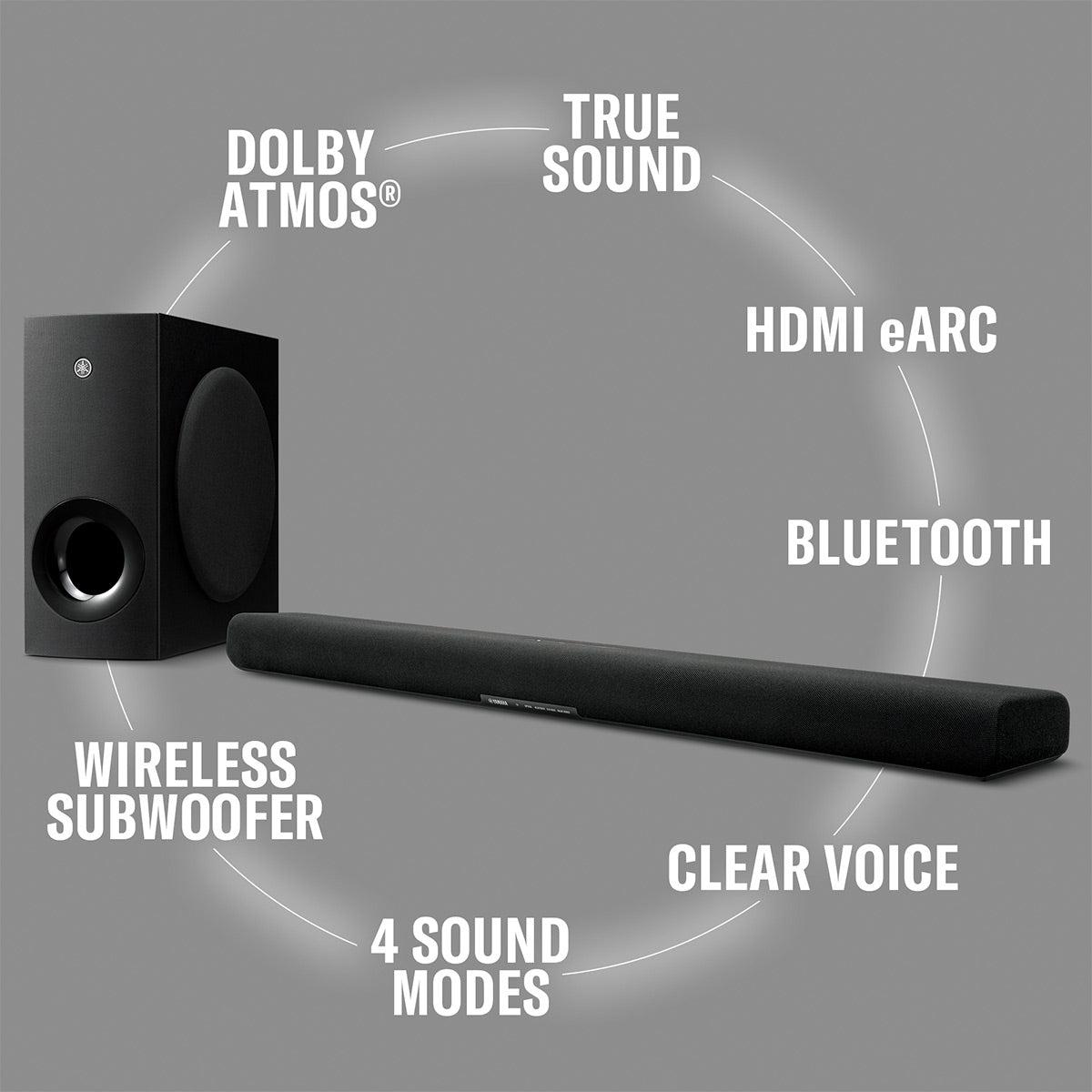
The Yamaha SR-B40A takes the conventional route with a separate wireless subwoofer housing a dedicated 6.25-inch driver. This traditional 2.1 setup (left and right channels plus a subwoofer) has proven effective for decades, and Yamaha executes it exceptionally well.
The main soundbar focuses on mid-range and high frequencies, leaving bass duties entirely to the wireless subwoofer. This division of labor allows each component to specialize—the soundbar can optimize for dialogue and detail without compromising space for bass drivers, while the subwoofer can move serious air with its larger driver and dedicated enclosure.
Yamaha's Clear Voice technology processes dialogue to cut through background noise and music, though it lacks a dedicated center channel like the Sony HT-S2000. Instead, it relies on virtual processing to create a phantom center image between the left and right speakers.
Having tested both systems extensively, the Sony HT-S2000 delivers noticeably superior dialogue reproduction. The dedicated center channel makes an immediate difference—voices sound more focused and natural, especially in complex movie soundtracks where dialogue competes with music and effects.
The center channel isn't just marketing speak; it's a fundamental acoustic advantage. In traditional stereo setups like the Yamaha SR-B40A, dialogue gets mixed between left and right speakers, creating a "phantom" center image that can shift depending on your seating position. The Sony HT-S2000's physical center channel anchors voices directly to the screen, maintaining clarity even when you're not sitting in the sweet spot.
This becomes especially apparent during action sequences. In Marvel movies or intense TV dramas, the Sony HT-S2000 keeps dialogue intelligible even when explosions and music threaten to overwhelm it. The Yamaha SR-B40A's Clear Voice feature helps, but it can sometimes make voices sound artificially processed or thin.
The Yamaha SR-B40A's dedicated subwoofer delivers bass impact that the Sony HT-S2000 simply cannot match. Physics favors larger drivers in dedicated enclosures, and the Yamaha's 6.25-inch subwoofer moves significantly more air than Sony's built-in dual subwoofers.
This difference becomes immediately apparent with music. Hip-hop tracks, electronic music, and movie soundtracks with deep synthesizer work showcase the Yamaha's ability to reproduce genuinely low frequencies with authority. The Sony HT-S2000's built-in subwoofers provide decent mid-bass punch—enough to add weight to explosions and music—but they can't reach the floor-shaking depths that the Yamaha achieves.
For home theater use, this translates to more immersive action sequences. The T-Rex footsteps in Jurassic Park, the Batmobile's engine in Dark Knight films, or the deep rumbles in sci-fi epics all carry more physical impact through the Yamaha SR-B40A. It's the difference between hearing bass and feeling it.
Both soundbars create impressive virtual surround effects, but they excel in different ways. The Sony HT-S2000's Vertical Sound Engine creates convincing height effects for Dolby Atmos content. Rain scenes, helicopter flyovers, and atmospheric effects genuinely seem to come from above, which is remarkable for a soundbar without upward-firing drivers.
The Yamaha SR-B40A excels at creating wide, expansive soundstages. Its virtual surround processing spreads audio well beyond the physical boundaries of the soundbar, making stereo music and movie soundtracks feel more spacious and enveloping. However, it doesn't attempt height channel simulation, focusing instead on left-right expansion.
For movie enthusiasts who watch lots of Dolby Atmos content on streaming platforms, the Sony HT-S2000 provides a more complete surround experience. For music lovers who want their favorite albums to sound bigger and more immersive, the Yamaha SR-B40A delivers excellent results.
The Sony HT-S2000 supports both Dolby Atmos and DTS:X, the two primary object-based audio formats. This broader compatibility ensures you'll get enhanced audio regardless of whether you're watching Netflix (which uses Dolby), Ultra HD Blu-rays (which often use DTS:X), or streaming from various platforms with different encoding preferences.
The Yamaha SR-B40A limits support to Dolby formats only. While this covers most streaming content, you'll miss enhanced audio on DTS:X encoded discs and some gaming content that uses DTS formats.
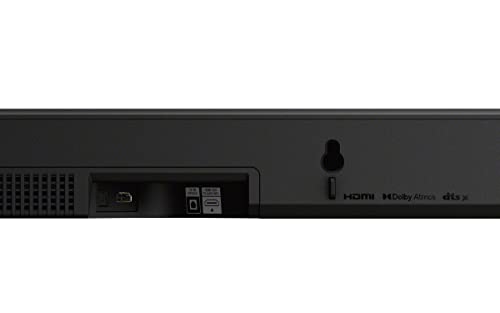
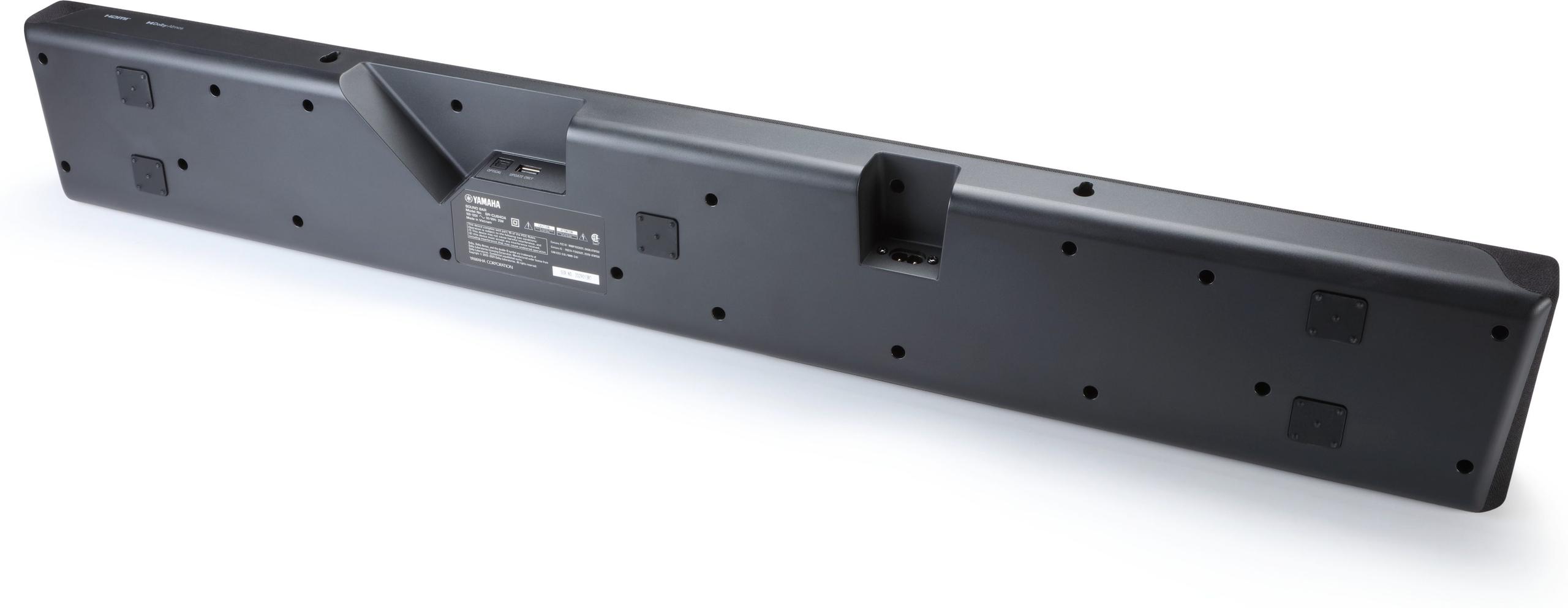
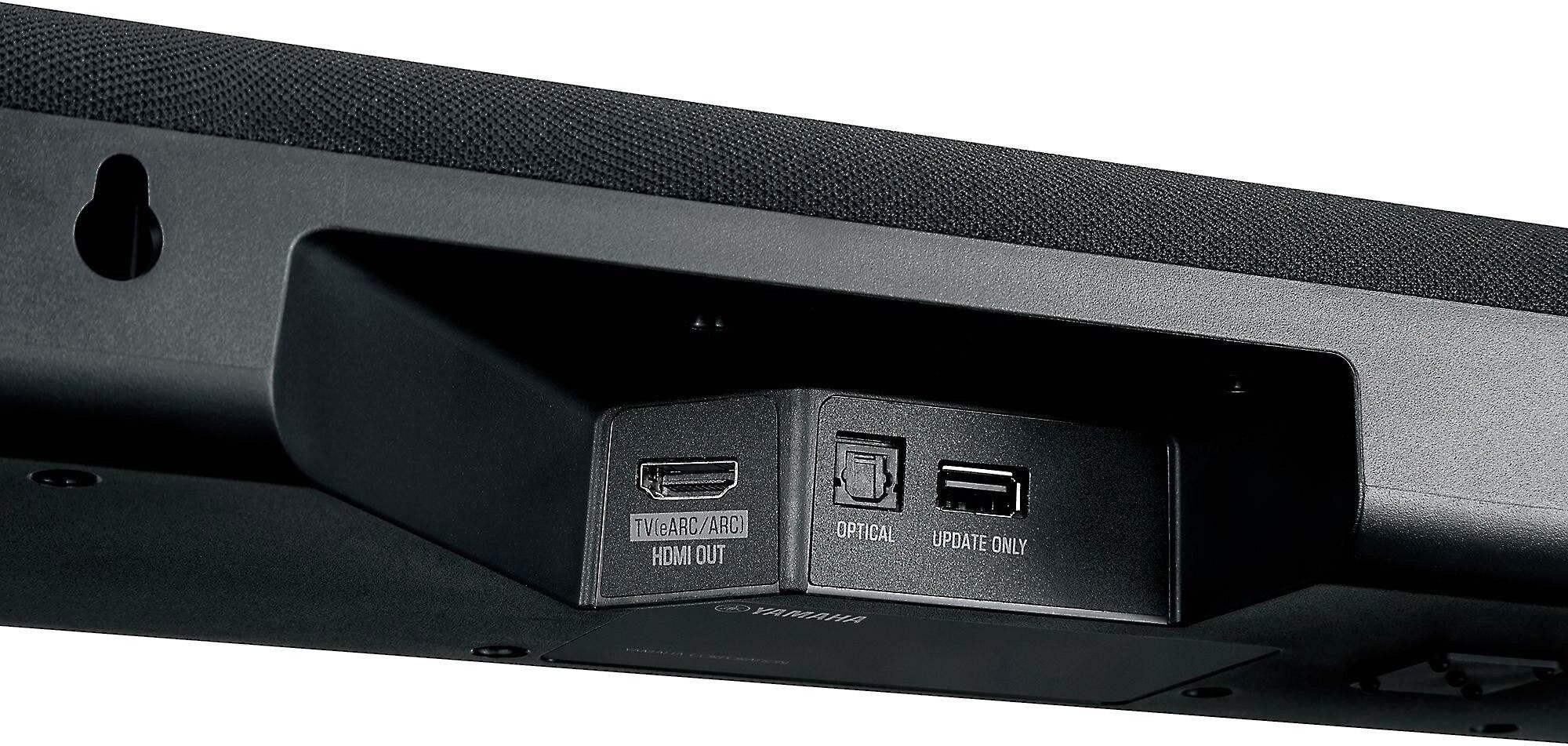
Both soundbars offer HDMI eARC/ARC connectivity, which should be your primary connection method with modern TVs. This single cable carries audio from your TV while allowing the TV remote to control basic soundbar functions like volume.
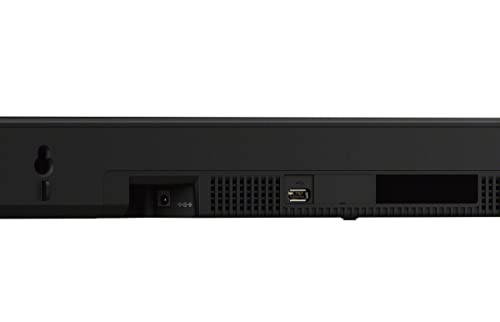
The Sony HT-S2000 adds USB playback for local music files and integrates seamlessly with Sony BRAVIA TVs through enhanced CEC (Consumer Electronics Control) features. If you own a Sony TV, you'll get unified remote control and automatic optimization settings.
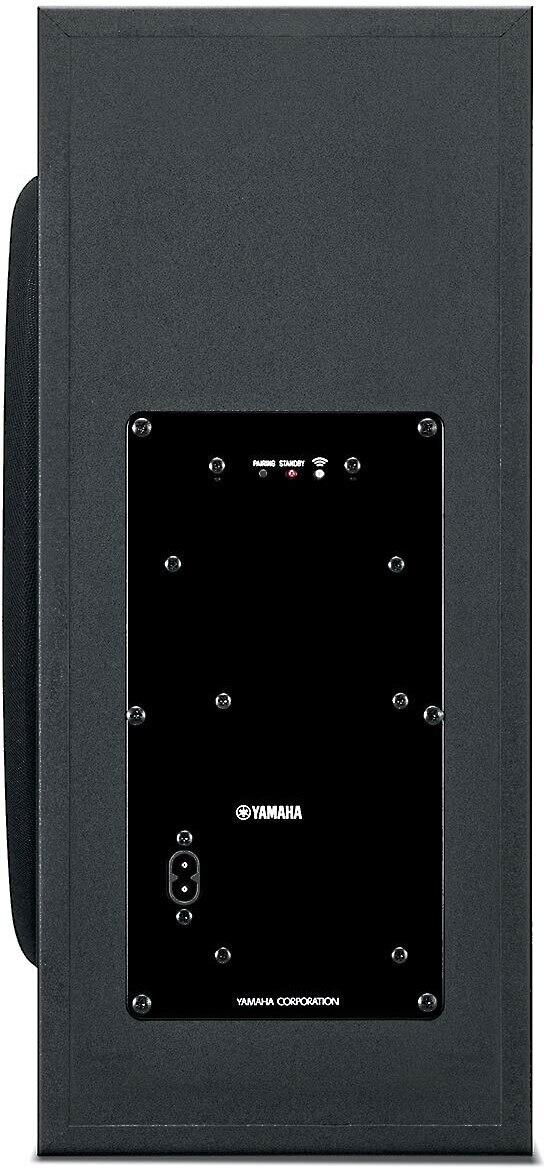
The Yamaha SR-B40A uses internal WiFi specifically for subwoofer communication, which proves more reliable than traditional WiFi streaming that depends on your home network. The subwoofer pairs automatically without requiring network passwords or configuration headaches.
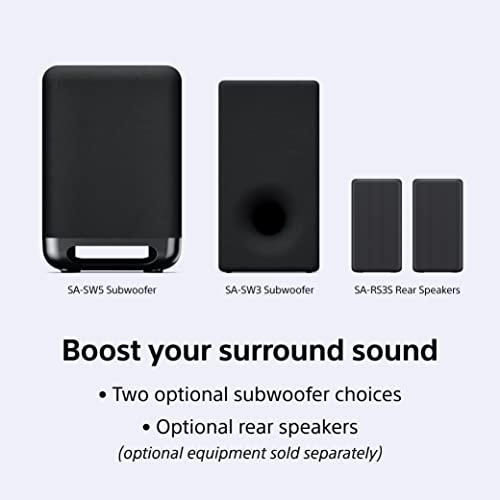
Here's where the Sony HT-S2000 pulls ahead for future-minded buyers. Sony designed this soundbar as a foundation for larger systems, compatible with their SA-RS3S wireless rear speakers and SA-SW3/SA-SW5 subwoofers. You can start with the soundbar and gradually build toward a complete 5.1 or even 7.1 system.
The Yamaha SR-B40A offers no expansion options. What you buy is what you get, which isn't necessarily negative if you're satisfied with 2.1 performance, but it limits future upgrade paths.
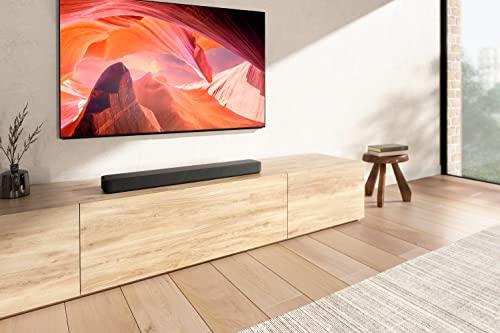
The Sony HT-S2000 excels in compact living spaces. Its all-in-one design eliminates subwoofer placement concerns—a significant advantage in apartments where neighbor relations matter. The built-in bass provides enough low-end enhancement for most content without overwhelming small rooms or thin walls.
The Night Mode feature compresses dynamic range, keeping dialogue audible while preventing loud explosions from disturbing neighbors. This makes late-night movie watching much more neighborly.
The Yamaha SR-B40A shines in spaces where its subwoofer can breathe. Larger rooms absorb bass energy, making a dedicated subwoofer's extra output valuable for maintaining impact across greater distances. The wireless subwoofer also allows flexible placement—you can position it for optimal bass response regardless of where the soundbar sits.
However, subwoofer placement requires some experimentation. Corner placement typically maximizes output, but it can also create boomy, uneven bass. Many users find success placing the subwoofer along the front wall, slightly offset from center.
Both soundbars handle gaming well, but with different strengths. The Sony HT-S2000's dialogue clarity helps with story-driven games where understanding character conversations matters. Its height processing also enhances atmospheric games with rich environmental audio.
The Yamaha SR-B40A's powerful bass adds impact to action games, making explosions, gunfire, and vehicle engines more visceral. The dedicated Game mode optimizes processing for lower latency, reducing the delay between visual action and corresponding audio.
At the time of writing, both soundbars occupy similar price ranges, with the Yamaha SR-B40A commanding a modest premium over the Sony HT-S2000. This pricing reflects the Yamaha's dedicated subwoofer hardware versus Sony's integrated approach.
The Sony HT-S2000 offers exceptional value for dialogue-focused users and those planning future system expansion. You're essentially getting a complete 3.1 system with Dolby Atmos processing at a price point where most competitors offer basic stereo or virtual surround.
The Yamaha SR-B40A's higher price reflects real hardware advantages—that dedicated subwoofer costs money to manufacture and adds genuine performance benefits that integrated solutions can't match. For bass enthusiasts, the premium feels justified.
After extensive testing, I'd recommend the Sony HT-S2000 for most buyers, particularly those prioritizing dialogue clarity, living in apartments, or planning future system expansion. Its integrated design eliminates placement headaches while delivering genuinely impressive performance for its size.
Choose the Yamaha SR-B40A if bass response tops your priority list and you have adequate space for subwoofer placement. Music lovers, action movie enthusiasts, and gamers who want physical impact from their audio will appreciate the dedicated subwoofer's capabilities.
For home theater purists building a dedicated movie-watching space, the Sony HT-S2000's expandability makes it the smarter long-term investment. Start with the soundbar now, add rear speakers later, and eventually upgrade to a more powerful subwoofer if needed.
Both soundbars represent solid engineering and deliver dramatically better performance than TV speakers. Your choice ultimately depends on whether you value the convenience and dialogue clarity of Sony's integrated approach or the bass impact and traditional appeal of Yamaha's 2.1 design. Either way, your movie nights are about to get significantly more enjoyable.
| Sony HT-S2000 | Yamaha SR-B40A |
|---|---|
| Channel Configuration - Determines dialogue clarity and virtual surround capabilities | |
| 3.1 channels with dedicated center channel for superior dialogue | 2.1 channels with virtual center processing |
| Physical Design - Impacts placement flexibility and living space requirements | |
| Single compact soundbar (31.5" × 2.6" × 5") with everything integrated | Main soundbar plus separate wireless subwoofer requiring additional floor space |
| Bass Hardware - Critical for low-frequency impact and room-filling sound | |
| Dual built-in subwoofers with side-firing ports (adequate for small-medium rooms) | Dedicated 6.25" wireless subwoofer (significantly more powerful bass output) |
| Audio Format Support - Affects compatibility with streaming and disc content | |
| Dolby Atmos, DTS:X, and high-res audio up to 192kHz/24-bit | Dolby Atmos only (no DTS:X support) |
| Total Power Output - Influences maximum volume and dynamic range | |
| 250W total amplification using S-Master digital amps | 200W total (50W per channel + 100W subwoofer) |
| Expandability Options - Important for future system growth | |
| Compatible with Sony wireless rear speakers and additional subwoofers | No expansion capability beyond included components |
| Virtual Surround Technology - Creates immersive effects without rear speakers | |
| Vertical Sound Engine creates height effects for Dolby Atmos content | Wide soundstage processing but no height channel simulation |
| Setup Complexity - Affects user experience and installation requirements | |
| True plug-and-play with automatic TV integration via HDMI eARC | Automatic subwoofer pairing but requires optimal subwoofer placement |
| Connectivity Options - Determines source compatibility and control methods | |
| HDMI eARC/ARC, optical, USB playback, Bluetooth 5.2 with AAC/SBC | HDMI eARC/ARC, optical, Bluetooth 5.1 with AAC/SBC |
| Sound Customization - Controls available for personalizing audio preferences | |
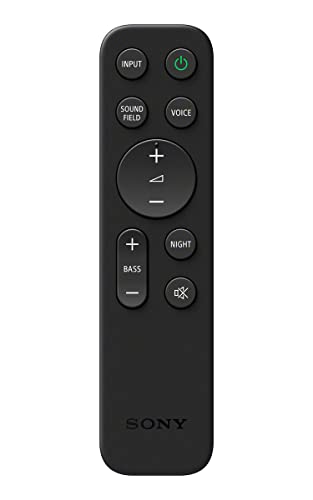
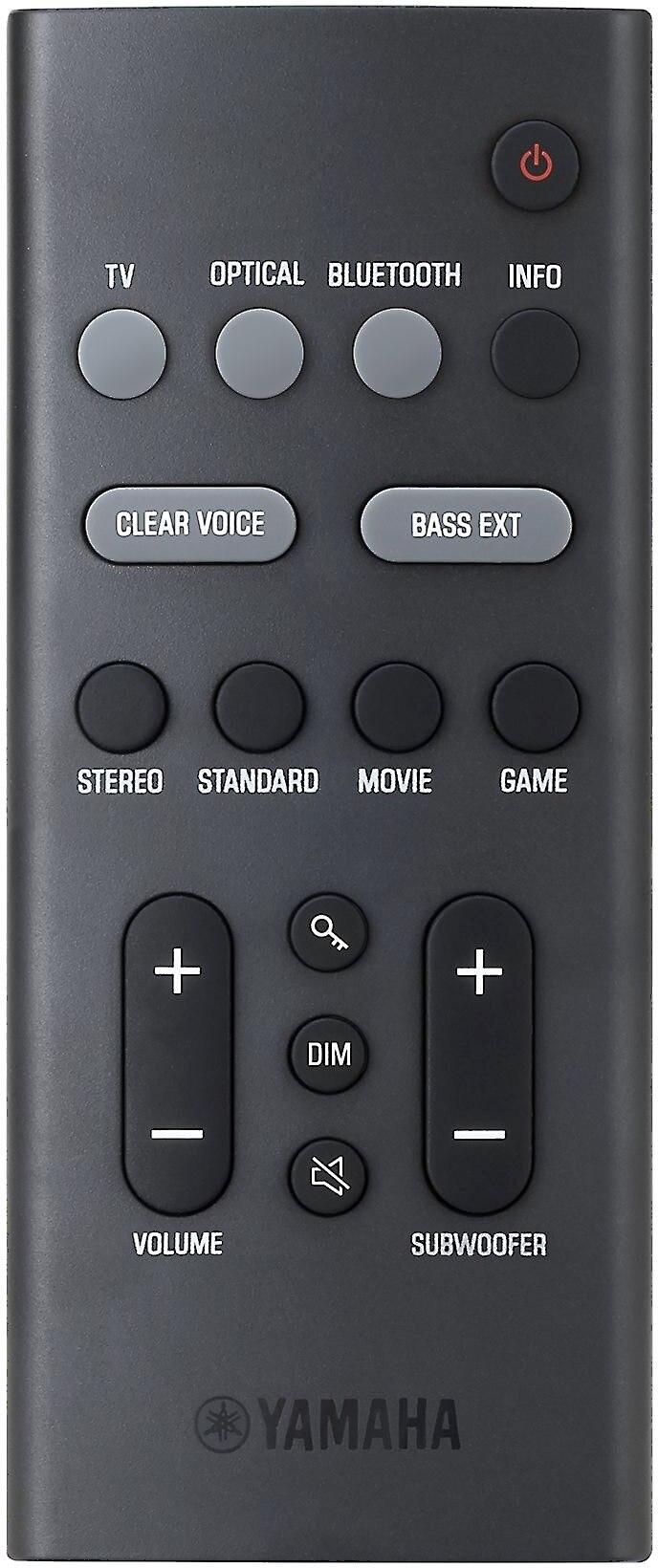
| Multiple modes (Sound Field, Night, Voice) plus 3-level bass adjustment | 4 sound modes (Stereo, Standard, Movie, Game) with app-based tone controls |
| Best Use Cases - Scenarios where each product excels | |
| Apartments, dialogue-heavy content, Sony TV owners, future expansion plans | Larger rooms, bass-heavy content, music listening, traditional 2.1 preference |
The Sony HT-S2000 offers superior dialogue clarity thanks to its dedicated center channel that anchors voices directly to the screen. The Yamaha SR-B40A relies on virtual center processing, which can work well but isn't as consistently clear across different seating positions.
The Yamaha SR-B40A includes a dedicated wireless subwoofer that delivers significantly more powerful bass than the Sony HT-S2000's built-in dual subwoofers. If you prioritize deep bass for music and action movies, the separate subwoofer provides noticeably better performance.
The Sony HT-S2000 is ideal for apartments due to its compact all-in-one design and Night Mode feature that prevents loud sounds from disturbing neighbors. The Yamaha SR-B40A requires additional floor space for its subwoofer and may produce too much bass for thin-walled apartments.
The Sony HT-S2000 uses a 3.1 configuration with separate left, center, and right channels plus subwoofers, providing dedicated dialogue reproduction. The Yamaha SR-B40A uses 2.1 channels (left, right, and subwoofer) with virtual center processing to create dialogue placement.
The Sony HT-S2000 can be expanded with additional Sony wireless rear speakers and subwoofers to create a full surround system. The Yamaha SR-B40A cannot be expanded beyond its initial 2.1 configuration.
Both the Sony HT-S2000 and Yamaha SR-B40A support Dolby Atmos, but the Sony also includes DTS:X compatibility and uses Vertical Sound Engine technology to create height effects without upward-firing speakers.
The Sony HT-S2000 offers true plug-and-play setup with a single HDMI cable connection. The Yamaha SR-B40A also sets up easily, but requires finding optimal placement for the wireless subwoofer to achieve the best bass response.
The Yamaha SR-B40A typically performs better for music due to its dedicated subwoofer providing fuller bass response and wider soundstage processing. The Sony HT-S2000 handles music well but focuses more on dialogue clarity and virtual surround effects.
Yes, both the Sony HT-S2000 and Yamaha SR-B40A work with any TV that has HDMI ARC/eARC or optical output. However, the Sony integrates better with Sony BRAVIA TVs for enhanced control and optimization features.
The Sony HT-S2000 generally offers better value for users prioritizing dialogue clarity and future expandability. The Yamaha SR-B40A provides better value for bass enthusiasts who want the most low-frequency impact in this price range.
Both the Sony HT-S2000 and Yamaha SR-B40A support HDMI CEC, allowing basic volume and power control through your TV remote. Both also include dedicated smartphone apps for advanced settings and sound mode adjustments.
The Sony HT-S2000 excels for story-driven games where dialogue clarity matters, while the Yamaha SR-B40A provides more impactful bass for action games. Both offer low-latency processing, but the Yamaha includes a dedicated Game mode for optimized performance.
We've done our best to create useful and informative comparisons to help you decide what product to buy. Our research uses advanced automated methods to create this comparison and perfection is not possible - please contact us for corrections or questions. These are the sites we've researched in the creation of this article: techradar.com - valueelectronics.com - youtube.com - videoandaudiocenter.com - whathifi.com - hometheaterhifi.com - youtube.com - sony.com - rtings.com - whathifi.com - rtings.com - helpguide.sony.net - electronics.sony.com - sony.com - dolby.com - sony.com - youtube.com - youtube.com - crutchfield.com - visions.ca - shop.usa.yamaha.com - bestbuy.com - bestbuy.com - usa.yamaha.com - my.yamaha.com - europe.yamaha.com - adorama.com - usa.yamaha.com - digitalhomecreations.com - europe.yamaha.com - sundownone.com

Privacy Policy
Terms and Conditions - Affiliate Policy
Home Security
© Copyright 2008-2026.
11816 Inwood Rd #1211, Dallas, TX 75244