



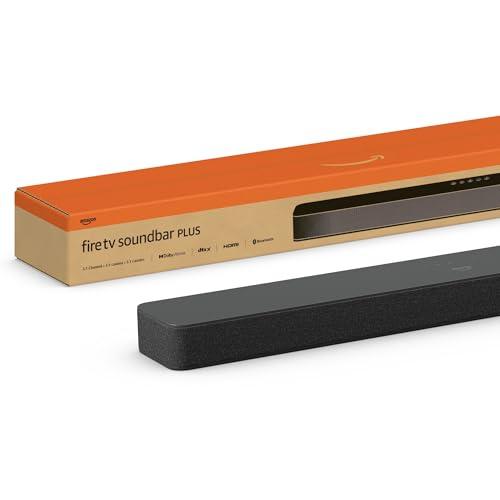

If your TV's built-in speakers sound like they're trapped in a tin can, you're probably shopping for a soundbar. Both the Sony HT-S2000 and Amazon Fire TV Soundbar Plus promise to transform your living room into a mini theater with 3.1-channel Dolby Atmos sound. But here's the thing—despite similar marketing claims, these two soundbars take completely different approaches to audio engineering, and those differences matter way more than you might expect.
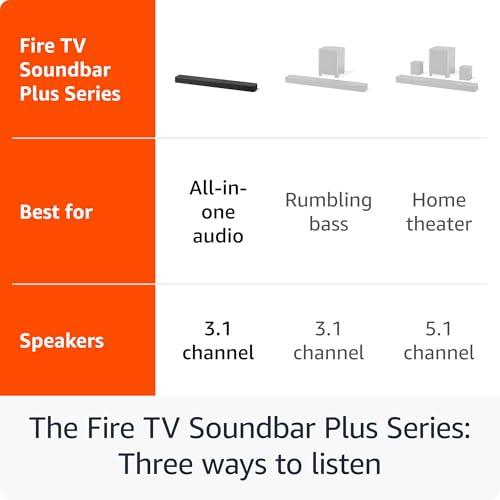
Before diving into the specifics, let's break down what a 3.1-channel soundbar actually means. The "3.1" refers to three main speakers (left, center, right) plus a subwoofer (that's the ".1"). The center channel handles dialogue—arguably the most important part since nobody likes constantly asking "what did they say?" The left and right channels create your stereo soundstage, while the built-in subwoofer adds the bass that makes explosions feel real and music sound full.
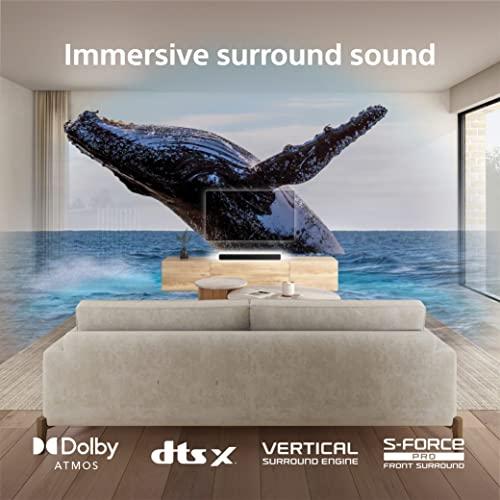
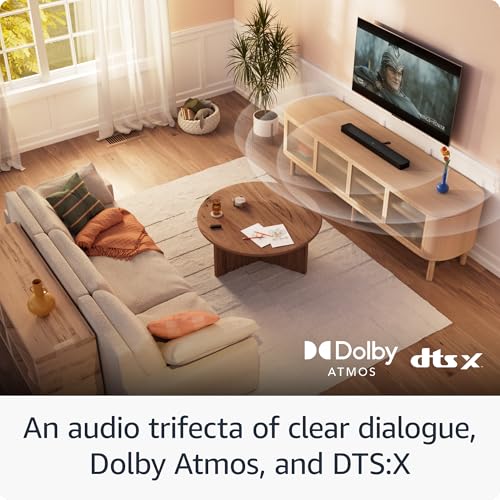
Both soundbars also support Dolby Atmos, which is supposed to add height to your sound—imagine helicopters flying overhead or rain falling from above. However, neither the Sony HT-S2000 nor Amazon Fire TV Soundbar Plus has upward-firing speakers (drivers that bounce sound off your ceiling). Instead, they use "virtual processing"—essentially software tricks that manipulate the audio to create the illusion of height effects.
The key considerations when shopping in this category are pretty straightforward: How much better will this sound compared to your TV speakers? Will dialogue be clearer? Can you actually hear those virtual Atmos effects? And perhaps most importantly—is the audio quality worth the investment?
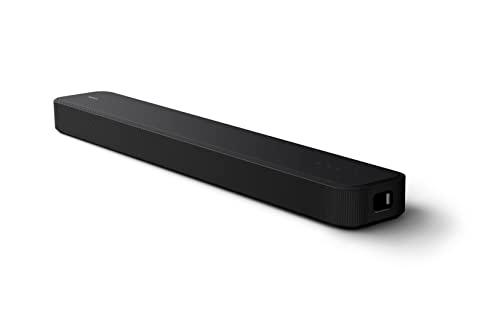
Here's where things get interesting. The Sony HT-S2000, released in 2023, represents Sony's attempt to bring their premium audio engineering down to a more affordable price point. Sony equipped this soundbar with what they call X-Balanced Speaker Units—essentially rectangular drivers designed to move more air without distorting. Think of it like having a larger speaker in the same space, which typically means clearer sound and better bass response.
The Sony also features S-Master digital amplification pumping out 250 watts total, which might sound like marketing speak, but actually refers to Sony's proprietary amplifier design that's supposed to reduce distortion while maintaining power efficiency. Combined with their Vertical Surround Engine and S-Force PRO Front Surround processing, Sony is throwing some serious audio technology at this relatively affordable soundbar.
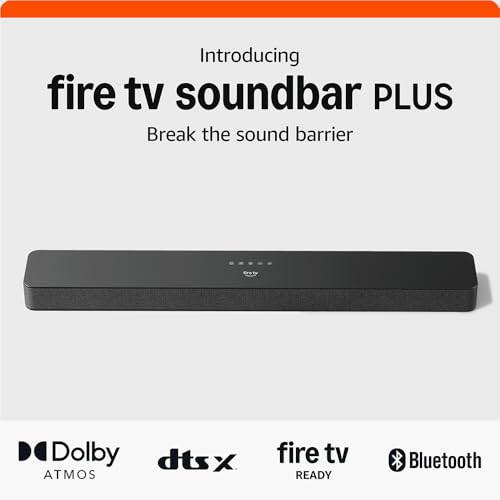
The Amazon Fire TV Soundbar Plus, on the other hand, takes a more budget-focused approach. While it includes three full-range speakers, three tweeters, and two built-in subwoofers, the overall engineering philosophy seems centered around hitting a lower price point rather than maximizing audio performance. This difference in approach becomes immediately apparent when you actually listen to both soundbars.
Nothing ruins a movie night like constantly rewinding to catch what characters said. This is where the center channel becomes crucial, and it's also where the performance gap between these soundbars becomes most obvious.
The Sony HT-S2000 consistently delivers what I'd call "effortless" dialogue clarity. Sony's dedicated center channel processing means voices cut through background music and sound effects naturally. Whether you're watching a whisper-quiet drama or an action movie with explosions every thirty seconds, dialogue remains intelligible without sounding artificially boosted or separated from the mix.
The Amazon Fire TV Soundbar Plus struggles significantly in this area. Multiple professional reviewers have described the dialogue as sounding "robotic" or "thin," particularly for deeper voices. I've noticed this myself—it's like voices are being processed through a filter that strips away their natural warmth. During complex scenes with lots of background activity, important dialogue can get lost or sound disconnected from the action.
This difference matters more than you might think. Poor dialogue clarity doesn't just affect movies—it impacts TV shows, news, documentaries, and even video calls when using your soundbar for multiple purposes.
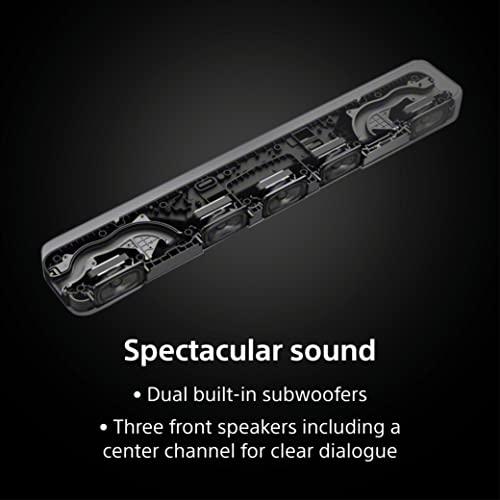
Both soundbars include built-in subwoofers, but their approaches to bass reproduction couldn't be more different. The Sony HT-S2000 uses dual built-in subwoofers with side-firing bass ports—essentially openings on the sides that help extend low-frequency response. This design creates bass that feels integrated with the rest of the audio spectrum rather than just tacked on.
When watching action movies, the Sony's bass adds weight to explosions and rumbling without overwhelming dialogue or midrange frequencies. Music playback benefits too, with bass lines that feel punchy but controlled. The three adjustable bass levels let you fine-tune the response for your room and preferences.
The Amazon Fire TV Soundbar Plus produces what reviewers consistently describe as "one-note" bass. While it can get loud, the bass lacks the nuance and depth that makes low frequencies feel realistic. During action scenes, the bass often overpowers dialogue, forcing you to constantly adjust volume or switch to night mode. Music sounds less engaging because the bass doesn't integrate well with the midrange frequencies.
Since neither soundbar has physical upward-firing drivers, both rely on digital signal processing to create virtual surround and height effects. This is where Sony's audio engineering experience really shows.
The Sony HT-S2000 uses Sony's Vertical Surround Engine combined with S-Force PRO Front Surround processing. While these are fancy names for software algorithms, they actually work quite well in practice. Watching movies with the Sony, you can sense sounds moving around you and occasionally above you. It's not as convincing as a full surround system with physical rear speakers, but it's a noticeable improvement over basic stereo sound.
The soundstage—essentially how wide and deep the audio feels—extends well beyond the physical width of the soundbar. Action sequences feel more immersive, and even stereo music benefits from the expanded sense of space.
The Amazon Fire TV Soundbar Plus provides basic virtual processing, but the effects are much less convincing. The soundstage feels narrower, and reviewers have noted actual gaps in the stereo imaging where sounds seem to disappear during panning effects. The virtual height processing exists but doesn't add meaningful immersion to most content.
Here's a crucial difference that many reviews gloss over: how these soundbars perform as you turn up the volume. The Sony HT-S2000 maintains its audio balance and clarity even at higher volumes, thanks to that 250-watt digital amplification system and well-engineered drivers.
The Amazon Fire TV Soundbar Plus suffers from what audio engineers call "compression artifacts" at higher volumes—essentially, the sound becomes harsher and less pleasant as you increase volume. This limitation means you're stuck choosing between adequate volume and tolerable audio quality, which isn't much of a choice at all.
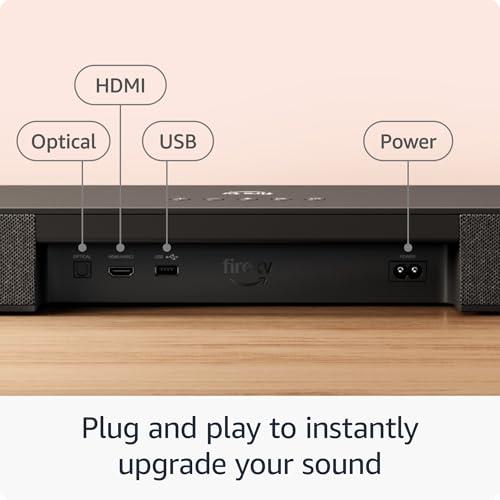
Both soundbars handle the connection basics with HDMI ARC (the Sony supports the newer eARC standard, though this rarely matters for most content) and optical inputs. However, their approaches to smart features and ecosystem integration differ significantly.
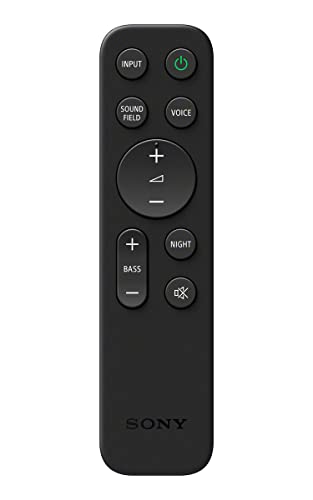
The Sony HT-S2000 shines with its BRAVIA Sync integration, especially if you own a Sony TV. The soundbar automatically powers on and off with your TV, volume controls work seamlessly, and settings can be adjusted through your TV's interface. The Sony Home Entertainment Connect app provides additional control options, though the included remote handles most functions just fine.
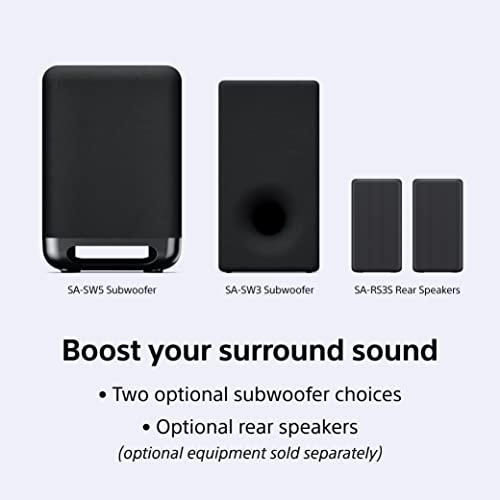
More importantly for future flexibility, the Sony can expand into a full surround system with optional wireless subwoofers and rear speakers—all designed to work together seamlessly.
The Amazon Fire TV Soundbar Plus promises Fire TV integration, but this mainly means unified remote control when paired with Fire TV devices. Despite the "Fire TV" branding, the soundbar doesn't include built-in streaming capabilities or Alexa voice control. It's essentially a traditional soundbar that works well with Amazon's streaming devices but doesn't offer the smart features you might expect.
At the time of writing, the Sony HT-S2000 typically costs about $100-120 more than the Amazon Fire TV Soundbar Plus. This price difference might seem significant until you consider what you're actually getting for that extra investment.
The Sony delivers substantially better audio quality across every measurable metric—dialogue clarity, bass integration, virtual surround processing, and performance at volume. The build quality feels more premium, with better materials and more sophisticated internal components. Most importantly, the Sony sounds like what you'd expect from a modern soundbar upgrade, while the Amazon often sounds worse than some mid-range TV speakers.
From a pure value perspective, the Sony represents better cost-per-performance, even at the higher price point. You're paying more upfront but getting audio quality that will remain satisfying for years, rather than audio quality that might disappoint from day one.
If you're building a dedicated home theater setup, both soundbars serve as entry points rather than final destinations. However, the Sony HT-S2000 provides a much more logical upgrade path with its expansion capabilities and superior baseline performance.
For casual movie watching and TV viewing, the Sony delivers the kind of improvement over built-in TV speakers that makes you wonder why you waited so long to upgrade. The Amazon, unfortunately, often provides the kind of improvement that makes you question whether soundbars are worth buying at all.
You want audio quality that actually justifies the upgrade from your TV's built-in speakers. If clear dialogue matters to you (and it should), if you occasionally watch movies at home, or if you listen to music through your TV setup, the Sony delivers meaningful improvements in all these areas.
The Sony also makes sense if you own Sony TVs or might buy them in the future, as the ecosystem integration really does simplify daily use. If there's any chance you'll want to expand to a full surround system later, starting with the Sony gives you a clear upgrade path.
Your budget is extremely constrained and literally any change from TV speakers would be welcome. If you primarily watch news or simple TV programming where audio quality isn't crucial, and if you're confident that basic volume boost is all you need, the Amazon might suffice.
However, I'd strongly recommend considering whether saving a bit longer for the Sony might provide better long-term satisfaction. The audio quality difference is substantial enough that many users end up regretting the cheaper choice.
The fundamental difference between these soundbars comes down to engineering philosophy. Sony built the HT-S2000 to deliver genuine audio improvements using proven technologies and quality components. Amazon built the Fire TV Soundbar Plus to hit a price point while checking marketing boxes.
This difference shows up in every aspect of performance, from dialogue clarity to bass response to virtual surround processing. While both soundbars occupy the same product category on paper, they deliver vastly different user experiences in practice.
If you're investing in a soundbar to actually improve your audio experience—rather than just to say you have a soundbar—the Sony represents a much safer choice despite the higher upfront cost. The Amazon might save money initially, but risks delivering the kind of disappointing experience that turns people off soundbars entirely.
At the end of the day, your TV's audio is something you experience every single time you watch content. Investing in quality audio processing and engineering pays dividends in daily enjoyment, making the Sony's premium feel worthwhile rather than excessive.
| Sony HT-S2000 3.1ch Dolby Atmos Soundbar | Amazon Fire TV Soundbar Plus |
|---|---|
| Audio Quality - The most important factor for soundbar performance | |
| Excellent dialogue clarity, balanced sound signature, maintains quality at all volumes | Poor dialogue (described as "robotic"), harsh treble, degrades significantly at higher volumes |
| Power Output - Determines maximum volume and dynamic range | |
| 250W S-Master digital amplification with clean power delivery | Unspecified power output, limited headroom before distortion |
| Speaker Configuration - Affects sound staging and frequency response | |
| 5 active X-Balanced drivers with dual built-in subwoofers and bass ports | 3 full-range speakers, 3 tweeters, 2 built-in woofers |
| Virtual Surround Processing - Creates immersive soundstage without rear speakers | |
| Advanced Vertical Surround Engine + S-Force PRO creates convincing width and height | Basic virtual processing with noticeable gaps in stereo imaging |
| Bass Performance - Critical for movies and music enjoyment | |
| Dual subwoofers with integrated, punchy bass that doesn't overpower dialogue | "One-note" bass that often drowns out speech and lacks nuance |
| HDMI Support - Affects compatibility with modern TVs and gaming consoles | |
| HDMI eARC/ARC (supports highest bandwidth audio formats) | HDMI ARC only (adequate for most streaming content) |
| Expandability - Important for future system upgrades | |
| Compatible with Sony wireless subwoofers (SA-SW3, SA-SW5) and rear speakers (SA-RS3S) | No expansion options available |
| Smart Features - Convenience and ecosystem integration | |
| Sony Home Entertainment Connect app, BRAVIA Sync, works with Google Assistant/Alexa | Fire TV device integration for unified remote, no built-in streaming or voice control |
| Build Quality - Affects longevity and premium feel | |
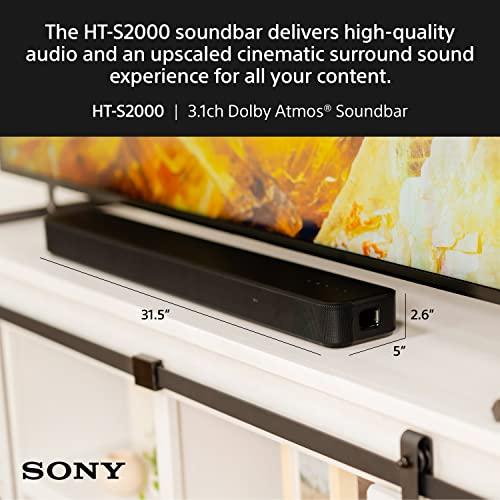
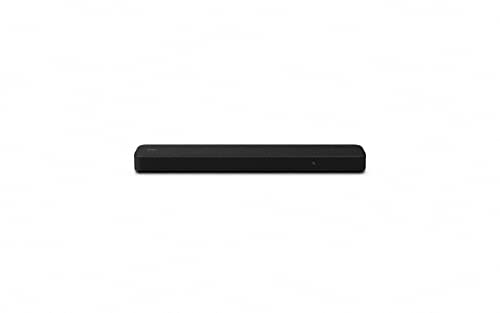
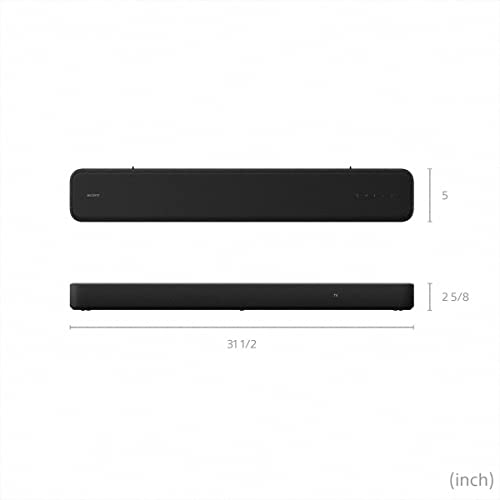
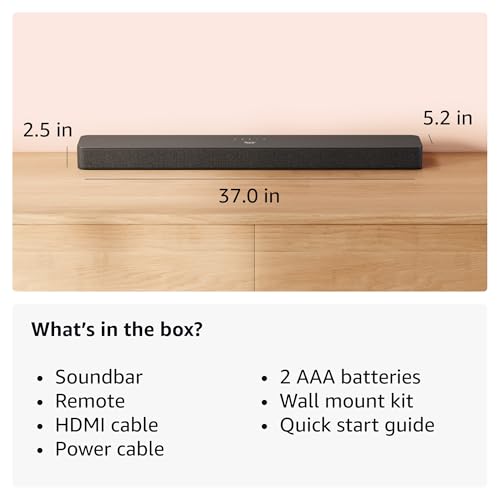
| Premium materials, sophisticated engineering, compact 31.5" design | Basic construction, larger 37" footprint, cost-focused build |
| Sound Modes - Customization options for different content types | |
| Sound Field, Night Mode, Voice Mode, 3 bass levels | Movie, Music, Sports, Night modes with 1-9 bass/treble and 1-5 dialogue adjustment |
| Release Year - Indicates latest technology and features | |
| 2023 (latest Sony audio processing technology) | Not specified (appears to be budget-focused release) |
| Best For - Target user and use cases | |
| Users prioritizing audio quality, Sony TV owners, future expansion plans | Extremely budget-conscious users with basic audio expectations |
The Sony HT-S2000 delivers significantly better audio quality with clearer dialogue, balanced sound, and superior bass integration. Professional reviews consistently praise the Sony's natural sound reproduction, while the Amazon Fire TV Soundbar Plus suffers from harsh, "robotic-sounding" dialogue and unbalanced audio that worsens at higher volumes.
Yes, both the Sony HT-S2000 and Amazon Fire TV Soundbar Plus support Dolby Atmos, but neither has upward-firing speakers. They use virtual processing to simulate height effects. The Sony's Vertical Surround Engine creates more convincing virtual surround sound compared to the Amazon's basic processing.
The Sony HT-S2000 excels at dialogue clarity with its dedicated center channel and advanced processing, making voices sound natural and clear even during complex scenes. The Amazon Fire TV Soundbar Plus struggles with dialogue reproduction, often making voices sound thin or robotic, especially for deeper voices.
The Sony HT-S2000 can be expanded with compatible Sony wireless subwoofers and rear speakers to create a full surround system. The Amazon Fire TV Soundbar Plus has no expansion options, limiting you to the built-in configuration.
Despite being more expensive, the Sony HT-S2000 provides better value due to superior audio quality, build quality, and expandability options. The Amazon Fire TV Soundbar Plus may cost less upfront but delivers poor audio performance that may disappoint users expecting a meaningful upgrade from TV speakers.
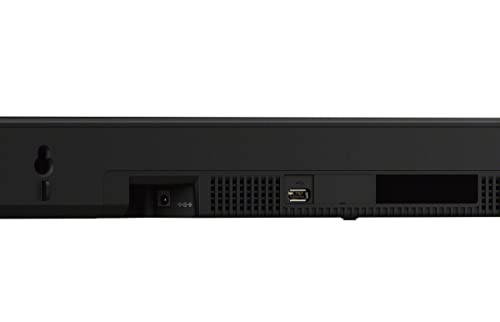
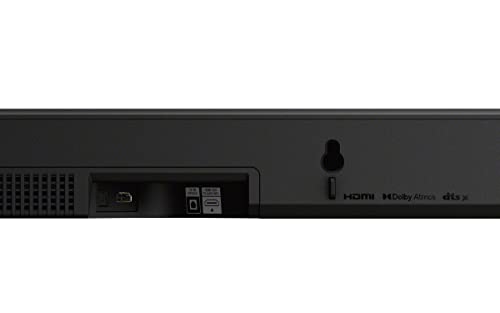
The Sony HT-S2000 offers HDMI eARC/ARC, optical input, USB, and Bluetooth connectivity with seamless Sony TV integration. The Amazon Fire TV Soundbar Plus provides HDMI ARC, optical, USB, and Bluetooth connections with basic Fire TV device integration but no advanced smart features.
The Sony HT-S2000 maintains audio quality and clarity even at high volumes thanks to its 250W digital amplification system. The Amazon Fire TV Soundbar Plus becomes increasingly harsh and unpleasant as volume increases, limiting your ability to enjoy loud movie scenes.
The Sony HT-S2000 delivers excellent music performance with balanced frequency response and integrated bass that doesn't overpower other frequencies. The Amazon Fire TV Soundbar Plus provides mediocre music playback due to its unbalanced sound signature and "one-note" bass response.
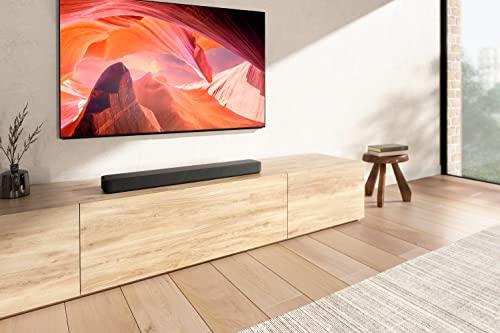
The Sony HT-S2000 works excellently in small to medium rooms, creating a wide soundstage that extends beyond its physical size. The Amazon Fire TV Soundbar Plus can fill rooms with sound but may not provide the immersive experience most users expect from a modern soundbar.
Both soundbars offer simple setup, but the Sony HT-S2000 provides more sophisticated integration with compatible TVs, including automatic power sync and volume control. The Amazon Fire TV Soundbar Plus offers basic setup with unified remote control for Fire TV devices.
The Sony HT-S2000 includes the Sony Home Entertainment Connect app and works with Google Assistant and Alexa through compatible devices. Despite its name, the Amazon Fire TV Soundbar Plus lacks built-in streaming or voice control features, offering only basic Fire TV integration.
Choose the Sony HT-S2000 if you want meaningful audio improvement with clear dialogue, balanced sound, and future expandability options. Only consider the Amazon Fire TV Soundbar Plus if budget is your primary concern and you have very basic audio quality expectations, though the Sony provides much better long-term satisfaction.
We've done our best to create useful and informative comparisons to help you decide what product to buy. Our research uses advanced automated methods to create this comparison and perfection is not possible - please contact us for corrections or questions. These are the sites we've researched in the creation of this article: techradar.com - valueelectronics.com - youtube.com - videoandaudiocenter.com - whathifi.com - hometheaterhifi.com - youtube.com - sony.com - rtings.com - whathifi.com - rtings.com - helpguide.sony.net - electronics.sony.com - sony.com - dolby.com - sony.com - youtube.com - youtube.com - rtings.com - wirelessplace.com - techradar.com - cordbusters.co.uk - whathifi.com - developer.amazon.com - t3.com - dolby.com - youtube.com - youtube.com - youtube.com - dugoutnorthbrook.com - dolby.com - aboutamazon.com - youtube.com - developer.amazon.com

Privacy Policy
Terms and Conditions - Affiliate Policy
Home Security
© Copyright 2008-2026.
11816 Inwood Rd #1211, Dallas, TX 75244