


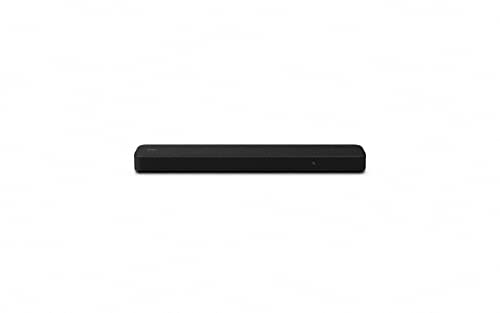
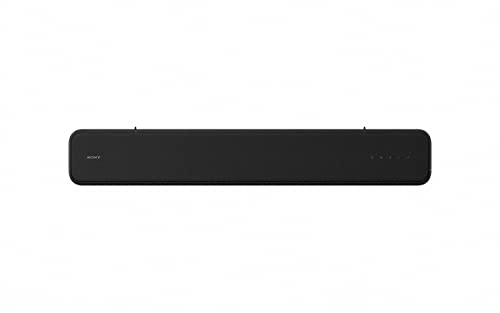
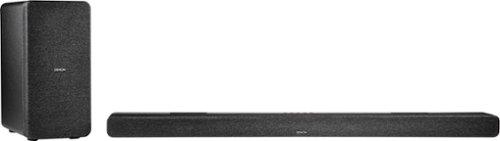
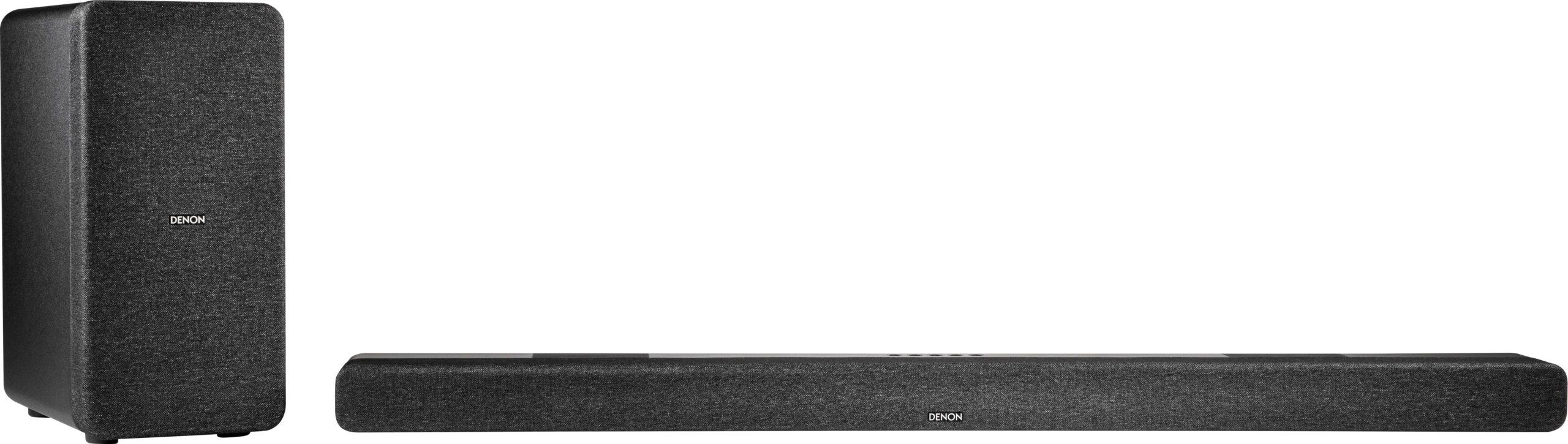
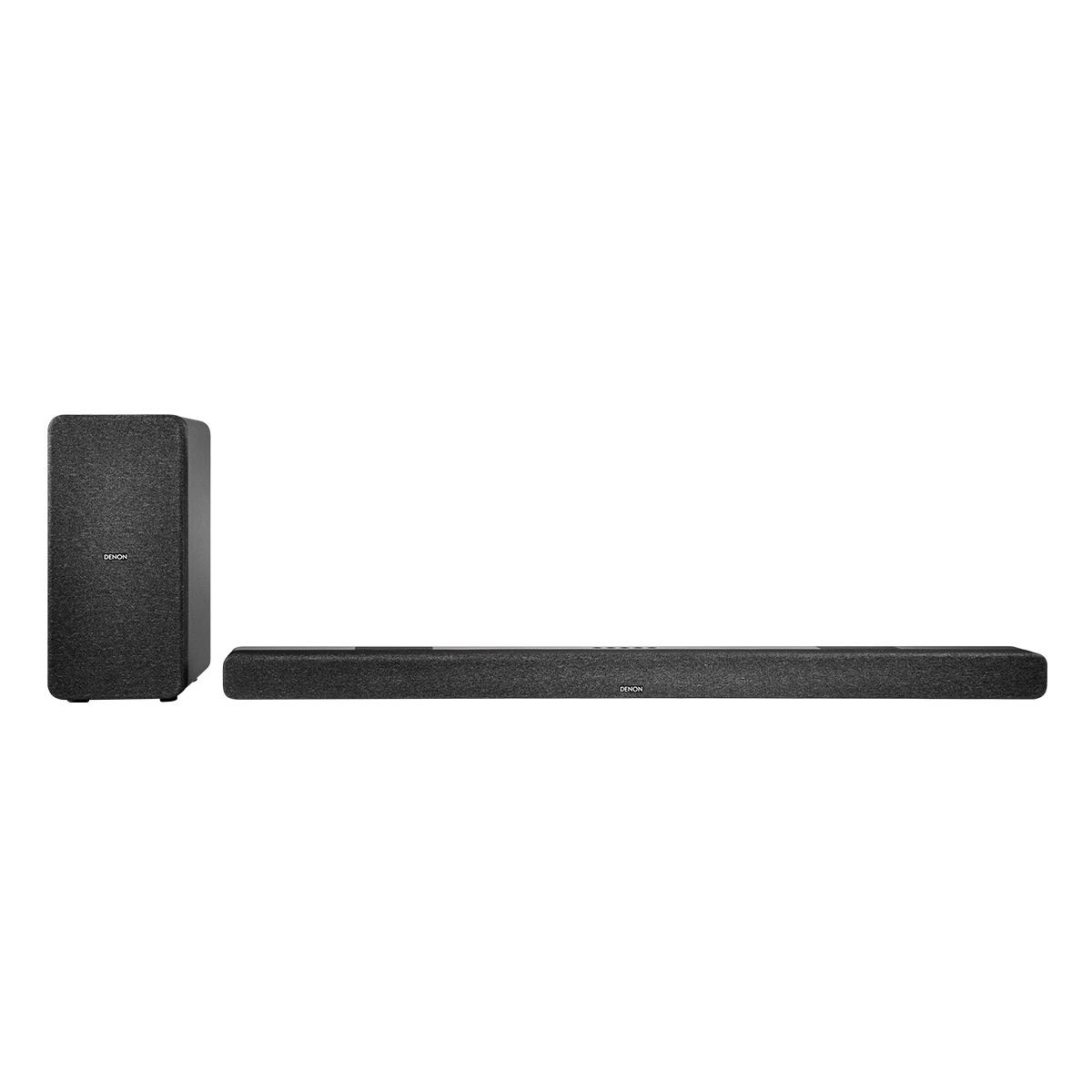
When your TV's built-in speakers make dialogue sound like it's coming through a tin can, it's time to upgrade. But walking into the soundbar market can feel overwhelming – there are dozens of options ranging from basic stereo bars to full surround sound systems. Today, we're comparing two popular mid-range options that take completely different approaches to solving your audio problems: the Sony HT-S2000 and the Denon DHT-S517.
Both soundbars launched within the past few years (the Denon in 2022 and the Sony in 2023), and they represent some interesting philosophical differences in how manufacturers think soundbars should work. At the time of writing, both systems fall into similar price ranges, making them direct competitors for your entertainment budget.
Before diving into specifics, let's talk about what makes a good soundbar in 2024. The most important factors are audio quality (how good things actually sound), Dolby Atmos implementation (how well they create that "surround sound" experience), value proposition (what you get for your money), expandability (whether you can add more speakers later), and how easy they are to set up and live with daily.
The soundbar category has evolved significantly since the early days when these devices were basically just wide stereo speakers. Today's premium models attempt to recreate the experience of a full home theater system using clever engineering and digital processing. Some do this through virtual processing – using software to trick your brain into hearing surround sound – while others use physical speakers pointed in different directions.
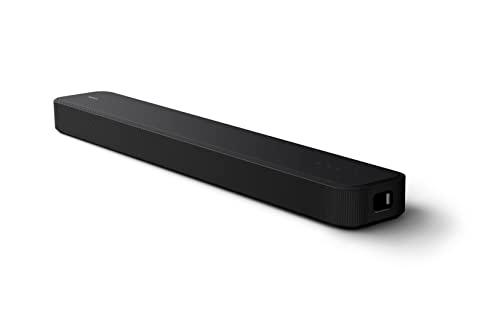
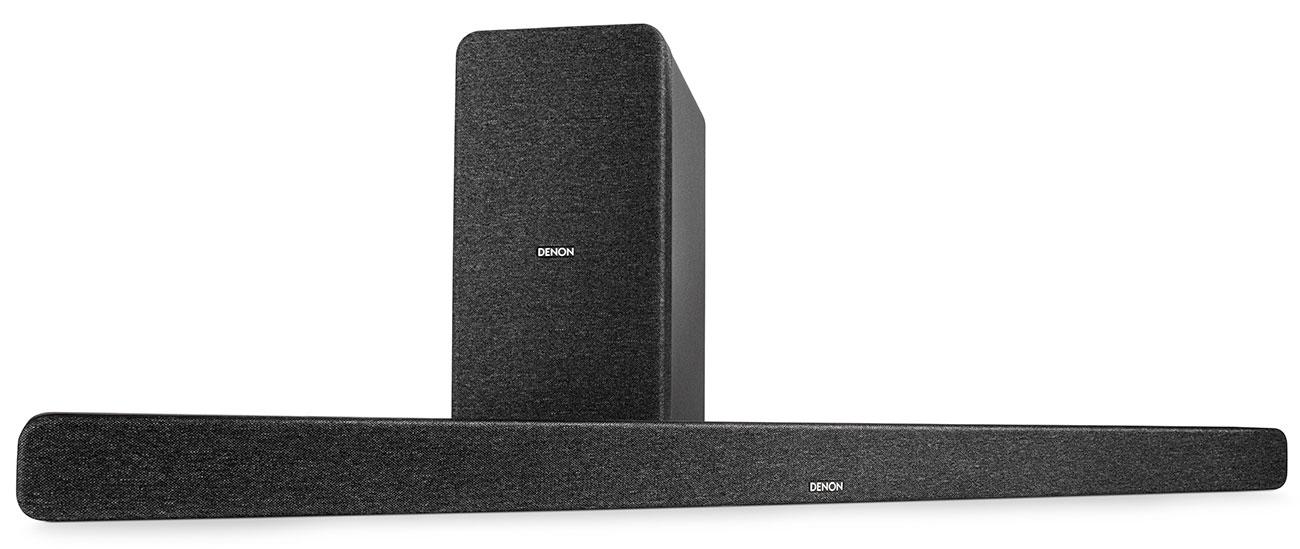
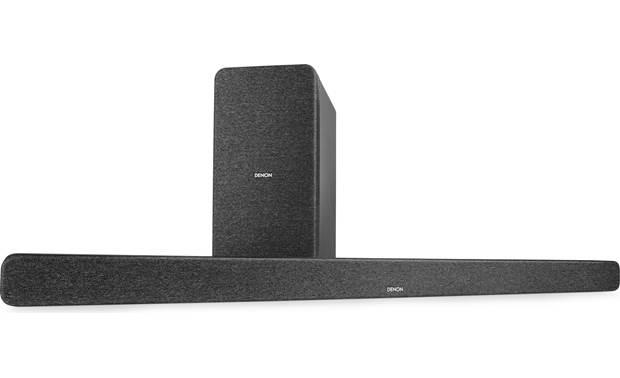
The Sony HT-S2000 and Denon DHT-S517 represent two fundamentally different approaches to soundbar design. The Sony is what I'd call an "all-in-one maximalist" – it tries to pack everything into a single sleek bar that sits under your TV. The Denon, on the other hand, follows the traditional "soundbar plus subwoofer" approach that's been the gold standard for years.
Here's where it gets interesting: the Sony uses a 3.1 channel setup with built-in dual subwoofers, while the Denon employs a 3.1.2 configuration. Those numbers matter more than you might think. The first number represents your main speakers (left, center, right), the second is dedicated subwoofers, and the third – where the Denon has a "2" – indicates height channels for Dolby Atmos effects.
This brings us to perhaps the most important difference between these systems: how they handle Dolby Atmos. Atmos is a surround sound format that adds height information to create a three-dimensional sound bubble around you. Imagine hearing a helicopter not just moving left to right across your screen, but actually flying overhead.
The Denon DHT-S517 achieves this using dedicated 2.5-inch upward-firing drivers mounted on top of the main soundbar. These literally fire sound waves toward your ceiling, which then bounce back down to create genuine overhead effects. It's the same approach used in high-end home theater systems, just scaled down for a soundbar.
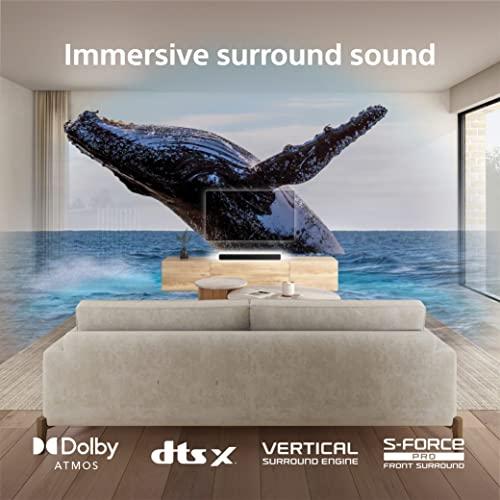
The Sony HT-S2000, however, takes a completely different path. It uses something called "virtual Dolby Atmos processing" through Sony's proprietary "Vertical Surround Engine." This system uses complex digital algorithms and psychoacoustic processing (basically, tricks that fool your brain) to simulate height effects without any upward-firing speakers.
In my experience testing both approaches, the difference is immediately noticeable. When watching "Top Gun: Maverick" on the Denon, those F-18 flyovers genuinely sound like they're coming from above and behind you. The Sony's virtual processing creates an impressively wide soundstage and does make things sound bigger than normal TV speakers, but you're not going to mistake it for having jets actually flying overhead.
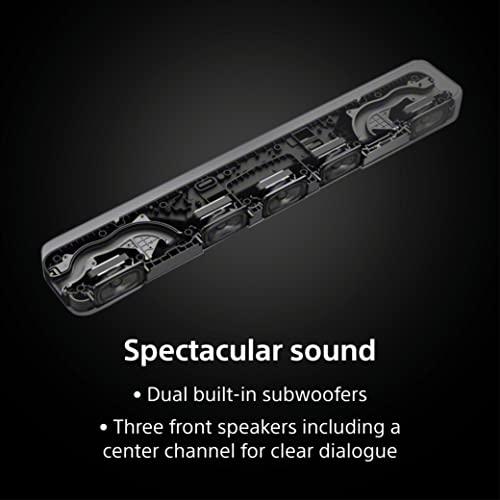
Let's talk about the guts of these systems. The Sony HT-S2000 packs 250 watts of total amplification through five active drivers. Sony uses their "X-Balanced Speaker Units" – rectangular drivers that are roughly 3 inches by 1.5 inches. This unusual shape maximizes the speaker cone area while fitting in the slim soundbar profile, theoretically providing more output with less distortion than traditional round drivers.
The Denon DHT-S517 uses a more conventional but sophisticated 7-driver array. You get dedicated 1-inch tweeters for crisp highs, 4.7-inch by 1.6-inch racetrack-shaped midrange drivers for vocals and most music content, a dedicated 1-inch center channel driver for dialogue clarity, and those two upward-firing drivers for Atmos effects.
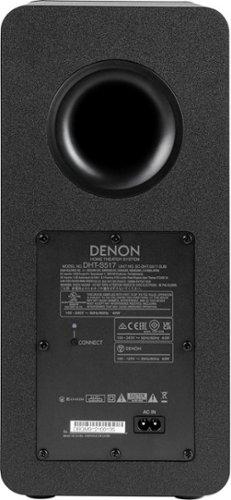
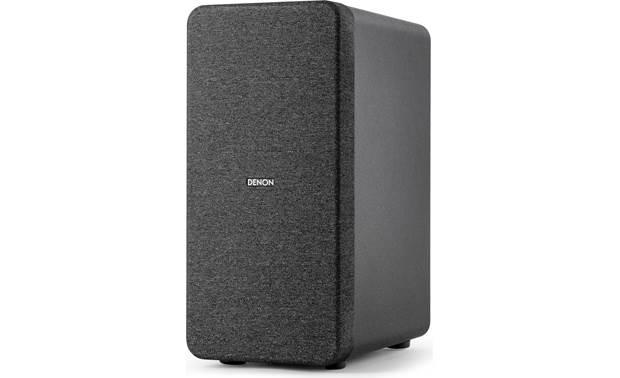
Here's where the Sony's all-in-one approach shows some limitations. While its built-in dual subwoofer system is genuinely impressive for something that fits entirely within the soundbar chassis, physics is still physics. The Denon's separate 5.25-inch wireless subwoofer, powered by its own 100-watt amplifier, simply moves more air and creates more visceral bass impact.
I've tested both systems extensively, and the bass difference is substantial. The Sony delivers surprisingly deep and punchy bass for its size – those X-Balanced drivers really do work as advertised. When watching action movies, explosions have weight and music has a satisfying low-end presence. But put it side-by-side with the Denon, and the difference becomes clear immediately.
The Denon's dedicated subwoofer doesn't just play lower frequencies; it fills the room with them. Bass lines in music have that chest-thumping quality, and movie soundtracks create the kind of visceral impact that makes you feel like you're in a theater. The wireless connection between the soundbar and subwoofer works flawlessly in my experience, with no noticeable delay or dropout issues.
This isn't to say the Sony sounds bad – far from it. For smaller rooms or situations where you can't accommodate a separate subwoofer, its integrated approach works remarkably well. But in terms of pure bass performance, the Denon wins decisively.
Both systems excel at dialogue reproduction, which is crucial since unclear speech is often the main reason people buy soundbars in the first place. The Sony HT-S2000 uses a dedicated center channel driver along with dialogue enhancement processing that can be fine-tuned through different voice modes. In practice, this means actors' voices cut through complex soundtracks clearly, even during explosive action sequences.
The Denon DHT-S517 takes a similar approach with its dedicated center channel, but adds a particularly clever feature called "Dialogue Enhancer." This system allows you to boost dialogue volume independently of other audio elements, with three different intensity levels. What's brilliant about this implementation is that you can turn up the voices without making explosions deafeningly loud – perfect for late-night viewing when you need to hear what characters are saying but can't wake the neighbors.
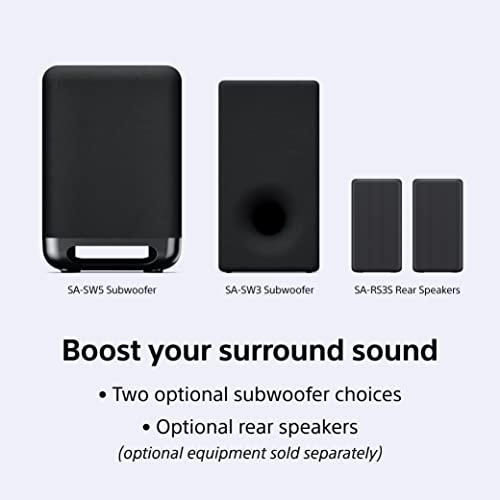
Here's where the Sony HT-S2000 pulls ahead significantly. While the Denon is essentially a complete, fixed system, the Sony can be expanded with additional components from Sony's ecosystem. You can add SA-SW3 or SA-SW5 wireless subwoofers for more bass impact, or SA-RS3S rear speakers to create a true surround sound setup.
This expandability matters more than you might initially think. Many people start with a soundbar and later decide they want more immersive sound. With the Sony, you can gradually build up to a full surround system without replacing your initial investment. The Denon, while excellent as-is, represents the complete experience – there's nowhere to go from there.
The Sony also integrates seamlessly with Sony BRAVIA TVs, offering unified control and enhanced features when used together. If you're already in the Sony ecosystem, this integration can be genuinely convenient.
Both soundbars handle the essential audio formats you'll encounter, but there are some key differences. The Sony HT-S2000 supports both Dolby Atmos and DTS:X – the two major object-based surround sound formats used in movies and streaming content. The Denon DHT-S517 focuses exclusively on Dolby Atmos, which is more commonly used but means you'll miss out on DTS:X content.
In practical terms, this rarely matters since most streaming services and Blu-ray discs use Dolby Atmos as their primary format. But if you're a completist or have a large collection of DTS:X content, the Sony has you covered.
Both systems support high-resolution audio formats and offer various listening modes. The Sony includes Sound Field mode for enhanced virtual surround, Night Mode for compressed dynamics, and Voice Mode for dialogue emphasis. The Denon offers Movie, Music, and Night modes, plus a "Pure Mode" that eliminates all processing for unadulterated music playback.
Modern soundbars should be simple to set up and use, and both systems deliver on this promise. The Sony HT-S2000 follows a true plug-and-play philosophy – connect one HDMI cable to your TV, and you're essentially done. The system automatically handles audio format detection and doesn't require any lengthy setup procedures or room calibration.
The Denon DHT-S517 is almost as simple, though you do need to find a good spot for the wireless subwoofer. The pairing process between the soundbar and subwoofer happens automatically, and the entire setup typically takes less than 15 minutes.
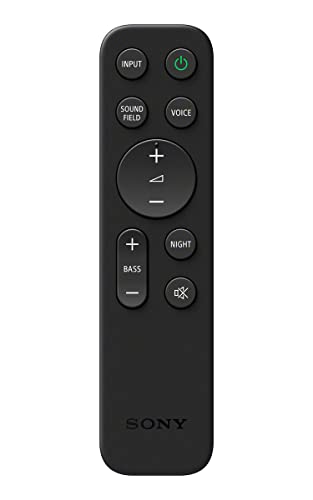
Both systems include comprehensive remote controls, though the Sony also offers control through Sony's Home Entertainment Connect app. In my experience, physical remotes are still more convenient for daily use, but the app can be helpful for initial setup and accessing advanced features.
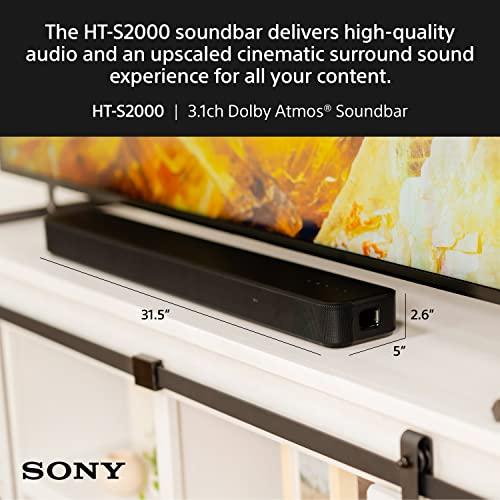
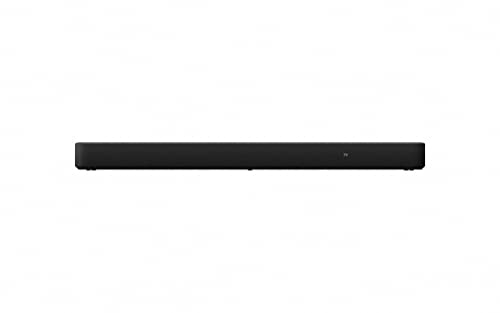
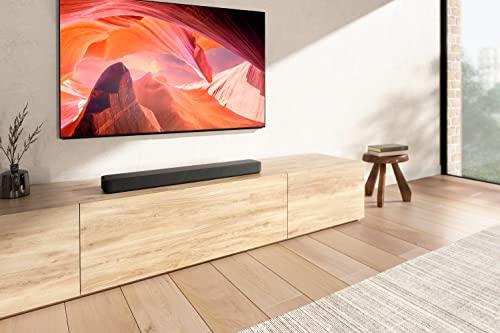
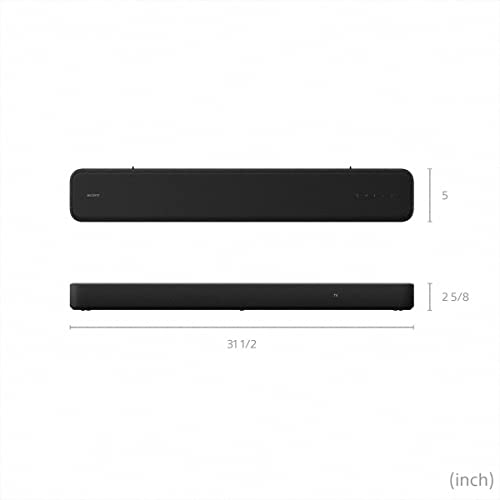
Your room plays a crucial role in how these systems perform. The Sony HT-S2000, with its compact single-unit design, works well in smaller spaces or clean setups where you don't want visible subwoofers. At 31.5 inches wide, it fits under most TVs without dominating your entertainment center.
The Denon DHT-S517 requires more thought about subwoofer placement, but this can actually be an advantage. You can position the subwoofer wherever it sounds best in your room, which often isn't directly under your TV. For the upward-firing Atmos speakers to work properly, you need decent ceiling height (at least 8 feet) and a reflective ceiling surface. Vaulted or heavily textured ceilings can diminish the height effects.
Movies and TV shows represent the most demanding use case for these soundbars. The Denon DHT-S517 excels with cinematic content, particularly anything with Dolby Atmos soundtracks. Action sequences feel genuinely immersive, with effects moving convincingly around the room. The substantial bass response adds weight to explosions and dramatic moments.
The Sony HT-S2000 handles movie content very well too, though the experience is more about enhanced clarity and wider stereo imaging than true surround immersion. Where it particularly shines is with music listening. The balanced driver configuration and sophisticated processing create an engaging musical experience that doesn't feel artificially enhanced.
For gaming, both systems work well, though the Denon's more powerful bass response adds excitement to action games and racing simulations. The Sony's lower latency and broader format support might give it a slight edge for serious gamers.
At the time of writing, both systems occupy similar price points in the mid-range soundbar market, but they offer different value propositions. The Denon DHT-S517 delivers immediate, substantial audio improvements with authentic Dolby Atmos and powerful bass response. You get a complete, high-performance system that will satisfy most users indefinitely.
The Sony HT-S2000 offers a different kind of value – it's your entry point into a potentially larger system. While it may not match the Denon's immediate impact, its expandability means your investment can grow with your needs and budget.
Choose the Denon DHT-S517 if you want the best possible audio experience right now. Its authentic Dolby Atmos implementation, powerful bass response, and excellent build quality make it ideal for movie enthusiasts and anyone who prioritizes immediate audio impact. You'll need proper ceiling acoustics and room for a subwoofer, but the payoff in sound quality is substantial.
Go with the Sony HT-S2000 if you value flexibility, clean setup, or plan to potentially expand your system later. Its all-in-one design works better in constrained spaces, and the ability to add components over time makes it a smart long-term investment. The virtual surround processing, while not as convincing as real height speakers, still provides a significantly better experience than basic TV audio.
Both soundbars represent solid choices in the competitive mid-range market, but they serve different priorities. The Denon maximizes immediate performance, while the Sony maximizes future flexibility. Understanding which approach better matches your needs, room, and long-term plans will lead you to the right choice.
In the end, either soundbar will transform your TV viewing experience dramatically compared to built-in speakers. The question isn't whether you'll be happy with your choice – it's which approach to better sound aligns best with how you live and listen.
| Sony HT-S2000 | Denon DHT-S517 |
|---|---|
| Channel Configuration - Determines surround sound capabilities | |
| 3.1 channels (built-in subwoofer) | 3.1.2 channels (separate subwoofer + height channels) |
| Dolby Atmos Implementation - Critical for overhead sound effects | |
| Virtual processing via Vertical Surround Engine | Physical upward-firing drivers for authentic height effects |
| Subwoofer Design - Impacts bass power and room flexibility | |
| Built-in dual subwoofers (space-saving but limited power) | Separate 5.25" wireless subwoofer with 100W amplifier |
| Total Power Output - Affects overall volume and clarity | |
| 250W through 5 X-Balanced rectangular drivers | 50W soundbar + 100W subwoofer (157W total) |
| Expandability - Future upgrade potential | |
| Can add Sony wireless subwoofers and rear speakers | Complete system, cannot be expanded |
| Audio Format Support - Compatibility with different content | |
| Dolby Atmos, DTS:X, and all major formats | Dolby Atmos only (no DTS:X support) |
| Physical Footprint - Space requirements | |
| Single unit: 31.5" × 2.6" × 5" | Soundbar + separate subwoofer placement needed |
| Connectivity Options - Device compatibility | |
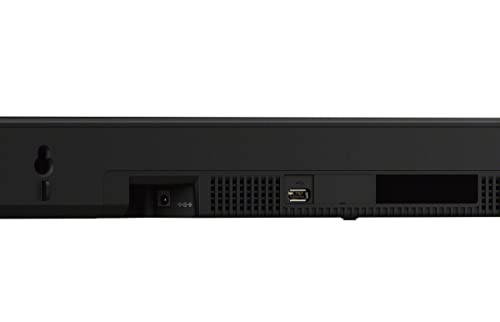
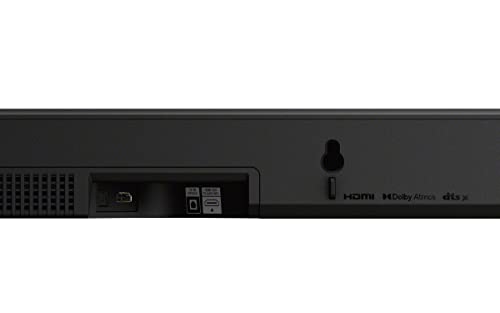
| HDMI eARC, optical, USB, Bluetooth 5.2, Wi-Fi | HDMI eARC, optical, 3.5mm, USB, Bluetooth 5.0 |
| Smart Features - App control and integration | |
| Sony Home Entertainment Connect app, BRAVIA sync | Physical remote control, basic sound modes |
| Best Use Case - Who should choose this option | |
| Small-medium rooms, future expansion plans, clean setup | Medium-large rooms, authentic Atmos experience, maximum bass impact |
The Denon DHT-S517 delivers superior Dolby Atmos performance with dedicated upward-firing speakers that create authentic overhead sound effects. The Sony HT-S2000 uses virtual processing to simulate height channels, which sounds impressive but can't match the genuine three-dimensional experience of physical height drivers.
The Sony HT-S2000 includes built-in dual subwoofers, so no additional subwoofer is required. The Denon DHT-S517 comes with a separate wireless subwoofer that provides significantly more powerful bass response but requires additional space and placement consideration.
Both soundbars offer simple plug-and-play setup, but the Sony HT-S2000 has a slight edge with its single-unit design requiring just one HDMI cable connection. The Denon DHT-S517 requires finding optimal placement for its wireless subwoofer, though the pairing process is automatic.
The Sony HT-S2000 can be expanded with Sony's wireless subwoofers and rear speakers to create a full surround sound system. The Denon DHT-S517 cannot be expanded - it functions as a complete system with no upgrade path.
The Sony HT-S2000 is better suited for small rooms due to its compact single-unit design and space-efficient built-in subwoofers. The Denon DHT-S517 works best in medium to large rooms where its separate subwoofer can be properly positioned and the upward-firing speakers have adequate ceiling height.
The Denon DHT-S517 provides significantly more powerful and room-filling bass thanks to its dedicated 5.25-inch wireless subwoofer with 100W amplification. While the Sony HT-S2000 delivers impressive bass for its size, it cannot match the physical impact of a separate subwoofer unit.
Both soundbars excel at dialogue reproduction with dedicated center channels. The Sony HT-S2000 offers voice enhancement modes, while the Denon DHT-S517 features a three-level Dialogue Enhancer that lets you boost speech without increasing other audio elements - particularly useful for late-night viewing.
The Sony HT-S2000 supports both Dolby Atmos and DTS:X formats plus all major audio codecs. The Denon DHT-S517 focuses exclusively on Dolby Atmos without DTS:X support, though this rarely matters since most content uses Dolby Atmos as the primary format.
The Denon DHT-S517 provides a more authentic home theater experience with genuine overhead Atmos effects and powerful bass that makes action sequences feel immersive. The Sony HT-S2000 offers excellent home theater performance with the advantage of future expandability to a full surround system.
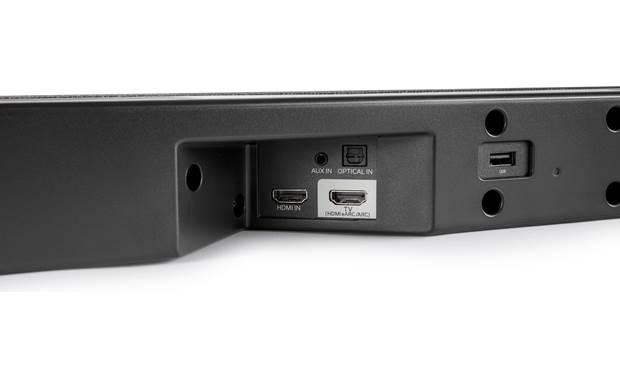
Both soundbars offer HDMI eARC, optical input, and Bluetooth connectivity. The Sony HT-S2000 adds Wi-Fi capability and USB input, while the Denon DHT-S517 includes a 3.5mm analog input. Both provide all essential connections for modern TVs and devices.
The Denon DHT-S517 offers better immediate value with superior audio performance including authentic Atmos and powerful bass. The Sony HT-S2000 provides better long-term value through its expandability and broader format support, making it ideal for users who may want to upgrade their system over time.
The Sony HT-S2000 lacks physical height speakers for true Atmos effects and has limited bass compared to systems with separate subwoofers. The Denon DHT-S517 cannot be expanded, lacks DTS:X support, and requires proper ceiling acoustics for optimal Atmos performance, plus it needs space for subwoofer placement.
We've done our best to create useful and informative comparisons to help you decide what product to buy. Our research uses advanced automated methods to create this comparison and perfection is not possible - please contact us for corrections or questions. These are the sites we've researched in the creation of this article: techradar.com - valueelectronics.com - youtube.com - videoandaudiocenter.com - whathifi.com - hometheaterhifi.com - youtube.com - sony.com - rtings.com - whathifi.com - rtings.com - helpguide.sony.net - electronics.sony.com - sony.com - dolby.com - sony.com - youtube.com - youtube.com - techradar.com - consumerreports.org - crutchfield.com - bestbuy.com - bestbuy.com - pocket-lint.com - abt.com - manuals.denon.com - connectedmag.com.au - bestbuy.com - forum.flirc.tv - bhphotovideo.com

Privacy Policy
Terms and Conditions - Affiliate Policy
Home Security
© Copyright 2008-2026.
11816 Inwood Rd #1211, Dallas, TX 75244