

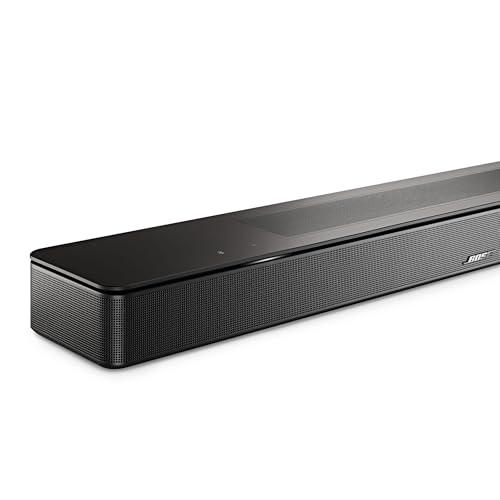
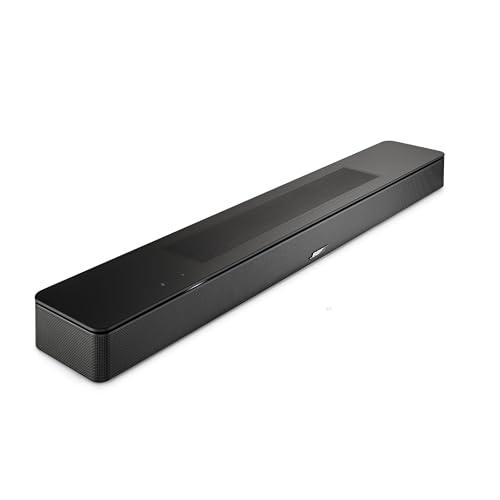
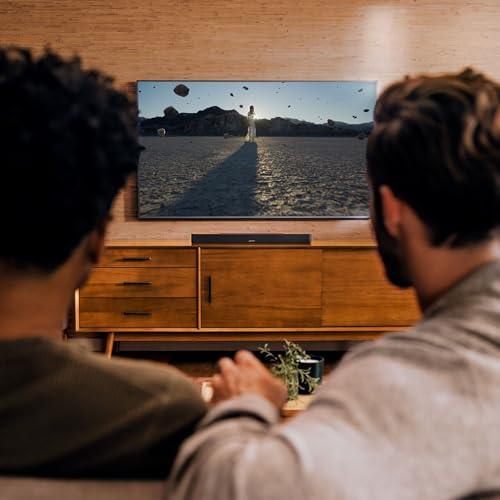
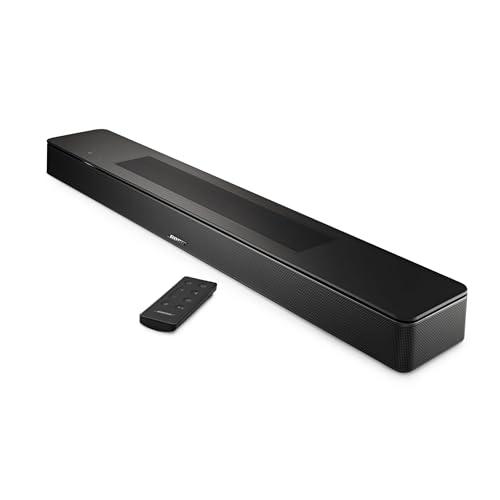
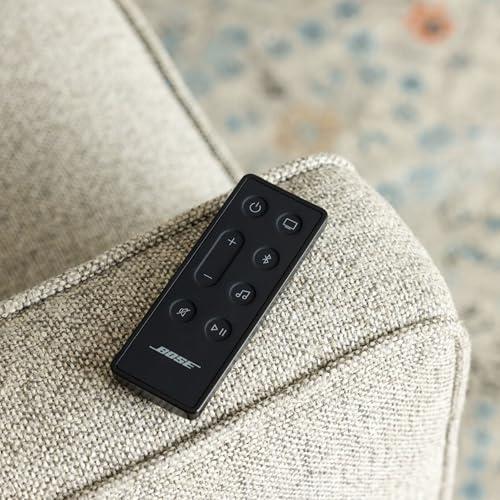
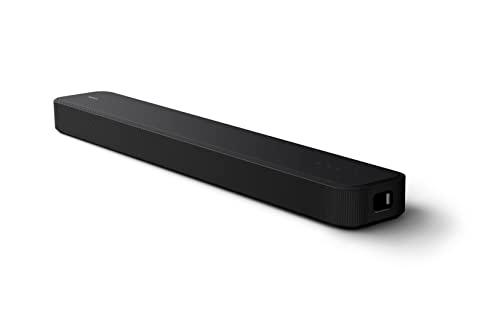

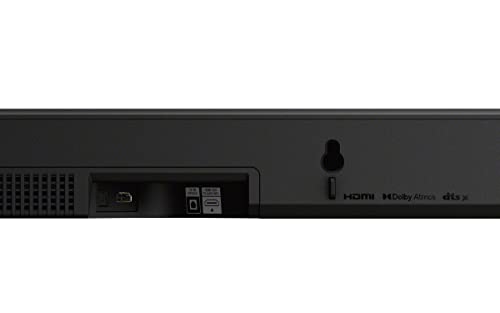
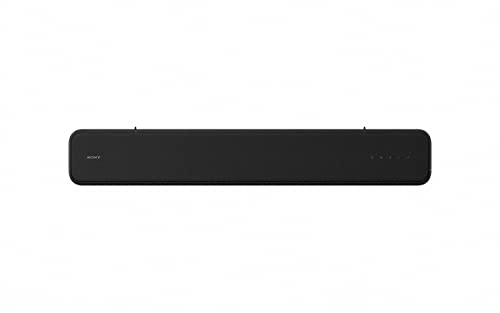
When you're tired of constantly adjusting your TV volume—cranking it up to hear dialogue, then scrambling for the remote when explosions shake the walls—it's time for a soundbar upgrade. But with so many options flooding the market, choosing between premium brands like Bose and Sony can feel overwhelming. Today, we're diving deep into two compelling options: the Bose Smart Soundbar 1100 and the Sony HT-S2000, both designed to deliver that coveted Dolby Atmos experience in a compact package.
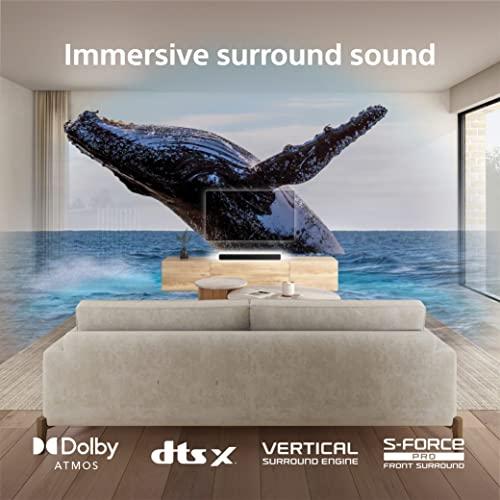
Before we pit these two against each other, let's clarify what we're dealing with. Dolby Atmos is a surround sound technology that creates a three-dimensional audio environment by adding height channels to traditional surround sound. Instead of just hearing sounds from your left, right, and behind you, Atmos lets you hear helicopters flying overhead, rain falling from above, or debris cascading down from the ceiling.
Traditionally, achieving true Atmos required a complex setup with ceiling-mounted speakers or specialized upward-firing speakers placed around your room. Compact Atmos soundbars attempt to recreate this experience using either physical upward-firing drivers that bounce sound off your ceiling, or sophisticated digital signal processing that tricks your brain into perceiving height effects.
The appeal of these compact units is obvious: you get dramatically improved audio over your TV's built-in speakers, plus some degree of surround sound immersion, all from a single sleek bar that fits under your display. The trade-off is that you're never going to achieve the same level of immersion as a full multi-speaker home theater system, but for most living situations, these soundbars represent the sweet spot between performance and practicality.
The Bose Smart Soundbar 1100, released in 2023, represents Bose's approach to premium compact audio. It's positioned as a high-end solution that doesn't compromise on features or build quality. At the time of writing, it commands a premium price that reflects its positioning in Bose's lineup as a serious home theater component.
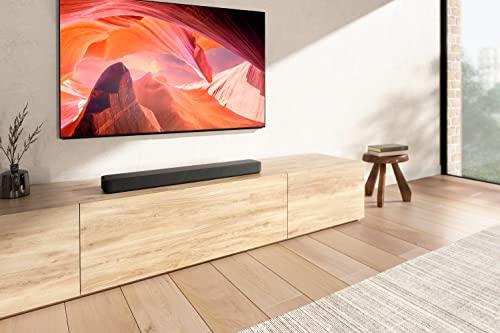
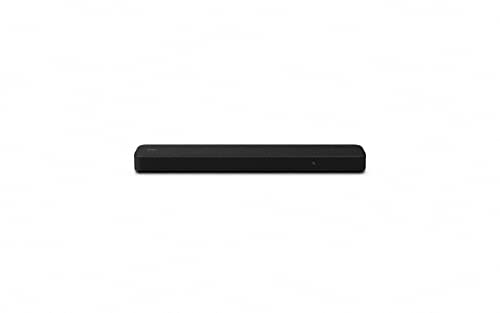
The Sony HT-S2000, also launched in 2023, takes a different approach. Sony engineered this soundbar to deliver maximum performance per dollar, making some strategic compromises to hit a more accessible price point. When it debuted, it was positioned as a mid-range option, but significant price drops since launch have made it an exceptional value proposition.
The Bose Smart Soundbar 1100 employs true upward-firing drivers to create its Dolby Atmos effects. These small speakers, angled toward your ceiling, fire sound upward where it reflects back down to your listening position. This physical approach to height channels can create genuinely convincing overhead effects when your room acoustics cooperate—meaning you have a reasonably flat ceiling of appropriate height and material.
Bose complements these upward-firing drivers with their proprietary PhaseGuide technology, which uses precise digital signal processing to create beams of sound that extend the apparent width of the soundstage beyond the physical dimensions of the bar. The result is a presentation that sounds larger and more spacious than you'd expect from such a compact unit.
What consistently impresses about the Bose Smart Soundbar 1100 is its restraint and accuracy. Bose has tuned this soundbar for long-term listening satisfaction rather than immediate wow factor. Dialogue remains crystal clear even during complex action sequences, and the overall tonal balance feels natural rather than artificially enhanced. The AI Dialogue Mode is particularly clever—it automatically detects when people are speaking and subtly adjusts the tonal balance to bring voices forward without making the processing obvious or unnatural.
The Sony HT-S2000 takes a more aggressive approach to sound reproduction. Rather than using physical upward-firing speakers, Sony relies on their Vertical Surround Engine, which uses psychoacoustic processing—essentially digital tricks that exploit how your brain processes audio—to create the illusion of height effects. While this virtual approach can't match the authenticity of true overhead reflections, it's more consistent across different room types and doesn't depend on your ceiling characteristics.
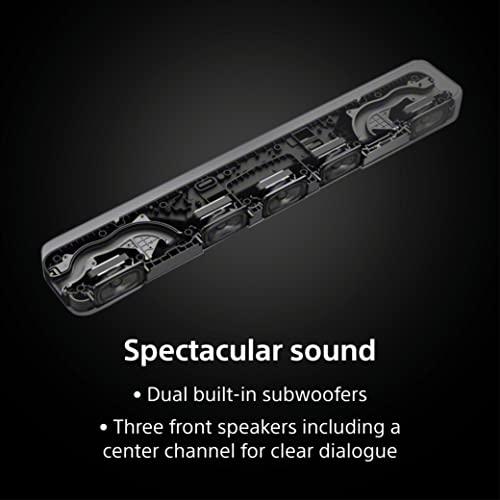
Where the Sony HT-S2000 really shines is in its raw power and low-end impact. Sony has packed dual built-in subwoofers into this compact package, along with 250 watts of amplification driving five active drivers. The X-Balanced Speaker Units, Sony's rectangular driver design, maximize the cone area within the available space while minimizing distortion. The practical result is a soundbar that can fill larger rooms with authoritative bass and crisp highs, making action movies and gaming particularly engaging.
The 3.1 channel configuration means the Sony HT-S2000 has a dedicated center channel speaker specifically for dialogue reproduction. This physical center channel often provides more consistent vocal clarity than virtual center channel processing, especially when you're not seated directly in front of the soundbar.
In our research of professional reviews and user feedback, several key performance characteristics emerge as crucial for these compact Atmos soundbars:
Dialogue Clarity: Both soundbars excel here, but through different methods. The Bose Smart Soundbar 1100 uses AI processing to automatically optimize speech, while the Sony HT-S2000 benefits from its dedicated physical center channel. In practical terms, both will make TV dialogue significantly clearer than your TV's built-in speakers.
Bass Extension: This is where the Sony HT-S2000 has a clear advantage. Its built-in dual subwoofers provide meaningful low-end impact that the Bose Smart Soundbar 1100 simply can't match without adding an optional subwoofer. For action movies, gaming, or bass-heavy music, this difference is immediately apparent.
Maximum Volume: The Sony's more powerful amplification and aggressive tuning allow it to play significantly louder without distortion. If you have a large room or prefer your audio with more impact, this becomes a crucial advantage.
Spatial Immersion: The Bose's true upward-firing drivers provide more convincing height effects in acoustically favorable rooms. The Sony's virtual processing is more consistent but less immersive at its best.
Tonal Balance: The Bose Smart Soundbar 1100 maintains better tonal accuracy across different volume levels and content types, while the Sony emphasizes excitement over neutrality.
Modern soundbars are expected to be more than just audio devices—they're smart home components that integrate with your digital ecosystem. This is where the Bose Smart Soundbar 1100 demonstrates its premium positioning most clearly.
The Bose Smart Soundbar 1100 includes built-in Amazon Alexa, complete with Voice4Video technology that extends Alexa's capabilities to control your TV and cable box. This means you can use voice commands not just for music and smart home control, but also to change channels, adjust volume, or launch streaming apps on your TV.
Wi-Fi connectivity enables AirPlay 2, Chromecast, and Spotify Connect, giving you multiple ways to stream music wirelessly. The soundbar integrates seamlessly with other Bose smart speakers for multiroom audio, and the Bose Music app provides intuitive control over all these features.
Perhaps most interesting is the Personal Surround Sound feature, which lets you pair Bose Ultra Open Earbuds to act as rear surround speakers for private listening. It's a unique solution to the eternal problem of wanting immersive surround sound without disturbing others.
The Sony HT-S2000 takes a more basic approach to smart features. Bluetooth 5.2 handles wireless music streaming, and the Sony Home Entertainment Connect app provides control and setup functions. If you own a Sony BRAVIA TV, the integration is seamless with unified remote control and synchronized power functions.
What the Sony lacks in smart features, it makes up for in simplicity. There's no complex setup process for voice assistants or streaming services—you connect it to your TV via HDMI, pair your phone via Bluetooth, and you're ready to go.
Both soundbars offer upgrade paths, but with different philosophies and cost implications.
The Bose Smart Soundbar 1100 can be expanded with optional Bass Modules (500 or 700 models) and Surround Speakers, all connecting wirelessly. The modular approach is elegant, but the cost of a full system can escalate quickly. A Bass Module adds several hundred dollars to the total system cost, which changes the value equation significantly.
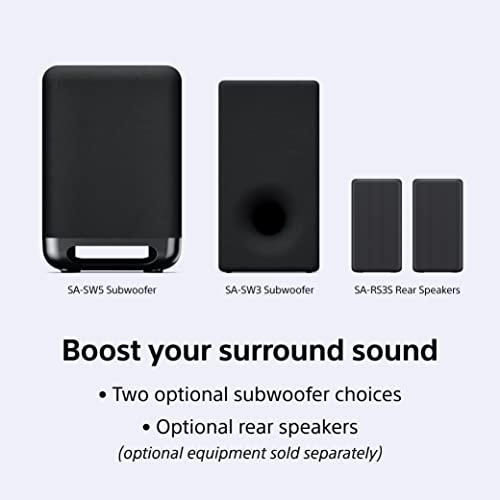
The Sony HT-S2000 supports Sony's SA-SW3 and SA-SW5 wireless subwoofers, plus SA-RS3S rear speakers. The expansion options are more limited than Bose's ecosystem, but the lower base price provides more budget headroom for additions.
At the time of writing, the pricing gap between these soundbars is substantial, making the value comparison quite clear-cut for most buyers.
The Sony HT-S2000 delivers exceptional performance for its current price point. You're getting a 3.1 channel system with built-in bass, 250 watts of power, and both Dolby Atmos and DTS:X support. While the smart features are limited and the Atmos effects are virtual rather than true, the core audio performance rivals more expensive systems.
The Bose Smart Soundbar 1100 commands a premium price that reflects its advanced features, build quality, and brand positioning. You're paying for true Dolby Atmos implementation, comprehensive smart features, premium materials, and the Bose brand reputation. However, to match the Sony's bass impact, you'd need to add a Bass Module, pushing the total system cost significantly higher.
This creates an interesting decision matrix: the Sony provides better immediate value and performance, while the Bose offers a more premium experience and upgrade path for those willing to invest more.
For dedicated home theater use, several factors become particularly important:
Room Size: Larger rooms favor the Sony HT-S2000 due to its higher power output and built-in bass. The Bose Smart Soundbar 1100 is better suited to small-to-medium rooms where its refined approach and true Atmos effects can shine.
Ceiling Height and Material: If you have optimal conditions for upward-firing speakers—a flat, reflective ceiling at 8-10 feet—the Bose's true Atmos implementation provides superior immersion. Vaulted ceilings, acoustic tiles, or very high ceilings favor the Sony's virtual approach.
Content Preferences: Action movie enthusiasts and gamers will appreciate the Sony's dynamic impact and powerful bass. Those who prioritize dialogue-heavy content like dramas or documentaries may prefer the Bose's refined vocal clarity and balanced presentation.
Viewing Habits: Late-night viewing benefits from the Bose's more controlled dynamics and Night Mode processing, while daytime viewing in larger spaces favors the Sony's room-filling capabilities.
You want maximum performance for your budget and don't mind sacrificing some smart features. The Sony HT-S2000 is ideal for action movie fans, gamers, or anyone with a larger room who needs serious volume and bass impact. It's also the smart choice if you already own Sony devices and want seamless integration, or if you prefer simple setup over extensive connectivity options.
The Sony makes particular sense for buyers who want to experience Dolby Atmos without the premium price tag, understanding that virtual height effects, while less immersive than true overhead speakers, still provide a significant upgrade over standard soundbar audio.
You prioritize audio refinement, smart home integration, and long-term expandability over immediate value. The Bose Smart Soundbar 1100 is perfect for users who want the convenience of voice control, comprehensive streaming options, and the ability to build a complete wireless surround system over time.
This soundbar makes sense for smaller rooms with good acoustics for Atmos reflections, users who value brand reputation and premium build quality, or those who want a single device that handles both excellent TV audio and multiroom music streaming duties.
Both soundbars succeed in their intended roles, but they're targeting different priorities and budgets. The Sony HT-S2000 represents exceptional value, delivering impressive performance including built-in bass at a price point that makes premium audio accessible to more buyers. Its straightforward approach and powerful output make it an easy recommendation for most users seeking an Atmos upgrade.
The Bose Smart Soundbar 1100 justifies its premium pricing through superior build quality, true Atmos implementation, and comprehensive smart features. It's the choice for buyers who want a premium audio experience and don't mind paying for refinement and expandability.
For most buyers, the Sony provides better overall value and immediate satisfaction. But if smart features, true Dolby Atmos, and premium brand experience matter more than pure value, the Bose delivers on its promises—just be prepared to invest more for comparable bass performance.
The choice ultimately depends on your priorities: maximum performance per dollar (Sony) or premium features and refinement (Bose). Both will dramatically improve your TV audio experience; the question is what else you want from your investment.
| Bose Smart Soundbar 1100 | Sony HT-S2000 3.1ch Dolby Atmos Soundbar |
|---|---|
| Channel Configuration - Determines audio separation and clarity | |
| 3.0.2 channels with center tweeter | 3.1 channels with built-in dual subwoofers |
| Dolby Atmos Implementation - Critical for overhead sound effects | |
| True upward-firing drivers (authentic ceiling reflections) | Virtual processing via Vertical Surround Engine |
| Total Power Output - Affects maximum volume and dynamic range | |
| Not specified (estimated lower power) | 250W total amplification |
| Bass Performance - Essential for movies and music impact | |
| Requires optional Bass Module ($300-400 extra) | Dual built-in subwoofers included |
| Smart Features - Convenience and ecosystem integration | |
| Built-in Alexa, Wi-Fi, AirPlay 2, Chromecast, multiroom | Bluetooth 5.2 only, basic app control |
| Audio Format Support - Compatibility with different content sources | |
| Dolby Atmos, Dolby Digital variants (no DTS support) | Dolby Atmos, DTS:X, full DTS suite, high-res audio |
| Dimensions - Space requirements under TV | |
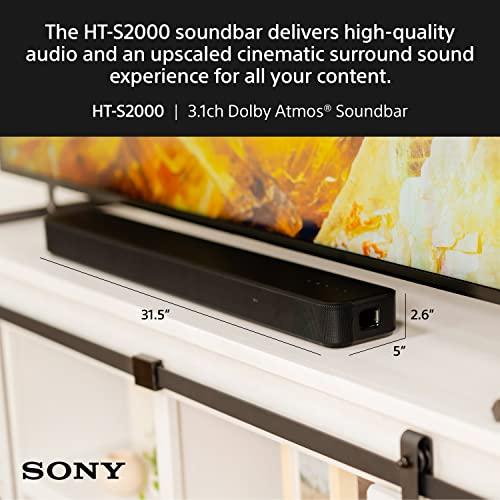
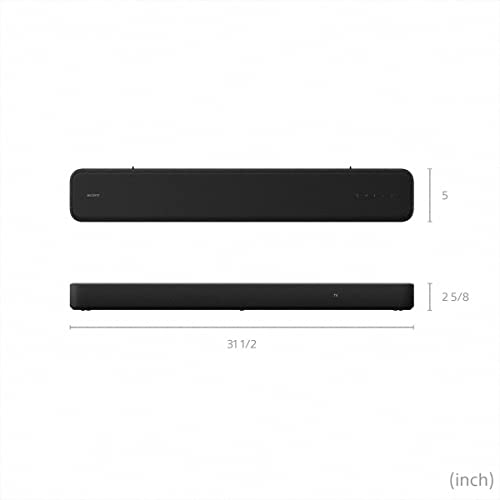
| 27.3" W × 2.2" H × 4.6" D | 31.5" W × 2.6" H × 5.0" D |
| Connectivity Options - How you connect devices | |
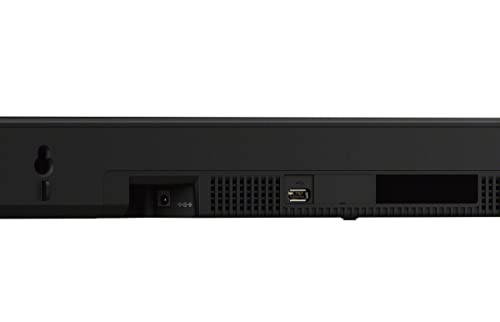
| HDMI eARC, Optical, 3.5mm IR blaster | HDMI eARC, Optical, USB Type-A |
| Room Size Suitability - Performance in different spaces | |
| Small to medium rooms (refined presentation) | Medium to large rooms (higher output capability) |
| Expandability - Future upgrade options | |
| Bose Smart Soundbar 1100 wireless bass modules and surrounds | Sony HT-S2000 compatible subwoofers and rear speakers |
| Voice Control - Hands-free operation | |
| Built-in Amazon Alexa with Voice4Video | Compatible with external Google/Alexa devices |
| Music Streaming - Wireless audio options | |
| Wi-Fi streaming, Spotify Connect, multiroom audio | Bluetooth only, no network streaming |
The Sony HT-S2000 provides exceptional value with built-in dual subwoofers, 250W amplification, and 3.1 channel audio at a significantly lower price point. The Bose Smart Soundbar 1100 costs more but includes premium features like true Dolby Atmos, built-in Alexa, and comprehensive streaming capabilities. For pure performance per dollar, the Sony wins decisively.
Yes, both the Bose Smart Soundbar 1100 and Sony HT-S2000 support Dolby Atmos, but through different methods. The Bose uses true upward-firing drivers that bounce sound off your ceiling for authentic overhead effects. The Sony uses virtual processing called Vertical Surround Engine to simulate height effects without physical upward-firing speakers.
The Sony HT-S2000 is better suited for large rooms due to its 250W power output and built-in dual subwoofers that can fill bigger spaces with impactful sound. The Bose Smart Soundbar 1100 is optimized for small to medium rooms where its refined audio presentation and true Atmos effects work best.
The Bose Smart Soundbar 1100 can be expanded with optional Bass Module 500 or 700 subwoofers that connect wirelessly. The Sony HT-S2000 already includes built-in dual subwoofers but can also be paired with Sony's SA-SW3 or SA-SW5 wireless subwoofers for even more bass impact.
The Bose Smart Soundbar 1100 offers comprehensive smart features including built-in Amazon Alexa, Wi-Fi connectivity, AirPlay 2, Chromecast, and multiroom audio capabilities. The Sony HT-S2000 has basic smart features with Bluetooth 5.2 for music streaming and app control, but lacks Wi-Fi and voice assistant integration.
Both soundbars excel for movies and TV, but in different ways. The Sony HT-S2000 delivers more dynamic impact for action movies with its powerful amplification and built-in bass. The Bose Smart Soundbar 1100 provides superior dialogue clarity through AI processing and more immersive surround effects with true Dolby Atmos implementation.
The Sony HT-S2000 is simpler to set up with basic HDMI and optical connections plus straightforward Bluetooth pairing. The Bose Smart Soundbar 1100 requires more initial setup for Wi-Fi, voice assistant configuration, and streaming services, but offers guided setup through the Bose Music app.
The Bose Smart Soundbar 1100 supports multiple wireless streaming options including Wi-Fi, AirPlay 2, Chromecast, and Spotify Connect, plus Bluetooth. The Sony HT-S2000 only supports Bluetooth 5.2 for wireless music streaming, with no Wi-Fi or network streaming capabilities.
The Sony HT-S2000 is generally better for gaming due to its higher power output, built-in bass response, and dynamic sound signature that enhances action and effects. Both soundbars support low-latency audio formats, but the Sony's more impactful presentation suits gaming better than the Bose Smart Soundbar 1100's refined approach.
The Sony HT-S2000 includes built-in dual subwoofers, so no separate subwoofer is required for good bass performance. The Bose Smart Soundbar 1100 produces respectable bass but benefits significantly from adding an optional Bass Module for deep low-end impact, especially for movies and music.
Both soundbars excel at dialogue clarity through different approaches. The Bose Smart Soundbar 1100 uses AI Dialogue Mode that automatically optimizes vocal frequencies, while the Sony HT-S2000 benefits from a dedicated center channel speaker. Both provide significantly clearer speech than TV speakers, with slight edge to the Bose for consistency across content types.
Yes, both the Bose Smart Soundbar 1100 and Sony HT-S2000 can be wall mounted. The Bose requires a separately sold mounting bracket, while the Sony includes a wall mounting template. Both maintain their audio performance when wall mounted, though the Bose Smart Soundbar 1100 includes a Wall EQ setting to optimize sound for mounted installation.
We've done our best to create useful and informative comparisons to help you decide what product to buy. Our research uses advanced automated methods to create this comparison and perfection is not possible - please contact us for corrections or questions. These are the sites we've researched in the creation of this article: bestbuy.com - rtings.com - rtings.com - youtube.com - staples.com - youtube.com - soundguys.com - businessinsider.com - youtube.com - rtings.com - crutchfield.com - youtube.com - youtube.com - smart.dhgate.com - dolby.com - bose.com - assets.bose.com - bose.com - connection.com - bestbuy.com - cdw.com - dell.com - device.report - techradar.com - valueelectronics.com - youtube.com - videoandaudiocenter.com - whathifi.com - hometheaterhifi.com - youtube.com - sony.com - rtings.com - whathifi.com - rtings.com - helpguide.sony.net - electronics.sony.com - sony.com - dolby.com - sony.com - youtube.com - youtube.com

Privacy Policy
Terms and Conditions - Affiliate Policy
Home Security
© Copyright 2008-2026.
11816 Inwood Rd #1211, Dallas, TX 75244