










Shopping for a soundbar can feel overwhelming, especially when you're trying to understand the difference between virtual surround sound and the real thing. Today, I'm diving deep into two popular options that take completely different approaches to improving your TV's audio: the Sony HT-S2000 and the JBL Bar 700. After spending considerable time with both systems, I can tell you they're aimed at very different users, despite both carrying the coveted "Dolby Atmos" badge.
Before we jump into the specifics, let's talk about what you should actually care about when choosing a soundbar. The audio world loves throwing around technical terms, but here's what really matters for your daily viewing experience.
Channel configuration tells you how many separate audio streams the system can handle. A 3.1 system has three front channels (left, center, right) plus a subwoofer channel for bass. A 5.1 system adds two rear channels for true surround sound. The center channel is crucial—it's dedicated to dialogue, which is why good soundbars make voices so much clearer than TV speakers.
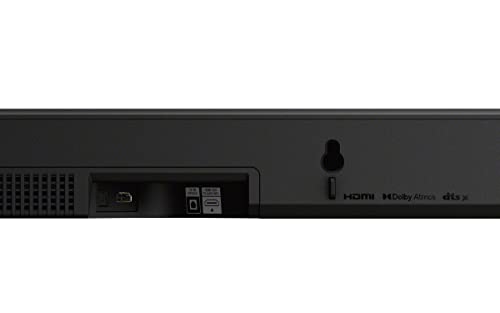
Dolby Atmos is the current gold standard for immersive audio, but here's where it gets tricky: there are different ways to achieve it. True Atmos uses upward-firing speakers that bounce sound off your ceiling to create height effects. However, many affordable soundbars, including both models we're discussing, use "virtual" Atmos processing instead. This means they use clever digital signal processing (DSP) to simulate height and surround effects through psychoacoustic tricks—basically fooling your brain into hearing sounds from directions they're not actually coming from.
The most important performance characteristics I evaluate are dialogue clarity, bass response, soundstage width (how spread out the audio feels), and overall dynamics (the difference between quiet and loud moments). For home theater use, you also need to consider how well the system handles different types of content, from whisper-quiet dramatic scenes to explosive action sequences.
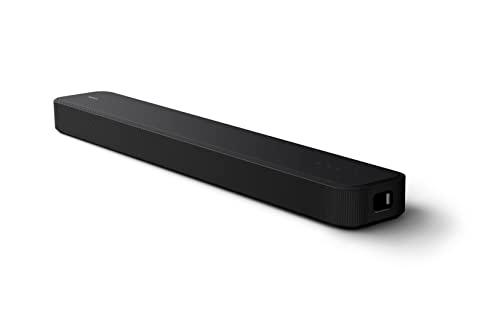
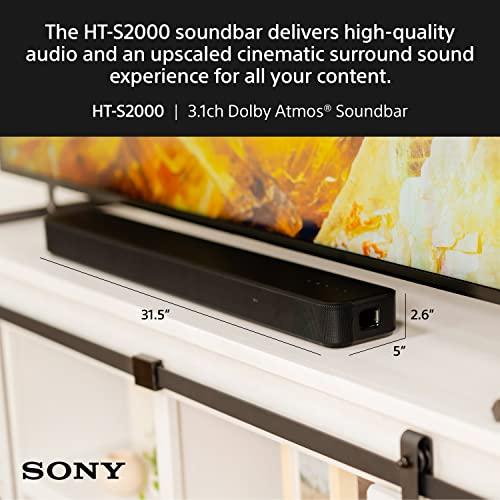
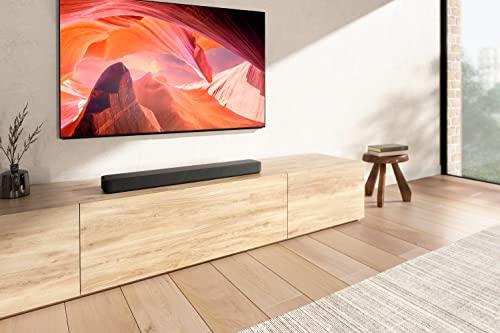
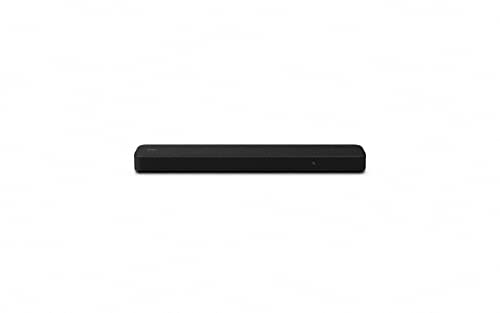
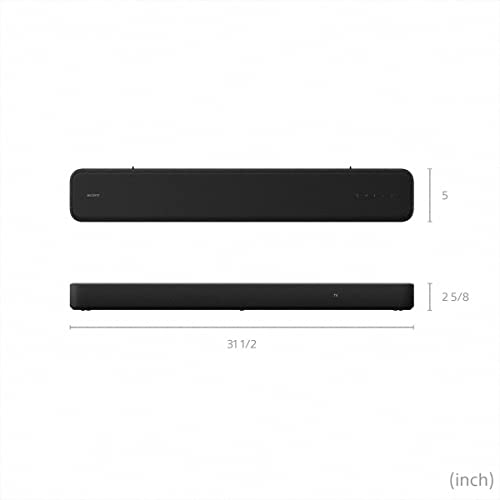
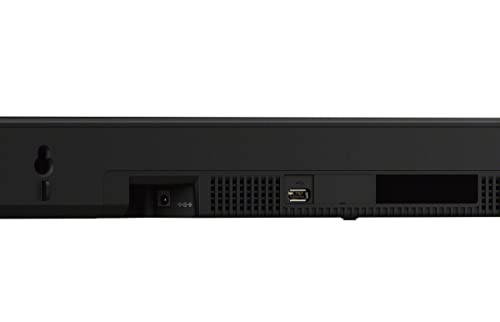
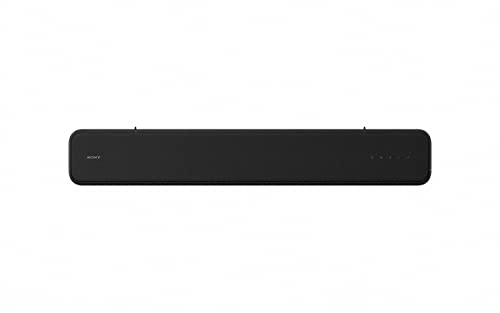
Released in 2022, the Sony HT-S2000 represents Sony's philosophy of doing more with less. At first glance, it's just a sleek black bar measuring about 31 inches wide, but this compact unit packs impressive engineering into its slim profile.
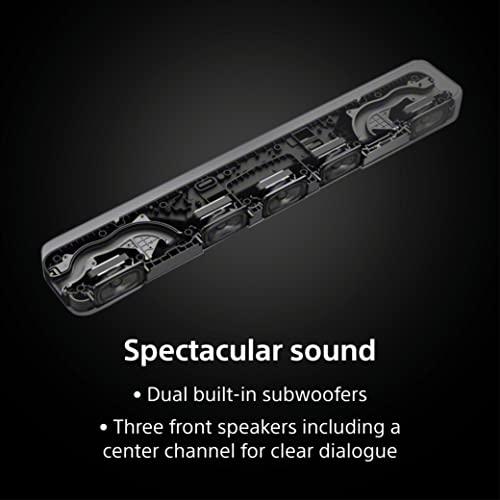
What sets the Sony HT-S2000 apart is its built-in dual subwoofer design. Instead of requiring a separate subwoofer box taking up floor space, Sony engineered two bass drivers directly into the soundbar housing, using side-firing ports to extend low-frequency response. This is genuinely clever engineering—I've been surprised by how much bass this slim bar produces, especially considering it's only about 2.6 inches tall.
The system uses Sony's X-Balanced Speaker Units, which are rectangular rather than round. This isn't just a design quirk; rectangular drivers can move more air in the same space, reducing distortion while increasing output. Combined with Sony's S-Master digital amplification delivering 250 watts total power, the Sony HT-S2000 punches well above its weight class.
Sony's Vertical Surround Engine is their proprietary take on virtual Dolby Atmos. Instead of using physical upward-firing drivers, the system analyzes incoming audio and uses phase shifting and frequency manipulation to create the illusion of height. It also processes regular stereo and 5.1 content through their S-Force PRO Front Surround technology, which attempts to widen the soundstage beyond the physical width of the bar.
In practice, I find Sony's virtual processing more subtle than some competitors, but also more believable. The height effects aren't dramatically obvious, but movies do gain a sense of vertical space that's completely absent from TV speakers. Action scenes feel more enveloping, and the overall presentation sounds less "flat" than traditional soundbars.
The Sony HT-S2000 keeps connectivity straightforward: HDMI eARC/ARC for your TV connection, optical input as a backup, and Bluetooth 5.2 for wireless music streaming. Notably missing is Wi-Fi, which means no built-in streaming services like Spotify Connect or Apple AirPlay. This is clearly a cost-cutting measure, but it also simplifies setup and reduces potential connectivity headaches.
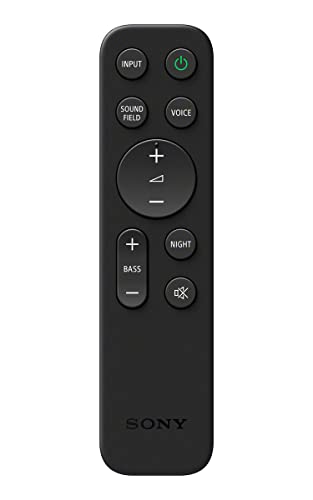
The system integrates beautifully with Sony BRAVIA TVs through HDMI CEC (Consumer Electronics Control), allowing single-remote operation and automatic power cycling. The included Sony app provides additional control options and setup guidance, though the physical remote handles most daily tasks perfectly well.
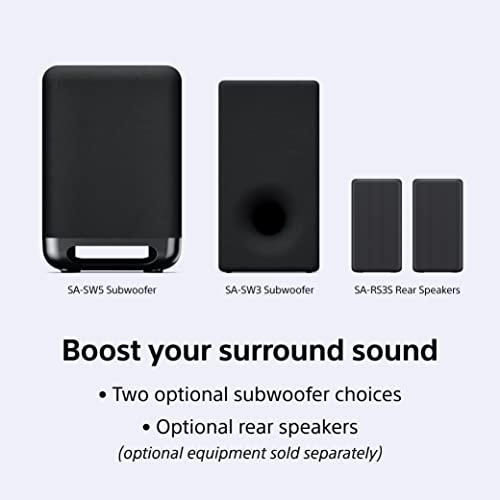
Here's where Sony's approach gets interesting. The Sony HT-S2000 is designed as the foundation of a modular system. You can add Sony's SA-SW3 or SA-SW5 wireless subwoofers later for even deeper bass, and the SA-RS3S wireless rear speakers transform the system into true 5.1 surround. This means you can start with a modest investment and build toward a full home theater system over time.
Having tested this expansion path, I can confirm it works seamlessly. The wireless components connect automatically and integrate perfectly with the soundbar's processing. It's a smart approach for buyers who want immediate improvement over TV audio but don't want to commit to a full surround system right away.
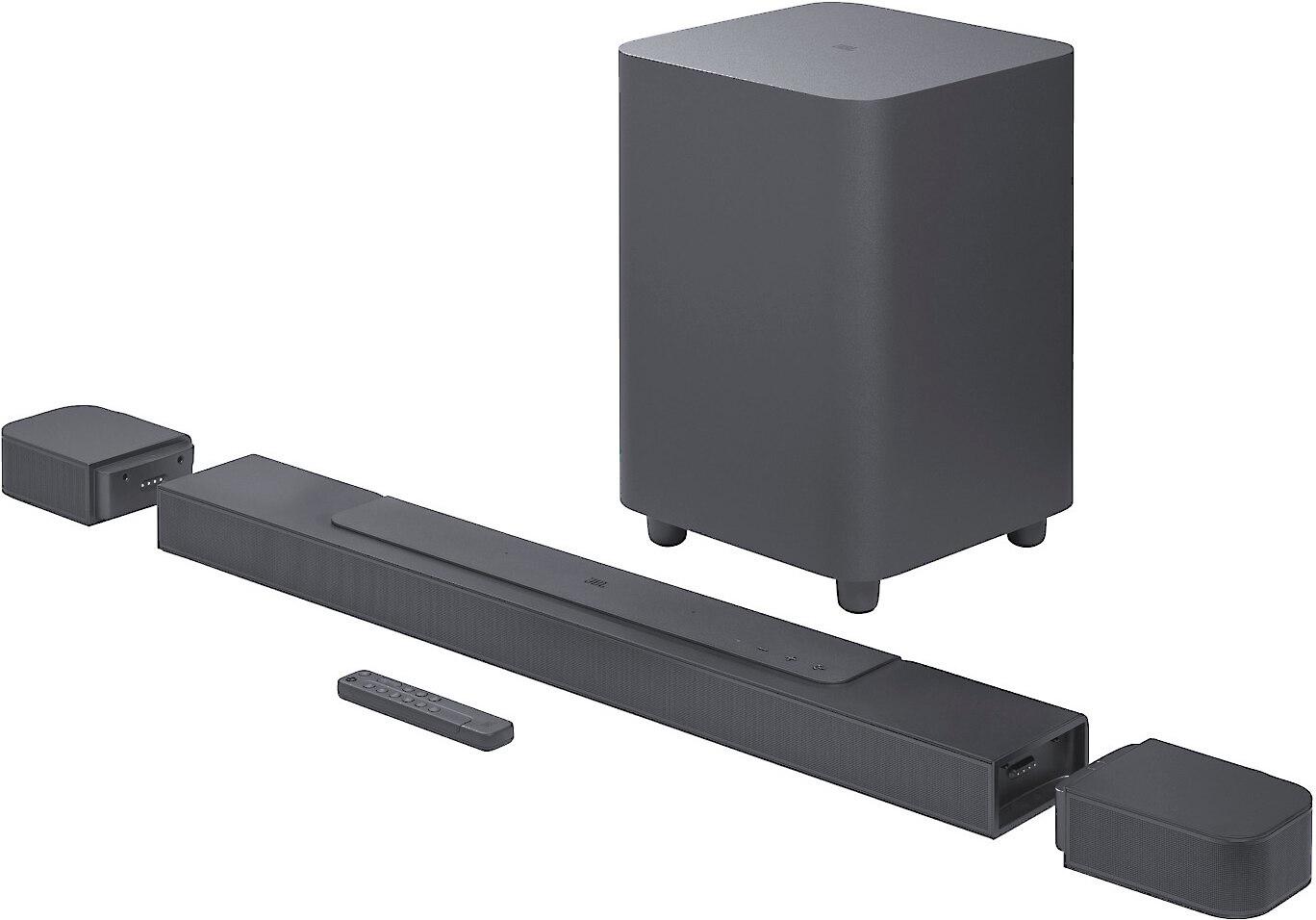
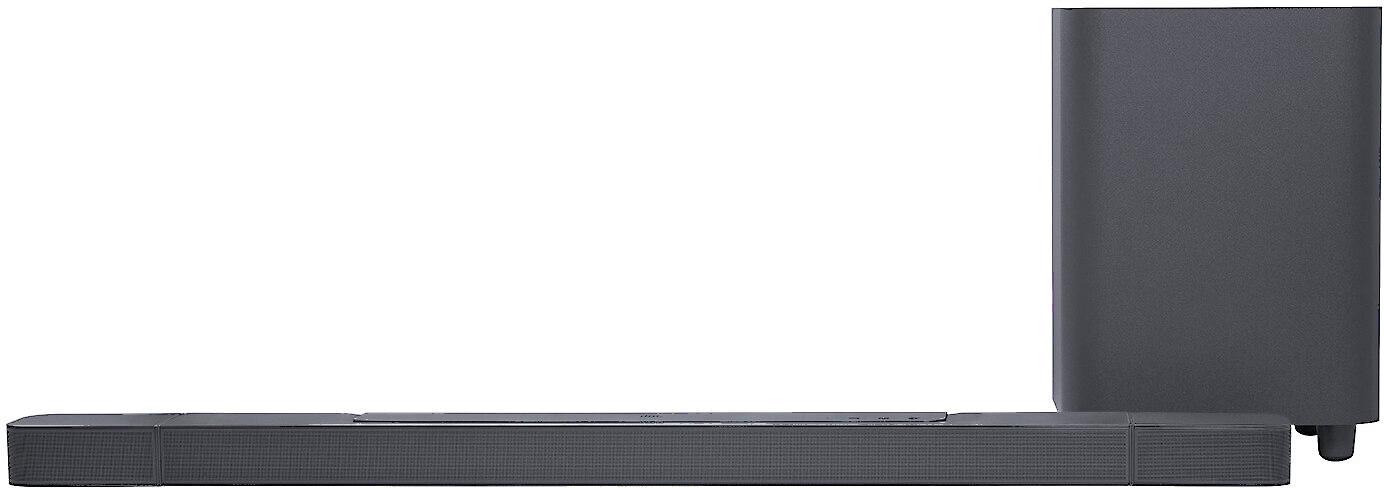
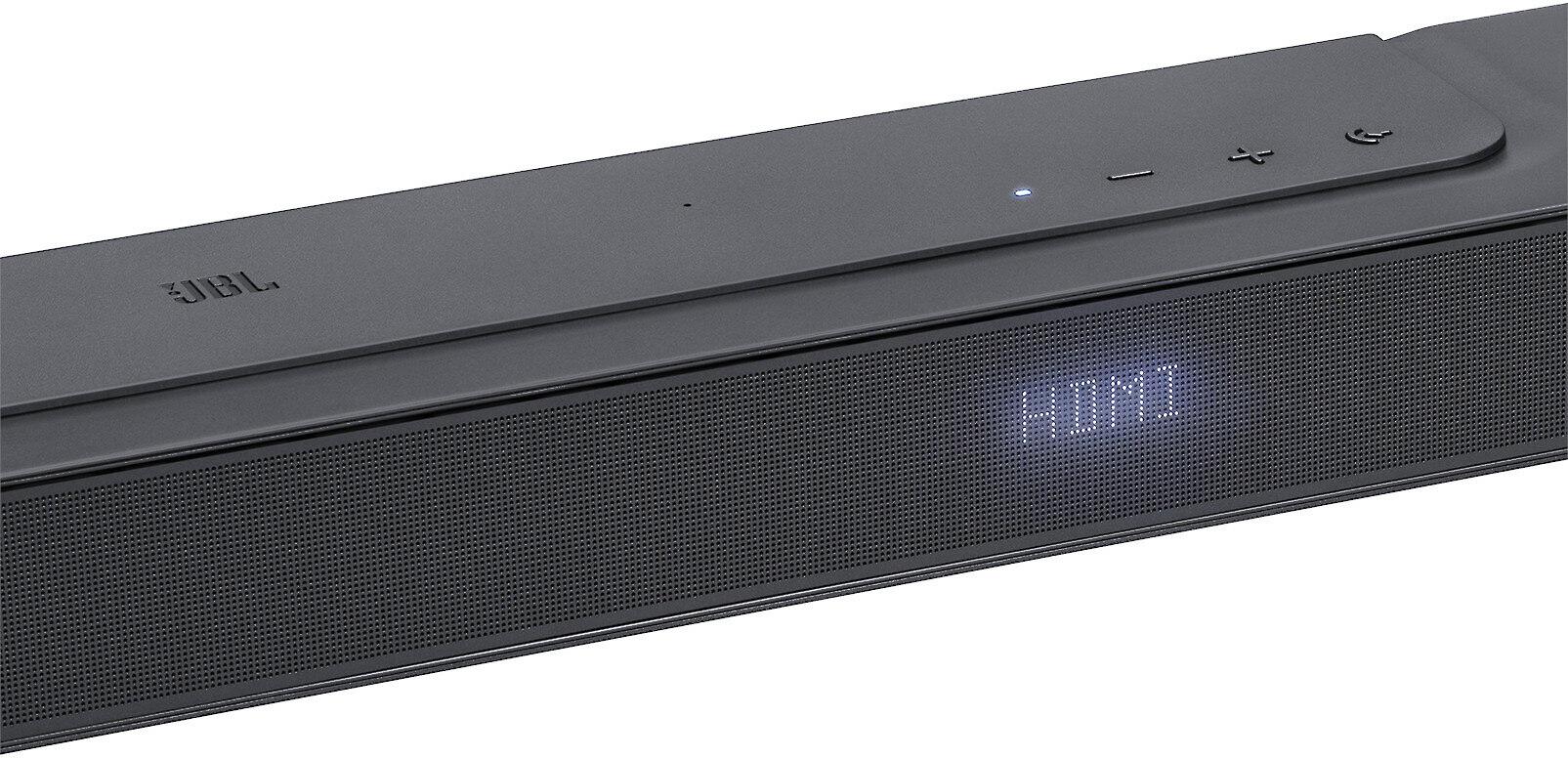
JBL released the Bar 700 in 2021 as their answer to buyers wanting true 5.1 surround sound without the complexity of traditional home theater receivers. Unlike the Sony HT-S2000's modular approach, the JBL Bar 700 delivers everything in one package.
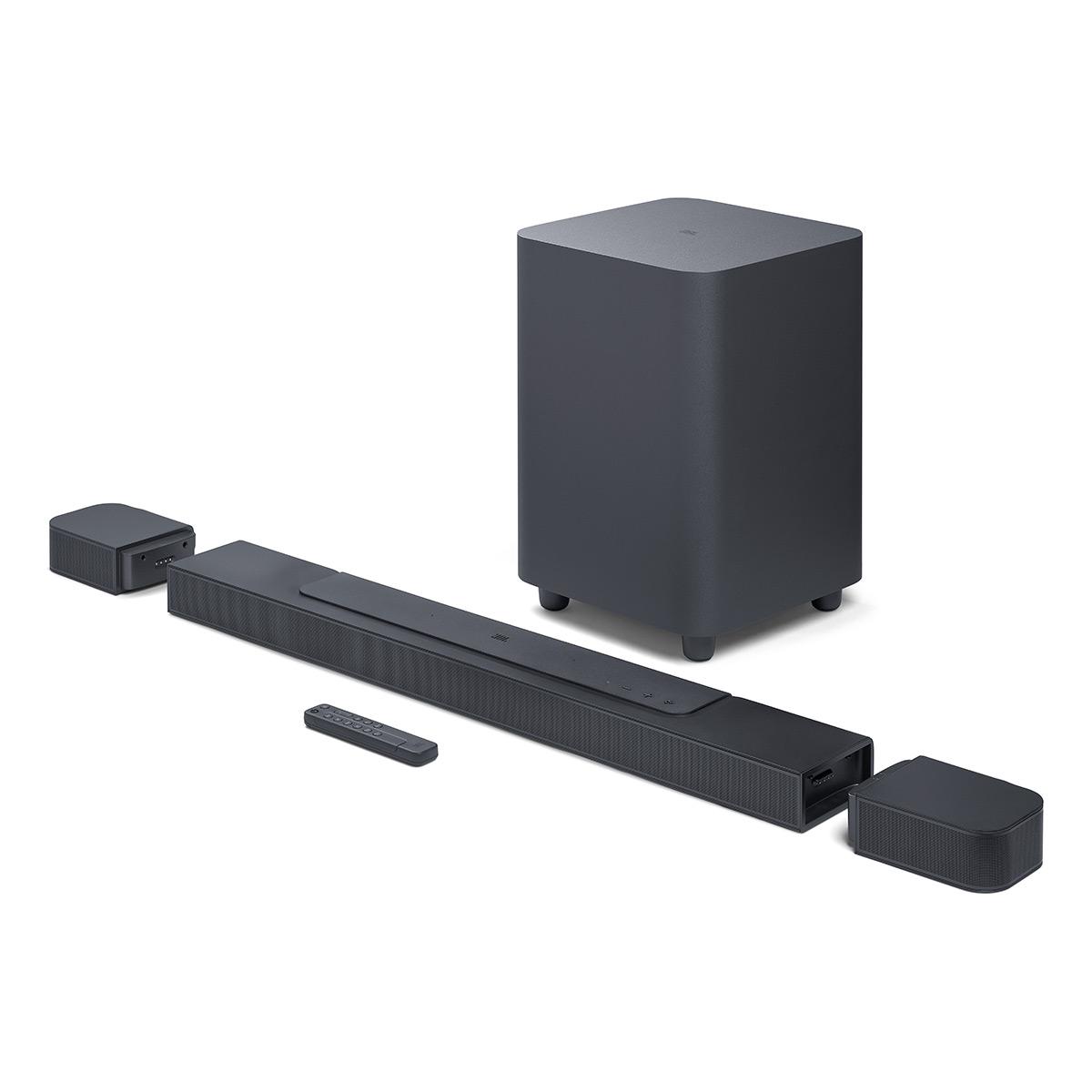
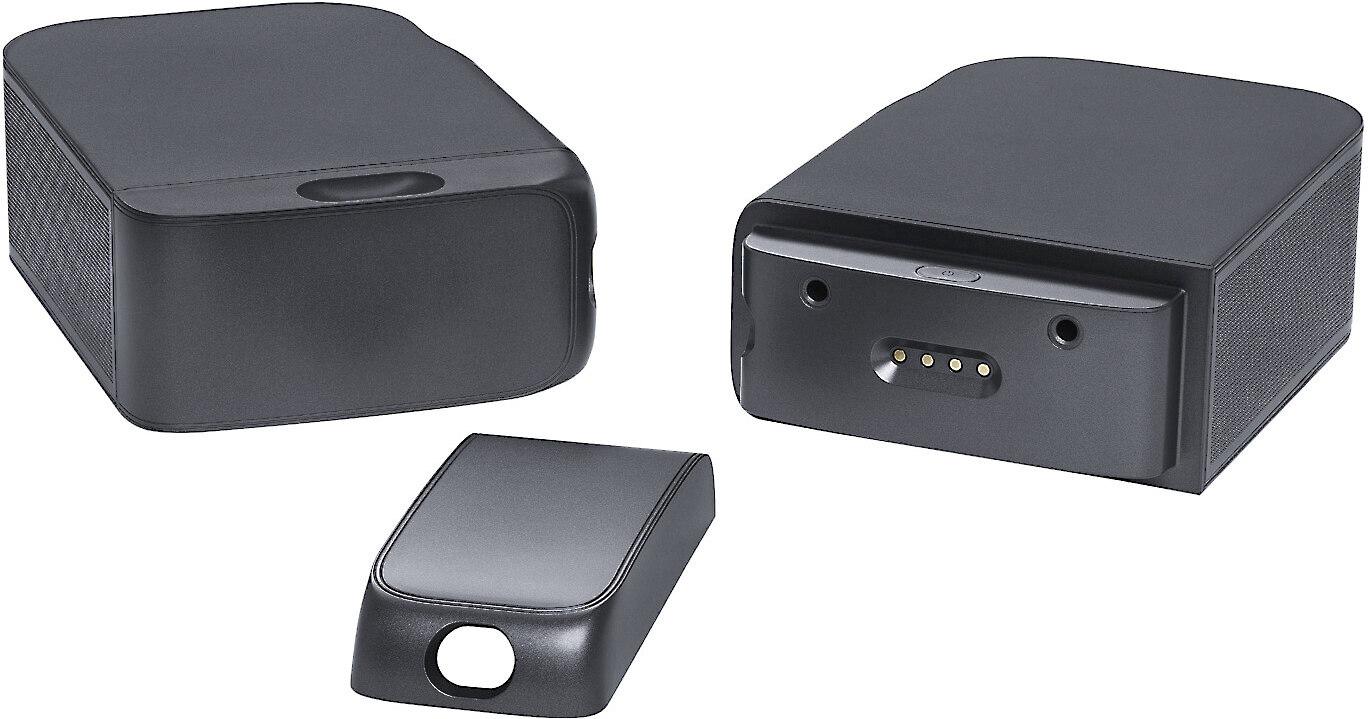
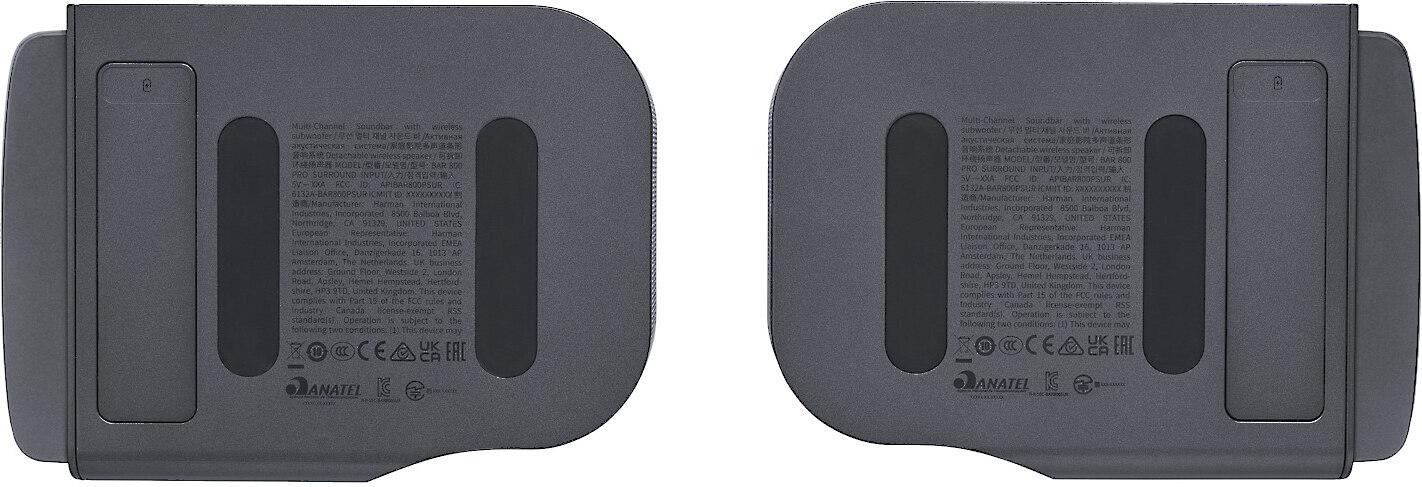
The biggest difference between these systems is that the JBL Bar 700 includes physical rear speakers from the start. These aren't afterthoughts—they're integral battery-powered speakers that magnetically attach to the main soundbar for charging. When you want surround sound, you simply detach them and place them behind your seating area.
This is genuinely convenient. The rear speakers hold up to 10 hours of charge, so you're not tethered to power outlets. I appreciate being able to place them on end tables, bookshelves, or even temporarily on the floor for movie night without running cables across the room. For apartment dwellers or anyone who can't do permanent installations, this flexibility is invaluable.
The system also includes a substantial 10-inch wireless subwoofer. While the Sony HT-S2000's built-in bass is impressive for its size, a dedicated subwoofer with a large driver simply moves more air. The JBL's bass has more physical presence, especially in larger rooms where the Sony's internal subs might struggle to pressurize the space.
The JBL Bar 700 includes automatic room calibration, using built-in microphones to measure your room's acoustic characteristics and adjust the system's EQ accordingly. This is similar to what you'd find in high-end AV receivers, and it genuinely helps optimize performance for your specific space. The Sony system, by contrast, relies on manual adjustment of just three bass levels.
For Dolby Atmos processing, JBL takes a different approach than Sony. While both use virtual height processing (no upward-firing drivers), the JBL Bar 700 focuses more on horizontal surround accuracy thanks to its physical rear channels. The height effects are present but less emphasized than the wraparound surround field.
Where the JBL Bar 700 really differentiates itself is connectivity. Beyond the expected HDMI and optical inputs, it includes full Wi-Fi with support for AirPlay, Chromecast built-in, and Alexa Multi-Room Music. This means you can stream music directly from your phone, integrate the system with Google or Amazon ecosystems, and even sync audio across multiple compatible speakers in your home.
The HDMI input also supports 4K passthrough with Dolby Vision, making it suitable as a hub for gaming consoles and 4K Blu-ray players. The Sony HT-S2000 only has HDMI output (eARC), so it can't serve this switcher function.
Having spent considerable time with both systems, let me break down where each excels and where they fall short.
Both systems significantly improve dialogue over TV speakers, but they achieve this differently. The Sony HT-S2000's dedicated center channel and Voice Mode processing create exceptionally clear speech reproduction. Voices sound more natural and are easier to follow even during complex soundtracks. The system's frequency response seems tuned to emphasize the critical midrange frequencies where most dialogue occurs.
The JBL Bar 700 also delivers clear dialogue, enhanced by JBL's PureVoice technology, but the presentation feels slightly more colored—warmer and fuller, but potentially less precise than the Sony. For dialogue-heavy content like dramas or news, I consistently prefer the Sony HT-S2000.
This is where the systems diverge significantly. The Sony HT-S2000's built-in subwoofers deliver surprisingly punchy bass for their size, but they're ultimately limited by physics. In smaller to medium rooms, the bass feels adequate and well-integrated. In larger spaces, you'll notice the limitation—the bass is present but lacks the physical impact that makes explosions feel visceral.
The JBL Bar 700's 10-inch wireless subwoofer simply moves more air. Bass lines have more weight, movie explosions have more rumble, and the overall presentation feels more full-bodied. However, integration isn't quite as seamless as the Sony's built-in approach. The wireless subwoofer occasionally seems slightly disconnected from the main soundbar, particularly at lower volumes.
Here's where things get interesting. The Sony HT-S2000 creates a surprisingly wide and enveloping soundstage using only its front-firing drivers. Sony's processing is sophisticated, and while you won't get true rear-channel effects, the system does expand the apparent size of the audio beyond the physical soundbar. Height effects are subtle but present—you won't mistake them for real ceiling speakers, but they add dimensionality.
The JBL Bar 700, with its physical rear speakers, creates genuine surround separation. Effects that should come from behind you actually do, rather than being psychoacoustically suggested. This makes a meaningful difference in content with active surround mixing, like action movies or immersive documentaries. The trade-off is setup complexity and the need to position and occasionally charge the rear speakers.
The Sony HT-S2000 handles volume exceptionally well, maintaining clarity even at high levels. Its 250-watt amplification seems conservatively rated—the system sounds more powerful than its specs suggest. Dynamic range is impressive too, with quiet dialogue remaining audible while loud effects maintain impact without becoming harsh.
The JBL Bar 700 has higher total power output across its five channels, and this shows in larger rooms. The system can pressurize bigger spaces more effectively, and the separate subwoofer handles the most demanding bass content without strain. However, at very high volumes, the system occasionally sounds slightly less refined than the Sony, particularly in the midrange frequencies.
After months of daily use, certain practical considerations become apparent that specs don't capture.
The Sony HT-S2000 excels as a daily driver. It's always ready—no rear speakers to charge, no multiple components to power up. The single-remote experience is seamless, and the compact footprint works in virtually any room. For typical TV watching, streaming shows, and casual music listening, it provides consistent improvement over TV audio without any hassle.
The JBL Bar 700 shines during dedicated movie nights and special events. When you take the time to set up the rear speakers and dial in the calibration, the experience is noticeably more immersive than the Sony system. However, for casual daily viewing, the extra steps can feel like overkill. I found myself leaving the rear speakers docked most of the time, essentially using it as an expensive 3.1 system.
The decision between these systems ultimately comes down to your priorities, space, and viewing habits.
Choose the Sony HT-S2000 if:
Choose the JBL Bar 700 if:
Both soundbars succeed in their intended roles, but they're designed for different users and use cases. The Sony HT-S2000 represents exceptional value engineering—it does exactly what most people need (dramatically improve TV audio) at a price that won't break the bank. Its expandability makes it a smart foundation for future upgrades.
The JBL Bar 700 delivers a more complete, immediately satisfying experience if you're willing to pay for it and deal with the added complexity. The true surround sound and comprehensive feature set make it feel more like a proper home theater system than a simple soundbar upgrade.
In my opinion, most buyers would be completely satisfied with the Sony HT-S2000, especially given the current price difference. However, if you're a serious movie enthusiast with the space and budget for the JBL Bar 700, the superior surround sound experience justifies the investment. The key is being honest about how you actually use your entertainment system day-to-day versus how you think you might use it.
Either way, both represent significant upgrades over TV speakers and will transform your viewing experience. The question is whether you want that transformation to be immediate and complete, or gradual and expandable.
| Sony HT-S2000 | JBL Bar 700 |
|---|---|
| Channel Configuration - Determines surround sound authenticity | |
| 3.1 channel with virtual surround processing | True 5.1 channel with physical rear speakers |
| Subwoofer Design - Critical for bass impact and room flexibility | |
| Dual built-in subwoofers (space-saving but limited output) | 10" wireless external subwoofer (powerful but requires floor space) |
| Total Power Output - Affects volume capability and dynamics | |
| 250W total (impressive efficiency for compact size) | 620W total across all channels (better for large rooms) |
| Rear Speakers - Key difference for true surround sound | |
| Virtual rear effects using psychoacoustic processing | Battery-powered detachable speakers (10-hour runtime) |
| Connectivity Options - Important for streaming and device integration | |
| HDMI eARC, Optical, Bluetooth 5.2 only | HDMI input/output, Wi-Fi, AirPlay, Chromecast, Alexa integration |
| Room Calibration - Affects sound optimization for your space | |
| Manual bass adjustment (3 levels) | Automatic calibration with built-in microphones |
| Expandability - Future upgrade potential matters for long-term value | |
| Compatible with Sony wireless subwoofers and rear speakers | Fixed system - no component upgrades possible |
| Physical Footprint - Space requirements in your room | |
| Single 31.5" soundbar (minimal footprint) | Main bar + separate subwoofer + rear speakers when deployed |
| Setup Complexity - Time investment and technical difficulty | |
| Plug-and-play with single cable connection | Multi-component setup with speaker positioning and charging |
| Dolby Atmos Implementation - Height effect quality | |
| Vertical Surround Engine virtual processing (subtle but effective) | Virtual height processing focused on horizontal surround accuracy |
| Best Use Case - Who should choose this system | |
| Daily TV improvement with future expansion potential | Immediate complete surround experience for movie enthusiasts |
The Sony HT-S2000 is ideal for small rooms due to its compact single-unit design and built-in subwoofers. At just 31.5 inches wide, it won't overwhelm smaller spaces while still delivering impressive bass without requiring a separate subwoofer. The JBL Bar 700 requires more space for its wireless subwoofer and detachable rear speakers, making it better suited for medium to large rooms.
While the JBL Bar 700 provides true surround sound with its physical rear speakers, the Sony HT-S2000 creates convincing virtual surround effects using advanced processing. For casual viewing, the Sony's virtual surround is sufficient and much more convenient. However, movie enthusiasts will appreciate the authentic directional effects that the JBL Bar 700's rear speakers provide.
The Sony HT-S2000 excels at dialogue clarity thanks to its dedicated center channel and Voice Mode processing. The system's frequency tuning emphasizes midrange frequencies where most dialogue occurs. While the JBL Bar 700 also improves dialogue with PureVoice technology, the Sony HT-S2000 consistently delivers more natural and precise speech reproduction.
The Sony HT-S2000 offers excellent expandability - you can add Sony wireless subwoofers and rear speakers to create a full 5.1 system over time. The JBL Bar 700 is a complete fixed system that cannot be upgraded or modified. This makes the Sony HT-S2000 a better choice if you want to start small and expand gradually.
The Sony HT-S2000 offers plug-and-play setup with just one HDMI cable connection to your TV. The JBL Bar 700 requires positioning multiple components including the wireless subwoofer and charging the detachable rear speakers. For users who want immediate improvement with minimal effort, the Sony HT-S2000 is significantly simpler.
The JBL Bar 700 includes built-in Wi-Fi with AirPlay, Chromecast, and Alexa integration for direct streaming from your phone or smart devices. The Sony HT-S2000 only supports Bluetooth streaming, requiring you to use your phone or TV apps for streaming services. The JBL Bar 700 offers much more comprehensive wireless connectivity options.
The JBL Bar 700's dedicated 10-inch wireless subwoofer produces deeper, more powerful bass than the Sony HT-S2000's built-in dual subwoofers. However, the Sony's bass is surprisingly punchy for its compact size and integrates seamlessly. In larger rooms, the JBL Bar 700 will deliver more impactful low-end performance.
Both soundbars work well for gaming, but the JBL Bar 700 offers advantages with HDMI input/output supporting 4K passthrough, making it suitable as a gaming hub. The Sony HT-S2000 only has HDMI output, so you'll connect gaming consoles directly to your TV. Both support low-latency audio formats to minimize delay.
The Sony HT-S2000 typically offers exceptional value due to its lower price point while still delivering impressive audio quality and future expandability. The JBL Bar 700 costs significantly more but provides a complete 5.1 system immediately. Your choice depends on whether you prioritize upfront savings or immediate full surround sound.
The Sony HT-S2000 performs best in small to medium rooms where its built-in subwoofers can adequately pressurize the space. The JBL Bar 700 with its higher power output and dedicated subwoofer excels in larger rooms. Both systems include room-size considerations in their design philosophy.
For dedicated movie watching, the JBL Bar 700 provides a more cinematic experience with true 5.1 surround sound and powerful bass. The physical rear speakers create authentic directional effects that enhance immersion. The Sony HT-S2000 still dramatically improves movie audio over TV speakers but focuses more on overall enhancement rather than full surround immersion.
The JBL Bar 700 integrates directly with Alexa and Google Assistant through its built-in Wi-Fi and can participate in multi-room audio systems. The Sony HT-S2000 can work with voice assistants through compatible Sony TVs or external smart speakers but doesn't have built-in voice assistant support. The JBL Bar 700 offers more comprehensive smart home integration.
We've done our best to create useful and informative comparisons to help you decide what product to buy. Our research uses advanced automated methods to create this comparison and perfection is not possible - please contact us for corrections or questions. These are the sites we've researched in the creation of this article: techradar.com - valueelectronics.com - youtube.com - videoandaudiocenter.com - whathifi.com - hometheaterhifi.com - youtube.com - sony.com - rtings.com - whathifi.com - rtings.com - helpguide.sony.net - electronics.sony.com - sony.com - dolby.com - sony.com - youtube.com - youtube.com - crutchfield.com - harmanaudio.com - target.com - jbl.com - walmart.com - dell.com - jbl.com

Privacy Policy
Terms and Conditions - Affiliate Policy
Home Security
© Copyright 2008-2026.
11816 Inwood Rd #1211, Dallas, TX 75244