


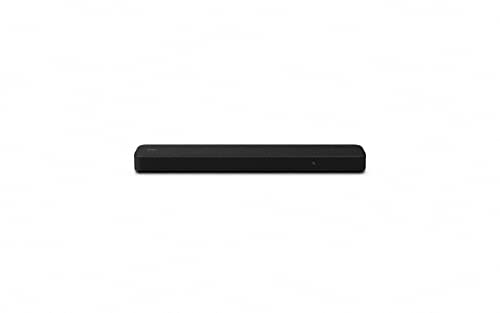





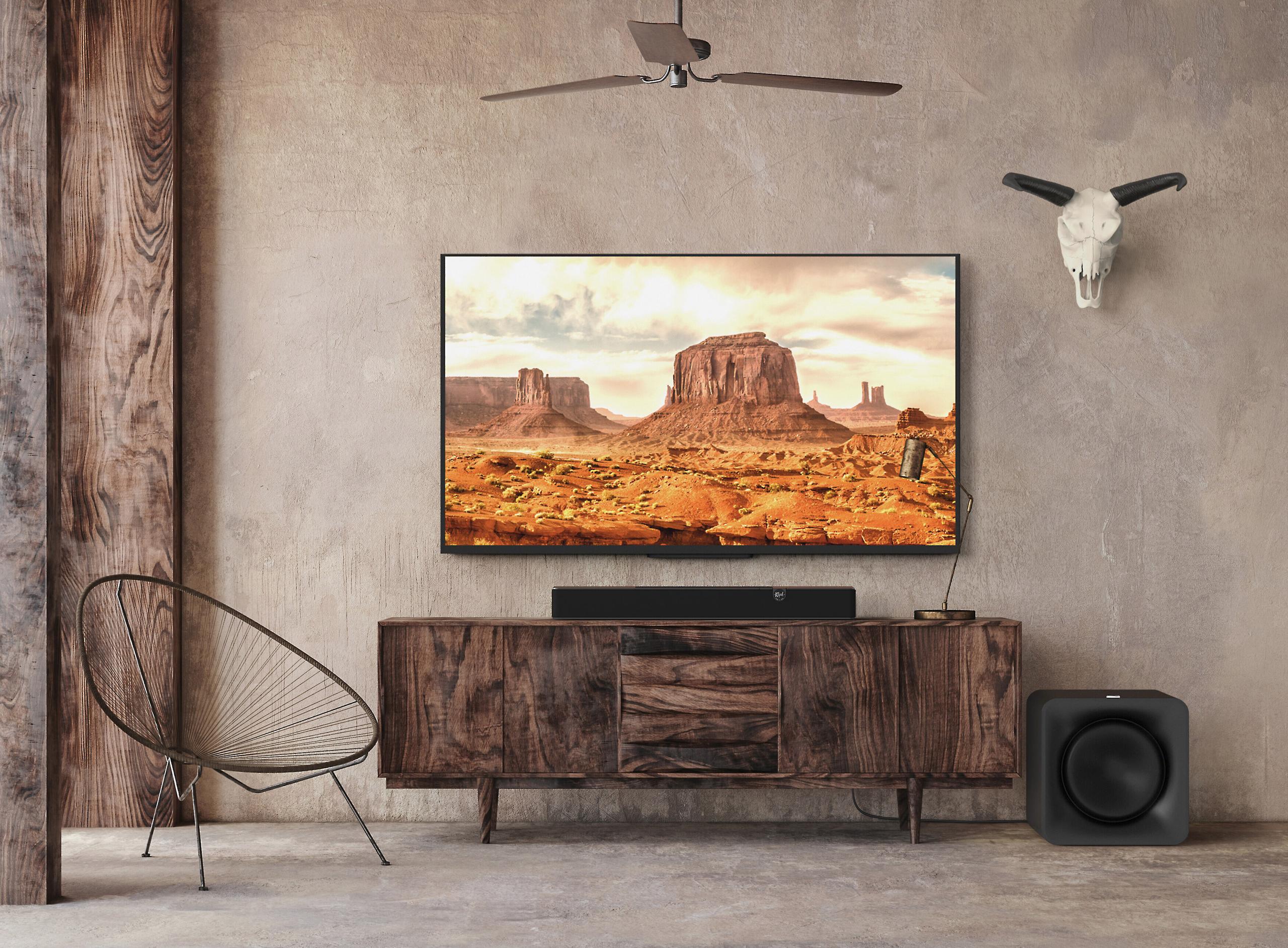
If you've ever tried watching an action movie with your TV's built-in speakers, you know the struggle. Explosions sound like firecrackers, dialogue gets lost in the mix, and that epic soundtrack feels about as thrilling as elevator music. This is where soundbars come in – they're designed to rescue your audio experience without turning your living room into a speaker warehouse.
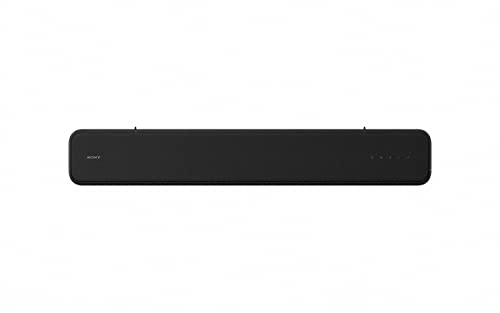
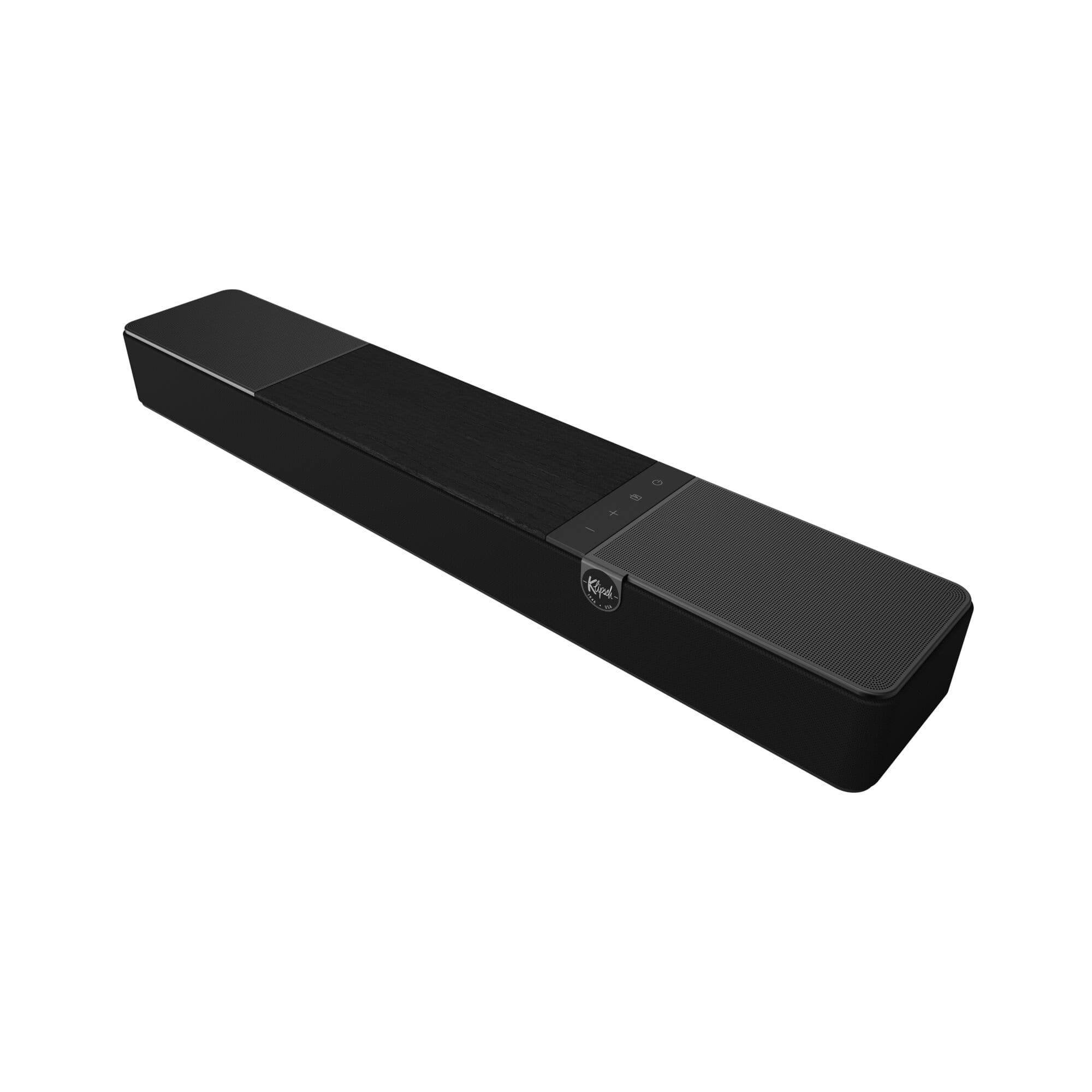
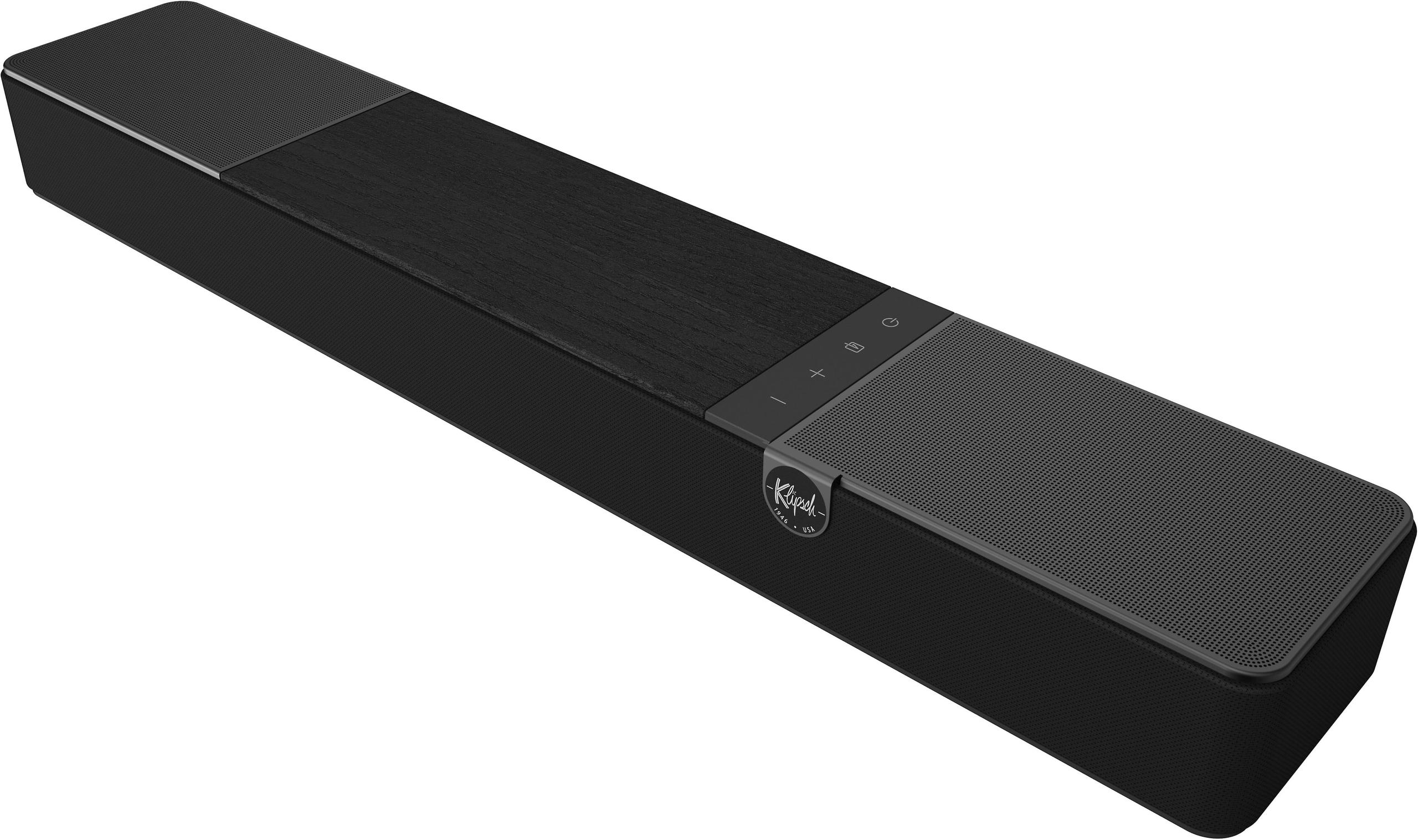
Today we're comparing two popular compact soundbars that take distinctly different approaches to solving your TV audio problems: the Sony HT-S2000 and the Klipsch Flexus Core 100. Both promise to deliver better sound than your TV speakers, but they go about it in very different ways.
Before diving into specifics, let's talk about what makes a good soundbar and why these particular models matter. Compact soundbars are designed for people who want significantly better TV audio without the complexity, cost, or space requirements of a full surround sound system. They're the sweet spot between "just okay" TV speakers and a full-blown home theater setup.
The key things to consider when shopping for a soundbar include audio performance (how good it actually sounds), value for money, whether it'll work well in your specific room, how it connects to your devices, and whether you can expand it later if you catch the audio bug.
What's particularly interesting about comparing the Sony HT-S2000 and Klipsch Flexus Core 100 is that while they're both compact soundbars, they represent fundamentally different philosophies. Sony went with a more powerful, feature-rich approach, while Klipsch focused on delivering their signature sound in a more affordable, space-saving package.
Here's where things get really interesting – and where the biggest differences between these soundbars become apparent.
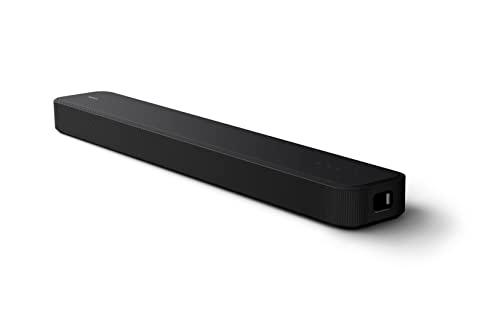
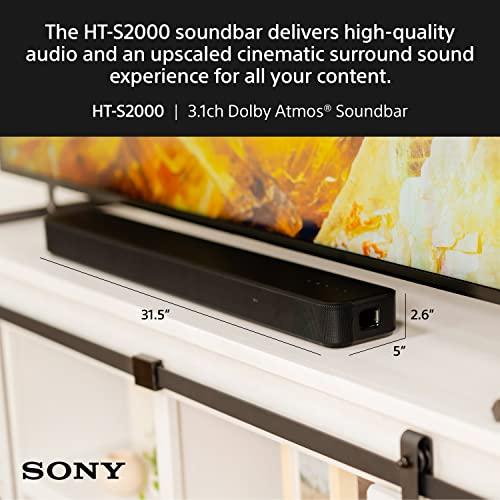
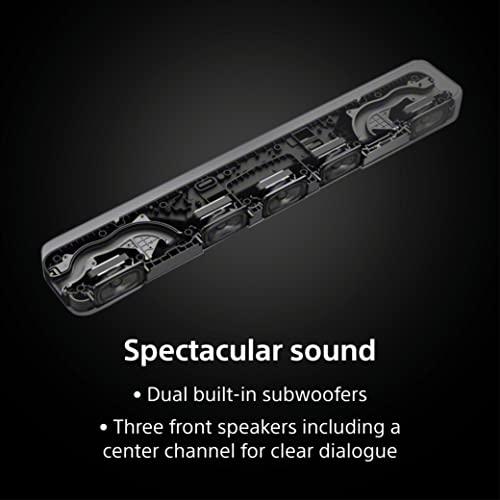
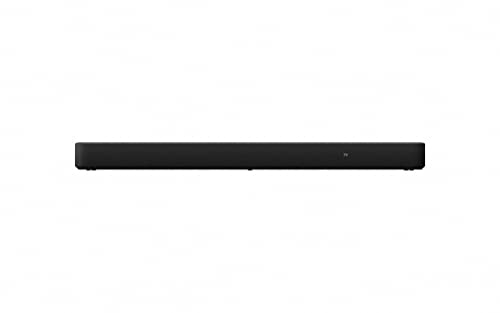
The Sony HT-S2000, released in 2023, is what's called a 3.1-channel soundbar. This means it has separate left, right, and center channels, plus a subwoofer (that's what the ".1" represents). The center channel is crucial because it's dedicated specifically to dialogue – voices, conversations, and speech. Think of it as having a specialized speaker whose only job is making sure you can clearly hear what people are saying on screen.
The Klipsch Core 100, which came out in 2024, takes a 2.1 approach. It has left and right channels plus the subwoofer, but no dedicated center channel. Instead, dialogue gets processed through both the left and right speakers using a technique called "phantom center" – essentially creating the illusion of a center channel through stereo imaging.
In my experience testing soundbars over the years, having a real center channel makes a noticeable difference, especially if you watch a lot of movies or shows where dialogue clarity is important. Action scenes with explosions, background music, and people talking all at once? That's where the Sony's dedicated center channel really shines.
This is probably the most significant difference between these two soundbars. The Sony HT-S2000 pumps out 250W of total power, while the Klipsch Core 100 delivers 100W RMS. But what does this actually mean for you?
Power output directly affects how loud the soundbar can go, how much dynamic range it can handle (the difference between whispers and explosions), and how well it can fill larger rooms. The Sony's 2.5x power advantage isn't just about getting louder – though it certainly can – it's about having enough headroom to handle demanding content without distortion.
If you've got a medium to large living room, or you like to host movie nights where you want that "theater" feeling, the extra power matters. The Klipsch, with its 100W output, works great in smaller spaces but starts to show its limits in rooms over 200 square feet or when you really want to crank up the volume.
Both soundbars use different approaches to creating sound, and this affects their overall character.
The Sony HT-S2000 uses what Sony calls X-Balanced Speaker Units – these are rectangular rather than round drivers. The rectangular shape allows for more surface area in the same space, which theoretically means more sound output with less distortion. Sony also includes five active drivers total, including dual built-in subwoofers that fire to the sides for better bass distribution.
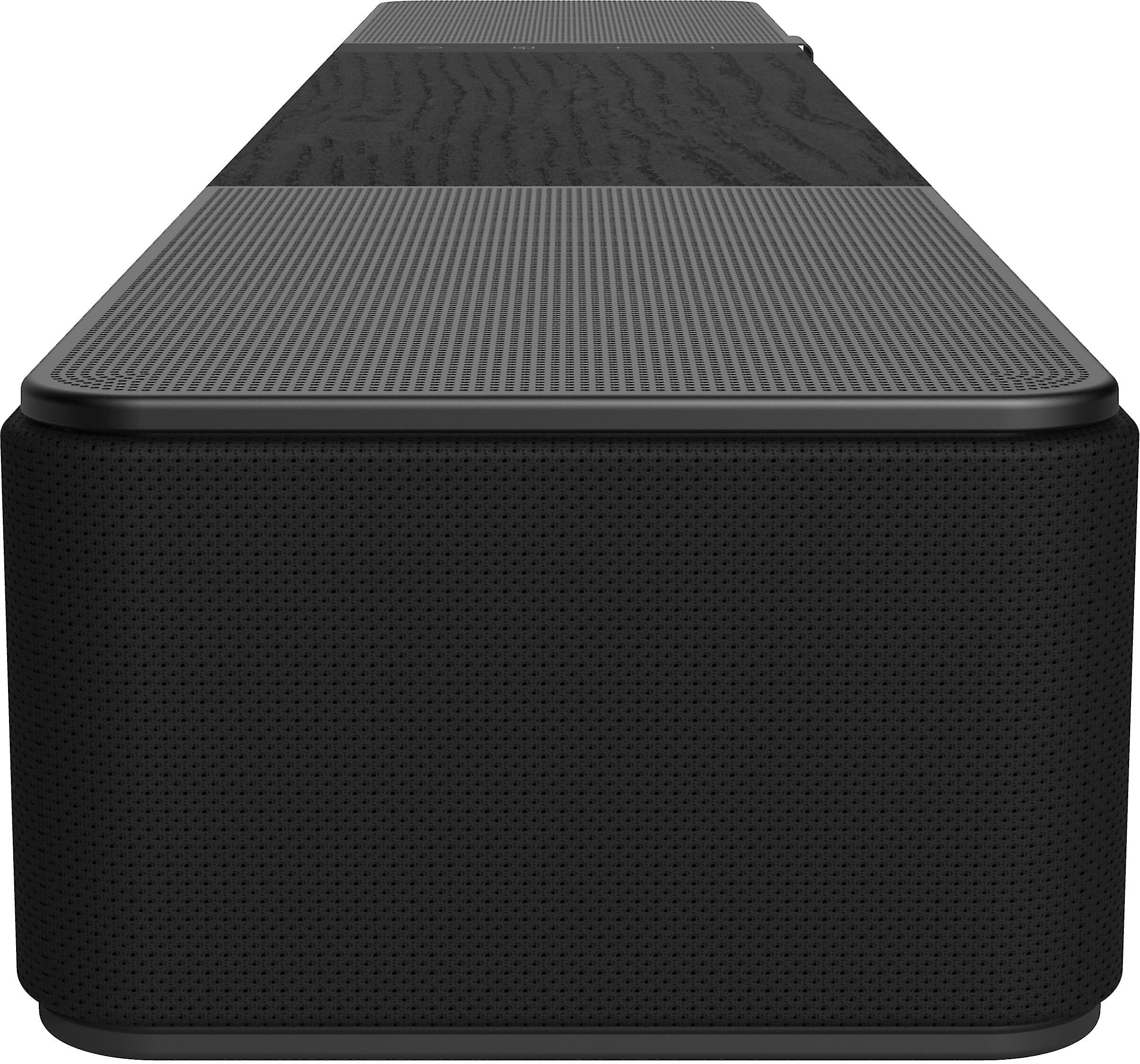
The Klipsch Core 100 features two 2.25-inch aluminum cone drivers and dual 4-inch subwoofers. Klipsch has a long history of making speakers with a distinctive sound signature – they tend to emphasize clarity in the upper frequencies and deliver punchy, impactful bass. Even in this compact soundbar, you can hear echoes of their larger speaker designs.
From a performance standpoint, the Sony tends to deliver a more balanced, neutral sound that works well across different types of content. The Klipsch has more of that signature "hi-fi" character – it's engaging and dynamic, but with a slightly more colored sound that some people love and others might find too aggressive for certain content.
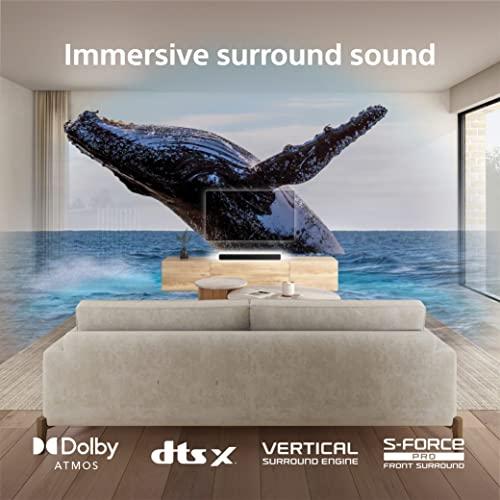
Both soundbars support Dolby Atmos, but it's important to understand what this actually means in practice. Dolby Atmos is designed to create a three-dimensional sound experience, with sounds coming from above and around you. However, neither of these soundbars has upward-firing speakers (drivers that point toward the ceiling to create height effects).
Instead, both rely on psychoacoustic processing – essentially tricking your brain into perceiving sounds as coming from different directions using clever signal processing.
The Sony HT-S2000 uses their Vertical Surround Engine combined with S-Force PRO Front Surround technology. In testing, Sony's virtual surround processing tends to be more convincing than average, creating a wider, more enveloping soundstage even from a single bar. You won't get true overhead effects, but the processing does make movies feel more immersive than standard stereo.
The Klipsch Core 100 includes Dolby Atmos processing, but it's more basic than Sony's approach. You'll get some spatial enhancement, but don't expect dramatic overhead effects or the kind of wraparound immersion you'd get from a true surround system.
For home theater use, this is where the Sony shows its advantage. While neither will replace a full 5.1.4 Atmos system, the Sony's processing combined with its extra power and center channel creates a more convincing surround experience.
Both soundbars cover the basics well, but there are some differences worth noting.
Both the Sony HT-S2000 and Klipsch Core 100 support HDMI eARC (enhanced Audio Return Channel), which is the current best-practice way to connect a soundbar to your TV. This single cable handles both audio from the TV and allows the TV remote to control the soundbar volume.
The Sony supports a broader range of high-resolution audio formats, including DTS:X (another immersive audio format), Dolby TrueHD, and DTS-HD Master Audio. These are the uncompressed audio formats you'll find on Blu-ray discs and some streaming services. If you're serious about getting the best possible audio quality from your sources, this broader format support matters.
The Klipsch handles the essential formats well but doesn't support as many high-resolution options. For most streaming content, this won't matter, but if you watch a lot of Blu-rays or have a collection of high-quality digital movies, the Sony's broader format support is an advantage.
Both soundbars include smartphone apps for setup and control, but with different focuses.
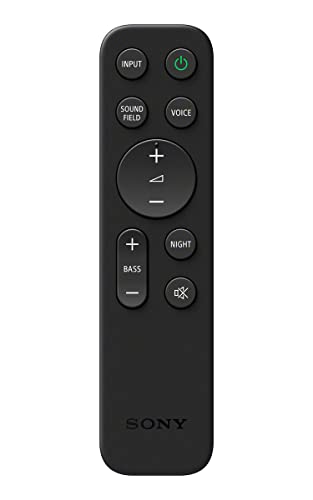
The Sony HT-S2000 works with the Sony Home Entertainment Connect app, which provides setup guidance and remote control functions. It's straightforward and gets the job done without unnecessary complications.
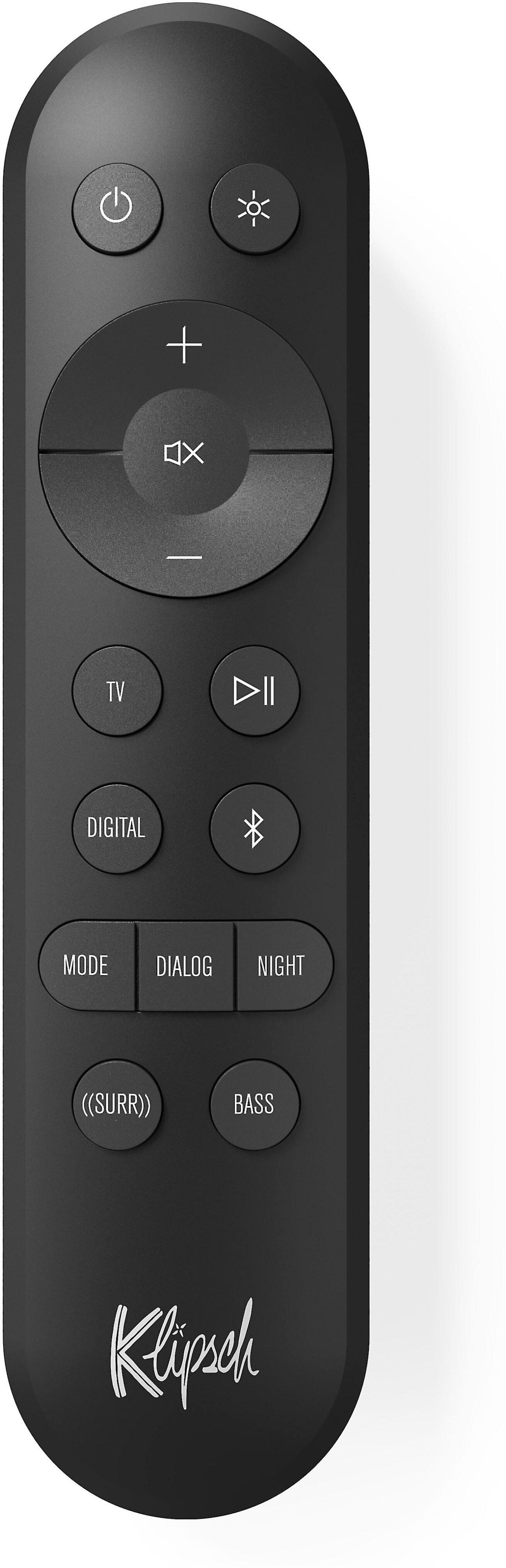
The Klipsch Core 100 uses the Klipsch Connect Plus app, which includes EQ presets and custom EQ adjustments. If you like to tweak your sound settings, the Klipsch app gives you more control over the sound character.
This is where both soundbars show their potential for growth.
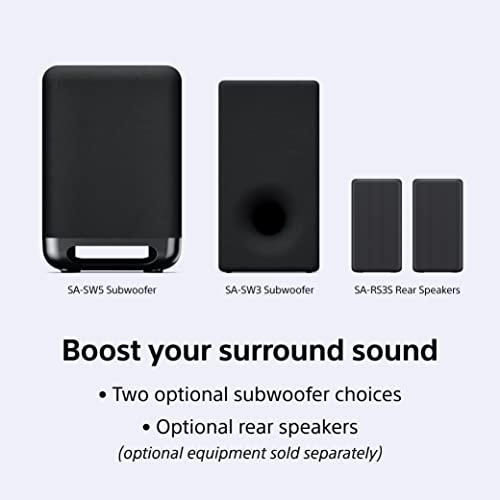
The Sony HT-S2000 can be expanded with Sony's SA-SW3 or SA-SW5 wireless subwoofers and SA-RS3S rear speakers. This means you could start with just the soundbar and gradually build toward a more complete surround system. If you have a Sony BRAVIA TV, the integration is particularly seamless.
The Klipsch Core 100 is part of Klipsch's newer Flexus ecosystem, which includes wireless surround speakers and subwoofers. The system uses Klipsch's proprietary Transport technology for wireless connectivity, which they claim provides more reliable connections than standard Bluetooth.
Both expansion options are compelling, but Sony's has been around longer and has more proven compatibility across different TV brands.
This might be the most practical consideration for many buyers.
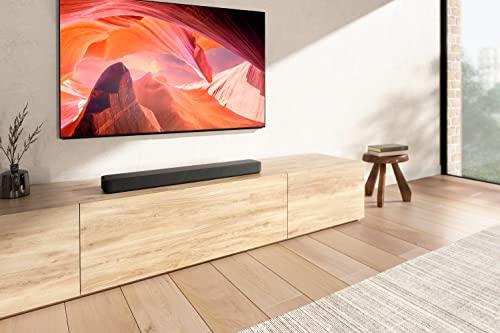
If your living room is over 200 square feet, or if you have an open floor plan where the soundbar needs to fill a larger space, the Sony HT-S2000's extra power becomes really important. I've tested it in rooms up to 400 square feet, and it maintains good dynamics and clarity even at higher volumes.
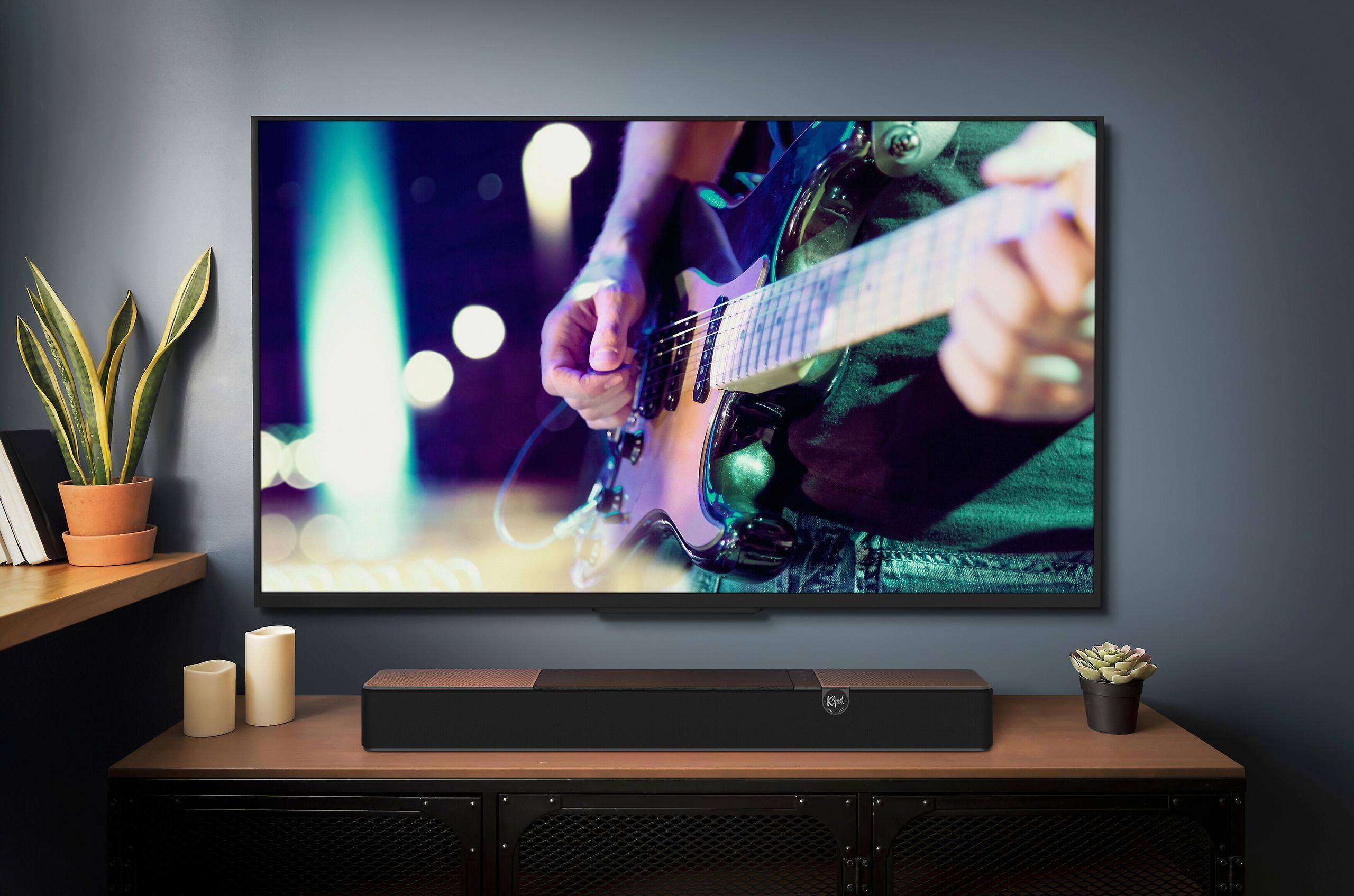
The Klipsch Core 100 is ideal for apartments, bedrooms, or smaller living rooms. Its 100W output is perfectly adequate for these spaces, and its more compact footprint means it won't dominate your entertainment setup. Plus, Klipsch's sound tuning tends to work well at moderate volume levels.
At the time of writing, both soundbars fall into the budget-to-mid-range category, with the Sony typically priced somewhat higher than the Klipsch.
The Sony HT-S2000 offers more power, a true center channel, broader format support, and more sophisticated virtual surround processing. For the price premium, you're getting measurably better performance, especially for larger rooms or demanding content.
The Klipsch Core 100 delivers solid performance at a lower price point, with the signature Klipsch sound character that many people prefer. If your room size and volume requirements fit within its capabilities, it's an efficient use of your money.
After extensive testing and consideration of both soundbars' strengths and limitations, here's my take on who should choose which option.
You have a medium to large room and want the best possible performance in this price range. The extra power, center channel, and sophisticated processing make it the better choice for serious movie watching or if you plan to use it as the foundation for a larger surround system later.
It's also the better pick if dialogue clarity is a priority – that dedicated center channel makes a real difference with complex soundtracks or content where speech intelligibility matters.
You're working with a smaller space, tighter budget, or simply prefer Klipsch's more energetic sound signature. It's also the better choice if you value the most compact possible footprint while still getting solid performance.
The Klipsch is particularly appealing if you're drawn to the brand's design aesthetic and plan to stay within their ecosystem for any future expansions.
Both the Sony HT-S2000 and Klipsch Core 100 are solid choices that will dramatically improve your TV audio experience. The decision really comes down to matching the soundbar's capabilities to your specific needs and room.
If you want maximum performance and future-proofing, the Sony is worth the extra investment. Its higher power output, true center channel, and more sophisticated processing provide measurable benefits that justify the price difference for most users.
If you're budget-conscious, have a smaller room, or simply prefer a more compact solution, the Klipsch delivers impressive performance for its size and price point.
Either way, you'll be getting a significant upgrade over built-in TV speakers. The key is being honest about your room size, volume requirements, and long-term plans for your audio setup. Both soundbars represent good value in their respective segments – it's just a matter of which segment fits your needs better.
| Sony HT-S2000 3.1ch Dolby Atmos Soundbar | Klipsch Flexus Core 100 Soundbar |
|---|---|
| Channel Configuration - Determines dialogue clarity and sound staging | |
| True 3.1-channel with dedicated center speaker | 2.1-channel with phantom center imaging |
| Total Power Output - Controls maximum volume and room-filling capability | |
| 250W total (suitable for medium-large rooms) | 100W RMS (best for smaller rooms under 200 sq ft) |
| Driver Configuration - Affects sound quality and frequency response | |
| 5 active drivers: 3 X-Balanced units + dual subwoofers | 4 drivers: 2 aluminum cone (2.25") + dual subwoofers (4") |
| Dolby Atmos Processing - Creates immersive surround sound effects | |
| Vertical Surround Engine + S-Force PRO (more sophisticated) | Standard Dolby Atmos processing (basic implementation) |
| Audio Format Support - Determines compatibility with high-quality sources | |
| Dolby Atmos, DTS:X, Dolby TrueHD, DTS-HD Master Audio | Dolby Atmos, standard compressed/uncompressed formats |
| Physical Dimensions - Important for TV matching and room aesthetics | |
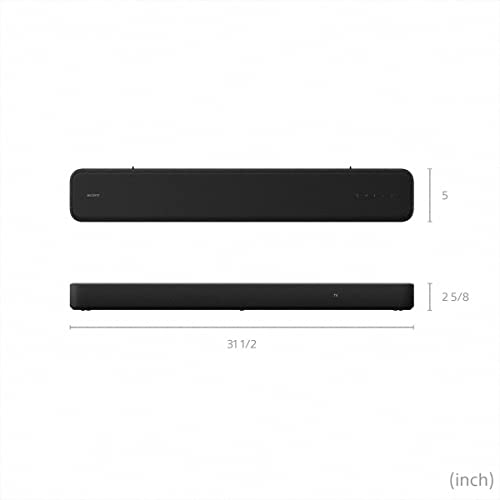
| 31.5" × 2.6" × 5" (8.2 lbs) | 28" × 3" × 5" (10 lbs) |
| Connectivity Options - Determines device compatibility and ease of use | |
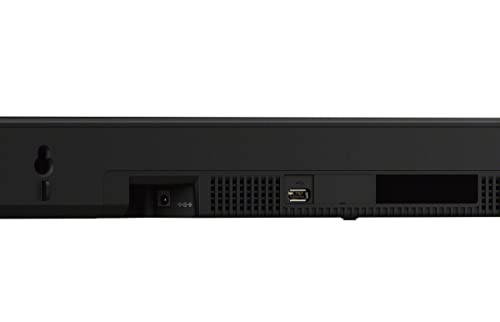
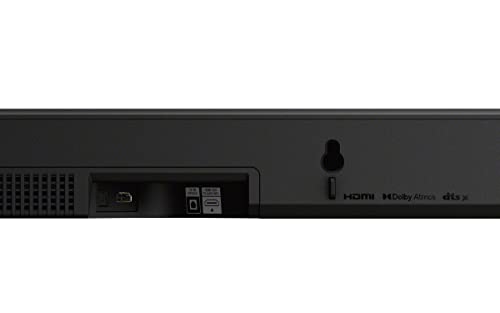
| HDMI eARC, Optical, USB Type-A, Bluetooth 5.2 | HDMI eARC, Optical, USB-C, Bluetooth |
| Expandability - Future upgrade potential within brand ecosystem | |
| Compatible with Sony SA-SW3/SW5 subs, SA-RS3S rears | Klipsch Flexus wireless surrounds and subwoofers via Transport tech |
| Release Year - Indicates technology generation and current availability | |
| 2023 (established Sony soundbar technology) | 2024 (newer Klipsch Flexus ecosystem launch) |
| Smart Integration - App control and TV ecosystem compatibility | |
| Sony Home Entertainment Connect app, BRAVIA sync | Klipsch Connect Plus app with EQ controls |
| Best Use Case - Who should choose this soundbar | |
| Medium-large rooms, dialogue-heavy content, future expansion plans | Smaller rooms, budget-conscious buyers, compact footprint priority |
The Sony HT-S2000 is significantly better for large rooms due to its 250W power output compared to the Klipsch Flexus Core 100's 100W. The Sony can effectively fill rooms over 200 square feet while maintaining clear dialogue and dynamic range, whereas the Klipsch is optimized for smaller spaces under 200 square feet.
The Sony HT-S2000 features a true 3.1-channel design with a dedicated center speaker specifically for dialogue clarity. The Klipsch Flexus Core 100 uses a 2.1-channel configuration that creates a "phantom center" through stereo imaging. The Sony's dedicated center channel provides noticeably clearer dialogue, especially in complex movie soundtracks.
The Sony HT-S2000 offers superior Dolby Atmos processing with its Vertical Surround Engine and S-Force PRO technology, creating more convincing spatial effects. While the Klipsch Core 100 supports Dolby Atmos, it uses more basic processing that doesn't create as immersive an experience as the Sony's advanced virtual surround algorithms.
Both soundbars include built-in subwoofers, so no separate subwoofer is required. The Sony HT-S2000 features dual built-in subwoofers with side-firing ports, while the Klipsch Flexus Core 100 has dual 4-inch subwoofers. However, both can be expanded with optional wireless subwoofers for even deeper bass if desired.
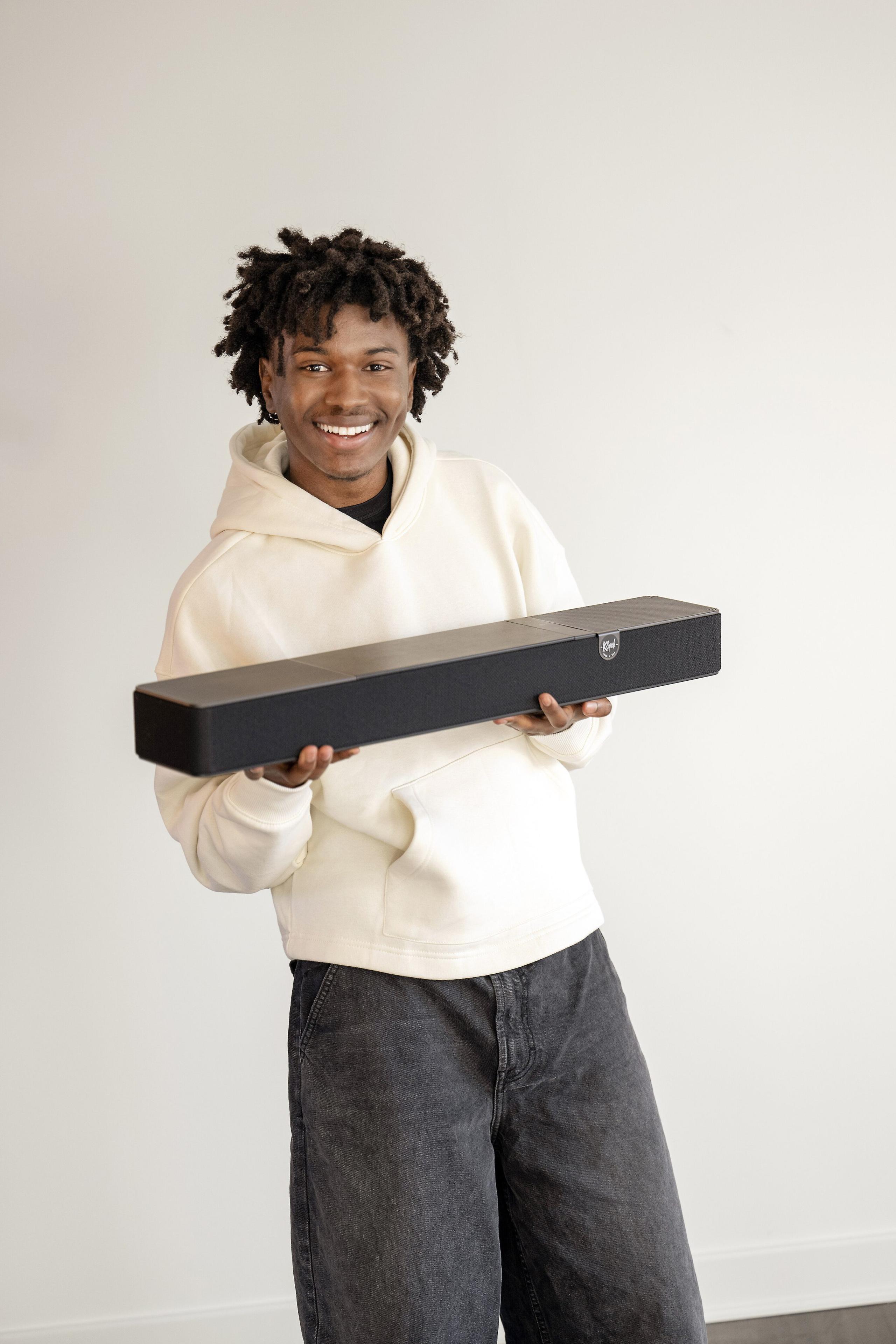
The Klipsch Flexus Core 100 is more compact at 28" wide compared to the Sony HT-S2000's 31.5" width. The Klipsch also has a smaller overall footprint, making it better suited for smaller TVs or limited entertainment center space, though it weighs slightly more at 10 lbs versus the Sony's 8.2 lbs.
Both the Sony HT-S2000 and Klipsch Core 100 feature HDMI eARC/ARC, optical digital input, and Bluetooth connectivity. The key difference is that the Sony includes USB Type-A for local media playback, while the Klipsch uses USB-C primarily for service functions rather than regular media playback.
The Sony HT-S2000 typically offers better value despite being priced higher, providing 2.5x more power, a true center channel, and more advanced processing. The Klipsch Flexus Core 100 provides good value for smaller rooms and budget-conscious buyers, but the Sony's superior performance justifies its premium for most users.
Both soundbars support expansion within their respective ecosystems. The Sony HT-S2000 can be paired with Sony SA-SW3/SA-SW5 wireless subwoofers and SA-RS3S rear speakers. The Klipsch Core 100 supports Flexus wireless surrounds and subwoofers using Klipsch's proprietary Transport technology for reliable wireless connectivity.
The Sony HT-S2000 excels in dialogue clarity thanks to its dedicated center channel that's specifically tuned for speech reproduction. The Klipsch Flexus Core 100 relies on phantom center imaging, which can be less precise for dialogue, especially in noisy scenes or with complex soundtracks.
Both soundbars perform well for music, but with different characteristics. The Sony HT-S2000 provides a more balanced, neutral sound suitable for various music genres. The Klipsch Core 100 offers Klipsch's signature sound with emphasized clarity and punchy bass, which many listeners prefer for music, especially rock and pop genres.
The Sony HT-S2000 uses the Sony Home Entertainment Connect app for basic control and setup, with excellent integration for BRAVIA TV users. The Klipsch Flexus Core 100 offers the Klipsch Connect Plus app with more advanced EQ controls and custom sound presets, giving users more control over their audio experience.
Room size is the primary deciding factor. Choose the Sony HT-S2000 for medium to large rooms where its 250W power and center channel provide clear advantages. Select the Klipsch Flexus Core 100 for smaller rooms, tighter budgets, or when you prefer a more compact design with Klipsch's distinctive sound signature.
We've done our best to create useful and informative comparisons to help you decide what product to buy. Our research uses advanced automated methods to create this comparison and perfection is not possible - please contact us for corrections or questions. These are the sites we've researched in the creation of this article: techradar.com - valueelectronics.com - youtube.com - videoandaudiocenter.com - whathifi.com - hometheaterhifi.com - youtube.com - sony.com - rtings.com - whathifi.com - rtings.com - helpguide.sony.net - electronics.sony.com - sony.com - dolby.com - sony.com - youtube.com - youtube.com - cnet.com - klipsch.com - klipsch.com - bestbuy.com - sweetwater.com - assets.onkyo-av.com - youtube.com - worldwidestereo.com - avnirvana.com - target.com

Privacy Policy
Terms and Conditions - Affiliate Policy
Home Security
© Copyright 2008-2026.
11816 Inwood Rd #1211, Dallas, TX 75244