


When your TV's built-in speakers just aren't cutting it anymore, the world of soundbars can feel overwhelming. Do you need Dolby Atmos? What's the difference between 3.1 and 7.1 channels? Should you prioritize dialogue clarity or cinematic immersion?
I've spent considerable time researching these questions, and two soundbars represent completely different approaches to solving the "my TV sounds terrible" problem: the Ultimea Aura A40 and the Sony HT-S2000. These aren't just different products—they're different philosophies about what makes audio great.
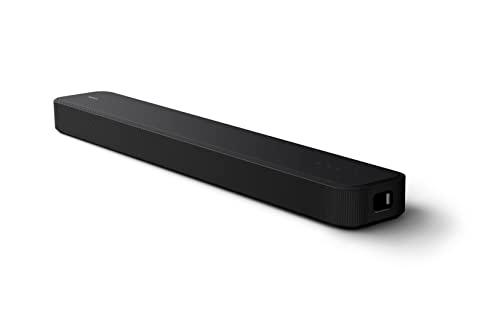
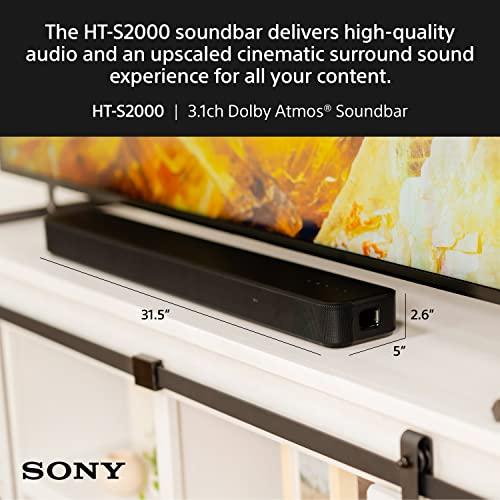
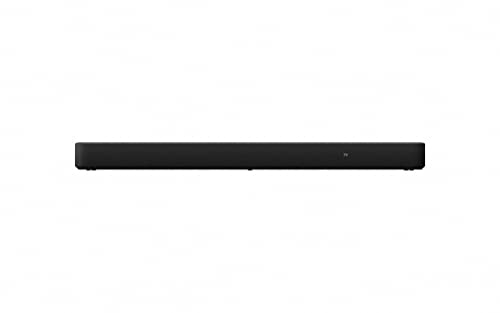
Before diving into specifics, let's clarify what we mean by soundbar categories. The Sony HT-S2000 represents the "premium all-in-one" approach—everything you need in a single, sleek bar that sits under your TV. The Ultimea Aura A40, despite being called a soundbar system, is really a multi-speaker surround sound setup that happens to include a soundbar as the main unit.
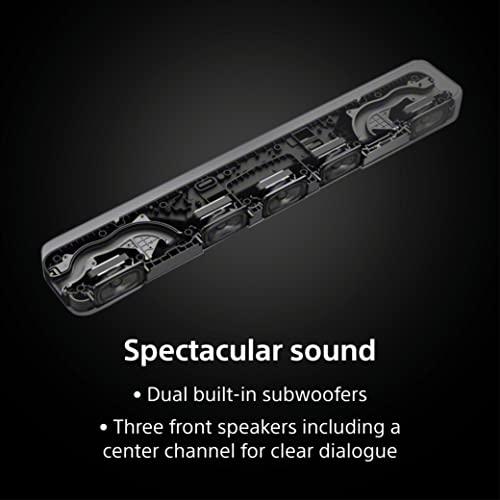
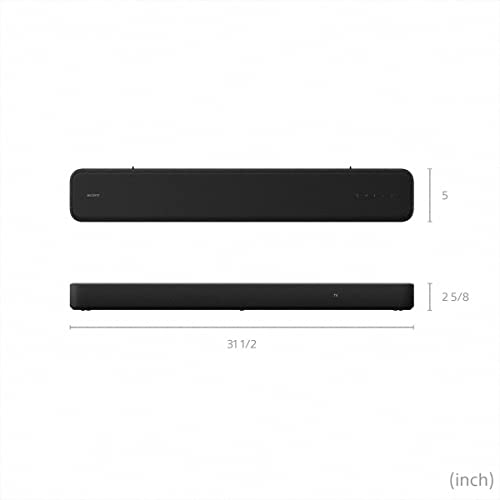
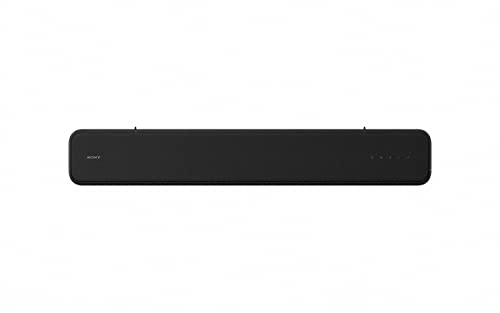
This distinction matters enormously. When audio engineers design a 3.1 system like the Sony HT-S2000, they're working within tight physical constraints. All the drivers (the individual speakers that create sound) must fit in a single enclosure, typically around 30 inches wide. The "3.1" designation means three main channels (left, center, right) plus a ".1" subwoofer channel for bass. Sony manages to fit dual subwoofers inside the main bar using their X-Balanced Speaker Units—rectangular drivers that maximize surface area while minimizing distortion.
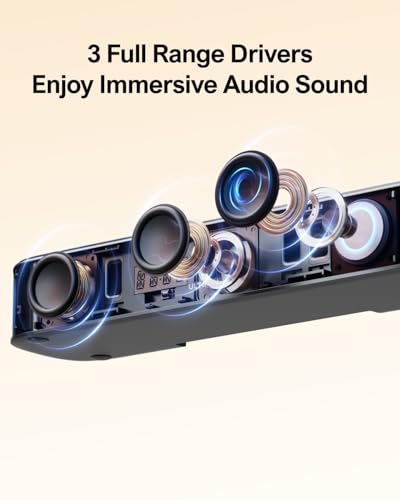
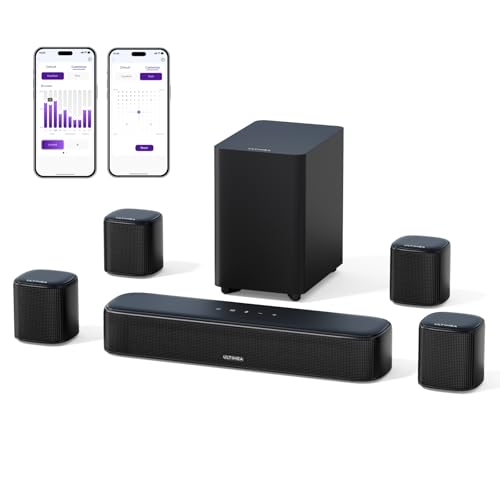
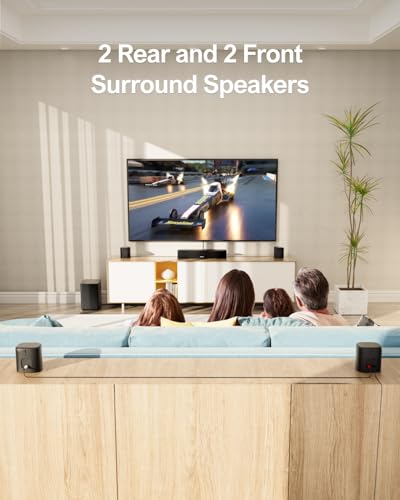
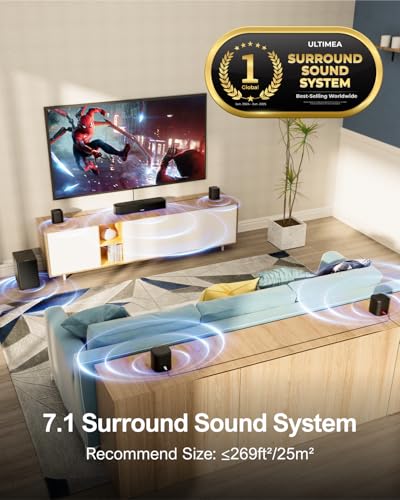
The Ultimea Aura A40 takes a fundamentally different approach with its 7.1 virtual surround configuration. Instead of cramming everything into one box, it spreads four satellite speakers around your room (two front, two rear) plus a separate subwoofer. The "7.1" designation is somewhat misleading—it's not true discrete 7.1 like you'd find in a high-end theater, but rather virtual processing that simulates additional channels through clever audio manipulation.
For most people upgrading from TV speakers, dialogue clarity represents the biggest immediate improvement. This is where the Sony HT-S2000 absolutely shines, and understanding why requires diving into some audio engineering.
Sony dedicates an entire driver specifically to center channel reproduction—this is the channel that carries most dialogue in movies and TV shows. This dedicated center channel driver is positioned precisely in the middle of the soundbar, directly below your TV screen. When someone speaks on screen, the sound comes from exactly where you'd expect it to come from. The X-Balanced Speaker Units use a rectangular design instead of traditional circular drivers, which allows Sony to pack more surface area into the limited vertical space of a soundbar. More surface area means more air movement, which translates to clearer, more detailed midrange frequencies where human voices live.
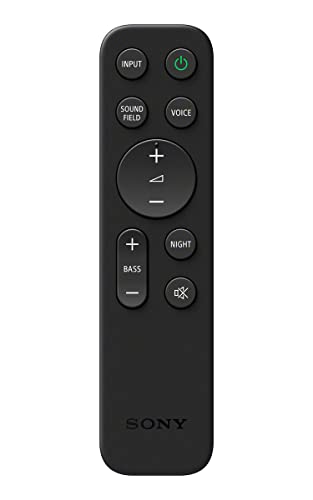
The Sony HT-S2000 also includes what Sony calls Voice Mode, which applies dynamic range compression and frequency adjustment specifically to enhance dialogue intelligibility. This isn't just turning up the volume—it's actually reshaping the frequency response to make voices cut through background music and sound effects more clearly.
In contrast, the Ultimea Aura A40 doesn't have a dedicated center channel. Instead, it relies on phantom center imaging—using the left and right speakers to create the illusion of a center channel through careful timing and phase manipulation. This can work well, but it's inherently less precise than a physical center speaker, especially if you're not sitting in the exact center of your seating area.
Based on extensive user feedback and professional reviews, the Sony HT-S2000 consistently outperforms the Ultimea Aura A40 for dialogue clarity. If you primarily watch TV shows, news, or dialogue-heavy movies, this difference is immediately noticeable and worth the premium.
Bass reproduction reveals another fundamental difference in design philosophy. The Sony HT-S2000 incorporates dual built-in subwoofers using side-firing bass ports. This means the low-frequency drivers face sideways, using your room's walls to reinforce and extend the bass response. Sony's engineers tuned this system to deliver what they call "bass you can feel" without requiring a separate subwoofer taking up floor space.
The trade-off? The Sony HT-S2000 can't extend as deep into sub-bass frequencies (roughly below 40Hz) as a dedicated subwoofer can. This means the very lowest rumbles in action movies—think earthquakes, explosions, or dinosaur footsteps—won't have quite the same visceral impact as systems with separate subwoofers.
The Ultimea Aura A40 includes a separate 4-inch subwoofer that can extend down to approximately 65Hz. While this isn't true deep bass territory (that requires larger drivers and more powerful amplification), it does provide more flexibility in placement. You can position the subwoofer wherever it sounds best in your room, rather than being locked to wherever your TV sits.
However, user reports consistently note that the Ultimea Aura A40 requires aggressive settings adjustments to achieve satisfactory bass levels. Many users report needing to max out the subwoofer setting and push surround levels to +6 to get adequate low-end presence. The bass quality is described as somewhat loose and flabby compared to the tighter, more controlled bass from the Sony HT-S2000.
For most living rooms, the Sony HT-S2000 provides more satisfying bass performance with less fuss, despite its theoretical limitations.
This is where the Ultimea Aura A40 potentially justifies its more complex setup. True surround sound requires speakers positioned around the listening area, and the Ultimea Aura A40 actually delivers this through its four satellite speakers.
When properly positioned—and this is crucial—the Ultimea Aura A40 creates what users describe as a convincing 360-degree sound field. Action sequences with helicopters, bullets flying past, or ambient environmental sounds gain a three-dimensional quality that makes scenes feel remarkably immersive. For gaming, particularly first-person shooters, the directional audio helps with enemy location and creates a more engaging experience.
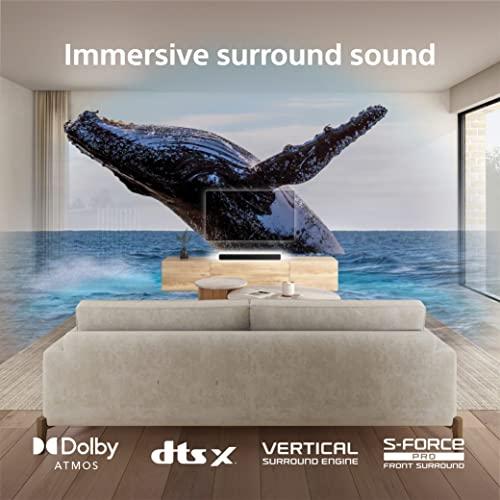
The Sony HT-S2000 attempts to create surround sound through virtual processing using technologies Sony calls Vertical Surround Engine and S-Force PRO Front Surround. These are sophisticated digital signal processing algorithms that manipulate timing, phase, and frequency response to create the illusion of surround sound from front-facing speakers.
While impressive for what it is, virtual surround has inherent limitations. All sound still originates from in front of you, so the Sony HT-S2000 can create width and some sense of spaciousness, but it can't truly place sounds behind or beside you the way physical surround speakers can.
The Sony HT-S2000 does support both Dolby Atmos and DTS:X, which are object-based surround sound formats that can create height and spatial effects. However, without upward-firing drivers or ceiling speakers, these formats get downmixed to work with the available speakers. You'll hear some improvement over standard stereo, but you won't experience the full three-dimensional soundscape these formats are designed to deliver.
For movie enthusiasts and gamers, the Ultimea Aura A40 provides a significantly more immersive experience, assuming you can dedicate the space and effort to proper speaker placement.
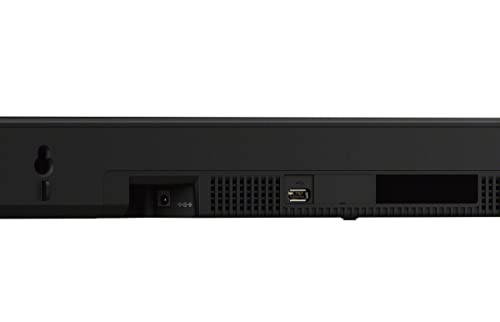
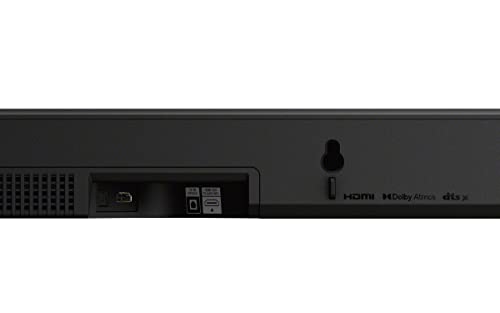
The setup experience reveals why many people prefer the Sony HT-S2000 despite its higher cost (at the time of writing, roughly $100-150 more than the Ultimea Aura A40). Sony's system requires exactly one HDMI cable connection to your TV, one power cord, and you're done. The system automatically detects your TV's capabilities through HDMI eARC (enhanced Audio Return Channel) and configures itself appropriately.
If you own a Sony BRAVIA TV, the integration becomes even more seamless. The TV and soundbar communicate through BRAVIA Sync, allowing the TV remote to control soundbar volume and automatically switching to appropriate sound modes based on content type.
The Ultimea Aura A40 presents a different challenge entirely. Success depends heavily on speaker placement, and optimal positioning often requires experimentation. The rear speakers need to be connected with long cables (6 meters for the rear pair), and you'll need to find appropriate mounting points or stands. User reports suggest that improper positioning dramatically compromises the surround effect, turning what should be an immersive experience into mediocre stereo sound with extra speakers.
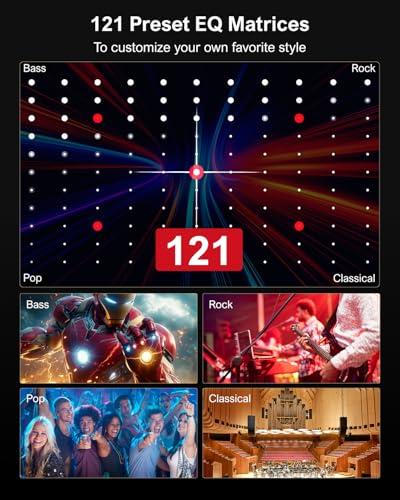
The Ultimea Aura A40 does include a smartphone app that provides extensive customization options, including 121 preset EQ matrices and adjustable surround levels. This flexibility is appreciated by users who enjoy tweaking settings, but it also represents additional complexity that some find overwhelming.
Both systems, released in the 2022-2023 timeframe, include modern audio processing capabilities, but with different emphases. The Sony HT-S2000 focuses on high-quality decoding of advanced audio formats including Dolby Atmos, DTS:X, Dolby TrueHD, and DTS-HD Master Audio. Sony's S-Master digital amplification provides clean power delivery with minimal distortion, while their DSEE (Digital Sound Enhancement Engine) attempts to improve the quality of compressed audio sources.
The Ultimea Aura A40 emphasizes spatial audio processing through what the company calls SurroundX Technology and BassMX Technology. These proprietary algorithms optimize the surround effect and bass response respectively, though they lack the industry recognition and technical sophistication of Sony's processing.
For users with high-quality sources like Blu-ray players or streaming services that offer lossless audio, the Sony HT-S2000 provides superior format support and processing quality.
The Sony HT-S2000 excels in several specific scenarios. If your primary viewing consists of TV shows, news, documentaries, or dialogue-heavy dramas, the superior center channel performance provides immediate and noticeable improvements. The system works particularly well in smaller to medium-sized rooms where the built-in subwoofers can adequately pressurize the space.
Users who value convenience over customization will appreciate the Sony HT-S2000's approach. There's something to be said for a system that sounds great immediately without requiring hours of setup and positioning optimization. The premium build quality and Sony's reputation for reliability also factor into long-term value considerations.
The Ultimea Aura A40 makes more sense for dedicated home theater environments where surround speaker placement isn't a significant constraint. Action movie enthusiasts and gamers who want directional audio effects will find the spatial immersion worthwhile, assuming they invest the time to optimize placement.
Budget-conscious buyers should also consider the Ultimea Aura A40, as it provides genuine surround sound at a price point where most alternatives offer only virtual surround processing.
At the time of writing, the Sony HT-S2000 commands a premium price that reflects its brand positioning and processing capabilities. You're paying for convenience, build quality, and audio engineering sophistication. The value equation works if you prioritize dialogue clarity and want a system that sounds great immediately.
The Ultimea Aura A40 offers more speakers and potentially more immersive surround sound at a lower price point. The value equation works if you're willing to invest setup time and can properly position the surround speakers.
Neither system represents exceptional value for music listening—both are optimized for TV and movie content rather than stereo music reproduction.
Your decision ultimately comes down to priorities and constraints. Choose the Sony HT-S2000 if dialogue clarity matters most, if you want immediate satisfaction without setup complexity, or if you have a smaller room where the built-in subwoofers provide adequate bass.
Choose the Ultimea Aura A40 if you want true surround immersion, have space to position multiple speakers properly, and don't mind spending time optimizing the setup for best results.
Both systems represent significant improvements over TV speakers, but they achieve this improvement through fundamentally different approaches. The Sony HT-S2000 provides professional-quality audio processing in a convenient package, while the Ultimea Aura A40 delivers genuine surround sound that requires more involvement from the user.
Consider your room layout, viewing habits, and tolerance for setup complexity. The right choice depends on whether you value convenience or immersion more highly—both are legitimate preferences that lead to different but valid audio solutions.
| Ultimea Aura A40 U2601 Soundbar System | Sony HT-S2000 3.1ch Dolby Atmos Soundbar |
|---|---|
| Channel Configuration - Determines surround sound capability and dialogue clarity | |
| 7.1 virtual surround with 4 physical satellite speakers | 3.1 channels with dedicated center channel for dialogue |
| Speaker Layout - Affects immersion and setup complexity | |
| Main bar + 4 separate surround speakers + external subwoofer | All-in-one soundbar with built-in dual subwoofers |
| Total Power Output - Impacts maximum volume and dynamic range | |
| 330W peak (actual output may be lower) | 250W total with S-Master digital amplification |
| Audio Format Support - Future-proofs your investment | |
| Virtual surround processing, no advanced codec support | Dolby Atmos, DTS:X, Dolby TrueHD, DTS-HD Master Audio |
| Subwoofer Design - Affects bass quality and room placement flexibility | |
| Separate 4" wired subwoofer (extends to ~65Hz) | Built-in dual subwoofers with side-firing ports |
| Connectivity Options - Determines compatibility with your devices | |
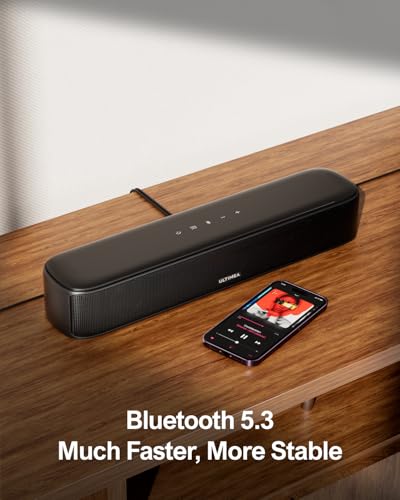
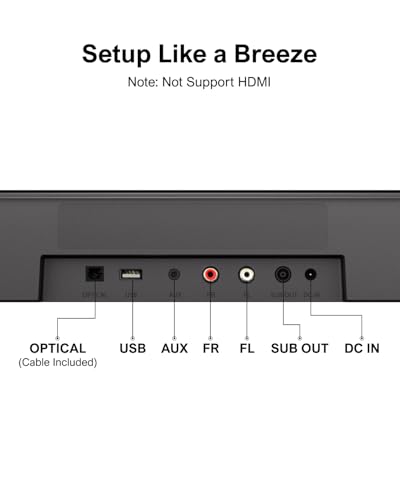
| Optical, AUX, USB, Bluetooth 5.3 (no HDMI) | HDMI eARC/ARC, Optical, USB, Bluetooth 5.2 |
| Setup Complexity - Time investment required for optimal performance | |
| Requires careful positioning of 4 speakers around room | Single HDMI cable connection, plug-and-play ready |
| App Control Features - Customization and convenience options | |
| Ultimea Aura A40 app with 121 EQ presets, 10-band equalizer | Basic Sony app control, limited customization options |
| Room Size Recommendation - Ensures adequate performance | |
| 108-270 sq ft (medium rooms with proper speaker placement) | Small to medium rooms, works well in constrained spaces |
| Dialogue Performance - Critical for TV shows and movies | |
| Phantom center imaging, requires optimal positioning | Dedicated center channel driver for superior clarity |
| Expandability - Future upgrade potential | |
| Complete system included, no expansion options | Compatible with Sony wireless subwoofers and rear speakers |
| Best Use Cases - Where each system excels | |
| Action movies, gaming, immersive surround experiences | TV shows, news, dialogue-heavy content, convenience |
The Sony HT-S2000 is significantly better for dialogue clarity thanks to its dedicated center channel speaker. This physical center channel is specifically designed to reproduce human voices with exceptional clarity, making it ideal for TV shows, news, and movies with lots of dialogue. The Ultimea Aura A40 relies on phantom center imaging, which can work well but isn't as precise for voice reproduction, especially if you're not sitting directly in the center.
The Sony HT-S2000 uses a 3.1 channel setup with three front speakers (left, center, right) plus a subwoofer channel built into the main bar. The Ultimea Aura A40 offers 7.1 virtual surround using four physical satellite speakers placed around your room plus a separate subwoofer. The 7.1 system provides more immersive surround sound but requires more complex setup and room space.
The Sony HT-S2000 is much easier to set up - just connect one HDMI cable to your TV and plug in the power cord. The Ultimea Aura A40 requires positioning and connecting four surround speakers around your room with long cables, plus finding the optimal placement for the separate subwoofer. Setup time differs dramatically: minutes for Sony versus hours for optimal Ultimea placement.
Only the Sony HT-S2000 truly supports Dolby Atmos and DTS:X formats, though it processes them through virtual surround since there are no upward-firing speakers. The Ultimea Aura A40 uses virtual 7.1 surround processing but doesn't support advanced audio codecs like Dolby Atmos or DTS:X.
The Ultimea Aura A40 provides better immersion for action movies and gaming due to its four physical surround speakers that create a true 360-degree sound field. You can actually hear sounds coming from behind and beside you, which enhances gaming experiences and makes action scenes more engaging. The Sony HT-S2000 offers virtual surround that's less immersive but still improves upon TV speakers.
The Sony HT-S2000 has dual built-in subwoofers that provide controlled, tight bass without taking up extra floor space. The Ultimea Aura A40 includes a separate 4-inch subwoofer that offers more placement flexibility but often requires maximum settings to achieve adequate bass levels. Users report the Sony's bass as more refined, while the Ultimea's can sound loose or flabby without proper tuning.
The Ultimea Aura A40 typically costs less and includes more physical speakers (four satellites plus subwoofer), making it excellent value for those wanting true surround sound on a budget. The Sony HT-S2000 costs more but offers premium audio processing, superior dialogue clarity, and much simpler setup. Value depends on whether you prioritize speaker count or convenience and audio quality.
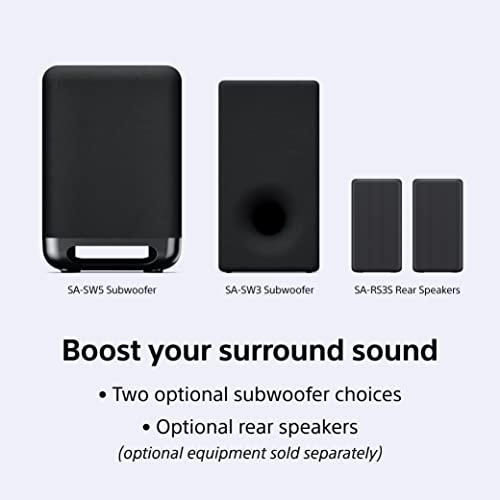
The Sony HT-S2000 can be expanded with optional Sony wireless subwoofers and rear speakers, allowing you to build a full surround system over time. The Ultimea Aura A40 is a complete system with no official expansion options, but you get all the speakers included from the start.
The Sony HT-S2000 works better in small rooms since it doesn't require space for multiple speakers and the built-in subwoofers can adequately fill smaller spaces. The Ultimea Aura A40 needs room to position four surround speakers properly - cramped placement significantly reduces the surround effect and overall performance.
The Sony HT-S2000 offers HDMI eARC/ARC (the most important connection), optical input, USB, and Bluetooth 5.2. The Ultimea Aura A40 has optical, AUX, USB, and Bluetooth 5.3 but notably lacks HDMI connectivity, which limits integration with modern TVs and reduces audio quality potential.
Neither the Sony HT-S2000 nor Ultimea Aura A40 is optimized specifically for music, but the Sony offers more balanced sound reproduction with better tonal accuracy. The Ultimea tends toward a thinner, more treble-forward sound that requires EQ adjustments for musical content. Both prioritize movie and TV audio over stereo music performance.
For dedicated home theater rooms, the Ultimea Aura A40 provides superior immersion through its physical surround speakers, making action movies and cinematic content more engaging. However, the Sony HT-S2000 offers better dialogue clarity for TV shows and dramas, plus supports advanced audio formats found on Blu-ray discs. Choose based on whether you prioritize surround immersion or audio quality and convenience.
We've done our best to create useful and informative comparisons to help you decide what product to buy. Our research uses advanced automated methods to create this comparison and perfection is not possible - please contact us for corrections or questions. These are the sites we've researched in the creation of this article: walmart.com - newegg.com - youtube.com - ultimea.com - youtube.com - device.report - ultimea.co - manuals.plus - homestudiobasics.com - youtube.com - bestbuy.com - community.ultimea.com - manuals.plus - eu.ultimea.com - navesapeugeot.com.br - bestbuy.com - images.thdstatic.com - provantage.com - ultimea.com - bestbuy.com - techradar.com - valueelectronics.com - youtube.com - videoandaudiocenter.com - whathifi.com - hometheaterhifi.com - youtube.com - sony.com - rtings.com - whathifi.com - rtings.com - helpguide.sony.net - electronics.sony.com - sony.com - dolby.com - sony.com - youtube.com - youtube.com

Privacy Policy
Terms and Conditions - Affiliate Policy
Home Security
© Copyright 2008-2026.
11816 Inwood Rd #1211, Dallas, TX 75244