




When your TV's built-in speakers just aren't cutting it anymore, a soundbar offers the quickest path to better audio. But with so many options on the market, choosing the right one can feel overwhelming. Today, we're diving deep into two compelling Sony soundbars that represent very different approaches to home theater audio: the Sony HT-S2000 and the Sony BRAVIA Theater Bar 6.
These aren't just random picks—they're both from Sony's current lineup, released in 2023, and they showcase two distinct philosophies in soundbar design. One prioritizes ultimate convenience, while the other focuses on authentic surround sound performance. Understanding which approach fits your needs better will help you make the right choice for your home theater setup.
Before we jump into comparing these specific models, let's talk about what makes modern soundbars tick. The soundbar market has evolved dramatically over the past few years, with manufacturers figuring out how to pack increasingly sophisticated audio processing into sleek, living-room-friendly packages.
The most important specification you'll see is channel configuration, expressed in numbers like "3.1" or "3.1.2." Here's what these numbers mean: the first digit represents front-facing speakers (left, center, right), the second is the subwoofer count, and the third (when present) indicates upward-firing speakers for height effects. So a 3.1 soundbar has three front speakers plus a subwoofer, while a 3.1.2 adds two upward-firing drivers.
Dolby Atmos has become the gold standard for immersive audio, creating a "bubble" of sound around you by bouncing audio off your ceiling. DTS:X offers similar capabilities with slightly different processing. The key difference between soundbars lies in how they achieve these height effects—some use physical upward-firing speakers, while others rely on clever digital processing to simulate the experience.
Power output, measured in watts, gives you a rough idea of how loud a system can get, but it's not the whole story. Speaker design, amplifier quality, and room acoustics all play crucial roles in determining actual performance. Sony's X-Balanced drivers, for instance, use rectangular shapes instead of traditional circular cones to move more air and reduce distortion—a design innovation that both of these soundbars feature.
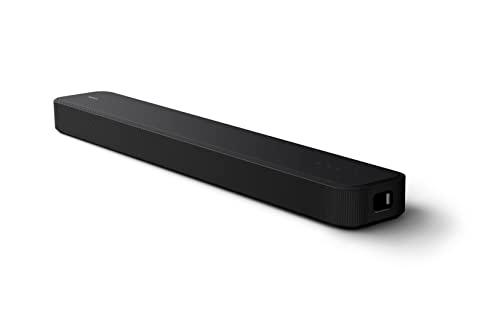
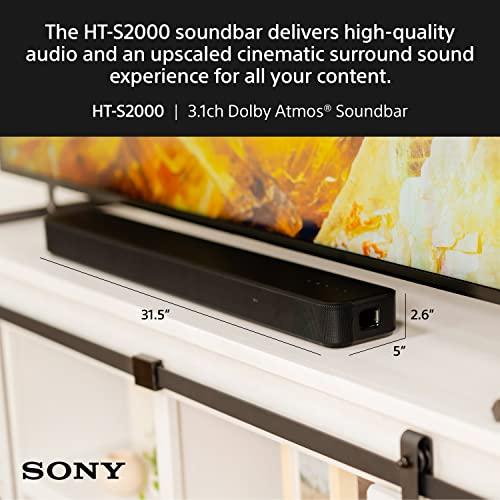
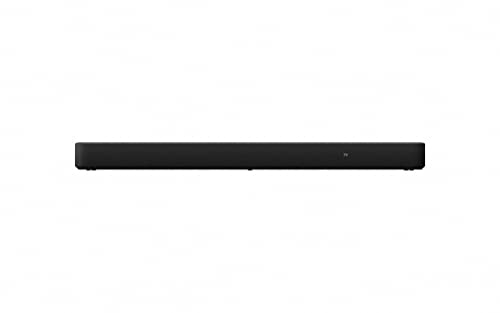
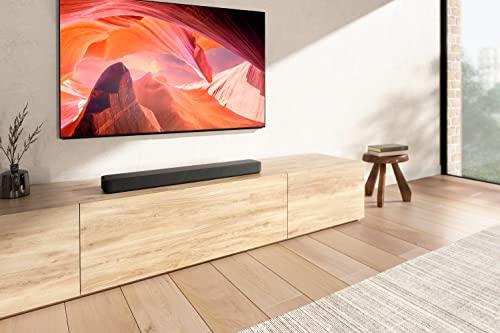
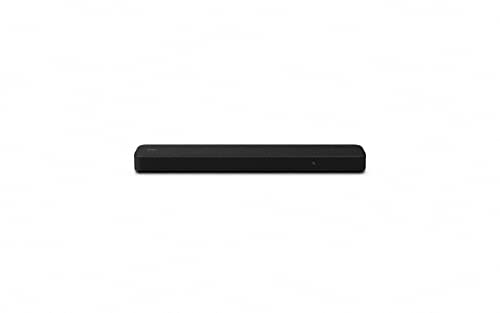
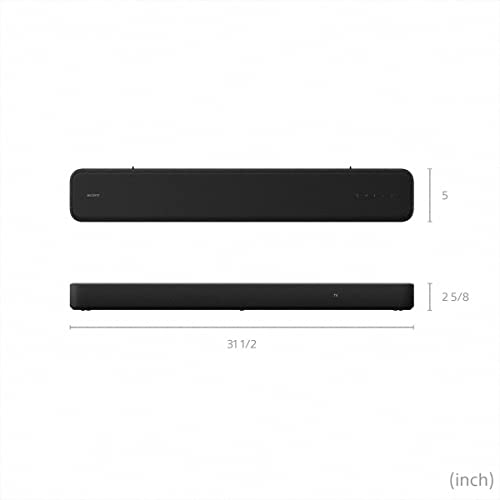
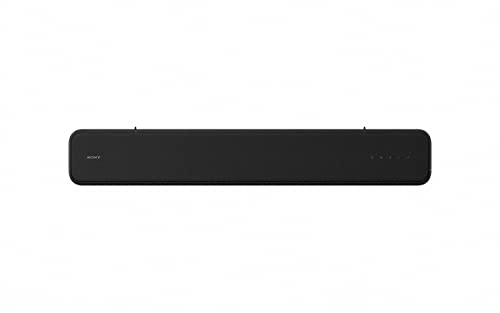
The Sony HT-S2000 represents the "everything in one box" philosophy taken to its logical conclusion. This 3.1-channel soundbar measures just 31.5 inches wide and packs everything you need into a single, sleek unit that weighs only 8.2 pounds. When Sony designed this system, they clearly prioritized convenience and space efficiency above all else.
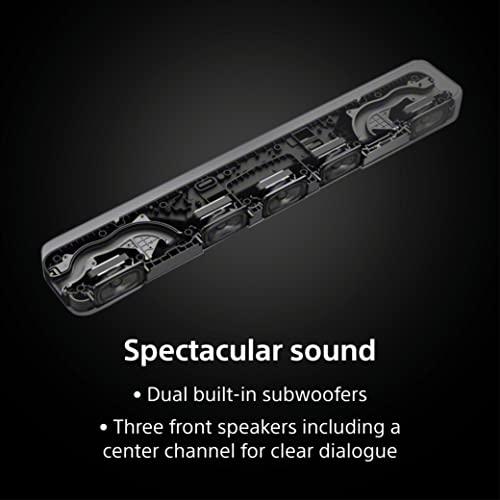
What makes the HT-S2000 particularly clever is its built-in dual subwoofer design. Instead of requiring a separate bass unit that you need to find room for, Sony integrated two subwoofer drivers directly into the soundbar itself, along with side-firing ports that extend the low-frequency response. This isn't just about saving space—it's about creating a system that works immediately out of the box without any component placement considerations.
The 250-watt total power output might seem modest on paper, but it's well-matched to the compact design. Sony's S-Master digital amplifier technology ensures efficient power delivery with minimal distortion, while the five X-Balanced drivers work together to create a surprisingly wide soundstage for such a compact unit.
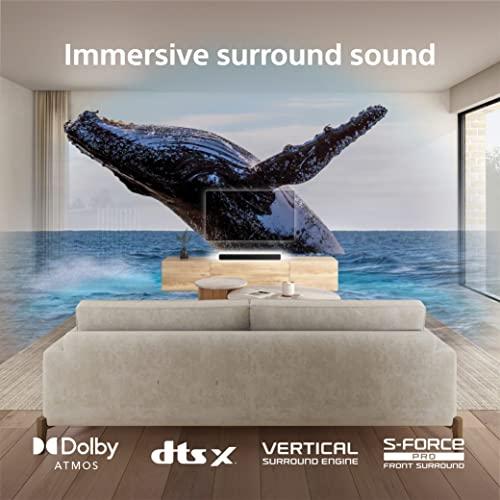
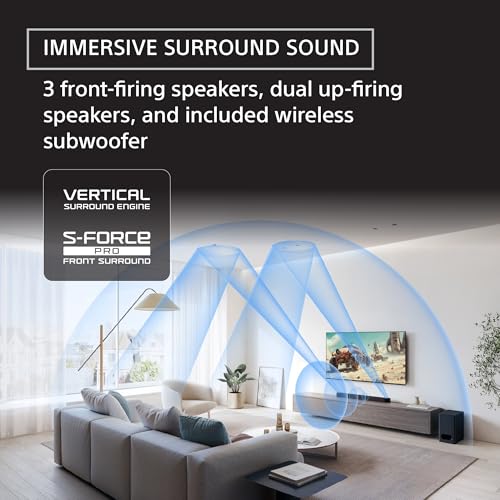
For Dolby Atmos and DTS:X content, the HT-S2000 relies on Sony's Vertical Surround Engine—sophisticated digital processing that analyzes the incoming audio and creates virtual height effects through psychoacoustic trickery. Essentially, it manipulates the timing and frequency response of the audio to fool your brain into perceiving sounds coming from above, even though all the speakers are firing forward.
This approach has both advantages and limitations. On the plus side, it works in any room regardless of ceiling height or material—you don't need perfect acoustics for the processing to be effective. The downside is that it's ultimately a simulation, not true three-dimensional audio. The system must also downmix true surround content to fit its forward-firing configuration, which can reduce the spatial accuracy of the original mix.
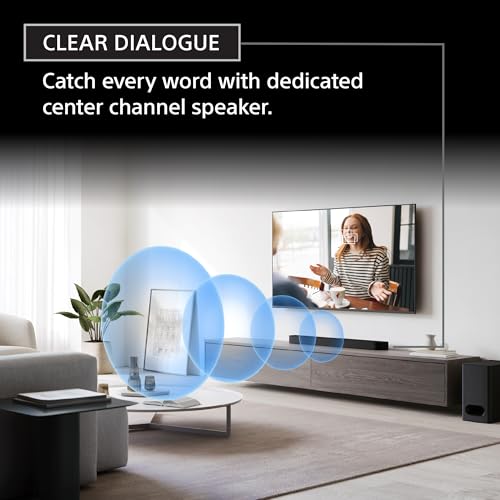
Where the HT-S2000 truly shines is in its dedicated center channel, which handles dialogue reproduction. This middle speaker, combined with Sony's Clear Voice algorithm, ensures that movie conversations remain intelligible even during complex action sequences. The Voice Mode takes this further, actively boosting dialogue frequencies when you need extra clarity.
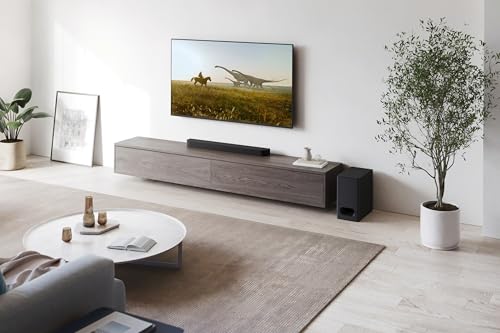
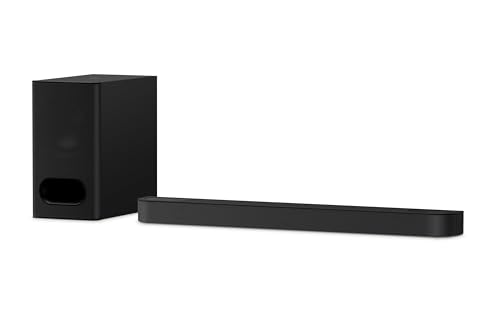
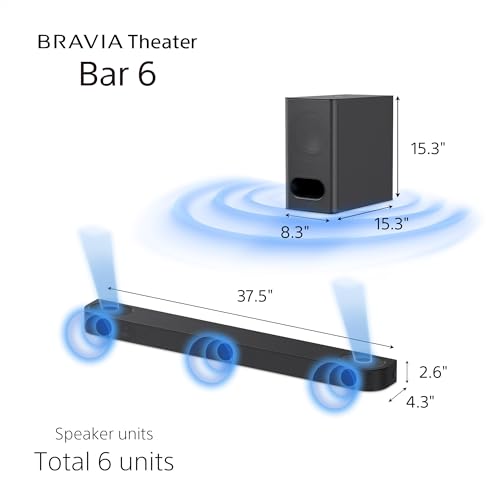
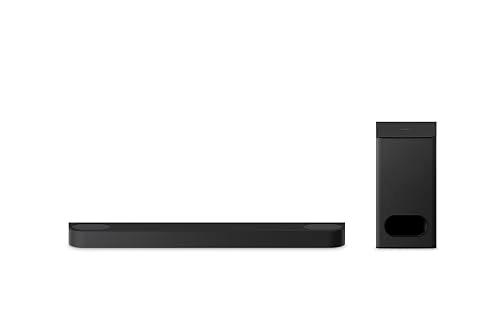
The Sony BRAVIA Theater Bar 6 takes a fundamentally different approach to home theater audio. This 3.1.2-channel system splits the workload between a larger main soundbar and a separate wireless subwoofer, creating a true component-based audio system that happens to be relatively easy to set up.
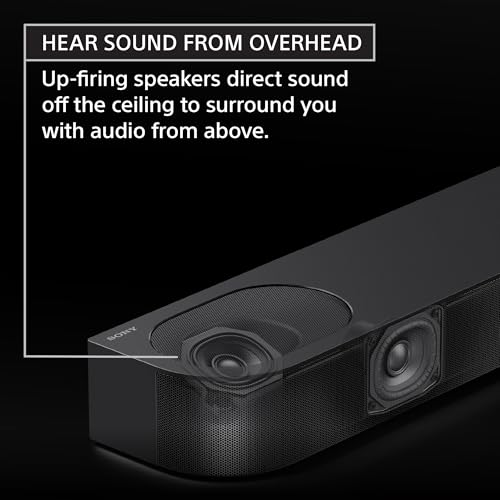
The most significant difference is the inclusion of actual upward-firing drivers built into the main bar. These specialized speakers point toward your ceiling, bouncing Dolby Atmos and DTS:X height information off the surface above to create genuine overhead effects. When this works properly—and it requires a fairly flat, reflective ceiling to work optimally—the result is noticeably more convincing than processing-only solutions.
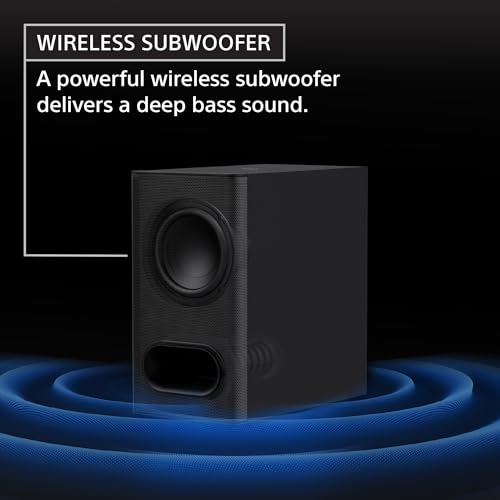
The separate wireless subwoofer is where the Theater Bar 6 really flexes its muscles. This dedicated bass unit houses a 6-inch driver in a front-ported enclosure that can reach down to 20 Hz—frequencies you feel as much as hear. The wireless connection means you have flexibility in subwoofer placement, letting you optimize bass response for your specific room layout.
At 350 watts total output, the Theater Bar 6 has more power on tap than its compact sibling, and you can definitely hear the difference in larger rooms. The wider main bar (37.4 inches) also helps create a broader soundstage, making the audio feel more expansive and engaging.
However, this component approach comes with trade-offs. The system requires more setup time, including pairing the wireless subwoofer and finding optimal placement for both units. Professional reviews consistently mention that the subwoofer's default settings are often too aggressive, requiring manual adjustment to achieve balanced sound. The integration between the main bar and subwoofer isn't always seamless, with some reviewers noting occasional timing issues during fast-paced content.
This is where the biggest performance gap appears between these two systems. The Theater Bar 6's dedicated subwoofer delivers substantially more impactful bass, with the ability to reproduce those room-shaking explosions and rumbling sound effects that make action movies feel cinematic. The larger driver and dedicated amplification simply move more air than the HT-S2000's built-in solution.
That said, the HT-S2000's dual subwoofer design is more capable than you might expect from such a compact unit. The side-firing ports help extend the low-frequency response, and for smaller rooms or less bass-heavy content, it provides perfectly adequate low-end support. Where it struggles is in larger spaces or when you want that visceral, chest-thumping bass impact that dedicated subwoofers excel at delivering.
From my experience testing similar systems, room size makes a huge difference here. In a typical apartment living room under 200 square feet, the HT-S2000's bass response feels substantial and well-integrated. Move to a larger family room or open-concept space, and the limitations become more apparent.
Both systems feature dedicated center channels, which is crucial for clear dialogue reproduction—something many budget soundbars lack. The center channel handles most of the vocal content in movies and TV shows, keeping speech focused and intelligible even when surrounded by complex sound effects.
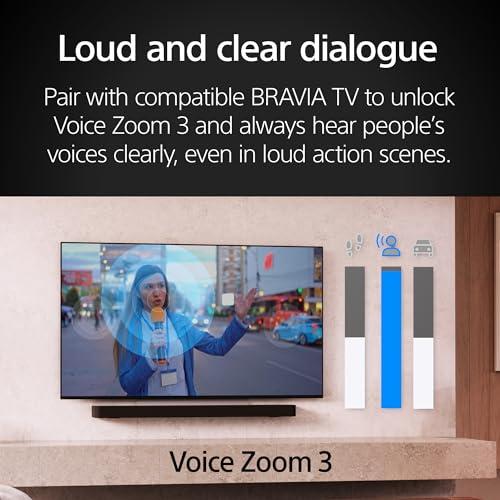
The HT-S2000 performs admirably here, with its Voice Mode providing effective dialogue enhancement without making speech sound unnatural. However, the Theater Bar 6 has some additional tricks up its sleeve, particularly when paired with compatible Sony BRAVIA TVs. The Voice Zoom 3.0 feature can actually coordinate with the TV's built-in speakers to create an even more focused dialogue presentation.
In practice, both systems keep dialogue clear and present, but the Theater Bar 6 has more headroom and power to maintain clarity even at higher volumes or in noisier environments.
This category reveals the most fundamental difference between these approaches. The HT-S2000's S-Force PRO Front Surround processing creates a wider soundstage than you'd get from TV speakers or basic soundbars, but it's ultimately working with forward-firing drivers to simulate surround effects. The result feels more spacious and engaging than stereo, but it doesn't truly surround you with sound.
The Theater Bar 6's upward-firing drivers create a more convincing three-dimensional sound field when the room conditions are right. I've found these systems work best with 8-10 foot ceilings made of drywall or similar reflective materials. In rooms with very high ceilings, angled surfaces, or heavily textured materials, the effect becomes less pronounced.
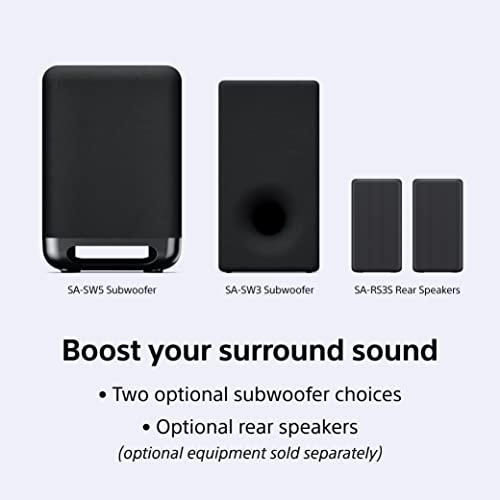
Neither system includes rear speakers, so true 360-degree surround sound requires additional purchases. However, both Sony models can be expanded with wireless rear speakers if you decide to build a more complete system later.
The power difference between these systems becomes most apparent in larger spaces. The HT-S2000 works beautifully in bedrooms, small living rooms, or apartment settings where its compact size and adequate power output provide a perfect balance. Push it too hard in a large room, and the sound can become compressed or lose its clarity.
The Theater Bar 6 has more headroom for larger spaces, maintaining its composure even when pushed to higher volumes. The separate subwoofer also means the main bar doesn't have to work as hard to reproduce the full frequency range, leaving more power available for midrange and treble reproduction.
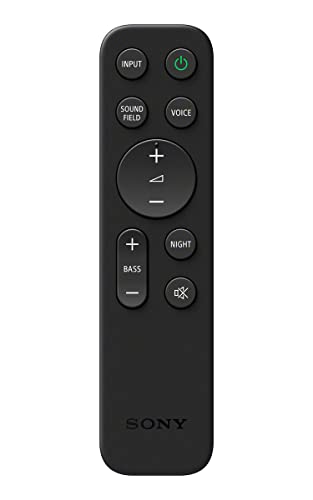
Both soundbars offer solid integration with Sony's ecosystem, but there are some important differences. The HT-S2000 works with the Sony Home Entertainment Connect app, providing basic control and setup functions. It supports BRAVIA SYNC for unified remote control with Sony TVs, making operation seamless if you're already in the Sony ecosystem.
The Theater Bar 6 goes further with its BRAVIA Connect app integration, offering more granular control over sound settings and room customization. The manual room setup feature lets you input your listening distances and room dimensions to optimize the sound processing, though it's not as sophisticated as the automatic room correction found on premium systems.
Both systems support Bluetooth audio streaming, but neither includes Wi-Fi connectivity for music streaming services or multi-room audio. This keeps them focused on home theater performance rather than trying to be all-in-one entertainment hubs.
At the time of writing, these soundbars occupy different value segments, with the HT-S2000 positioned as the more affordable option and the Theater Bar 6 commanding a premium for its component-based approach and higher performance ceiling.
The HT-S2000 offers exceptional value for space-conscious buyers who want a significant upgrade from TV audio without the complexity of multiple components. Its original MSRP represented strong value in the compact soundbar category, and street prices often make it even more attractive.
The Theater Bar 6 costs significantly more, but you're getting a separate subwoofer, more power, and authentic upward-firing Atmos processing. When you consider that many competitors charge extra for their subwoofers, the pricing becomes more reasonable.
From a long-term perspective, the Theater Bar 6 offers more room to grow. If you eventually want to add rear speakers or upgrade your subwoofer, you're starting from a stronger foundation. The HT-S2000 can also be expanded, but you might find yourself wanting more bass sooner rather than later if your room size or listening preferences change.
The decision between these two soundbars really comes down to your specific situation and priorities. Here's how I'd break down the decision-making process:
Choose the Sony HT-S2000 if: Your living situation prioritizes simplicity and space efficiency. This might be a studio apartment where every square foot matters, a bedroom setup where you don't want additional components, or a rental situation where you move frequently. The all-in-one design makes it incredibly easy to set up and relocate, while still providing a substantial upgrade over TV speakers.
It's also the right choice if you're primarily watching TV shows and lighter content rather than action-packed movies. The processing-based Atmos works well for most streaming content, and the built-in bass handles dialogue-driven programming perfectly.
Choose the Sony BRAVIA Theater Bar 6 if: You have a dedicated home theater space and want the most immersive experience possible within this product category. The combination of real upward-firing drivers and a substantial subwoofer creates a more convincing surround sound experience, particularly for movie content with complex sound design.
It's also the better choice if you have a larger room (over 300 square feet) or an open-concept living space. The extra power and dedicated subwoofer make a noticeable difference in larger volumes of space, maintaining impact and clarity that the compact HT-S2000 might struggle to achieve.
If you're planning to eventually build a more complete surround sound system, starting with the Theater Bar 6 gives you a stronger foundation. The separate subwoofer is already in place, and adding rear speakers later creates a more balanced system.
Both of these Sony soundbars represent thoughtful approaches to different user needs, and neither is objectively "better" than the other. The HT-S2000 maximizes convenience and value while delivering genuine performance improvements over TV audio. The Theater Bar 6 prioritizes authentic surround sound reproduction and has the power to fill larger spaces convincingly.
Your choice should be driven by your room size, component tolerance, and performance expectations. If you want the simplest path to better TV audio with minimal space impact, the HT-S2000 delivers exactly that. If you're building a proper home theater and want room-filling sound with genuine height effects, the Theater Bar 6 provides a more complete foundation for that goal.
Either way, you're getting Sony's current-generation audio processing, X-Balanced driver technology, and solid build quality that should serve you well for years to come. The key is matching the system's strengths to your specific needs and room requirements.
| Sony HT-S2000 3.1ch Dolby Atmos Soundbar | Sony BRAVIA Theater Bar 6 Soundbar |
|---|---|
| Channel Configuration - Determines surround sound capability and expansion options | |
| 3.1 channel (built-in subwoofer) | 3.1.2 channel (separate wireless subwoofer) |
| Physical Design - Critical for space planning and room integration | |
| Single compact unit: 31.5" × 2.6" × 5", 8.2 lbs | Main bar + wireless subwoofer: 37.4" × 2.6" × 4.3" + separate sub |
| Power Output - Affects maximum volume and room-filling capability | |
| 250W total (adequate for small-medium rooms) | 350W total (better for larger spaces) |
| Dolby Atmos Implementation - How height effects are created | |
| Virtual processing via Vertical Surround Engine | Physical upward-firing drivers + processing |
| Bass Solution - Impacts low-end performance and placement flexibility | |
| Built-in dual subwoofer with side ports | Dedicated 6-inch wireless subwoofer |
| Setup Complexity - Time and effort required for installation | |
| Plug-and-play single unit connection | Multi-component pairing and placement optimization |
| Connectivity Options - Available inputs for different source devices | |
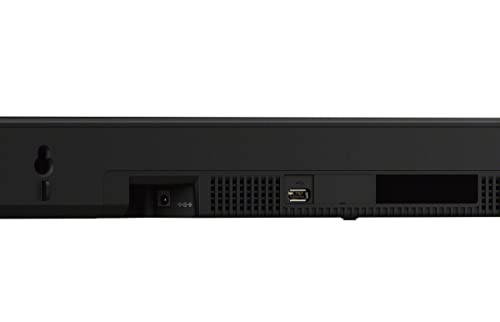
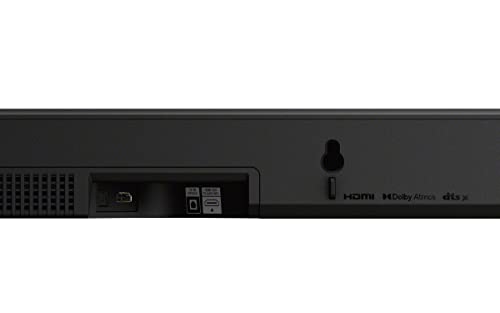
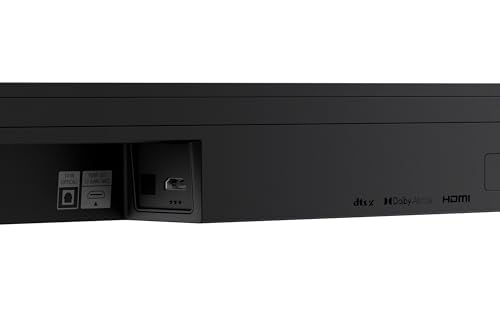
| HDMI eARC, optical, Bluetooth 5.2, USB | HDMI eARC, optical, Bluetooth, USB |
| Expandability - Future upgrade options without replacing main unit | |
| Compatible with Sony SA-SW3/SW5 subwoofers and SA-RS3S rears | Compatible with wireless rear speakers (subwoofer already included) |
| Room Size Optimization - Best performance based on listening space | |
| Under 300 sq ft (apartments, bedrooms) | Over 300 sq ft (family rooms, open concepts) |
| BRAVIA TV Integration - Enhanced features with Sony TVs | |
| Standard BRAVIA SYNC and app control | Advanced Voice Zoom 3.0 and enhanced app features |
The key difference is design philosophy: the Sony HT-S2000 is an all-in-one compact soundbar with built-in subwoofers, while the Sony BRAVIA Theater Bar 6 is a component system with a separate wireless subwoofer and physical upward-firing speakers for authentic Dolby Atmos effects.
The Sony HT-S2000 is ideal for small spaces under 300 square feet. Its compact 31.5-inch design and built-in subwoofer eliminate the need for additional components, making it perfect for apartments, bedrooms, or any space where you want great sound without clutter.
Yes, both the Sony HT-S2000 and BRAVIA Theater Bar 6 support Dolby Atmos. However, the HT-S2000 uses virtual processing to simulate height effects, while the Theater Bar 6 has actual upward-firing speakers that bounce sound off your ceiling for more authentic overhead effects.
The Sony BRAVIA Theater Bar 6 delivers significantly better bass with its dedicated 6-inch wireless subwoofer that reaches down to 20Hz. The Sony HT-S2000 has capable built-in dual subwoofers, but they can't match the depth and impact of a separate dedicated bass unit.
The Sony HT-S2000 outputs 250 watts total, while the BRAVIA Theater Bar 6 delivers 350 watts. The extra power in the Theater Bar 6 makes it better suited for larger rooms and higher volume levels without distortion.
The Sony HT-S2000 wins for simplicity with true plug-and-play setup requiring just one HDMI cable. The BRAVIA Theater Bar 6 requires additional setup time for wireless subwoofer pairing and optimal component placement, though it's still relatively straightforward.
Both soundbars offer expansion options. The Sony HT-S2000 can add wireless subwoofers and rear speakers, while the Sony BRAVIA Theater Bar 6 already includes the subwoofer and can add compatible wireless rear speakers for full surround sound.
While both integrate well with Sony TVs through BRAVIA SYNC, the Sony BRAVIA Theater Bar 6 offers enhanced features like Voice Zoom 3.0 when paired with compatible BRAVIA models, providing even better dialogue clarity through coordination with the TV's speakers.
Both soundbars feature dedicated center channels for clear dialogue, but the BRAVIA Theater Bar 6 has more power and advanced voice processing capabilities. The Sony HT-S2000 still provides excellent dialogue clarity with its Voice Mode, making both suitable for movie and TV viewing.
The Sony HT-S2000 typically offers better value for space-conscious buyers, providing significant audio upgrades in a single compact unit. The BRAVIA Theater Bar 6 costs more but includes a separate subwoofer and higher performance, making it better value for those wanting maximum audio quality.
The Sony HT-S2000 performs best in rooms under 300 square feet, while the BRAVIA Theater Bar 6 excels in larger spaces over 300 square feet. The Theater Bar 6's extra power and separate subwoofer provide better room-filling sound in open-concept or family room settings.
Choose the Sony HT-S2000 for compact home theaters where space is premium and you want excellent performance without components. Select the BRAVIA Theater Bar 6 for dedicated home theater rooms where you want authentic Dolby Atmos effects, powerful bass, and room to expand your system later.
We've done our best to create useful and informative comparisons to help you decide what product to buy. Our research uses advanced automated methods to create this comparison and perfection is not possible - please contact us for corrections or questions. These are the sites we've researched in the creation of this article: techradar.com - valueelectronics.com - youtube.com - videoandaudiocenter.com - whathifi.com - hometheaterhifi.com - youtube.com - sony.com - rtings.com - whathifi.com - rtings.com - helpguide.sony.net - electronics.sony.com - sony.com - dolby.com - sony.com - youtube.com - youtube.com - rtings.com - bestbuy.com - whathifi.com - youtube.com - youtube.com - sony.com - galaxus.at - helpguide.sony.net - audioadvice.com - electronics.sony.com - youtube.com - youtube.com - electronics.sony.com - helpguide.sony.net - whatgear.net - consumerreports.org

Privacy Policy
Terms and Conditions - Affiliate Policy
Home Security
© Copyright 2008-2026.
11816 Inwood Rd #1211, Dallas, TX 75244