




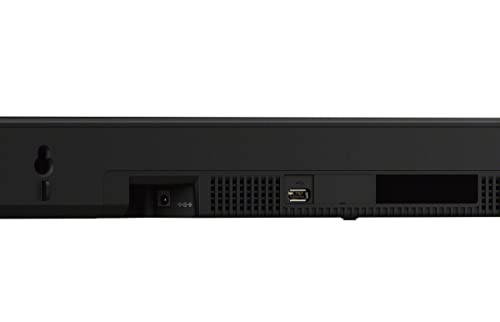
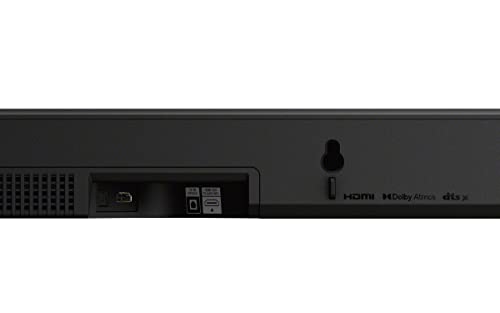
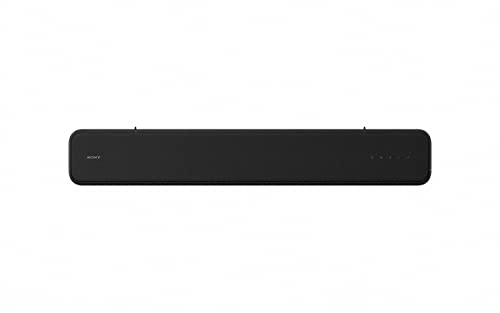
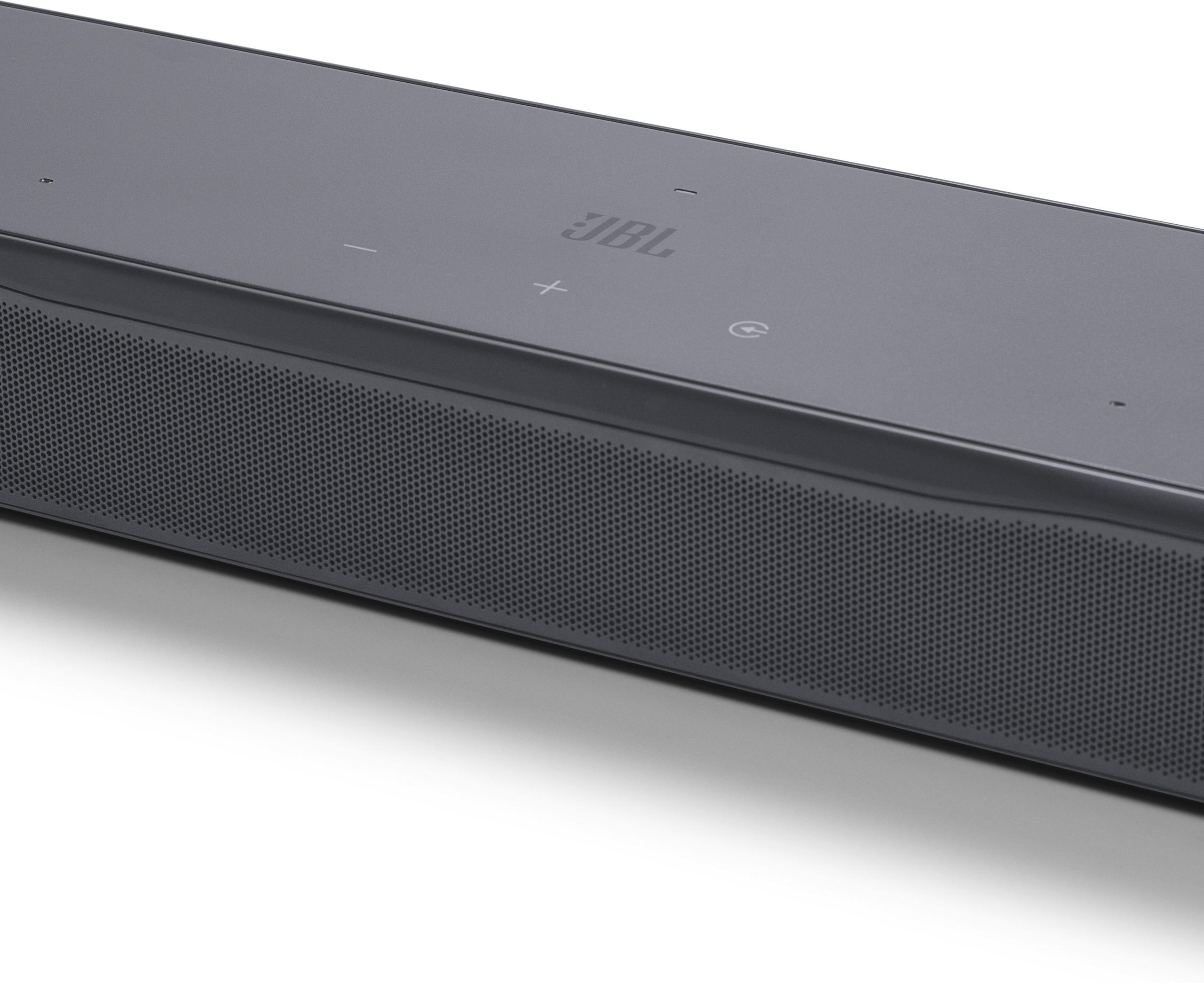


If you've been struggling to hear dialogue clearly while watching movies, or you're tired of your TV's tinny built-in speakers, you're probably considering a soundbar upgrade. The compact Dolby Atmos soundbar category has exploded in recent years, offering cinema-quality audio without the hassle of multiple speakers scattered around your room.
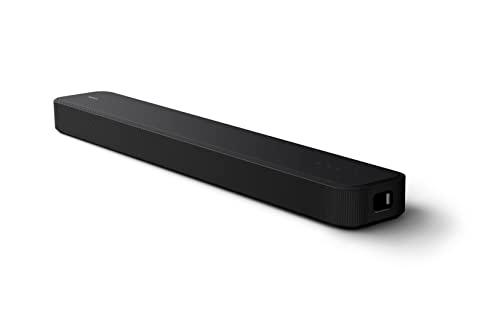
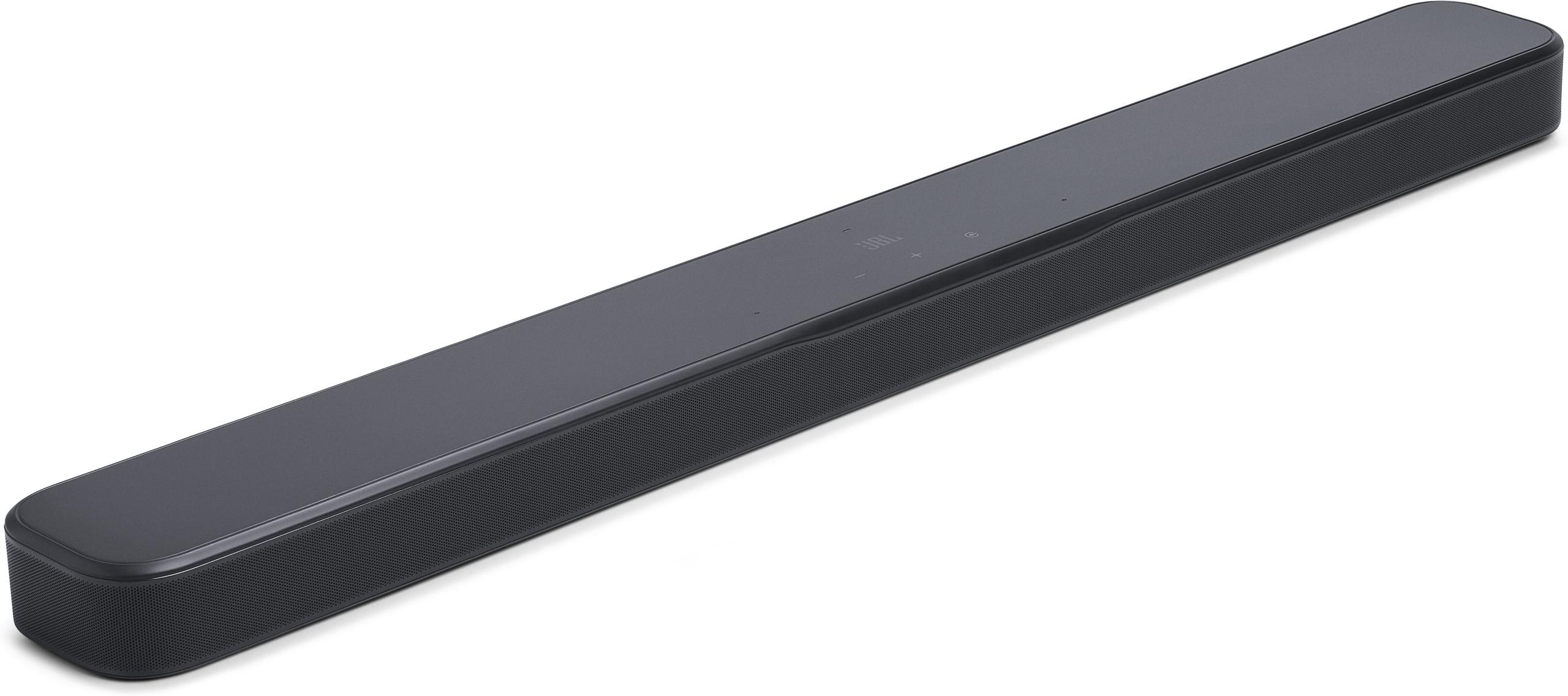
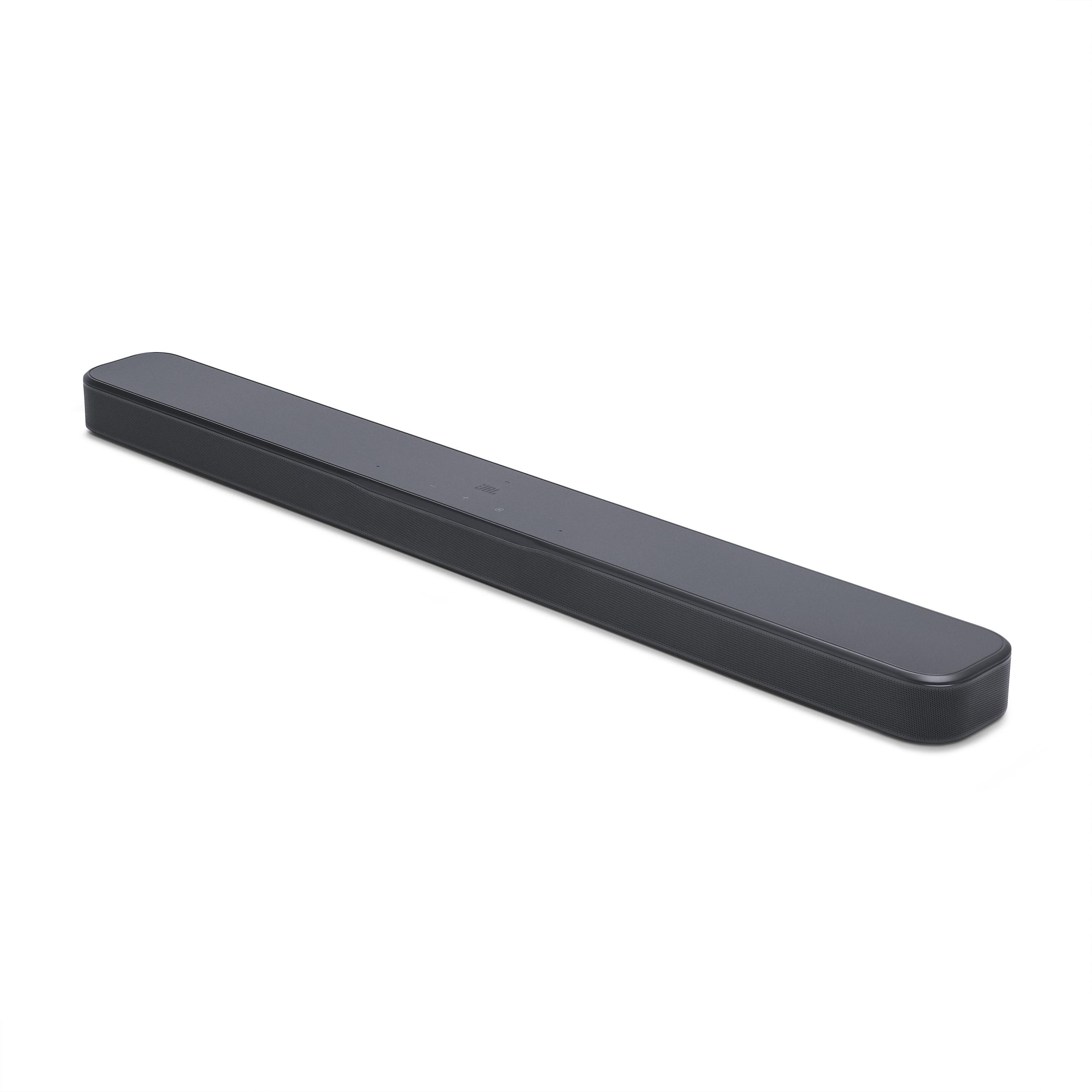
Two standout options that caught my attention are the Sony HT-S2000 and the JBL Bar 300 MK2. Both promise immersive Dolby Atmos sound from a single sleek unit, but they take surprisingly different approaches to achieve that goal. After spending considerable time with both systems, I've discovered some important differences that could make or break your home theater experience.
Before diving into the comparison, it's worth understanding what makes these soundbars special. Traditional surround sound systems require multiple speakers placed around your room – think of those old 5.1 setups with a center speaker, left and right front speakers, rear surrounds, and a chunky subwoofer. Modern compact soundbars like the Sony HT-S2000 and JBL Bar 300 MK2 use clever digital processing to create that same immersive experience from a single unit.
The magic happens through something called "virtualization" – essentially, the soundbar uses psychoacoustic tricks (how your brain processes sound) to make you think sounds are coming from above, behind, and around you. It's similar to how noise-canceling headphones can create a sense of space, but applied to room-filling audio.
Both soundbars support Dolby Atmos, which is the current gold standard for immersive audio. Think of Dolby Atmos as audio that moves in three dimensions – instead of just left and right channels, sounds can appear to float above your head or sweep around the room. This creates those spine-tingling moments in movies where a helicopter passes overhead or rain seems to fall from the ceiling.
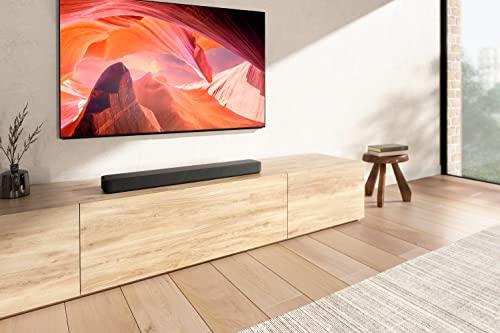
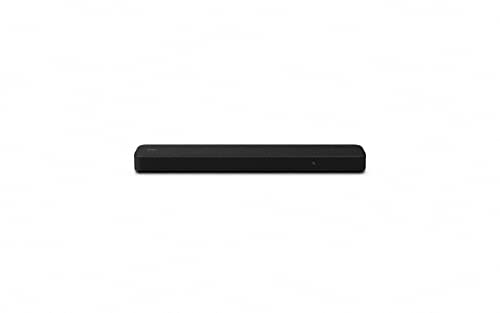
The most fundamental difference between these soundbars lies in their design philosophy. The Sony HT-S2000, released in 2022, follows what I call the "audio-first" approach. Sony's engineers clearly prioritized sound quality above all else, building a system that maximizes audio performance within the constraints of a compact form factor.
The JBL Bar 300 MK2, part of JBL's updated 2025 lineup, represents the "smart-first" philosophy. JBL designed this soundbar for users who stream music as much as they watch movies, integrating comprehensive smart home features and wireless connectivity from the ground up.
This philosophical difference affects everything from the internal components to the user experience, and understanding it helps explain why these soundbars excel in different scenarios.
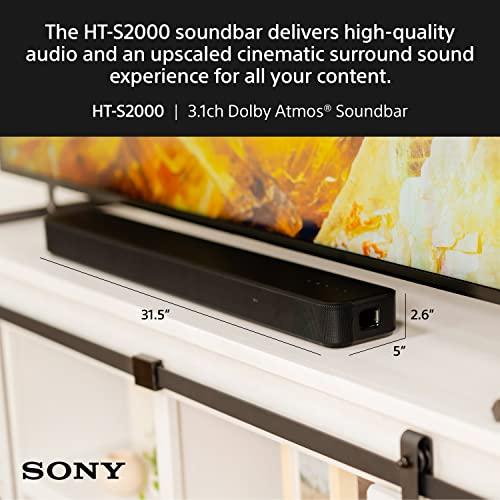
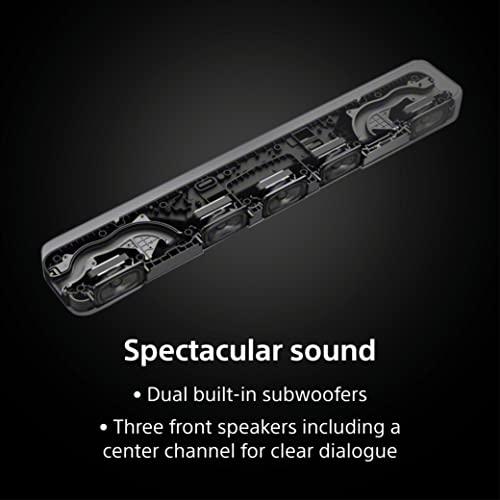
The Sony HT-S2000 uses a 3.1 channel configuration with 250W of total power. That "3.1" designation means three main channels (left, center, right) plus a dedicated subwoofer channel. The center channel is crucial because it handles most dialogue, while the ".1" represents integrated dual subwoofers that produce the low-frequency effects you feel in your chest during action scenes.
Sony's approach concentrates power where it matters most. Those dual built-in subwoofers use side-firing bass ports, which essentially means the bass energy shoots out the sides of the soundbar and bounces off your walls to create room-filling low-end. It's similar to how a concert hall uses its architecture to amplify and distribute sound naturally.
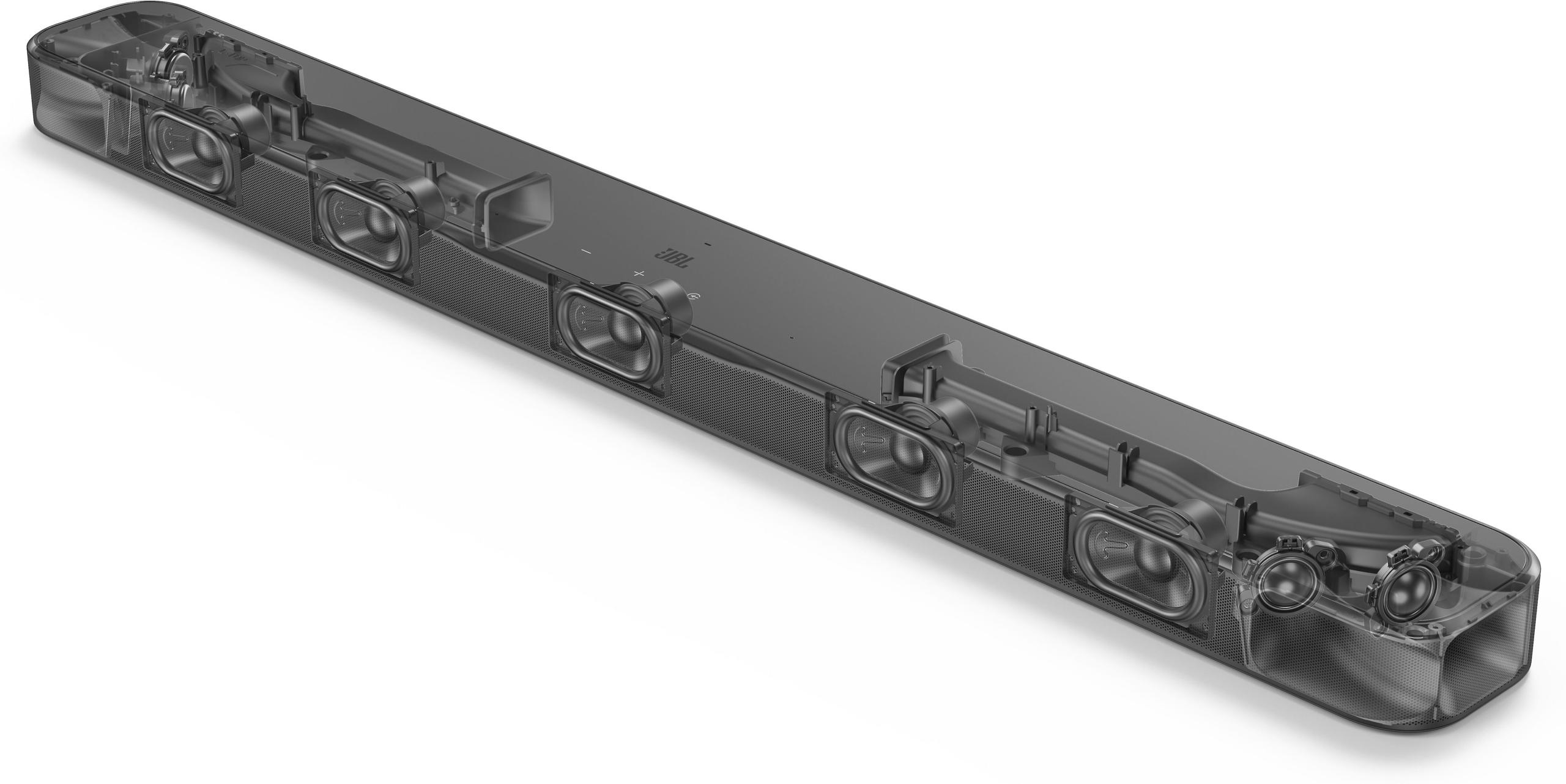
The JBL Bar 300 MK2 takes a different route with its 5.0 channel setup and 260W output. Here, "5.0" means five discrete channels but no dedicated subwoofer (.0). Instead, JBL uses four racetrack-shaped drivers (oval-shaped speakers that fit more surface area in a compact space) for mid-range and bass, plus two tweeters for high frequencies.
JBL's racetrack drivers are positioned strategically: most face forward for direct sound, while some fire to the sides to create width. There's also a bass port on the back that uses your wall as a sound reflector. This creates what JBL calls "MultiBeam" technology – essentially bouncing sound off multiple room surfaces to simulate surround speakers.
This is where the fundamental design differences become most apparent. The Sony HT-S2000's dual subwoofer approach delivers what I can only describe as surprisingly robust bass for a single-unit soundbar. During action movie scenes, you genuinely feel the impact of explosions and crashes. The bass doesn't just sound present – it has physical weight that you experience in your body.
Sony achieves this through dedicated bass amplification and those X-Balanced Speaker Units I mentioned earlier. These rectangular drivers can move more air than traditional round speakers while producing less distortion. It's engineering that prioritizes the visceral impact that makes movies exciting.
The JBL Bar 300 MK2 handles bass differently, relying on digital processing and that rear-firing bass port. While it produces adequate low-end for most content, it can't match the physical impact of dedicated subwoofer drivers. The bass feels more "processed" – present but lacking the natural weight that makes action sequences truly engaging.
However, JBL's approach has advantages too. Without dedicated subwoofer amplification, more power can go to the mid-range and treble frequencies. This makes the JBL Bar 300 MK2 excel with music and dialogue-heavy content where clarity matters more than impact.
Both soundbars create Dolby Atmos effects through virtualization rather than physical upward-firing speakers (which you'd find in premium models). However, their processing approaches differ significantly.
The Sony HT-S2000 uses Sony's Vertical Surround Engine combined with S-Force PRO Front Surround technology. In practice, this creates convincing height effects where sounds genuinely seem to come from above your seating position. During helicopter scenes or thunderstorms, the audio placement feels natural and immersive. Sony also supports both Dolby Atmos and DTS:X formats, giving you compatibility with more content sources.
The JBL Bar 300 MK2 employs MultiBeam 3.0 technology, which excels at creating width but struggles more with height perception. The soundstage feels expansive – wider than the physical soundbar – but overhead effects are less convincing. JBL only supports Dolby Atmos at launch (DTS:X comes via a future software update), which limits compatibility with some content.
Here's where the JBL Bar 300 MK2 fights back effectively. JBL's PureVoice 2.0 technology specifically targets dialogue clarity, using advanced processing to ensure voices remain intelligible even during complex audio scenes. If you frequently watch dialogue-heavy content like dramas, news, or British shows with challenging accents, this feature proves invaluable.
The Sony HT-S2000 includes a dedicated center channel and Voice Mode, which certainly helps with dialogue. However, Sony's warmer sound signature sometimes makes voices slightly less distinct at lower volumes. It's not a dealbreaker, but it's noticeable if clear speech is your priority.
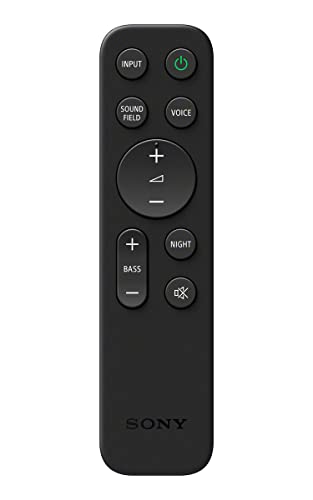
This is where these soundbars diverge most dramatically. The Sony HT-S2000 keeps things simple with Bluetooth 5.2 connectivity and basic app control through Sony's Home Entertainment Connect app. You can stream music from your phone, but there's no Wi-Fi connectivity, no voice assistant integration, and no direct access to streaming services.
Sony's approach works well if you primarily watch content through your TV's built-in apps or connected devices. The soundbar focuses on being an excellent audio output device rather than a smart hub.
The JBL Bar 300 MK2 transforms into a comprehensive streaming device with built-in Wi-Fi, AirPlay, Chromecast, and compatibility with Alexa, Google Assistant, and Siri. You can ask your voice assistant to play specific songs or playlists directly through the soundbar, without turning on your TV. The JBL One app provides detailed EQ customization and seamless streaming control.
For daily use, this difference is significant. With the JBL Bar 300 MK2, you can easily stream music while cooking, working, or entertaining without involving your TV setup. The Sony HT-S2000 requires your TV to be on for any audio content beyond basic Bluetooth streaming.
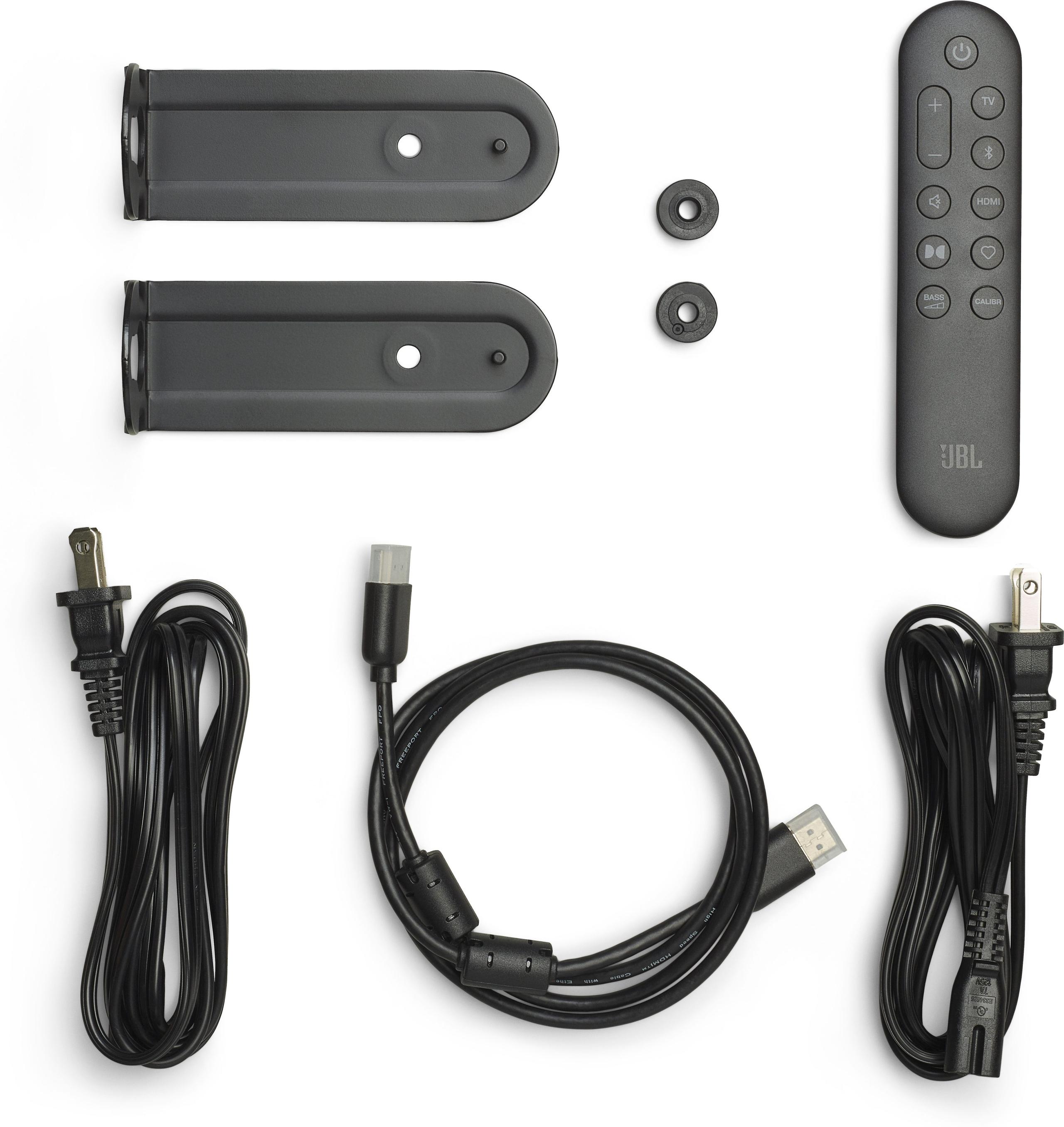
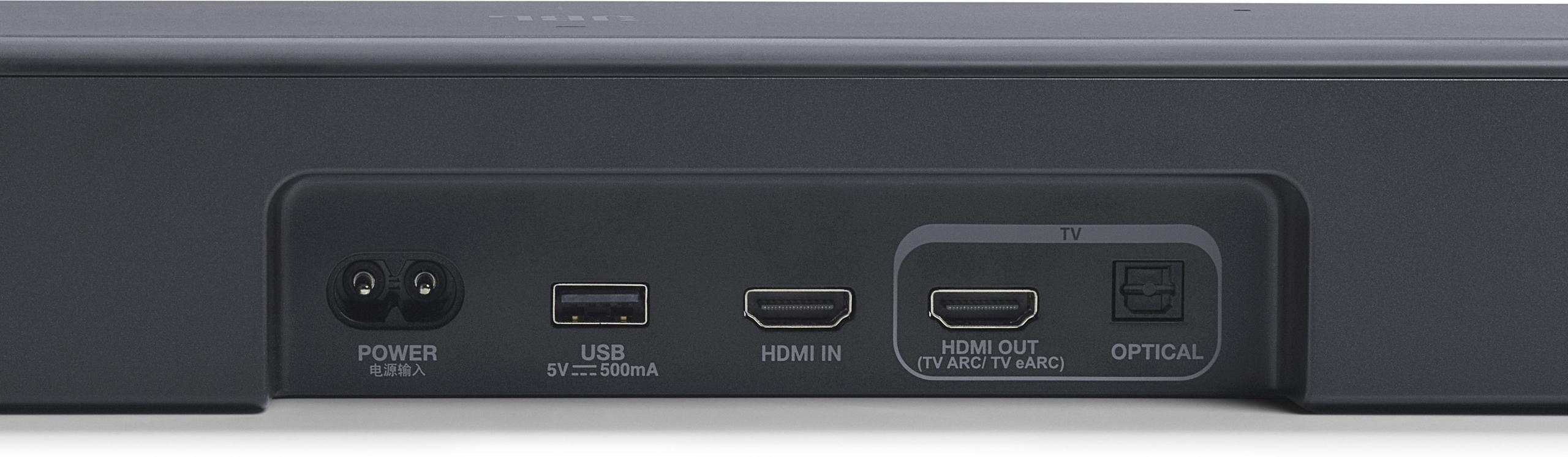
Modern gaming brings unique audio requirements, and here the differences become crucial for console owners. The JBL Bar 300 MK2 includes both HDMI input and eARC output, allowing it to function as a video hub. You can connect your PlayStation 5 or Xbox Series X directly to the soundbar, which then passes 4K Dolby Vision video to your TV while processing the audio internally.
This setup provides benefits beyond convenience. Game audio can be processed with lower latency, and you get access to advanced gaming audio features. The JBL Bar 300 MK2 supports 4K 120Hz passthrough, which is essential for next-generation gaming at high refresh rates.
The Sony HT-S2000 only offers HDMI eARC/ARC connectivity, meaning it can't serve as a video passthrough device. Your gaming console connects directly to your TV, which then sends audio to the soundbar. While this works fine for most gaming, it eliminates some advanced audio processing options and adds potential for audio delay issues.
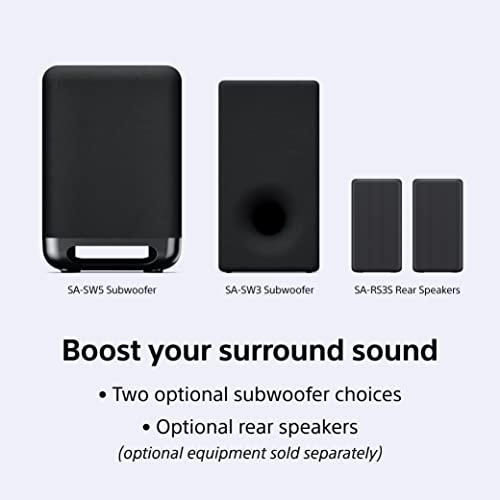
Here's where the Sony HT-S2000 demonstrates superior long-term value. Sony designed this soundbar as the foundation for a potentially larger system. You can add Sony's SA-SW3 or SA-SW5 wireless subwoofers for even deeper bass, plus SA-RS3S rear speakers to create true 5.1 or 7.1 surround sound.
This expandability means you can start with the basic soundbar and gradually build a complete home theater system without replacing your core investment. The wireless connectivity between components is reliable, and the integration feels seamless.
The JBL Bar 300 MK2 offers no expansion options. What you buy is what you get – there's no path to add a separate subwoofer or rear speakers. While the soundbar performs well as a standalone unit, you're limited to its capabilities forever.
At the time of writing, there's a significant price gap between these soundbars, with the Sony HT-S2000 typically selling for considerably less than the JBL Bar 300 MK2. This price difference – often $100+ – represents one of the most compelling aspects of Sony's offering.
When you consider that the Sony HT-S2000 delivers superior audio performance for less money, plus future expandability, the value proposition becomes clear. You're getting more impactful sound, better Dolby Atmos processing, and room to grow, all while spending less upfront.
The JBL Bar 300 MK2 commands its premium for convenience features and smart integration. If those features align with your daily usage patterns, the extra cost might be justified. However, from a pure audio performance perspective, you're paying more for less impressive sound.
Both soundbars work well in medium-sized rooms (12x15 feet or similar), but they behave differently in various environments. The Sony HT-S2000's powerful bass projection makes it better suited for larger spaces where you need room-filling impact. Those dual subwoofers can energize a space in ways that the JBL Bar 300 MK2's single bass port cannot match.
For smaller apartments or bedrooms, the JBL Bar 300 MK2's more controlled bass response might actually be preferable. It won't overwhelm the space or disturb neighbors as easily, while still providing good dialogue clarity and musical detail.
Both soundbars are easy to set up – essentially plug-and-play with a single HDMI connection to your TV. Neither requires complex room calibration or speaker positioning, making them accessible to users who want better sound without technical complexity.
After extensive use with both systems, my recommendation depends entirely on your primary use case and priorities.
Choose the Sony HT-S2000 if you're primarily focused on movie and TV watching, want the most impactful audio experience possible, and appreciate exceptional value. This soundbar delivers genuinely impressive sound quality that rivals much more expensive systems, plus the flexibility to expand later. For most people seeking better TV audio, this represents the smarter choice.
The JBL Bar 300 MK2 makes sense if you stream music frequently, want comprehensive smart home integration, or need gaming connectivity features. Its dialogue clarity is excellent, and the streaming capabilities transform it into a versatile entertainment hub. However, you're paying a premium for convenience over pure audio performance.
For home theater enthusiasts specifically, the Sony HT-S2000 offers more convincing surround effects, substantially better bass impact, and superior value. The ability to expand with additional speakers means your investment can grow with your needs and budget.
Neither soundbar will disappoint in terms of build quality or basic functionality, but understanding their different strengths helps ensure you choose the one that best matches your entertainment habits and priorities. At the time of writing, the Sony HT-S2000's combination of superior audio performance and lower price makes it the more compelling choice for most users seeking an upgrade from basic TV audio.
| Sony HT-S2000 | JBL Bar 300 MK2 |
|---|---|
| Channel Configuration - Determines bass performance and surround effects | |
| 3.1 channels with dual built-in subwoofers | 5.0 channels with no dedicated subwoofer |
| Total Power Output - Affects maximum volume and dynamic range | |
| 250W (concentrated in fewer channels for more impact) | 260W (spread across more channels) |
| Bass Performance - Critical for movie impact and music enjoyment | |
| Dual built-in subwoofers with side-firing bass ports | Single rear bass port with digital processing |
| Dolby Atmos Implementation - Creates immersive 3D sound experience | |
| Vertical Surround Engine with convincing height effects | MultiBeam 3.0 with wider soundstage but less height |
| Audio Format Support - Compatibility with different content sources | |
| Dolby Atmos, DTS:X, Dolby TrueHD, DTS-HD Master Audio | Dolby Atmos only (DTS Virtual:X coming via update) |
| Smart Features - Daily convenience and streaming capabilities | |
| Basic Bluetooth 5.2, no Wi-Fi streaming | AirPlay, Chromecast, Spotify Connect, voice assistant support |
| HDMI Connectivity - Gaming and device connection flexibility | |
| eARC/ARC only (no HDMI input) | HDMI input + eARC output with 4K passthrough |
| Dialogue Clarity Technology - Essential for TV shows and movies | |
| Dedicated center channel with Voice Mode | PureVoice 2.0 advanced dialogue processing |
| System Expandability - Future upgrade potential | |
| Compatible with wireless Sony subwoofers and rear speakers | No expansion options available |
| App Control and Customization - User experience and sound tuning | |
| Basic Sony Home Entertainment Connect app | Comprehensive JBL One app with full EQ control |
| Physical Design - Room integration and build quality | |
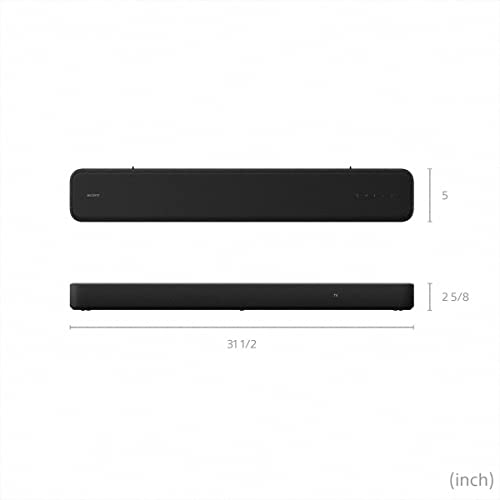
| 31.5" × 2.6" × 5", premium mesh grille, 8.2 lbs | 32.3" × 2.2" × 4.1", modern design, 5.5 lbs |
| Value Proposition - Performance per dollar at time of writing | |
| Exceptional audio performance at budget-friendly price | Premium smart features at higher cost with less audio impact |
The Sony HT-S2000 delivers superior movie sound quality with its 3.1 channel configuration and dual built-in subwoofers. The dedicated subwoofer channels provide more impactful bass for action scenes, while the Vertical Surround Engine creates more convincing Dolby Atmos height effects. Professional reviewers consistently rate the Sony HT-S2000 higher for pure audio performance compared to the JBL Bar 300 MK2.
The JBL Bar 300 MK2 is better for gaming with its HDMI input that allows direct console connection and 4K passthrough. The Sony HT-S2000 only has HDMI eARC/ARC, so gaming consoles must connect to your TV first. For PlayStation 5 or Xbox Series X owners, the JBL Bar 300 MK2 offers more flexible connectivity options.
Both the Sony HT-S2000 and JBL Bar 300 MK2 are equally easy to set up with single HDMI cable connections to your TV. However, the JBL Bar 300 MK2 requires additional Wi-Fi setup for smart features, while the Sony HT-S2000 works immediately after plugging in.
The JBL Bar 300 MK2 works directly with Alexa, Google Assistant, and Siri through connected smart speakers or devices. The Sony HT-S2000 doesn't have built-in voice assistant support, though it can work with assistants through compatible Sony TVs or external devices.
The Sony HT-S2000 produces significantly better bass with its dual built-in subwoofers and side-firing bass ports. The JBL Bar 300 MK2 relies on a single rear bass port and digital processing, which provides adequate bass but can't match the physical impact of the Sony HT-S2000's dedicated subwoofer drivers.
The JBL Bar 300 MK2 offers comprehensive music streaming with AirPlay, Chromecast, Spotify Connect, and Wi-Fi connectivity. The Sony HT-S2000 only supports basic Bluetooth streaming, requiring your TV to be on for most music playback. For daily music listening, the JBL Bar 300 MK2 is far more convenient.
The JBL Bar 300 MK2 excels at dialogue clarity with its PureVoice 2.0 technology that specifically enhances speech intelligibility. While the Sony HT-S2000 has a dedicated center channel and Voice Mode, the JBL's processing keeps dialogue clearer during complex audio scenes.
The Sony HT-S2000 can be expanded with Sony's wireless subwoofers (SA-SW3, SA-SW5) and rear speakers (SA-RS3S) to create a full surround system. The JBL Bar 300 MK2 cannot be expanded - it's a standalone unit with no option to add additional speakers.
The Sony HT-S2000 provides exceptional value with superior audio performance at a lower price point than the JBL Bar 300 MK2. While the JBL offers more smart features, the Sony HT-S2000 delivers better sound quality per dollar spent, making it the better value for most buyers.
Yes, both the Sony HT-S2000 and JBL Bar 300 MK2 support Dolby Atmos through virtual processing. However, the Sony HT-S2000 also supports DTS:X and creates more convincing height effects, while the JBL Bar 300 MK2 focuses on width expansion rather than overhead positioning.
For small apartments, the JBL Bar 300 MK2 may be preferable due to its more controlled bass output that's less likely to disturb neighbors. The Sony HT-S2000's powerful dual subwoofers can overwhelm smaller spaces, though both soundbars work well in typical living rooms.
The JBL Bar 300 MK2 has a superior app experience with the comprehensive JBL One app offering full EQ customization, streaming control, and detailed settings. The Sony HT-S2000 uses Sony's basic Home Entertainment Connect app that provides limited control options compared to the feature-rich JBL Bar 300 MK2 app.
We've done our best to create useful and informative comparisons to help you decide what product to buy. Our research uses advanced automated methods to create this comparison and perfection is not possible - please contact us for corrections or questions. These are the sites we've researched in the creation of this article: techradar.com - valueelectronics.com - youtube.com - videoandaudiocenter.com - whathifi.com - hometheaterhifi.com - youtube.com - sony.com - rtings.com - whathifi.com - rtings.com - helpguide.sony.net - electronics.sony.com - sony.com - dolby.com - sony.com - youtube.com - youtube.com - homecinemachoice.com - retailspecs.com - hometechnologyreview.com - whathifi.com - news.jbl.com - engadget.com - crutchfield.com - harmanaudio.com - techradar.com - bestbuy.com - jbl.com - sweech.co.ke - jbl.com - jbl.com.sg - mm.jbl.com - abcwarehouse.com - harmanaudio.com - sweetwater.com - ro.harmanaudio.com - dell.com - jbl.co.nz

Privacy Policy
Terms and Conditions - Affiliate Policy
Home Security
© Copyright 2008-2026.
11816 Inwood Rd #1211, Dallas, TX 75244