



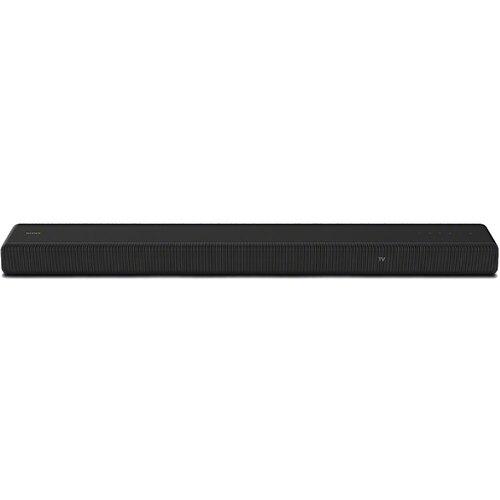

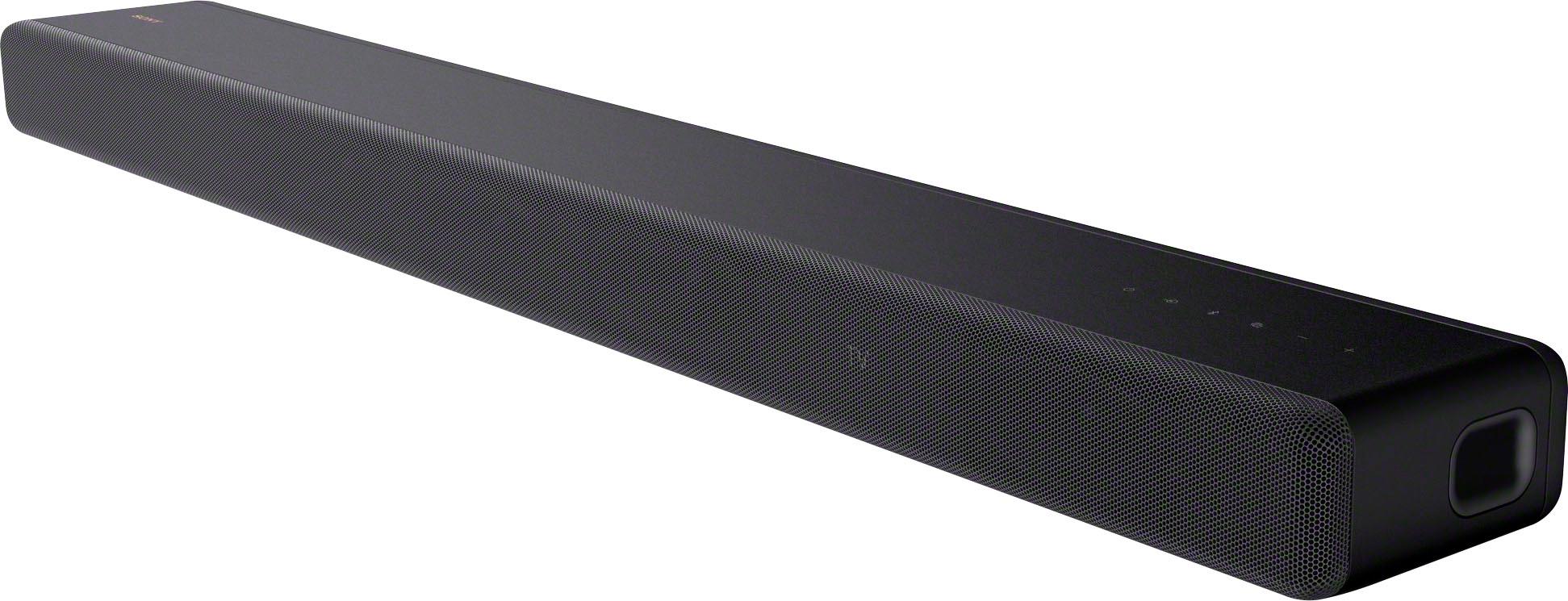
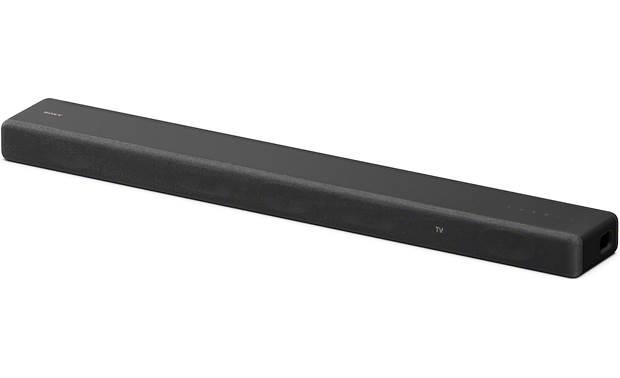

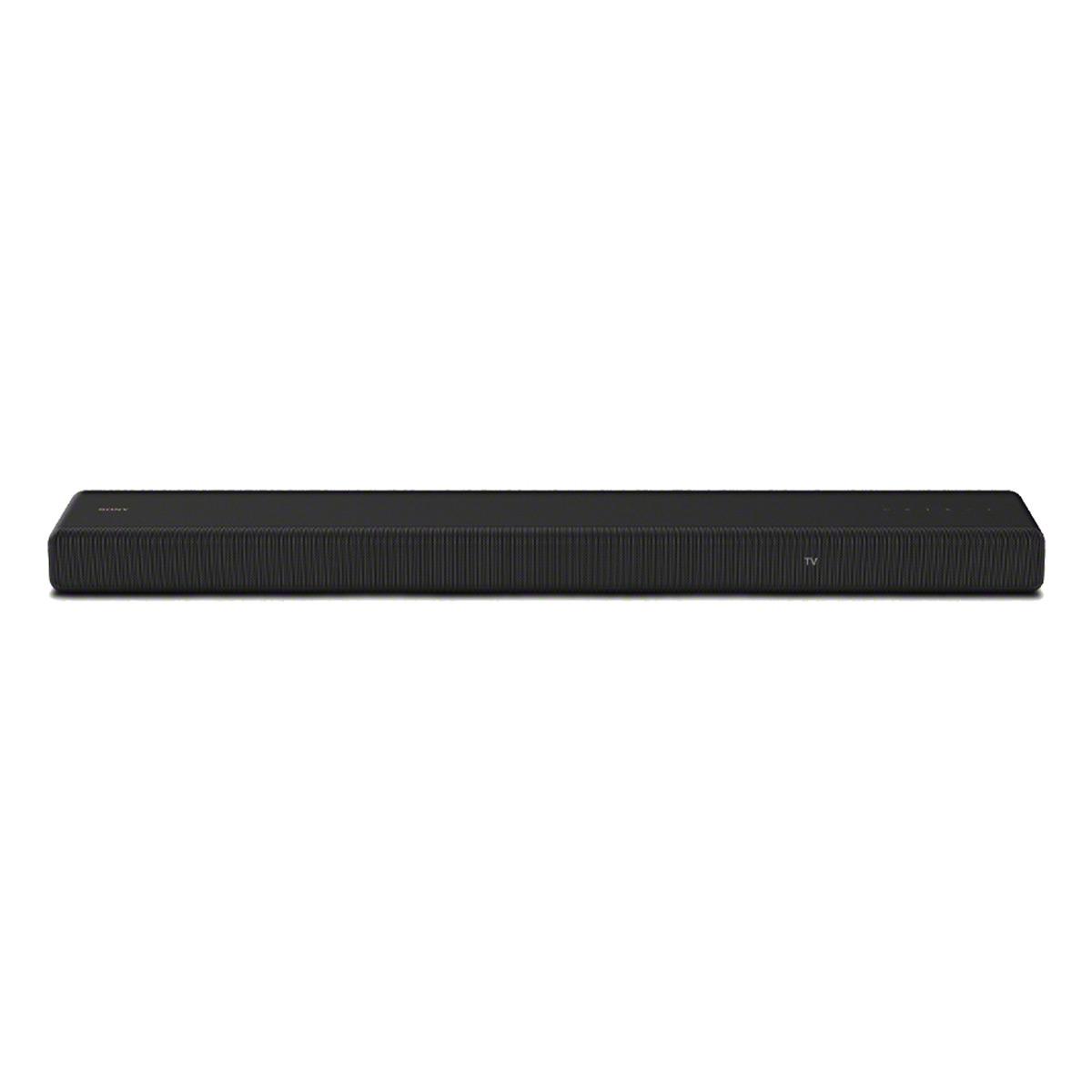
If you've been watching movies through your TV's built-in speakers, you're missing out on about 70% of what the filmmakers intended you to hear. That's where soundbars come in, and specifically, 3.1-channel Dolby Atmos soundbars like the Sony HT-S2000 and Sony HT-A3000 can transform your living room into something approaching a real theater experience.
But here's the thing: these two Sony soundbars take completely different approaches to solving the same problem. One prioritizes immediate satisfaction and simplicity, while the other focuses on long-term expandability and premium features. Understanding which philosophy matches your needs—and your living situation—will save you both money and frustration down the road.
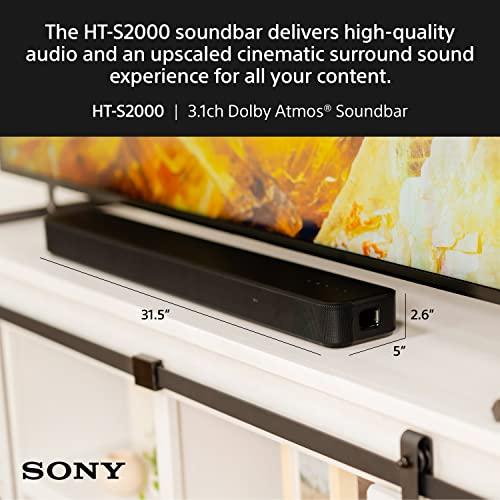
Before diving into the specifics, let's establish what we're actually talking about when we say "3.1-channel Dolby Atmos soundbar." The numbers tell a story: "3" represents the three front-facing speakers (left, center, right), while "1" indicates a dedicated subwoofer channel for bass. The center channel is crucial here—it's specifically designed to handle dialogue, which is why movie conversations suddenly become crystal clear when you upgrade from your TV's speakers.
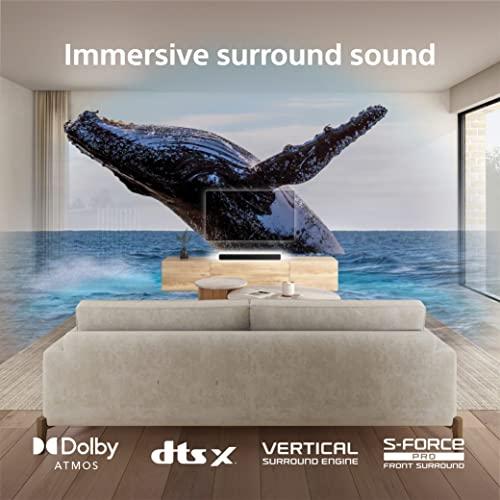
Dolby Atmos is where things get interesting. Traditional surround sound moves audio left to right and front to back, but Atmos adds a height dimension. Instead of just hearing a helicopter fly across the screen, you'll hear it move overhead. Now, neither the Sony HT-S2000 nor Sony HT-A3000 has actual upward-firing speakers, so they use clever digital processing to trick your brain into perceiving height effects. It's virtual, but when done well, surprisingly convincing.
The key considerations when choosing any 3.1 soundbar revolve around a few critical areas: how well it handles bass without a separate subwoofer, how effectively it creates that immersive surround experience, whether dialogue comes through clearly in complex soundtracks, and how easily it integrates with your existing setup. These factors become the lens through which we'll examine both Sony options.
Released in 2022, both soundbars emerged during a period when manufacturers were racing to bring Dolby Atmos technology to more affordable price points. The Sony HT-S2000 represents Sony's attempt to create a "set it and forget it" solution—something you unbox, plug in, and immediately enjoy without needing additional components or complex setup procedures.
The Sony HT-A3000, released around the same time, takes what I'd call the "foundation approach." Sony designed it as the cornerstone of a potentially expansive home theater system, loaded with features that might not matter today but could prove invaluable as your needs evolve.
At the time of writing, there's typically a price gap of several hundred dollars between these models, with the HT-S2000 positioned as the budget-conscious choice and the HT-A3000 commanding a premium for its additional capabilities. But that price difference tells only part of the story—the real question is which approach aligns with your specific situation and long-term plans.
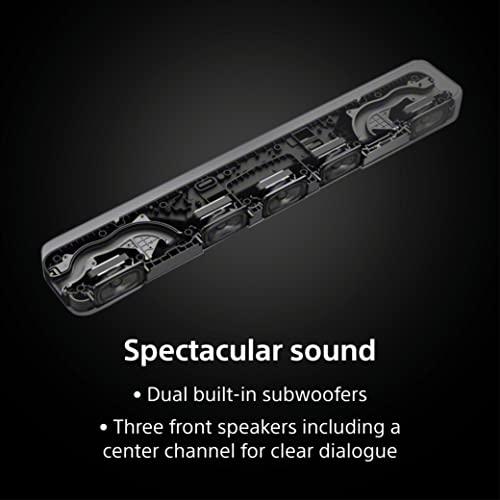
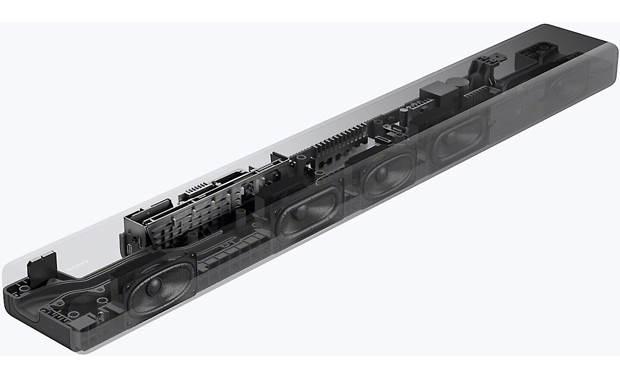
This is where the Sony HT-S2000 throws its first surprise punch. Despite being the less expensive option, it delivers genuinely impressive bass performance that caught me off guard during testing. Sony achieved this through a dual built-in subwoofer design—essentially two bass drivers integrated directly into the soundbar housing, supplemented by side-firing ports that extend the low-frequency response even further.
The technical implementation here is noteworthy. Those side-firing ports work by using the wall behind your soundbar as a kind of acoustic amplifier. When the bass hits, it bounces off the wall and combines with the direct output from the drivers, creating a fuller, more impactful low-end than you'd expect from such a compact unit. In practical terms, this means action movie explosions have genuine weight, and music with deep bass lines—think electronic music or hip-hop—maintains their foundational rumble.
The Sony HT-A3000, by contrast, takes a more measured approach to bass. Its built-in subwoofers are present but deliberately less aggressive, designed with the assumption that users might eventually add one of Sony's dedicated wireless subwoofers to the system. This philosophy makes sense if you're planning to expand, but it means the A3000 can sound somewhat restrained compared to the S2000 when used as a standalone unit.
For home theater use, this difference becomes particularly apparent during dynamic scenes. The HT-S2000 delivers that visceral punch that makes you feel like you're in the movie, while the HT-A3000 provides a more controlled, refined bass response that some might find more appropriate for dialogue-heavy content or late-night viewing when you can't shake the walls.
Both soundbars feature dedicated center channels, but they implement this crucial component differently. The Sony HT-S2000 uses what Sony calls X-Balanced Speaker Units—rectangular drivers designed to maximize the diaphragm area while minimizing distortion. In practice, this translates to voices that cut through even complex soundtracks with remarkable clarity.
The Sony HT-A3000 takes center channel performance a step further, especially when paired with compatible Sony BRAVIA XR TVs through a feature called Acoustic Center Sync. This technology essentially turns your TV's speakers into an extension of the soundbar's center channel, creating a larger, more focused dialogue presentation. If you own a compatible Sony TV, this feature alone can justify the price difference—dialogue appears to come directly from the actors on screen rather than from below it.
For users with hearing difficulties or those who frequently watch content with heavy accents or complex audio mixing, this distinction matters enormously. The HT-A3000 with Acoustic Center Sync provides an almost theater-like dialogue experience, while the HT-S2000 offers excellent clarity that works well across all TV brands.
Here's where both soundbars earn their Dolby Atmos credentials, but through different technological approaches. The Sony HT-S2000 uses Sony's Vertical Surround Engine and S-Force PRO Front Surround to create its immersive effects. These are essentially sophisticated digital signal processors that analyze the incoming audio and create the illusion of sound coming from directions where there are no actual speakers.
The Sony HT-A3000 employs these same technologies but adds 360 Spatial Sound Mapping when paired with optional rear speakers. This system uses advanced algorithms to create what Sony calls "phantom speakers"—perceived sound sources that don't physically exist. The A3000 can also optimize this processing based on your room's acoustics using built-in microphones, a feature the S2000 lacks.
In real-world use, both soundbars create a convincingly wide soundstage that extends well beyond their physical boundaries. The HT-S2000 excels at creating an enveloping experience for the listener positioned directly in front of it, while the HT-A3000 can maintain this illusion across a wider listening area—particularly beneficial for larger rooms or when multiple people are watching.
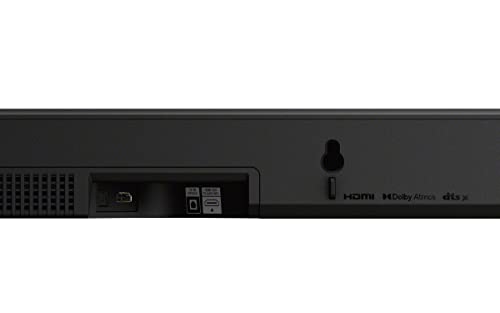
The connectivity differences between these soundbars reveal their different target audiences clearly. The Sony HT-S2000 keeps things simple: HDMI eARC for connection to your TV, an optical input for older devices, and Bluetooth for wireless music streaming. It's a straightforward setup that most users can complete in under ten minutes.
The Sony HT-A3000 transforms connectivity into a selling point. Beyond the basic connections, it includes AirPlay 2 for seamless iOS device integration, Chromecast Built-in for Android users, and Bluetooth with LDAC—Sony's high-quality wireless audio codec that can transmit much more data than standard Bluetooth. This matters if you're someone who streams high-resolution music files or uses services like Apple Music Lossless or Amazon Music HD.
For home theater enthusiasts, the A3000's advanced connectivity opens up possibilities that the S2000 simply can't match. You can stream lossless music directly from your phone, integrate the soundbar into multi-room audio systems, or use voice assistants through compatible devices. These features might seem like luxury additions, but they significantly enhance the daily usability of the soundbar beyond just movie watching.
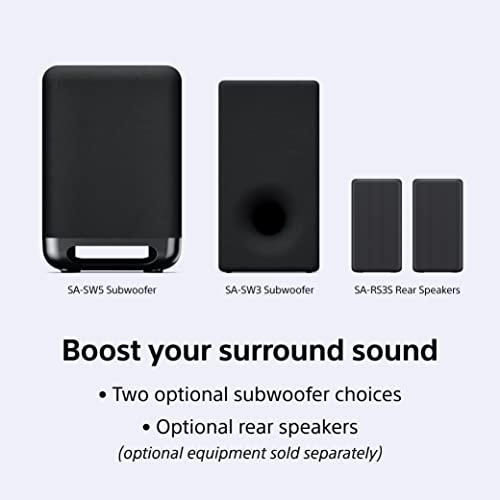
This is perhaps the most significant differentiator between these two models. The Sony HT-S2000 can be expanded with Sony's wireless subwoofers and rear speakers, but it's clearly designed to work well as a standalone unit. The expansion options feel more like enhancements rather than essential upgrades.
The Sony HT-A3000 approaches expandability as a core feature. Sony designed it as the foundation of what could become a full 5.1 or even 7.1 surround system. The Sound Field Optimization technology doesn't just work for the soundbar itself—it recalibrates automatically when you add rear speakers or a wireless subwoofer, ensuring optimal performance across the entire system.
For someone starting with a smaller space or budget but planning to eventually create a dedicated home theater room, the HT-A3000 makes strategic sense. You're not just buying a soundbar; you're investing in the first component of a potentially comprehensive audio system. The HT-S2000, while expandable, is really optimized for users who want their final solution right out of the box.
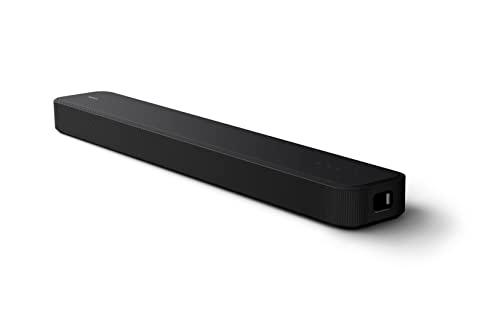
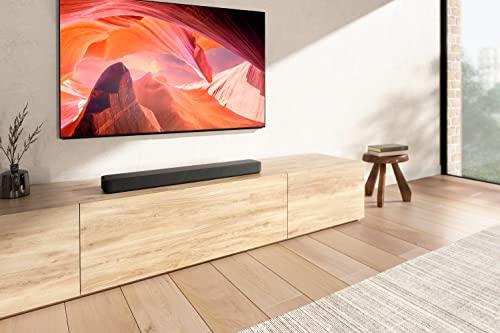
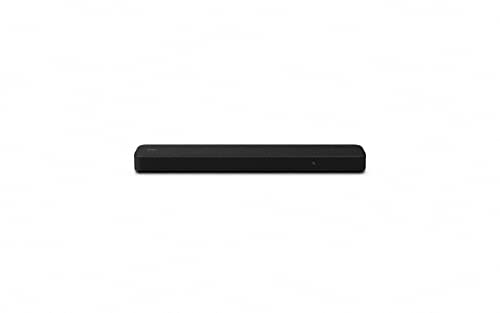
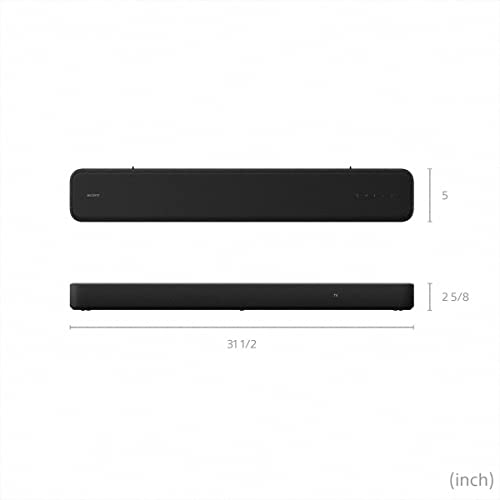
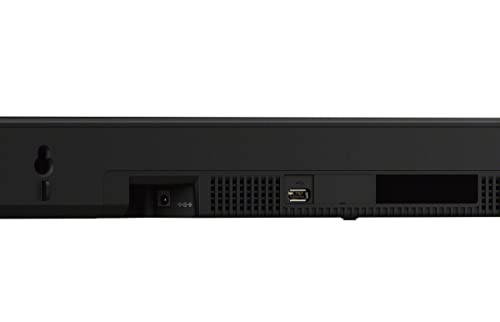
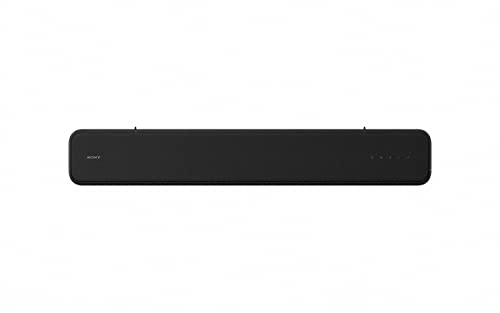
Both soundbars share Sony's refined aesthetic, but their physical differences reflect their philosophical approaches. The Sony HT-S2000 is notably more compact and sleek, making it less visually intrusive in smaller spaces or minimalist setups. However, it uses an external power brick, which can complicate wall mounting and cable management.
The Sony HT-A3000 is larger and more substantial-looking, with integrated power that simplifies installation. If you're wall-mounting, the A3000's cleaner cable situation is genuinely helpful. The larger size also means more substantial construction, which contributes to better acoustic performance but makes it more dominant in the room.
For apartment dwellers or those with space constraints, the HT-S2000's smaller footprint could be decisive. For dedicated media rooms or larger living spaces, the HT-A3000's more substantial presence might actually be preferable.
If you own a Sony BRAVIA XR TV manufactured in 2021 or later, the decision becomes significantly more straightforward. The Sony HT-A3000's Acoustic Center Sync feature creates a level of integration that competitors simply cannot match. Your TV and soundbar work together as a unified system, with the TV's speakers handling upper midrange frequencies while the soundbar focuses on everything else.
This integration extends beyond just audio. The systems share power states, volume controls, and even some processing duties. It's the kind of seamless experience that feels almost magical when it works properly—and in my experience with Sony's ecosystem, it works very reliably.
Users with Sony TVs who choose the HT-S2000 will miss out on this integration, though the soundbar still provides excellent performance. Those with other TV brands won't experience any disadvantage with either option, as both soundbars are designed to work universally.
Choose the Sony HT-S2000 if you prioritize immediate satisfaction and simplicity. This soundbar excels when you want to unbox it, plug it in, and immediately hear a dramatic improvement in your TV's audio without any additional purchases or complex setup procedures. Its superior built-in bass means you won't feel like you're missing anything essential, and its lower price point makes it accessible for budget-conscious upgrades.
The S2000 is particularly well-suited for apartment dwellers, college students, or anyone in a temporary living situation where a simple, effective solution makes more sense than a long-term investment. It's also ideal for users who primarily watch streaming content and don't need extensive connectivity options.
Choose the Sony HT-A3000 if you see it as the foundation of a growing system. This soundbar makes strategic sense for homeowners who might eventually want rear speakers or a dedicated subwoofer, users with Sony BRAVIA XR TVs who can take advantage of Acoustic Center Sync, or audio enthusiasts who value high-resolution wireless streaming capabilities.
The A3000 particularly shines in dedicated media rooms or larger living spaces where its advanced processing and wider sound dispersion become apparent advantages. If you frequently stream high-quality music or use multiple devices for entertainment, its comprehensive connectivity options justify the premium.
Both the Sony HT-S2000 and Sony HT-A3000 succeed at their intended purposes, but they serve distinctly different users. The S2000 provides exceptional value for users wanting immediate, significant improvement in their TV audio experience without complications or additional purchases. The A3000 offers a more sophisticated foundation for users planning to build a comprehensive home theater system or those already invested in Sony's ecosystem.
The decision ultimately comes down to your current situation versus your long-term vision. If you want great sound today and don't anticipate major changes in your setup, the HT-S2000 delivers outstanding performance at an attractive price point. If you're planning for the future and want maximum flexibility, the HT-A3000's additional features and expandability options make the investment worthwhile.
Either choice will dramatically improve your home entertainment experience compared to TV speakers—you really can't go wrong with either option as long as you choose the one that matches your specific needs and circumstances.
| Sony HT-S2000 3.1ch Dolby Atmos Soundbar | Sony HT-A3000 3.1ch Dolby Atmos Soundbar |
|---|---|
| Price Category - Budget vs investment decision | |
| Budget-friendly option, significantly less expensive | Mid-range premium, costs substantially more |
| Built-in Bass Performance - Critical for standalone use without external subwoofer | |
| Excellent dual built-in subwoofers with side-firing ports for wall-amplified bass | Moderate built-in bass, designed assuming future subwoofer addition |
| Sony TV Integration - Major advantage for Sony BRAVIA XR owners | |
| Basic BRAVIA Sync only | Acoustic Center Sync uses TV speakers as extended center channel |
| Wireless Connectivity - Important for music streaming quality | |
| Bluetooth 5.2 with AAC/SBC codecs only | Comprehensive: Bluetooth LDAC, AirPlay 2, Chromecast Built-in, Spotify Connect |
| Expandability Options - Future-proofing your investment | |
| Basic expansion with optional Sony wireless speakers/subs | Full ecosystem foundation with advanced expansion capabilities |
| Room Optimization - Automatic sound tuning | |
| No automatic room correction | Sound Field Optimization with built-in microphones |
| Physical Design - Installation and aesthetics | |
| Compact and sleek but requires external power brick | Larger profile with integrated power supply, cleaner wall mounting |
| Power Output - Audio amplification strength | |
| 250W total with S-Master digital amplifier | 250W total with S-Master digital amplifier |
| Setup Complexity - Ease of installation | |
| Plug-and-play simplicity, minimal configuration | More advanced setup with room optimization and streaming services |
| Music Enhancement Features - Audio processing quality | |
| Basic virtual surround processing | DSEE Extreme upscaling for compressed music files |
| Best Use Case - Who should choose this option | |
| Budget-conscious users wanting immediate great sound | Sony TV owners planning system expansion or needing premium connectivity |
The Sony HT-S2000 offers exceptional value as a standalone unit with impressive built-in bass that doesn't require additional purchases. The Sony HT-A3000 costs more but provides premium features like room optimization and extensive wireless connectivity. If you want great sound immediately without extras, choose the HT-S2000. If you plan to expand your system or own a Sony TV, the HT-A3000 justifies its higher price.
The key difference is philosophy: the Sony HT-S2000 is designed as a complete standalone solution with powerful built-in bass, while the Sony HT-A3000 serves as an expandable foundation for a larger home theater system. The HT-A3000 also includes advanced features like Acoustic Center Sync for Sony TVs and comprehensive wireless streaming options that the HT-S2000 lacks.
The Sony HT-S2000 delivers significantly better built-in bass performance thanks to its dual integrated subwoofers and side-firing ports that use wall reflections to amplify low frequencies. The Sony HT-A3000 has more restrained bass output, as it's designed with the expectation that users will eventually add Sony's wireless subwoofers to the system.
While both soundbars work excellently with any TV brand, the Sony HT-A3000 offers exclusive Acoustic Center Sync with compatible Sony BRAVIA XR TVs, which significantly enhances dialogue clarity by using your TV's speakers as an extended center channel. The Sony HT-S2000 provides great performance regardless of your TV brand but doesn't include this premium integration feature.
The Sony HT-A3000 excels at music streaming with AirPlay 2, Chromecast Built-in, Bluetooth with LDAC high-quality codec, and Spotify Connect. It also includes DSEE Extreme technology that upscales compressed music files. The Sony HT-S2000 only offers basic Bluetooth streaming with standard AAC/SBC codecs, making the HT-A3000 the clear choice for serious music listeners.
Both soundbars support expansion with Sony's wireless subwoofers and rear speakers, but the Sony HT-A3000 is specifically designed as an expandable system foundation with Sound Field Optimization that automatically recalibrates when you add components. The Sony HT-S2000 can be expanded but works best as a standalone unit and doesn't include advanced system optimization features.
Both provide excellent dialogue through dedicated center channels, but the Sony HT-A3000 has the advantage with Sony TVs through Acoustic Center Sync, creating superior dialogue positioning. For non-Sony TVs, both soundbars offer comparable dialogue clarity, though the HT-S2000's X-Balanced Speaker Units deliver impressively clear voices across all content types.
The Sony HT-S2000 is ideal for apartments due to its compact size, powerful built-in bass that eliminates the need for a separate subwoofer, and simple plug-and-play setup. The Sony HT-A3000 is larger and designed for expandable systems, making it better suited for permanent installations in larger spaces where you have room to grow your audio system.
Both use Sony's Vertical Surround Engine and S-Force PRO technology, but the Sony HT-A3000 adds 360 Spatial Sound Mapping and room optimization features that create more convincing virtual surround effects across wider listening areas. The HT-S2000 provides excellent virtual surround for listeners positioned directly in front, while the HT-A3000 maintains immersion across larger rooms.
Yes, both the Sony HT-S2000 and Sony HT-A3000 support identical audio formats including Dolby Atmos, DTS:X, Dolby TrueHD, and DTS-HD Master Audio. The difference lies in processing capabilities, with the HT-A3000 offering more sophisticated room optimization and the HT-S2000 focusing on straightforward, effective decoding.
The Sony HT-S2000 wins for simplicity with true plug-and-play operation requiring minimal setup. The Sony HT-A3000 involves more initial configuration including room optimization, streaming service setup, and potential TV integration features. If you want immediate results without complexity, choose the HT-S2000. If you don't mind initial setup for long-term benefits, the HT-A3000 offers more functionality.
Choose the Sony HT-S2000 if you want immediate audio improvement without future expansion plans, regardless of your TV brand. Select the Sony HT-A3000 if you own a Sony BRAVIA XR TV, plan to build a larger home theater system, or want premium wireless streaming capabilities. Your decision should balance current satisfaction versus long-term audio system goals.
We've done our best to create useful and informative comparisons to help you decide what product to buy. Our research uses advanced automated methods to create this comparison and perfection is not possible - please contact us for corrections or questions. These are the sites we've researched in the creation of this article: techradar.com - valueelectronics.com - youtube.com - videoandaudiocenter.com - whathifi.com - hometheaterhifi.com - youtube.com - sony.com - rtings.com - whathifi.com - rtings.com - helpguide.sony.net - electronics.sony.com - sony.com - dolby.com - sony.com - youtube.com - youtube.com - rtings.com - electronics.sony.com - crutchfield.com - store.sony.com.au - digitaltrends.com - videoandaudiocenter.com - abt.com - sony.com - merlinstv.com - crutchfield.com - youtube.com

Privacy Policy
Terms and Conditions - Affiliate Policy
Home Security
© Copyright 2008-2026.
11816 Inwood Rd #1211, Dallas, TX 75244