



Shopping for a budget Dolby Atmos soundbar feels overwhelming when you're trying to decode marketing speak and figure out what actually matters for your living room. I've spent considerable time with both the Sony HT-S2000 and the Ultimea Skywave F40, and these two systems represent fundamentally different approaches to bringing immersive audio to your home—at surprisingly different price points.
Before diving into these specific models, let's clarify what Dolby Atmos actually does. Traditional surround sound works with channels—think 5.1 surround, where you have left, center, right, two rear speakers, and a subwoofer (the ".1" represents the sub). Dolby Atmos adds height to this equation, creating a three-dimensional sound bubble around you. When a helicopter flies overhead in a movie, you hear it above you, not just from the side speakers.
The challenge with budget soundbars is achieving this height effect affordably. Some use upfiring drivers—speakers that point toward the ceiling to bounce sound down to your ears. Others rely on virtual processing, using psychoacoustic tricks to fool your brain into perceiving height where none exists. This difference becomes crucial when comparing our two contenders.
Budget Dolby Atmos soundbars typically fall into several categories based on what's included and how they create immersion. At the time of writing, you'll find everything from simple 2.1 systems with virtual Atmos processing to complete 5.1.2 systems with physical surround components. The key considerations are channel configuration (how many discrete speakers), included components (what comes in the box), setup complexity, and room requirements.
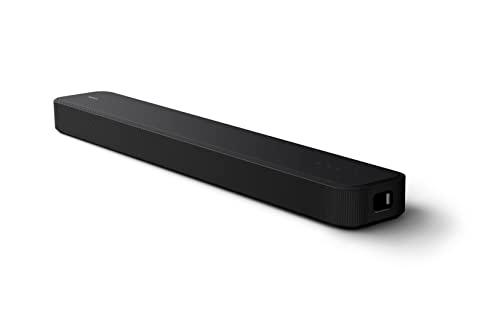
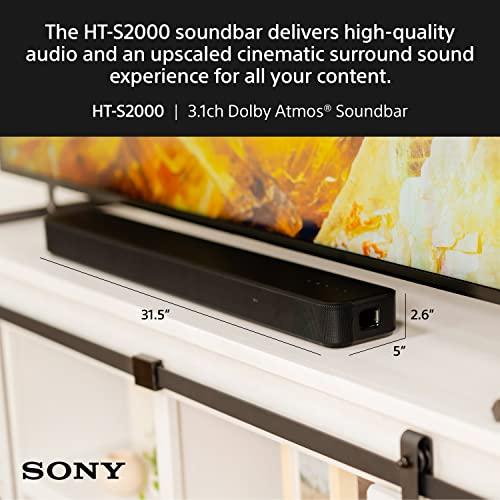
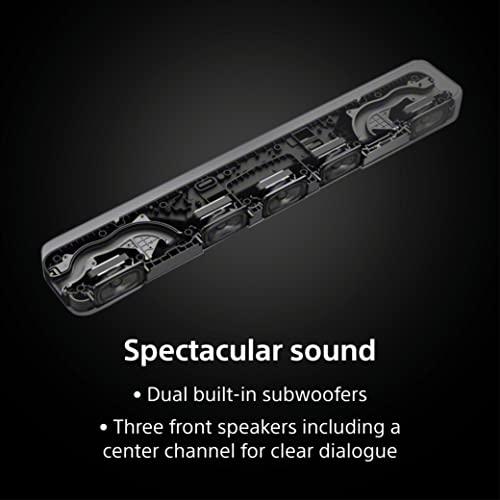
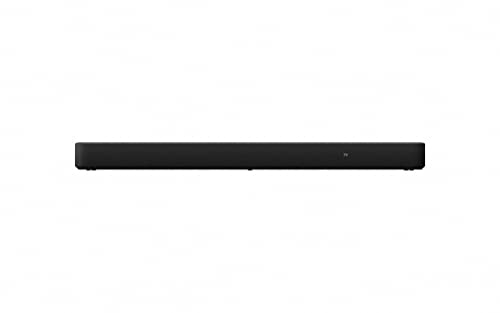
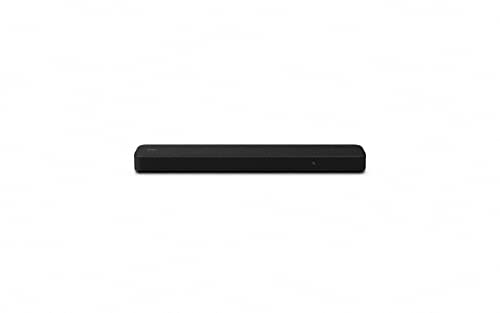
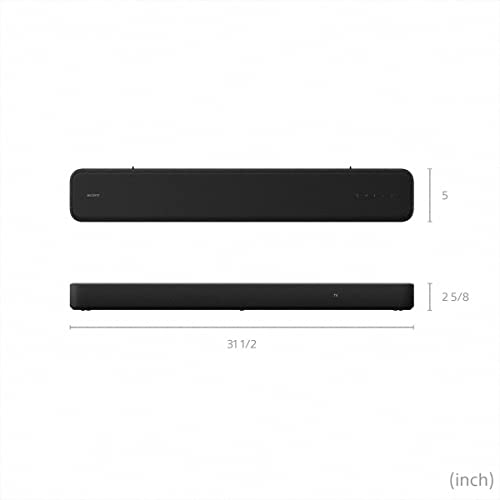
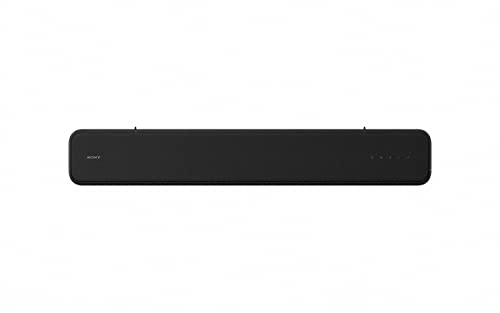
The Sony HT-S2000, released in 2023, represents Sony's minimalist philosophy applied to Dolby Atmos. This 3.1 channel soundbar packs everything into a single, sleek unit that measures just over 31 inches wide. The "3.1" designation means three front-facing speakers (left, center, right) plus a subwoofer component—in this case, dual built-in subwoofers integrated directly into the soundbar.
Sony's engineering focus here centers on dialogue clarity and virtual surround processing. The dedicated center channel uses Sony's X-Balanced Speaker Unit design—rectangular drivers that maximize sound pressure while minimizing distortion. Think of these like oval racetrack speakers instead of round ones; they can move more air in the same space. This design choice directly benefits dialogue reproduction, making voices crisp even when action sequences get loud around them.
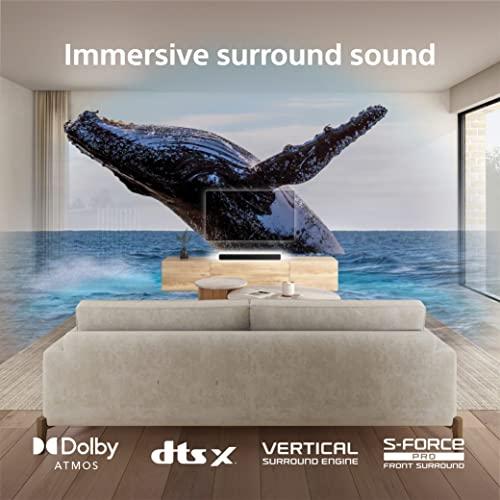
The virtual height effects come from Sony's Vertical Surround Engine and S-Force PRO Front Surround technologies. These systems use precise timing delays, frequency filtering, and psychoacoustic processing to create the illusion of sound coming from above and around you. While this won't match the impact of physical ceiling speakers, Sony has refined these algorithms considerably since their earlier soundbar releases.
What impressed me most about the Sony HT-S2000 during extended listening sessions was its restraint. The sound signature feels carefully tuned rather than artificially boosted. Dialogue remains consistently intelligible, even during complex movie soundtracks where explosions and music compete for attention. The built-in dual subwoofers provide adequate bass for most content, though they can't match the depth you'd get from a larger, dedicated subwoofer.
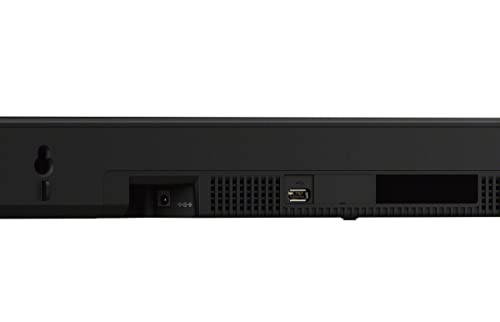
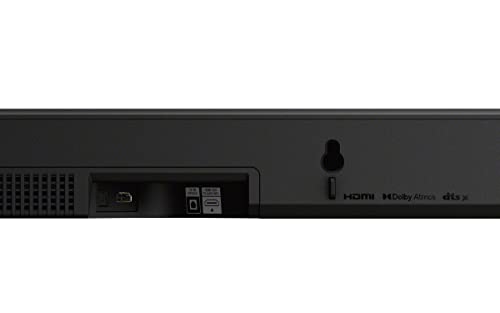
The soundbar supports HDMI eARC (Enhanced Audio Return Channel), which handles high-bandwidth, uncompressed audio from your TV. There's also optical input for older TVs and Bluetooth 5.2 for music streaming. Sony includes BRAVIA Sync compatibility, allowing seamless control integration with Sony TVs—a nice touch if you're already in their ecosystem.
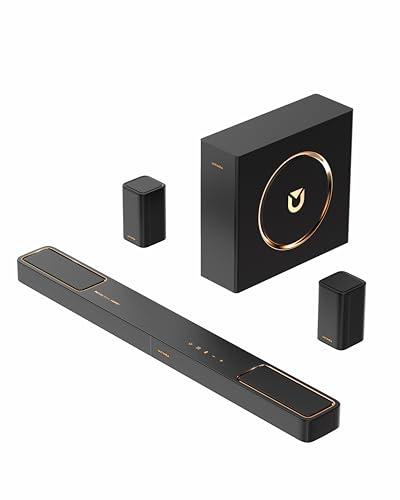
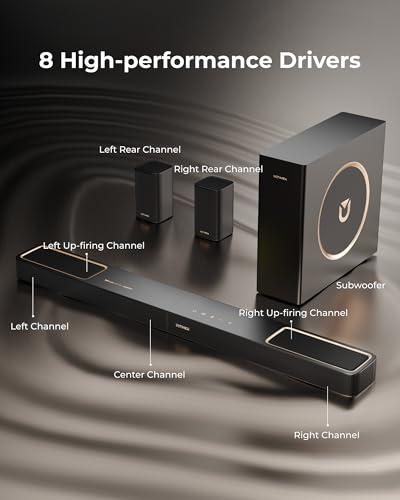
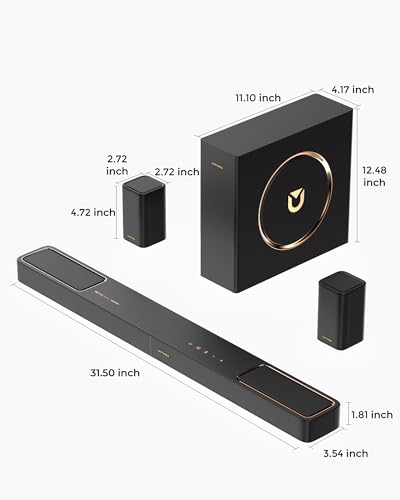
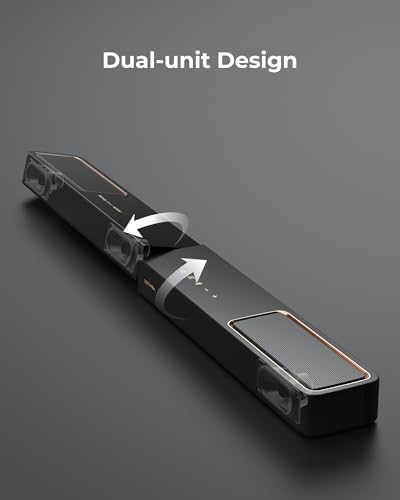
The Ultimea Skywave F40 takes an entirely different approach, delivering what many consider true 5.1.2 Dolby Atmos at a surprisingly aggressive price point. This isn't a single soundbar trying to do everything—it's a complete surround sound system with eight discrete speakers across four physical components.
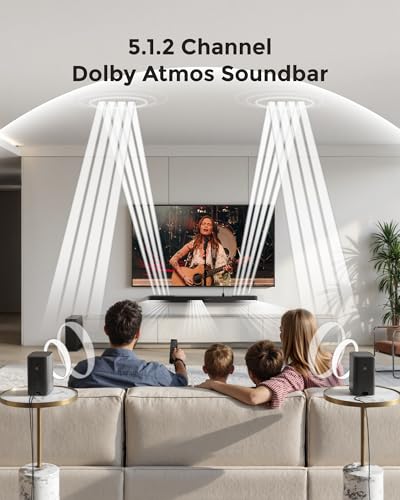
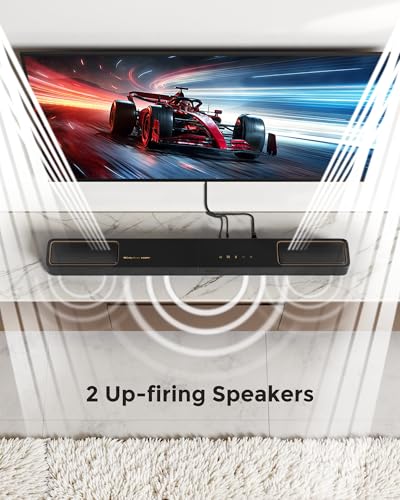
The main soundbar features both traditional front-firing drivers and two upfiring speakers with neodymium magnets. These upfiring drivers physically direct sound toward your ceiling, where it reflects back down to create genuine height effects. Combined with the two wireless rear speakers and a separate 6.5-inch subwoofer, you get authentic surround sound placement that virtual processing simply cannot replicate.
Ultimea's SurroundX technology coordinates all these components to create what they call a 360-degree sound field. The rear speakers connect wirelessly to the system (though they do connect to each other with a wire), while the subwoofer handles the deep bass extension that the Sony HT-S2000 simply cannot match with its built-in drivers.
The power difference becomes immediately apparent. While Sony delivers 250 watts across its integrated drivers, the Ultimea Skywave F40 pushes 460 watts across its eight speakers. This translates to higher maximum volume levels, better dynamic range, and the ability to fill larger rooms effectively.
Perhaps most interesting is Ultimea's inclusion of Xupmix technology, powered by Dolby DAP (Digital Audio Processing). This feature can take regular stereo content—say, a Netflix show not mixed for Atmos—and create surround effects with height information. It's essentially intelligent upmixing that works surprisingly well with everyday content.
This category showcases the Sony HT-S2000's primary strength. That dedicated center channel, specifically engineered for speech reproduction, makes voices sound natural and present. The X-Balanced drivers maintain clarity even at higher volumes, where many budget soundbars start sounding harsh or compressed.
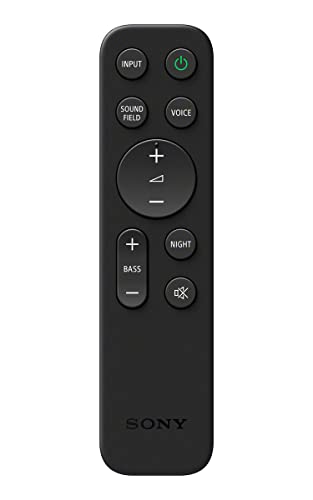
Sony includes a Voice Mode that emphasizes dialogue frequencies, plus Night Mode for late-evening viewing when you need to keep explosions quiet but still hear conversations clearly. During my testing with everything from BBC documentaries to Marvel movies, dialogue remained consistently intelligible without requiring constant volume adjustment.
The Ultimea Skywave F40 handles dialogue well but lacks that specialized center channel design. Its front-firing speakers do the job competently, and the multiple listening modes include voice optimization, but it doesn't match Sony's focused approach to speech reproduction. If you watch a lot of dialogue-heavy content—news, documentaries, British dramas—the Sony's advantage here becomes significant.
Here's where the Ultimea Skywave F40 fundamentally changes the game. Physical rear speakers create genuine surround effects that no amount of virtual processing can fully replicate. When bullets whiz past your head in an action movie, they actually travel from the front soundbar to the rear speakers behind you. The height effects from the upfiring drivers add another layer, creating that true three-dimensional sound bubble Dolby Atmos promises.
The Sony HT-S2000 does its best with virtual processing, and Sony's algorithms are sophisticated. The Vertical Surround Engine creates a sense of width and some height effects, but you're ultimately hearing everything from speakers in front of you. For casual viewing, this works fine. For cinematic immersion, physical speakers win every time.
During testing with reference scenes like the helicopter sequence in "Blade Runner 2049" or the forest chase in "The Force Awakens," the difference was dramatic. The Ultimea system placed effects in space with precision that the Sony couldn't match, despite its clever processing.
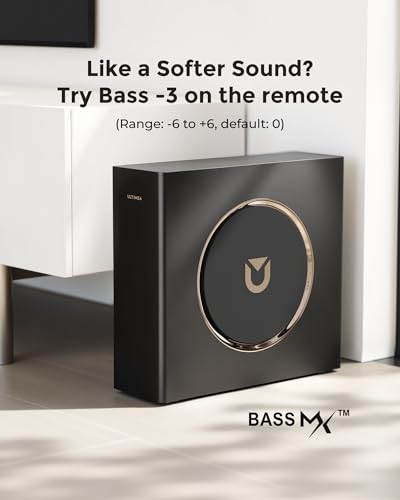
Bass performance represents perhaps the largest gap between these systems. The Sony HT-S2000's built-in dual subwoofers work within the physical constraints of the soundbar enclosure. They provide adequate low-end for dialogue and lighter content, with three adjustable bass levels for room tuning, but they simply cannot move enough air for deep, room-shaking bass.
The Ultimea Skywave F40's dedicated 6.5-inch subwoofer changes everything. Bass extension drops down to around 38-40Hz, entering true subwoofer territory where you feel effects as much as hear them. The BassMX technology optimizes this low-frequency response for both music and movies. This makes a tremendous difference with action movies, gaming, and music listening.
If you enjoy bass-heavy content—Marvel movies, electronic music, gaming—the Ultimea's advantage here becomes a deciding factor. The Sony sounds polite and controlled; the Ultimea delivers impact.
The power difference between 250 watts (Sony) and 460 watts (Ultimea) translates directly to real-world performance. The Ultimea can play louder without strain, maintains better dynamics during complex passages, and fills larger rooms more effectively.
Maximum sound pressure level matters for home theater use. The Ultimea system exceeds 96dB, which means it can reproduce movie theater-like sound levels without compression or distortion. The Sony HT-S2000 performs well at moderate volumes but hits its limits sooner.
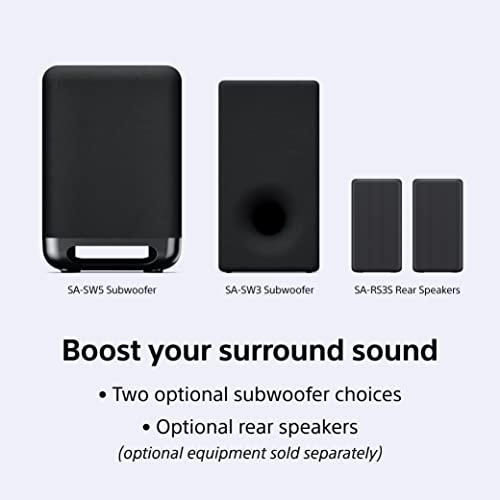
Both systems include modern connectivity, but with different emphases. The Sony HT-S2000 focuses on integration and ecosystem compatibility. BRAVIA Sync lets you control everything with your Sony TV remote, and the system can expand later with optional Sony wireless subwoofers and rear speakers—though this gets expensive quickly.
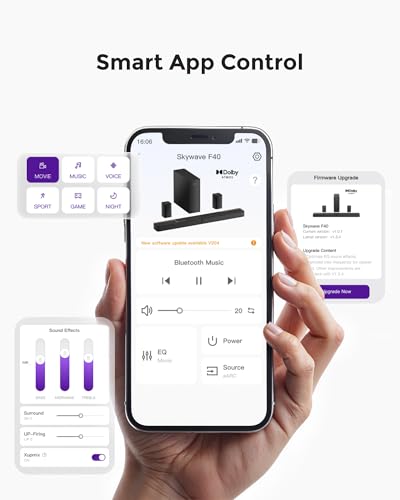
The Ultimea Skywave F40 emphasizes customization and immediate completeness. The smart app provides a 10-band equalizer with 121 preset EQ matrices, allowing deep sound tailoring. Bluetooth 5.4 offers improved connectivity over Sony's 5.2 implementation, with lower latency for gaming and music streaming.
Both support the essential audio formats—Dolby Atmos, DTS:X, and high-resolution PCM—but the Ultimea's physical speaker configuration makes better use of these formats' spatial information.
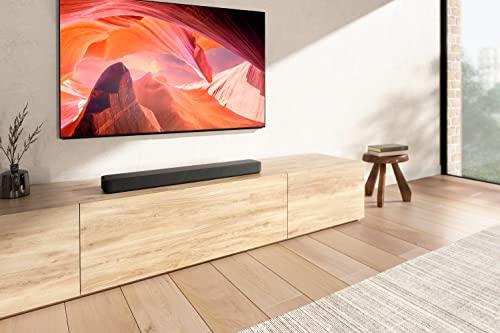
Setup complexity differs dramatically between these systems. The Sony HT-S2000 requires a single HDMI cable connection and fifteen minutes of your time. It wall-mounts easily and works well in apartments, condos, or any space where simplicity matters.
The Ultimea Skywave F40 demands more commitment. You'll need to position the rear speakers appropriately, run the connecting wire between them (it hides easily along baseboards), and find a good spot for the subwoofer. This takes 30-45 minutes and works best in dedicated home theater rooms or spaces where you can optimize speaker placement.
Room size matters significantly here. The Sony works well in small to medium spaces where virtual processing can create adequate immersion. The Ultimea truly shines in larger rooms where physical speakers can stretch their legs and create that full surround experience.
At the time of writing, the Ultimea Skywave F40 costs significantly less than the Sony HT-S2000 while including substantially more hardware. You get eight speakers across four components compared to Sony's five drivers in one unit. The cost per speaker component makes Ultimea's value proposition almost absurd.
However, value isn't just about component count. Sony brings brand reputation, refined tuning, superior dialogue processing, and ecosystem integration. The build quality feels more premium, and the minimalist design appeals to users who prioritize aesthetics and simplicity.
Choose the Sony HT-S2000 if dialogue clarity tops your priority list. This soundbar excels with TV shows, news, streaming content, and any situation where you need to understand every word clearly. It's perfect for apartments, small spaces, or situations where setup simplicity matters most. The premium brand experience and potential for future expansion within Sony's ecosystem add value for some users.
The refined sound signature works particularly well if you watch a lot of dialogue-heavy content or if bass-heavy effects might disturb neighbors. The single-unit design maintains clean aesthetics and works well with wall mounting.
Choose the Ultimea Skywave F40 if you want genuine surround sound immersion and maximum value. This system delivers authentic home theater experience with true 360-degree audio placement that virtual processing cannot match. It's ideal for action movies, gaming, music listening, and any content that benefits from dynamic bass response.
The complete system approach means you get everything needed for impressive surround sound without future upgrade requirements. The extensive customization options and app control appeal to users who enjoy tweaking their audio setup.
For dedicated home theater rooms, the Ultimea represents exceptional value and performance that punches well above its price point. The physical speakers create immersion that simply cannot be achieved through virtual processing, making it the clear choice for cinematic experiences.
Both systems represent solid choices in the budget Dolby Atmos category, but they serve different needs and preferences. Your decision should align with your space, content preferences, and whether you prioritize convenience or immersion above all else.
| Sony HT-S2000 3.1ch Dolby Atmos Soundbar | Ultimea Skywave F40 Dolby Atmos Soundbar System |
|---|---|
| Channel Configuration - Determines immersion quality and surround accuracy | |
| 3.1 channel (virtual surround) | True 5.1.2 channel (physical surround speakers) |
| Included Components - What you get in the box affects total value | |
| Single soundbar with built-in dual subwoofers | Soundbar + wireless subwoofer + 2 rear speakers |
| Total Speaker Count - More speakers typically mean better sound separation | |
| 5 drivers in one unit | 8 discrete speakers across 4 components |
| Power Output - Higher wattage enables louder volumes and better dynamics | |
| 250W total | 460W total |
| Height Effects - How Dolby Atmos overhead sound is created | |
| Virtual processing (Vertical Surround Engine) | Physical upfiring drivers with ceiling reflection |
| Bass Extension - Lower frequencies create more impactful movie experiences | |
| Built-in subwoofers (limited depth) | Dedicated 6.5" wireless subwoofer (40Hz extension) |
| Dialogue Clarity - Critical for TV shows and movies with heavy dialogue | |
| Dedicated center channel with X-Balanced drivers | Standard front-firing speakers |
| Setup Complexity - Time and effort required for installation | |
| Single HDMI connection (15 minutes) | Multi-component placement (30-45 minutes) |
| Connectivity Options - Determines compatibility with devices and TVs | |
| HDMI eARC, optical, Bluetooth 5.2 | HDMI eARC, optical, USB, Bluetooth 5.4 |
| Customization Features - Ability to tune sound to your preferences | |
| 3 bass levels, Voice/Night modes | 10-band EQ, 121 preset matrices, smart app control |
| Room Size Suitability - Optimal performance space requirements | |
| Small to medium rooms | Medium to large rooms (recommended 215-269 ft²) |
| Expandability - Future upgrade options within same ecosystem | |
| Compatible with optional Sony wireless subs and rears | Complete system - no expansion needed |
| Brand Heritage - Build quality and support expectations | |
| Premium Sony engineering and ecosystem integration | Value-focused brand with comprehensive feature set |
The Ultimea Skywave F40 provides exceptional value by including a complete 5.1.2 system with eight speakers across four components at a lower price than the Sony HT-S2000 single soundbar. However, the Sony offers premium build quality, refined dialogue processing, and brand reputation that some buyers prefer.
The Sony HT-S2000 is a 3.1 channel all-in-one soundbar that uses virtual processing for surround effects, while the Ultimea Skywave F40 is a complete 5.1.2 system with physical rear speakers, upfiring drivers, and a separate subwoofer for true surround sound immersion.
The Sony HT-S2000 excels at dialogue clarity with its dedicated center channel and X-Balanced Speaker Unit design specifically engineered for speech reproduction. The Ultimea Skywave F40 handles dialogue well but doesn't match Sony's specialized focus on vocal performance.
While not strictly necessary, the Ultimea Skywave F40's physical rear speakers create genuine surround immersion that virtual processing cannot replicate. The Sony HT-S2000 uses sophisticated virtual surround technology that works well for casual viewing but lacks the spatial accuracy of physical speakers.
The Ultimea Skywave F40 significantly outperforms the Sony HT-S2000 in bass response with its dedicated 6.5-inch wireless subwoofer extending down to 40Hz. The Sony's built-in dual subwoofers are adequate for dialogue but cannot match the depth and impact of a separate subwoofer component.
The Sony HT-S2000 offers simple 15-minute setup with a single HDMI cable connection, making it ideal for apartments or quick installations. The Ultimea Skywave F40 requires 30-45 minutes to position all components properly but includes all necessary cables and mounting hardware.
The Sony HT-S2000 works excellently in small to medium rooms where virtual processing can create adequate immersion without requiring space for multiple components. The Ultimea Skywave F40 performs best in larger rooms where physical speakers can be properly positioned for optimal surround effects.
Both systems support gaming and music well, but the Ultimea Skywave F40 provides superior performance for bass-heavy content with its dedicated subwoofer and higher power output. The Sony HT-S2000 offers excellent dialogue clarity for story-driven games but limited low-end extension for action gaming.
The Ultimea Skywave F40 provides extensive customization with a 10-band equalizer, 121 preset matrices, and smart app control. The Sony HT-S2000 offers basic adjustments including three bass levels and specialized modes like Voice and Night mode for different viewing scenarios.
The Ultimea Skywave F40 delivers authentic home theater experience with true 5.1.2 surround sound, physical height effects, and room-filling bass that works well for dedicated theater rooms. The Sony HT-S2000 provides quality audio for casual home theater use but lacks the immersion of a complete surround system.
Both offer essential connectivity, but the Ultimea Skywave F40 includes more options with HDMI eARC, optical, USB inputs, and Bluetooth 5.4 for improved wireless performance. The Sony HT-S2000 provides HDMI eARC, optical, and Bluetooth 5.2, plus superior ecosystem integration with Sony TVs through BRAVIA Sync.
The Sony HT-S2000 can expand with optional Sony wireless subwoofers and rear speakers, though this becomes expensive. The Ultimea Skywave F40 arrives as a complete system with all components included, eliminating the need for future expansion while providing immediate surround sound benefits.
We've done our best to create useful and informative comparisons to help you decide what product to buy. Our research uses advanced automated methods to create this comparison and perfection is not possible - please contact us for corrections or questions. These are the sites we've researched in the creation of this article: techradar.com - valueelectronics.com - youtube.com - videoandaudiocenter.com - whathifi.com - hometheaterhifi.com - youtube.com - sony.com - rtings.com - whathifi.com - rtings.com - helpguide.sony.net - electronics.sony.com - sony.com - dolby.com - sony.com - youtube.com - youtube.com - the-gadgeteer.com - youtube.com - ultimea.com - manuals.plus - youtube.com - ultimea.com - youtube.com - youtube.com - youtube.com - youtube.com - eu.ultimea.com - support.ultimea.com

Privacy Policy
Terms and Conditions - Affiliate Policy
Home Security
© Copyright 2008-2026.
11816 Inwood Rd #1211, Dallas, TX 75244