









If you're tired of straining to hear dialogue on your TV or missing the rumble of action scenes, you're definitely not alone. Most modern flat-screen TVs have speakers that sound like they're coming from inside a tin can—and that's being generous. The good news? Budget soundbars can transform your viewing experience without breaking the bank.
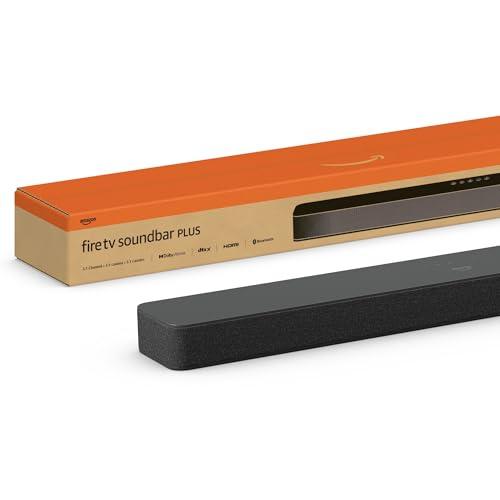
Today we're diving deep into two popular options that take completely different approaches to solving your TV audio problems: the Amazon Fire TV Soundbar Plus and the Yamaha SR-C20A. While both will dramatically improve your TV's sound, they're designed for different types of users with different priorities.
Before we get into the nitty-gritty, let's talk about what you should actually care about when shopping for a soundbar. The most important factor is dialogue clarity—if you can't understand what people are saying, nothing else matters. Next comes bass response, which adds that satisfying rumble to explosions and depth to music. The soundstage (how wide and immersive the audio feels) determines whether you feel like you're in the movie or just watching it.
Size compatibility is crucial too. A soundbar that dwarfs your TV looks ridiculous, while one that's too small won't deliver the audio improvement you're expecting. Finally, there's the question of smart features versus simplicity—some people want their soundbar to do everything, while others just want better sound without the complexity.
The soundbar market has exploded over the past few years, with manufacturers taking two distinct paths. Some focus purely on audio performance, while others integrate streaming capabilities and smart home features. Both approaches have merit, depending on your needs and preferences.
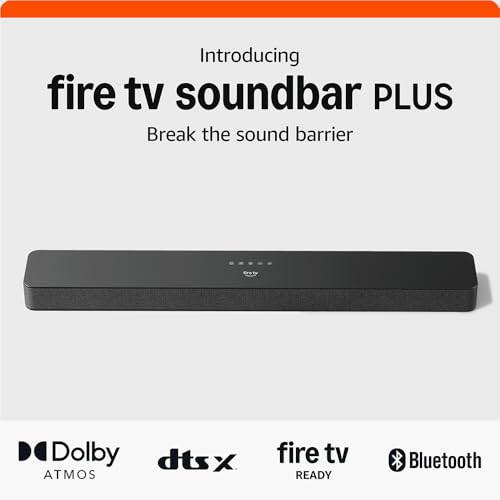
The Amazon Fire TV Soundbar Plus and Yamaha SR-C20A represent these competing philosophies perfectly. Amazon released their soundbar in 2023 as part of their broader strategy to integrate Fire TV streaming into various devices. It's not just a soundbar—it's a complete entertainment hub that happens to significantly improve your TV's audio.
The Yamaha SR-C20A, launched in 2021, takes the opposite approach. Yamaha looked at the increasingly complex audio market and decided to go back to basics. There's no Wi-Fi chip, no microphone, no app dependency—just Bluetooth for wireless music streaming and traditional wired connections for everything else. In an era of smart everything, this "digital minimalism" approach has actually gained a dedicated following among users who appreciate products that simply work without internet dependencies or privacy concerns.
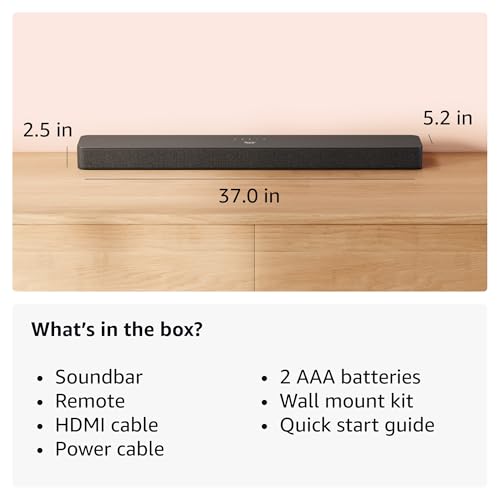
The size difference between these soundbars is substantial and will likely be your first decision point. The Amazon Fire TV Soundbar Plus stretches 37 inches wide and weighs about 9 pounds, making it ideal for TVs between 50 and 65 inches. Its larger cabinet allows for more drivers (individual speakers) and a bigger built-in subwoofer, but it requires a sturdy TV stand and adequate space.
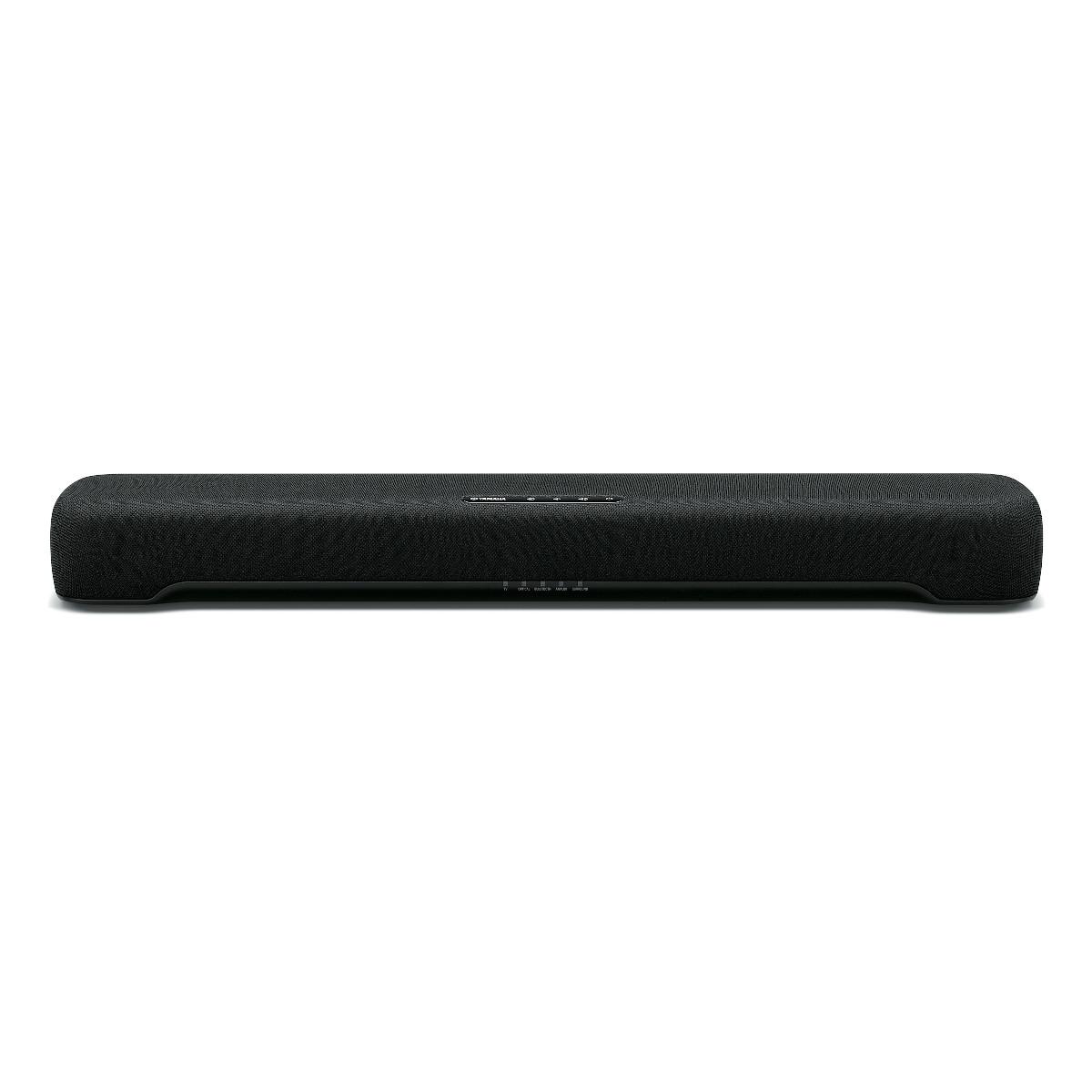
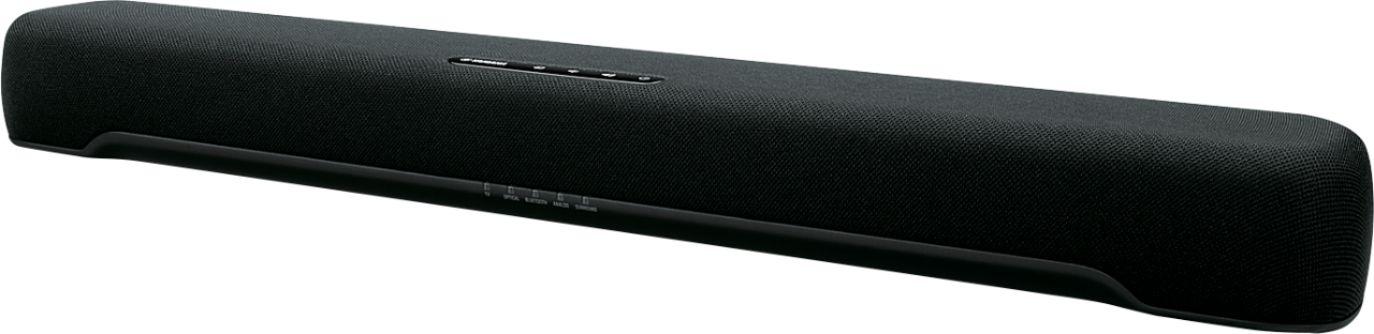
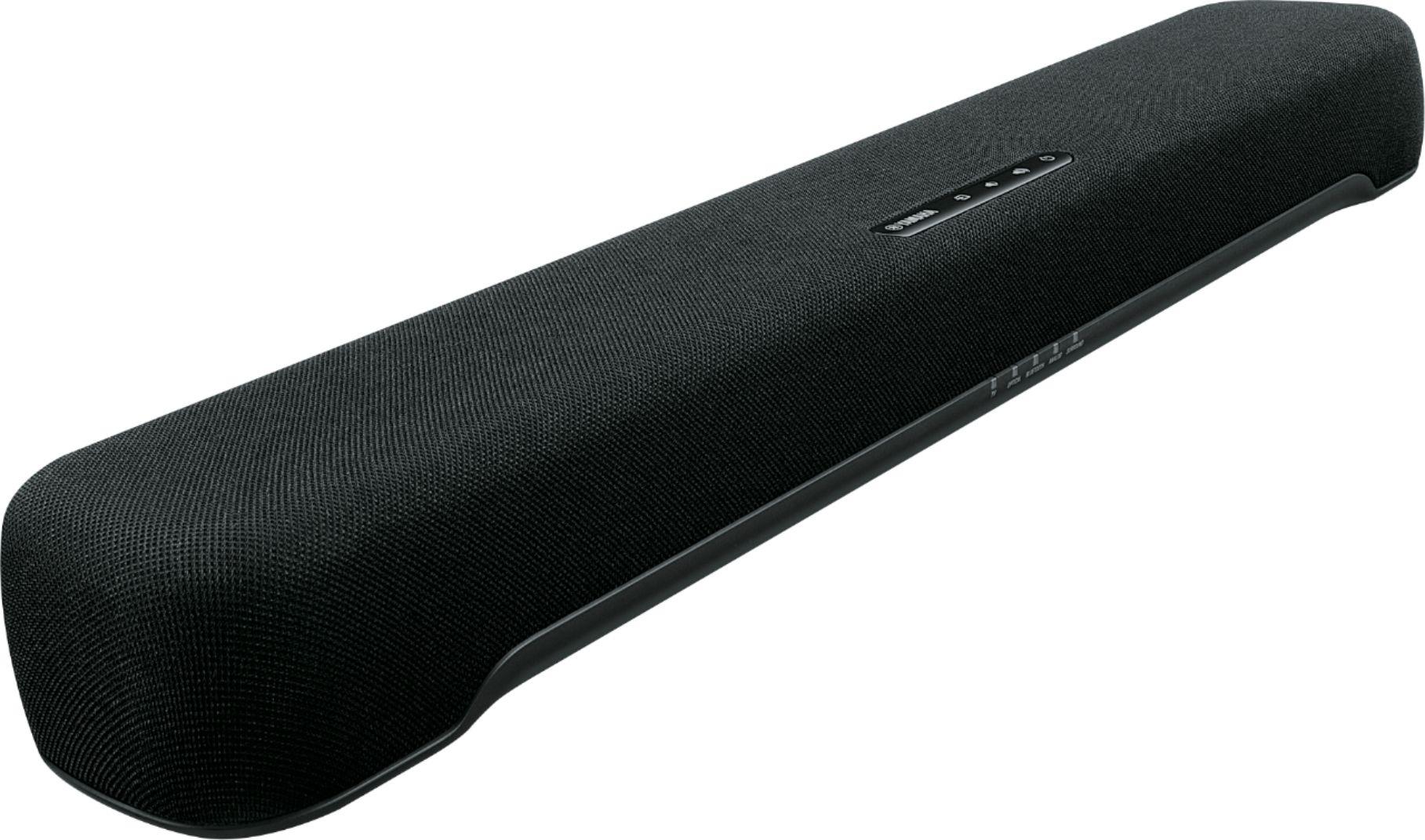
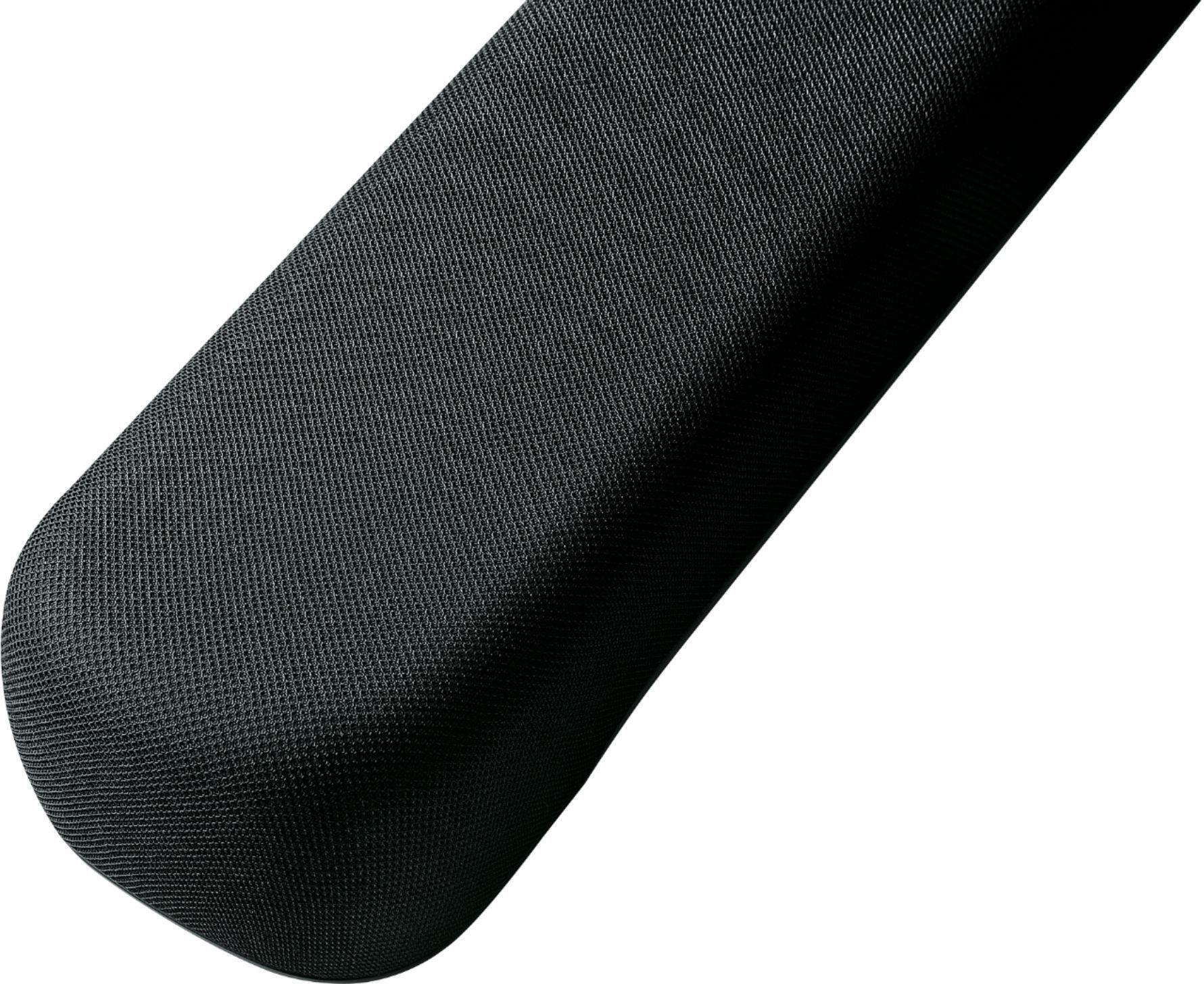
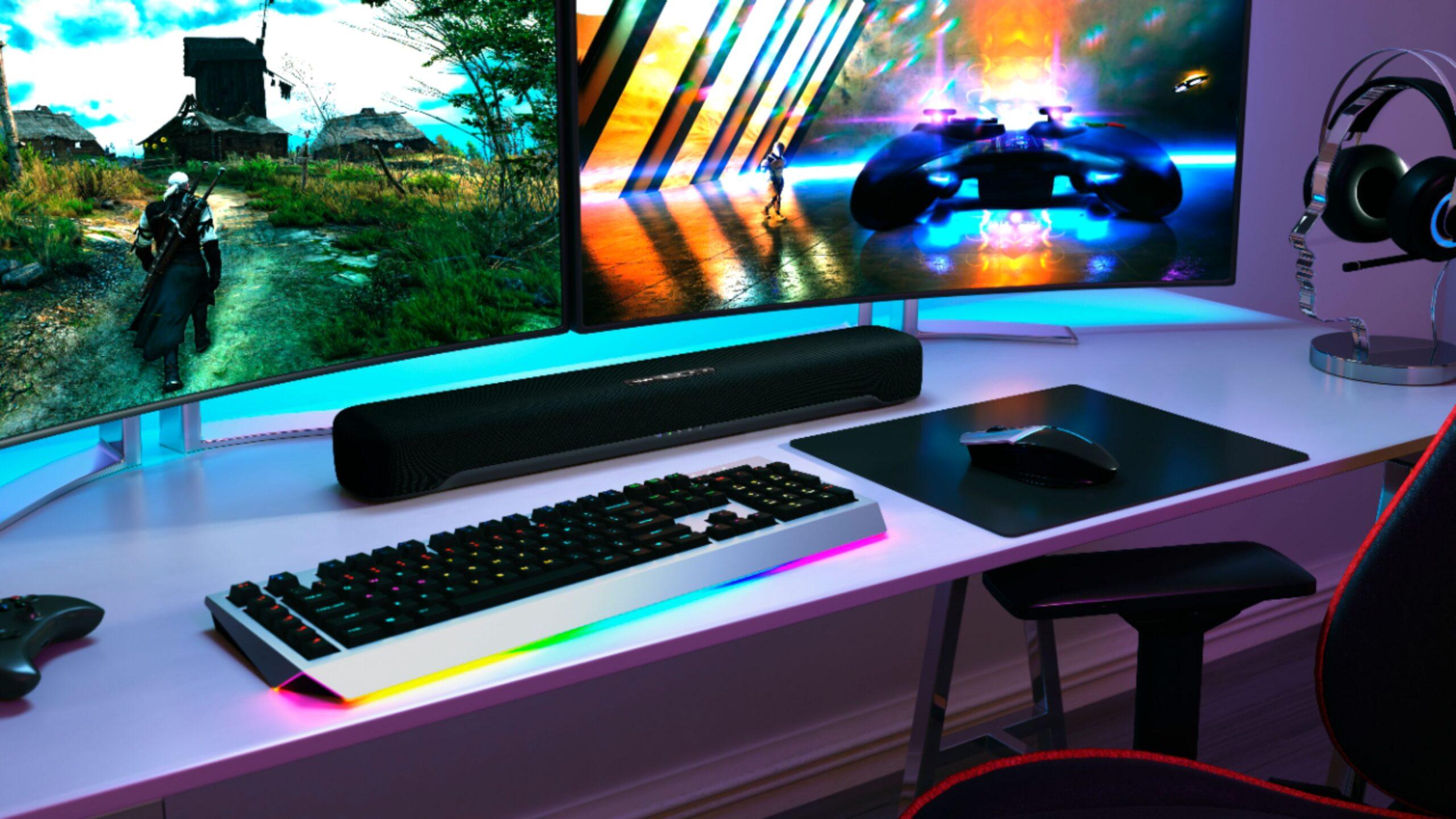
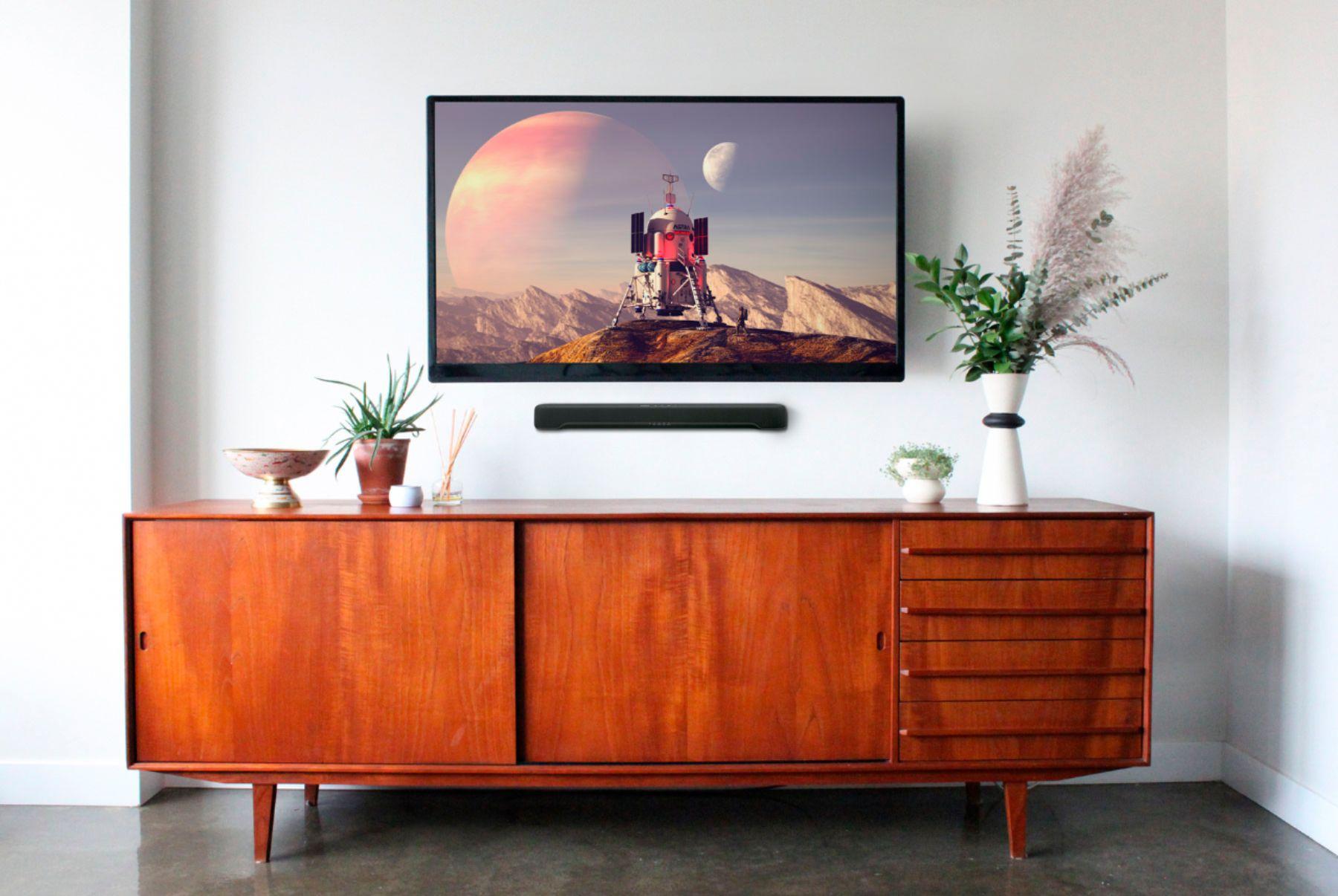
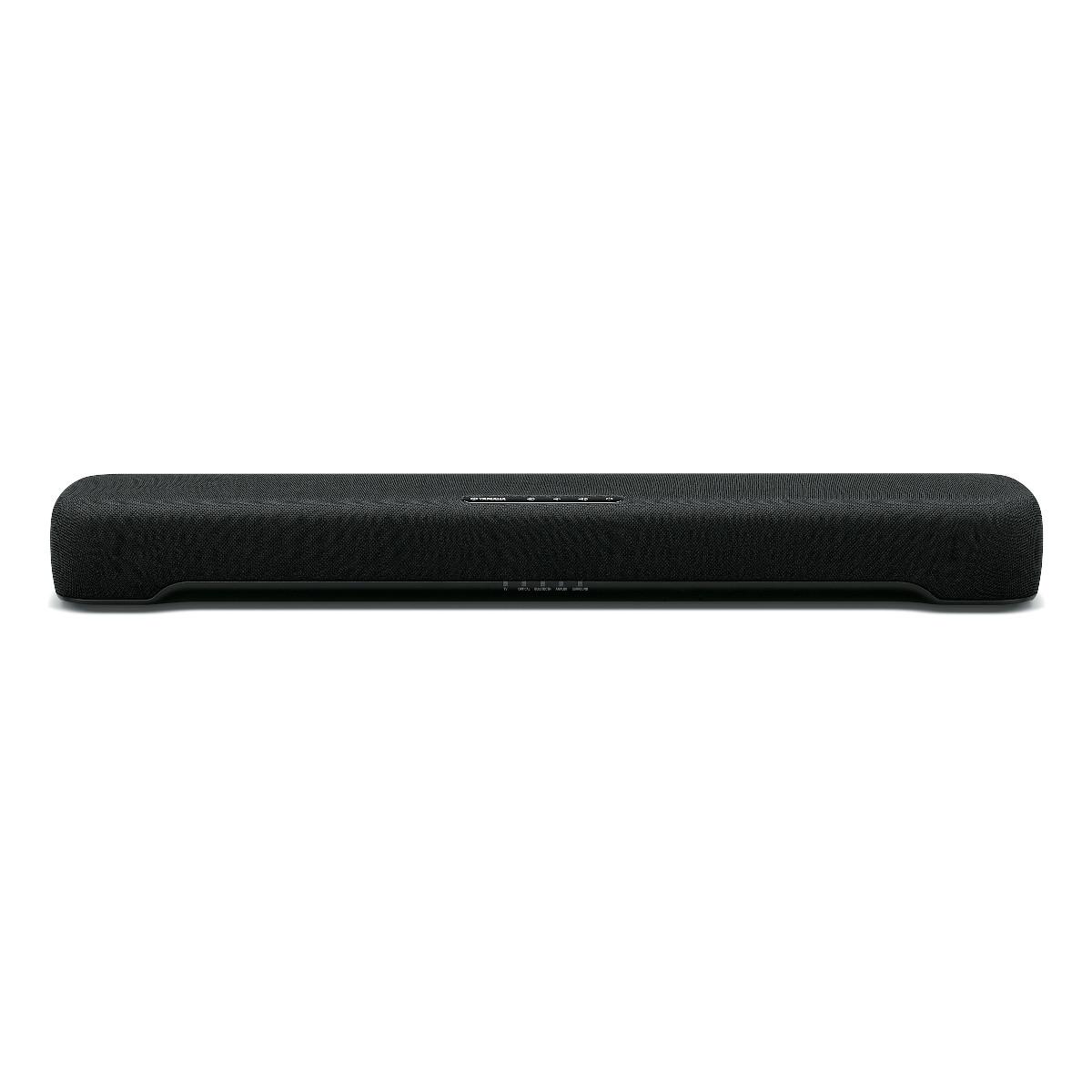
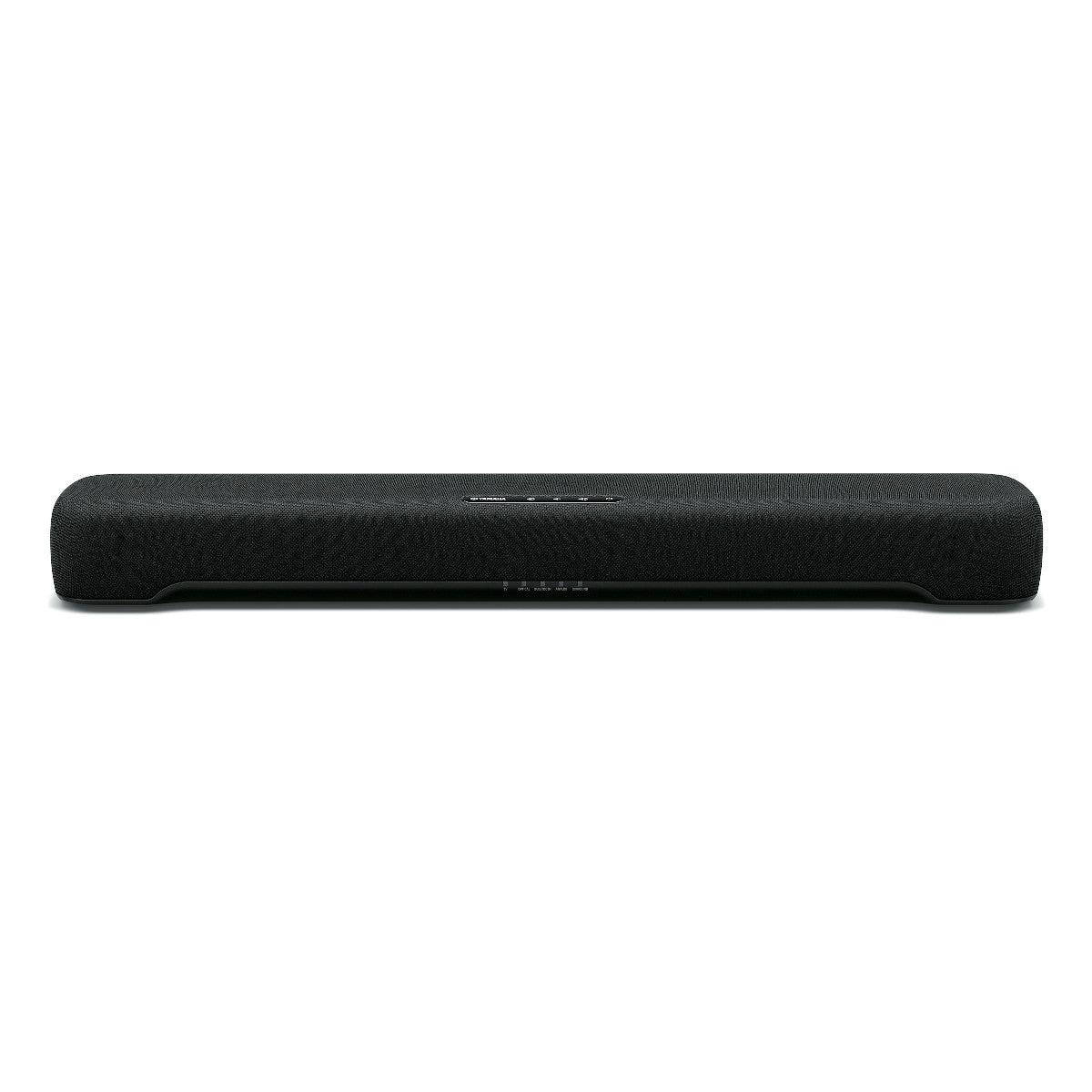
The Yamaha SR-C20A, at just 23.6 inches wide and under 4 pounds, practically disappears under your TV. This compact design means it works well with TVs as small as 32 inches and won't overwhelm smaller living spaces or bedroom setups. Yamaha includes built-in keyholes for wall mounting, making installation incredibly straightforward.
From a practical standpoint, the Yamaha's smaller footprint makes it more versatile for different room sizes and TV configurations. However, physics matters in audio—larger cabinets generally produce better bass and can house more sophisticated driver arrangements.
Both soundbars include built-in subwoofers, but they approach bass reproduction very differently. The Amazon Fire TV Soundbar Plus uses a traditional cone subwoofer in its larger cabinet, producing what reviewers describe as an "excited" sound signature with emphasized low frequencies. This makes explosions feel more impactful and adds weight to music, though some users find the bass can occasionally overpower dialogue during busy action sequences.
The Yamaha SR-C20A employs a more sophisticated approach despite its smaller size. It combines a 3-inch subwoofer cone with two passive radiators—essentially speakers without magnets that vibrate sympathetically to extend bass response. This clever engineering allows the compact cabinet to produce lower frequencies than its size would normally permit. The result is more controlled, musical bass that integrates better with dialogue and midrange frequencies.
In direct comparisons, the Amazon delivers more raw bass impact, while the Yamaha provides more refined, balanced low-frequency response. If you're primarily watching action movies and want that visceral thump, the Amazon has the edge. For mixed content including music and dialogue-heavy shows, the Yamaha's approach works better.
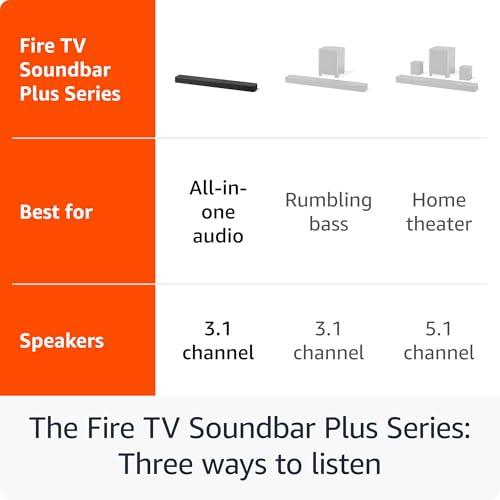
Here's where things get interesting. The Amazon Fire TV Soundbar Plus features a true 3.1-channel configuration, meaning it has dedicated left, right, and center speakers. That center channel is specifically designed for dialogue reproduction, and you can adjust dialogue enhancement in five different levels using the remote. However, some reviewers note that voices can sound thin for deeper vocal ranges, and the emphasized bass can sometimes mask speech clarity.
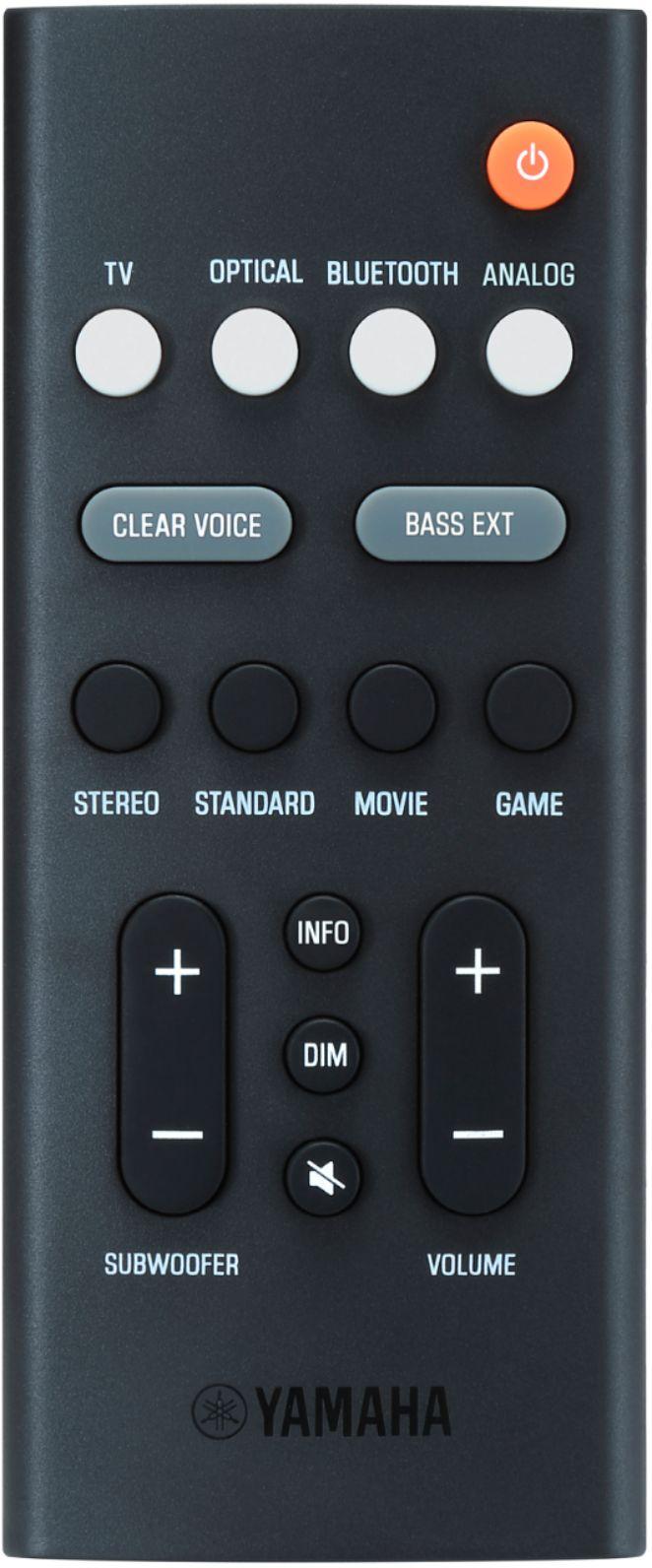
The Yamaha SR-C20A takes a different approach with its Clear Voice technology. Instead of a separate center channel, it uses digital signal processing to enhance dialogue frequencies across the entire soundbar. The result is excellent speech intelligibility that works well across all vocal ranges without sacrificing other audio elements.
In practical terms, both soundbars will dramatically improve dialogue clarity compared to your TV's built-in speakers. The Amazon's dedicated center channel provides more precise dialogue placement, while the Yamaha's Clear Voice processing offers more natural-sounding speech enhancement.
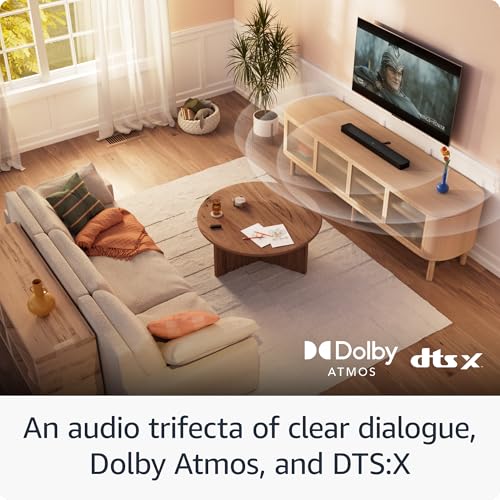
This is where the Amazon Fire TV Soundbar Plus pulls ahead significantly. It supports both Dolby Atmos and DTS:X—advanced audio formats that create three-dimensional soundscapes. While it doesn't have upward-firing drivers for true height effects, its virtual processing creates a noticeably wider and more immersive soundstage than the physical dimensions would suggest.
More importantly, the Amazon soundbar can expand into a full 5.1-channel surround system by adding optional wireless rear speakers and a dedicated subwoofer. This expandability means you can start with the basic soundbar and gradually build a more immersive system as your budget and space allow.
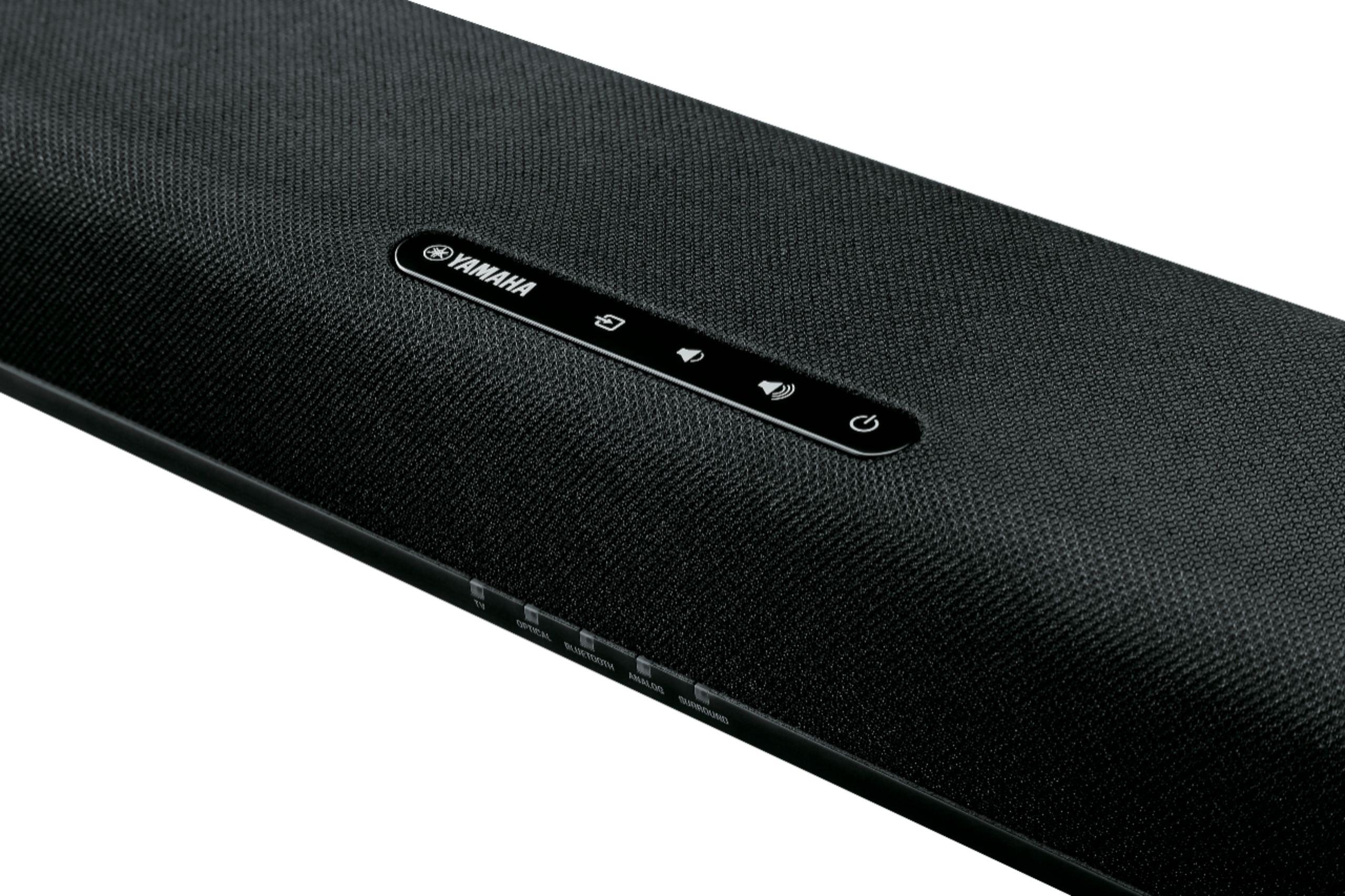
The Yamaha SR-C20A offers basic virtual surround processing through four listening modes: Stereo, Standard, Movie, and Game. While these modes do enhance the listening experience for their respective content types, the compact size limits how wide the soundstage can feel. You won't get the same sense of immersion, but you will get cleaner, more focused sound.
The smart features comparison reveals the fundamental philosophical difference between these products. The Amazon Fire TV Soundbar Plus includes the complete Fire TV streaming platform, giving you access to Netflix, Prime Video, Disney+, and thousands of other apps and channels. This integration means one less device cluttering your entertainment center and potentially one less remote to juggle.
However, this built-in streaming capability comes with complexity. You'll need to manage software updates, deal with potential connectivity issues, and navigate Amazon's interface. The soundbar also lacks built-in Alexa voice control despite the Fire TV branding, which some users find confusing.
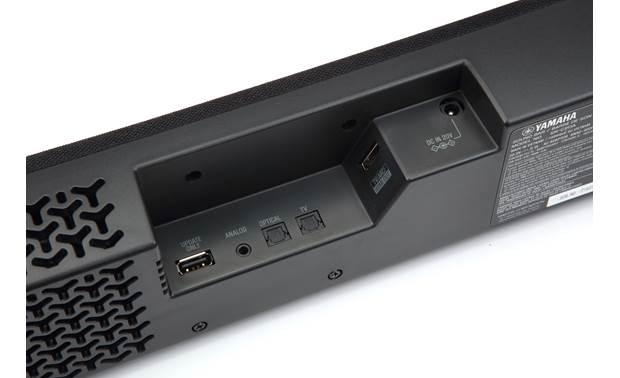
The Yamaha SR-C20A embraces simplicity. There's no Wi-Fi, no apps, and no internet dependency. You connect it to your TV via HDMI, optical, or analog inputs, and it just works. For music streaming, it includes Bluetooth 5.0 with support for higher-quality AAC codec alongside the standard SBC codec. Yamaha does offer a smartphone app called Sound Bar Remote for adjusting settings, but it's purely optional.
This simplicity has real advantages. You never have to worry about firmware updates breaking functionality, streaming services discontinuing support, or privacy concerns about always-connected devices. The Yamaha will work exactly the same way five years from now as it does today.
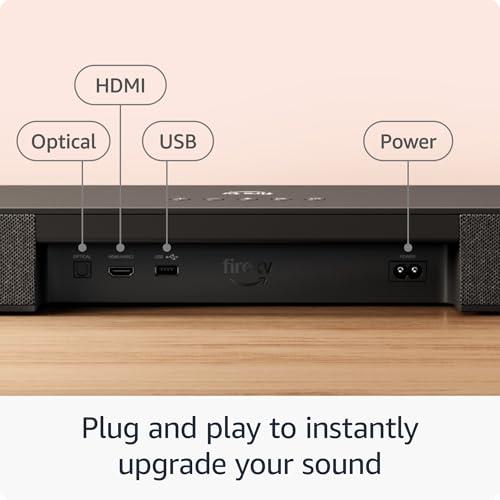
Both soundbars offer multiple connection options, but with different emphases. The Amazon Fire TV Soundbar Plus includes HDMI eARC (enhanced Audio Return Channel), which supports higher-bandwidth audio formats like Dolby Atmos. It also has optical input and a USB-A port for playing media files directly.
The Yamaha SR-C20A provides HDMI ARC (the standard version), two optical inputs, and an analog input. The dual optical inputs are particularly useful if you have multiple source devices. Both soundbars support Bluetooth for wireless music streaming from your phone or tablet.
Setup complexity differs significantly. The Yamaha typically involves connecting one cable and you're done. The Amazon requires more initial configuration due to its streaming capabilities, though Amazon has streamlined the process considerably.
At the time of writing, these soundbars are priced within about $30 of each other, making the value comparison particularly interesting. The Amazon Fire TV Soundbar Plus essentially combines a streaming device (typically $40-50 value) with a soundbar, plus offers expandability to a full surround system. You're getting more total functionality, advanced audio format support, and future upgrade paths.
The Yamaha SR-C20A costs slightly less while delivering what many consider superior pure audio performance. You're paying for Yamaha's audio engineering expertise, build quality, and the simplicity of a device that just works without ongoing complications.
The value equation depends heavily on your specific needs. If you need streaming capabilities and want room to grow your system, the Amazon offers more bang for your buck. If you already have streaming sorted out and just want the best possible audio improvement at this price point, the Yamaha delivers exceptional value.
Having spent time with both soundbars, I can tell you they excel in different scenarios. The Amazon Fire TV Soundbar Plus really shines during movie night. The combination of enhanced bass, virtual Dolby Atmos processing, and wider soundstage makes action sequences feel more engaging. The integrated Fire TV functionality is genuinely convenient—having everything controlled by one remote reduces the friction of switching between content sources.
However, I've noticed the Amazon can sound a bit aggressive during quieter dialogue scenes, and the bass emphasis occasionally makes music sound less natural than I'd prefer. The streaming integration, while convenient, does add complexity that some users might find frustrating.
The Yamaha SR-C20A impresses with its refinement and balance. Dialogue clarity is exceptional, and music reproduction sounds more natural and engaging. The compact size makes it incredibly versatile—I've successfully used it in spaces where the Amazon would look ridiculous. The Clear Voice technology works so well that I rarely found myself reaching for the volume up button during dialogue scenes.
The Yamaha's limitations become apparent during large-scale action sequences where its smaller size can't quite match the impact and immersion of larger soundbars. But for the majority of TV watching—sitcoms, dramas, news, and moderate movie watching—it performs brilliantly.
For dedicated home theater use, the Amazon Fire TV Soundbar Plus has clear advantages. The expandability to 5.1 surround sound, Dolby Atmos support, and more powerful bass response create a more cinematic experience. If your primary use case involves darkening the lights for movie marathons, the Amazon's approach aligns better with home theater priorities.
The Yamaha SR-C20A works better for mixed-use spaces where the TV serves multiple purposes. Its balanced sound signature and excellent dialogue clarity make it ideal for casual viewing, background music, and situations where audio quality matters more than sheer impact.
Choose the Amazon Fire TV Soundbar Plus if you want streaming capabilities built into your soundbar, have a TV 50 inches or larger, prioritize bass impact and cinematic sound effects, or plan to eventually expand to full surround sound. It's also the better choice if you prefer having everything integrated into one system and don't mind the additional complexity.
The Yamaha SR-C20A makes more sense if you already have streaming capabilities through your TV or a separate device, value dialogue clarity above all else, need a compact solution for smaller spaces, or prefer simple, reliable operation without internet dependency. It's also the better choice for users who listen to significant amounts of music through their soundbar or have TVs smaller than 50 inches.
Both soundbars will dramatically improve your TV audio experience, but they're designed for different users with different priorities. The Amazon Fire TV Soundbar Plus offers more features, expansion potential, and integration convenience at the cost of complexity and size requirements. The Yamaha SR-C20A delivers superior audio fundamentals and reliability at a slightly lower price, perfect for users who want pure audio improvement without the bells and whistles.
For most people upgrading from TV speakers, I lean toward recommending the Yamaha SR-C20A. Its combination of excellent dialogue clarity, balanced sound signature, compact size, and simple operation provides immediate satisfaction and long-term reliability. However, if you're building a complete entertainment system and value convenience over simplicity, the Amazon Fire TV Soundbar Plus offers compelling integrated functionality that's hard to match.
The beauty of today's soundbar market is that both approaches have merit. Your choice ultimately depends on whether you prioritize audio purity and simplicity or prefer integrated functionality with room to grow.
| Amazon Fire TV Soundbar Plus | Yamaha SR-C20A Compact Sound Bar with Built-In Subwoofer |
|---|---|
| Physical Size - Determines TV compatibility and room placement | |
| 37" wide, 9 lbs (ideal for 50-65" TVs) | 23.6" wide, 3.9 lbs (fits 32" TVs and up) |
| Audio Configuration - Affects sound quality and dialogue clarity | |
| 3.1-channel with dedicated center speaker | 2.1-channel with virtual center processing |
| Built-in Subwoofer Design - Determines bass quality and room-filling capability | |
| Traditional cone subwoofer with emphasized bass | 3" cone + dual passive radiators for extended low frequencies |
| Advanced Audio Format Support - Enables immersive surround sound from streaming | |
| Dolby Atmos, DTS:X virtual processing | Standard audio formats only |
| Smart Features - Built-in streaming vs. audio-only focus | |
| Full Fire TV platform with apps and streaming | No streaming; Bluetooth music only |
| Expandability - Future upgrade potential | |
| Expandable to 5.1 with wireless rear speakers and subwoofer | Standalone system only |
| Connectivity Options - How it connects to your devices | |
| HDMI eARC, optical, USB-A, Bluetooth | HDMI ARC, 2x optical, analog, Bluetooth 5.0 |
| Dialogue Enhancement Technology - Critical for clear speech | |
| Dedicated center channel + 5-level dialogue boost | Clear Voice processing across all drivers |
| Setup Complexity - Ease of installation and daily use | |
| More complex due to streaming integration | Simple plug-and-play operation |
| Sound Modes - Customization for different content types | |
| Movie, Music, Sport, Night modes | Stereo, Standard, Movie, Game modes |
| Remote Control Integration - Convenience factor | |
| Single remote control with compatible Fire TVs | Works with TV remotes via HDMI CEC |
| Internet Dependency - Long-term reliability considerations | |
| Requires internet for streaming features and updates | Works completely offline after setup |
The Yamaha SR-C20A is significantly better for smaller setups. At just 23.6 inches wide, it works well with TVs as small as 32 inches and won't overwhelm compact living spaces or bedrooms. The Amazon Fire TV Soundbar Plus at 37 inches wide is designed for larger TVs (50-65 inches) and may look disproportionate under smaller screens.
Only if you don't already have streaming capabilities. The Amazon Fire TV Soundbar Plus includes the full Fire TV platform with access to Netflix, Prime Video, and other apps. However, if your TV is already smart or you have a separate streaming device, the Yamaha SR-C20A focuses purely on audio improvement without the extra complexity.
Both excel at dialogue but use different approaches. The Amazon Fire TV Soundbar Plus has a dedicated center channel speaker specifically for dialogue, while the Yamaha SR-C20A uses Clear Voice technology that enhances speech across all speakers. The Yamaha tends to sound more natural for voices, while the Amazon offers more precise dialogue placement.
The Amazon Fire TV Soundbar Plus can be expanded to a full 5.1 surround system with optional wireless rear speakers and subwoofer, making it great for home theater growth. The Yamaha SR-C20A is designed as a complete standalone system and cannot be expanded with additional components.
The Yamaha SR-C20A is much simpler - just connect one cable and you're done. The Amazon Fire TV Soundbar Plus requires more initial setup due to its streaming features, though it offers convenient single-remote control when paired with Fire TV devices.
The Amazon Fire TV Soundbar Plus delivers more powerful, emphasized bass that's great for action movies but can sometimes overpower dialogue. The Yamaha SR-C20A uses innovative passive radiator technology for more balanced, musical bass that integrates better with speech and music.
Only the Amazon Fire TV Soundbar Plus supports Dolby Atmos and DTS:X for more immersive surround sound from streaming services. The Yamaha SR-C20A handles standard audio formats well but doesn't support these advanced surround technologies.
The Yamaha SR-C20A works completely offline after initial setup with no ongoing costs or internet dependency. The Amazon Fire TV Soundbar Plus requires internet for streaming features and periodic software updates, though the basic audio functions work without internet.
Both offer excellent value but for different reasons. The Amazon Fire TV Soundbar Plus combines streaming device functionality with soundbar capabilities, offering more total features. The Yamaha SR-C20A costs slightly less while delivering superior pure audio performance and long-term reliability.
Yes, both support Bluetooth music streaming. The Yamaha SR-C20A includes Bluetooth 5.0 with higher-quality AAC codec support for better music reproduction. The Amazon Fire TV Soundbar Plus also has Bluetooth but is more optimized for TV and movie content than music.
The Amazon Fire TV Soundbar Plus is better suited for home theater use due to its Dolby Atmos support, expandability to 5.1 surround, and more powerful bass response for cinematic content. The Yamaha SR-C20A works better for mixed-use spaces where balanced sound quality matters more than maximum impact.
The Amazon Fire TV Soundbar Plus can be controlled with your TV remote when paired with Fire TV devices, offering convenient integration. The Yamaha SR-C20A includes its own remote and works with most TV remotes via HDMI CEC, plus offers an optional smartphone app for advanced settings. Both are user-friendly, but the Yamaha's approach is simpler overall.
We've done our best to create useful and informative comparisons to help you decide what product to buy. Our research uses advanced automated methods to create this comparison and perfection is not possible - please contact us for corrections or questions. These are the sites we've researched in the creation of this article: rtings.com - wirelessplace.com - techradar.com - cordbusters.co.uk - whathifi.com - developer.amazon.com - t3.com - dolby.com - youtube.com - youtube.com - youtube.com - dugoutnorthbrook.com - dolby.com - aboutamazon.com - youtube.com - developer.amazon.com - t3.com - usa.yamaha.com - radiotimes.com - shop.usa.yamaha.com - whathifi.com - hifiheaven.net - usa.yamaha.com - sweetwater.com - hub.yamaha.com - bestbuy.com

Privacy Policy
Terms and Conditions - Affiliate Policy
Home Security
© Copyright 2008-2026.
11816 Inwood Rd #1211, Dallas, TX 75244