









Finding the right soundbar feels overwhelming when you're staring at dozens of options ranging from basic TV audio boosters to full-blown home theater systems. Today we're comparing two soundbars that couldn't be more different: the premium Sony HT-A8000 BRAVIA Theater Bar 8 and the compact Yamaha SR-C20A. At the time of writing, these represent opposite ends of both the price spectrum and performance capabilities, making this an interesting case study in audio value.
The soundbar market has exploded over the past decade as TVs got thinner and their built-in speakers became increasingly inadequate. What started as simple stereo sound enhancers has evolved into sophisticated audio systems that can rival traditional surround sound setups while maintaining the simplicity most people actually want.
Before diving into specifics, let's establish what separates good soundbars from great ones. The most important factors are channel count (how many separate audio streams the soundbar can handle), total power output, and the quality of individual drivers (the actual speakers inside the unit).
Channel count gets expressed as numbers like 2.1 or 5.1.2, where the first number represents main channels (left, right, center), the second is subwoofers, and the third indicates height channels for overhead sound effects. More channels generally mean more immersive audio, but only if implemented well.
Power output, measured in watts, determines how loud and dynamic your soundbar can get. However, raw wattage doesn't tell the whole story – driver quality, enclosure design, and digital signal processing matter just as much for actual sound quality.
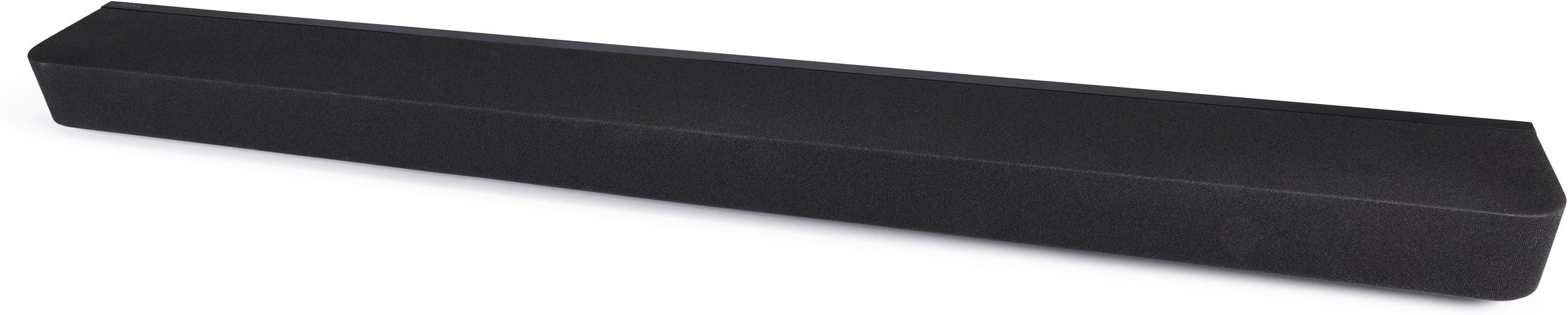
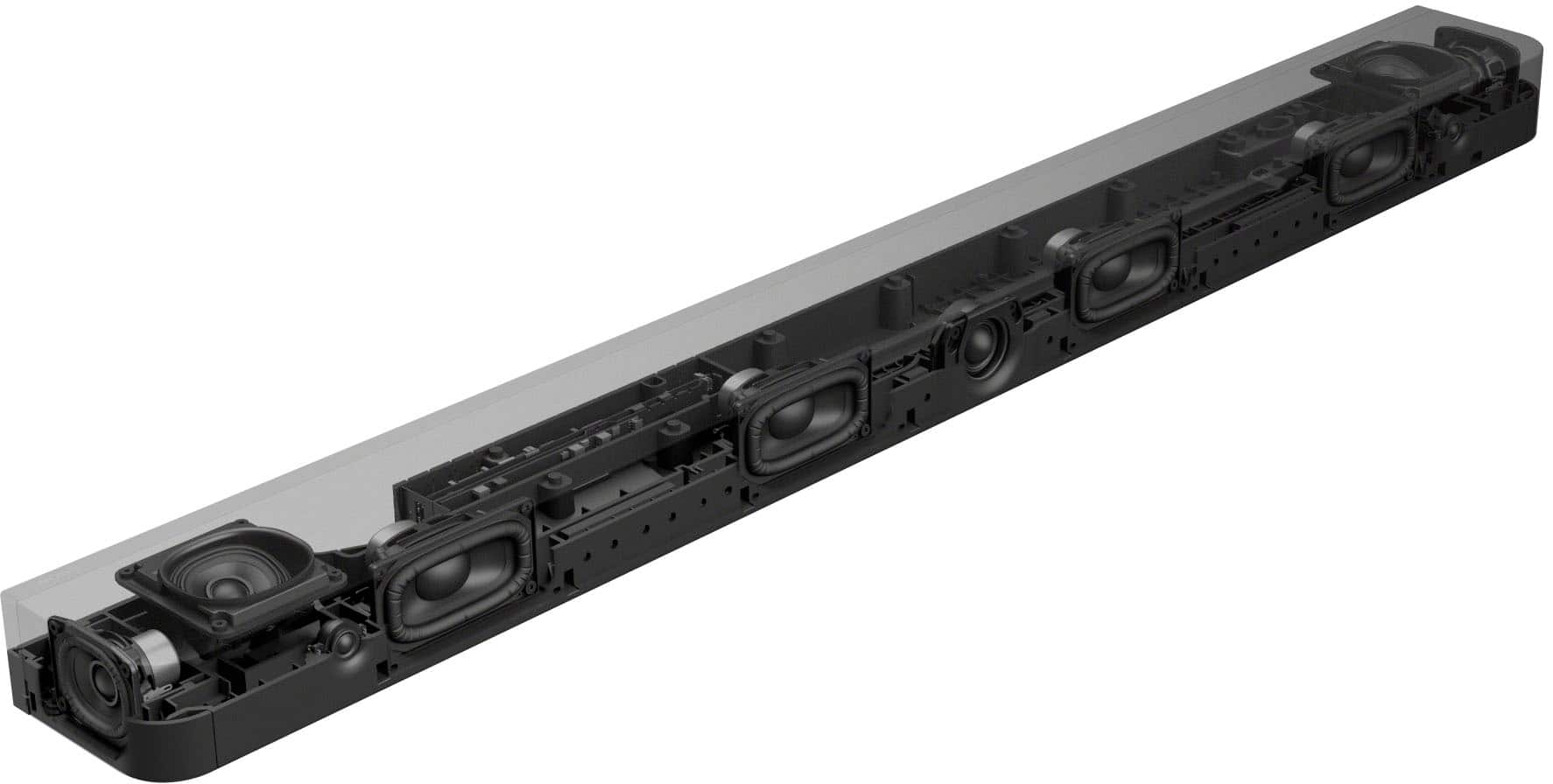
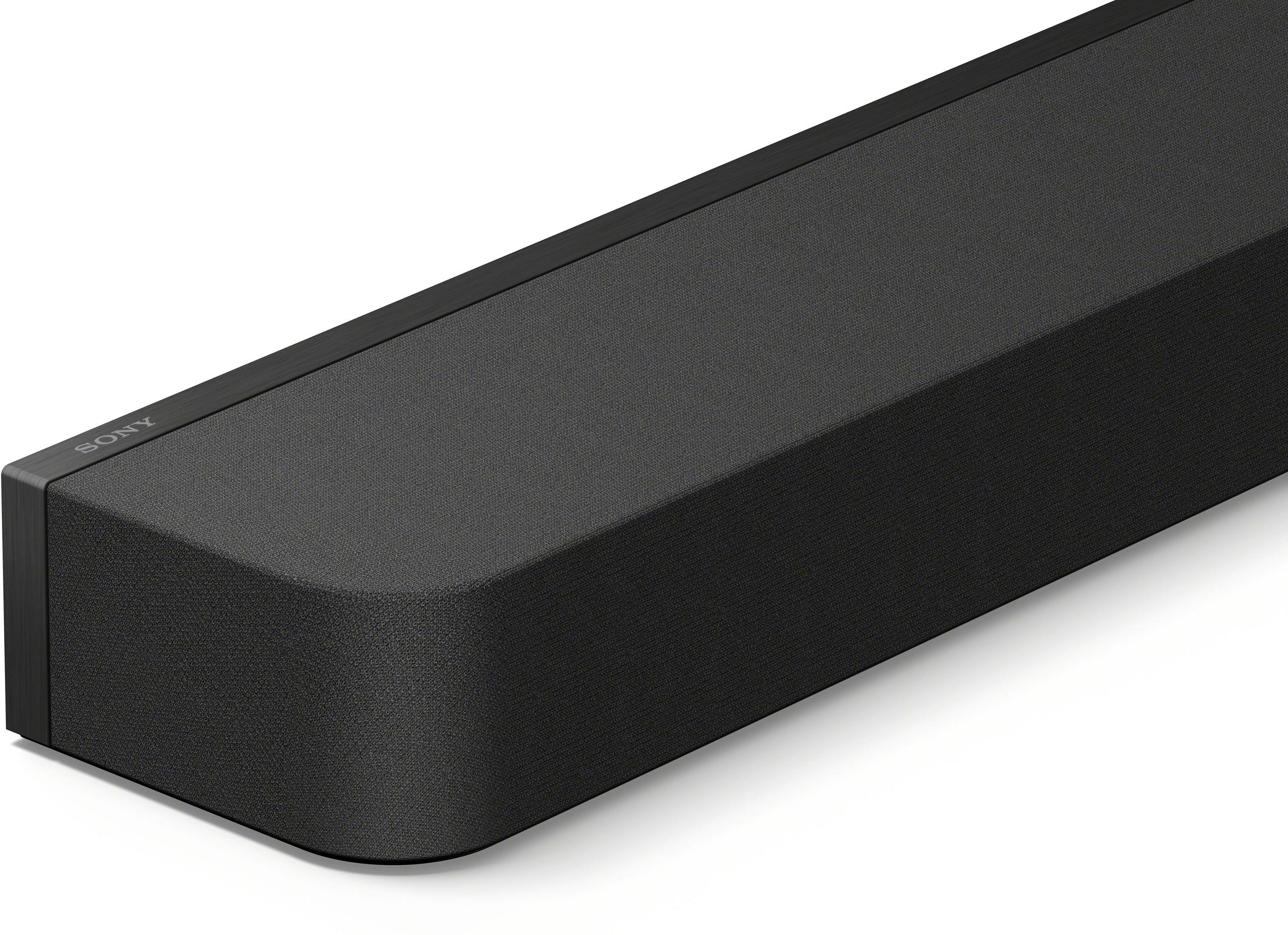
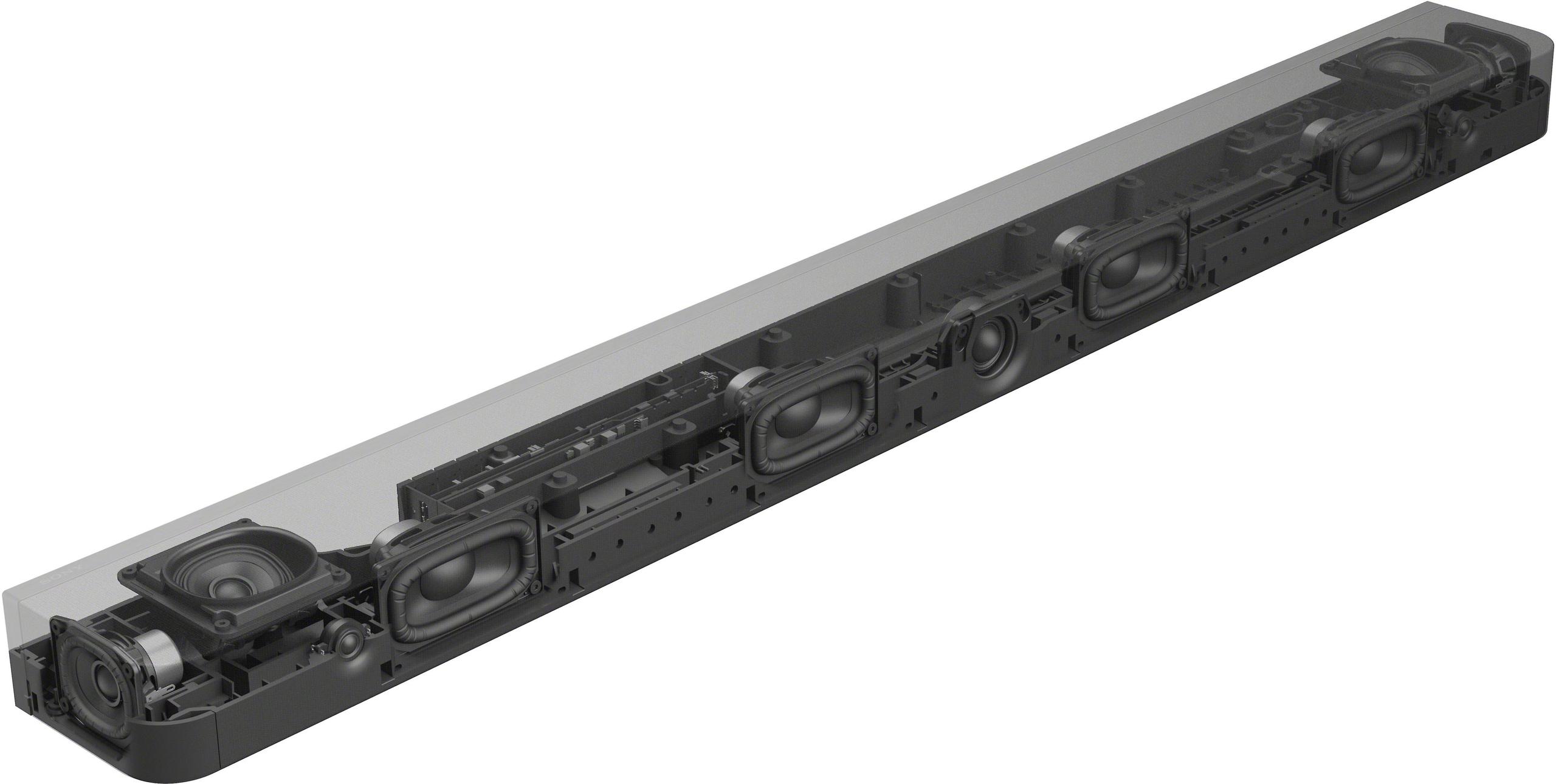
The Sony HT-A8000, released in 2024, represents Sony's latest thinking on premium soundbar design. It packs 11 individual speaker drivers into a 5.0.2 channel configuration, meaning five main channels (left, center, right, and two side channels) plus two height channels for Dolby Atmos effects. The "0" indicates no separate subwoofer, though Sony builds dual subwoofers directly into the soundbar itself.
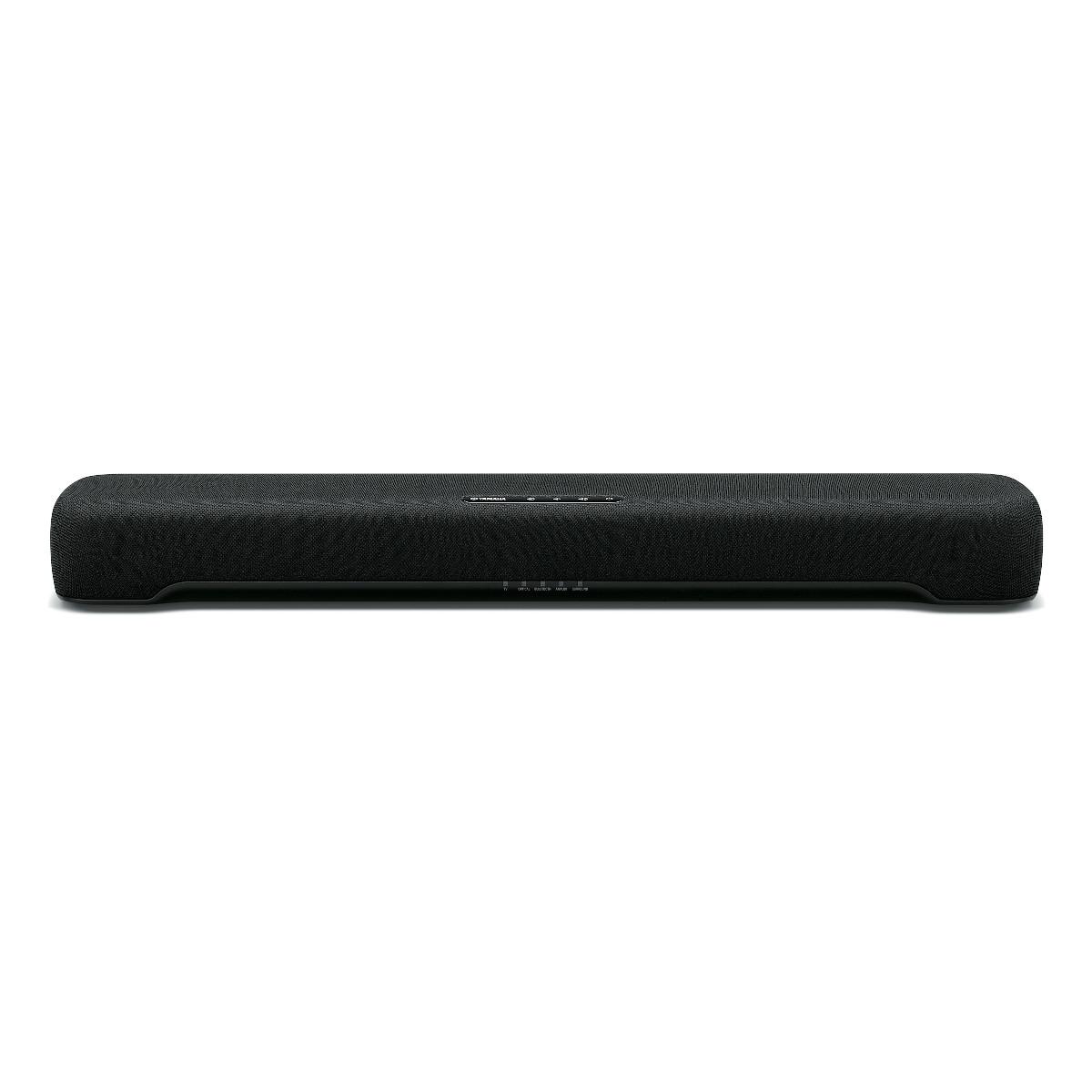
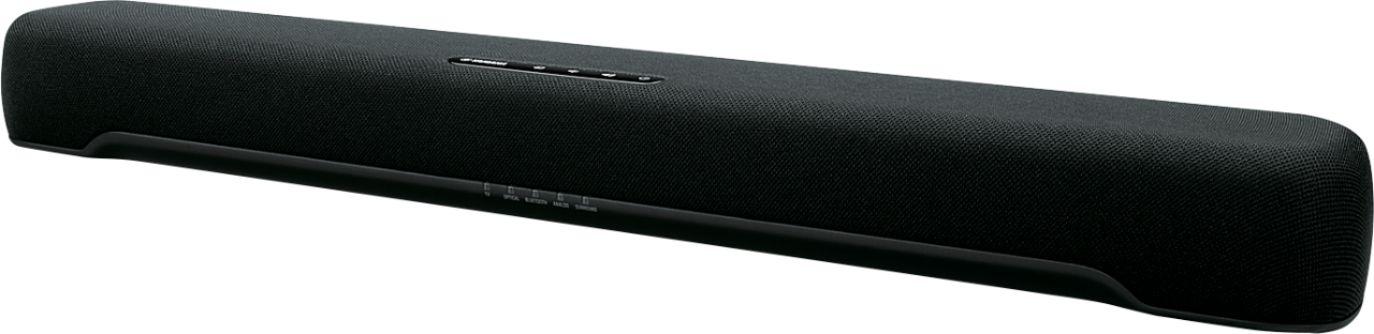
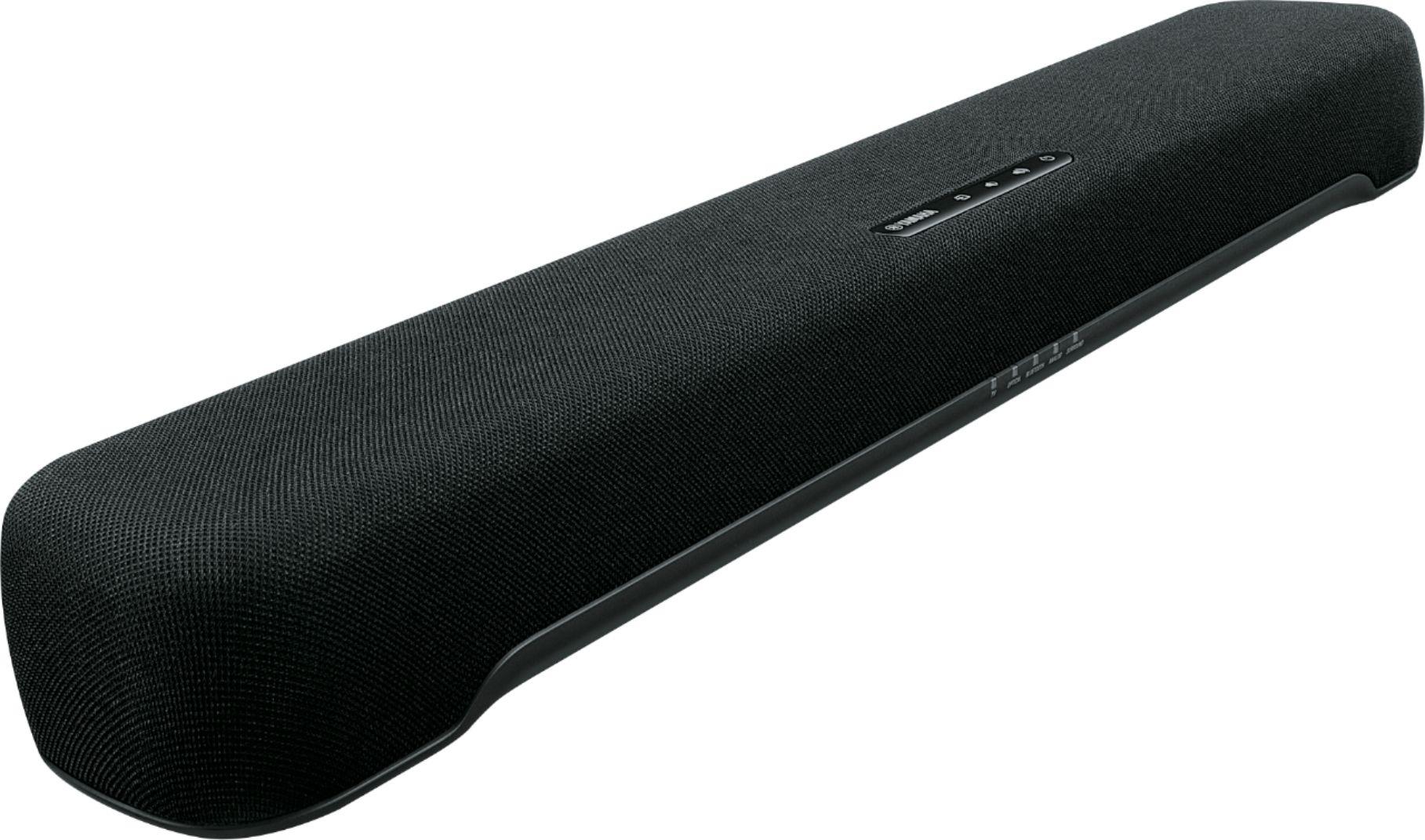
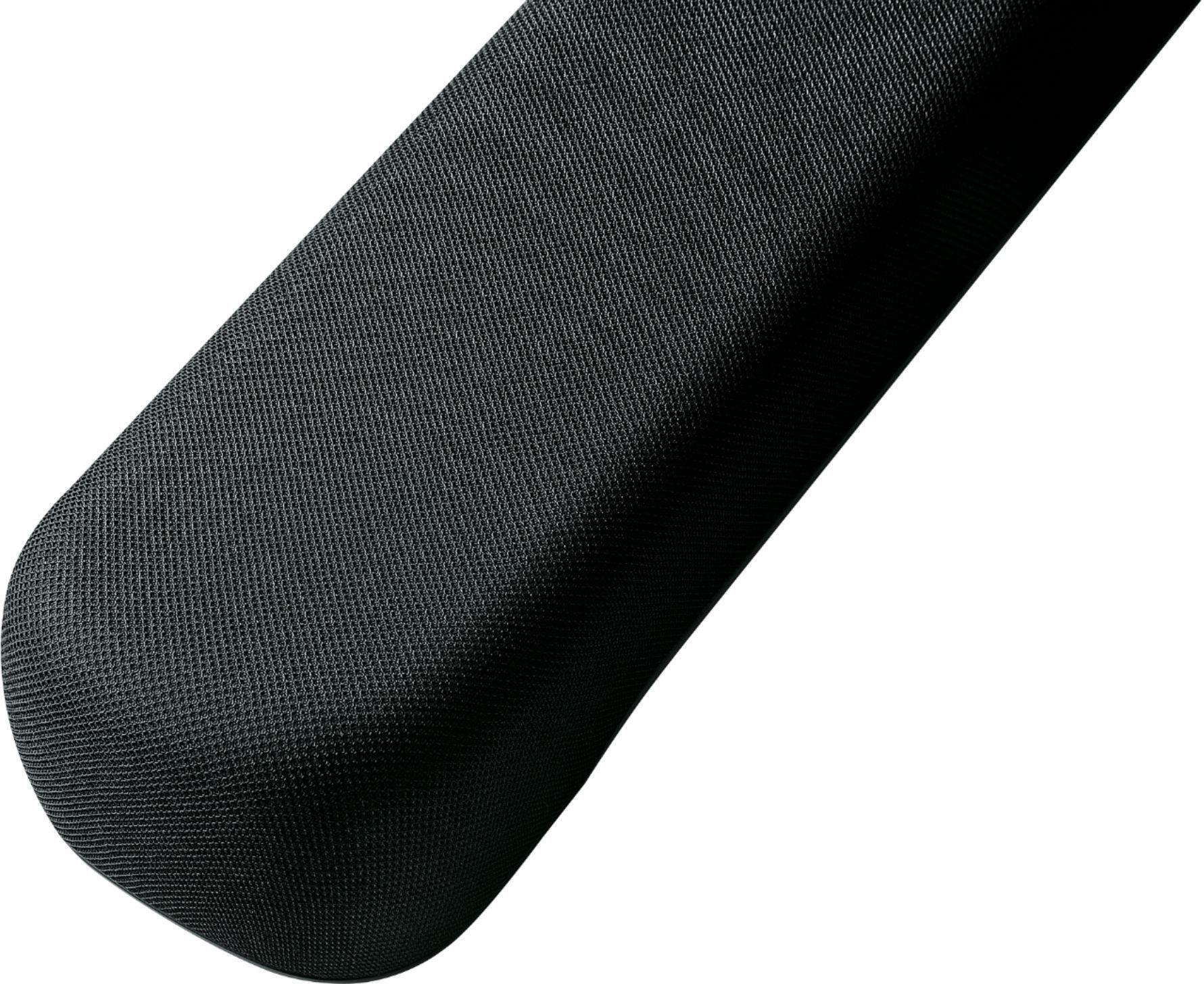
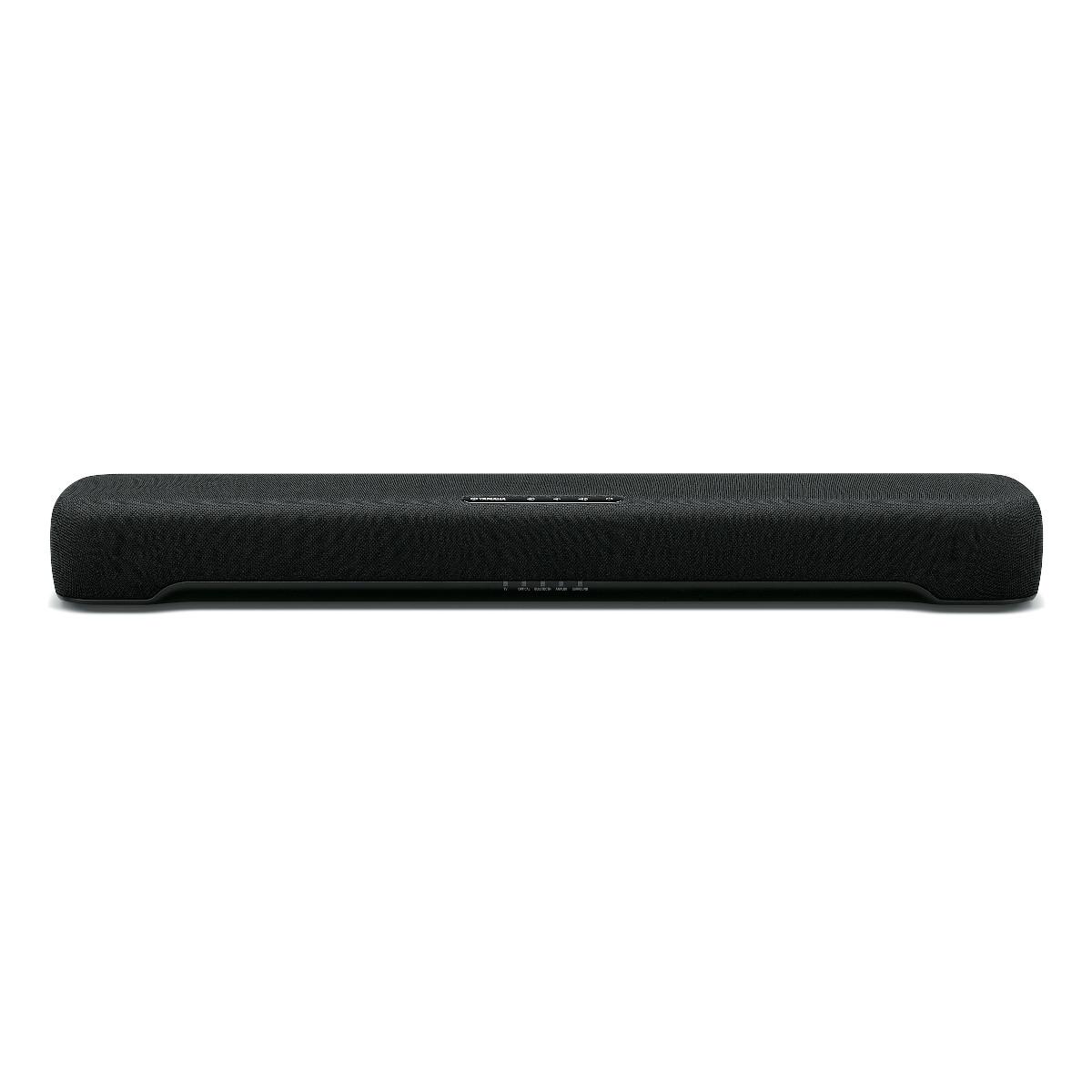
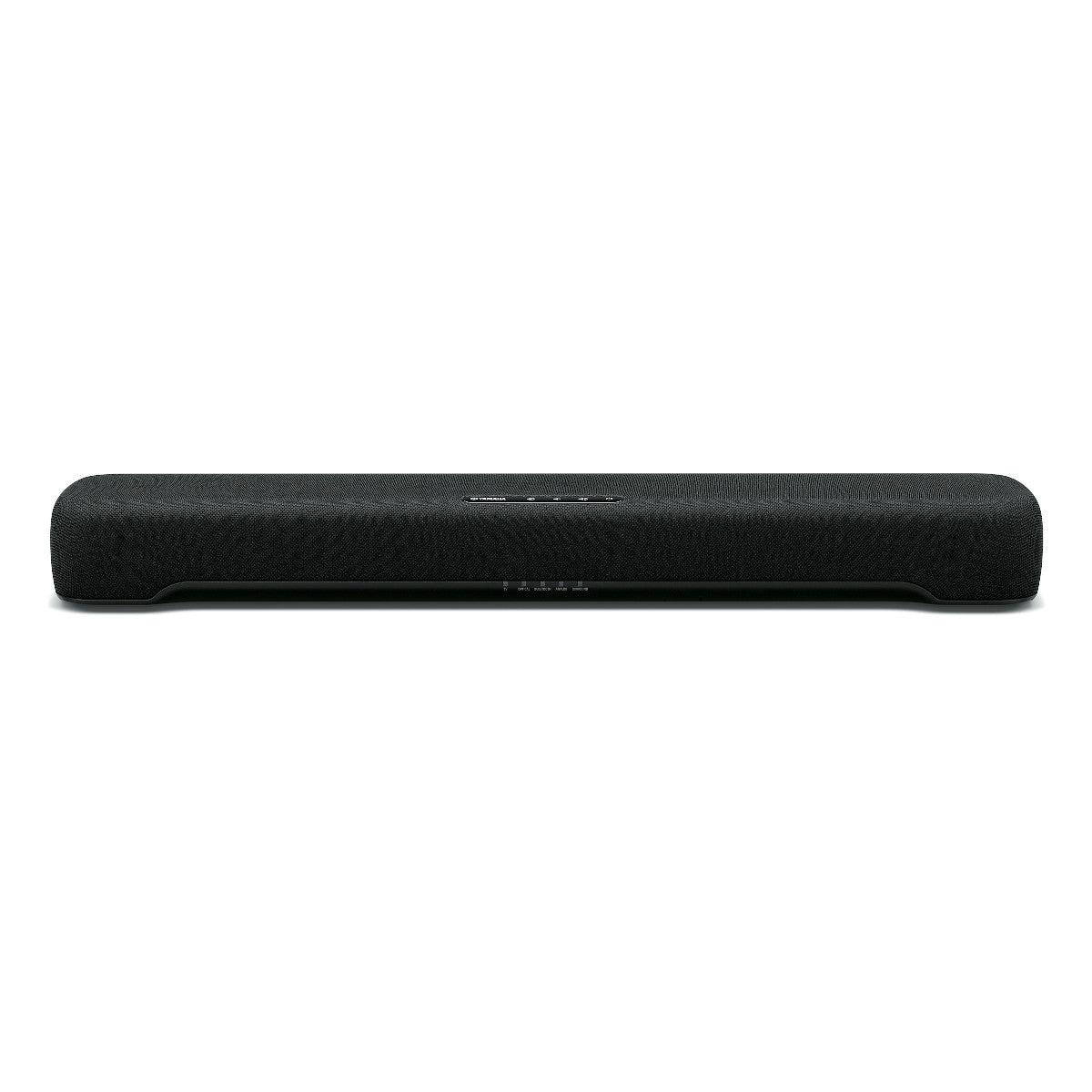
On the opposite end sits the Yamaha SR-C20A, originally launched in 2020 and now discontinued. This compact unit offers a straightforward 2.1 setup with left and right channels plus a built-in subwoofer enhanced by passive radiators (think of them as speakers without magnets that vibrate sympathetically to boost bass response).
The technology gap between 2020 and 2024 shows clearly here. When the Yamaha SR-C20A launched, Dolby Atmos support was still relatively new and expensive to implement. HDMI 2.1 – the connection standard that enables 4K gaming at 120Hz and other advanced features – was just appearing on high-end TVs. By 2024, when the Sony HT-A8000 arrived, these technologies had matured enough to include in premium soundbars.
The most dramatic difference between these soundbars lies in their approach to creating immersive audio. The Sony HT-A8000 uses what Sony calls "360 Spatial Sound Mapping" – essentially a sophisticated algorithm that analyzes your room's acoustics and creates virtual speakers by bouncing sound off walls and ceilings. Combined with dedicated height channels, this creates genuine three-dimensional audio where helicopters fly overhead and ambient sounds seem to come from all around you.
Based on expert reviews and user feedback, this technology works remarkably well in medium to large rooms with standard ceiling heights. The key limitation is room size – you need enough space for sound waves to reflect properly, typically rooms larger than 200 square feet.
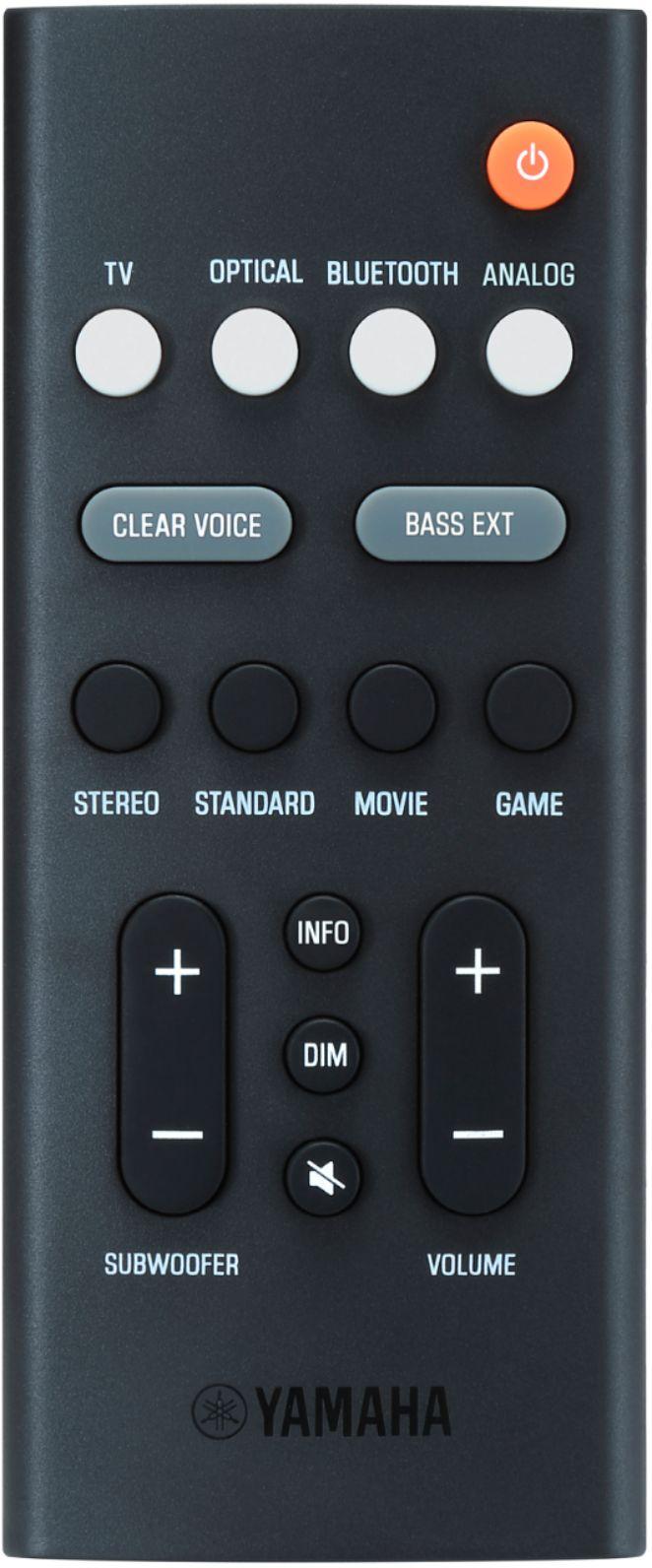
The Yamaha SR-C20A takes a completely different approach. Instead of trying to create surround sound illusions, it focuses on delivering exceptionally clean stereo audio with enhanced bass response. Yamaha's "Clear Voice" technology specifically targets the frequency range where human speech occurs, making dialogue more intelligible even when background music and sound effects compete for attention.
This fundamental difference shapes everything about how these soundbars perform. The Sony excels at big, cinematic moments – explosions that rumble through the room, musical scores that seem to surround you, and atmospheric effects that place you inside the movie. The Yamaha shines at everyday TV watching where clear dialogue and balanced music reproduction matter most.
Bass performance reveals another crucial distinction. The Sony HT-A8000 incorporates dual built-in subwoofers with dedicated amplification, producing genuinely deep bass that can shake furniture during action sequences. Sony's engineers designed these subwoofers with rectangular drivers instead of traditional round ones, maximizing the diaphragm area (the part that actually moves air) while fitting within the soundbar's slim profile.
The Yamaha SR-C20A uses a more elegant approach for its size constraints. The single 3-inch subwoofer driver works alongside two passive radiators – essentially hollow speakers that vibrate in response to the main driver's movement. This design, borrowed from high-end bookshelf speakers, allows the compact soundbar to produce surprisingly substantial bass for its size.
In practical terms, the Sony delivers the kind of chest-thumping bass that makes action movies feel visceral, while the Yamaha provides enough low-end presence to make music sound full and dialogue sound natural without overwhelming small spaces.
Gaming performance has become increasingly important as consoles like PlayStation 5 and Xbox Series X push 4K resolution at 120 frames per second. The Sony HT-A8000 fully embraces this trend with HDMI 2.1 support that includes Variable Refresh Rate (VRR) to eliminate screen tearing, Auto Low Latency Mode (ALLM) to minimize input lag, and full 4K/120Hz passthrough capability.
More importantly for gaming, the Sony's Dolby Atmos support creates genuine positional audio advantages. In competitive shooters, you can literally hear enemies approaching from specific directions, including above and below your character. This isn't marketing hyperbole – object-based audio formats like Dolby Atmos carry precise positional information that height-enabled soundbars can reproduce.
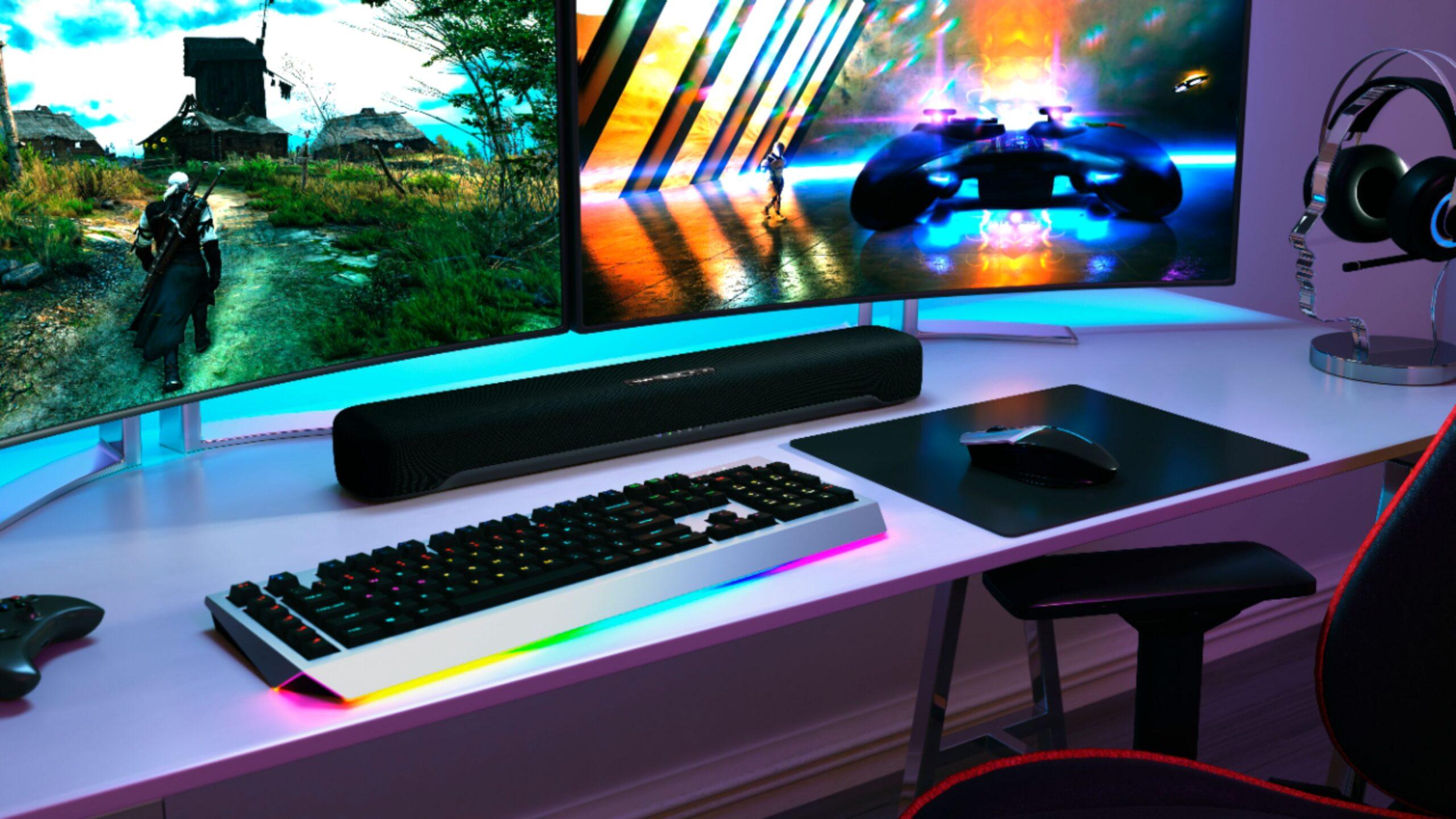
The Yamaha SR-C20A offers basic gaming support through its "Game" mode, which reduces audio processing delays to minimize the time between controller input and hearing the result. However, with only HDMI ARC support (not the newer eARC standard), it can't handle the advanced audio formats or high refresh rates that modern gaming demands.
Room acoustics dramatically affect soundbar performance, and these two units target completely different spaces. The Sony HT-A8000 needs room to breathe – literally. Its spatial sound mapping works by analyzing room reflections, so it performs best in medium to large rooms with some furniture to break up sound waves naturally.
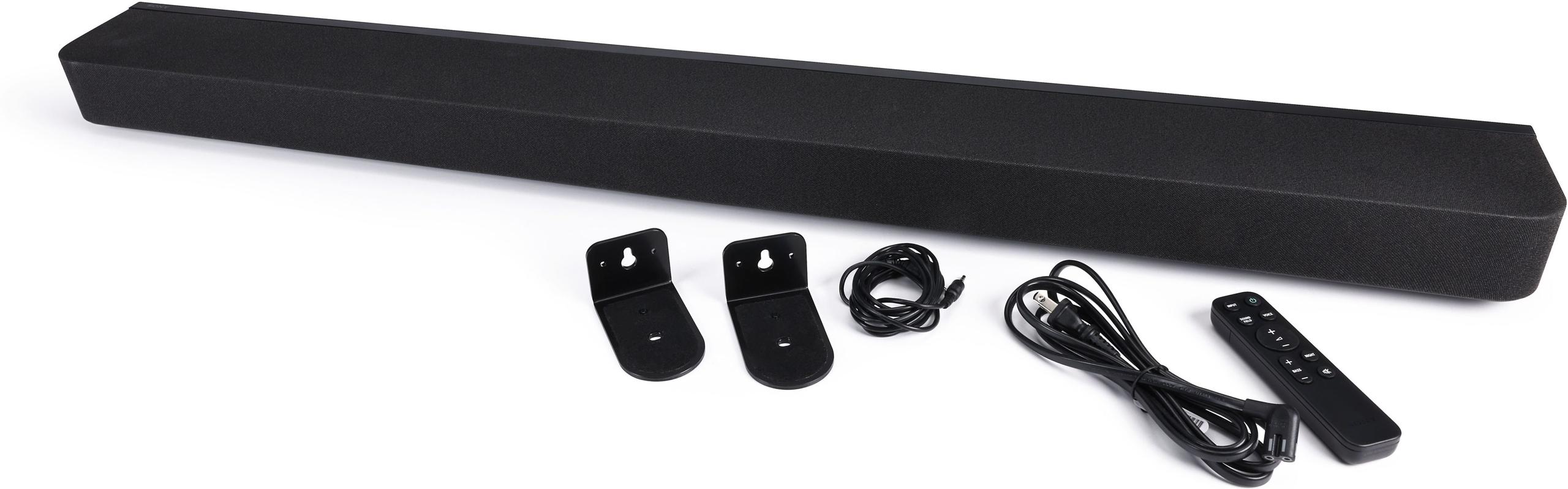
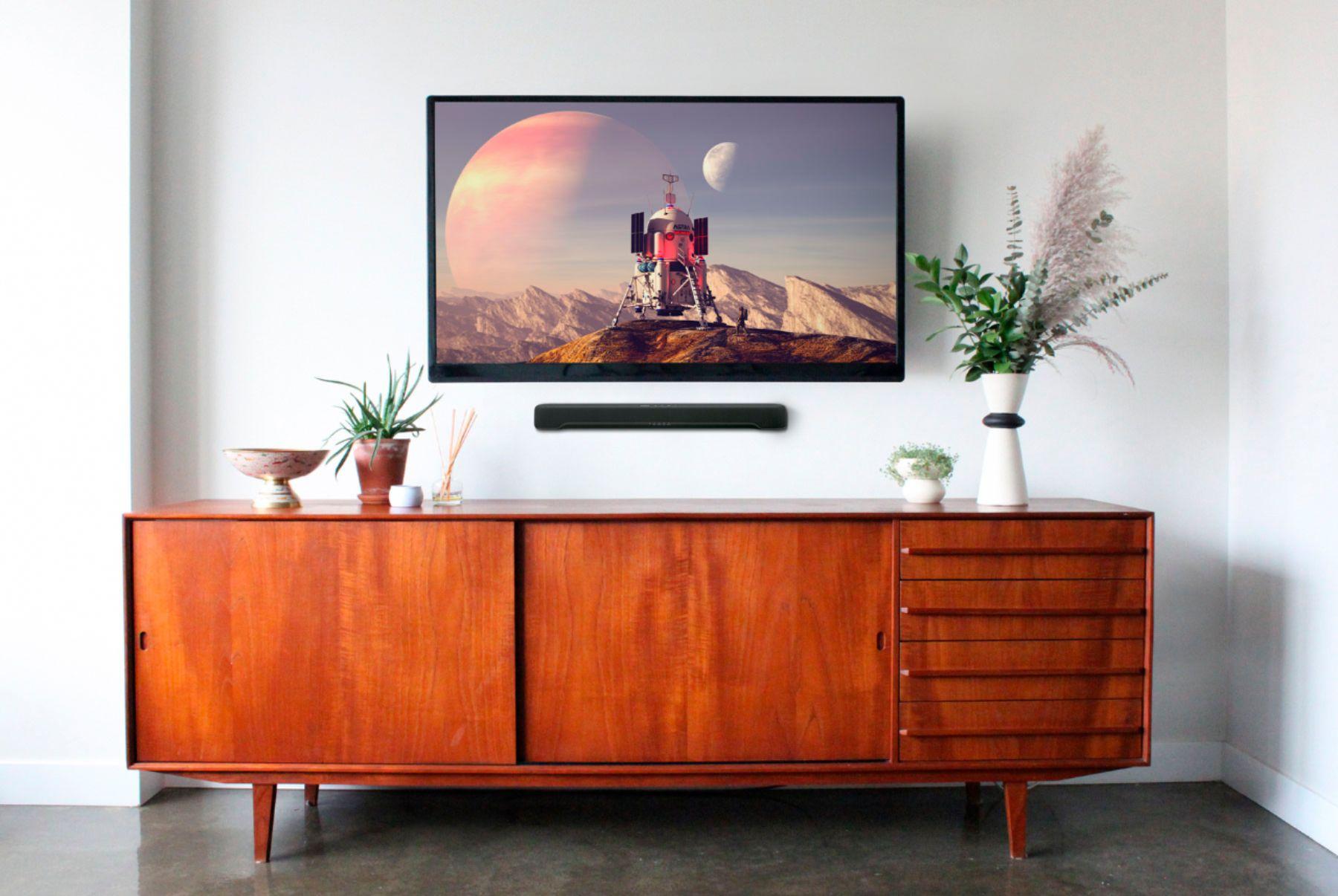
The soundbar's 43-inch width also demands consideration. While it matches perfectly with 55-inch or larger TVs, it might overwhelm smaller setups both visually and acoustically. The 10-pound weight requires secure mounting if you choose wall installation, though Sony includes proper mounting hardware.
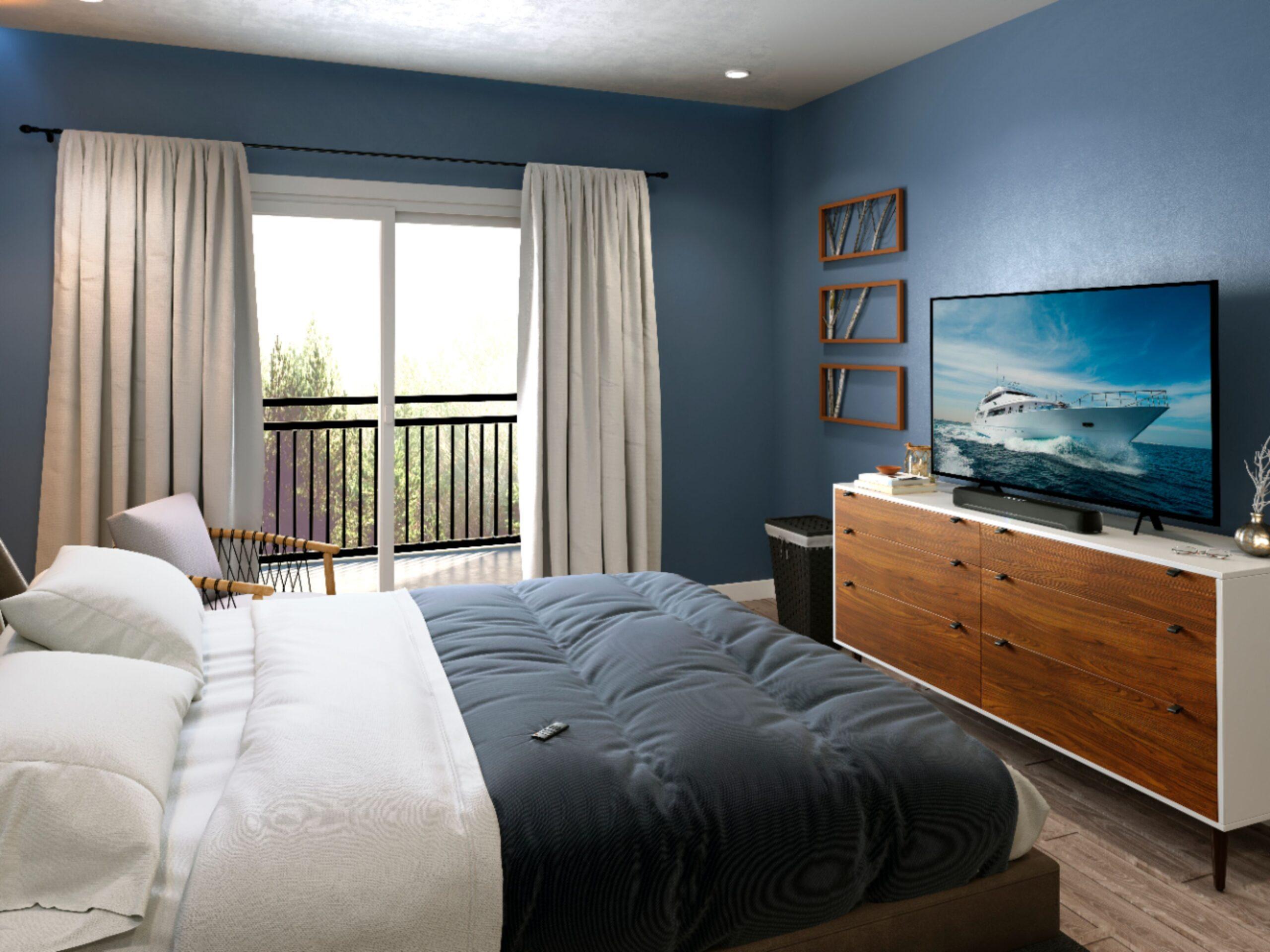
The Yamaha SR-C20A was designed specifically for smaller spaces where the Sony would be overkill. At just 24 inches wide and under 4 pounds, it fits naturally under smaller TVs or in tight entertainment centers. Its balanced sound signature won't fatigue listeners during long viewing sessions – crucial for bedroom or apartment use where you might keep volume lower.
Based on user reviews, the Yamaha performs admirably in rooms up to about 150 square feet, while the Sony really shines in spaces of 200 square feet or more.
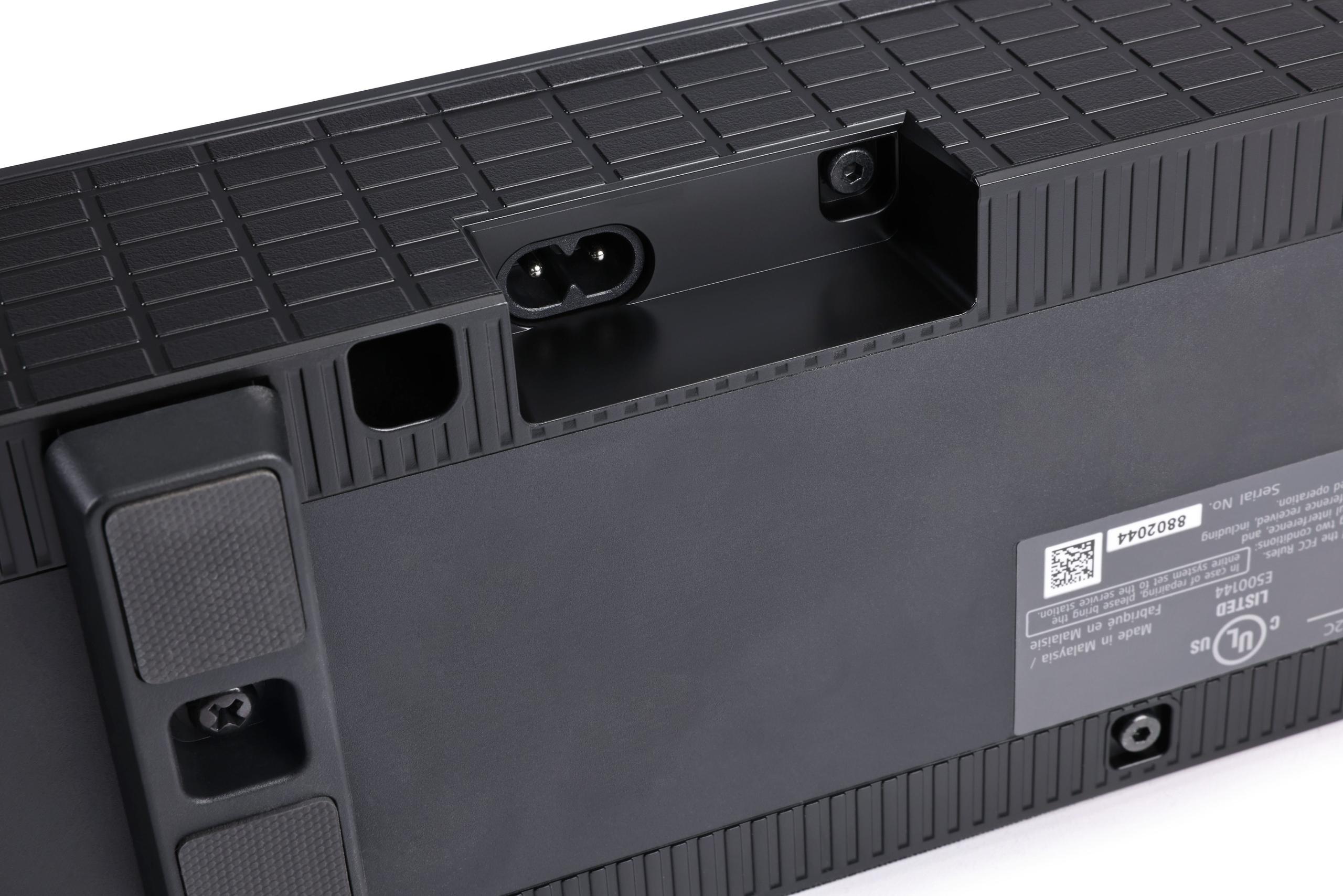
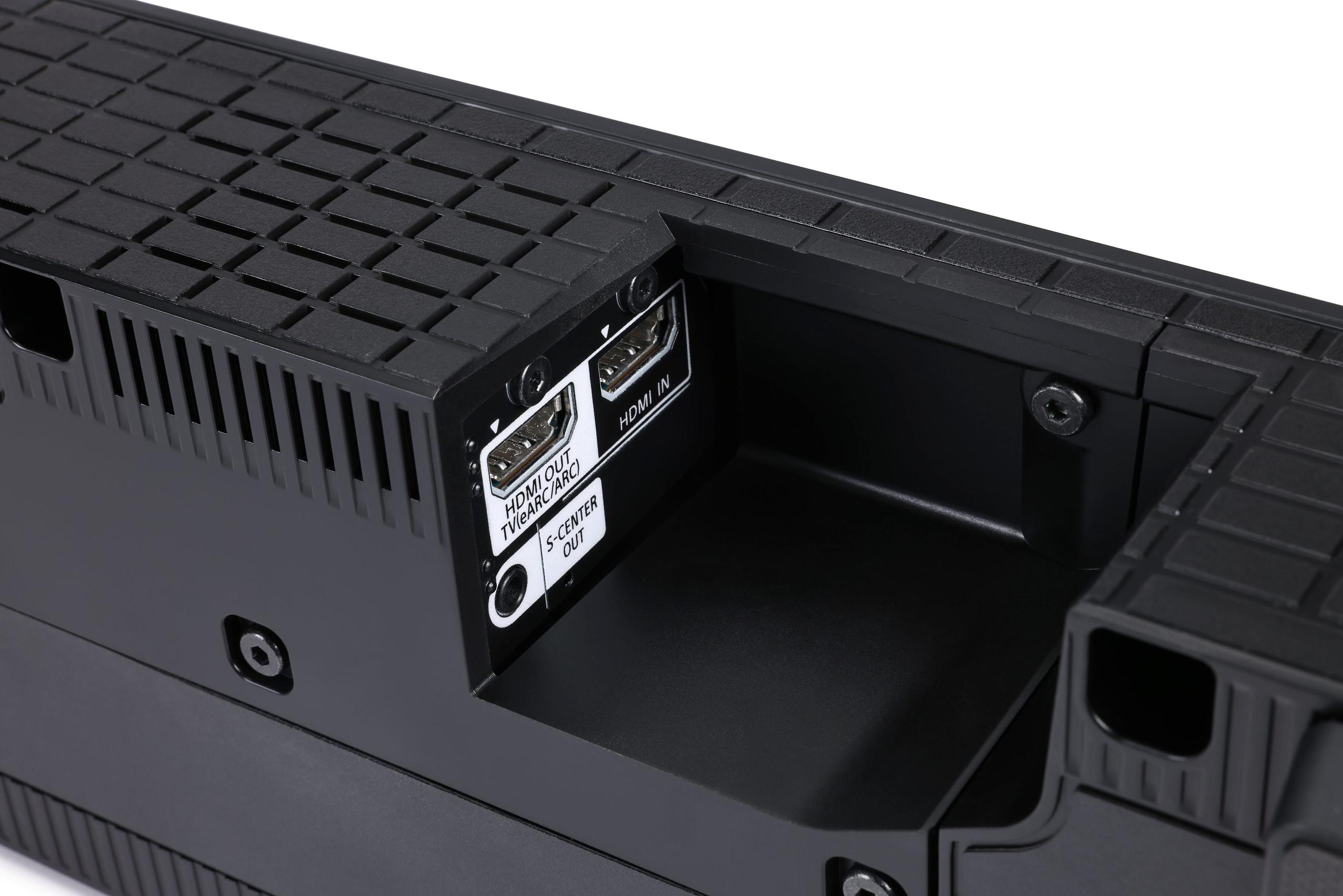
Modern soundbars serve as the audio hub for multiple devices, making connectivity crucial for long-term satisfaction. The Sony HT-A8000 embraces this role completely with HDMI 2.1 supporting 8K video passthrough at 60Hz and 4K at 120Hz. This means you can connect next-generation gaming consoles or streaming devices without worrying about compatibility.
The Sony also includes comprehensive wireless connectivity with Wi-Fi enabling AirPlay 2, Chromecast built-in, and Spotify Connect. This wireless capability matters more than you might expect – being able to stream music directly from your phone or computer without occupying HDMI ports or dealing with Bluetooth compression makes daily use more convenient.
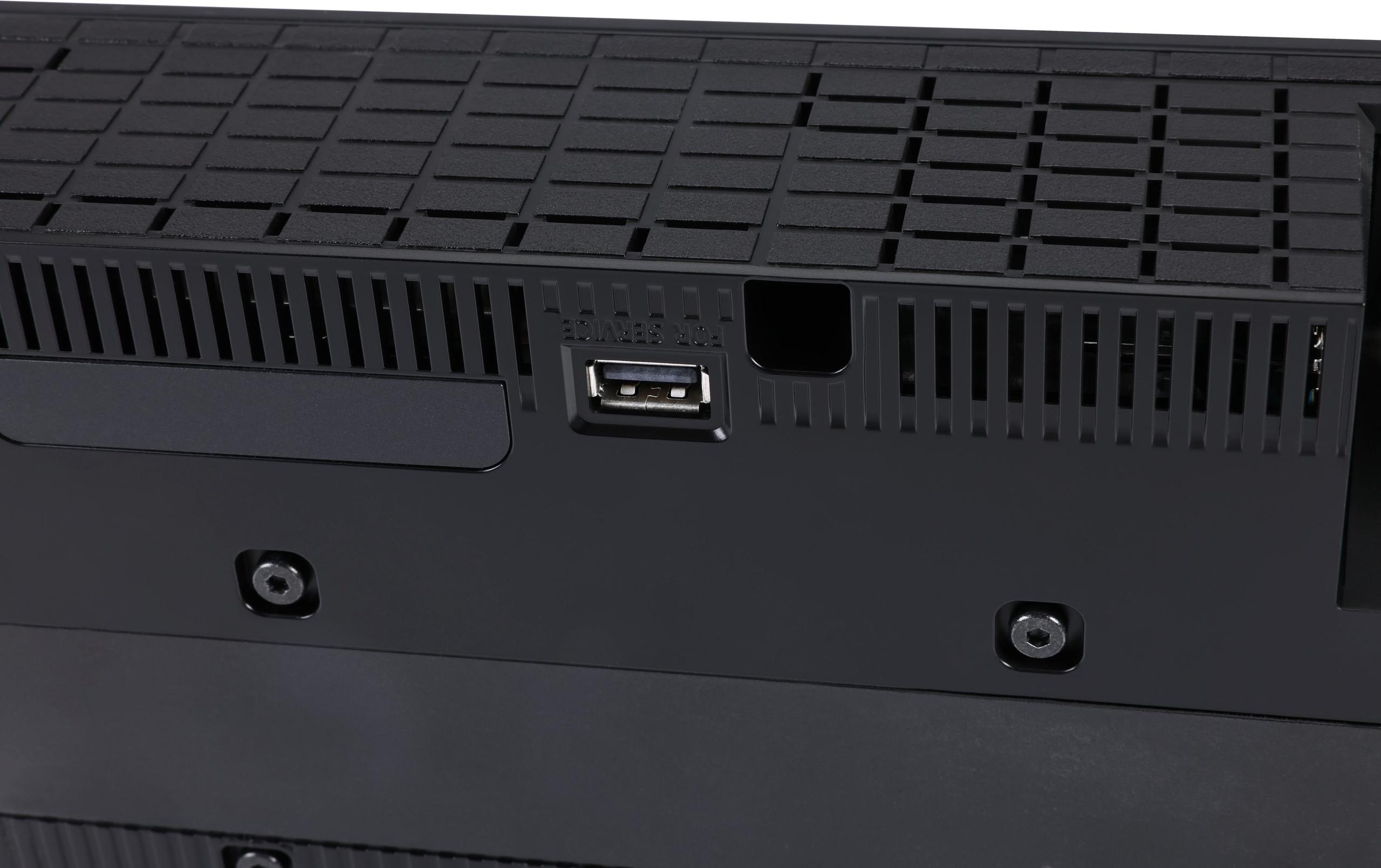
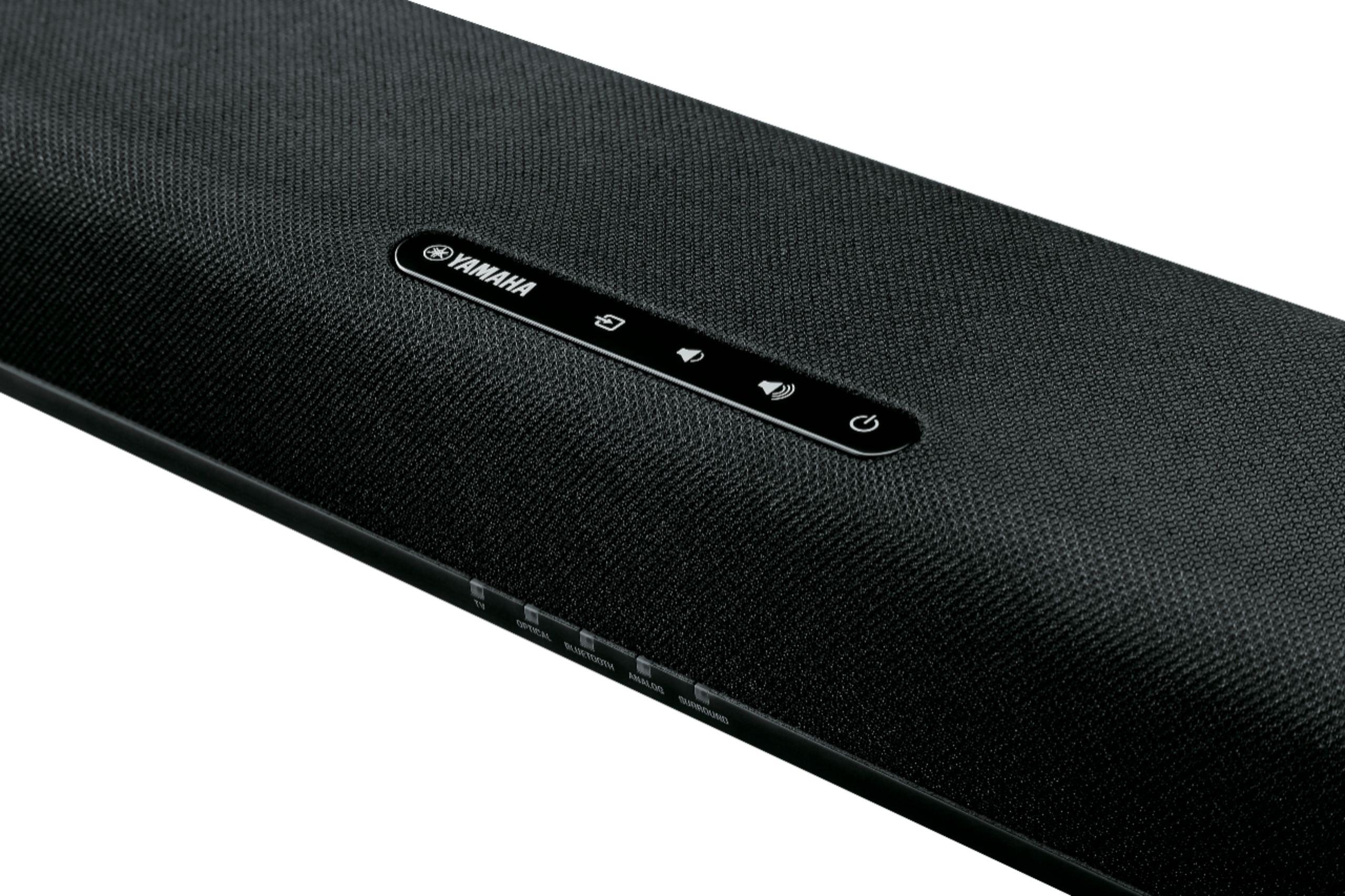
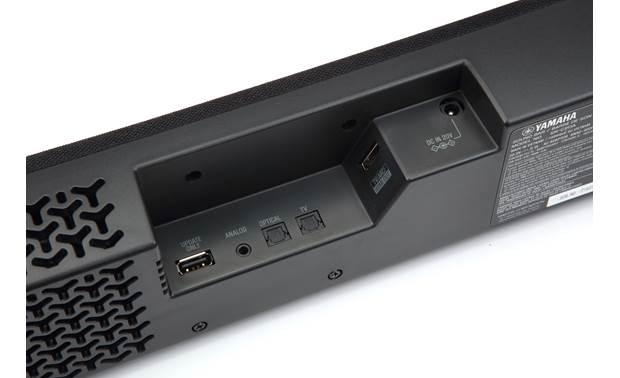
The Yamaha SR-C20A keeps things simpler with HDMI ARC, optical, and analog inputs covering most connection needs. Bluetooth 5.0 handles wireless streaming, though without Wi-Fi you're limited to whatever device you're directly connected to. For many users, this simplicity is actually preferable – fewer connection options mean fewer things to configure or potentially break.
One of the Sony HT-A8000's most compelling features is its expansion capability. Sony designed the soundbar to work seamlessly with optional wireless rear speakers (the SA-RS3S or SA-RS5) and wireless subwoofers (SA-SW3 or SA-SW5). These components automatically pair when powered on and integrate into the soundbar's spatial sound mapping system.
This expandability transforms the soundbar from a 5.0.2 system into a full 7.1.2 or even 9.1.2 setup depending on which components you add. More importantly, you can make these upgrades gradually as budget allows or needs change – start with the soundbar alone, add a subwoofer for more bass, then rear speakers for true surround sound.
The Yamaha SR-C20A offers no expansion options. What you purchase is your complete system, which works fine for its intended use cases but limits future upgrades.
At the time of writing, these soundbars occupy completely different price tiers, making direct value comparisons somewhat misleading. The Sony HT-A8000 competes in the premium soundbar space where features like Dolby Atmos, HDMI 2.1, and spatial sound processing command higher prices.
The Yamaha SR-C20A represents exceptional value primarily because it's available at significant discounts as a discontinued model. At original pricing, it competed with other basic soundbars offering similar features.
However, value isn't just about price – it's about getting the right performance for your specific needs. The Sony provides genuine home theater capability that would require multiple separate components to achieve traditionally. The Yamaha delivers quality audio enhancement that transforms TV watching without complexity or room requirements.
For dedicated home theater use, the Sony HT-A8000 clearly leads with its comprehensive format support and expansion possibilities. Dolby Atmos and DTS:X support ensures compatibility with modern movie soundtracks, while the spatial sound mapping creates the wide soundstage that makes movies engaging.
The Sony's integration with compatible Sony BRAVIA TVs adds another dimension through Acoustic Center Sync, which uses the TV's speakers as a center channel. This creates the illusion that dialogue comes directly from actors' mouths on screen rather than from below the TV – a subtle but important improvement for movie watching.
The Yamaha SR-C20A serves better as a TV audio enhancer than a home theater centerpiece. Its Clear Voice technology and balanced sound signature make TV shows and casual movie watching more enjoyable, but it lacks the dynamic range and surround capability for cinematic experiences.
Choose the Sony HT-A8000 if you're building a proper home theater setup in a medium to large room. Its advanced features justify the premium pricing for users who value immersive audio and want expansion possibilities. The HDMI 2.1 support also future-proofs your investment for next-generation gaming and video content.
The Sony makes particular sense if you already own or plan to purchase a compatible Sony TV, where the integration features provide additional value. It's also the clear choice for serious gamers who want positional audio advantages.
Choose the Yamaha SR-C20A for smaller rooms where simplicity and natural sound reproduction matter more than surround sound effects. At current pricing levels, it's hard to argue against trying it given the minimal financial risk. It excels for dialogue-heavy content, music listening, and situations where you want better TV audio without complexity.
The Yamaha also suits users who prefer gradual, separate upgrades – you might start with this compact soundbar and later add a dedicated subwoofer and rear speakers as separate components rather than staying within one manufacturer's ecosystem.
Both soundbars succeed at their intended purposes. The Sony delivers legitimate home theater performance in a simplified package, while the Yamaha provides quality audio enhancement without pretensions toward recreating cinema experiences. Understanding which approach matches your room, expectations, and budget determines which represents better value for your specific situation.
| Sony HT-A8000 BRAVIA Theater Bar 8 | Yamaha SR-C20A Compact Sound Bar |
|---|---|
| Channel Configuration - Determines surround sound capability | |
| 5.0.2 channels with 11 total drivers | 2.1 channels with built-in subwoofer |
| Power Output - Controls volume and dynamic range | |
| 495W total (adequate for large rooms) | 100W total (suitable for small to medium rooms) |
| Dolby Atmos Support - Essential for immersive movie audio | |
| Yes, with dedicated height channels | No, limited to standard Dolby Digital |
| Dimensions - Must fit your TV setup and room | |
| 43.4" W × 2.6" H × 4.5" D (matches 55"+ TVs) | 23.6" W × 2.5" H × 3.7" D (compact design) |
| Weight - Affects mounting and placement options | |
| 10.4 lbs (requires secure wall mounting) | 3.9 lbs (easy to mount or move) |
| HDMI Connectivity - Determines gaming and video features | |
| HDMI 2.1 eARC (8K/60Hz, 4K/120Hz, VRR, ALLM) | HDMI ARC only (basic 4K passthrough) |
| Wireless Connectivity - Affects streaming convenience | |
| Wi-Fi, Bluetooth 5.2, AirPlay 2, Chromecast | Bluetooth 5.0 only (no Wi-Fi features) |
| Spatial Audio Technology - Creates surround sound effects | |
| 360 Spatial Sound Mapping with phantom speakers | Virtual surround (basic stereo widening) |
| Expandability - Future upgrade potential | |
| Compatible with wireless subwoofer and rear speakers | No expansion options available |
| Bass Performance - Important for movies and music | |
| Dual built-in subwoofers with dedicated amplification | Single 3" driver with dual passive radiators |
| Gaming Features - Critical for console players | |
| Full next-gen console support with positional audio | Basic game mode with reduced latency |
| Voice Enhancement - Improves dialogue clarity | |
| Voice Zoom 3 with AI-powered dialogue boost | Clear Voice technology for speech intelligibility |
| Release Year - Indicates technology generation | |
| 2024 (latest features and connectivity) | 2020 (discontinued, limited future support) |
The Yamaha SR-C20A is specifically designed for small rooms and apartments. Its compact 23.6-inch width and balanced sound signature won't overwhelm tight spaces, while the Sony HT-A8000 is built for medium to large rooms where its spatial audio technology can work effectively.
Only the Sony HT-A8000 BRAVIA Theater Bar 8 supports Dolby Atmos with dedicated height channels for three-dimensional audio. The Yamaha SR-C20A is limited to basic Dolby Digital and stereo audio formats, focusing on dialogue clarity rather than surround sound effects.
The Sony HT-A8000 delivers significantly more powerful bass with dual built-in subwoofers and dedicated amplification. The Yamaha SR-C20A Compact Sound Bar uses a single 3-inch driver with passive radiators that produce adequate bass for its size but can't match the Sony's low-end extension and impact.
The Sony HT-A8000 can be expanded with optional wireless subwoofers and rear speakers that automatically pair with the main unit. The Yamaha SR-C20A offers no expansion options - what you purchase is your complete audio system.
The Sony HT-A8000 BRAVIA Theater Bar 8 excels for gaming with HDMI 2.1 support, 4K/120Hz passthrough, Variable Refresh Rate, and Dolby Atmos positional audio. The Yamaha SR-C20A only offers basic game mode with reduced latency and lacks advanced gaming features.
The Sony HT-A8000 measures 43.4 inches wide and weighs 10.4 pounds, designed to match 55-inch or larger TVs. The Yamaha SR-C20A Compact Sound Bar is much smaller at 23.6 inches wide and 3.9 pounds, perfect for smaller TVs and tight spaces.
The Sony HT-A8000 provides comprehensive streaming with Wi-Fi, Bluetooth 5.2, AirPlay 2, Chromecast, and Spotify Connect. The Yamaha SR-C20A is limited to Bluetooth 5.0 streaming only, with no Wi-Fi connectivity for advanced streaming features.
Both soundbars enhance dialogue, but through different approaches. The Yamaha SR-C20A uses Clear Voice technology specifically designed for speech intelligibility. The Sony HT-A8000 BRAVIA Theater Bar 8 features Voice Zoom 3 with AI-powered dialogue enhancement that adapts to content automatically.
The Sony HT-A8000 is purpose-built for home theater use with Dolby Atmos, DTS:X, IMAX Enhanced support, and 360 Spatial Sound Mapping. The Yamaha SR-C20A serves better as a TV audio enhancer than a dedicated home theater centerpiece.
The Sony HT-A8000 BRAVIA Theater Bar 8 delivers 495 watts total power across 11 speaker drivers, suitable for filling large rooms. The Yamaha SR-C20A Compact Sound Bar outputs 100 watts through its 2.1 channel system, appropriate for smaller spaces and moderate volume levels.
The Sony HT-A8000 includes HDMI 2.1 eARC with 8K/60Hz and 4K/120Hz passthrough, supporting next-generation gaming consoles and streaming devices. The Yamaha SR-C20A offers standard HDMI ARC for basic TV connectivity without advanced video features.
The Sony HT-A8000 BRAVIA Theater Bar 8 is Sony's current premium soundbar model released in 2024. The Yamaha SR-C20A was discontinued by Yamaha, though remaining inventory is still available at retailers, often at significant discounts from original pricing.
We've done our best to create useful and informative comparisons to help you decide what product to buy. Our research uses advanced automated methods to create this comparison and perfection is not possible - please contact us for corrections or questions. These are the sites we've researched in the creation of this article: consumerreports.org - skybygramophone.com - target.com - rtings.com - bestbuy.com - rubbermonkey.co.nz - shopatsc.com - audioadvice.com - sony.com - sony.com - sony.com - shop.cosmopolitan.com - store.sony.com.my - videoandaudiocenter.com - t3.com - usa.yamaha.com - radiotimes.com - shop.usa.yamaha.com - whathifi.com - hifiheaven.net - usa.yamaha.com - sweetwater.com - hub.yamaha.com - bestbuy.com

Privacy Policy
Terms and Conditions - Affiliate Policy
Home Security
© Copyright 2008-2026.
11816 Inwood Rd #1211, Dallas, TX 75244