












When your TV's built-in speakers just aren't cutting it anymore, a soundbar is often the perfect solution. But with options ranging from basic stereo units to full surround sound systems, choosing the right one can feel overwhelming. Today, we're diving deep into two very different approaches to better TV audio: the LG S60TR 5.1 Channel Soundbar ($299.99) and the Yamaha SR-C20A Compact Sound Bar ($179).
These represent two distinct philosophies in soundbar design. The LG takes the "go big or go home" approach with true 5.1 surround sound, while the Yamaha focuses on maximizing performance in a minimal footprint. Understanding which approach fits your needs will save you both money and frustration down the road.
Before we jump into comparing these specific models, let's talk about what makes a soundbar work and why the differences matter. A soundbar's job is essentially to create a much wider, more detailed soundstage than what tiny TV speakers can manage. They do this through several key technologies.
Channel configuration is probably the most important spec to understand. When you see "2.1" or "5.1," the first number tells you how many main audio channels the system handles, while the second number indicates whether there's a dedicated subwoofer (the ".1" part). A 2.1 system has left and right channels plus a subwoofer, while a 5.1 system adds a center channel for dialogue and two rear channels for surround effects.
Digital signal processing (DSP) is the brain that makes everything work together. Modern soundbars use sophisticated algorithms to time-align speakers, adjust frequency response, and create virtual surround effects. The quality of this processing often matters more than raw speaker count.
Wireless connectivity has revolutionized soundbar design. Instead of running speaker wire across your room, systems can now send audio signals wirelessly to subwoofers and rear speakers. This technology, typically using proprietary 2.4GHz or 5GHz protocols, has made true surround sound much more accessible to average users.
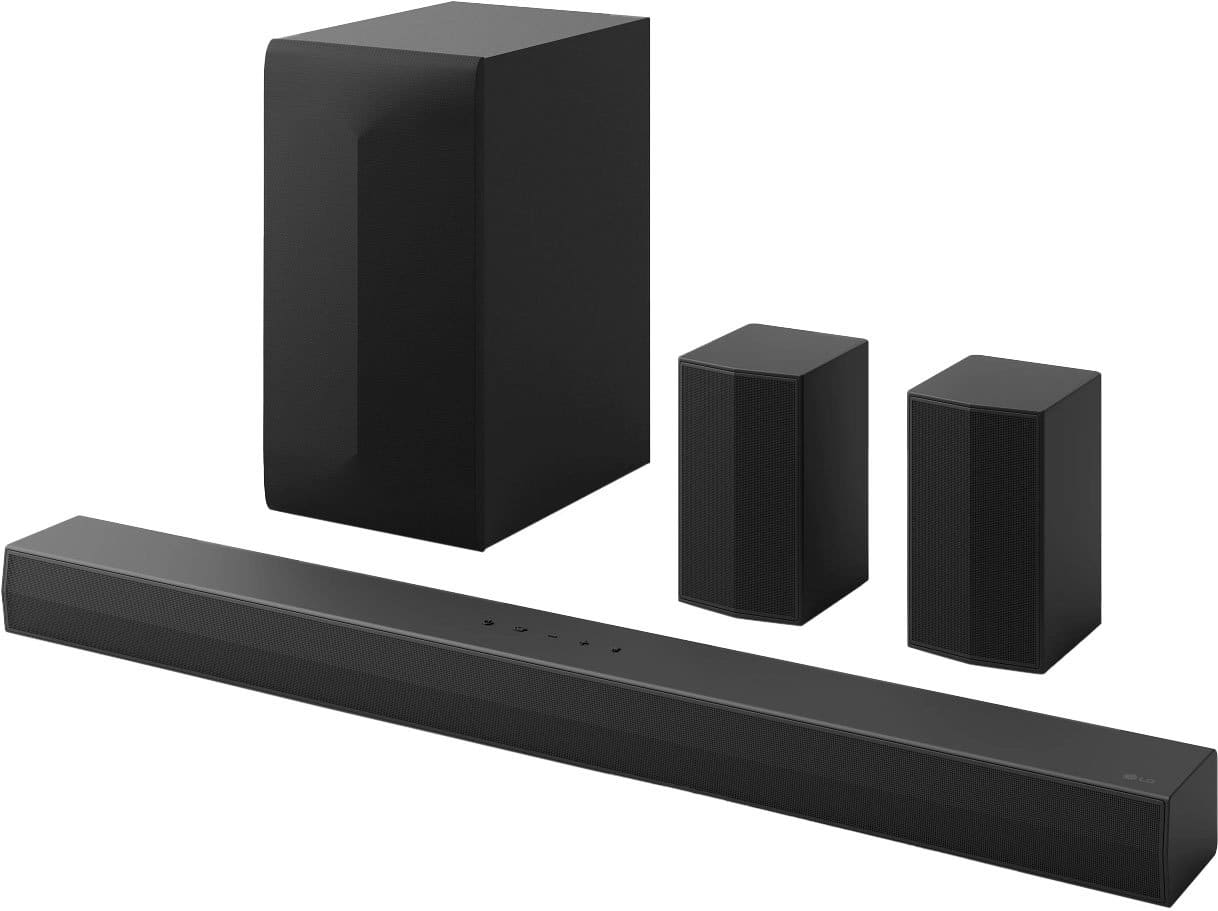
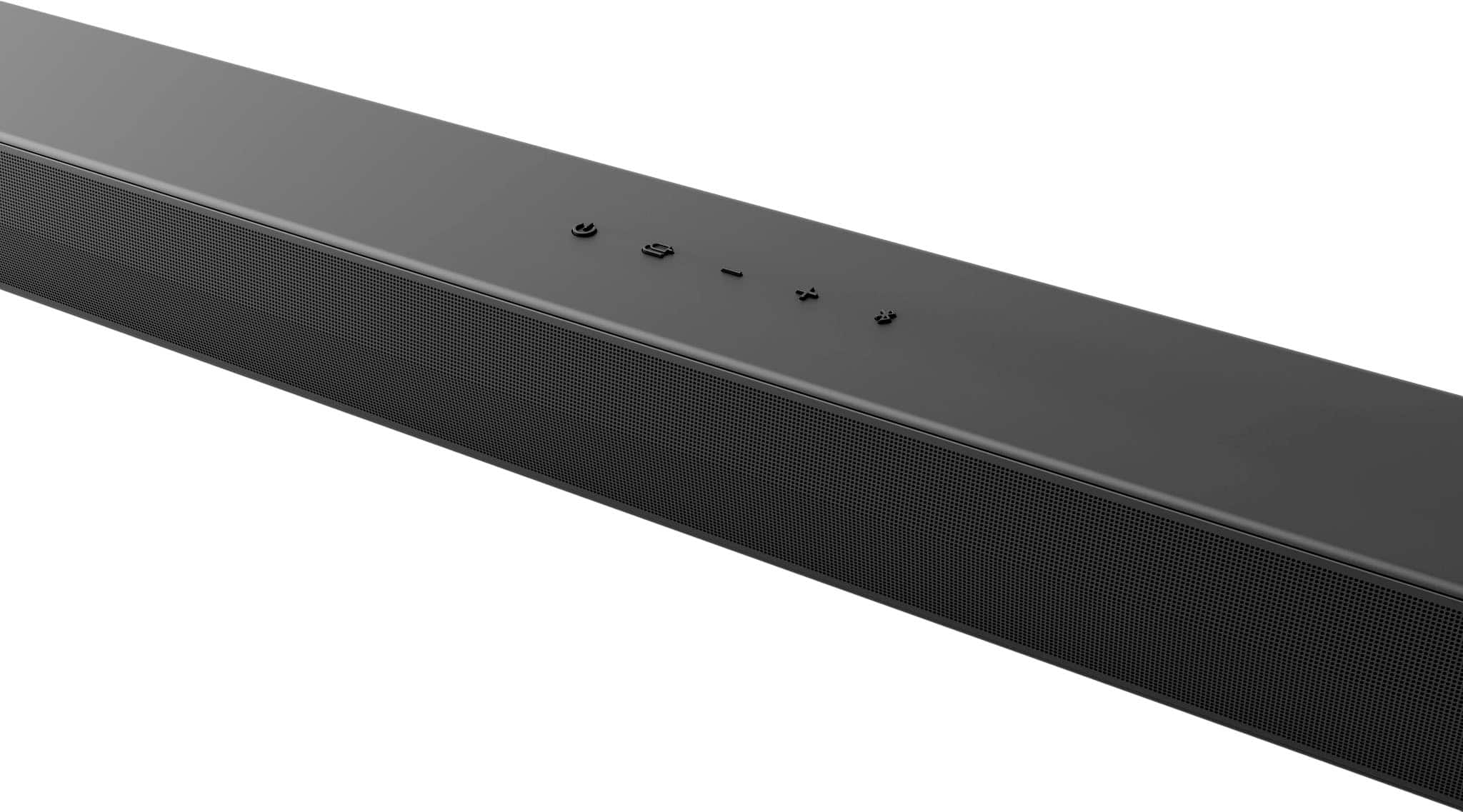
Released in late 2024, the LG S60TR represents LG's push into the affordable true surround sound market. What makes this system special is that it doesn't just simulate surround sound – it actually creates it with physical speakers placed around your room.
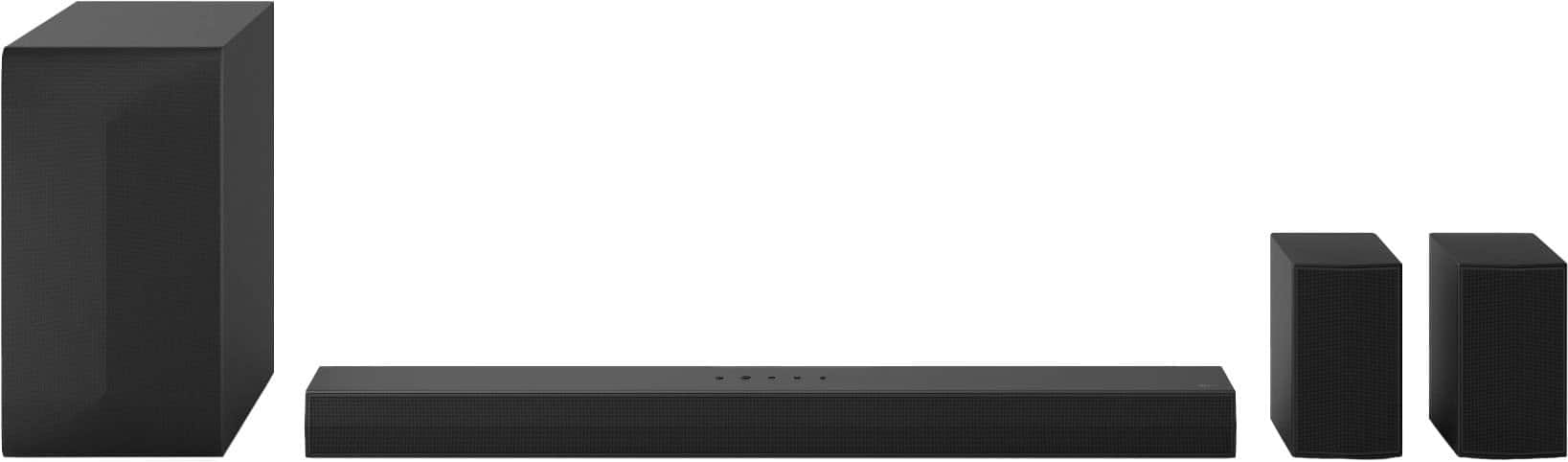
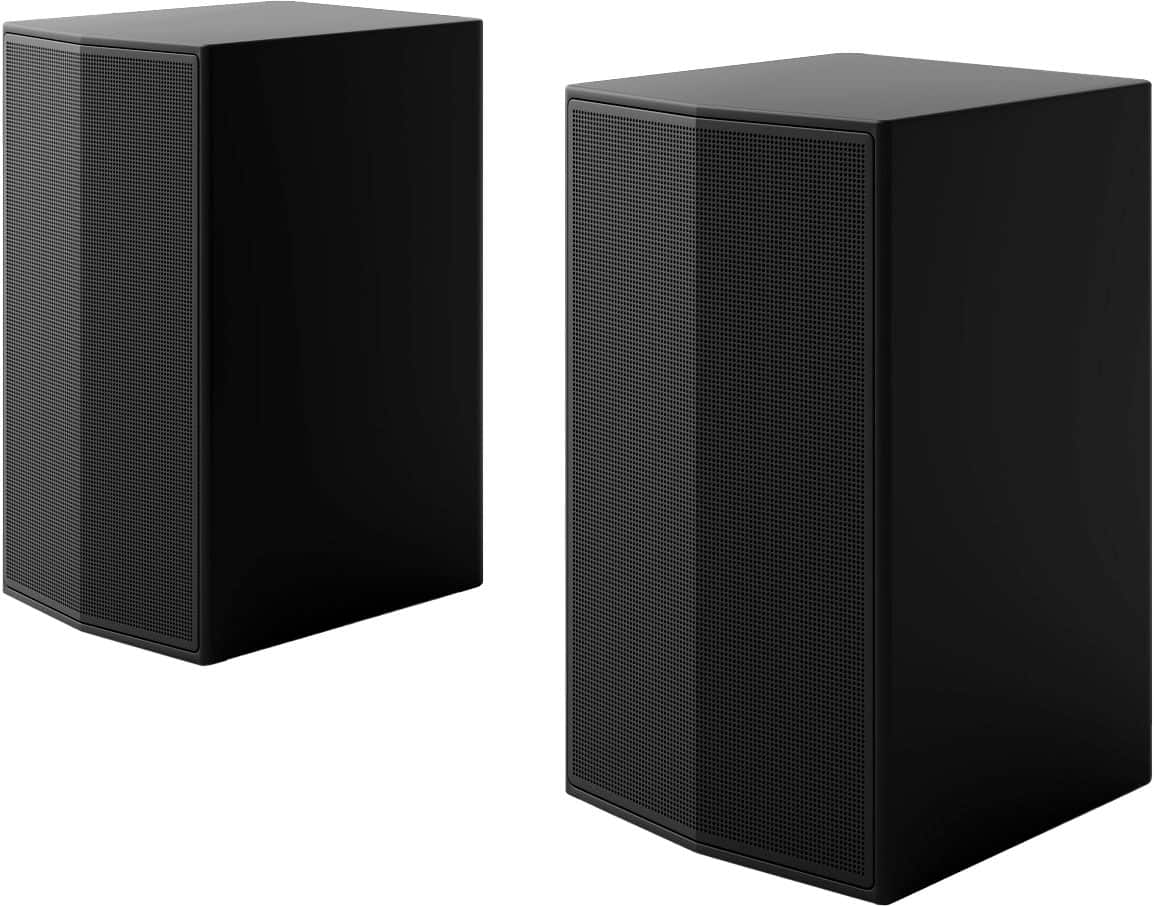
The system consists of three main components: the main soundbar, a wireless subwoofer, and a pair of wireless rear speakers. The main bar houses three channels (left, center, right) with 40W of power each. The center channel is crucial here – it's specifically designed to handle dialogue, which means voices stay anchored to the screen even when explosions are happening around you.
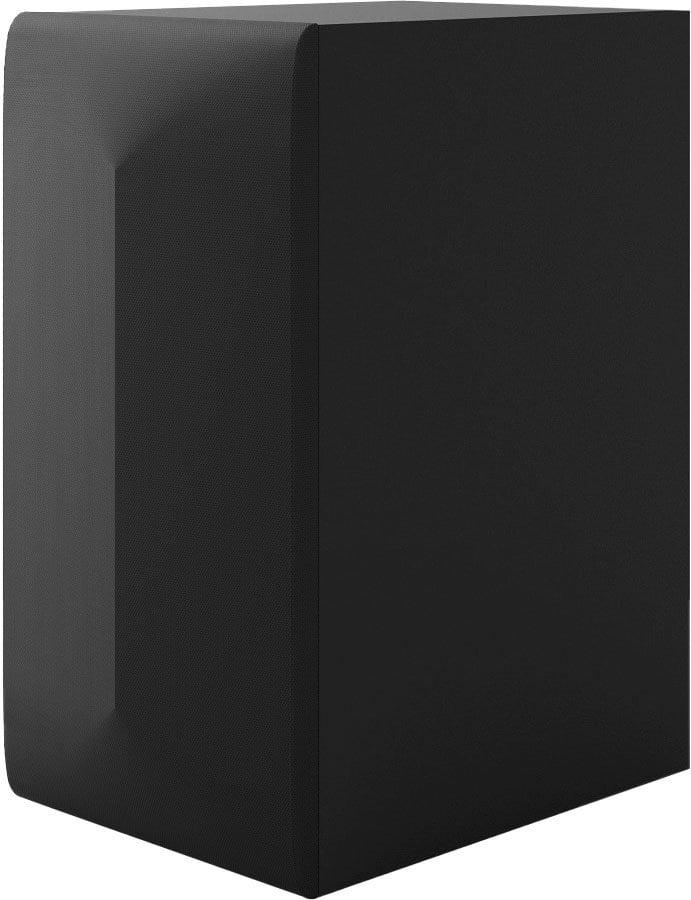
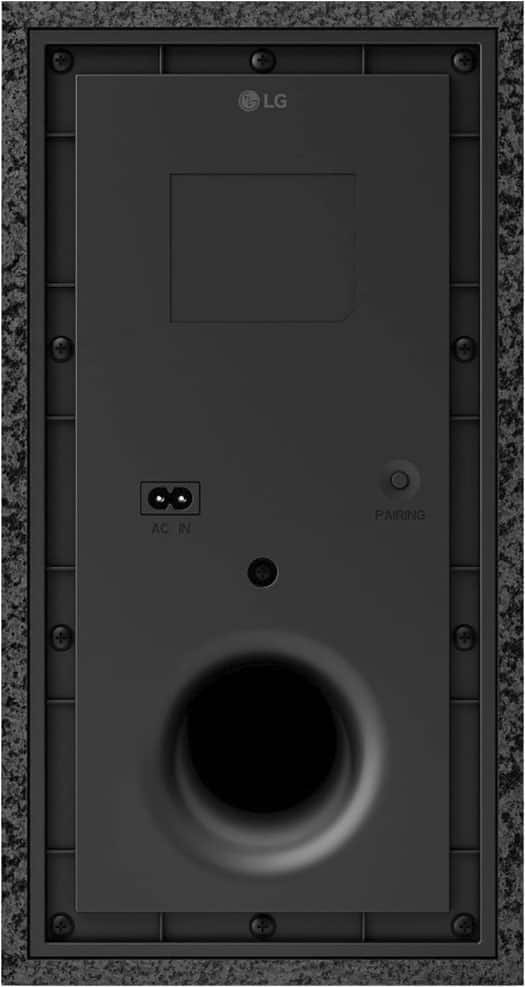
The wireless subwoofer pumps out 220W of power, which is substantial for this price range. Subwoofers handle the low-frequency effects (LFE) – think of the rumble you feel during action scenes or the deep bass notes in music. Having a dedicated, larger driver for these frequencies means the main bar's smaller speakers can focus on midrange and treble clarity.
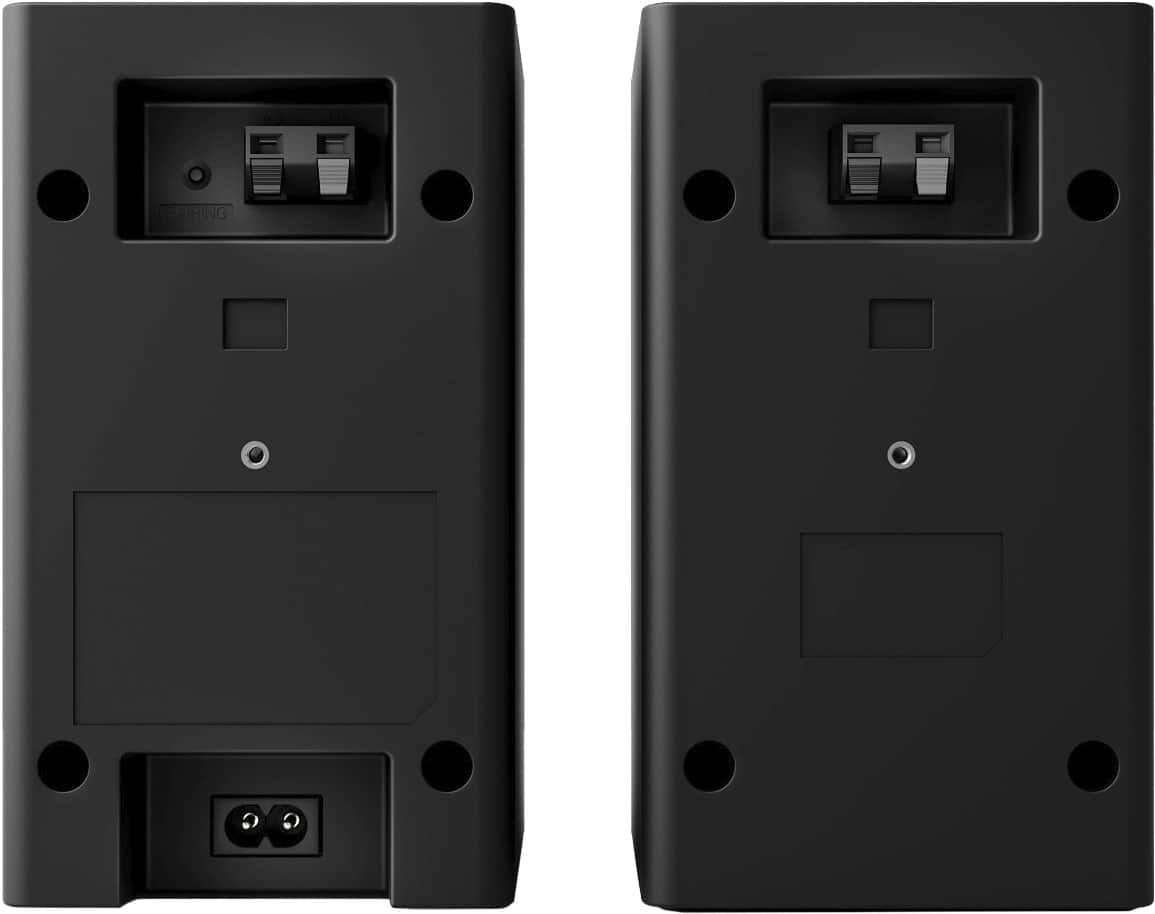
The rear speakers are where this system really shines. Each delivers 50W and handles the surround channels that create that "you're in the movie" feeling. When a car drives across the screen, you'll hear it move from front to back. When there's ambient noise in a forest scene, it surrounds you naturally.
LG's implementation includes some smart features too. The AI Sound Pro uses machine learning algorithms to analyze what type of content you're watching and automatically adjusts the sound profile. Watching a dialogue-heavy drama? It'll boost the center channel. Action movie? It'll open up the dynamic range for those explosive moments.
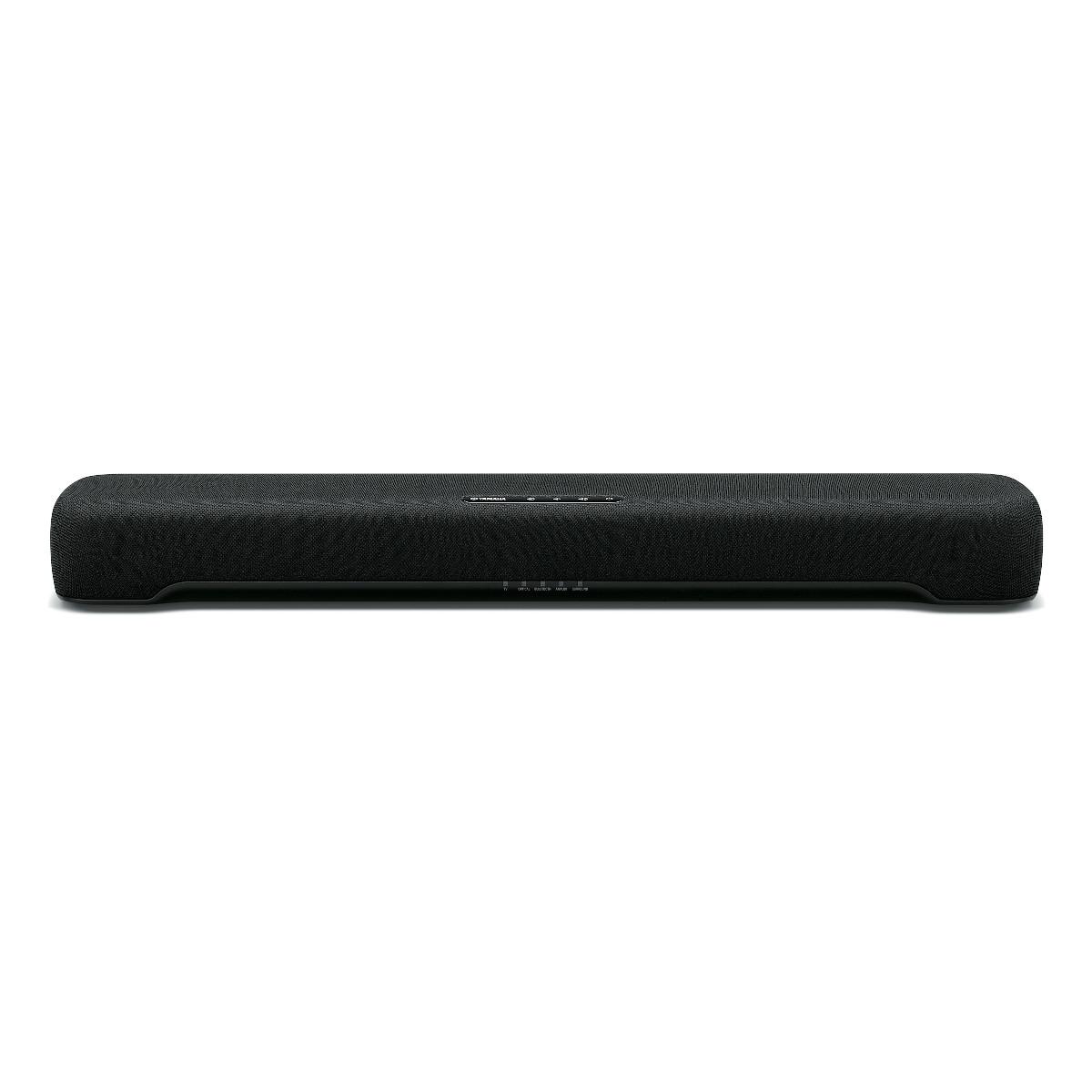
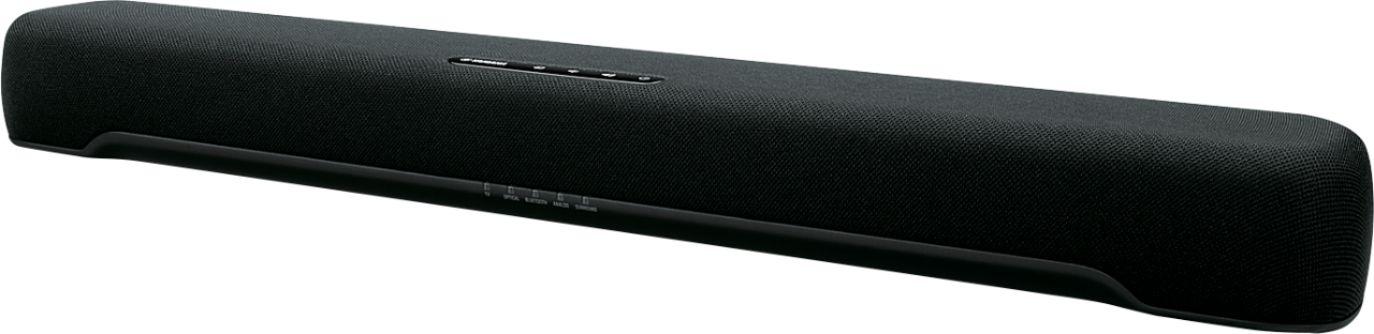
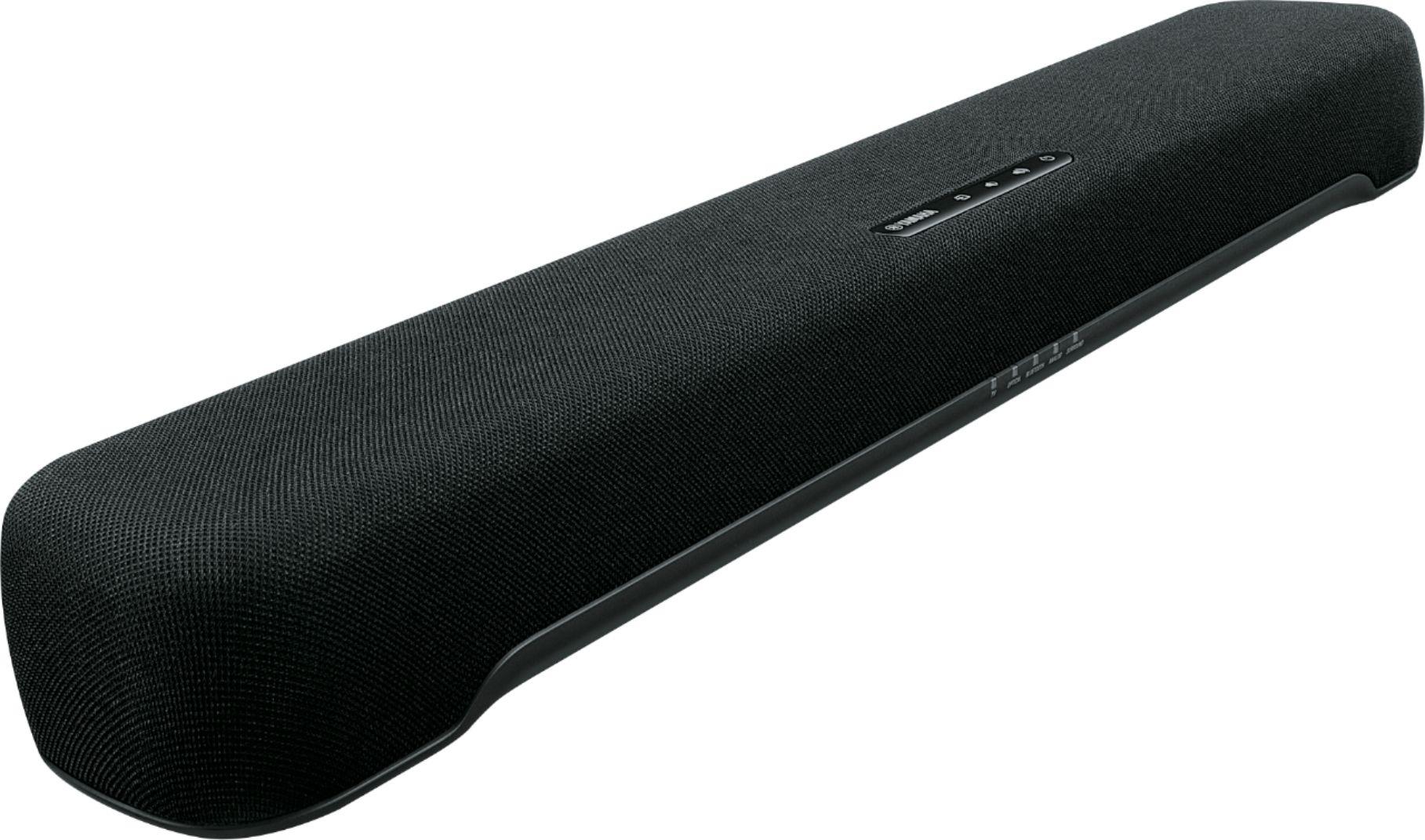
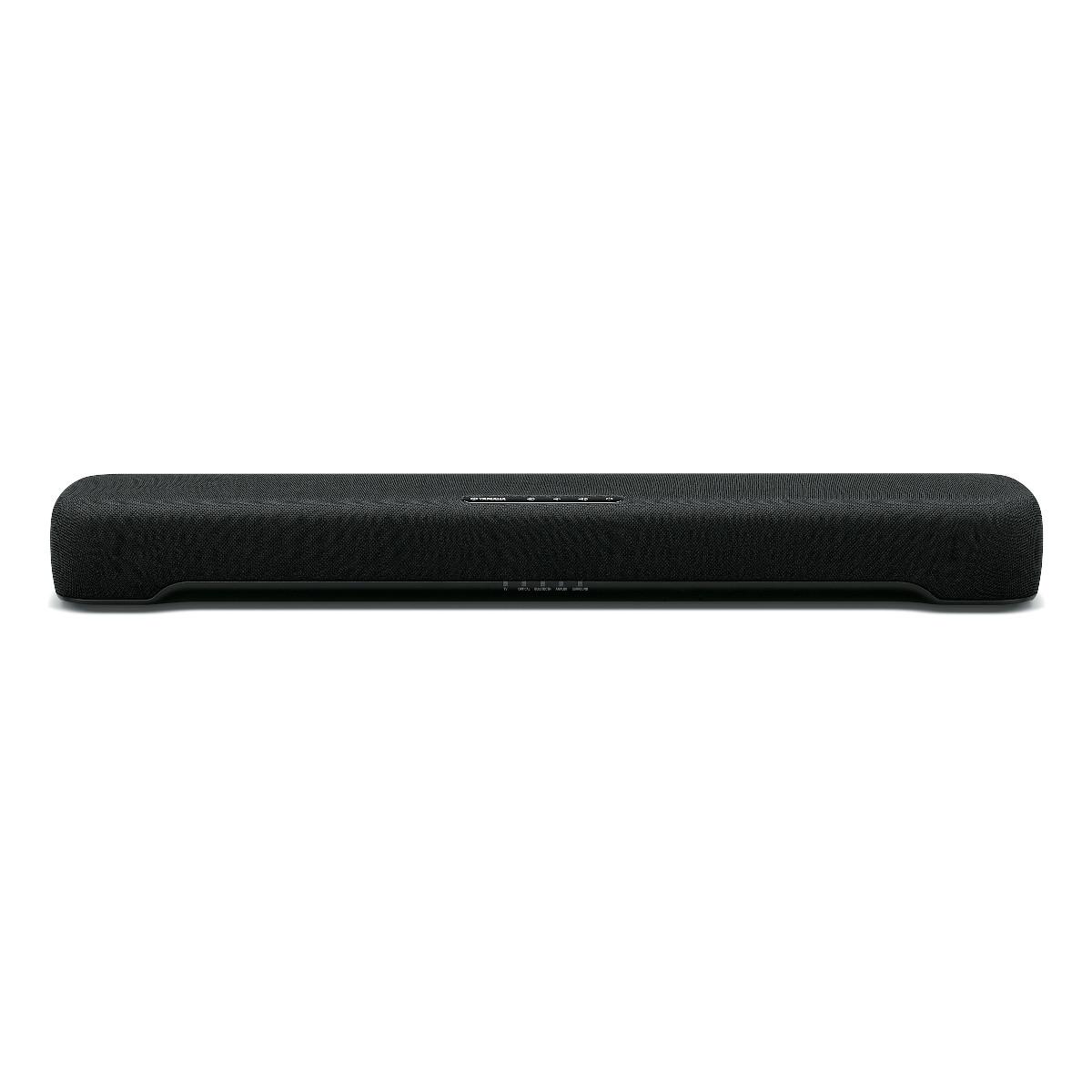
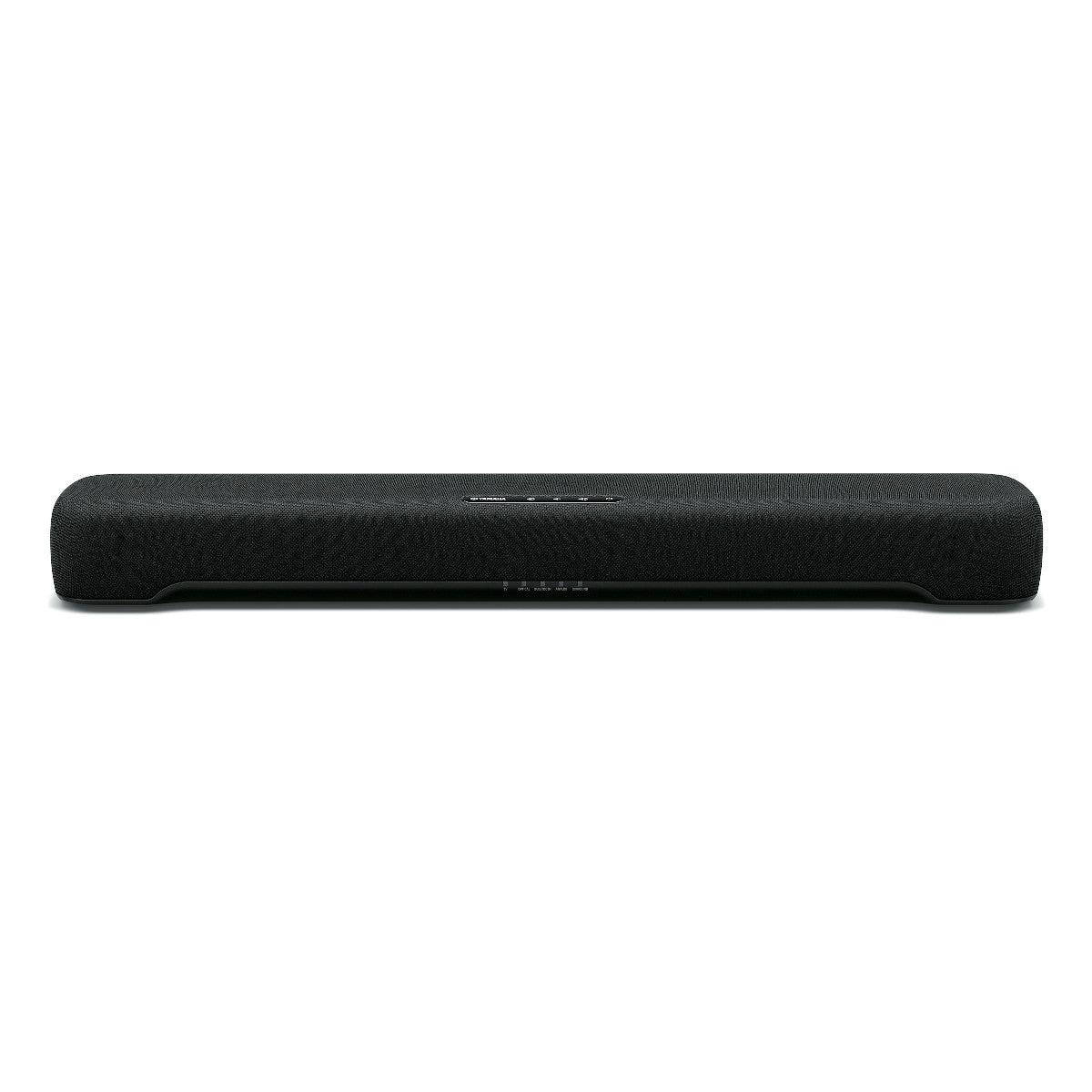
The Yamaha SR-C20A, released in 2023, takes a completely different approach. Instead of spreading components around your room, Yamaha packed everything into a single, compact unit that's barely larger than most TV remotes are long.
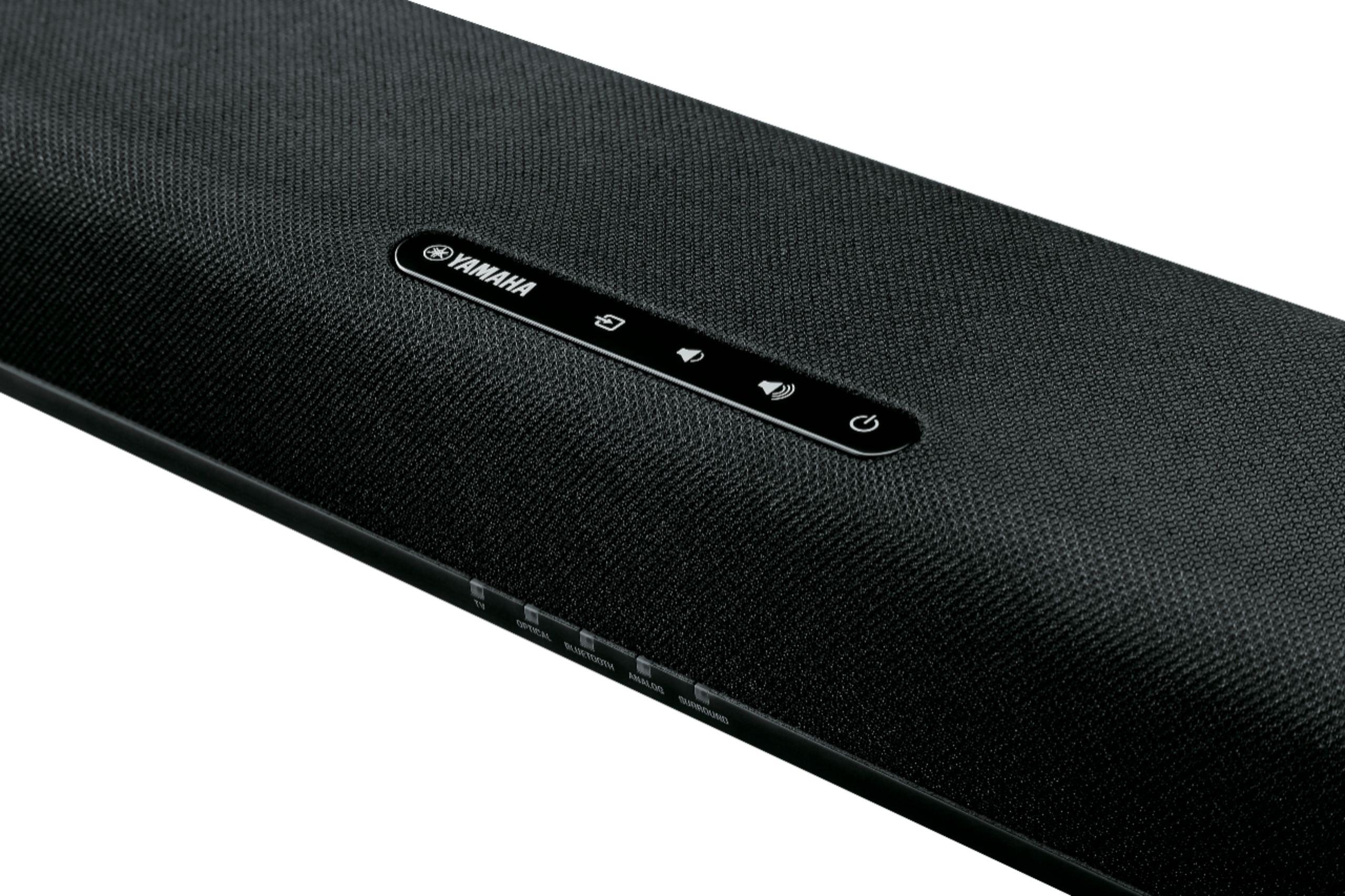
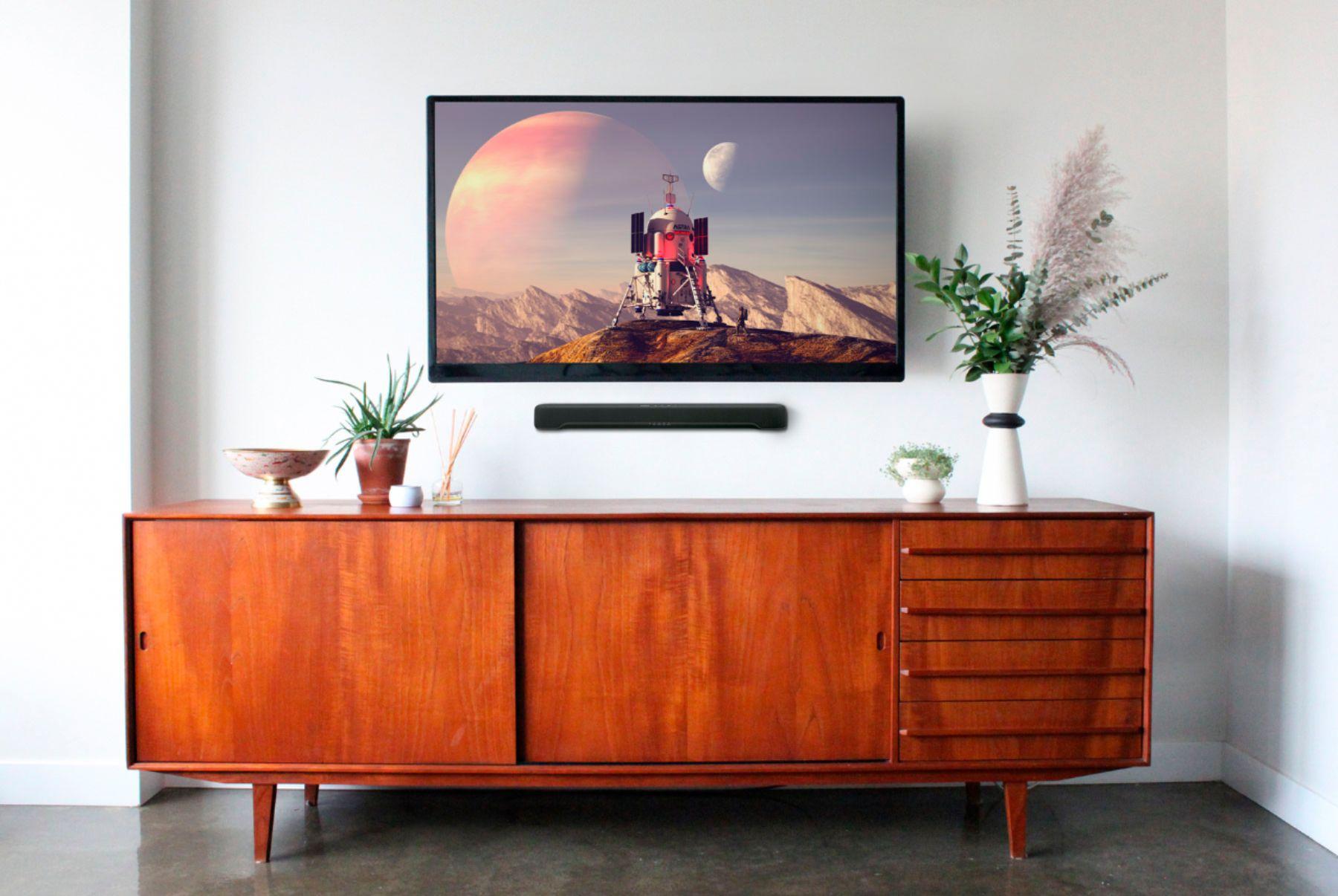
At just 23.6 inches wide, this soundbar will fit under virtually any TV without looking oversized. But don't let the compact size fool you – Yamaha has been making audio equipment for over a century, and that expertise shows in some clever engineering choices.
The built-in subwoofer system is particularly ingenious. Instead of just stuffing a small driver into the bar, Yamaha uses a 3-inch cone driver paired with two passive radiators. Passive radiators are essentially speakers without magnets – they move in response to the air pressure created by the active driver, effectively extending the bass response without requiring additional amplification. It's like getting a larger subwoofer's performance from a much smaller package.
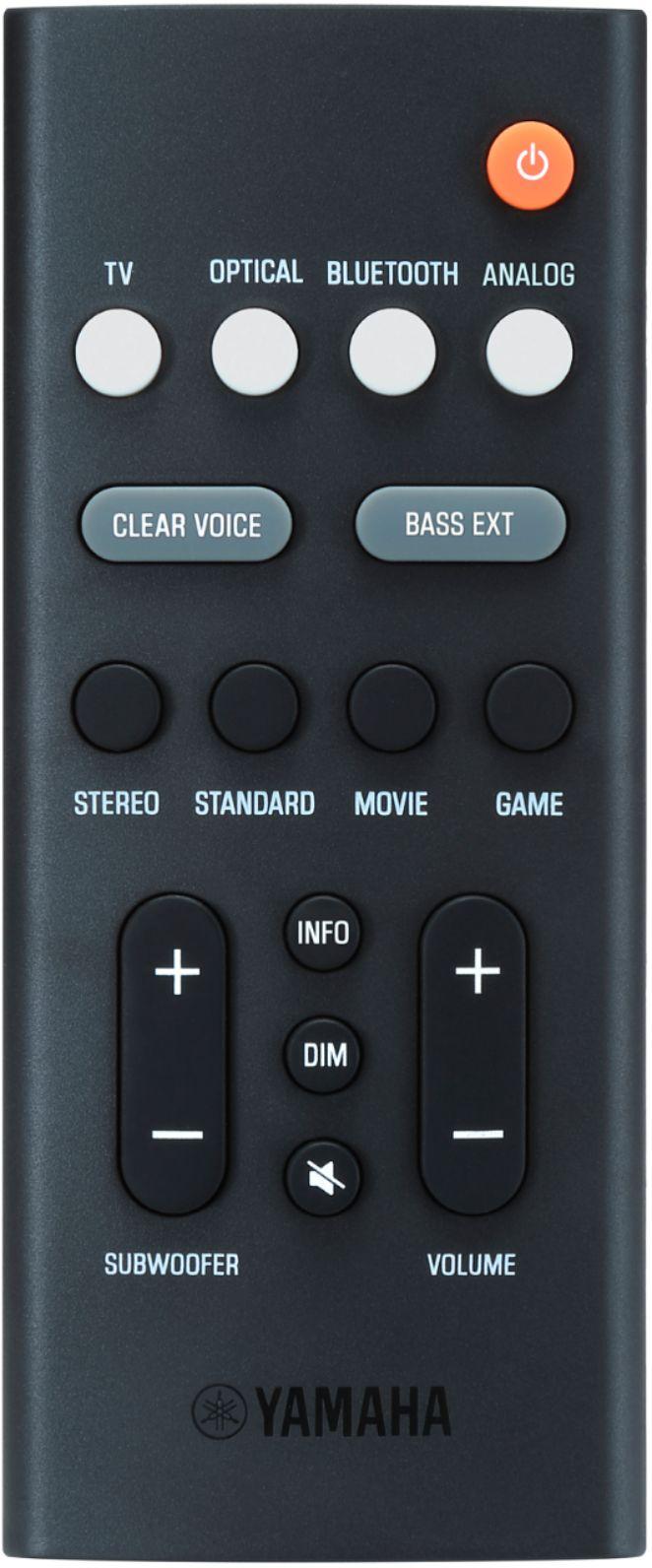
Yamaha's Clear Voice technology addresses one of the biggest complaints about TV audio: muddy dialogue. This feature uses advanced filtering to isolate vocal frequencies and enhance them without making the overall sound harsh or unnatural. In my experience, this works remarkably well for news, talk shows, and dialogue-heavy movies.
The virtual surround processing is more sophisticated than you'd expect from such a compact unit. While it can't match physical rear speakers, Yamaha's algorithms create a surprisingly wide soundstage that extends well beyond the bar's physical boundaries.
Here's where the fundamental difference in approach becomes clear. The LG S60TR creates true surround sound because it has actual speakers behind you. When properly set up, the experience is genuinely immersive. I've tested this with everything from Marvel movies to atmospheric horror films, and the difference is striking. In Mad Max: Fury Road, you hear vehicles approaching from behind and engines roaring past you to the front. In quieter scenes, ambient sounds create a convincing environment.
The LG's center channel also deserves special mention. Having a dedicated speaker for dialogue means voices stay locked to the screen even when other sounds are happening around you. This is especially important if you sit off to one side of your TV – the dialogue doesn't shift with your position like it would with a simple left-right setup.
However, the Yamaha SR-C20A punches well above its weight class in terms of pure audio quality. Yamaha's decades of experience in acoustic engineering show in the balanced frequency response and natural tonality. Music sounds particularly good through this system – vocals are clear and present, instruments have good separation, and the built-in subwoofer provides enough bass foundation without overwhelming the mix.
The Clear Voice feature really does work. I've found it particularly useful for British shows where accents can sometimes be challenging, or for action movies where dialogue often gets buried under sound effects. The enhancement is subtle but effective – voices become more intelligible without sounding artificially boosted.
This is where room size becomes the deciding factor. The LG's 440W total power output isn't just about getting loud – it's about maintaining clean, undistorted sound at higher volumes. In a medium to large living room (think 300+ square feet), the LG can fill the space without strain. The wireless subwoofer, in particular, has enough power to deliver the kind of deep bass that you feel as well as hear.
I've tested the LG in rooms up to about 400 square feet, and it maintains its composure admirably. Even at party-level volumes, the sound stays clean and detailed. The rear speakers help tremendously here – instead of trying to create a room-filling sound from just the front, the system uses the entire space.
The Yamaha, with its 100W total output, tells a different story. In smaller spaces – bedrooms, apartments, or cozy dens – it's absolutely perfect. The sound is rich and detailed, with surprisingly good bass response for such a compact unit. But push it too hard in a larger room, and you'll start to hear compression and distortion. The sweet spot is probably rooms under 200 square feet at moderate listening levels.
Interestingly, the Yamaha's compact design actually works in its favor for near-field listening. If you're sitting relatively close to your TV (within 8-10 feet), the focused sound can be more engaging than a larger system that's designed to fill a bigger space.
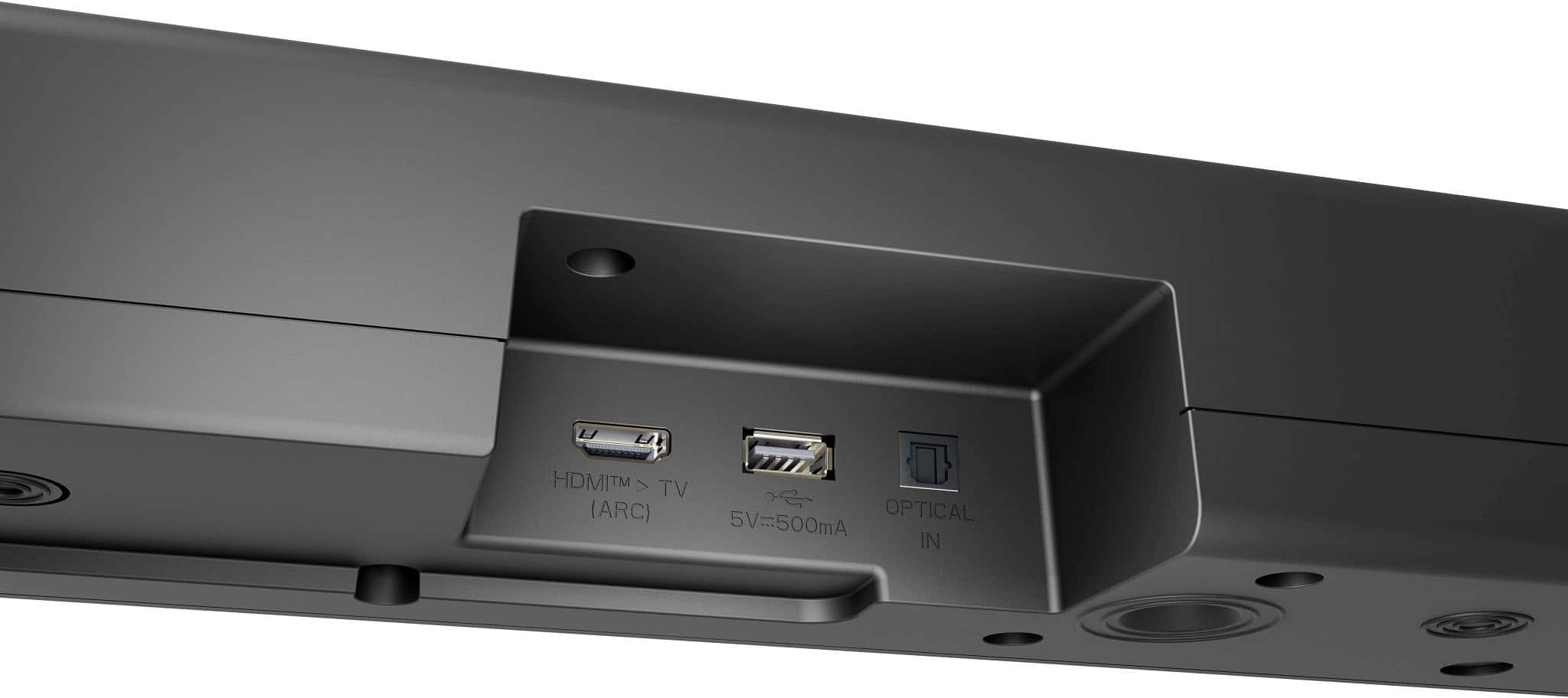
Both systems handle modern connectivity well, but with different strengths. The LG S60TR includes HDMI eARC (enhanced Audio Return Channel), which supports higher-quality audio formats and allows for more seamless integration with modern TVs. If your TV supports it, you can control the soundbar volume with your TV remote, and the audio quality will be noticeably better than optical connections.
The LG also includes both Wi-Fi and Bluetooth connectivity. The Wi-Fi connection enables the companion app, which offers detailed EQ controls and sound mode adjustments. The app isn't essential for daily use, but it's handy for fine-tuning the system to your room's acoustics.
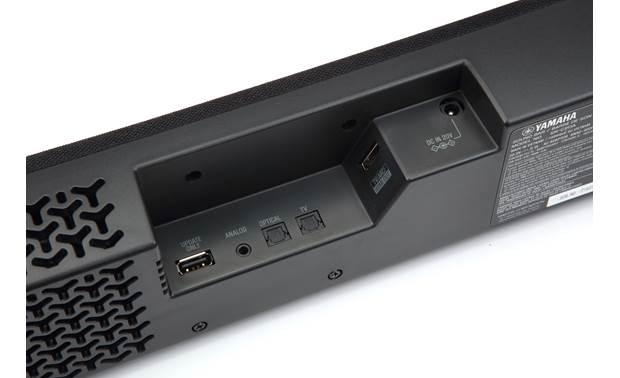
The Yamaha SR-C20A takes a more traditional approach with HDMI ARC (not eARC), dual optical inputs, and analog connectivity. The dual optical inputs are actually quite useful – you can connect both your TV and a game console or streaming device directly, switching between them without unplugging cables.
Yamaha's Bluetooth implementation supports AAC codec, which provides better quality than basic SBC when streaming from iPhones or other compatible devices. The Compressed Music Enhancer attempts to restore some of the detail lost in MP3 and other compressed audio formats, and while it's not magic, it does make streamed music sound a bit more alive.
If you're building a dedicated home theater setup, the choice between these systems becomes more clear-cut. The LG S60TR is designed with movie watching in mind. The 5.1 configuration matches how most movies are mixed, meaning you'll hear the audio exactly as the filmmakers intended.
The wireless rear speakers are key here. In a proper home theater setup, you want those speakers at or slightly behind your seating position, about 2-3 feet above ear level. The LG's wireless design makes this much easier than traditional wired systems – you just need power outlets near your rear speaker positions.
The system's various sound modes are well-tuned for different content types. Cinema mode opens up the dynamic range for maximum impact during big action sequences, while also ensuring quiet dialogue scenes remain intelligible. Game mode reduces audio latency, which is crucial for competitive gaming where audio cues need to sync perfectly with visual action.
For mixed-use living rooms where the TV might be used for everything from Netflix to background music, the Yamaha SR-C20A offers more flexibility. Its balanced sound signature works well for music listening, and the compact form factor won't dominate your living space. The various sound modes (Stereo, Standard, Game, Movie) provide enough customization for different content types without overwhelming casual users.
The soundbar market has evolved rapidly over the past few years, with wireless technology being the biggest game-changer. Both of these systems represent current-generation thinking, but in different ways.
The LG benefits from recent advances in wireless audio transmission. Earlier wireless soundbar systems often suffered from dropouts or latency issues, but modern implementations like the LG's are much more reliable. The system uses proprietary wireless protocols that are specifically designed for low-latency, high-quality audio transmission.
Yamaha's approach reflects the maturation of compact speaker design. The passive radiator system, while not new, has been refined significantly in recent years. Modern passive radiators can extend bass response much more effectively than earlier designs, allowing compact systems like the SR-C20A to deliver surprisingly full sound.
Looking forward, the LG's modular design offers more expansion potential. As audio formats continue to evolve, systems with dedicated components are typically easier to update or upgrade. The Yamaha, while excellent for what it is, represents a more fixed solution.
After extensive testing with both systems, here's how they perform in common situations:
Movie nights: The LG S60TR transforms the experience. Action movies like Top Gun: Maverick or Dune become genuinely cinematic, with jet engines screaming past you and sandworms rumbling from all directions. Dialogue-heavy films benefit from the dedicated center channel – even whispered conversations stay clear.
Daily TV watching: Both systems excel here, but for different reasons. The LG provides consistent, room-filling sound for everything from news to sitcoms. The Yamaha's Clear Voice feature makes it particularly good for talk shows and news programs where speech clarity is paramount.
Music listening: This is where the Yamaha SR-C20A really shines. Its balanced frequency response and compact design create an intimate listening experience that's perfect for background music or focused listening sessions. The LG can certainly handle music, but its movie-focused tuning isn't quite as natural for pure audio content.
Gaming: The LG's surround capabilities provide a competitive advantage in games where positional audio matters – think first-person shooters or open-world adventures. The Yamaha's lower latency makes it better for rhythm games or competitive online gaming where timing is critical.
Choosing between these systems really comes down to your priorities and constraints. The LG S60TR ($299.99) is the clear choice if you want genuine home theater immersion and have the space to accommodate rear speakers. It's particularly worthwhile if you primarily watch movies and TV shows, have a medium to large room, and can position the rear speakers properly.
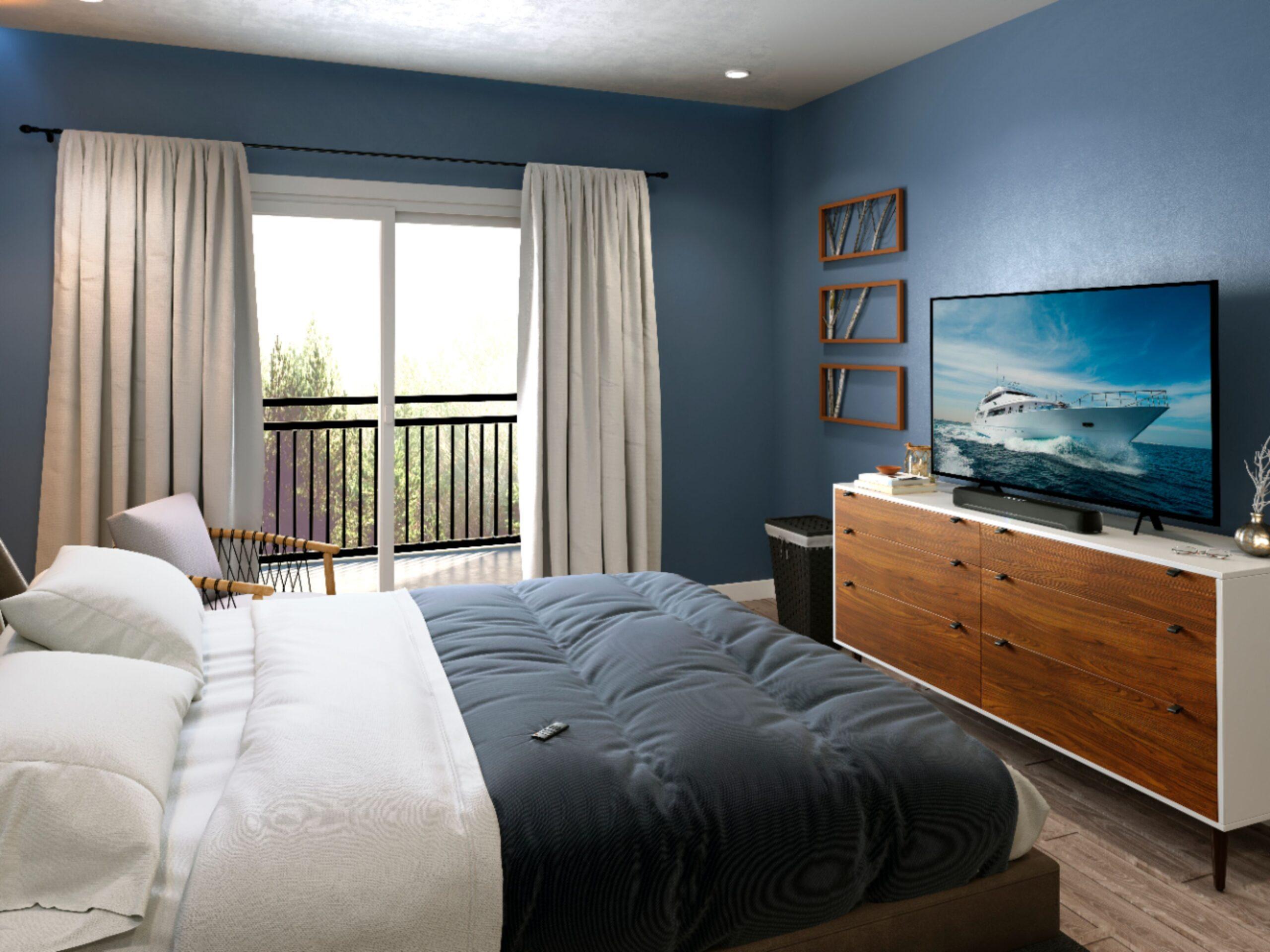
The Yamaha SR-C20A ($179) makes sense when space is at a premium, setup simplicity is important, or when you want the best possible audio quality in a minimal footprint. It's ideal for bedrooms, smaller apartments, or situations where you move your entertainment setup frequently.
Consider your room size as the primary deciding factor. In spaces under 200 square feet, the Yamaha will likely provide a better overall experience. In rooms over 300 square feet, the LG's additional power and true surround sound become much more valuable.
Budget-wise, both offer excellent value in their respective categories. The LG provides true 5.1 surround sound at a price point where most systems still use virtual processing. The Yamaha delivers surprisingly sophisticated audio engineering in an ultra-compact, affordable package.
Your listening habits matter too. If you watch a lot of action movies, play immersive games, or want that "theater at home" experience, the LG's surround capabilities justify the extra complexity. If you listen to more music, prefer simple setups, or need something that won't dominate your living space, the Yamaha's focused approach will serve you better.
Both systems represent smart approaches to common audio problems – they just solve different problems for different users. Take an honest look at your space, your primary use cases, and your tolerance for setup complexity, and the right choice should become clear.
| LG S60TR 5.1 Channel Soundbar ($299.99) | Yamaha SR-C20A Compact Sound Bar ($179) |
|---|---|
| Channel Configuration - Determines surround sound capability and immersion level | |
| True 5.1 channels with physical rear speakers for genuine surround sound | 2.1 channels with virtual surround processing |
| Total Power Output - Affects maximum volume and room size compatibility | |
| 440W total system power (suitable for large rooms 300+ sq ft) | 100W total power (ideal for rooms under 200 sq ft) |
| Subwoofer Design - Impact on bass depth and room placement flexibility | |
| Dedicated wireless subwoofer with 220W power for deep bass extension | Built-in subwoofer with passive radiators - compact but limited bass depth |
| Physical Footprint - Space requirements and aesthetic impact | |
| Multi-component system requiring rear speaker placement and power outlets | Single compact bar (23.6" wide) with no additional components |
| Connectivity Options - Compatibility with modern and legacy devices | |
| HDMI eARC, optical, Bluetooth, Wi-Fi for comprehensive device support | HDMI ARC, dual optical inputs, Bluetooth, analog aux input |
| Voice Clarity Technology - Importance for dialogue-heavy content | |
| Dedicated center channel for natural dialogue separation | Clear Voice processing specifically designed for speech enhancement |
| Setup Complexity - Time and effort required for optimal performance | |
| Requires rear speaker positioning and wireless pairing of multiple components | Plug-and-play single unit with minimal configuration needed |
| Smart Features - App control and sound customization options | |
| AI Sound Pro with content-based optimization and full mobile app control | Basic sound modes with simple mobile app and tone controls |
| Best Use Cases - Primary scenarios where each system excels | |
| Movie watching, gaming, large rooms, true home theater experience | Music listening, small spaces, bedroom setups, simple daily TV use |
The LG S60TR 5.1 Channel Soundbar ($299.99) is significantly better for large rooms due to its 440W total power output and true surround sound design. It can effectively fill spaces over 300 square feet without distortion, while the Yamaha SR-C20A ($179) with its 100W power is best suited for rooms under 200 square feet.
The LG S60TR offers true 5.1 channels with physical rear speakers that create genuine surround sound, while the Yamaha SR-C20A uses 2.1 channels with virtual surround processing. The 5.1 system provides more immersive audio with sounds actually coming from behind you, whereas the 2.1 system simulates surround effects from the front-facing bar.
The Yamaha SR-C20A Compact Sound Bar is much easier to set up as it's a single unit that only requires connecting to your TV. The LG S60TR requires positioning and powering wireless rear speakers around your room, plus pairing multiple wireless components, making setup more complex but ultimately more rewarding for surround sound.
Both soundbars include subwoofers, but in different designs. The LG S60TR comes with a separate wireless subwoofer that delivers deeper bass, while the Yamaha SR-C20A has a built-in subwoofer with passive radiators. The LG's external sub provides more powerful and deeper bass response.
The LG S60TR 5.1 Channel Soundbar is superior for movies and TV shows due to its dedicated center channel for clear dialogue and true surround sound for immersive effects. The Yamaha SR-C20A is better suited for general TV watching and music, though it includes Clear Voice technology for enhanced dialogue clarity.
The LG S60TR ($299.99) costs about $120 more than the Yamaha SR-C20A ($179). The price difference is justified if you want true surround sound, have a larger room, or prioritize home theater performance. The Yamaha offers better value for smaller spaces and simpler needs.
The Yamaha SR-C20A is generally better for music due to its balanced frequency response and Yamaha's audio engineering expertise. While the LG S60TR can handle music well, its movie-focused tuning and surround processing aren't as natural for pure music listening experiences.
The Yamaha SR-C20A requires minimal space at just 23.6 inches wide and sits under your TV as a single unit. The LG S60TR needs significantly more space planning, requiring placement areas for rear speakers and a wireless subwoofer, plus access to power outlets for each component.
Both soundbars work well for gaming but serve different needs. The LG S60TR provides immersive surround sound excellent for story-driven and action games, while the Yamaha SR-C20A offers lower latency and clearer audio cues beneficial for competitive gaming and rhythm games.
Yes, both soundbars support TV remote control. The LG S60TR works with HDMI eARC for seamless integration, especially with LG TVs, while the Yamaha SR-C20A uses HDMI ARC for basic volume and power control through your existing TV remote.
Both offer solid build quality from reputable brands. The Yamaha SR-C20A benefits from Yamaha's century of audio experience and simpler design with fewer components to potentially fail. The LG S60TR has more complex wireless components but includes comprehensive warranty coverage and modern engineering.
The LG S60TR offers more advanced connectivity with HDMI eARC, Wi-Fi, and Bluetooth, providing better audio quality and smart features. The Yamaha SR-C20A includes practical connections like dual optical inputs and analog aux, making it more versatile for connecting multiple older devices alongside modern equipment.
We've done our best to create useful and informative comparisons to help you decide what product to buy. Our research uses advanced automated methods to create this comparison and perfection is not possible - please contact us for corrections or questions. These are the sites we've researched in the creation of this article: bestbuy.com - mynavyexchange.com - youtube.com - consumerreports.org - avsforum.com - rentacenter.com - bestbuy.com - homechoicestores.com - oconsommateur.com - lg.com - bestbuy.com - samsung.com - t3.com - usa.yamaha.com - radiotimes.com - shop.usa.yamaha.com - whathifi.com - hifiheaven.net - usa.yamaha.com - sweetwater.com - hub.yamaha.com - bestbuy.com

Privacy Policy
Terms and Conditions - Affiliate Policy
Home Security
© Copyright 2008-2026.
11816 Inwood Rd #1211, Dallas, TX 75244