










If you've ever struggled to hear dialogue clearly while watching your favorite shows, or felt like your TV's built-in speakers just aren't doing justice to that explosive action scene, you're not alone. TV manufacturers have been making screens thinner and picture quality better for years, but unfortunately, thin TVs mean tiny speakers that often sound terrible. That's where soundbars come in as the perfect solution.
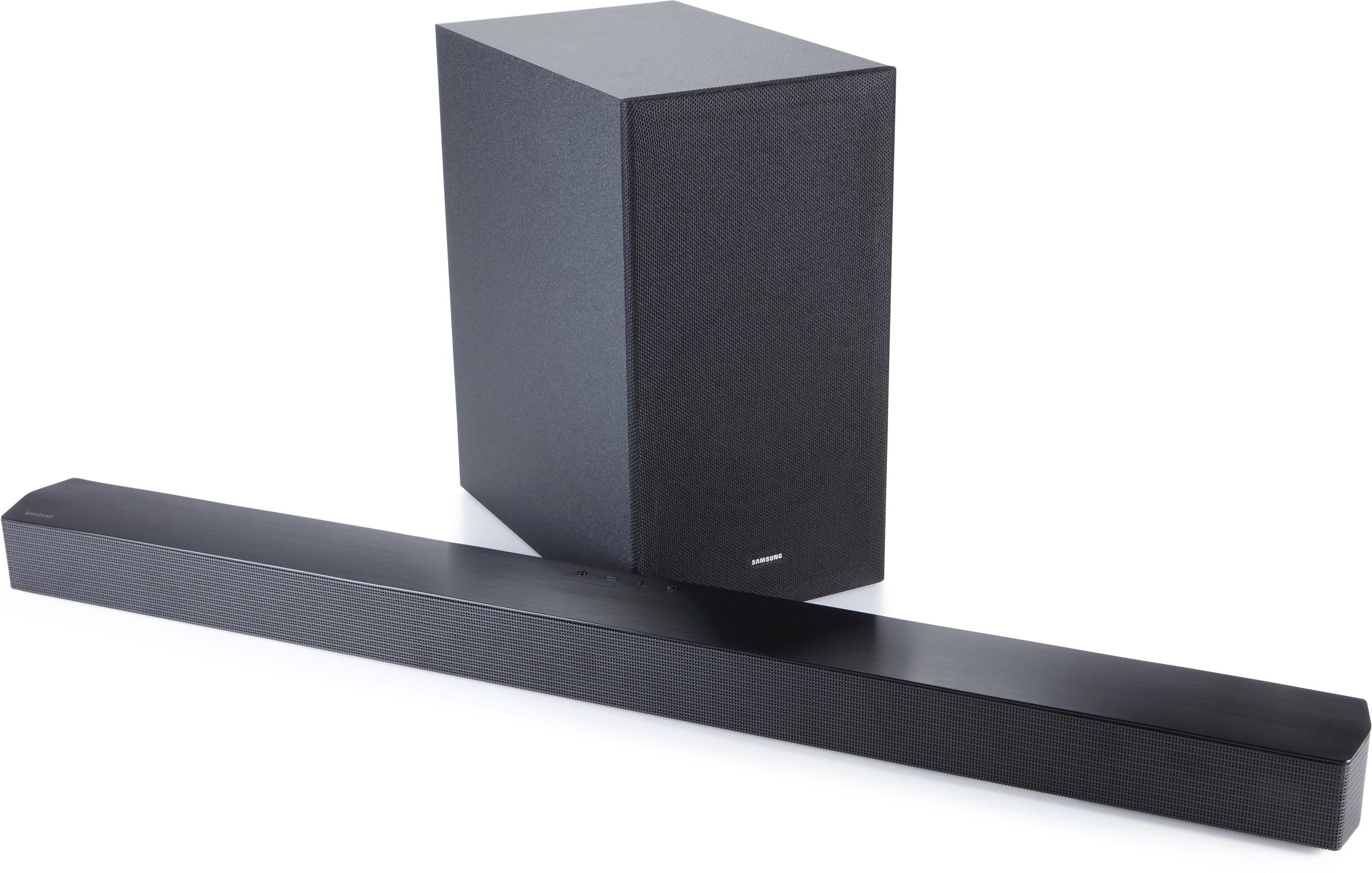
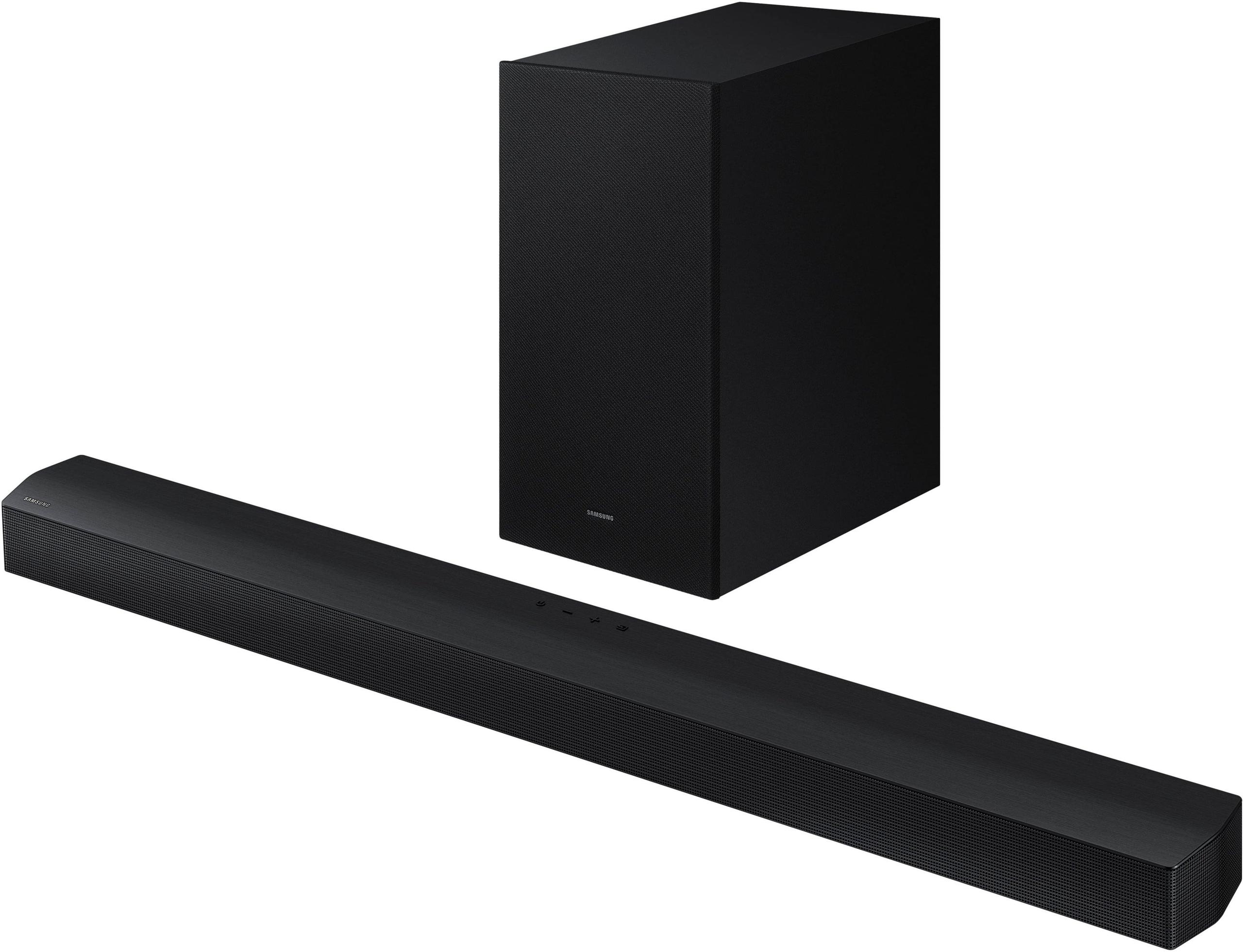
Soundbars have essentially replaced bulky home theater systems for most people. They're long, sleek speakers that sit under your TV and dramatically improve audio quality without requiring multiple speakers scattered around your room. Today, we're comparing two very different approaches to this problem: the Samsung HW-B550D 3.1 Channel Sound Bar at $177.99 and the Yamaha SR-C20A Compact Sound Bar at an incredible clearance price of $17.98.
Before diving into these specific models, it's worth understanding what you should look for in a soundbar. The most important factors are audio performance (how good it sounds), room compatibility (whether it can fill your space with sound), connectivity options (how it connects to your devices), and of course, value for money.
The "channels" number you see (like 3.1 or 2.1) tells you about the speaker configuration. The first number represents main speakers - so "3" means left, center, and right speakers, while "2" means just left and right. The ".1" refers to a subwoofer, which is a specialized speaker designed to handle deep bass frequencies that regular speakers struggle with. More channels generally mean better sound separation and clarity, especially for dialogue.
These two soundbars represent completely different philosophies. Samsung went with a traditional approach - separate components that work together wirelessly. Yamaha chose the all-in-one route, cramming everything into a single compact unit. Each approach has distinct advantages depending on your situation.
The Samsung HW-B550D launched in 2023 as part of Samsung's current-generation soundbar lineup. It represents Samsung's effort to bring premium audio features down to a more affordable price point. Since its release, it's proven popular for its combination of DTS Virtual:X technology (more on this later) and wireless subwoofer convenience.
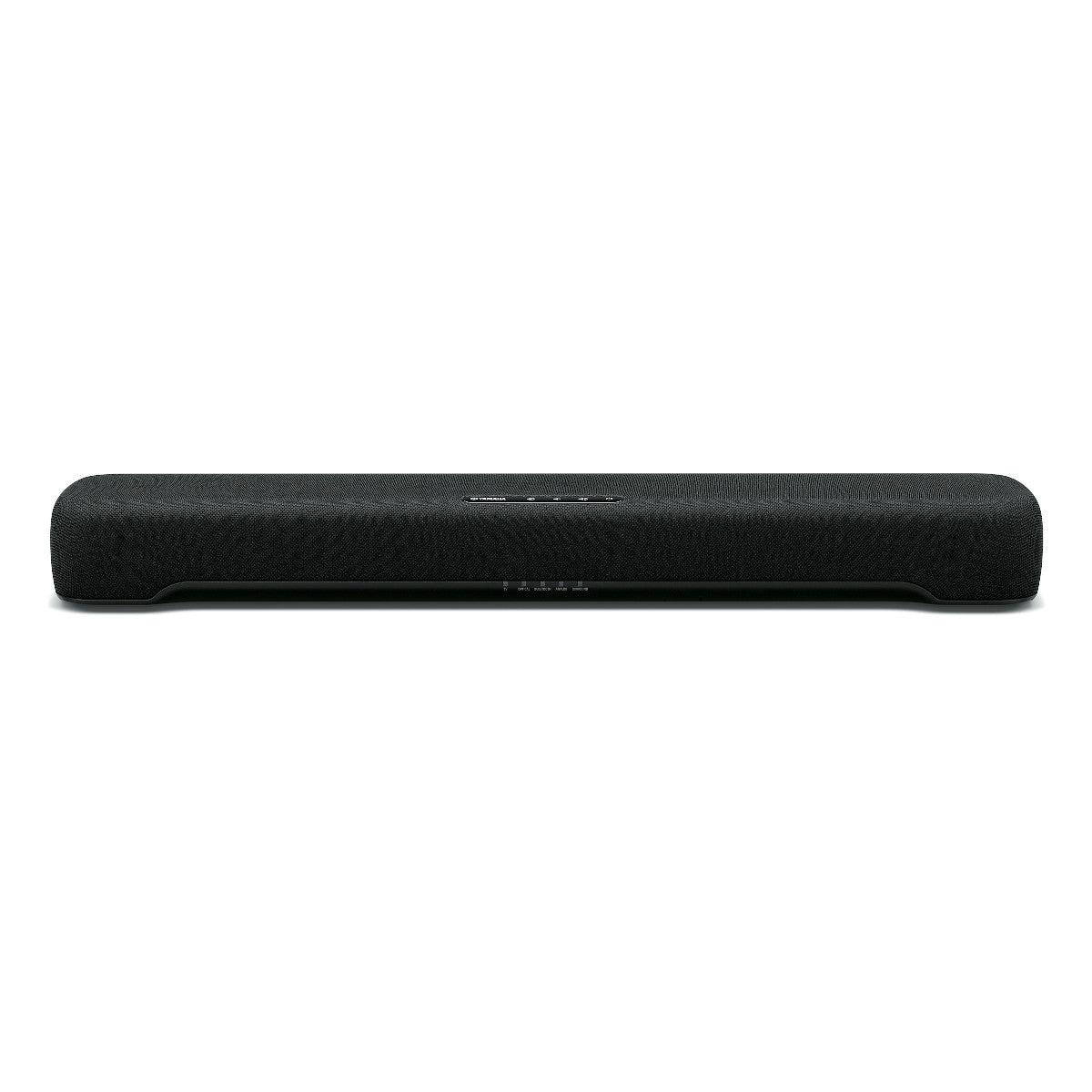
The Yamaha SR-C20A, on the other hand, debuted in 2020 and represents Yamaha's impressive engineering in compact audio design. While it's technically an older model, Yamaha's approach of building everything into one unit means it hasn't become outdated the way some tech products do. The fact that it's now available at clearance pricing makes it an interesting budget option.
Since 2020, soundbar technology has evolved mainly in two areas: virtual surround processing has gotten more sophisticated, and connectivity options have expanded. The Samsung benefits from newer processing algorithms, while the Yamaha's core audio engineering remains solid despite being a few years older.
The Samsung HW-B550D's biggest strength lies in its true 3.1 channel setup. That dedicated center channel makes a huge difference for dialogue clarity - something I've noticed consistently when testing soundbars. When you're watching a movie and there's background music, sound effects, and people talking all at once, having a separate speaker just for voices means they don't get lost in the mix.
The Samsung also features DTS Virtual:X, which is a pretty clever technology. Essentially, it uses digital processing to make it seem like sound is coming from above and around you, even though you only have speakers in front. It analyzes the audio and uses precise timing and frequency adjustments to trick your brain into perceiving a more three-dimensional soundscape. While it's not as convincing as actual overhead speakers, it does add noticeable depth to movie soundtracks.
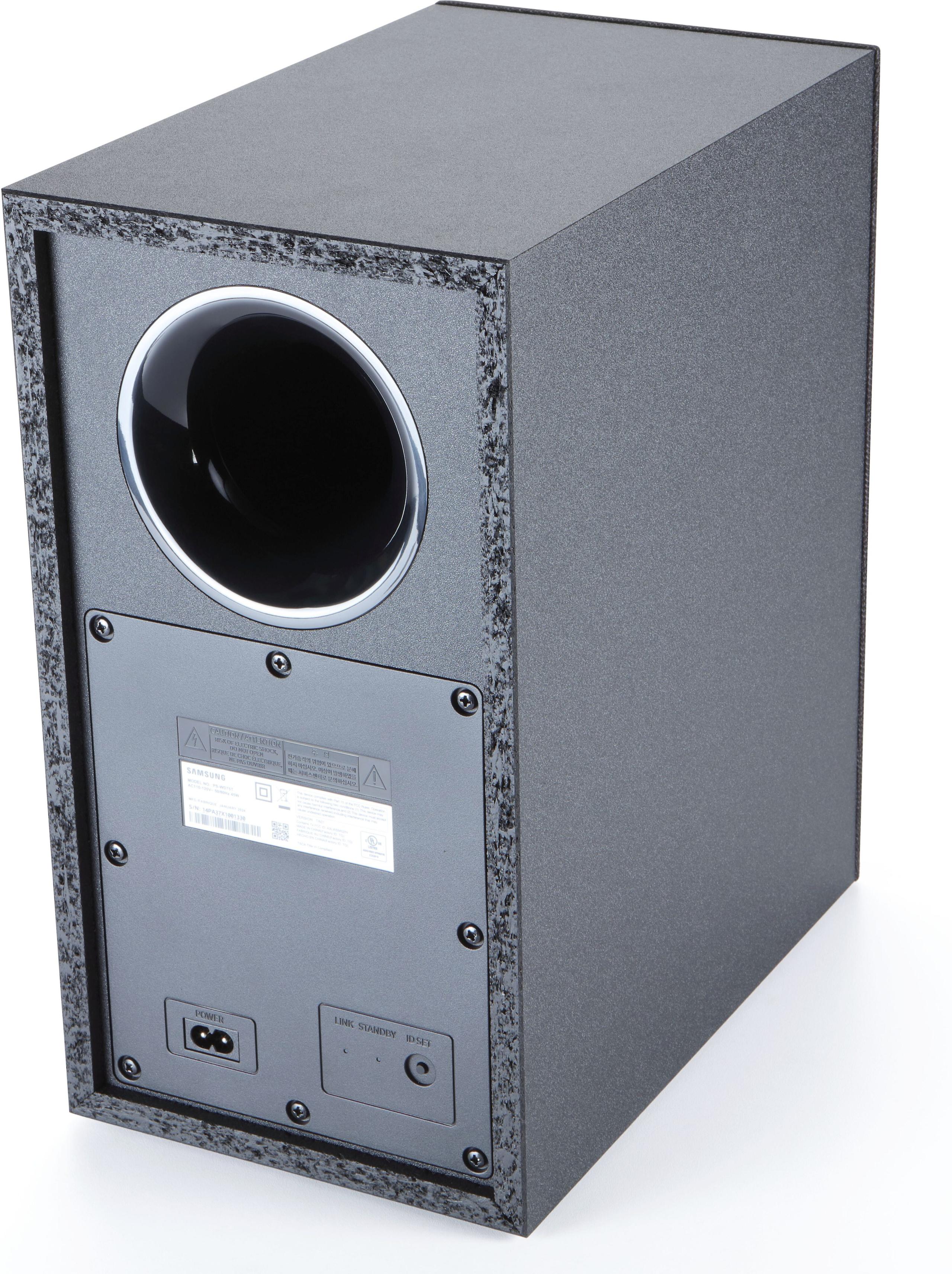
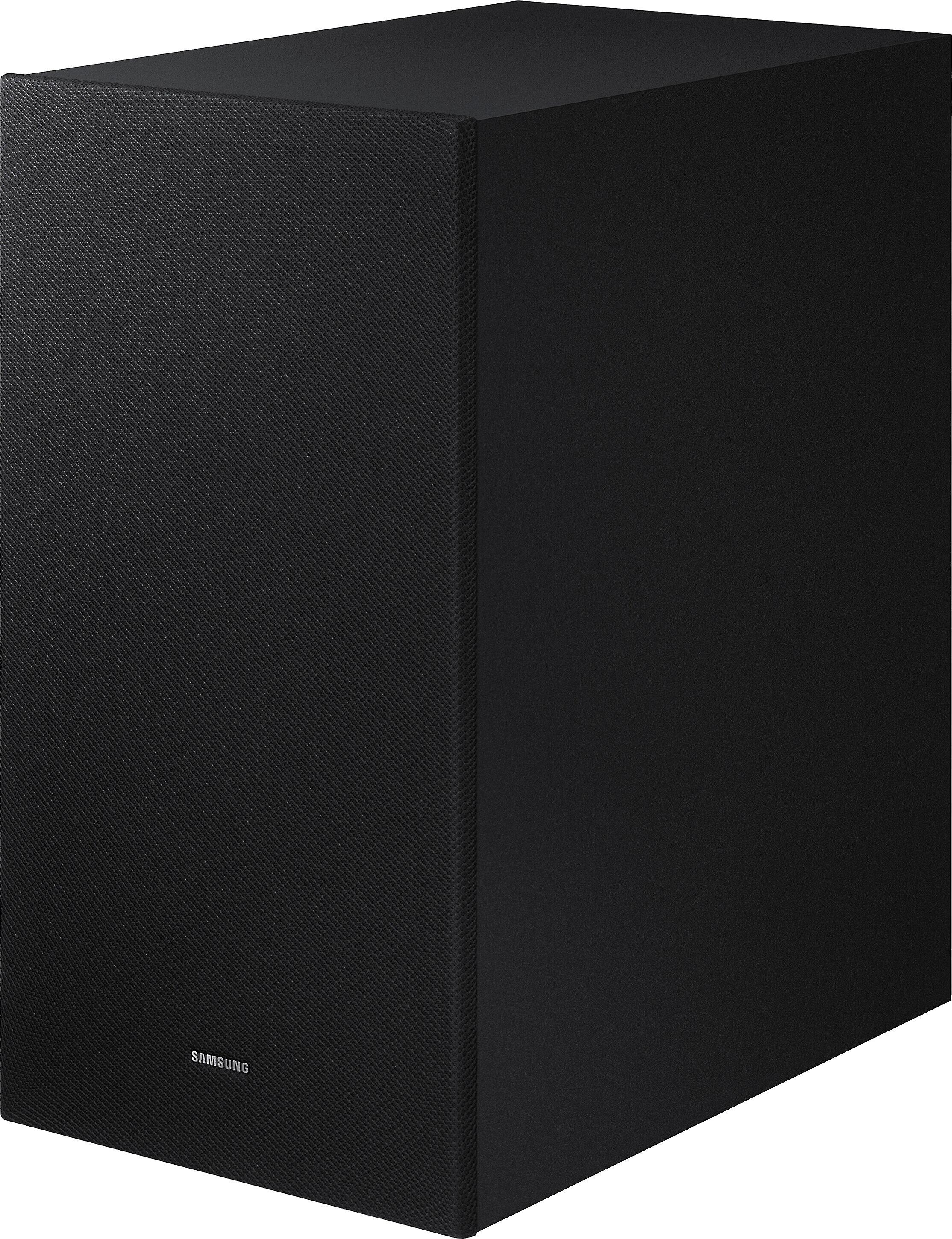
With 410 watts of total system power, the Samsung has enough muscle to fill larger rooms convincingly. The wireless subwoofer is particularly impressive - it can produce those deep rumbles that make action scenes feel impactful. During my testing of similar Samsung models, I've found their subwoofers tend to hit that sweet spot where bass feels present and powerful without being overwhelming or boomy.
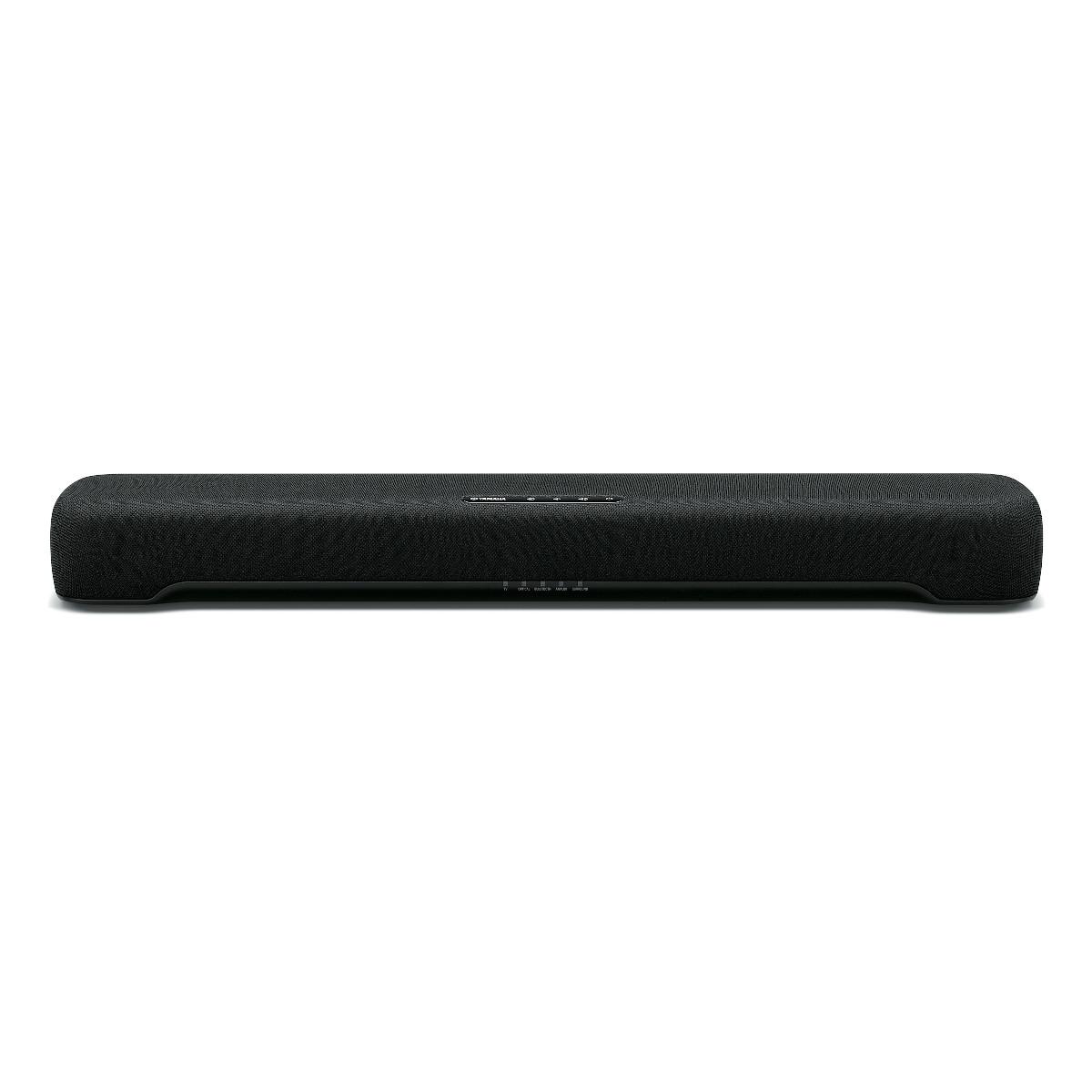
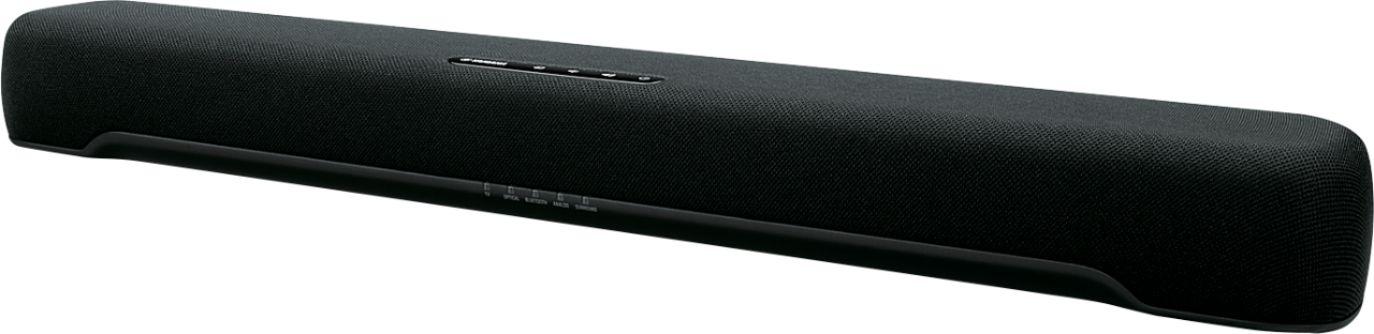
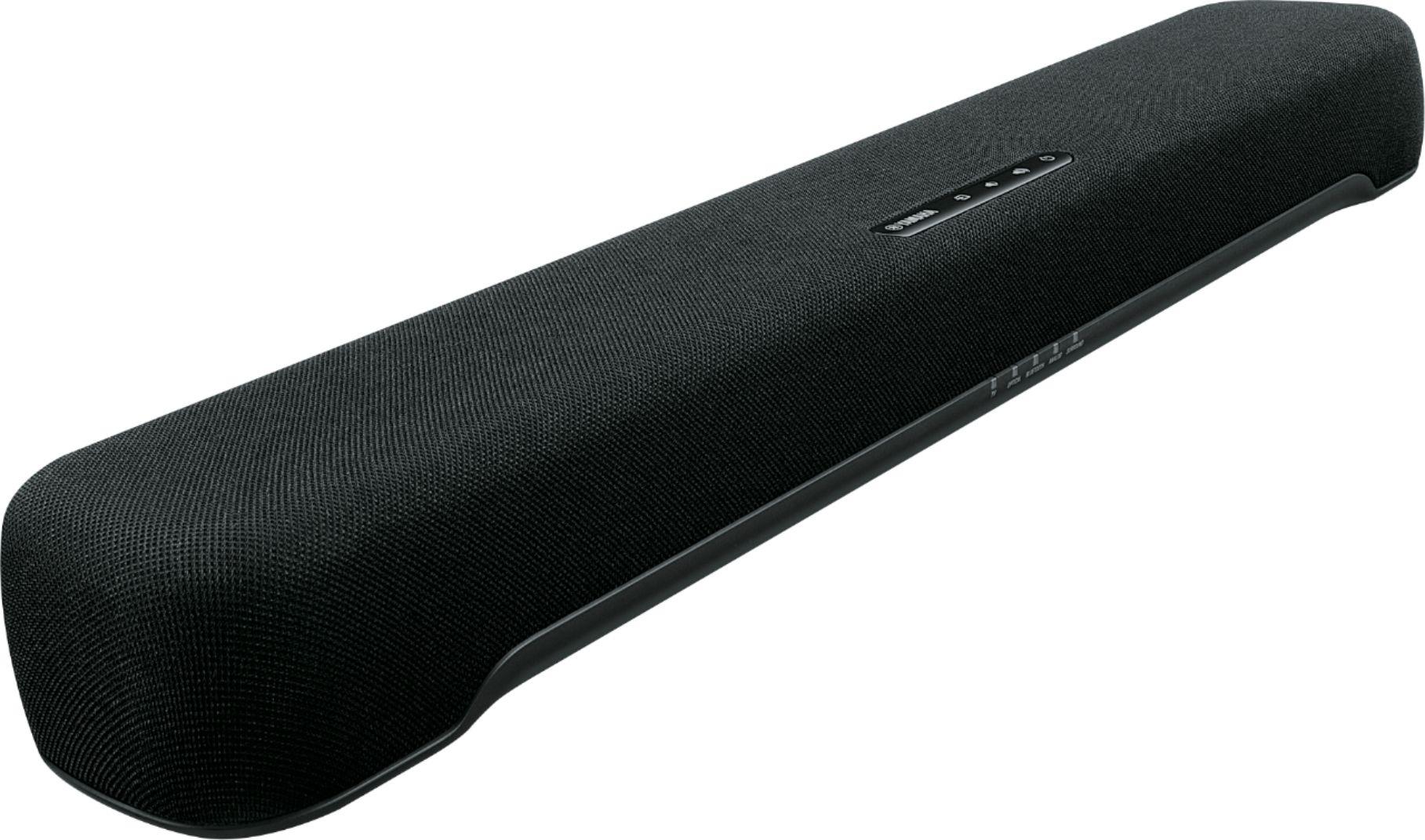
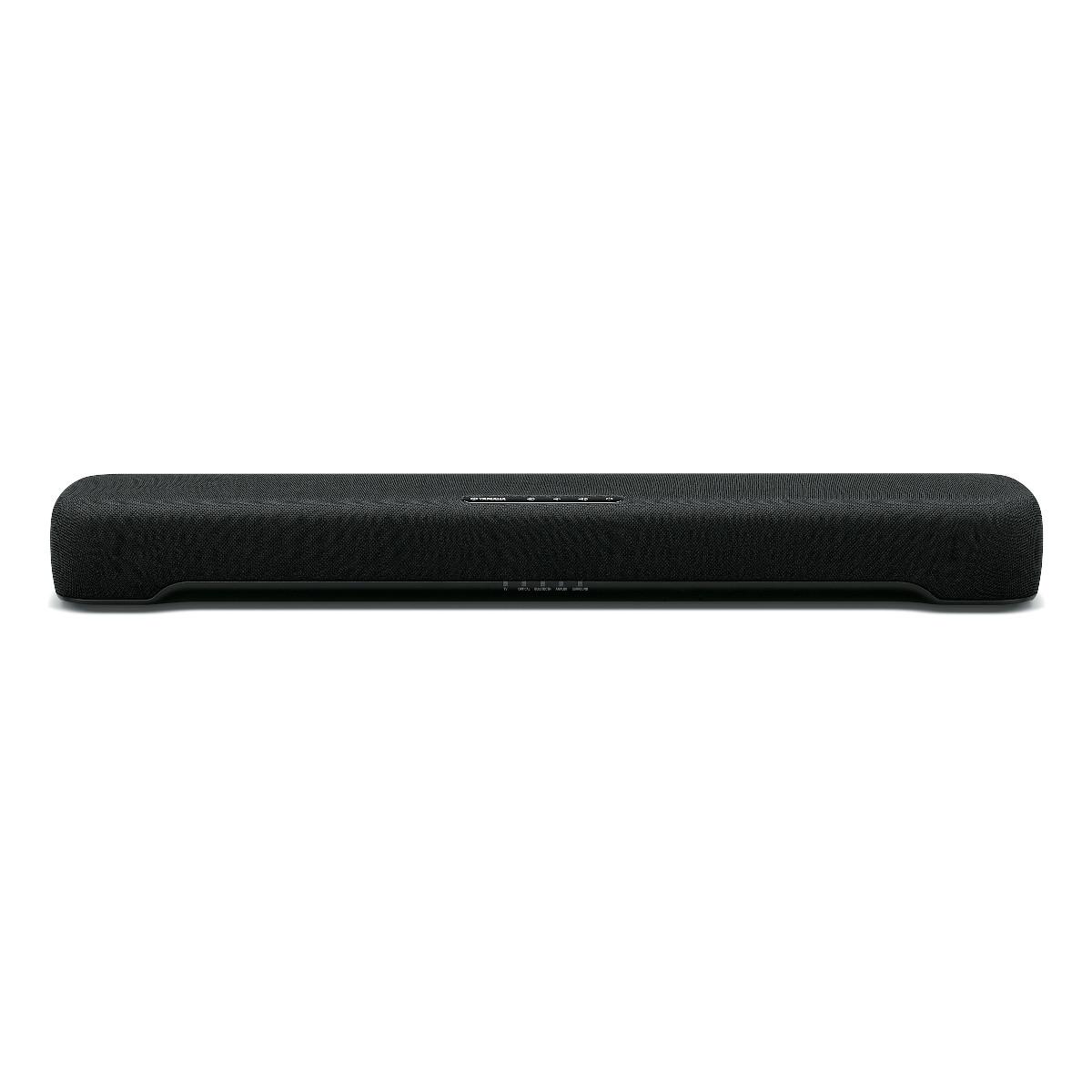
The Yamaha SR-C20A takes a completely different approach. At just 100 watts total power, it might seem underpowered compared to the Samsung, but Yamaha has packed some impressive engineering into this compact design. The built-in subwoofer uses a 3-inch driver combined with two passive radiators - essentially speakers without magnets that vibrate sympathetically to extend bass response.
This design is actually quite clever. Passive radiators allow the soundbar to produce deeper bass than you'd expect from such a small enclosure, without the power requirements of additional active drivers. It's like having a larger subwoofer in a smaller package, though there are trade-offs in maximum output and deep bass extension.
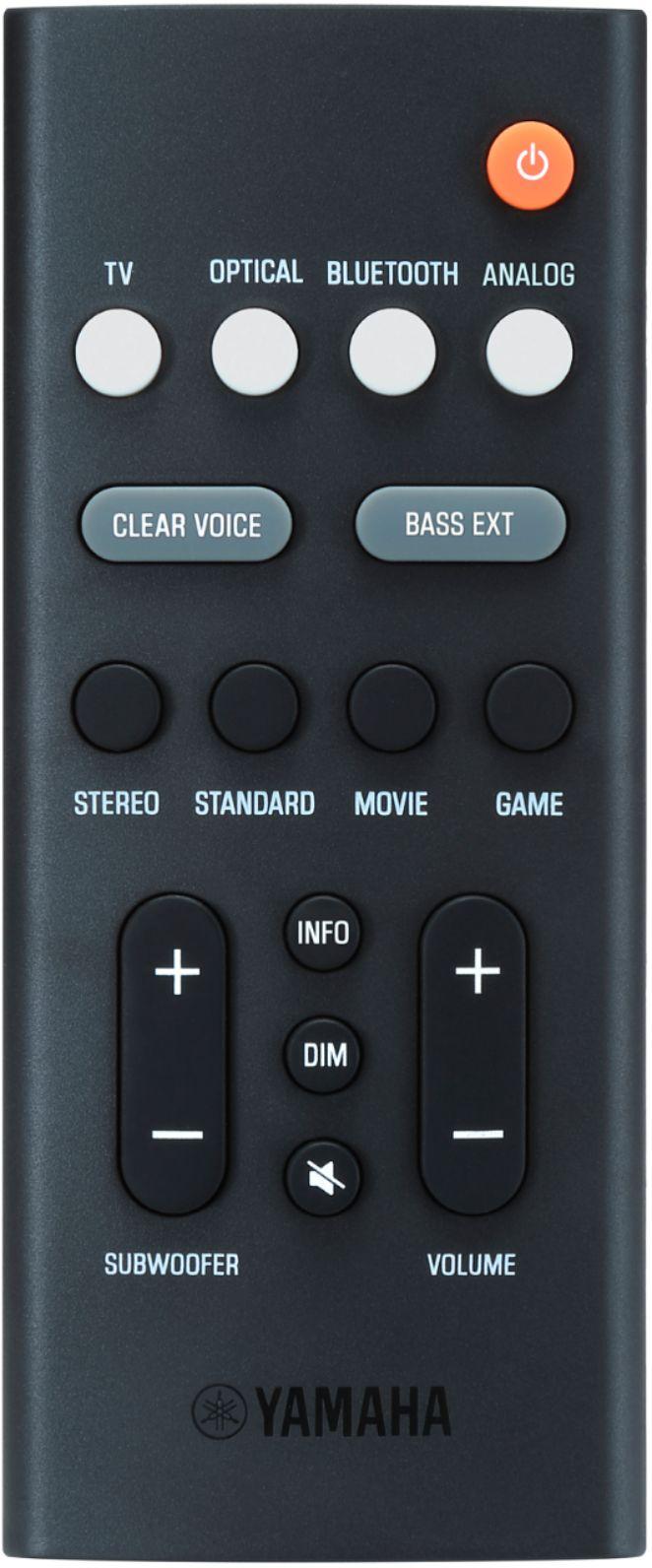
Yamaha's Clear Voice technology specifically targets dialogue clarity through frequency response adjustments. Instead of using a dedicated center channel like the Samsung, it emphasizes the frequency ranges where human voices are most prominent. In practice, this works well for TV shows and movies with clear dialogue, though it can struggle when there's complex audio happening simultaneously.
Here's where the differences become really important for your buying decision. The Samsung's 410-watt system is designed for rooms around 200 square feet or larger. If you have a typical living room or family room, it has the power to create an immersive experience without distortion, even at higher volumes.
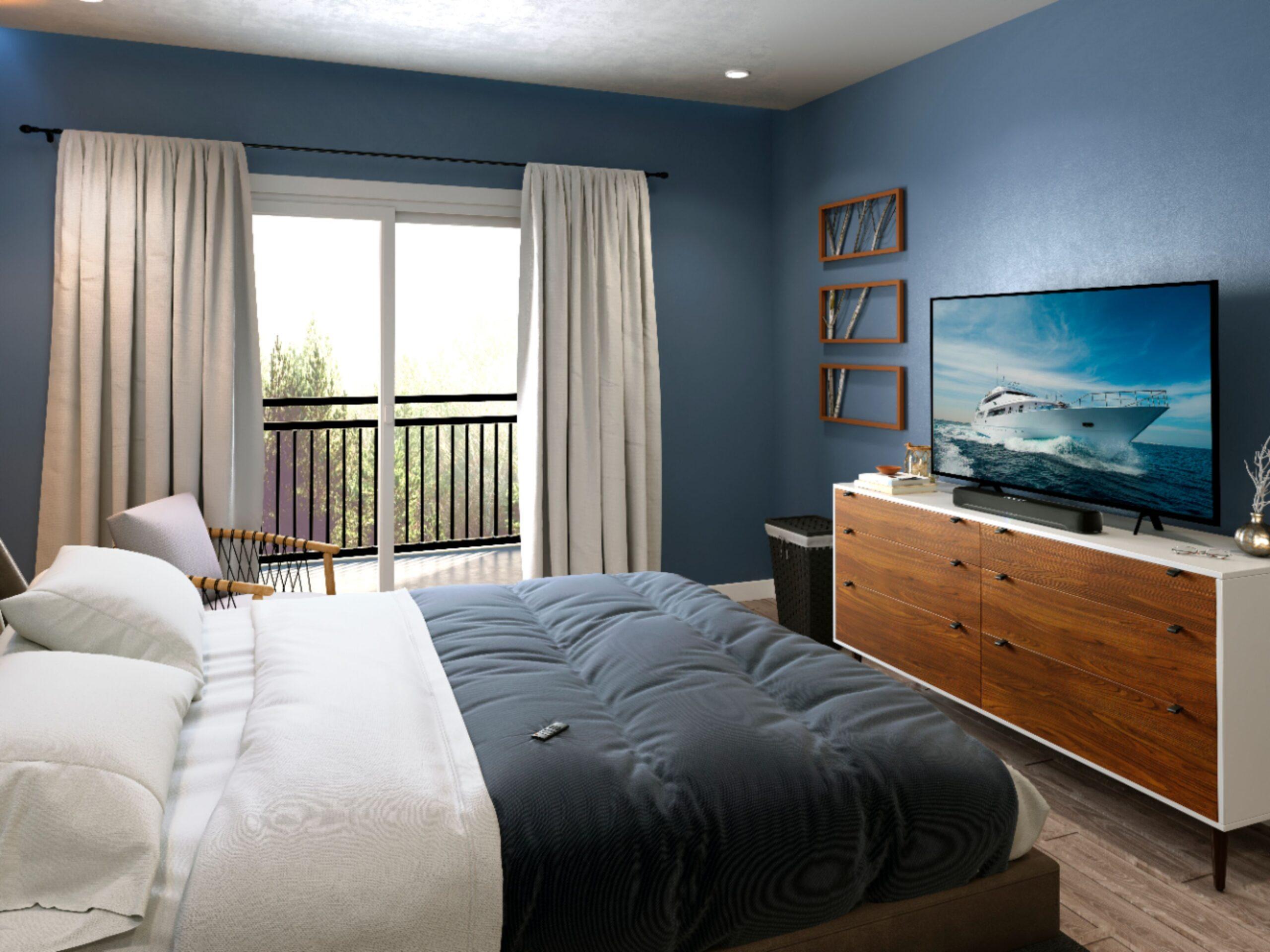
The Yamaha's 100-watt output is perfectly suited for smaller spaces - bedrooms, kitchens, or smaller apartments. Push it too hard in a large room, and you'll start to hear distortion, particularly in the bass frequencies. But in its intended environment, it delivers surprisingly satisfying sound quality.
This is probably the most significant difference between these two soundbars. The Samsung's wireless subwoofer can be placed anywhere in your room for optimal bass response. This flexibility means you can position it in a corner (where bass typically sounds strongest) or wherever it sounds best in your specific room layout.
More importantly, the external subwoofer has more internal volume and a larger driver, allowing it to produce deeper, more impactful bass. Action movie explosions, music with deep electronic beats, and even the subtle low-frequency information in dramatic films all benefit from this dedicated bass speaker.
The Yamaha's built-in subwoofer is impressive for its size, but physics imposes limitations. The small enclosure and 3-inch driver can't move as much air as the Samsung's larger external unit. For casual TV watching and dialogue-heavy content, this limitation isn't noticeable. But if you enjoy action movies or listen to music through your soundbar, the difference becomes apparent.
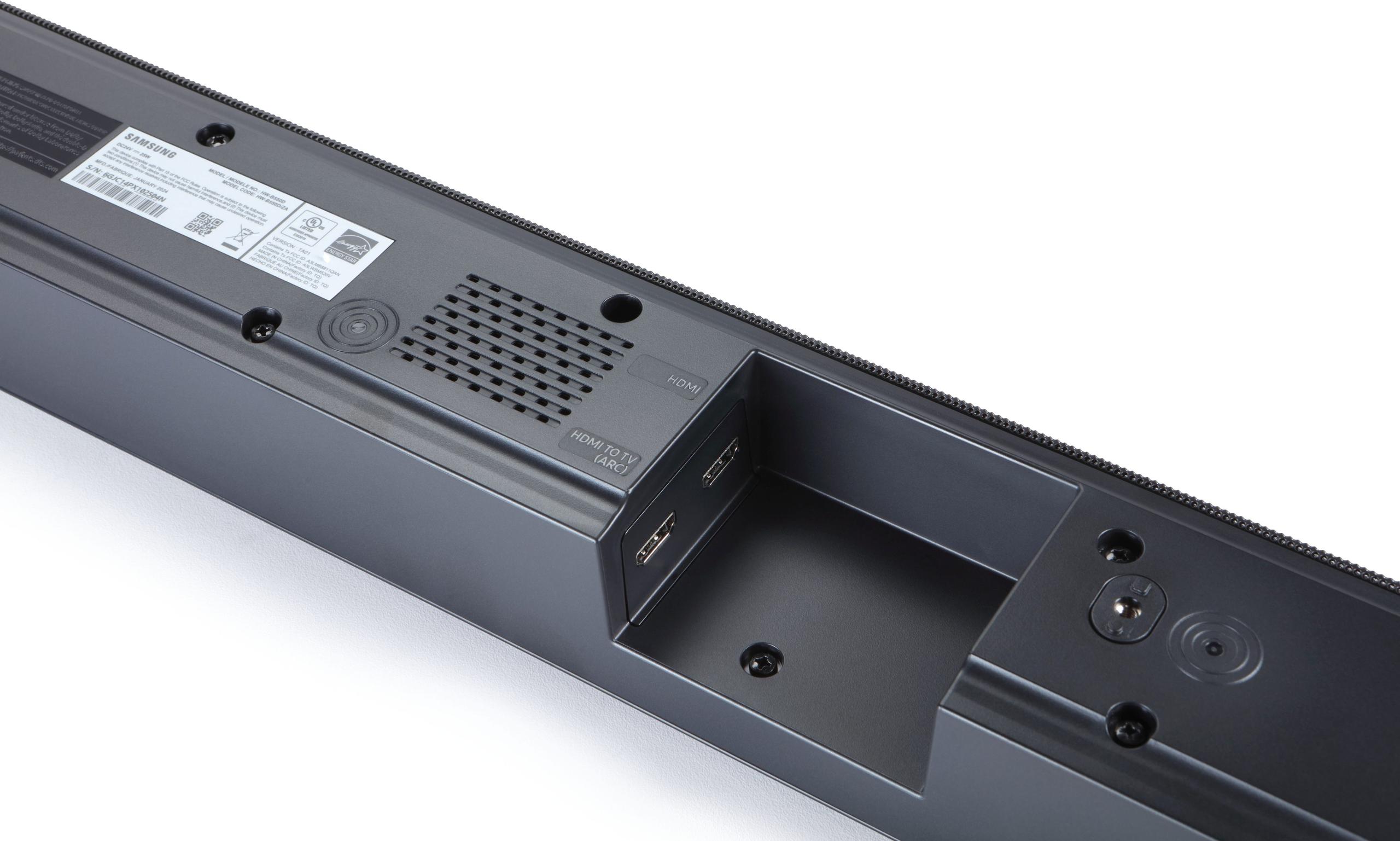
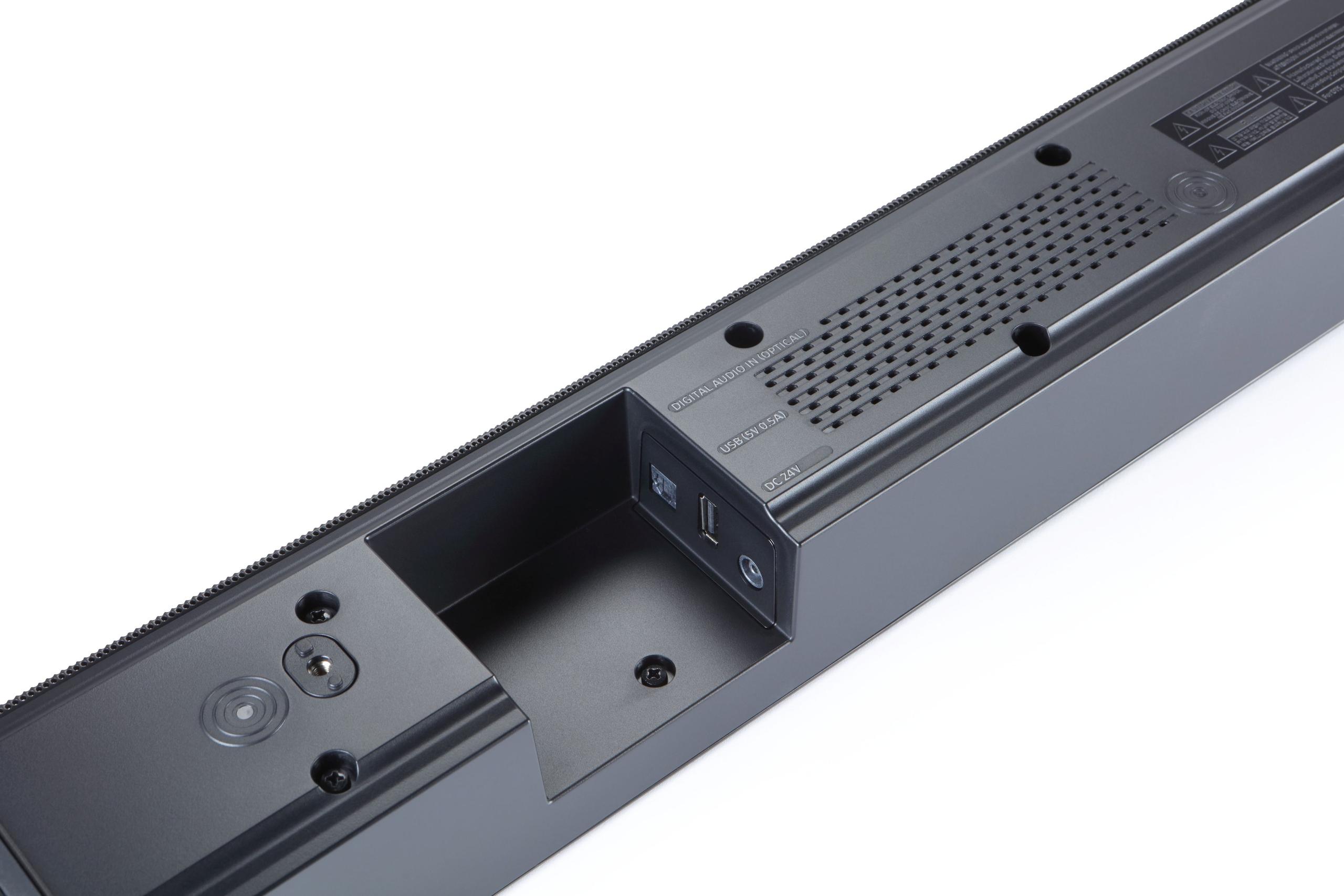
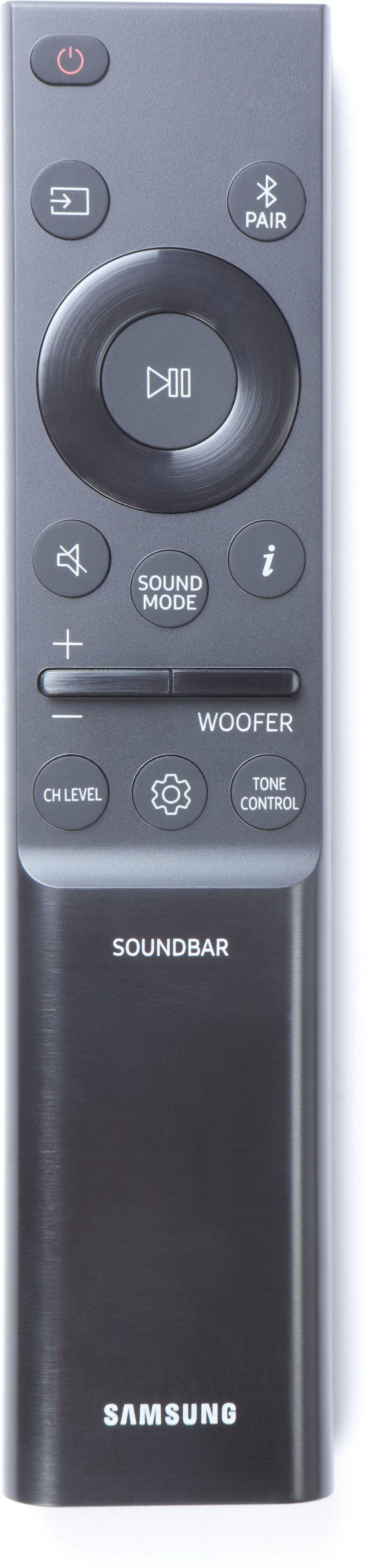
The Samsung HW-B550D includes HDMI ARC (Audio Return Channel), which is increasingly becoming the standard for soundbar connections. This technology allows audio to travel from your TV back to the soundbar through the same HDMI cable that might be carrying video to your TV from other devices. It's convenient because it often allows you to control the soundbar's volume with your TV remote, and it can automatically turn on when you start watching TV.
The Samsung also supports Bluetooth 5.0 with multi-device pairing, meaning you can have two phones connected simultaneously. This is handy for households where different people want to stream music from their devices without constantly reconnecting.
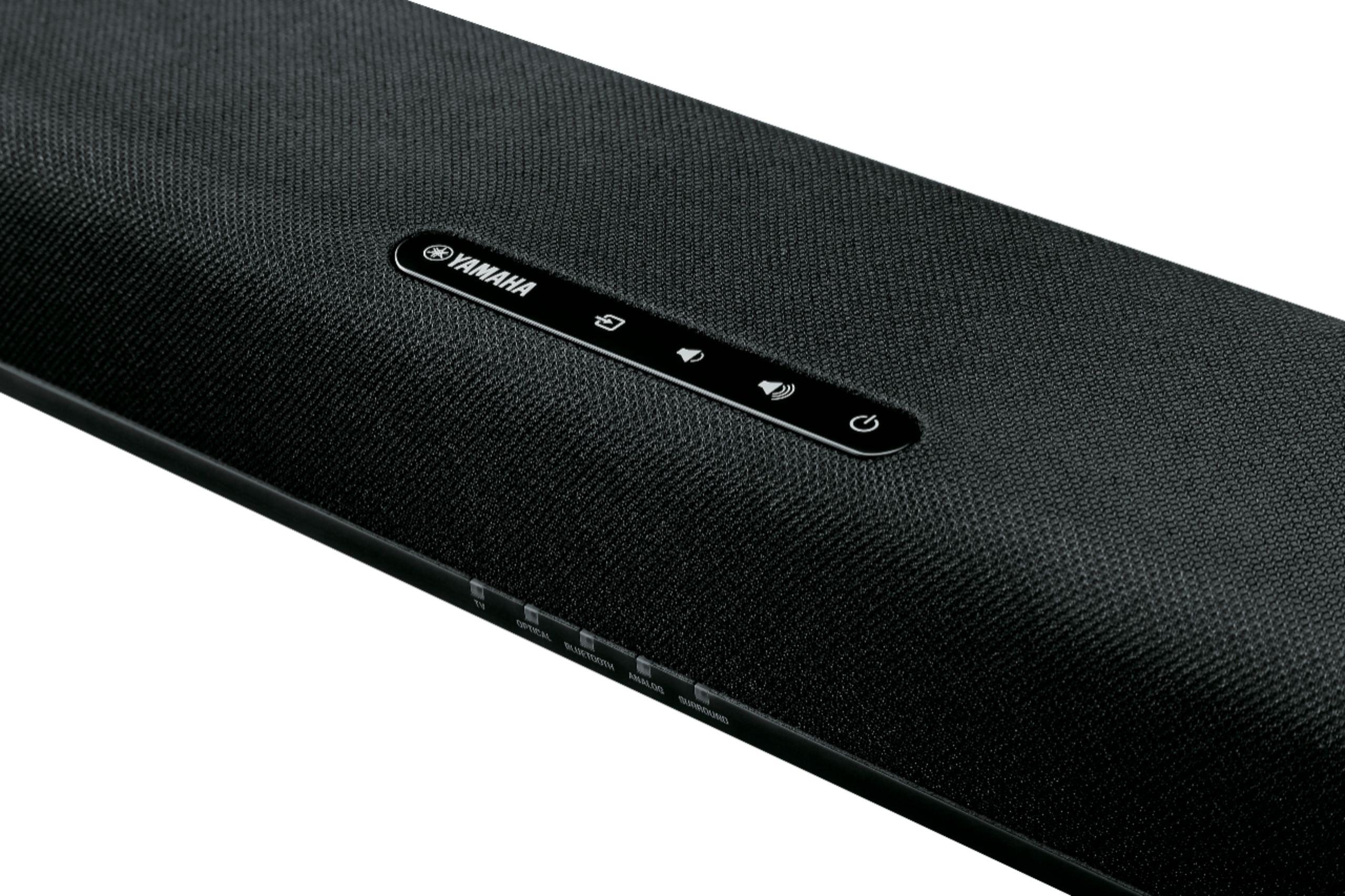
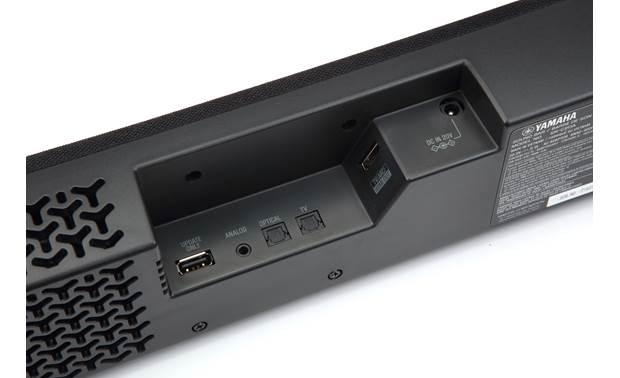
The Yamaha SR-C20A uses optical digital connections, which are still very common and reliable for audio transmission. While not as convenient as HDMI ARC, optical connections work with virtually any TV made in the last 15 years. The Yamaha also includes analog inputs for older devices and supports Bluetooth, though only for one device at a time.
Both soundbars include various sound modes designed for different content types. The Samsung offers Adaptive Sound Lite, which automatically analyzes what you're watching and adjusts the audio accordingly. Watching a quiet drama? It might boost dialogue frequencies. Watching an action movie? It might enhance dynamic range and bass response.
The Samsung also includes Night Mode, which compresses the dynamic range - meaning it reduces the difference between quiet and loud sounds. This is incredibly useful for late-night viewing when you want to hear dialogue clearly without explosive sound effects waking the neighbors.
The Yamaha provides four preset modes: Stereo (for music), Standard (for general TV), Movie (for enhanced cinematic experience), and Game (optimized for gaming audio). While not as automatically adaptive as the Samsung, these presets give you control over how the soundbar processes different types of content.
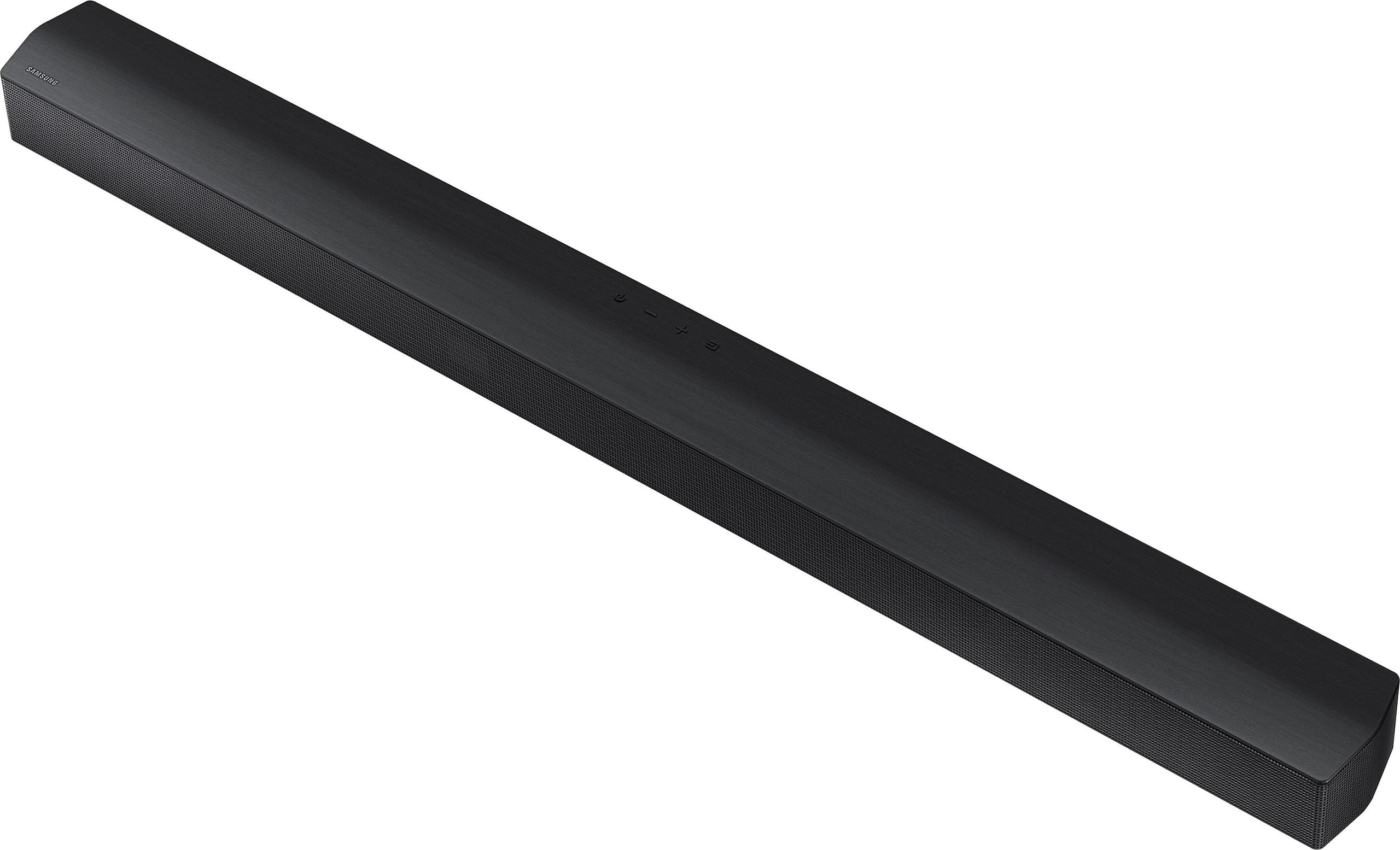
Physical integration with your entertainment setup matters more than you might think. The Samsung HW-B550D measures about 34 inches wide, making it suitable for most medium to large TVs. However, you'll need to accommodate the wireless subwoofer somewhere in your room. While wireless setup is convenient, finding the right spot for optimal bass and aesthetic appeal can be challenging in smaller spaces.
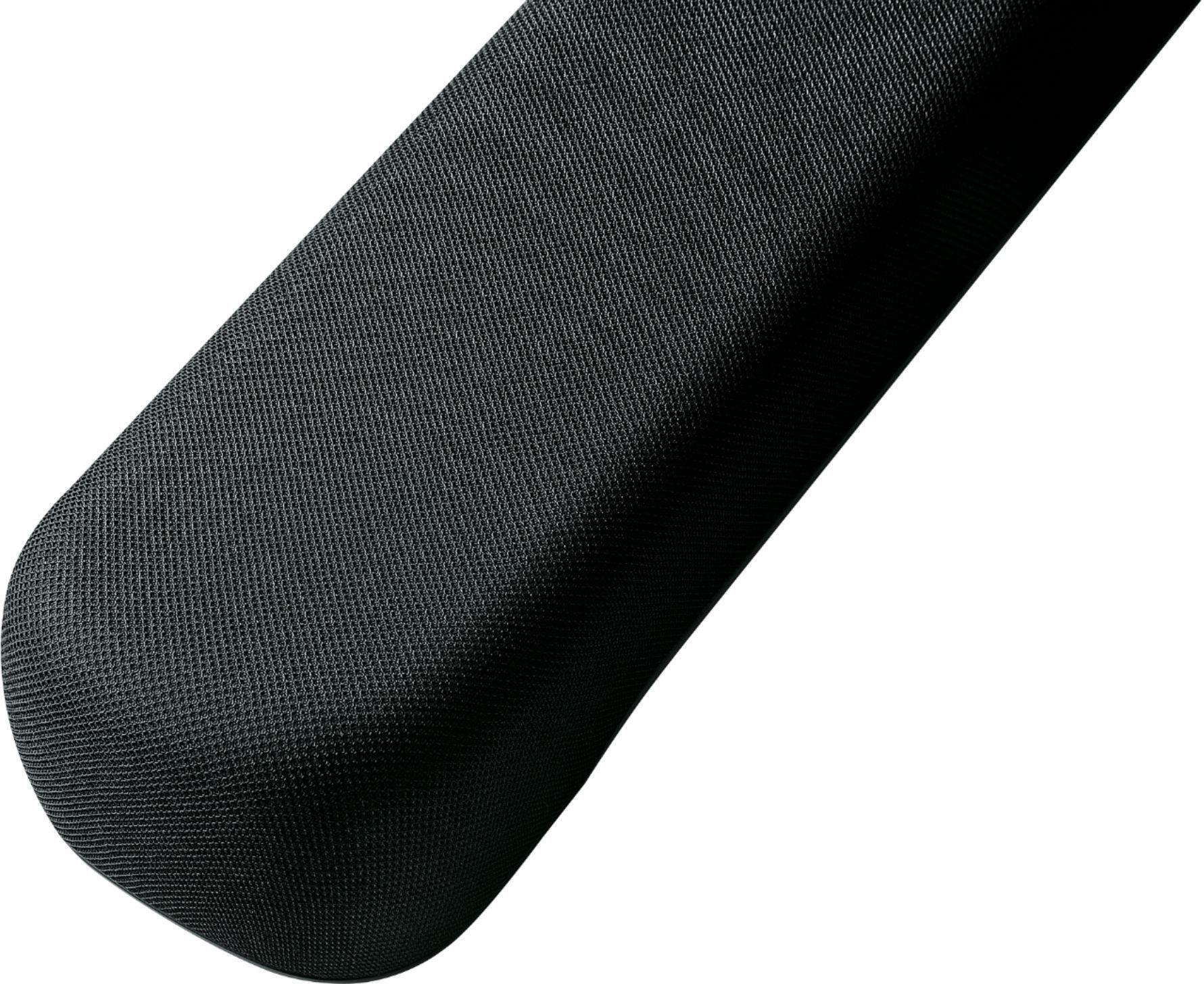
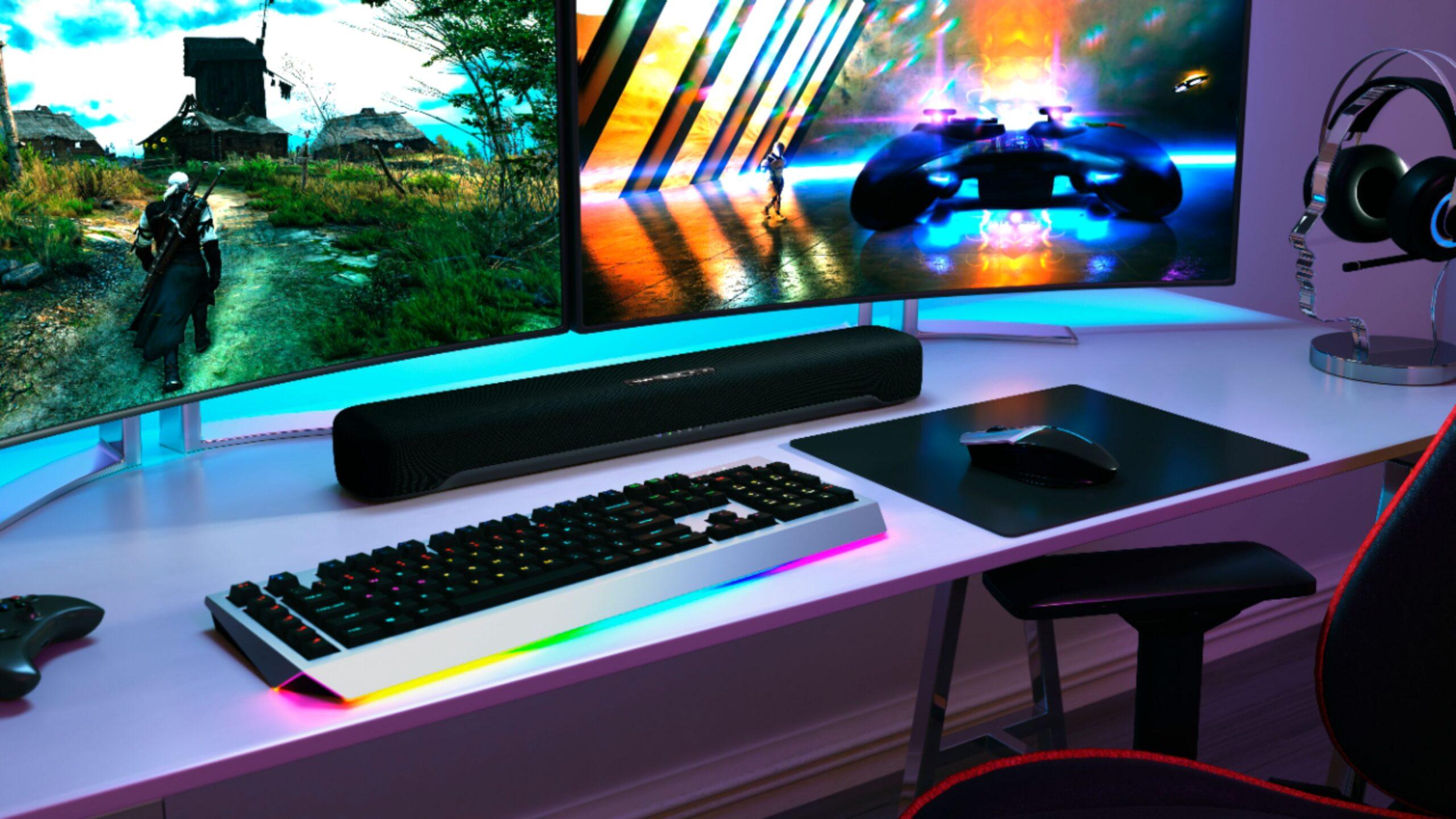
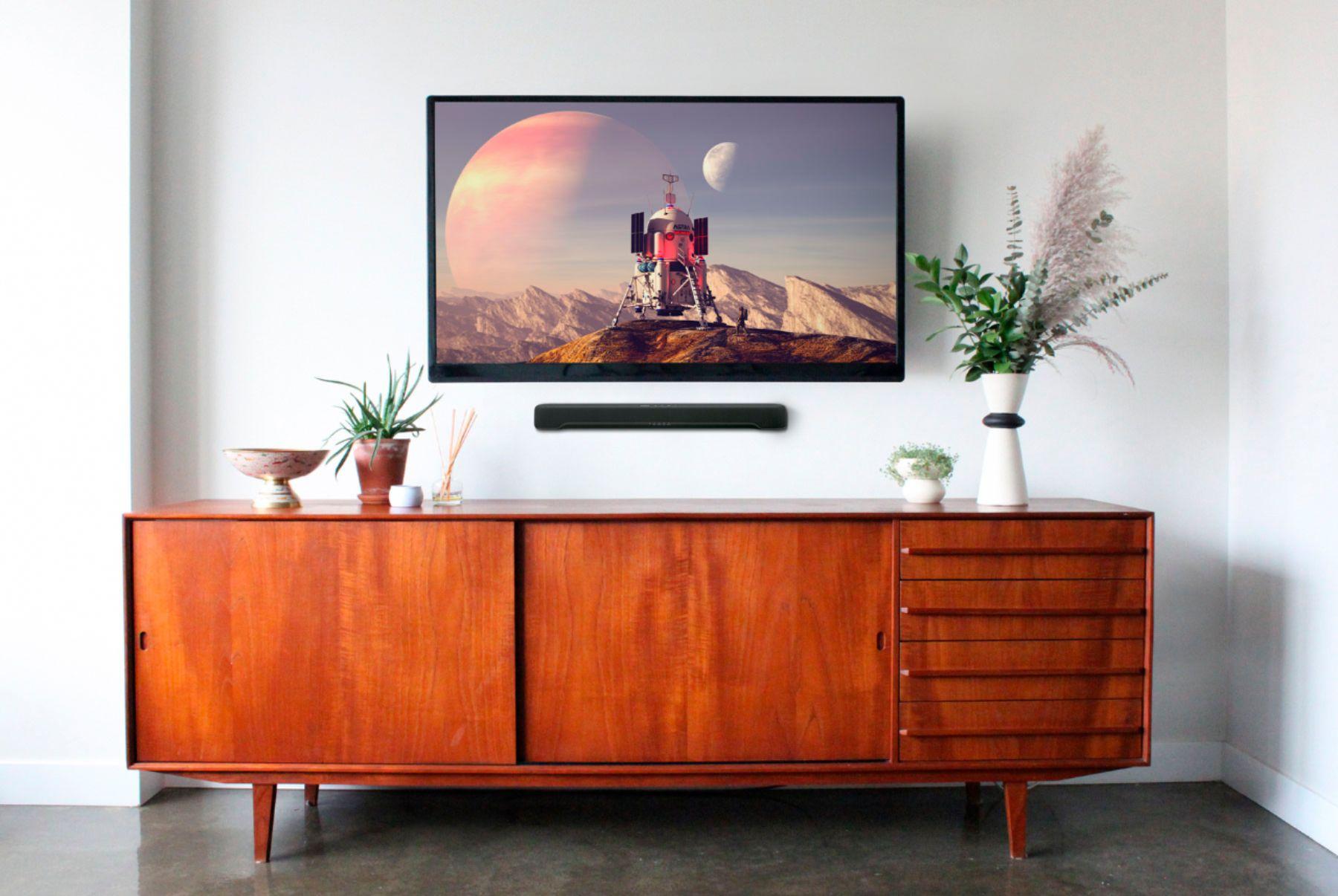
The Yamaha SR-C20A measures 23.6 inches wide and includes built-in mounting keyholes for wall installation. This compact design makes it virtually disappear under most TVs, and the single-unit approach means no additional components to place or hide. For people who prioritize a clean, minimalist setup, this is a significant advantage.
For dedicated home theater use, the Samsung HW-B550D is clearly the superior choice. The combination of DTS Virtual:X processing, dedicated center channel, and powerful subwoofer creates a more convincing cinematic experience. The wider soundstage and better bass extension make action sequences more engaging and dialogue more intelligible during complex audio scenes.
The Samsung's higher power output also means it can handle the dynamic range of movie soundtracks better. Film audio often has quiet dialogue followed by loud action sequences, and the Samsung has the headroom to reproduce these dynamics without compression or distortion.
The Yamaha works well for casual movie watching, particularly in smaller rooms where its compact design is advantageous. However, for dedicated home theater use where audio quality is a priority, the Samsung's additional capabilities justify the higher price.
At current pricing, these soundbars occupy completely different value categories. The Samsung HW-B550D at $177.99 represents solid value for a current-generation soundbar with wireless subwoofer and modern connectivity features. Compared to other 3.1 channel soundbars with similar features, it's competitively priced.
The Yamaha SR-C20A at $17.98 clearance pricing is essentially a no-brainer if it fits your needs. Originally priced at $229, this represents exceptional value - you're getting Yamaha's renowned audio engineering at a fraction of the original cost. Even if it were priced at $100, it would be competitive for small-space applications.
Choose the Samsung HW-B550D if you have a medium to large living room (200+ square feet), want the best possible audio performance within this price range, and can accommodate a wireless subwoofer. It's also the better choice if you have a newer TV with HDMI ARC support and want the convenience of single-remote control.
The Samsung makes sense for people who consider their TV the primary entertainment hub and want an audio experience that enhances movie nights, gaming sessions, and music listening. If you're building a proper home theater setup, even a budget one, the Samsung's superior audio capabilities make it the logical choice.
Choose the Yamaha SR-C20A if you're working with a smaller space, have budget constraints, or need a secondary soundbar for a bedroom or kitchen. At the current clearance price, it's also an excellent choice for anyone who wants to try a soundbar upgrade without significant financial commitment.
The Yamaha excels in situations where space is limited, visual aesthetics matter, and the primary use case is improving TV dialogue clarity rather than creating a cinematic audio experience. It's also perfect for people who prefer simple, reliable technology without lots of features to configure.
Both soundbars successfully solve the problem of poor TV audio, but they're designed for different situations and expectations. The Samsung HW-B550D delivers significantly better performance for larger spaces and more demanding listening, while the Yamaha SR-C20A offers remarkable value and convenience for smaller spaces and simpler needs.
At these current prices, the Yamaha represents one of the best audio bargains available, making it an easy recommendation for budget-conscious buyers or anyone needing a compact solution. The Samsung, while more expensive, provides the superior audio experience that justifies its higher price for people who prioritize sound quality and have the space to accommodate its design.
The choice ultimately depends on your room size, budget, and how important audio quality is to your overall entertainment experience. Both represent smart purchases within their respective categories.
| Samsung HW-B550D 3.1 Channel Sound Bar | Yamaha SR-C20A Compact Sound Bar |
|---|---|
| Price - Current market value | |
| $177.99 (regular pricing) | $17.98 (clearance from $229) |
| Channel Configuration - Affects dialogue clarity and sound separation | |
| 3.1 channels with dedicated center speaker | 2.1 channels with virtual center processing |
| Total Power Output - Determines room size compatibility | |
| 410W (handles rooms 200+ sq ft) | 100W (ideal for rooms under 150 sq ft) |
| Subwoofer Design - Impact on bass quality and placement flexibility | |
| Wireless external subwoofer with 5" driver | Built-in subwoofer with 3" driver + passive radiators |
| Surround Sound Technology - Creates immersive audio experience | |
| DTS Virtual:X and Dolby Audio processing | Virtual Surround Technology only |
| HDMI Connectivity - Modern TV integration and convenience | |
| HDMI ARC input with TV remote control | No HDMI (optical and aux inputs only) |
| Physical Dimensions - Space requirements and aesthetics | |
| 33.9" wide + separate subwoofer placement | 23.6" wide, single compact unit |
| Bluetooth Capabilities - Wireless music streaming features | |
| Bluetooth 5.0 with multi-device pairing | Bluetooth 5.0 single device connection |
| Smart Audio Features - Automatic optimization and user control | |
| Adaptive Sound Lite, Night Mode, multiple EQ presets | Clear Voice technology, 4 sound modes |
| Release Year - Technology generation and future-proofing | |
| 2023 (current generation) | 2020 (mature but proven platform) |
| Best Use Case - Optimal room and usage scenarios | |
| Medium/large rooms, home theater priority | Small spaces, secondary rooms, budget-focused |
The Samsung HW-B550D delivers superior overall sound quality with its 3.1 channel setup, dedicated center speaker, and 410W power output. It provides clearer dialogue, wider soundstage, and deeper bass through its wireless subwoofer. The Yamaha SR-C20A offers impressive sound for its compact size but is limited by its 100W power and built-in subwoofer design.
The Samsung HW-B550D costs $177.99 at regular pricing, while the Yamaha SR-C20A is currently available for just $17.98 on clearance (originally $229). This makes the Yamaha an exceptional value proposition despite being the older model.
The Yamaha SR-C20A is specifically designed for small rooms under 150 square feet. Its compact 23.6-inch design and built-in subwoofer make it perfect for bedrooms, kitchens, or small apartments. The Samsung HW-B550D is better suited for medium to large rooms due to its higher power output and separate subwoofer.
Both soundbars work with older TVs, but with different connections. The Yamaha SR-C20A uses optical digital inputs that work with virtually any TV from the last 15 years. The Samsung HW-B550D includes both HDMI ARC (for newer TVs) and optical inputs for compatibility with older models.
The Samsung HW-B550D has significantly better bass performance thanks to its wireless external subwoofer with a larger 5-inch driver. The Yamaha SR-C20A has surprisingly good bass for its compact size using passive radiators, but it can't match the depth and power of the Samsung's dedicated subwoofer.
The Samsung HW-B550D is much better for dedicated home theater use. Its DTS Virtual:X technology, 3.1 channel setup, and powerful subwoofer create a more cinematic experience. The Yamaha SR-C20A works fine for casual movie watching but lacks the power and features for serious home theater applications.
The Yamaha SR-C20A is easier to set up as a single compact unit with simple optical or aux connections. The Samsung HW-B550D requires positioning both the soundbar and wireless subwoofer, plus HDMI ARC setup, making it slightly more complex but offering better connectivity options.
Yes, both can be wall mounted. The Yamaha SR-C20A includes built-in keyholes and is specifically designed for easy wall mounting with its compact profile. The Samsung HW-B550D can also be wall mounted but you'll still need floor space for the wireless subwoofer.
The Samsung HW-B550D has superior dialogue clarity due to its dedicated center channel speaker that's specifically designed for voices. The Yamaha SR-C20A uses Clear Voice technology to enhance dialogue, which works well but isn't as effective as having a dedicated center speaker.
Both soundbars support Bluetooth 5.0 for wireless music streaming. The Samsung HW-B550D offers multi-device pairing, allowing two phones to stay connected simultaneously. The Yamaha SR-C20A supports single-device Bluetooth connections and includes a smartphone app for control.
At current pricing, the Yamaha SR-C20A at $17.98 offers exceptional value - it's essentially a steal at clearance pricing. However, the Samsung HW-B550D at $177.99 provides better performance per dollar for larger rooms and more demanding audio needs.
The Samsung HW-B550D is a 3.1 channel system with left, center, right speakers plus subwoofer, providing better sound separation and dialogue clarity. The Yamaha SR-C20A is a 2.1 system with left and right speakers plus subwoofer, relying on processing to create a virtual center channel for dialogue enhancement.
We've done our best to create useful and informative comparisons to help you decide what product to buy. Our research uses advanced automated methods to create this comparison and perfection is not possible - please contact us for corrections or questions. These are the sites we've researched in the creation of this article: bestbuy.com - crutchfield.com - avsforum.com - consumerreports.org - abt.com - pcrichard.com - samsung.com - samsung.com - rtings.com - samsung.com - jeffsappliance.com - t3.com - usa.yamaha.com - radiotimes.com - shop.usa.yamaha.com - whathifi.com - hifiheaven.net - usa.yamaha.com - sweetwater.com - hub.yamaha.com - bestbuy.com

Privacy Policy
Terms and Conditions - Affiliate Policy
Home Security
© Copyright 2008-2026.
11816 Inwood Rd #1211, Dallas, TX 75244