












If you've ever watched an action movie and felt like the explosions were more like gentle puffs, or struggled to understand what actors were saying, you know how disappointing TV speakers can be. Soundbars solve this problem by packing multiple speakers into a single, sleek unit that sits below your TV. But with options ranging from budget-friendly to premium, choosing the right one can feel overwhelming.
Today we're comparing two soundbars that represent completely different approaches: the Sony BRAVIA Theater Bar 9 and the Yamaha SR-C20A. These aren't just different price points – they're fundamentally different philosophies about what a soundbar should do and who it should serve.
Before diving into specifics, let's talk about what you should actually care about when shopping for a soundbar. The most important factors are audio performance (how good it sounds), value (what you get for your money), size compatibility with your space, and connectivity options for your devices.
Audio performance breaks down into several key areas: how well it handles dialogue, how much bass it produces, whether it can create that surround sound effect you get in movie theaters, and how loud it can go without distorting. These factors determine whether you'll actually enjoy using the soundbar long-term or end up disappointed.
Size matters more than you might think. A massive soundbar might look impressive, but it could overwhelm a small room or simply not fit your entertainment center. Conversely, a tiny soundbar in a large living room will struggle to fill the space with sound.
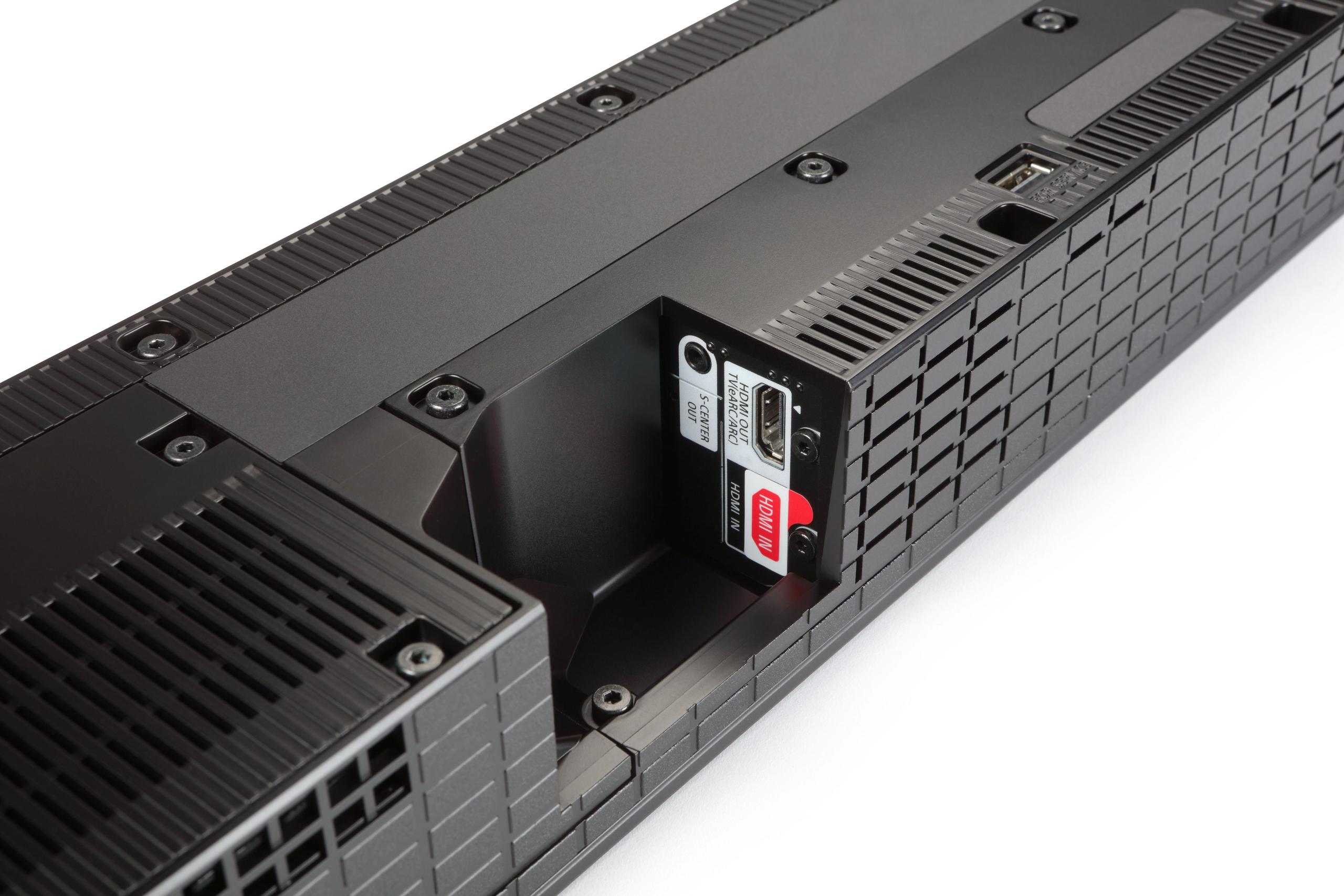
Connectivity determines how easily you can actually use the thing. Modern soundbars should connect to your TV via HDMI ARC (Audio Return Channel, which lets your TV remote control the soundbar), support Bluetooth for streaming music from your phone, and ideally offer multiple input options for different devices.
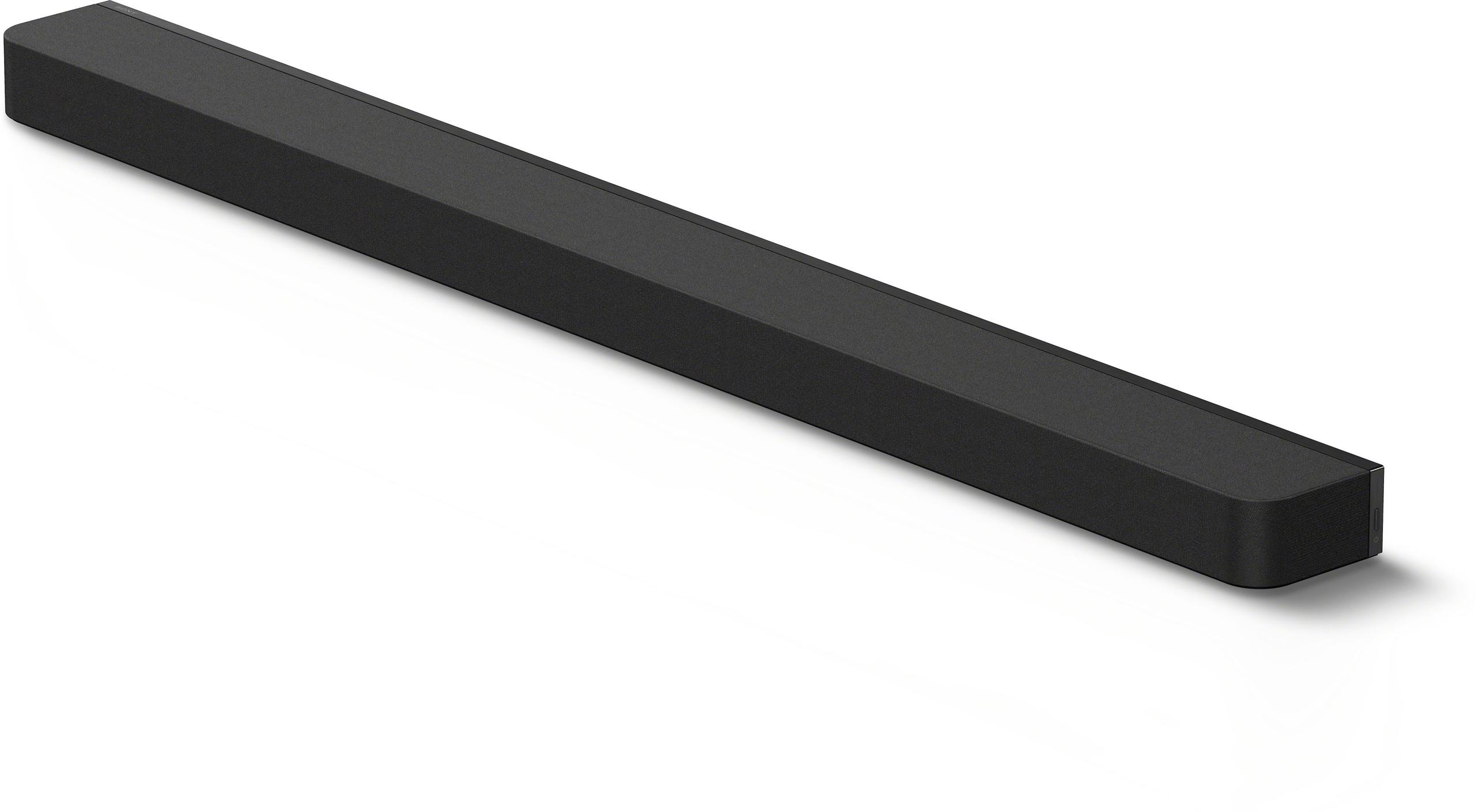
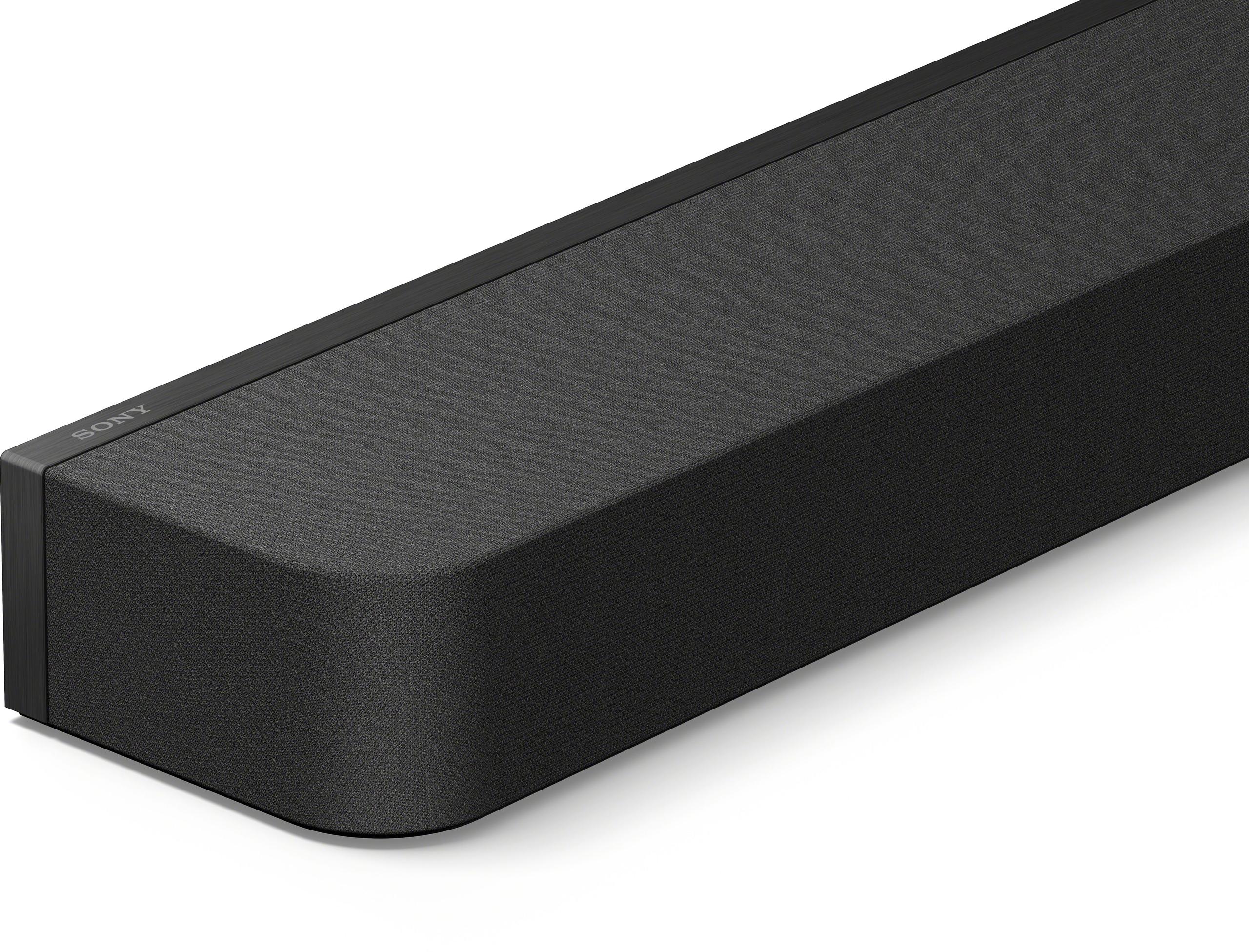
The Sony BRAVIA Theater Bar 9, released in 2024, represents Sony's flagship approach to soundbar design. At around $1,399 retail (though often found for $500-800), it's packed with cutting-edge technology aimed at creating a genuine home theater experience. This isn't just a TV speaker upgrade – it's designed to compete with traditional surround sound systems.
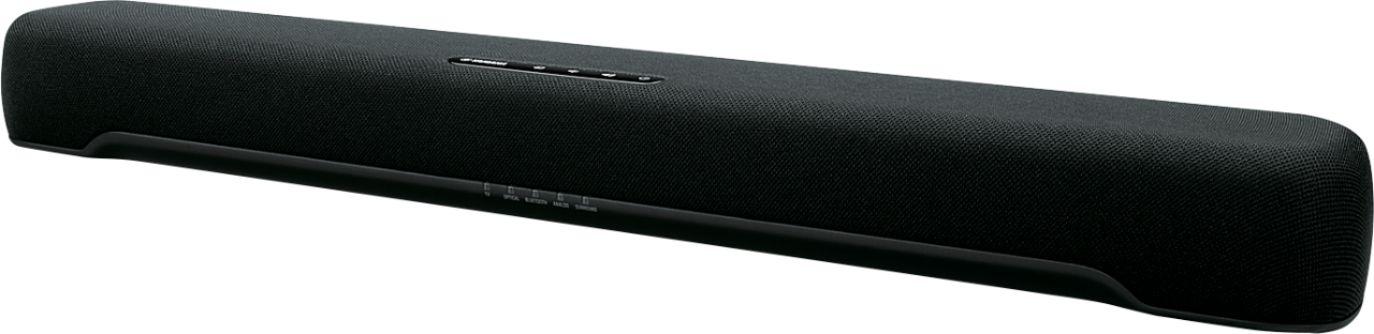
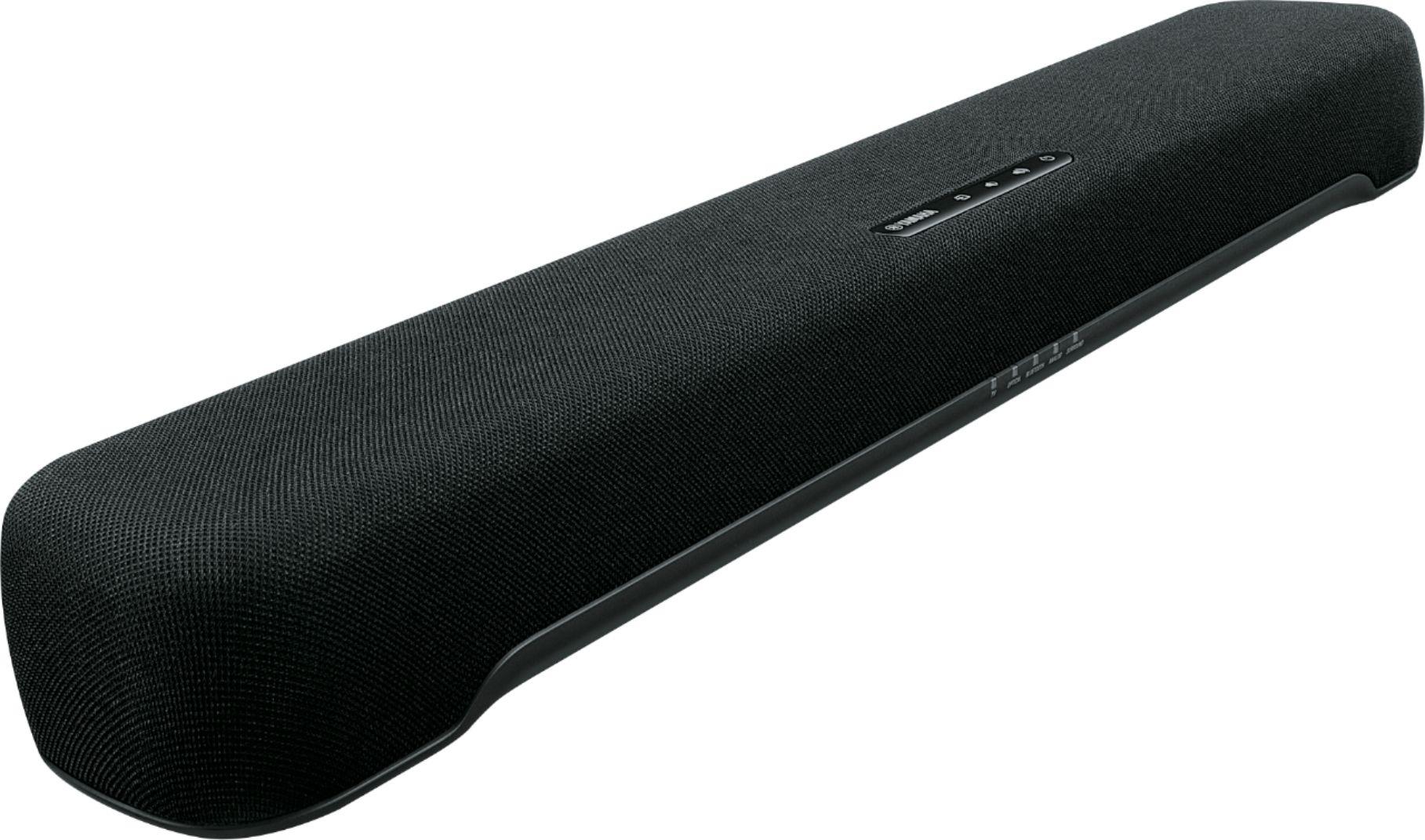
The Yamaha SR-C20A, on the other hand, takes a completely different approach. Originally priced at $229 but frequently available for under $100, this compact soundbar prioritizes practical improvement over impressive specifications. Yamaha designed it for people who want better TV audio without complexity, expense, or taking up much space.
These represent two distinct philosophies: Sony's "spare no expense for the ultimate experience" versus Yamaha's "maximum improvement for minimum investment and hassle."
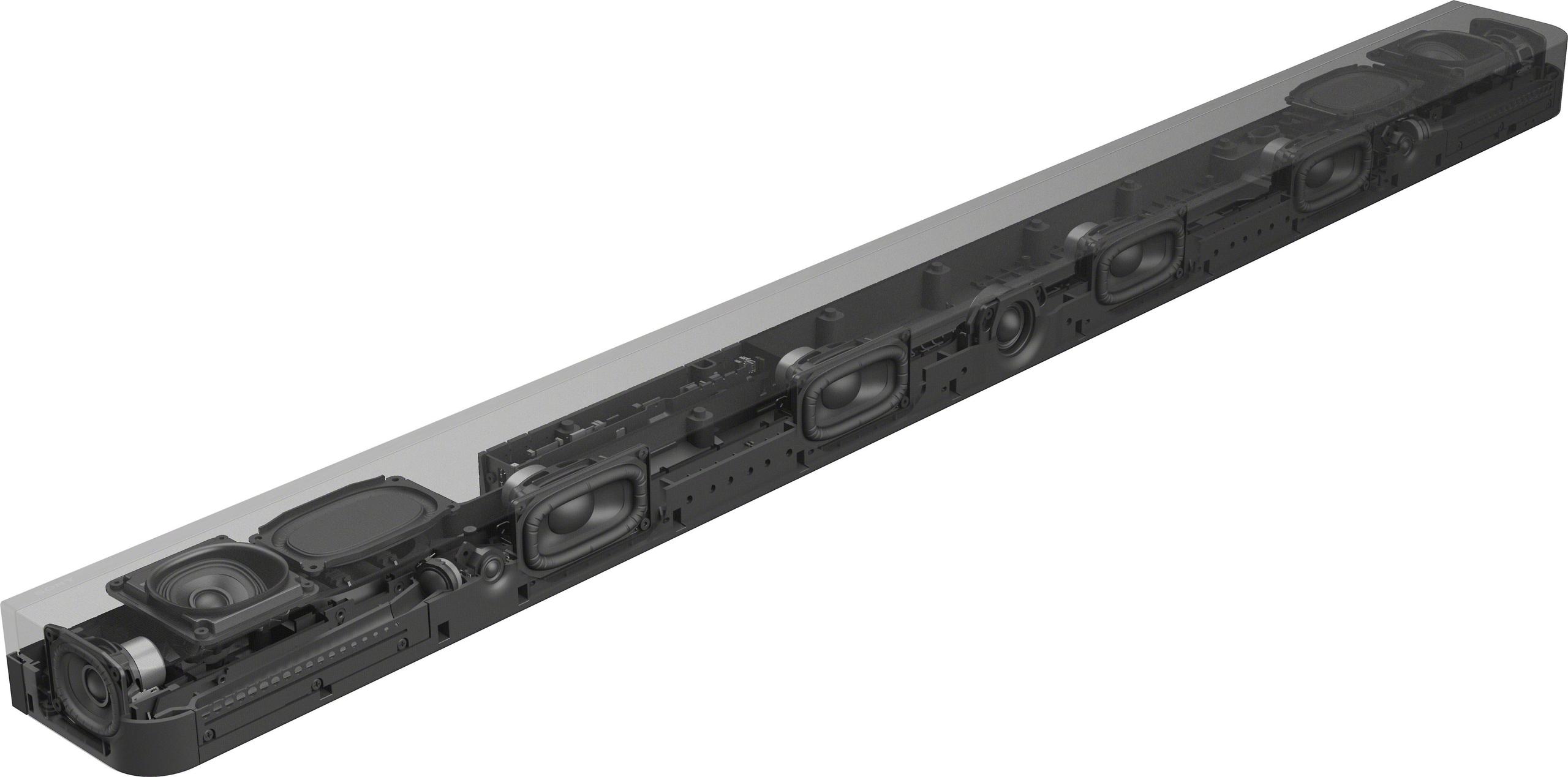
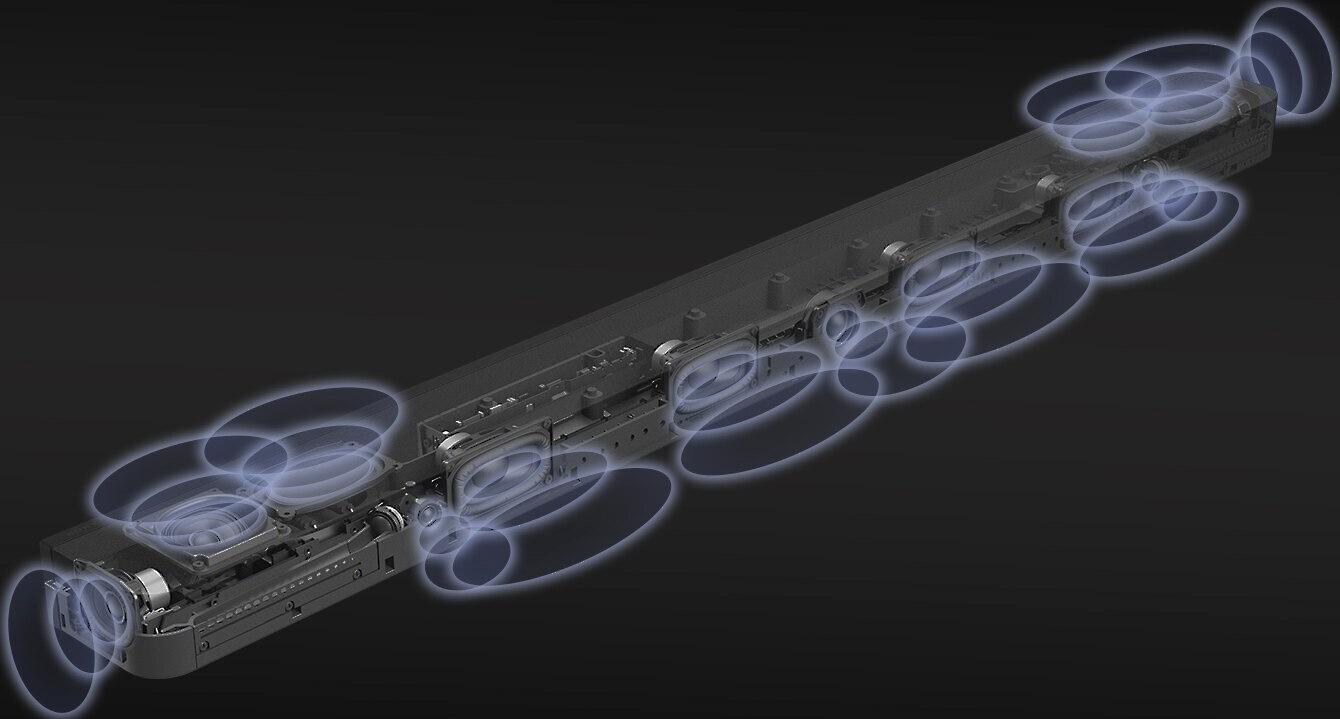
The physical differences between these soundbars immediately tell you everything about their intended purposes. The Sony BRAVIA Theater Bar 9 stretches 51 inches wide and weighs over 12 pounds. Inside that substantial frame, Sony packed 13 individual speakers arranged in specific patterns to create directional sound. It's powered by a 585-watt amplifier that can genuinely fill large rooms with audio.
This size serves a purpose beyond just looking impressive. The Sony uses something called 360 Spatial Sound Mapping, which requires multiple speakers pointing in different directions. Some fire upward to bounce sound off your ceiling, creating overhead effects for helicopter scenes or rain. Others fire sideways to widen the soundstage and make it feel like audio is coming from beyond the physical boundaries of the soundbar.
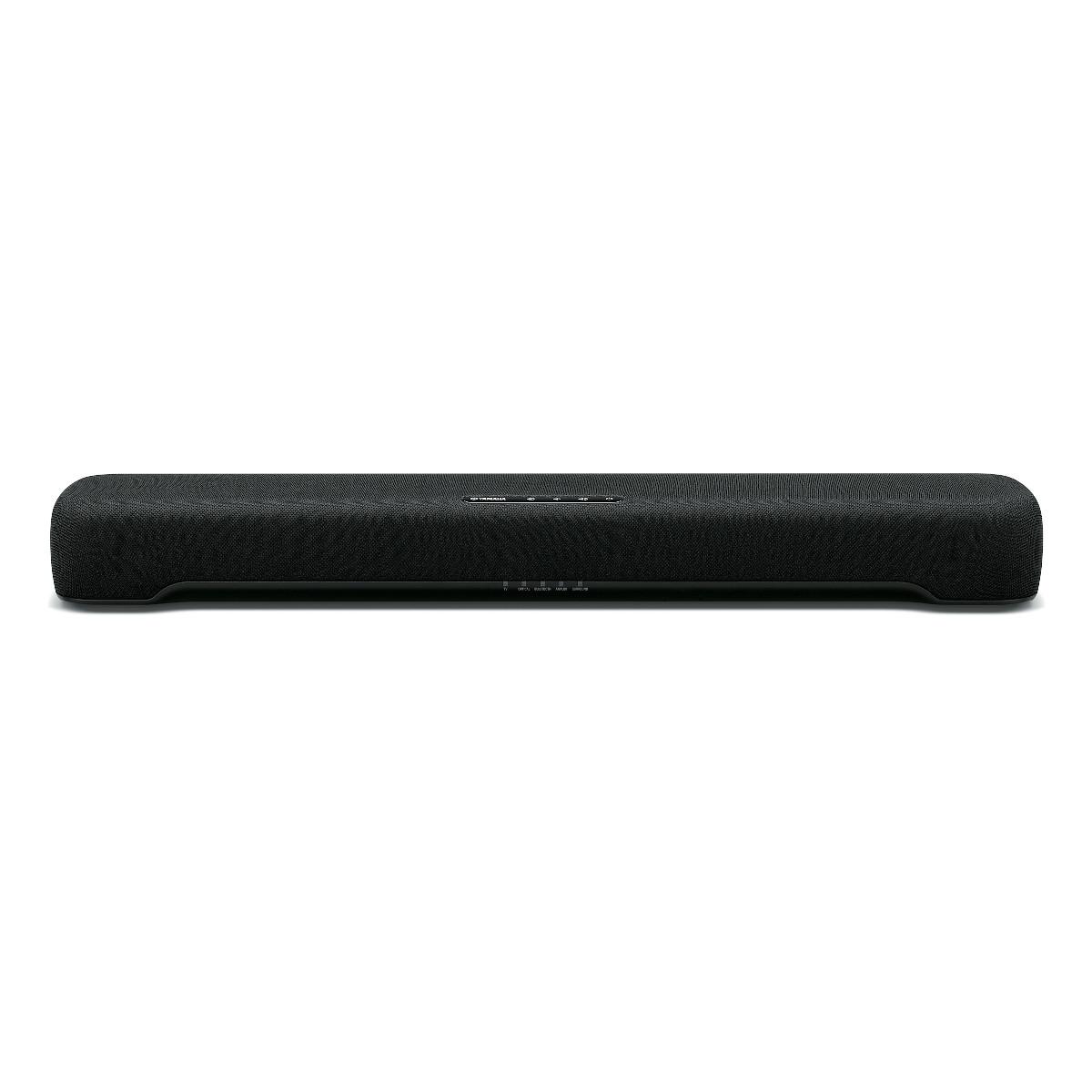
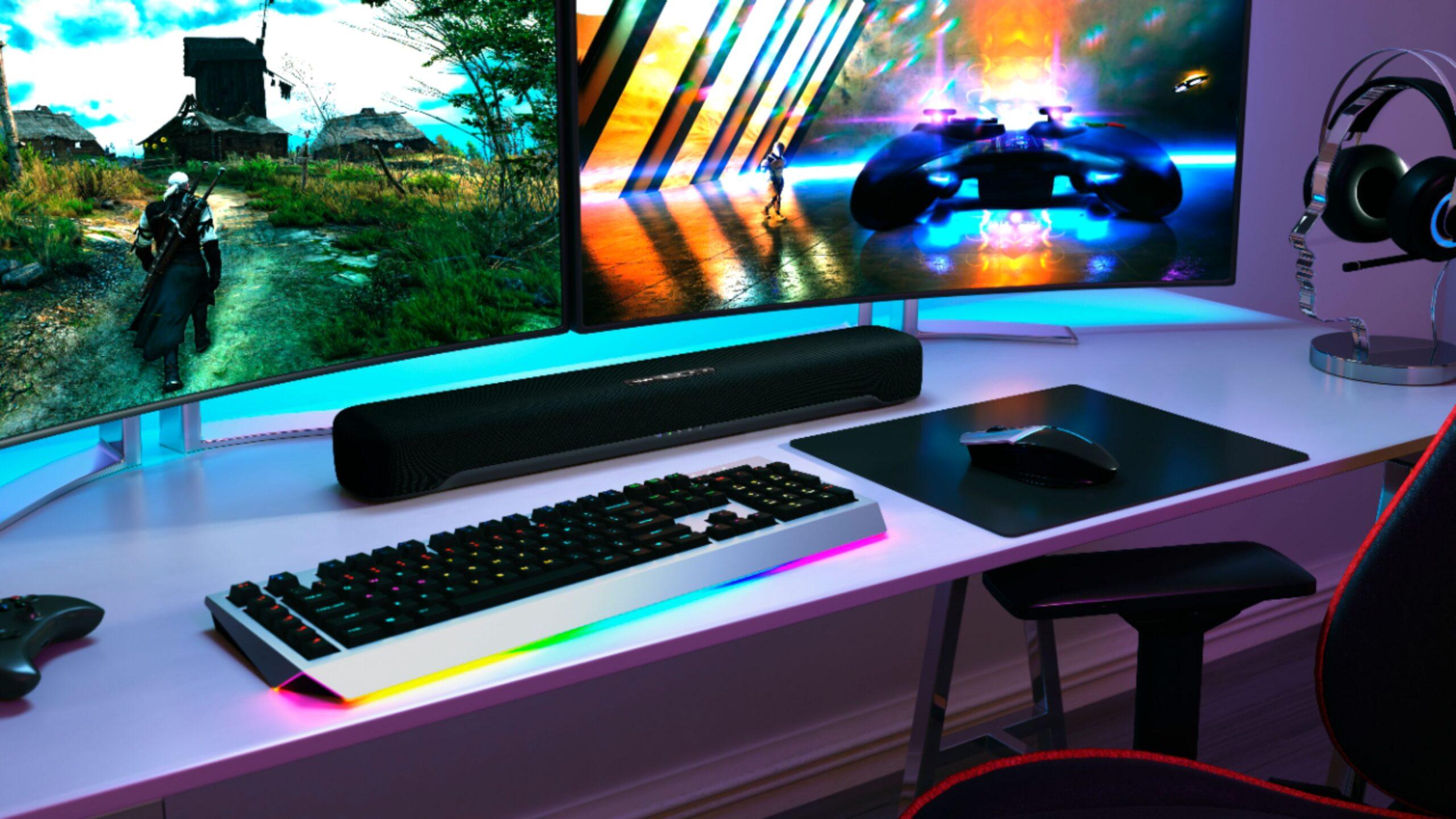
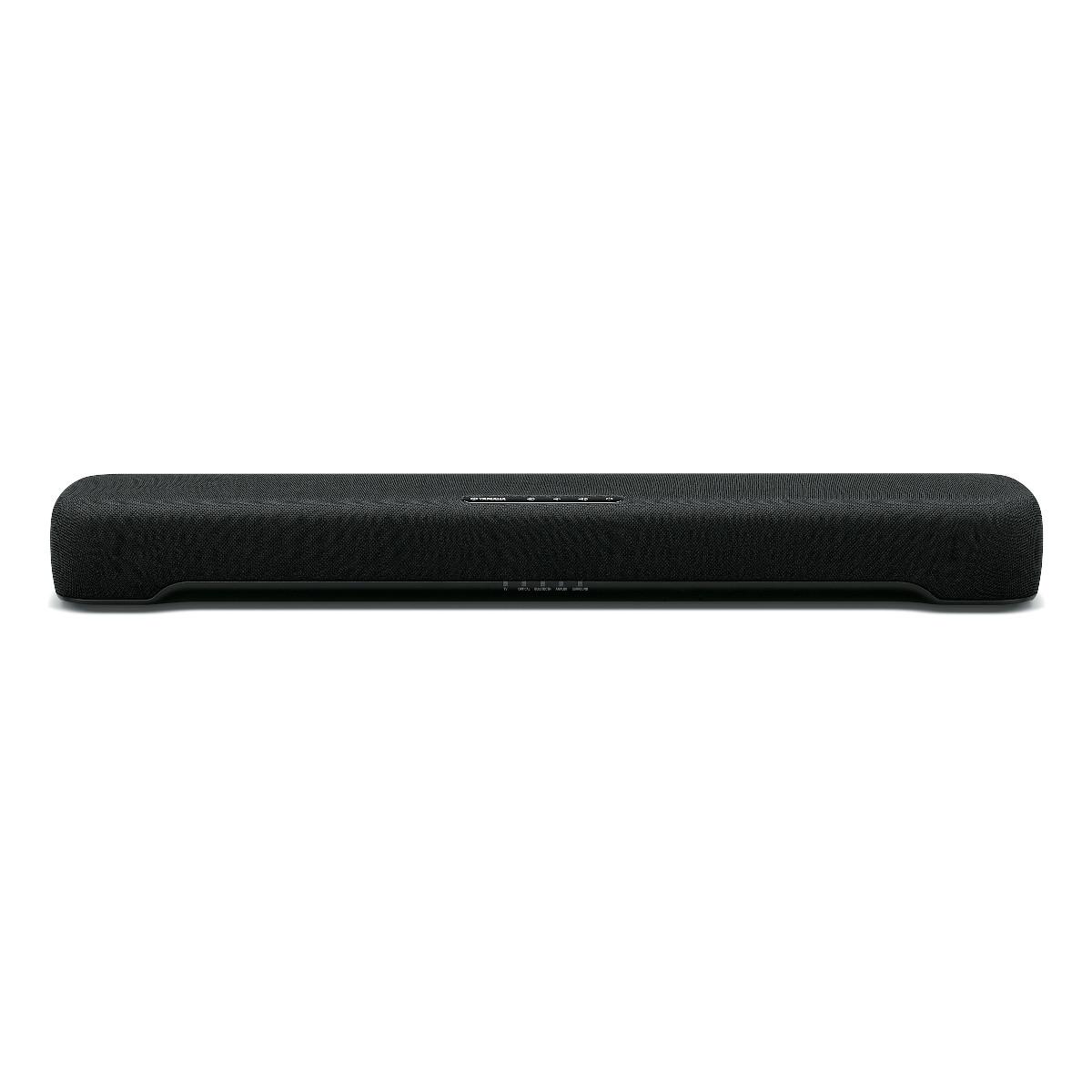
The Yamaha takes a radically different approach at just 24 inches wide and under 4 pounds. But don't mistake compact for weak – Yamaha engineered this little unit with a built-in 3-inch subwoofer and dual passive radiators (which are like speakers without magnets that vibrate in response to the main drivers, enhancing bass). This creates surprisingly robust low-end for such a small package.
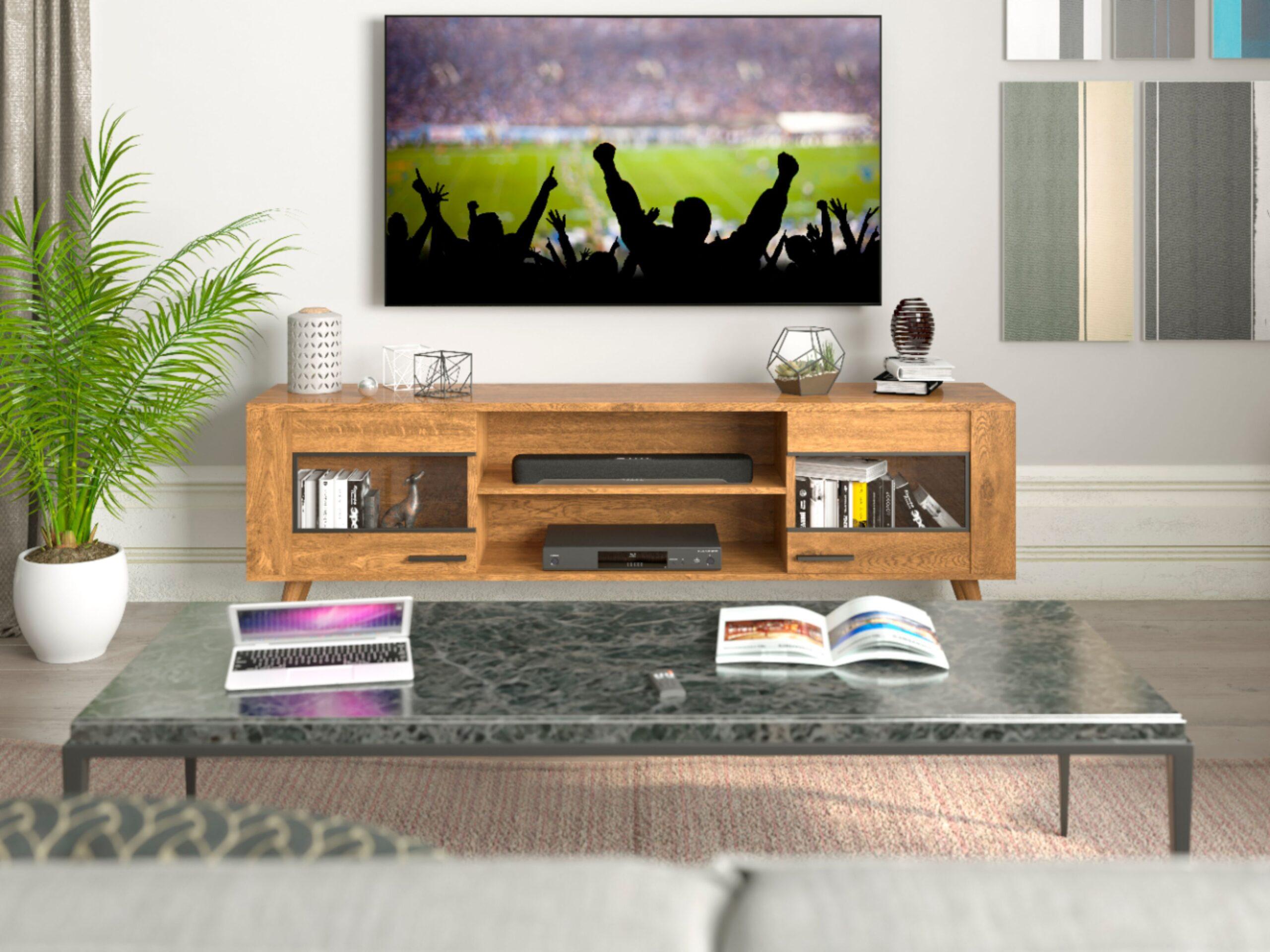
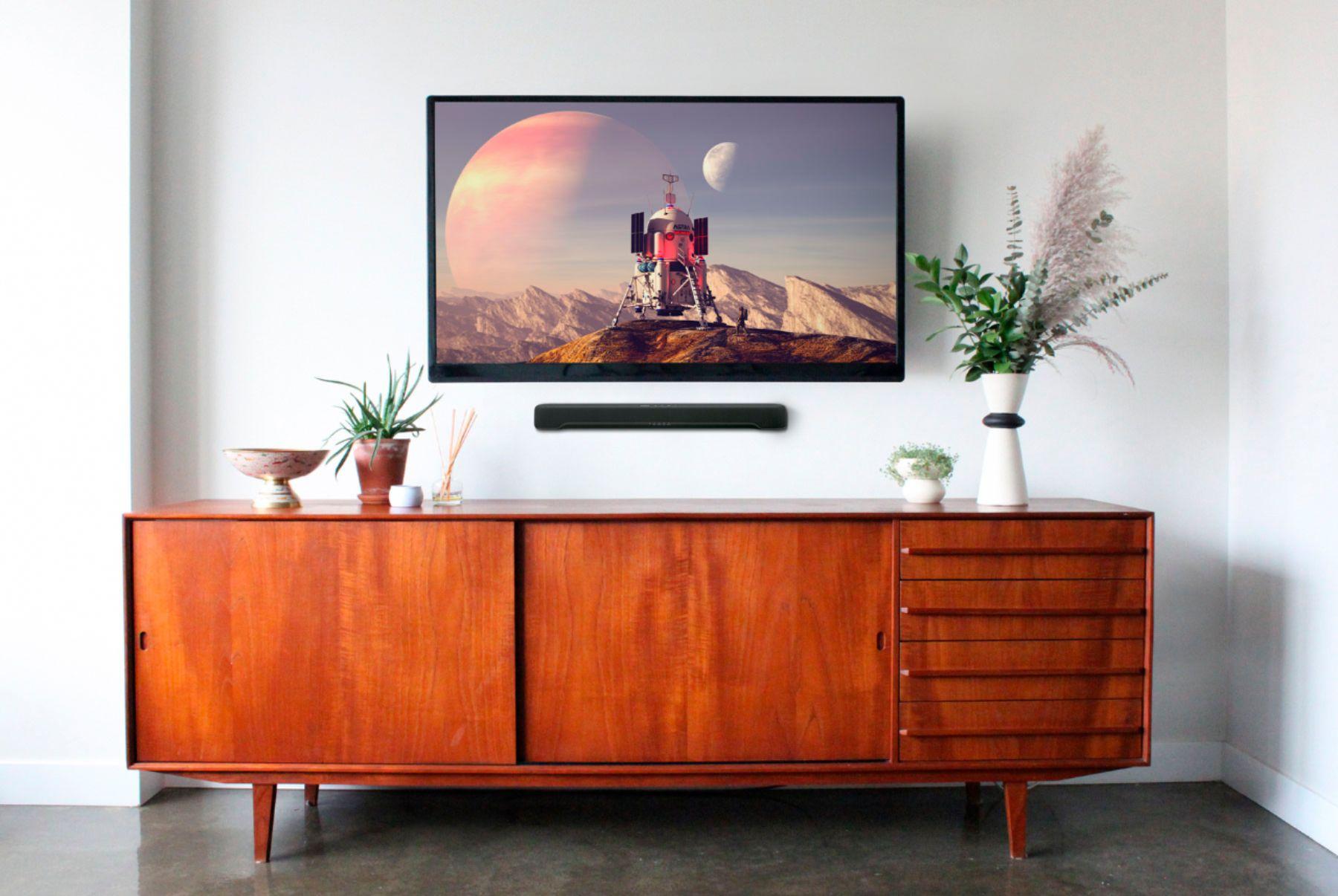
I've found that the Sony's size works beautifully with TVs 55 inches and larger, where it looks proportional and has the acoustic power to match the visual scale. The Yamaha, however, pairs perfectly with smaller TVs or in situations where you simply can't accommodate a large soundbar.
Here's where the fundamental difference between these soundbars becomes most apparent. The Sony BRAVIA Theater Bar 9 creates genuine spatial audio using physical speaker placement and advanced processing. Its 360 Spatial Sound Mapping technology analyzes your room's acoustics, then uses those 13 speakers to bounce sound off walls and ceilings, creating what Sony calls "phantom speakers" – points in space where your brain perceives sound sources that don't physically exist.
This isn't marketing fluff. When properly set up in a room with decent acoustics (meaning a ceiling that's not too high and walls that can reflect sound), the Sony can genuinely make you turn around thinking someone's behind you during a movie scene. It supports true Dolby Atmos and DTS:X processing, which are advanced audio formats that include height information – telling speakers when sounds should come from above, like raindrops or aircraft.
The Yamaha uses what's called virtual surround processing. This is software that tries to simulate the effect of multiple speakers using psychoacoustic tricks – essentially fooling your brain into perceiving width and depth that isn't physically there. While this works to some degree and definitely sounds wider than your TV's speakers, it can't create the precise directional effects or overhead audio that true spatial systems achieve.
In practical terms, the Sony excels with movie soundtracks that were mixed for surround sound systems. Action sequences feel immersive, with explosions that seem to happen around you rather than just in front of you. The Yamaha provides a noticeably wider and more engaging soundstage than TV speakers, but you won't get that "surrounded by sound" feeling.
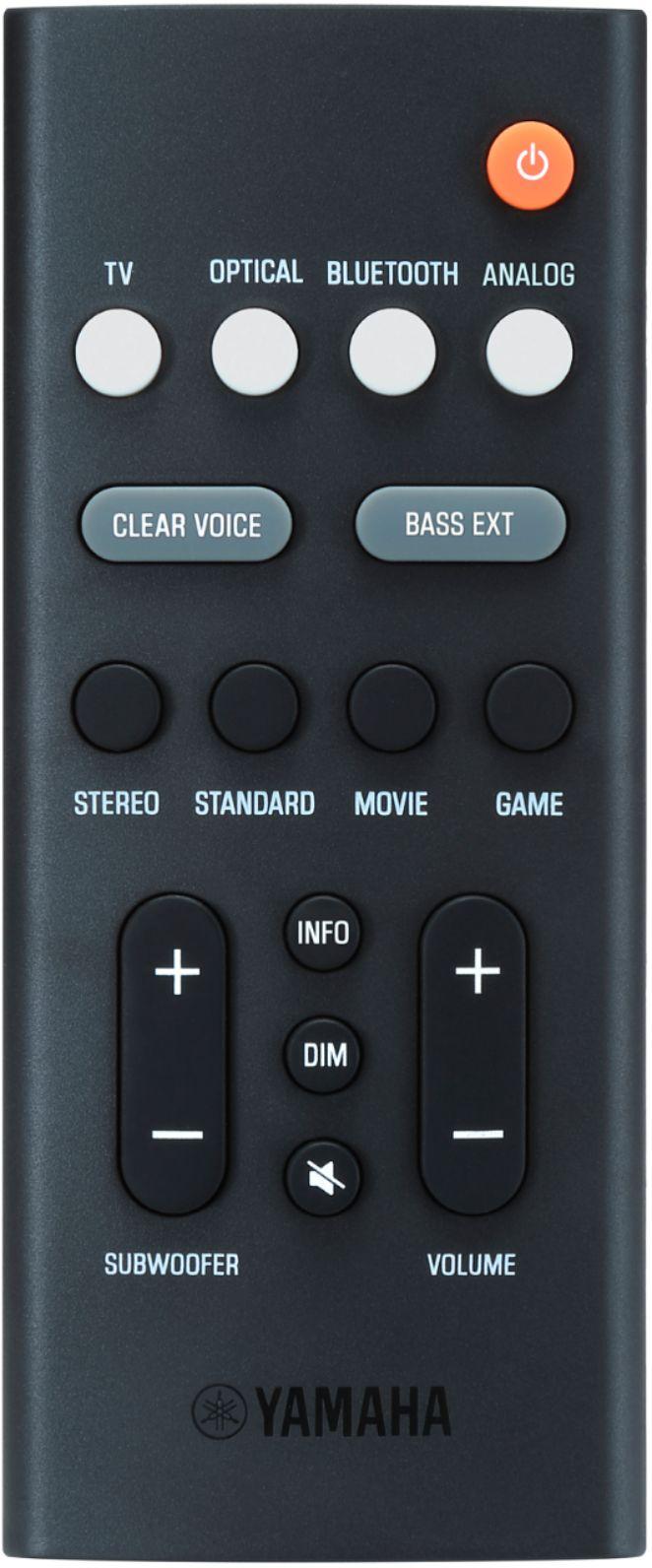
Bass handling reveals another fundamental design difference. The Yamaha SR-C20A includes everything you need for full-range audio in its compact frame. That built-in subwoofer and dual passive radiators deliver surprisingly punchy bass that handles most content well. It's not going to shake your windows during explosion scenes, but it provides the low-end weight that makes music feel full and movie sound effects feel substantial.
The Sony takes a different approach that's both better and more complicated. Its bass response is extremely clean and articulate – you can hear individual bass notes clearly rather than just a generic rumble. However, it doesn't extend as deep into the lowest frequencies without an optional subwoofer (which costs $200-500 additional). This means dialogue and mid-bass effects sound phenomenal, but you might miss some of the room-shaking impact in action movies.
I've noticed this difference is most apparent with different types of content. For dialogue-heavy dramas or music listening, the Sony's precise bass response is actually preferable – you hear more detail and clarity. But for big action blockbusters, the Yamaha's built-in bass provides more immediate satisfaction without requiring additional purchases.
Nothing ruins a movie night like constantly asking "what did they say?" Both soundbars address dialogue clarity, but with different levels of sophistication.
The Sony BRAVIA Theater Bar 9 uses a feature called Voice Zoom 3, which employs AI machine learning to identify human voices in complex audio mixes and enhance their clarity. It also has a dedicated center channel – a specific speaker designed just for dialogue reproduction. This combination means that even in scenes with loud background music or sound effects, voices remain crystal clear and intelligible.
The Yamaha's Clear Voice technology takes a simpler but still effective approach, boosting the frequency ranges where human speech occurs. This works well for most TV content, though it can struggle with more complex movie soundtracks where dialogue competes with music and effects.
In my experience, the Sony's dialogue clarity is genuinely impressive. Even whispered conversations in noisy movie scenes come through clearly. The Yamaha provides solid improvement over TV speakers for dialogue, but occasionally requires you to adjust volume during movies with particularly busy soundtracks.
Modern soundbars need to connect easily to your existing setup and ideally offer wireless streaming for music. Here, the products' different target audiences become obvious.
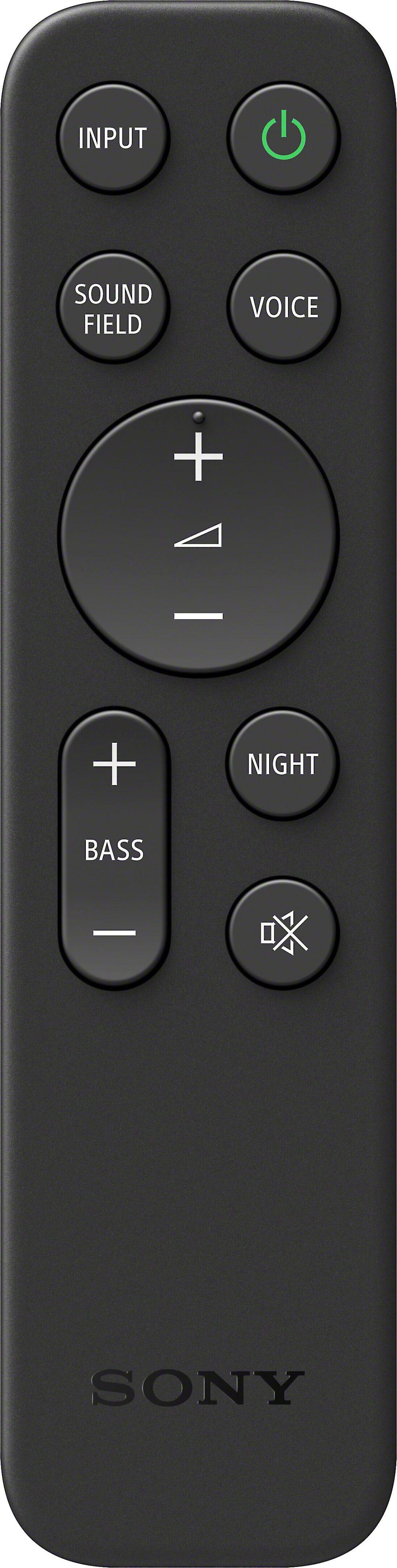
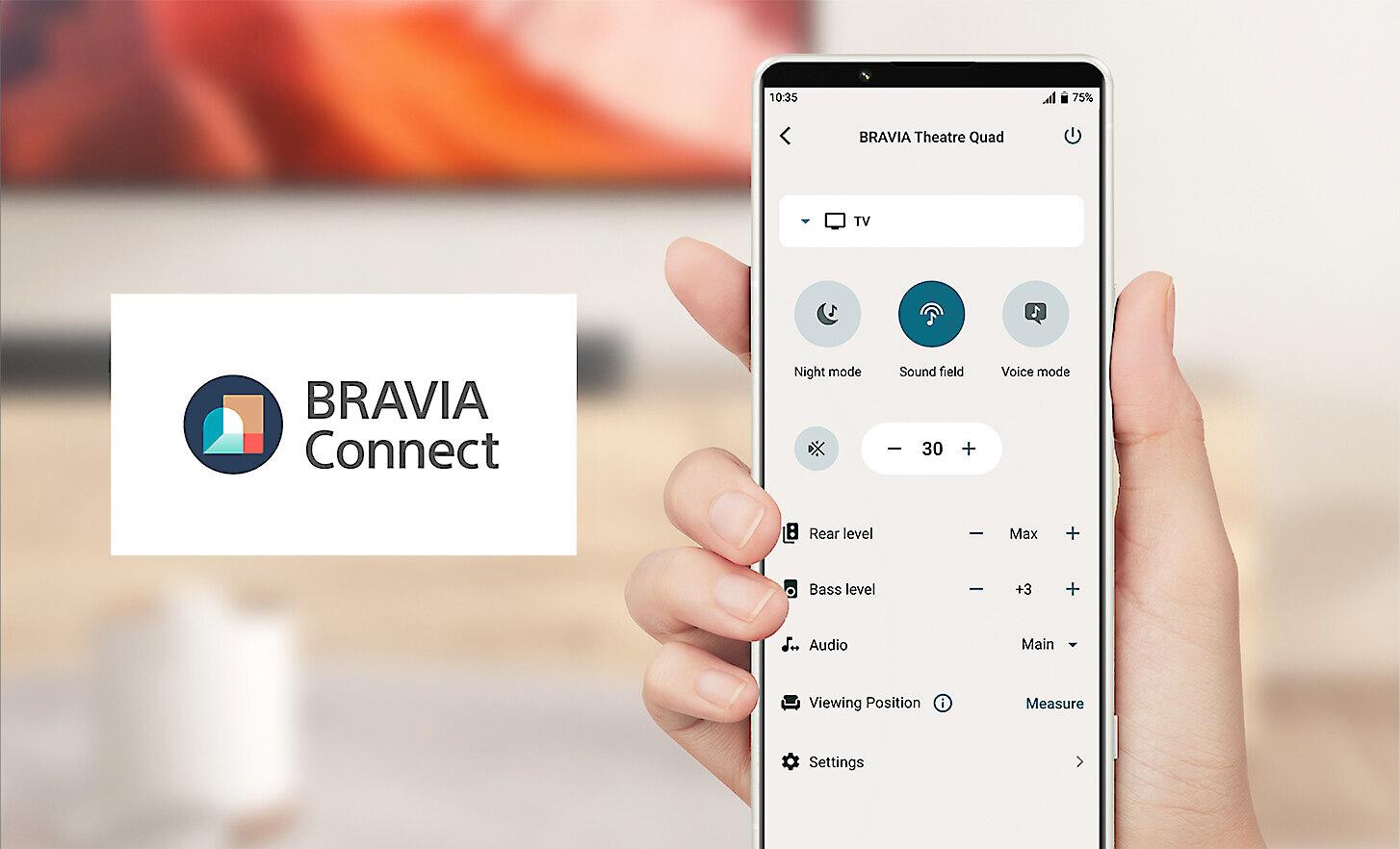
The Sony BRAVIA Theater Bar 9 offers extensive connectivity with HDMI eARC (enhanced Audio Return Channel, which supports higher bandwidth audio formats), Wi-Fi 6 for stable wireless streaming, Bluetooth 5.2, and integration with Sony's BRAVIA Connect app. If you own a Sony TV, the integration is particularly seamless – the soundbar automatically appears in your TV's settings menu, and features like Acoustic Center Sync use your TV as an additional center speaker.
Perhaps most importantly, the Sony includes Sound Field Optimization, which uses microphones to measure your room's acoustics and adjust the audio processing accordingly. This room correction technology adapts the soundbar's output to your specific space, compensating for acoustic challenges like hard floors or odd room shapes.
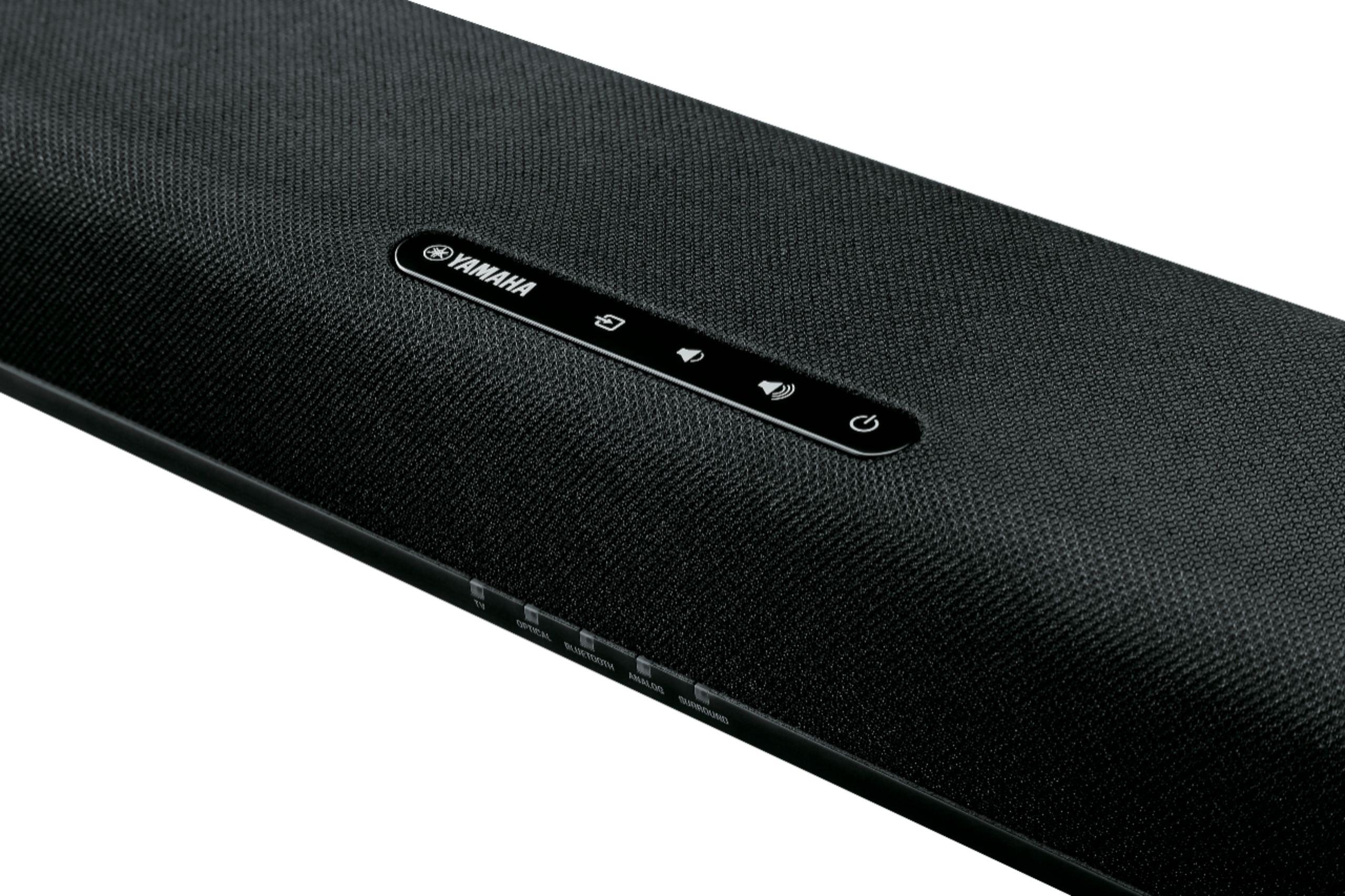
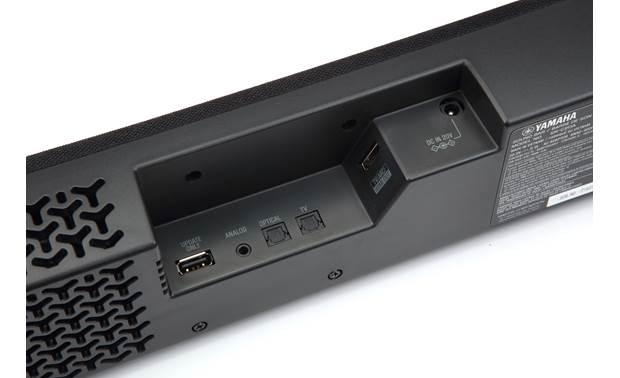
The Yamaha keeps things simple with HDMI ARC, Bluetooth 5.0, optical, and analog inputs. There's a basic smartphone app for adjusting settings, but no room correction or advanced calibration features. This simplicity is actually a feature for many users – you connect it and it works, without requiring setup procedures or acoustic measurements.
The Sony BRAVIA Theater Bar 9 shines in primary entertainment setups where audio quality is a priority. It's designed for movie enthusiasts who want that cinema experience at home. The soundbar also supports high-resolution audio formats, making it excellent for serious music listening. Gaming benefits from the spatial audio too – you can actually hear enemy footsteps positioned around you in competitive games.
Its expandability is a major advantage for serious users. You can add optional wireless rear speakers to create a true surround system, and the optional subwoofer completes the full-range experience. This flexibility means you can start with just the soundbar and build a complete system over time.
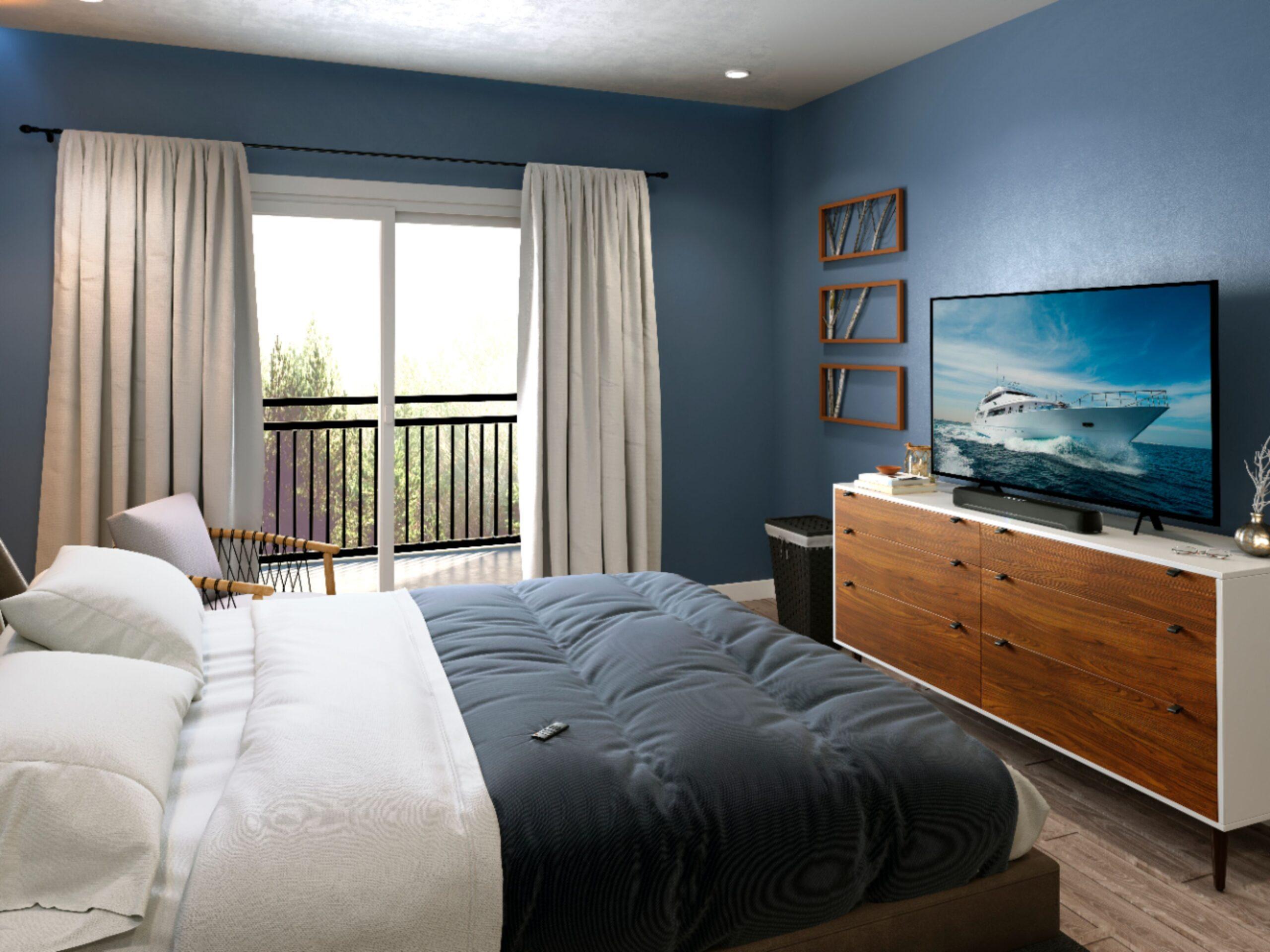
The Yamaha SR-C20A excels in different scenarios. It's perfect for smaller TVs, bedrooms, kitchens, or apartments where space is limited. It's also ideal for people who primarily watch TV shows and news rather than movies, or those who want significant audio improvement without complexity or ongoing investment.
I've found the Yamaha particularly well-suited for secondary setups. It's great for a bedroom TV or kitchen setup where you want better audio for casual viewing without the expense or complexity of a premium system.
The Sony represents the current cutting edge of soundbar technology. Released in 2024, it incorporates advances in spatial audio processing that weren't available even a few years ago. The 360 Spatial Sound Mapping technology builds on Sony's experience with their premium home theater processors, bringing sophisticated room correction and spatial audio creation to a single-unit soundbar.
The Yamaha, while older, represents mature technology that focuses on proven approaches rather than cutting-edge features. Yamaha's expertise in acoustic engineering – they've been making musical instruments and audio equipment for over a century – shows in the effective bass integration and overall tonal balance.
For dedicated home theater use, these soundbars serve very different purposes. The Sony BRAVIA Theater Bar 9 can genuinely serve as the foundation of a high-quality home theater system. With proper room acoustics and the optional subwoofer, it approaches the performance of traditional component systems while maintaining the simplicity of a soundbar setup.
The Yamaha works better as a significant upgrade to basic TV audio rather than a true home theater foundation. It makes everything sound better and more engaging, but won't provide the immersive experience that serious movie watching demands.
Choose the Sony BRAVIA Theater Bar 9 if you have a medium to large room, regularly watch movies, and want the best possible audio experience from a soundbar. The investment makes sense if you value immersive audio and plan to use it as your primary entertainment audio system. The expandability means you can grow the system over time, and the advanced features justify the premium cost for serious users.
Choose the Yamaha SR-C20A if you want immediate, significant improvement over TV speakers without complexity or major expense. It's perfect for smaller spaces, casual viewing, or as a secondary system. The built-in bass means you get complete audio improvement right out of the box.
The key is matching the product to your actual needs and usage patterns. The Sony rewards investment with exceptional performance, while the Yamaha provides practical improvement that most people will find completely satisfying for everyday use. Both accomplish their intended purposes well – they just have very different purposes in mind.
| Sony BRAVIA Theater Bar 9 | Yamaha SR-C20A |
|---|---|
| Release Date & Current Price - Understanding value and technology generation | |
| 2024 flagship model, $1,399 MSRP (often $500-800 street price) | Older discontinued model, $229 MSRP (frequently under $100 on clearance) |
| Physical Size - Room compatibility and visual presence | |
| 51" × 2.6" × 4.5", 12.13 lbs (designed for 55"+ TVs) | 23.6" × 2.5" × 4", 3.9 lbs (perfect for smaller TVs and tight spaces) |
| Speaker Configuration - Determines audio quality and surround capabilities | |
| 13 speakers in 7.0.2 layout with dedicated up-firing and side-firing drivers | Built-in subwoofer with dual passive radiators, basic stereo layout |
| Total Power Output - Affects maximum volume and room-filling capability | |
| 585W digital amplifier (room-filling power for large spaces) | 100W total (60W subwoofer + 40W stereo, suitable for small-medium rooms) |
| Surround Sound Technology - Key difference in immersive audio experience | |
| True Dolby Atmos/DTS:X with 360 Spatial Sound Mapping (genuine 3D audio) | Virtual surround processing only (software simulation, no overhead effects) |
| Bass Response - Critical for movies and music enjoyment | |
| Articulate mid-bass, requires optional subwoofer ($200-500) for deep bass | Built-in 3" subwoofer with dual passive radiators (complete bass solution included) |
| Dialogue Enhancement - Essential for understanding speech in movies | |
| Voice Zoom 3 with AI processing + dedicated center channel (exceptional clarity) | Clear Voice technology (basic frequency boosting, effective but limited) |
| Connectivity Options - Determines compatibility with your devices | |
| HDMI eARC, Wi-Fi 6, Bluetooth 5.2, BRAVIA Connect app | HDMI ARC, Bluetooth 5.0, optical, analog inputs (basic but sufficient) |
| Room Correction - Adapts sound to your specific space | |
| Sound Field Optimization with acoustic measurement and calibration | None (plug-and-play setup only) |
| Expandability - Future upgrade potential | |
| Optional wireless rear speakers and subwoofer for complete surround system | No expansion options (complete as purchased) |
| Best Use Case - Who each product serves best | |
| Primary home theater system for movie enthusiasts with medium-large rooms | Secondary setups, small spaces, budget-conscious buyers wanting immediate improvement |
The Sony BRAVIA Theater Bar 9 is significantly better for large rooms due to its 585W amplifier and 51-inch size with 13 speakers. It can fill big spaces with immersive sound, while the Yamaha SR-C20A at only 100W is designed for small to medium rooms and may sound weak in larger spaces.
The Sony BRAVIA Theater Bar 9 retails for $1,399 but often sells for $500-800, while the Yamaha SR-C20A has an MSRP of $229 but frequently goes on sale for under $100. The Sony costs 5-8 times more but offers premium features and performance.
The Yamaha SR-C20A includes a built-in subwoofer and requires no additional purchase for full bass response. The Sony BRAVIA Theater Bar 9 has excellent mid-bass but benefits significantly from an optional subwoofer ($200-500 extra) for deep, room-shaking bass in action movies.
The Sony BRAVIA Theater Bar 9 offers superior dialogue clarity with its dedicated center channel and AI-powered Voice Zoom 3 technology. The Yamaha SR-C20A has decent Clear Voice technology but can struggle with complex movie soundtracks where dialogue competes with background noise.
Only the Sony BRAVIA Theater Bar 9 creates genuine surround sound using Dolby Atmos, DTS:X, and 360 Spatial Sound Mapping with physical up-firing and side-firing speakers. The Yamaha SR-C20A uses virtual surround processing, which widens the sound but cannot create true directional or overhead effects.
The Yamaha SR-C20A is much easier to set up with simple plug-and-play operation requiring no calibration. The Sony BRAVIA Theater Bar 9 offers more setup complexity with room optimization features and multiple connectivity options, though this enables better performance when properly configured.
The Sony BRAVIA Theater Bar 9 at 51 inches wide pairs best with 55-inch or larger TVs for proportional appearance and acoustic matching. The Yamaha SR-C20A at 24 inches works perfectly with smaller TVs, bedrooms setups, or anywhere space is limited.
The Sony BRAVIA Theater Bar 9 excels at music with high-resolution audio support, detailed sound reproduction, and Wi-Fi streaming capabilities. The Yamaha SR-C20A handles music adequately with Bluetooth streaming and surprisingly good bass, but lacks the detail and clarity for serious music listening.
The Sony BRAVIA Theater Bar 9 serves as an excellent home theater foundation with true Dolby Atmos, expandability options, and cinema-quality immersion. The Yamaha SR-C20A provides good TV audio improvement but isn't designed for dedicated home theater use due to limited surround capabilities.
Value depends on your needs: the Yamaha SR-C20A offers exceptional value for basic audio improvement at under $100, while the Sony BRAVIA Theater Bar 9 provides premium performance that justifies its higher cost for serious audio enthusiasts seeking immersive experiences.
The Sony BRAVIA Theater Bar 9 offers full expandability with optional wireless rear speakers and subwoofer to create a complete surround system. The Yamaha SR-C20A has no expansion options but comes complete with built-in bass, making additional components unnecessary for most users.
Choose the Yamaha SR-C20A if you want immediate, affordable improvement over TV speakers with simple setup and built-in bass. Select the Sony BRAVIA Theater Bar 9 if you're serious about audio quality, have a larger room, and want a soundbar that can serve as a long-term home theater foundation.
We've done our best to create useful and informative comparisons to help you decide what product to buy. Our research uses advanced automated methods to create this comparison and perfection is not possible - please contact us for corrections or questions. These are the sites we've researched in the creation of this article: rtings.com - residentialsystems.com - rtings.com - bestbuy.com - valueelectronics.com - sony.com - sony.co.uk - sony.co.uk - rtings.com - sony.co.in - sony.com - pocket-lint.com - sony.com - crutchfield.com - t3.com - usa.yamaha.com - radiotimes.com - shop.usa.yamaha.com - whathifi.com - hifiheaven.net - usa.yamaha.com - sweetwater.com - hub.yamaha.com - bestbuy.com

Privacy Policy
Terms and Conditions - Affiliate Policy
Home Security
© Copyright 2008-2026.
11816 Inwood Rd #1211, Dallas, TX 75244