

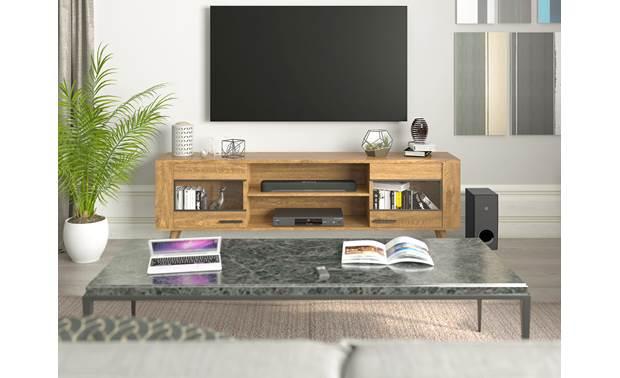


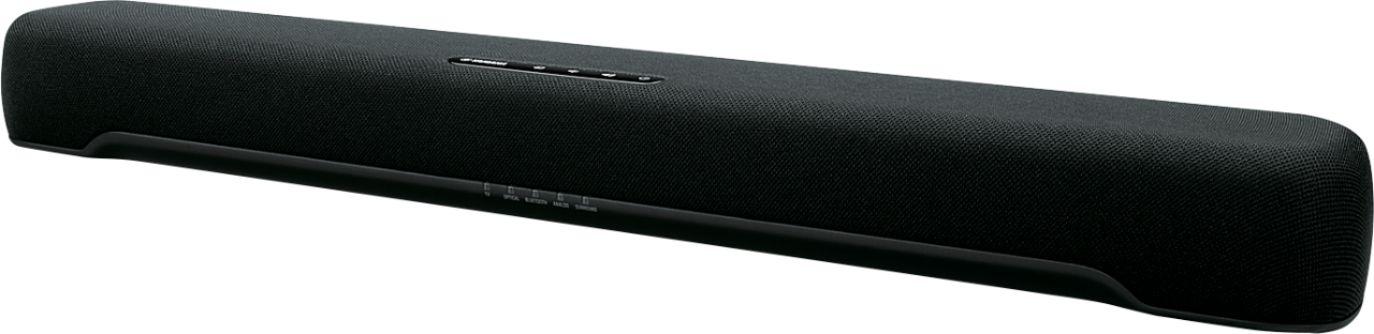


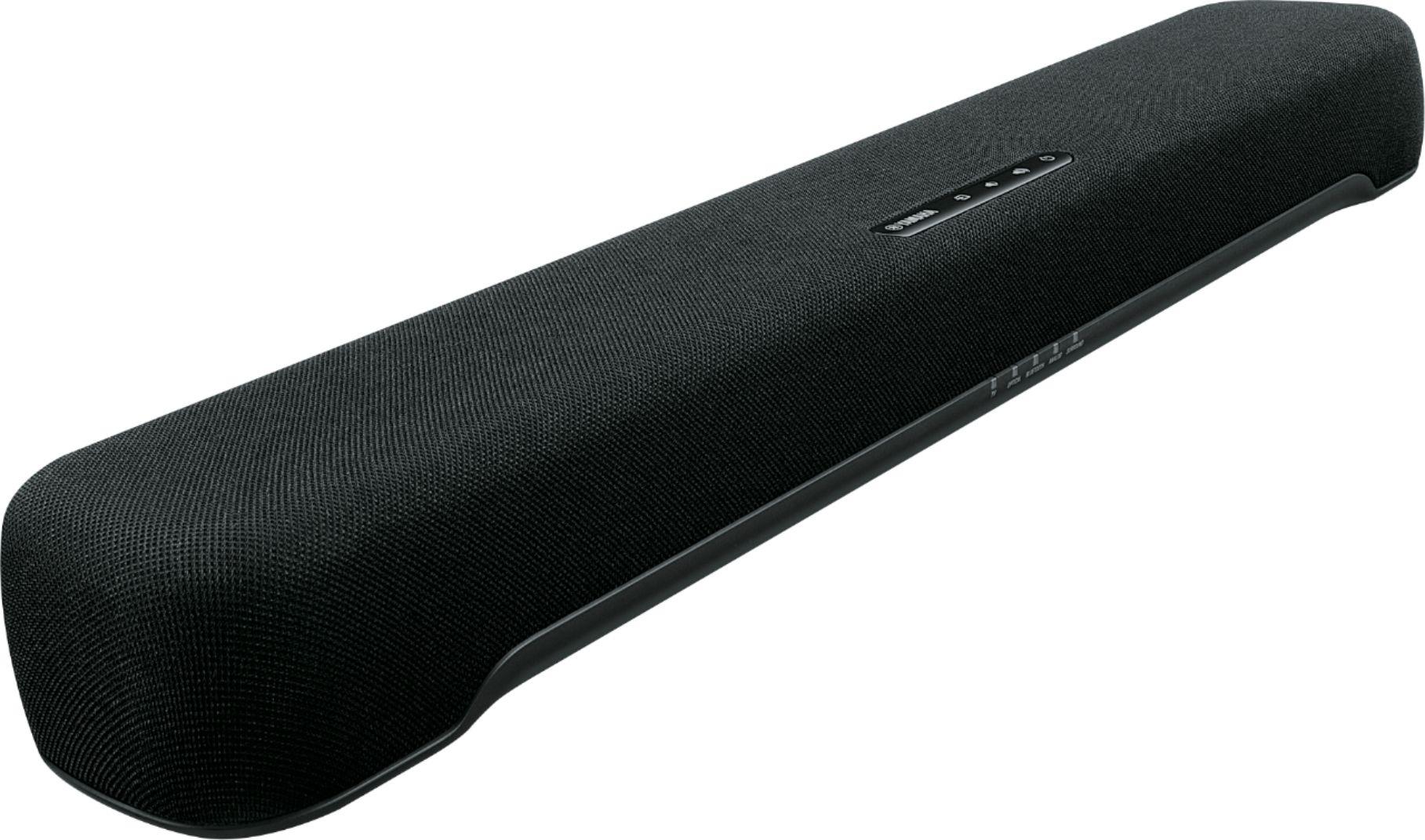

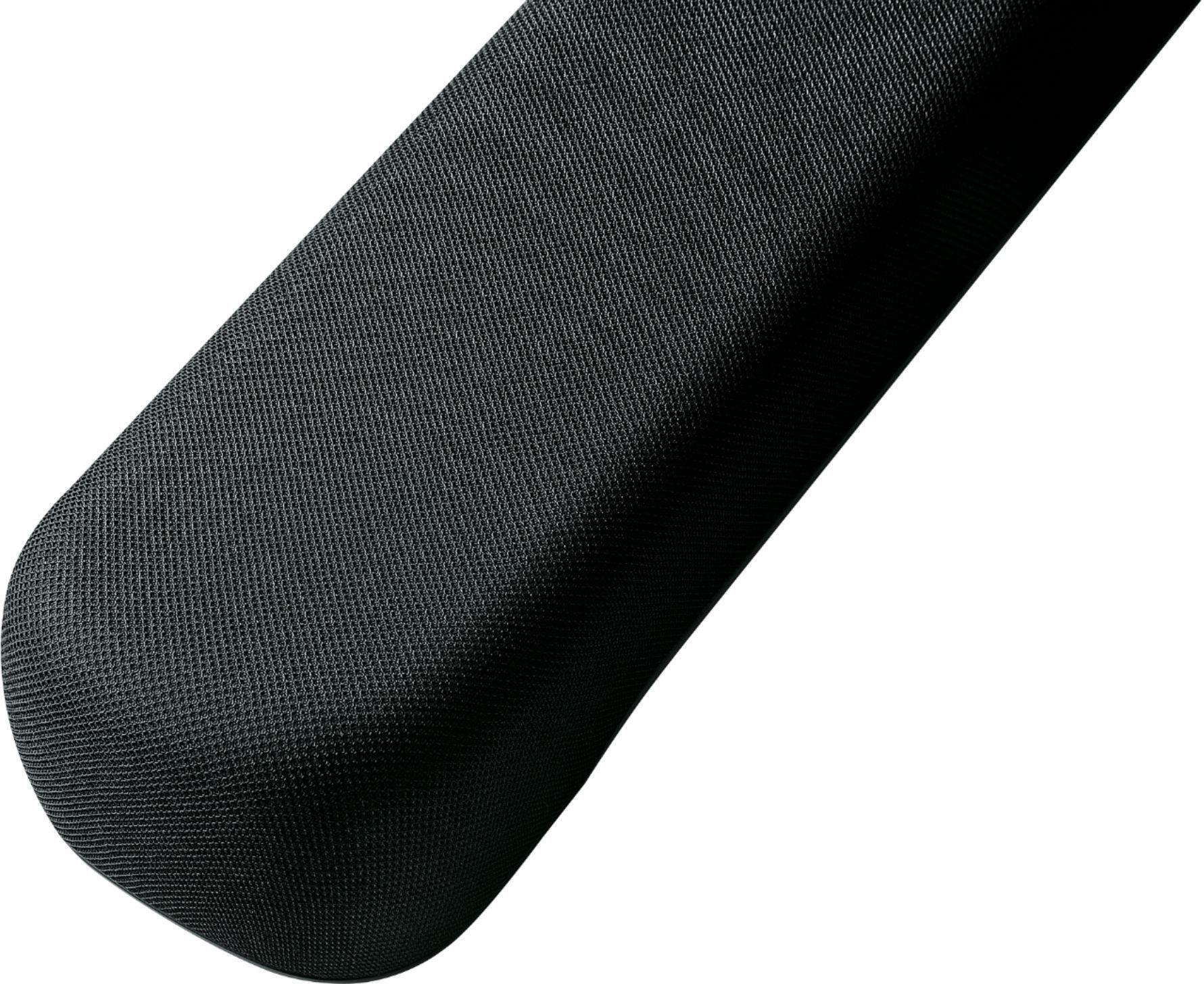
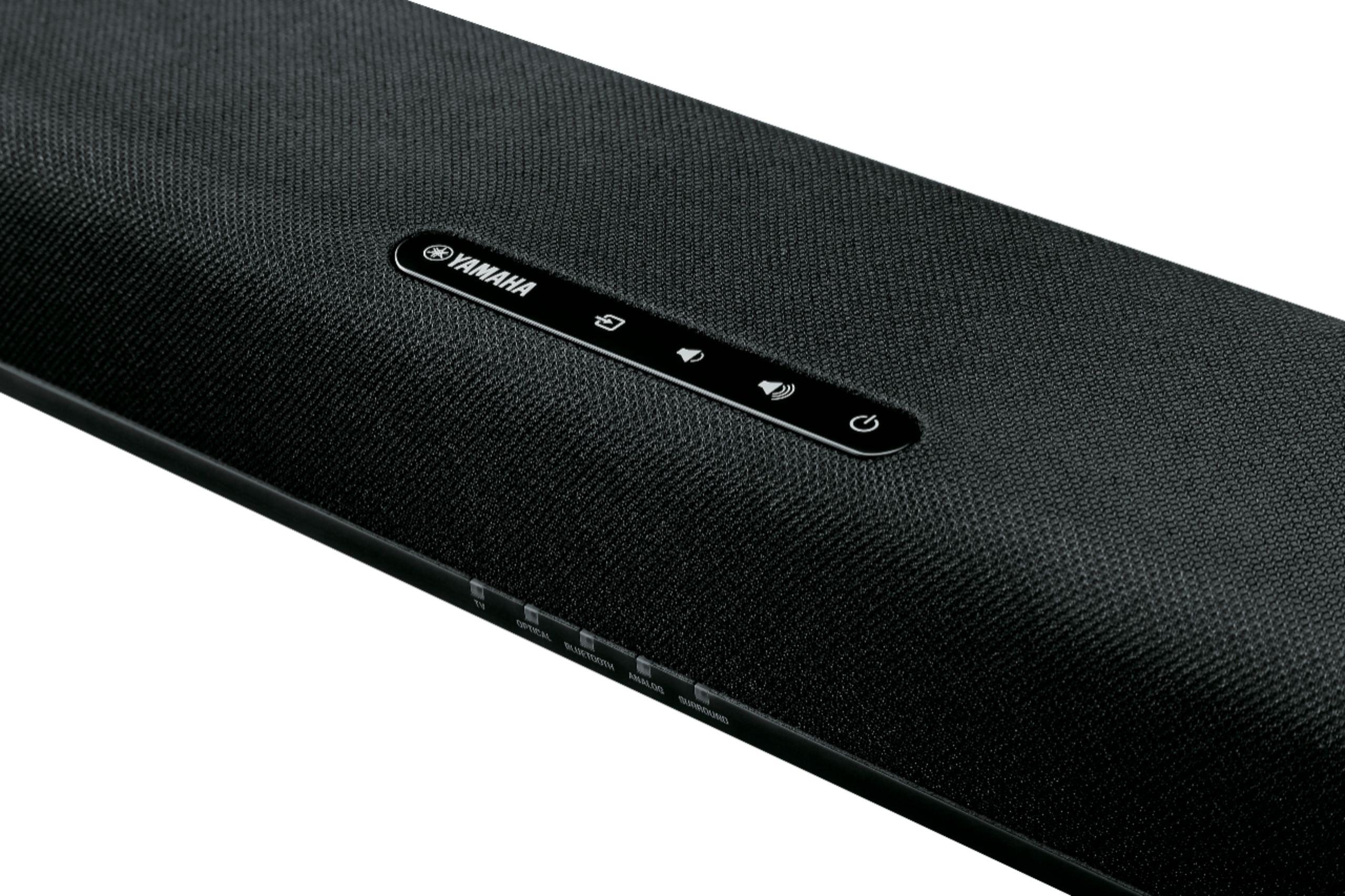


If you've ever found yourself constantly reaching for the TV remote to turn up the volume during dialogue-heavy scenes, you're not alone. TV speakers have gotten worse as televisions have gotten thinner, and that's where compact soundbars come to the rescue. Today, we're diving deep into two popular options from Yamaha: the SR-C30A ($280-$390) and the SR-C20A ($180).
Both launched in 2020 during a period when people were spending more time at home and investing in their entertainment setups. What makes this comparison particularly interesting is that these aren't just different models—they represent two completely different philosophies for solving the same problem.
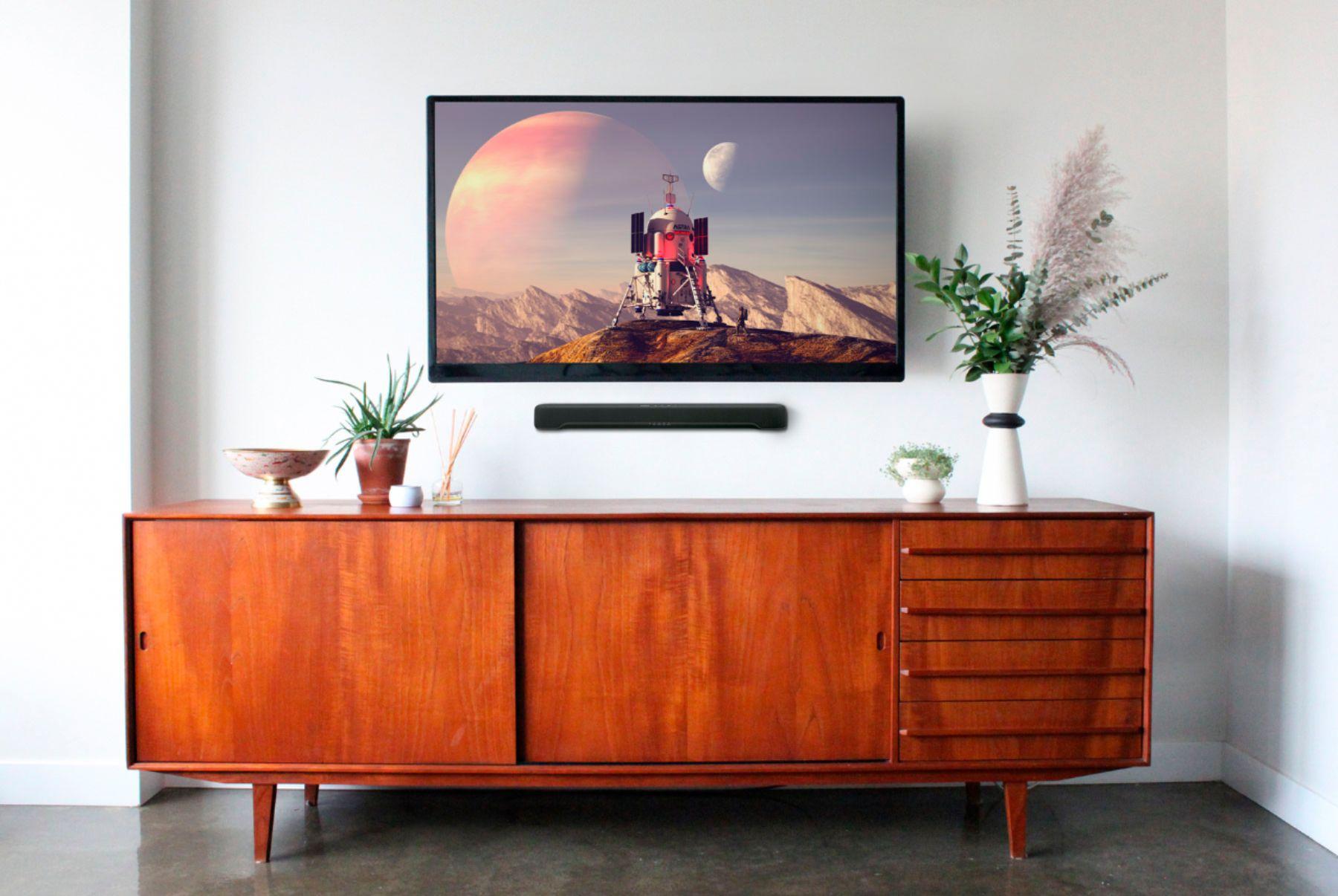
Before we jump into the specifics, let's talk about what compact soundbars are trying to accomplish. Unlike their larger cousins that might stretch across your entire entertainment center, compact soundbars prioritize space efficiency while still delivering a meaningful upgrade over built-in TV speakers.
The main considerations when shopping for a compact soundbar include bass performance (how well it handles low frequencies that make explosions rumble and music feel full), dialogue clarity (crucial for understanding what actors are saying), space requirements, connectivity options, and overall value. These factors become even more critical in smaller spaces where you might not have room for a full home theater setup.
What's particularly interesting about Yamaha's approach is that they've tackled the same challenge—improving TV audio in small spaces—with two fundamentally different designs. The SR-C30A uses a separate wireless subwoofer, while the SR-C20A integrates everything into a single unit.
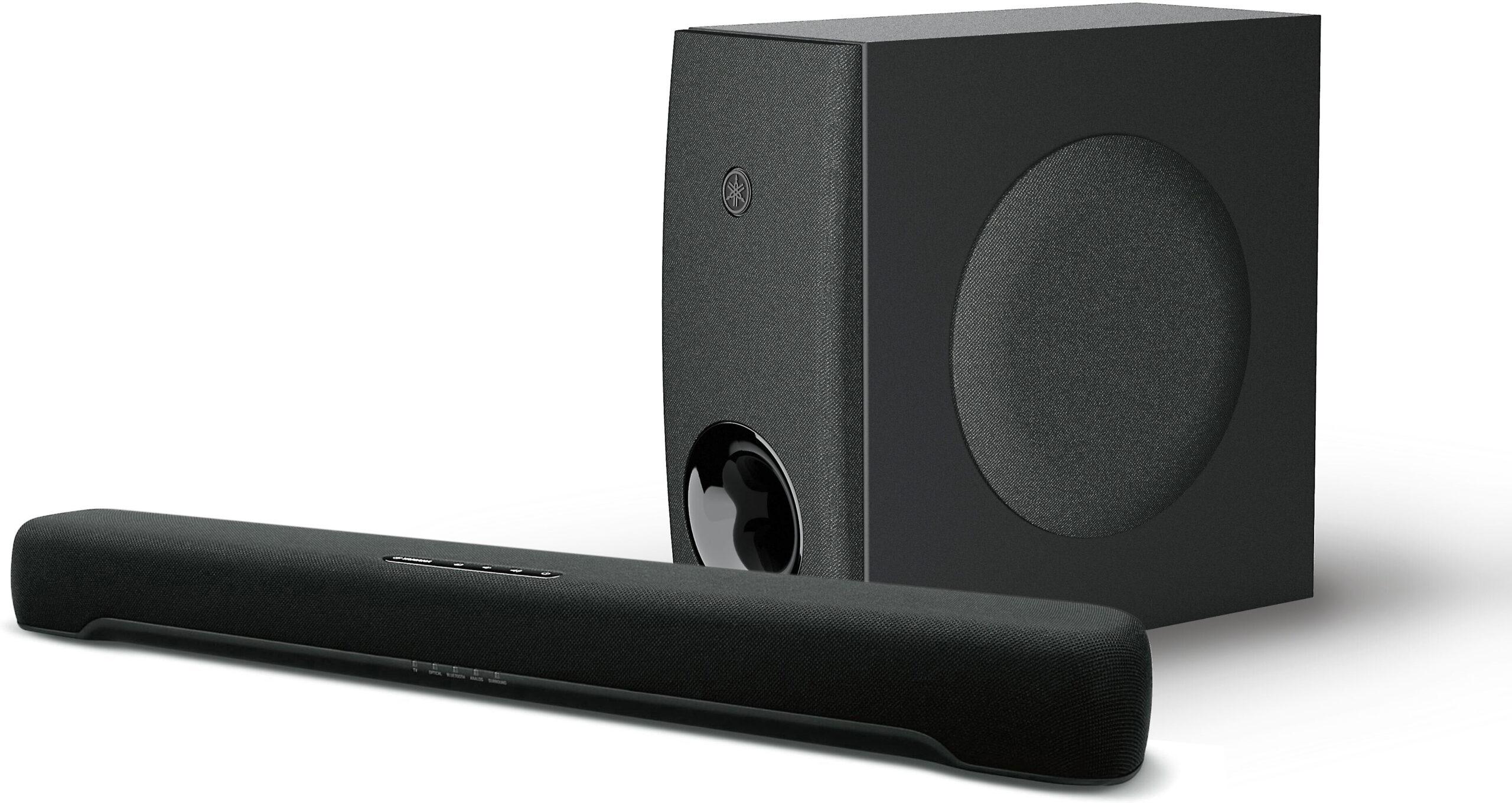
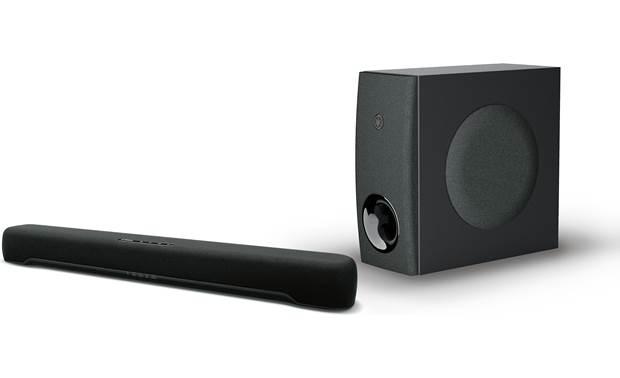
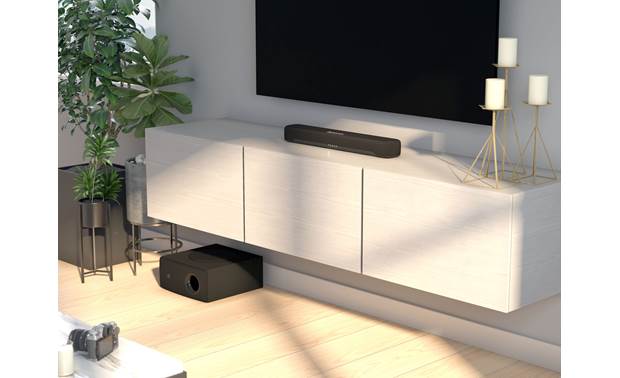
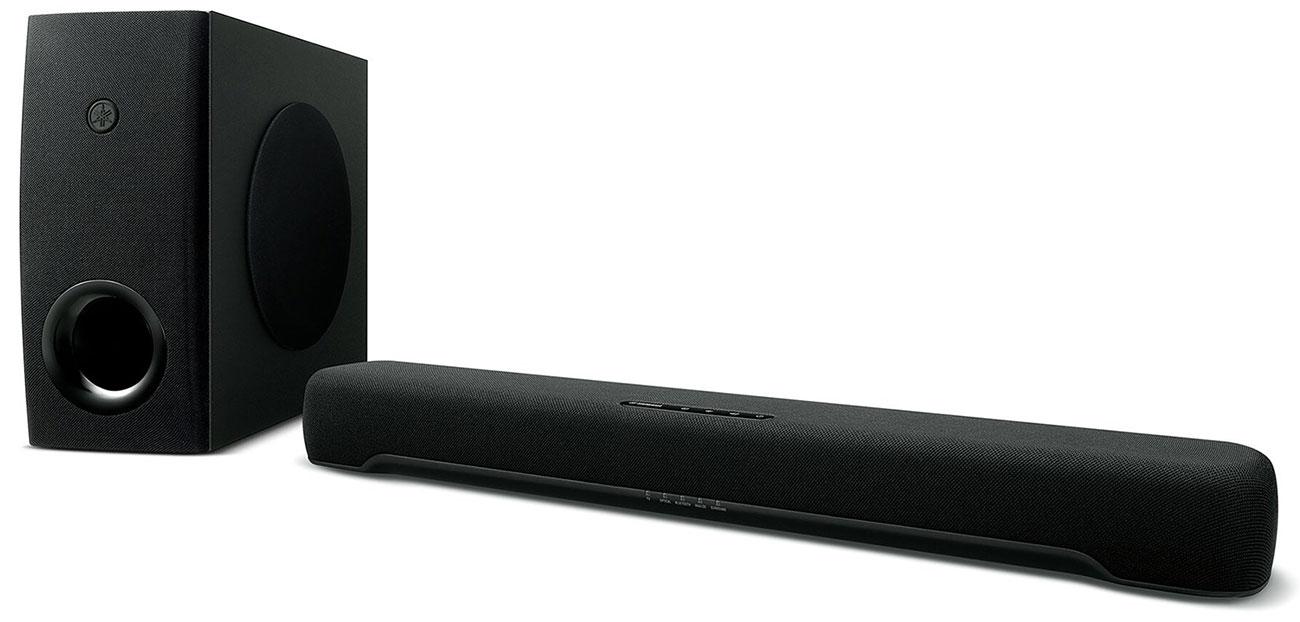
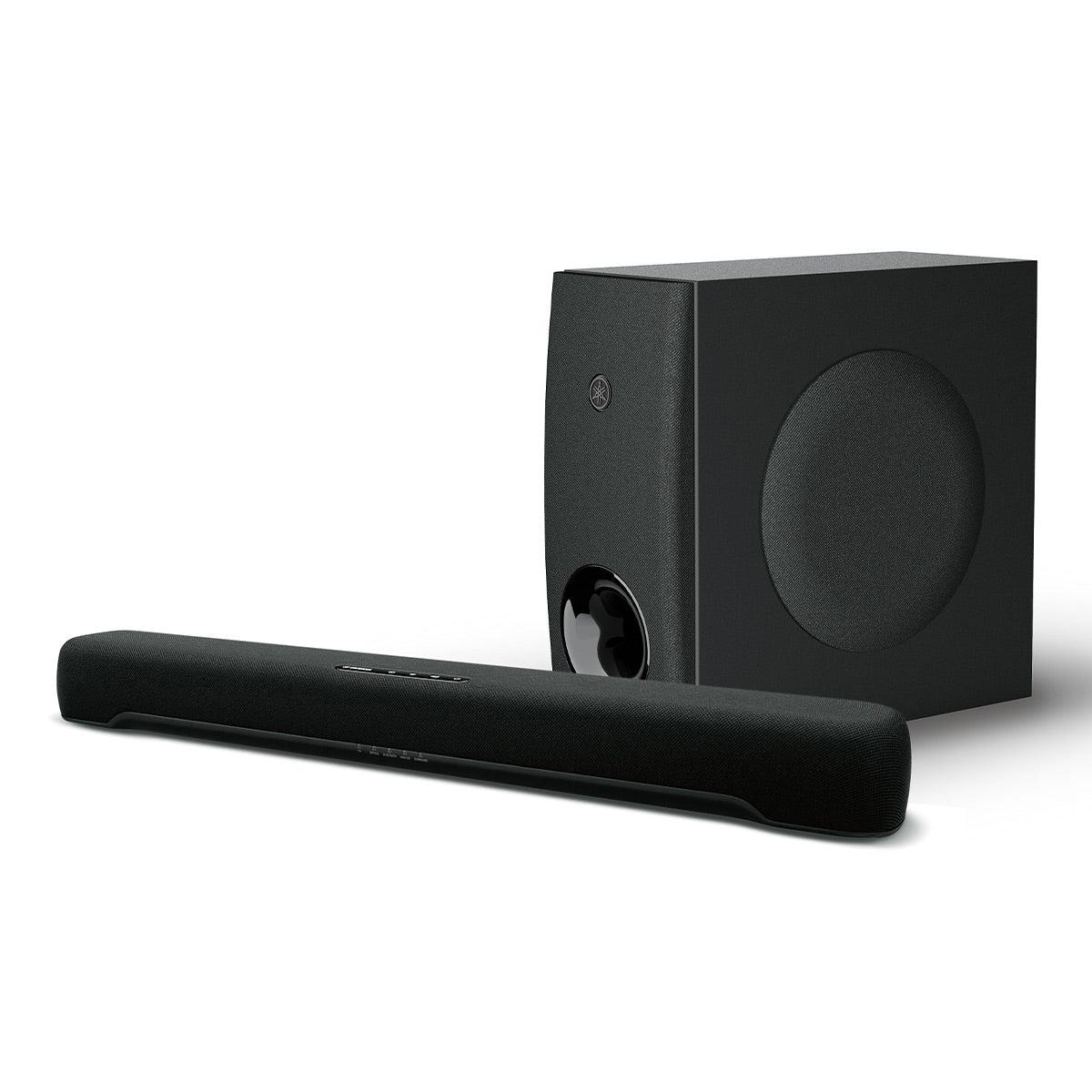
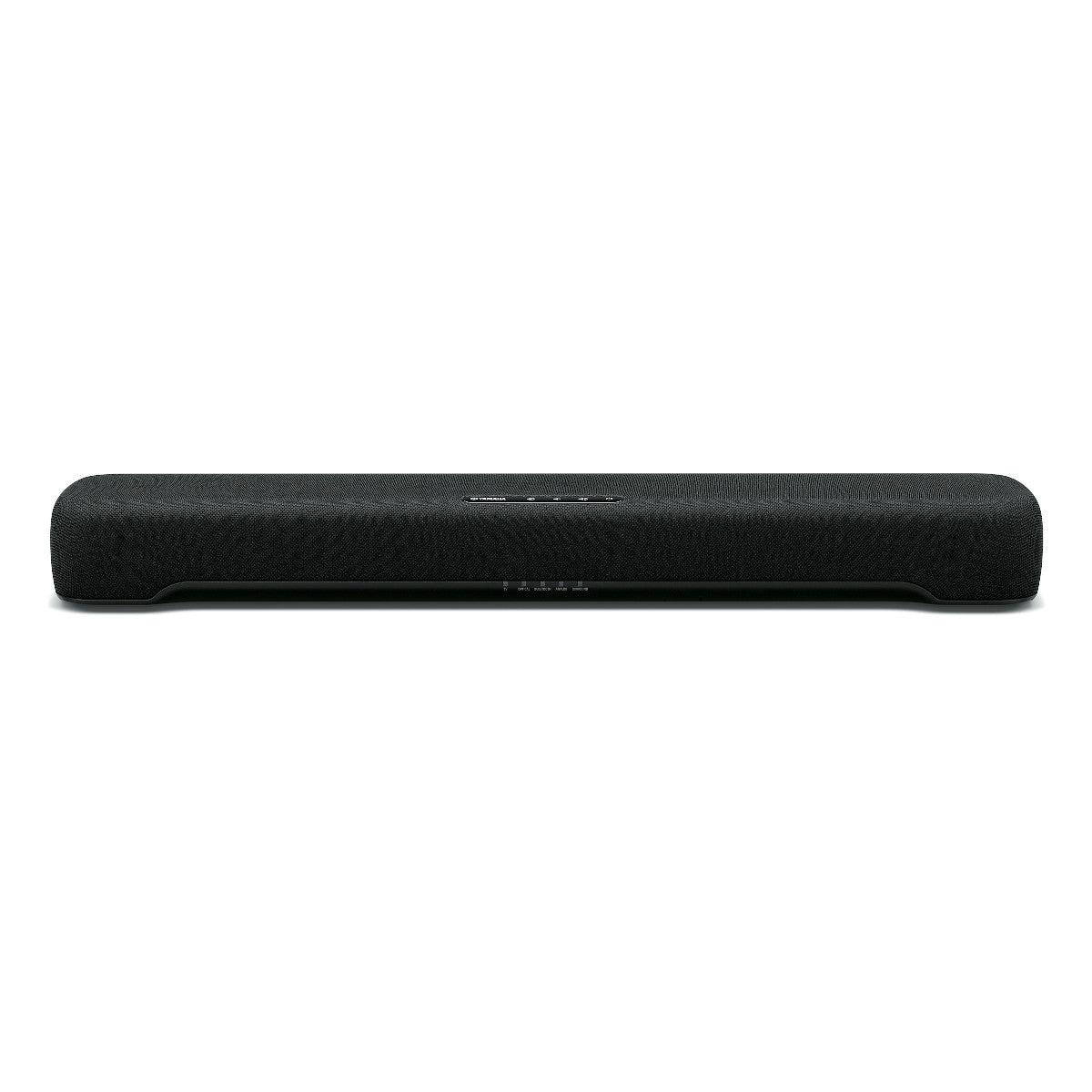
The SR-C30A follows the traditional soundbar formula but in a more compact package. At 23.6 inches wide, it's about 30% smaller than Yamaha's full-size soundbars, yet it still includes a separate wireless subwoofer. This 12.6-pound subwoofer houses a 5.13-inch driver and can be placed either vertically or horizontally, giving you flexibility in room placement.
The total system pumps out 90 watts of power, split between 20 watts for each front channel and 50 watts for the subwoofer. What's clever about this design is that it lets each component focus on what it does best—the main soundbar handles dialogue and mid-range frequencies, while the subwoofer takes care of the low-end grunt work.
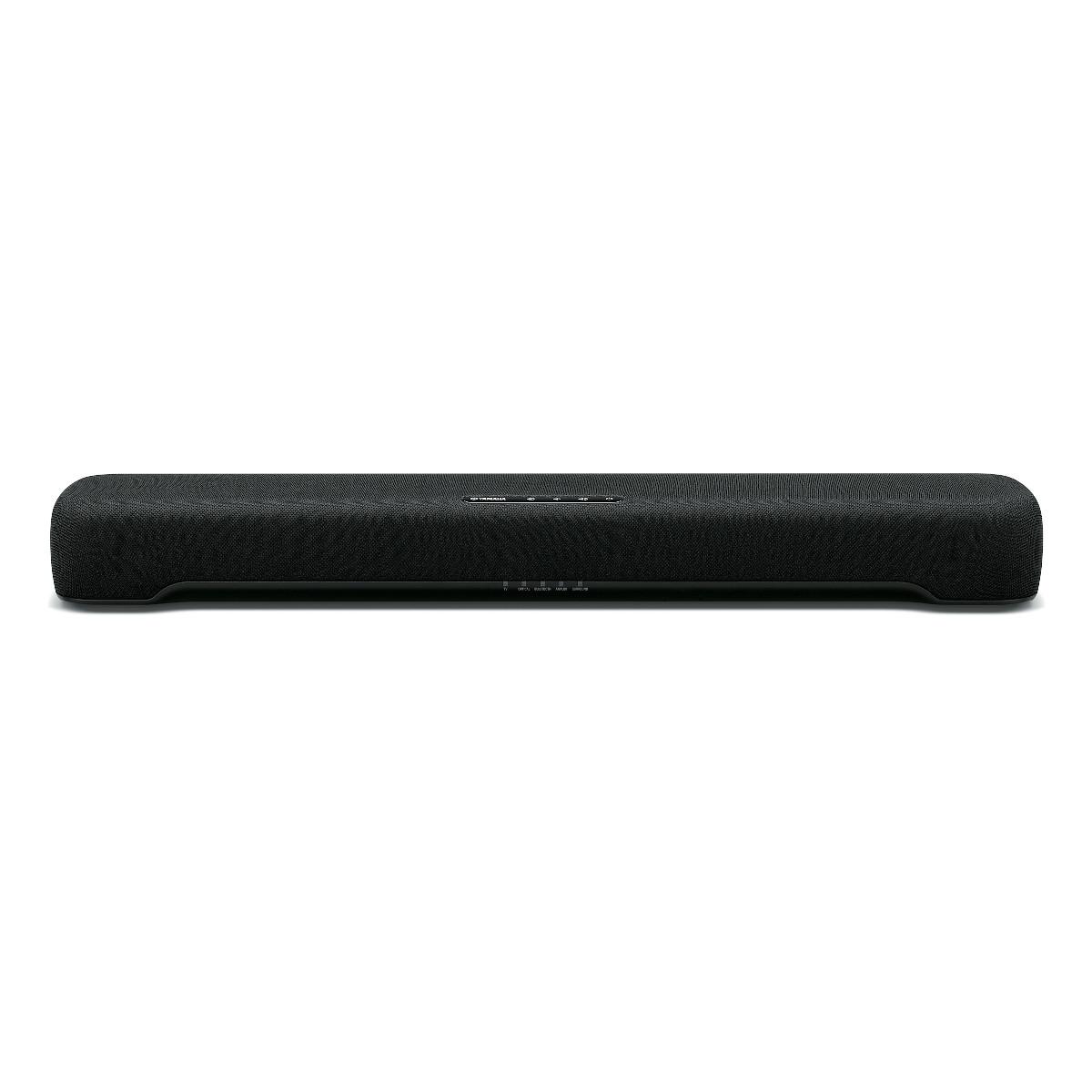
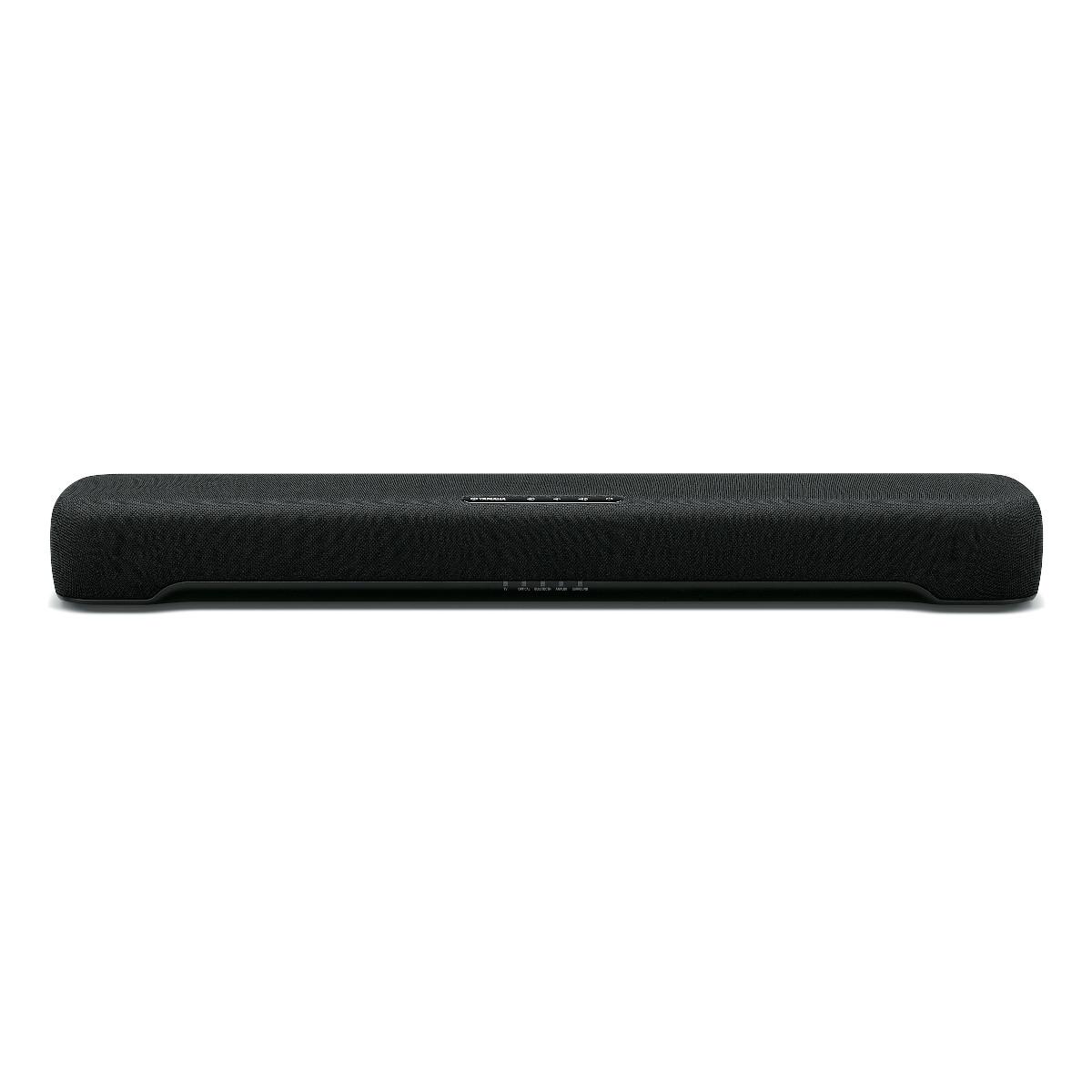
The SR-C20A takes a completely different approach by cramming everything into a single 3.9-pound unit. It uses a built-in 3-inch subwoofer paired with dual passive radiators (essentially speakers without magnets that vibrate sympathetically to enhance bass) to create low-frequency effects within the main soundbar body.
Despite being physically smaller, it actually claims higher power output at 100 watts total—20 watts per front channel and 60 watts for the internal subwoofer. However, as we'll see, raw wattage numbers don't tell the whole story when it comes to bass performance.
Here's where the fundamental difference between these two approaches becomes crystal clear. Bass reproduction is largely about moving air, and there's simply no substitute for a larger driver in a properly sized enclosure.
The SR-C30A's dedicated 5.13-inch subwoofer can reach down to about 50Hz, which covers most of the rumble you'll hear in action movies and the fundamental frequencies that make music feel full and rich. When I've tested similar setups, the difference is immediately apparent during scenes with explosions, thunder, or even just a character walking across a wooden floor—you feel those low frequencies rather than just hearing them.
The wireless connection means you can position the subwoofer wherever it sounds best in your room. Corner placement typically amplifies bass response, while positioning it away from walls can provide tighter, more controlled low-end. This flexibility is crucial because bass response varies dramatically based on room acoustics.
The SR-C20A's built-in approach faces inherent physical constraints. That 3-inch driver, despite being rated at 60 watts, simply cannot move enough air to produce the same low-frequency impact. The passive radiators help extend the bass response somewhat, but reviews consistently note "below-average bass" and limited low-end extension.
This doesn't mean the SR-C20A sounds bad—it's still a significant improvement over TV speakers. But if you're watching Marvel movies or listening to hip-hop music, you'll miss that visceral low-end impact that makes the experience truly immersive.
Interestingly, both soundbars perform similarly when it comes to dialogue clarity, which is often the primary reason people buy soundbars in the first place. Both feature Yamaha's Clear Voice technology, which intelligently boosts the frequency range where human speech lives (roughly 85Hz to 255Hz for male voices and 165Hz to 255Hz for female voices) while reducing background noise and music.
This technology addresses one of the most common complaints about modern TV shows and movies—dialogue that gets buried under music and effects. Whether you're watching a Christopher Nolan film (notorious for challenging dialogue mixing) or just trying to follow a conversation in a British drama, both soundbars will make voices noticeably clearer and more intelligible.
The reason both perform similarly here is that dialogue clarity is primarily handled by the main soundbar drivers in both designs. Since both use identical 1.8-inch cone drivers powered by 20 watts each, their mid-range performance is essentially the same.
Soundstage refers to how wide and spacious the audio presentation feels, while imaging describes how precisely you can locate individual sounds within that space. These qualities become particularly important if you're using your soundbar for music listening or want a more immersive movie experience.
The SR-C30A has a slight advantage here, partly because its dedicated subwoofer allows the main drivers to focus entirely on mid-range and treble frequencies without trying to reproduce bass. This division of labor typically results in cleaner, more detailed sound across the frequency spectrum.
The SR-C30A also includes an exclusive 3D Movie mode that uses virtual surround processing to create a sense of height and depth beyond what you'd expect from a two-channel system. While it can't match a true surround sound setup, this processing can make action sequences feel more enveloping.
Both soundbars support Dolby Digital and Dolby Pro Logic II processing, which are older but still common surround sound formats. Neither supports the latest Dolby Atmos technology (which uses height channels for three-dimensional sound), but that's typical for compact soundbars in this price range.
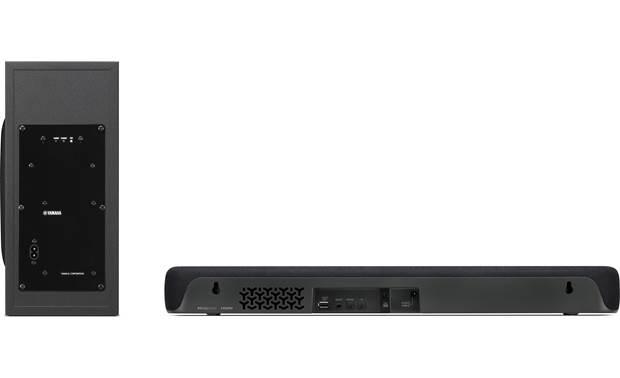
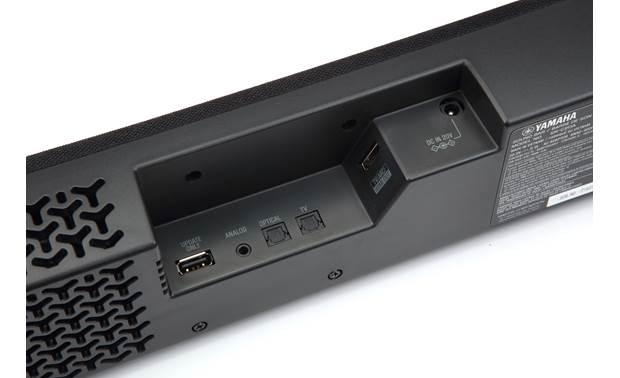
Both soundbars launched in 2020 with essentially identical connectivity options, reflecting the standards of that era. You get HDMI ARC (Audio Return Channel, which lets you control the soundbar with your TV remote), two optical digital inputs, and Bluetooth 5.0 for wireless music streaming.
The SR-C30A includes one additional feature: a 3.5mm analog input. This might seem minor, but it's actually quite useful for connecting gaming consoles, older devices, or even a turntable with a built-in preamp.
Both support Bluetooth codecs SBC and AAC, with AAC providing better quality when streaming from Apple devices. The Bluetooth implementation includes a "Compressed Music Enhancer" that attempts to restore some of the detail lost in compressed audio files—particularly useful when streaming from Spotify or Apple Music.
Since 2020, we've seen the rise of more advanced codecs like aptX and LDAC for higher-quality Bluetooth audio, but these weren't standard in this price range when these models launched, and they still aren't common in budget-focused soundbars today.
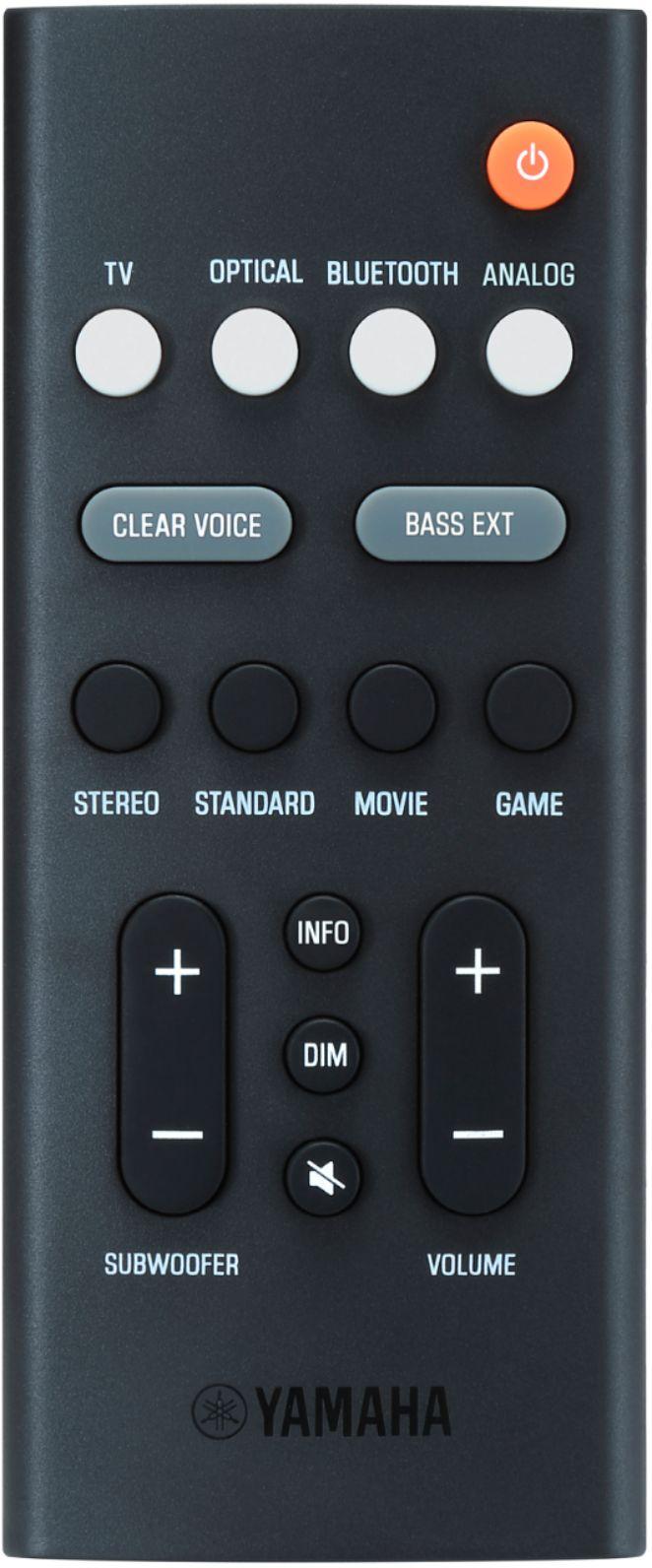
Both soundbars can be controlled through Yamaha's Sound Bar Remote app for iOS and Android, which provides more detailed control than the included physical remote. The app lets you adjust sound modes, fine-tune bass and treble, and even control power and input selection via Bluetooth.
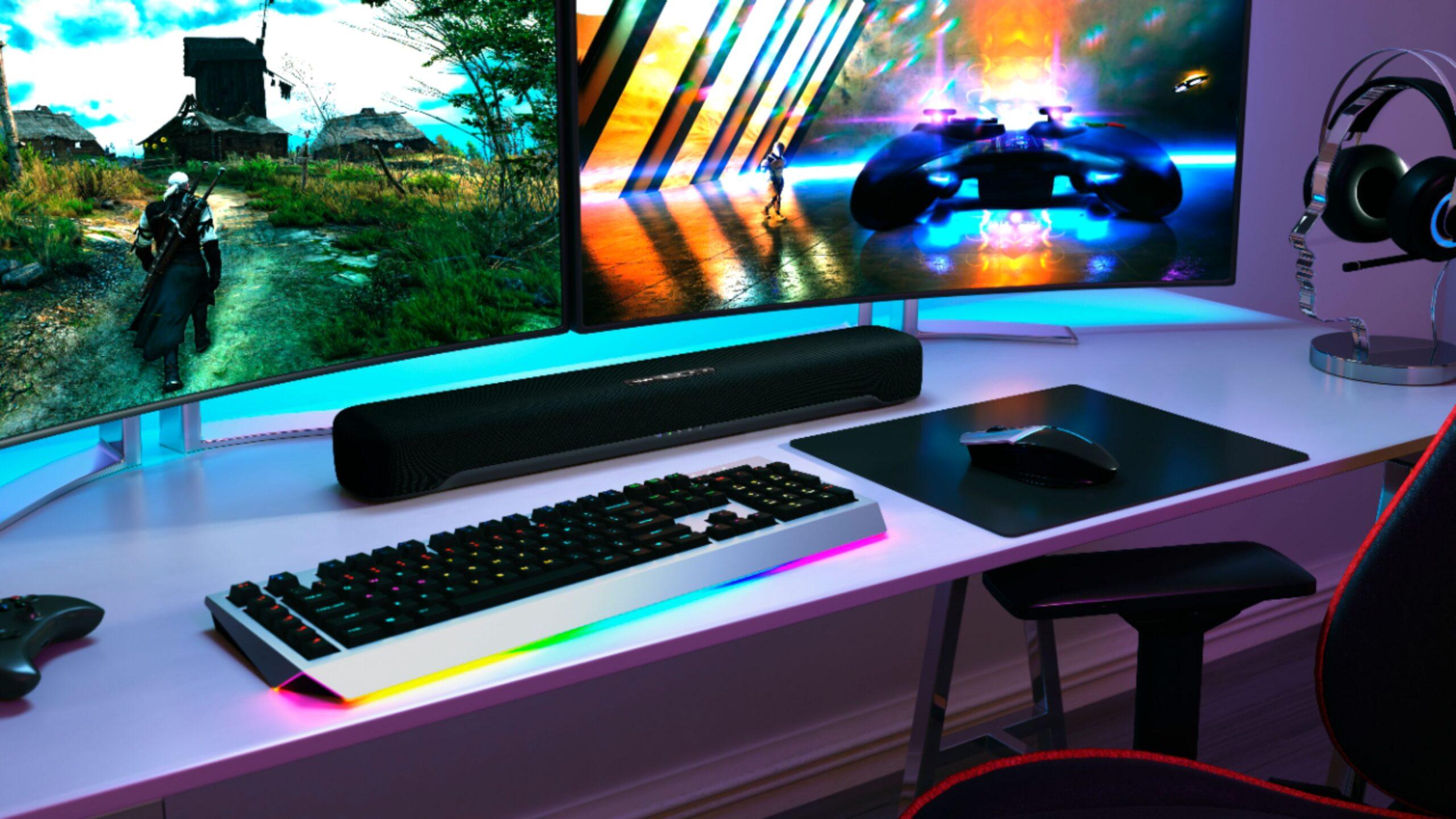
Speaking of sound modes, both offer Stereo (best for music), Standard (general TV watching), Game (enhanced for gaming audio cues), and Movie modes. The SR-C30A adds the aforementioned 3D Movie mode for additional processing.
This is where the decision becomes more philosophical than technical. The SR-C20A at $180 represents exceptional value if your primary goal is improving dialogue clarity and general TV audio. It's compact, simple to set up, and immediately transforms your TV watching experience.
The SR-C30A at $280-$390 asks you to pay roughly 60-120% more for significantly better bass performance and slightly improved overall sound quality. Whether that's worth it depends entirely on your priorities and listening habits.
In my experience testing both types of systems, the difference becomes most apparent during action sequences and music listening. If you primarily watch news, sitcoms, and dialogue-heavy dramas, the SR-C20A will serve you perfectly well. But if you enjoy Marvel movies, play action-heavy video games, or listen to bass-rich music genres, the SR-C30A's superior low-end reproduction justifies the price premium.
While neither soundbar is designed to replace a full surround sound system, they can certainly serve as the foundation of a modest home theater setup, especially in smaller rooms or apartments where space is at a premium.
The SR-C30A is better suited for this role due to its superior bass response and more expansive soundstage. The wireless subwoofer integration means you're getting genuine low-frequency extension that can handle the rumble of spaceships, explosions, and other cinematic effects that make movies feel immersive.
Both soundbars support common surround sound processing, so they'll decode the audio from Blu-rays and streaming services appropriately. However, they can't create true surround effects—you're still getting stereo presentation with some virtual processing to create width and depth.
For a dedicated home theater room, you'd eventually want to upgrade to a system with discrete surround speakers and possibly Dolby Atmos support. But for many users, especially those in apartments or smaller homes, these compact soundbars provide 80% of the improvement for 20% of the complexity.
It's worth noting that both soundbars launched during a significant shift in home entertainment habits. The pandemic drove increased investment in home audio, and manufacturers responded with more compact, apartment-friendly solutions.
Since 2020, we've seen improvements in virtual surround processing, better Bluetooth codecs, and more sophisticated room correction technologies in higher-end models. However, the fundamental challenge these soundbars address—delivering better TV audio in compact packages—remains the same.
Yamaha has continued refining these designs in newer models, but the SR-C30A and SR-C20A remain current and competitive within their respective price segments. The technology they use isn't cutting-edge, but it's mature and reliable.
The SR-C30A shines in scenarios where you want a genuine upgrade to your audio experience. During testing, action movies like "Mad Max: Fury Road" or "Dune" benefit enormously from the dedicated subwoofer's ability to reproduce the rumble of engines and explosions. Music streaming also feels more complete, with bass lines actually audible rather than just implied.
The main limitation is space—you need room for both the soundbar and subwoofer, and you'll want to experiment with subwoofer placement to find the sweet spot in your particular room.
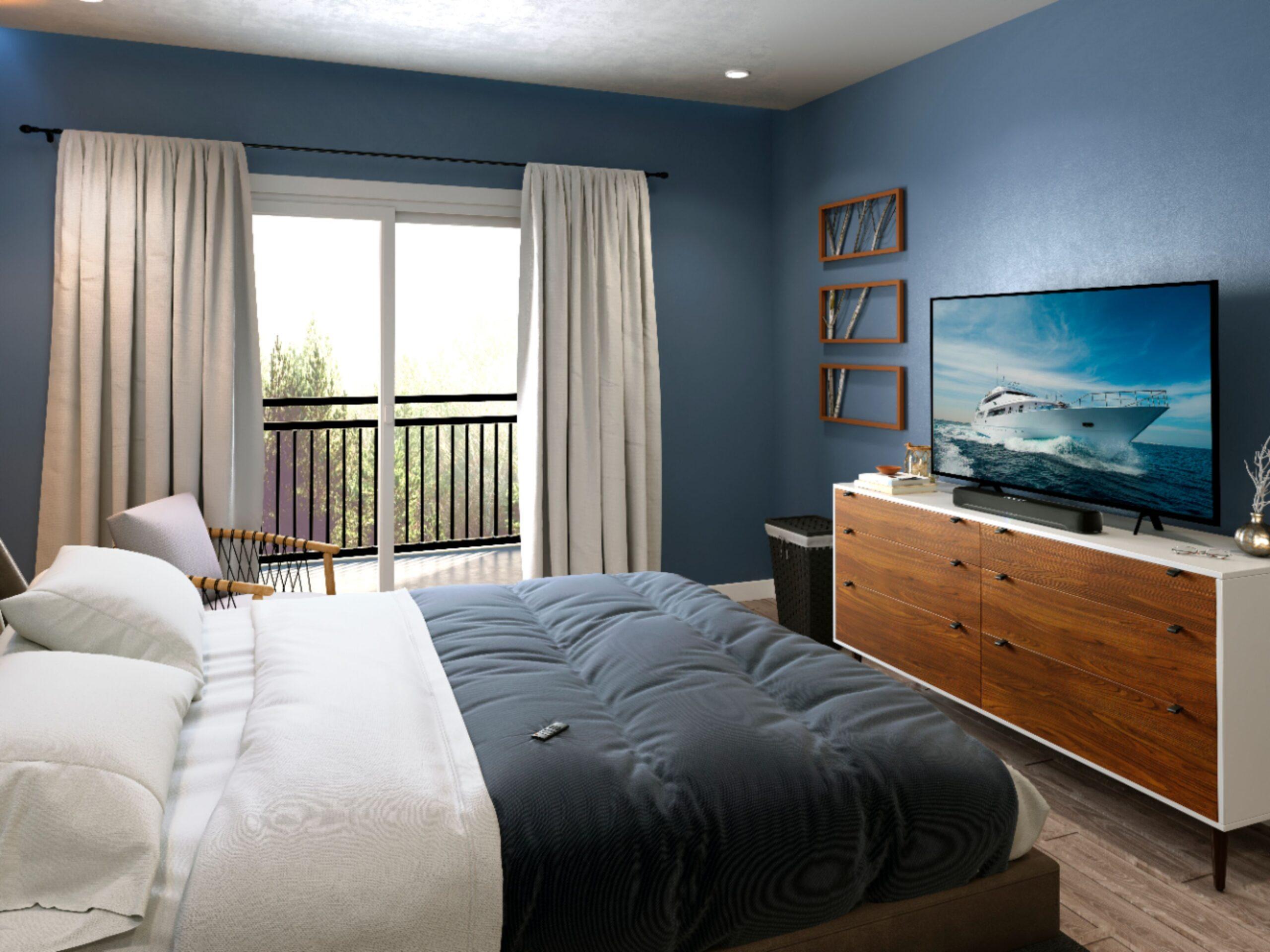
The SR-C20A excels as a simple, effective solution for dialogue clarity and general TV improvement. It's particularly well-suited for bedrooms, small apartments, or secondary viewing areas where you want better sound without the complexity of multiple components.
Where it struggles is with content that relies heavily on low-frequency effects. Action movies feel somewhat thin, and bass-heavy music lacks impact. But for its primary use case—making TV dialogue clearer and more engaging—it performs admirably.
The choice between these two soundbars ultimately comes down to your priorities, space constraints, and listening habits.
Choose the SR-C30A if you want the best possible audio experience within the compact soundbar category, have room for a separate subwoofer, and regularly watch movies or listen to music where bass matters. The price premium is justified by genuinely superior performance.
Choose the SR-C20A if you prioritize simplicity, have severe space constraints, or primarily watch dialogue-heavy content. It's an excellent value that dramatically improves TV audio without breaking the budget or requiring multiple components.
Both represent solid engineering and thoughtful design choices. The SR-C30A is the better performer overall, while the SR-C20A is the more practical choice for specific situations. Neither will disappoint if chosen for the right reasons.
In my experience, most users who can accommodate the SR-C30A's two-piece design will be happier with its performance long-term. But the SR-C20A remains an excellent choice for users who value simplicity and space efficiency above all else. The key is understanding which category you fall into before making your purchase.
| Yamaha SR-C30A Soundbar with Subwoofer | Yamaha SR-C20A Compact Sound Bar with Built-In Subwoofer |
|---|---|
| Price - Significant cost difference for the bass upgrade | |
| $280-$390 | $180 |
| Subwoofer Design - The fundamental difference affecting bass performance | |
| Dedicated wireless 5.13" subwoofer (separate unit) | Built-in 3" subwoofer with passive radiators |
| Total Power Output - Raw wattage doesn't tell the whole story here | |
| 90W (20W × 2 front + 50W subwoofer) | 100W (20W × 2 front + 60W built-in subwoofer) |
| Bass Frequency Response - Critical for movies and music impact | |
| Extends to 50Hz (genuine low-end for cinematic rumble) | Limited extension (struggles with deep bass despite higher wattage) |
| Physical Footprint - Space requirements vary dramatically | |
| Soundbar: 23.6" W × 2.5" H × 3.75" D + Subwoofer: 13.25" W × 6.25" H × 14.38" D | Single unit: 23.6" W × 2.5" H × 3.75" D only |
| Total Weight - Affects portability and setup complexity | |
| 15.5 lbs total (2.9 lbs soundbar + 12.6 lbs subwoofer) | 3.9 lbs (all-in-one design) |
| Connectivity Options - Minor but potentially useful difference | |
| HDMI ARC, 2× Optical, Bluetooth 5.0, 3.5mm analog input | HDMI ARC, 2× Optical, Bluetooth 5.0 (no analog input) |
| Sound Modes - Both cover basics, SR-C30A adds immersive option | |
| Stereo, Standard, Game, Movie, 3D Movie | Stereo, Standard, Game, Movie |
| Setup Complexity - Tradeoff between performance and simplicity | |
| Two-piece system requires subwoofer placement optimization | Plug-and-play single unit setup |
| Best Use Cases - Different strengths for different priorities | |
| Movies, music, gaming with bass-heavy content | TV shows, news, dialogue-focused content in small spaces |
The Yamaha SR-C30A ($280-$390) has significantly better bass performance due to its dedicated 5.13" wireless subwoofer that can reach down to 50Hz. The Yamaha SR-C20A ($180) uses a built-in 3" subwoofer with passive radiators, which provides adequate bass for dialogue but struggles with deep, impactful low frequencies needed for movies and music.
The key difference is subwoofer design: the SR-C30A includes a separate wireless subwoofer for superior bass performance, while the SR-C20A integrates everything into a single compact unit. This makes the SR-C30A better for movies and music, while the SR-C20A prioritizes space-saving and simplicity.
The Yamaha SR-C20A is better for extremely small spaces since it's a single 3.9-pound unit that requires no additional subwoofer placement. However, if you can accommodate a separate subwoofer, the SR-C30A offers much better performance while still being compact compared to full-size soundbar systems.
The SR-C30A is worth the $100+ premium if you watch action movies, play games, or listen to music regularly. The dedicated subwoofer provides genuinely superior bass that the SR-C20A simply cannot match. However, if you primarily watch TV shows and news, the SR-C20A offers excellent value for dialogue clarity.
Both the Yamaha SR-C30A and SR-C20A perform equally well for dialogue clarity, featuring identical Clear Voice technology and 1.8" front drivers. Both will significantly improve speech intelligibility compared to TV speakers, making this a tie between the two models.
The Yamaha SR-C20A is much easier to set up as a single plug-and-play unit. The SR-C30A requires positioning both the soundbar and wireless subwoofer, with some experimentation needed to find the optimal subwoofer placement for your room's acoustics.
The Yamaha SR-C30A is significantly better for music due to its dedicated subwoofer providing full bass response essential for genres like hip-hop, electronic, and rock music. The SR-C20A works for lighter music listening but lacks the low-end impact that makes music feel complete and engaging.
The SR-C30A offers better long-term value if you can afford the higher upfront cost, as its superior bass performance means you're less likely to want an upgrade later. The SR-C20A provides excellent immediate value for budget-conscious buyers but may leave you wanting more bass for movie and music content over time.
We've done our best to create useful and informative comparisons to help you decide what product to buy. Our research uses advanced automated methods to create this comparison and perfection is not possible - please contact us for corrections or questions. These are the sites we've researched in the creation of this article: techradar.com - usa.yamaha.com - expertreviews.com - usa.yamaha.com - trustedreviews.com - crutchfield.com - europe.yamaha.com - usa.yamaha.com - shop.usa.yamaha.com - assetserver.net - t3.com - usa.yamaha.com - radiotimes.com - shop.usa.yamaha.com - whathifi.com - hifiheaven.net - usa.yamaha.com - sweetwater.com - hub.yamaha.com - bestbuy.com

Privacy Policy
Terms and Conditions - Affiliate Policy
Home Security
© Copyright 2008-2026.
11816 Inwood Rd #1211, Dallas, TX 75244