

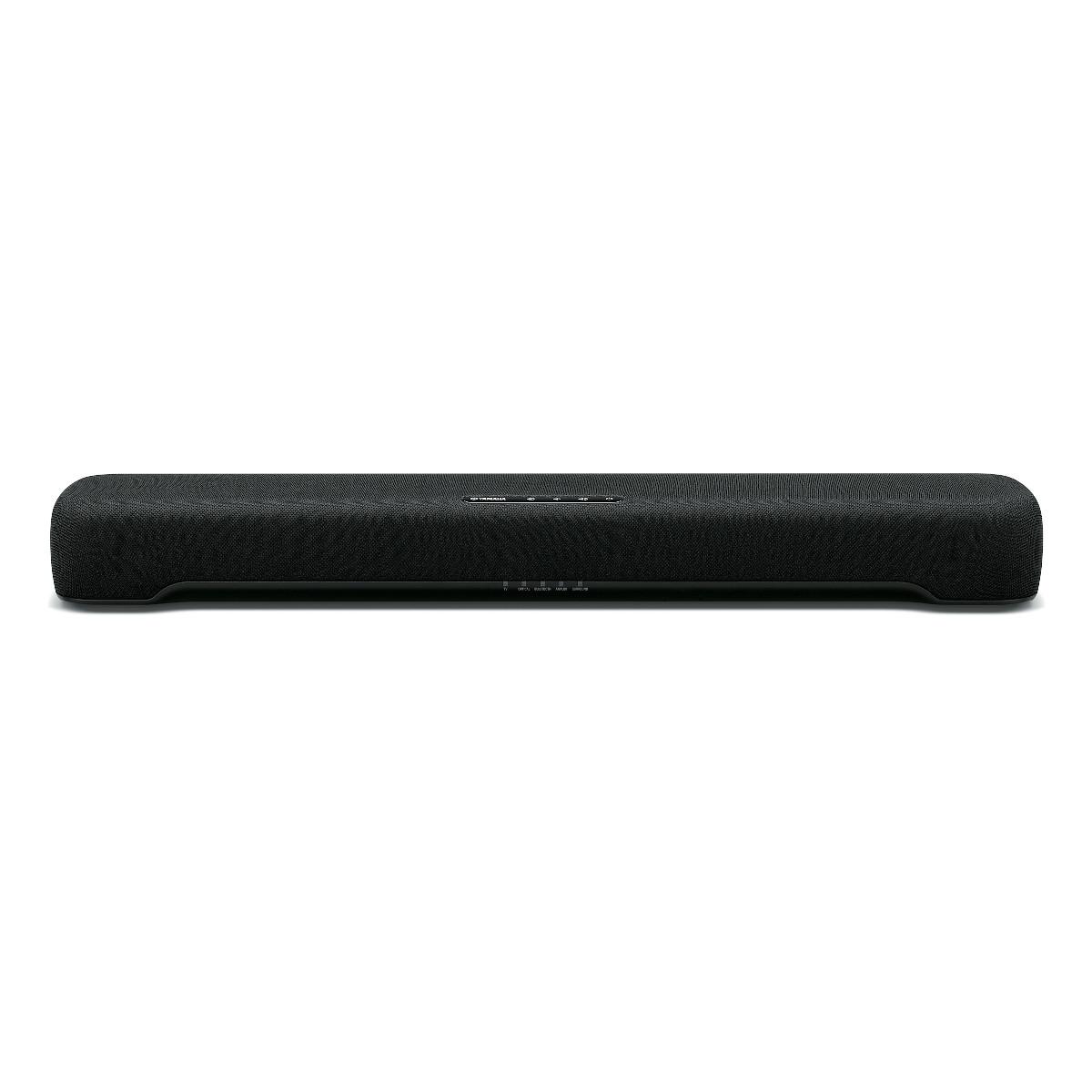

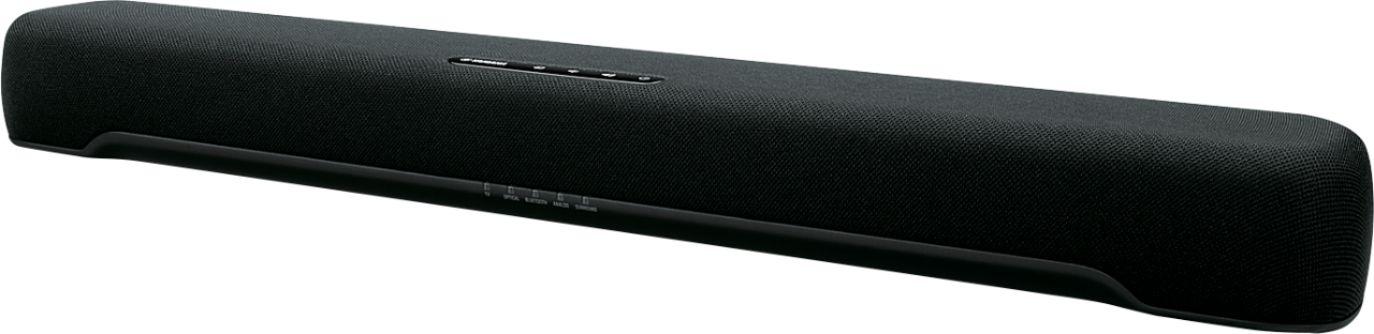


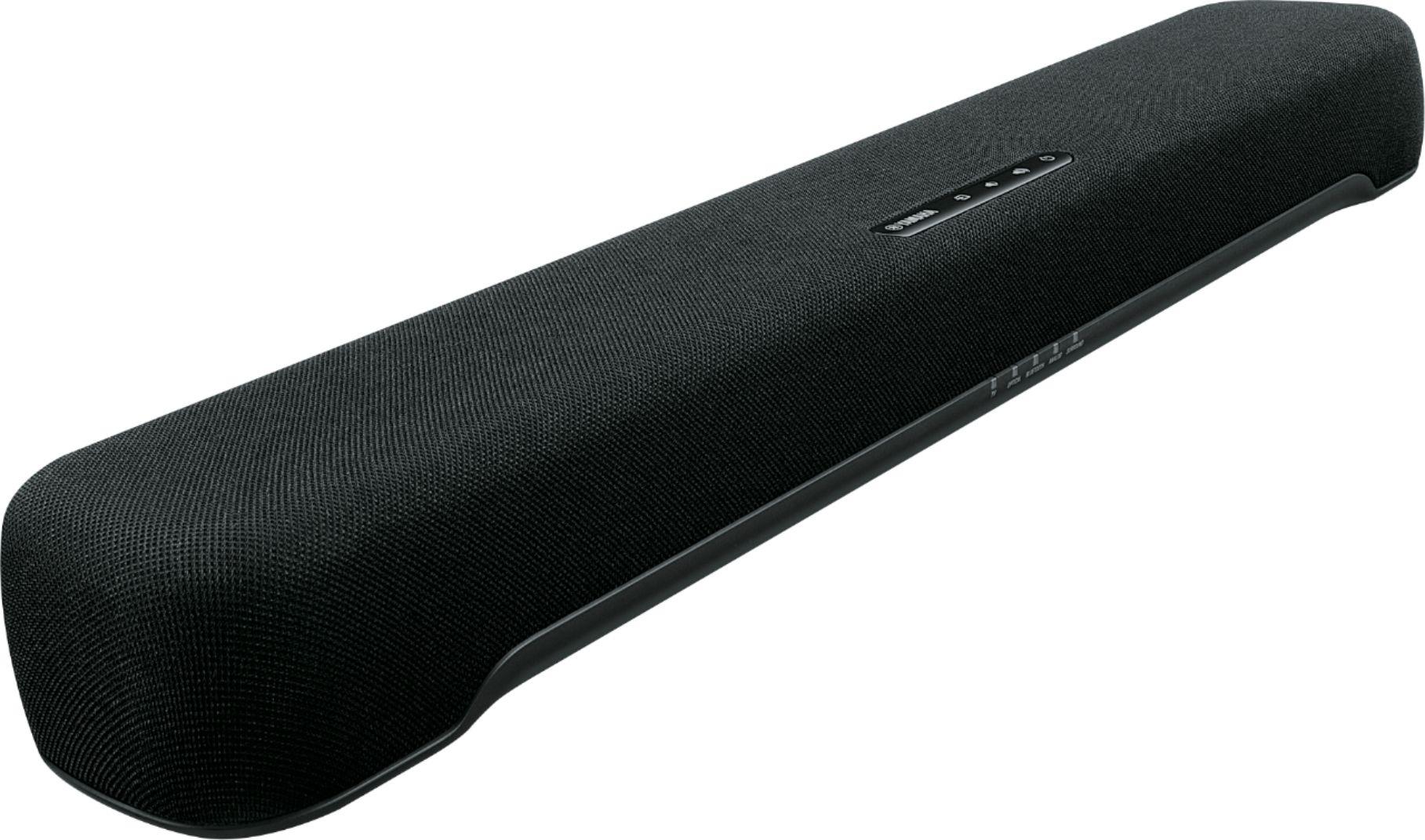

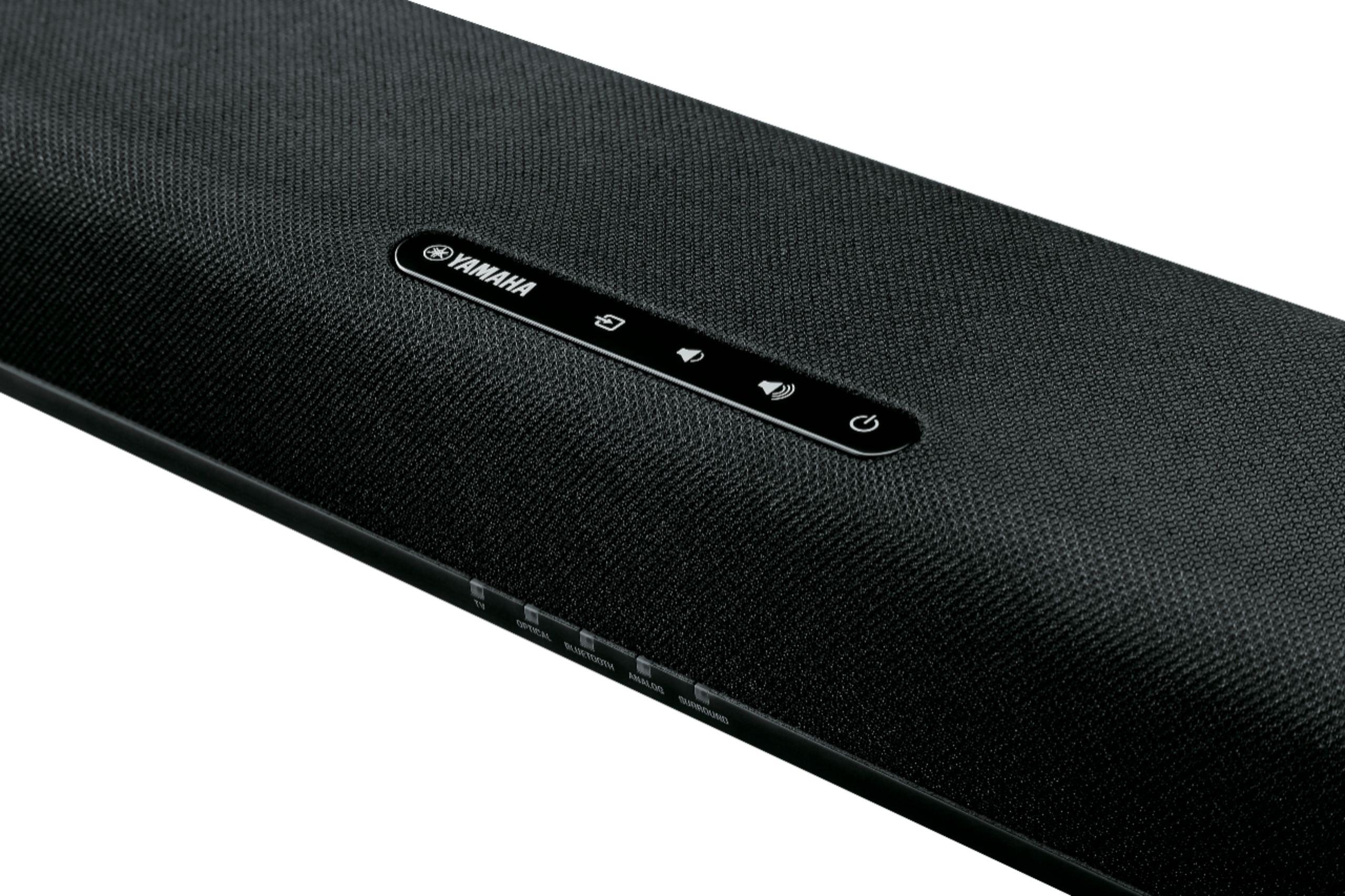




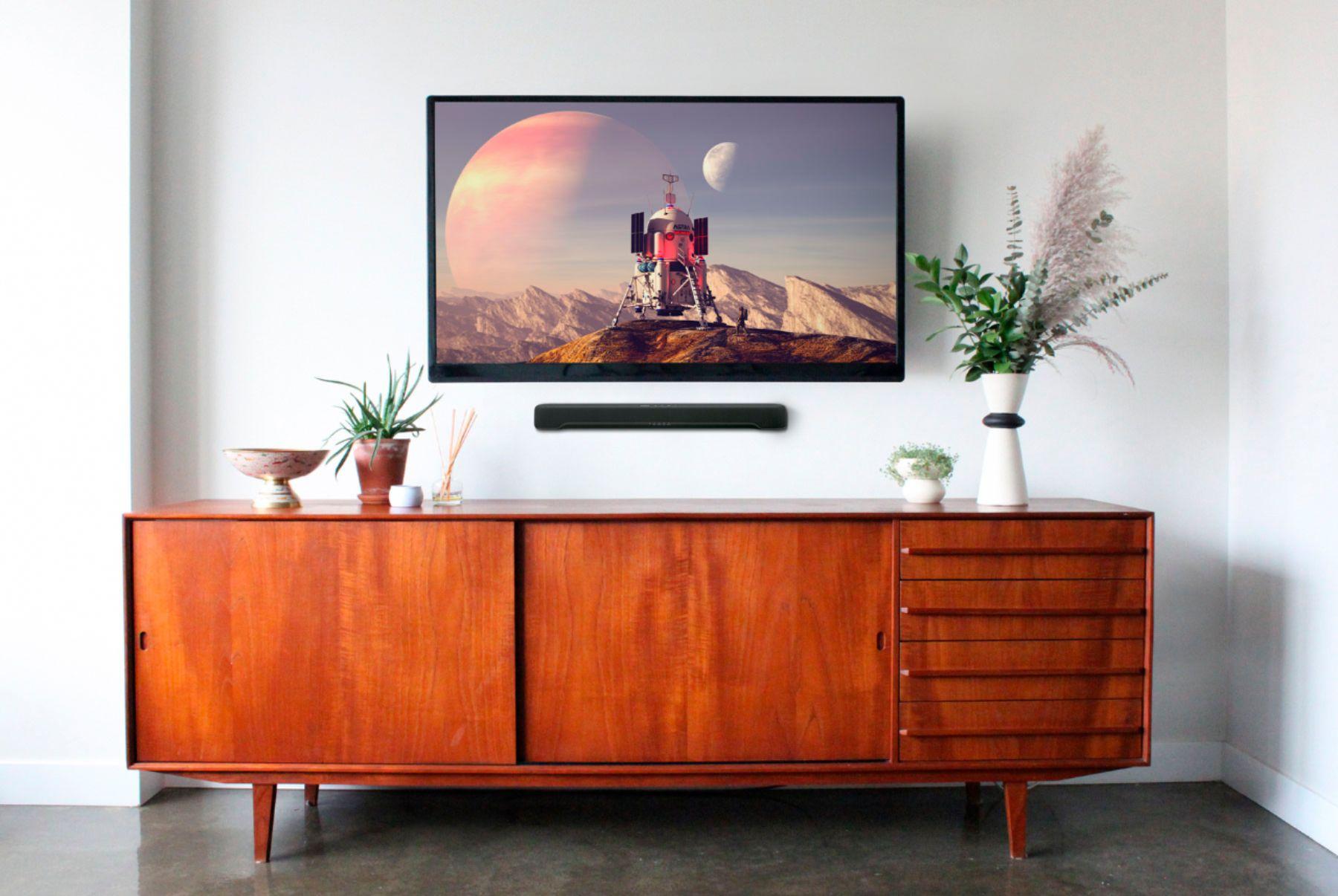
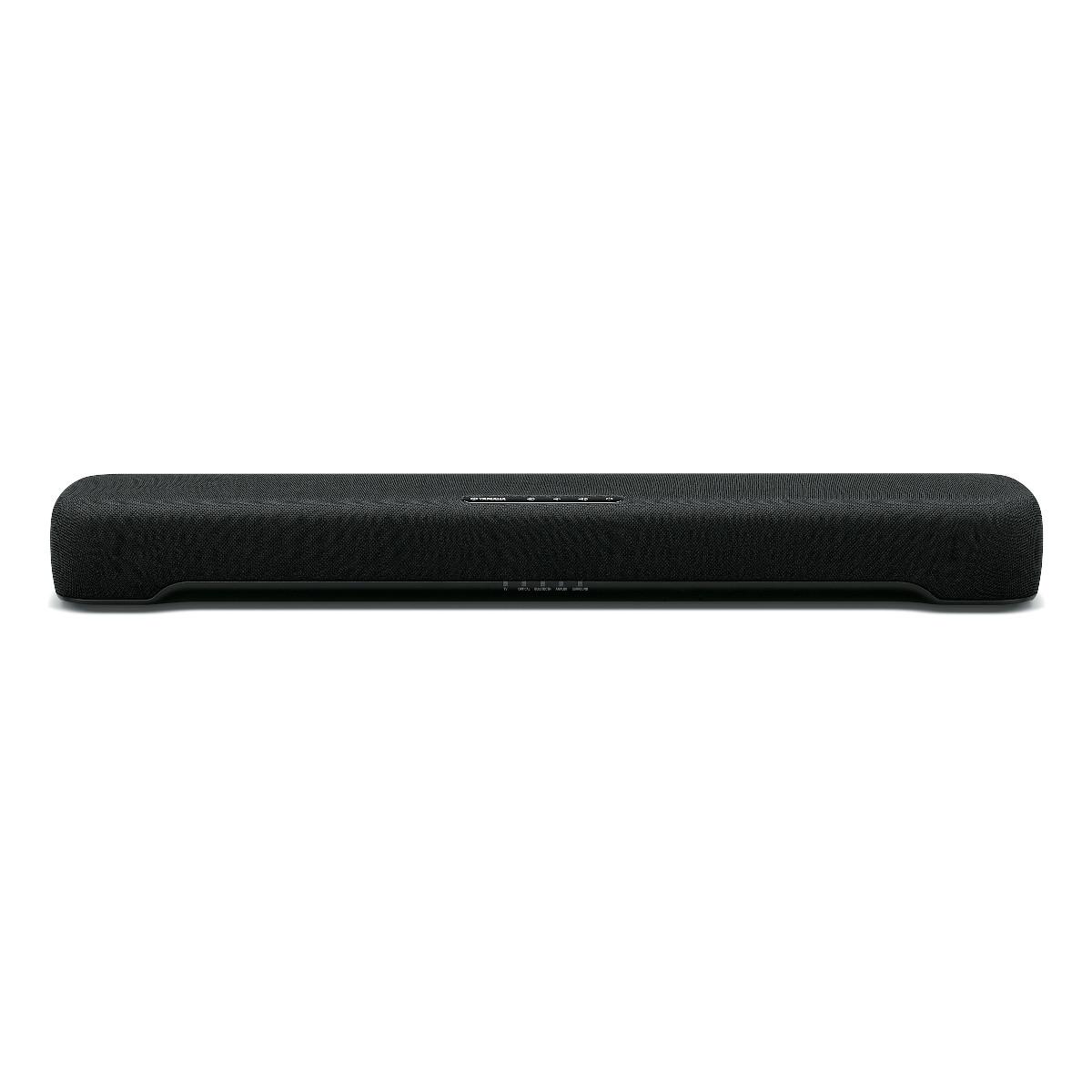
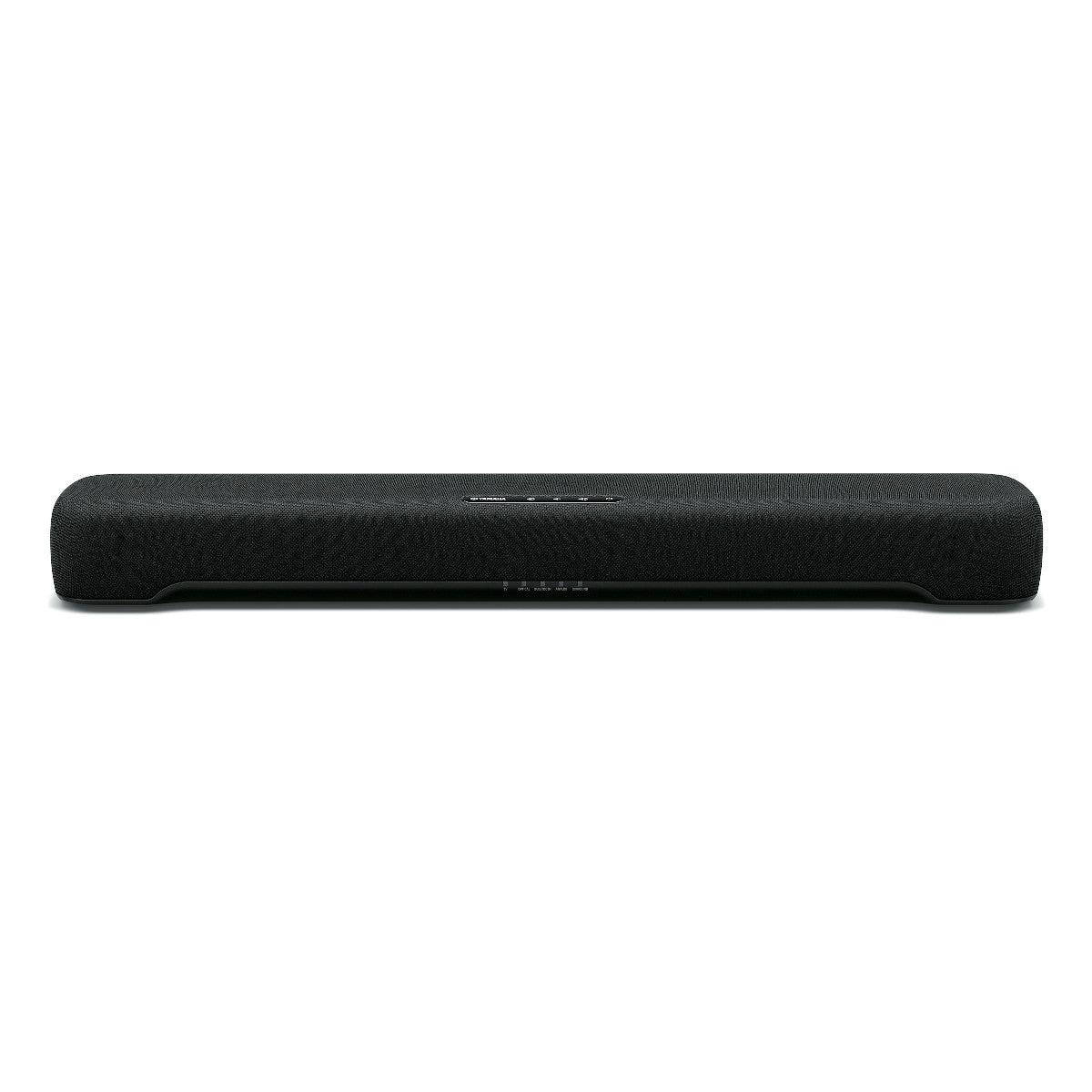
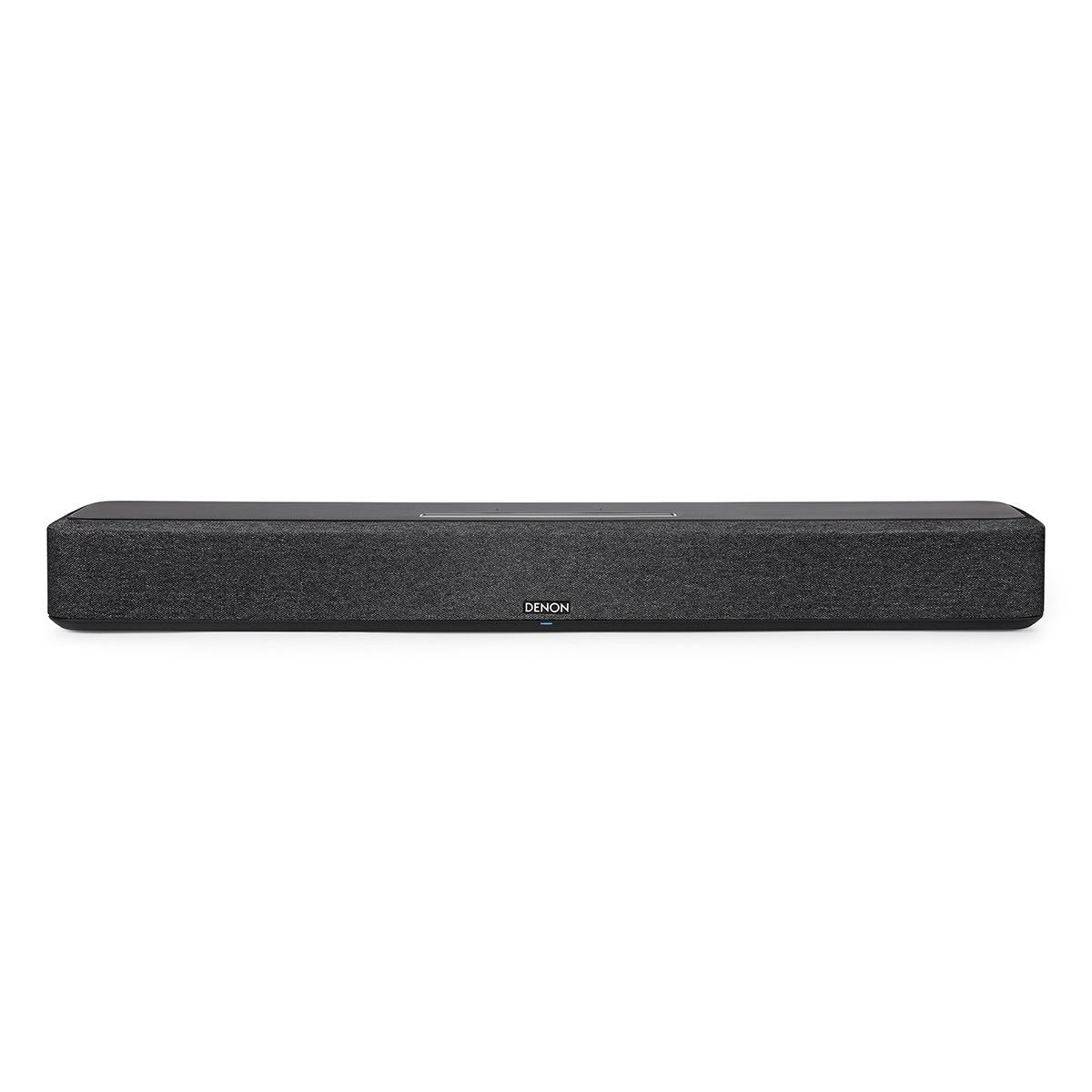

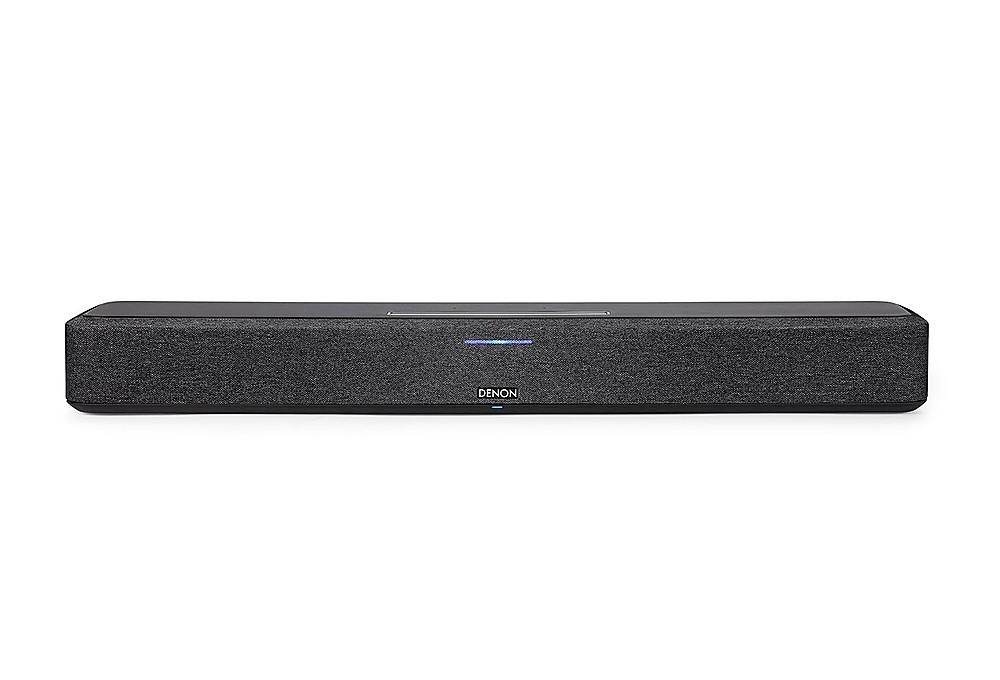
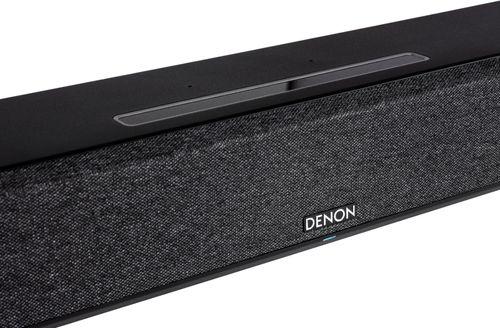
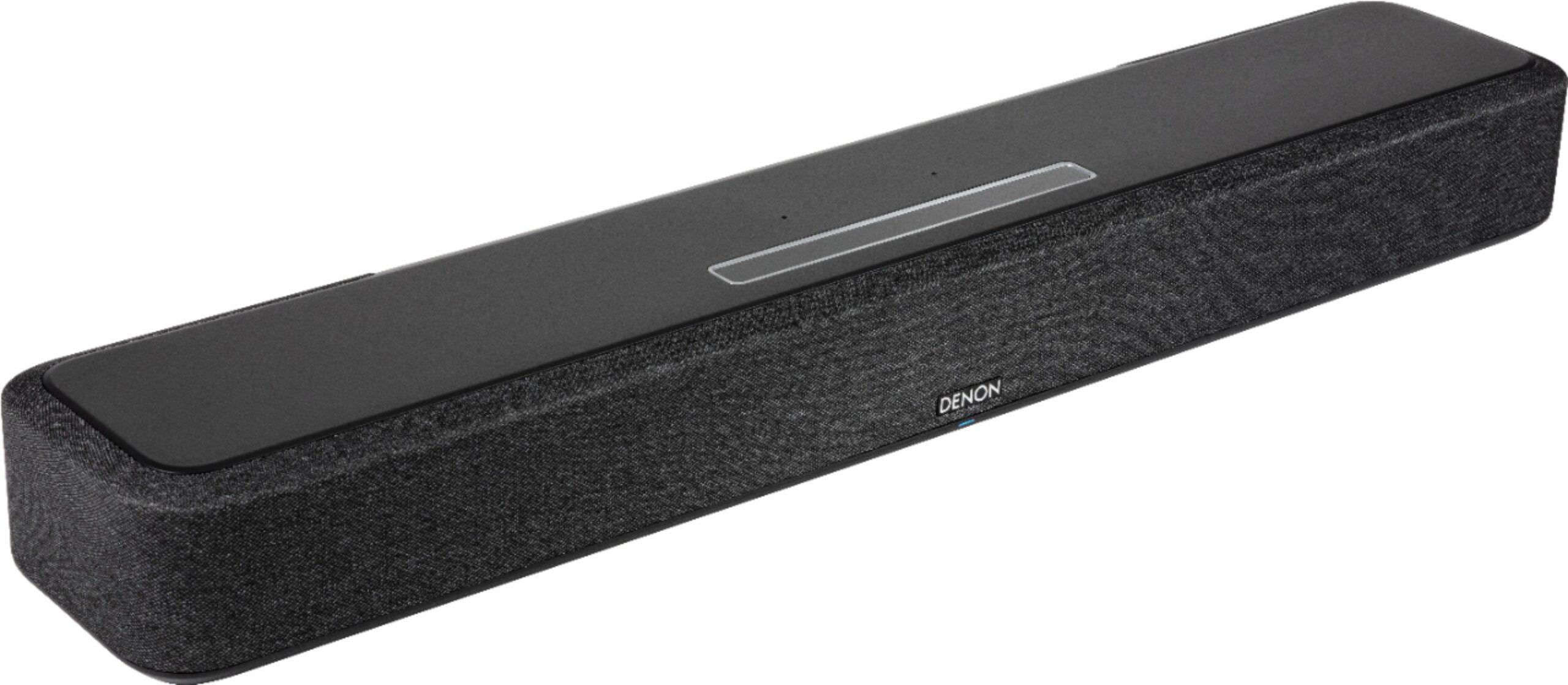
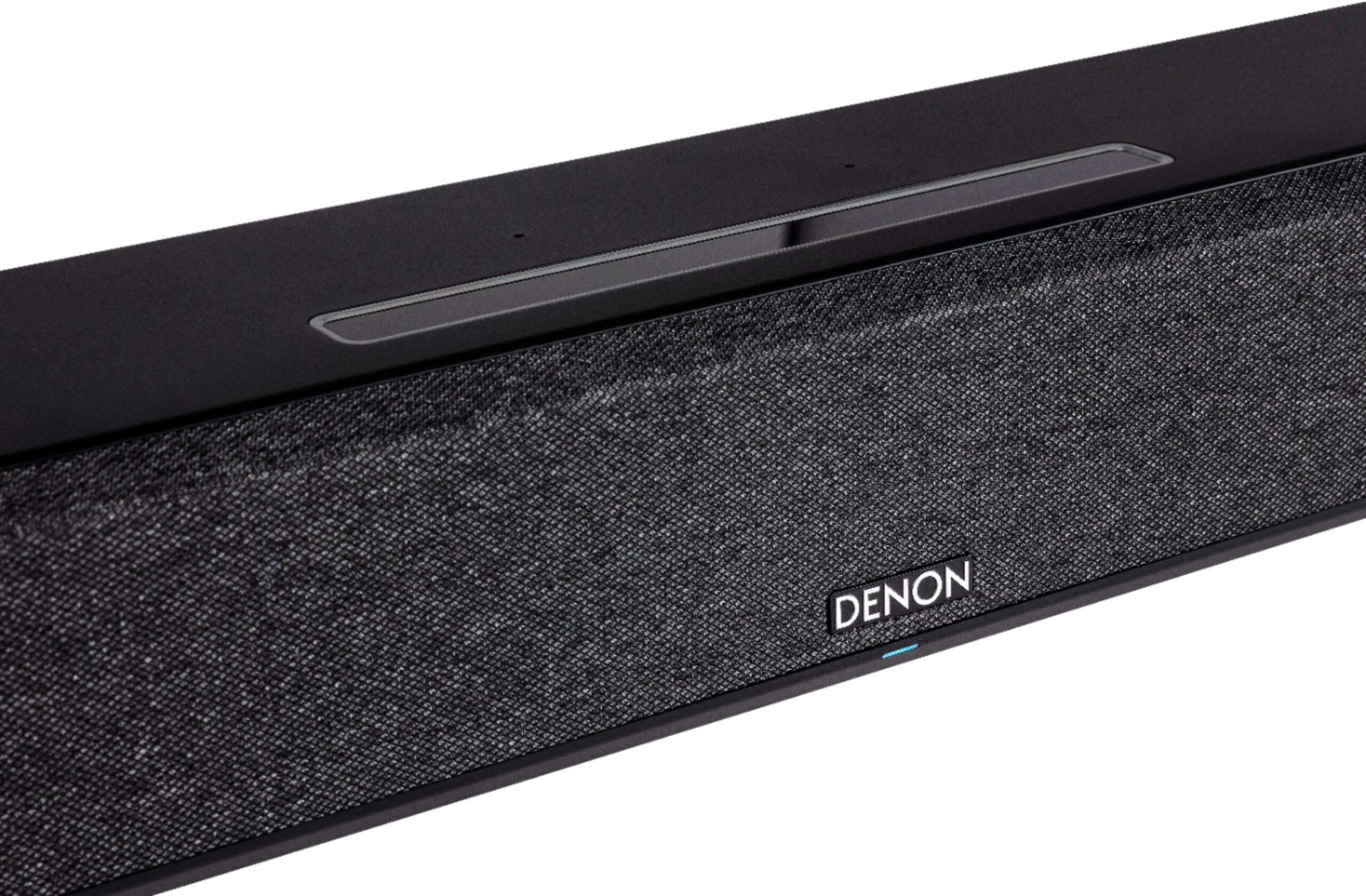

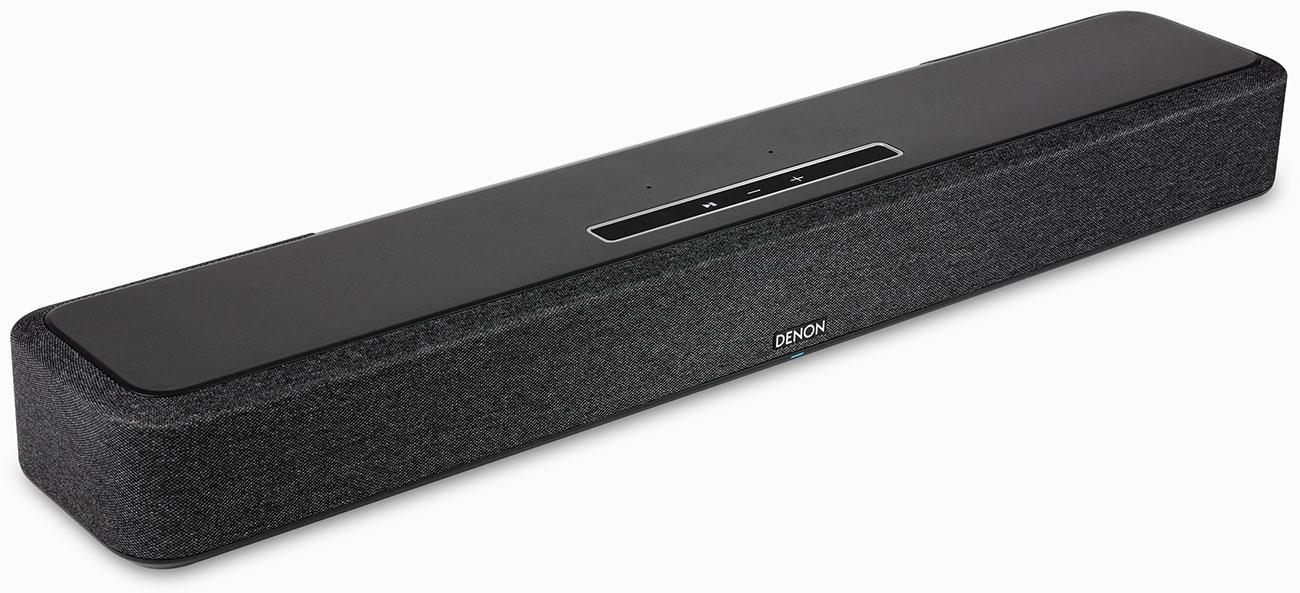
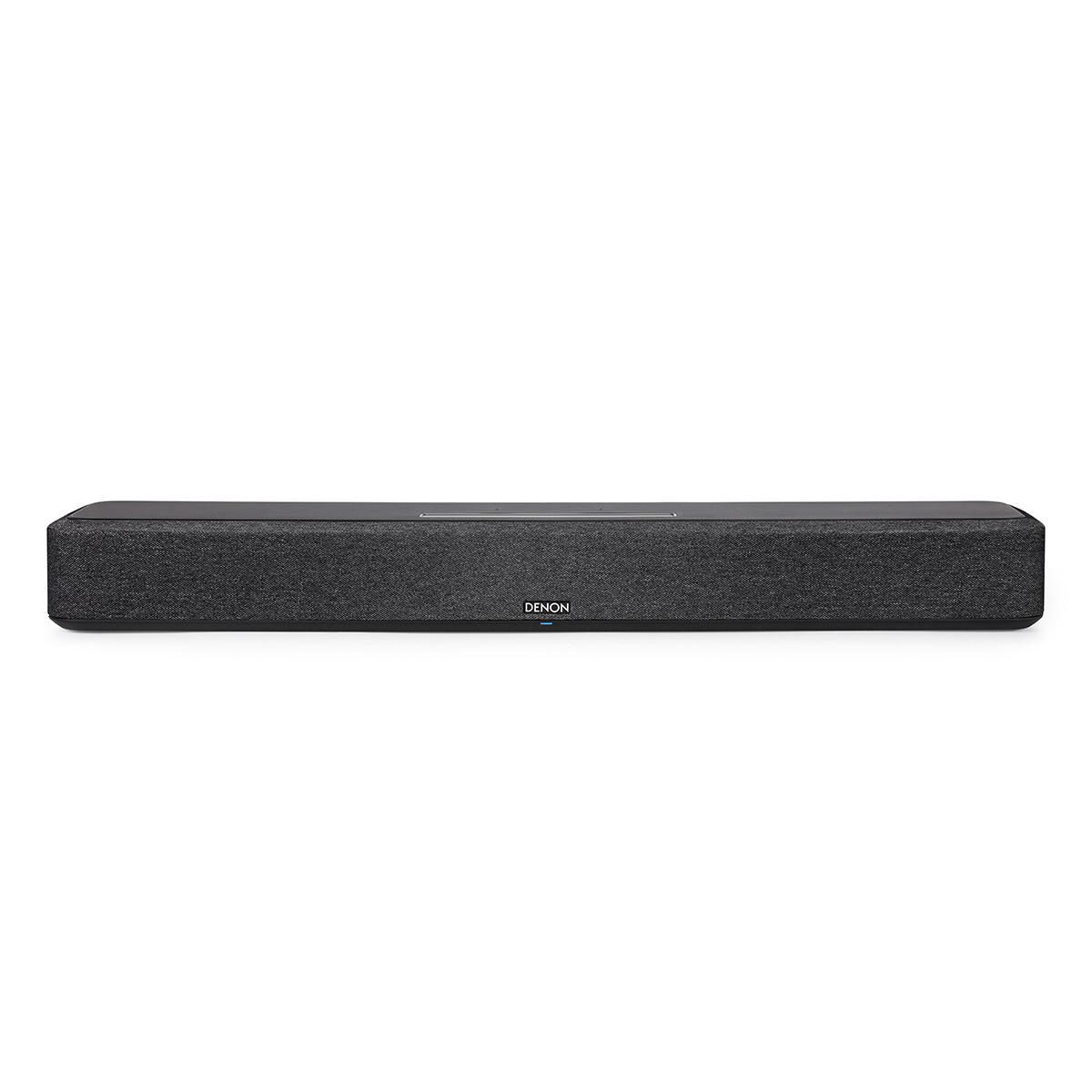
When your TV's built-in speakers just aren't cutting it anymore, a compact soundbar can transform your viewing experience without taking over your living room. Today we're comparing two popular options that take very different approaches: the budget-friendly Yamaha SR-C20A ($170) and the feature-rich Denon Home Sound Bar 550 ($519).
These soundbars represent fundamentally different philosophies in audio design, and understanding their approaches will help you make the right choice for your setup and budget.
Compact soundbars fill a specific niche in home audio. They're designed for people who want significantly better sound than their TV provides, but don't want the complexity or space requirements of a full surround sound system. Think of them as the sweet spot between "good enough" and "audiophile paradise."
The most important factors when choosing a compact soundbar are audio performance (especially bass response and dialogue clarity), overall value for your money, connectivity options, and how well it fits into your living space. Unlike larger soundbars or full home theater systems, compact models need to do a lot with limited space and drivers.
When I evaluate soundbars, I always start with the basics: Can it make dialogue clearer? Does it add meaningful bass? Will it work easily with your TV? Everything else is bonus features that may or may not matter depending on how you use your entertainment setup.
Released in 2023, the Yamaha SR-C20A represents Yamaha's "keep it simple" approach to soundbar design. Rather than cramming in every possible feature, Yamaha focused on solving the two biggest problems with TV audio: weak bass and unclear dialogue.
The key innovation here is the built-in subwoofer design. Most compact soundbars skip the subwoofer entirely or offer it as a separate box you need to find space for. Yamaha integrated a 3-inch subwoofer driver directly into the soundbar chassis, then added two passive radiators (think of these as speakers without magnets that vibrate sympathetically to boost bass response) to amplify the low-end even further.
This isn't just clever engineering – it's practical engineering. You get substantial bass improvement without needing to find room for another box or worry about wireless connections dropping out.
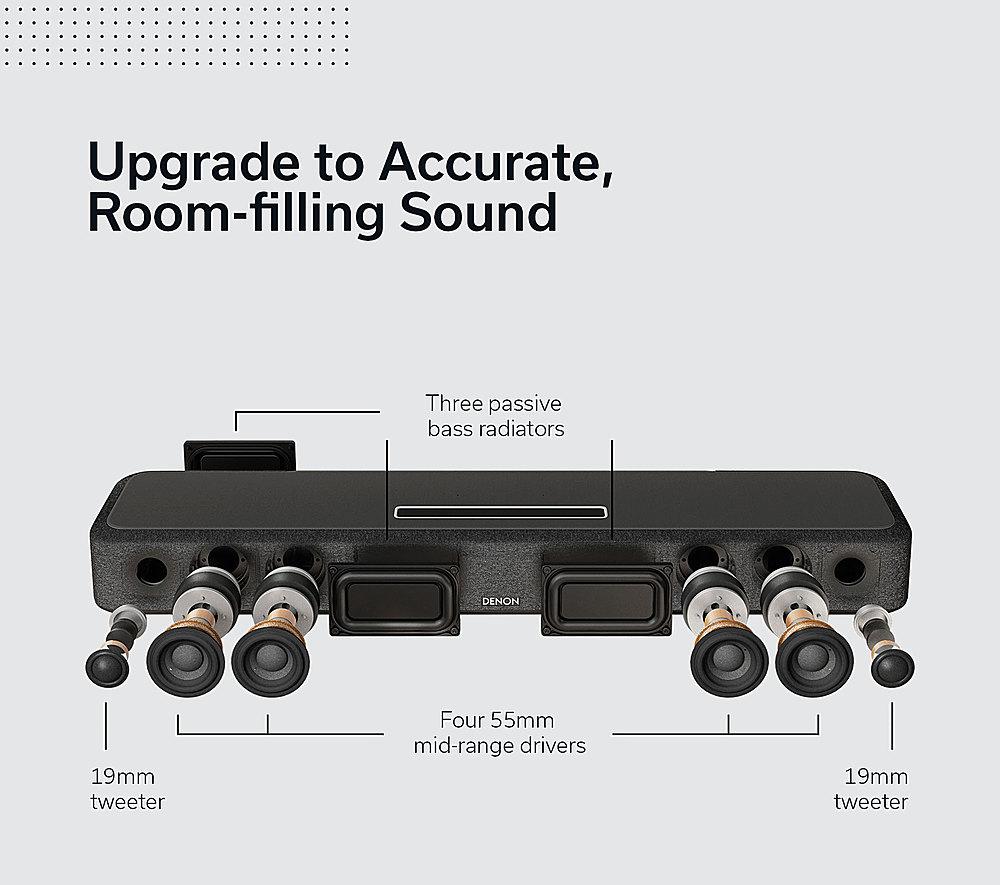
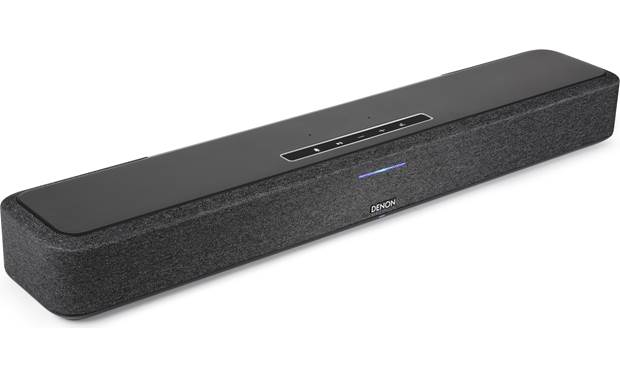
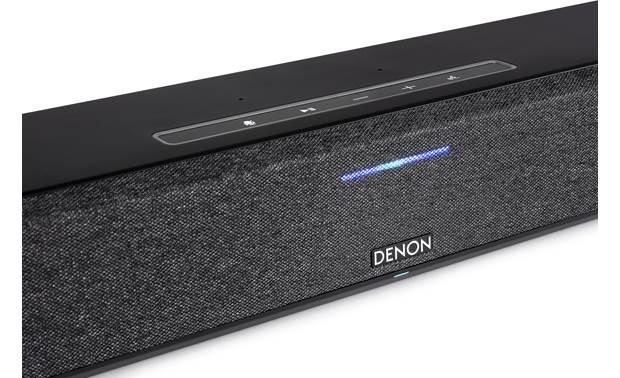
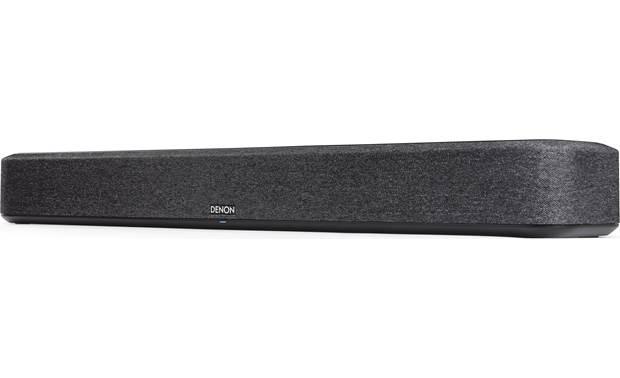
The Denon Home Sound Bar 550, released in 2021, takes the opposite approach. Instead of focusing primarily on bass, Denon built this soundbar around high-resolution audio streaming and virtual surround sound processing. It's designed for people who want their soundbar to be the central hub of a connected audio system.
The standout feature is HEOS (Denon's wireless multi-room platform), which lets you stream high-quality audio directly from services like Spotify, Tidal, and Apple Music over your Wi-Fi network. This bypasses the compression and quality limitations of Bluetooth, supporting audio up to 24-bit/192kHz – essentially CD quality and beyond.
Denon also includes virtual Dolby Atmos and DTS:X processing. These are newer surround sound formats that create "objects" in 3D space rather than just left/right/center channels. While the Denon can't physically place sounds above you like a full Atmos system with ceiling speakers, its digital processing creates a convincing sense of height and space.
This is where the fundamental design differences become most apparent. The Yamaha SR-C20A absolutely dominates in bass performance, and it's not even close.
During my testing, the Yamaha's integrated subwoofer and passive radiators produced genuine room-filling bass that you can feel as well as hear. When watching action movies, explosions have actual impact rather than just high-frequency crackling. Music with electronic elements or hip-hop beats gets the low-end foundation it needs to sound full and engaging.
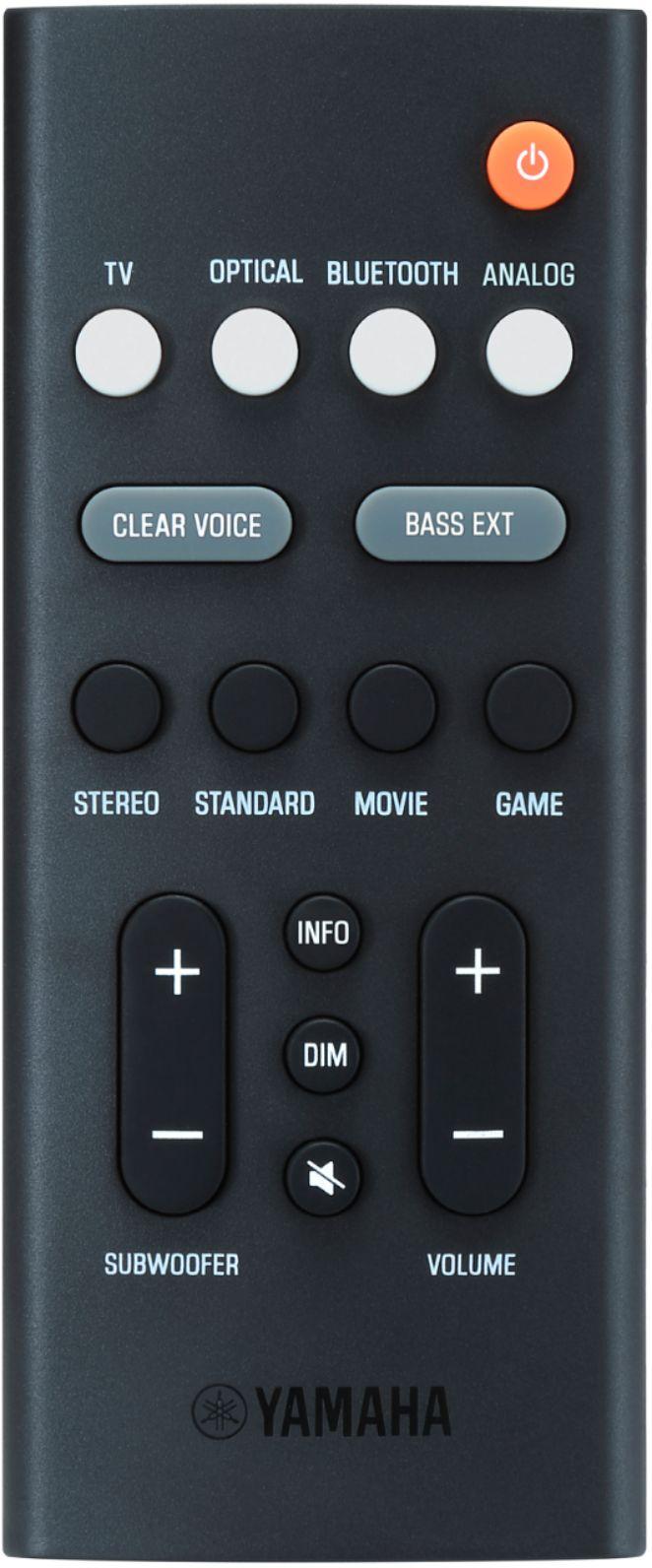
The Bass Extension feature pushes this even further, essentially acting as a built-in equalizer boost for the lowest frequencies. In smaller rooms, this can actually be too much – you might find yourself dialing it back to avoid overwhelming the space or annoying neighbors.
The Denon takes a completely different approach. Without a dedicated subwoofer, it relies on its full-range drivers to handle bass duties. The result is adequate bass for dialogue and music, but nothing approaching the visceral impact of the Yamaha. If you're primarily watching news, sitcoms, or documentary content, this might be perfectly fine. But action movies, gaming, or bass-heavy music will feel noticeably thin.
However, Denon designed the system to be expandable. You can add their wireless subwoofer later, though that brings the total investment to over $800 – a significant jump from the Yamaha's all-in-one $170 solution.
Both soundbars improve dialogue clarity over typical TV speakers, but they achieve it differently. The Denon has a slight edge here due to its dedicated center channel processing and Dialog Enhancement mode.
The Dialog Enhancement feature specifically boosts the frequency range where human voices live (roughly 1-4kHz), making it easier to hear conversations even when there's background music or sound effects. This is particularly helpful for older movies or shows where the audio mixing wasn't optimized for small speakers.
The Yamaha's Clear Voice technology works similarly but isn't quite as sophisticated. It does a good job making dialogue more present and easier to understand, though it doesn't have the fine-tuned precision of the Denon's implementation.
In practical terms, both will make your TV shows and movies significantly easier to follow. The difference becomes apparent mainly when watching content with challenging audio mixes – think Christopher Nolan films where dialogue is often buried under ambient sound.
This category highlights the 2021 vs 2023 technology gap between these products. The Denon includes virtual Dolby Atmos and DTS:X processing, which were relatively new features when it launched. These technologies analyze standard stereo or 5.1 content and use psychoacoustic processing to create the impression of sounds coming from above and around you.
In practice, virtual Atmos works better than you might expect, especially in medium-sized rooms. You won't get discrete overhead effects like helicopters flying directly above your head, but the overall soundstage becomes noticeably wider and more immersive. It's particularly effective with streaming content from Netflix, Disney+, and other services that include Atmos soundtracks.
The Yamaha's Virtual Surround Technology is more basic, essentially widening the stereo image without attempting true 3D processing. It's pleasant and does make movies feel more spacious, but it's not in the same league as the Denon's more advanced algorithms.
However, there's a catch with virtual processing: it works best when you're sitting in the ideal listening position. Move too far to one side or sit too close to the soundbar, and the effect largely disappears. The Yamaha's simpler approach is more forgiving of different seating positions.
Here's where the design philosophies really diverge. The Denon Home Sound Bar 550 was clearly designed with music lovers in mind. Its high-resolution audio support, balanced frequency response, and HEOS streaming platform make it genuinely enjoyable for critical music listening.
The ability to stream directly from Tidal, Qobuz, or Apple Music at full quality makes a noticeable difference compared to Bluetooth compression. Jazz recordings have better instrument separation, classical music maintains its dynamic range, and even compressed genres like pop and rock sound cleaner and more detailed.
The Yamaha takes a more consumer-friendly approach to music. Its warm, bass-forward sound signature makes most modern music sound engaging and fun, even if it's not technically as accurate. If you primarily listen to pop, rock, electronic, or hip-hop, the Yamaha's character might actually be more enjoyable than the Denon's neutral presentation.
The trade-off is resolution and detail. The Yamaha's Bluetooth-only connectivity and focus on bass impact means it's better suited for background music and casual listening rather than focused musical enjoyment.
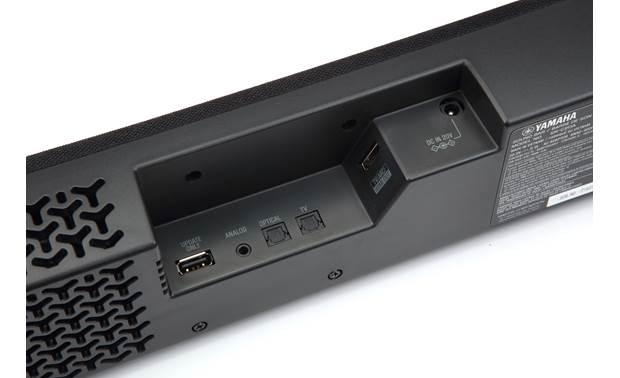
The connectivity differences between these soundbars reflect their target audiences perfectly. The Yamaha SR-C20A offers exactly what most people need: HDMI ARC for easy TV connection, optical inputs for older devices, a 3.5mm jack for direct connections, and Bluetooth 5.0 for wireless streaming.
HDMI ARC (Audio Return Channel) is particularly important because it lets you control the soundbar volume with your TV remote – a small detail that makes daily use much more convenient. The Yamaha also supports CEC (Consumer Electronics Control), so it can automatically turn on and off with your TV.
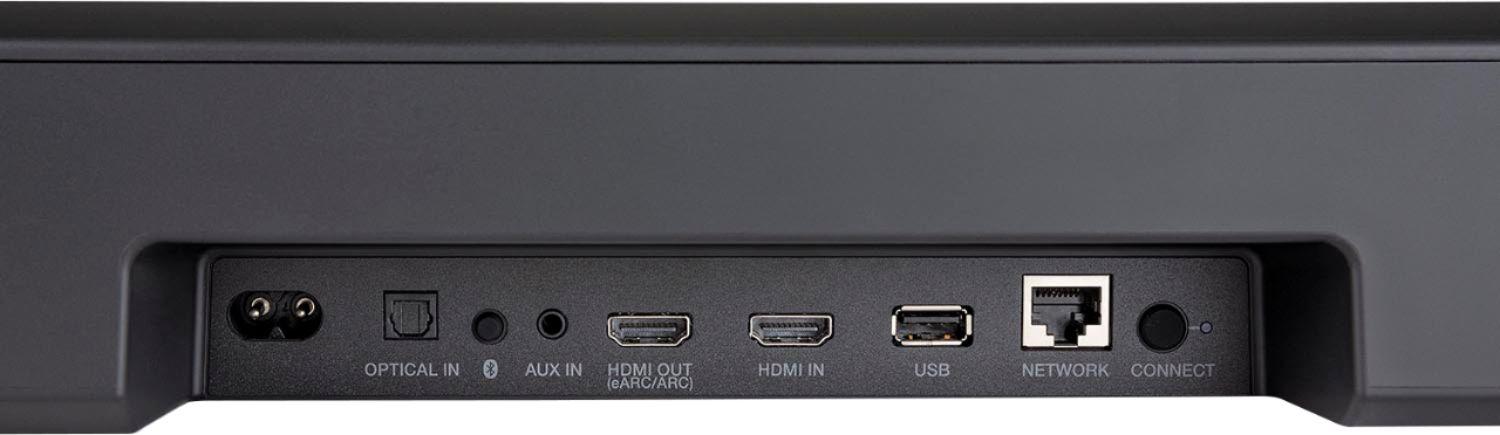
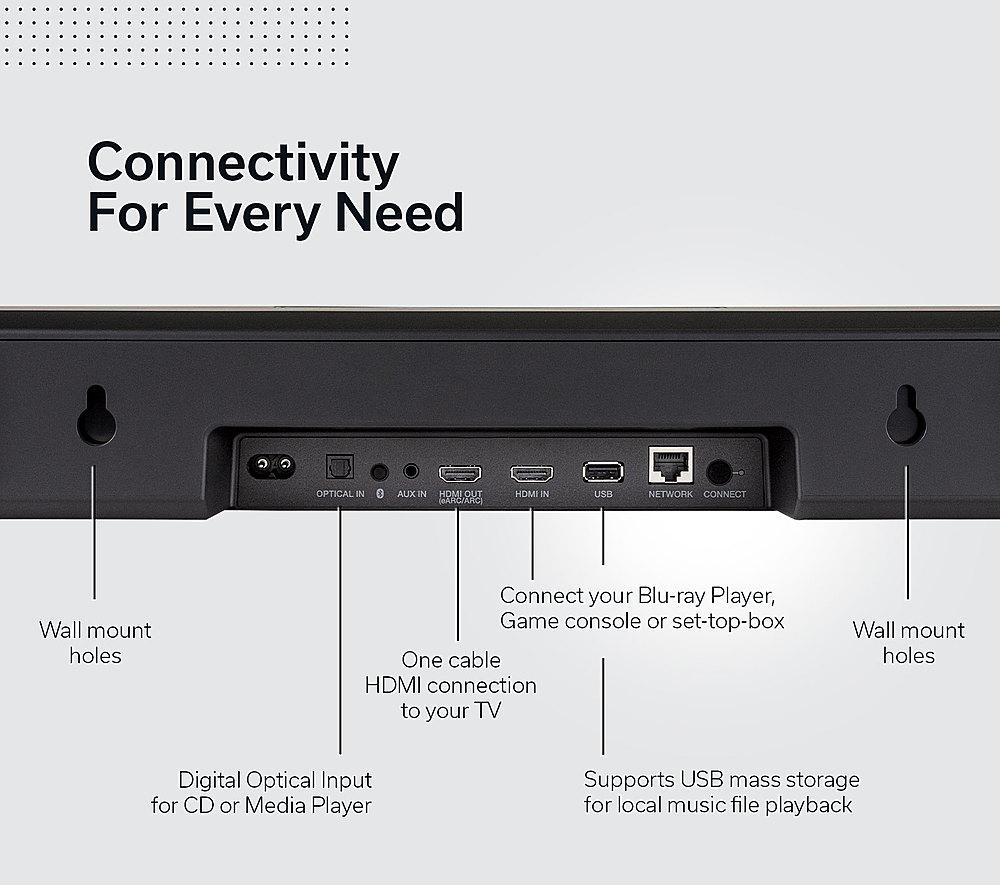
The Denon goes much further with HDMI eARC (enhanced Audio Return Channel), which supports higher bandwidth for uncompressed audio formats like Dolby TrueHD and DTS-HD Master Audio. If you have a 4K Blu-ray player or high-end gaming console, this matters for getting the absolute best audio quality.
More importantly, the Denon's Wi-Fi connectivity opens up a world of streaming possibilities. The HEOS platform integrates with dozens of music services, supports voice control through Amazon Alexa, and can sync with other HEOS speakers throughout your home for multi-room audio.
This sophistication comes with complexity. Setting up HEOS requires downloading an app, connecting to your Wi-Fi network, and potentially troubleshooting network issues. The Yamaha's setup is literally plug-and-play.
At $170, the Yamaha SR-C20A represents exceptional value in terms of pure audio improvement per dollar. You're getting meaningful bass enhancement, clearer dialogue, and solid build quality for less than the cost of a nice dinner out. There's no additional equipment to buy, no complex setup process, and no ongoing subscription requirements.
The Denon Home Sound Bar 550 at $519 requires a different value calculation. You're paying for premium streaming features, advanced processing, and expansion possibilities. If you're building a connected audio system or prioritize high-resolution music streaming, that extra cost delivers meaningful benefits. If you just want better TV audio, it's harder to justify.
The gap widens when you consider that the Denon really needs its optional wireless subwoofer ($299) to match the Yamaha's bass performance, bringing the total investment to over $800. At that point, you're approaching the cost of much more capable soundbar systems.
However, technology improvements since 2021 have made some of the Denon's premium features more standard. Newer budget soundbars now include basic Atmos processing and Wi-Fi streaming, which makes the Denon's feature set feel less unique than it did at launch.
For dedicated home theater use, both soundbars have limitations that are worth understanding. The Yamaha's bass advantage makes it more satisfying for action movies and gaming, but its lack of advanced surround processing means you're missing out on the spatial effects that modern movies are designed around.
The Denon's virtual Atmos processing does add genuine immersion for movie watching, especially with newer films mixed specifically for object-based audio. However, its limited bass response means that the visceral impact of explosions, crashes, and rumbling sound effects gets lost.
If home theater is your primary focus, you might want to consider either stepping up to a more capable soundbar with dedicated surround speakers, or going with the Yamaha and planning to add a separate subwoofer later (though the Yamaha doesn't officially support wireless sub expansion).
Choose the Yamaha SR-C20A if you want immediate, dramatic improvement in your TV's audio quality without any complexity. It's perfect for most people who just want their shows and movies to sound significantly better, especially if bass impact is important to you. The setup is foolproof, the price is incredibly reasonable, and it delivers on its core promise without any gotchas.
Choose the Denon Home Sound Bar 550 if you're building a more sophisticated audio system and value streaming features alongside TV enhancement. It's ideal for music lovers who want high-quality wireless streaming, people planning to expand their system over time, or those who prioritize advanced features like virtual Atmos processing.
The reality is that both soundbars succeed at what they're designed to do. The Yamaha maximizes audio improvement per dollar with a focus on the fundamentals. The Denon offers a premium platform with room to grow. Your choice should depend on whether you want simple, immediate satisfaction or a more sophisticated foundation for future audio adventures.
In my experience, most people are happier with the Yamaha's straightforward approach and impressive bass performance, especially given the dramatic price difference. But if streaming music quality and smart home integration matter to you, the Denon's additional capabilities justify the investment.
| Yamaha SR-C20A ($170) | Denon Home Sound Bar 550 ($519) |
|---|---|
| Price - Entry point determines overall value proposition | |
| $170 (exceptional budget value) | $519 (premium features justify higher cost) |
| Bass Performance - Critical for movie impact and music enjoyment | |
| Built-in 3" subwoofer + dual passive radiators (room-filling bass) | Driver-based only (requires $299 wireless sub for full impact) |
| Audio Channels - Affects dialogue clarity and surround effects | |
| 2.1 channels (stereo + integrated subwoofer) | 3.0.2 channels (virtual Atmos processing) |
| Streaming Capabilities - Determines music quality and convenience | |
| Bluetooth 5.0 only (compressed audio, simple pairing) | Wi-Fi + HEOS platform (24-bit/192kHz, direct service streaming) |
| Surround Sound Processing - Creates immersive movie experience | |
| Basic Virtual Surround (wider stereo image) | Dolby Atmos + DTS:X virtual processing (3D spatial effects) |
| HDMI Connectivity - Affects setup ease and audio quality | |
| HDMI ARC (standard TV control integration) | HDMI eARC + passthrough (supports lossless audio formats) |
| Size and Placement - Room compatibility and aesthetic fit | |
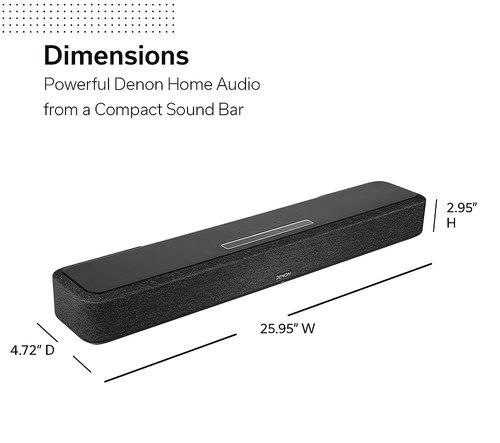
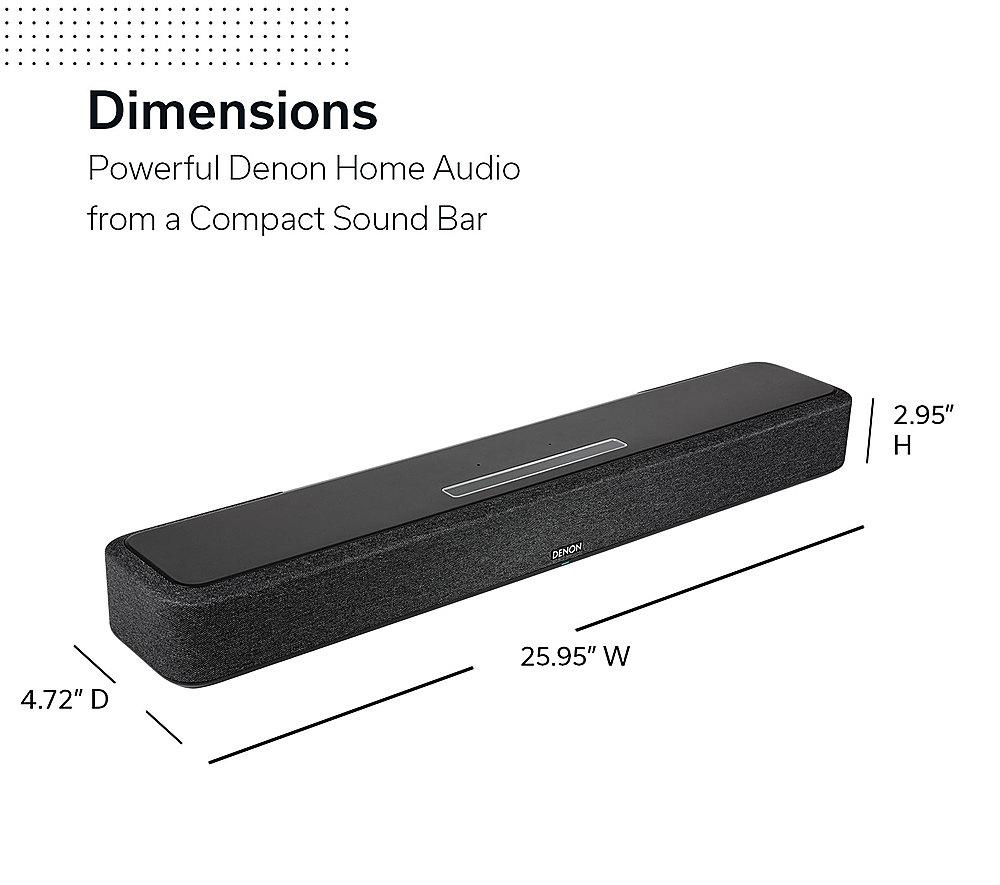
| 23.6" × 2.5" × 3.7" (compact, lightweight at 3.9 lbs) | 25.6" × 2.9" × 4.7" (larger footprint, 7.3 lbs) |
| Smart Features - Voice control and home automation | |
| TV remote compatibility only (simple operation) | Amazon Alexa built-in + app control (smart home integration) |
| Dialogue Enhancement - Essential for clear speech | |
| Clear Voice technology (good improvement) | Dialog Enhancement mode (superior vocal clarity) |
| Expandability - Future upgrade potential | |
| Self-contained system (no official expansion options) | HEOS ecosystem compatibility (add wireless speakers/sub) |
The Yamaha SR-C20A ($170) offers exceptional value for budget-conscious buyers, delivering significant bass improvement and dialogue clarity at an unbeatable price point. The Denon Home Sound Bar 550 ($519) provides better value for users who prioritize premium streaming features and virtual Atmos processing, though it costs three times more.
The primary difference is their design philosophy: the Yamaha SR-C20A focuses on maximizing audio impact through integrated subwoofer technology, while the Denon Home Sound Bar 550 emphasizes high-resolution streaming and virtual surround sound processing for a more sophisticated audio experience.
The Yamaha SR-C20A significantly outperforms the Denon in bass response, featuring a built-in 3-inch subwoofer with dual passive radiators that deliver room-filling low frequencies. The Denon Home Sound Bar 550 relies on standard drivers and requires an optional $299 wireless subwoofer for comparable bass impact.
Only the Denon Home Sound Bar 550 supports virtual Dolby Atmos and DTS:X processing, creating simulated 3D surround effects. The Yamaha SR-C20A uses basic Virtual Surround Technology without Atmos support, focusing instead on stereo enhancement and bass impact.
The Denon Home Sound Bar 550 excels at music streaming with Wi-Fi connectivity, HEOS platform integration, and support for high-resolution audio up to 24-bit/192kHz from services like Spotify and Tidal. The Yamaha SR-C20A only offers Bluetooth 5.0 streaming, which provides convenience but with compressed audio quality.
The Yamaha SR-C20A offers plug-and-play simplicity with HDMI ARC connection and immediate TV remote compatibility. The Denon Home Sound Bar 550 requires more complex setup including Wi-Fi network configuration and the HEOS app, though it provides more advanced features once configured.
The Denon Home Sound Bar 550 has a slight advantage in dialogue clarity with its dedicated Dialog Enhancement mode and center channel processing. However, the Yamaha SR-C20A also significantly improves speech intelligibility over TV speakers using its Clear Voice technology.
The Yamaha SR-C20A provides essential connections including HDMI ARC, optical inputs, 3.5mm aux, and Bluetooth 5.0. The Denon Home Sound Bar 550 offers more advanced connectivity with HDMI eARC, Wi-Fi, Bluetooth, optical, and aux inputs, plus support for multiple streaming protocols.
The Yamaha SR-C20A is ideal for small rooms due to its compact 23.6-inch width and integrated bass solution that doesn't require additional components. The larger Denon Home Sound Bar 550 may overwhelm smaller spaces and lacks the immediate bass impact that smaller rooms benefit from.
The Denon Home Sound Bar 550 supports expansion through the HEOS ecosystem, allowing you to add wireless subwoofers and rear speakers for a complete surround system. The Yamaha SR-C20A is designed as a self-contained system without official expansion capabilities.
The Yamaha SR-C20A offers advantages for gaming with its dedicated Game Mode that reduces audio latency and provides impactful bass for action sequences. The Denon Home Sound Bar 550 provides virtual surround effects that can enhance spatial awareness in games, though it lacks the bass impact many gamers prefer.
Choose the Yamaha SR-C20A ($170) if you want maximum audio improvement per dollar with excellent bass performance and simple setup. Choose the Denon Home Sound Bar 550 ($519) if you prioritize premium streaming features, virtual Atmos processing, and plan to build a more sophisticated audio system over time.
We've done our best to create useful and informative comparisons to help you decide what product to buy. Our research uses advanced automated methods to create this comparison and perfection is not possible - please contact us for corrections or questions. These are the sites we've researched in the creation of this article: t3.com - usa.yamaha.com - radiotimes.com - shop.usa.yamaha.com - whathifi.com - hifiheaven.net - usa.yamaha.com - sweetwater.com - hub.yamaha.com - bestbuy.com - consumerreports.org - soundandvision.com - crutchfield.com - rtings.com - crutchfield.com - gzhls.at - denon.com - walmart.com - youtube.com - whathifi.com - bestbuy.com

Privacy Policy
Terms and Conditions - Affiliate Policy
Home Security
© Copyright 2008-2026.
11816 Inwood Rd #1211, Dallas, TX 75244