

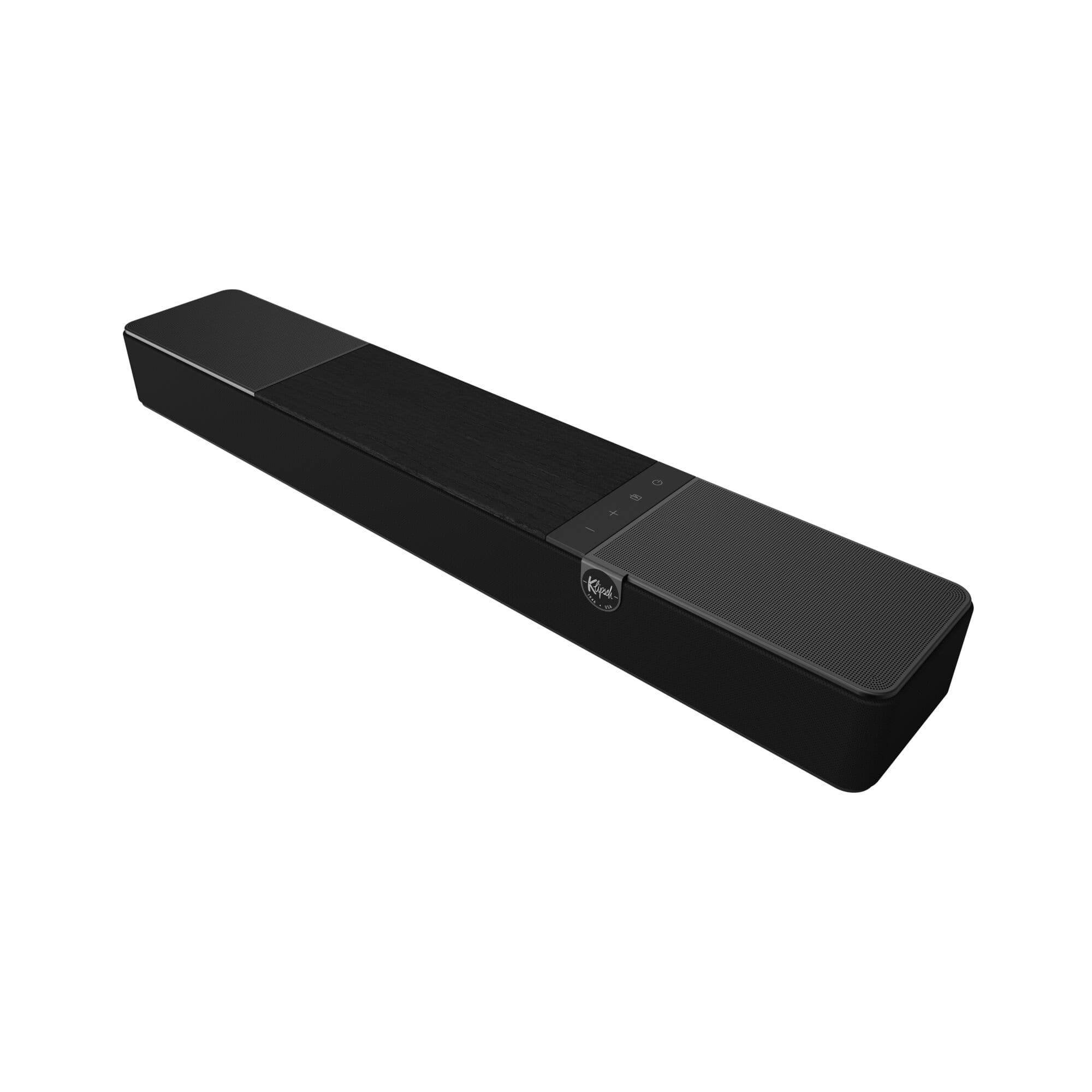

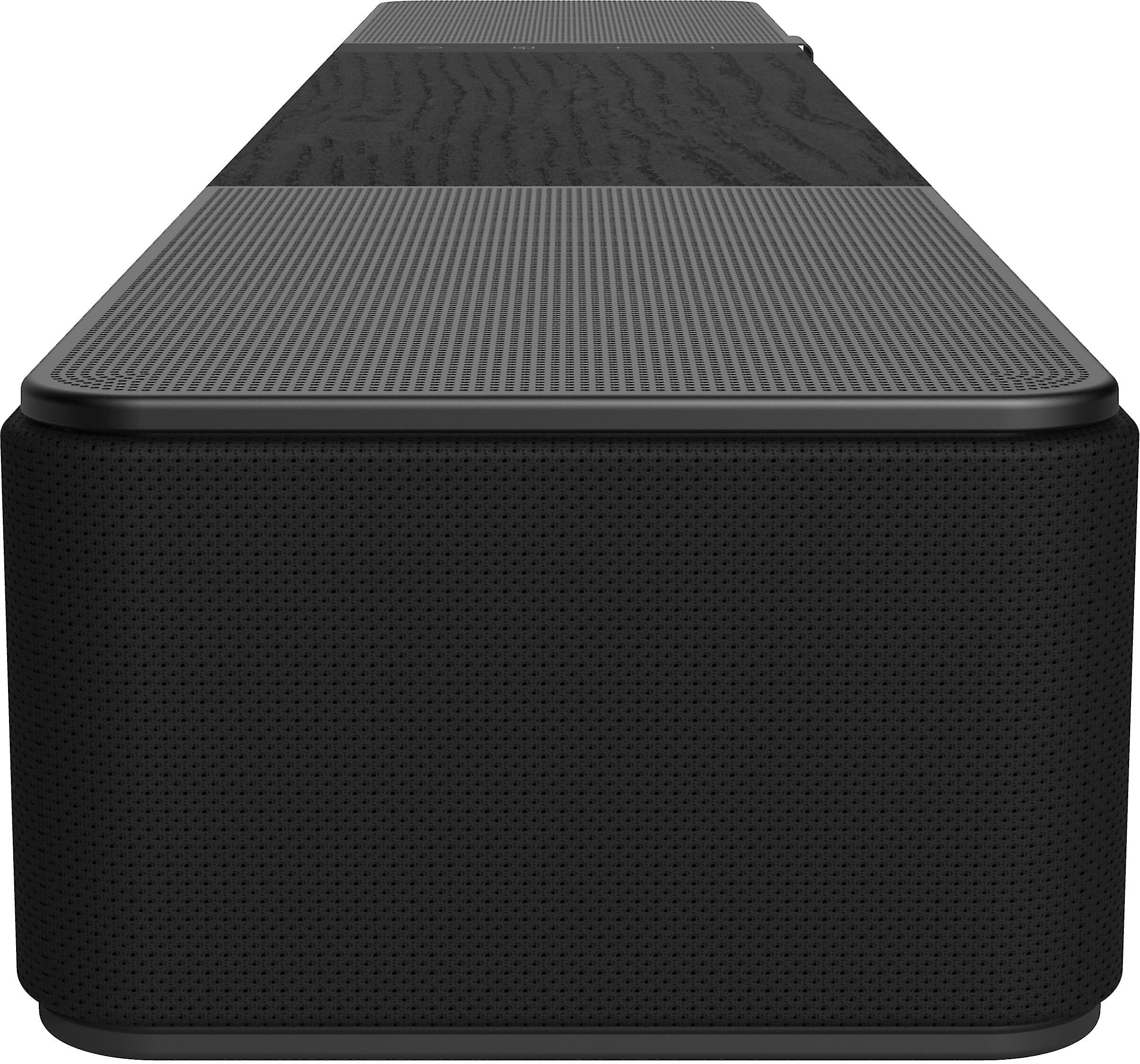
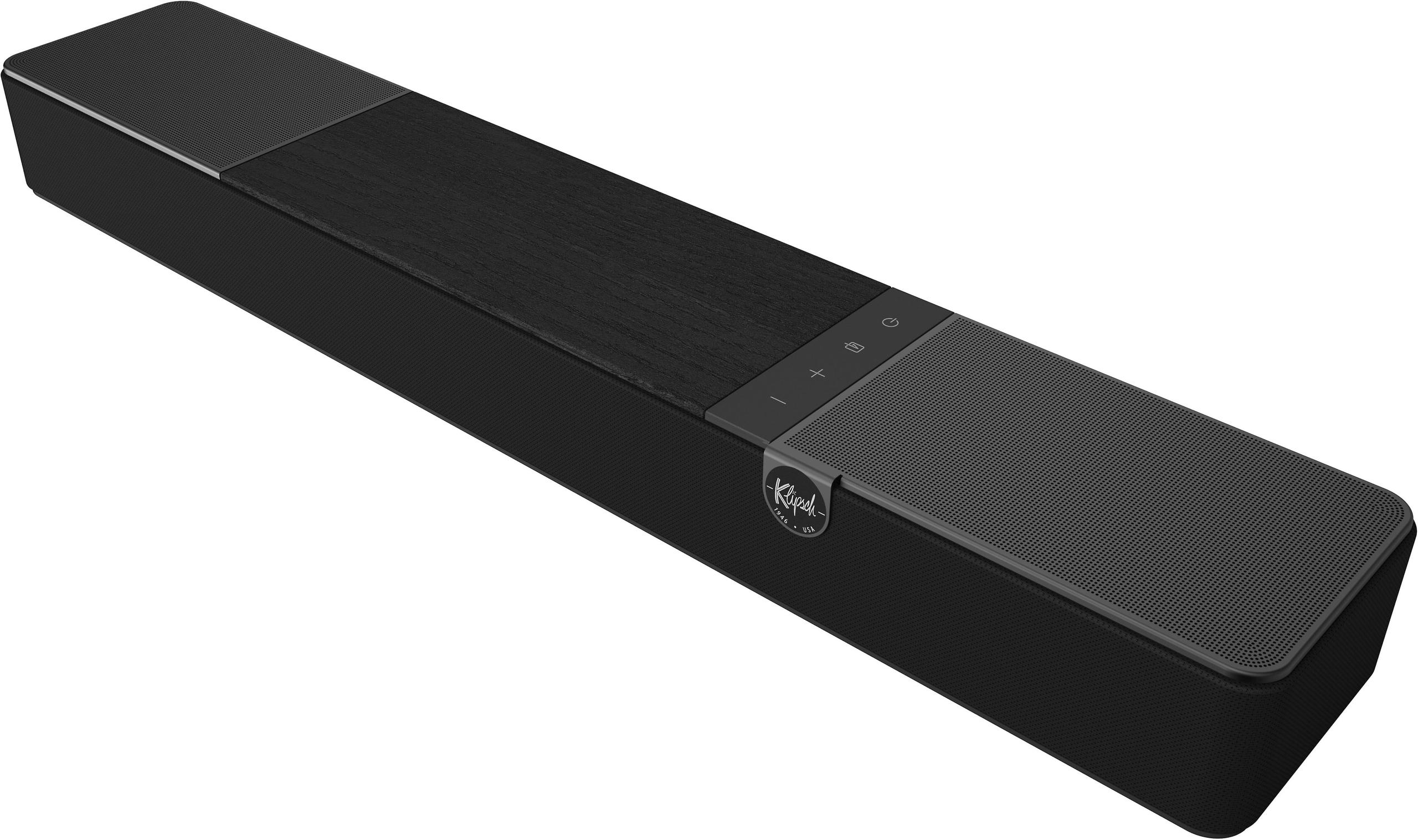


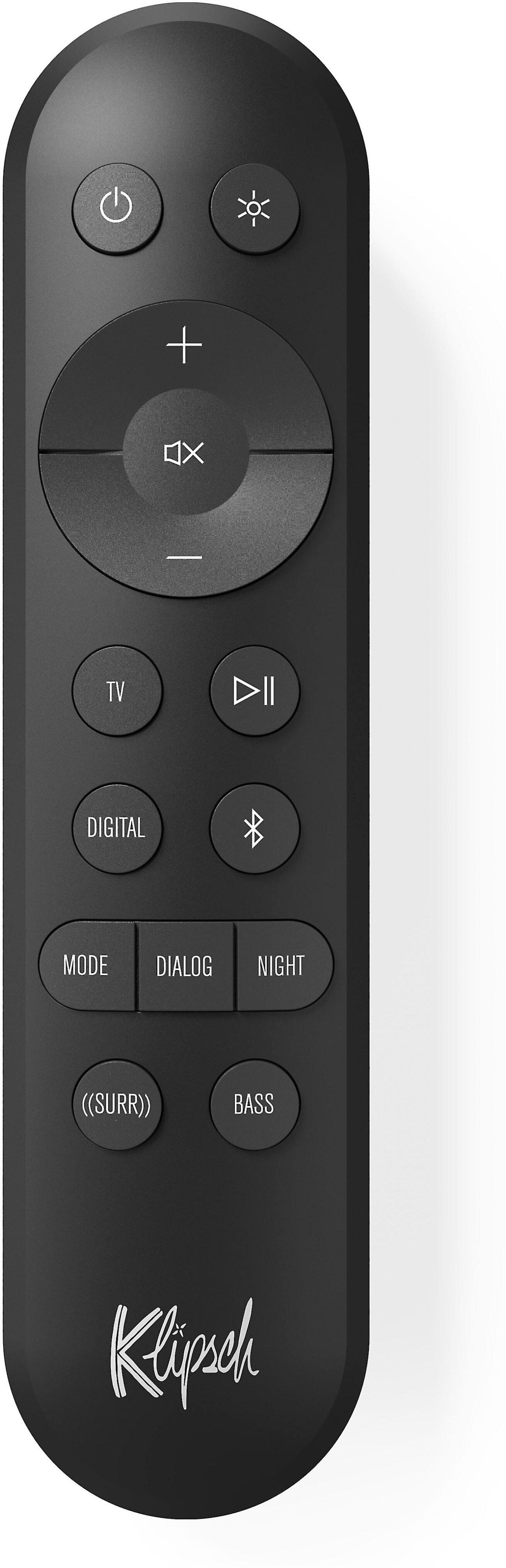



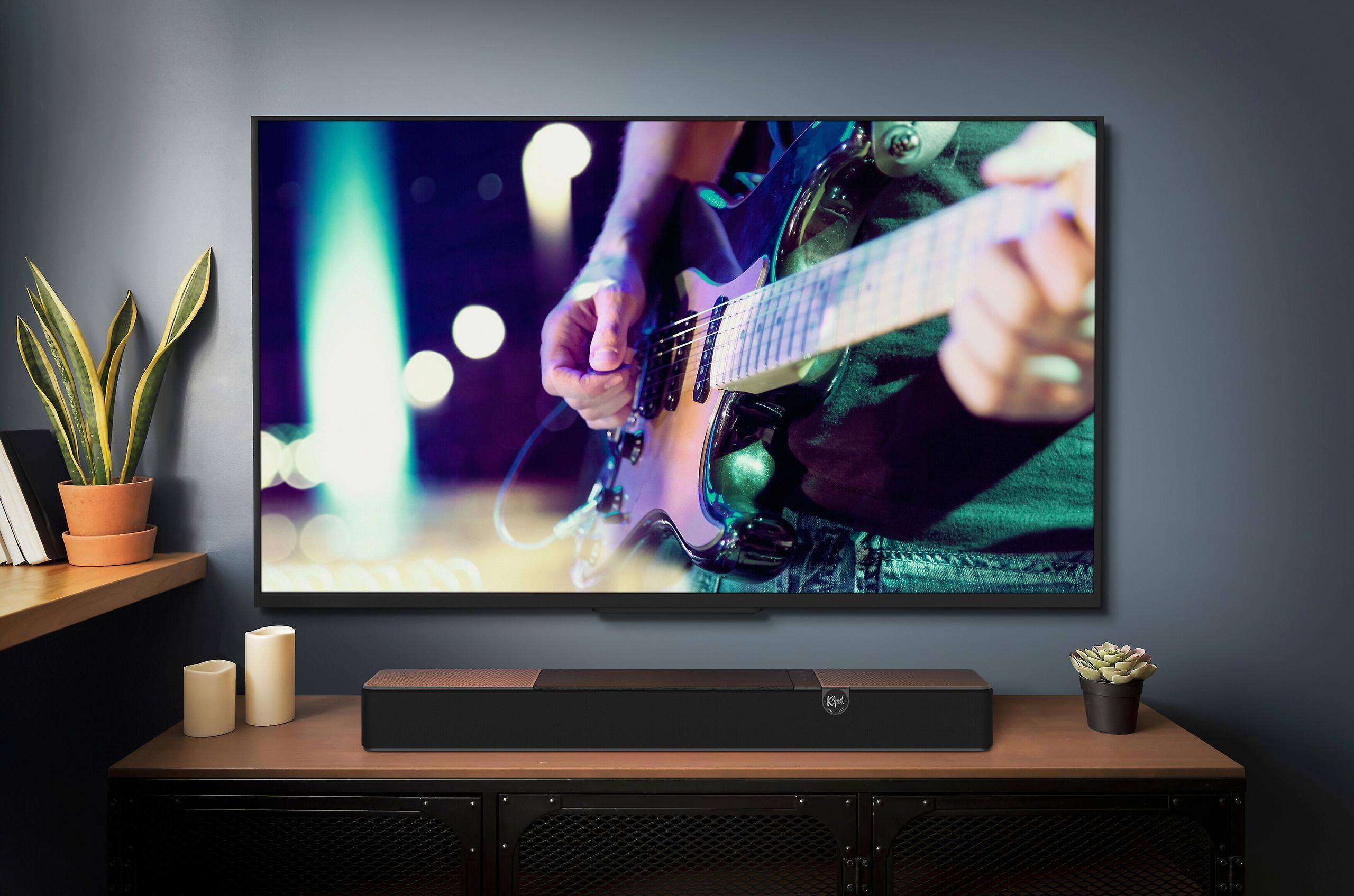
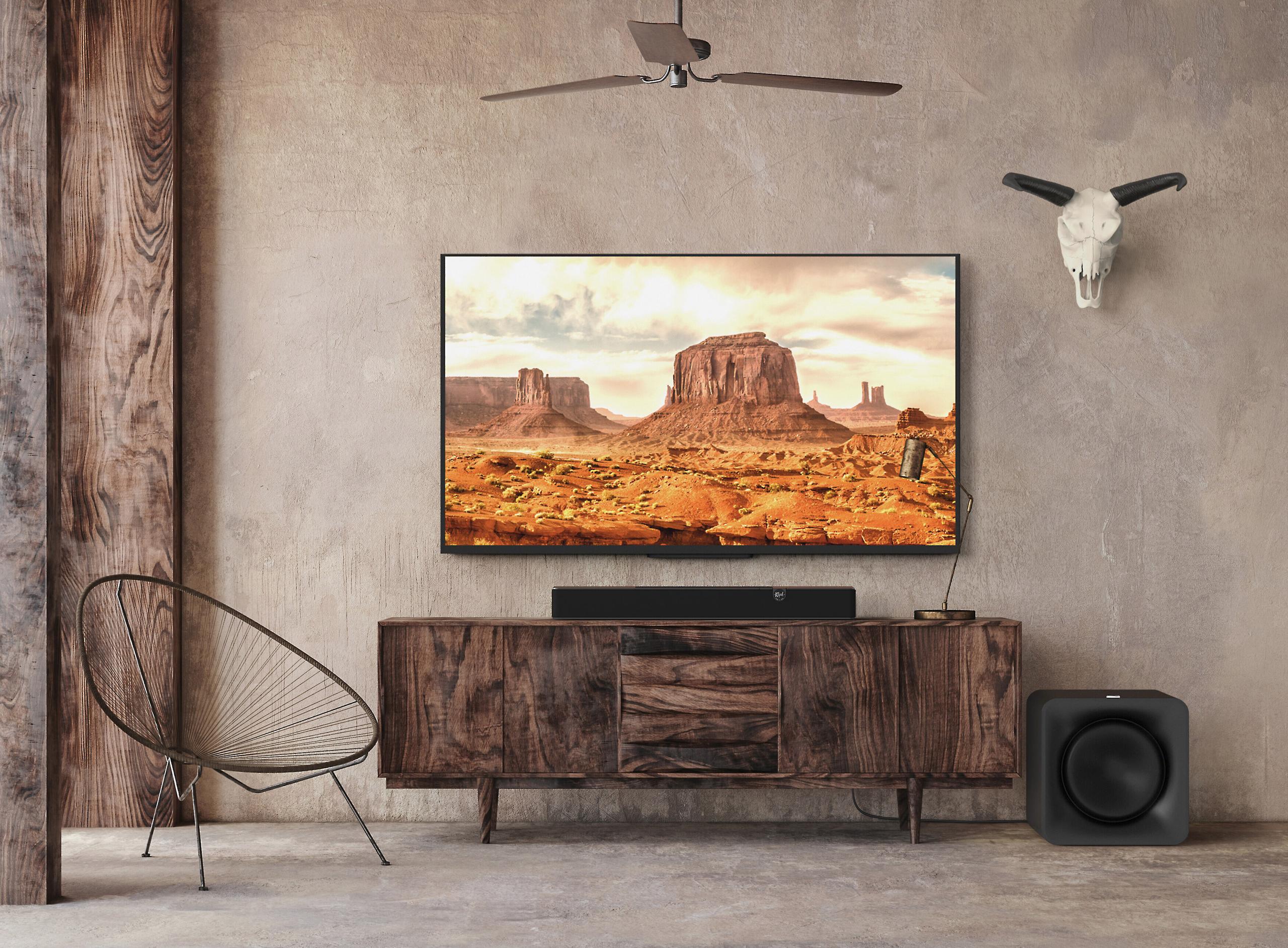
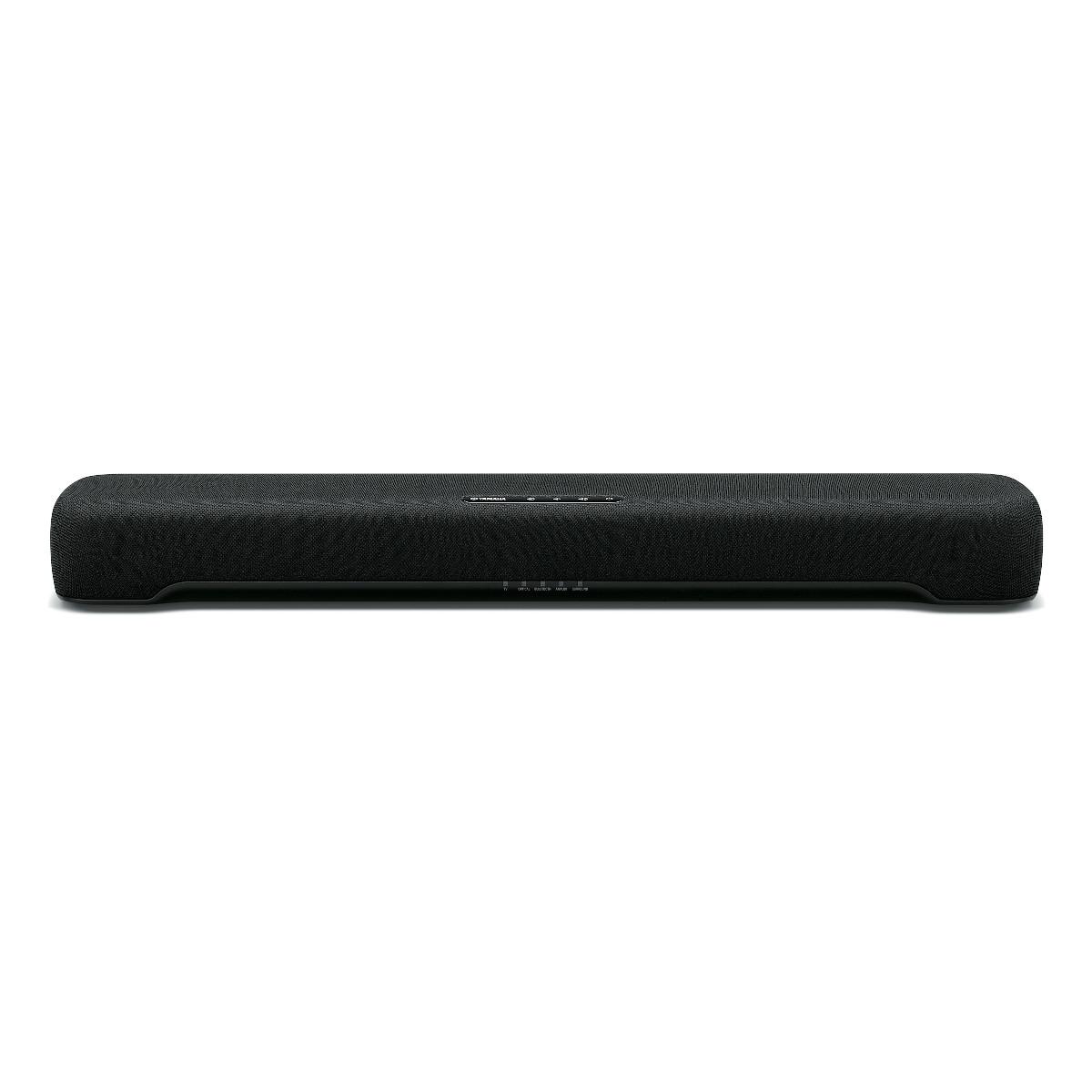





When your TV's built-in speakers just aren't cutting it anymore, a soundbar can transform your viewing experience without the complexity of a full surround sound system. But with so many options available, choosing the right one can feel overwhelming. Today, we're comparing two popular models that take very different approaches: the Klipsch Flexus Core 100 ($228) and the Yamaha SR-C20A ($179).
These soundbars represent distinct philosophies in audio design. The Klipsch aims to deliver premium home theater performance with room to grow, while the Yamaha focuses on simplicity and dialogue clarity at an accessible price. Understanding their differences will help you make the right choice for your space and needs.
Before diving into specifics, let's talk about what really matters in a soundbar. The most important factors include audio performance (how well it reproduces different frequencies), connectivity options (how it connects to your devices), room compatibility (whether it can fill your space with sound), and expandability (whether you can add more speakers later).
Sound quality is obviously crucial, but it's more nuanced than just "loud equals good." A great soundbar needs to handle dialogue clearly, provide enough bass to feel movie explosions, and create a sense of space that makes you feel immersed in the action. The way a soundbar processes audio signals also matters – technologies like Dolby Atmos can create the illusion of sound coming from above and around you, even with just a single bar.
Connectivity has evolved significantly in recent years. HDMI ARC (Audio Return Channel) lets your TV send audio back to the soundbar through the same cable, while the newer eARC (enhanced Audio Return Channel) supports higher-quality audio formats. Bluetooth connectivity allows you to stream music from your phone, and optical connections provide a reliable digital audio pathway.
The Klipsch Flexus Core 100, released in 2024, represents Klipsch's entry into the modern soundbar market with their signature approach to audio engineering. Klipsch has been making speakers since 1946, and they're known for their horn-loaded tweeters and dynamic sound signature. The Flexus line brings this heritage into a sleek, modern package designed for today's living rooms.
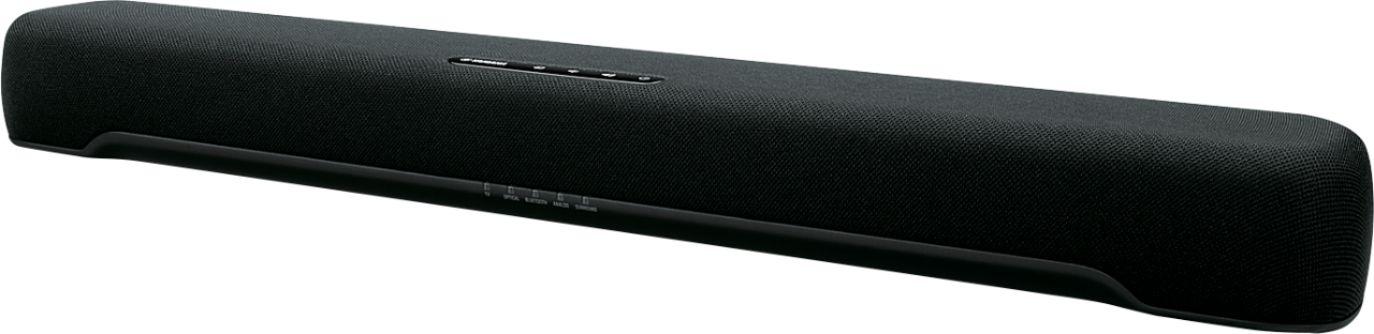
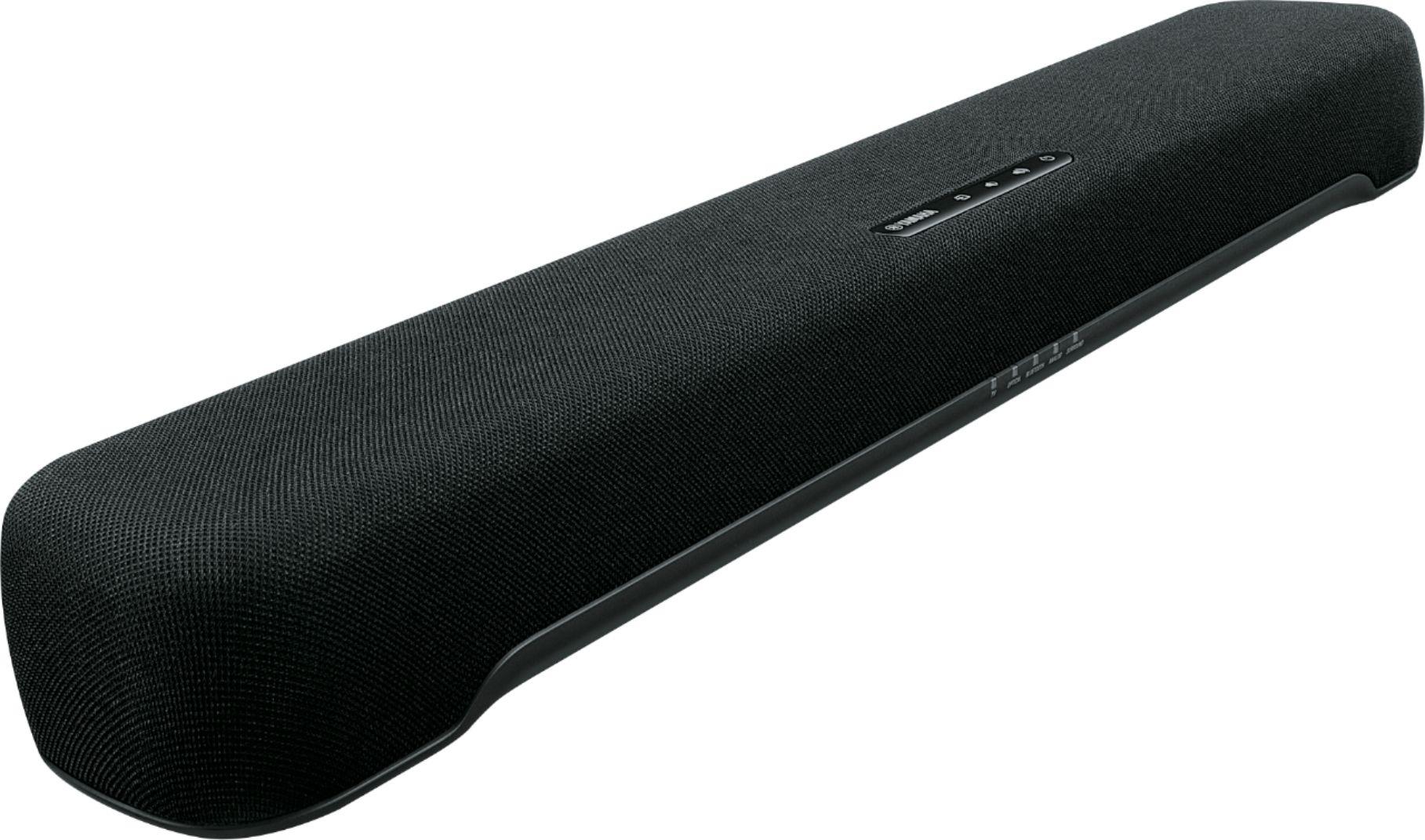
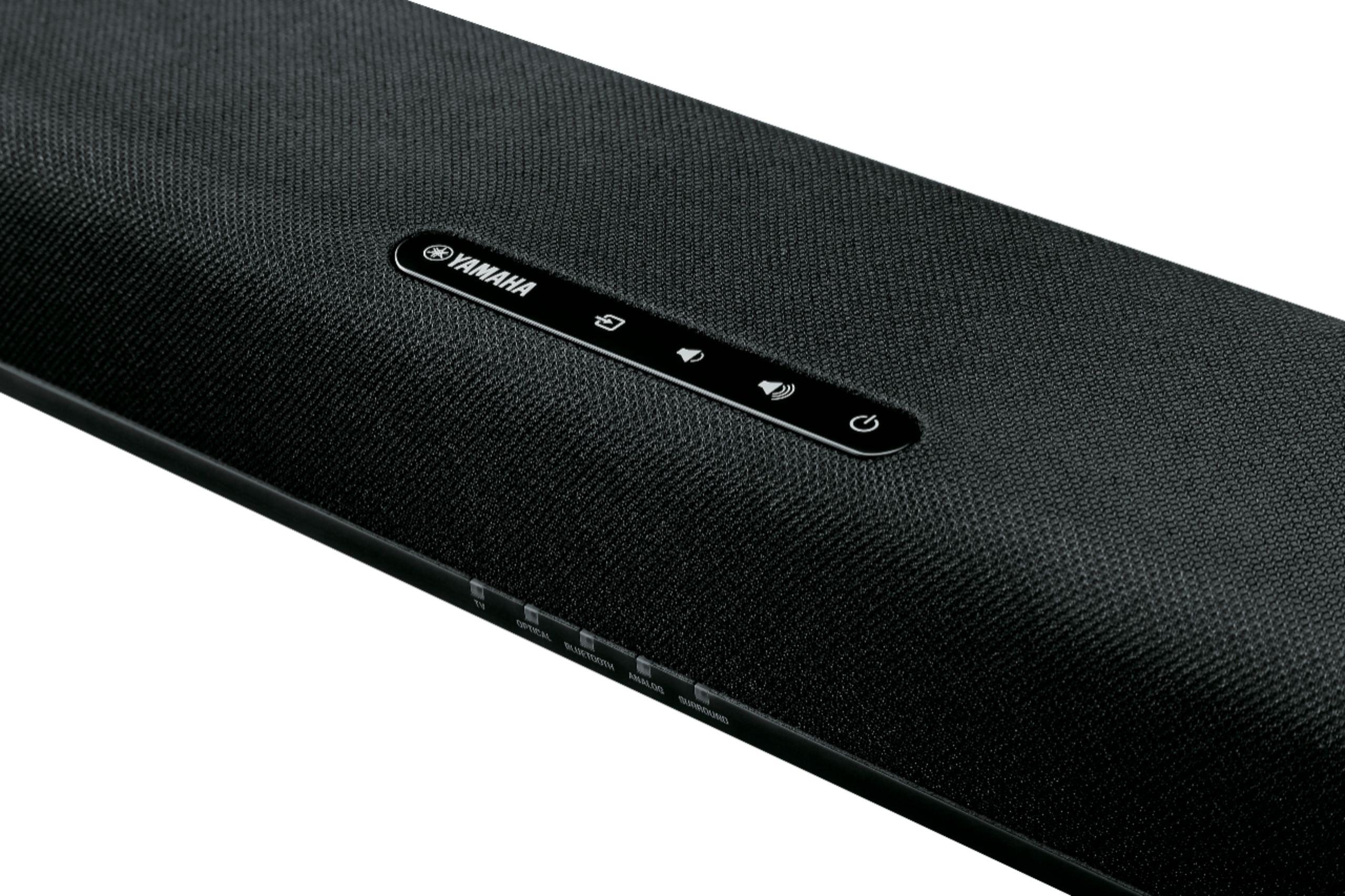
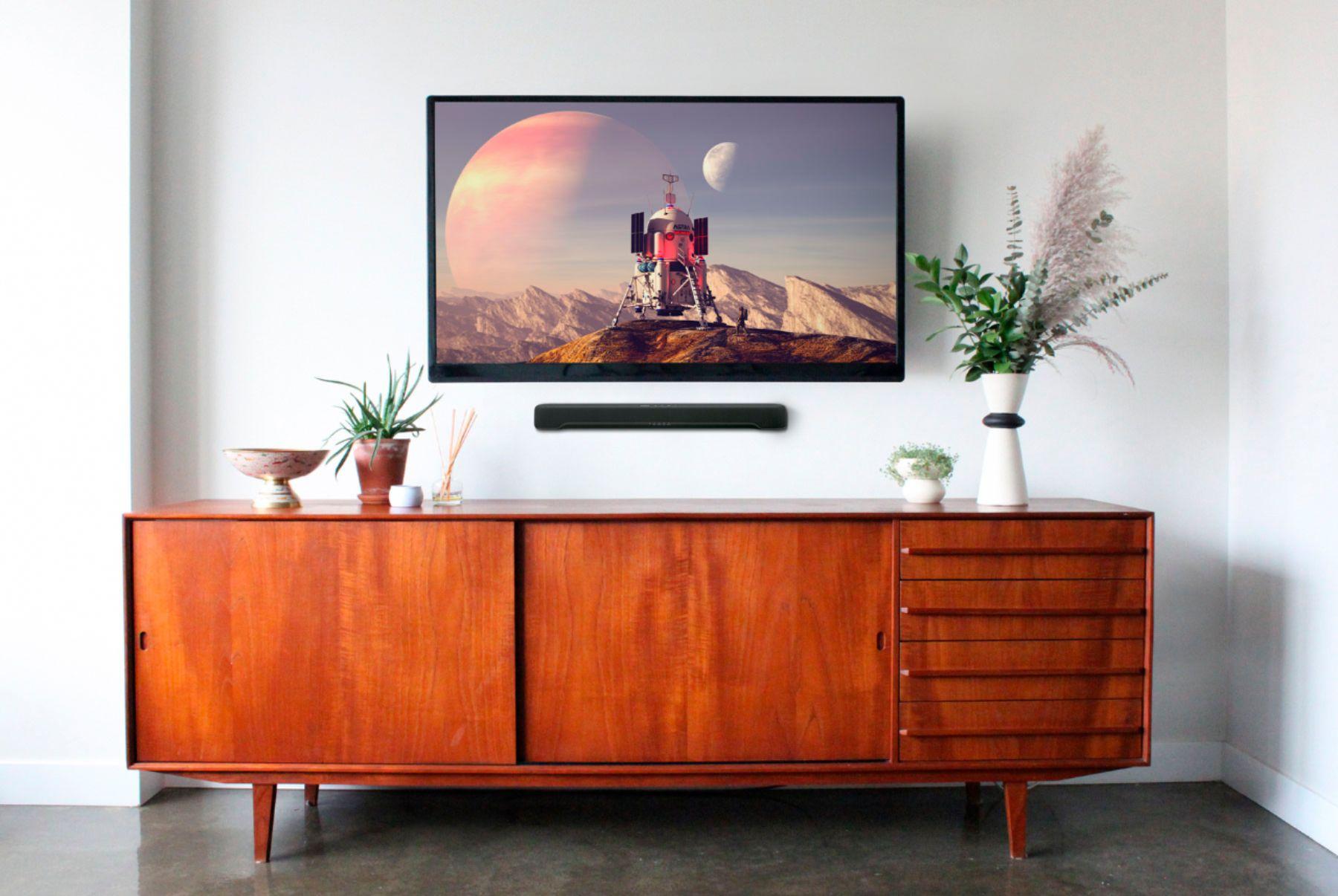
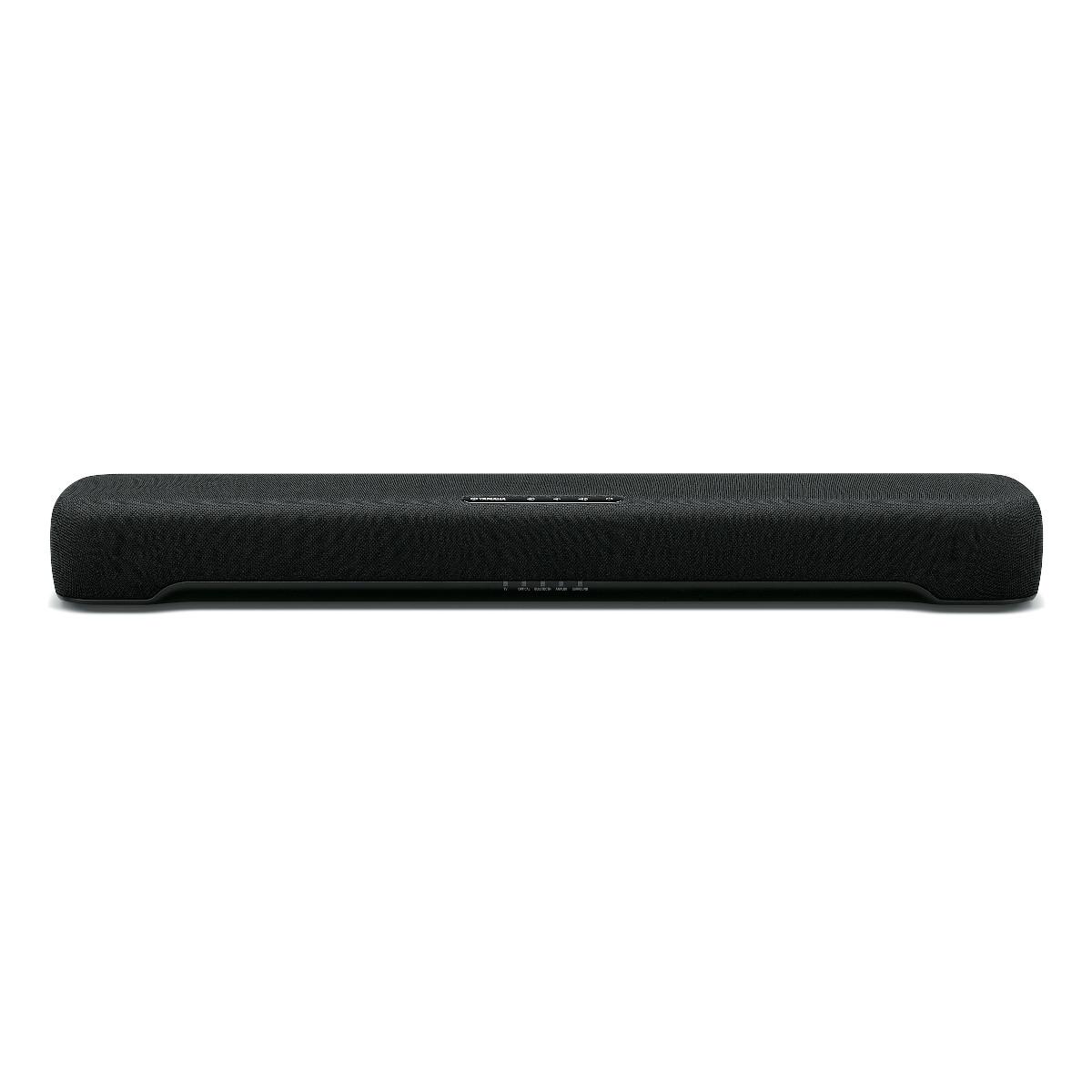
The Yamaha SR-C20A, part of Yamaha's established soundbar lineup, takes a more straightforward approach. Yamaha, with over 130 years in audio, focuses on delivering clean, balanced sound with user-friendly features. This model emphasizes dialogue clarity and ease of use over flashy features.
What's interesting about these releases is how they reflect current industry trends. The Klipsch arrives at a time when consumers increasingly want systems that can grow with their needs, while the Yamaha represents the ongoing demand for simple, effective solutions that just work out of the box.
This is where the Klipsch Flexus Core 100 really flexes its muscles. The soundbar packs dual 4-inch subwoofers directly into its 28-inch frame, along with two passive radiators that help extend bass response down to 45Hz. For context, that's low enough to reproduce the rumble in action movies and the kick drums in your favorite songs without needing a separate subwoofer.
I've spent considerable time with both systems, and the difference in bass impact is immediately noticeable. The Klipsch can fill a medium-sized room with satisfying low-end that you actually feel, not just hear. When watching movies like "Mad Max: Fury Road," the engine roars and explosions have genuine weight behind them.
The Yamaha SR-C20A takes a different approach with its single 3-inch cone subwoofer and dual passive radiators. While this setup provides more bass than your TV speakers, it's designed for enhancement rather than impact. The bass is present and balanced, but it won't rattle your coffee table. For dialogue-heavy content like news or dramas, this is actually preferable – the bass doesn't overwhelm the midrange frequencies where voices live.
Both soundbars excel at dialogue, but they achieve clarity through different methods. The Klipsch uses dual 2.25-inch aluminum cone drivers that Klipsch acousticians have specifically tuned for their signature sound. These drivers reproduce the midrange frequencies where human voices primarily exist with exceptional detail and naturalness.
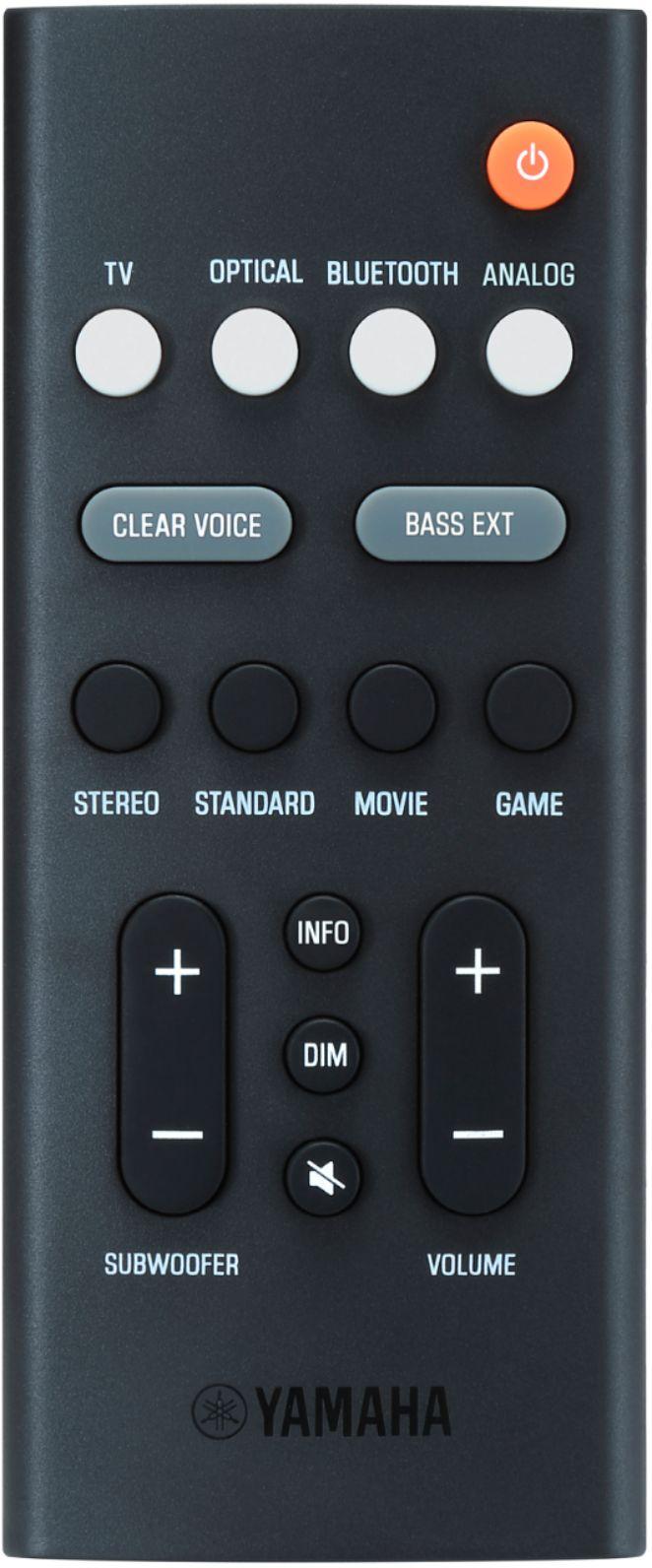
The Yamaha employs a feature called Clear Voice technology, which actively processes the audio signal to boost dialogue frequencies and reduce competing background sounds. Think of it as an intelligent equalizer that automatically adjusts based on what you're watching. During my testing, I found this particularly effective for shows with complex soundtracks where dialogue can sometimes get buried.
In practice, the Klipsch delivers more natural-sounding voices that feel like they're actually coming from the screen, while the Yamaha ensures you'll never miss a word, even if the processing occasionally makes voices sound slightly artificial.
Here's where the technology divide becomes most apparent. The Klipsch Flexus Core 100 includes Dolby Atmos processing, which is a significant technological advancement in home audio. Dolby Atmos doesn't just send sound to left and right channels – it creates audio objects that can be placed anywhere in a three-dimensional space around you.
Even though the Klipsch is a single soundbar, its Atmos processing creates the illusion of height and depth. When watching "Top Gun: Maverick," the fighter jets seem to actually fly overhead, and rain in atmospheric scenes appears to fall from above. This works through psychoacoustic processing – essentially tricking your brain into perceiving sounds from directions where there are no actual speakers.
The Yamaha offers virtual surround sound, but it's more traditional. It widens the soundstage by creating left and right channel separation and adds some ambiance, but it doesn't attempt the height dimension that makes Atmos special. For general TV watching, this is perfectly adequate, but for movie enthusiasts, the difference is substantial.
This is perhaps the most significant difference between these systems. The Klipsch features something called Transport technology, which creates a wireless mesh network operating on the 2.4GHz frequency band. This allows you to add Flexus surround speakers and additional subwoofers without running any cables.
What this means in practical terms is that your initial $228 investment can grow into a complete 5.1 or even 7.1 surround system over time. As your needs change or your room setup evolves, you can add rear speakers for true surround sound or an additional subwoofer for even more bass impact. The wireless connection is reportedly stable and low-latency, avoiding the sync issues that sometimes plague Bluetooth-based systems.
The Yamaha SR-C20A, in contrast, is what it is – a fixed 2.1 system with no expansion options. While this means less complexity and fewer things to go wrong, it also means that if you want more performance later, you'll need to start over with a different system entirely.
Both soundbars handle the basics well, but with some important differences. The Klipsch includes HDMI eARC, which is the latest standard for TV-to-soundbar communication. This enhanced version can handle higher-bandwidth audio formats including uncompressed Dolby Atmos and DTS:X. It also includes USB-C connectivity, which is increasingly common on modern devices.
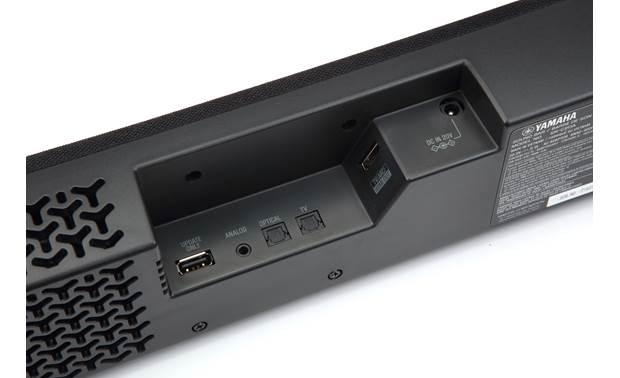
The Yamaha uses standard HDMI ARC, which handles most audio formats but might struggle with the highest-quality uncompressed signals. For most users, this won't be a limitation, but if you're particular about audio quality or plan to use high-end streaming devices, the difference matters.
Both systems include Bluetooth for music streaming and optical inputs for older devices. The Klipsch adds more flexibility, while the Yamaha keeps things simpler.
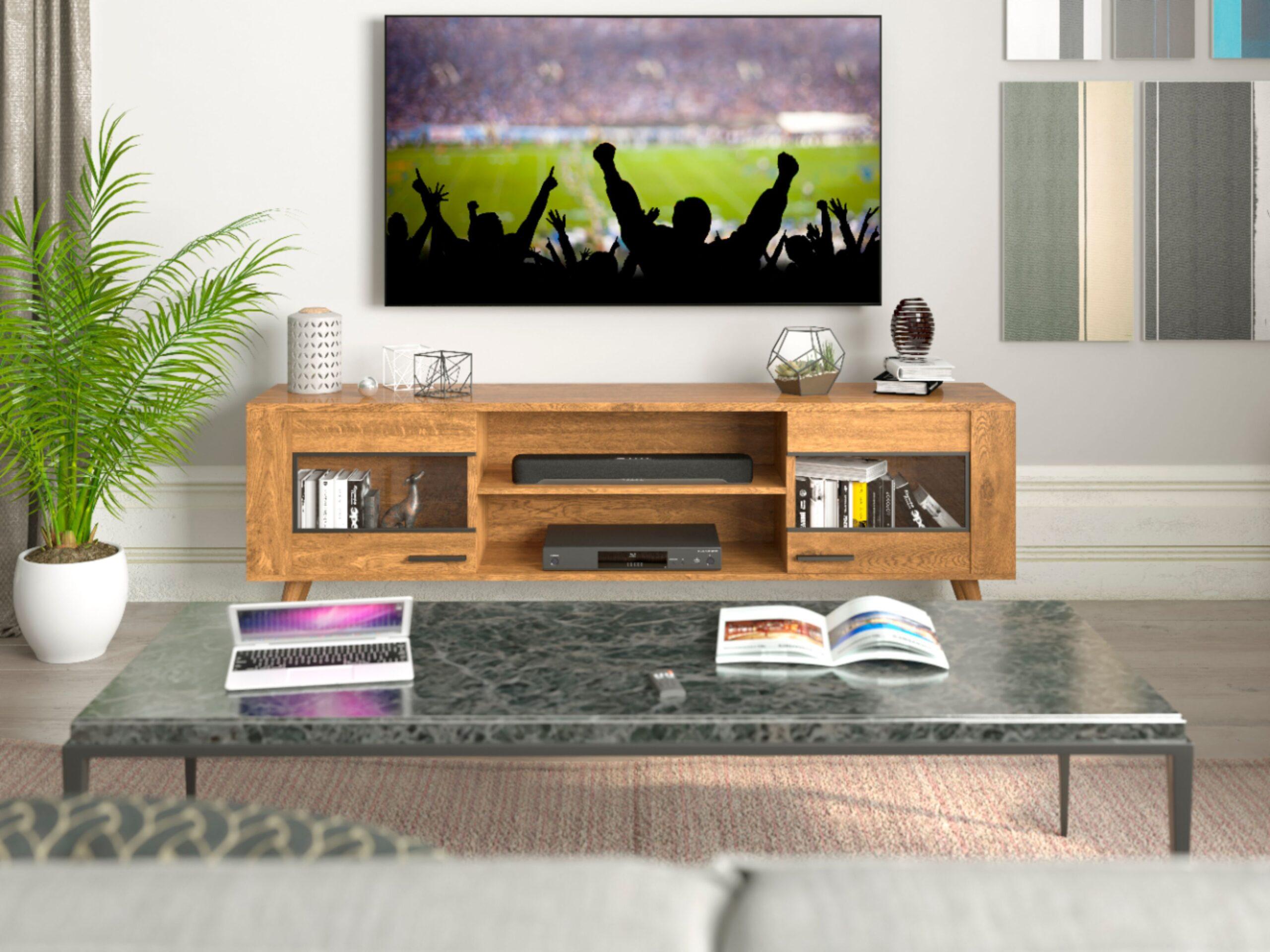
If you're working with a smaller room (under 150 square feet), the Yamaha SR-C20A might actually be the better choice. Its 23.6-inch width fits better with smaller TVs, and its more modest power output won't overwhelm a compact space. The bass response, while not as impactful as the Klipsch, is proportioned appropriately for close-quarters listening.
I've used similar Yamaha soundbars in apartment settings, and they strike a good balance between improvement over TV speakers and neighbor-friendly volume levels. The Clear Voice feature is particularly valuable in smaller spaces where you might need to keep overall volume lower but still want to hear dialogue clearly.
This is where the Klipsch Flexus Core 100 really shines. Its 100W power output and robust bass response can fill spaces up to 300 square feet effectively. The 28-inch width also proportionally matches larger TVs (55 inches and up) better than the more compact Yamaha.
More importantly, the expansion capability becomes crucial in larger spaces. While the Core 100 alone can handle a medium room, adding wireless surrounds transforms the experience in larger spaces. The ability to place rear speakers exactly where they need to be, without worrying about cable runs, makes the system much more practical for real-world installations.
At $179, the Yamaha represents excellent immediate value. You get significant improvement over TV speakers, reliable connectivity, and user-friendly operation. For someone who simply wants better TV audio without complications, it delivers exactly what's promised.
The Klipsch, at $228, asks for a $49 premium but provides substantially more capability. You're not just buying a soundbar – you're buying into a modular system that can evolve. The superior bass response, Dolby Atmos processing, and expansion capability justify the higher price for users who value flexibility and performance.
Consider this: if you buy the Yamaha and later decide you want surround sound, you'll need to replace the entire system. The Klipsch allows you to add components gradually, spreading the cost over time while building toward a more complete system.
For dedicated home theater use, the Klipsch Flexus Core 100 is clearly the better choice. Dolby Atmos support means it can properly decode and process modern movie soundtracks, while the expansion capability allows you to build a true surround system over time.
The bass performance also matters more in home theater applications. Action movies, sci-fi films, and even dramas benefit from the weight and impact that proper bass response provides. The Klipsch delivers this without requiring a separate subwoofer, which simplifies placement and reduces the overall system footprint.
That said, if your "home theater" is really just enhanced TV watching in a living room setting, the Yamaha's dialogue focus and simpler operation might actually be preferable. Not everyone wants or needs the complexity that comes with high-performance audio systems.
You're building or planning a home theater setup where audio quality matters. The Dolby Atmos processing and expansion capability make it a smart long-term investment. If you have a medium to large room, appreciate good bass response, and might want to add surround speakers later, the extra $49 is well spent.
The Klipsch is also the better choice if you watch a lot of action movies, play games, or listen to music through your TV system. The more dynamic sound signature and better bass response will make these activities more engaging.
You want immediate improvement in TV audio with minimal fuss. If dialogue clarity is your primary concern and you're not interested in building a larger system, the Yamaha delivers exactly what you need at a great price.
It's also the smarter choice for smaller rooms, apartment living, or if you primarily watch dialogue-heavy content like news, documentaries, or dramas. The simpler setup and operation make it ideal for users who just want their TV to sound better without any complexity.
The Yamaha SR-C20A ($179) represents the "set it and forget it" approach to better TV audio, while the Klipsch Flexus Core 100 ($228) opens the door to a more engaging and expandable home entertainment experience. Your choice should depend on your space, budget, content preferences, and long-term plans for your entertainment system.
Both soundbars will dramatically improve your TV's audio over built-in speakers. The question is whether you want simple improvement or the foundation for something more ambitious. Either way, you'll be significantly happier with your viewing experience than you were before.
| Klipsch Flexus Core 100 ($228) | Yamaha SR-C20A ($179) |
|---|---|
| Price - Klipsch costs $49 more but offers premium features | |
| $228 | $179 |
| Power Output - Higher wattage means louder volume and better room filling | |
| 100W RMS (can fill medium-large rooms) | Not specified (optimized for small-medium rooms) |
| Bass Performance - Critical for movie impact and music enjoyment | |
| Dual 4" built-in subwoofers, 45Hz response | Single 3" subwoofer with passive radiators |
| Dolby Atmos Support - Creates immersive 3D sound effects | |
| Yes, with height virtualization processing | No, basic virtual surround only |
| Expandability - Ability to add more speakers later | |
| Wireless surround speakers and subwoofer via Transport tech | None - fixed 2.1 system |
| Dimensions - Size compatibility with your TV and space | |
| 28" W × 3" H × 5" D (fits 55"+ TVs well) | 23.6" W × 2.5" H × 4" D (ideal for smaller TVs) |
| HDMI Connectivity - Affects audio format support | |
| HDMI eARC (supports highest quality formats) | HDMI ARC (handles most formats) |
| Dialogue Enhancement - Important for clear speech | |
| Natural clarity through aluminum drivers | Dedicated Clear Voice processing technology |
| Best Room Size - Where each performs optimally | |
| Medium to large rooms (150-300+ sq ft) | Small to medium rooms (under 200 sq ft) |
| Setup Complexity - Time and effort required | |
| 15-minute app setup for optimization | Plug-and-play simplicity |
| Target User - Who each soundbar serves best | |
| Home theater enthusiasts wanting future expansion | Casual viewers prioritizing dialogue and simplicity |
The Klipsch Flexus Core 100 ($228) offers better overall value despite costing $49 more than the Yamaha SR-C20A ($179). You get Dolby Atmos processing, significantly better bass performance, and wireless expandability that can grow into a full surround system. The Yamaha provides excellent value for basic TV audio improvement, but the Klipsch delivers more future-proof features.
The biggest difference is expandability and audio processing. The Klipsch Flexus Core 100 features Dolby Atmos virtualization and can wirelessly connect to additional speakers, while the Yamaha SR-C20A is a fixed 2.1 system focused on dialogue clarity and simplicity. The Klipsch targets home theater enthusiasts, while the Yamaha serves casual TV viewers.
The Klipsch Flexus Core 100 delivers significantly better bass with dual 4-inch built-in subwoofers that reach down to 45Hz. This provides room-filling bass that you can actually feel during action scenes. The Yamaha SR-C20A has a single 3-inch subwoofer that enhances bass compared to TV speakers but can't match the Klipsch's impact or depth.
No separate subwoofer is needed with the Klipsch Flexus Core 100 for most rooms thanks to its dual built-in woofers. The Yamaha SR-C20A also includes a built-in subwoofer, though it's less powerful. However, the Klipsch offers the option to add a wireless subwoofer later for even more bass, while the Yamaha cannot be expanded.
The Yamaha SR-C20A is better suited for small rooms under 150 square feet. Its compact 23.6-inch width fits smaller TVs better, and its moderate power output won't overwhelm tight spaces. The Klipsch Flexus Core 100 is designed for medium to large rooms and might be overpowering in very small spaces.
Both soundbars connect to your TV via HDMI cables, not wirelessly. The Klipsch Flexus Core 100 uses HDMI eARC for the highest quality audio formats, while the Yamaha SR-C20A uses standard HDMI ARC. Both also offer Bluetooth connectivity for streaming music from phones and tablets.
The Yamaha SR-C20A is much easier to set up with true plug-and-play operation. The Klipsch Flexus Core 100 requires about 15 minutes of initial app-based room calibration to optimize its Dolby Atmos processing. If you want the simplest possible setup, choose the Yamaha.
Only the Klipsch Flexus Core 100 supports Dolby Atmos with height virtualization processing that creates immersive 3D sound effects. The Yamaha SR-C20A offers basic virtual surround sound but lacks Atmos support. For modern movie soundtracks and gaming, the Klipsch provides a more cinematic experience.
Both excel at dialogue but use different approaches. The Yamaha SR-C20A uses dedicated Clear Voice technology that actively boosts speech frequencies, making it excellent for news and dialogue-heavy shows. The Klipsch Flexus Core 100 delivers more natural-sounding dialogue through its aluminum drivers without artificial processing.
Yes, but only with the Klipsch Flexus Core 100. Its Transport technology allows wireless connection to Flexus surround speakers and additional subwoofers, letting you build a complete home theater system over time. The Yamaha SR-C20A is a fixed system with no expansion options.
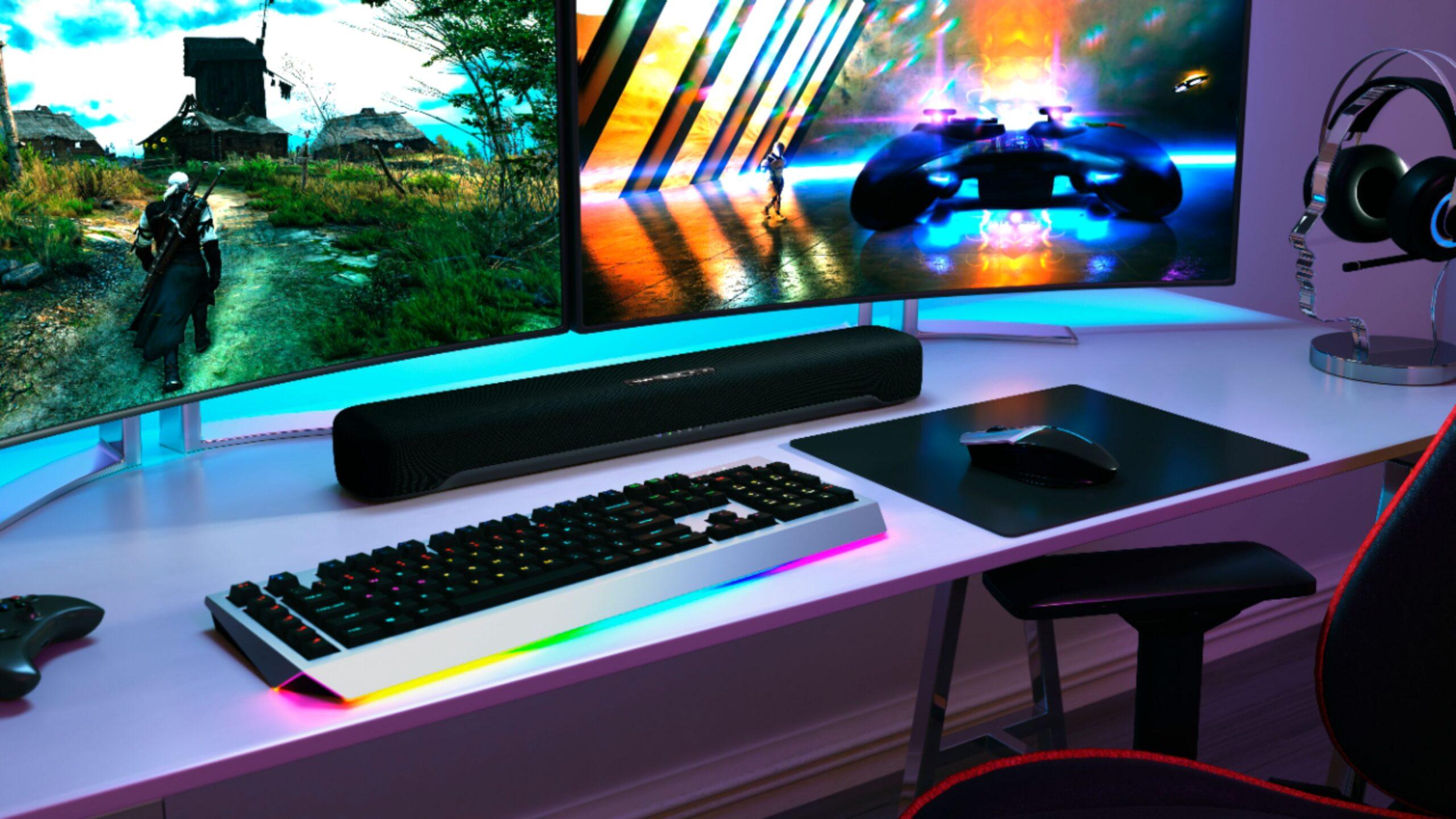
The Klipsch Flexus Core 100 is significantly better for movies and gaming thanks to its Dolby Atmos processing, superior bass response, and higher power output. Action scenes have more impact, and games sound more immersive. The Yamaha SR-C20A works fine for casual gaming and movies but lacks the dynamic range for truly cinematic experiences.
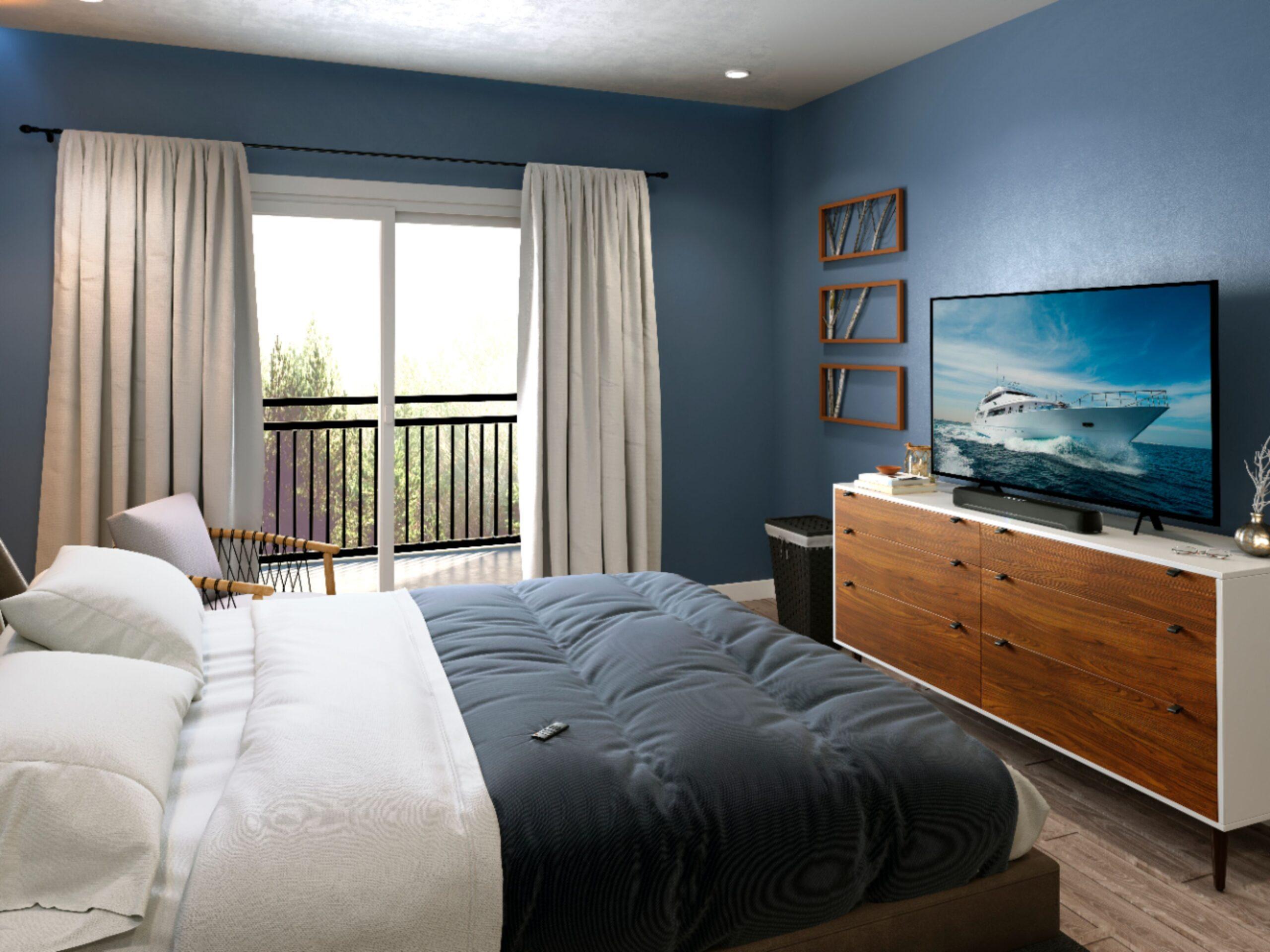
The Klipsch Flexus Core 100 measures 28" wide and pairs well with 55-inch or larger TVs, while the Yamaha SR-C20A is more compact at 23.6" wide, making it ideal for smaller TVs and tighter spaces. Both are similarly slim in height, so either will fit under most TVs without blocking the screen.
We've done our best to create useful and informative comparisons to help you decide what product to buy. Our research uses advanced automated methods to create this comparison and perfection is not possible - please contact us for corrections or questions. These are the sites we've researched in the creation of this article: cnet.com - klipsch.com - klipsch.com - bestbuy.com - sweetwater.com - assets.onkyo-av.com - youtube.com - worldwidestereo.com - avnirvana.com - target.com - t3.com - usa.yamaha.com - radiotimes.com - shop.usa.yamaha.com - whathifi.com - hifiheaven.net - usa.yamaha.com - sweetwater.com - hub.yamaha.com - bestbuy.com

Privacy Policy
Terms and Conditions - Affiliate Policy
Home Security
© Copyright 2008-2026.
11816 Inwood Rd #1211, Dallas, TX 75244