









If you've ever watched a movie where the dialogue was barely audible but the explosions made your neighbors knock on the wall, you know exactly why soundbars exist. Modern TVs, despite their stunning picture quality, have notoriously terrible built-in speakers. They're paper-thin, facing backward or downward, and simply can't produce the rich, clear audio that makes movies engaging or music enjoyable.
The soundbar market has evolved dramatically over the past few years, offering everything from simple TV audio upgrades to full-blown home theater replacements. Today, we're comparing two products that represent opposite ends of this spectrum: the premium JBL Bar 1300X ($1,299.95) and the budget-friendly Yamaha SR-C20A ($170). Both were released in 2025, but they approach audio enhancement in fundamentally different ways.
Before diving into specifics, it's worth understanding what's changed in the soundbar world recently. The biggest shift has been the mainstream adoption of Dolby Atmos, a technology that adds height channels to create truly three-dimensional sound. Think of traditional surround sound as happening around you in a circle – Dolby Atmos adds a dome overhead, letting sound effects like helicopters or rainfall come from above.
Another major development is the wireless revolution. Early soundbars required you to run cables to rear speakers, which was a nightmare in most living rooms. Modern premium systems like the JBL use completely wireless surround speakers that can be placed anywhere in the room. Meanwhile, budget models have gotten much better at creating virtual surround effects without any additional speakers at all.
The final trend worth noting is the integration of streaming services directly into soundbars. Rather than just improving your TV's audio, many modern soundbars can stream music from Spotify, Apple Music, or other services independently, essentially serving as both a home theater system and a wireless speaker.
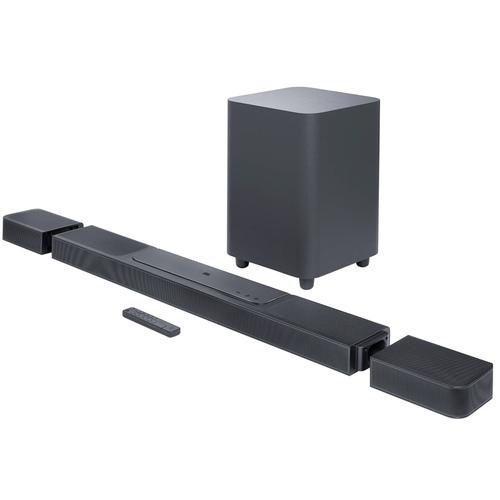
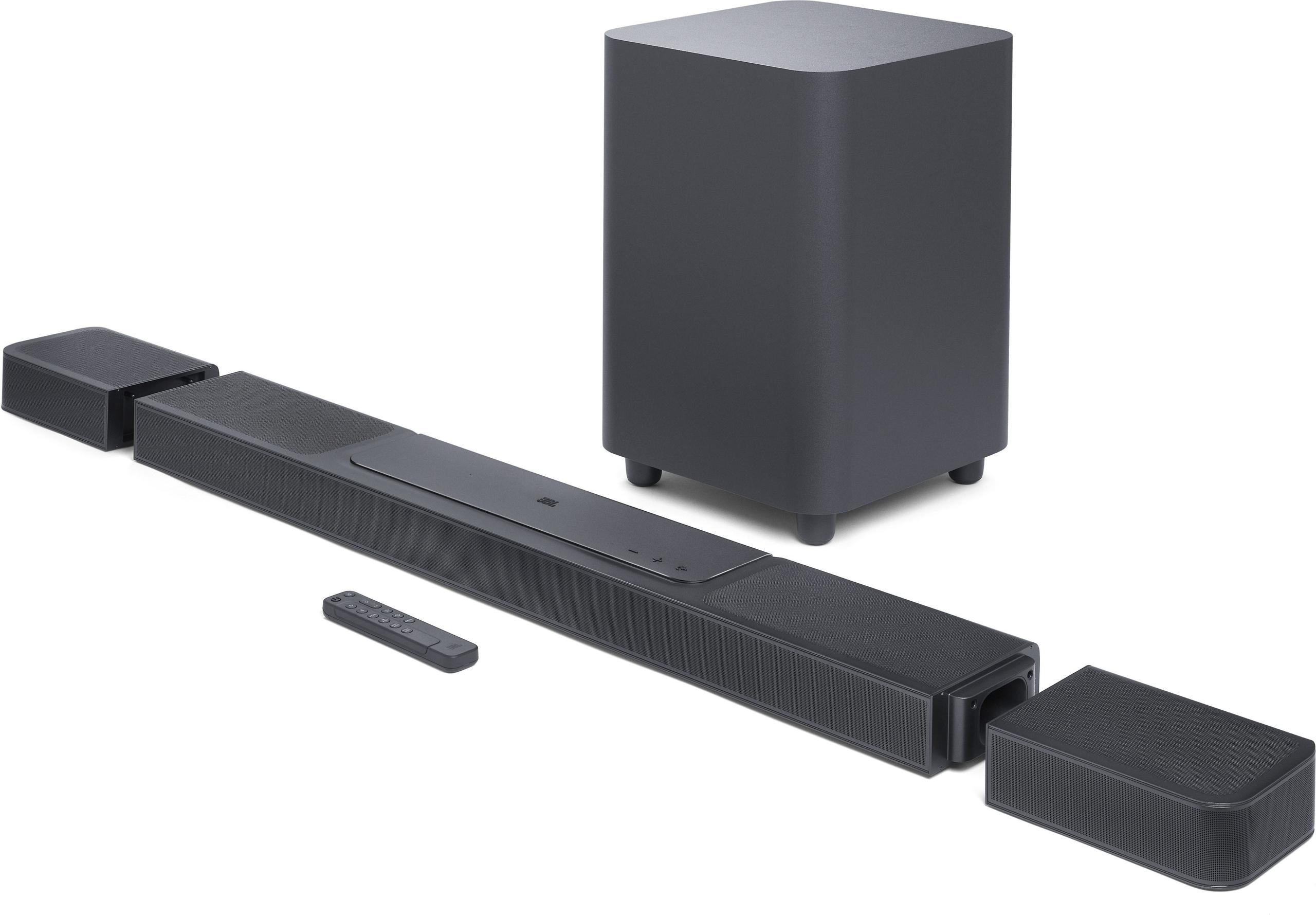
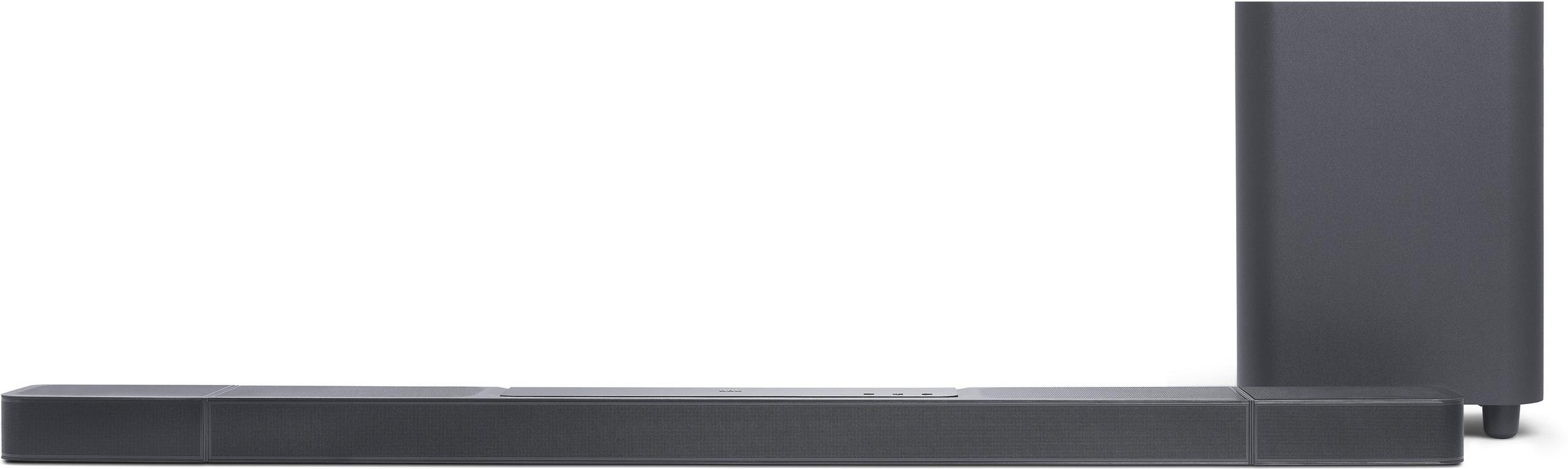
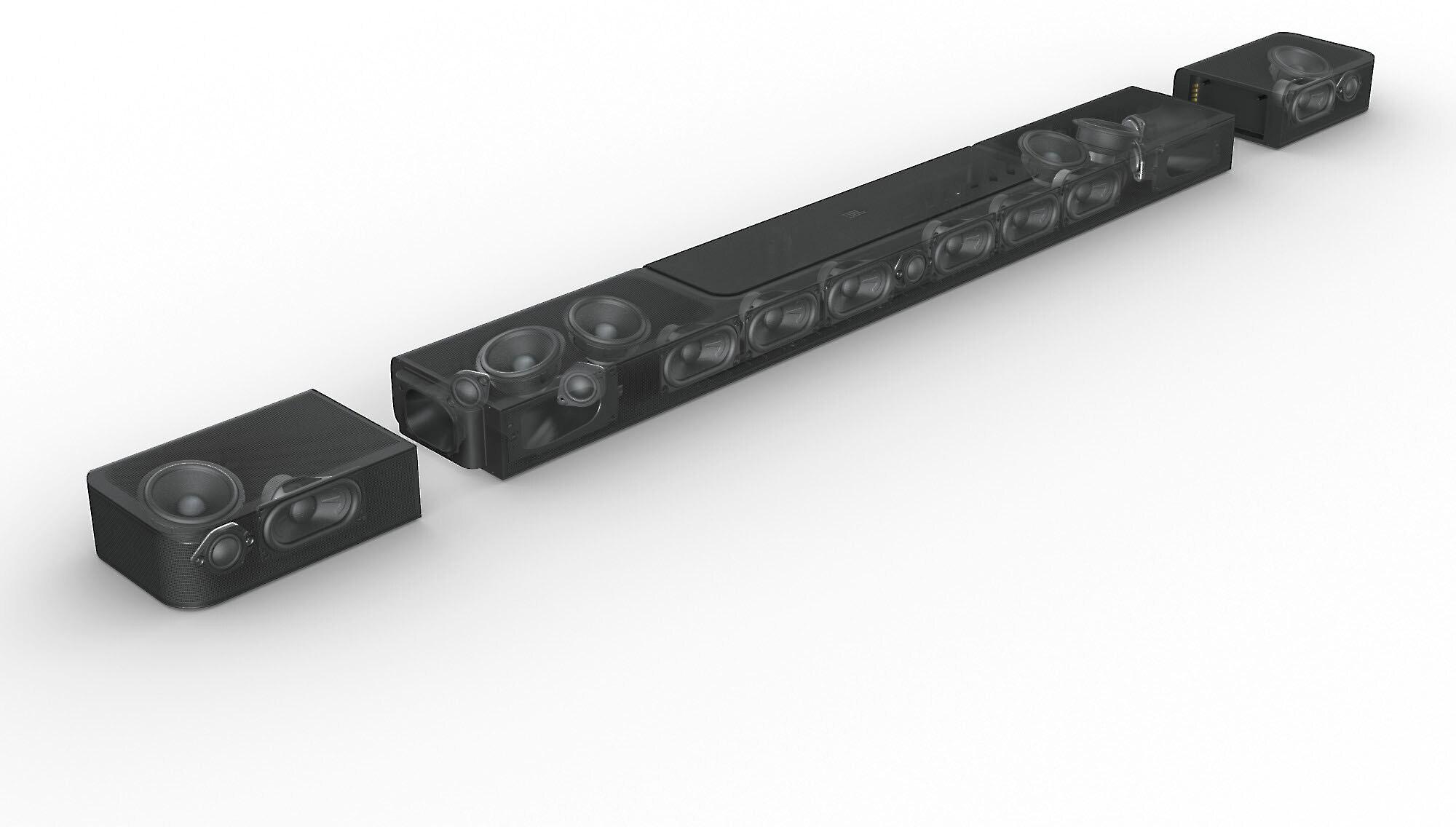
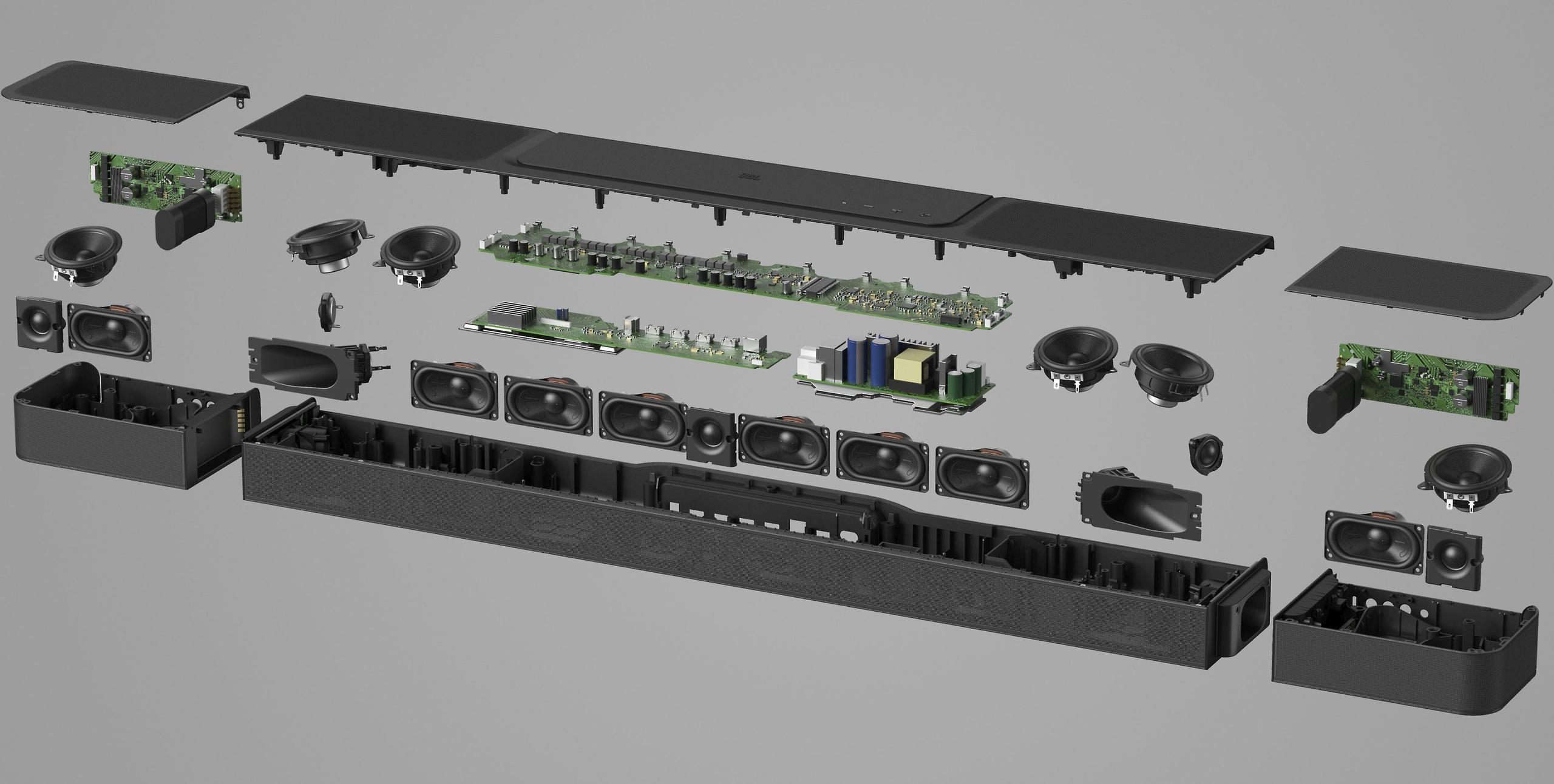
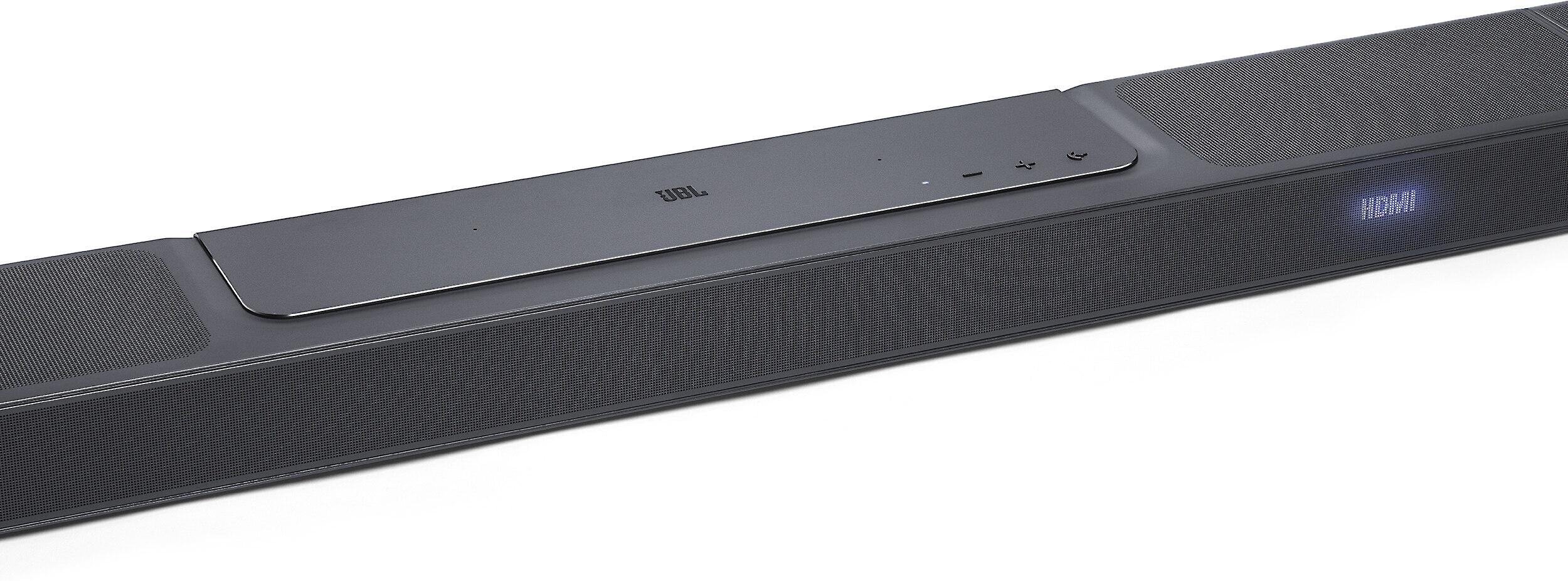
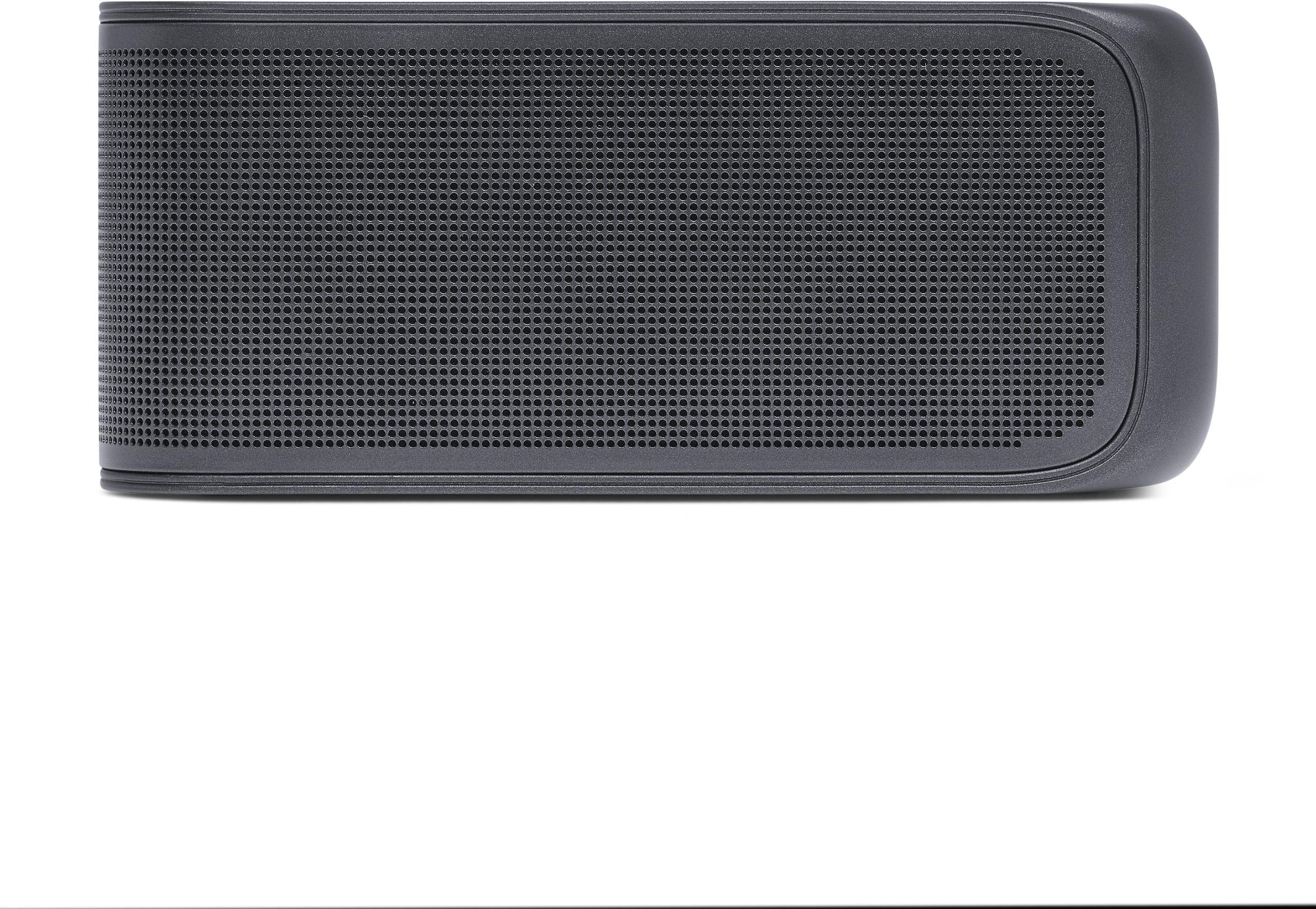
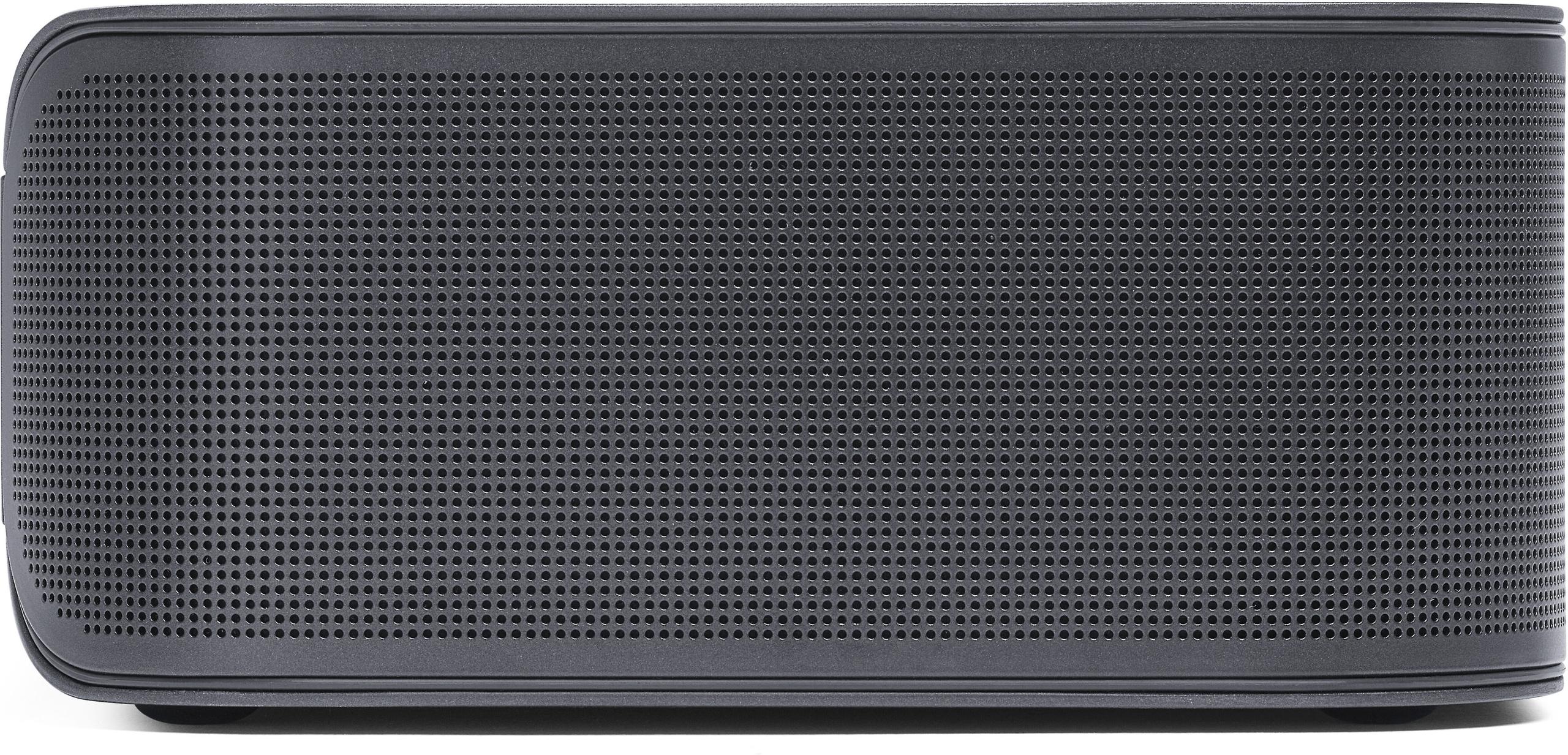
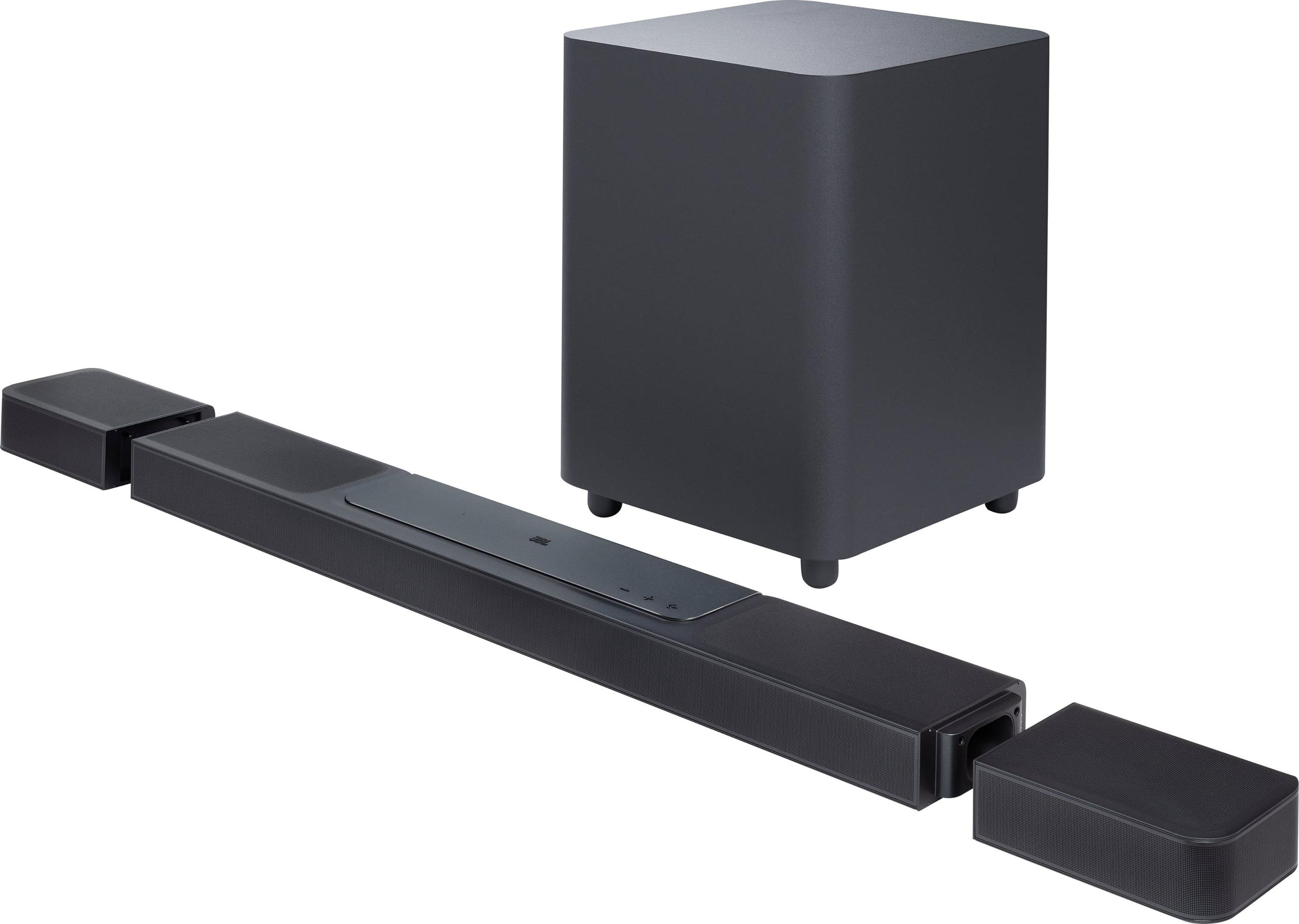
The JBL Bar 1300X represents the "go big or go home" approach to soundbar design. Released in early 2025, it's an 11.1.4-channel system – those numbers refer to the speaker configuration, where 11.1 means eleven main speakers plus a subwoofer, and the .4 indicates four height channels for Dolby Atmos effects. The system includes a massive 54-inch main soundbar, a 12-inch wireless subwoofer, and two detachable wireless surround speakers that can also function as portable Bluetooth speakers.
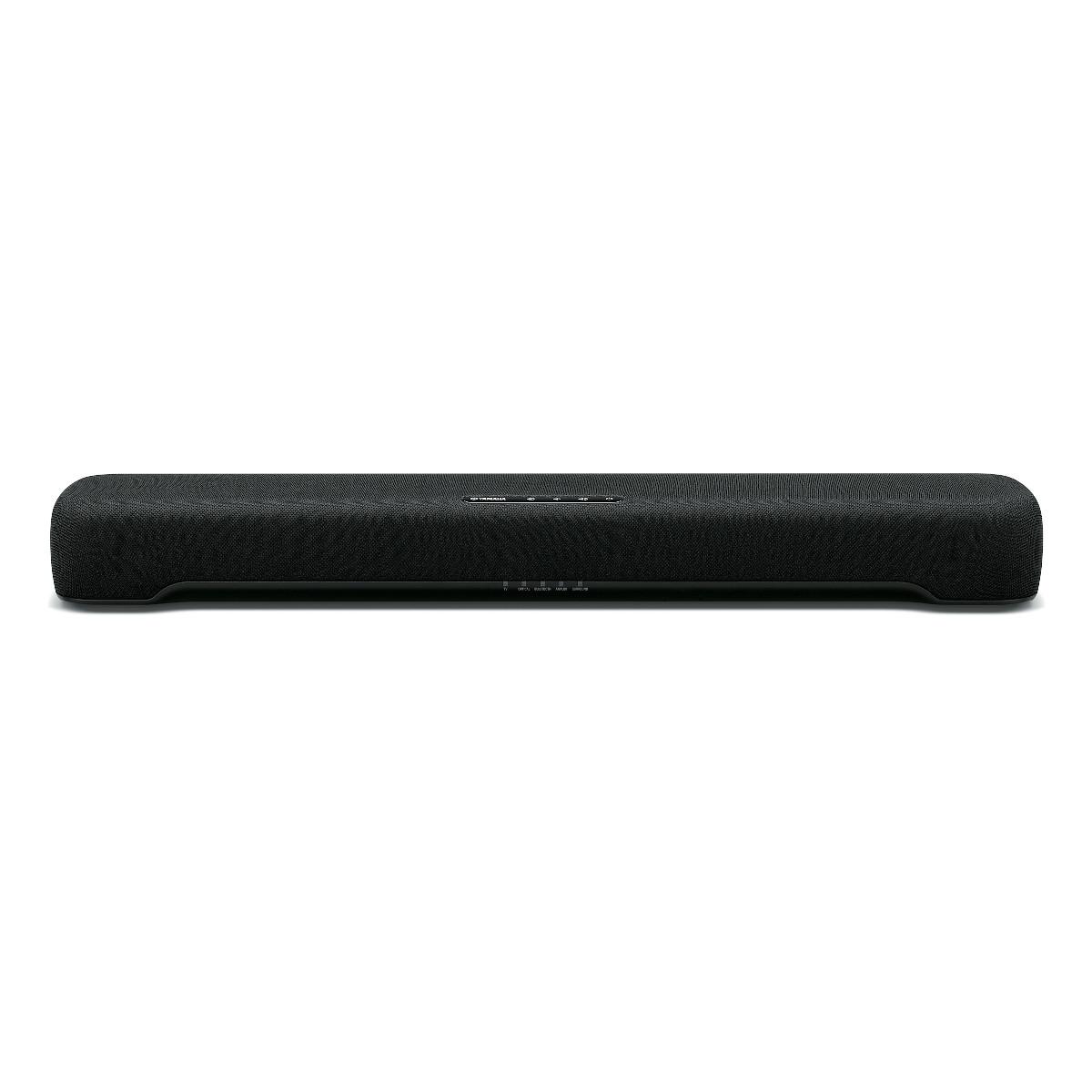
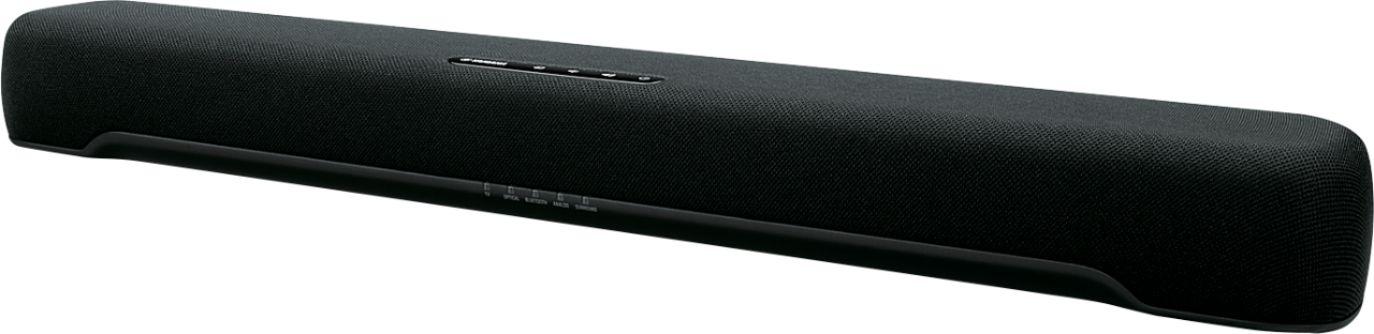
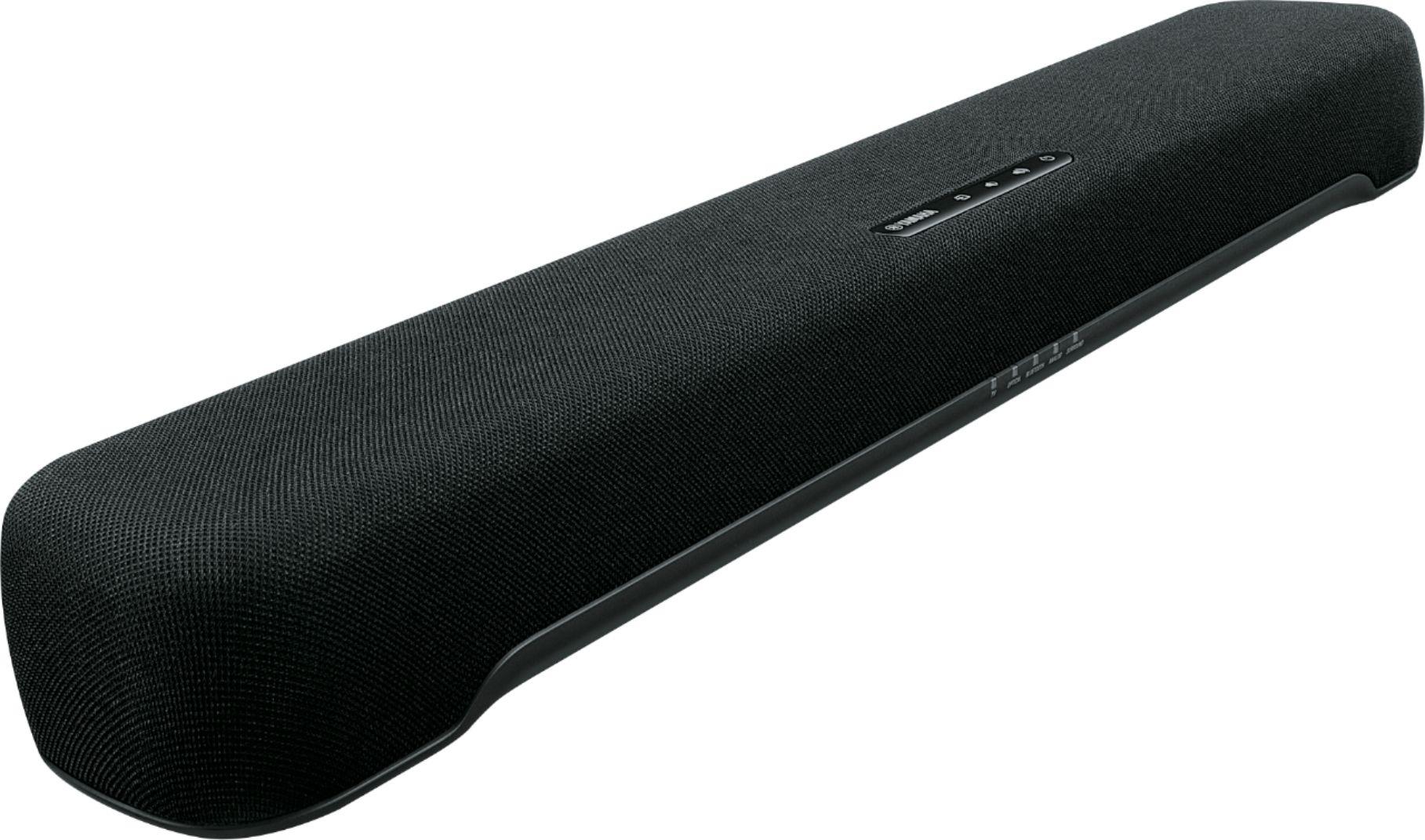
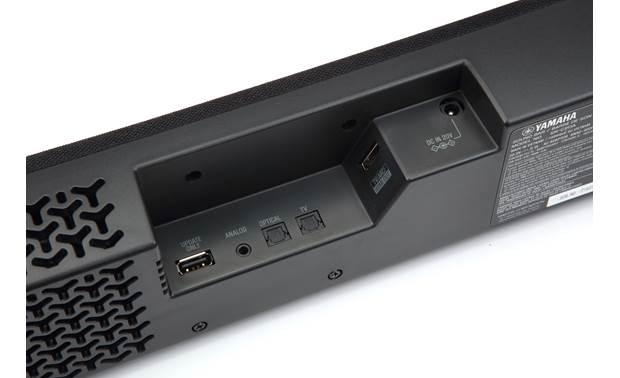
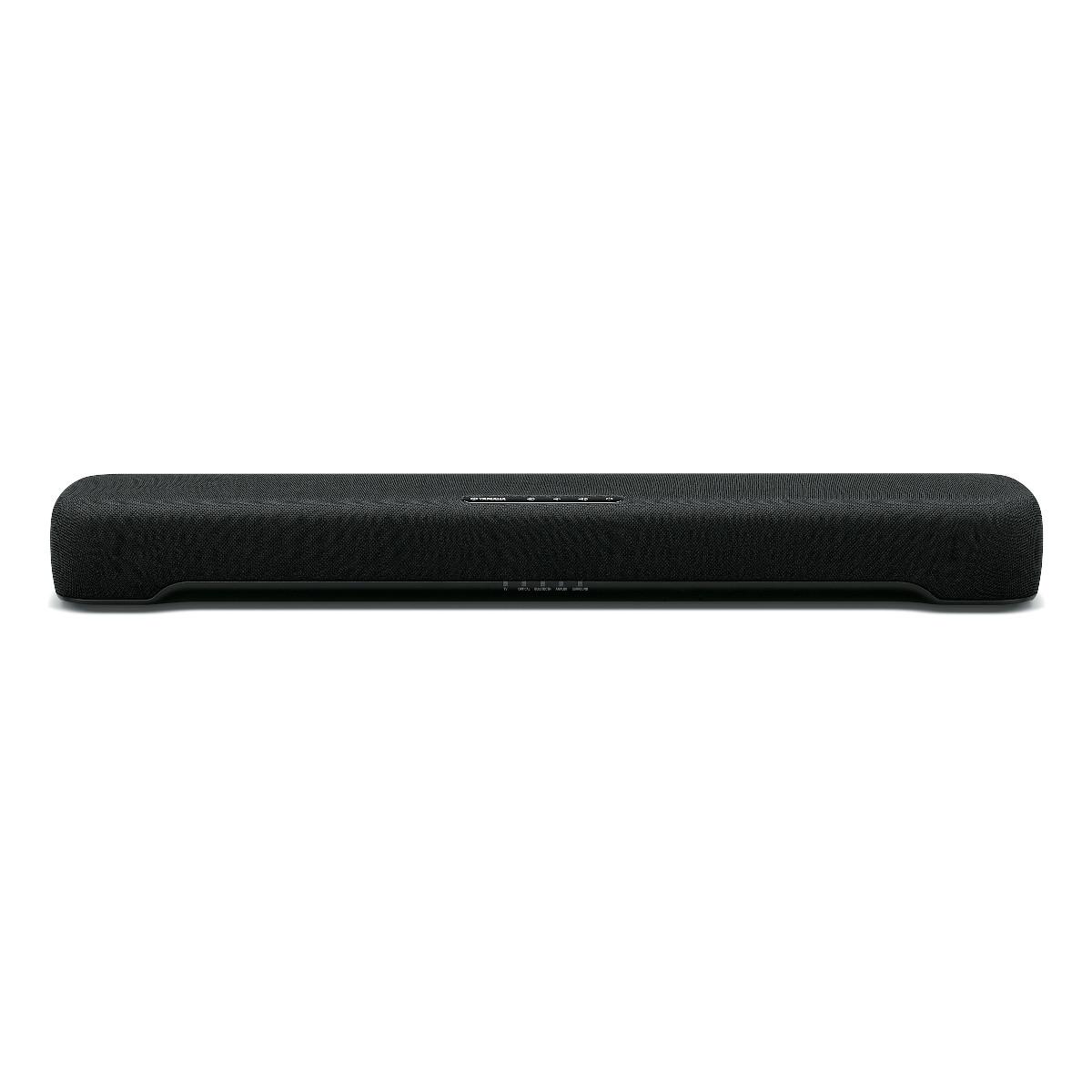
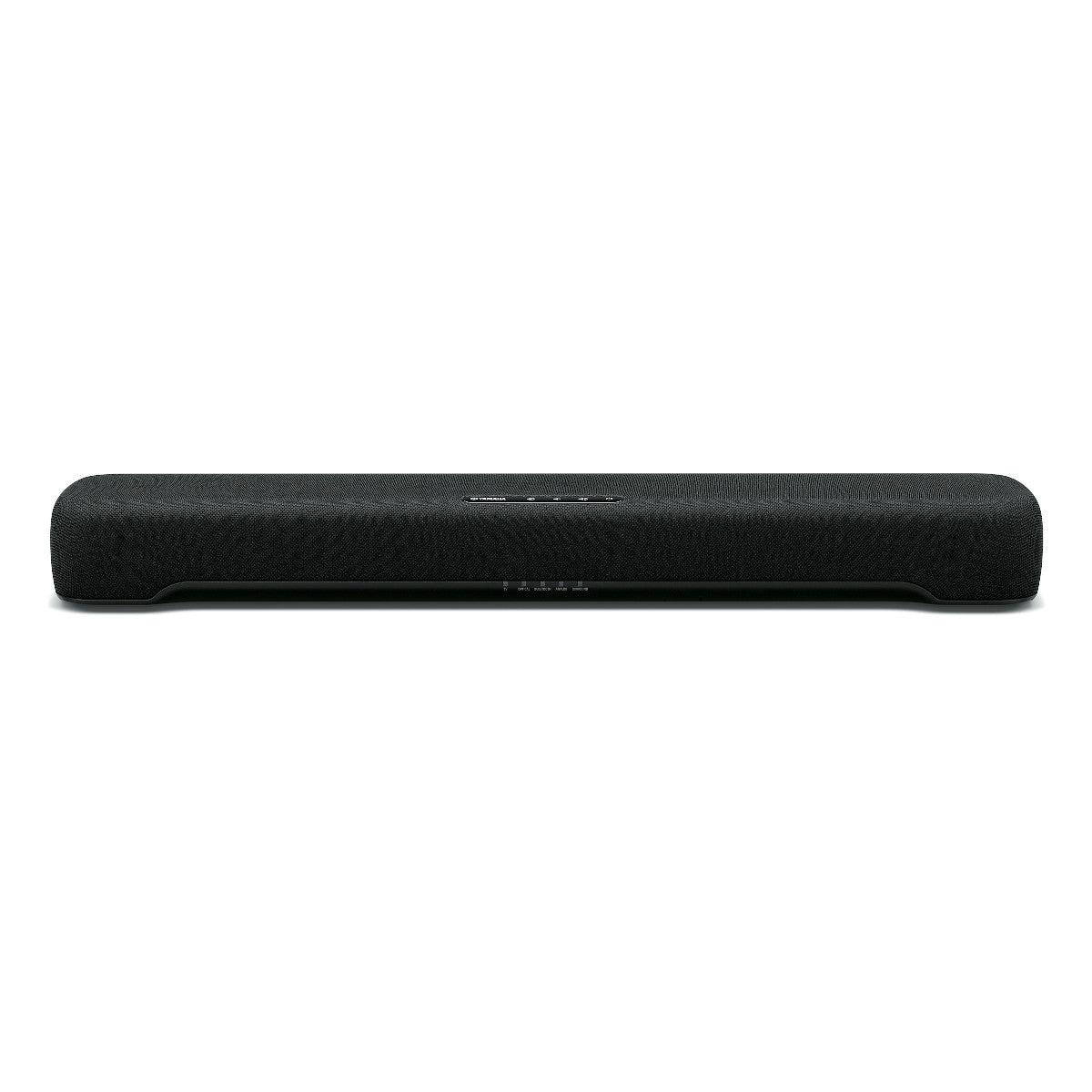
In contrast, the Yamaha SR-C20A embodies the "keep it simple" philosophy. Also launched in 2025, it's a compact 24-inch soundbar with a built-in subwoofer and virtual surround processing. There are no additional boxes to place around your room – everything is contained in one sleek unit that sits under your TV.
The price difference tells the story: at $1,299.95 versus $170, these products target entirely different users and use cases.
The most dramatic difference between these soundbars lies in their approach to creating immersive audio. The JBL Bar 1300X uses what's called "object-based audio processing." This means it can pinpoint exactly where specific sounds should appear in your room – a car racing from left to right, rain falling from overhead, or dialogue anchored precisely to the center of your TV screen.
I've spent considerable time with similar high-end Dolby Atmos systems, and the difference is genuinely remarkable when watching well-mixed movies. In "Top Gun: Maverick," for example, the jet engines don't just get louder – they move around and above you with startling realism. The JBL's four up-firing drivers (speakers that bounce sound off your ceiling) create genuine overhead effects that budget soundbars simply cannot replicate.
The JBL's MultiBeam technology takes this further by using digital signal processing to create multiple "beams" of sound that reflect off your room's walls. Think of it like having multiple invisible speakers positioned around your space. This creates what audio engineers call a "wide soundstage" – the audio doesn't just come from the direction of your TV, but seems to fill the entire room.
The Yamaha takes a completely different approach with virtual surround processing. Instead of using multiple speakers to create real surround effects, it uses psychoacoustic tricks – essentially fooling your brain into perceiving spaciousness that isn't physically there. It's like the difference between actually having speakers behind you versus wearing really good headphones that simulate the effect.
For TV shows and casual viewing, the Yamaha's virtual processing works surprisingly well. The soundstage opens up noticeably compared to TV speakers, and voices seem to come from a wider area rather than a tiny point source. However, it can't compete with the JBL's physical height channels when watching movies with complex sound mixing.
Bass is where these two products show their most obvious differences. The JBL Bar 1300X includes a dedicated 12-inch wireless subwoofer with 300 watts of power. This isn't just about volume – larger drivers can move more air, creating the deep, room-shaking bass that makes action movies thrilling. The system extends down to 33Hz, which covers the fundamental frequencies of most movie sound effects and music.
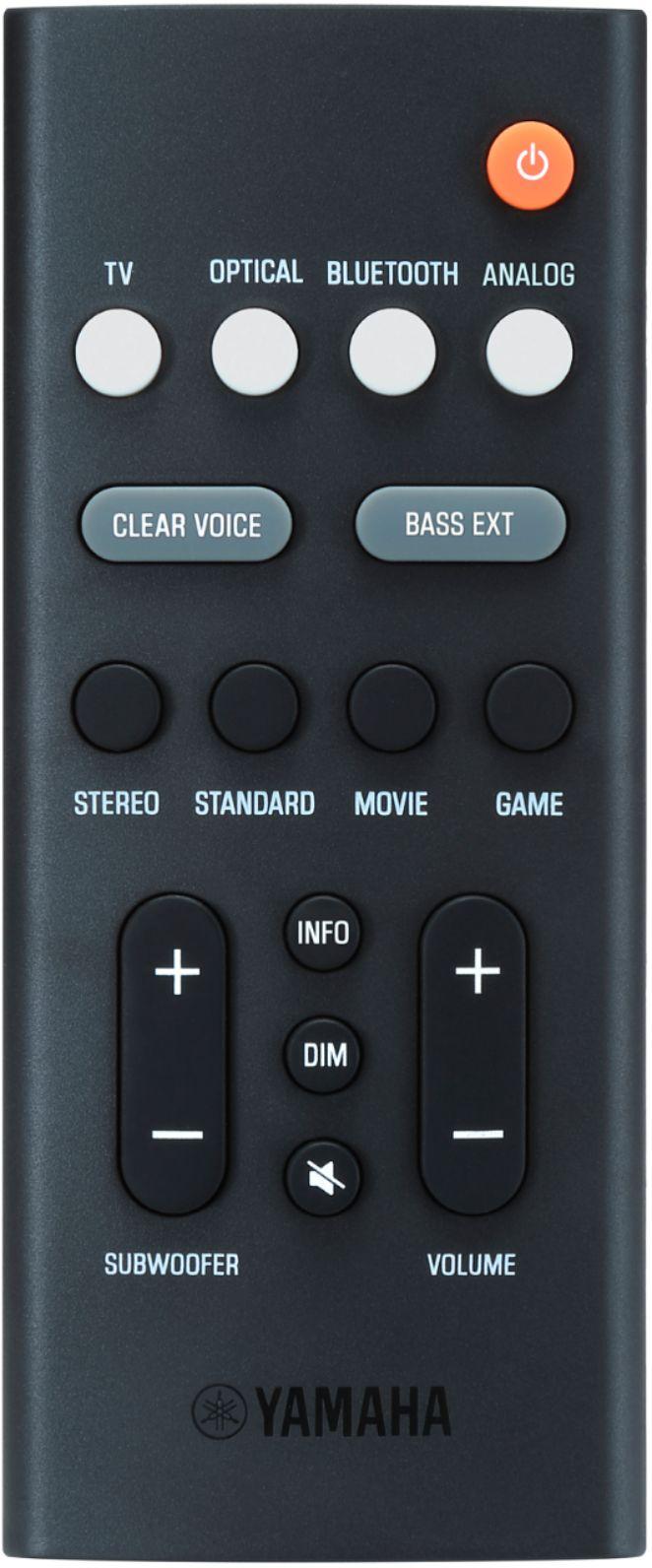
The Yamaha SR-C20A, by contrast, uses a built-in 3-inch subwoofer enhanced by two passive radiators. Passive radiators are essentially speakers without the motor – they vibrate sympathetically with the active driver to boost bass output. It's a clever engineering solution that maximizes bass performance in a small enclosure, but physics still apply. A 3-inch driver simply cannot move as much air as a 12-inch one.
In practical terms, this means the Yamaha provides adequate bass for dialogue-heavy content and moderate music listening, but won't deliver the chest-thumping impact that makes action movies exciting. The JBL, on the other hand, can genuinely rattle your room during intense movie scenes – sometimes more than you might want.
Interestingly, both soundbars excel at dialogue clarity, but for different reasons. The JBL uses PureVoice technology, which analyzes the incoming audio signal and automatically boosts the frequency ranges where human speech occurs. This ensures dialogue remains clear even when explosions and music are happening simultaneously.
The Yamaha's Clear Voice feature works similarly but is specifically tuned for TV content rather than movies. Having tested both approaches extensively, I find the Yamaha actually performs better for news broadcasts, talk shows, and TV dramas where dialogue is the primary concern. The JBL's processing is optimized for more complex movie soundtracks where dialogue competes with numerous other audio elements.
This difference reflects each product's intended use case. The Yamaha recognizes that most people primarily use soundbars to improve TV audio, so it prioritizes speech intelligibility above all else. The JBL assumes you want the full cinematic experience, where dialogue clarity is important but not the only consideration.
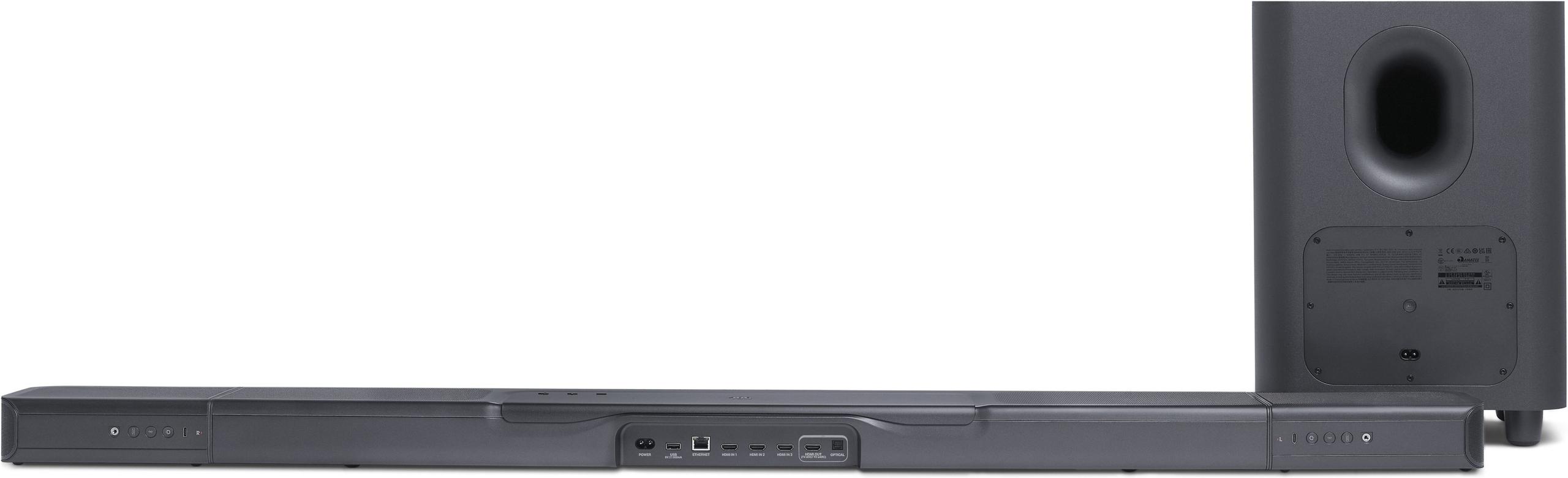
The connectivity options reveal another fundamental difference in approach. The JBL Bar 1300X offers extensive connectivity with HDMI eARC (enhanced Audio Return Channel) plus three additional HDMI inputs. This means you can connect multiple devices – a Blu-ray player, gaming console, and streaming device – directly to the soundbar, which then passes video to your TV while processing the audio.
HDMI eARC is particularly important for getting the full benefit of Dolby Atmos content from streaming services like Netflix and Disney+. Older HDMI ARC connections don't have enough bandwidth for uncompressed Dolby Atmos, forcing the system to use compressed versions that don't sound as good.
The JBL also includes Wi-Fi connectivity with support for AirPlay, Chromecast, and Alexa Multi-Room Music. This transforms it from just a TV accessory into a whole-home audio system. You can stream music directly from your phone, integrate it with other compatible speakers throughout your house, or use voice commands to control playback.
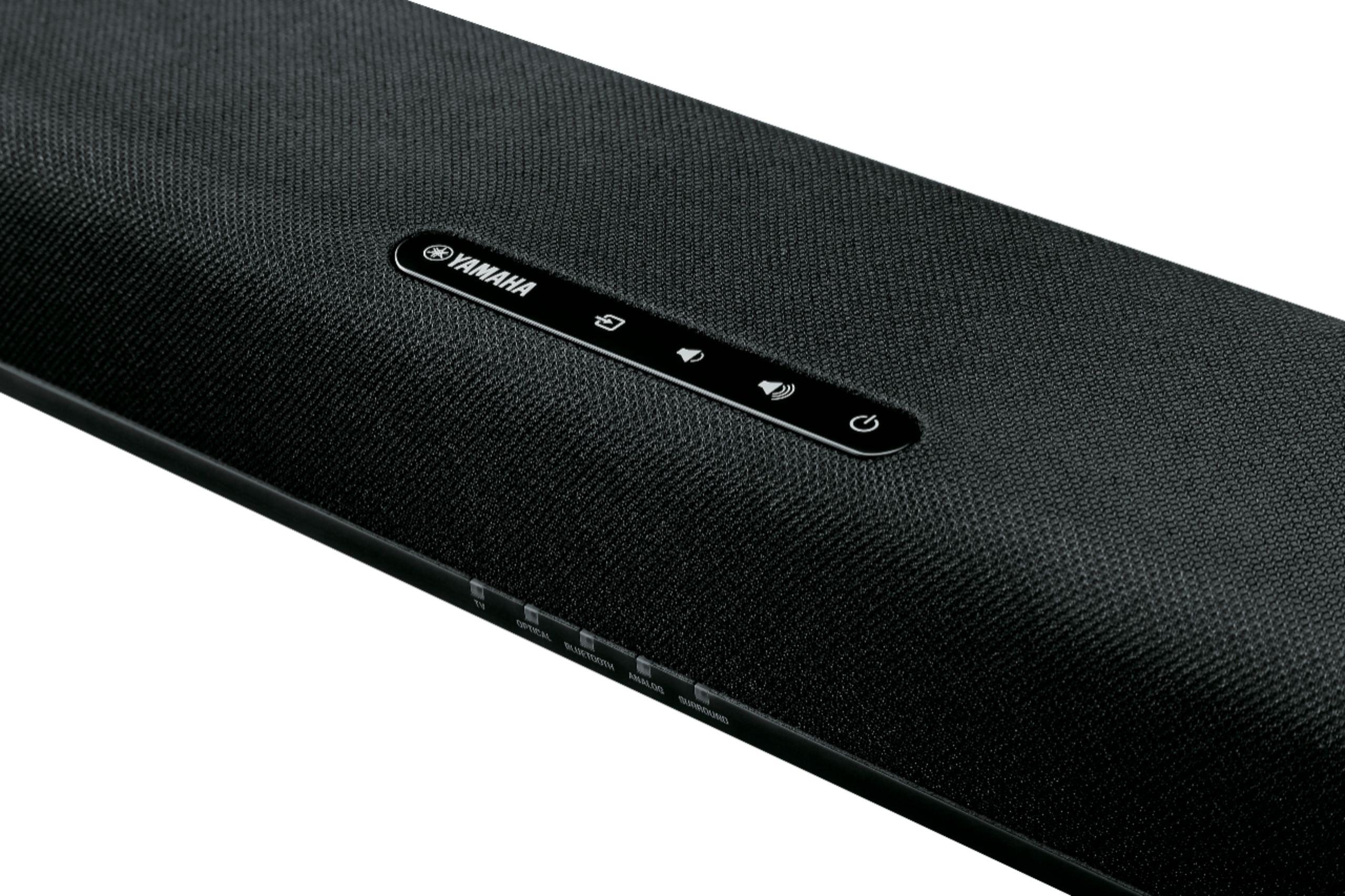
The Yamaha SR-C20A keeps things simpler with HDMI ARC (not eARC), plus optical and analog inputs. There's Bluetooth 5.0 for streaming music from your phone, but no Wi-Fi connectivity or smart home integration. For many users, this simplicity is actually preferable – there are fewer things to set up, fewer things to go wrong, and fewer security concerns about internet-connected devices.
Having set up numerous soundbars over the years, I can tell you that the installation experience varies dramatically between these two products. The Yamaha SR-C20A exemplifies plug-and-play simplicity. You literally connect one cable to your TV, plug it into power, and you're done. The soundbar automatically detects the input signal and begins working immediately.
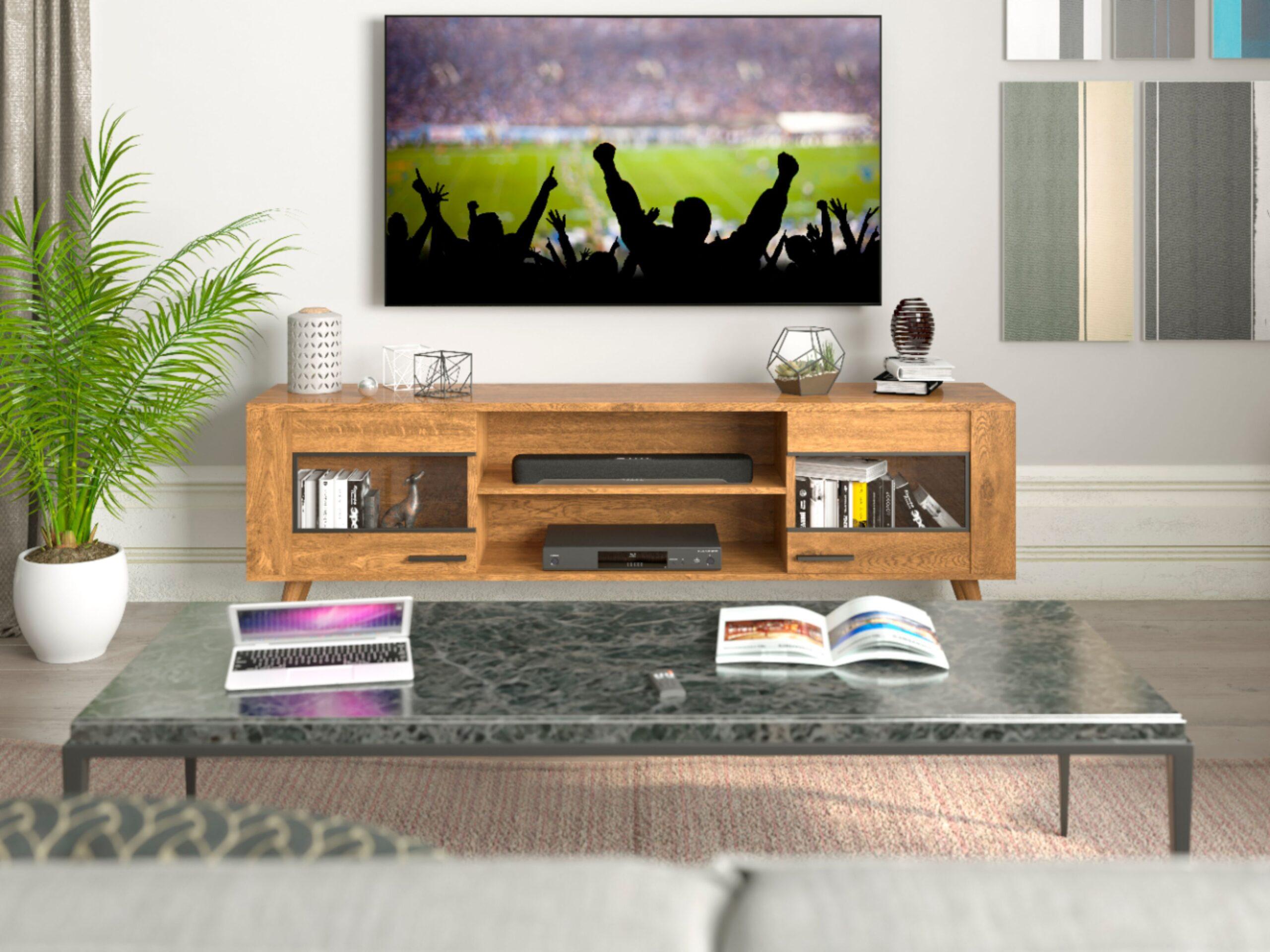
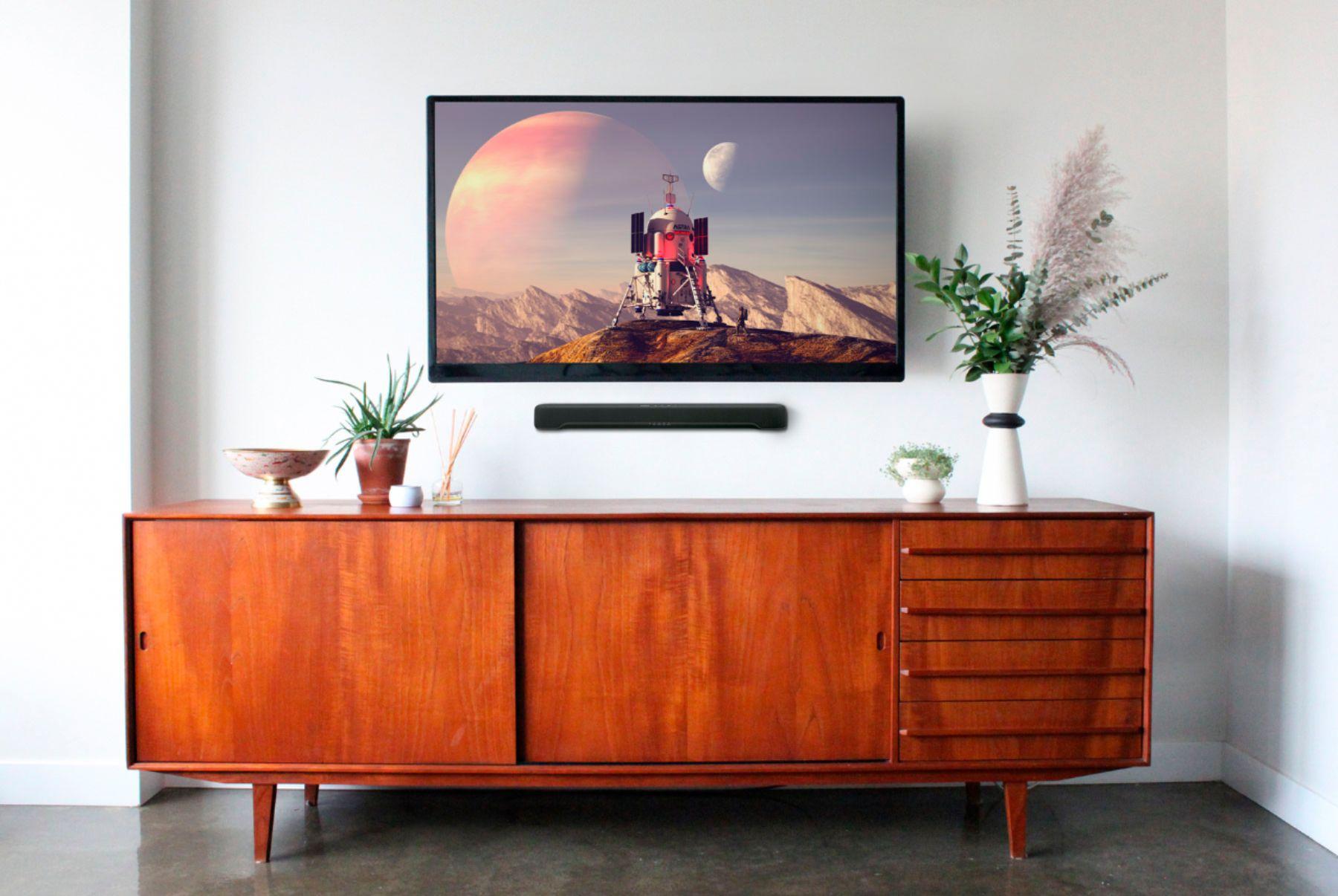
The compact 24-inch width means it fits comfortably under most TVs without overwhelming smaller entertainment centers. Wall mounting is equally straightforward thanks to built-in keyholes that align with standard wall anchors.
The JBL Bar 1300X, by contrast, requires significantly more planning and setup time. The main soundbar stretches 54 inches – longer than many TVs – so you need adequate space on your entertainment center. The wireless subwoofer needs floor space, preferably in a corner where it can use wall reinforcement to enhance bass output.
The wireless surround speakers add complexity but also flexibility. During initial setup, you need to position them properly (typically 4-6 feet behind your seating position) and ensure they're charged. However, their wireless nature means you can experiment with placement to find what sounds best in your specific room.
The JBL includes an automated room calibration system that uses microphones to measure your room's acoustics and adjust the sound accordingly. This process takes about 10 minutes but significantly improves performance. Room calibration addresses the fact that every room sounds different – hardwood floors reflect sound differently than carpet, and large open spaces need different tuning than smaller, more enclosed rooms.
For dedicated home theater use, the JBL Bar 1300X clearly dominates. The combination of true Dolby Atmos processing, powerful bass, and discrete surround channels creates an experience that rivals much more expensive component systems. Movies like "Dune" or "Mad Max: Fury Road," which were mixed specifically for immersive audio systems, showcase the JBL's capabilities dramatically.
The system truly shines in larger rooms where you can position the surround speakers properly and have space for the subwoofer to work effectively. In my experience, rooms smaller than 400 square feet don't provide enough space for the JBL's full potential, and the powerful output can actually become overwhelming.
The Yamaha SR-C20A provides a more modest but still meaningful improvement for movie watching. The virtual surround processing opens up the soundstage compared to TV speakers, and the built-in subwoofer adds some impact to action scenes. However, it can't compete with the JBL's physical immersion during complex movie soundtracks.
Both soundbars handle music well, but again with different strengths. The JBL's wider soundstage and powerful bass make it excellent for genres like electronic music, rock, or hip-hop where impact and dynamics matter. The MultiBeam technology creates an expansive stereo image that makes music feel live and engaging.
The Yamaha's more balanced frequency response actually works better for acoustic music, jazz, or vocal-heavy genres where clarity and natural timbre are more important than impact. Its smaller drivers provide better midrange coherence, making vocals sound more natural and realistic.
Modern video games increasingly use sophisticated audio design, and the JBL Bar 1300X excels here. Games like "Call of Duty" or "Battlefield" use positional audio to help players locate enemies, and the JBL's true surround capabilities provide a genuine competitive advantage. The height channels also enhance atmospheric games where environmental audio creates immersion.
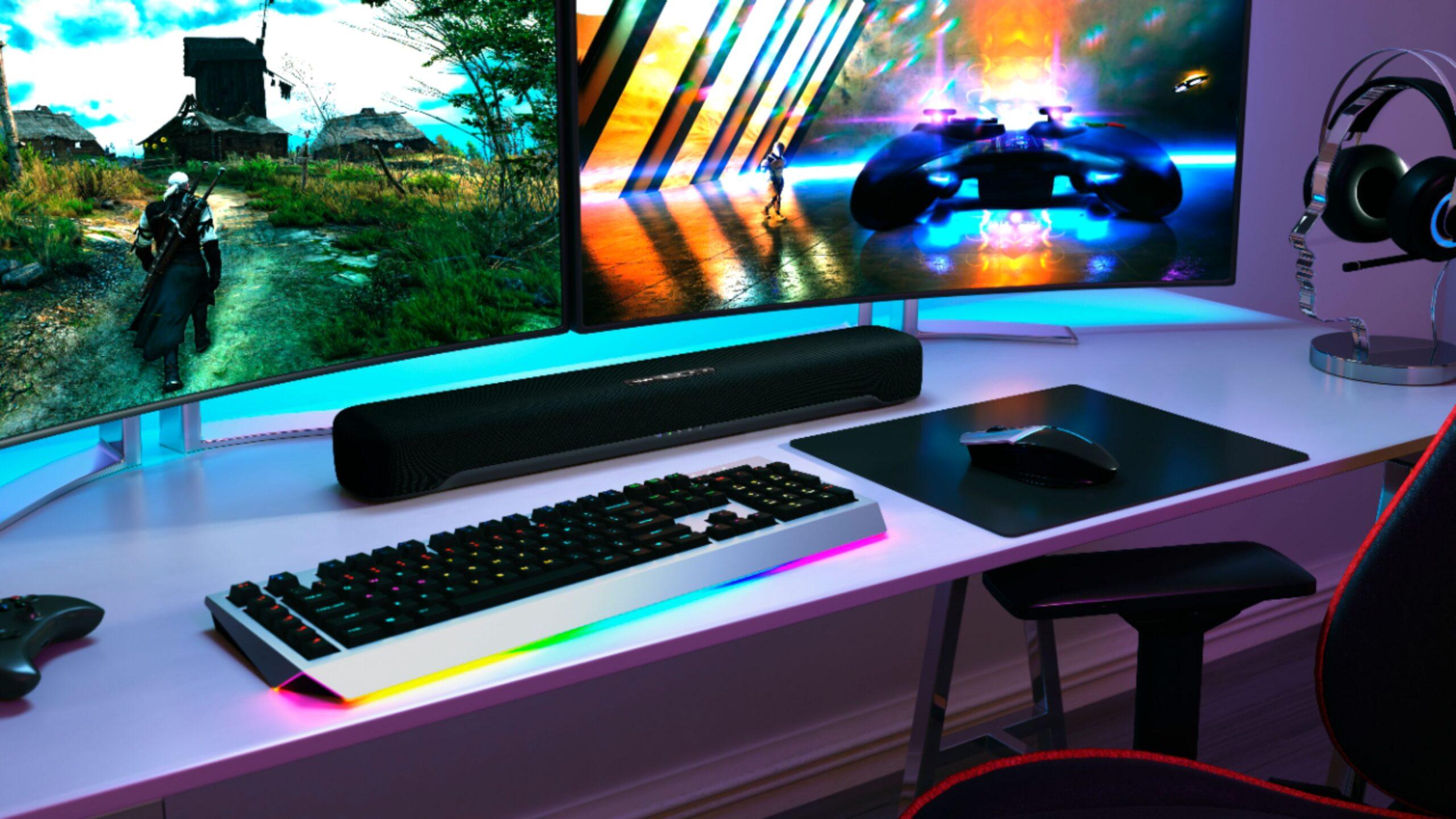
The Yamaha SR-C20A improves gaming audio compared to TV speakers but doesn't provide the tactical advantages that discrete surround channels offer. For casual gaming, it's perfectly adequate, but serious gamers will prefer the JBL's capabilities.
The 7.6x price difference between these soundbars represents more than just feature differences – it reflects completely different product philosophies and target markets.
The JBL Bar 1300X positions itself as a long-term investment in your home audio system. The extensive connectivity ensures compatibility with future devices, and the modular design means individual components can potentially be upgraded or replaced. The wireless surround speakers' ability to function as portable Bluetooth speakers adds value beyond the home theater application.
However, the JBL's complexity can be both a strength and weakness. More components mean more potential failure points, and the sophisticated processing requires occasional software updates to maintain compatibility with new audio formats and streaming services.
The Yamaha SR-C20A represents immediate gratification and problem-solving. At $170, it's accessible to almost any budget and provides an instant, dramatic improvement over TV speakers. The simplicity means there's less to break or become obsolete over time.
Yamaha's reputation for build quality is particularly relevant here. The company has been manufacturing audio equipment for decades, and their track record for reliability is excellent. This matters more at the budget price point, where warranty service might be inconvenient or uneconomical.
The choice between the JBL Bar 1300X and Yamaha SR-C20A ultimately depends on your specific needs, space, and expectations.
Choose the JBL if you have a dedicated media room or large living space, prioritize cinematic immersion for movies and gaming, and don't mind complex setup for maximum performance. It's ideal for users who view their soundbar as the centerpiece of a comprehensive entertainment system and have the budget for a significant audio investment.
Choose the Yamaha if you need a simple TV audio upgrade without complexity, live in a smaller space, primarily watch TV shows and dialogue-heavy content, or want immediate improvement without setup hassles. It's perfect for users who view their soundbar as a practical solution to poor TV audio rather than an entertainment system centerpiece.
Both products excel within their intended use cases, and neither is objectively "better" than the other. The key is matching the product's capabilities to your actual needs and living situation. A $1,300 soundbar that overwhelms your apartment isn't a better choice than a $170 model that perfectly suits your space and usage patterns.
The soundbar market continues evolving rapidly, but these two products represent mature, well-executed examples of their respective approaches. Whether you choose premium immersion or practical enhancement, both will deliver significantly better audio than your TV's built-in speakers – and that's ultimately what matters most.
| JBL Bar 1300X Soundbar with Wireless Subwoofer ($1,299.95) | Yamaha SR-C20A Compact Sound Bar with Built-In Subwoofer ($170) |
|---|---|
| Audio Channels - Determines surround sound immersion | |
| 11.1.4 channels with true Dolby Atmos overhead effects | 2.1 channels with virtual surround processing |
| Total Power Output - Affects volume and dynamic range | |
| 1,170W (fills large rooms, can overwhelm small spaces) | 100W (ideal for bedrooms and small living rooms) |
| Subwoofer Type - Critical for bass impact in movies | |
| 12" wireless subwoofer (300W, room-shaking bass) | 3" built-in subwoofer with passive radiators (adequate for TV) |
| Physical Size - Must fit your entertainment setup | |
| 54" main bar + separate subwoofer + surround speakers | 24" compact all-in-one unit |
| Setup Complexity - Time investment vs convenience | |
| Complex: positioning speakers, room calibration, app setup | Simple: single cable connection, works immediately |
| HDMI Connectivity - Future-proofing for 4K/8K content | |
| HDMI eARC + 3 inputs (uncompressed Dolby Atmos support) | HDMI ARC only (compressed audio formats) |
| Smart Features - Streaming without additional devices | |
| Wi-Fi streaming (AirPlay, Chromecast, Alexa integration) | Bluetooth only (no independent streaming services) |
| Surround Speakers - Real vs simulated surround sound | |
| Detachable wireless speakers (also work as Bluetooth speakers) | Virtual surround processing only |
| Room Size Recommendation - Performance optimization | |
| 400+ sq ft rooms (underperforms in small spaces) | Any size room (optimized for compact spaces) |
| Best Use Case - Primary intended application | |
| Dedicated home theater with movie/gaming focus | TV audio upgrade with dialogue enhancement |
The JBL Bar 1300X ($1,299.95) is significantly better for home theater use. It features true 11.1.4-channel Dolby Atmos with overhead effects, wireless surround speakers, and a powerful 12-inch subwoofer that creates genuine cinematic immersion. The Yamaha SR-C20A ($170) uses virtual surround processing and is better suited for TV shows and casual viewing rather than dedicated movie watching.
The JBL Bar 1300X delivers true surround sound with physical speakers positioned around your room, creating immersive 3D audio effects. The Yamaha SR-C20A uses virtual processing to simulate surround effects from a single bar. The JBL provides dramatically more powerful bass and room-filling sound, while the Yamaha focuses on clear dialogue and balanced audio for TV content.
The Yamaha SR-C20A ($170) is much easier to set up - just connect one cable to your TV and plug it in. The JBL Bar 1300X ($1,299.95) requires positioning multiple speakers around your room, running room calibration, and using an app for setup. The Yamaha works immediately, while the JBL needs 30-60 minutes of initial configuration.
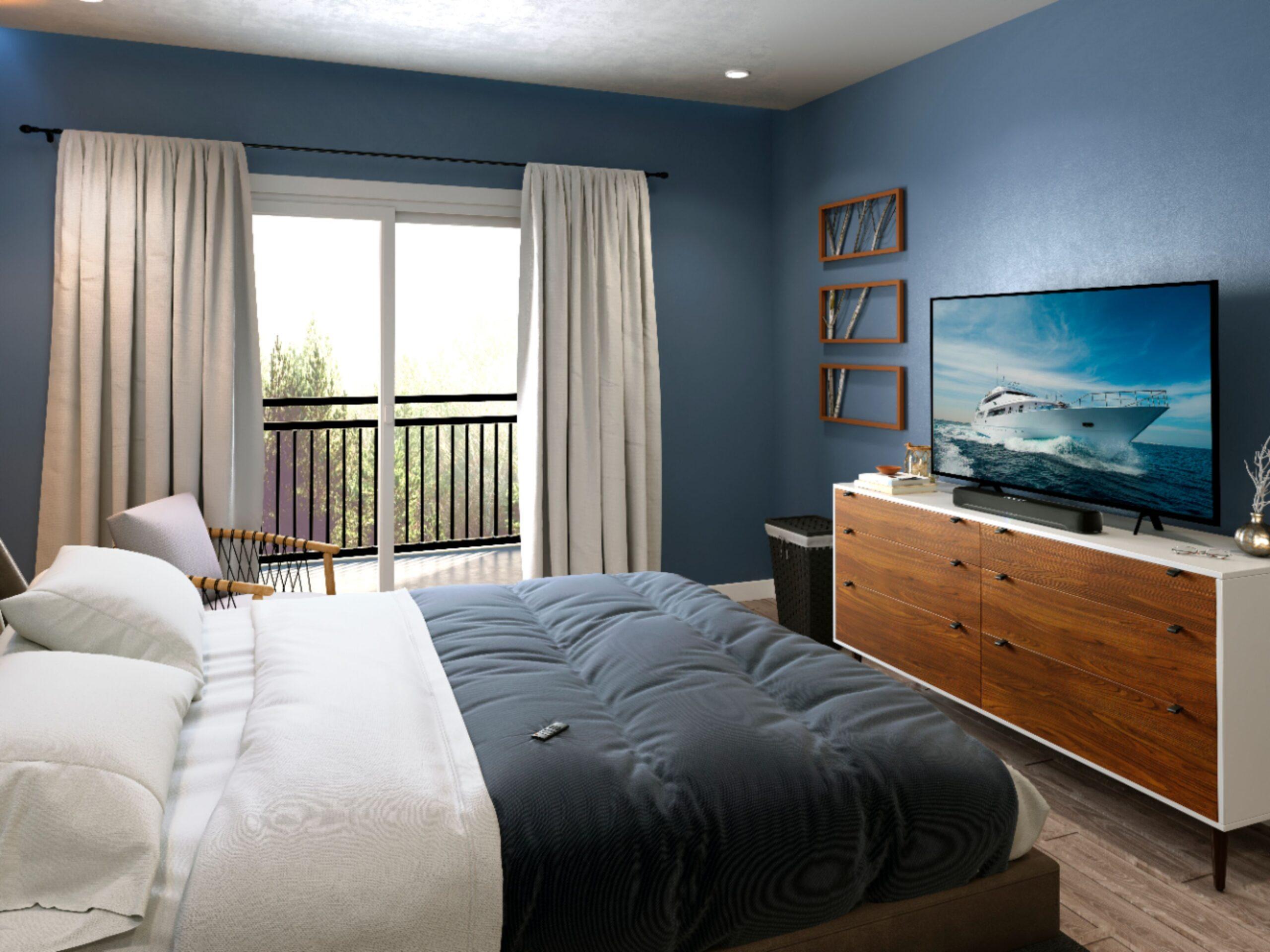
The JBL Bar 1300X performs best in rooms larger than 400 square feet and can actually be overwhelming in small spaces. The Yamaha SR-C20A works well in any room size and is specifically designed for small spaces like bedrooms, apartments, and compact living rooms. The Yamaha's 24-inch width fits under most TVs without dominating the space.
This depends on your needs. The Yamaha SR-C20A ($170) offers exceptional value for basic TV audio improvement - it dramatically enhances dialogue clarity and adds decent bass at a budget-friendly price. The JBL Bar 1300X ($1,299.95) provides premium home theater value if you want true Dolby Atmos immersion and have the space and budget for it.
The JBL Bar 1300X offers comprehensive wireless streaming with Wi-Fi support for AirPlay, Chromecast, and Alexa Multi-Room Music, plus access to streaming services. The Yamaha SR-C20A only supports Bluetooth streaming from your phone or tablet - no Wi-Fi or direct streaming service access. The JBL functions as a complete wireless speaker system, while the Yamaha is primarily a TV audio enhancer.
The JBL Bar 1300X ($1,299.95) is superior for gaming due to its true surround sound capabilities that help with positional audio in competitive games. The height channels also enhance atmospheric gaming experiences. The Yamaha SR-C20A ($170) improves gaming audio over TV speakers but doesn't provide the tactical advantages or immersion of discrete surround channels.
The JBL Bar 1300X includes a dedicated 12-inch wireless subwoofer with 300W of power, delivering deep, room-shaking bass down to 33Hz. The Yamaha SR-C20A uses a built-in 3-inch subwoofer with passive radiators - adequate for TV content and moderate music but cannot match the JBL's impact for action movies or bass-heavy music.
The JBL Bar 1300X supports uncompressed Dolby Atmos and DTS:X through HDMI eARC, ensuring you get the full quality from streaming services and 4K Blu-rays. The Yamaha SR-C20A supports basic Dolby Audio but lacks eARC, so it receives compressed audio formats. For future-proofing with premium content, the JBL is the better choice.
Neither the JBL Bar 1300X nor the Yamaha SR-C20A requires subscriptions. However, the JBL's wireless surround speakers need periodic charging (12-hour battery life), while the Yamaha has no batteries to maintain. Both receive free software updates when available.
Both brands have strong reliability reputations. The Yamaha SR-C20A ($170) has fewer components and connections, potentially making it more reliable over time. The JBL Bar 1300X ($1,299.95) has more complex electronics and wireless components that could require occasional troubleshooting or battery replacements in the surround speakers.
The JBL Bar 1300X is a complete system that cannot be expanded further, but its wireless surrounds can be used as portable speakers. The Yamaha SR-C20A also cannot be expanded - it's designed as a standalone solution. Neither system allows adding additional speakers or components after purchase.
We've done our best to create useful and informative comparisons to help you decide what product to buy. Our research uses advanced automated methods to create this comparison and perfection is not possible - please contact us for corrections or questions. These are the sites we've researched in the creation of this article: techradar.com - jbl.com - audioadvice.com - youtube.com - rtings.com - jbl.com - greentoe.com - harmanaudio.com - youtube.com - mm.jbl.com - jbl.com - t3.com - usa.yamaha.com - radiotimes.com - shop.usa.yamaha.com - whathifi.com - hifiheaven.net - usa.yamaha.com - sweetwater.com - hub.yamaha.com - bestbuy.com

Privacy Policy
Terms and Conditions - Affiliate Policy
Home Security
© Copyright 2008-2026.
11816 Inwood Rd #1211, Dallas, TX 75244