











If you've ever turned up the volume on your TV only to realize you still can't hear dialogue clearly, you're not alone. Modern flat-screen TVs might look amazing, but their ultra-thin designs leave almost no room for decent speakers. That's where soundbars come in – they're designed to dramatically improve your TV's audio without requiring a complete home theater overhaul.
Today we're comparing two very different approaches to solving your TV's audio problems: the Ultimea Skywave F40, a comprehensive surround sound system, and the Yamaha SR-C20A, a compact all-in-one solution. These products represent opposite ends of the soundbar spectrum, and understanding their differences will help you choose the right one for your specific situation.
Before diving into specifics, it's worth understanding what separates good soundbars from mediocre ones. The most important factors are audio quality and power output – essentially, how much better will it sound than your TV's built-in speakers? Then there's surround sound capability, which ranges from simple stereo enhancement to full multi-channel audio that places sounds all around you.
Room size compatibility matters more than many people realize. A powerful system in a tiny apartment can overwhelm the space, while an underpowered bar in a large living room will sound thin and weak. Setup complexity varies dramatically too – some soundbars are truly plug-and-play, while others require careful placement of multiple components.
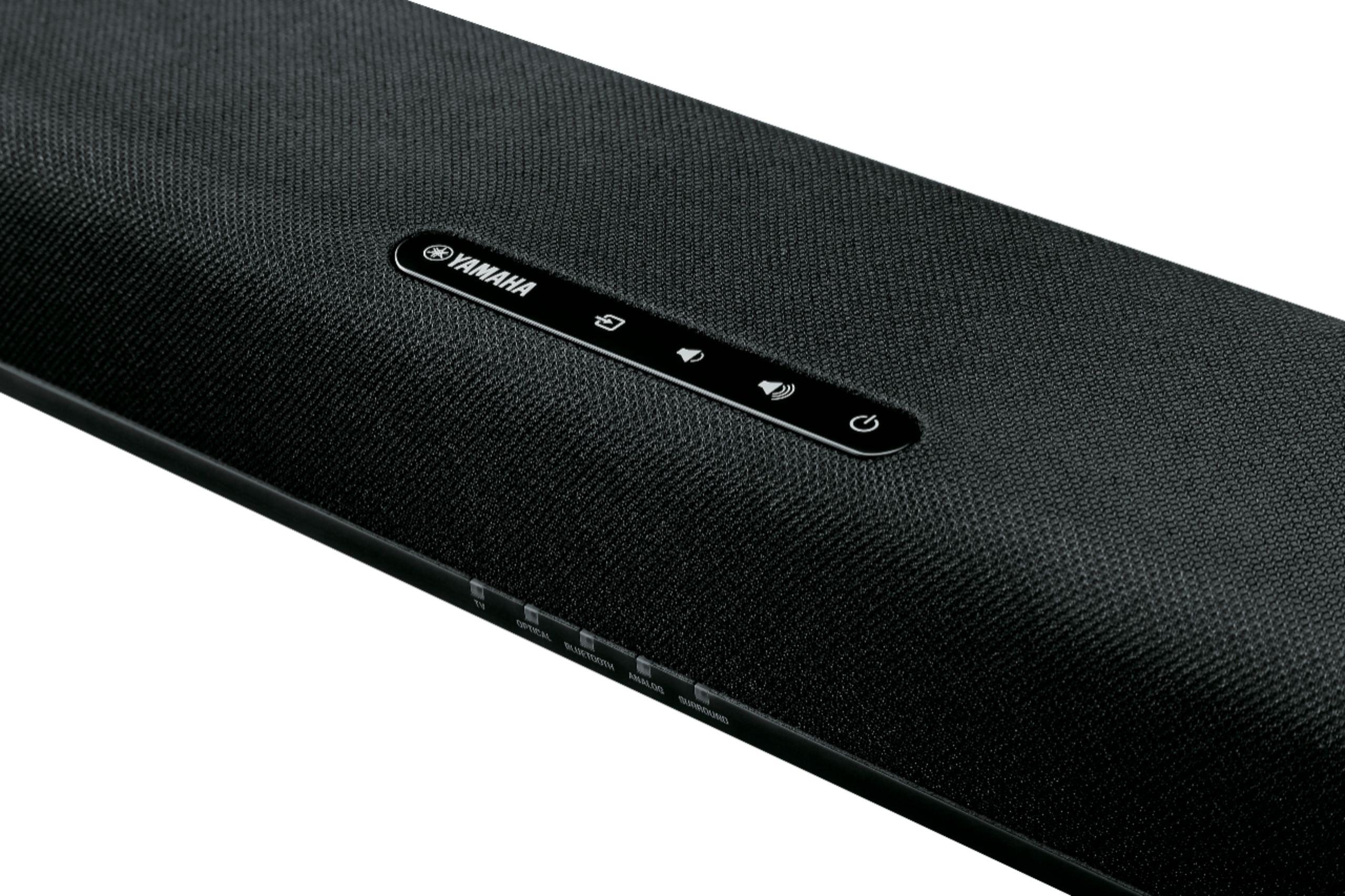
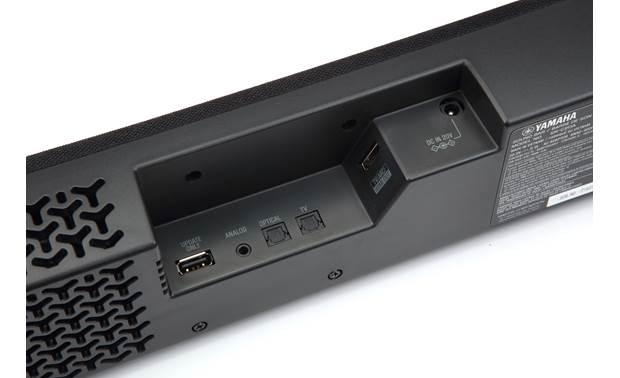
Connectivity options have evolved significantly in recent years. Modern soundbars typically include HDMI connections (especially HDMI ARC, which allows your TV remote to control the soundbar), optical digital inputs, and Bluetooth for wireless streaming from phones and tablets. The best systems also include smartphone apps for detailed control and customization.
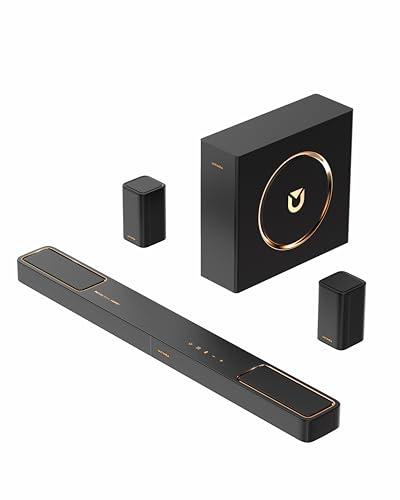
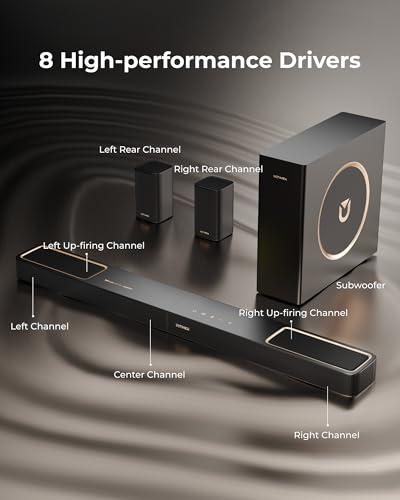
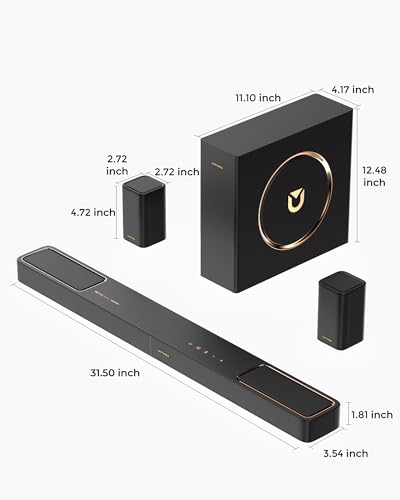
The Ultimea Skywave F40, released in 2024, represents what I'd call the "no compromises" approach to budget home theater. It's a true 5.1.2 Dolby Atmos system, meaning it uses eight separate speakers to create genuine surround sound. The "5.1.2" designation tells you exactly what you're getting: five main channels (front left, center, right, and two surrounds), one subwoofer channel, and two height channels for overhead effects.
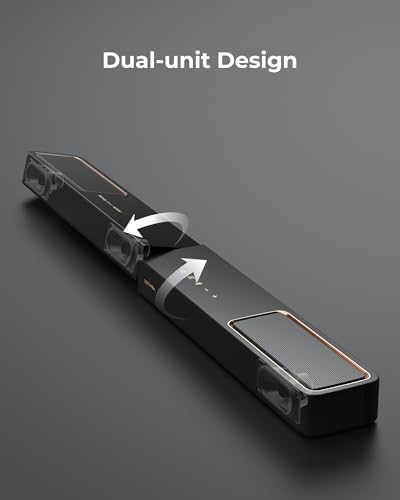
This system includes a main soundbar with up-firing drivers (speakers that fire sound toward your ceiling to create height effects), a dedicated subwoofer for deep bass, and two rear surround speakers. At the time of writing, it typically costs around $300-340, which is remarkably aggressive pricing for a true Atmos system.
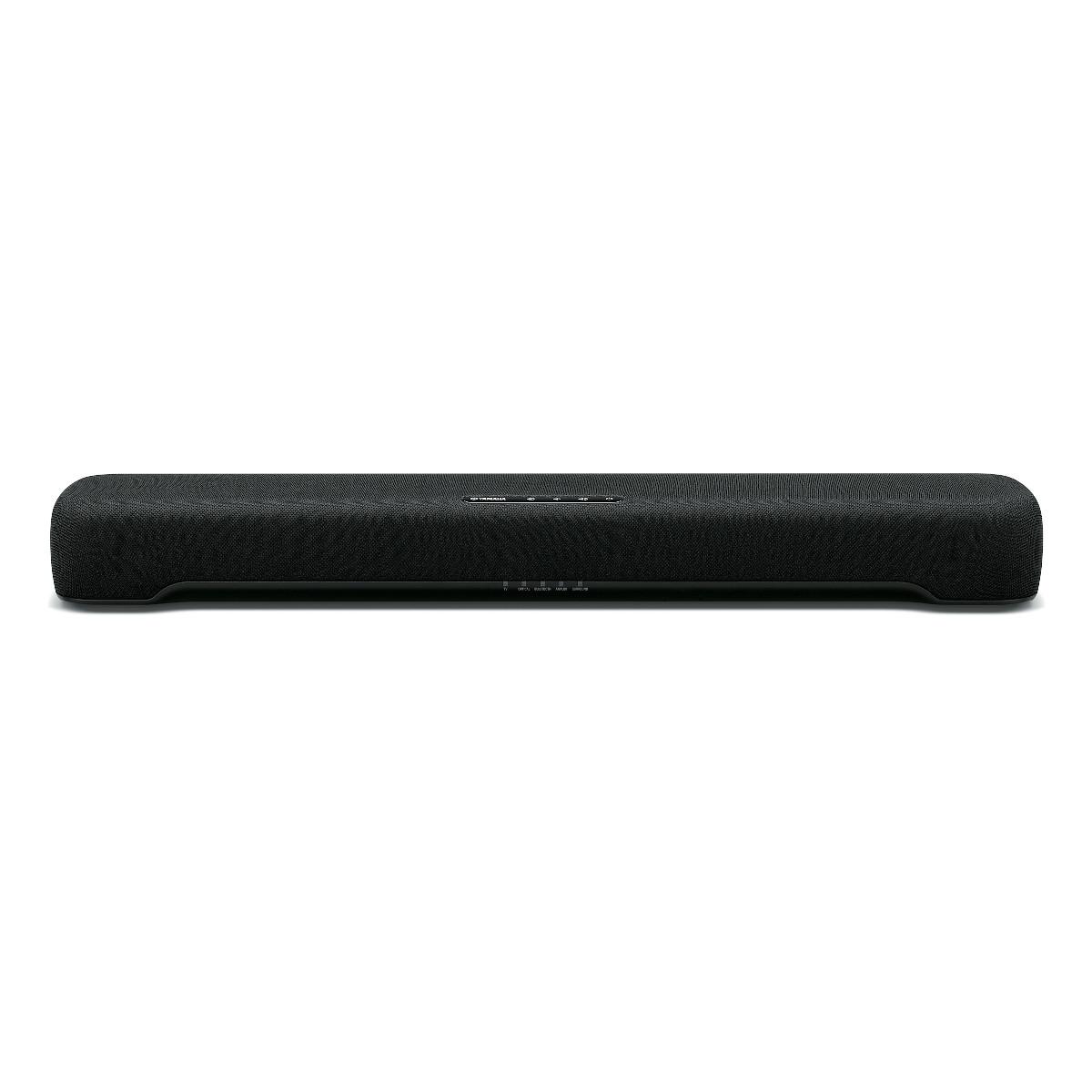
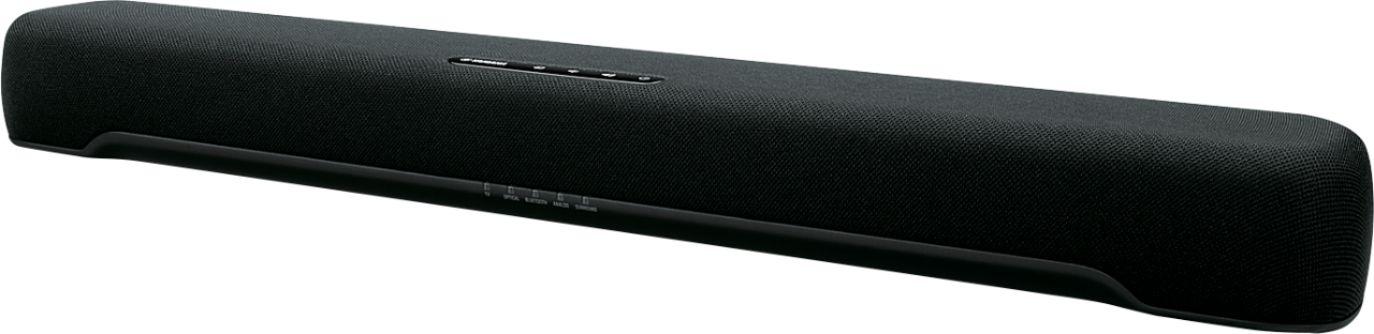
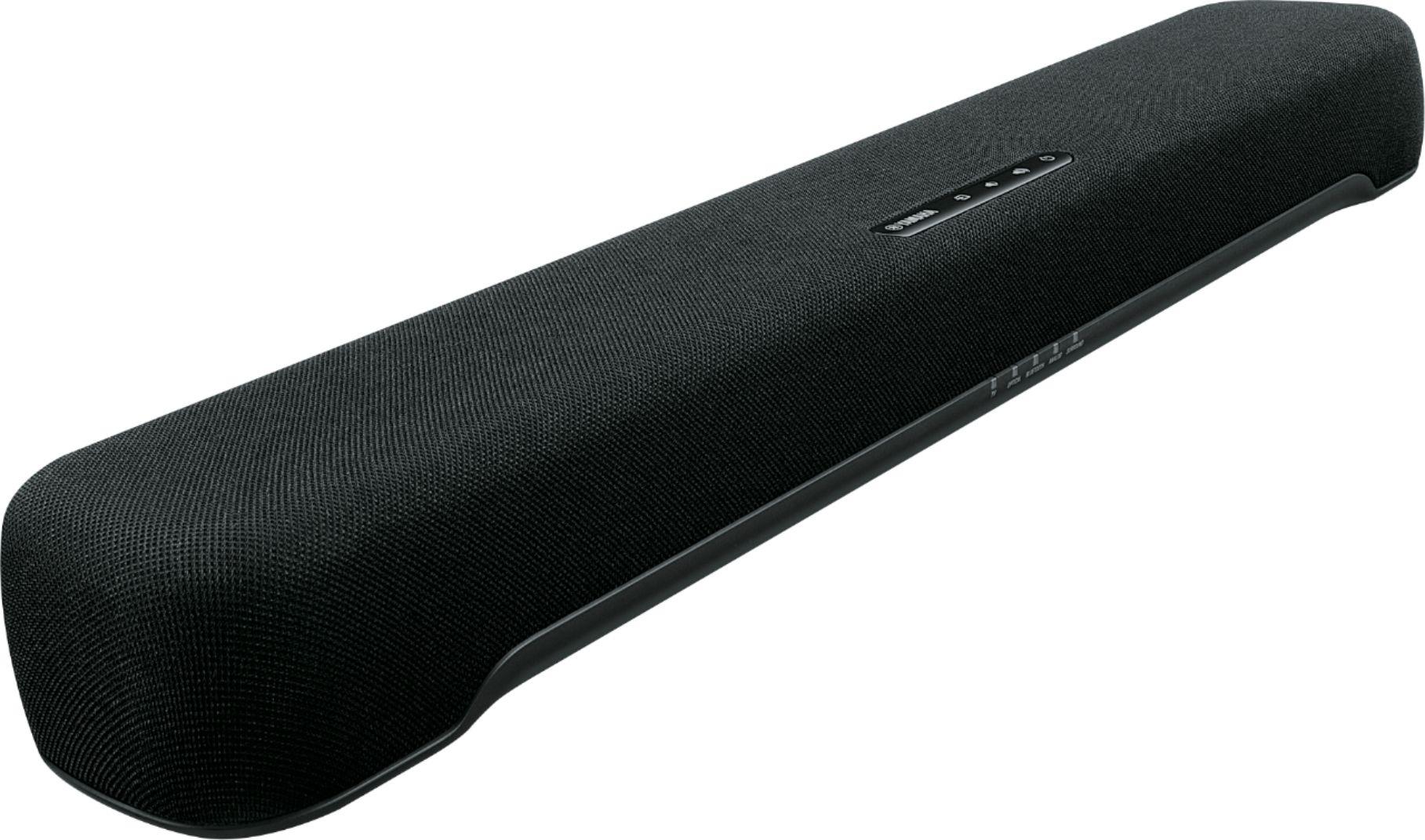
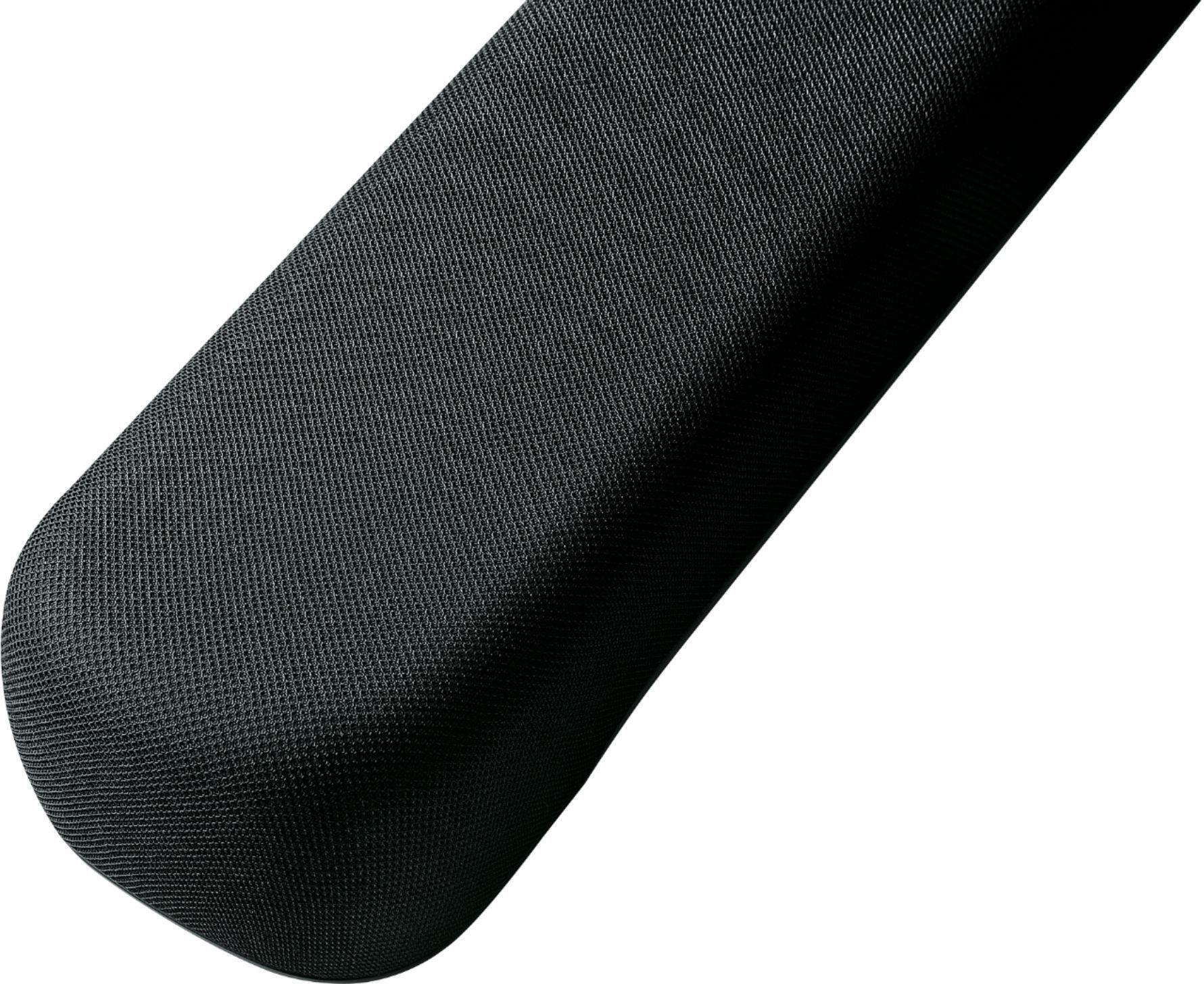
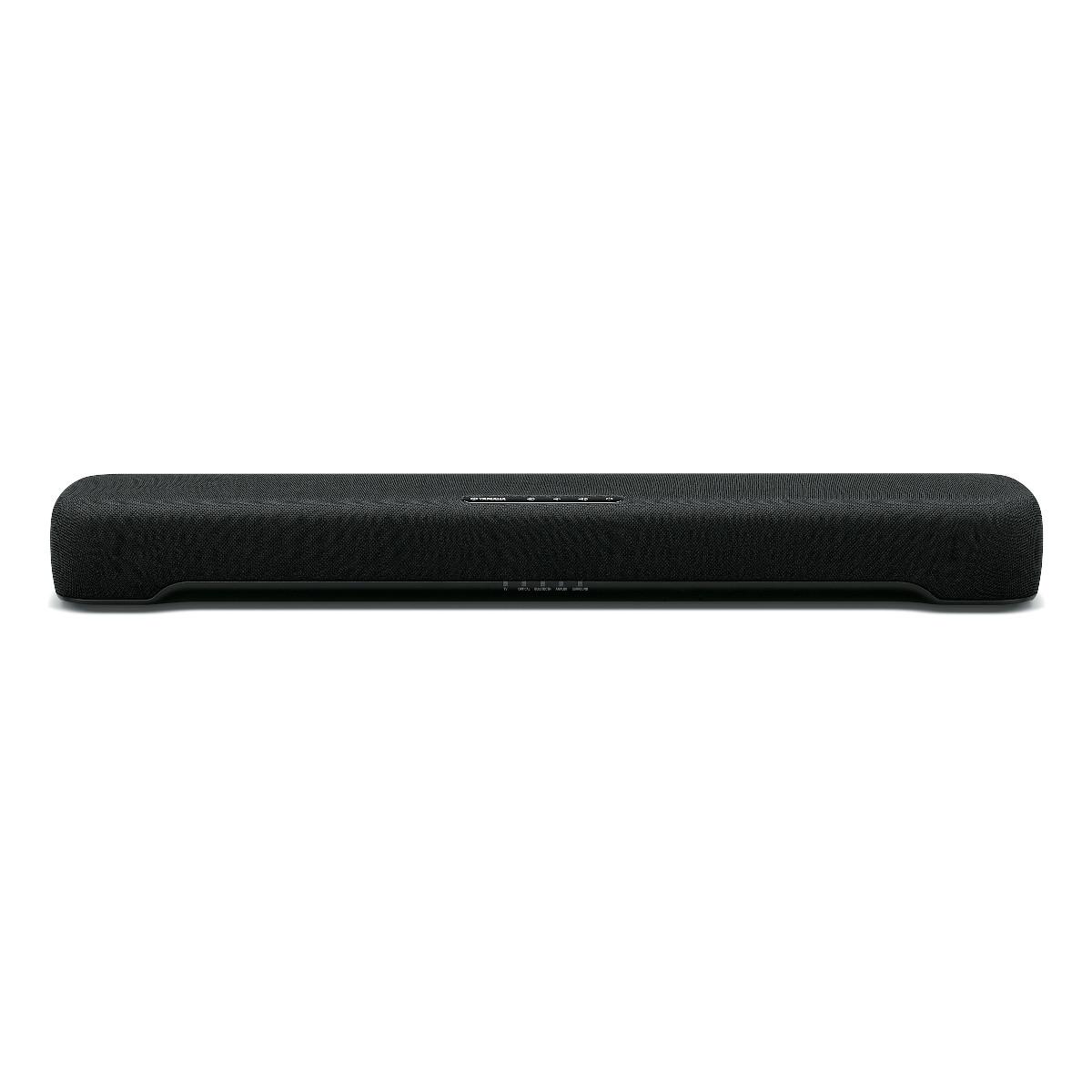
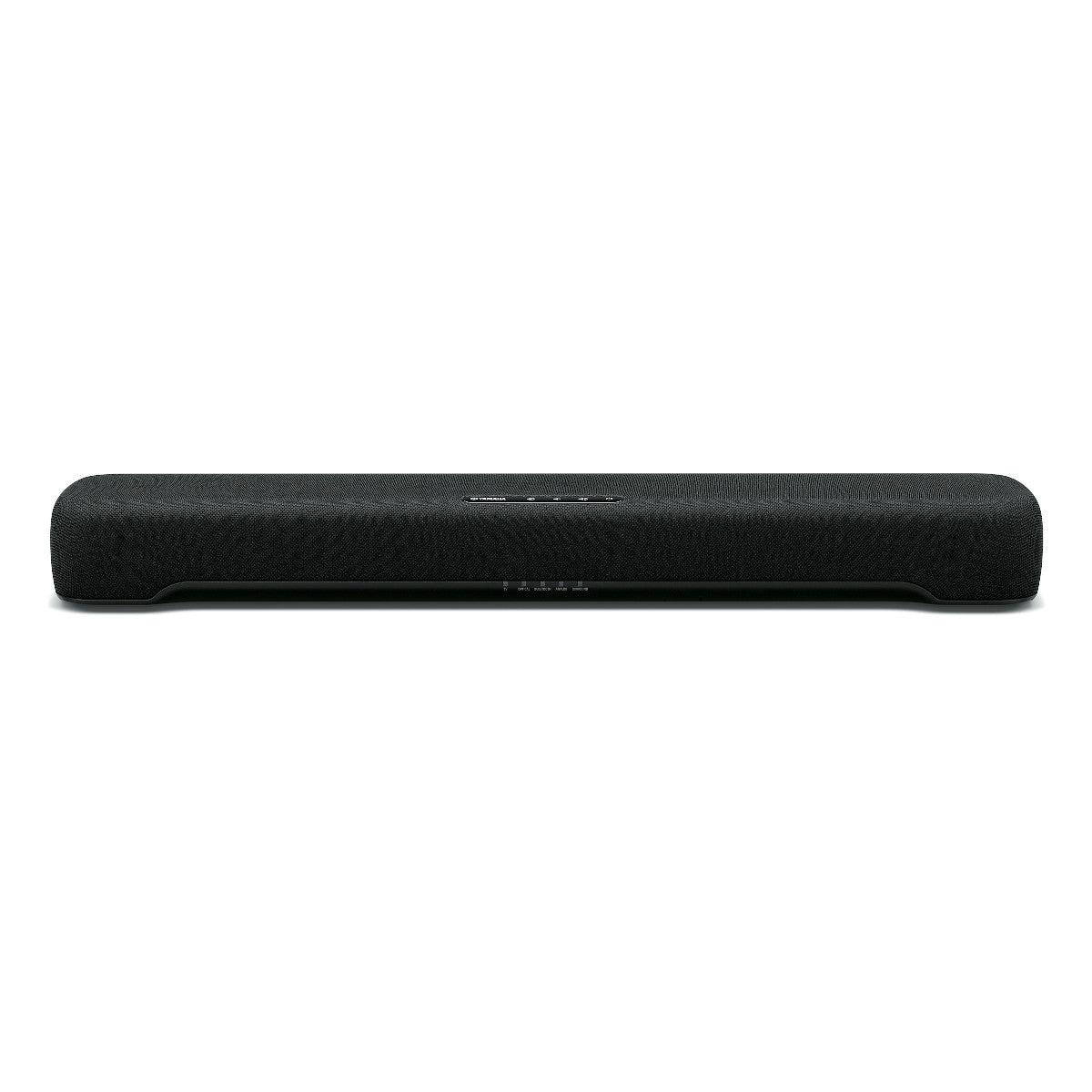
The Yamaha SR-C20A, released in 2020, takes the opposite approach. It's designed for people who want better TV audio but don't want the complexity, space requirements, or cost of a full surround system. Everything is built into a single 23.6-inch bar that sits discreetly under your TV. At roughly $150 at the time of writing, it costs about half as much as the Ultimea system.
The power difference between these systems is substantial and immediately audible. The Skywave F40 pumps out 460 watts across its eight speakers, while the SR-C20A delivers 100 watts from three drivers plus passive radiators (which are essentially speakers without magnets that vibrate sympathetically to enhance bass).
But raw wattage only tells part of the story. The Ultimea system's power is distributed across dedicated speakers optimized for specific frequency ranges. Its separate subwoofer handles everything below about 80Hz (the deep rumble you feel during action movies), while the main bar focuses on midrange frequencies where dialogue lives, and the height channels create overhead effects.
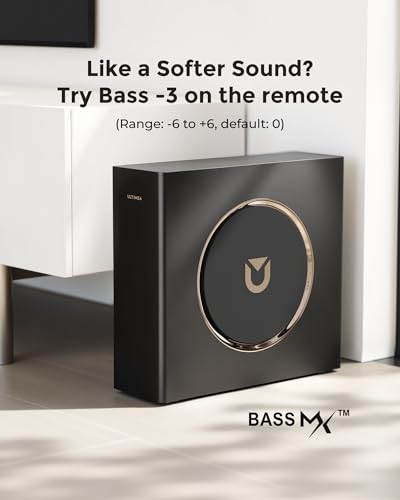
The Yamaha's 100 watts must handle the entire frequency spectrum through fewer drivers. Its built-in subwoofer uses a 3-inch cone supplemented by two passive radiators – an clever engineering solution that maximizes bass output in a compact space, but it simply cannot move as much air as a dedicated 6.5-inch subwoofer driver.
This is where the two products diverge most dramatically. The Skywave F40 creates true surround sound using physical speakers placed around your listening area. When a helicopter flies overhead in a movie, you hear it move from the front soundbar, to the rear speakers, and finally to the up-firing height channels. Your brain processes these discrete audio sources as genuine three-dimensional sound.
The SR-C20A uses what's called virtual surround processing. It analyzes incoming audio and uses psychoacoustic tricks – essentially fooling your brain – to create the impression of surround sound from its forward-firing speakers. While Yamaha's algorithms are sophisticated, they cannot replicate the spatial accuracy of physical speakers placed around the room.
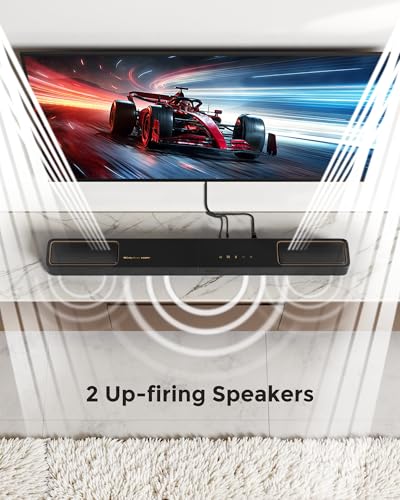
Dolby Atmos, supported by the Ultimea system, represents the current pinnacle of home surround sound. Traditional surround systems place sounds around you horizontally, but Atmos adds height information. Those up-firing drivers in the main soundbar bounce audio off your ceiling to create overhead effects. When done properly, it's remarkably convincing – rain seems to fall from above, and aircraft genuinely sound like they're flying over your head.
For cinematic experiences, the Skywave F40 delivers dramatically more engaging audio. The separate subwoofer extends bass response down to 38Hz, which means you'll feel the rumble of explosions and the deep musical notes that many compact systems simply cannot reproduce. The rear speakers create genuine spatial effects that make action sequences far more immersive.
I've found that true surround systems like this transform how you experience content. Scenes that seemed flat on TV speakers suddenly have depth and dimension. The system's Clear Voice technology and dialogue-focused center channel also ensure that conversations remain intelligible even during complex soundtracks.
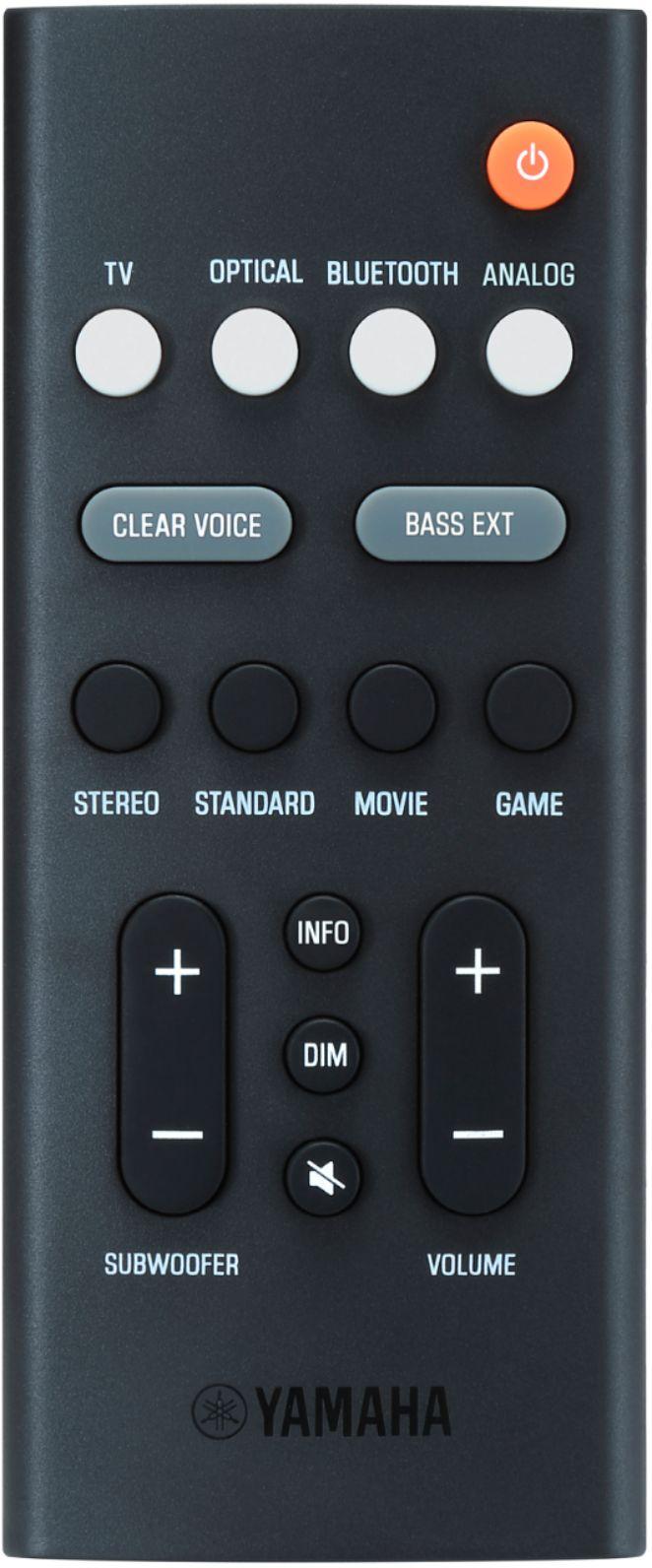
The SR-C20A takes a more modest but still meaningful approach. Its Clear Voice feature specifically enhances dialogue frequencies, making it easier to understand what characters are saying without constantly adjusting volume. While it cannot match the spatial effects of true surround sound, it does provide noticeably wider and more detailed audio than built-in TV speakers.
Music reproduction reveals interesting differences between these approaches. The Ultimea system's dedicated subwoofer and multiple drivers create impressive dynamics for genres ranging from electronic music to classical orchestrations. The system's 10-band equalizer and 121 preset sound profiles allow extensive customization for different musical styles.
However, music mixing engineers typically design tracks for stereo reproduction, so the surround speakers often remain relatively quiet during musical playback. The Yamaha, optimized for stereo content, can actually sound more cohesive for music despite its lower overall power output.
Gaming is where surround sound systems truly shine. The Skywave F40 provides competitive advantages in games where positional audio matters – you can pinpoint enemy locations by sound in first-person shooters, or experience the full atmospheric design of adventure games. The Atmos height channels add particular drama to games with aerial combat or vertical environments.
The SR-C20A improves gaming audio over TV speakers but cannot provide the same tactical advantages or immersion levels as true surround sound.
The Ultimea system requires thoughtful placement to achieve optimal performance. The rear speakers need to be positioned properly behind or beside your seating area, connected to the subwoofer via included cables. The main soundbar should be centered under or above your TV, and the subwoofer typically performs best in a corner or along a wall where room boundaries amplify its output.
Setup complexity is moderate – you'll need to connect multiple power adapters and run speaker wire to the rear channels. However, the included components and clear instructions make the process manageable for most users. The system's smartphone app provides extensive control over individual channel levels, EQ settings, and sound modes.
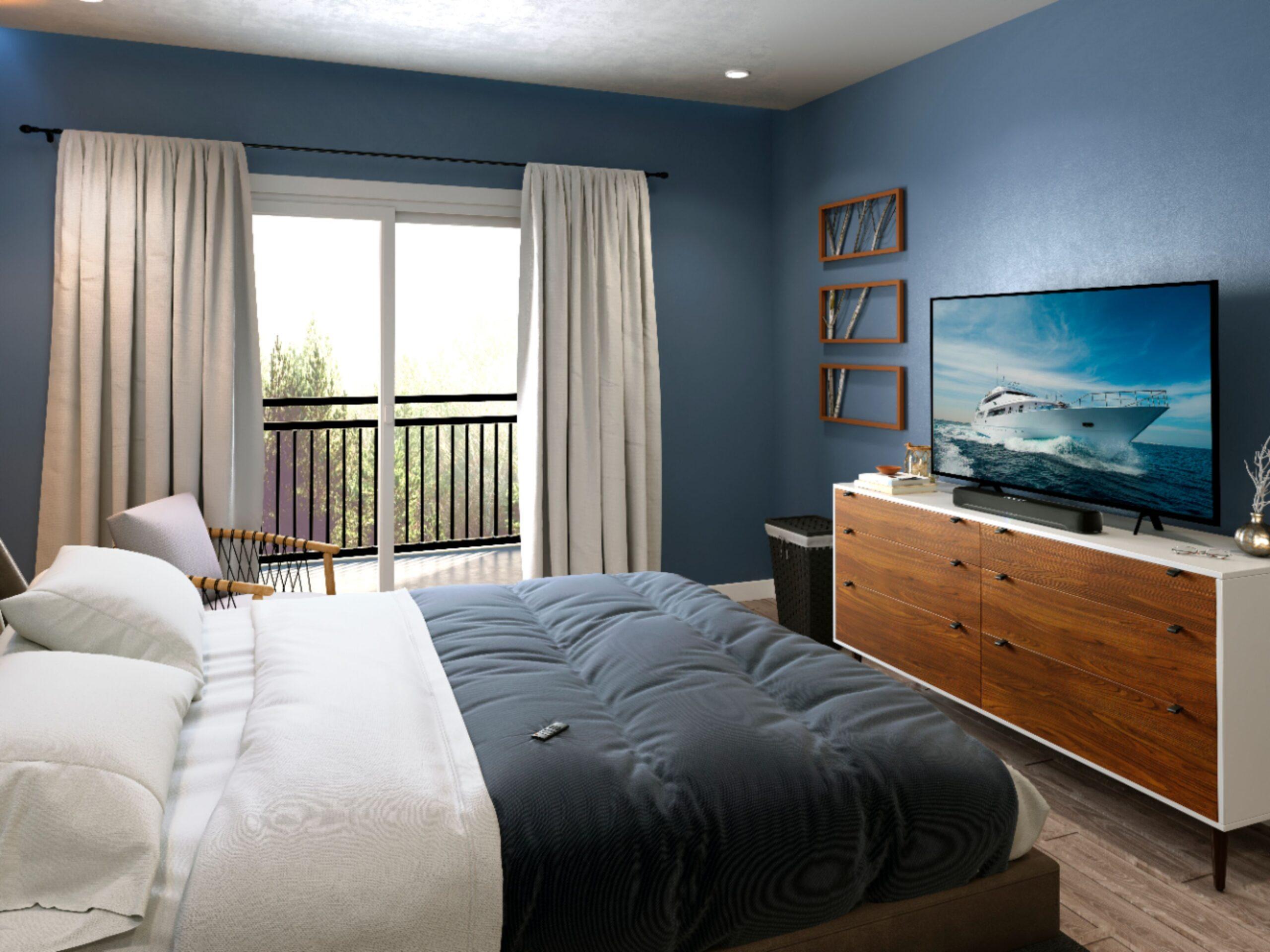
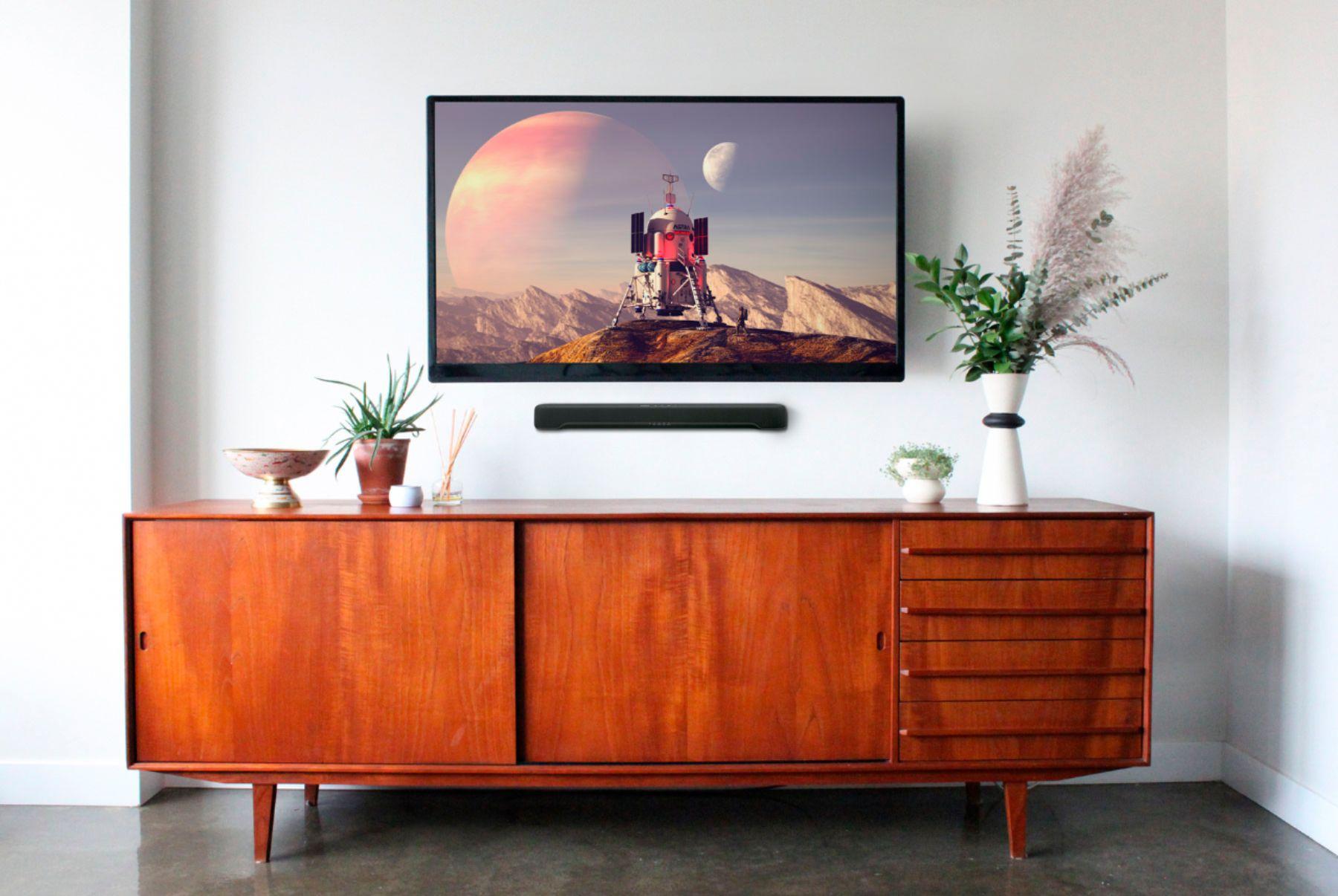
The SR-C20A epitomizes plug-and-play simplicity. Position it under your TV, connect one cable (HDMI ARC preferred, optical as backup), plug in power, and you're finished. Wall mounting is straightforward thanks to built-in keyholes, and the compact dimensions mean it fits almost anywhere without overwhelming smaller rooms.
Room acoustics play a crucial role in soundbar performance. The Skywave F40 is designed for medium to large rooms (approximately 215-270 square feet) where its power output and surround speakers can create proper spatial effects. In very large spaces, you might need to increase volume substantially, but the system maintains clarity even at higher levels.
Smaller rooms can actually benefit from the system's power, but you'll want to be mindful of neighbors if you live in an apartment. The separate subwoofer transmits low frequencies through walls more readily than compact systems.
The SR-C20A excels in smaller spaces where its focused audio projection works well without overwhelming the room. Bedrooms, home offices, or apartment living rooms are ideal applications. Its built-in bass enhancement provides satisfying low-end response without the floor-vibrating impact of a full-size subwoofer.
At the time of writing, the pricing difference between these systems reflects their different target markets and capabilities. The Ultimea system costs roughly twice as much as the Yamaha, but delivers significantly more than twice the performance in terms of power output, surround sound capability, and overall immersion.
For perspective, true Dolby Atmos systems from established brands often cost $500-1000 or more, making the Skywave F40 exceptionally competitive in the budget Atmos category. The SR-C20A competes in the ultra-compact segment where space efficiency commands a premium relative to performance.
Consider your long-term entertainment habits when evaluating value. If you frequently watch movies, enjoy gaming, or plan to invest in 4K streaming services with advanced audio tracks, the Ultimea system's capabilities justify its higher cost. If you primarily watch news and basic TV programming, the Yamaha's improvements over built-in TV speakers may satisfy your needs at lower cost.
The soundbar market has evolved rapidly since 2020. When the SR-C20A was released, compact systems with built-in subwoofers were relatively novel. Today, the technology has matured, with improved digital processing and more sophisticated virtual surround algorithms.
The Skywave F40, as a 2024 release, incorporates newer technologies like Bluetooth 5.4 for lower-latency wireless streaming and more advanced Dolby Atmos processing. Its extensive app control and EQ customization reflect current consumer expectations for smart home integration.
Both systems should remain relevant for years to come, but the Ultimea's true surround capability provides better future-proofing as streaming services continue expanding their high-quality audio offerings.
Choose the Ultimea Skywave F40 if:
The Skywave F40 transforms your TV experience in ways that compact systems simply cannot match. If you have the space and budget, it delivers exceptional value for true home theater audio.
Choose the Yamaha SR-C20A if:
The SR-C20A excels as a practical solution that dramatically improves TV audio without complexity or spatial requirements.
Both soundbars succeed in their intended roles, but they serve fundamentally different needs. The Ultimea Skywave F40 brings legitimate home theater experiences to budget-conscious consumers, while the Yamaha SR-C20A provides refined audio enhancement for space-constrained situations.
Your choice ultimately depends on whether you prioritize maximum performance and immersion, or space efficiency and simplicity. Both represent solid value in their respective categories, and both will dramatically improve your TV's audio compared to built-in speakers. The question is how far you want to go down the home theater rabbit hole – and how much space you have for the journey.
| Ultimea Skywave F40 Dolby Atmos Soundbar System | Yamaha SR-C20A Compact Sound Bar with Built-In Subwoofer |
|---|---|
| Channel Configuration - Determines surround sound capability and immersion level | |
| True 5.1.2 Dolby Atmos with physical rear speakers and height channels | 2.1 virtual surround with built-in subwoofer |
| Total Power Output - Affects maximum volume and dynamic range | |
| 460W across 8 separate speakers | 100W through 3 drivers plus passive radiators |
| Subwoofer Type - Critical for deep bass response in movies and music | |
| Dedicated 6.5" wired subwoofer (extends to 38Hz) | Built-in 3" subwoofer with dual passive radiators |
| Physical Components - Space requirements and setup complexity | |
| Multi-component system: soundbar + subwoofer + 2 rear speakers | Single compact soundbar (23.6" wide) |
| Dolby Atmos Support - Essential for premium streaming content with height effects | |
| Full Dolby Atmos with up-firing drivers for ceiling reflections | No Atmos support, uses virtual surround processing |
| Connectivity Options - Affects compatibility with modern TVs and devices | |
| HDMI eARC, Optical, USB, Bluetooth 5.4 with advanced app control | HDMI ARC, 2x Optical, Analog, Bluetooth 5.0 |
| Room Size Optimization - Matching power and dispersion to your space | |
| Medium to large rooms (215-269 sq ft recommended) | Small to medium rooms, ideal for bedrooms/apartments |
| Setup Complexity - Time and effort required for installation | |
| Moderate setup with multiple power connections and speaker placement | Plug-and-play simplicity with single unit installation |
| Audio Customization - Control over sound tuning and preferences | |
| 10-band EQ with 121 presets via smartphone app | 4 sound modes (Stereo, Standard, Movie, Game) |
| Target Use Case - Primary scenarios where each excels | |
| Home theater enthusiasts wanting true surround sound | Space-conscious users prioritizing simplicity and dialogue clarity |
The Yamaha SR-C20A is better suited for small rooms due to its compact 23.6-inch design and focused audio projection. Its built-in subwoofer provides adequate bass without overwhelming smaller spaces. The Ultimea Skywave F40 is designed for medium to large rooms where its rear speakers and powerful subwoofer can create proper surround effects.
Yes, the Ultimea Skywave F40 provides true 5.1.2 surround sound with physical rear speakers, a dedicated subwoofer, and up-firing height channels for Dolby Atmos. This creates genuine 360-degree audio placement. The Yamaha SR-C20A only offers virtual surround processing from its forward-firing speakers.
The Yamaha SR-C20A is significantly easier to set up as it's a single unit that simply connects to your TV with one cable. The Ultimea Skywave F40 requires positioning multiple components, connecting rear speakers, and running several power cables, though the process is still manageable for most users.
Both the Ultimea Skywave F40 and Yamaha SR-C20A support Bluetooth for wireless music streaming from phones and tablets. However, for TV audio, both require wired connections (HDMI or optical) to your television for the best quality and to avoid audio delay issues.
The Ultimea Skywave F40 has significantly better bass performance with its dedicated 6.5-inch subwoofer that extends down to 38Hz. The Yamaha SR-C20A uses a built-in 3-inch subwoofer with passive radiators, which provides respectable bass for its size but cannot match the depth and impact of a separate subwoofer.
Dolby Atmos enhances the experience with premium streaming content, making the Ultimea Skywave F40 ideal if you watch a lot of movies and shows with advanced audio tracks. However, the Yamaha SR-C20A will still dramatically improve dialogue clarity and overall sound quality for regular TV programming without Atmos support.
The Ultimea Skywave F40 is superior for gaming due to its true surround sound that helps with positional audio and immersion. The rear speakers and height channels create a more engaging gaming environment. The Yamaha SR-C20A improves gaming audio over TV speakers but cannot provide the same spatial advantages.
The Yamaha SR-C20A requires minimal space as a single 23.6-inch unit that fits under most TVs. The Ultimea Skywave F40 needs significantly more space for its subwoofer and rear speakers, requiring proper placement around your seating area for optimal surround sound performance.
Value depends on your needs. The Ultimea Skywave F40 offers exceptional value for true Dolby Atmos capability, typically costing much less than competing surround systems. The Yamaha SR-C20A provides solid value for users prioritizing simplicity and space efficiency over maximum performance.
Both soundbars support CEC control through HDMI connections, allowing you to control basic functions with your TV remote. The Ultimea Skywave F40 also includes a comprehensive smartphone app for advanced settings, while the Yamaha SR-C20A offers simpler app-based controls for basic adjustments.
The Yamaha SR-C20A is generally better for apartments due to its compact size and built-in subwoofer that produces less floor-transmitted bass. The Ultimea Skywave F40 can work in apartments but its separate subwoofer may disturb neighbors below, though it offers superior audio performance.
Both soundbars significantly improve dialogue clarity over TV speakers. The Yamaha SR-C20A features dedicated Clear Voice technology optimized for speech enhancement. The Ultimea Skywave F40 uses a dedicated center channel and Clear Voice processing, potentially offering even better dialogue separation in complex movie soundtracks.
We've done our best to create useful and informative comparisons to help you decide what product to buy. Our research uses advanced automated methods to create this comparison and perfection is not possible - please contact us for corrections or questions. These are the sites we've researched in the creation of this article: the-gadgeteer.com - youtube.com - ultimea.com - manuals.plus - youtube.com - ultimea.com - youtube.com - youtube.com - youtube.com - youtube.com - eu.ultimea.com - support.ultimea.com - t3.com - usa.yamaha.com - radiotimes.com - shop.usa.yamaha.com - whathifi.com - hifiheaven.net - usa.yamaha.com - sweetwater.com - hub.yamaha.com - bestbuy.com

Privacy Policy
Terms and Conditions - Affiliate Policy
Home Security
© Copyright 2008-2026.
11816 Inwood Rd #1211, Dallas, TX 75244