









If you've ever found yourself cranking up the TV volume just to understand what the characters are saying, or noticed that explosions sound more like gentle pops, you're not alone. Modern flat-screen TVs, despite their stunning visual quality, often have terrible built-in speakers. That's where soundbars come in – they're designed to solve this exact problem by delivering the audio experience your favorite shows and movies deserve.
Today, we're comparing two very different approaches to better TV sound: the LG S70TR at $399.99 and the Yamaha SR-C20A at around $180. These soundbars represent opposite ends of the complexity spectrum, and understanding their differences will help you make the right choice for your home.
Before diving into specifics, let's talk about what soundbars actually do. Think of them as horizontal speakers that sit below or mount to your TV, designed to create a wider, more detailed soundstage than those tiny TV speakers ever could. The key differences between soundbars come down to how many audio "channels" they support and what additional features they include.
When you see numbers like "5.1.1" or "2.1," these refer to speaker configurations. The first number represents main speakers (left, center, right, plus surrounds), the second indicates subwoofers for bass, and the third (when present) means height or upward-firing speakers for overhead effects. More channels generally mean more immersive sound, but also higher complexity and cost.
The most important considerations when choosing a soundbar are how it handles dialogue clarity, bass response, spatial audio effects, and whether it fits your space and lifestyle. Some people want a simple plug-and-play solution, while others crave that full theater experience at home.
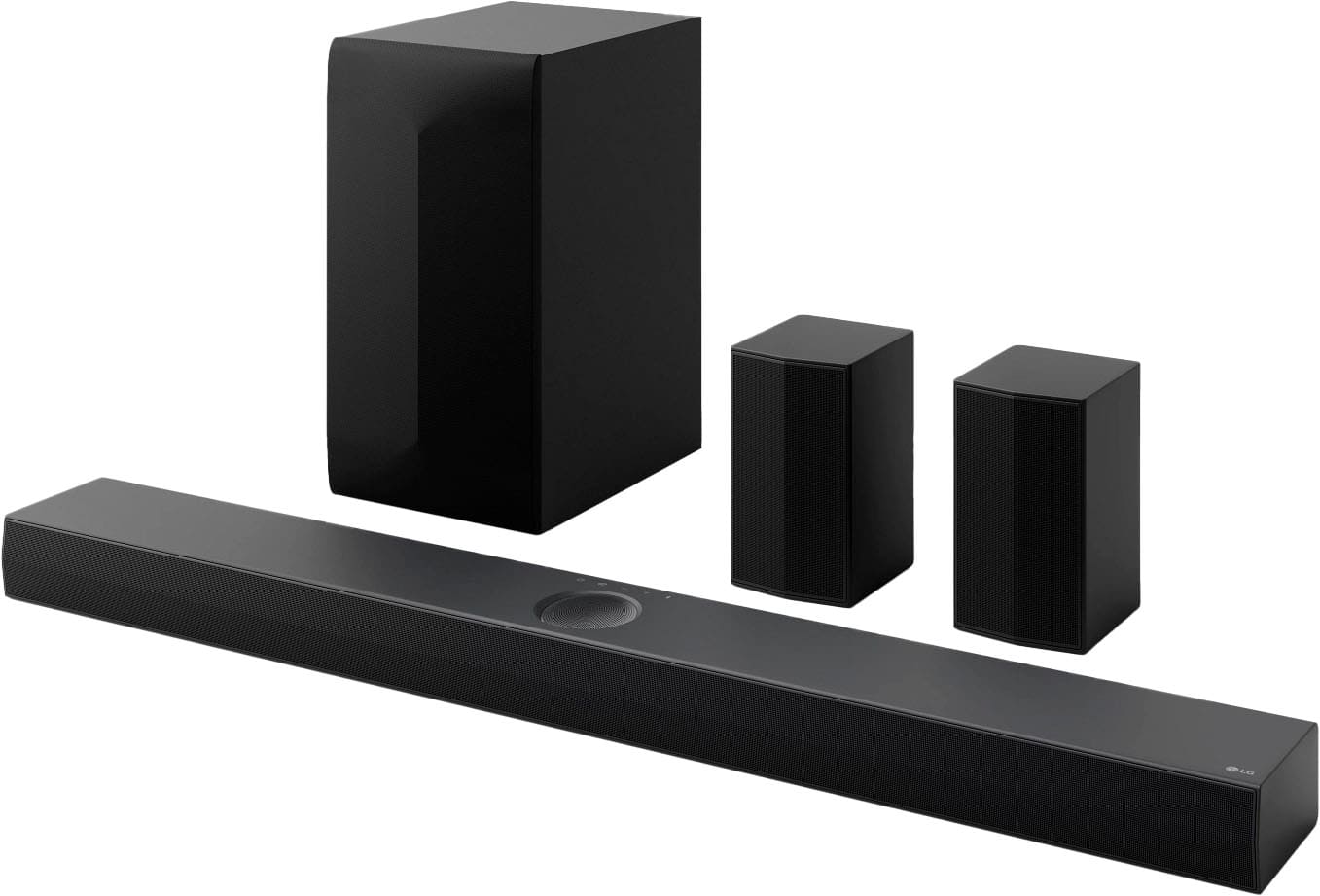
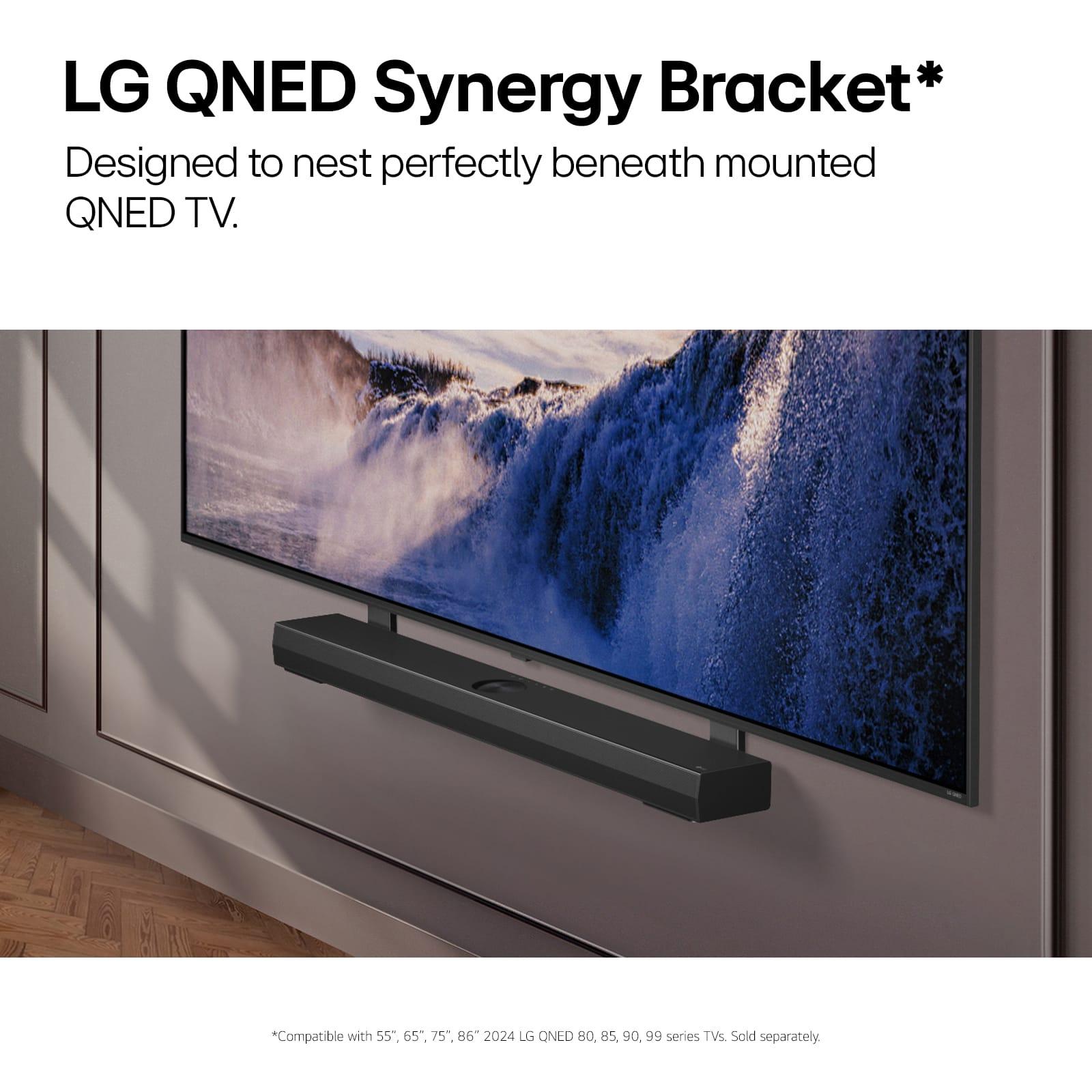
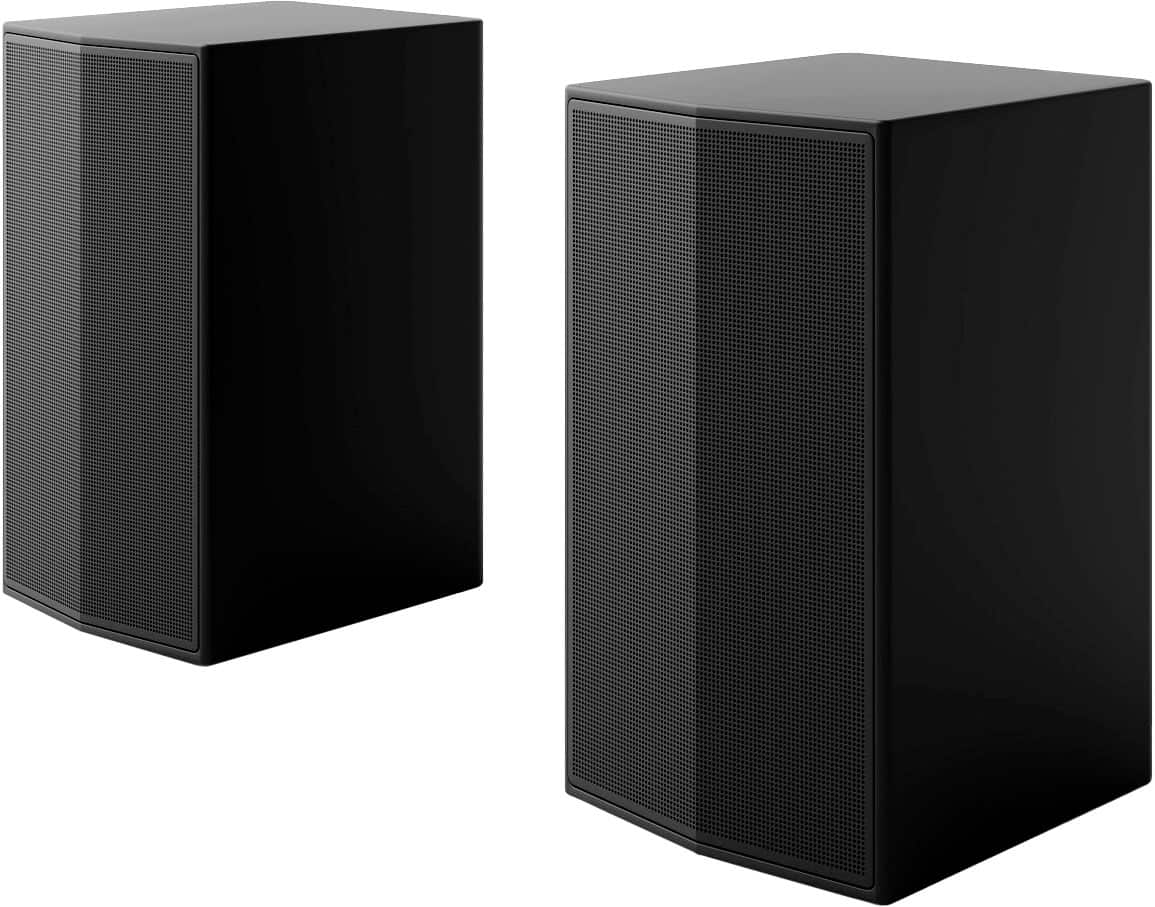
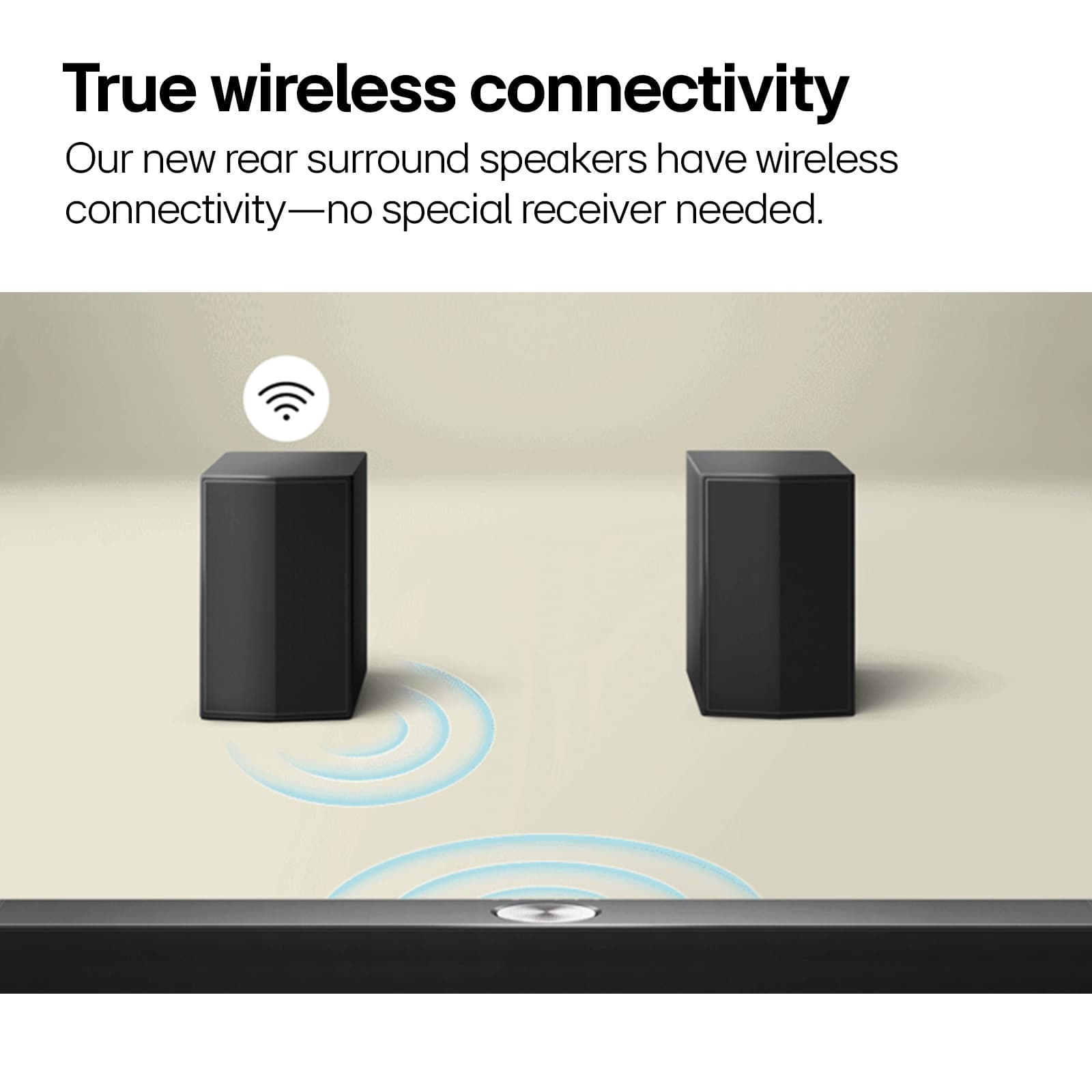
The LG S70TR, released in 2023, represents what I'd call the "go big or go home" approach to soundbar design. This 5.1.1-channel system includes not just the main soundbar, but also a wireless subwoofer and dedicated rear speakers that create true surround sound. At $399.99, it's positioning itself as a comprehensive home theater solution that doesn't require you to buy additional components later.
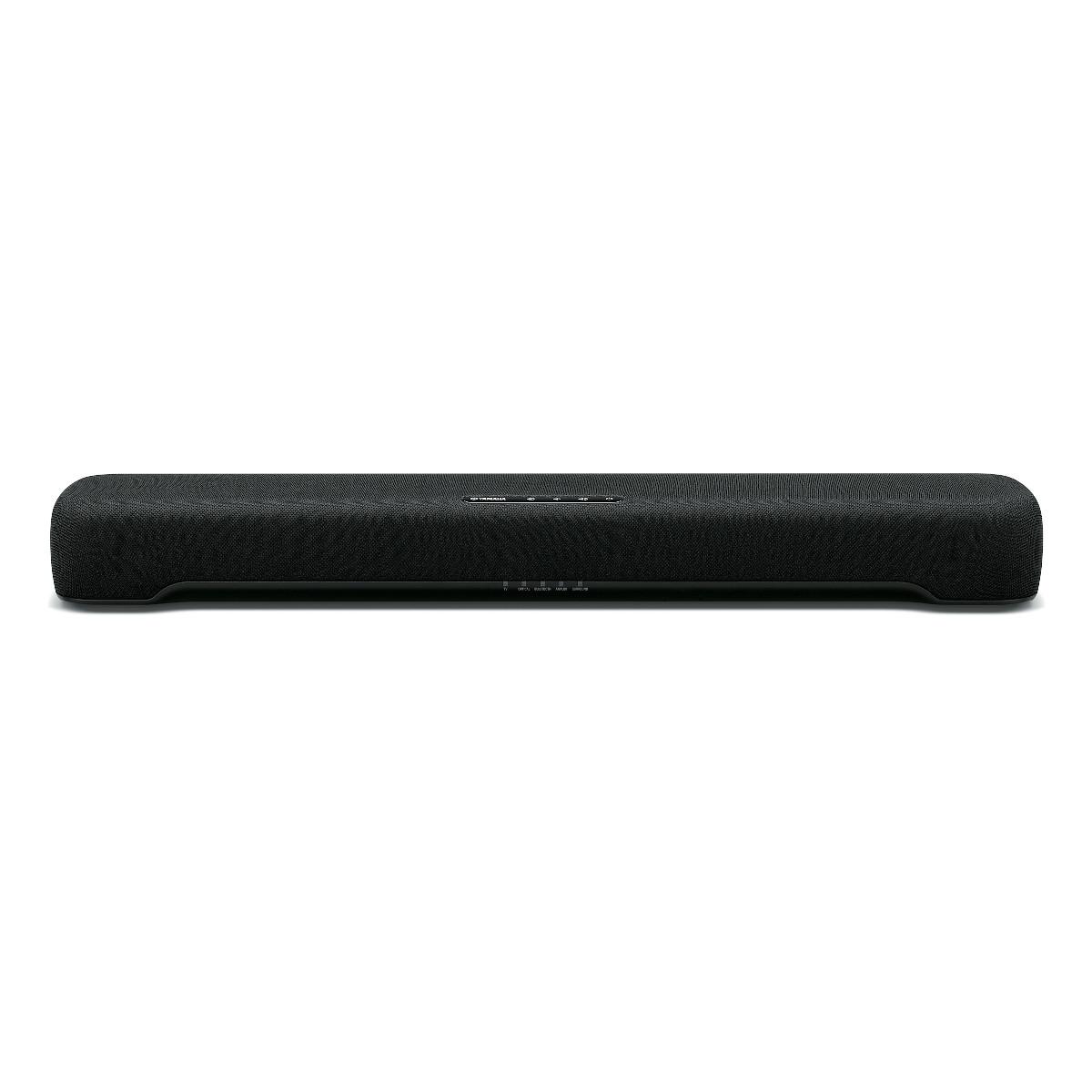
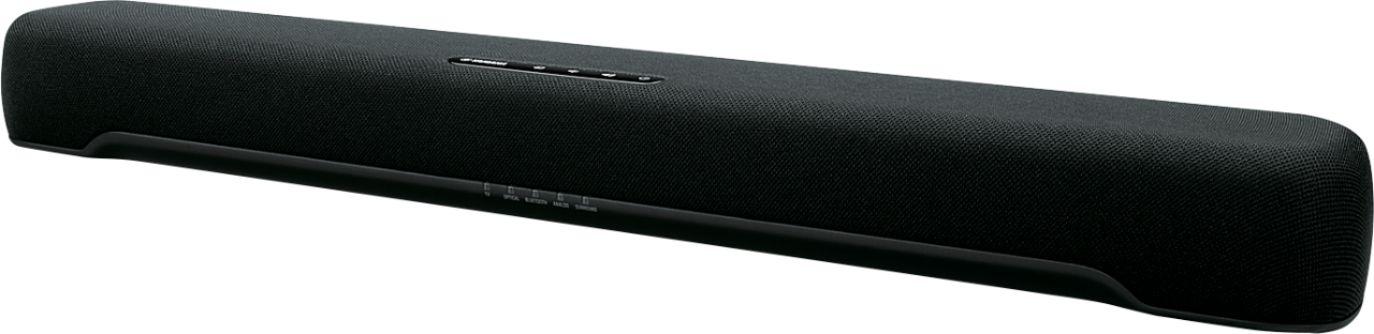
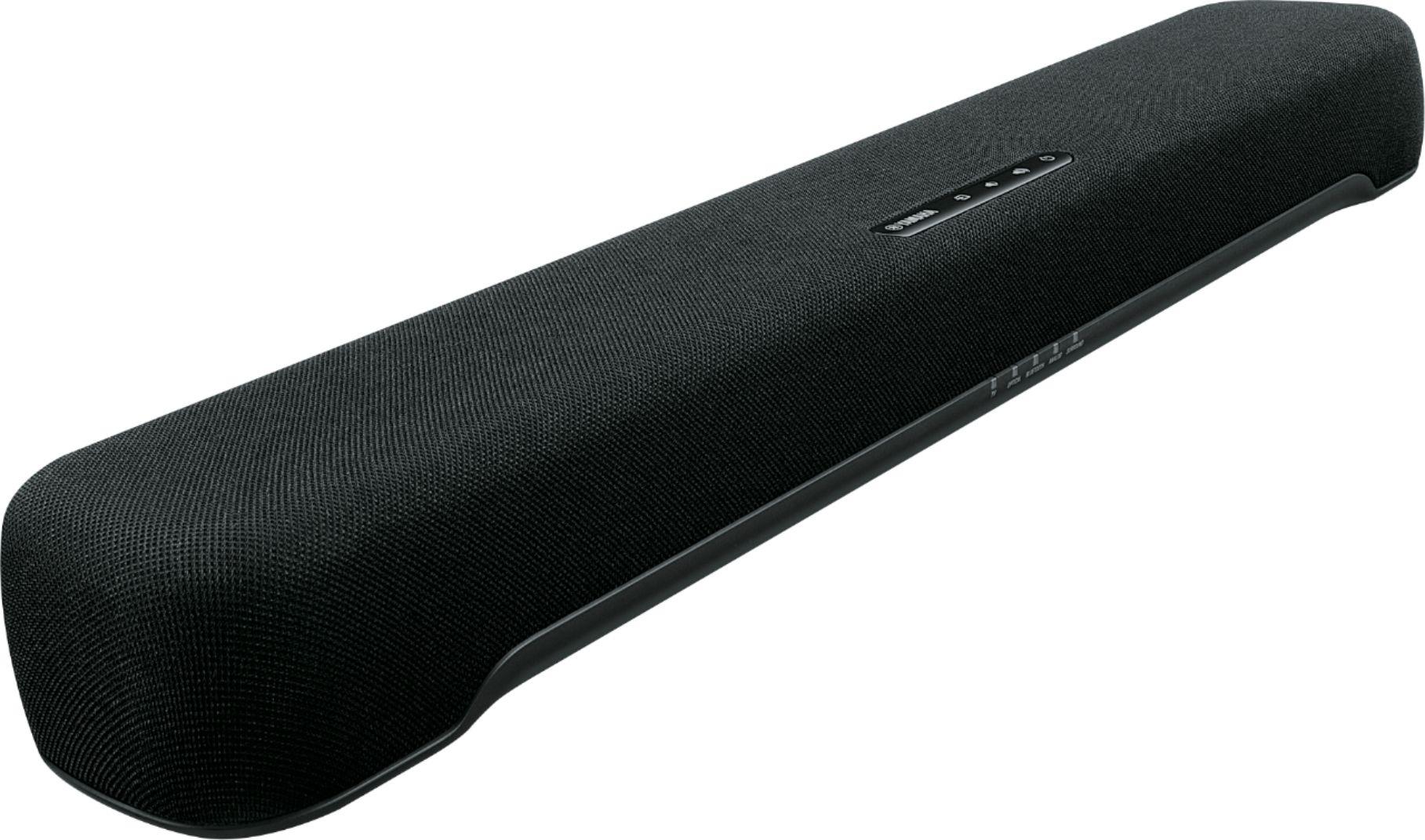
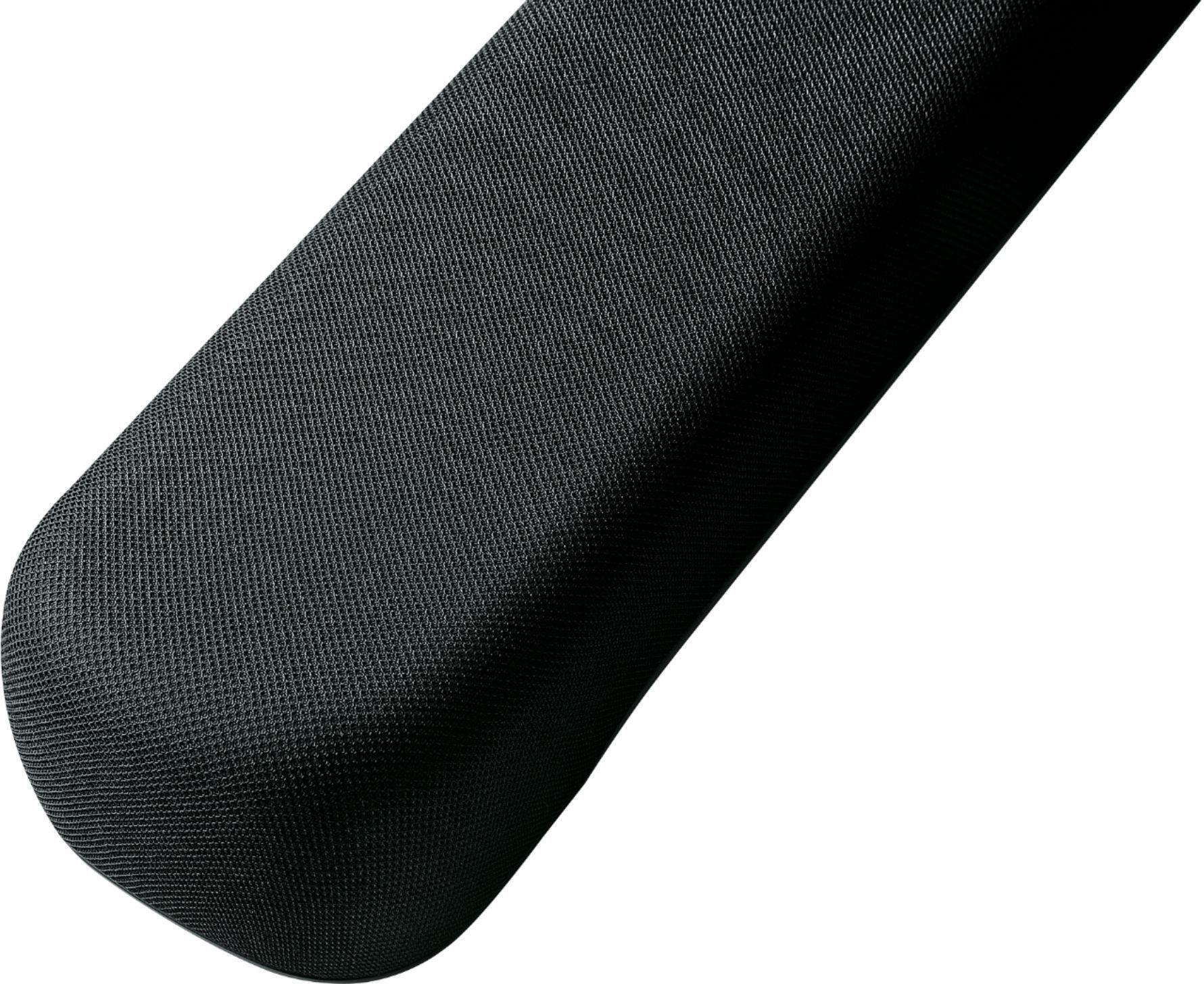
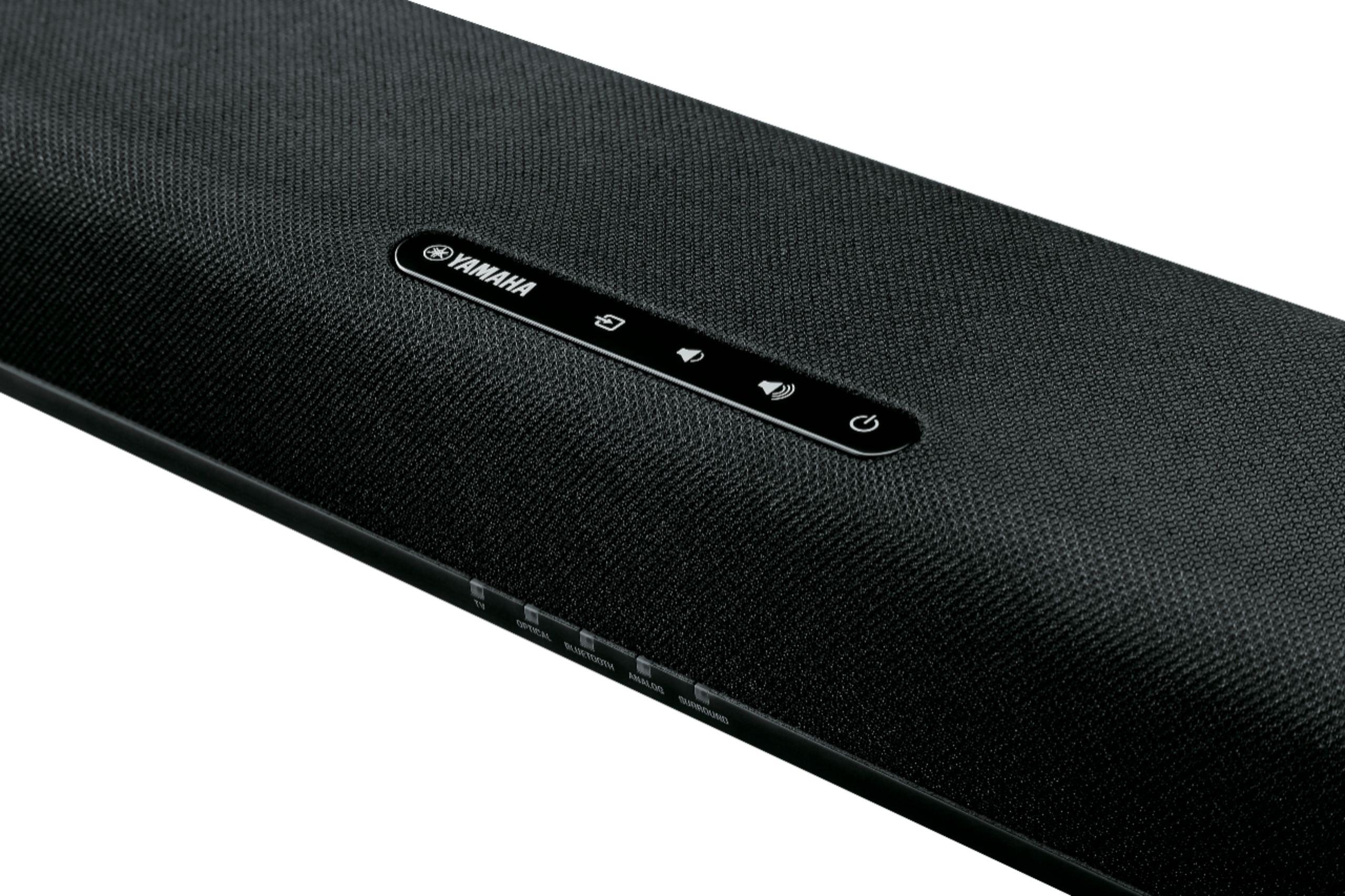
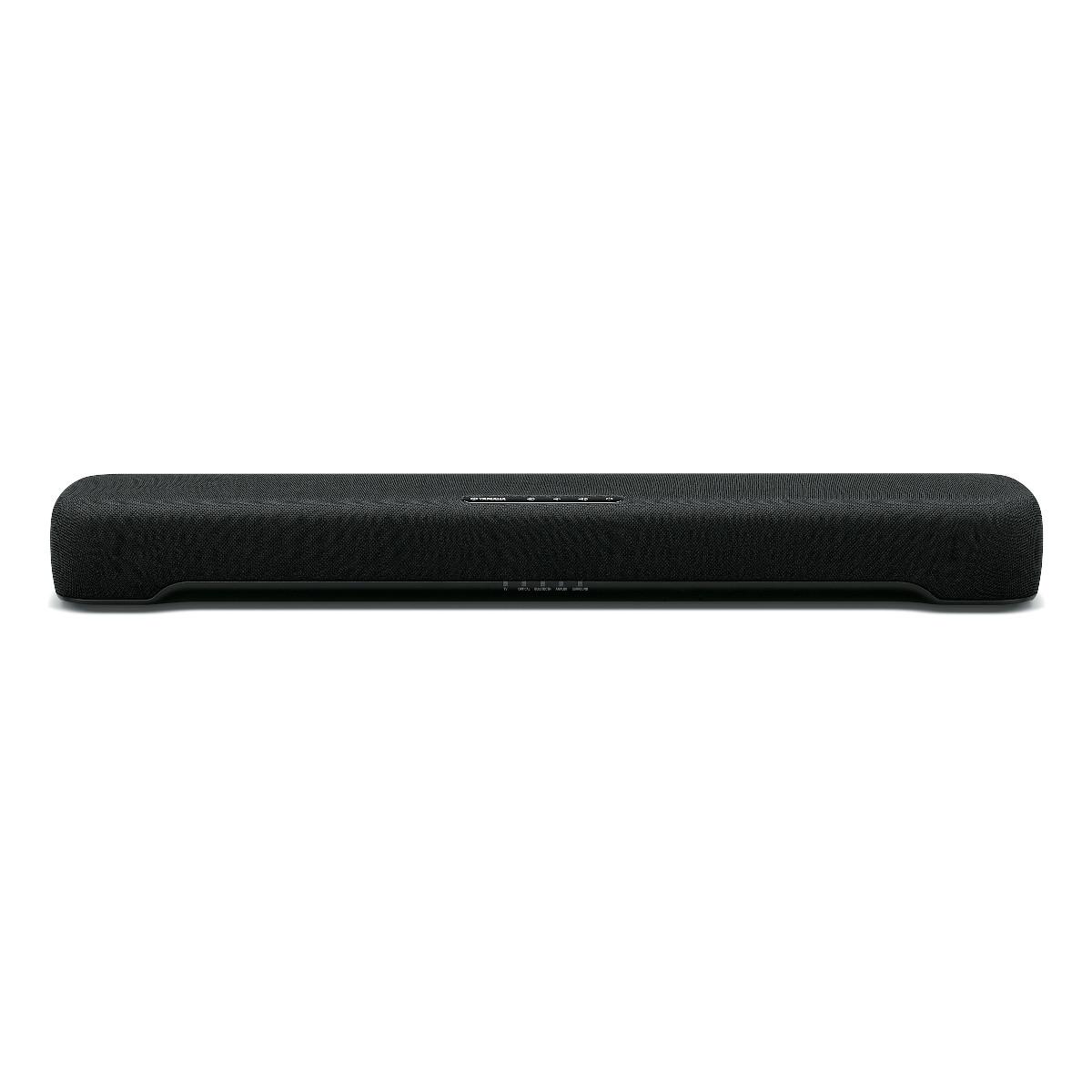
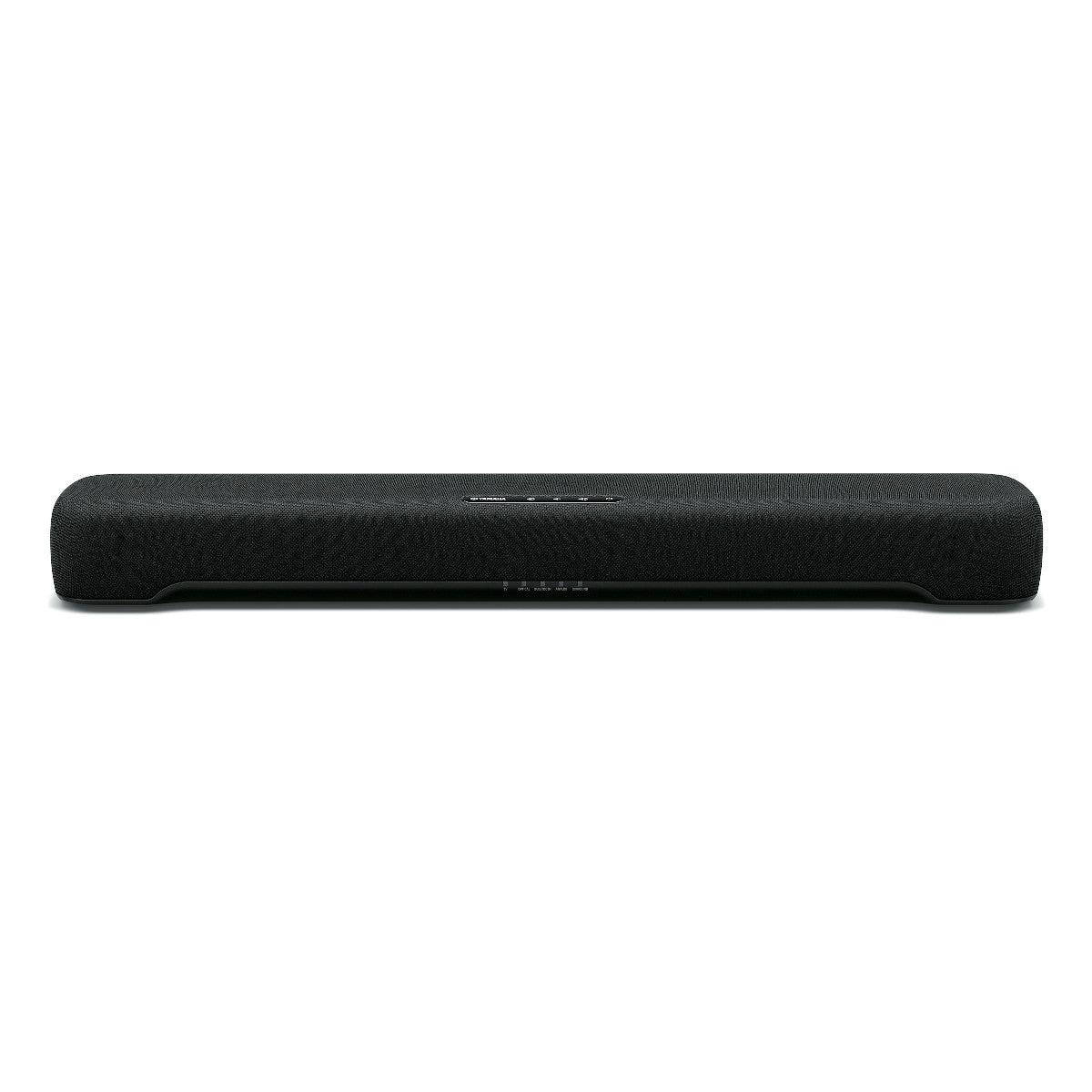
On the flip side, the Yamaha SR-C20A, which launched in 2020, takes the "simplicity first" route. This compact 2.1-channel soundbar builds everything into one sleek unit, including a small subwoofer and passive radiators (think of these as secondary speakers that vibrate to enhance bass without needing their own power). Originally priced around $229, it often goes on sale for much less, making it an attractive budget option.
The three-year gap between these releases tells an interesting story about soundbar evolution. When Yamaha designed the SR-C20A, the focus was primarily on improving basic TV audio and fitting into tight spaces. By the time LG developed the S70TR, consumer expectations had shifted toward more immersive experiences, driven partly by streaming services offering Dolby Atmos content and next-generation gaming consoles pushing advanced audio features.
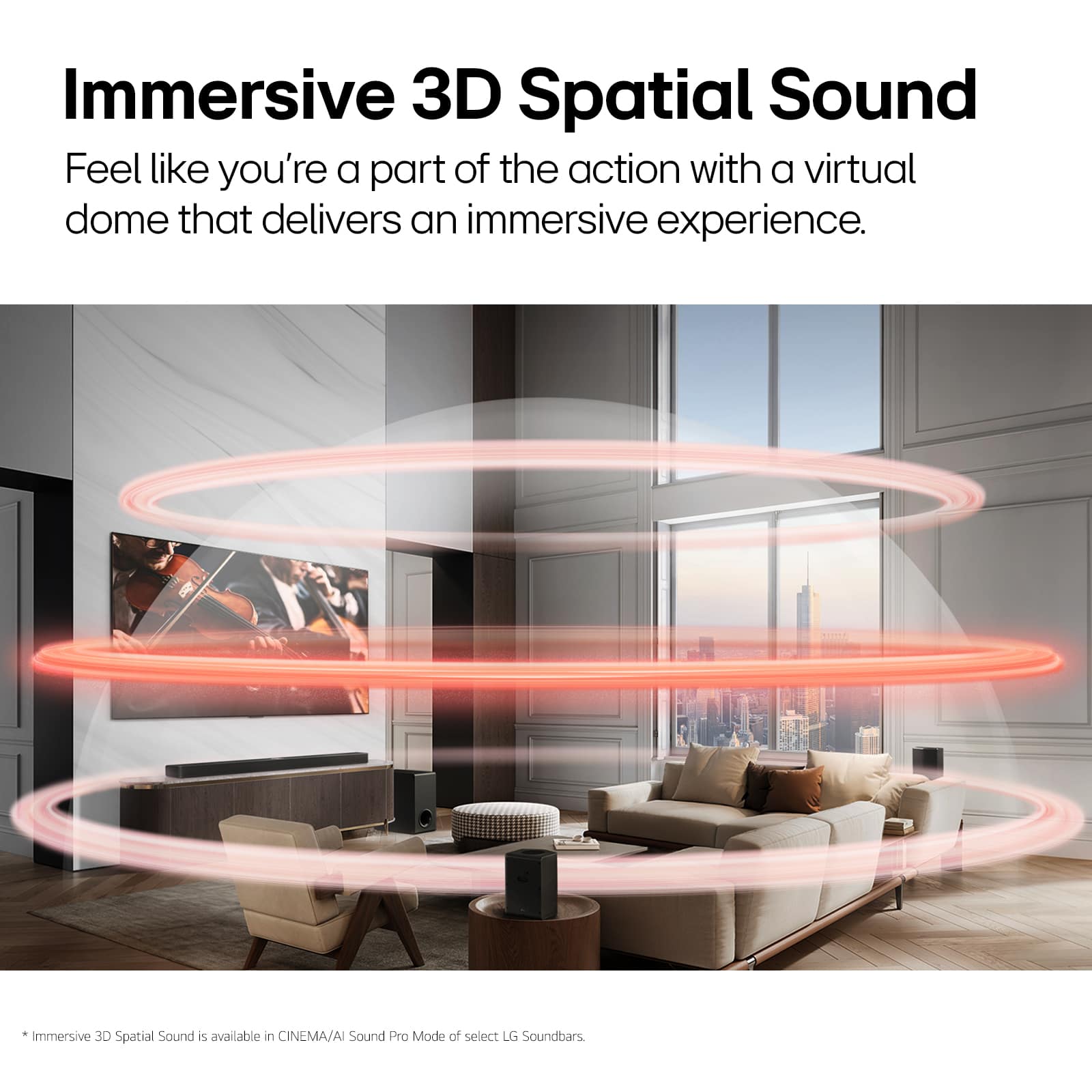
This is where these two soundbars diverge most dramatically. The LG S70TR creates what's called a "spatial audio dome" – imagine sound coming from all around and above you, rather than just from the direction of your TV. This happens because of its Dolby Atmos support, a technology that treats sound as three-dimensional objects that can be placed anywhere in space.
Here's how it works in practice: when you're watching a movie and it starts raining, traditional stereo sound makes that rain seem like it's coming from your TV. With Dolby Atmos and the S70TR's up-firing drivers (speakers that bounce sound off your ceiling), that rain actually seems to fall from above your head. The dedicated rear speakers add another layer, creating sounds behind you that make you feel like you're inside the scene rather than watching it.
I've tested dozens of soundbars over the years, and the difference between virtual surround sound and true surround sound is immediately noticeable. The LG achieves this through its physical speaker arrangement – when a helicopter flies across the screen, you'll hear it move from the front soundbar, overhead via the ceiling-bounced audio, and finally to the rear speakers as it passes behind you.
The Yamaha SR-C20A takes a completely different approach with virtual surround technology. This uses digital signal processing (DSP) to trick your brain into perceiving wider, deeper sound from just the front-facing speakers. It's similar to how headphones can simulate surround sound – clever, but ultimately limited by physics. The Yamaha can make dialogue clearer and add some sense of space, but it can't create that genuine "you're in the movie" feeling.
For home theater enthusiasts, this difference is huge. If you're someone who loves getting lost in movies or wants to recreate that cinema experience at home, the LG's true surround sound and Dolby Atmos support justify the extra cost. However, if you primarily watch news, sitcoms, or casual entertainment, the Yamaha's virtual processing might be perfectly adequate while taking up far less space.
Nothing kills movie immersion quite like weak bass. When that T-Rex stomps across the screen in Jurassic Park, you want to feel it in your chest, not just hear a faint rumble. This is where the fundamental design differences between these soundbars become most apparent.
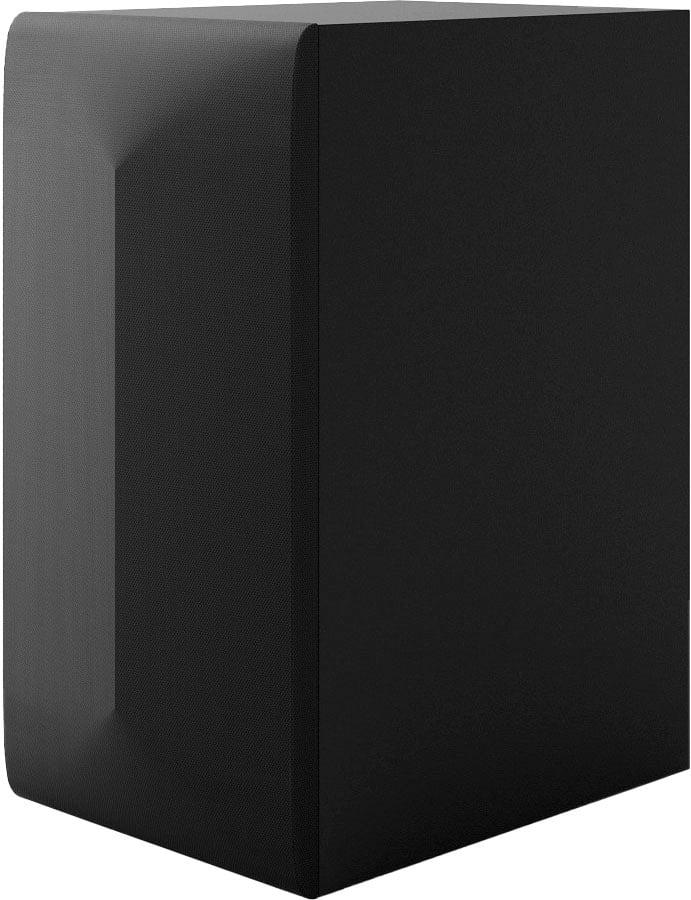
The LG S70TR includes a dedicated wireless subwoofer with a 7-inch driver powered by 220 watts of amplification. To put that in perspective, this subwoofer alone has more power than the entire Yamaha soundbar system. That 7-inch driver can move significantly more air than smaller speakers, creating those low-frequency waves that you feel as much as hear.
Because it's wireless, you can place this subwoofer anywhere in your room – in a corner where bass naturally amplifies, under a side table, or wherever it sounds best in your specific space. This flexibility is crucial because bass frequencies interact heavily with room acoustics, and finding the right spot can make a dramatic difference in performance.
The Yamaha SR-C20A builds its bass solution directly into the soundbar using a 3-inch driver supplemented by two passive radiators. Think of passive radiators as speakers without magnets – they vibrate in response to the active driver, helping to extend bass response beyond what the small driver could achieve alone. It's an clever engineering solution that maximizes bass output within severe space constraints.
In practical terms, the LG will fill a large living room with room-shaking bass that adds weight to explosions, depth to music, and that visceral impact that makes action scenes exciting. The Yamaha provides enough bass enhancement to make TV dialogue sound fuller and music more engaging, but it won't rattle your windows or disturb neighbors in adjacent apartments.
For apartment dwellers or those with nearby neighbors, the Yamaha's more restrained bass response might actually be preferable. But if you have the space and want that full theater experience, the LG's dedicated subwoofer is in a completely different league.
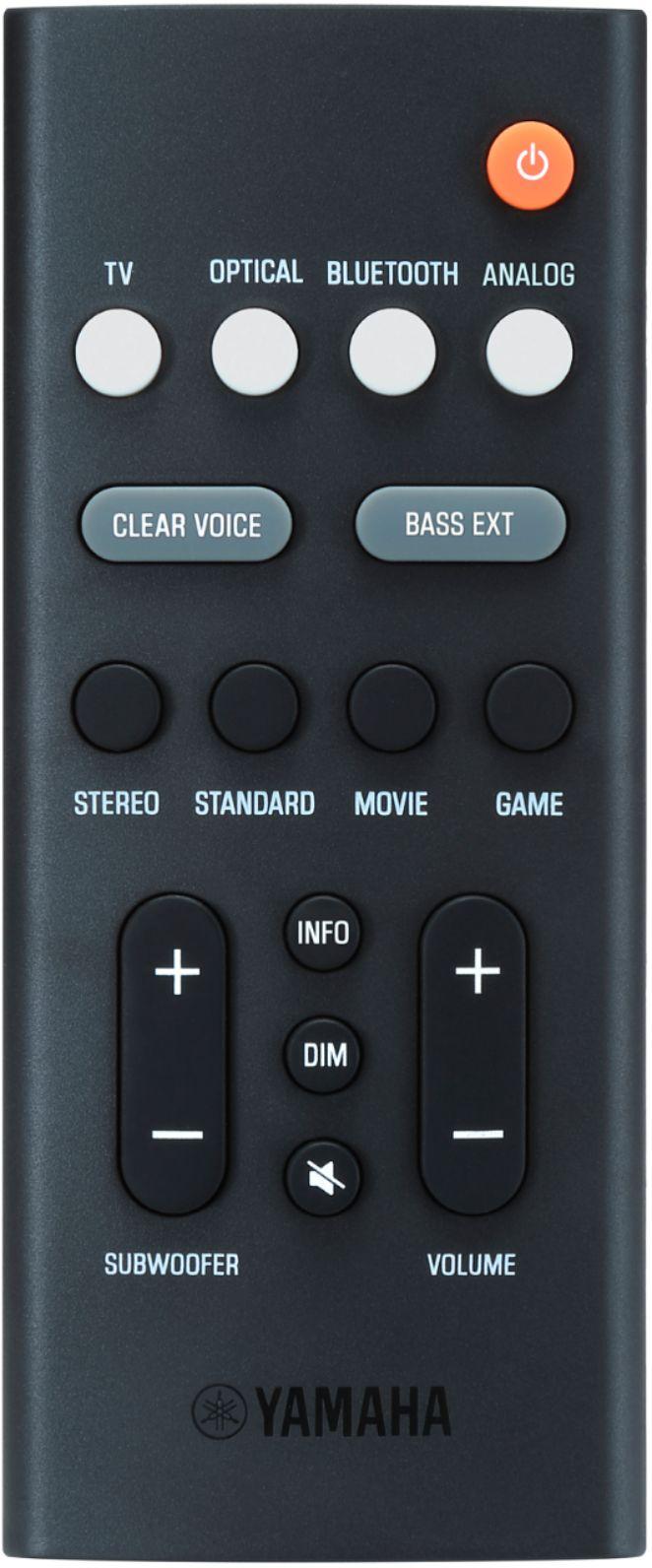
Here's where things get interesting, because the Yamaha SR-C20A actually holds its own against the more expensive LG. Yamaha built this soundbar with one primary mission: make TV dialogue crystal clear. Their Clear Voice technology analyzes incoming audio and specifically enhances the frequency ranges where human speech occurs, making conversations more intelligible even when there's background music or sound effects.
This focus shows in real-world use. I've found that the Yamaha excels at making news anchors, talk show hosts, and TV drama dialogue easy to understand without needing to constantly adjust volume. It's particularly effective for older adults or anyone with hearing difficulties, as it cuts through the audio mix to prioritize speech clarity.
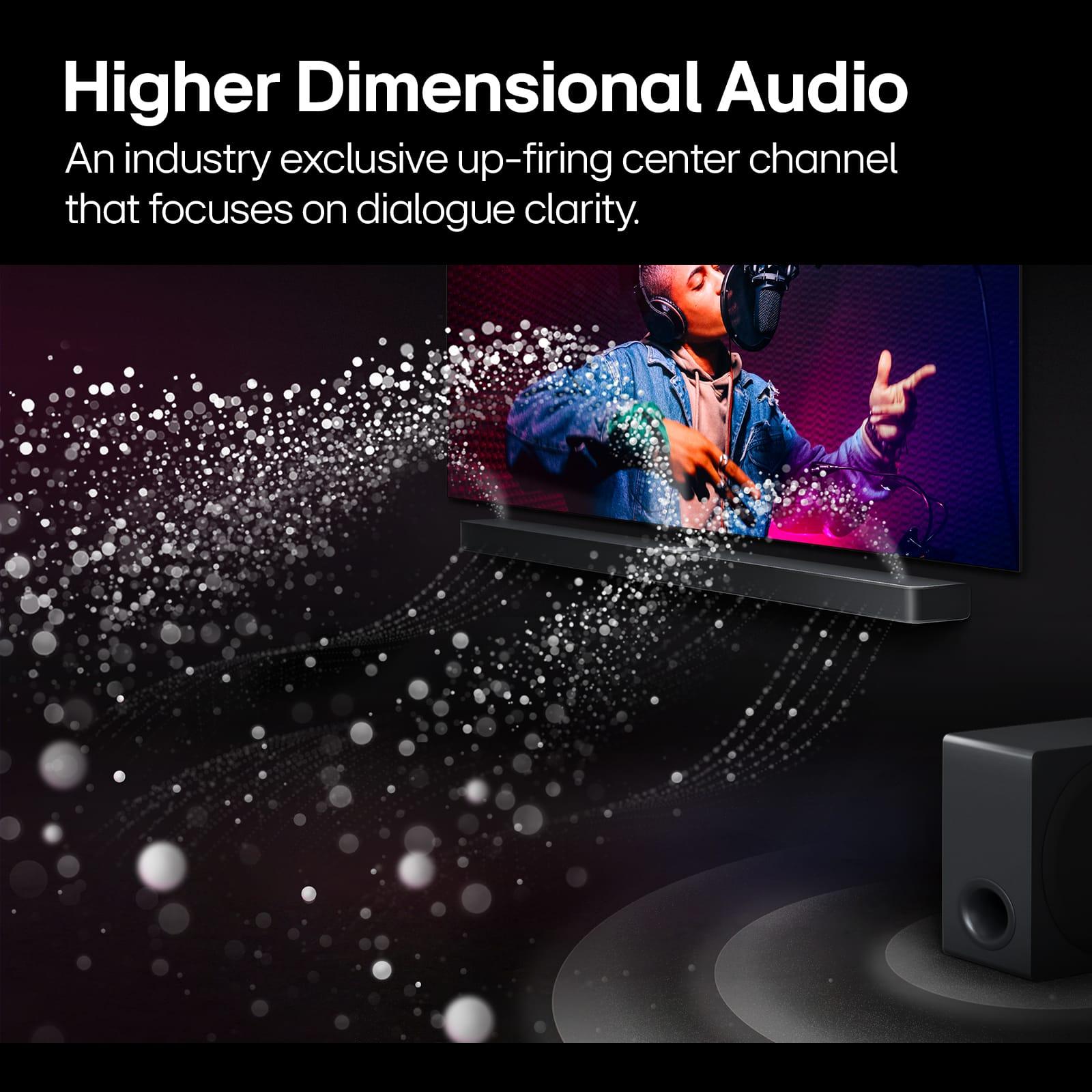
The LG S70TR approaches dialogue differently with its dedicated center channel – a speaker specifically designed to handle vocals and dialogue. This up-firing center channel focuses sound toward the listening position, while AI Sound Pro automatically analyzes content and adjusts the audio balance. If the system detects high vocal levels, it automatically reduces bass and enhances midrange frequencies to make speech clearer.
Both approaches work, but they serve different use cases. The Yamaha's simpler, more direct processing often delivers more consistent results for everyday TV watching. The LG's more sophisticated system provides better overall balance but requires the AI to make correct decisions about content type, which doesn't always happen perfectly.
If you're a gamer, this comparison becomes much clearer. The LG S70TR includes Variable Refresh Rate (VRR) and Auto Low Latency Mode (ALLM) support up to 120Hz – features that eliminate audio lag and sync perfectly with next-generation gaming consoles like the PlayStation 5 and Xbox Series X.
Here's why this matters: when you're playing competitive games, even tiny delays between your controller input and what you see and hear can affect performance. ALLM automatically switches the soundbar to its lowest-latency mode when it detects game content, while VRR ensures audio stays perfectly synchronized with variable frame rate games.
The LG also includes a dedicated Game mode that optimizes audio processing for gaming, emphasizing directional audio cues that help you locate enemies or environmental sounds. Combined with the true surround sound capabilities, this creates a significant competitive advantage in games where audio positioning matters.
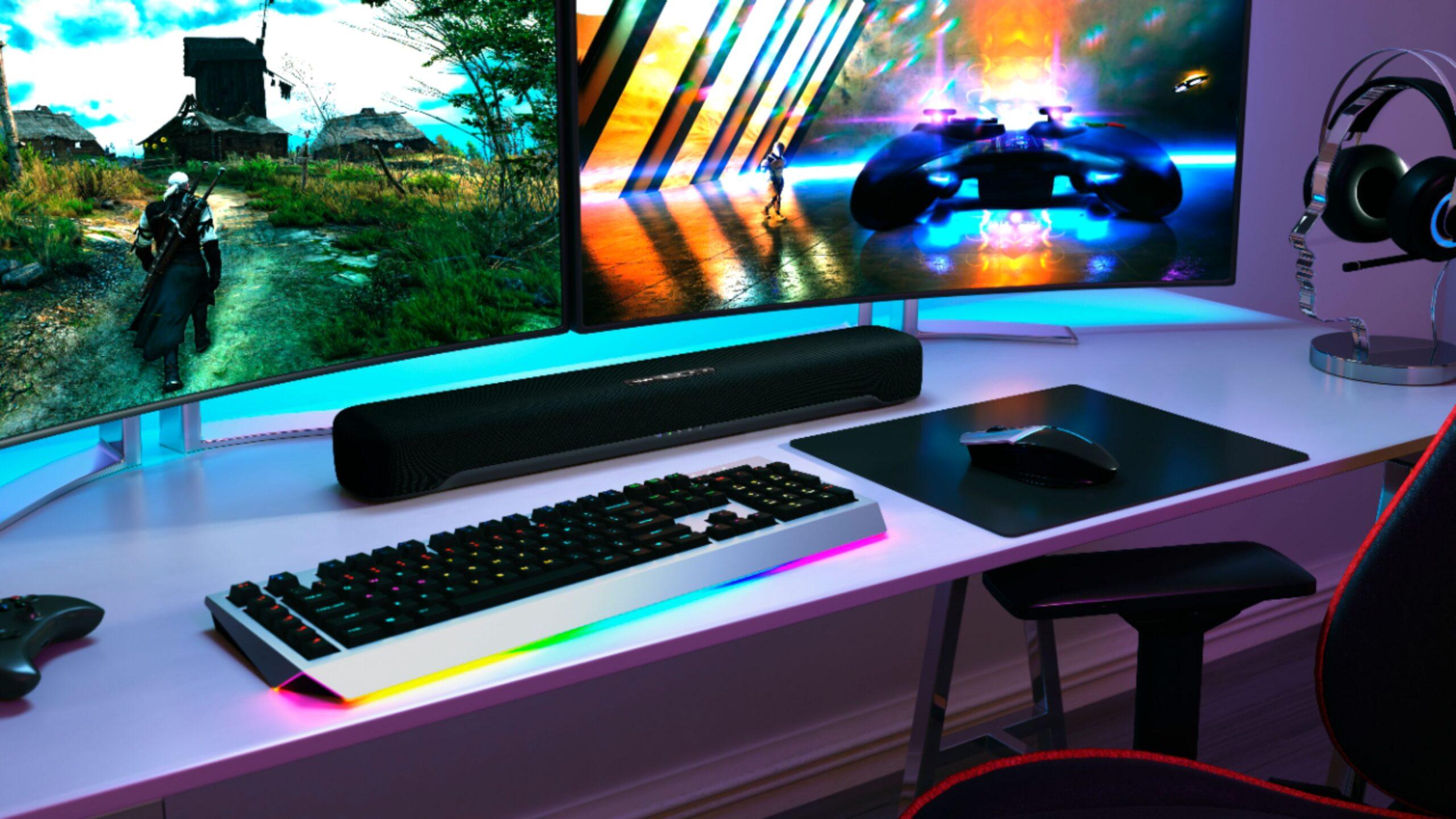
The Yamaha SR-C20A, released in 2020, predates these gaming-focused features. It provides basic HDMI ARC connectivity and an optical input, but lacks the advanced gaming optimizations that have become standard on newer soundbars. For casual gaming, this isn't a problem, but serious gamers will notice the difference.
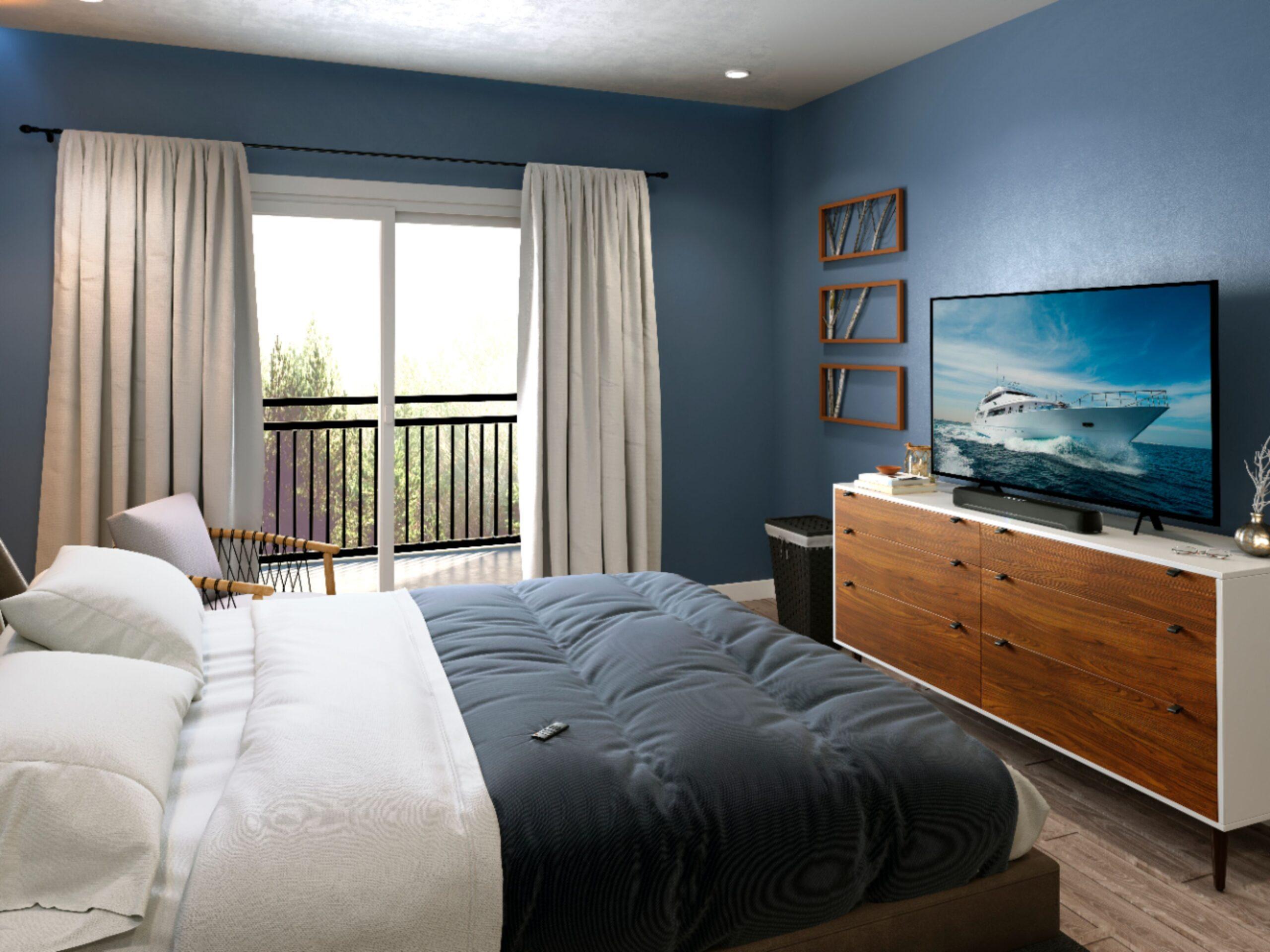
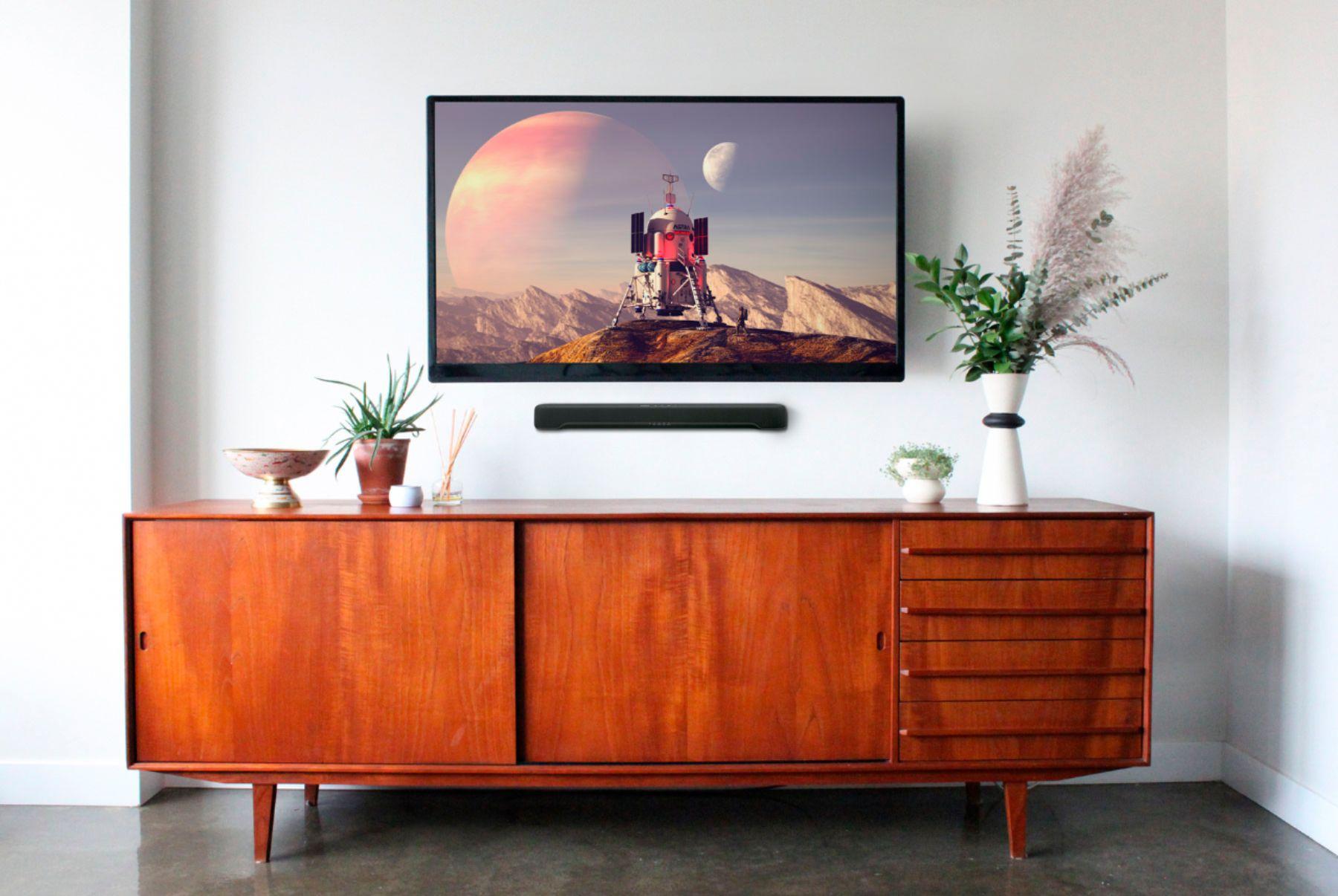
This might be the most important factor for many buyers. The Yamaha SR-C20A represents soundbar simplicity at its finest – you connect one cable, place it under your TV, and you're done. The entire setup takes maybe five minutes, and the compact 23-inch width fits under most TVs without overwhelming smaller furniture arrangements.
I've recommended the Yamaha to friends with small apartments, bedrooms setups, and kitchen TVs specifically because it requires zero planning or optimization. There are no additional components to place, no power outlets to consider for extra speakers, and no acoustic positioning to worry about.
The LG S70TR demands more commitment. You'll need to find optimal placement for the wireless subwoofer (preferably in a corner or against a wall), position the rear speakers where they can create proper surround effects, and ensure you have power outlets available for each component. The setup process typically takes 20-30 minutes and requires some experimentation to get the best results.
However, that complexity pays dividends in larger spaces. In my experience testing soundbars in various room sizes, the LG performs significantly better in rooms over 250 square feet, where its multiple drivers can properly fill the space with sound. The Yamaha works well in smaller rooms but starts to sound constrained in larger living areas where you need more acoustic output.
At $399.99, the LG S70TR positions itself in the entry-premium category, competing with soundbars that often cost $500-800 but offer similar feature sets. When you break down what you're getting – true 5.1.1 surround sound, Dolby Atmos, wireless subwoofer, rear speakers, gaming features, and smart connectivity – the value proposition becomes compelling for anyone wanting a complete home theater upgrade.
The Yamaha SR-C20A plays in an entirely different value category. At its original $229 MSRP (and often available for much less during sales), it focuses on delivering the maximum improvement to basic TV audio per dollar spent. Rather than trying to compete with premium features, it concentrates budget on solid build quality, reliable performance, and the specific technologies that matter most for everyday viewing.
This difference in approach means they're not really competing directly. The LG targets buyers who want to transform their living room into an entertainment center, while the Yamaha serves those who simply want better TV audio without complexity or high cost.
For dedicated home theater use, the LG S70TR pulls significantly ahead. Its Dolby Atmos support means it can properly decode and reproduce the spatial audio tracks that streaming services like Netflix, Disney+, and Apple TV+ include with their premium content. When you watch "Top Gun: Maverick" or "Dune" with proper Dolby Atmos reproduction, the difference is transformative – jets fly overhead, sandworms emerge from below, and ambient environmental sounds create convincing atmosphere.
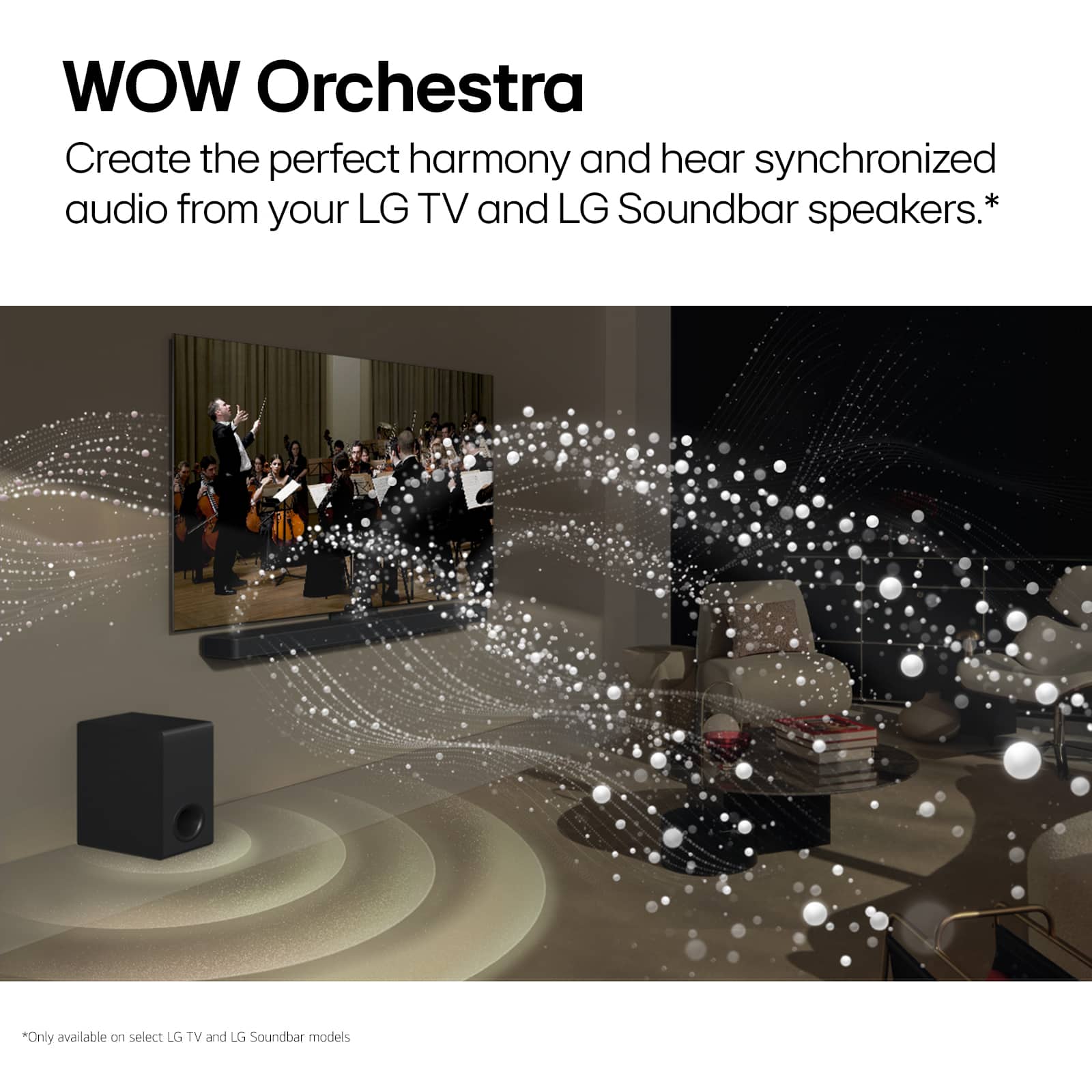
The WOW Orchestra feature adds another dimension for LG TV owners by synchronizing the soundbar with the TV's built-in speakers, creating an even wider soundstage. I've found this particularly effective for sports content, where crowd noise and stadium ambiance benefit from the expanded speaker array.
The Yamaha SR-C20A wasn't designed for serious home theater use, and that's perfectly fine. Its strengths lie in making everyday TV content more enjoyable rather than creating cinematic experiences. For someone who primarily watches news, sitcoms, dramas, and casual entertainment, the Yamaha's dialogue-focused tuning often provides a more satisfying experience than over-engineered surround sound systems.
Choose the LG S70TR if you have a larger living space (300+ square feet), regularly watch movies and action content, enjoy gaming, own or plan to buy an LG TV, and want a soundbar that will remain relevant as streaming and gaming technology advances. The complexity of setup is worth it for the significantly enhanced audio experience, and the $399.99 price point offers strong value for the feature set provided.
Choose the Yamaha SR-C20A if you have limited space, prioritize simplicity and quick setup, primarily watch dialogue-heavy content like news and TV shows, are budget-conscious, or need a solution that works well in bedrooms, kitchens, or smaller apartments. Its focus on core audio improvement without unnecessary complexity makes it ideal for users who want better sound without the commitment of a full surround system.
The bottom line is that both soundbars excel at their intended purposes. The LG transforms your TV into an entertainment center, while the Yamaha simply makes everything sound better without changing how you use your TV. Your choice should depend on your space, usage patterns, and whether you want audio enhancement or audio transformation.
Neither option will disappoint if matched to appropriate expectations and use cases. The key is understanding what you actually need versus what sounds impressive on paper, then choosing the soundbar that best fits your real-world viewing habits and living situation.
| LG S70TR 5.1.1 Channel Soundbar with Dolby Atmos and WOW Orchestra | Yamaha SR-C20A Compact Sound Bar with Built-In Subwoofer |
|---|---|
| Price - Value proposition and budget considerations | |
| $399.99 (premium features at entry-level pricing) | ~$180 MSRP (budget-friendly with frequent sales) |
| Channel Configuration - Determines surround sound capability | |
| 5.1.1 channels with physical rear speakers and height effects | 2.1 channels with virtual surround processing |
| Dolby Atmos Support - Creates overhead sound effects for movies | |
| Yes (true 3D spatial audio with up-firing drivers) | No (limited to stereo and virtual surround) |
| Subwoofer Design - Impact on bass performance and room filling | |
| Dedicated wireless 7-inch subwoofer (220W, room-shaking bass) | Built-in 3-inch subwoofer with passive radiators (modest bass) |
| Gaming Features - Important for console and PC gaming | |
| VRR/ALLM up to 120Hz, dedicated Game mode | Basic connectivity, no gaming optimizations |
| Setup Complexity - Time and effort required for installation | |
| Complex (20-30 min, multiple wireless components to position) | Simple (5 min, single cable, plug-and-play) |
| Room Size Suitability - Optimal space for best performance | |
| Large rooms 300+ sq ft (multiple drivers fill bigger spaces) | Small to medium rooms under 250 sq ft (compact design fits tight spaces) |
| Connectivity Options - Future-proofing and device compatibility | |
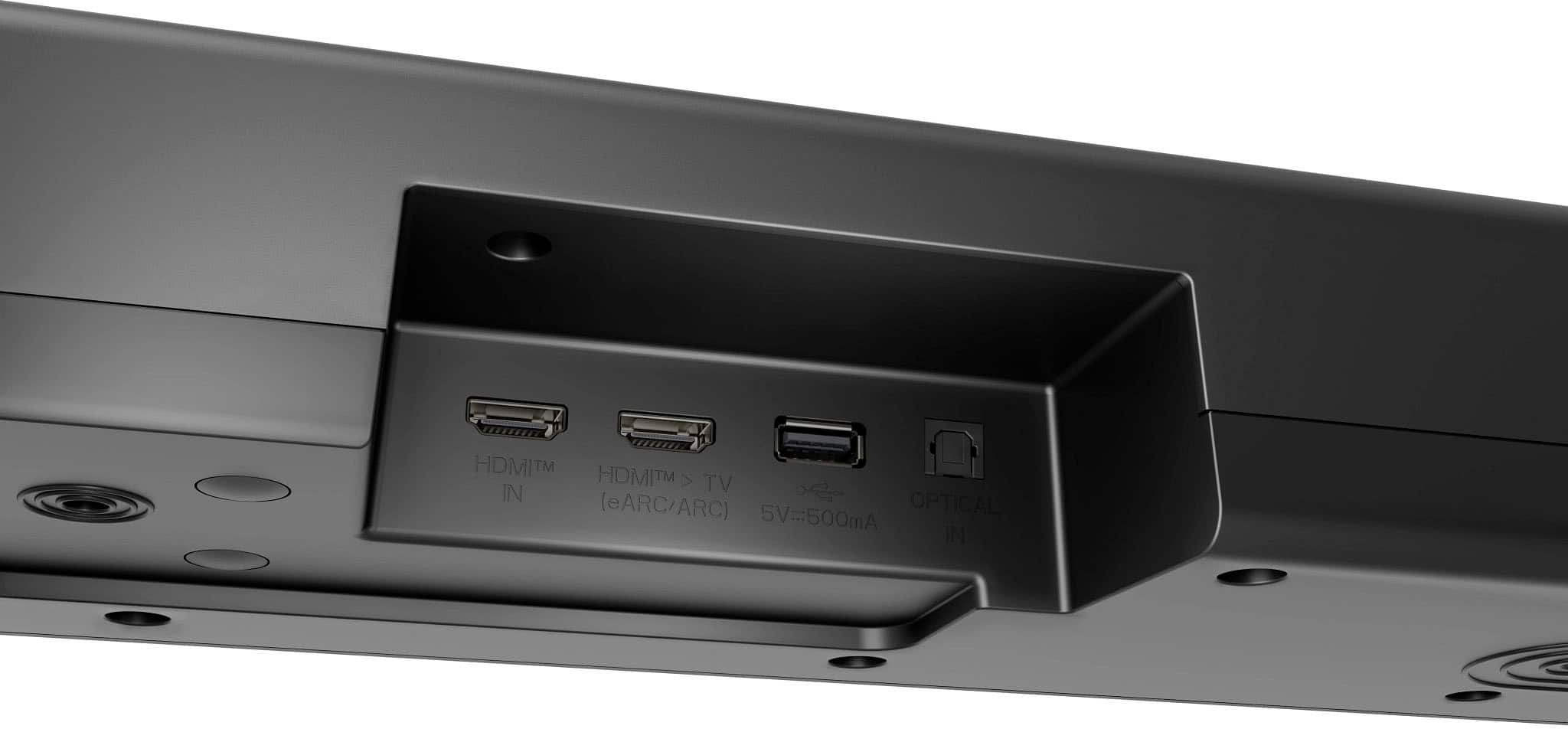
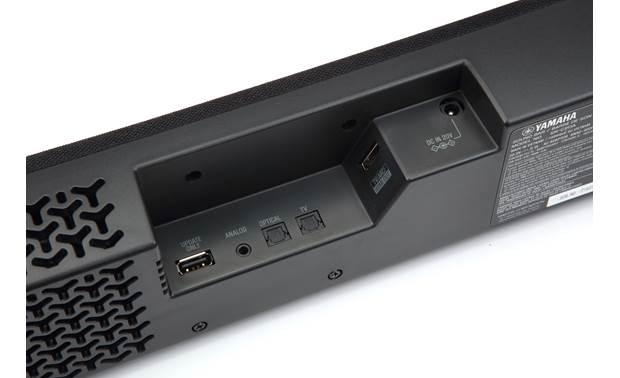
| HDMI eARC, optical, USB, WiFi, Bluetooth 5.1 | HDMI ARC, 2x optical, analog, Bluetooth 5.0 |
| Smart Features - App control and advanced functionality | |
| LG Soundbar app, WOW Orchestra (LG TV integration), AI Sound Pro | Sound Bar Remote app, Clear Voice technology |
| Release Year - Technology generation and future relevance | |
| 2023/2024 (current-gen features and standards) | 2020 (older tech, limited future-proofing) |
The Yamaha SR-C20A is better for small rooms under 250 square feet. Its compact 23-inch design fits easily under most TVs without overwhelming the space, and its built-in subwoofer provides adequate bass without requiring additional components or outlets for positioning.
The LG S70TR is a true 5.1.1 surround sound system with wireless rear speakers and Dolby Atmos, while the Yamaha SR-C20A is a compact 2.1 system that uses virtual surround technology. The LG creates genuine surround sound effects, while the Yamaha focuses on improving basic TV audio in a simple package.
The LG S70TR has significantly better bass with its dedicated wireless 7-inch subwoofer powered by 220 watts. The Yamaha SR-C20A uses a built-in 3-inch subwoofer with passive radiators, which provides modest bass improvement but can't match the room-filling low-end of the LG's dedicated subwoofer.
The LG S70TR at $399.99 is worth the extra cost if you want true surround sound, Dolby Atmos effects, gaming features, and have a larger room. However, if you just need better TV dialogue and have limited space, the Yamaha SR-C20A at around $180 provides excellent value for basic audio improvement.
The Yamaha SR-C20A is much easier to set up, requiring only one cable connection and about 5 minutes of your time. The LG S70TR requires positioning multiple wireless components (subwoofer and rear speakers) and typically takes 20-30 minutes to set up properly.
No, only the LG S70TR supports Dolby Atmos with up-firing drivers that create overhead sound effects. The Yamaha SR-C20A does not support Dolby Atmos and is limited to stereo and virtual surround sound processing.
The LG S70TR is significantly better for gaming with VRR (Variable Refresh Rate) and ALLM (Auto Low Latency Mode) support up to 120Hz, plus a dedicated Game mode. The Yamaha SR-C20A offers only basic connectivity without gaming-specific features or optimizations.
Both soundbars excel at dialogue clarity but in different ways. The Yamaha SR-C20A focuses specifically on speech enhancement with its Clear Voice technology, while the LG S70TR uses a dedicated center channel and AI Sound Pro for dialogue. The Yamaha often provides more consistent results for everyday TV watching.
The Yamaha SR-C20A is better for apartments due to its compact size, simple setup, and more restrained bass output that won't disturb neighbors. The LG S70TR requires more space and produces significantly more bass, which may not be apartment-friendly.
Yes, both the LG S70TR and Yamaha SR-C20A work with any TV brand through HDMI ARC or optical connections. However, the LG offers special WOW Orchestra integration that combines the soundbar with LG TV speakers for enhanced performance when paired with compatible LG TVs.
The LG S70TR is more future-proof with its 2023/2024 technology, HDMI 2.1 features, Dolby Atmos support, and gaming optimizations that work with current and upcoming content. The Yamaha SR-C20A from 2020 has older connectivity standards and limited support for emerging audio technologies.
The LG S70TR performs best in larger rooms over 300 square feet where its multiple drivers and wireless subwoofer can properly fill the space. The Yamaha SR-C20A is ideal for smaller rooms under 250 square feet, bedrooms, kitchens, and spaces where a compact solution is preferred.
We've done our best to create useful and informative comparisons to help you decide what product to buy. Our research uses advanced automated methods to create this comparison and perfection is not possible - please contact us for corrections or questions. These are the sites we've researched in the creation of this article: bestbuy.com - mynavyexchange.com - rixaudiovideoappliance.com - rtings.com - youtube.com - bestbuy.com - howards.siteontimedev.com - bestbuy.com - appliancestogousa.us - t3.com - usa.yamaha.com - radiotimes.com - shop.usa.yamaha.com - whathifi.com - hifiheaven.net - usa.yamaha.com - sweetwater.com - hub.yamaha.com - bestbuy.com

Privacy Policy
Terms and Conditions - Affiliate Policy
Home Security
© Copyright 2008-2026.
11816 Inwood Rd #1211, Dallas, TX 75244