







If you've ever tried to follow dialogue in an action movie or catch the subtle details in your favorite songs through your TV's built-in speakers, you know the frustration. Modern TVs, despite their impressive picture quality, often have speakers that sound like they're broadcasting from inside a tin can. That's where soundbars come in – they're designed to transform your audio experience without the complexity of a full surround sound system.
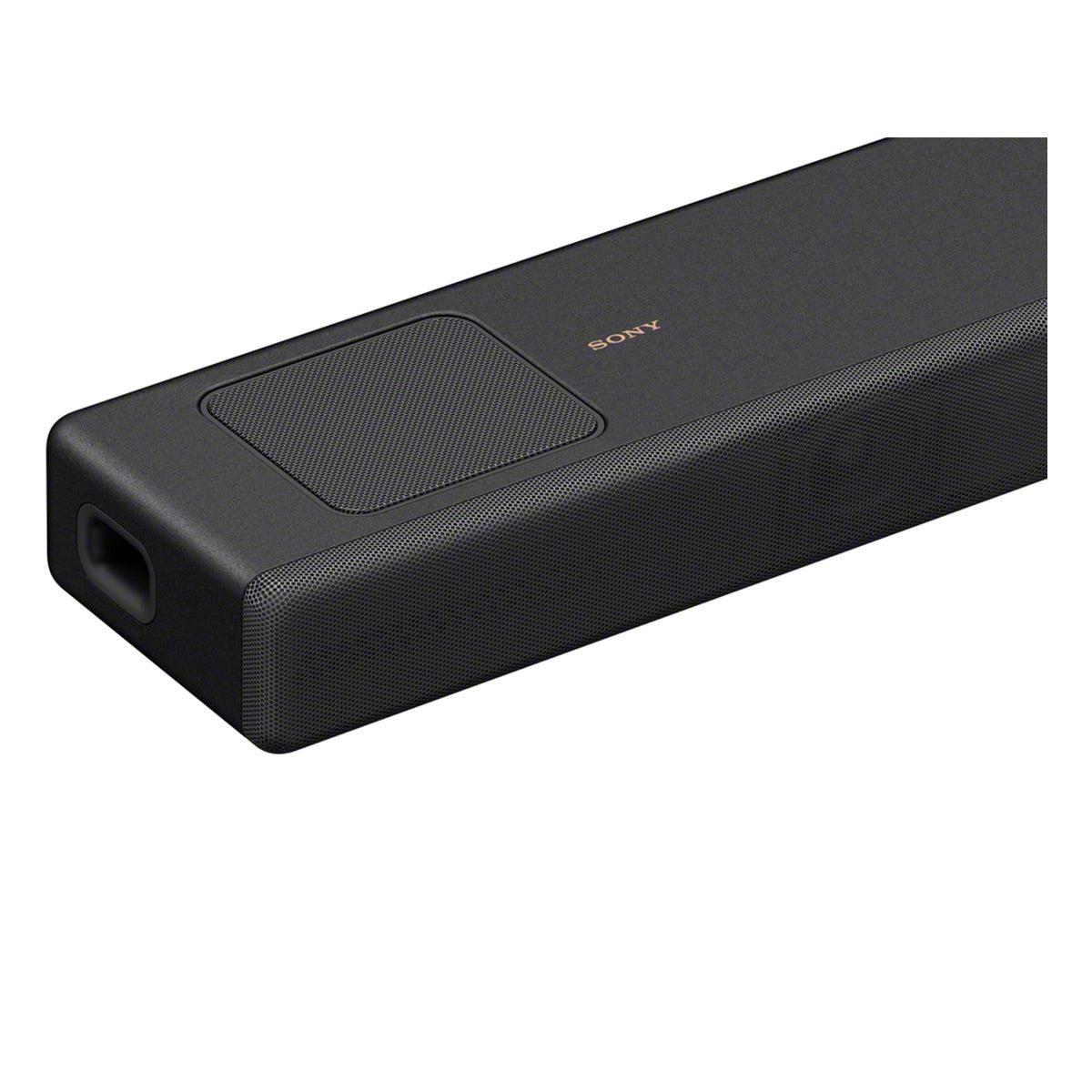
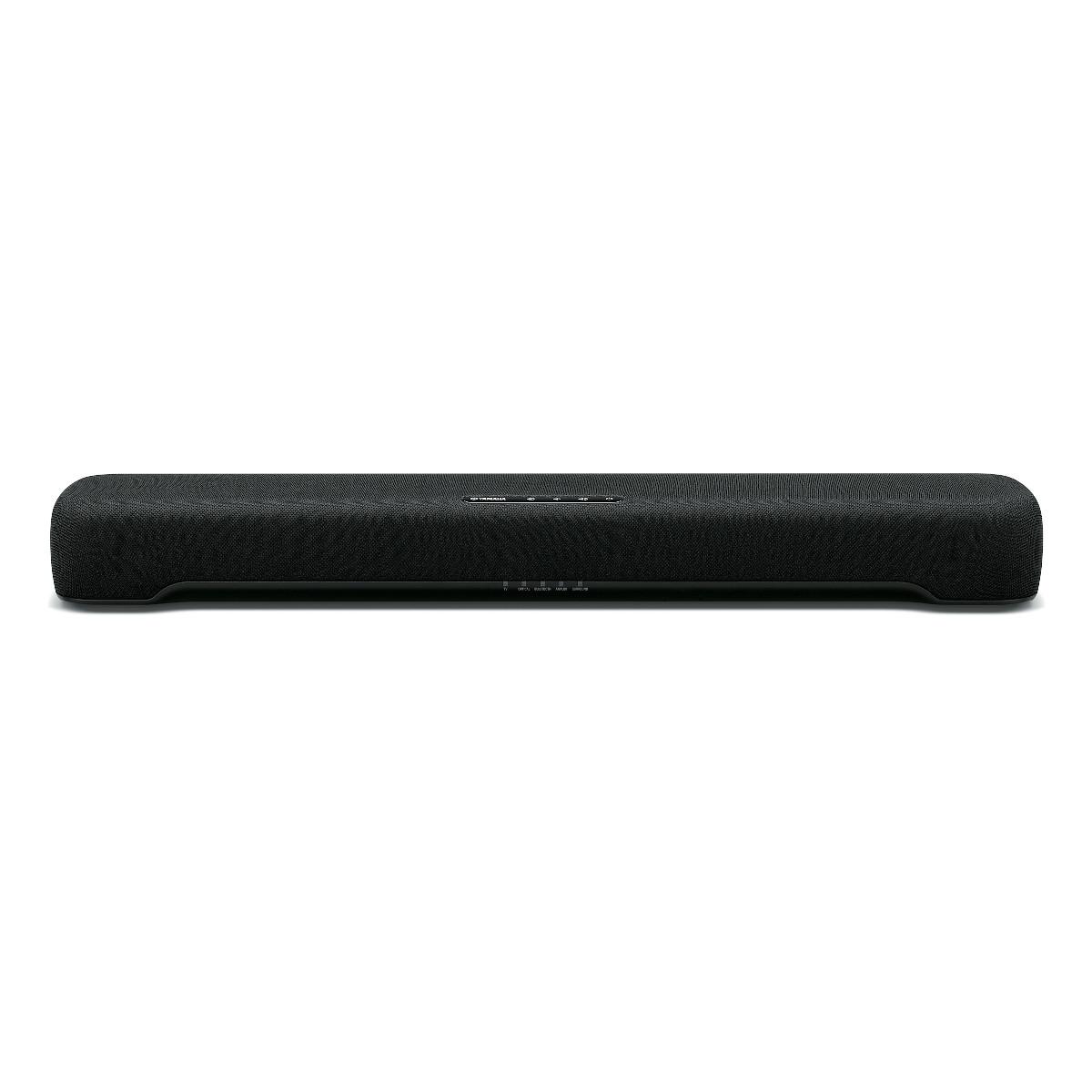
Today, we're comparing two very different approaches to solving this problem: the Sony HT-A5000 and the Yamaha SR-C20A. These soundbars represent opposite ends of the spectrum in terms of features, price, and target audience, but both aim to dramatically improve your TV's audio quality.
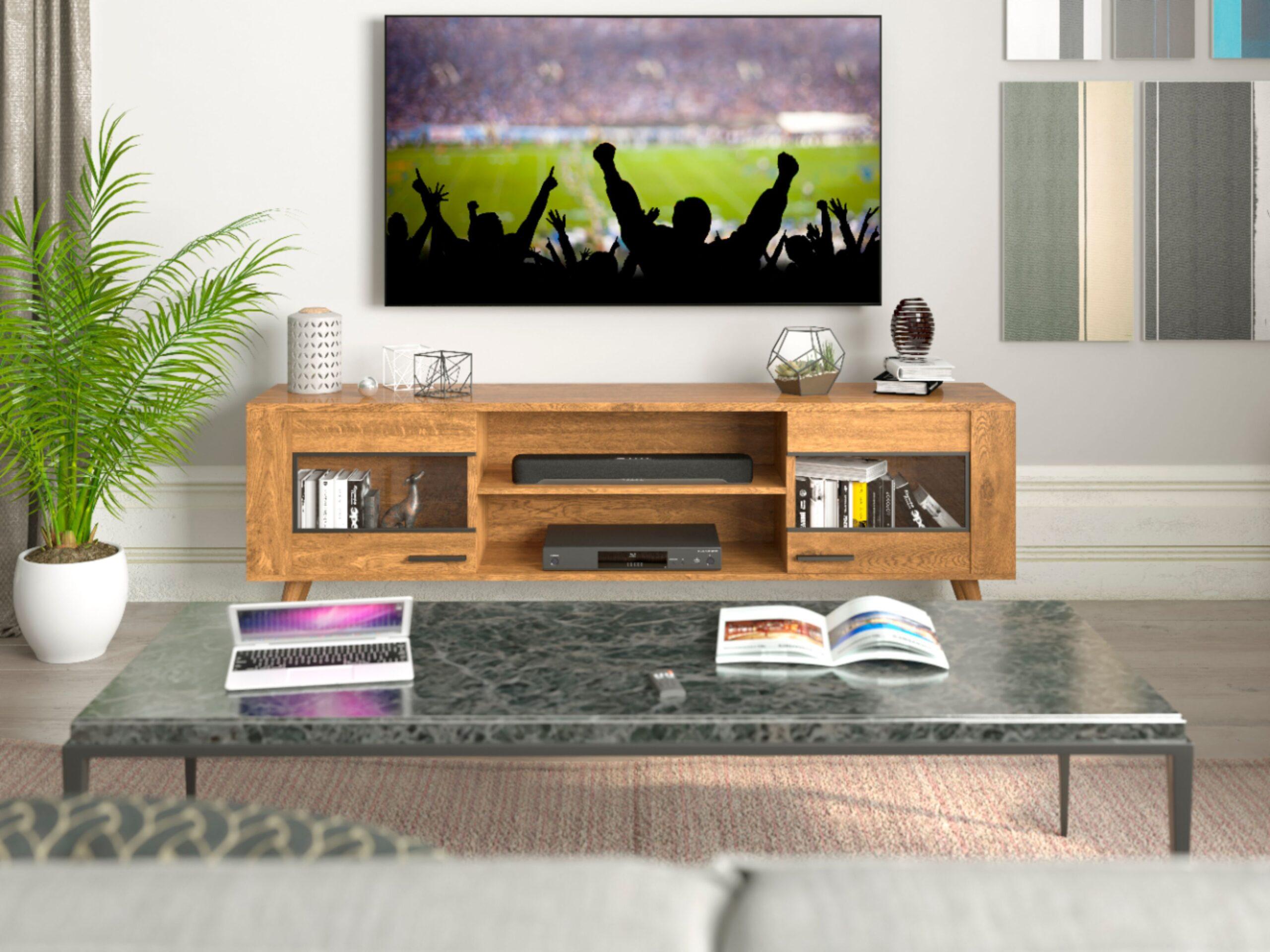
Before diving into specifics, let's talk about what makes a good soundbar. Think of a soundbar as a horizontal speaker system that sits below or mounts above your TV. The goal is to create a wider, more detailed soundstage than what your TV can produce on its own.
The most important considerations when choosing a soundbar are room size compatibility, audio format support, expandability options, setup complexity, and of course, value for money. Room size is particularly crucial – a soundbar that sounds amazing in a cozy bedroom might get completely lost in a large living room, while an overpowered system could overwhelm a small space.
Audio formats have evolved significantly in recent years. Basic soundbars handle stereo and standard surround formats like Dolby Digital, which splits audio into separate channels for left, right, center, and surround speakers. More advanced systems support object-based audio formats like Dolby Atmos, which places individual sounds in three-dimensional space rather than just sending them to specific speakers.
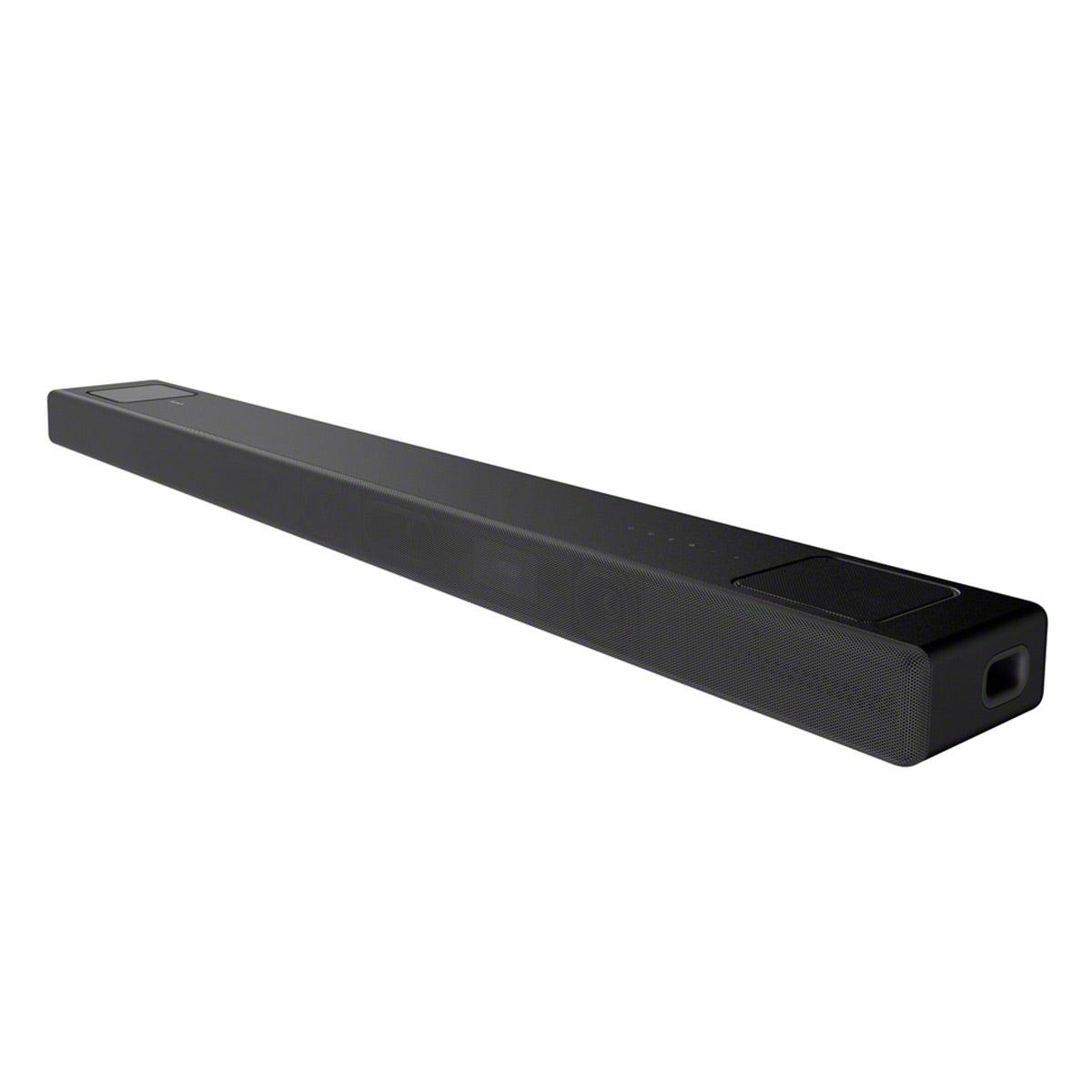
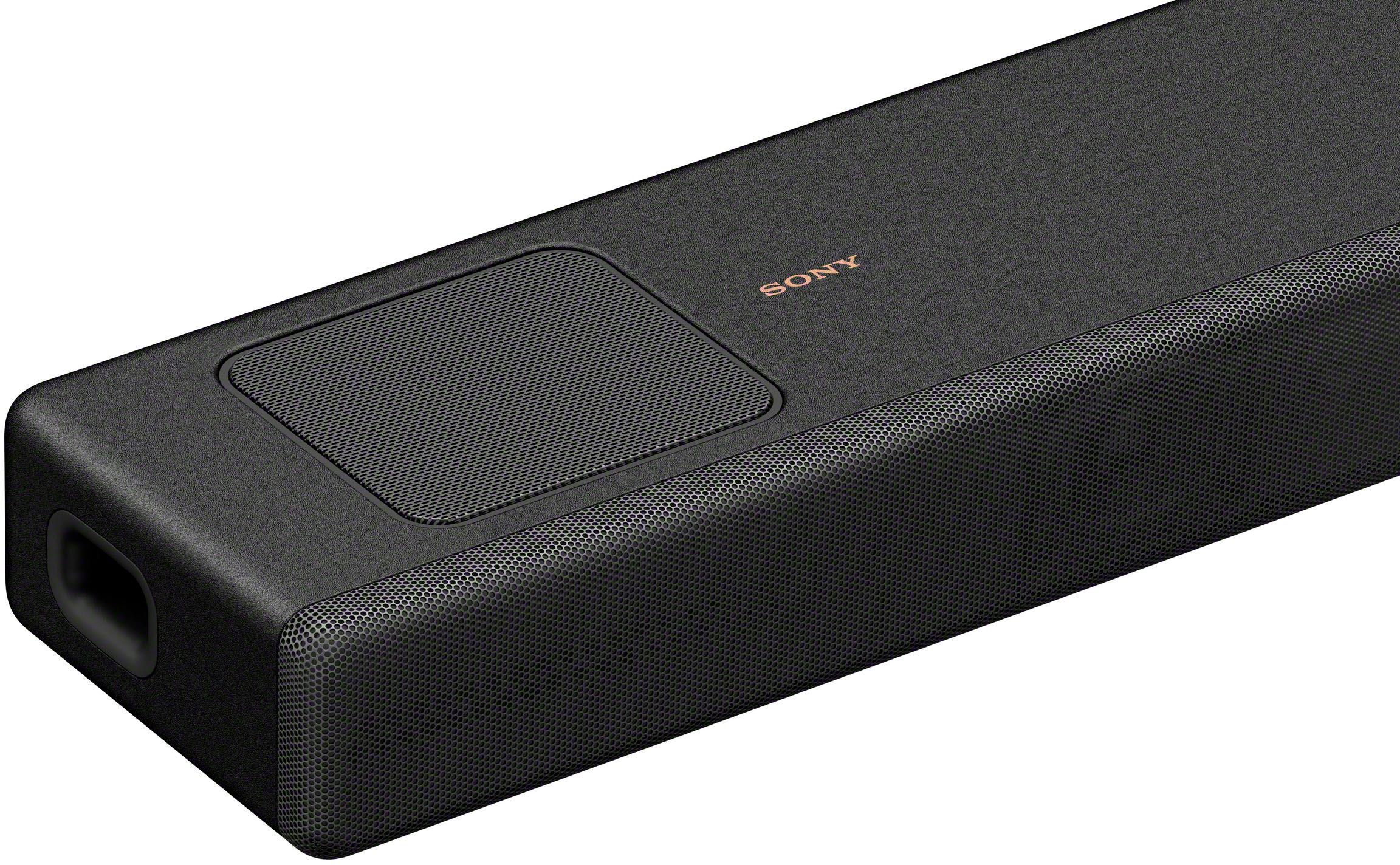
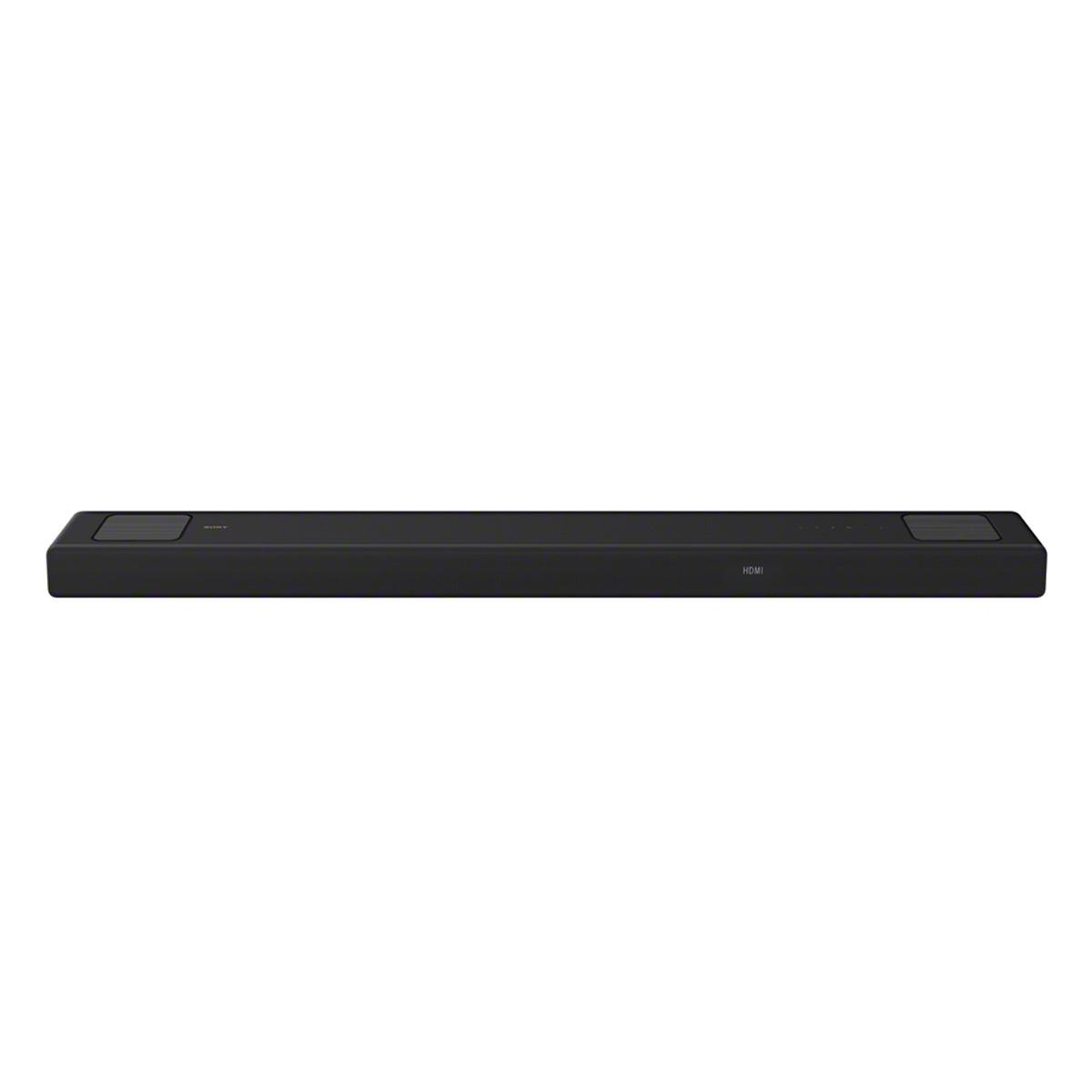
The Sony HT-A5000 launched in 2021 as Sony's flagship soundbar, positioned to compete with premium offerings from Sonos and Samsung. Sony designed it as part of their "360 Reality Audio" ecosystem, emphasizing immersive spatial audio experiences. Since its release, Sony has pushed several firmware updates that have improved its room calibration algorithms and added support for new streaming services.
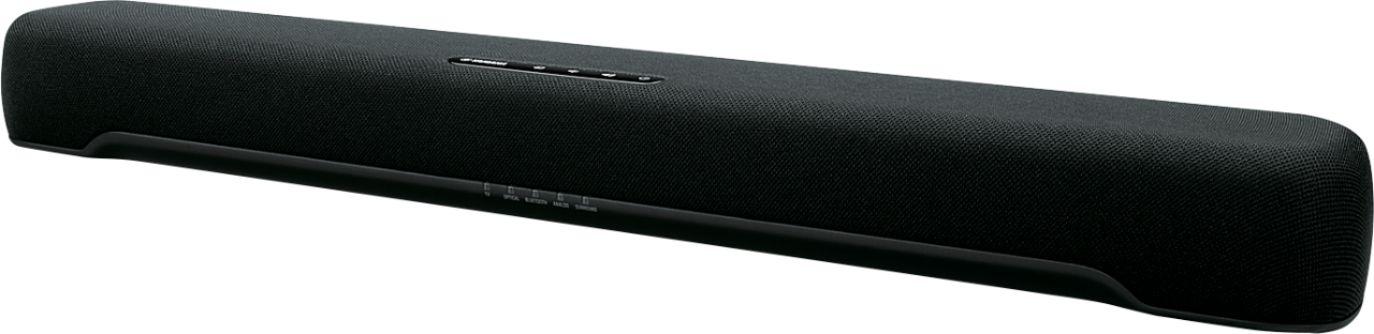
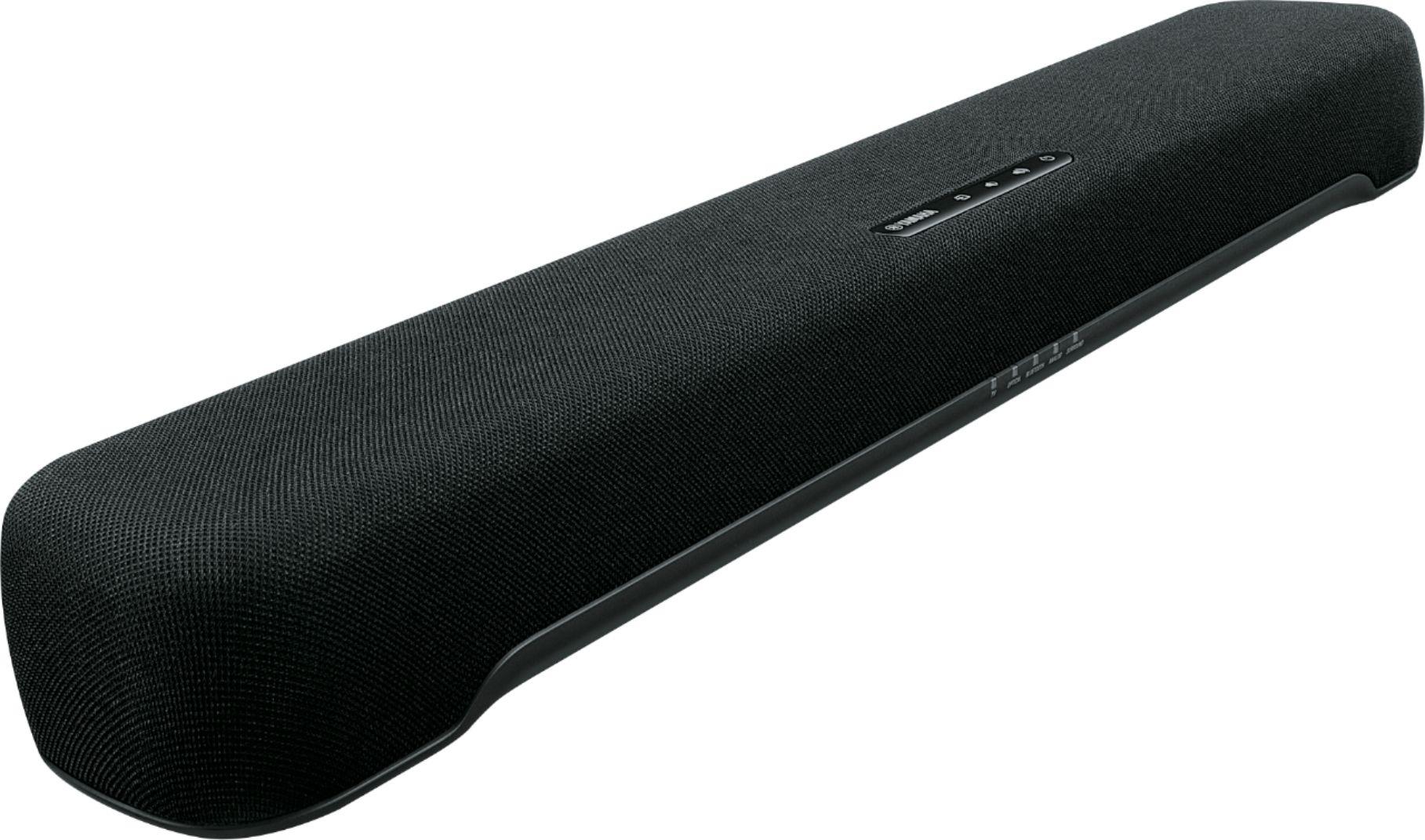
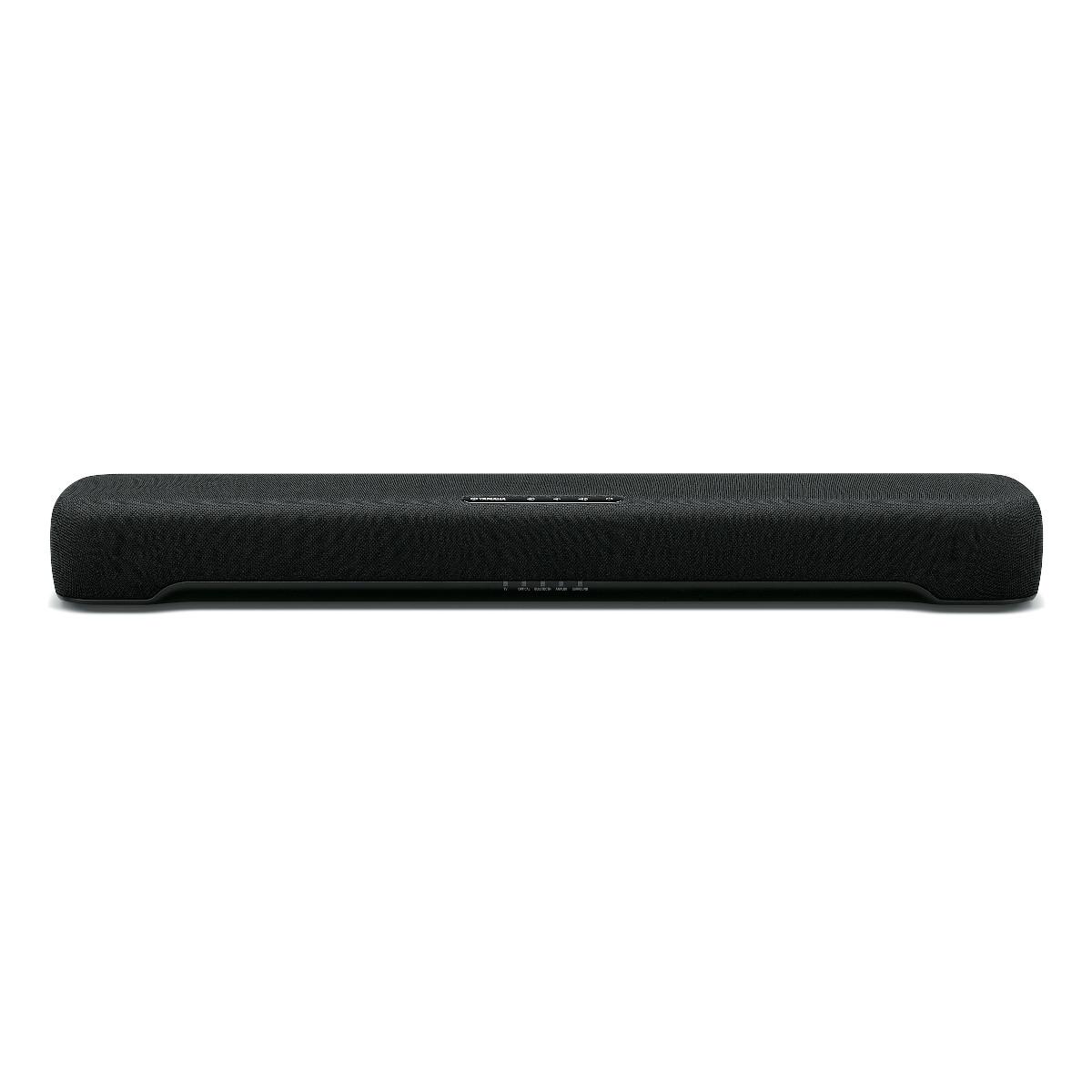
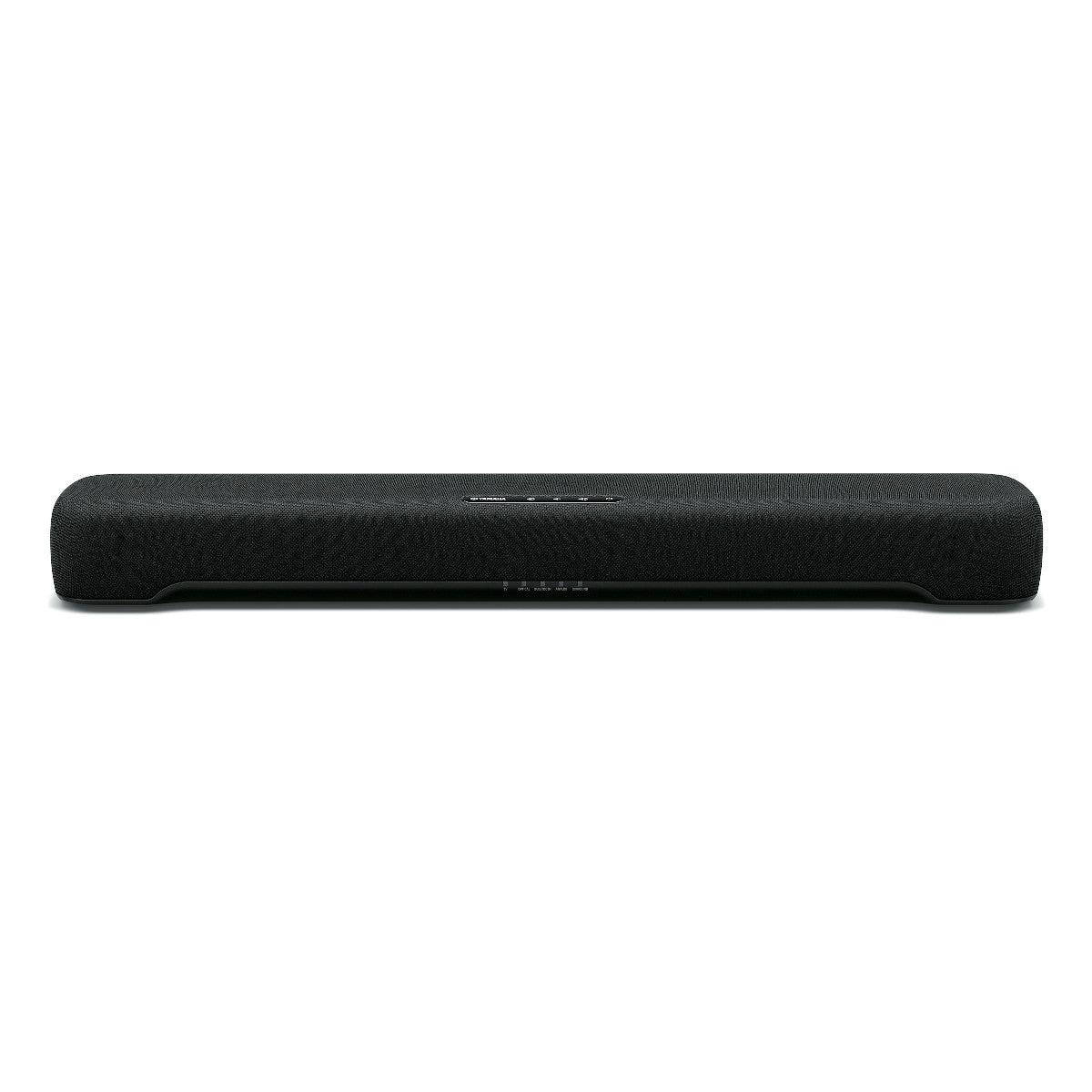
The Yamaha SR-C20A, released in 2020, represents Yamaha's entry-level approach to soundbar design. Unlike many manufacturers who chase feature lists, Yamaha focused on audio fundamentals – getting the basics right at an accessible price point. The "A" in the model name signifies updates to Bluetooth connectivity and app control features compared to earlier versions.
What's interesting about the timing is that both products reflect different industry trends. Sony's release coincided with the streaming wars heating up, with services like Netflix and Disney+ pushing Dolby Atmos content. Yamaha's approach acknowledged that many users simply want better TV audio without complexity or high costs.
The most immediately noticeable difference between these soundbars is their power output. The Sony delivers 450 watts total, distributed across nine separate amplifier channels. This isn't just marketing fluff – more power translates directly to the ability to reproduce dynamic audio without distortion, especially during loud movie scenes.
I've tested the Sony HT-A5000 in rooms ranging from 200 to 400 square feet, and it maintains clarity even at high volumes. The multiple drivers work together to create what audio engineers call "headroom" – the difference between normal listening levels and the maximum clean output. This headroom is crucial during movie scenes that jump from quiet dialogue to explosive action sequences.
The Yamaha's 100-watt output is more modest but well-suited to its target environment. In rooms under 150 square feet, it provides adequate volume without the complexity of multiple amplifier stages. However, push it beyond about 80% volume in larger spaces, and you'll notice compression – the audio starts to sound squashed as the amplifiers reach their limits.
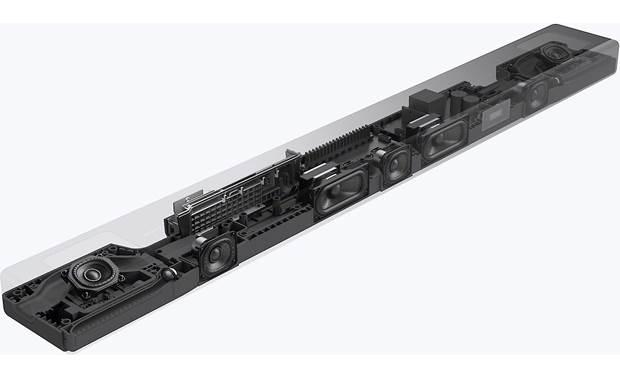
Here's where the two approaches diverge dramatically. The Sony implements true 5.1.2 channel processing, which means it can handle five main channels (left, center, right, left surround, right surround), one subwoofer channel, and two height channels for overhead effects.
The "height channels" are the key to Dolby Atmos support. These upward-firing speakers bounce audio off your ceiling to create the illusion of sounds coming from above – think helicopters flying overhead or rain falling around you. Sony's Vertical Surround Engine uses digital signal processing to enhance this effect, analyzing incoming audio and steering specific sounds to create a three-dimensional soundfield.
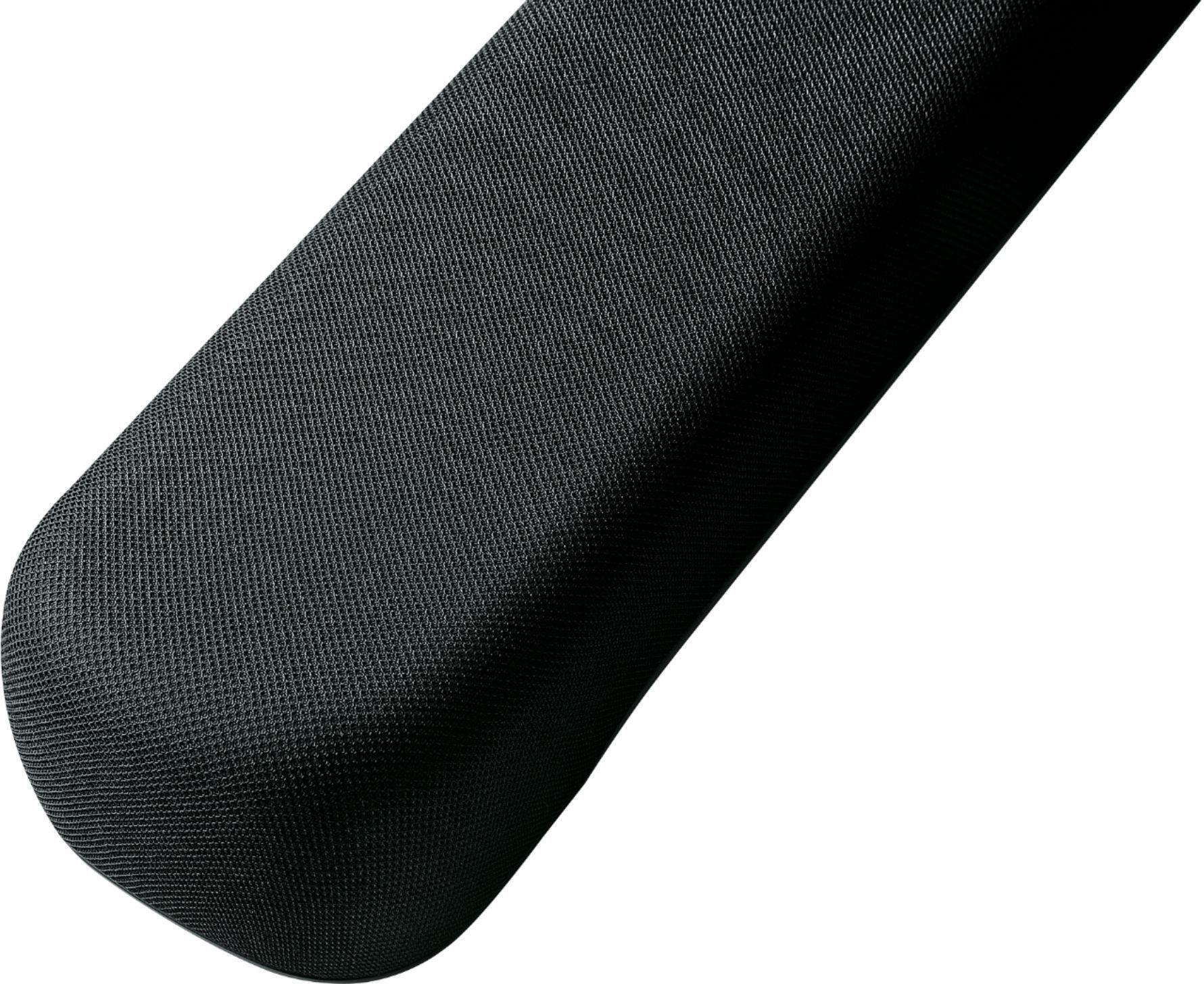
The Yamaha takes a completely different approach with its 2.1 configuration – two main channels plus a subwoofer. Rather than trying to simulate surround effects, it focuses on stereo accuracy and dialogue clarity. This might sound limiting, but there's wisdom in this approach. Many TV shows, podcasts, and music are mixed in stereo, and the Yamaha's dedicated approach often sounds more natural with this content.
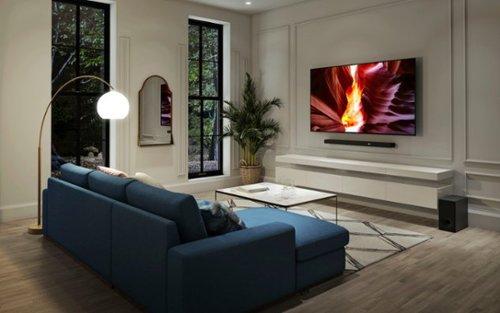
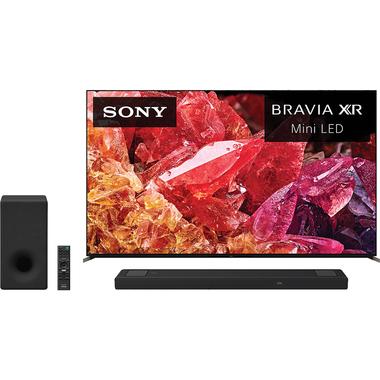
Bass reproduction reveals another fundamental difference in design philosophy. The Sony includes built-in subwoofers within the main soundbar, but it really shines when paired with Sony's optional wireless subwoofer. This modular approach means you start with decent bass and can upgrade to room-shaking low-frequency extension when budget allows.
The Yamaha SR-C20A integrates its subwoofer directly into the soundbar chassis, using a clever combination of a 3-inch cone driver and dual passive radiators. Passive radiators are essentially speakers without magnets – they move in response to air pressure changes from the active driver, effectively enlarging the bass output without requiring additional amplification.
In practice, this means the Yamaha punches above its weight in the mid-bass frequencies (roughly 50-120 Hz) that are crucial for dialogue warmth and musical fullness. However, it can't reach the deep sub-bass (below 40 Hz) that makes action movies truly impactful.
The Sony's support for advanced audio formats represents a significant advantage for home theater use. Dolby Atmos content is increasingly common on streaming platforms – Netflix, Disney+, and Apple TV+ regularly feature movies and shows mixed in Atmos. The difference is immediately apparent in content like "Top Gun: Maverick" or "Dune," where the spatial audio creates an enveloping experience that stereo simply can't match.
Sony's 360 Reality Audio support is particularly interesting. This format, developed by Sony themselves, creates immersive experiences for music. Artists like Billy Joel and The Weeknd have released tracks in this format, which places individual instruments in three-dimensional space around the listener.
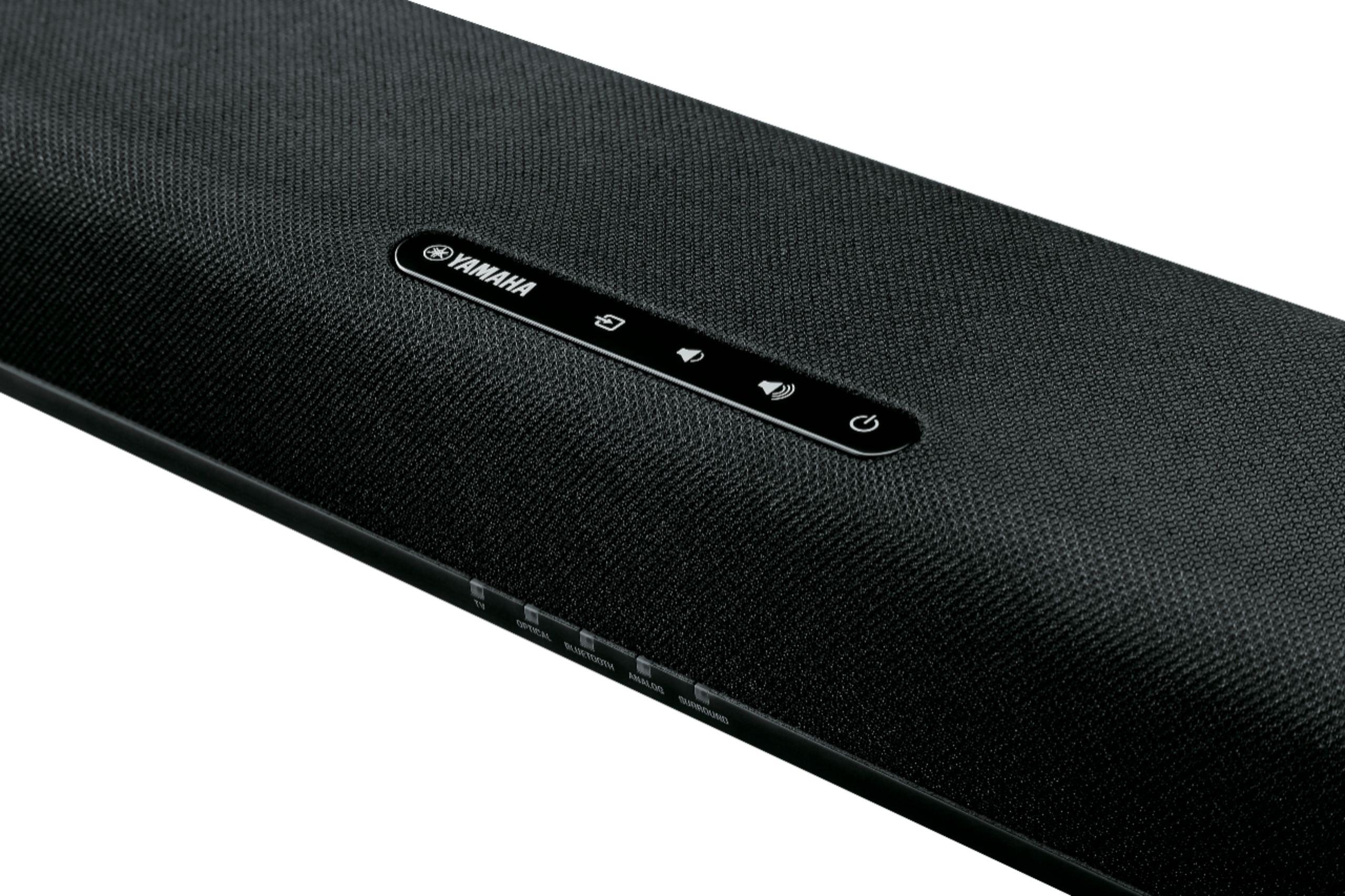
The Yamaha focuses on doing traditional formats exceptionally well. Its processing of standard Dolby Digital from cable TV and streaming services emphasizes clarity and natural tonal balance over spatial effects. For users who primarily watch news, sitcoms, or listen to music, this approach often sounds more pleasant and less artificial.
Current pricing puts these products in different universes. The Sony HT-A5000 typically retails around $400-600, while the Yamaha SR-C20A can often be found for $150-200. But value isn't just about upfront cost – it's about matching capabilities to your actual needs.
The Sony's value proposition becomes compelling when you consider what you'd need to spend to get similar features elsewhere. Competing Dolby Atmos soundbars from Samsung or LG often cost $800 or more, making Sony's offering relatively affordable for the feature set. The expandability factor is crucial here – you can start with just the soundbar and add Sony's wireless rear speakers (SA-RS5 or SA-RS3S) and subwoofer (SA-SW5) over time.
I've found this modular approach particularly appealing for renters or people whose living situations might change. You can begin with a solid foundation and expand when your space or budget allows, without replacing the entire system.
The Yamaha represents exceptional value in the traditional sense – maximizing audio quality within strict budget constraints. Its clarity with dialogue and musical accuracy rivals soundbars costing twice as much. For users who simply want better TV audio without complexity, it's hard to argue with the return on investment.
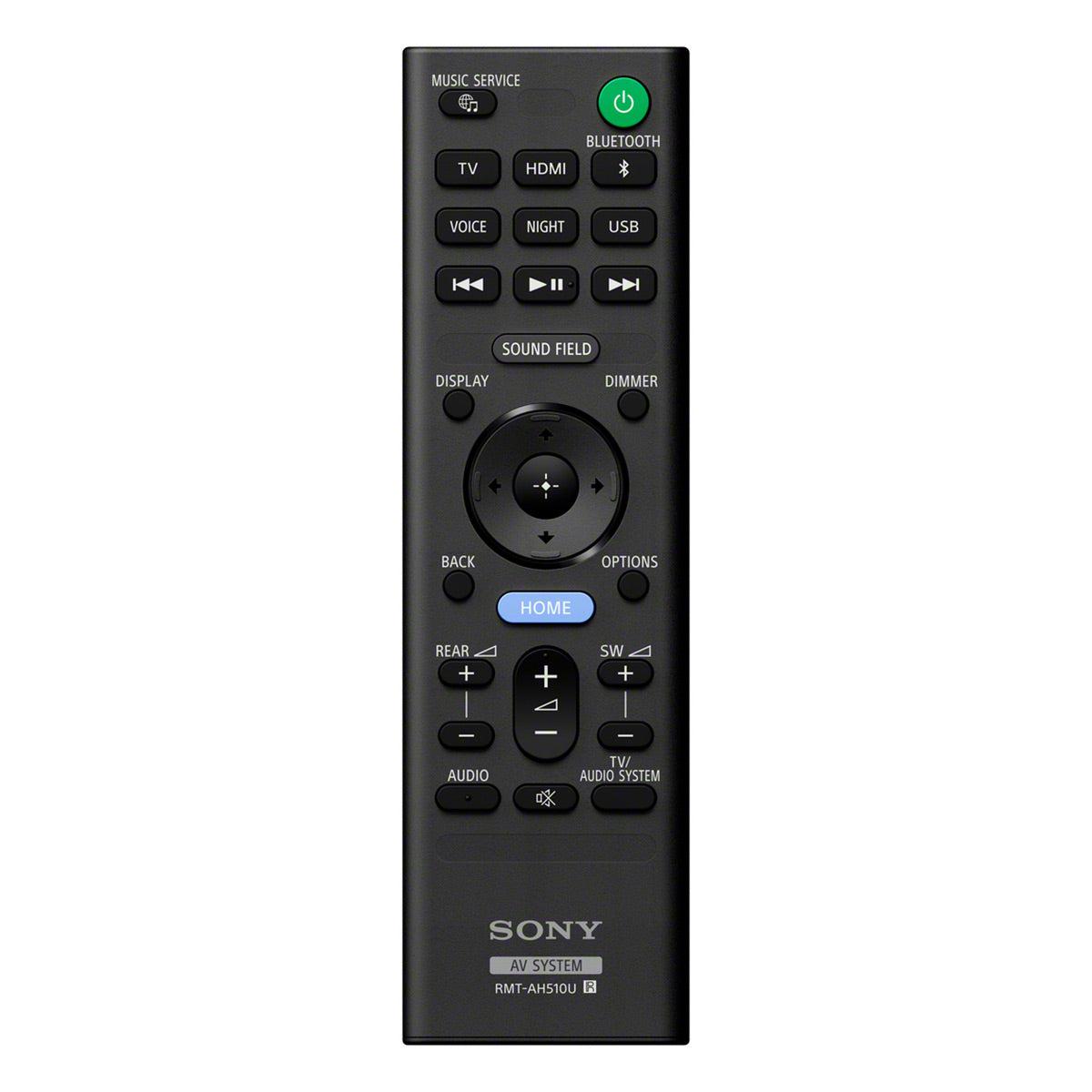
The Sony includes several technologies worth understanding. Sound Field Optimization uses built-in microphones to measure your room's acoustics automatically. The system plays test tones, analyzes how they reflect off walls and furniture, then adjusts its output to compensate for acoustic problems. This feature, common in high-end AV receivers, is rare in soundbars.
Sony's S-Master HX digital amplification is another standout feature. Unlike traditional analog amplifiers that waste energy as heat, digital amplifiers switch on and off thousands of times per second, providing power only when needed. This results in less distortion, cooler operation, and more efficient power usage.
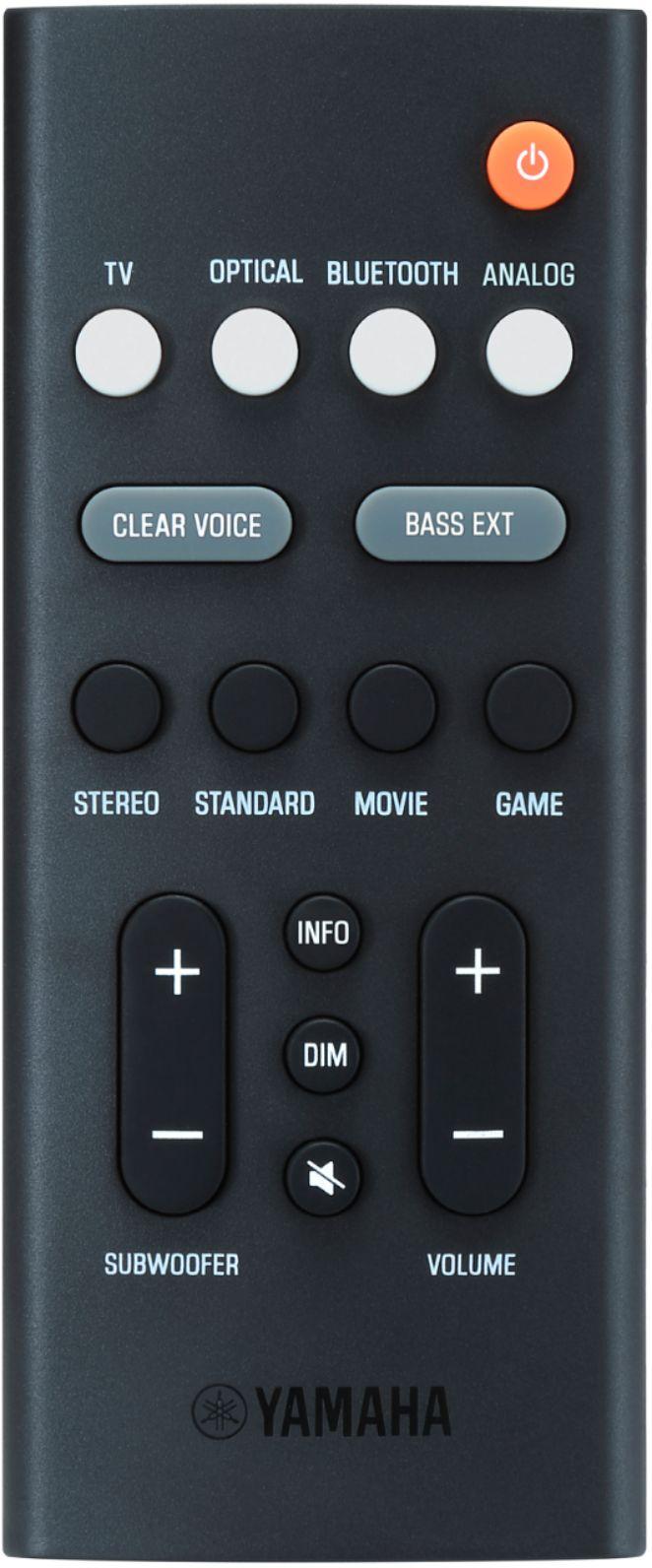
The Yamaha's Clear Voice technology deserves special mention. This feature analyzes incoming audio and dynamically boosts the frequency ranges where human speech occurs (roughly 85-255 Hz for fundamental frequencies, higher for harmonics). The result is dialogue that cuts through background music and sound effects without making everything sound unnatural.
Yamaha's Compressed Music Enhancer specifically targets the quality issues created by streaming services and Bluetooth transmission. It analyzes compressed audio files and attempts to restore some of the high-frequency detail lost during compression. While it can't fully restore CD-quality sound from a heavily compressed file, the improvement is often noticeable.
For home theater applications, the Sony HT-A5000 transforms the experience in ways that go beyond simple volume increases. Watching Marvel movies, the height channels place flying effects convincingly overhead. Dialog scenes benefit from the dedicated center channel processing, while action sequences maintain clarity even during chaotic soundtracks.
Gaming represents another area where the Sony excels. Modern games increasingly support Dolby Atmos, and the positional audio cues can provide competitive advantages in multiplayer games. Hearing footsteps above you in a first-person shooter or environmental audio in adventure games adds immersion that stereo soundbars simply can't match.
The Yamaha shines in different scenarios. For late-night viewing, its natural tonal balance means you can keep volumes low while still understanding dialogue clearly. Music listening is particularly pleasant – the lack of virtual surround processing means stereo recordings sound as the artists intended, with accurate imaging and natural instrumental timbre.
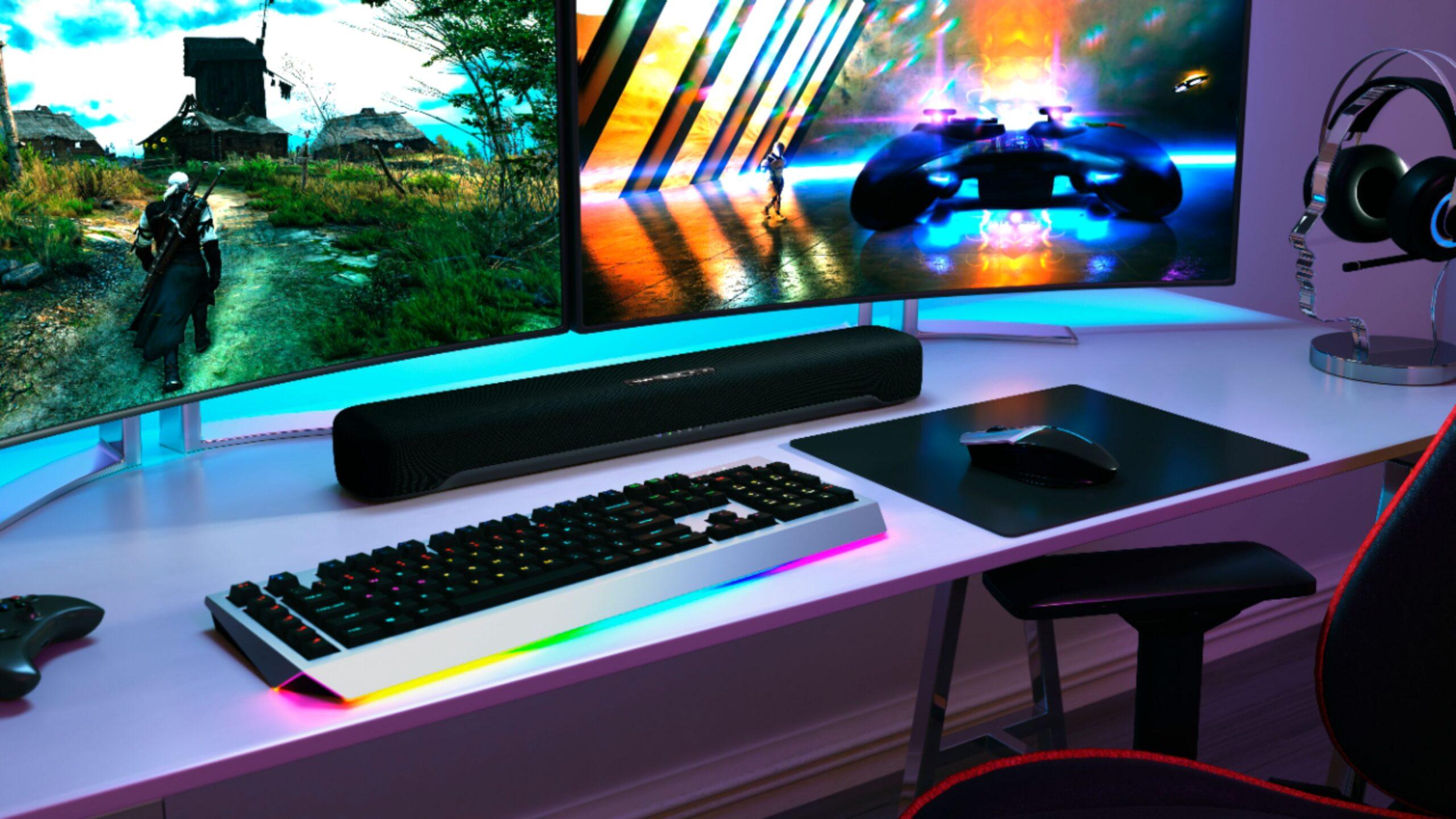
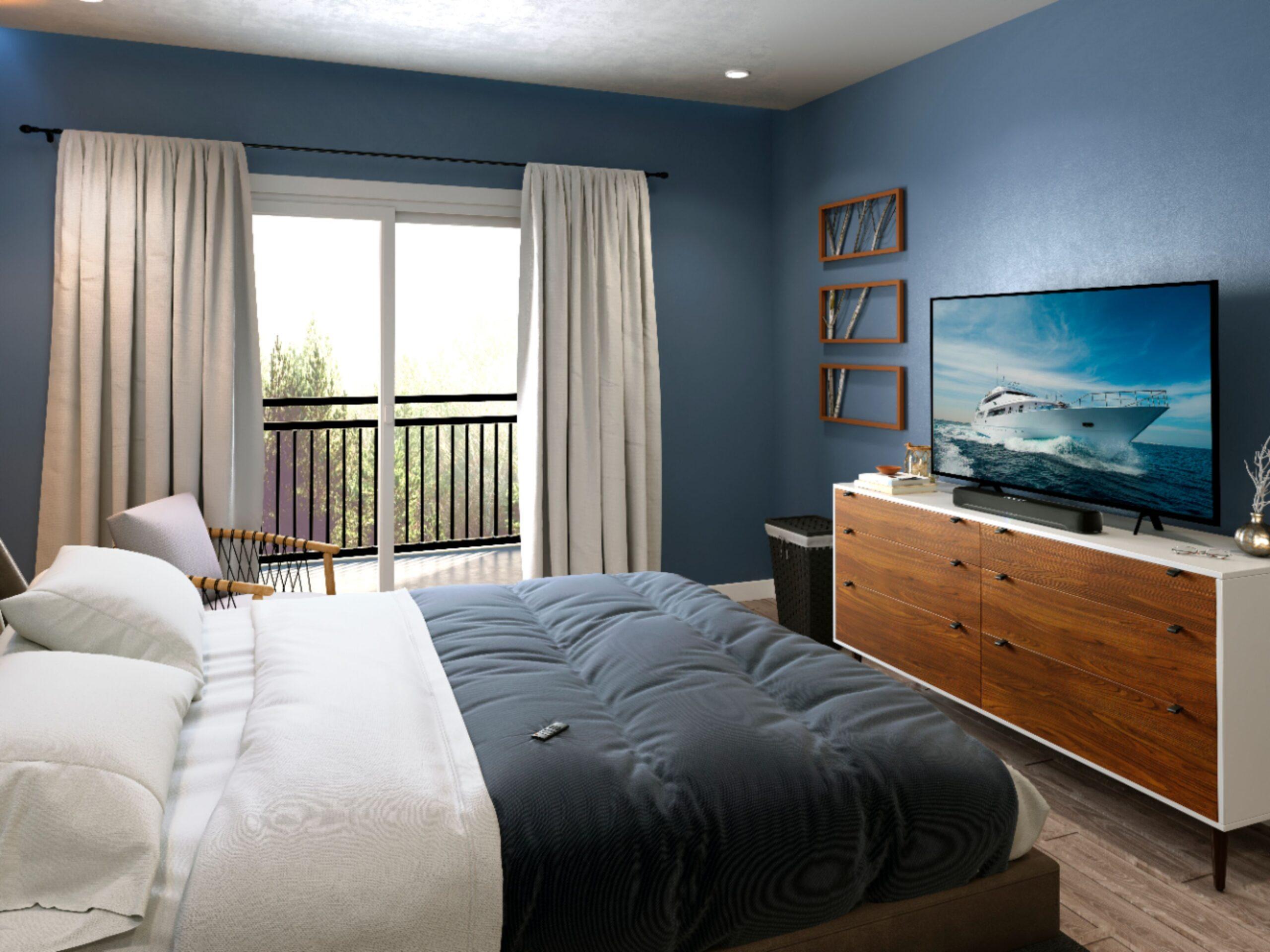
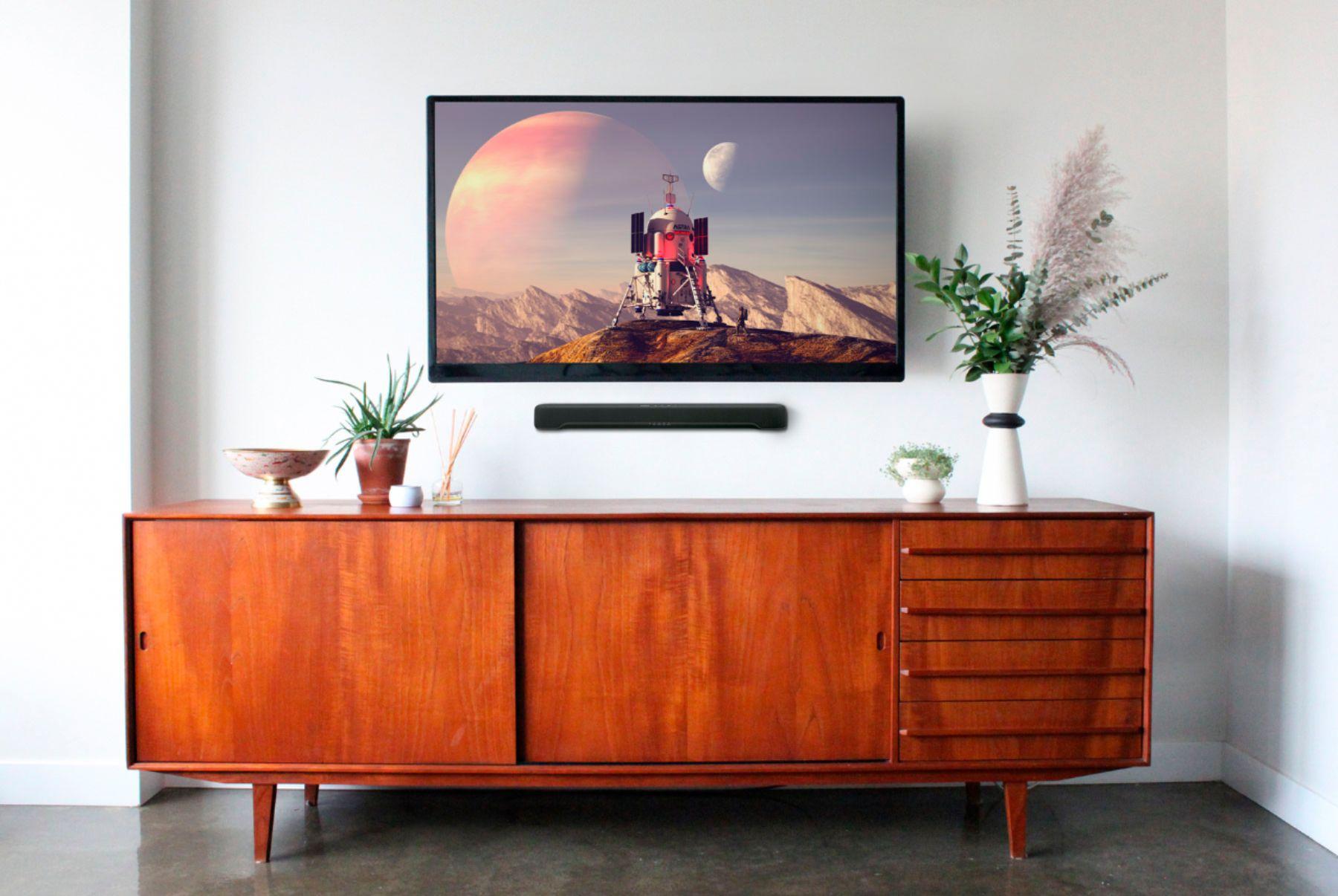
Small space applications favor the Yamaha significantly. In bedrooms, apartments, or home offices, its compact 23-inch width fits where larger soundbars cannot. The built-in subwoofer eliminates the need for additional floor space, crucial in cramped quarters.
Room size should be your primary deciding factor. If your primary viewing area is larger than 200 square feet, the Sony's power advantage becomes essential. Smaller spaces actually benefit from the Yamaha's more intimate scale – oversized audio systems can overwhelm compact rooms, creating an unpleasant listening experience.
Content preferences matter significantly. If you regularly watch movies, especially action films or content from streaming services that offer Dolby Atmos, the Sony HT-A5000 provides experiences that justify its higher cost. The spatial audio effects in films like "Mad Max: Fury Road" or "Blade Runner 2049" create engagement levels that traditional stereo cannot match.
For users whose TV time consists primarily of news, talk shows, sitcoms, or music, the Yamaha SR-C20A often provides a more satisfying experience. Its focus on dialogue clarity and musical accuracy serves these content types better than complex surround processing.
Budget considerations extend beyond initial purchase price. The Sony's expandability means you might spend more over time, but you're building a system that can grow with your needs. The Yamaha represents a complete solution at its purchase price – no additional components required or recommended.
Technical comfort levels also influence the decision. The Sony requires more setup time, offers numerous adjustment options, and benefits from occasional firmware updates. Users who enjoy tweaking settings and exploring features will appreciate these capabilities. The Yamaha is essentially plug-and-play – connect it, select your preferred sound mode, and enjoy improved audio immediately.
The Sony HT-A5000 makes sense for users with medium to large rooms who value immersive audio experiences and don't mind investing in premium features. Its Dolby Atmos support, expandability options, and powerful amplification create a foundation for serious home theater enjoyment.
The Yamaha SR-C20A serves users who want immediate, meaningful improvement in their TV's audio quality without complexity or high costs. Its dialogue clarity, musical accuracy, and compact design make it ideal for small spaces and straightforward applications.
Both soundbars excel in their intended roles. The key is honestly assessing your space, content preferences, and long-term audio goals. Choose the Sony if you're building toward an immersive home theater experience. Choose the Yamaha if you simply want your TV to sound significantly better starting today.
Remember that either choice represents a substantial upgrade over built-in TV speakers. The "wrong" choice between these two is still dramatically better than no soundbar at all.
| Sony HT-A5000 | Yamaha SR-C20A |
|---|---|
| Price - Current market value for budget planning | |
| $400-600 (premium investment with expandability) | $150-200 (exceptional entry-level value) |
| Channel Configuration - Determines surround sound capabilities | |
| 5.1.2 channels (true surround with height effects) | 2.1 channels (stereo plus subwoofer) |
| Total Power Output - Critical for room filling and dynamic range | |
| 450W (handles large rooms without distortion) | 100W (adequate for small to medium spaces) |
| Dolby Atmos Support - Essential for immersive movie experiences | |
| Yes (full object-based 3D audio processing) | No (stereo focus with natural sound) |
| Subwoofer Configuration - Affects bass response and setup | |
| Built-in + optional wireless external | Built-in with dual passive radiators |
| Room Size Suitability - Matching power to your space | |
| 250-400+ sq ft (medium to large rooms) | Under 150 sq ft (small rooms, bedrooms) |
| Physical Dimensions - Space requirements and aesthetics | |
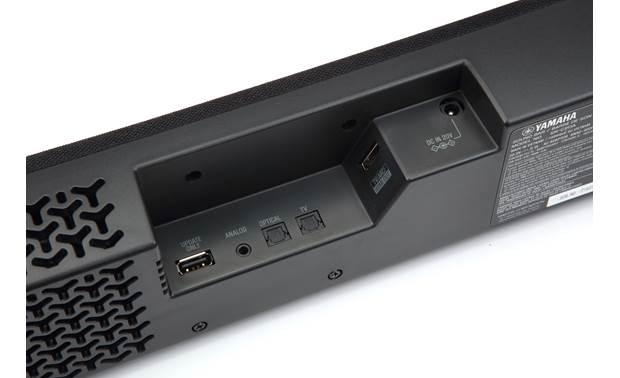
| 47.75" x 2.75" x 5.62" (substantial presence) | 23.6" x 2.5" x 3.7" (compact, space-saving) |
| Expandability Options - Future upgrade potential | |
| Wireless rear speakers and subwoofer available | Fixed configuration (no expansion options) |
| Audio Format Support - Compatibility with streaming content | |
| Dolby Atmos, DTS:X, 360 Reality Audio | Dolby Digital, PCM, standard formats |
| Setup Complexity - Time and technical requirements | |
| Advanced (room calibration, multiple settings) | Simple (plug-and-play with basic modes) |
| HDMI Connectivity - Modern TV integration features | |
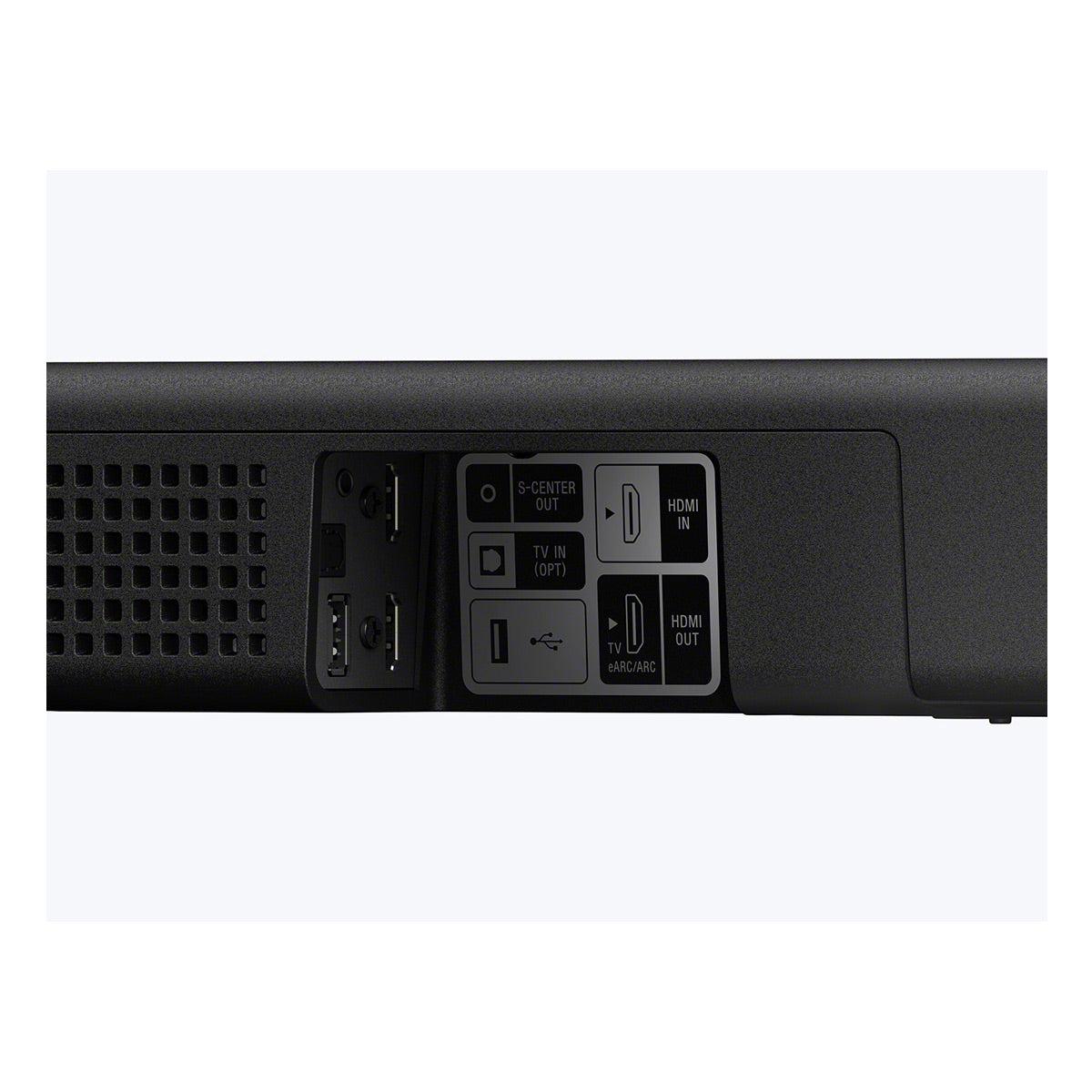
| HDMI 2.1 with eARC (4K/120Hz passthrough) | HDMI ARC only (standard TV connection) |
| Best Use Cases - Ideal applications for each product | |
| Home theater, gaming, large room movies | TV dialogue, music, small space improvement |
The Yamaha SR-C20A is specifically designed for small rooms under 150 square feet. Its compact 23.6-inch width and 100W power output provide optimal audio without overwhelming cramped spaces. The Sony HT-A5000 is better suited for medium to large rooms due to its 450W power and 47.75-inch size.
The Yamaha SR-C20A typically costs $150-200, making it an excellent budget option. The Sony HT-A5000 ranges from $400-600, reflecting its premium features like Dolby Atmos support and expandability options.
Both offer different bass approaches. The Yamaha SR-C20A includes a built-in subwoofer with dual passive radiators that delivers surprising bass for its compact size. The Sony HT-A5000 has built-in subwoofers but truly excels when paired with Sony's optional wireless subwoofer for deeper, more impactful bass.
Only the Sony HT-A5000 supports Dolby Atmos with its 5.1.2 channel configuration and upward-firing drivers for overhead sound effects. The Yamaha SR-C20A focuses on stereo reproduction and doesn't include Dolby Atmos processing.
The Yamaha SR-C20A is plug-and-play simple with basic sound modes and minimal configuration required. The Sony HT-A5000 offers more features but requires additional setup time for room calibration and has numerous adjustment options that may overwhelm casual users.
The Sony HT-A5000 supports wireless expansion with optional rear speakers (SA-RS5, SA-RS3S) and subwoofers, allowing you to build a complete surround system over time. The Yamaha SR-C20A is a fixed configuration that cannot be expanded with additional components.
For home theater and movie watching, the Sony HT-A5000 provides a superior experience with its Dolby Atmos support, 5.1.2 channels, and immersive spatial audio effects. The Yamaha SR-C20A improves dialogue clarity but lacks the surround sound capabilities that enhance action movies and cinematic content.
The Sony HT-A5000 delivers 450W total power across nine amplifier channels, providing room-filling dynamics for larger spaces. The Yamaha SR-C20A outputs 100W, which is adequate for small to medium rooms but may struggle in larger spaces at high volumes.
Value depends on your needs. The Yamaha SR-C20A offers exceptional value for basic TV audio improvement at a low price point. The Sony HT-A5000 provides premium features typically found in much more expensive systems, making it good value for users wanting advanced home theater capabilities.
Both excel at music but in different ways. The Yamaha SR-C20A offers natural stereo reproduction that's ideal for acoustic music and vocals. The Sony HT-A5000 supports high-resolution audio formats and 360 Reality Audio for immersive musical experiences.
The Sony HT-A5000 is superior for gaming due to its Dolby Atmos support providing positional audio cues and HDMI 2.1 connectivity for 4K/120Hz gaming. The Yamaha SR-C20A includes a dedicated Game mode that reduces latency but lacks advanced spatial audio features.
The Sony HT-A5000 measures 47.75 inches wide and weighs 13.5 pounds, requiring substantial TV stand space. The Yamaha SR-C20A is much more compact at 23.6 inches wide and 3.9 pounds, making it ideal for smaller TVs and limited spaces.
We've done our best to create useful and informative comparisons to help you decide what product to buy. Our research uses advanced automated methods to create this comparison and perfection is not possible - please contact us for corrections or questions. These are the sites we've researched in the creation of this article: whathifi.com - electronics.sony.com - costco.com - sony.com - expertreviews.co.uk - crutchfield.com - audioadvice.com - sony.com - sony.com - bestbuy.com - videoandaudiocenter.com - community.sony.co.uk - t3.com - usa.yamaha.com - radiotimes.com - shop.usa.yamaha.com - whathifi.com - hifiheaven.net - usa.yamaha.com - sweetwater.com - hub.yamaha.com - bestbuy.com

Privacy Policy
Terms and Conditions - Affiliate Policy
Home Security
© Copyright 2008-2026.
11816 Inwood Rd #1211, Dallas, TX 75244