









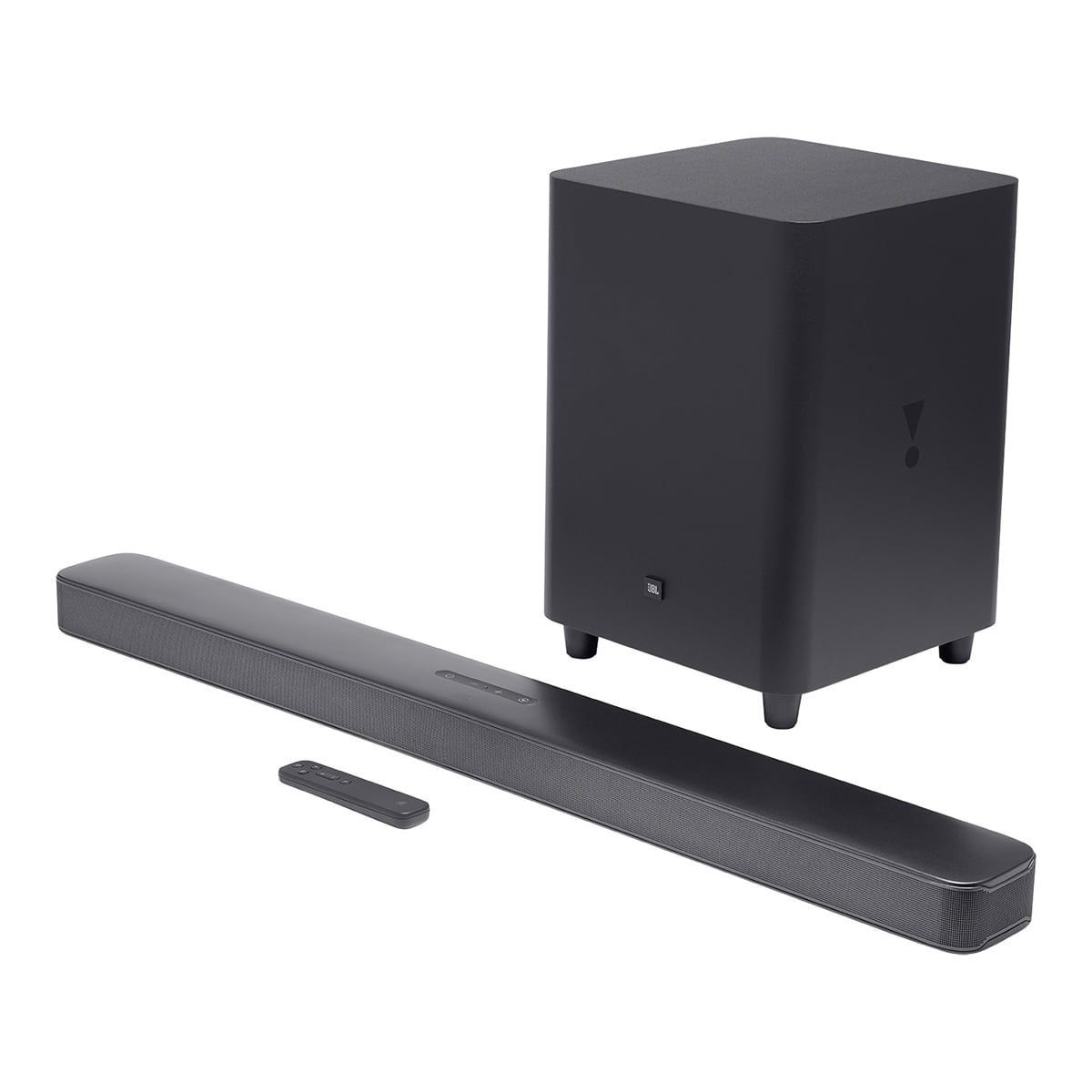
If you're tired of mumbling dialogue and wimpy TV speakers, you're probably shopping for a soundbar. But with hundreds of options ranging from $50 to $2,000, choosing the right one can feel overwhelming. Today, we're comparing two popular models that represent very different approaches: the compact Yamaha SR-C20A ($170) and the feature-packed JBL Bar 5.1 ($600).
These aren't just different price points—they're fundamentally different philosophies about what a soundbar should do. One prioritizes simplicity and dialogue clarity, while the other delivers cinematic surround sound with all the bells and whistles. Let's dive into what makes each special and help you figure out which one belongs in your living room.
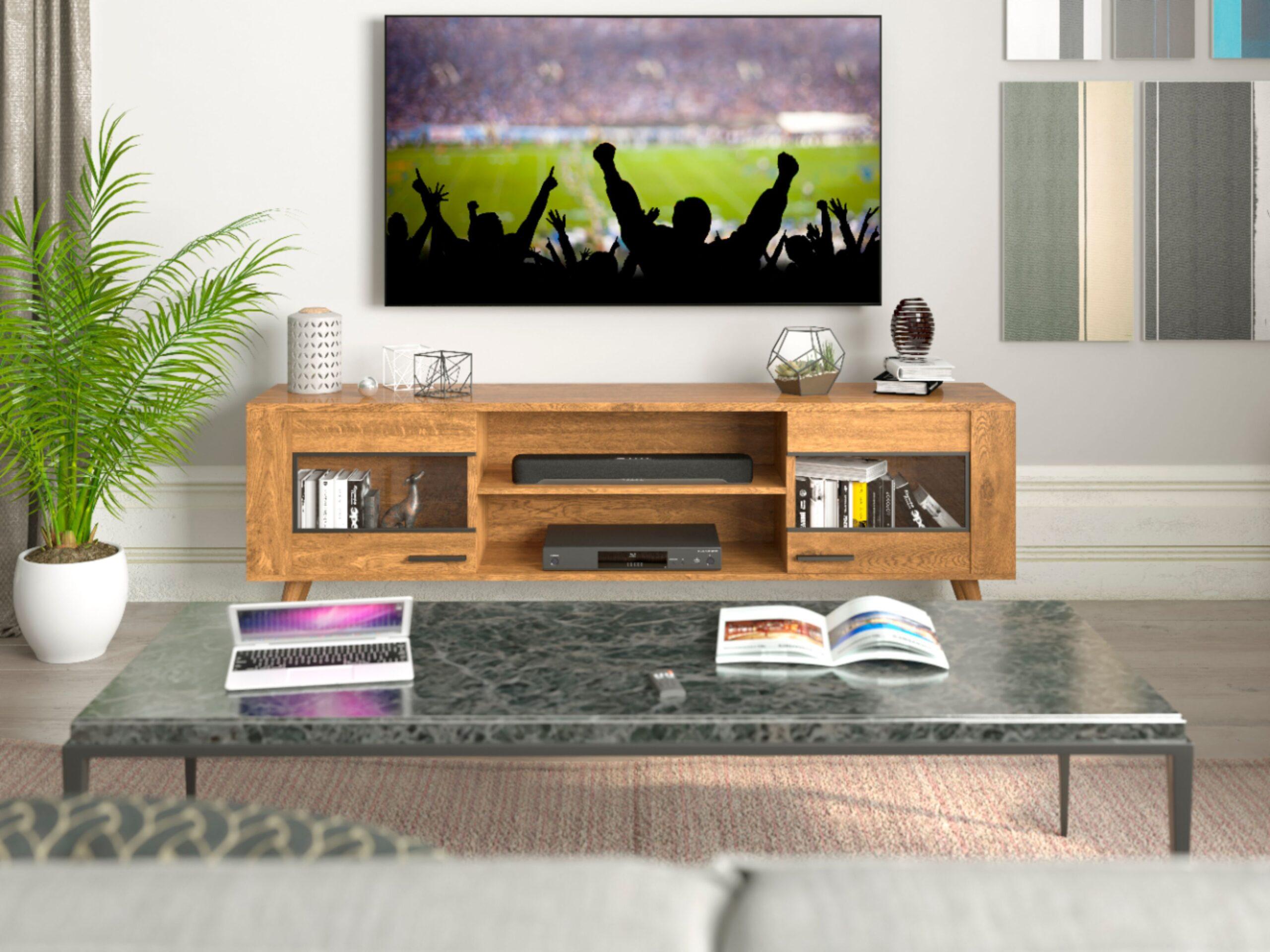
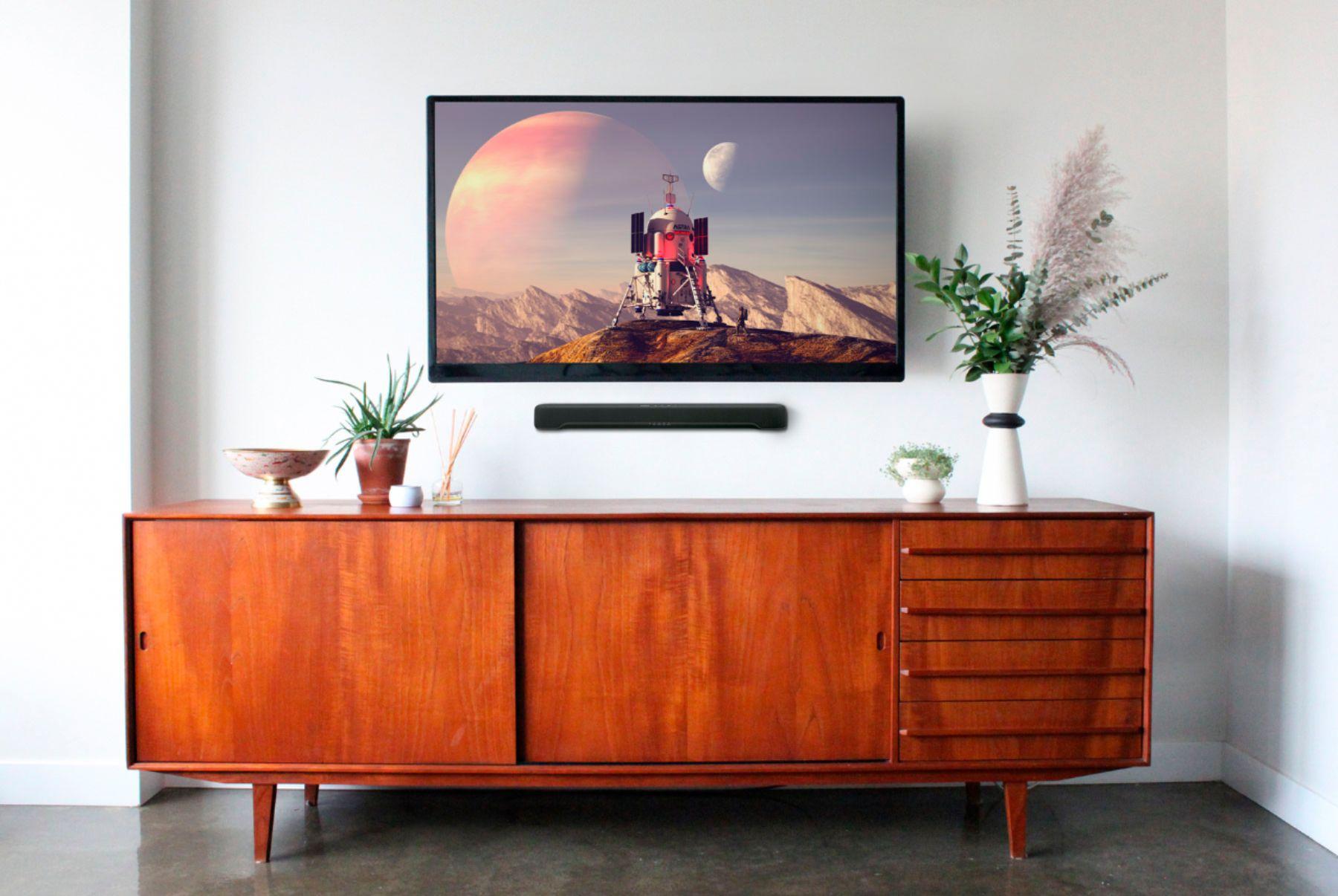
The soundbar market has exploded over the past decade, largely because modern TVs have gotten impossibly thin. Those sleek 55-inch OLED panels look gorgeous on your wall, but there's literally no room inside for decent speakers. That's where soundbars come in—they're designed to sit below your TV and dramatically improve audio quality without the complexity of a full surround sound system.
But "soundbar" has become an umbrella term covering everything from basic stereo speakers to sophisticated multichannel systems. The key specifications you'll encounter include channel configuration (like 2.1 or 5.1), total power output, and supported audio formats. Let me break these down quickly:
Channel configuration tells you how many speakers you're getting. A 2.1 system has left and right channels plus a subwoofer (that's the ".1"). A 5.1 system adds center, left surround, and right surround channels for true multichannel audio. Power output is measured in watts and gives you a rough idea of how loud the system can go. Audio formats like Dolby Atmos or DTS create the surround sound effects you hear in movies.
The main considerations when shopping include your room size, what content you watch most, your budget, and how much complexity you're willing to tolerate. Some people want plug-and-play simplicity, while others enjoy tweaking settings and positioning speakers for optimal performance.
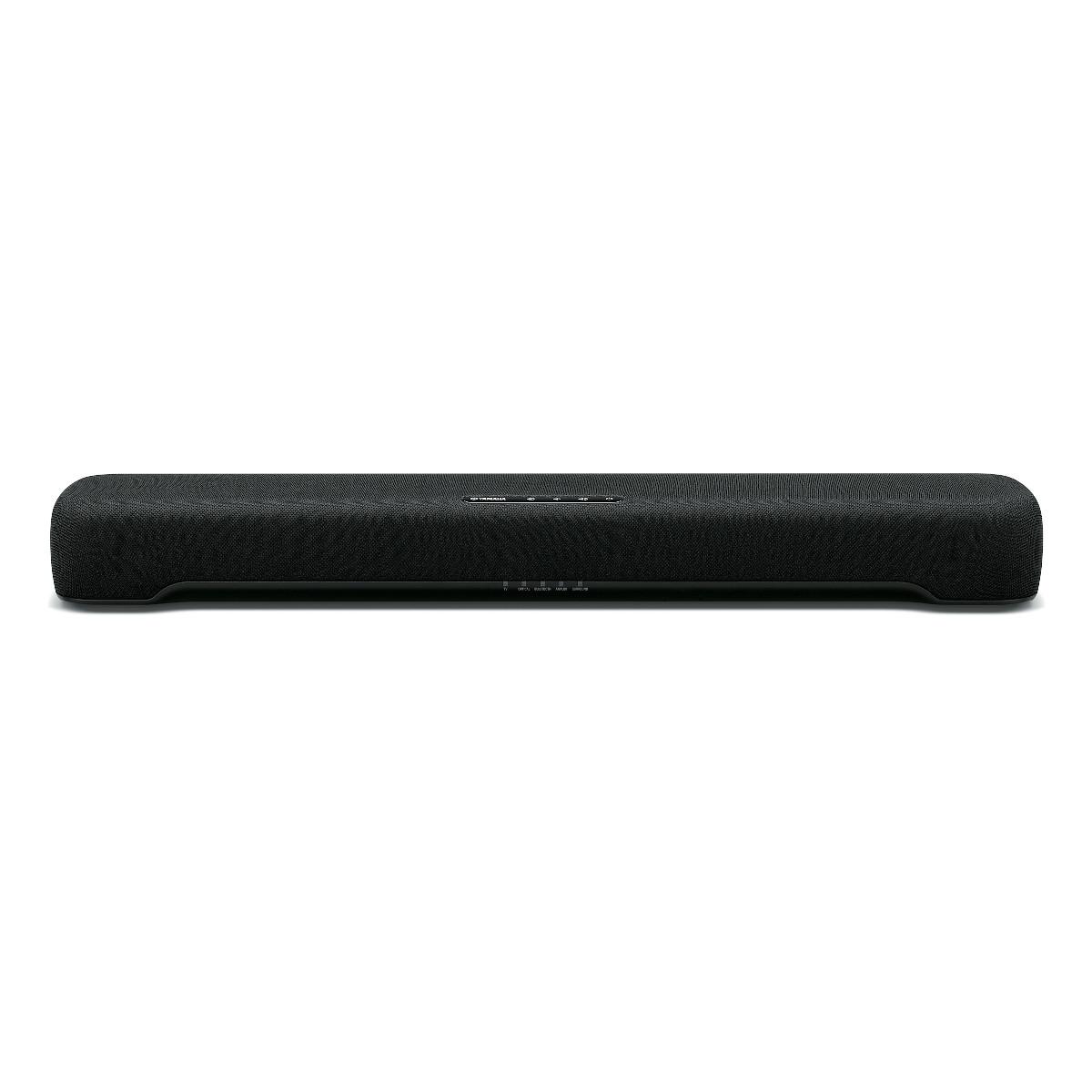
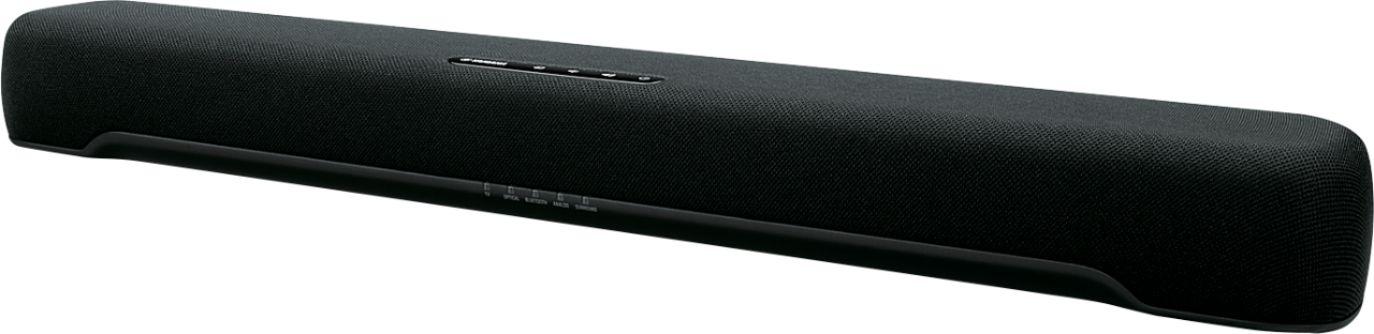
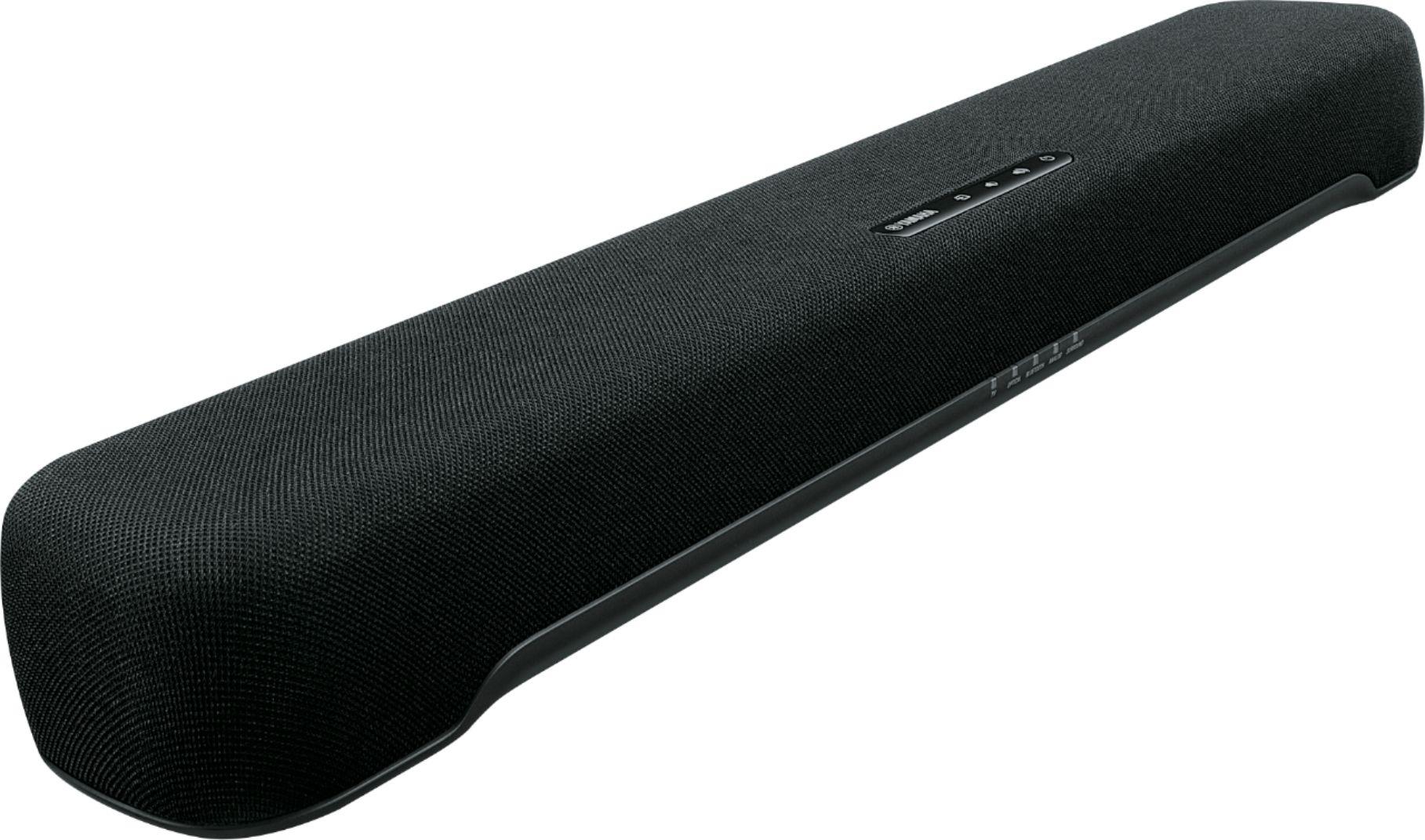
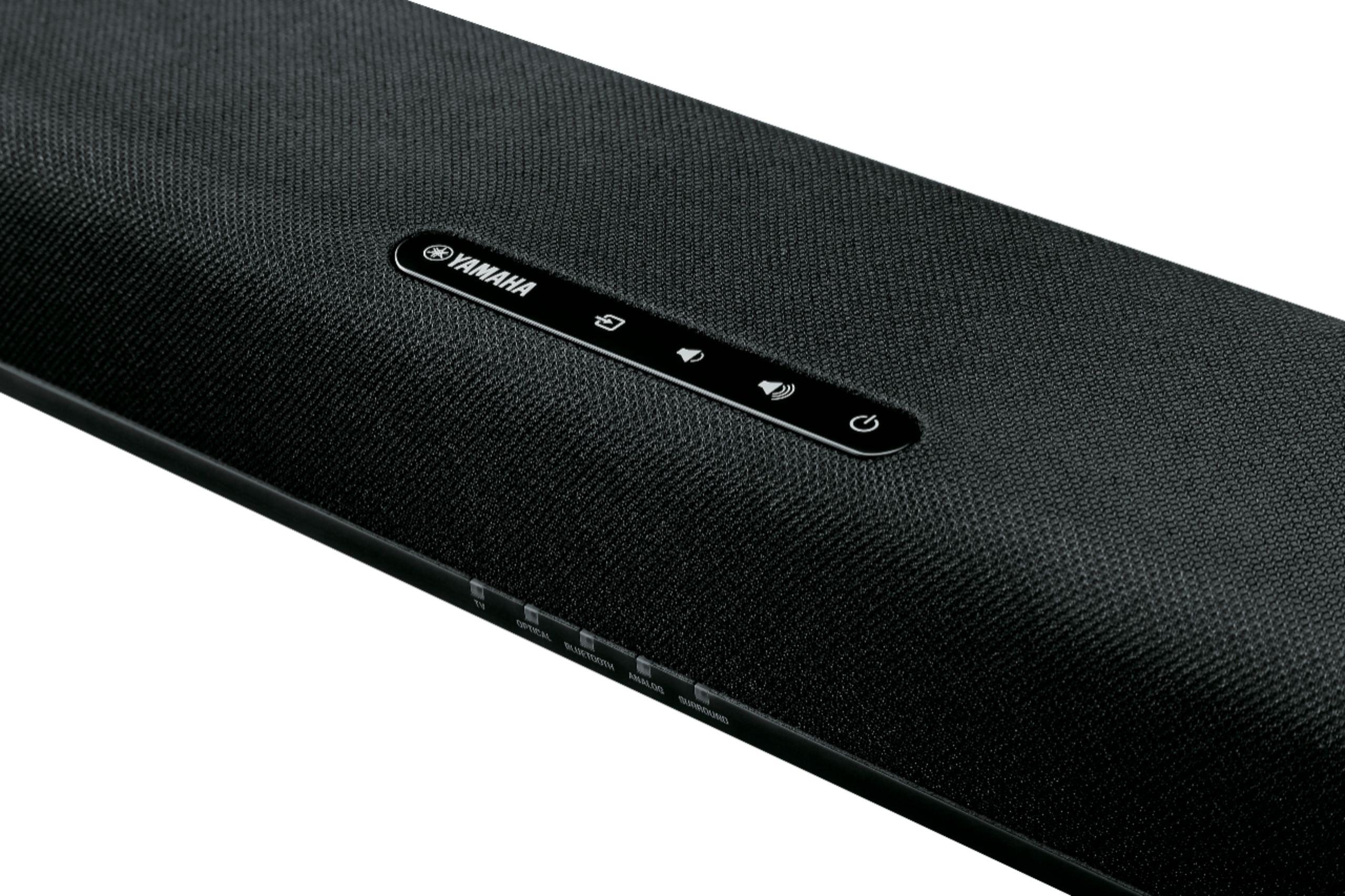
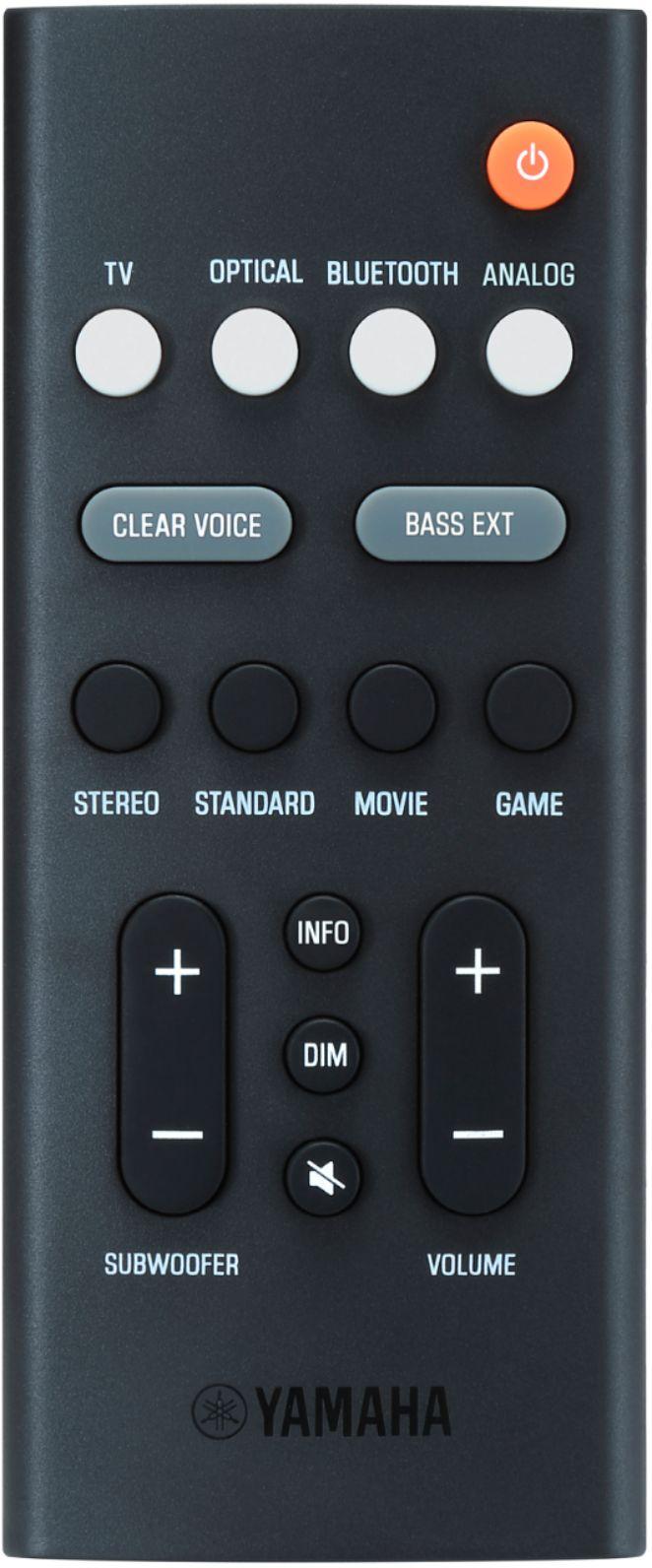
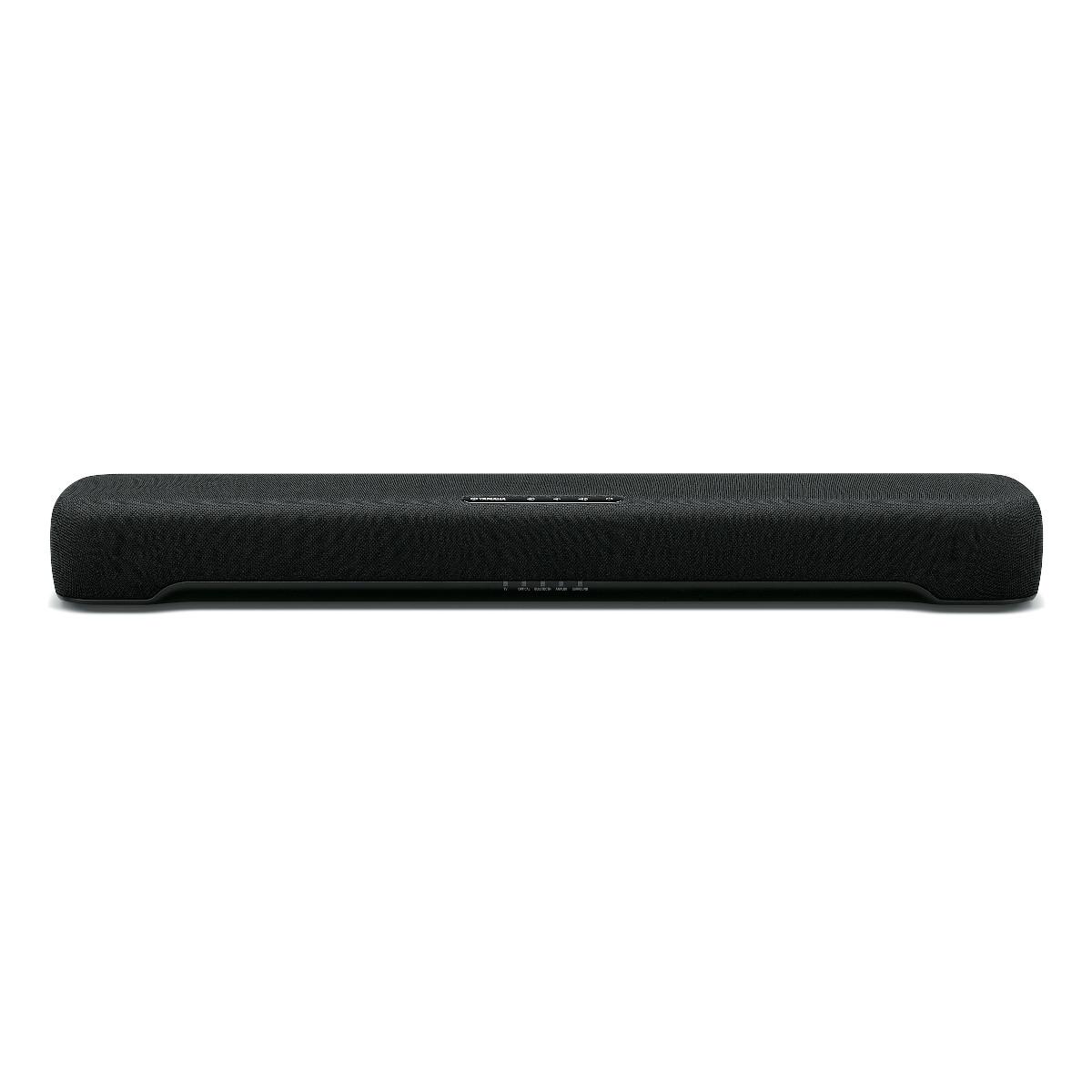
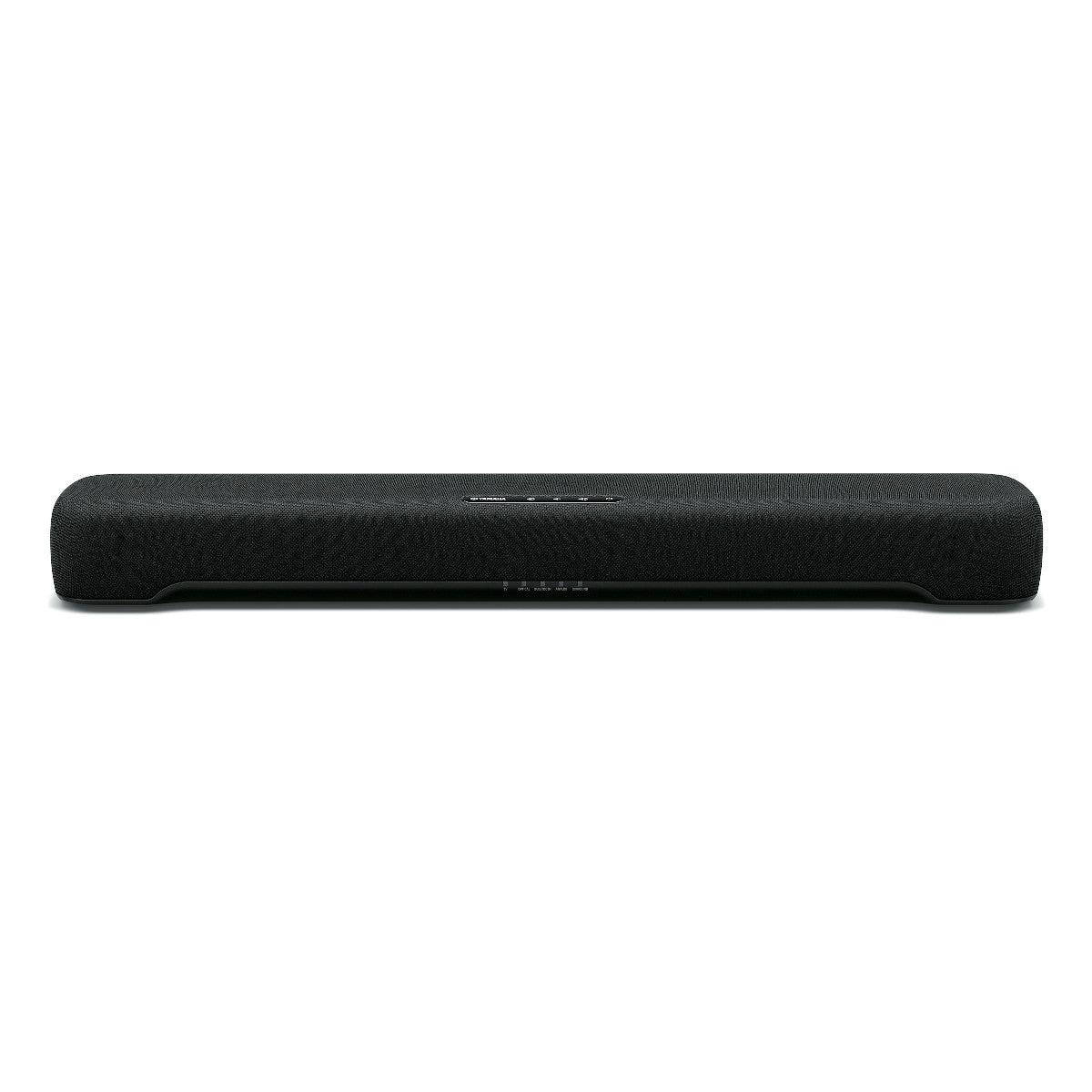
The Yamaha SR-C20A launched in 2021 as part of Yamaha's entry-level soundbar lineup. At just under 24 inches wide and weighing less than 4 pounds, it's designed for smaller spaces and simpler needs. Yamaha built this around their "Clear Voice" technology, which uses digital signal processing (DSP) to enhance dialogue frequencies and make speech more intelligible—a godsend if you're constantly rewinding to catch what actors said.
The SR-C20A uses a 2.1-channel configuration with a twist: instead of a separate subwoofer box, everything is built into the main unit. It houses a 3-inch subwoofer driver plus two passive radiators (essentially speakers without magnets that vibrate sympathetically to boost bass response). This design keeps your setup clean while still delivering more low-end punch than basic stereo soundbars.
Since its release, the SR-C20A has remained largely unchanged, which speaks to Yamaha getting the formula right the first time. The company has focused on software updates through their Sound Bar Remote app, adding features like customizable EQ settings and improved Bluetooth connectivity. At $170, it sits in that sweet spot where you get noticeably better audio than TV speakers without breaking the bank.
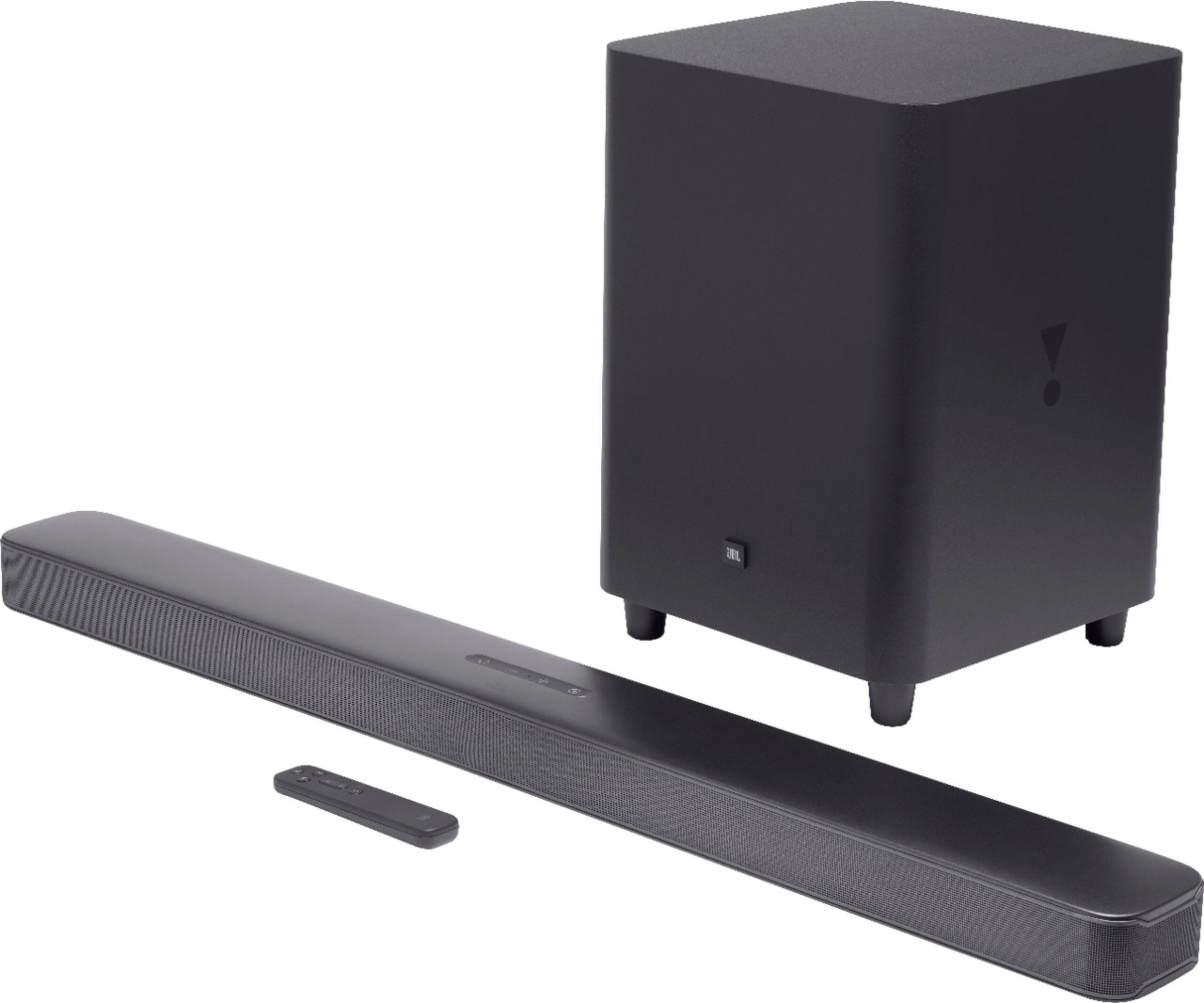
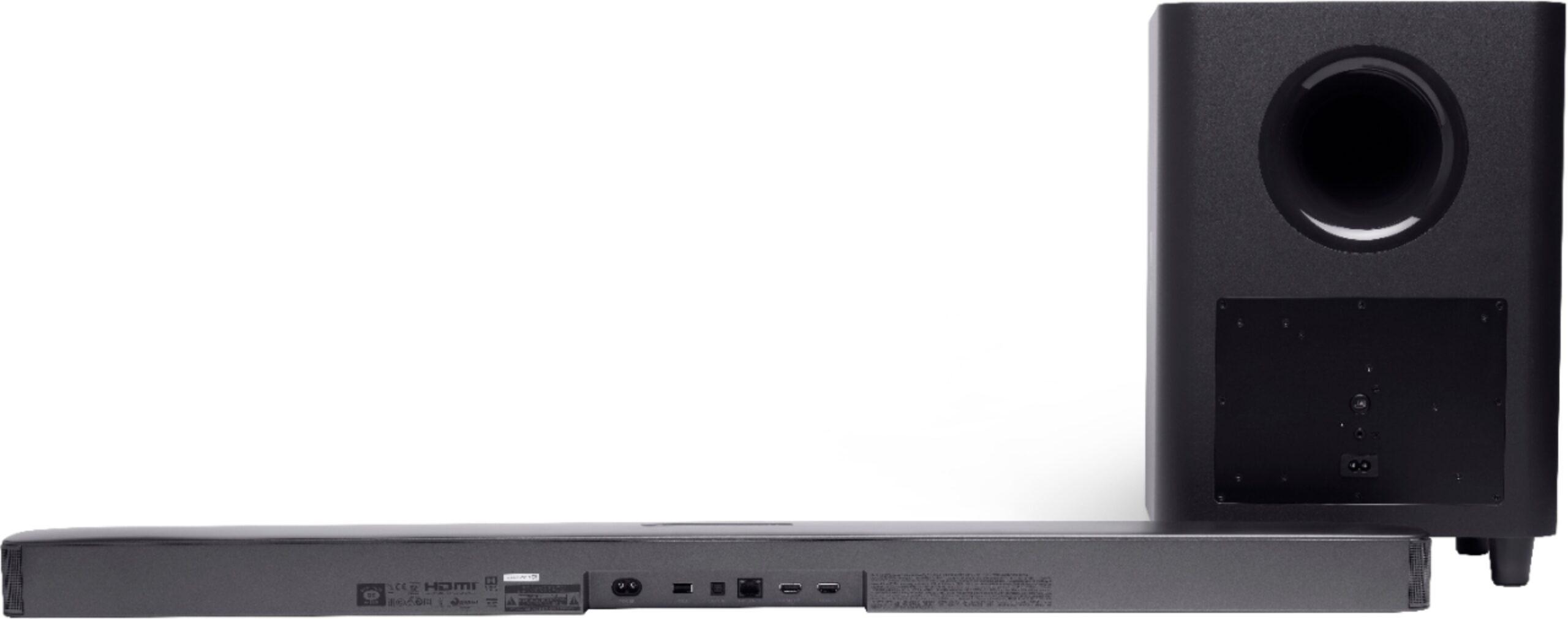
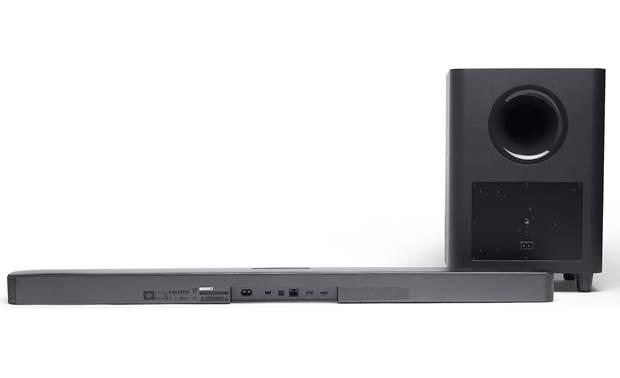
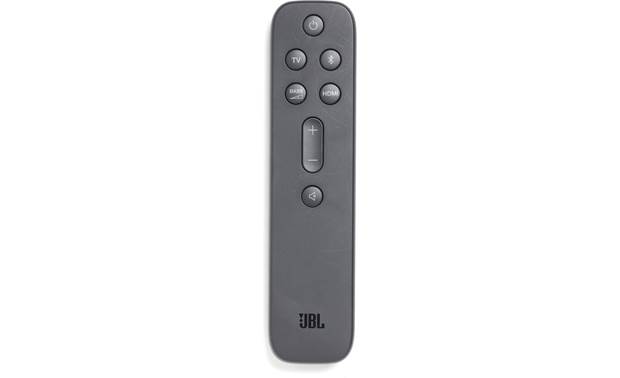
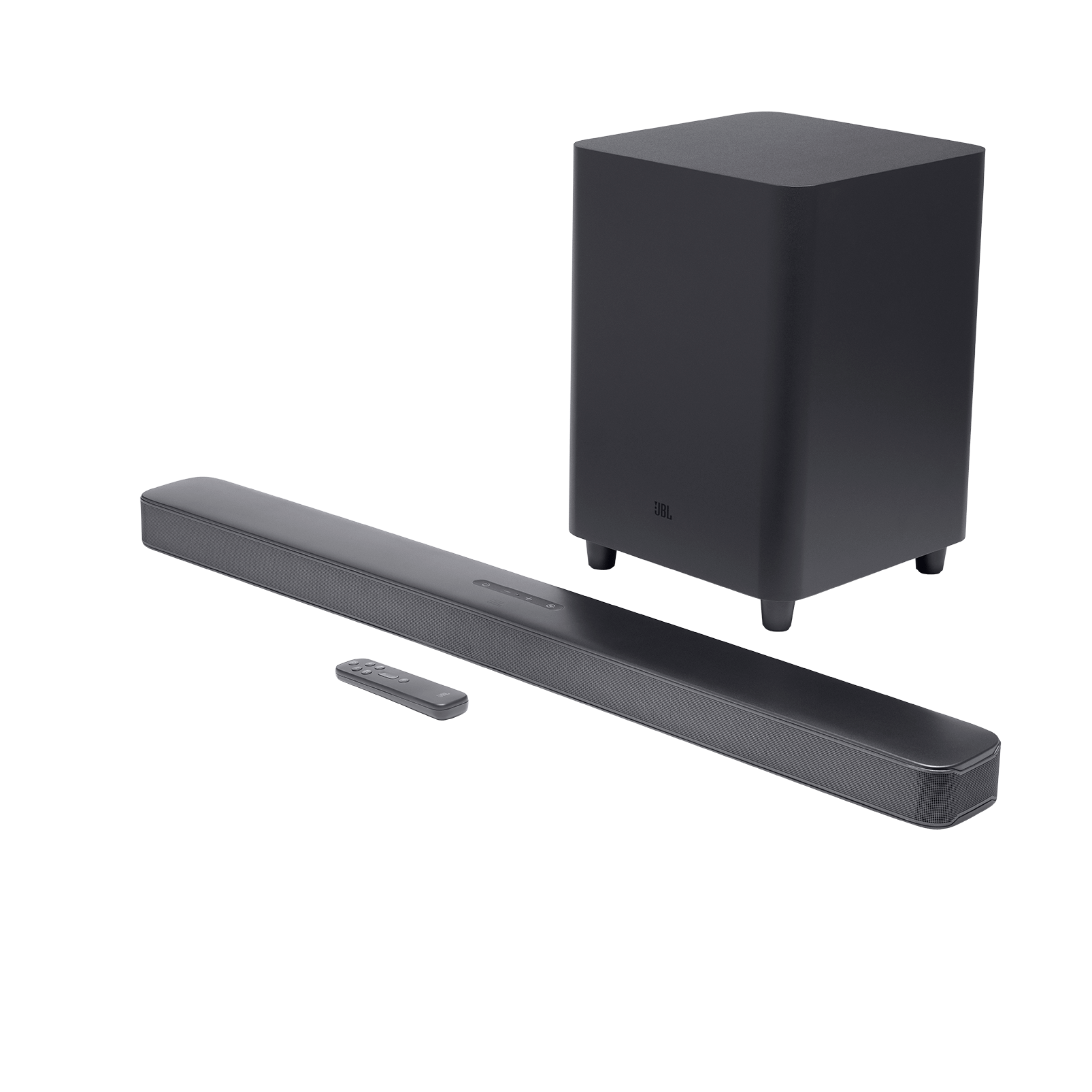
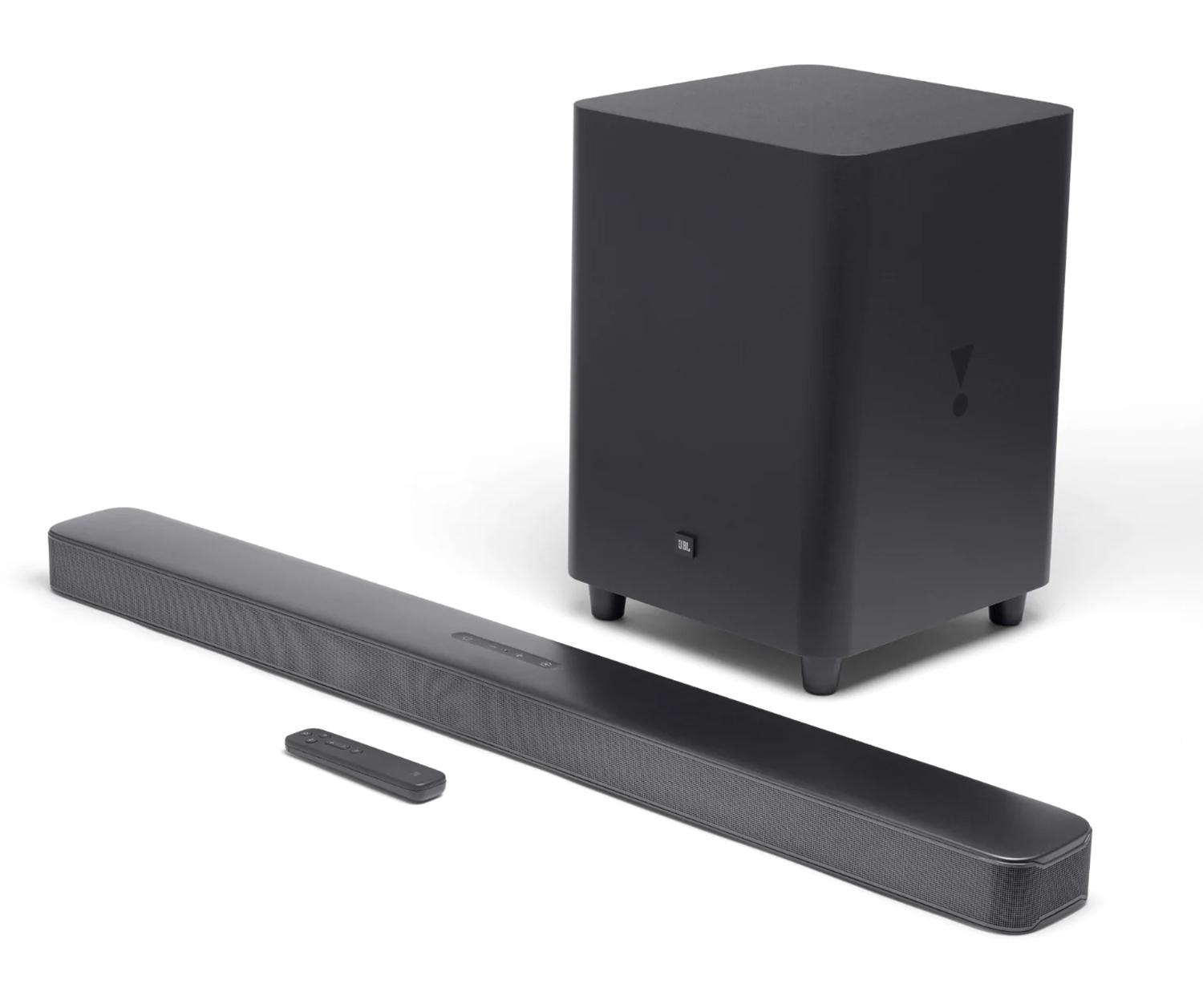
The JBL Bar 5.1 represents a more ambitious approach that debuted in 2019. JBL's engineers tackled a fundamental problem: how do you get true surround sound without running speaker wires around your room? Their solution was ingenious—make the surround speakers detachable and battery-powered.
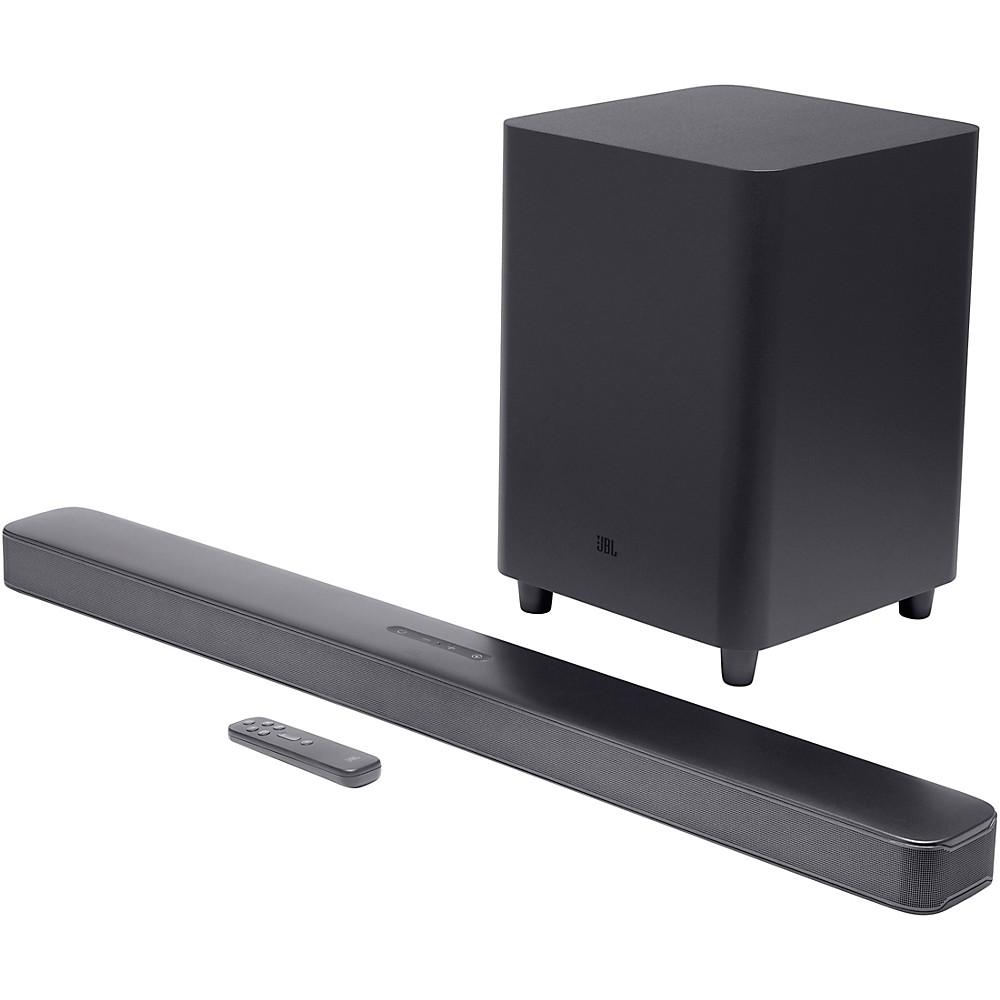
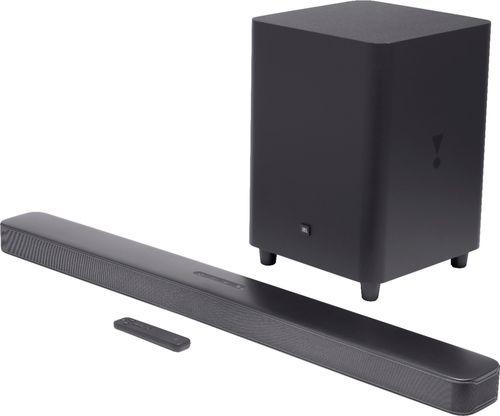
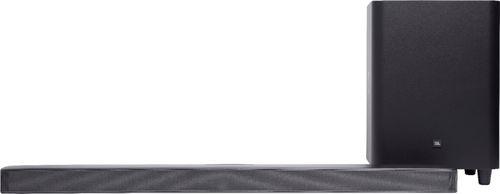
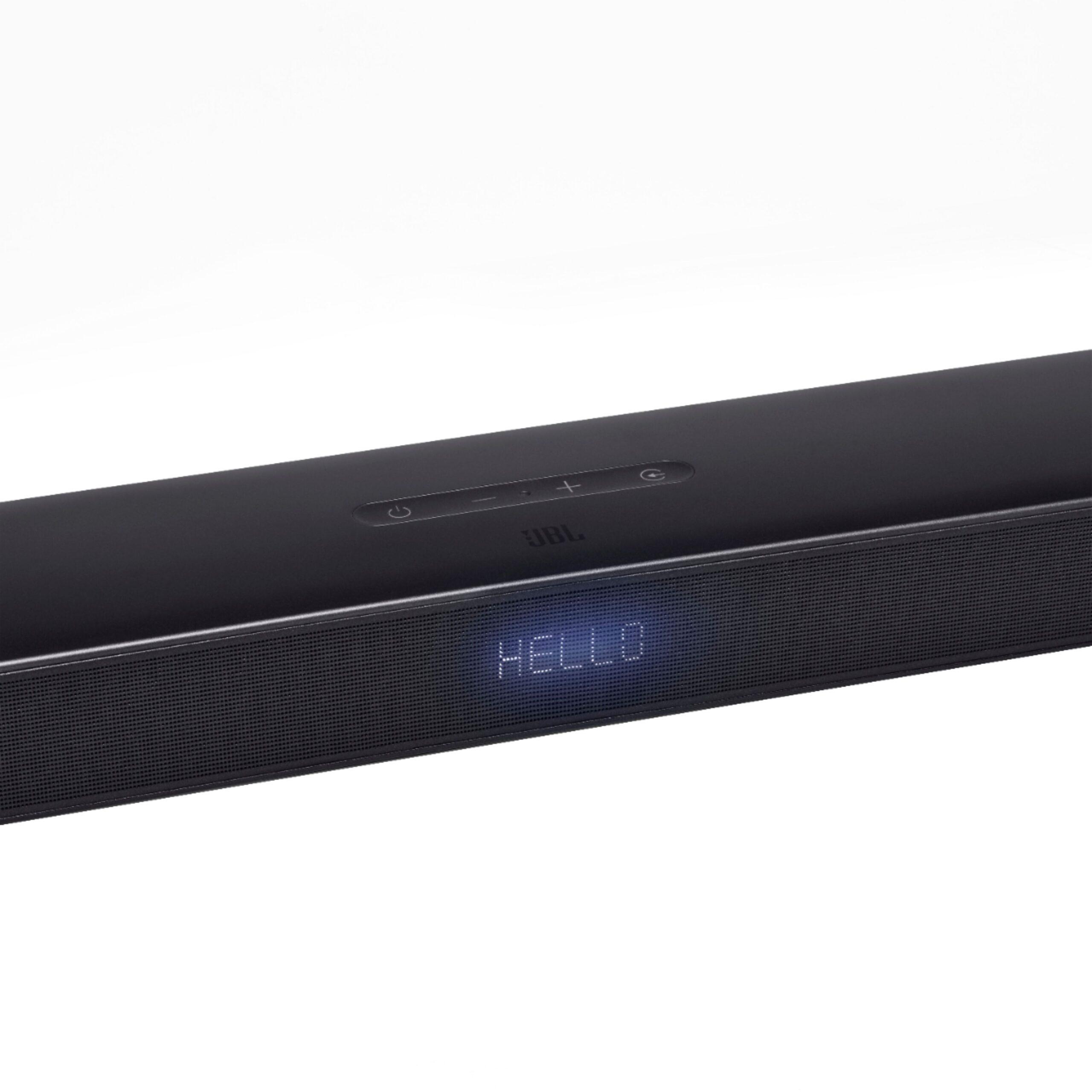
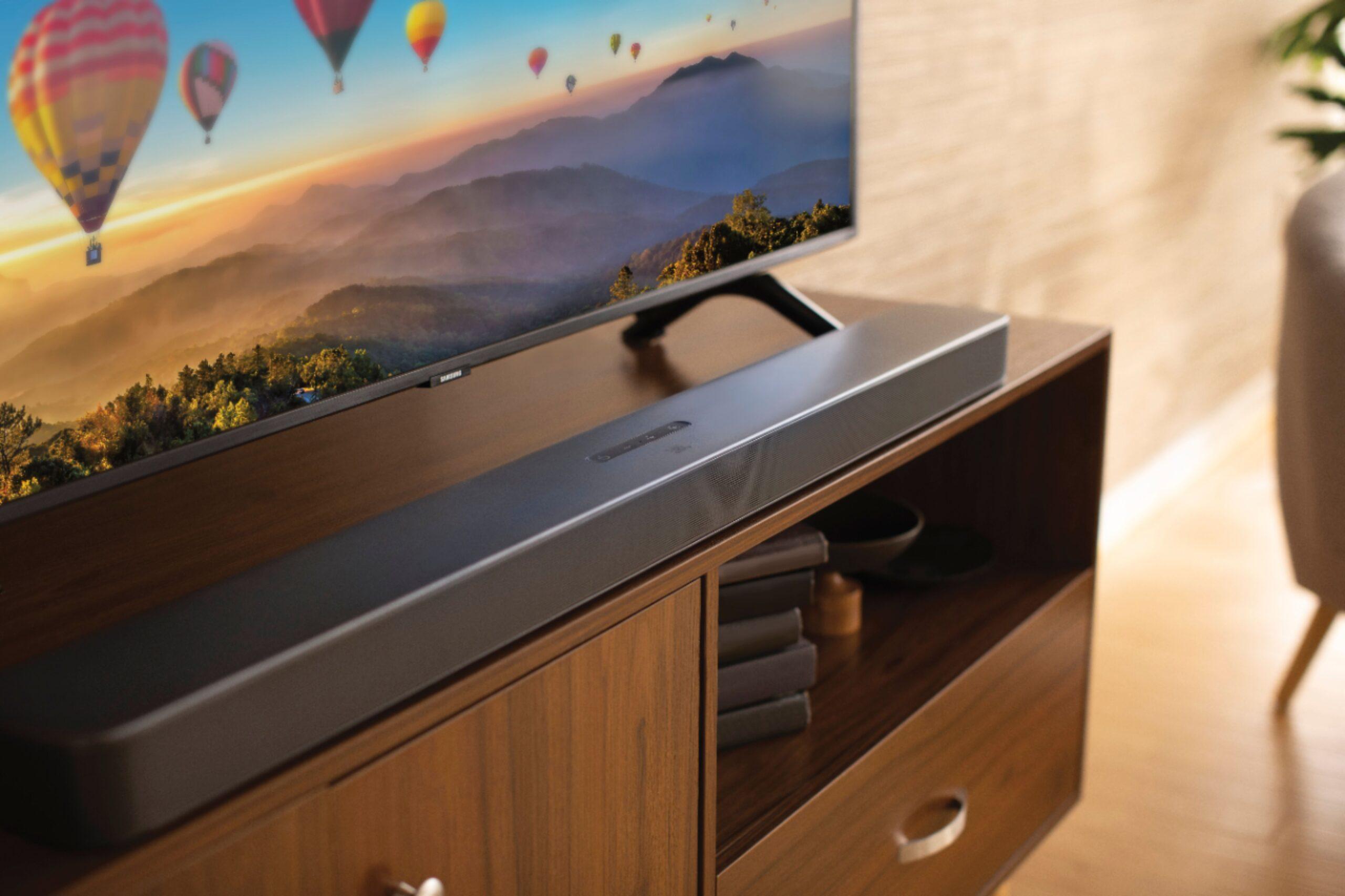
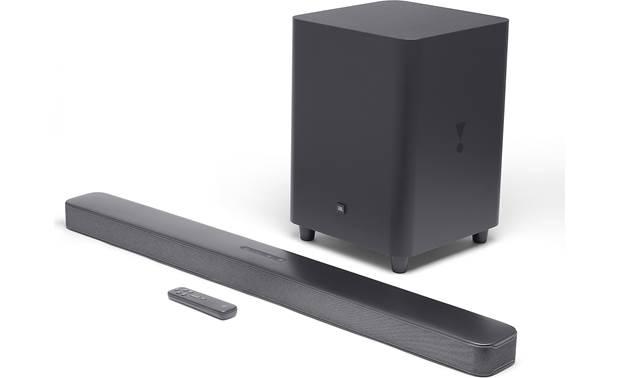
This 45-inch soundbar literally splits apart. The end sections pop off to become wireless rear speakers, each packing its own amplifier and 10-hour battery. When docked, they charge automatically and function as side-firing drivers for the main soundbar. When detached, they create genuine 5.1-channel surround sound with speakers behind your listening position.
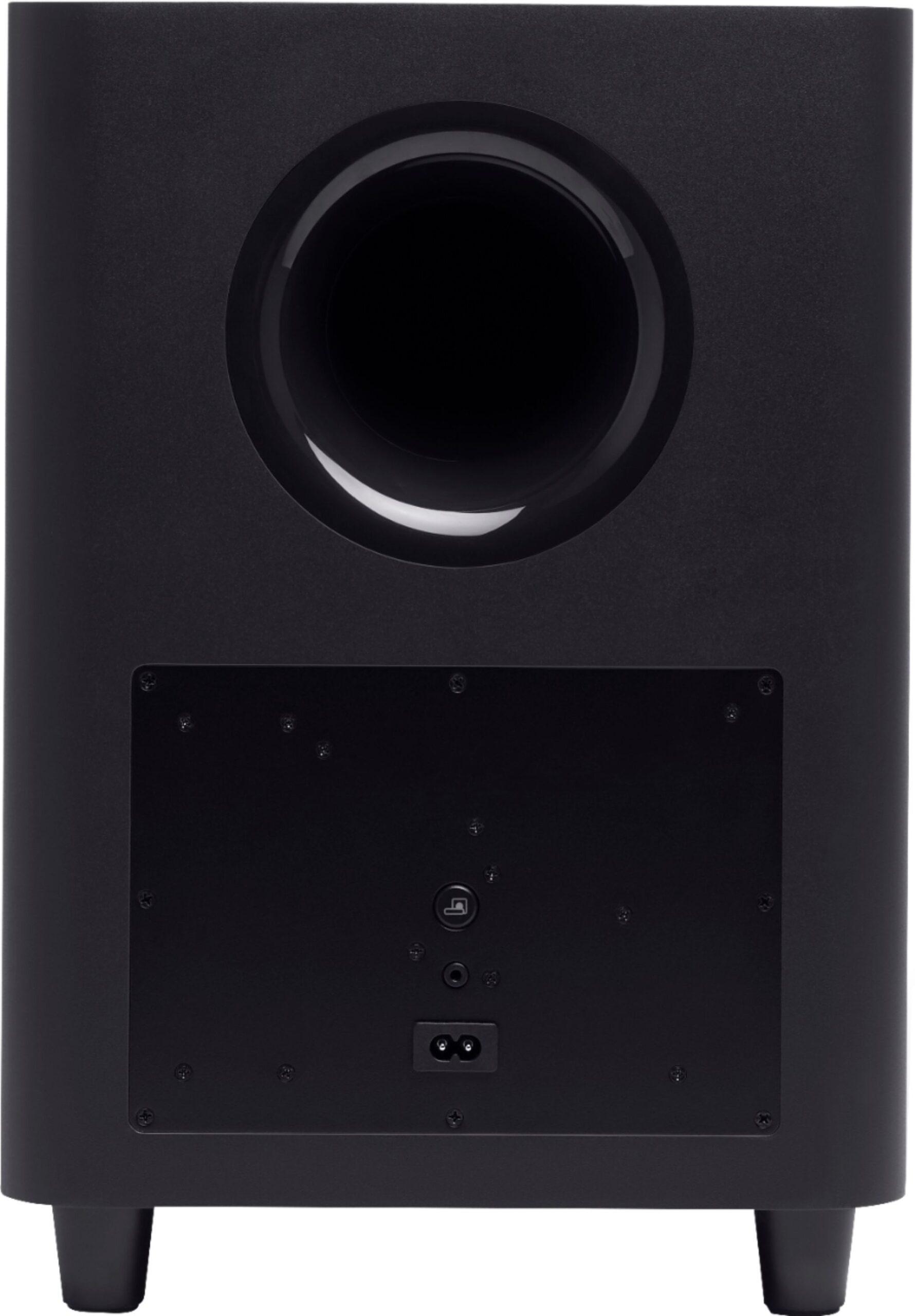
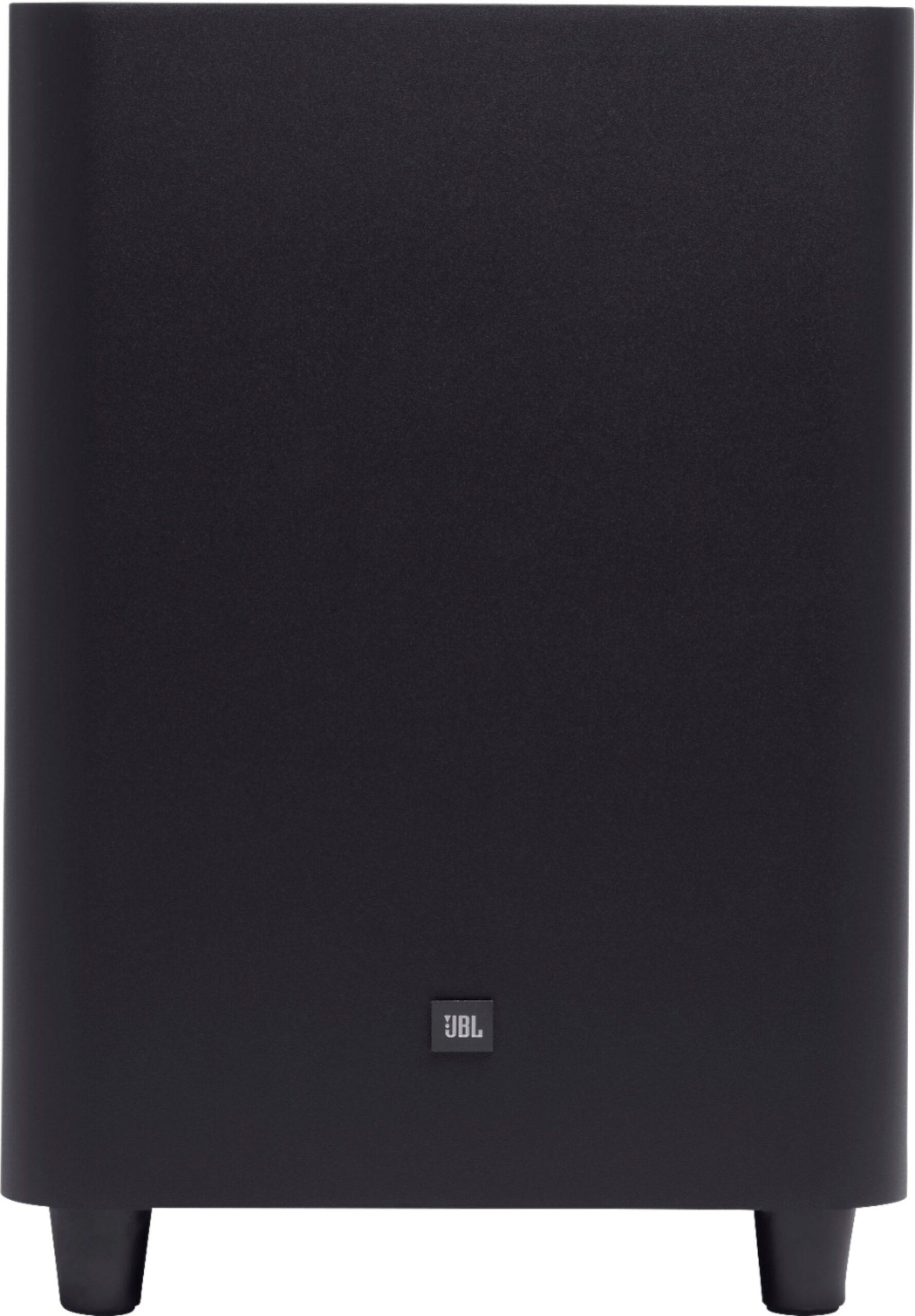
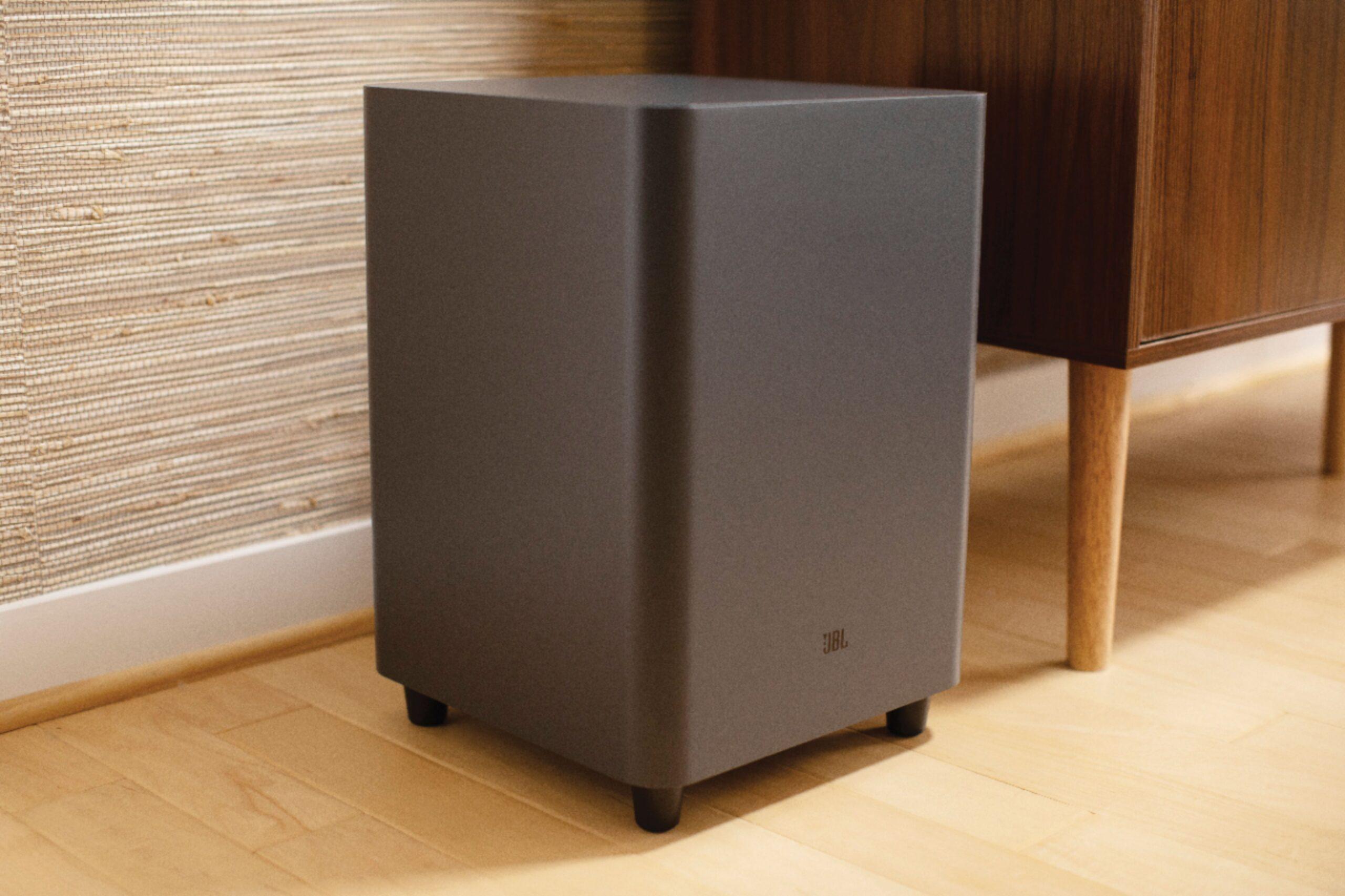
The system includes a separate wireless subwoofer with a 10-inch driver that reaches down to 33Hz—low enough to feel the rumble in action movies and the kick drum in your favorite songs. Total system power hits 510 watts, which is serious output for a consumer soundbar.
JBL has made incremental improvements since launch, mainly through firmware updates that enhanced the wireless connection stability and added support for newer audio codecs. The Bar 5.1 remains one of the few soundbars offering detachable surrounds, making it unique in the market even five years later.
This is where the Yamaha SR-C20A truly shines. Yamaha's Clear Voice technology isn't just marketing speak—it's sophisticated DSP that analyzes incoming audio and boosts the frequency range where human speech lives (roughly 300Hz to 3kHz). The result is dramatically improved dialogue intelligibility, even when background music or sound effects are competing for attention.
I've tested the SR-C20A with everything from whispered conversations in dramatic films to rapid-fire dialogue in comedies, and the difference is immediately apparent. Characters sound like they're speaking directly to you rather than from inside a tin can. This technology is particularly valuable for older viewers who might struggle with dialogue clarity, or anyone watching content with heavy accents or poor audio mixing.
The JBL Bar 5.1 takes a different approach. Rather than specialized dialogue processing, it relies on a dedicated center channel when in full 5.1 mode. In traditional surround sound systems, the center channel handles most dialogue, while left and right channels focus on music and effects. This physical separation can provide excellent clarity, but it requires proper setup and positioning to work optimally.
Here's where the fundamental difference between these products becomes crystal clear. The Yamaha uses virtual surround processing—clever algorithms that manipulate stereo audio to create the illusion of sounds coming from beside and behind you. It's impressive technology that works better than you might expect, especially for dialogue-heavy content like news or talk shows.
But virtual surround has limitations. It can't truly place sounds in 3D space the way physical speakers can. When watching an action movie, you might sense that a helicopter is supposed to be circling overhead, but you won't feel it moving around the room.
The JBL Bar 5.1, on the other hand, creates genuine surround sound with discrete speakers positioned around your listening area. When those detachable units are placed behind your couch, they can precisely locate sounds in space. The difference is dramatic—footsteps actually pan from front to back, bullets whizz past your ears, and ambient sounds create a convincing environment around you.
I've spent considerable time with both systems, and the JBL's surround effect is transformative for movie watching. During the opening battle scene in "Saving Private Ryan," I could pinpoint individual soldiers' positions and track artillery shells arcing overhead. The Yamaha, while pleasant to listen to, simply can't create that level of spatial immersion.
Both soundbars take creative approaches to bass reproduction, but with very different results. The Yamaha's built-in subwoofer and passive radiators deliver surprisingly punchy bass for such a compact unit. It's adequate for most TV content and provides satisfying thump for music playback. However, physics limits how low it can go—that 3-inch driver simply can't move enough air to reproduce the deepest frequencies.
The JBL's wireless subwoofer is in a different league entirely. That 10-inch driver, powered by 300 watts, can shake your entire room when the content calls for it. More importantly, it extends down to 33Hz, which means you'll actually feel the T-Rex footsteps in "Jurassic Park" or the engine rumble in "Ford v Ferrari."
But here's the thing about powerful subwoofers—they require thoughtful placement and calibration. Stick the JBL's sub in the wrong corner, and you'll get boomy, one-note bass that overwhelms everything else. The Yamaha's integrated approach eliminates this concern entirely, delivering well-balanced bass that complements rather than dominates the mix.
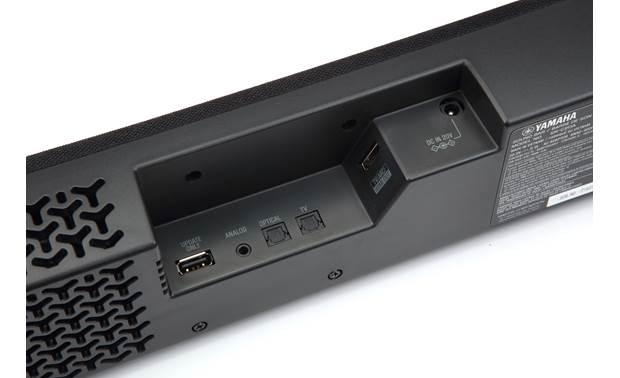
The technology landscape has shifted dramatically since these products launched, making connectivity features increasingly important. The Yamaha SR-C20A keeps things simple with HDMI ARC (Audio Return Channel), optical inputs, and Bluetooth 5.0. HDMI ARC lets you control the soundbar with your TV remote and ensures audio stays synced with video. The optical connections work with virtually any TV made in the last 15 years.
Bluetooth connectivity has become essential for streaming music from phones and tablets. The Yamaha's implementation is solid and stable, though it lacks some newer codecs like aptX that can improve wireless audio quality.
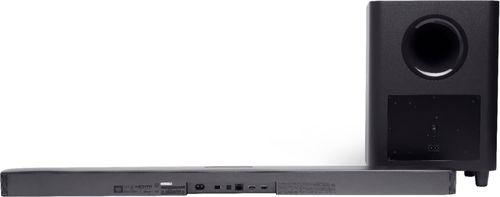
The JBL Bar 5.1 takes a more comprehensive approach with HDMI eARC (enhanced Audio Return Channel), three HDMI inputs with 4K passthrough, Wi-Fi connectivity, and support for AirPlay, Chromecast, and voice assistants. eARC supports higher bandwidth audio formats like Dolby Atmos, while the multiple HDMI inputs let you connect gaming consoles, streaming devices, and Blu-ray players directly to the soundbar.
The Wi-Fi connectivity opens up streaming services like Spotify Connect, where you can play music directly to the soundbar without using your phone as a middleman. This not only saves battery life but often provides better audio quality than Bluetooth.
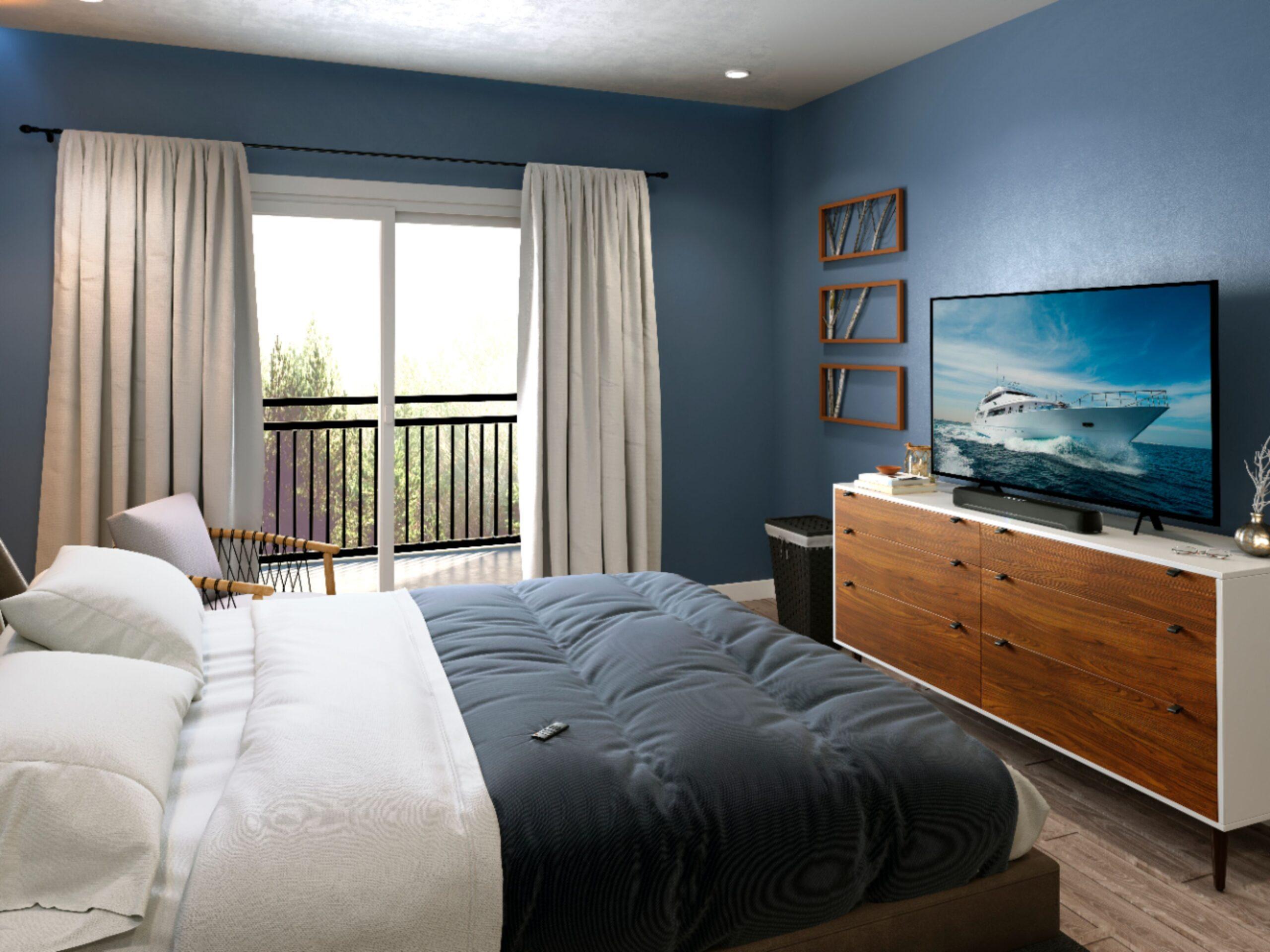
Room acoustics play a huge role in soundbar performance, and these two products are optimized for very different spaces. The Yamaha SR-C20A excels in smaller rooms—bedrooms, apartments, or cozy living spaces under 300 square feet. Its compact size means it won't visually overwhelm a smaller TV, and its power output is perfectly matched to intimate listening environments.
Larger rooms expose the Yamaha's limitations. Push the volume too high, and you'll hear distortion creep in. The built-in subwoofer, while impressive for its size, simply can't fill a big space with satisfying bass response.
The JBL Bar 5.1 is designed for medium to large rooms where you can properly position the detachable surround speakers. Those rear channels need to be several feet behind your listening position to create convincing surround effects. If you're sitting close to a wall or have a cramped layout, you won't get the full benefit of the 5.1 configuration.
The wireless subwoofer also requires thoughtful placement. I've found it works best along a side wall, about one-third of the way into the room. Corner placement can boost output but often creates uneven bass response with certain frequencies being emphasized over others.
For dedicated home theater enthusiasts, these products serve different purposes entirely. The Yamaha SR-C20A is perfect as a bedroom or secondary system where dialogue clarity matters more than cinematic impact. It's also excellent for late-night viewing when you need clear speech but can't crank up the volume.
The JBL Bar 5.1 approaches true home theater performance, especially with movie content mastered in 5.1 surround. Modern blockbusters like the Marvel films showcase the system's capabilities beautifully. During the final battle in "Avengers: Endgame," the soundbar creates a convincing sense of chaos with effects panning smoothly between channels while keeping dialogue clear in the center.
Gaming performance deserves special mention. The JBL's multiple HDMI inputs and low latency make it ideal for console gaming, while the surround sound adds immersion to games designed for multichannel audio. First-person shooters become particularly engaging when you can hear enemies approaching from behind.
At $170, the Yamaha SR-C20A represents exceptional value for its intended use case. You're getting genuinely useful technology (Clear Voice processing) in a well-built package that will dramatically improve your TV watching experience. The all-in-one design eliminates setup complexity and reduces the chance of connectivity issues.
However, that value proposition assumes you don't need features the Yamaha can't provide. If you're a movie buff who wants room-filling surround sound, the SR-C20A will leave you wanting more.
The JBL Bar 5.1 at $600 demands more justification. You're paying for genuine surround sound capability, premium build quality, and comprehensive connectivity. For movie enthusiasts with appropriate room layouts, the experience upgrade justifies the price premium. The detachable surround concept alone makes this system unique in the market.
But that $430 price difference is substantial. You could buy nearly four Yamaha soundbars for the cost of one JBL system. The value equation only works if you'll actually use the advanced features and have the space to properly implement 5.1 surround sound.
Choose the Yamaha SR-C20A if you prioritize dialogue clarity above all else, live in a smaller space, or want hassle-free setup. It's perfect for apartments, bedrooms, or any situation where you primarily watch TV shows and news rather than action movies. The integrated design means fewer things to position and fewer potential failure points.
This soundbar also makes sense if you're testing the waters with audio upgrades. At $170, it's a low-risk way to discover whether better TV audio matters to you before potentially investing in more expensive systems down the road.
Choose the JBL Bar 5.1 if you have a medium to large room, regularly watch movies or play games, and want genuine surround sound immersion. The detachable speakers make this system incredibly flexible—you can enjoy simple soundbar performance for casual viewing, then deploy full surround sound for movie nights.
The JBL also makes sense if you value future-proofing. Its comprehensive connectivity and support for modern audio formats mean it's likely to remain relevant as streaming services and gaming consoles continue evolving.
Consider your content consumption patterns carefully. If 80% of your viewing is news, sitcoms, and drama series, the Yamaha's dialogue-focused approach will serve you better. If you're always hunting for the latest blockbusters and immersive gaming experiences, the JBL's cinematic capabilities justify the investment.
Finally, think about your living situation. Renters might prefer the Yamaha's simplicity and smaller footprint, while homeowners can take full advantage of the JBL's more complex setup requirements.
Both soundbars excel in their respective roles, but they're designed for fundamentally different users and use cases. The key is honest assessment of your needs, space, and how you actually consume entertainment content.
| Yamaha SR-C20A ($170) | JBL Bar 5.1 ($600) |
|---|---|
| Audio Configuration - Determines surround sound capabilities | |
| 2.1-channel with built-in subwoofer (virtual surround) | True 5.1-channel with detachable wireless surrounds |
| Total Power Output - Affects maximum volume and room size compatibility | |
| 100W (suitable for small to medium rooms) | 510W (handles large rooms with authority) |
| Subwoofer Design - Impacts bass quality and setup complexity | |
| Built-in 3" subwoofer with passive radiators | Separate wireless 10" subwoofer (extends to 33Hz) |
| Dimensions - Space requirements and visual impact | |
| 23.6" × 2.5" × 3.9" (compact, weighs 3.9 lbs) | 45" × 2.3" × 3.7" soundbar + separate subwoofer |
| Dialogue Enhancement - Critical for TV and movie clarity | |
| Clear Voice technology with dedicated speech processing | Center channel separation in 5.1 mode |
| Connectivity Options - Affects device compatibility and future-proofing | |
| HDMI ARC, optical, Bluetooth 5.0 (basic but reliable) | HDMI eARC + 3 inputs, Wi-Fi, AirPlay, Chromecast |
| Setup Complexity - Time and effort required for installation | |
| Plug-and-play single unit | Multi-component system requiring speaker positioning |
| Smart Features - Streaming and voice control capabilities | |
| Basic smartphone app, Bluetooth streaming only | Full smart platform with voice assistants and Wi-Fi streaming |
| Best Use Cases - Who should buy each product | |
| Small spaces, TV-focused viewing, dialogue clarity priority | Large rooms, movie enthusiasts, gaming, music listening |
| Value Proposition - Cost vs. features delivered | |
| Exceptional dialogue enhancement at entry-level price | Premium surround experience justifies 3.5x price difference |
The Yamaha SR-C20A ($170) is ideal for small rooms due to its compact 23.6-inch design and appropriate 100W power output. Its built-in subwoofer eliminates the need for additional components, making it perfect for bedrooms, apartments, or spaces under 300 square feet. The JBL Bar 5.1's 45-inch length and separate subwoofer may overwhelm smaller spaces.
The key difference is audio configuration: the Yamaha SR-C20A offers 2.1-channel virtual surround sound in a single compact unit, while the JBL Bar 5.1 ($600) provides true 5.1-channel surround sound with detachable wireless rear speakers and a separate subwoofer for genuine multichannel audio.
The JBL Bar 5.1 delivers significantly better bass with its dedicated 10-inch wireless subwoofer that extends down to 33Hz and produces room-shaking low frequencies. The Yamaha's built-in 3-inch subwoofer provides adequate bass for TV content but can't match the JBL's deep, powerful low-end response.
Both excel at dialogue but differently. The Yamaha SR-C20A features specialized Clear Voice technology that enhances speech frequencies, making it exceptional for TV shows and news. The JBL Bar 5.1 uses a dedicated center channel in 5.1 mode for dialogue separation, which works well but requires proper setup.
The Yamaha SR-C20A is much easier to set up as a single plug-and-play unit requiring only one HDMI or optical connection. The JBL Bar 5.1 requires positioning multiple components including the wireless subwoofer and detachable surround speakers for optimal performance.
The JBL Bar 5.1 costs $430 more than the Yamaha SR-C20A ($170). The price difference is justified if you have a larger room, watch movies regularly, and want true surround sound. For basic TV viewing and smaller spaces, the Yamaha provides better value.
The JBL Bar 5.1 ($600) is superior for home theater use with its true 5.1-channel surround sound, powerful subwoofer, and support for cinematic audio formats. The detachable wireless surrounds create immersive movie experiences that the Yamaha's virtual surround processing cannot match.
Yes, both soundbars work with virtually all modern TVs. The Yamaha SR-C20A connects via HDMI ARC or optical inputs found on most TVs. The JBL Bar 5.1 offers more connection options including HDMI eARC and multiple HDMI inputs for connecting additional devices.
The JBL Bar 5.1 is better for music with its wider soundstage, powerful bass response, and Wi-Fi streaming capabilities including AirPlay and Spotify Connect. The Yamaha SR-C20A handles music adequately via Bluetooth but lacks the frequency range and power for serious music listening.
The Yamaha SR-C20A requires minimal space at under 24 inches wide and works well in tight setups. The JBL Bar 5.1 needs more room with its 45-inch soundbar, separate subwoofer placement, and space behind seating for the detachable surround speakers to be effective.
The JBL Bar 5.1 ($600) offers superior connectivity with HDMI eARC, three HDMI inputs with 4K passthrough, Wi-Fi, AirPlay, and Chromecast support. The Yamaha SR-C20A provides basic but reliable connectivity with HDMI ARC, optical inputs, and Bluetooth streaming.
Choose the Yamaha SR-C20A ($170) if you live in a small space, prioritize dialogue clarity, want simple setup, or have a budget under $200. Choose the JBL Bar 5.1 ($600) if you have a large room, watch movies regularly, want true surround sound, or need advanced connectivity features for multiple devices.
We've done our best to create useful and informative comparisons to help you decide what product to buy. Our research uses advanced automated methods to create this comparison and perfection is not possible - please contact us for corrections or questions. These are the sites we've researched in the creation of this article: t3.com - usa.yamaha.com - radiotimes.com - shop.usa.yamaha.com - whathifi.com - hifiheaven.net - usa.yamaha.com - sweetwater.com - hub.yamaha.com - bestbuy.com - jbl.com - jbl.com - jbl.com - tomsguide.com - jbl.com - bestbuy.com - bestbuy.com - jbl.com - jbl.com - worldwidestereo.com

Privacy Policy
Terms and Conditions - Affiliate Policy
Home Security
© Copyright 2008-2026.
11816 Inwood Rd #1211, Dallas, TX 75244