


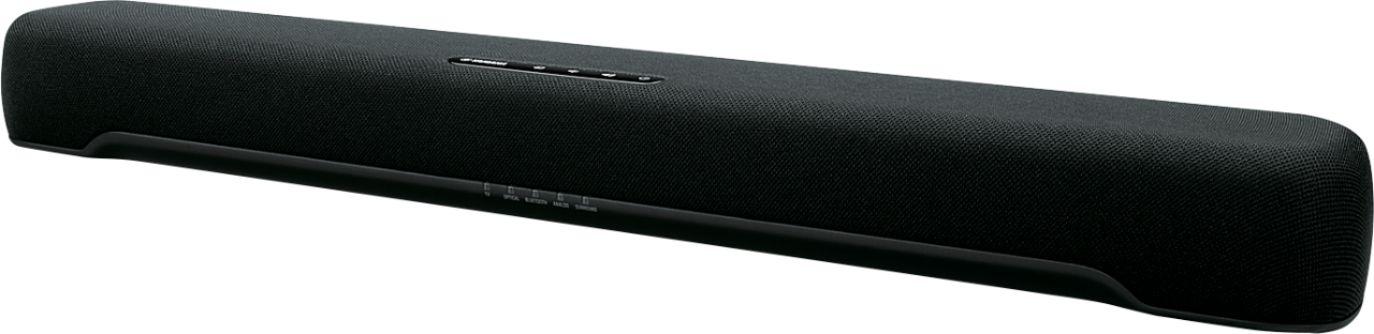


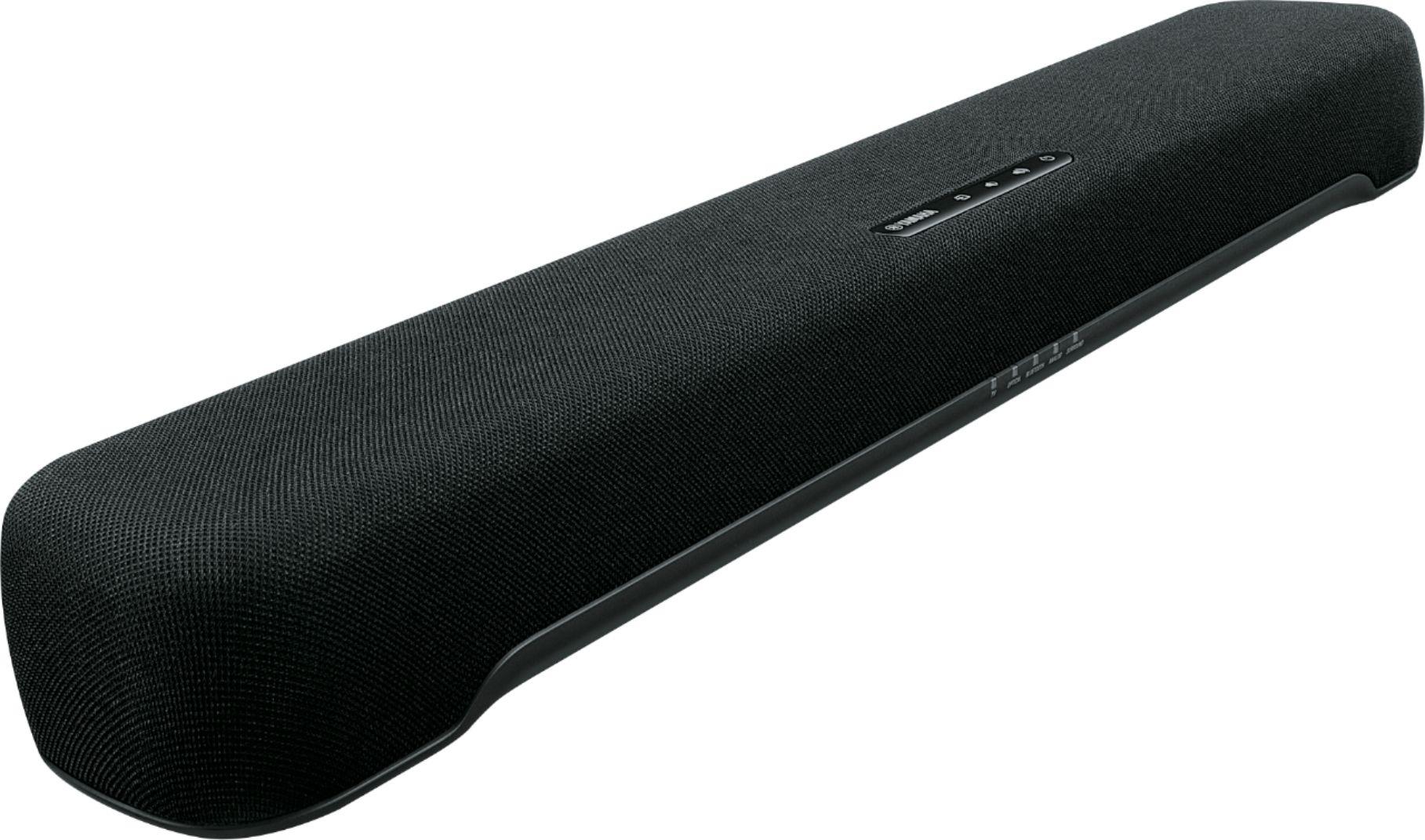
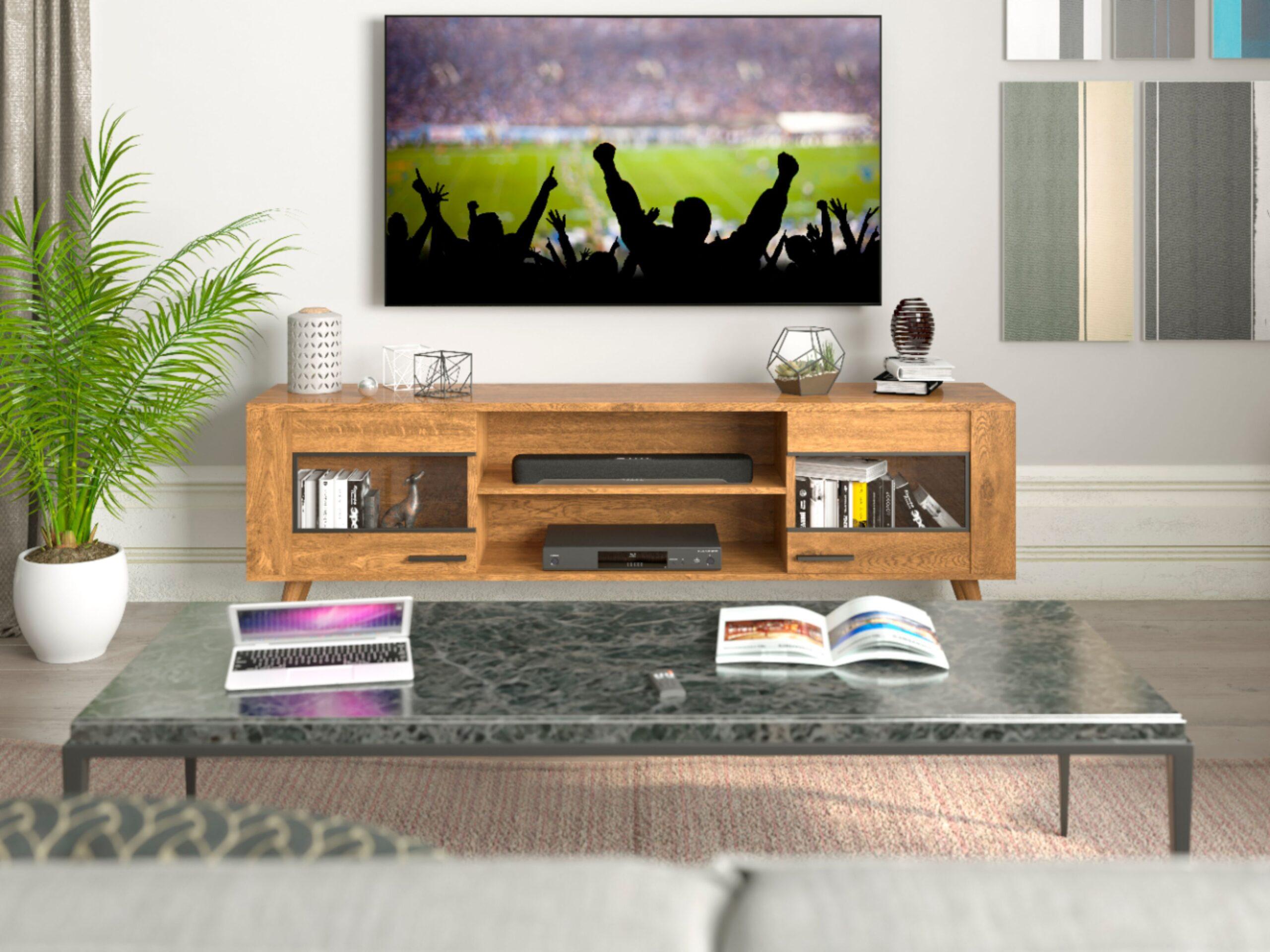
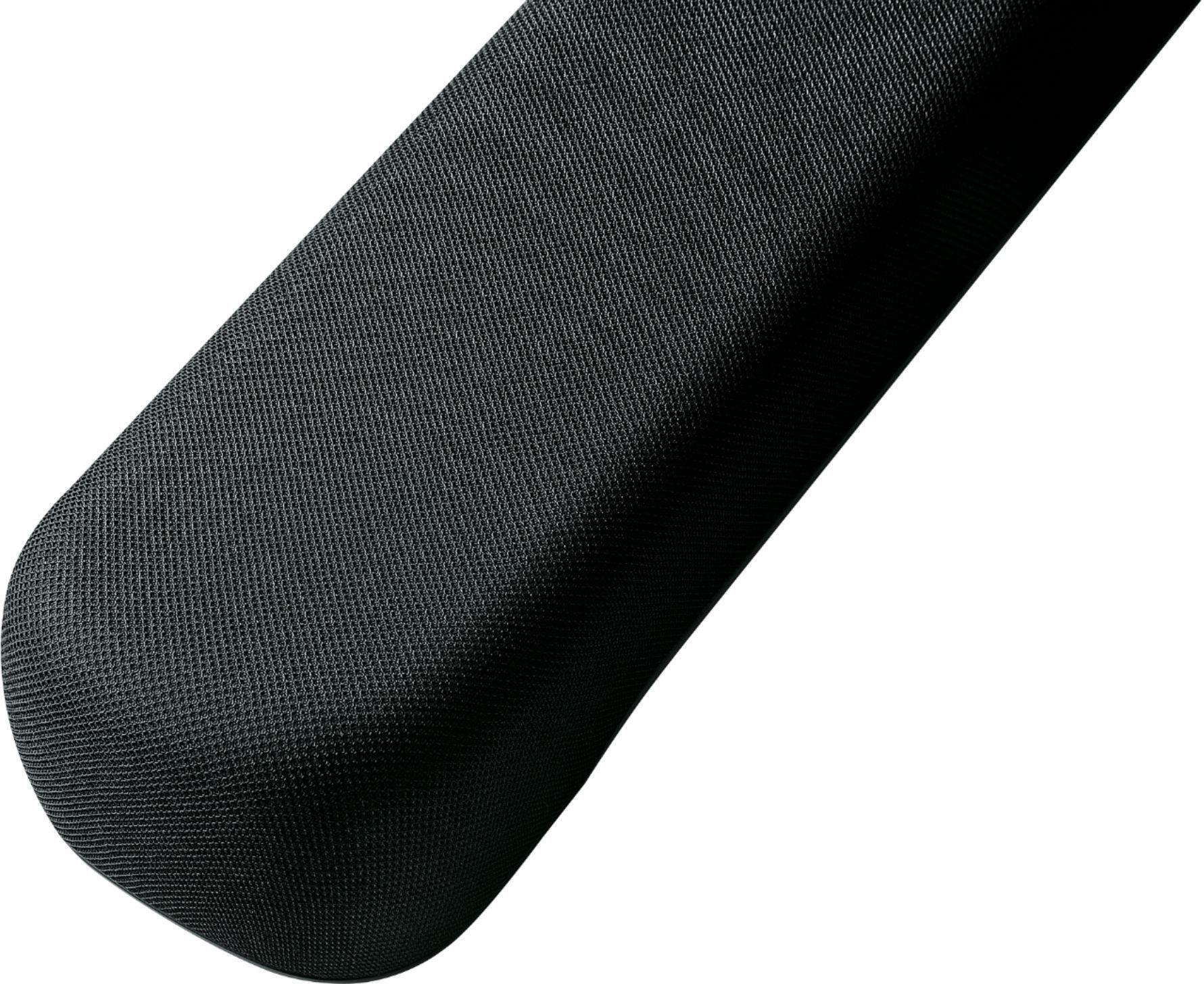


When your TV's built-in speakers leave dialogue sounding muffled and action scenes feeling flat, a soundbar becomes essential. But the soundbar market splits into two distinct philosophies that cater to completely different needs. On one side, you have comprehensive surround systems like the Ultimea Aura A40 U2601 that promise true cinematic immersion through multiple speakers. On the other, compact all-in-one units like the Yamaha SR-C20A focus on delivering refined audio quality in minimal space.
Understanding which approach suits your situation requires diving deep into how these fundamentally different systems work, what they excel at, and where they fall short. After researching extensive user feedback and expert reviews, the choice becomes clearer—but it's not always obvious which path leads to better satisfaction.
Soundbars exist to solve TV audio problems, but they tackle this challenge through radically different strategies. The traditional approach mimics home theater systems by spreading multiple speakers around your room, creating true surround sound through physical speaker placement. This is spatial audio—sound that literally comes from different directions to match what's happening on screen.
The alternative approach packs everything into one sleek unit, using digital signal processing (DSP) to simulate surround effects through psychoacoustic tricks. This is virtual surround, where clever audio algorithms make your brain think sounds are coming from places they're not.
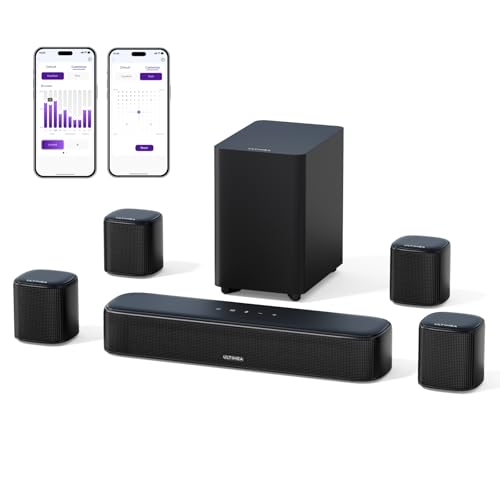
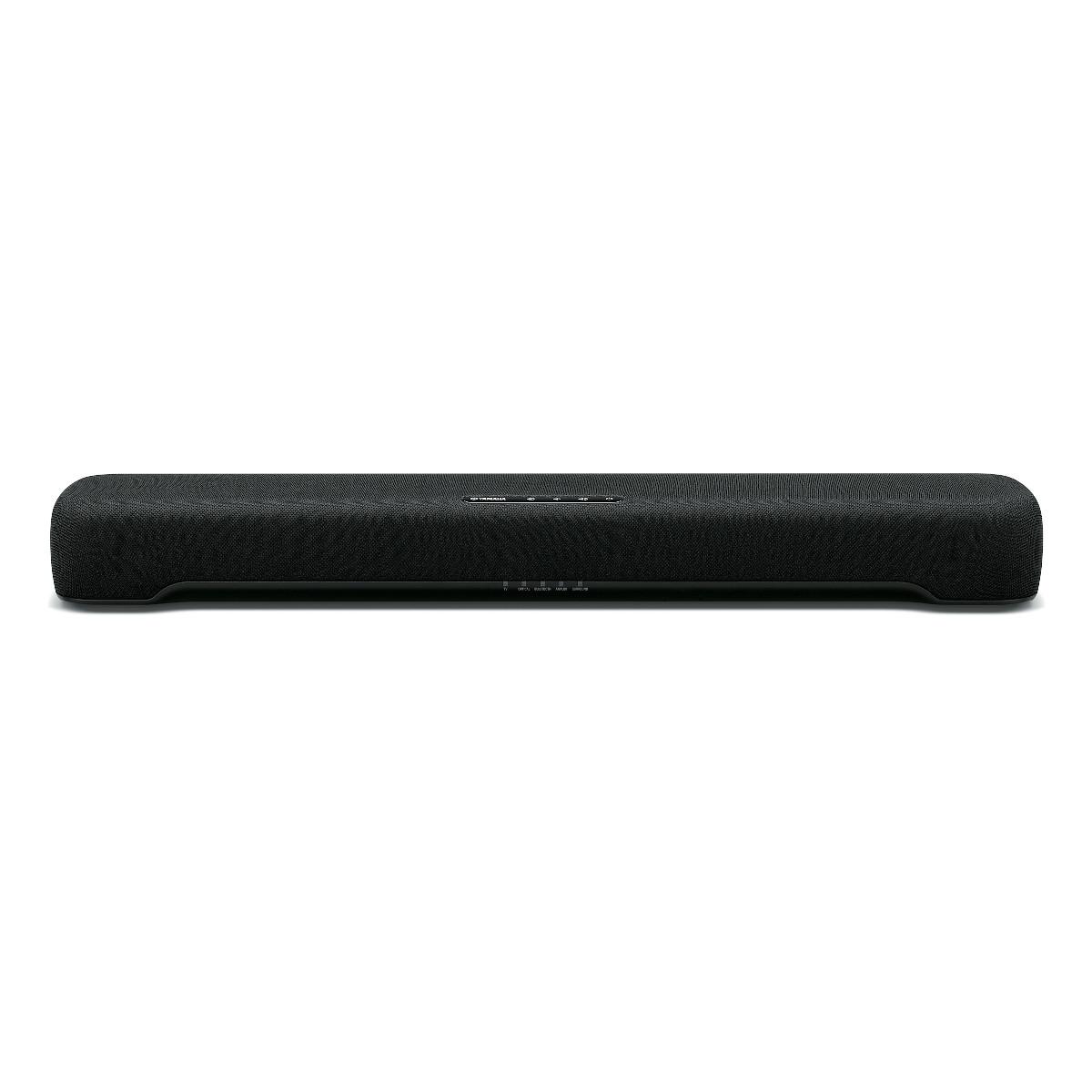
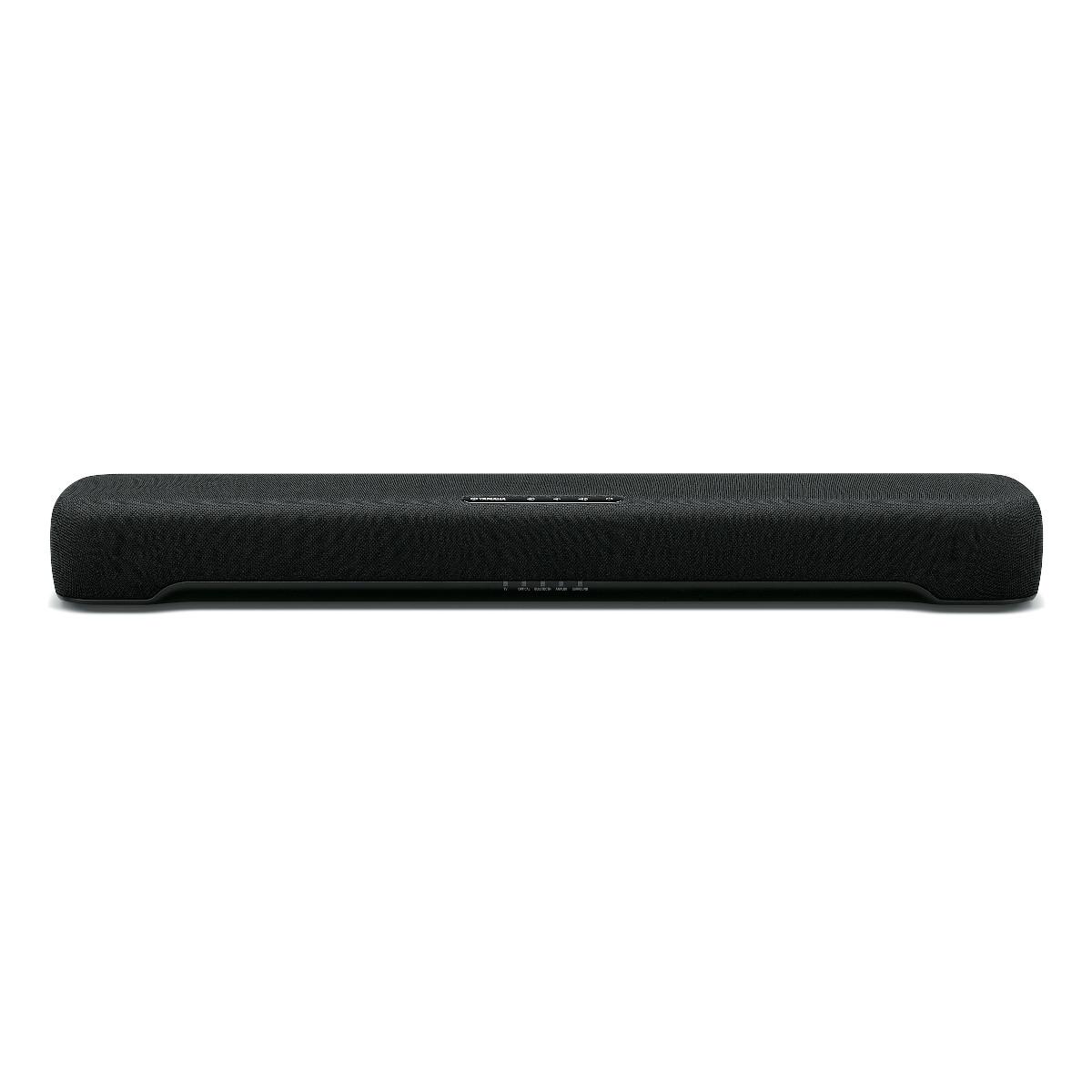
Released in 2023, the Ultimea Aura A40 U2601 represents the multi-speaker camp with four separate surround speakers plus a dedicated subwoofer. Meanwhile, the Yamaha SR-C20A, launched in 2020, embodies the compact philosophy with everything integrated into a single 24-inch bar. Since 2020, we've seen significant improvements in Bluetooth connectivity (the Ultimea uses Bluetooth 5.3 versus Yamaha's 5.0), mobile app integration, and AI-powered audio processing that the newer system leverages.
Raw wattage often misleads consumers, but it does indicate a system's potential dynamic range—how loud it can get while maintaining clean sound. The Ultimea Aura A40 U2601 claims 330 watts peak power distributed across eight drivers, while the Yamaha SR-C20A delivers 100 watts from its integrated setup.
However, our research into user experiences reveals something interesting: the Yamaha consistently delivers more satisfying volume levels despite lower specifications. This happens because power ratings can be measured differently, and efficient drivers with quality amplification often outperform higher-wattage systems with poor implementation.
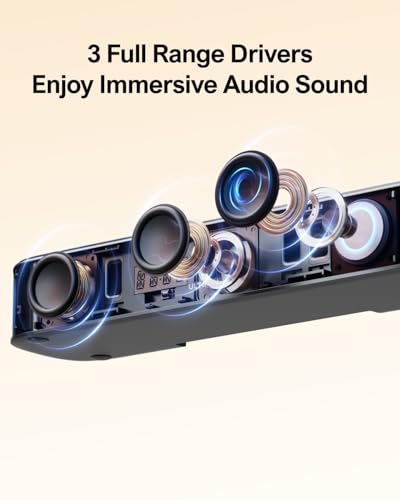
The Ultimea's power distribution spreads across the main soundbar (three drivers), four surround speakers (one driver each), and a separate subwoofer. This arrangement provides excellent dynamic range for action sequences where helicopters pan across the room or explosions rumble through the floor. But reviews consistently note that achieving satisfying volume requires pushing the system near its limits, suggesting the actual usable power falls short of specifications.
Frequency response describes which audio frequencies a system can reproduce, measured in Hertz (Hz) for bass and kilohertz (kHz) for treble. The Ultimea Aura A40 U2601 specifies 65Hz to 18kHz, which covers most audible content but doesn't extend into the deep sub-bass that you feel rather than hear in theaters.
The Yamaha SR-C20A doesn't publish frequency specs, but user reviews consistently describe tighter, more controlled bass despite its compact subwoofer. This illustrates why specifications don't tell the complete story—implementation quality often trumps raw numbers.
In practical terms, the Ultimea's separate 4-inch subwoofer should theoretically provide more powerful bass than Yamaha's built-in 3-inch driver. Yet reviews describe the Ultimea's bass as "flabby and loose," requiring maximum subwoofer settings to achieve adequate impact. The Yamaha's bass, enhanced by dual passive radiators (additional drivers that move with the air pressure created by the main subwoofer), delivers what users describe as "surprisingly punchy" low-end response that doesn't muddy dialogue or distort at higher volumes.
This difference highlights how passive radiators work—they're unpowered drivers that resonate with the main subwoofer's output, effectively increasing the perceived bass without requiring additional amplification. It's an elegant engineering solution that maximizes bass response in minimal space.
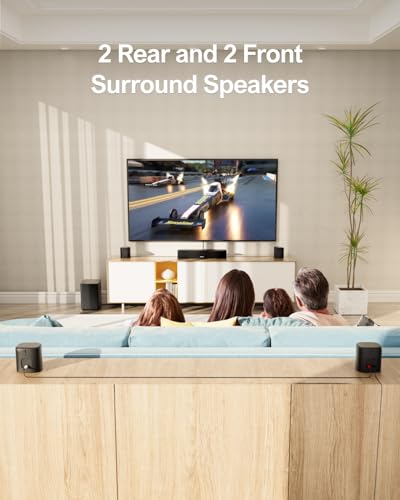
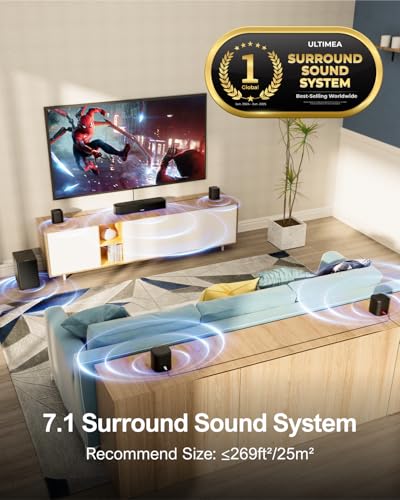
The Ultimea Aura A40 U2601 creates authentic surround sound through its four dedicated speakers positioned around your seating area. This system implements what's called discrete channel separation—different audio information goes to each speaker, matching how movie soundtracks are mixed in studios.
When a helicopter flies overhead in a movie, the sound literally travels from the front speakers to the rear ones. When someone walks across the screen, their footsteps move through the physical space around you. This creates genuine three-dimensional audio that can dramatically enhance movie watching and gaming experiences.
The system's SurroundX technology processes incoming stereo or 5.1 audio to optimize it for the seven-channel speaker arrangement. Meanwhile, BassMX technology specifically manages low-frequency distribution between the subwoofer and main speakers to prevent bass from overwhelming dialogue frequencies.
Our research shows this approach excels with action movies, first-person shooter games, and any content where directional audio provides information or immersion. Users consistently praise the system's ability to create "360-degree sound fields" that make effects feel spatially realistic.
The Yamaha SR-C20A takes an entirely different approach through virtual surround technology. Using sophisticated digital signal processing, it analyzes incoming audio and applies psychoacoustic principles to trick your brain into perceiving width and depth that aren't physically there.
Yamaha's implementation uses their proprietary algorithms to create phantom center channels, expand stereo imaging, and simulate rear channel information. The system processes left, center, right, and rear audio information from movie soundtracks, then redistributes it through the soundbar's drivers to create the illusion of surround sound.
This approach works remarkably well for many listeners, particularly in smaller rooms where physical surround speakers would be impractical. Reviews consistently note that the Yamaha creates a noticeably wider soundstage than TV speakers, making dialogue feel more centered and music sound more spacious.
However, virtual surround has limitations. It can't create the same precise directional effects as discrete speakers, and the illusion works better for some people than others depending on room acoustics and seating position.
Clear dialogue separates good soundbars from mediocre ones, and these systems approach this challenge differently. The Yamaha SR-C20A implements Clear Voice technology, which analyzes incoming audio to identify and enhance human speech frequencies while suppressing background noise and music that can mask dialogue.
This technology works by boosting specific frequency ranges where human voices typically reside (roughly 85Hz to 255Hz for fundamental tones, with harmonics extending much higher). Simultaneously, it applies dynamic range compression to prevent sudden loud effects from drowning out quieter speech. The result is consistently intelligible dialogue without constantly adjusting volume levels.
User reviews overwhelmingly praise this feature, with many noting they no longer need subtitles for movies and TV shows where dialogue was previously difficult to understand. The effect is particularly noticeable with British accents, whispered dialogue, and content where background music competes with speech.
The Ultimea Aura A40 U2601 approaches dialogue enhancement through its AI-optimized audio processing and dedicated Voice EQ mode. The system attempts to route dialogue through the soundbar's center driver while relegating music and effects to the surround speakers. This separation can work well when properly calibrated, but reviews consistently note that achieving optimal dialogue clarity requires manual adjustment of EQ settings, surround levels, and speaker positioning.
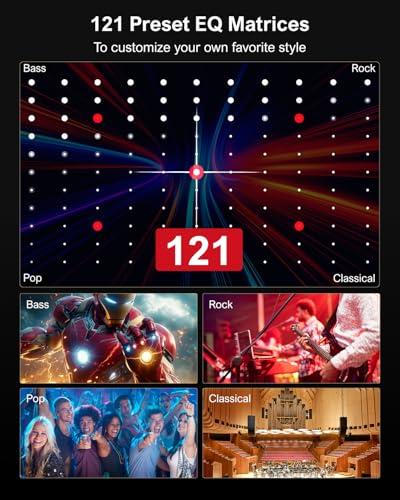
The Ultimea Aura A40 U2601 provides unprecedented customization through its ULTIMEA Smart App. The 10-band equalizer allows precise adjustment of specific frequency ranges, while 121 preset EQ matrices cover everything from classical music to electronic dance music to specific movie genres.
This level of control appeals to audio enthusiasts who enjoy tweaking settings, but our research reveals it can overwhelm casual users. Many reviews mention spending hours adjusting settings to achieve satisfactory sound quality, suggesting the system requires active engagement rather than providing great out-of-box performance.
The six different EQ modes (Movie, Music, Voice, Sport, Game, Night) each apply different processing algorithms optimized for specific content types. Night mode, for example, compresses dynamic range so explosions don't wake family members while keeping dialogue audible. Game mode emphasizes directional audio cues that help locate enemies in competitive gaming.
Perhaps most importantly, the system supports OTA (over-the-air) firmware updates delivered through the mobile app. This means new features and improvements can be added long after purchase, potentially extending the system's useful life.
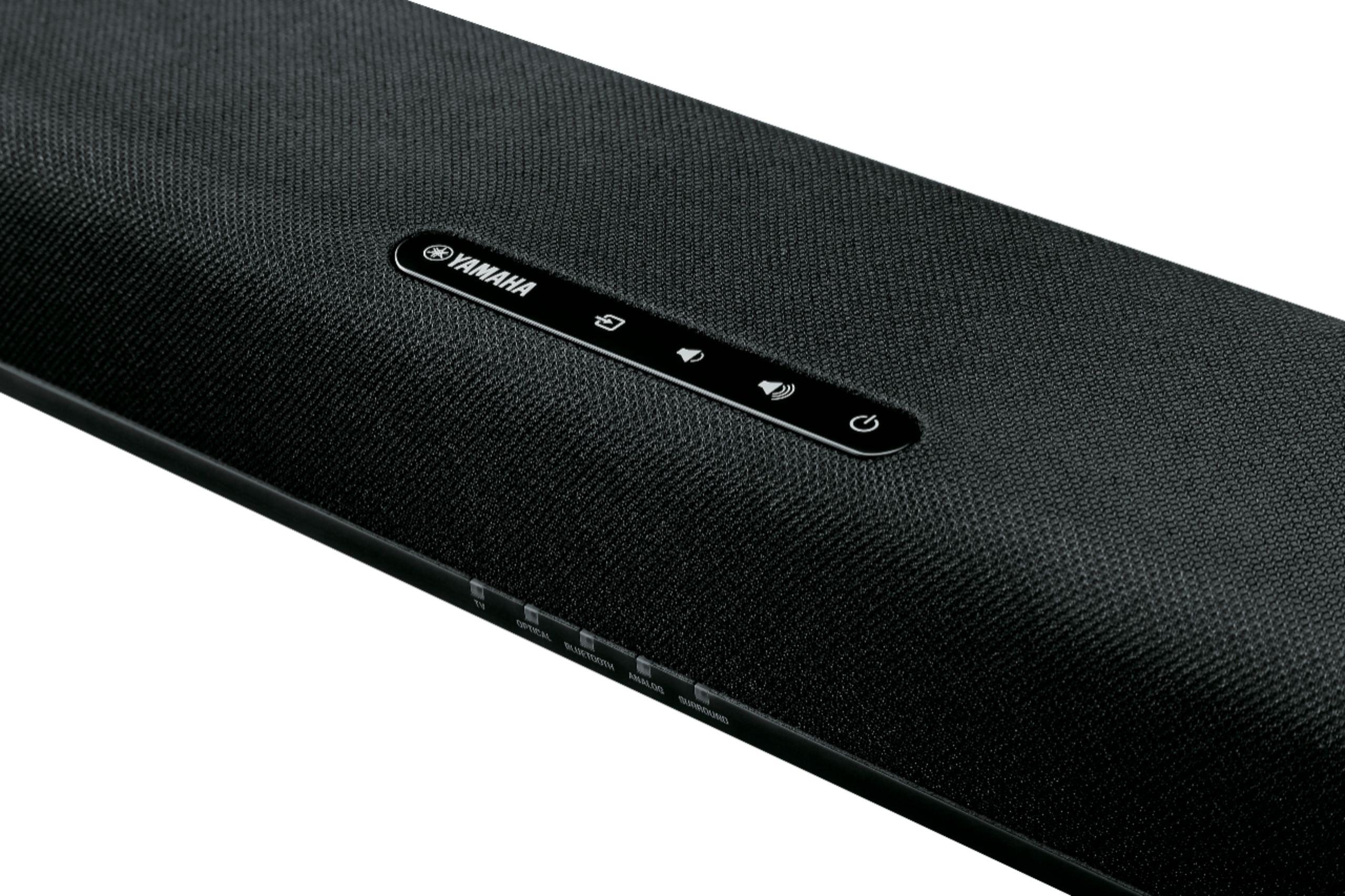
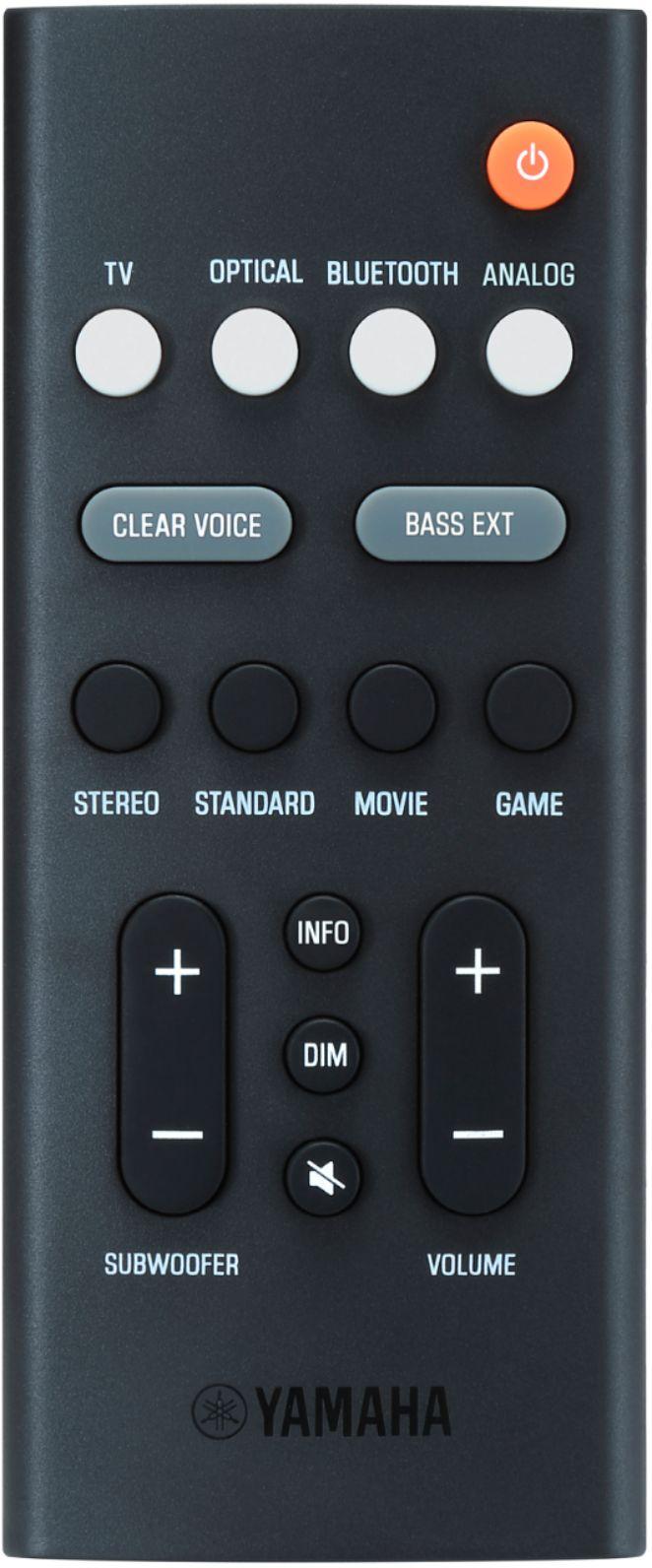
The Yamaha SR-C20A deliberately limits customization in favor of reliable operation. Its four sound modes (Stereo, Standard, Movie, Game) provide noticeable sonic differences without overwhelming users with choices. Each mode applies carefully tuned processing developed through Yamaha's decades of audio engineering experience.
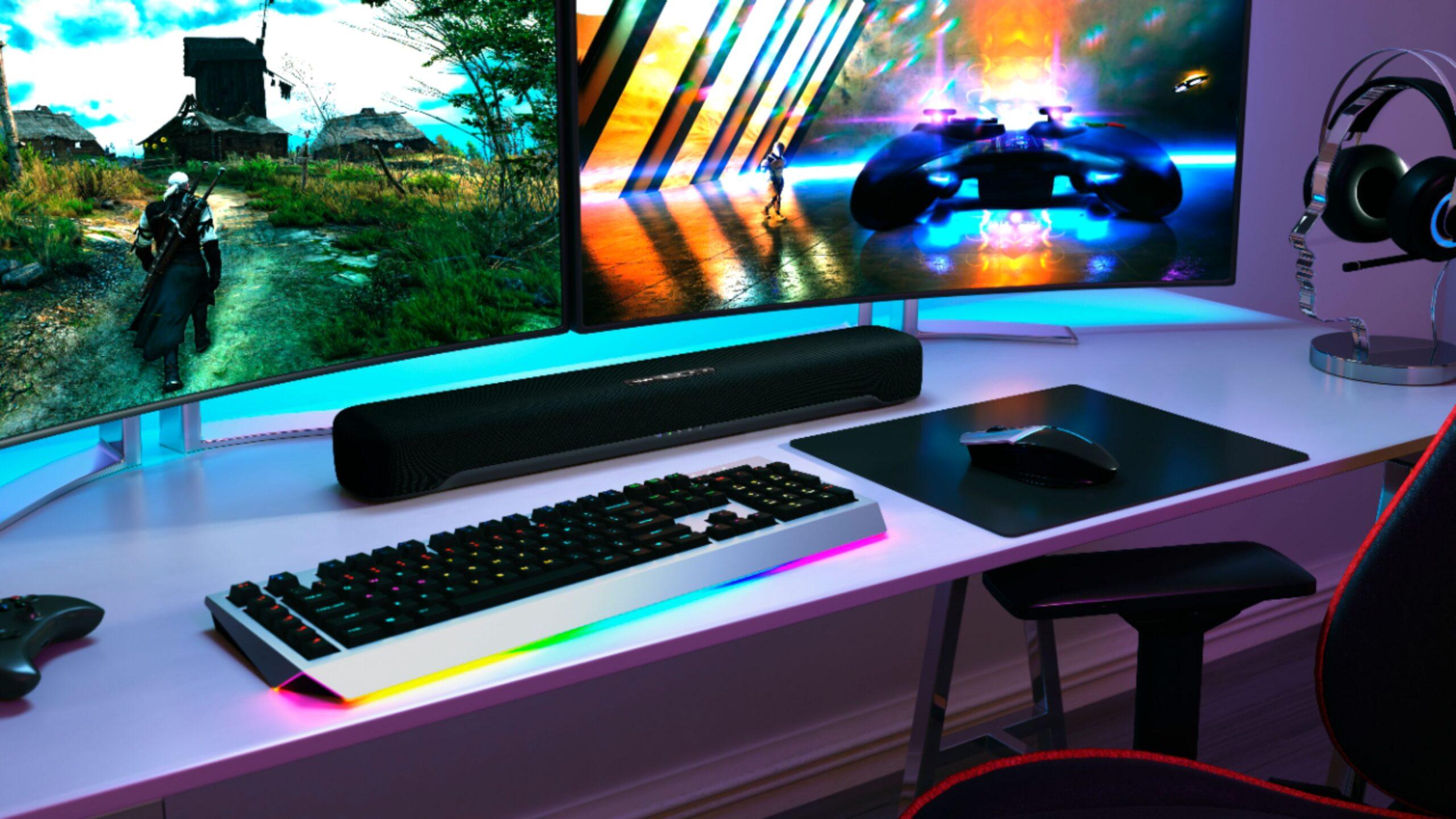
Stereo mode presents music and podcasts with minimal processing, maintaining the original recording's character. Standard mode optimizes general TV content with mild dynamic range compression and dialogue enhancement. Movie mode expands soundstage and enhances surround effects through virtual processing. Game mode emphasizes directional audio cues while maintaining clear communication audio for online gaming.
The lack of internal EQ adjustment might seem limiting, but reviews consistently note that each mode sounds immediately better than TV speakers without requiring calibration. This plug-and-play approach sacrifices flexibility for consistency and reliability.
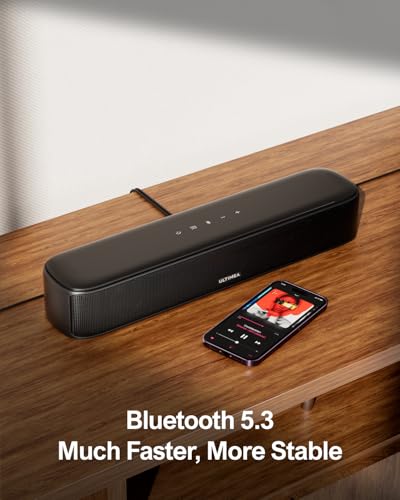
Both systems support Bluetooth streaming, but with different capabilities reflecting their release dates. The Ultimea Aura A40 U2601 uses Bluetooth 5.3, which provides better range, stability, and battery efficiency for connected devices compared to the Yamaha SR-C20A's Bluetooth 5.0 implementation.
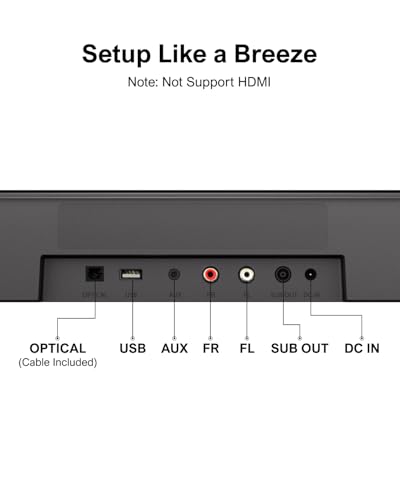
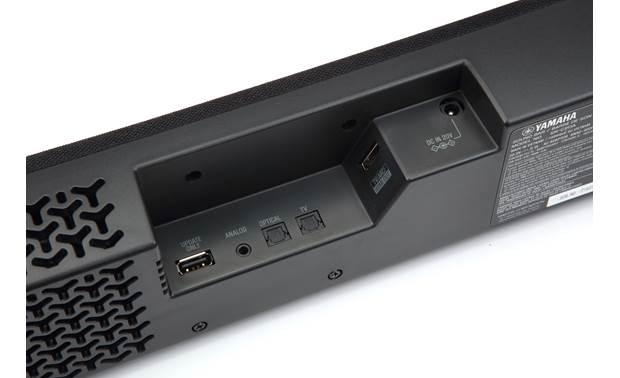
However, the Yamaha includes HDMI ARC (Audio Return Channel) support, which the Ultimea notably lacks. HDMI ARC allows the soundbar to receive audio from your TV through the same cable that would normally send video to the TV. More importantly, it enables CEC (Consumer Electronics Control), letting you control the soundbar's volume and power using your TV's remote control.
This integration feature significantly improves daily usability. Instead of juggling multiple remotes, you can control everything through your TV remote—the soundbar automatically powers on with the TV and adjusts volume seamlessly.
The Ultimea Aura A40 U2601 requires considerably more installation effort due to its multiple components. The four surround speakers need strategic placement around your seating area, with wired connections for the front speakers and wireless pairing for the rear right speaker. The separate subwoofer requires additional floor space and power connection.
Reviews consistently mention 30-60 minute setup times, followed by additional calibration periods to optimize speaker angles, surround levels, and EQ settings for individual rooms and preferences. Wall mounting all components is possible but requires multiple mounting points and careful cable management.
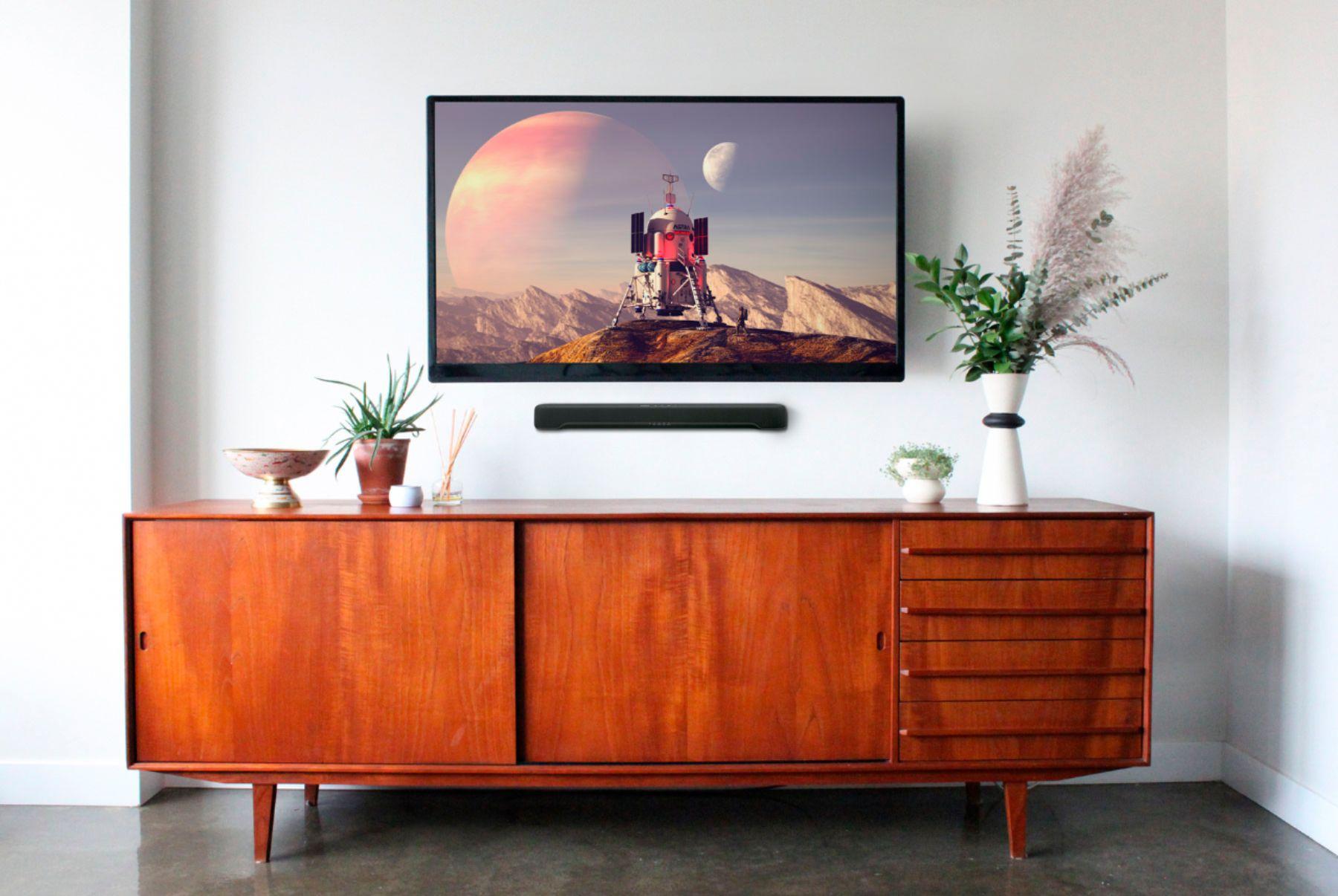
The Yamaha SR-C20A exemplifies plug-and-play installation. The single unit connects to your TV through one cable (preferably HDMI ARC, or optical/aux as alternatives), and built-in keyholes enable simple wall mounting if desired. Total setup time typically ranges from 5-15 minutes.
At the time of writing, these systems occupy different price brackets that reflect their distinct approaches. The Ultimea Aura A40 U2601 commands a higher investment as a complete surround system, while the Yamaha SR-C20A positions itself as a premium compact option.
The Ultimea's value proposition centers on feature density—you're getting a complete 7.1 surround system with extensive customization options that would typically cost significantly more from traditional audio brands. For users who value maximum immersion and enjoy audio tweaking, this represents exceptional value per feature.
However, our research into long-term user satisfaction reveals mixed results. While many appreciate the surround effects and customization options, a significant portion of users express frustration with the time investment required to achieve satisfying sound quality. The system's potential is high, but realizing that potential requires patience and experimentation.
The Yamaha's value equation focuses on audio quality per dollar and long-term reliability. Yamaha's reputation in professional audio translates to refined sound processing and consistent performance. Users consistently report immediate satisfaction with minimal setup effort, suggesting better value for those prioritizing convenience and proven performance over maximum features.
For dedicated home theaters, the choice depends heavily on room size and usage patterns. The Ultimea Aura A40 U2601 excels in medium to large rooms (10-25 square meters) where the surround speakers have space to create convincing directional effects. In these environments, the system can deliver genuinely immersive experiences that enhance movie watching and gaming.
However, the system's performance in smaller rooms or apartments becomes problematic. Reviews from users in compact spaces consistently note that the surround speakers don't have adequate distance to create convincing effects, and the multiple components can overwhelm limited space.
The Yamaha SR-C20A adapts better to varying room sizes due to its virtual processing approach. While it can't match the spatial immersion of discrete surround speakers in large rooms, it provides more consistent improvement across different environments and seating positions.
For serious home theater enthusiasts, consider that the Ultimea lacks support for advanced surround formats like Dolby Atmos or DTS:X, which have become increasingly common in streaming content and 4K Blu-rays since 2020. The Yamaha also lacks these formats, but its virtual surround processing handles standard 5.1 content more gracefully than many budget alternatives.
The Ultimea Aura A40 U2601 serves users who prioritize maximum immersion over convenience. If you have adequate space for a multi-speaker setup, enjoy customizing audio settings, and primarily consume action movies or games where surround effects add significant value, this system can deliver experiences that compact alternatives cannot match.
The extensive EQ customization appeals particularly to users transitioning from computer speakers or gaming headsets who are accustomed to fine-tuning audio profiles. The mobile app integration feels familiar to smartphone-native users, and the OTA update capability suggests the system will improve over time.
However, be prepared for a learning curve. Achieving optimal performance requires understanding speaker placement principles, room acoustics basics, and EQ fundamentals. If you view audio setup as a hobby rather than a chore, this complexity becomes a feature rather than a limitation.
The Yamaha SR-C20A suits users seeking immediate, reliable improvement over TV speakers without complexity. If your priority is clear dialogue, you have limited space, or you prefer proven performance over maximum features, this system consistently delivers satisfaction with minimal investment of time or effort.
The Yamaha particularly excels for mixed content consumption—news, dramas, comedies, and music—where dialogue clarity and tonal balance matter more than surround effects. Its refined sound processing provides consistent improvement across all content types, while the Ultimea Aura A40 U2601 performs significantly better with some content than others.
Choose the Ultimea Aura A40 U2601 if you want maximum immersion, have space for multiple speakers, enjoy audio customization, and primarily watch action content or play games where surround effects provide genuine benefit. Accept that optimal performance requires time investment and ongoing adjustment.
Choose the Yamaha SR-C20A if you prioritize audio quality, dialogue clarity, and reliability over surround effects. This system provides immediate, consistent improvement with minimal complexity, making it ideal for users who want better TV audio without becoming audio hobbyists.
Both systems significantly outperform TV speakers, but they serve fundamentally different needs. The Ultimea offers maximum potential for users willing to unlock it, while the Yamaha delivers reliable satisfaction with minimal effort. Your choice depends more on your relationship with technology and available time than on audio preferences alone.
| Ultimea Aura A40 U2601 | Yamaha SR-C20A |
|---|---|
| System Configuration - Determines immersion level and space requirements | |
| 7.1 virtual surround with 4 separate speakers + subwoofer | 2.1 channel all-in-one with built-in subwoofer |
| Total Power Output - Affects maximum volume and dynamic range | |
| 330W peak (distributed across 8 drivers) | 100W total (more efficient implementation) |
| Physical Footprint - Critical for room compatibility | |
| Large: Main bar + 4 speakers + separate subwoofer | Compact: Single 23.6" unit (ideal for small spaces) |
| Subwoofer Type - Impacts bass quality and placement flexibility | |
| Dedicated 4" wired subwoofer (requires floor space) | Built-in 3" subwoofer with passive radiators |
| Bluetooth Version - Affects connection stability and range | |
| 5.3 (newer standard, better range/stability) | 5.0 (reliable but older standard) |
| HDMI ARC Support - Enables TV remote control integration | |
| No (limits convenience, requires separate remote) | Yes (control with TV remote, simpler setup) |
| Customization Options - Important for audio enthusiasts | |
| Extensive: 10-band EQ, 121 presets, 6 modes, mobile app | Limited: 4 preset modes, no internal EQ adjustment |
| Dialogue Enhancement Technology - Critical for speech clarity | |
| AI-optimized processing (requires manual tuning) | Clear Voice technology (works automatically) |
| Setup Complexity - Affects user experience and satisfaction | |
| Complex: Multiple speakers, cable management, calibration needed | Simple: Plug-and-play, 5-15 minute setup |
| OTA Updates - Ensures long-term feature improvements | |
| Yes (adds new features over time via app) | No (fixed feature set) |
| Ideal Room Size - Determines optimal performance | |
| Medium to large rooms (108-270 sq ft) for proper surround effect | Any size room (virtual processing adapts well) |
| Best Use Cases - Where each system excels | |
| Action movies, gaming, users who enjoy audio tweaking | Mixed TV content, dialogue-heavy shows, simplicity seekers |
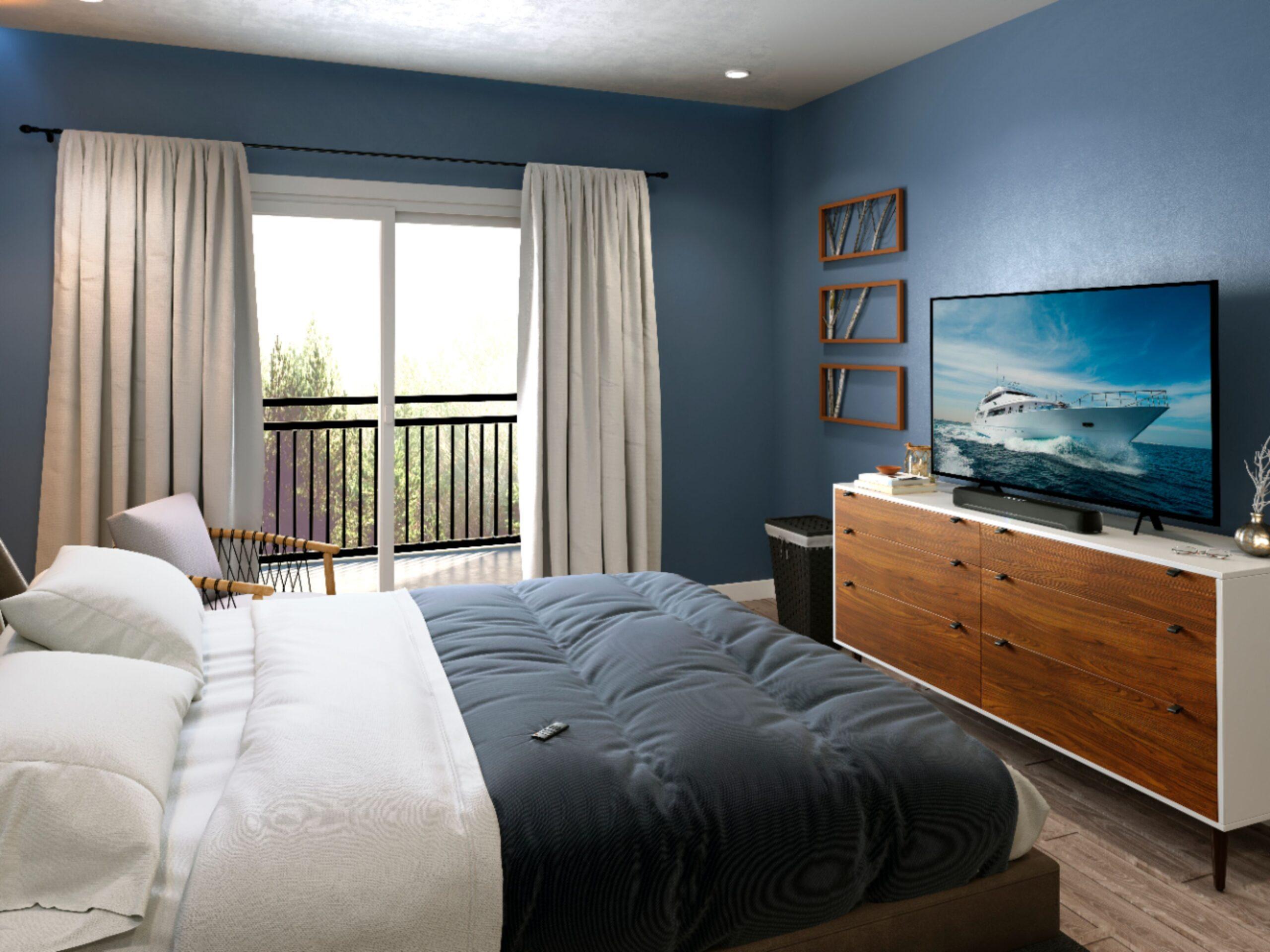
The Yamaha SR-C20A is significantly better for small rooms due to its compact 23.6-inch design that fits easily under most TVs. The Ultimea Aura A40 U2601 requires space for four separate surround speakers plus a subwoofer, making it impractical for apartments or smaller living spaces.
The Ultimea Aura A40 U2601 comes with a dedicated separate subwoofer that requires floor placement, while the Yamaha SR-C20A has a built-in subwoofer with passive radiators. Both provide bass enhancement, but the Yamaha's integrated approach saves space and simplifies setup.
The Yamaha SR-C20A excels at dialogue clarity thanks to its dedicated Clear Voice technology that automatically enhances speech frequencies. The Ultimea Aura A40 U2601 can achieve good dialogue clarity but requires manual EQ adjustment and proper calibration to optimize speech performance.
The Yamaha SR-C20A offers plug-and-play setup in 5-15 minutes with a single connection to your TV. The Ultimea Aura A40 U2601 requires 30-60 minutes for initial setup plus additional time for speaker positioning, cable management, and audio calibration.
The Ultimea Aura A40 U2601 provides superior immersion for movies and gaming with its true 7.1 surround sound and directional audio effects. The Yamaha SR-C20A offers virtual surround that improves over TV speakers but can't match the spatial audio experience of discrete surround speakers.
The Yamaha SR-C20A supports HDMI ARC, allowing control through your TV remote for volume and power functions. The Ultimea Aura A40 U2601 lacks HDMI ARC support, requiring its dedicated remote or mobile app for control.
The Ultimea Aura A40 U2601 provides extensive customization with a 10-band equalizer, 121 preset modes, and a comprehensive mobile app. The Yamaha SR-C20A offers four preset sound modes with no internal EQ adjustment, prioritizing simplicity over customization.
Both soundbars support Bluetooth streaming, but the Ultimea Aura A40 U2601 uses newer Bluetooth 5.3 for better range and stability, while the Yamaha SR-C20A uses Bluetooth 5.0. Both provide reliable wireless music playback from smartphones and tablets.
Value depends on your needs: the Yamaha SR-C20A offers excellent audio quality and reliability for users wanting simple TV audio improvement. The Ultimea Aura A40 U2601 provides more features and true surround sound for those willing to invest time in setup and calibration.
The Yamaha SR-C20A requires minimal space - just room for a single 23.6-inch soundbar under your TV. The Ultimea Aura A40 U2601 needs space for a main soundbar, four surround speakers positioned around your seating area, and a separate subwoofer on the floor.
The Yamaha SR-C20A has fewer components and simpler design, reducing potential failure points, plus Yamaha's established reputation for audio equipment reliability. The Ultimea Aura A40 U2601 has more components that could potentially fail, but offers OTA updates for ongoing improvements.
Both systems support wall mounting: the Yamaha SR-C20A uses built-in keyholes for simple single-point mounting, while the Ultimea Aura A40 U2601 can wall-mount the main soundbar and all four surround speakers, though this requires multiple mounting points and more complex installation.
We've done our best to create useful and informative comparisons to help you decide what product to buy. Our research uses advanced automated methods to create this comparison and perfection is not possible - please contact us for corrections or questions. These are the sites we've researched in the creation of this article: walmart.com - newegg.com - youtube.com - ultimea.com - youtube.com - device.report - ultimea.co - manuals.plus - homestudiobasics.com - youtube.com - bestbuy.com - community.ultimea.com - manuals.plus - eu.ultimea.com - navesapeugeot.com.br - bestbuy.com - images.thdstatic.com - provantage.com - ultimea.com - bestbuy.com - t3.com - usa.yamaha.com - radiotimes.com - shop.usa.yamaha.com - whathifi.com - hifiheaven.net - usa.yamaha.com - sweetwater.com - hub.yamaha.com - bestbuy.com

Privacy Policy
Terms and Conditions - Affiliate Policy
Home Security
© Copyright 2008-2026.
11816 Inwood Rd #1211, Dallas, TX 75244