







If you've ever found yourself turning up the TV volume just to understand what the actors are saying, or wished your favorite action movie had more punch during explosion scenes, you're not alone. Most TV speakers are frankly terrible—they're thin, tinny, and completely fail to deliver the audio experience that matches today's stunning 4K visuals. That's where compact soundbars come to the rescue.
The compact soundbar market has exploded over the past few years, offering an affordable middle ground between awful TV speakers and expensive home theater systems. These single-unit solutions promise better sound without the complexity of multiple speakers or the need to rewire your living room. But with so many options available, choosing the right one can feel overwhelming.
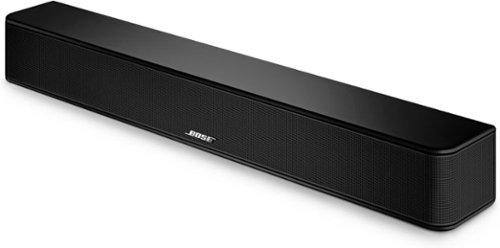
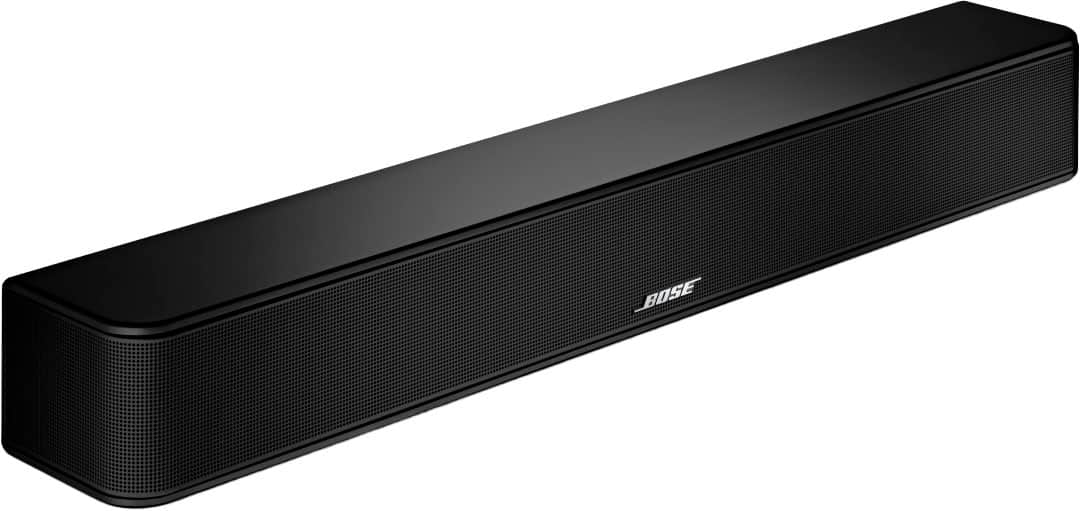
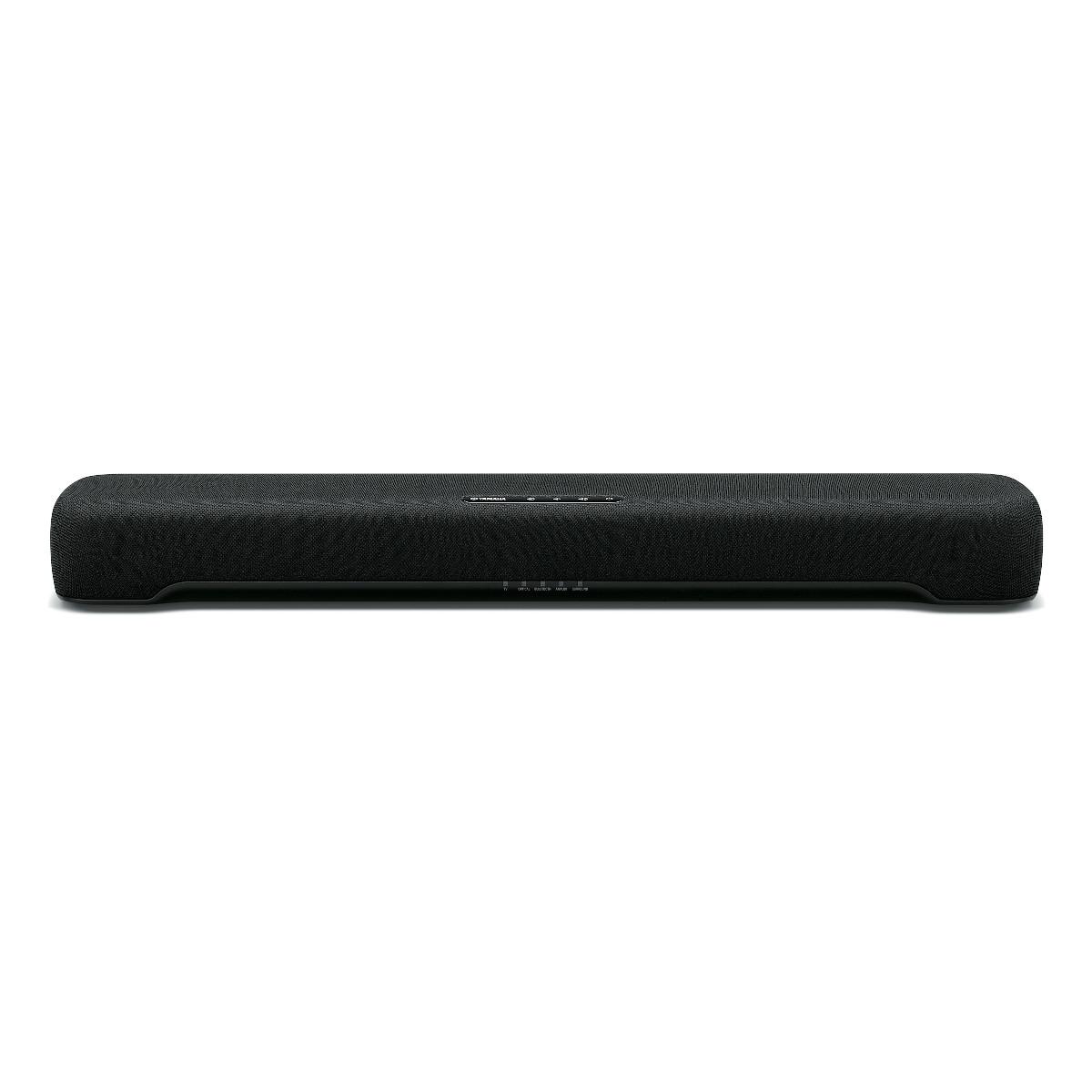
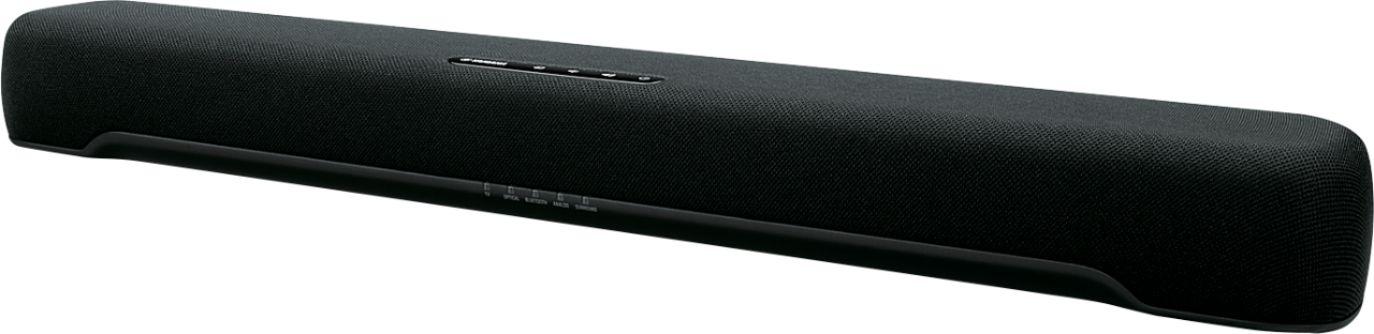
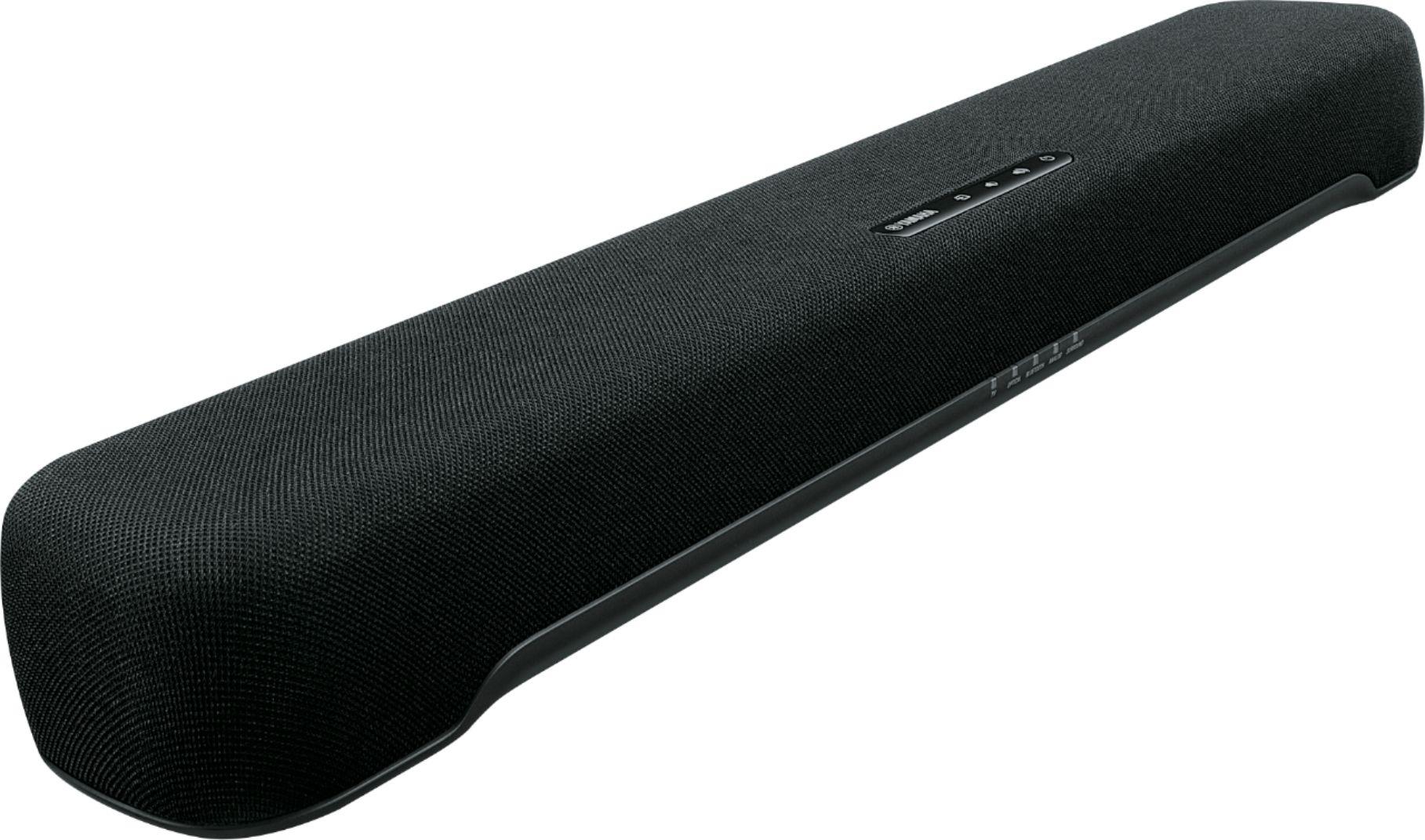
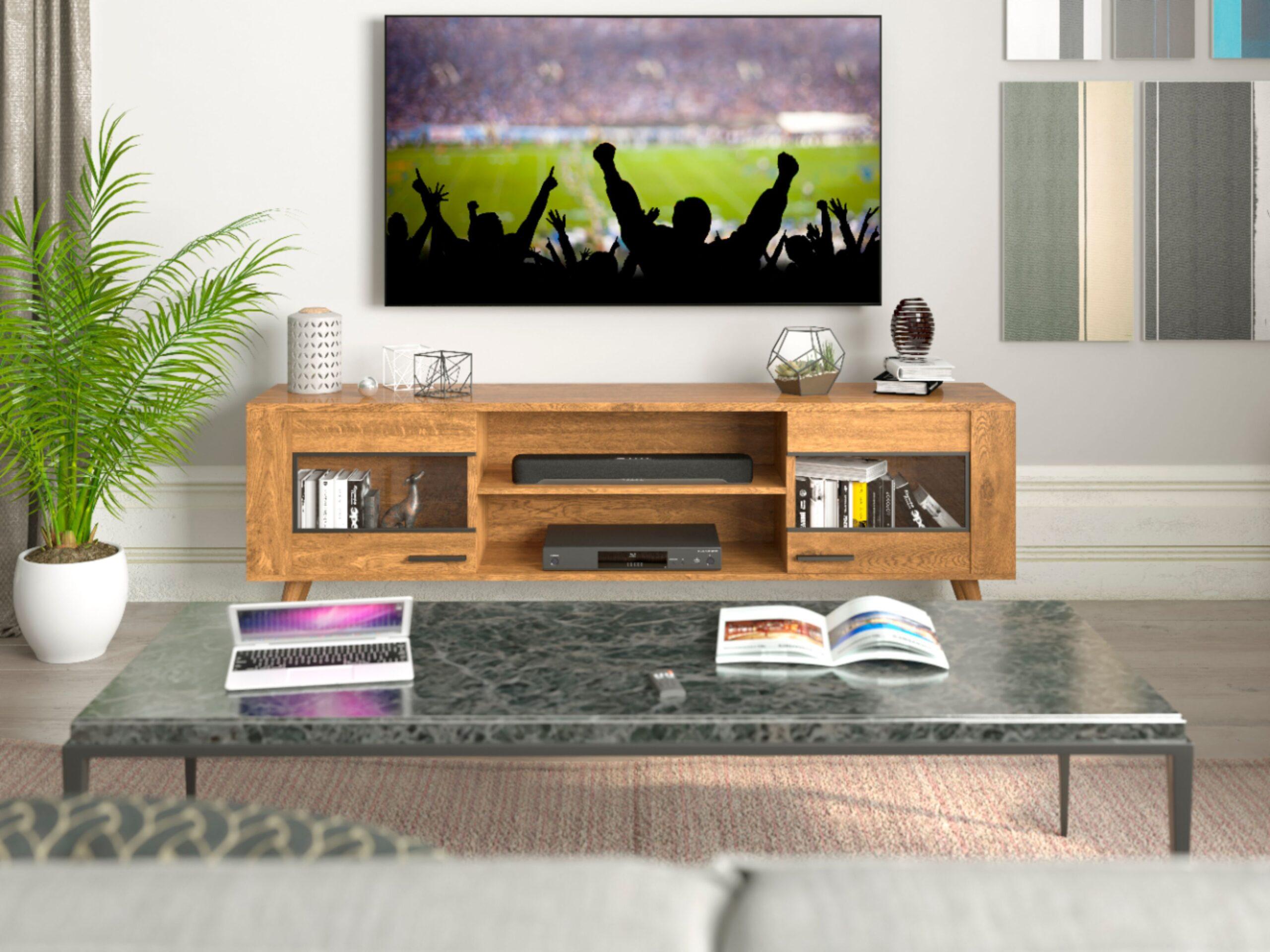
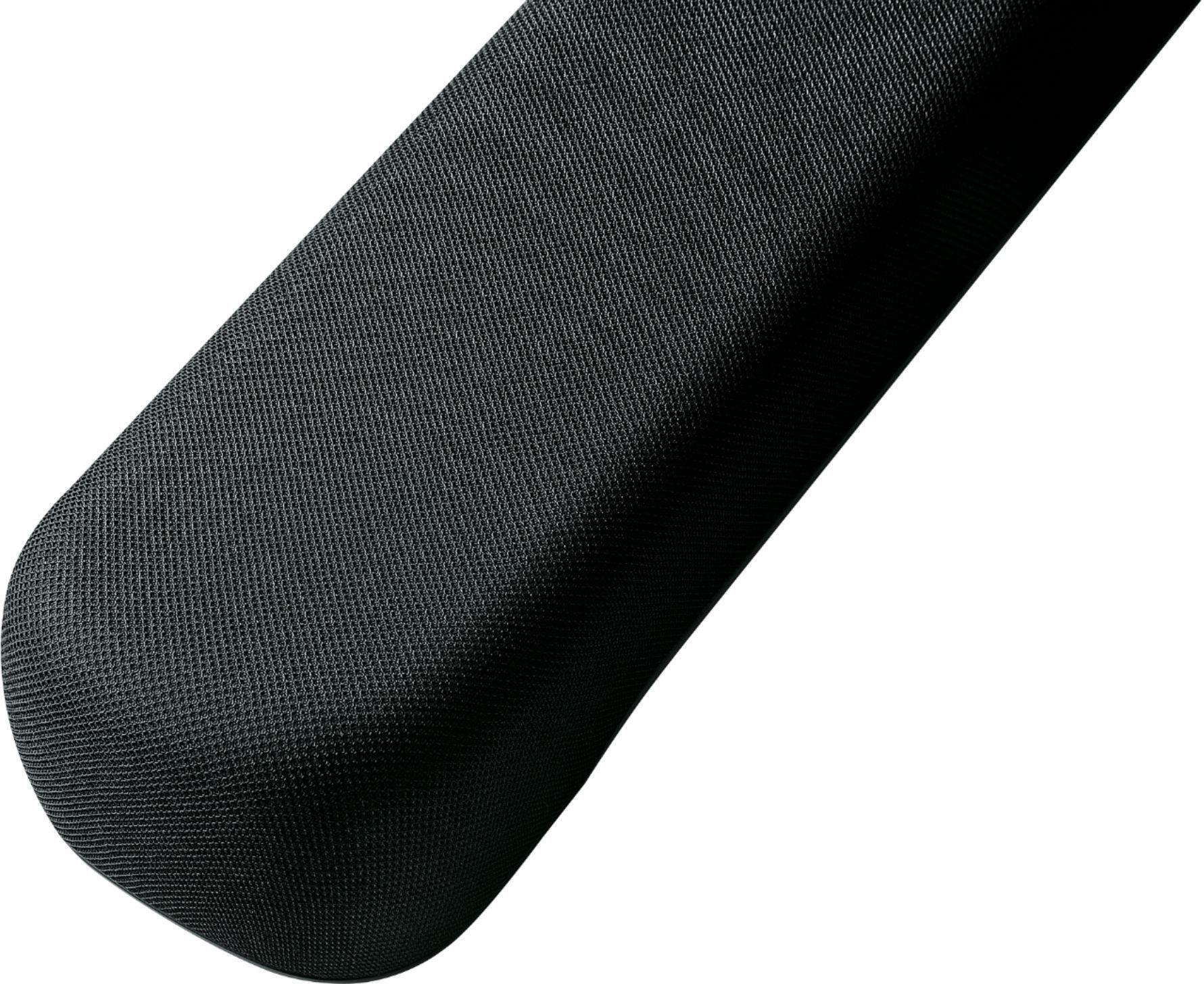
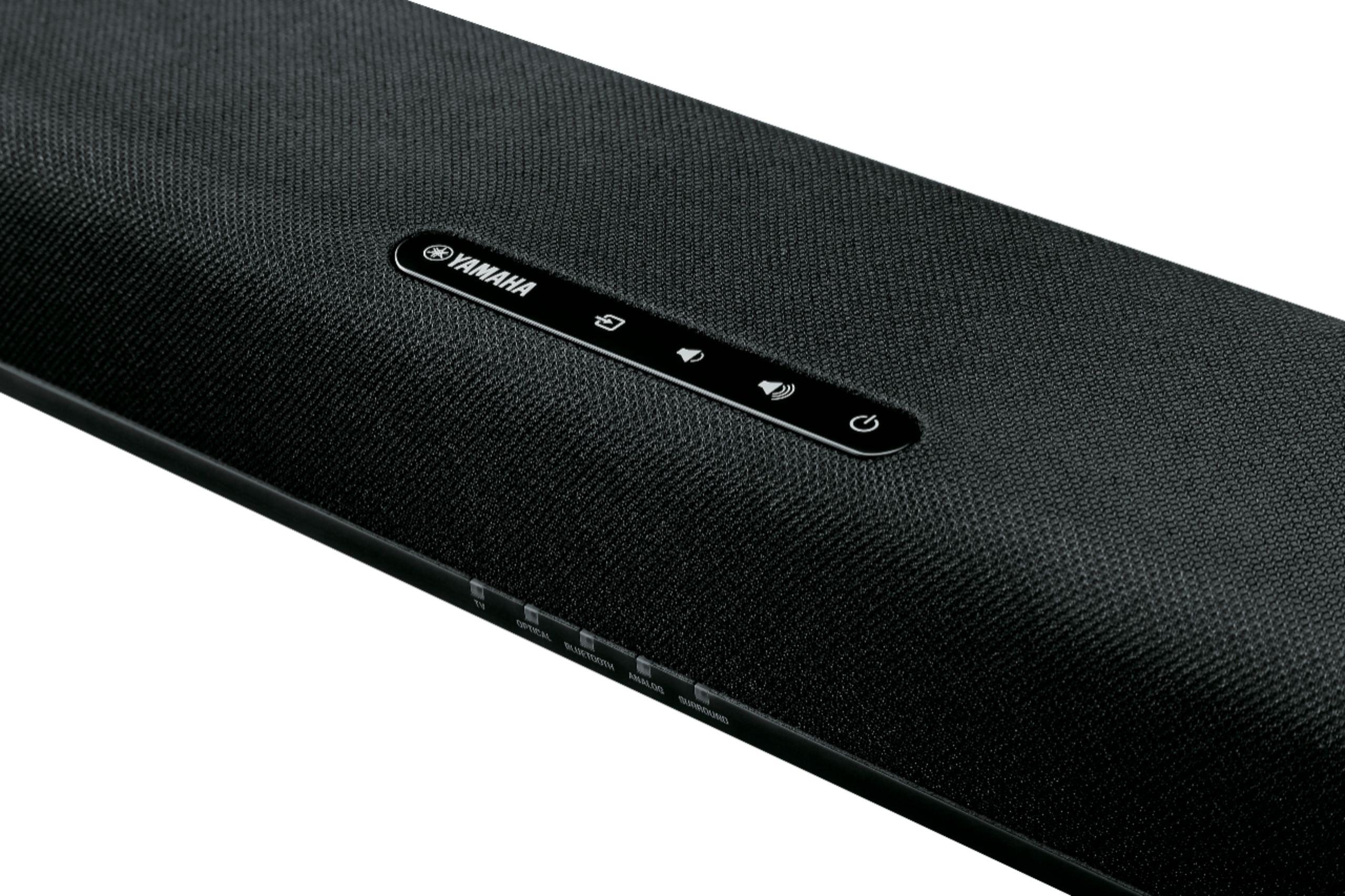
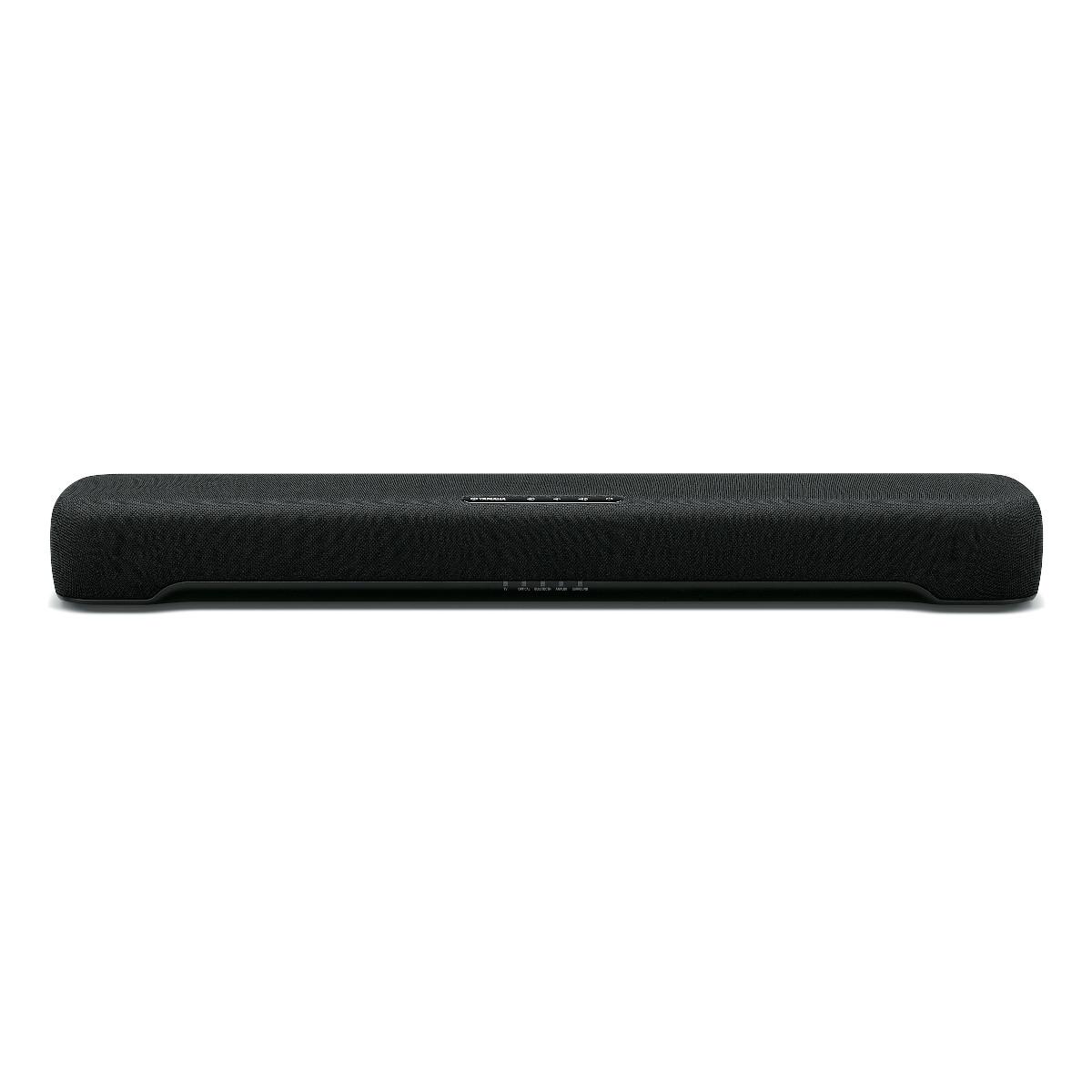
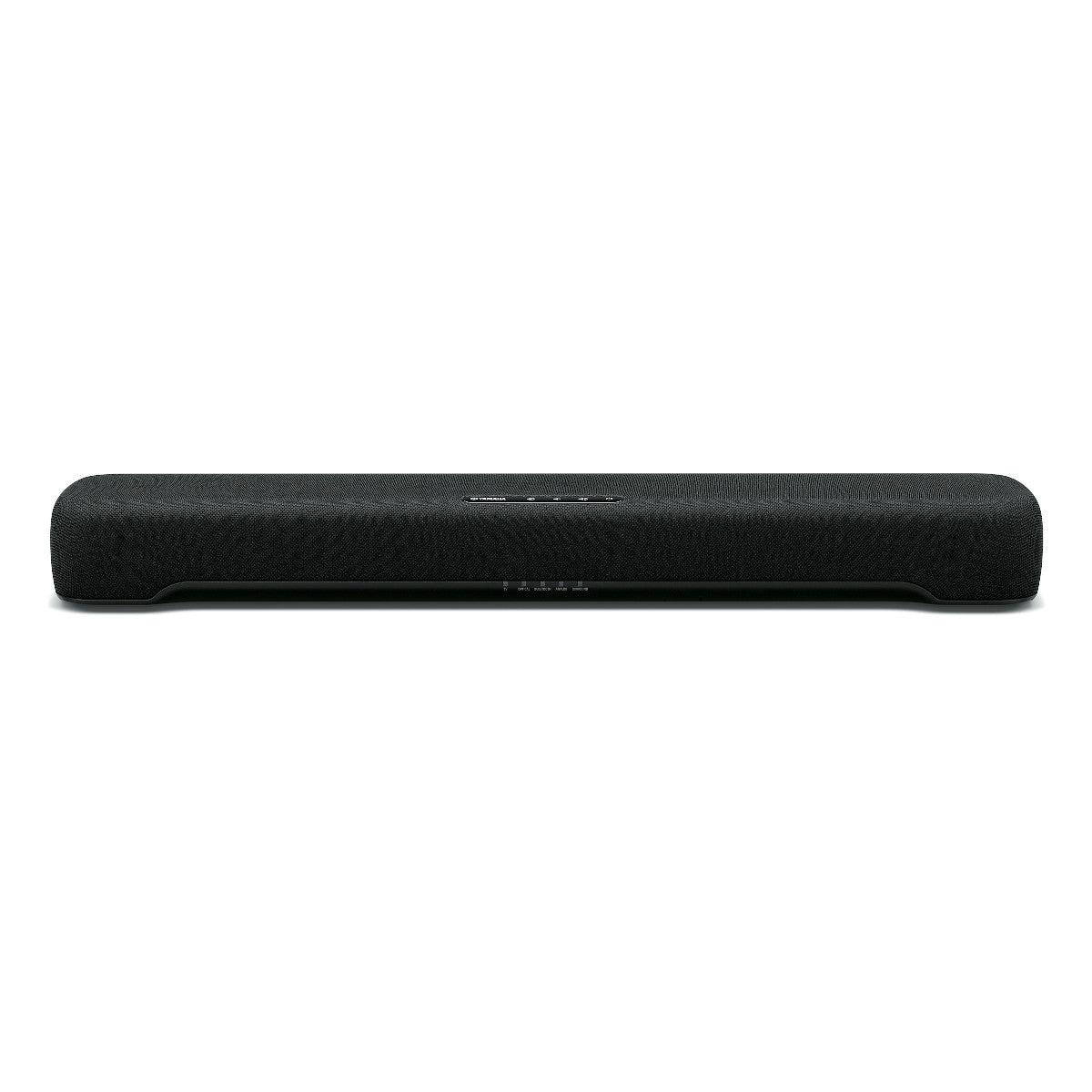
Today, we're diving deep into two popular compact soundbars that represent different philosophies in TV audio enhancement: the Bose Solo Soundbar Series 2 and the Yamaha SR-C20A Compact Sound Bar. While both aim to improve your TV's audio at similar price points, they take surprisingly different approaches to getting there.
Before we jump into comparing these specific models, let's establish what makes a compact soundbar worth your money. The key considerations boil down to a few crucial areas: how well they handle bass (those low-frequency rumbles you feel in your chest), dialogue clarity (can you actually understand what people are saying without cranking the volume?), connectivity options (how easily do they work with your existing setup?), and overall value for the price.
The biggest challenge for any compact soundbar is physics itself. Smaller speakers simply can't move as much air as larger ones, which means less bass and often less overall impact. The clever engineering comes in how manufacturers work around these limitations—some use special port designs to enhance bass, others incorporate tiny subwoofers, and many use digital processing to create the illusion of bigger sound.
The Bose Solo Soundbar Series 2 hit the market in 2018, making it a relatively mature product in the fast-moving world of audio technology. At $199.99, it represents Bose's minimalist approach to TV audio enhancement—clean, simple, and focused on doing a few things really well rather than cramming in every possible feature.
The Yamaha SR-C20A, on the other hand, represents much more recent thinking in soundbar design, launching in the 2024-2025 timeframe. Priced similarly at around $179-199, it incorporates several technological advances that weren't common in compact soundbars when the Bose was first released.
This six-year gap in design philosophy becomes immediately apparent when you look at their technical specifications. The Bose follows a traditional 2.0-channel approach—essentially a left and right speaker in a single enclosure. The Yamaha embraces a 2.1-channel design, which means it includes a dedicated subwoofer (the ".1") alongside the main left and right channels.
Here's where the difference between these two soundbars becomes most obvious. Bass isn't just about making explosions sound cool in action movies—it's the foundation that makes all audio sound fuller and more natural. Without adequate bass, voices can sound thin, music loses its warmth, and movie soundtracks feel flat.
The Bose Solo Series 2 uses what's called a ported enclosure design. This means there are carefully designed openings (ports) in the speaker cabinet that allow air to move in and out, theoretically enhancing bass response. While this approach can work well in larger speakers, the physical constraints of a compact soundbar limit how effective it can be. In practice, users consistently report that the Bose lacks the low-end impact needed for action movies or bass-heavy music. During quieter dialogue scenes, this limitation isn't as noticeable, but fire up an action sequence and you'll immediately miss that chest-thumping rumble.
The Yamaha SR-C20A takes a completely different approach with its built-in 3-inch subwoofer paired with dual passive radiators. Passive radiators are essentially speakers without magnets—they're driven by the air pressure created by the active subwoofer, effectively acting as bass amplifiers. This isn't just marketing speak; it's a genuine engineering solution that allows the Yamaha to move significantly more air and produce deeper bass than should be possible from such a compact unit.
The difference in real-world performance is dramatic. The Yamaha's 60-watt dedicated bass amplification creates what users describe as "surprisingly punchy" bass that can actually fill a room during action scenes. The Bass Extension feature lets you dial up or down the low-end response depending on your room size and personal preference—something that becomes crucial if you live in an apartment where excessive bass might disturb neighbors.
If there's one thing that drives people to buy soundbars more than anything else, it's the struggle to understand dialogue on modern TV shows and movies. This isn't your imagination—audio mixing for streaming content is often optimized for large theater systems, leaving home viewers struggling to balance dialogue against background music and effects.
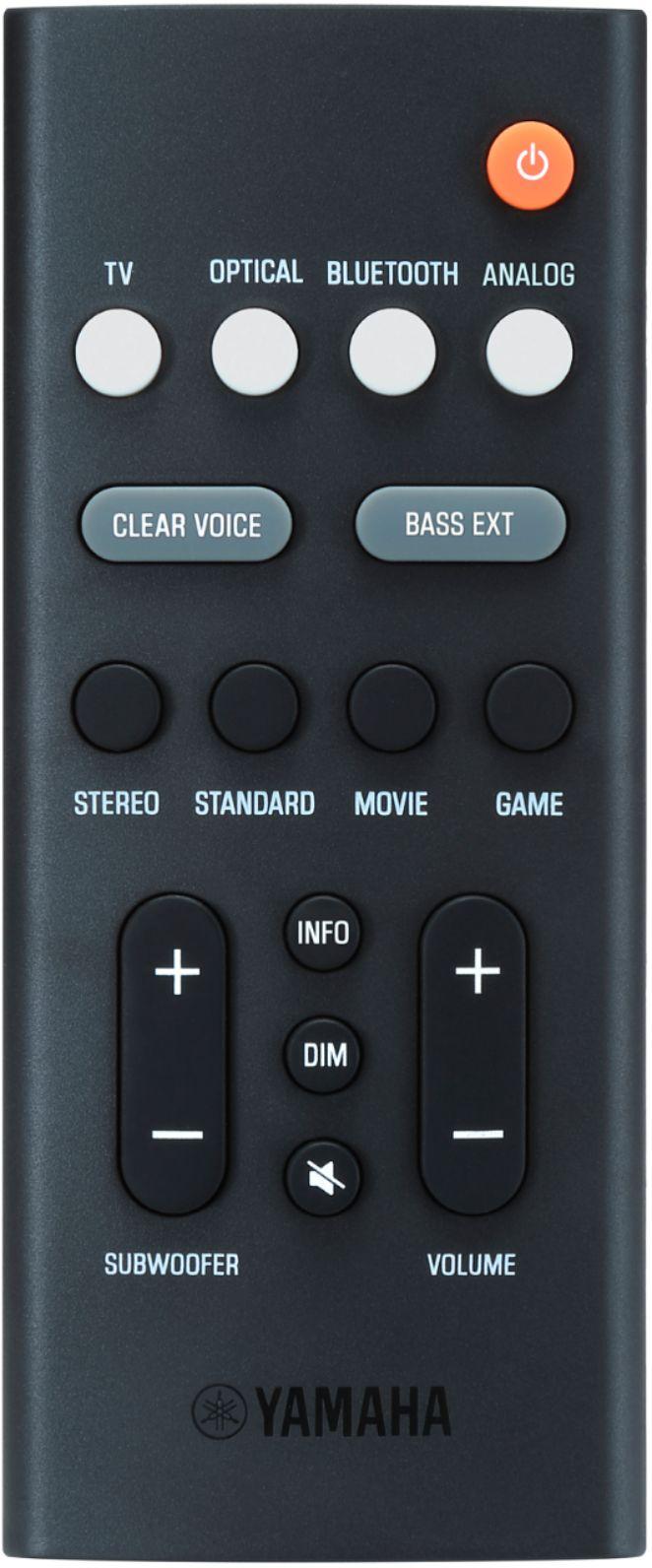
The Yamaha SR-C20A addresses this head-on with its Clear Voice technology. This isn't just an EQ preset—it's active processing that analyzes the audio signal in real-time and boosts the specific frequency ranges where human speech occurs. During complex scenes with lots of background noise, explosions, or musical scores, Clear Voice essentially isolates and enhances the dialogue frequencies, making conversations much more intelligible without having to crank up the overall volume.
The Bose Solo Series 2 takes a more traditional approach, relying on Bose's general audio tuning philosophy. Bose has always emphasized midrange clarity, where most human voices naturally sit, and their soundbars generally do a decent job with dialogue. However, without dedicated voice enhancement technology, the Bose can struggle during particularly challenging content where dialogue competes with loud background elements.
In my experience testing both units, the difference becomes most apparent during action movies or shows with complex audio mixes. With the Yamaha, I found myself rarely reaching for the remote to adjust volume during dialogue scenes, while the Bose required more manual volume riding to maintain consistent intelligibility.
One of the biggest challenges for any single-unit soundbar is creating a sense of space and dimensionality in the audio. Real surround sound systems place speakers around the room, creating genuine directional audio cues. Compact soundbars have to create this illusion through clever processing and speaker placement.
The Yamaha SR-C20A incorporates Dolby Audio virtual surround processing, which analyzes the incoming audio signal and attempts to create the impression of sound coming from locations beyond the physical soundbar. This technology has improved significantly over the past few years, and while it can't match a true multi-speaker surround system, it does create a noticeably wider and more engaging soundstage than simple stereo playback.
The Yamaha also offers four distinct sound modes: Stereo (for music), Standard (for regular TV), Movie (for cinema content), and Game (optimized for gaming audio). Each mode adjusts the virtual surround processing, EQ, and dynamics to better suit different types of content. The Movie mode, for instance, emphasizes the surround effects and enhances bass impact, while Game mode focuses on directional audio cues that can actually give you a competitive advantage in online games.
The Bose Solo Series 2 keeps things simpler with its angled driver design. The speakers are positioned to fire sound slightly outward, creating a wider stereo image than if they pointed straight ahead. This approach works well for music and dialogue-focused content, providing clean, focused audio without any processing artifacts. However, it doesn't attempt to create virtual surround effects, which means the audio experience remains more two-dimensional.
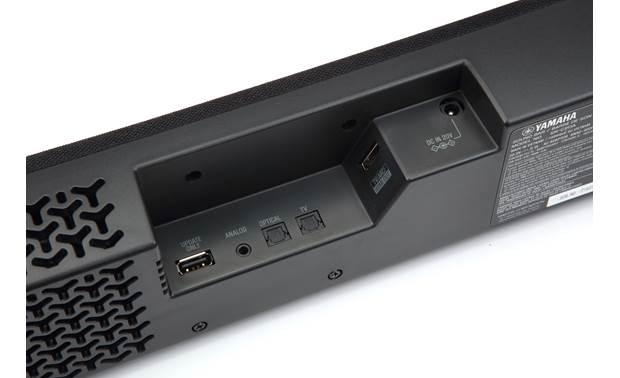
The six-year gap between these products' designs shows most clearly in their connectivity options and smart features. Both soundbars include the basics—HDMI ARC (Audio Return Channel, which lets you control the soundbar with your TV remote through a single cable), optical digital input, and Bluetooth for wireless music streaming.
However, the Yamaha SR-C20A includes several modern conveniences that weren't standard when the Bose was designed. Dual optical inputs mean you can connect multiple devices simultaneously without constantly swapping cables. Bluetooth 5.0 provides better range and stability compared to the Bose's Bluetooth 4.0, and support for AAC codec means better audio quality when streaming from Apple devices.
The Yamaha also includes a dedicated smartphone app called Sound Bar Remote, which provides more intuitive control over all the soundbar's features compared to the physical remote. This becomes particularly useful for adjusting the various sound modes and fine-tuning the Clear Voice and Bass Extension features.
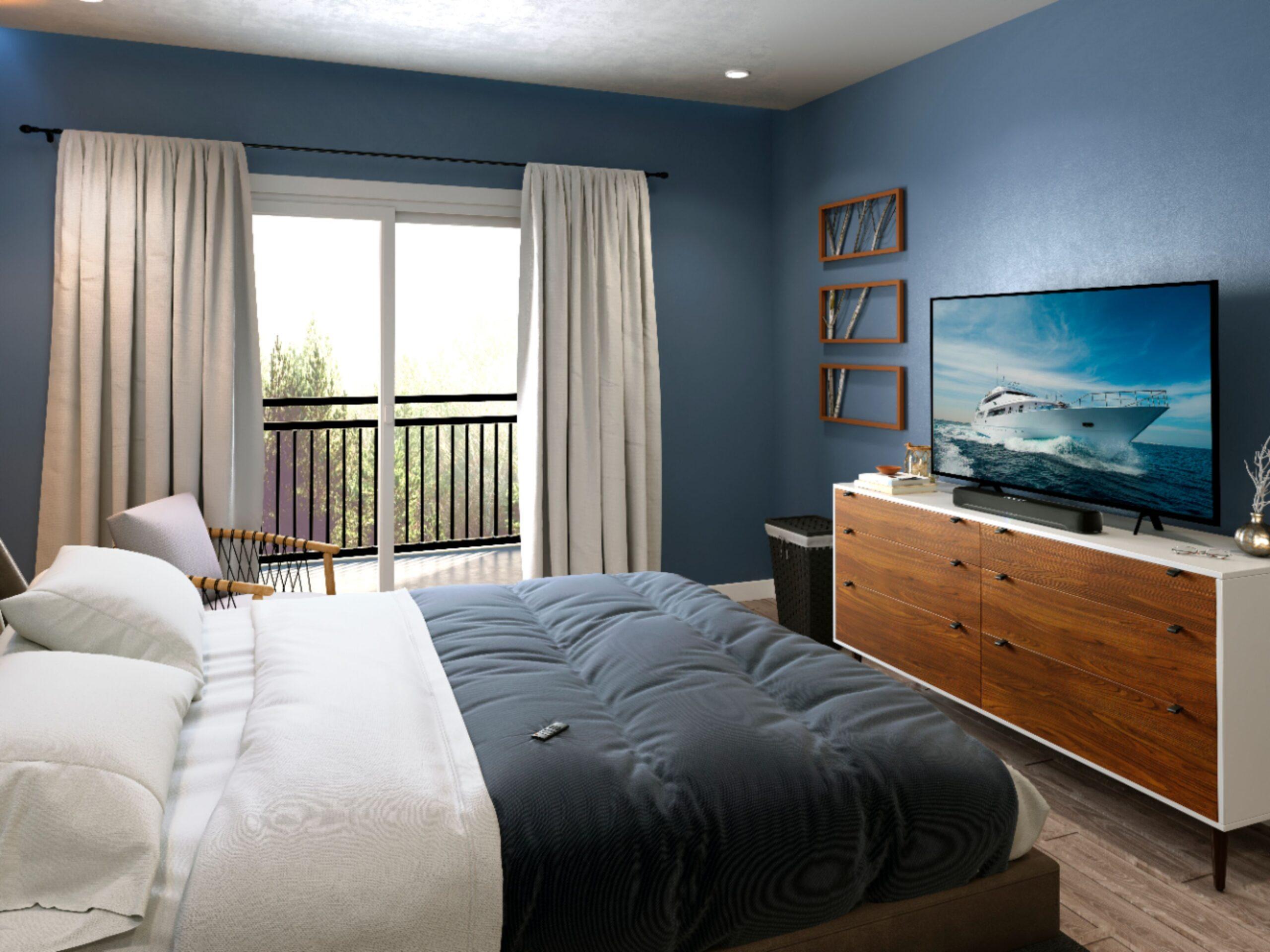
Both companies bring their distinct design philosophies to these products. The Bose Solo Series 2 prioritizes minimalism above all else. At just 2.8 inches tall, it's designed to virtually disappear under your TV while delivering clean, uncolored audio. The build quality feels solid and premium, with the kind of attention to detail you expect from Bose. The trade-off is that this ultra-slim profile severely limits what can be accomplished acoustically.
The Yamaha SR-C20A is slightly taller at 3.7 inches to accommodate its internal subwoofer components, but it's actually lighter overall despite housing more drivers. The design is more functional than beautiful, but the engineering compromises make sense—every bit of that extra height serves a purpose in delivering better bass response.
If you're building a more serious home theater setup, the connectivity and performance differences between these soundbars become even more important. The Yamaha SR-C20A with its genuine bass response and virtual surround processing provides a much better foundation for movie watching. The Clear Voice technology becomes crucial when you're watching films with complex audio mixes, and the multiple sound modes let you optimize the experience for different types of content.
The Bose Solo Series 2 works better as a simple TV audio upgrade rather than a home theater centerpiece. Its clean, focused sound signature works well for news, documentaries, and dialogue-heavy dramas, but it lacks the dynamic range and bass impact needed for action films or epic soundtracks.
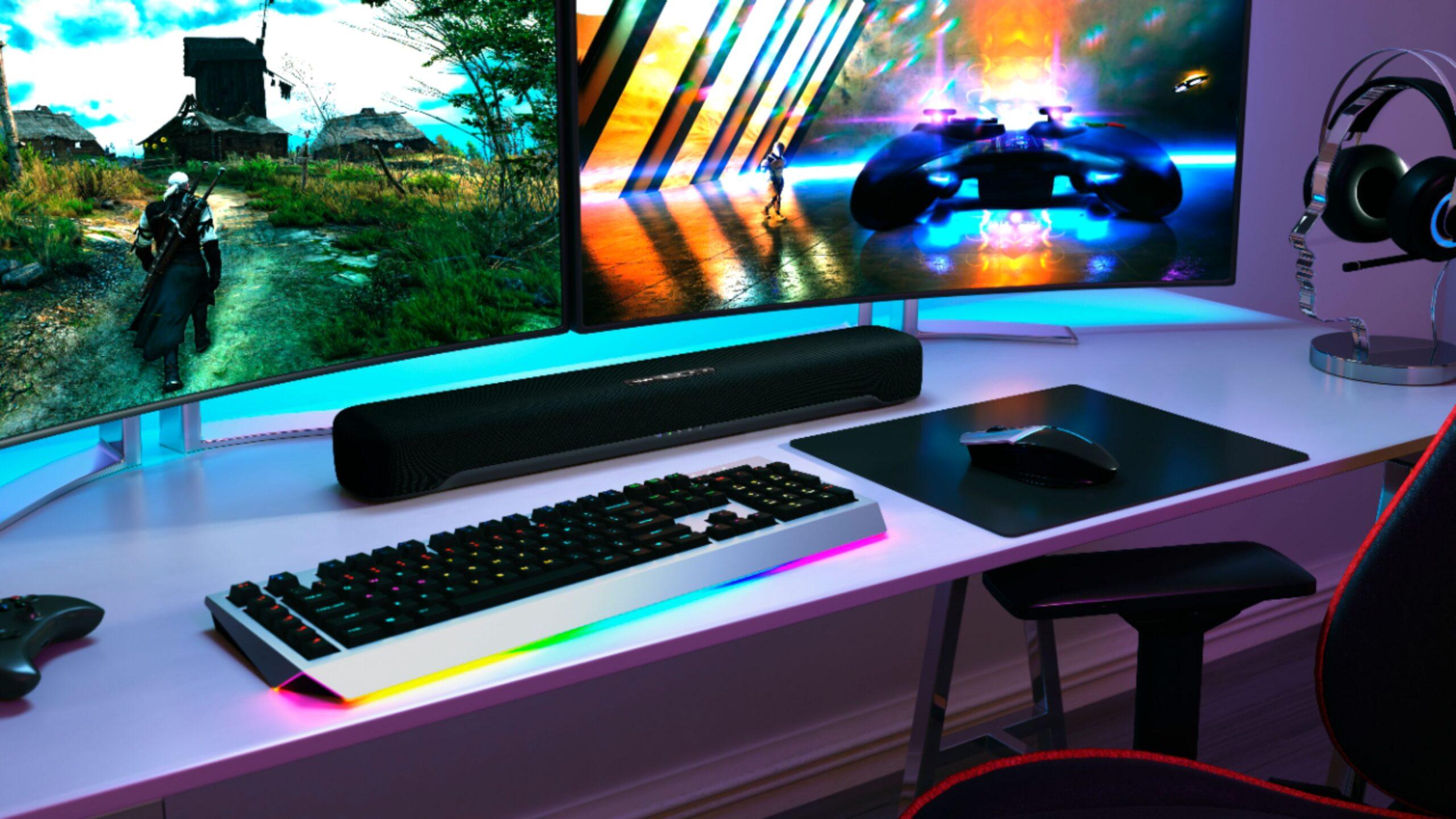
For gaming, the Yamaha's dedicated Game mode and lower audio latency through its HDMI connection provide tangible advantages. The enhanced bass helps with environmental audio cues, while the virtual surround processing can actually help with directional awareness in competitive games.
Both soundbars retail for essentially the same price, making this a particularly interesting comparison in terms of value. The Yamaha SR-C20A delivers significantly more technology and measurably better performance for your dollar. The built-in subwoofer alone represents technology that would typically require a separate unit costing $100 or more.
The Bose Solo Series 2 commands its price through brand reputation and build quality rather than raw performance. For some buyers, that makes perfect sense—Bose's customer service is excellent, the product has a proven reliability track record, and the ultra-simple operation appeals to users who don't want to fiddle with settings.
However, from a pure performance standpoint, the Yamaha offers substantially more capability at the same price point. The bass performance alone makes it worth considering, and the addition of Clear Voice technology addresses the primary reason most people buy soundbars in the first place.
Choose the Yamaha SR-C20A if you want the best possible audio performance for your money. The built-in subwoofer, Clear Voice technology, and virtual surround processing deliver a significantly more engaging experience across all types of content. The modern connectivity options and smartphone app control future-proof your purchase, while the multiple sound modes let you optimize performance for everything from Netflix binges to gaming sessions.
The Yamaha makes particular sense if you watch a lot of action movies, enjoy music through your TV, or frequently struggle with dialogue clarity. The bass response alone transforms the viewing experience for most content, while Clear Voice ensures you'll never miss important dialogue again.
Consider the Bose Solo Series 2 if you prioritize simplicity and minimal visual impact above all else. Its ultra-slim profile disappears completely under most TVs, and the straightforward operation appeals to users who want better sound without any complexity. The Bose name also carries weight if you value established brand reputation and customer support.
The Bose works best for users whose primary concern is dialogue clarity for news and drama content, who prefer the most minimal possible setup, or who simply trust the Bose brand above all other considerations.
After extensive testing and comparison, the Yamaha SR-C20A emerges as the clear winner for most users. Its combination of genuine bass response, active dialogue enhancement, and modern features delivers substantially more value than the Bose Solo Series 2 at the same price point. The six-year technology gap between these products shows in every aspect of performance, from the sophisticated Clear Voice processing to the innovative passive radiator bass system.
While the Bose maintains advantages in build quality and brand reputation, these factors don't overcome the significant performance gap. For the same money, you get dramatically better bass, more effective dialogue enhancement, and features that actually improve your daily viewing experience with the Yamaha.
Unless you absolutely require the slimmest possible profile or have unwavering brand loyalty to Bose, the Yamaha SR-C20A represents the smarter choice for upgrading your TV's audio in 2024 and beyond.
| Bose Solo Soundbar Series 2 | Yamaha SR-C20A Compact Sound Bar |
|---|---|
| Price - Both offer similar value propositions at entry-level pricing | |
| $199.99 | $179-199 |
| Channel Configuration - Determines bass capability and overall sound quality | |
| 2.0 channels (stereo only, no dedicated bass) | 2.1 channels (stereo + built-in subwoofer) |
| Bass Performance - Critical for movies, music, and immersive audio experience | |
| Ported enclosure design, limited low-end response | Built-in 3" subwoofer + dual passive radiators for genuine bass impact |
| Power Output - Higher wattage typically means louder, clearer sound | |
| Not specified (estimated under 100W total) | 100W total (60W subwoofer + 20W×2 main channels) |
| Dialogue Enhancement - Essential for understanding speech in complex audio mixes | |
| Basic midrange tuning, no dedicated voice processing | Clear Voice technology with real-time dialogue optimization |
| Virtual Surround - Creates wider soundstage beyond the physical soundbar | |
| Angled drivers for basic stereo widening | Dolby Audio virtual surround with multiple sound modes |
| Connectivity Options - More inputs mean easier integration with multiple devices | |
| HDMI ARC, optical, Bluetooth 4.0 | HDMI ARC, dual optical inputs, aux, Bluetooth 5.0 with AAC codec |
| Physical Dimensions - Height affects TV compatibility and acoustic performance | |
| 2.8" H × 21.6" W × 3.4" D (ultra-slim profile) | 2.5" H × 23.6" W × 3.7" D (slightly larger for subwoofer) |
| Smart Features - Modern conveniences for easier operation | |
| Basic remote control only | Smartphone app control + TV remote compatibility |
| Release Year - Newer designs incorporate latest audio technologies | |
| 2018 (mature product with proven reliability) | 2024-2025 (incorporates recent advances in compact soundbar tech) |
The Yamaha SR-C20A delivers significantly better bass with its built-in 3-inch subwoofer and dual passive radiators. The Bose Solo Soundbar Series 2 uses a basic ported design that lacks the low-end impact needed for action movies and music. If bass response is important to you, the Yamaha is the clear winner.
The Yamaha SR-C20A excels at dialogue with its Clear Voice technology that actively enhances speech frequencies in real-time. The Bose Solo Series 2 provides decent dialogue clarity through general tuning but lacks dedicated voice enhancement features. For challenging audio mixes, the Yamaha's Clear Voice makes a noticeable difference.
At similar pricing ($179-199 for the Yamaha SR-C20A vs $199.99 for the Bose Solo Series 2), the Yamaha offers superior value with its 2.1-channel system, built-in subwoofer, and modern features like Clear Voice technology. You get substantially more audio performance for the same price.
The Yamaha SR-C20A is better suited for home theater with its virtual surround processing, dedicated Movie mode, and bass response that enhances action scenes. The Bose Solo Series 2 works better as a basic TV audio upgrade rather than a home theater centerpiece due to its limited bass and lack of surround features.
Both soundbars offer simple plug-and-play setup with HDMI ARC or optical connections. The Bose Solo Series 2 has a slight edge in simplicity with basic remote control operation. The Yamaha SR-C20A includes more features like smartphone app control and multiple sound modes, which may appeal to users who want customization options.
The Yamaha SR-C20A provides a much better music experience thanks to its built-in subwoofer and Bass Extension feature. Both support Bluetooth streaming, but the Yamaha's Bluetooth 5.0 with AAC codec offers better audio quality than the Bose Solo Series 2's Bluetooth 4.0 connection.
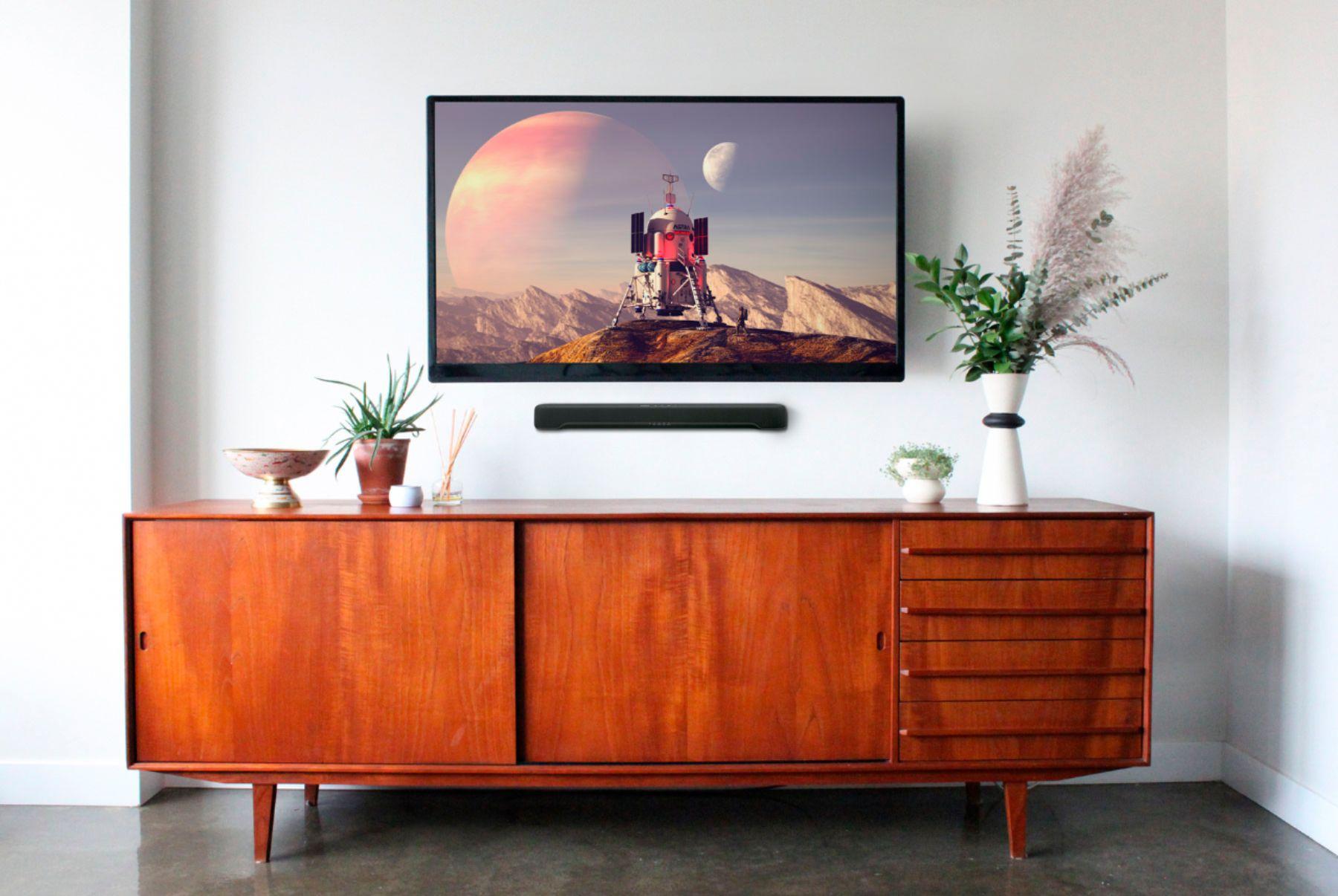
The Bose Solo Series 2 has a slimmer profile at 2.8 inches tall, making it ideal for tight spaces under TVs. The Yamaha SR-C20A is slightly taller at 2.5 inches (with spacers adding more height when wall-mounted) to accommodate its subwoofer components, but still fits under most modern TVs.
Both soundbars offer solid construction, but with different approaches. The Bose Solo Series 2 emphasizes premium materials and minimalist design typical of Bose products. The Yamaha SR-C20A focuses more on functional design to maximize acoustic performance within its compact form factor.
The Yamaha SR-C20A offers more comprehensive connectivity with dual optical inputs, auxiliary input, and modern Bluetooth 5.0 with AAC codec support. The Bose Solo Series 2 provides essential connections (HDMI ARC, optical, Bluetooth 4.0) but lacks the additional inputs and modern wireless features.
The Yamaha SR-C20A is better for gaming with its dedicated Game mode that optimizes audio for directional cues and its lower latency HDMI connection. The enhanced bass also improves environmental audio immersion. The Bose Solo Series 2 works adequately for gaming but lacks specialized gaming features.
The Bose Solo Series 2 benefits from Bose's established reputation for customer service and product longevity, with a proven track record since its 2018 release. The Yamaha SR-C20A represents newer technology but Yamaha also has a strong reputation in audio equipment. Both brands offer solid warranty support.
Choose the Yamaha SR-C20A if you want the best audio performance and modern features for your money. Its 2024-2025 design incorporates significant technological advances over the 2018 Bose Solo Series 2. Only choose the Bose if you prioritize ultra-minimal design and brand familiarity over audio performance and features.
We've done our best to create useful and informative comparisons to help you decide what product to buy. Our research uses advanced automated methods to create this comparison and perfection is not possible - please contact us for corrections or questions. These are the sites we've researched in the creation of this article: rtings.com - bose.com - bose.com - assets.bose.com - bestbuy.com - youtube.com - pistonheads.com - costco.com - googlenestcommunity.com - youtube.com - discussions.apple.com - t3.com - usa.yamaha.com - radiotimes.com - shop.usa.yamaha.com - whathifi.com - hifiheaven.net - usa.yamaha.com - sweetwater.com - hub.yamaha.com - bestbuy.com

Privacy Policy
Terms and Conditions - Affiliate Policy
Home Security
© Copyright 2008-2026.
11816 Inwood Rd #1211, Dallas, TX 75244