

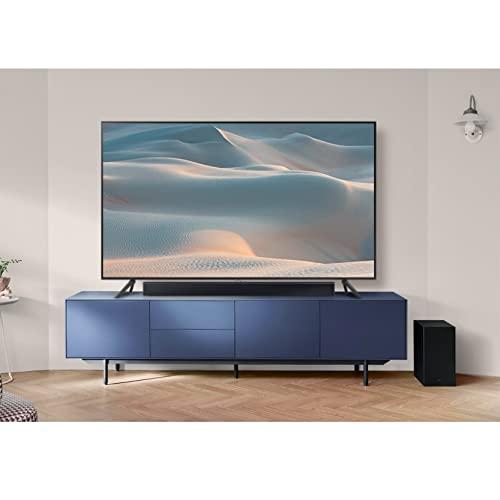
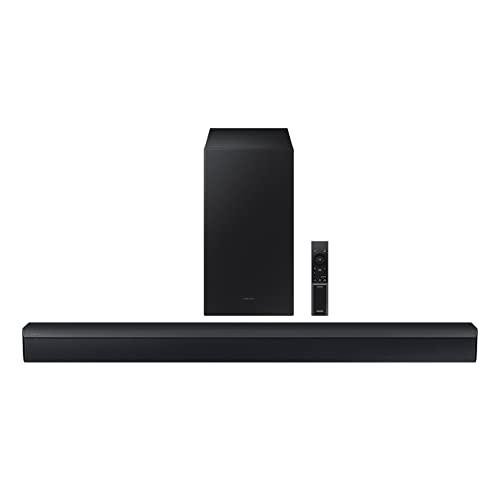


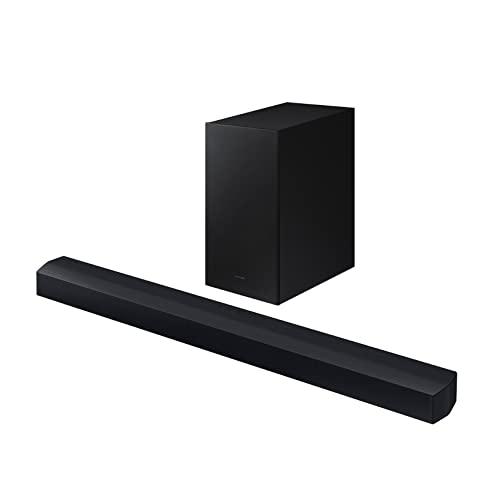






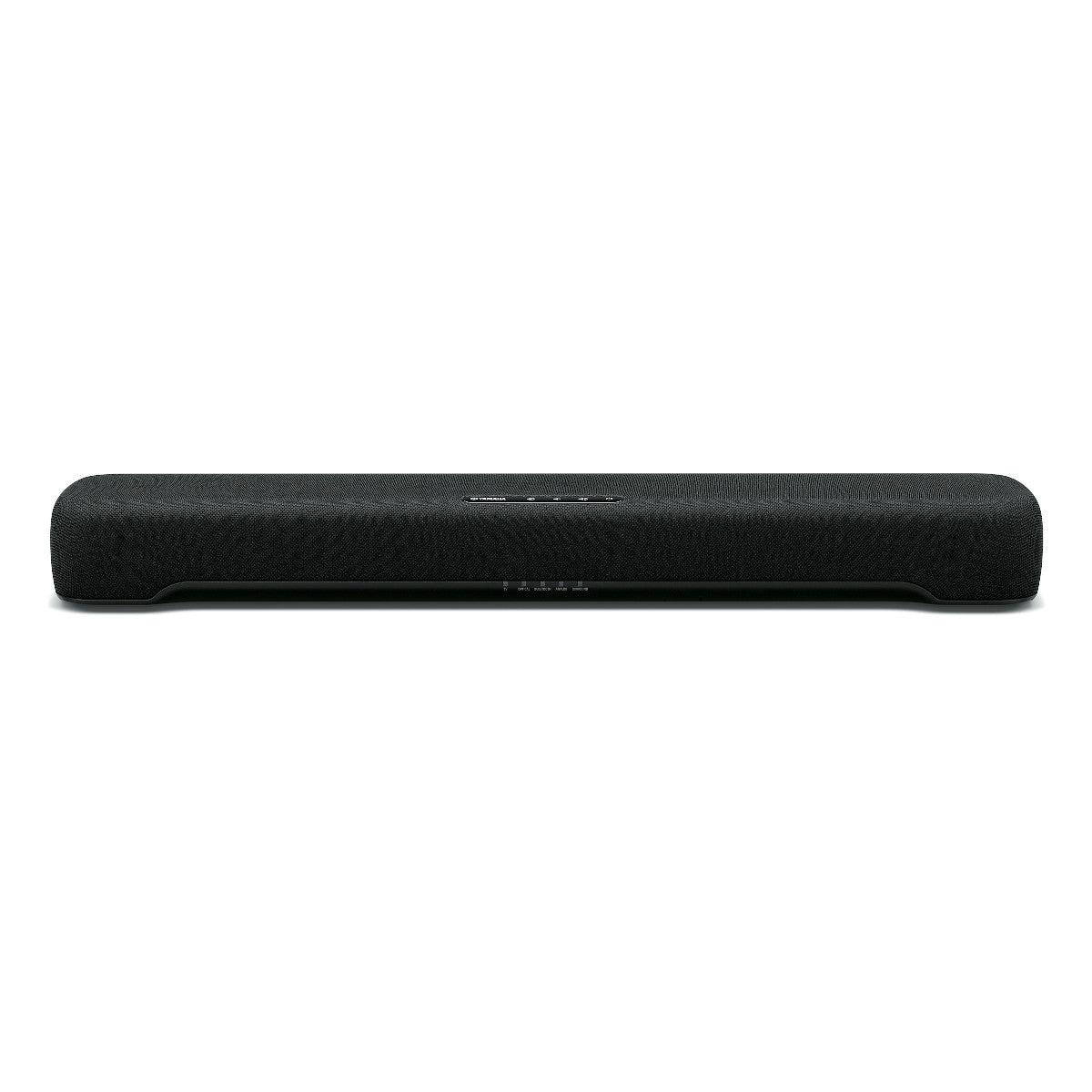
When your TV's speakers sound like they're trapped inside a tin can, you know it's time to upgrade. But diving into the world of soundbars can feel overwhelming, especially when you're working with a budget. That's where these two popular options come in: the Samsung HW-C450 and the Yamaha SR-C20A. Both launched in 2020 and represent different philosophies in budget audio—one prioritizing power and gaming features, the other focusing on compact design and musical accuracy.
At the time of writing, both soundbars sit in the sweet spot under $200, but they take completely different approaches to solving the same problem. The Samsung HW-C450 costs about 20-25% more than the Yamaha SR-C20A, but whether that extra cost is justified depends entirely on what you value most in your audio setup.
Before we dive into the specifics, let's talk about what budget soundbars are trying to accomplish. These aren't trying to replace a full surround sound system with speakers mounted around your room. Instead, they're focused on delivering three key improvements over your TV's built-in speakers: clearer dialogue, fuller sound, and some semblance of bass response.
The most important performance metrics in this price range are dialogue clarity, bass presence, and overall tonal balance. You'll also want to consider setup complexity, space requirements, and connectivity options. Features like virtual surround sound processing (which uses digital tricks to make audio seem like it's coming from multiple directions) and specialized gaming modes have become increasingly common since 2020, when both of these models debuted.
Since then, the soundbar market has evolved significantly. HDMI ARC (Audio Return Channel) connectivity has become nearly standard, allowing you to control your soundbar with your TV remote and send audio back from your TV through a single HDMI cable. Bluetooth connectivity has improved with newer codecs that deliver better wireless audio quality, and manufacturers have gotten much better at tuning compact speakers to avoid the "muddy" sound that plagued early budget models.
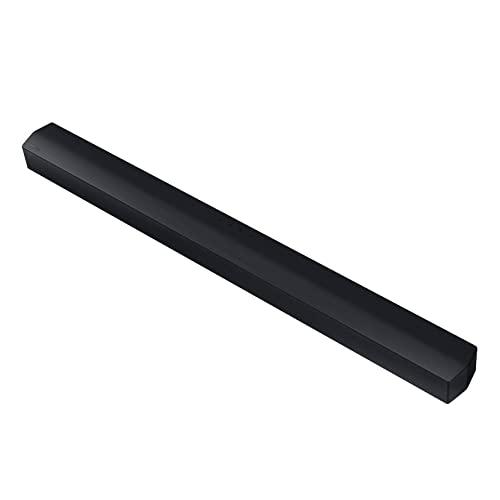
The Samsung HW-C450 takes a traditional approach to soundbar design with a twist. You get a slim main bar that sits under your TV, paired with a separate wireless subwoofer that can be placed anywhere in your room. This 2.1-channel configuration (meaning two main speakers plus one subwoofer) delivers 300 watts of total system power—impressive numbers for a budget model.
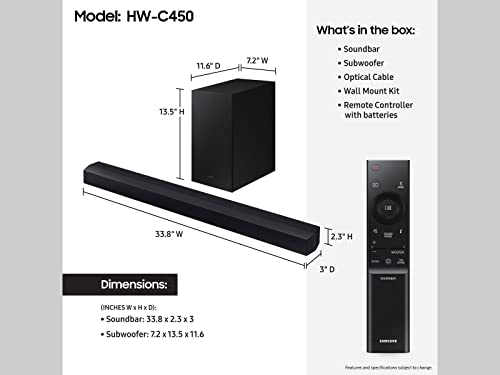
The main soundbar measures about 34 inches wide and weighs just over 3 pounds, making it suitable for TVs between 43-65 inches. But the real story is the wireless subwoofer, which comes pre-paired and ready to use right out of the box. This 10-pound cube can be tucked behind furniture, placed in a corner, or positioned wherever it sounds best in your room.
Setting up the Samsung HW-C450 involves positioning two separate components, which gives you more flexibility but also means managing two power cords and finding suitable locations for both pieces. The wireless connection between the bar and subwoofer is generally reliable, though you'll want to keep them within reasonable distance of each other.
The real strength of the Samsung HW-C450 lies in its bass response and gaming-focused features. That separate subwoofer isn't just for show—it delivers genuinely impactful low-end that you can feel during movie explosions or when gaming. The 220 watts dedicated to the subwoofer provide the kind of punch that's impossible to achieve from a compact all-in-one design.
The soundbar includes six distinct sound modes, but the standout features are Game Mode and Adaptive Sound Lite. Game Mode reduces audio latency (the delay between something happening on screen and hearing the sound) and emphasizes directional cues that help you pinpoint where enemies are coming from in competitive games. Adaptive Sound Lite automatically analyzes what you're watching and adjusts the sound accordingly—boosting dialogue during quiet dramatic scenes or enhancing explosions during action sequences.
DTS Virtual:X technology attempts to create a three-dimensional soundstage without additional speakers. It works by using psychoacoustic processing (essentially tricking your brain into hearing sounds that aren't really there) to simulate height and surround effects. While it can't match a true surround sound system, it does add a sense of spaciousness that makes movies more engaging.
The Voice Enhance feature deserves special mention. Many budget soundbars struggle with dialogue clarity because they emphasize bass and treble while neglecting the midrange frequencies where human speech lives. Samsung's implementation specifically boosts these crucial frequencies, making it easier to understand what actors are saying even during complex action scenes.
Here's where the Samsung HW-C450 shows its budget roots. You get optical audio input and Bluetooth connectivity, but no HDMI ports. This means you'll need to connect via an optical cable from your TV, which works fine but limits some advanced features like automatic volume control. The lack of HDMI ARC is increasingly noticeable in 2024, as most newer TVs expect this connection for full integration.
The included remote works well, and if you have a Samsung TV, you can control the soundbar with your TV remote through the One Remote Control feature. This integration extends to automatic power on/off when you turn your TV on or off, which is more convenient than it might sound.
For gaming, the Samsung HW-C450 truly shines. The dedicated Game Mode, combined with the powerful subwoofer, creates an immersive experience where you can feel the rumble of explosions and clearly hear subtle audio cues like footsteps approaching from different directions. Console gamers, in particular, will appreciate how the system handles the dynamic soundtracks and effects in modern games.
Movie watching benefits from the substantial bass response and virtual surround processing. Action movies with explosive soundtracks sound significantly more engaging than they would through TV speakers. The Bass Boost mode can be toggled on for content that benefits from extra low-end emphasis, though it can occasionally make dialogue sound muddy if overused.
For music listening, the Samsung HW-C450 is competent but not exceptional. The separate subwoofer can overpower musical content if not carefully positioned, and the overall tuning clearly prioritizes movie and gaming content over pure musical accuracy.
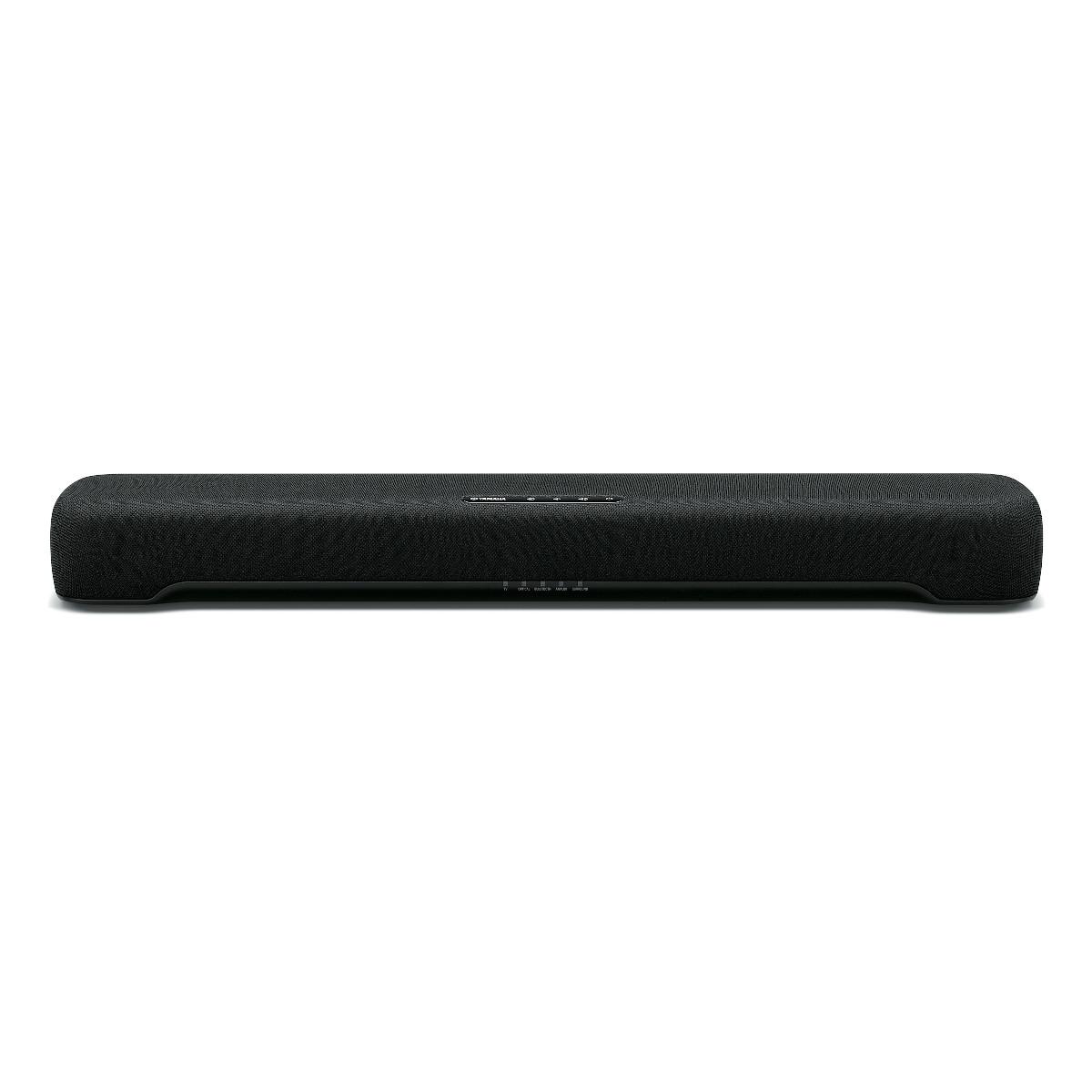
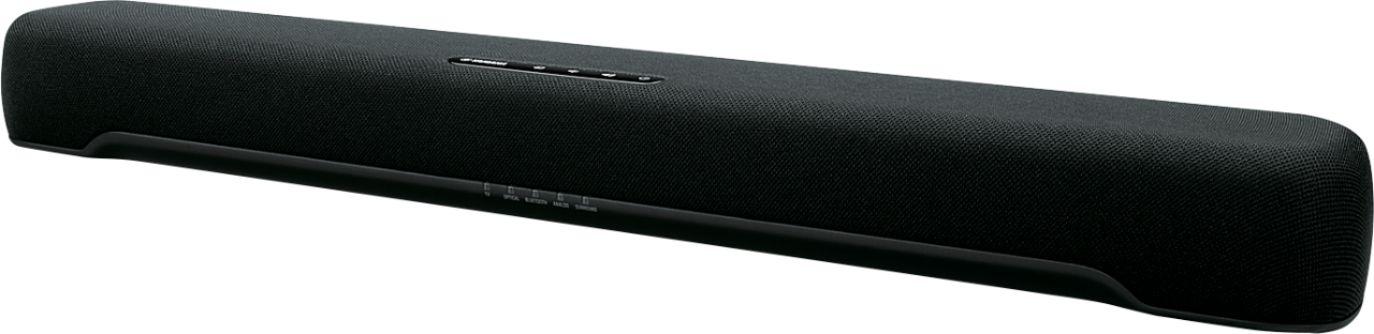
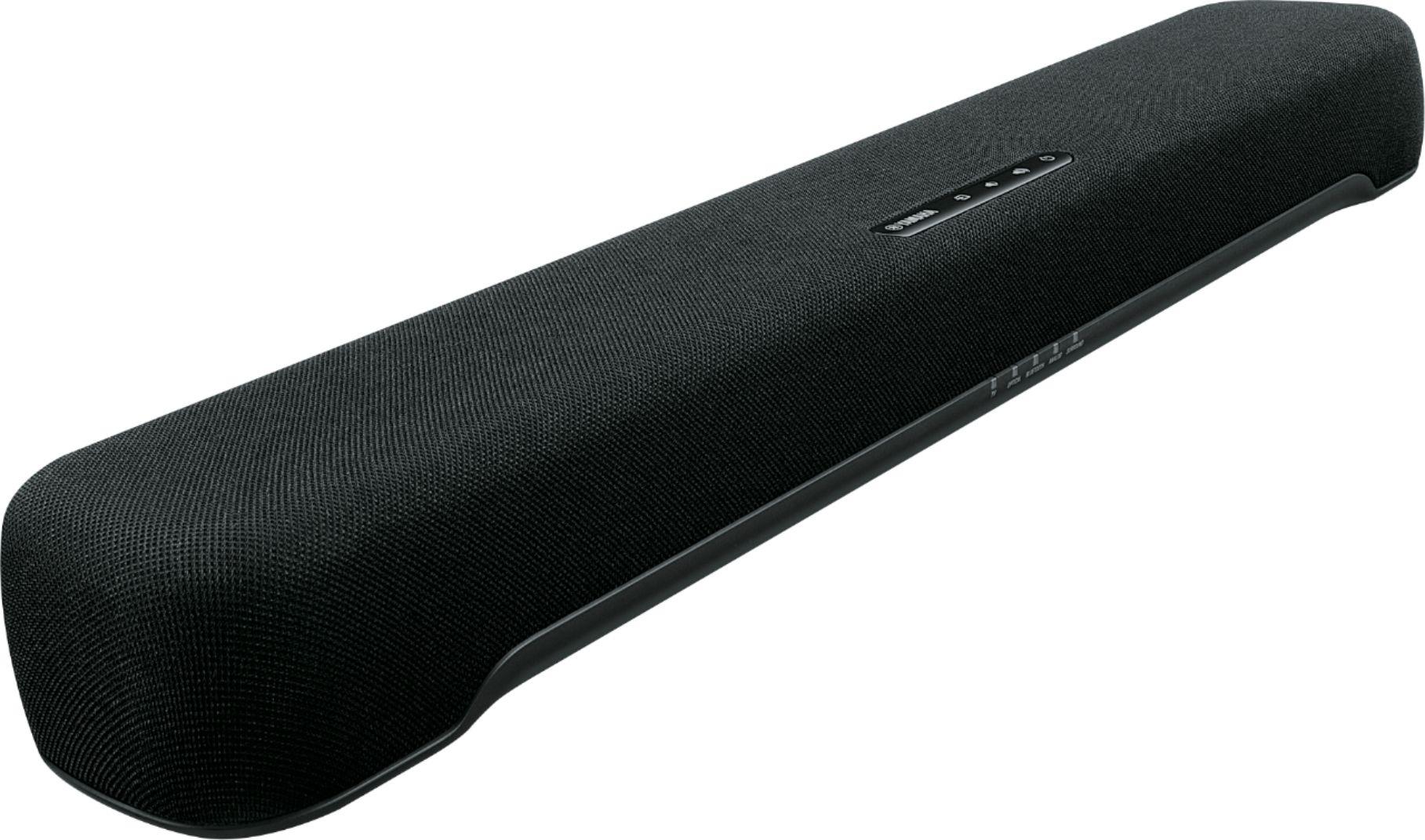
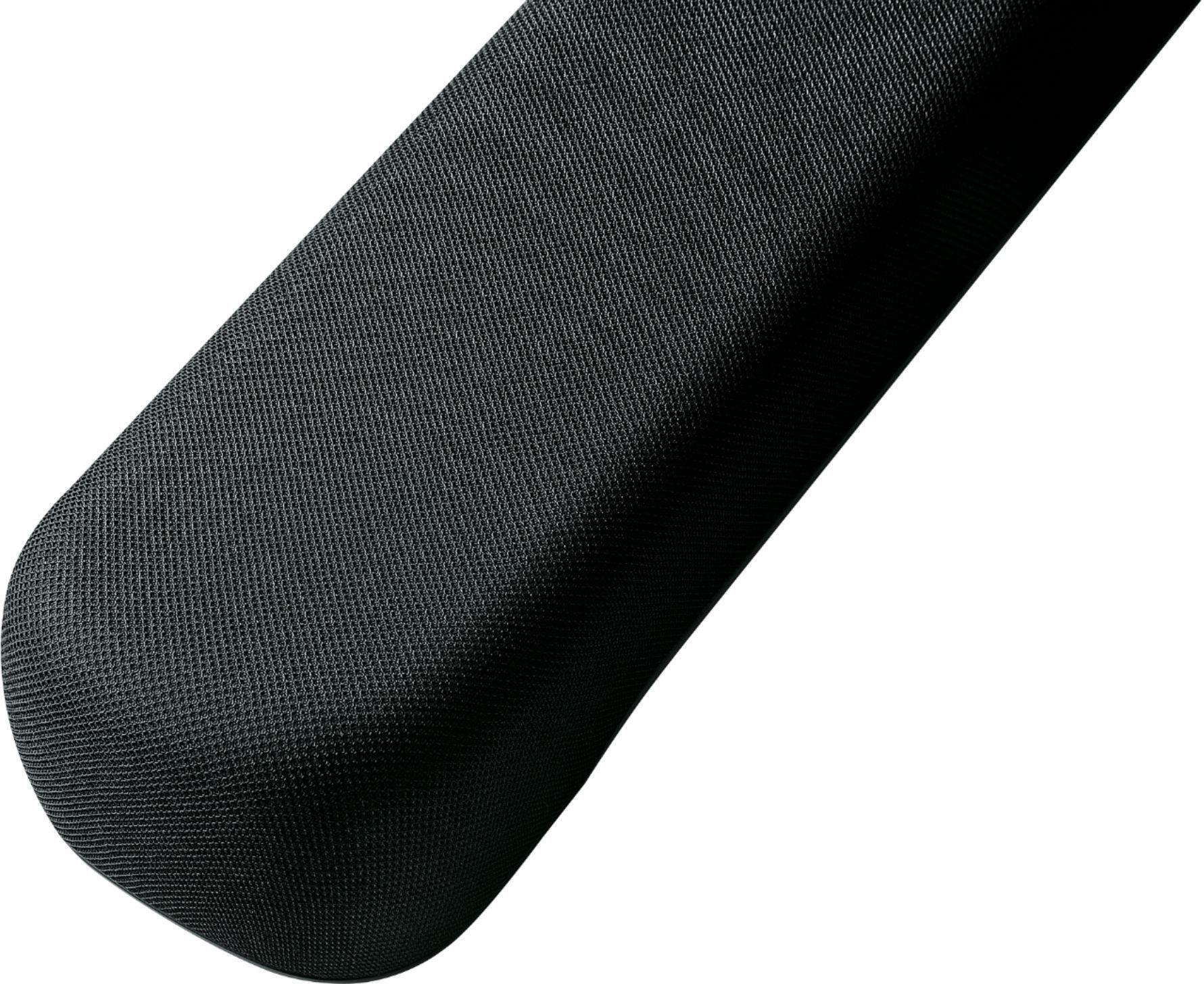
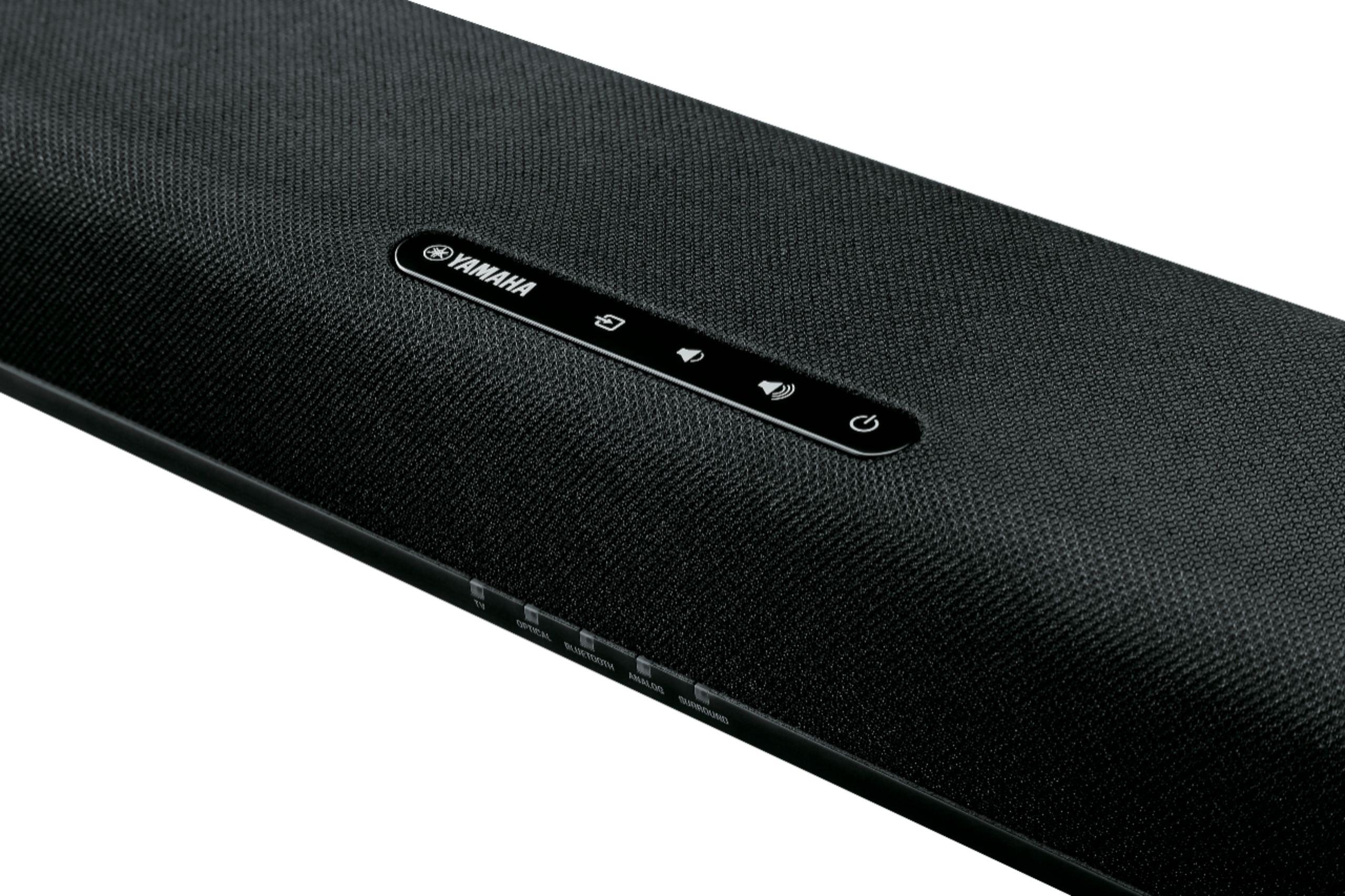
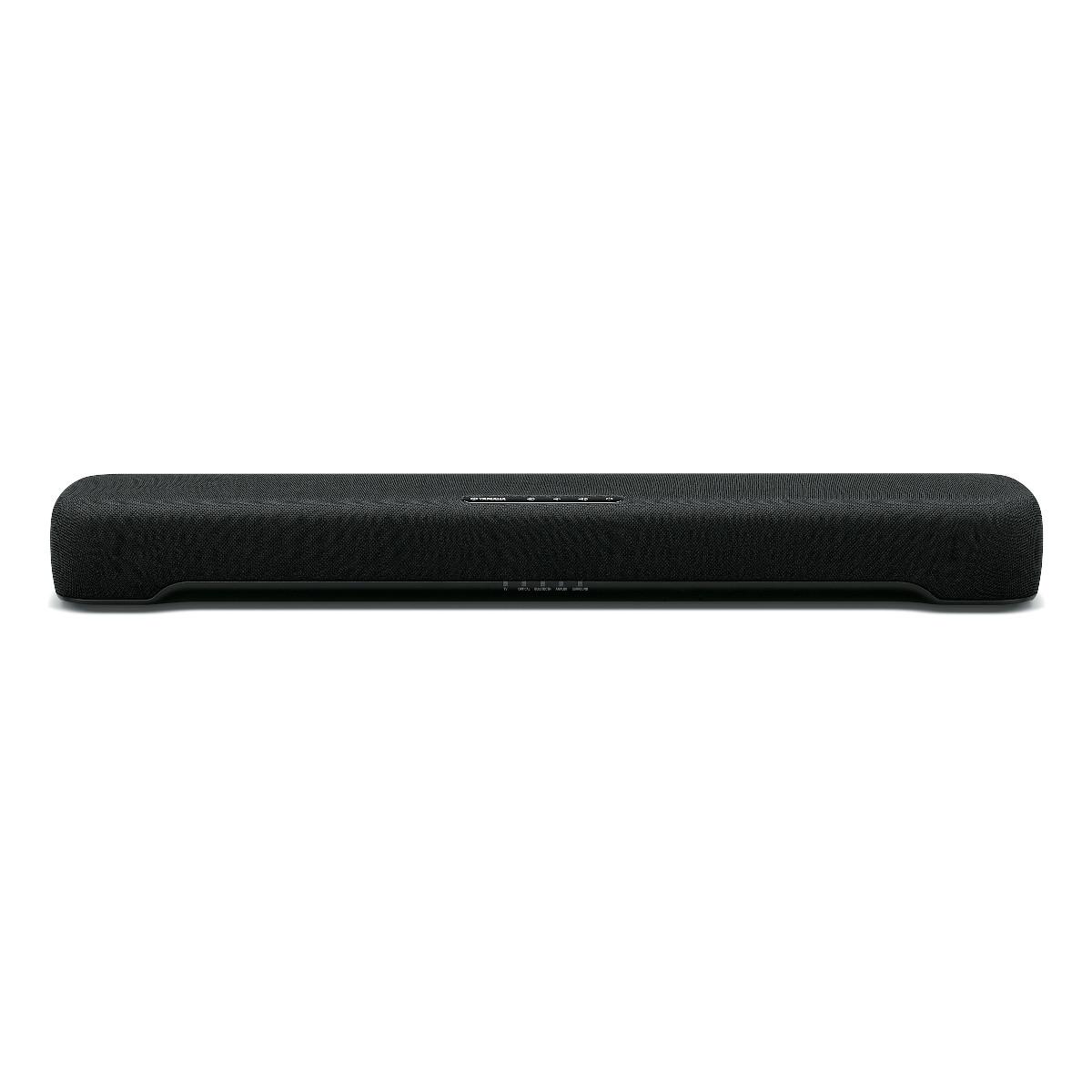
The Yamaha SR-C20A represents a completely different philosophy. Instead of raw power and separate components, Yamaha focused on creating the best possible sound from a single, compact unit. At just under 24 inches wide, it's designed for smaller spaces, bedrooms, or situations where a separate subwoofer simply isn't practical.
What makes the Yamaha SR-C20A special is its built-in subwoofer design enhanced with passive radiators. Passive radiators are essentially speakers without magnets that move sympathetically with the main driver, extending bass response without requiring additional amplification. This allows Yamaha to achieve surprisingly full sound from a compact enclosure.
The single-unit design eliminates the complexity of positioning multiple components while ensuring optimal acoustic integration between the main speakers and bass drivers. Everything is tuned to work together, which often results in more cohesive sound than systems where the subwoofer and main speakers are designed separately.
With 100 watts of total power, the Yamaha SR-C20A produces less raw output than the Samsung, but power isn't everything. Yamaha's decades of experience in audio engineering shine through in the tonal balance and clarity this compact soundbar delivers.
The Clear Voice technology is genuinely impressive. Rather than simply boosting midrange frequencies like many competitors, Yamaha's implementation maintains natural tonal balance while bringing dialogue forward in the mix. This means you can actually understand what people are saying without the sound becoming artificially harsh or fatiguing during long viewing sessions.
The built-in bass response, while not as powerful as a dedicated subwoofer, is remarkably controlled and musical. It avoids the "one-note" boomy character that plagues many budget soundbars, instead delivering bass that supports the music without overwhelming other frequencies. This makes the Yamaha SR-C20A particularly appealing for music listening, where accuracy matters more than sheer impact.
Yamaha's virtual surround processing creates a convincingly wide soundstage for such a compact unit. The stereo imaging—how well you can pinpoint where specific sounds are coming from—is notably precise, making it easier to follow complex musical arrangements or distinguish between different characters speaking in movies.
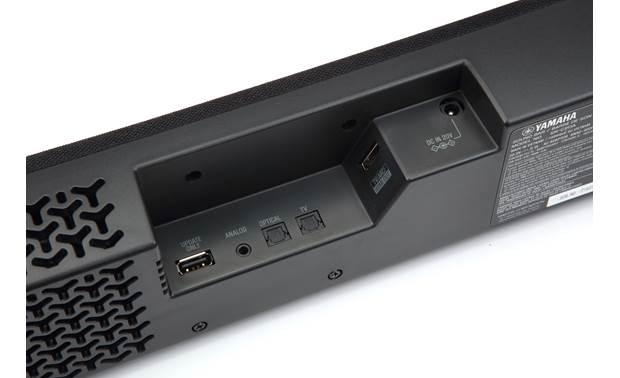
This is where the Yamaha SR-C20A demonstrates its value. Unlike the Samsung, you get HDMI ARC connectivity alongside optical and analog inputs. HDMI ARC allows your TV to send audio back to the soundbar and enables control via your TV remote, regardless of what brand TV you own. The dual optical inputs are handy if you want to connect multiple devices directly to the soundbar.
The Bluetooth implementation supports both SBC and AAC codecs, with AAC providing noticeably better sound quality when streaming from iPhones or other compatible devices. The connection range of up to 33 feet gives you flexibility in device placement.
Based on extensive research into user and expert feedback, the Yamaha SR-C20A consistently excels in dialogue-heavy content. News programs, documentaries, and dramatic films benefit enormously from the Clear Voice processing. The soundbar manages to make speech intelligible without making everything sound artificially bright or harsh.
For music listening, this is where the Yamaha approach really pays dividends. The natural tonal balance and precise stereo imaging make it genuinely enjoyable to listen to your favorite albums through this system. Jazz, classical, and acoustic music particularly benefit from the accurate midrange and controlled bass response.
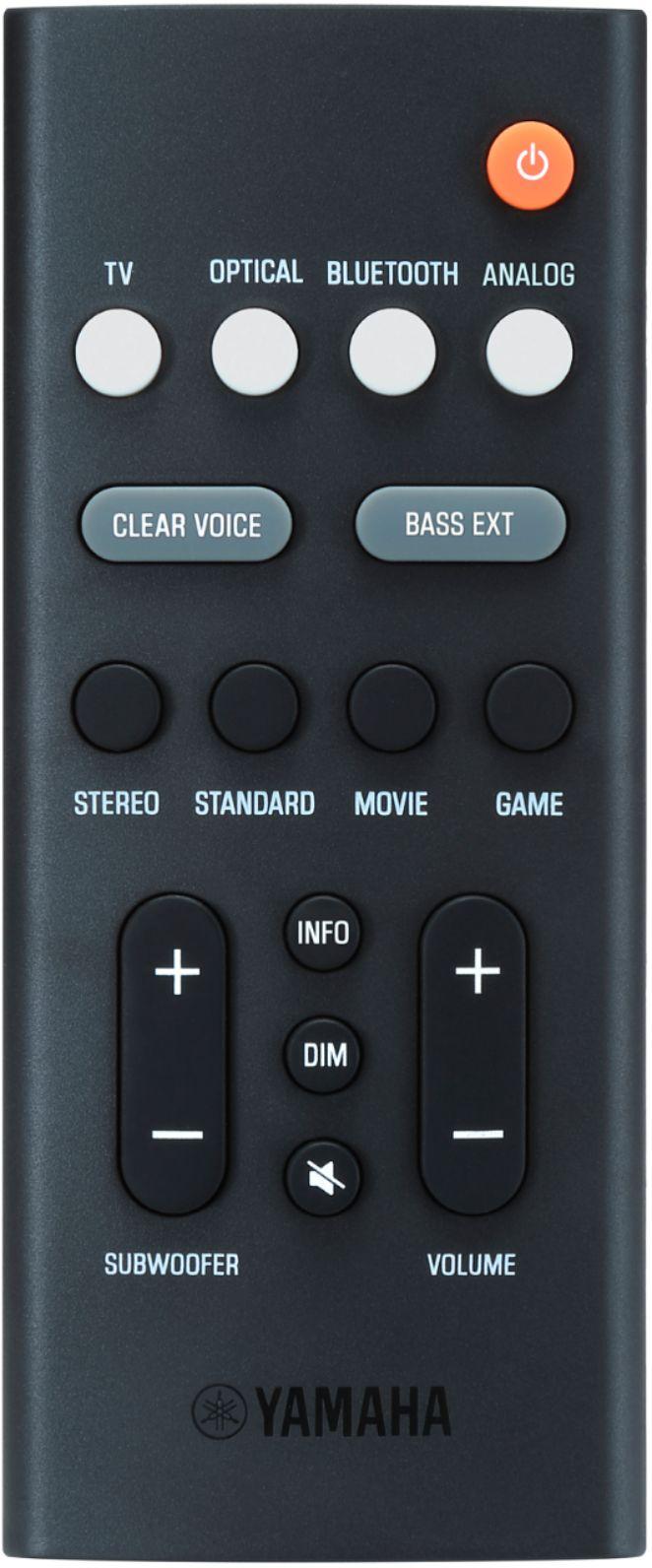
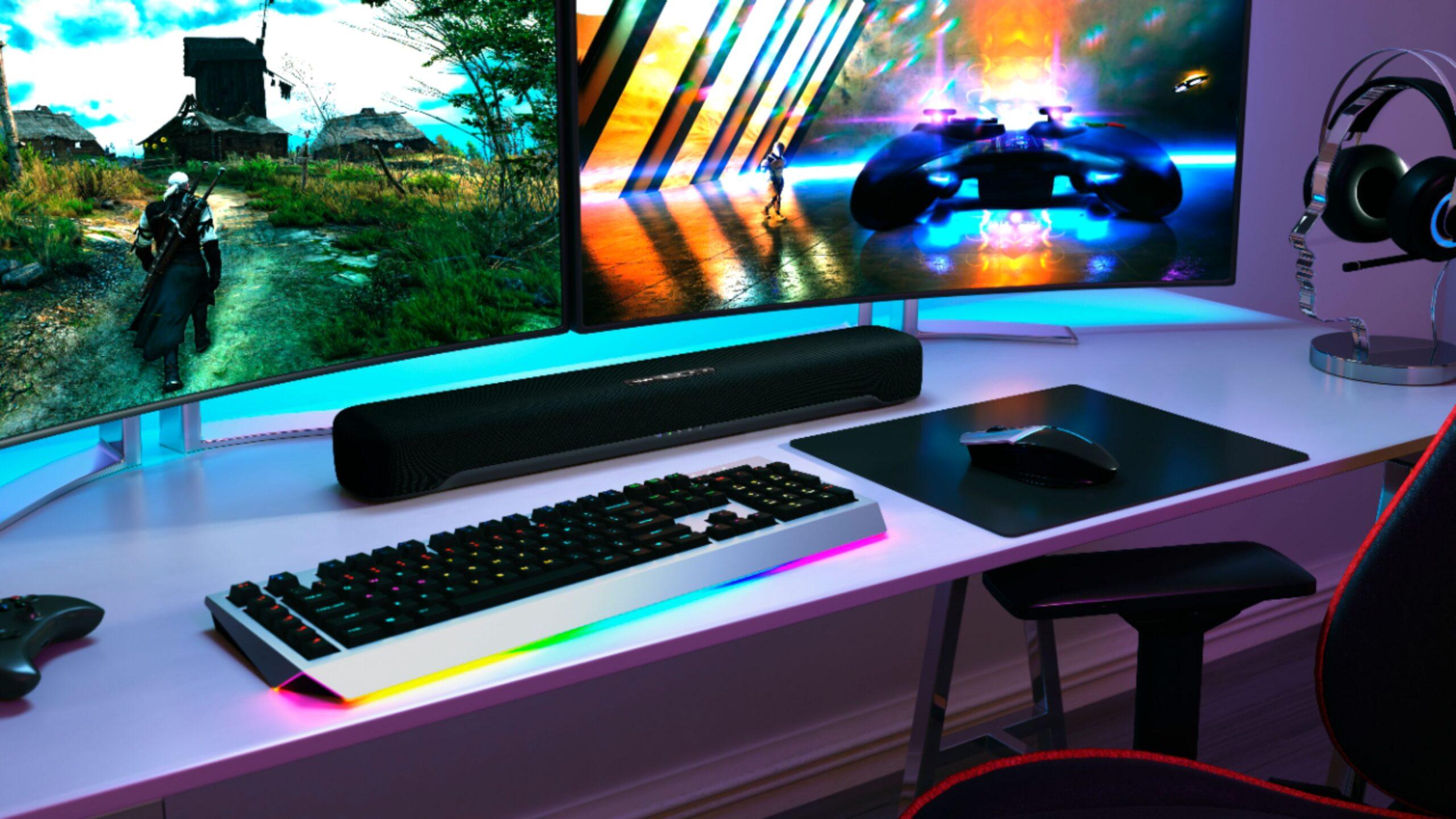
Gaming performance is adequate but not exceptional. The Yamaha SR-C20A includes a Game mode, but it lacks the specialized processing and raw power that make the Samsung more suitable for serious gaming. Casual gaming and story-driven titles work fine, but competitive gamers might find themselves wanting more impact and directionality.
One of the most significant differences between these soundbars is their space requirements. The Samsung HW-C450 demands room for both the main bar and a separate subwoofer roughly the size of a small microwave. While the wireless connection gives you flexibility in subwoofer placement, you're still dealing with two separate components that need power outlets and appropriate positioning.
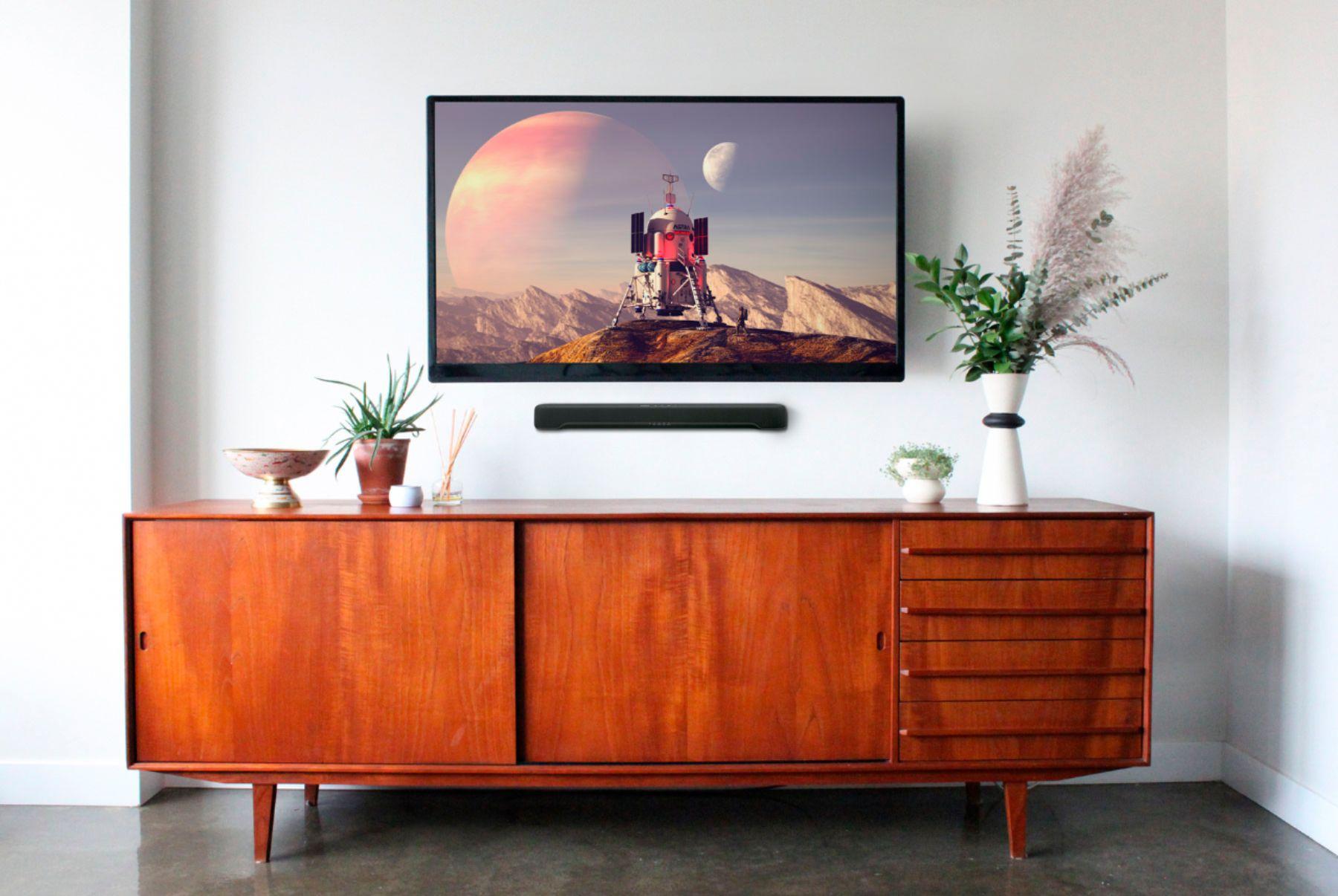
The Yamaha SR-C20A, by contrast, requires only the space for a single compact unit. At about 24 inches wide, it fits easily on smaller TV stands or can be wall-mounted using the built-in keyholes. This makes it ideal for apartments, bedrooms, dorm rooms, or any situation where space is at a premium.
For apartment living, the space difference becomes crucial. Many small living spaces simply don't have room for a separate subwoofer, making the Yamaha the only practical choice. Additionally, the Yamaha's more controlled bass response is less likely to disturb neighbors in thin-walled buildings.
Since both soundbars launched in 2020, the audio landscape has evolved considerably. HDMI ARC has become the expected standard for soundbar connections, making the Samsung's lack of HDMI connectivity increasingly problematic. Many newer TVs offer limited optical audio options or require menu diving to enable optical output, while HDMI ARC typically works automatically.
The Yamaha SR-C20A's HDMI ARC connectivity future-proofs your setup for TV upgrades and ensures compatibility with the latest streaming devices and gaming consoles. This isn't just about convenience—it's about ensuring your soundbar investment remains useful as other components in your entertainment system evolve.
For dedicated home theater setups, both soundbars serve as stepping stones rather than final destinations. The Samsung HW-C450's more powerful bass response and virtual surround processing make it better suited for movie-focused setups where impact and immersion matter more than accuracy.
However, neither soundbar supports true Dolby Atmos or DTS:X object-based audio formats that have become standard in premium content. They're limited to traditional stereo and surround sound formats, which is typical for budget models but worth considering if you're planning to build a more sophisticated system over time.
The Samsung's ability to add optional rear speakers (sold separately) gives it an upgrade path that the Yamaha lacks, potentially extending its usefulness in a growing home theater setup.
At the time of writing, the price difference between these soundbars is meaningful but not overwhelming. The Samsung HW-C450 costs roughly 25% more than the Yamaha SR-C20A, and whether that premium is justified depends entirely on your priorities and living situation.
You're a serious gamer who values audio cues and impact. The dedicated Game Mode and powerful subwoofer create genuinely immersive gaming experiences that the Yamaha can't match. The virtual surround processing and bass response also make it better for action movies and content where you want to feel the soundtrack.
You have space for a separate subwoofer and can position it optimally in your room. The wireless subwoofer's placement flexibility allows you to fine-tune bass response in ways that aren't possible with an integrated design.
You own a Samsung TV and want seamless integration. The One Remote Control feature and automatic power linking create a more streamlined experience when paired with compatible Samsung televisions.
You prioritize dialogue clarity and musical accuracy over raw impact. The Clear Voice technology and natural tonal balance make this soundbar superior for news, documentaries, dramas, and music listening. Space constraints make a separate subwoofer impractical. The compact all-in-one design fits situations where the Samsung simply won't work.
You want modern connectivity and future-proofing. The HDMI ARC support and superior input selection make this a safer long-term investment as TV and streaming technology continues evolving.
You value simplicity and clean aesthetics. Managing one component instead of two reduces complexity and creates a cleaner look in your entertainment area.
Both soundbars succeed in their intended roles, but they're designed for different users and situations. The Samsung HW-C450 delivers more dramatic improvements over TV speakers, particularly for gaming and action-heavy content, but requires space and doesn't offer modern connectivity options. The Yamaha SR-C20A provides more refined audio quality and practical advantages like HDMI connectivity, but won't satisfy users seeking maximum bass impact or gaming-specific features.
Your choice ultimately comes down to whether you prioritize power and gaming features or prefer accuracy and convenience. Either way, you'll get a substantial upgrade over TV speakers and a solid foundation for enjoying your favorite content. The good news is that both represent excellent value in the budget soundbar category—you really can't go wrong with either choice, as long as you understand what you're getting.
| Samsung HW-C450 | Yamaha SR-C20A |
|---|---|
| Total System Power - Determines maximum volume and bass impact | |
| 300W (80W bar + 220W subwoofer) | 100W (integrated system) |
| Subwoofer Design - Affects bass quality and placement flexibility | |
| Separate wireless subwoofer (184 x 343 x 295mm) | Built-in subwoofer with passive radiators |
| Physical Footprint - Important for space-constrained setups | |
| Two-piece system requires subwoofer placement | Single compact unit (600 x 64 x 95mm) |
| HDMI Connectivity - Essential for modern TV integration | |
| No HDMI (optical and Bluetooth only) | HDMI ARC plus optical and analog inputs |
| Gaming Features - Critical for console and PC gaming | |
| Dedicated Game Mode with latency reduction and directional audio | Basic Game mode without specialized processing |
| Virtual Surround Processing - Creates immersive soundstage | |
| DTS Virtual:X with Surround Sound Expansion | Virtual 5.1/7.1 surround modes |
| Dialogue Enhancement - Crucial for TV shows and movies | |
| Voice Enhance mode with Adaptive Sound Lite | Clear Voice technology with natural tonal balance |
| Sound Modes - Customization options for different content | |
| 6 modes (Bass Boost, Game, Movie, Standard, Night Mode, DTS Virtual:X) | 4 modes (Stereo, Standard, Movie, Game) |
| Setup Complexity - Affects installation ease | |
| Requires positioning bar and subwoofer separately | Wall-mountable single unit with built-in keyholes |
| TV Remote Integration - Convenience for daily use | |
| One Remote Control (Samsung TVs only) | HDMI ARC works with any compatible TV remote |
| Music Listening Quality - Important for Bluetooth streaming | |
| Tuned primarily for movies/gaming, subwoofer can overpower music | Superior stereo imaging and musical accuracy |
| Bass Control and Character - Affects overall sound signature | |
| Powerful but can be boomy, Bass Boost mode available | Controlled and musical, avoids one-note character |
| Bluetooth Audio Quality - Streaming performance from devices | |
| Standard SBC codec | SBC and AAC codecs (better quality with compatible devices) |
The Samsung HW-C450 is significantly better for gaming. It features a dedicated Game Mode that reduces audio latency and enhances directional cues, helping you pinpoint enemy locations in competitive games. The powerful 220W wireless subwoofer also delivers impactful bass for action sequences. The Yamaha SR-C20A has a basic Game mode but lacks specialized gaming processing.
The key difference is design philosophy: the Samsung HW-C450 uses a separate wireless subwoofer for maximum bass impact and gaming features, while the Yamaha SR-C20A integrates everything into one compact unit for space efficiency and musical accuracy. The Samsung offers more power (300W vs 100W) but requires more space.
The Yamaha SR-C20A is ideal for small spaces. At just 24 inches wide with everything built-in, it requires minimal space and can be wall-mounted easily. The Samsung HW-C450 needs room for both the main bar and a separate subwoofer, making it impractical for apartments or small rooms.
The Yamaha SR-C20A works better with any TV brand thanks to its HDMI ARC connection, which enables TV remote control regardless of manufacturer. The Samsung HW-C450 lacks HDMI and works best with Samsung TVs through its One Remote Control feature, though it connects to other TVs via optical cable.
Both excel at dialogue, but in different ways. The Yamaha SR-C20A uses Clear Voice technology that maintains natural sound while bringing speech forward. The Samsung HW-C450 features Voice Enhance mode and Adaptive Sound Lite that automatically optimizes dialogue based on content type. The Yamaha tends to sound more natural for extended viewing.
The Samsung HW-C450 offers optical input, USB, and Bluetooth connectivity but lacks HDMI ports. The Yamaha SR-C20A provides more modern connectivity with HDMI ARC, dual optical inputs, analog input, and Bluetooth with AAC codec support for better wireless audio quality.
The Yamaha SR-C20A is superior for music. Its integrated design ensures optimal driver balance, and the natural tonal accuracy makes it enjoyable for extended music listening. The Samsung HW-C450 is tuned more for movies and gaming, and its separate subwoofer can overpower musical content if not carefully positioned.
The Samsung HW-C450 produces significantly more bass impact with its dedicated 220W wireless subwoofer, making it excellent for action movies and gaming. The Yamaha SR-C20A delivers controlled, musical bass through its built-in subwoofer and passive radiators - less powerful but more accurate and less likely to disturb neighbors.
The Yamaha SR-C20A is much easier to set up as a single unit that can be wall-mounted using built-in keyholes. You just need one power cord and one audio connection. The Samsung HW-C450 requires positioning both the soundbar and wireless subwoofer, managing two power cords, and ensuring proper wireless pairing.
Both offer virtual surround sound processing. The Samsung HW-C450 uses DTS Virtual:X technology with Surround Sound Expansion to create a wider soundstage. The Yamaha SR-C20A provides Virtual 5.1/7.1 surround modes. Neither supports true Dolby Atmos, but both create more immersive sound than TV speakers.
Value depends on your needs. The Yamaha SR-C20A typically costs less and offers excellent audio quality, modern connectivity, and space efficiency. The Samsung HW-C450 costs more but provides significantly more power, gaming features, and bass impact. Choose based on whether you prioritize power and gaming or compactness and connectivity.
Yes, but differently. The Yamaha SR-C20A works with most TV remotes through its HDMI ARC connection. The Samsung HW-C450 integrates best with Samsung TV remotes through One Remote Control feature, while other TV brands require using the included soundbar remote for full control.
We've done our best to create useful and informative comparisons to help you decide what product to buy. Our research uses advanced automated methods to create this comparison and perfection is not possible - please contact us for corrections or questions. These are the sites we've researched in the creation of this article: e-catalog.com - alibaba.com - smart.dhgate.com - greentoe.com - requiremints.com - versus.com - bhphotovideo.com - rtings.com - soundmachine.com.mt - samsung.com - samsung.com - youtube.com - bhphotovideo.com - newegg.com - images.samsung.com - bestbuy.com - samsung.com - youtube.com - jsappliance.com - gadgetsleo.com - youtube.com - saraappliance.com - walmart.com - t3.com - usa.yamaha.com - radiotimes.com - shop.usa.yamaha.com - whathifi.com - hifiheaven.net - usa.yamaha.com - sweetwater.com - hub.yamaha.com - bestbuy.com

Privacy Policy
Terms and Conditions - Affiliate Policy
Home Security
© Copyright 2008-2026.
11816 Inwood Rd #1211, Dallas, TX 75244