






When your TV's built-in speakers just aren't cutting it anymore, a soundbar offers the easiest path to dramatically better audio without the complexity of a full surround sound system. But with dozens of options at every price point, choosing the right one can feel overwhelming. Today we're comparing two popular models that take very different approaches to solving the same problem: Samsung's HW-B630F 3.1-channel system and Yamaha's compact SR-C20A all-in-one soundbar.
These represent two distinct philosophies in soundbar design. The Samsung HW-B630F goes for maximum impact with a true multi-channel setup including a wireless subwoofer, while the Yamaha SR-C20A prioritizes simplicity and space-saving with everything built into a single compact unit. At the time of writing, the Samsung typically costs about twice as much as the Yamaha, but the question is whether that extra investment delivers proportional value.
Before diving into specifics, it helps to understand what distinguishes different types of soundbars. The most crucial factor is channel configuration, expressed in numbers like "2.1" or "3.1." The first number represents main channels (left, right, and center), while the second indicates dedicated subwoofer channels for bass. A 2.0 system has just left and right speakers, while a 3.1 system adds a dedicated center channel for dialogue and a separate subwoofer for deep bass.
This distinction matters enormously for real-world performance. TV shows and movies are mixed assuming you have a center channel dedicated to dialogue. When a soundbar lacks this center channel, it must use virtual processing to create the illusion of centered speech, which works but isn't as precise as the real thing.
Physical design also shapes performance dramatically. All-in-one soundbars pack everything into a single enclosure, making them incredibly convenient but limiting bass output due to size constraints. Multi-component systems with separate subwoofers can deliver much more powerful low-end response but require additional space and power outlets.
The Samsung HW-B630F launched in 2024 as part of Samsung's B-Series lineup, positioned between their basic budget models and premium Q-Series Atmos soundbars. Samsung has refined their B-Series significantly over recent years, adding more sophisticated virtual surround processing and better TV integration features. The 2024 models benefited from improved DTS Virtual:X implementation and Samsung's Adaptive Sound technology that automatically adjusts audio based on content type.
Yamaha's SR-C20A also debuted in 2024, representing their entry-level compact soundbar offering. Yamaha has traditionally focused on musical accuracy in their audio products, and this philosophy carries into their soundbars with emphasis on clear midrange reproduction. Recent Yamaha models have incorporated better virtual surround processing while maintaining their signature sound quality that music enthusiasts appreciate.
Both products reflect the industry's 2024 focus on smarter audio processing rather than just adding more drivers. Advanced algorithms now do much of the heavy lifting that previously required additional physical speakers.
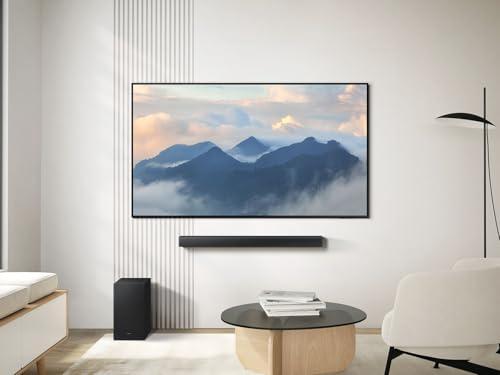
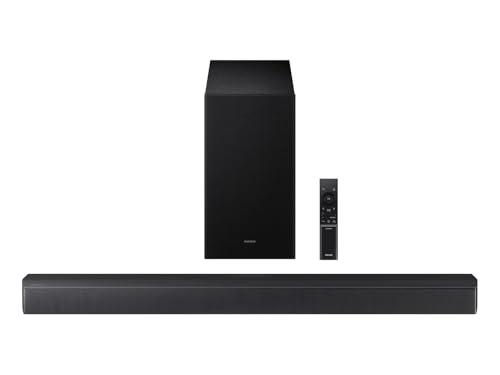
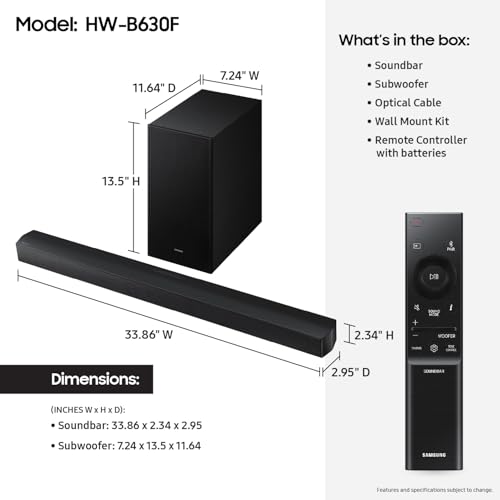
The fundamental difference between these soundbars lies in their physical approach. The Samsung HW-B630F measures nearly 34 inches wide and comes with a separate wireless subwoofer roughly the size of a small end table. This two-piece design requires finding space for both components but enables genuine multi-channel audio reproduction.
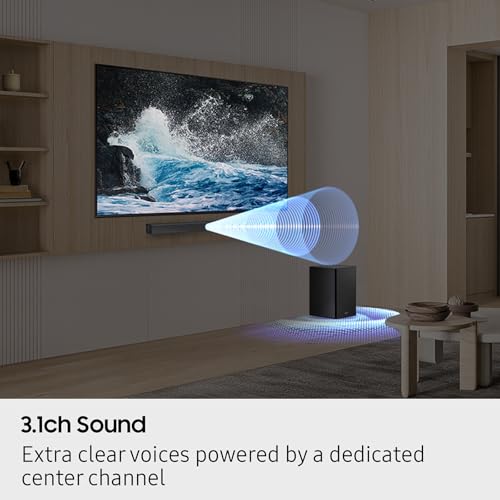
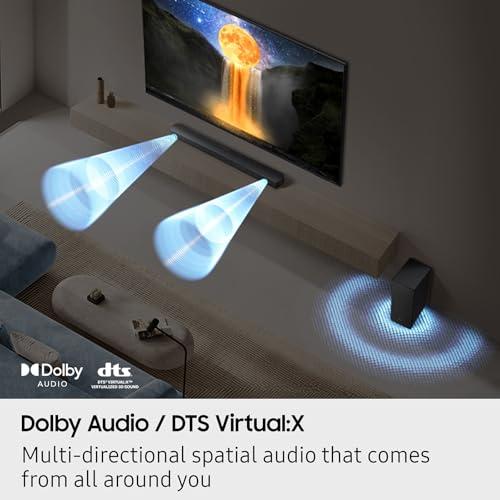
Inside the Samsung's main bar, three separate drivers handle left, center, and right channels. This physical separation means dialogue from the center channel doesn't compete with music or effects from the left and right channels – each has its own dedicated driver. The wireless subwoofer houses a 6-inch cone driver in a bass-reflex enclosure (a design that uses a port to enhance low-frequency output), allowing it to reproduce the deep rumbles and impacts that make action movies exciting.
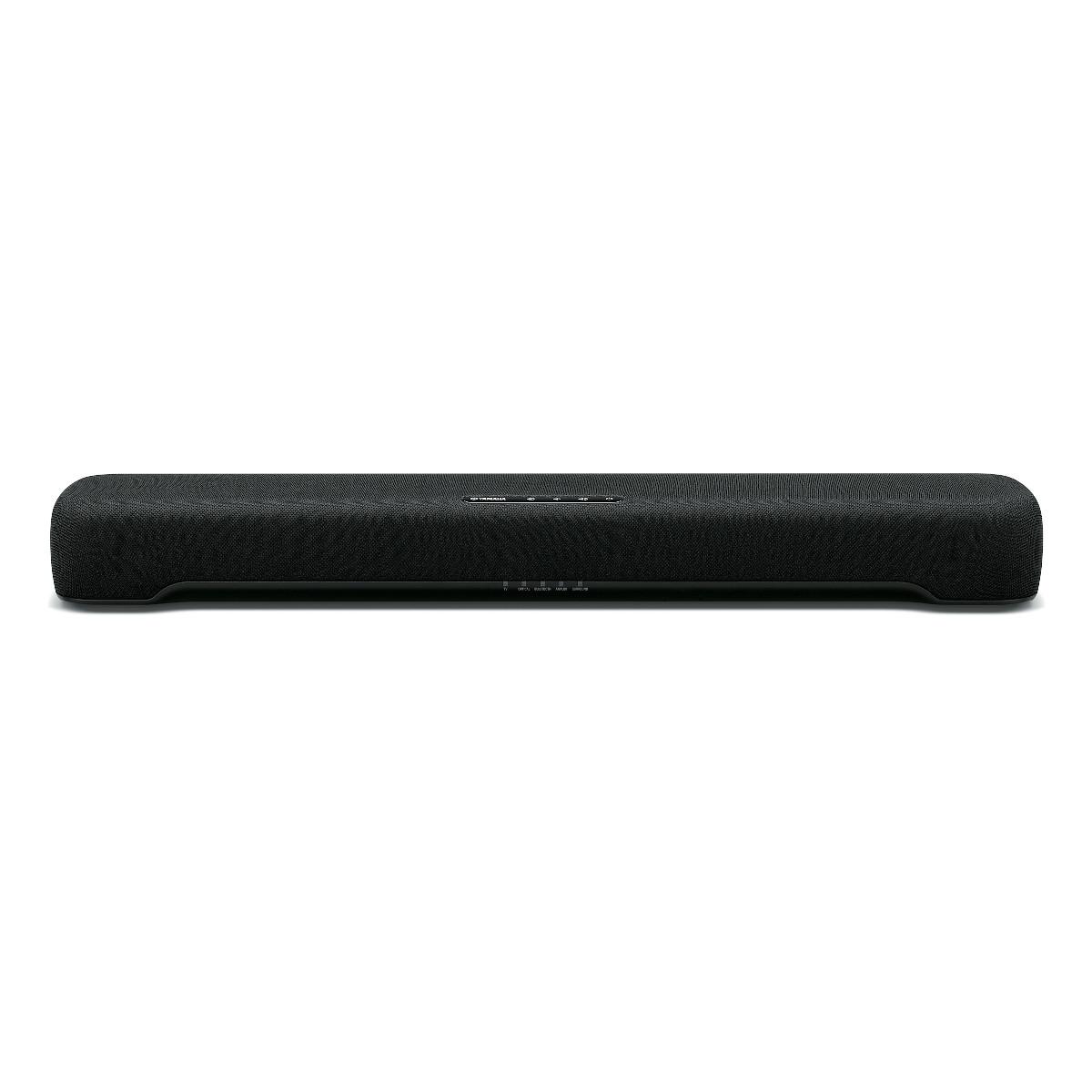
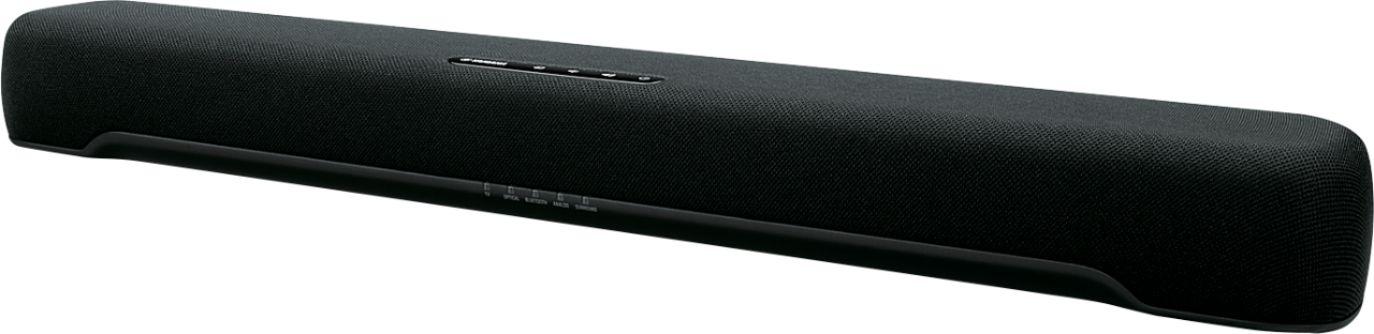
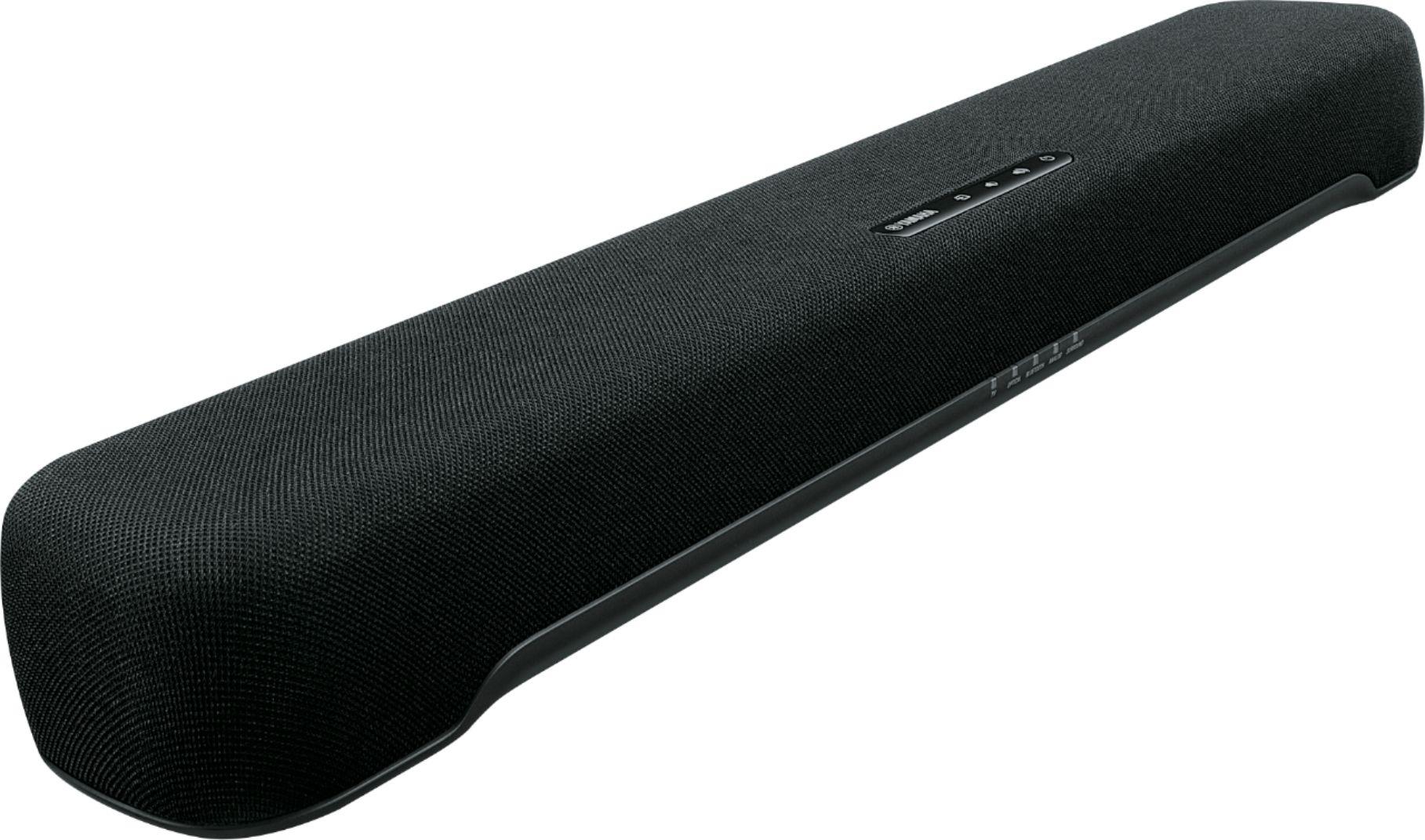
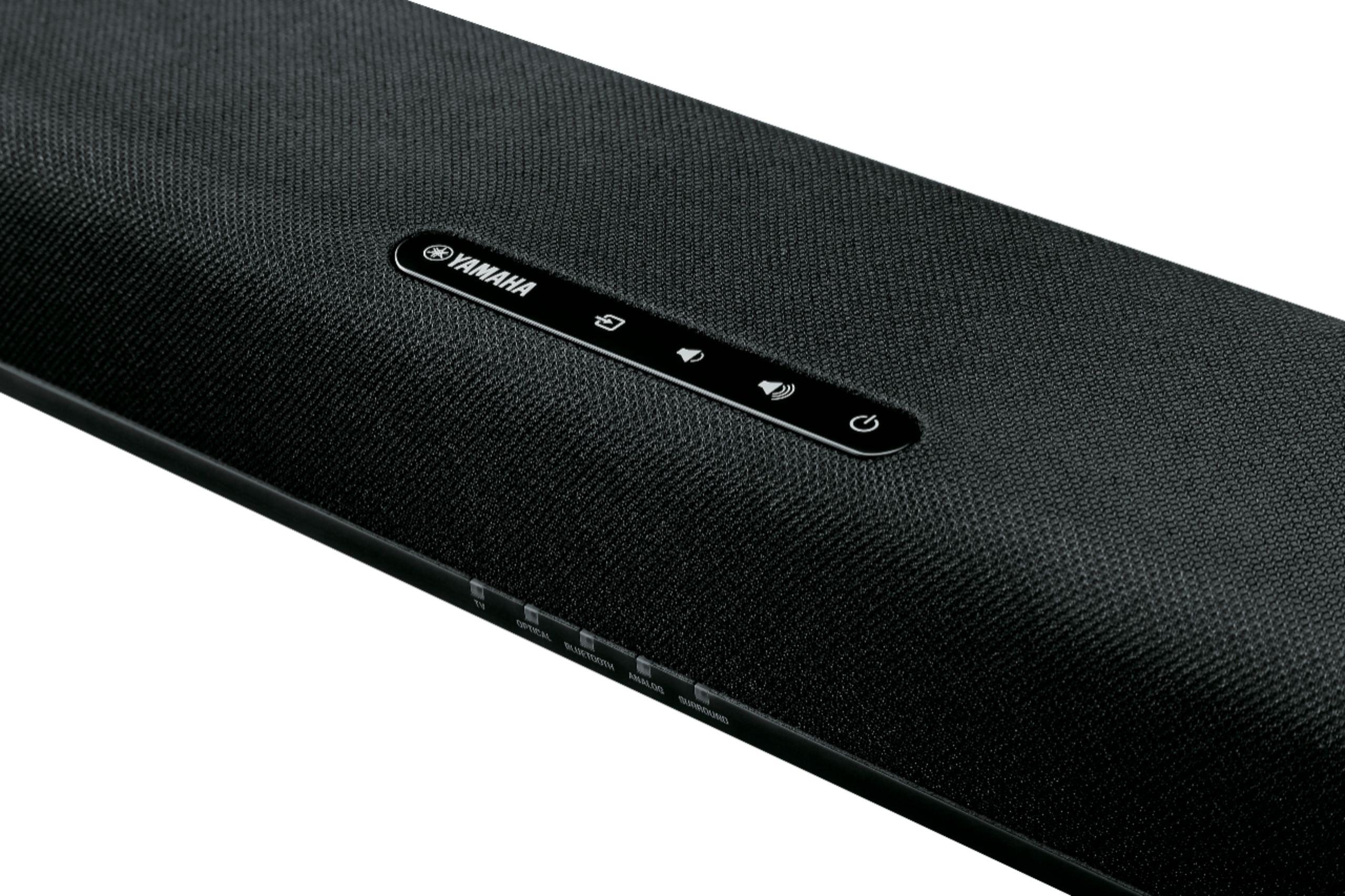
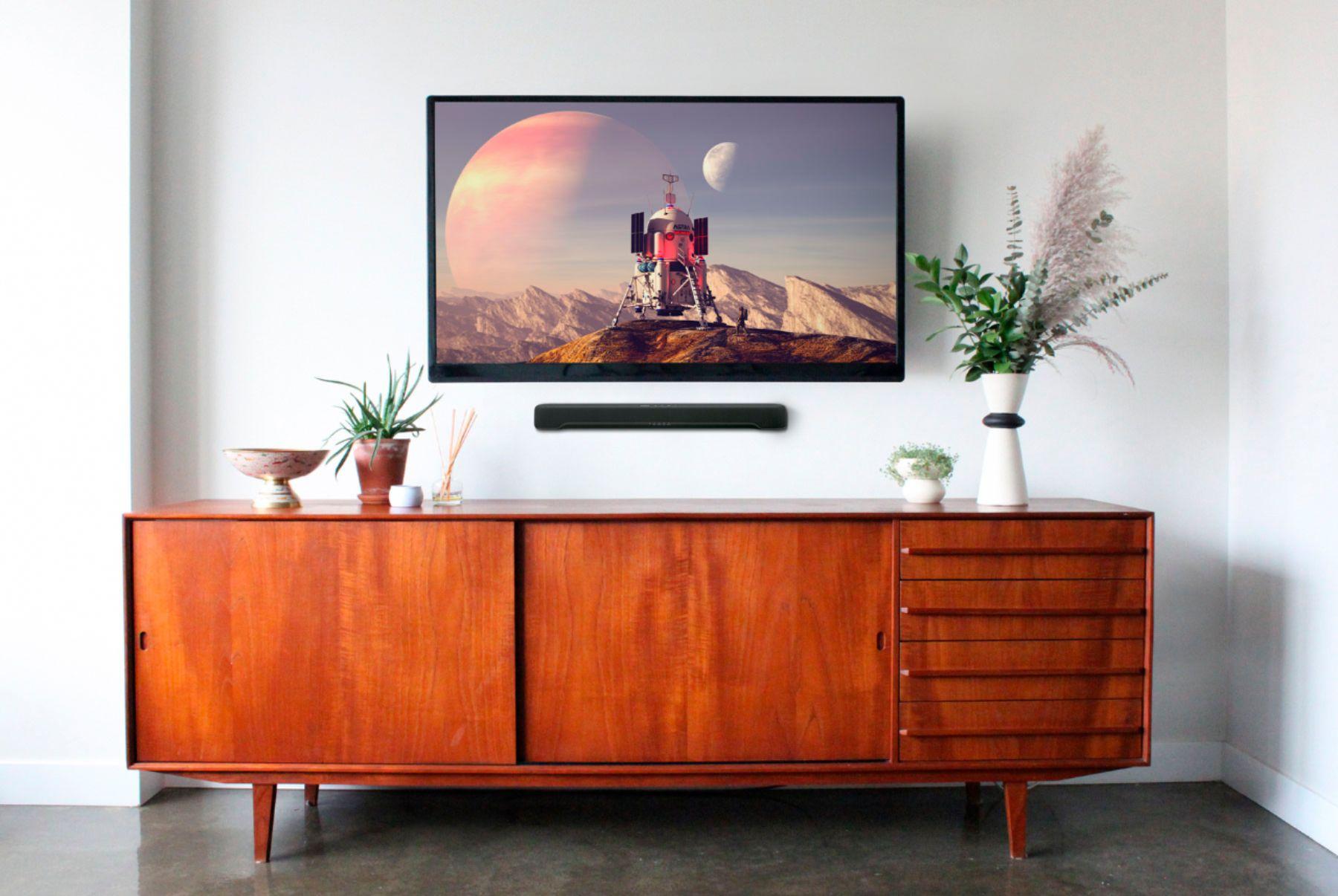
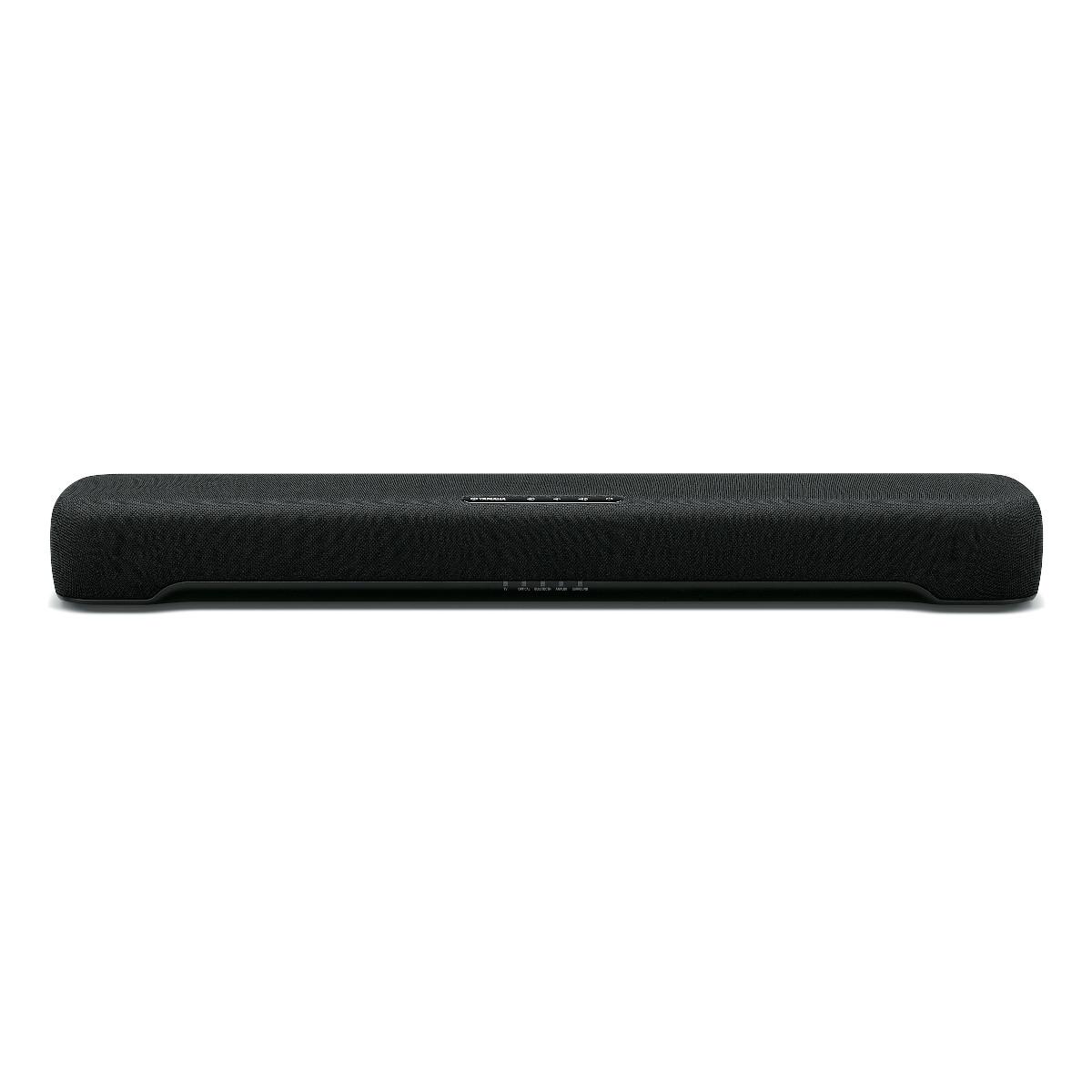
The Yamaha SR-C20A takes the opposite approach, cramming everything into a single 24-inch-wide cabinet. This impressive feat of engineering uses an upward-firing subwoofer combined with two passive radiators (speakers without magnets that vibrate sympathetically to enhance bass) to generate surprising low-end output from such a compact form. Two forward-firing drivers handle mid and high frequencies.
This design trade-off is fundamental: the Samsung prioritizes maximum audio performance while the Yamaha emphasizes convenience and space efficiency. Neither approach is inherently better – it depends entirely on your priorities and living situation.
Bass performance might seem less important than dialogue clarity, but it's actually crucial for an engaging viewing experience. Deep bass doesn't just add boom to explosions – it provides the foundation that makes everything else sound fuller and more realistic. Without adequate bass, even dialogue can sound thin and unconvincing.
The Samsung HW-B630F's dedicated 6-inch subwoofer delivers substantially more impactful low-end response than the Yamaha's integrated solution. Based on our research of professional reviews and user feedback, the Samsung produces deeper, more controlled bass that fills medium to large rooms effectively. The wireless connection allows optimal subwoofer placement – typically in a corner or along a wall where boundary reinforcement naturally boosts bass output.
The Samsung also includes a dedicated Bass Boost mode and manual bass adjustment from -6 to +6, letting you fine-tune the low-end to your room and preferences. This flexibility proves valuable since bass response varies dramatically based on room size, furniture placement, and personal taste.
The Yamaha SR-C20A's integrated subwoofer performs admirably given its size constraints, but physics ultimately limits what's possible. Professional reviews consistently note that while the Yamaha's bass is "impressive for its size," it becomes "wobbly" at the lowest frequencies and can sound "boomy" without careful adjustment. The upward-firing driver design and passive radiators do maximize output from the compact enclosure, but they can't overcome the fundamental limitations of a small cabinet.
For apartment dwellers or those with strict space constraints, the Yamaha's bass performance may be perfectly adequate. But if you have the space and want the full impact of movie soundtracks and music, the Samsung's dedicated subwoofer makes a substantial difference.
Nothing ruins a viewing experience faster than unclear dialogue. Modern TV shows and movies often feature complex soundmixes where dialogue competes with background music and sound effects. This is where having a dedicated center channel – the hallmark of a true 3.1 system – provides a significant advantage.
The Samsung HW-B630F's dedicated center channel driver focuses exclusively on dialogue and other center-positioned audio elements. This physical separation means voices don't get masked by music or effects coming from the left and right channels. Samsung enhances this natural advantage with Voice Enhance processing that specifically amplifies dialogue frequencies without making the overall sound harsh or unnatural.
Our research indicates this combination works exceptionally well. Users consistently report improved dialogue clarity compared to their previous audio solutions, even at lower volume levels – crucial for late-night viewing or when background noise is a concern.
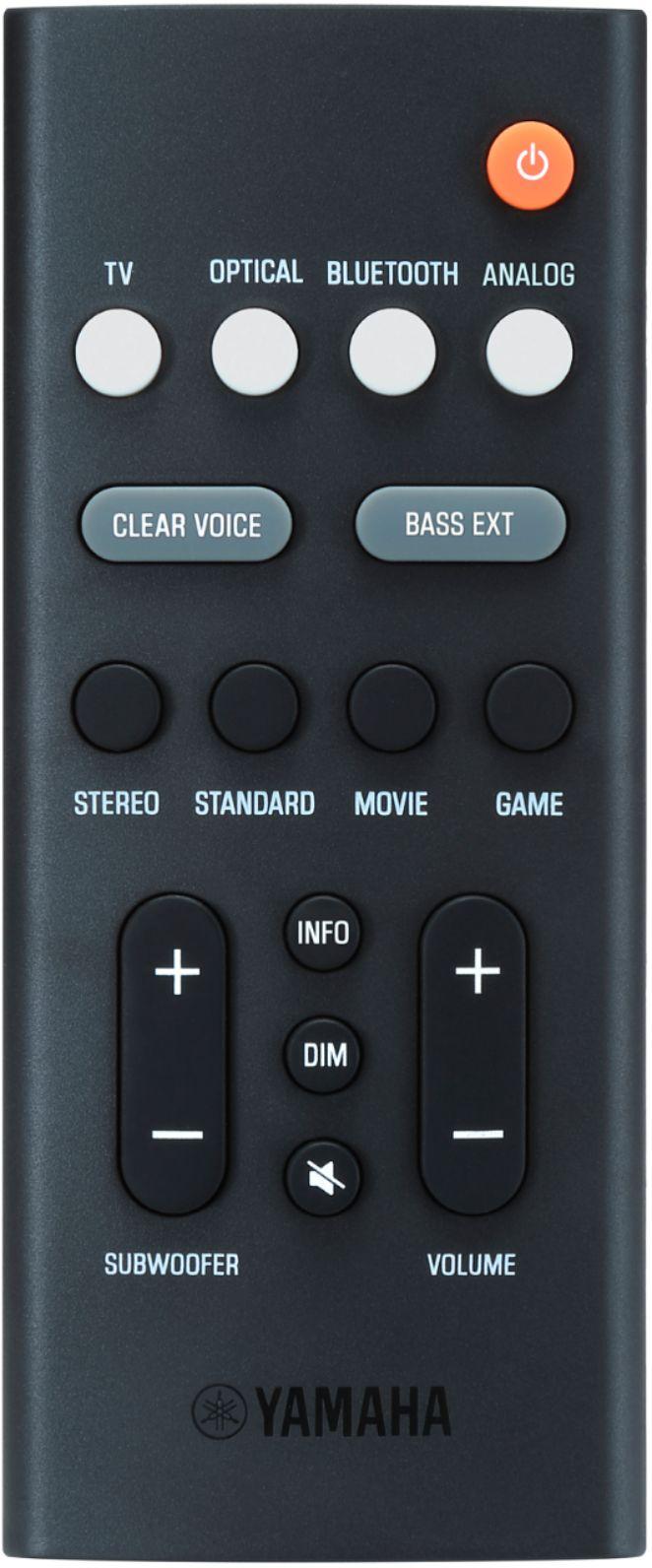
The Yamaha SR-C20A lacks a dedicated center channel, so it must create virtual center imaging through processing. While Yamaha's Clear Voice function does help dialogue stand out from the mix by emphasizing midrange frequencies, it can't match the precision of a physical center channel. The Yamaha's strength lies in its overall midrange reproduction, which Yamaha has traditionally excelled at in their audio products.
For dialogue-heavy content like news, dramas, or documentaries, the Samsung's dedicated center channel provides a noticeable advantage. The difference becomes more pronounced in complex action scenes where multiple audio elements compete for attention.
Both soundbars use virtual processing to create the illusion of surround sound from forward-facing speakers, but their approaches differ significantly. The Samsung HW-B630F implements DTS Virtual:X technology, which analyzes incoming audio and redistributes elements to create virtual height and surround effects. This processing works with the soundbar's three-channel configuration to expand the perceived soundstage both horizontally and vertically.
Samsung's Surround Sound Expansion mode takes this further by manipulating phase relationships and timing to make sound appear to extend beyond the physical boundaries of the soundbar. Combined with the separate subwoofer handling low-frequency effects, this creates a surprisingly immersive experience for a soundbar system.
The Yamaha SR-C20A uses Dolby Audio virtual surround processing to simulate multi-channel effects from its 2.0 configuration. While effective, the compact form factor inherently limits how wide the soundstage can appear. The processing does add spatial depth compared to basic stereo playback, but it can't overcome the physical limitations of having all drivers located within a 24-inch span.
For home theater applications where immersion matters – action movies, sports broadcasts, or gaming – the Samsung's wider physical array and more sophisticated processing provide a more convincing surround experience.
While both soundbars are primarily designed for TV audio, music performance shouldn't be overlooked, especially if you plan to stream music via Bluetooth. Here, the products' different design philosophies show interesting results.
The Yamaha SR-C20A benefits from Yamaha's long history in audio equipment manufacturing. Professional reviews note its better midrange reproduction compared to similarly-priced competitors, with a more balanced presentation that benefits music listening. Yamaha's heritage in musical instruments and professional audio equipment shows in their tuning philosophy, even in entry-level products.
However, the SR-C20A's high-frequency response lacks the "sparkly" detail that makes music reproduction truly engaging. The compact design compromises driver quality and enclosure volume, limiting ultimate fidelity.
The Samsung HW-B630F takes a more cinema-focused approach, with tuning that emphasizes dialogue clarity and cinematic impact over strict musical accuracy. This makes it excellent for vocal-heavy music but potentially less ideal for critical music listening. The separate subwoofer does provide more accurate bass reproduction for music, though, which benefits genres like electronic, hip-hop, and rock.
Neither soundbar is primarily designed for serious music listening, but if musical performance is a secondary priority, the Yamaha's more balanced midrange gives it a slight edge despite its other limitations.
Modern games rely heavily on spatial audio cues – the ability to locate enemies by footstep sounds, identify the direction of gunfire, or track moving vehicles. This is where the Samsung HW-B630F's gaming optimizations shine.
The Samsung includes a dedicated Game Mode that uses cross-talk cancellation (reducing interference between channels) and directional processing to enhance positional audio cues. Combined with the three-channel configuration, this helps gamers locate in-game sounds more accurately. The processing is specifically tuned to emphasize the frequency ranges where important gaming audio cues typically occur.
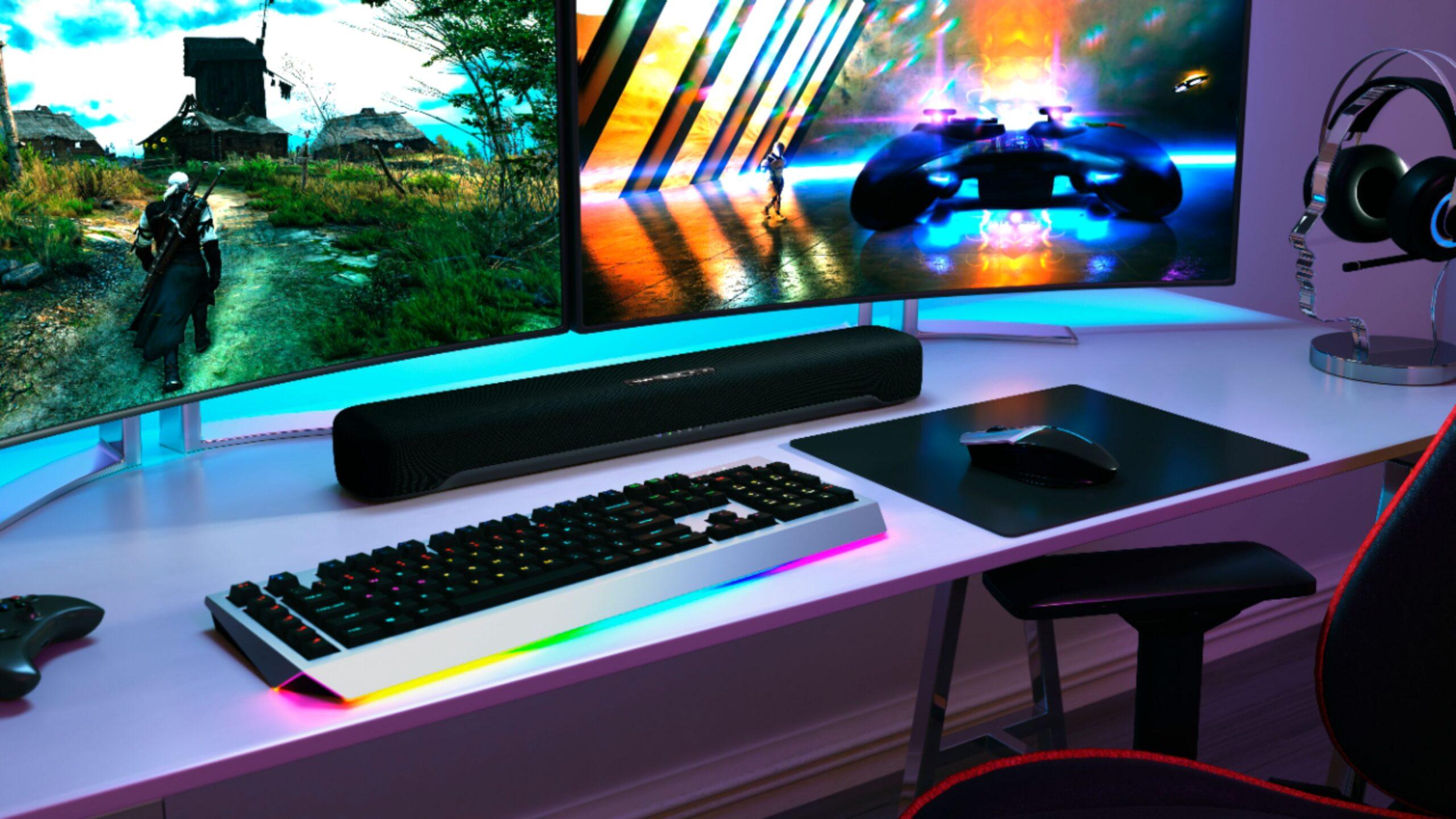
The Yamaha SR-C20A includes a basic Game mode, but without sophisticated directional processing or true channel separation, it can't provide the same level of spatial accuracy. For casual gaming, this may be perfectly adequate, but competitive gamers who rely on audio cues for tactical advantage will benefit from the Samsung's more advanced implementation.
Modern soundbars need to integrate seamlessly with your existing entertainment setup, and here both products take different approaches to flexibility.
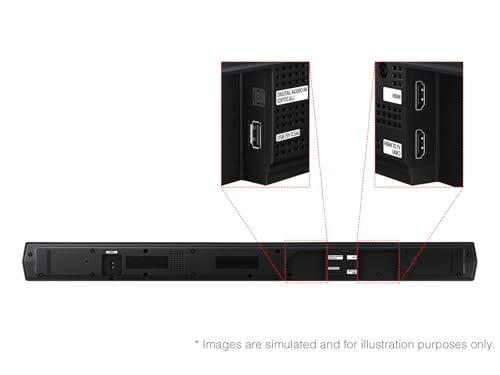
The Samsung HW-B630F includes both HDMI input and output with ARC (Audio Return Channel – a feature that lets your TV send audio back to the soundbar through the same HDMI cable carrying video). This allows the soundbar to act as an HDMI switcher, with one device connected to the soundbar and video passed through to the TV. However, the Samsung only supports 1080p pass-through, so 4K sources should connect directly to your TV.
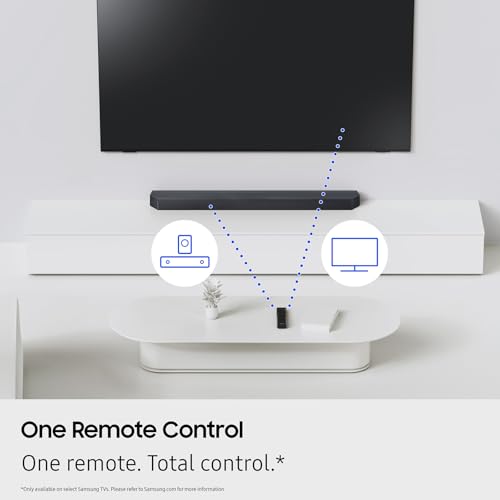
Samsung's One Remote Control feature is particularly valuable for Samsung TV owners, allowing control of the soundbar through the TV's remote. The soundbar also includes Bluetooth with multipoint technology, letting you pair two devices simultaneously and switch between them without re-pairing.
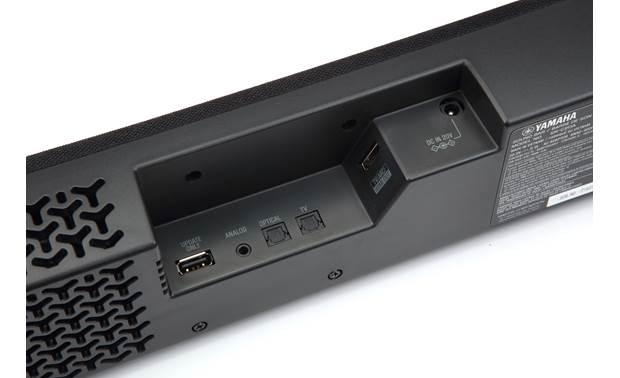
The Yamaha SR-C20A offers more input flexibility with dual optical digital inputs (useful if you have multiple older devices) plus an analog 3.5mm input for direct connection to phones or tablets. However, it lacks HDMI input, only providing HDMI ARC output. This means the TV must serve as your HDMI hub.
Yamaha includes a smartphone app for control, but it lacks the TV integration features Samsung provides. This makes day-to-day operation slightly less convenient unless you're comfortable using the included remote.
At the time of writing, the Samsung HW-B630F typically costs roughly double the Yamaha SR-C20A, raising the crucial question of whether the performance improvement justifies the price difference.
The Samsung delivers substantially better performance across almost every metric: deeper bass, clearer dialogue, wider soundstage, and more sophisticated processing. For users prioritizing audio quality, the Samsung represents strong value despite its higher price – you're getting genuine multi-channel audio with a dedicated subwoofer, advanced processing, and comprehensive connectivity features.
The Yamaha offers remarkable value at its price point, delivering a substantial upgrade over TV speakers while maintaining budget-friendly pricing and space-saving convenience. Performance limitations are reasonable given the significant cost savings and physical constraints.
The value equation ultimately depends on your priorities and constraints. If budget is the primary concern and space is limited, the Yamaha delivers impressive performance per dollar spent. If audio quality is the priority and you can accommodate a separate subwoofer, the Samsung provides better long-term satisfaction despite the higher initial investment.
Room size and layout significantly impact soundbar performance, and these products suit different environments.
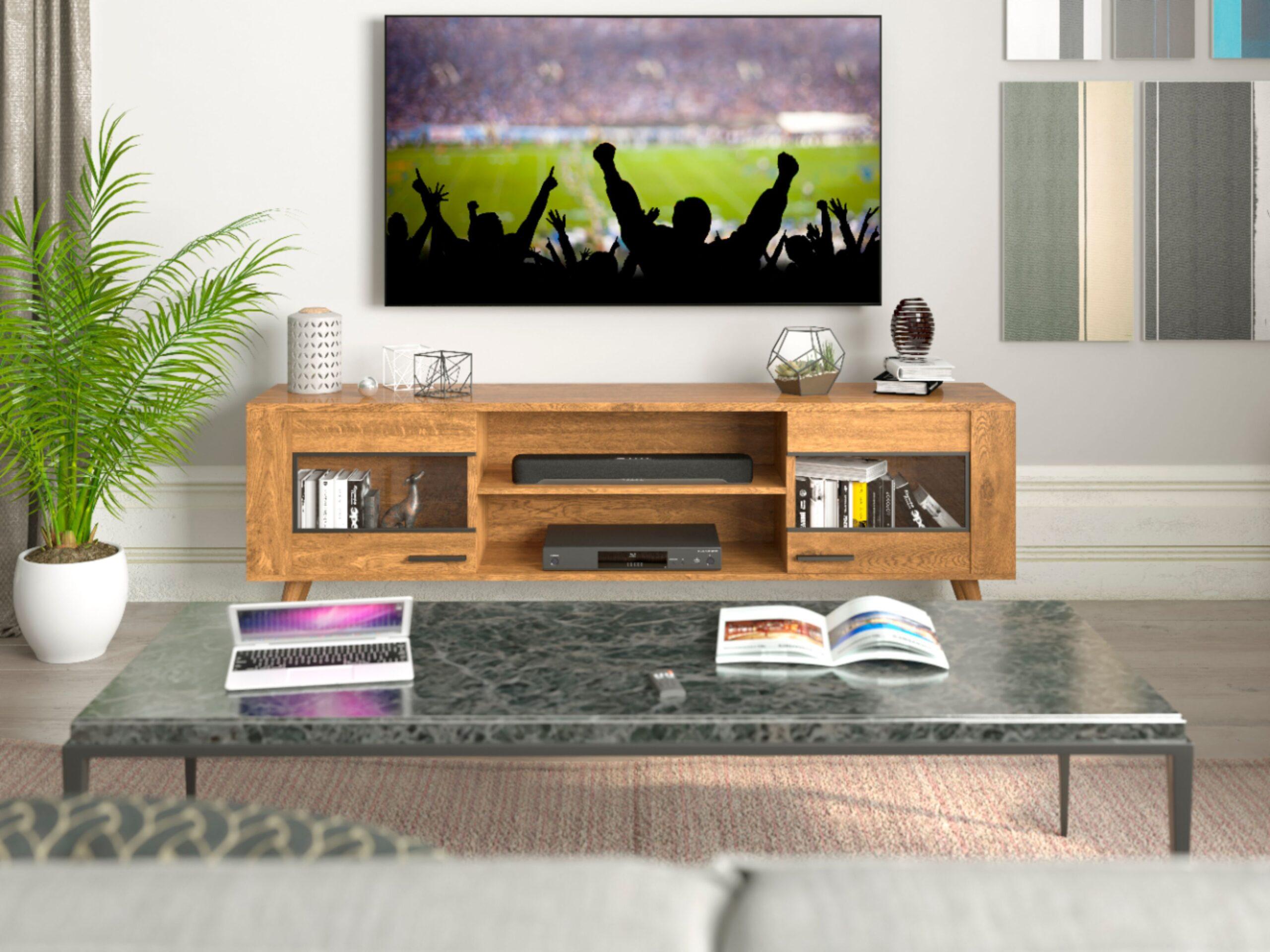
The Samsung HW-B630F is designed for medium to large rooms where its separate subwoofer can operate effectively. The wireless subwoofer allows flexible placement to optimize bass response – typically in a corner or along a wall where boundary reinforcement boosts output. The main soundbar's 34-inch width makes it suitable for TVs of 40 inches and larger without looking disproportionate.
The Yamaha SR-C20A excels in smaller spaces where a separate subwoofer would be impractical or overwhelming. Its 24-inch width works well with smaller TVs, and the all-in-one design eliminates the need to find space for additional components. However, in larger rooms, the Yamaha may struggle to fill the space with adequate bass and overall volume.
After extensive research into professional reviews, user feedback, and technical specifications, clear usage scenarios emerge for each product.
Choose the Samsung HW-B630F if you have space for a separate subwoofer and prioritize audio quality. The dedicated center channel provides superior dialogue clarity, while the wireless subwoofer delivers room-filling bass that transforms movie watching. Samsung TV owners get additional benefits from seamless remote control integration. The system's expandability to full 5.1 surround with optional rear speakers provides a future upgrade path for enthusiasts.
The Samsung makes sense for medium to large living rooms, mixed content viewing (movies, TV, sports, gaming), and situations where audio quality takes precedence over space constraints. If you've been frustrated by unclear dialogue or weak bass from your TV speakers, the Samsung addresses both issues definitively.
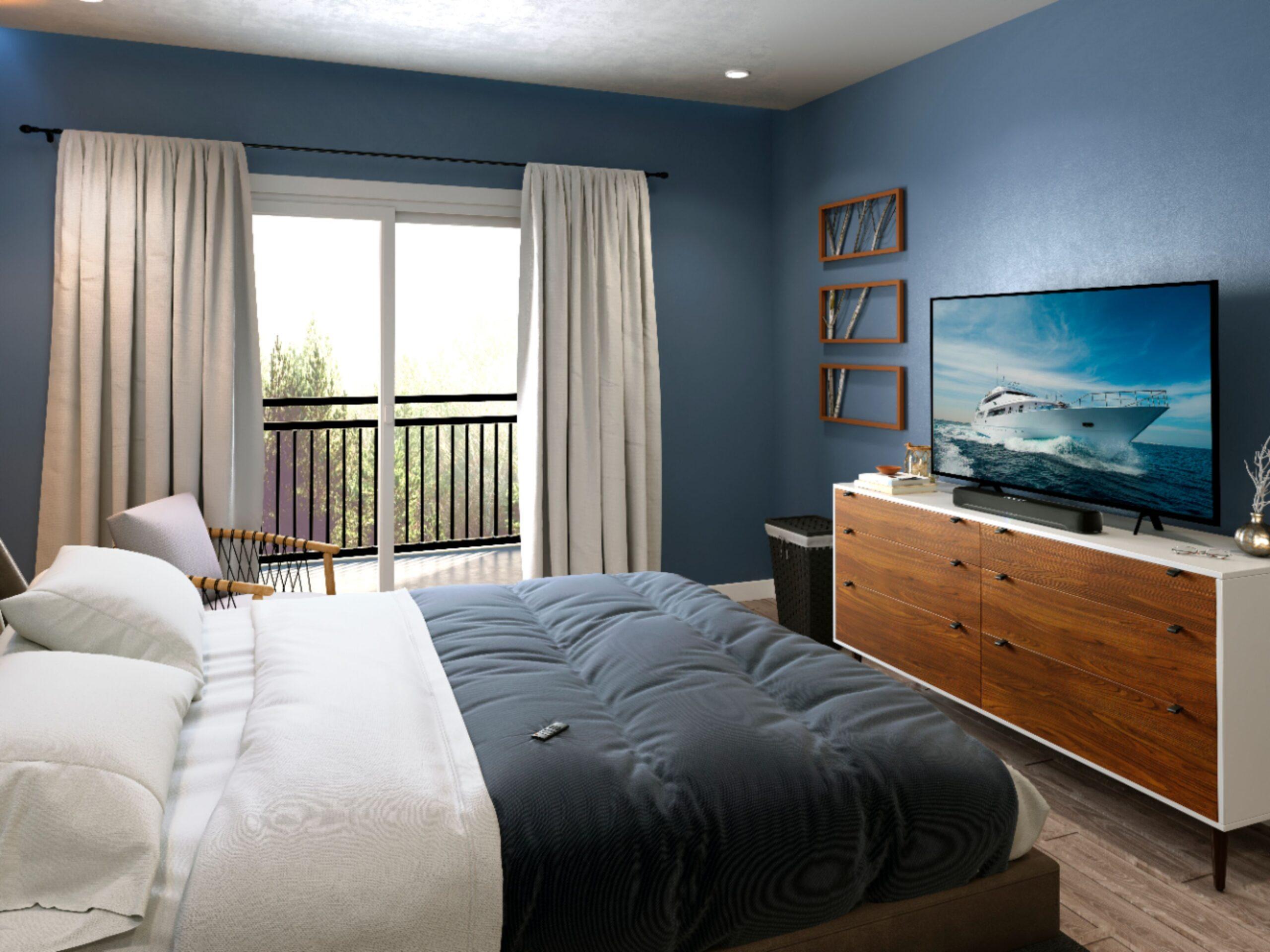
Choose the Yamaha SR-C20A if space constraints make a separate subwoofer impractical or if budget is the primary consideration. The all-in-one design works excellently in bedrooms, small apartments, or kitchen installations where simplicity matters more than maximum performance. The Yamaha still delivers a substantial upgrade over TV speakers while maintaining minimal footprint and setup complexity.
The Yamaha suits smaller rooms, budget-conscious buyers, minimalist setups, and situations where you need multiple input options (the dual optical inputs can be valuable). It's also ideal for apartment dwellers who need to be mindful of neighbor noise, as the integrated bass design is less likely to transmit low-frequency energy through walls and floors.
Both soundbars successfully solve the problem of poor TV audio, but they target different users and use cases. The Samsung HW-B630F delivers substantially better audio performance across all categories for approximately double the price, making it the clear choice for users prioritizing sound quality and willing to accommodate a two-piece system.
The Yamaha SR-C20A provides impressive value as a space-saving solution that significantly improves upon TV speakers while maintaining budget-friendly pricing and setup simplicity. Its compromises are reasonable given the constraints it operates under.
The decision ultimately comes down to your space, budget, and audio priorities. Both products represent solid value in their respective categories, but the Samsung's superior performance makes it the better long-term investment if your situation allows for it. The Yamaha remains an excellent choice when constraints make the Samsung impractical or when budget considerations take precedence over ultimate audio quality.
| Samsung HW-B630F B-Series 3.1ch Soundbar System | Yamaha SR-C20A Compact Sound Bar with Built-In Subwoofer |
|---|---|
| Channel Configuration - Determines dialogue clarity and surround effects | |
| True 3.1-channel (dedicated center + wireless subwoofer) | 2.0-channel with integrated subwoofer |
| Physical Design - Space requirements and bass performance | |
| Two-piece system: 34" soundbar + separate wireless subwoofer | All-in-one 24" compact unit |
| Bass Performance - Foundation for movie impact and music enjoyment | |
| Dedicated 6" wireless subwoofer with bass-reflex design | Built-in upward-firing woofer + dual passive radiators |
| Dialogue Clarity - Most important for TV shows and movies | |
| Dedicated center channel + Voice Enhance processing | Virtual center imaging + Clear Voice function |
| Sound Processing - Creates virtual surround effects | |
| DTS Virtual:X + Surround Sound Expansion + Adaptive Sound | Dolby Audio virtual surround + basic sound modes |
| HDMI Connectivity - Determines source switching flexibility | |
| 1 HDMI input + 1 HDMI ARC output (1080p pass-through) | HDMI ARC output only (no input) |
| Digital Inputs - Connection options for various devices | |
| 1 optical input + USB media playback | 2 optical inputs + 3.5mm analog input |
| Smart Features - TV integration and convenience | |
| One Remote Control (Samsung TVs) + HDMI CEC | Basic remote control + smartphone app |
| Bluetooth - Wireless music streaming capabilities | |
| Bluetooth 4.2 with multipoint (two devices simultaneously) | Bluetooth 5.0 standard implementation |
| Sound Modes - Optimization for different content types | |
| 7 modes including Game Mode with positional audio | 4 basic modes (Stereo, Standard, Movie, Game) |
| Room Size Compatibility - Optimal performance environment | |
| Medium to large rooms (40"+ TV recommended) | Small to medium rooms and compact spaces |
| Expandability - Future upgrade potential | |
| Compatible with optional wireless rear speakers for 5.1 | Fixed configuration, no upgrade options |
| Setup Complexity - Installation and daily use convenience | |
| Two-component setup requires subwoofer placement | Single unit, minimal cable management |
| Music Performance - Secondary use case consideration | |
| Cinema-focused tuning, adequate for casual listening | Better midrange reproduction, more musical accuracy |
The Samsung HW-B630F delivers significantly better bass performance with its dedicated 6-inch wireless subwoofer. This separate subwoofer can be placed optimally in your room and produces deeper, more controlled low-frequency response compared to the Yamaha SR-C20A's integrated subwoofer design. While the Yamaha's built-in bass system is impressive for its compact size, it can't match the room-filling impact of the Samsung's dedicated subwoofer.
This depends on your space and audio priorities. The Samsung HW-B630F requires space for a separate wireless subwoofer but delivers substantially better bass performance and overall audio quality. The Yamaha SR-C20A offers convenience with everything built into one compact unit, making it perfect for small spaces, bedrooms, or situations where you can't accommodate additional components. Choose the Samsung if you have space and want maximum performance, or the Yamaha for simplicity and space savings.
The Samsung HW-B630F provides superior dialogue clarity thanks to its dedicated center channel speaker specifically designed for speech reproduction. This physical center channel, combined with Voice Enhance processing, ensures voices remain clear even during complex action scenes. The Yamaha SR-C20A uses virtual center channel processing with Clear Voice technology, which helps but can't match the precision of a dedicated center speaker for dialogue-heavy content.
The Samsung HW-B630F is a true 3.1-channel system with separate left, center, right, and subwoofer channels, providing better dialogue separation and surround effects. The Yamaha SR-C20A is a 2.0-channel system with integrated subwoofer that uses virtual processing to simulate center channel effects. The Samsung's dedicated center channel offers more natural dialogue reproduction, while the Yamaha relies on processing to create the center image.
The Yamaha SR-C20A is specifically designed for small spaces with its compact 24-inch all-in-one design that requires no additional components or power outlets. The Samsung HW-B630F needs space for both the 34-inch main soundbar and a separate wireless subwoofer, making it better suited for medium to large rooms. If you're dealing with limited space in a bedroom, apartment, or small living room, the Yamaha is the more practical choice.
Both soundbars support HDMI ARC for easy TV connection, but the Samsung HW-B630F also includes an HDMI input for connecting sources directly to the soundbar. The Yamaha SR-C20A offers more input flexibility with dual optical connections and a 3.5mm analog input, but lacks HDMI input capability. The Samsung works better if you need HDMI switching, while the Yamaha suits setups with multiple older devices using optical connections.
The Samsung HW-B630F offers superior gaming performance with its dedicated Game Mode featuring cross-talk cancellation and directional processing to enhance positional audio cues. The 3.1-channel configuration helps gamers locate in-game sounds like footsteps and gunfire more accurately. While the Yamaha SR-C20A includes a basic Game mode, it can't provide the same level of spatial audio accuracy due to its 2.0-channel design and compact form factor.
Yes, both soundbars support Bluetooth music streaming. The Samsung HW-B630F features Bluetooth 4.2 with multipoint technology, allowing you to pair two devices simultaneously and switch between them without re-pairing. The Yamaha SR-C20A uses Bluetooth 5.0 for wireless streaming. For music listening, the Yamaha offers slightly better midrange reproduction thanks to Yamaha's audio heritage, while the Samsung provides more impactful bass through its dedicated subwoofer.
The Yamaha SR-C20A provides exceptional value as a significant upgrade over TV speakers at a budget-friendly price point, with the convenience of an all-in-one design. The Samsung HW-B630F costs roughly double but delivers substantially better performance across all categories with true multi-channel audio and dedicated subwoofer. Choose the Yamaha for maximum value per dollar, or the Samsung if you prioritize audio quality and can justify the higher investment.
Both the Samsung HW-B630F and Yamaha SR-C20A work with any TV that has HDMI ARC or optical digital output, regardless of brand. However, the Samsung offers enhanced integration with Samsung TVs through One Remote Control functionality, allowing you to control the soundbar with your Samsung TV remote. The Yamaha works equally well with all TV brands but requires its own remote or smartphone app for control.
For dedicated home theater use, the Samsung HW-B630F is the clear winner with its true 3.1-channel configuration, dedicated subwoofer, and advanced virtual surround processing including DTS Virtual:X. The separate subwoofer delivers the deep bass impact essential for movies, while the dedicated center channel ensures dialogue clarity during complex scenes. The Yamaha SR-C20A can enhance your home theater experience but is better suited for casual TV watching rather than serious movie viewing.
The Samsung HW-B630F is compatible with Samsung's optional Wireless Surround Kit, allowing you to upgrade from 3.1 to full 5.1-channel surround sound by adding rear speakers. This expandability makes it a good long-term investment if you might want more immersive audio later. The Yamaha SR-C20A has a fixed configuration with no upgrade options, but its all-in-one design means you get everything you need out of the box without future expansion possibilities.
We've done our best to create useful and informative comparisons to help you decide what product to buy. Our research uses advanced automated methods to create this comparison and perfection is not possible - please contact us for corrections or questions. These are the sites we've researched in the creation of this article: samsung.com - bhphotovideo.com - crutchfield.com - youtube.com - bestproducts.com - videoandaudiocenter.com - pcrichard.com - bhphotovideo.com - samsung.com - youtube.com - requiremints.com - karlsonline.com - crutchfield.com - youtube.com - donstv.com - samsung.com - bhphotovideo.com - youtube.com - youtube.com - crutchfield.com - costco.ca - rtings.com - crutchfield.com - accio.com - bhphotovideo.com - manuals.plus - samsung.com - saraappliance.com - t3.com - usa.yamaha.com - radiotimes.com - shop.usa.yamaha.com - whathifi.com - hifiheaven.net - usa.yamaha.com - sweetwater.com - hub.yamaha.com - bestbuy.com

Privacy Policy
Terms and Conditions - Affiliate Policy
Home Security
© Copyright 2008-2026.
11816 Inwood Rd #1211, Dallas, TX 75244