

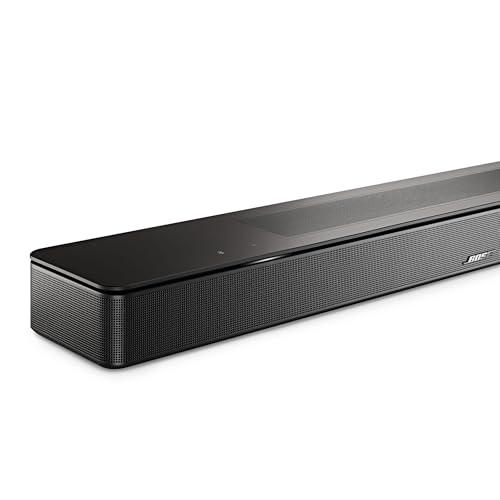
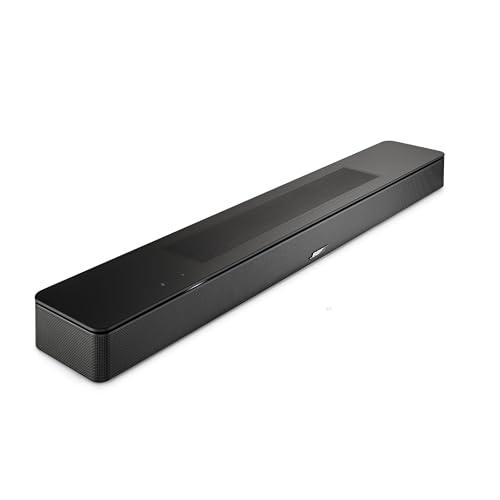

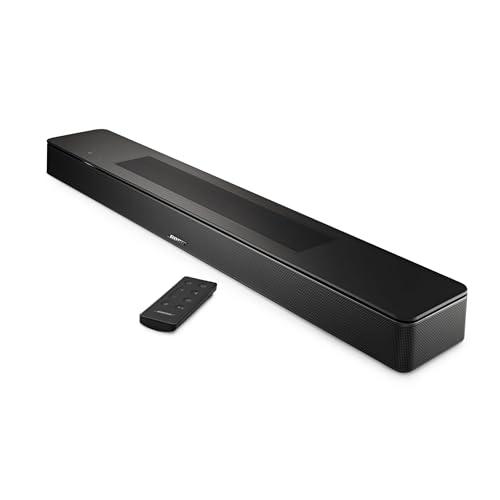
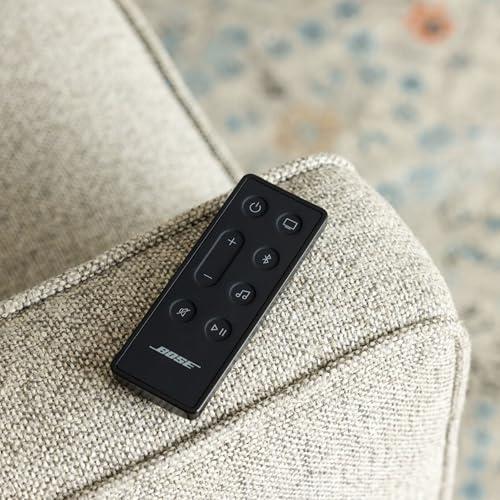






When your TV's speakers sound like they're trapped inside a cardboard box, it's time to consider a soundbar upgrade. But with options ranging from budget-friendly basics to premium powerhouses, choosing the right one can feel overwhelming. Today we're diving deep into two popular compact soundbars that represent opposite ends of the spectrum: the feature-packed Bose Smart Soundbar 1100 and the value-focused Yamaha SR-C20A.
These aren't just any soundbars—they're both compact models designed for smaller spaces, but they take dramatically different approaches to improving your TV audio experience. Understanding these differences will help you make the right choice for your setup and budget.
The compact soundbar category sits in the sweet spot between basic TV audio and full home theater systems. Unlike their larger counterparts that can stretch 40+ inches and require dedicated subwoofers, compact soundbars prioritize space efficiency while still delivering meaningful audio improvements.
The key considerations in this category revolve around maximizing performance within physical constraints. How do you get decent bass from a slim profile? Can you create immersive surround sound without rear speakers? What smart features justify a higher price tag? These questions become even more critical when comparing models with vastly different price points.
Modern compact soundbars have evolved significantly since their early 2010s origins. The Bose Smart Soundbar 1100, released in 2023, represents current-generation technology with Dolby Atmos processing, AI-powered dialogue enhancement, and comprehensive smart home integration. The Yamaha SR-C20A, launched in 2020, focuses on fundamental audio improvements with time-tested approaches like built-in subwoofers and virtual surround processing.
The most fundamental difference between these soundbars lies in their audio philosophy. The Bose Smart Soundbar 1100 embraces Bose's "less is more" approach—using advanced digital signal processing to extract maximum performance from carefully selected drivers. Its 3.0.2 channel configuration includes five speakers plus a center tweeter, with two dedicated up-firing drivers specifically for overhead effects.
This configuration matters because it enables true Dolby Atmos processing. Dolby Atmos is a surround sound technology that treats audio as objects moving through three-dimensional space rather than limiting sound to specific channels. Those up-firing drivers bounce sound off your ceiling to create the illusion of helicopters flying overhead or rain falling from above—effects that traditional soundbars simply can't reproduce.
The Bose Smart Soundbar 1100 also incorporates several proprietary technologies that set it apart. PhaseGuide technology uses precisely timed audio beams to create a soundstage wider than the physical dimensions of the bar itself. When watching movies, this means dialogue doesn't feel locked to the center of your TV screen—it spreads naturally across the room. QuietPort technology, meanwhile, uses specially designed vents to reduce the whooshing sounds that often plague bass ports in compact speakers, resulting in cleaner low-frequency output.
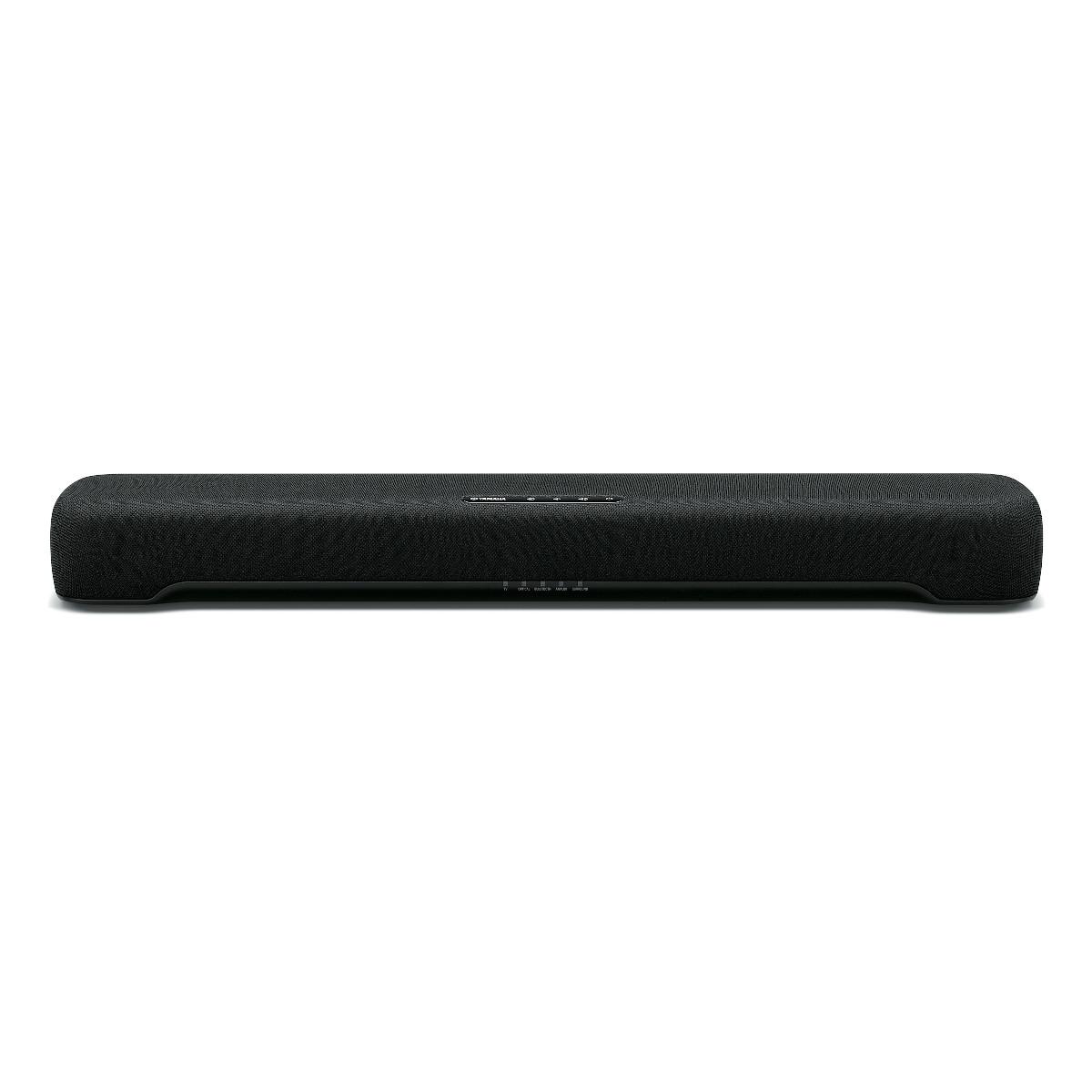
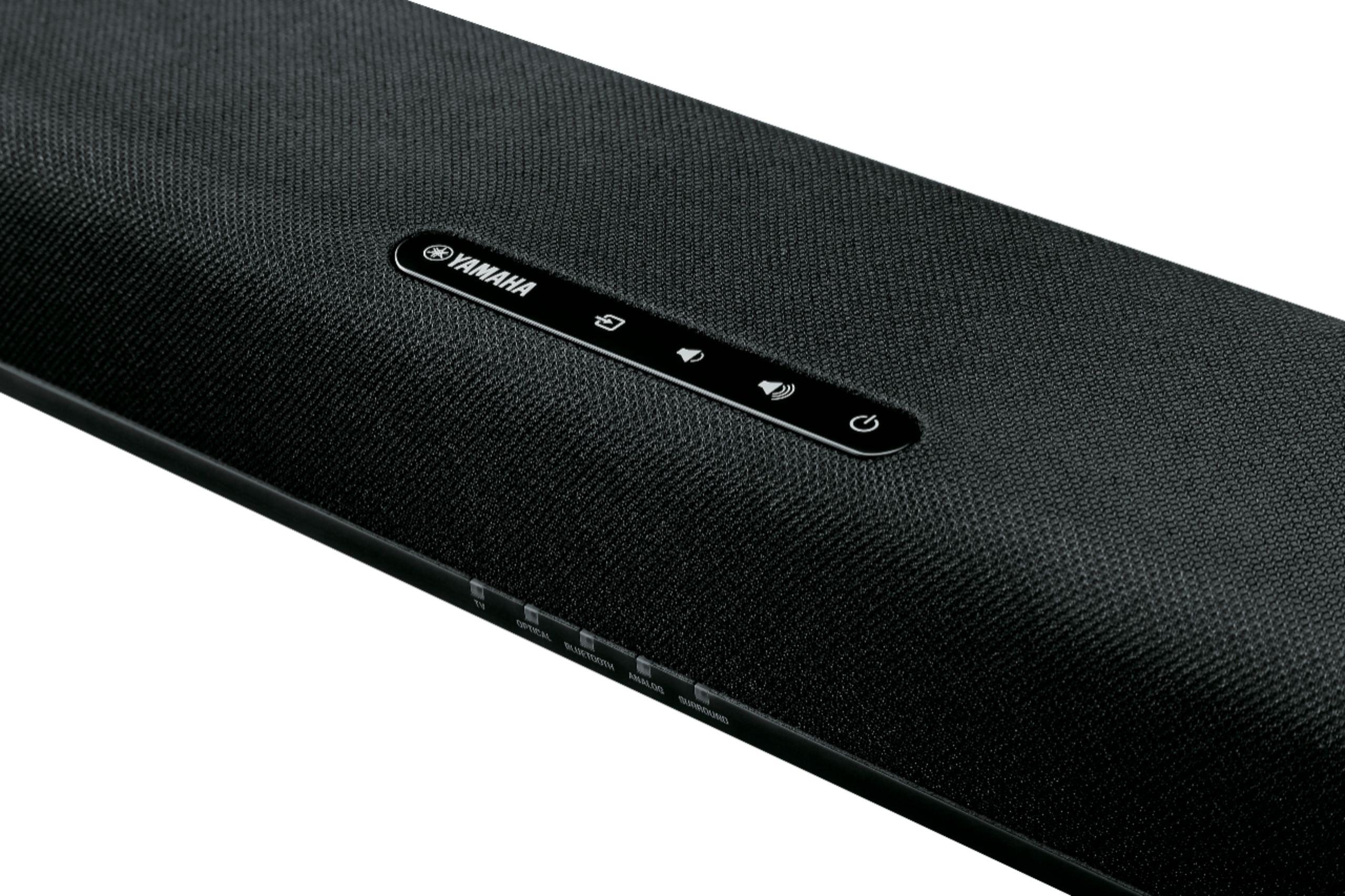
The Yamaha SR-C20A takes a more traditional but effective approach. Its 2.1 channel system includes a built-in 3-inch subwoofer complemented by dual passive radiators. Passive radiators are essentially speakers without voice coils that vibrate sympathetically with the active subwoofer, effectively increasing bass output without requiring additional amplification. This setup delivers more immediate bass satisfaction than the Bose, which relies on optional external subwoofers for deep low-end response.
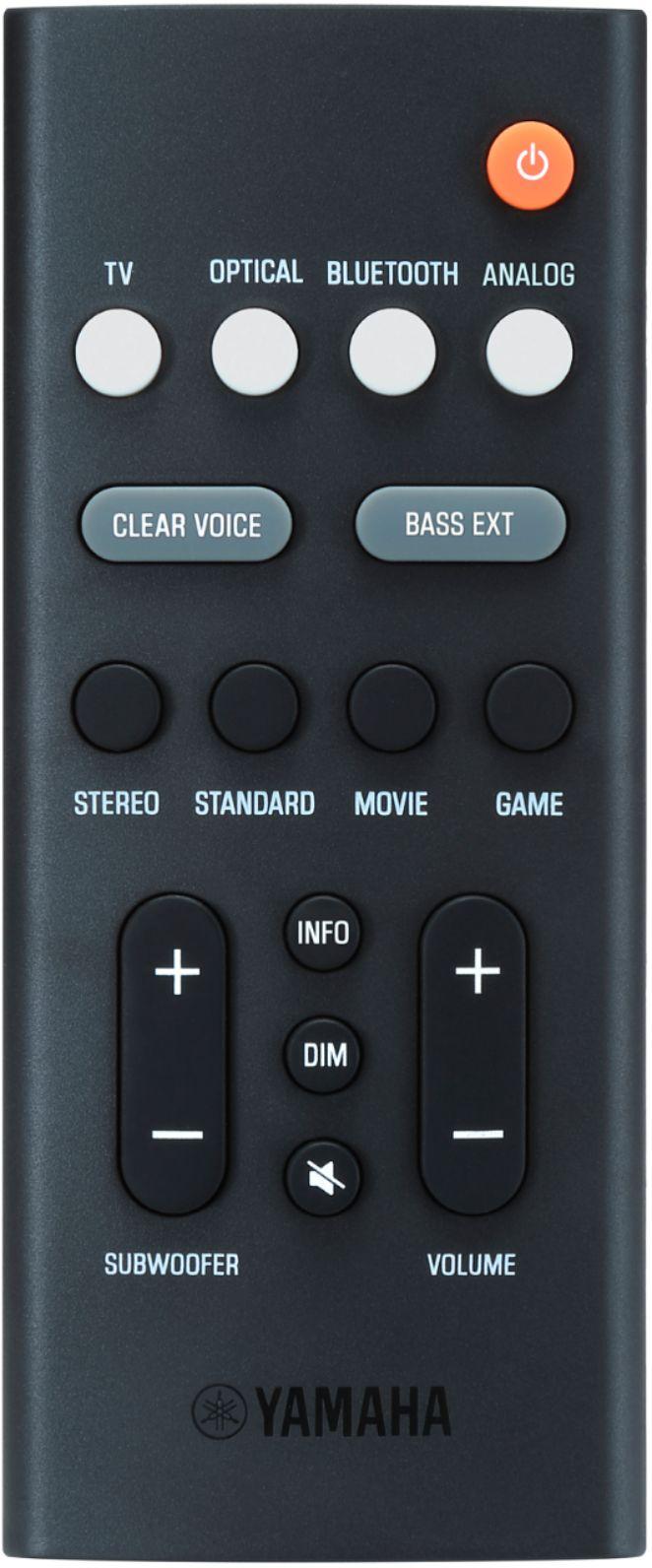
Yamaha's Clear Voice technology specifically targets dialogue intelligibility—a common pain point with TV audio. Unlike the Bose's AI-powered dialogue mode that automatically adjusts in real-time, Yamaha's approach offers manual control through dedicated sound modes optimized for different content types.
Based on our research into user and expert reviews, the sonic differences are quite pronounced. The Bose Smart Soundbar 1100 consistently receives praise for its balanced, refined sound signature with exceptional dialogue clarity. The soundstage presentation impresses listeners who expect compact soundbars to sound... well, compact. However, without an external subwoofer, action movies and bass-heavy music can feel somewhat restrained.
The Yamaha SR-C20A, conversely, immediately satisfies with its built-in bass response. Users consistently note improved impact during action sequences and more satisfying music reproduction compared to TV speakers. However, the overall sound character tends toward the warmer, more musical side that Yamaha is known for, which some listeners prefer while others find less precise than the Bose.
This is where the performance gap becomes most dramatic. The Bose Smart Soundbar 1100's true Dolby Atmos implementation with dedicated height channels creates genuine three-dimensional audio experiences. When watching supported content on Netflix, Disney+, or 4K Blu-rays, the overhead effects add legitimate immersion that transforms the viewing experience.
Even more impressive is Bose's TrueSpace technology, which analyzes non-Atmos content and creates height effects from standard stereo or 5.1 sources. This means older movies and regular TV programming benefit from enhanced spatial processing, making the Atmos capability useful beyond just the latest blockbusters.
The Yamaha SR-C20A's virtual surround technology operates differently. Rather than creating height effects, it focuses on widening the stereo soundstage and adding some rear-channel simulation. The results are pleasant and do create a more immersive experience than TV speakers, but it's fundamentally different from true object-based audio processing.
For home theater enthusiasts, this distinction matters enormously. The Bose Smart Soundbar 1100 can serve as the foundation for a genuine Atmos-capable system, especially when paired with Bose's optional subwoofers and surround speakers. The Yamaha SR-C20A provides meaningful improvement but reaches its ceiling quickly—what you buy is what you get.
The smart features gap between these soundbars is perhaps even wider than the audio performance difference. The Bose Smart Soundbar 1100 functions essentially as a smart speaker that happens to excel at TV audio, while the Yamaha SR-C20A remains focused primarily on its core soundbar duties.
Bose's implementation of Amazon Alexa goes beyond basic voice control. The Voice4Video feature allows Alexa to control not just the soundbar, but also your TV and cable/satellite box through learned IR commands. This means you can say "Alexa, turn on Netflix" and the soundbar will power on your TV, switch to the correct input, and launch the Netflix app—all without touching a remote.
The Wi-Fi connectivity opens up extensive streaming possibilities. Apple AirPlay 2 support means seamless streaming from iPhones and iPads with proper synchronization across multiple rooms if you have other compatible speakers. Google Chromecast built-in provides similar functionality for Android users, while Spotify Connect enables direct streaming that doesn't drain your phone's battery.
The Bose Music app deserves special mention for its sophistication. Beyond basic setup and control, it enables multiroom audio grouping, personalized EQ adjustments, and even coordinates with certain Bose headphones for "personal surround sound"—essentially using wireless earbuds as rear speakers for solo listening sessions.
The Yamaha SR-C20A keeps things simple with Bluetooth 5.0 connectivity and a basic control app. While this approach reduces complexity and potential connection issues, it also limits functionality to basic wireless music streaming and simple remote control functions.
At the time of writing, these soundbars occupy distinctly different price tiers, with the Bose Smart Soundbar 1100 commanding premium pricing while the Yamaha SR-C20A sits firmly in budget territory. This price difference—roughly 3.5x at current market rates—raises important questions about value and appropriate expectations.
The Bose Smart Soundbar 1100's premium pricing reflects its advanced feature set and expansion capabilities. Beyond the immediate audio improvements, you're investing in Dolby Atmos processing, comprehensive smart home integration, and the ability to build a complete surround system over time. The engineering behind features like PhaseGuide and TrueSpace represents genuine technological advancement that justifies higher costs for users who value cutting-edge performance.
However, this premium comes with caveats. To fully realize the Bose Smart Soundbar 1100's potential, especially for bass-heavy content, you'll likely want to add Bose's optional subwoofer, which significantly increases the total system cost. The soundbar is designed to be the foundation of a larger system rather than a complete solution.
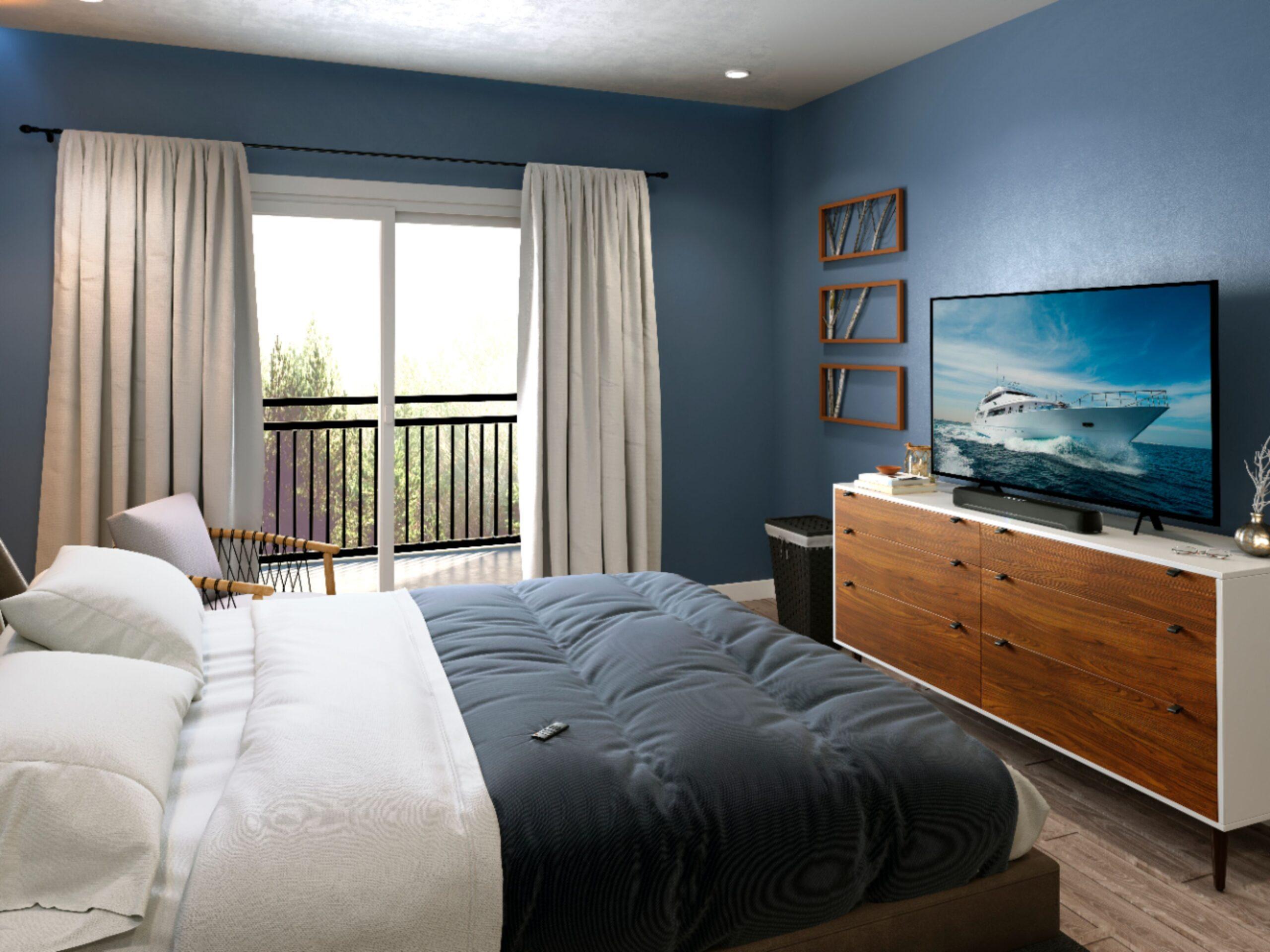
The Yamaha SR-C20A represents exceptional value for immediate gratification. Its built-in subwoofer means you get meaningful bass improvement right out of the box, and its compact dimensions make it suitable for bedrooms, apartments, or secondary viewing areas where space and budget constraints matter most. The four sound modes provide enough customization for most users, and the simple setup process means you'll be enjoying better audio within minutes of unboxing.
Room acoustics play a crucial role in soundbar performance, and these models serve different spatial requirements effectively. The Bose Smart Soundbar 1100 excels in medium to large rooms where its PhaseGuide technology has space to create its impressive soundstage effects. The up-firing Dolby Atmos drivers need adequate ceiling height and distance to reflect properly—cramped spaces limit their effectiveness.
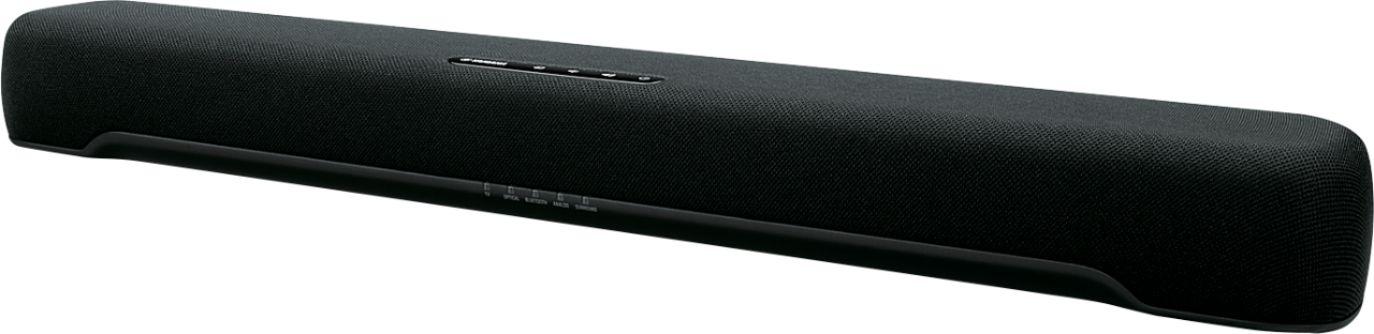
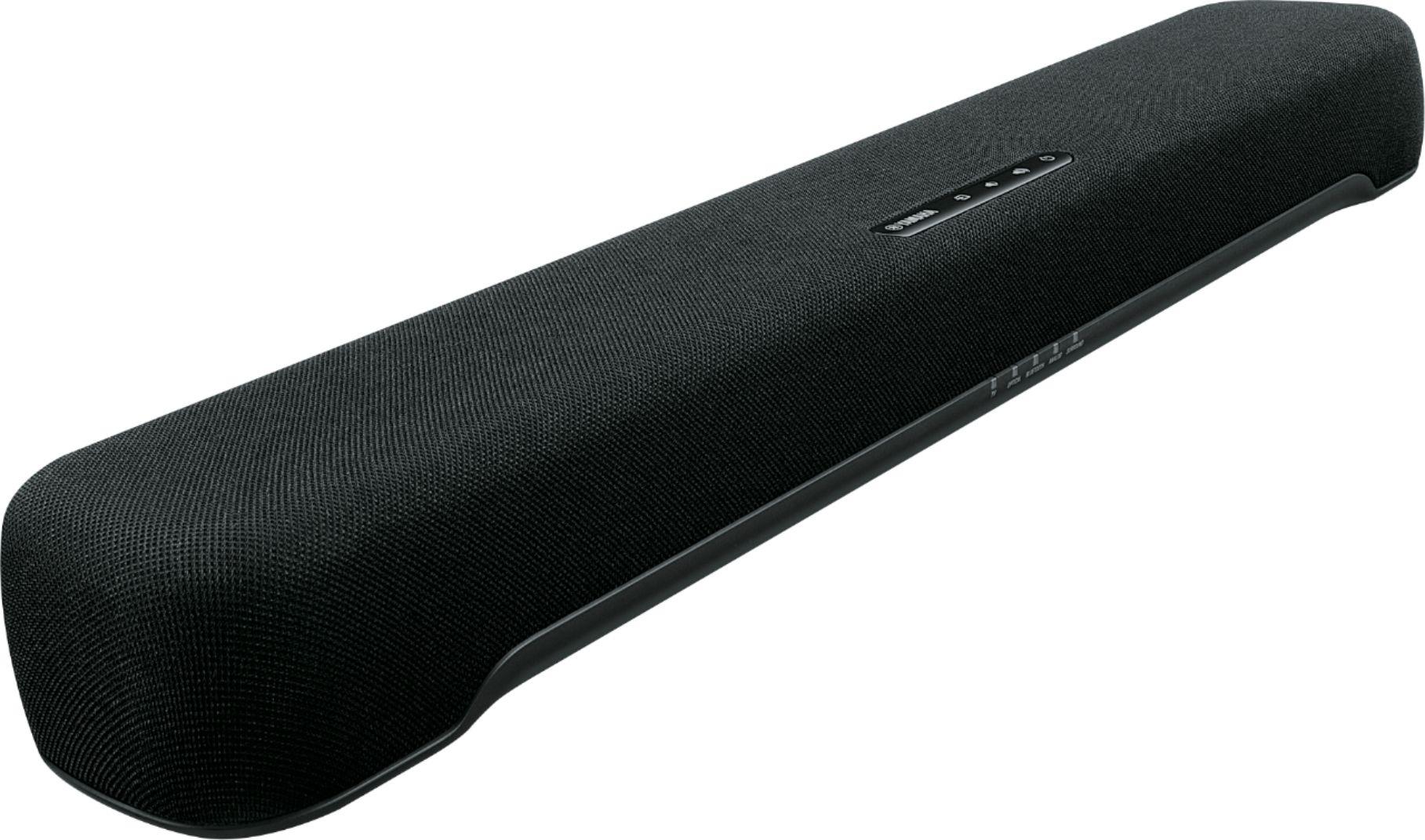
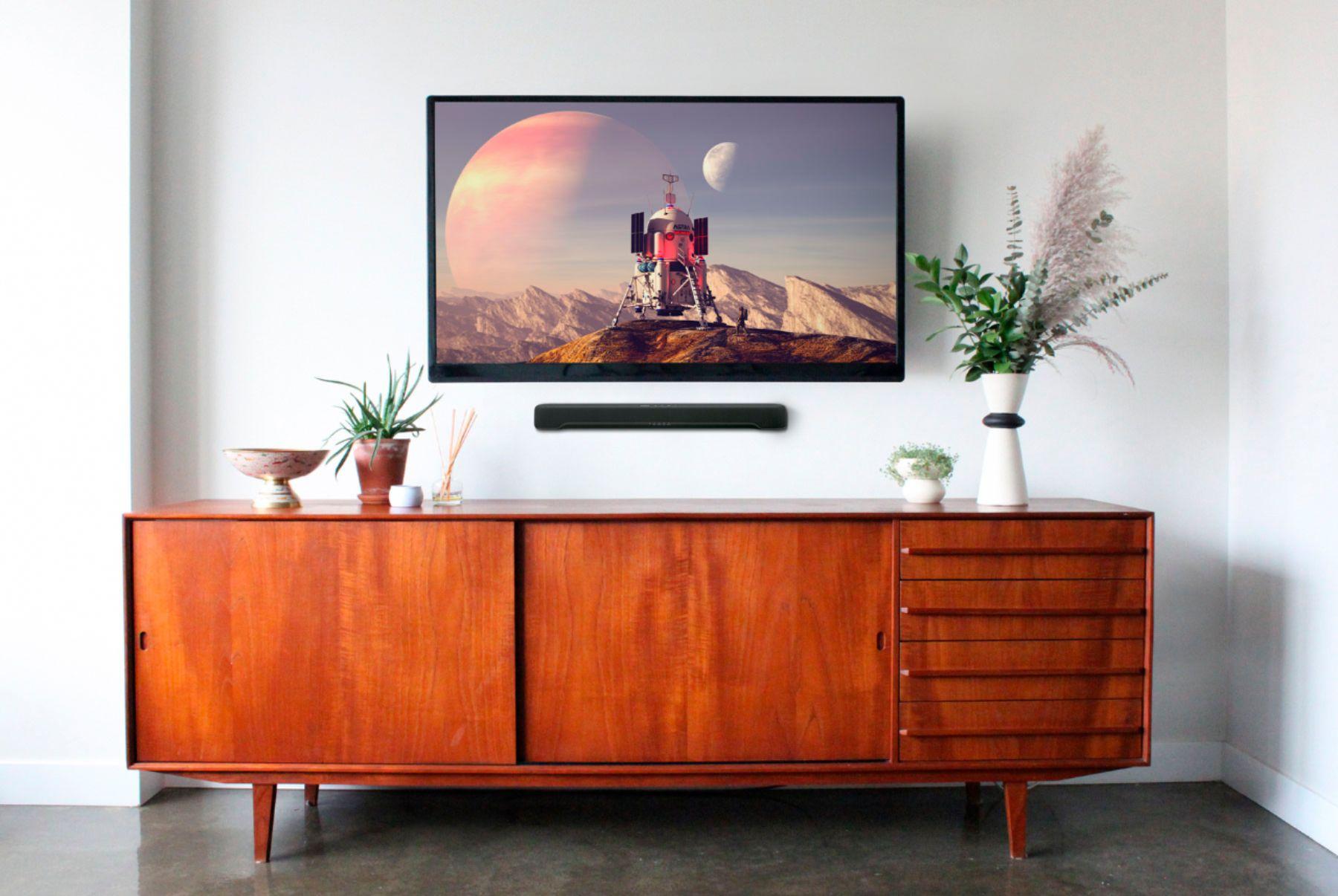
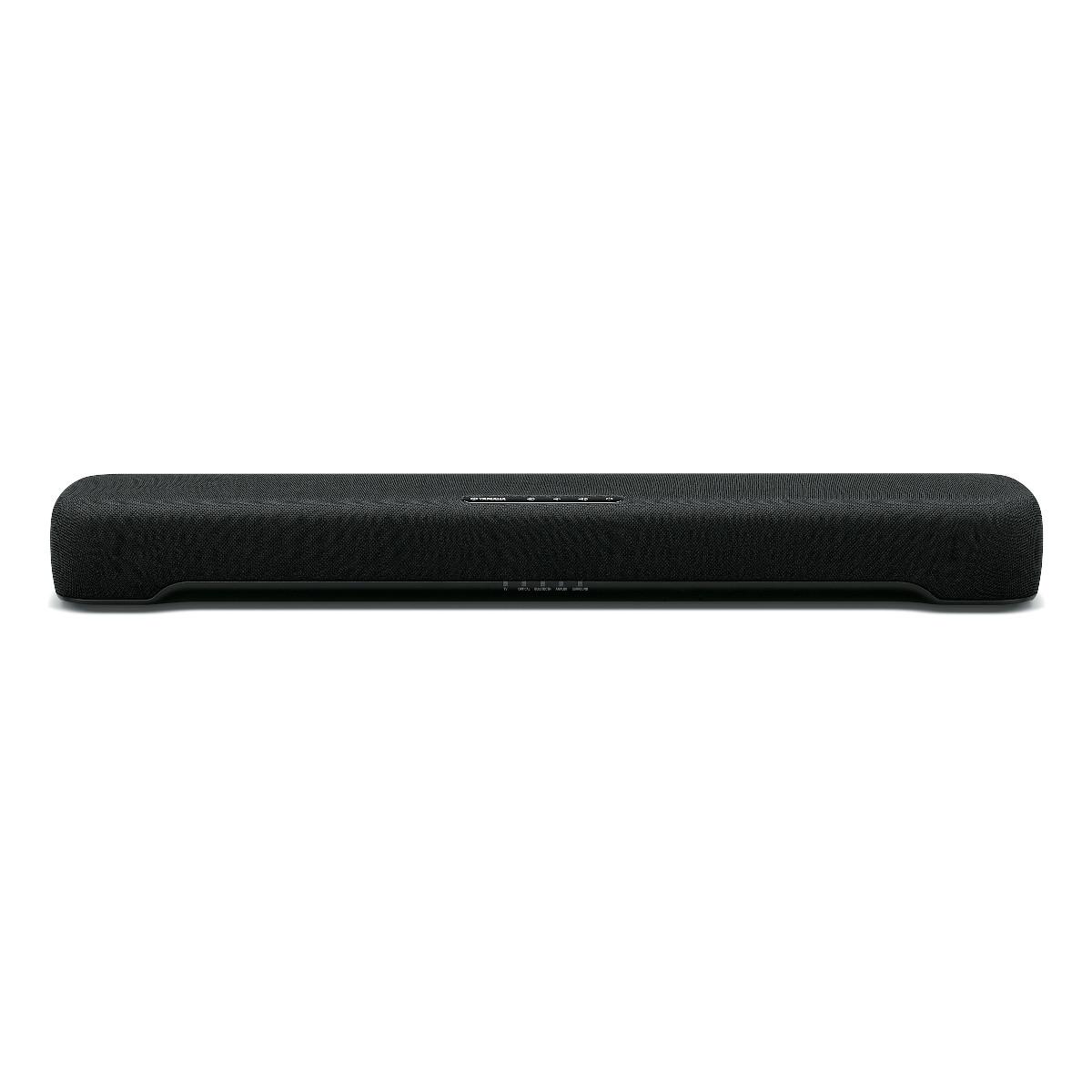
The Yamaha SR-C20A's more compact dimensions and integrated bass make it ideal for smaller spaces, apartments, or secondary rooms. Its 23.6-inch width fits under most TVs without overhang, and the built-in subwoofer eliminates the need for additional floor space that external subs require.
For dedicated home theater rooms, the Bose Smart Soundbar 1100 offers genuine scalability. Its expansion ecosystem allows you to start with just the soundbar and add components as budget allows, eventually creating a full 5.1.2 Atmos system. This upgrade path provides long-term value for serious enthusiasts.
The technology gap between these 2020 and 2023 releases illustrates how rapidly soundbar capabilities have advanced. The Bose Smart Soundbar 1100 incorporates AI-powered dialogue processing that wasn't available in earlier generations, while its wireless protocols support the latest high-quality codecs and multi-device synchronization standards.
Firmware updates continue expanding the Bose Smart Soundbar 1100's capabilities, adding new streaming services and occasionally improving audio processing algorithms. This ongoing development cycle extends the product's useful life and provides additional value over time.
The Yamaha SR-C20A, while featuring older technology, benefits from Yamaha's decades of audio engineering experience. Its approach may be less cutting-edge, but it's proven and reliable, with fewer potential points of failure than more complex smart systems.
The decision between these soundbars ultimately depends on your priorities, space constraints, and long-term audio goals.
Choose the Bose Smart Soundbar 1100 if you value cutting-edge audio technology and want a system that can grow with your needs. It's ideal for users who prioritize Dolby Atmos immersion, appreciate sophisticated smart features, and don't mind investing in additional components for complete bass response. This soundbar excels in medium to large rooms and serves as an excellent foundation for future home theater expansion.
The Yamaha SR-C20A makes sense for budget-conscious buyers seeking immediate, meaningful improvement over TV speakers. Its built-in subwoofer delivers satisfying bass without additional purchases, while its straightforward operation appeals to users who prefer simplicity over complexity. It's perfect for smaller spaces, secondary rooms, or situations where maximum value per dollar is the primary concern.
Consider your viewing habits as well. If you primarily watch streaming services with Atmos content, enjoy action movies, or game frequently, the Bose Smart Soundbar 1100's immersive capabilities justify its premium. For casual TV watching, news, and music listening, the Yamaha SR-C20A provides all the improvement most users need.
Both soundbars represent intelligent engineering solutions to the challenge of improving TV audio within compact form factors. The Bose Smart Soundbar 1100 pushes technological boundaries while the Yamaha SR-C20A perfects time-tested approaches. Your choice should align with your audio ambitions, technical comfort level, and budget reality. Either way, you'll enjoy significantly better sound than what your TV currently provides.
| Bose Smart Soundbar 1100 | Yamaha SR-C20A Compact Sound Bar |
|---|---|
| Channel Configuration - Determines surround sound capabilities | |
| 3.0.2 channels with dedicated up-firing drivers | 2.1 channels with built-in subwoofer |
| Dolby Atmos Support - Essential for immersive movie experiences | |
| True Dolby Atmos with height effects | Virtual surround only (no height channels) |
| Built-in Subwoofer - Affects bass performance and setup complexity | |
| None (requires separate subwoofer purchase) | Yes, 3-inch cone with dual passive radiators |
| Smart Features - Voice control and streaming convenience | |
| Amazon Alexa built-in, Voice4Video, multiroom audio | Basic Bluetooth streaming only |
| Wireless Connectivity - Streaming options beyond Bluetooth | |
| Wi-Fi, AirPlay 2, Chromecast, Spotify Connect | Bluetooth 5.0 with SBC/AAC codecs |
| Expandability - Future upgrade potential | |
| Compatible with Bose subwoofers and surround speakers | Fixed 2.1 system (no expansion options) |
| Dimensions - Space requirements under TV | |
| 27.3" × 2.2" × 4.6" (6.9 lbs) | 23.6" × 2.5" × 3.75" (3.9 lbs) |
| HDMI Connectivity - TV connection quality | |
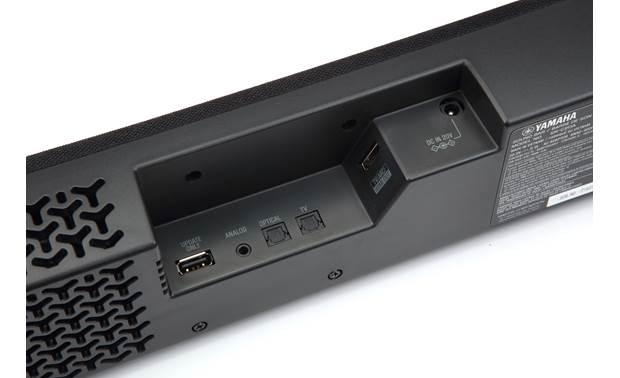
| 1 HDMI eARC output | 1 HDMI ARC output |
| Voice Assistant Integration - Smart home control | |
| Built-in Alexa with TV/cable control | None (app control only) |
| Audio Processing Technology - Sound enhancement features | |
| PhaseGuide, TrueSpace, AI Dialogue Mode | Clear Voice, Bass Extension, Virtual Surround |
| Setup Complexity - Installation and configuration ease | |
| Advanced setup via Bose Music app | Simple plug-and-play with basic app |
| Target Room Size - Optimal performance environment | |
| Medium to large rooms (12+ feet) | Small to medium rooms (under 12 feet) |
The Yamaha SR-C20A is better suited for small rooms due to its compact 23.6-inch width and built-in subwoofer that delivers immediate bass without requiring additional space. The Bose Smart Soundbar 1100 performs best in medium to large rooms where its PhaseGuide technology and Dolby Atmos up-firing drivers have adequate space to create immersive sound effects.
Yes, the Bose Smart Soundbar 1100 offers superior overall sound quality with true Dolby Atmos processing, AI-powered dialogue enhancement, and advanced audio technologies like PhaseGuide and TrueSpace. However, the Yamaha SR-C20A provides better immediate bass response due to its built-in 3-inch subwoofer, while the Bose requires a separate subwoofer purchase for deep bass.
The Bose Smart Soundbar 1100 has significantly more smart features including built-in Amazon Alexa, Voice4Video for TV control, Wi-Fi streaming with AirPlay 2 and Chromecast, and multiroom audio capabilities. The Yamaha SR-C20A only offers basic Bluetooth streaming and a simple control app.
Only the Bose Smart Soundbar 1100 can be expanded with optional Bose subwoofers and surround speakers to create a full 5.1.2 Atmos system. The Yamaha SR-C20A is a fixed 2.1 system with no expansion options, though its built-in subwoofer means expansion isn't immediately necessary.
Both soundbars excel at dialogue clarity but use different approaches. The Bose Smart Soundbar 1100 features AI Dialogue Mode that automatically adjusts tonal balance in real-time, while the Yamaha SR-C20A uses Clear Voice technology with manual sound mode selection. Users consistently praise both for significant dialogue improvements over TV speakers.
Only the Bose Smart Soundbar 1100 supports true Dolby Atmos with dedicated up-firing drivers that bounce sound off the ceiling for overhead effects. The Yamaha SR-C20A uses virtual surround technology that simulates spatial audio but cannot create genuine height effects like true Atmos processing.
The Yamaha SR-C20A offers exceptional value for budget-conscious buyers, providing immediate audio improvement with built-in bass at an accessible price point. The Bose Smart Soundbar 1100 justifies its premium pricing with advanced features like Dolby Atmos, comprehensive smart capabilities, and expansion potential for serious audio enthusiasts.
The Yamaha SR-C20A offers simpler plug-and-play setup with built-in keyhole mounting and basic app control. The Bose Smart Soundbar 1100 requires more initial configuration through the Bose Music app but offers more customization options and ongoing firmware updates that add new features over time.
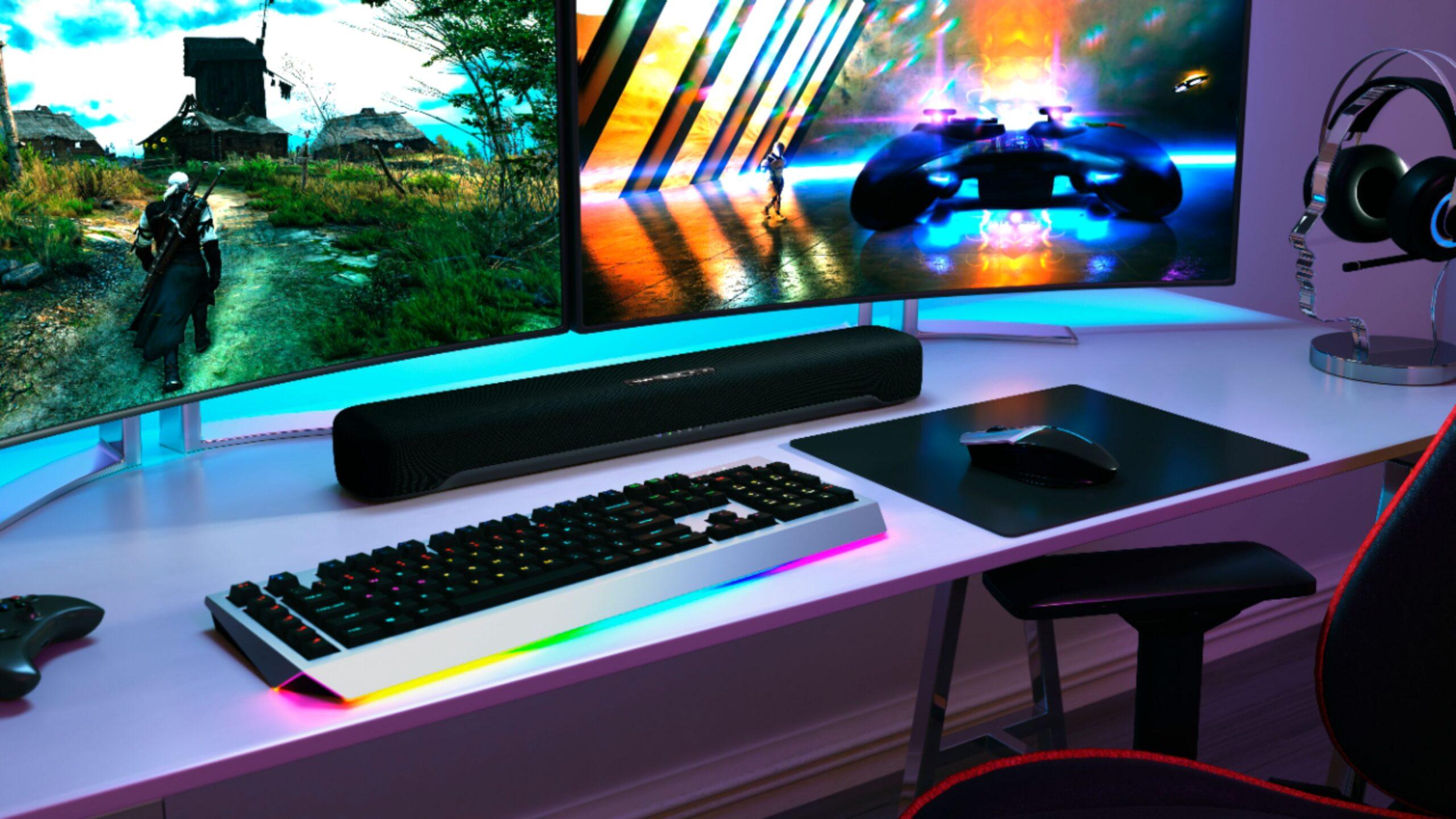
The Bose Smart Soundbar 1100 is superior for gaming due to its Dolby Atmos support that enhances spatial audio in compatible games, creating more immersive experiences with overhead effects. The Yamaha SR-C20A includes a dedicated Game mode and provides solid audio improvement, but lacks the three-dimensional audio processing that modern gaming benefits from.
The Bose Smart Soundbar 1100 has Amazon Alexa built-in with advanced Voice4Video capabilities for controlling your TV and cable box. It also works with Google Assistant when connected to compatible devices. The Yamaha SR-C20A has no voice assistant integration and relies on manual control via remote or smartphone app.
The Bose Smart Soundbar 1100 offers comprehensive wireless connectivity including Wi-Fi, Bluetooth 5.0, Apple AirPlay 2, Google Chromecast, and Spotify Connect for multiple streaming options. The Yamaha SR-C20A is limited to Bluetooth 5.0 streaming with SBC and AAC codec support, making the Bose far more versatile for wireless audio.
The Bose Smart Soundbar 1100 is excellent for home theater applications with true Dolby Atmos processing, expansion capabilities, and immersive audio technologies that enhance movie watching experiences. The Yamaha SR-C20A provides meaningful improvement for casual home theater use but lacks the advanced features and scalability that serious home theater enthusiasts typically want.
We've done our best to create useful and informative comparisons to help you decide what product to buy. Our research uses advanced automated methods to create this comparison and perfection is not possible - please contact us for corrections or questions. These are the sites we've researched in the creation of this article: bestbuy.com - rtings.com - rtings.com - youtube.com - staples.com - youtube.com - soundguys.com - businessinsider.com - youtube.com - rtings.com - crutchfield.com - youtube.com - youtube.com - smart.dhgate.com - dolby.com - bose.com - assets.bose.com - bose.com - connection.com - bestbuy.com - cdw.com - dell.com - device.report - t3.com - usa.yamaha.com - radiotimes.com - shop.usa.yamaha.com - whathifi.com - hifiheaven.net - usa.yamaha.com - sweetwater.com - hub.yamaha.com - bestbuy.com

Privacy Policy
Terms and Conditions - Affiliate Policy
Home Security
© Copyright 2008-2026.
11816 Inwood Rd #1211, Dallas, TX 75244