









When your TV's built-in speakers make dialogue sound like it's coming from a tin can, it's time to consider a soundbar upgrade. But walking into the budget soundbar market can feel overwhelming – especially when you're trying to decide between fundamentally different approaches to better sound.
Today, we're comparing two popular budget soundbars that represent opposite design philosophies: the Polk Audio Signa S2 with its wireless subwoofer, and the Yamaha SR-C20A with its built-in subwoofer design. At the time of writing, these models sit roughly $50 apart in price, but that difference tells a bigger story about what you're getting for your money.
Before diving into specifics, let's talk about what budget soundbars are trying to solve. Your TV's speakers face a fundamental problem: they're tiny, pointing away from you, and crammed into an impossibly thin chassis. Any soundbar, even a basic one, addresses these issues by providing larger drivers, forward-firing sound, and dedicated amplification.
In the budget category – typically under $250 at the time of writing – you're making trade-offs. You won't get Dolby Atmos (overhead sound effects that bounce off your ceiling), high-end room correction, or the kind of bass that shakes your neighbor's windows. What you can get is significantly clearer dialogue, better music reproduction, and enough bass to make action scenes feel more engaging.
The key considerations boil down to: How much space do you have? How important is maximum sound quality versus convenience? And what size room are you trying to fill with sound?
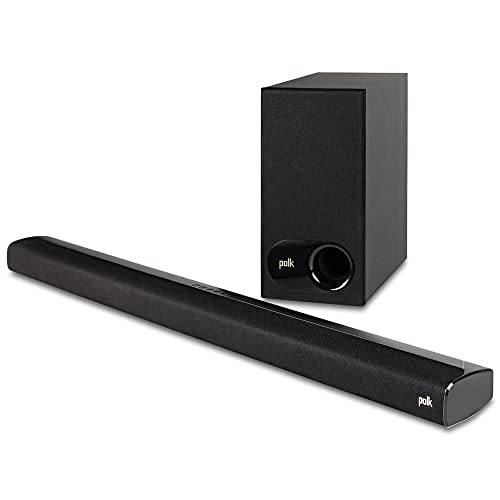
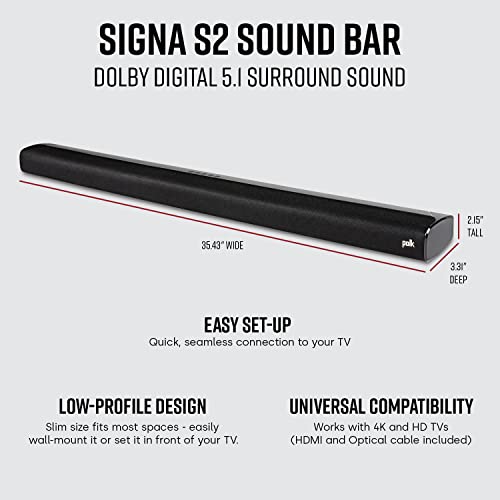
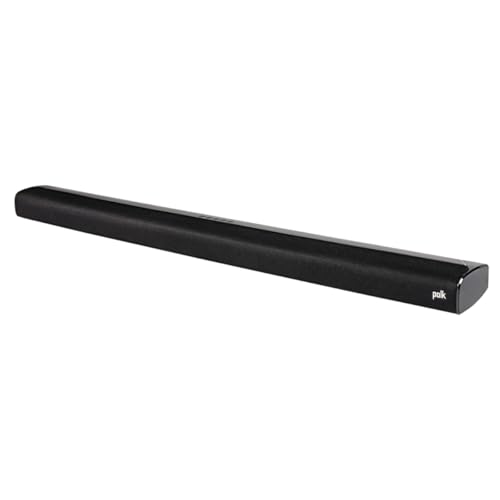
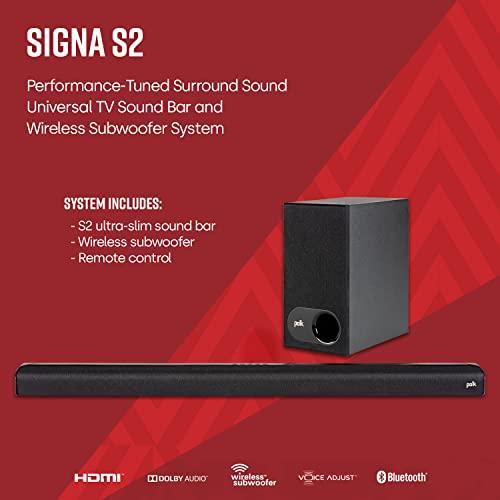
The Polk Audio Signa S2, released in 2019, represents the traditional soundbar approach. It's a lengthy 35.4-inch bar paired with a separate wireless subwoofer – essentially two boxes that work together. This separation allows each component to focus on what it does best: the main bar handles dialogue and music, while the dedicated subwoofer tackles bass frequencies.
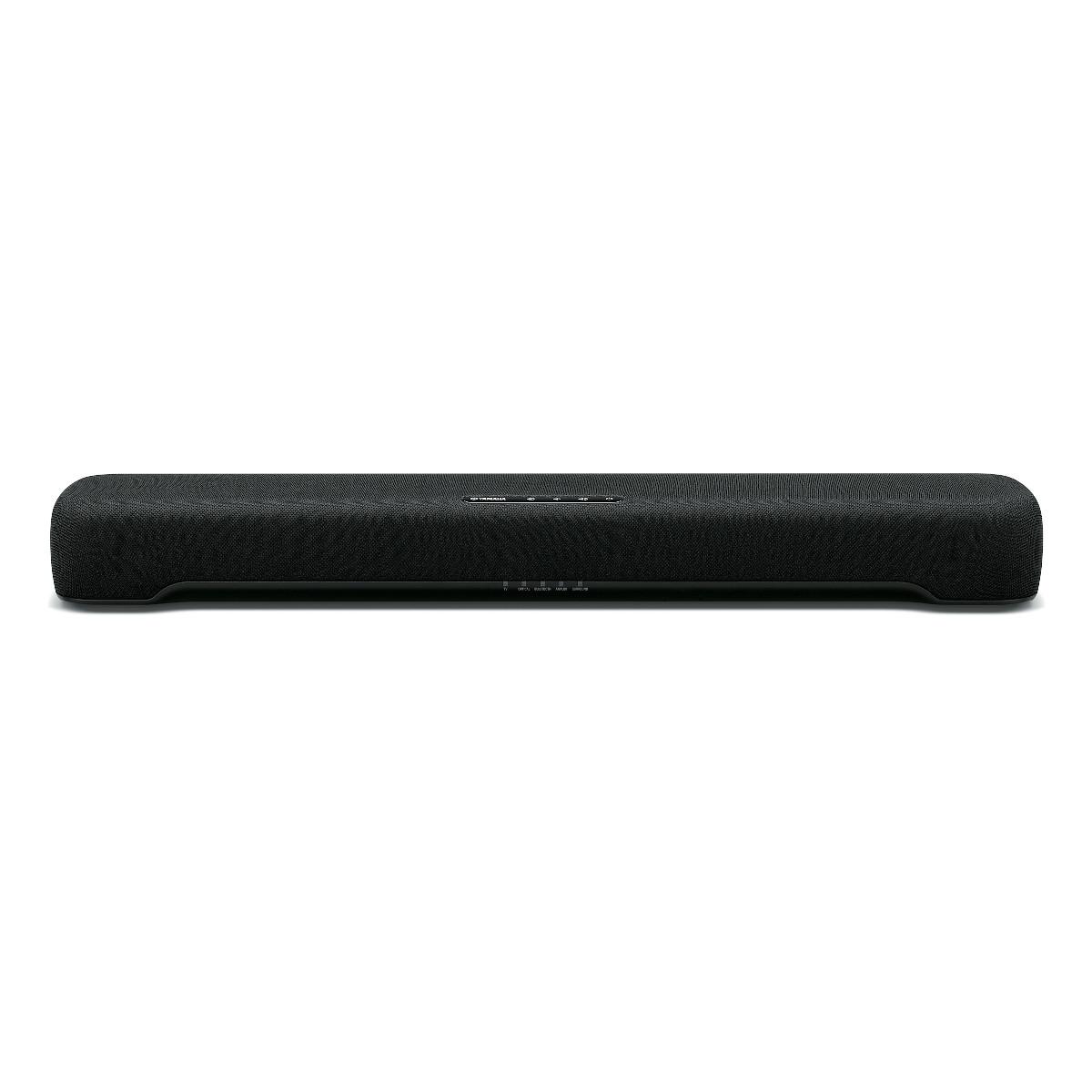
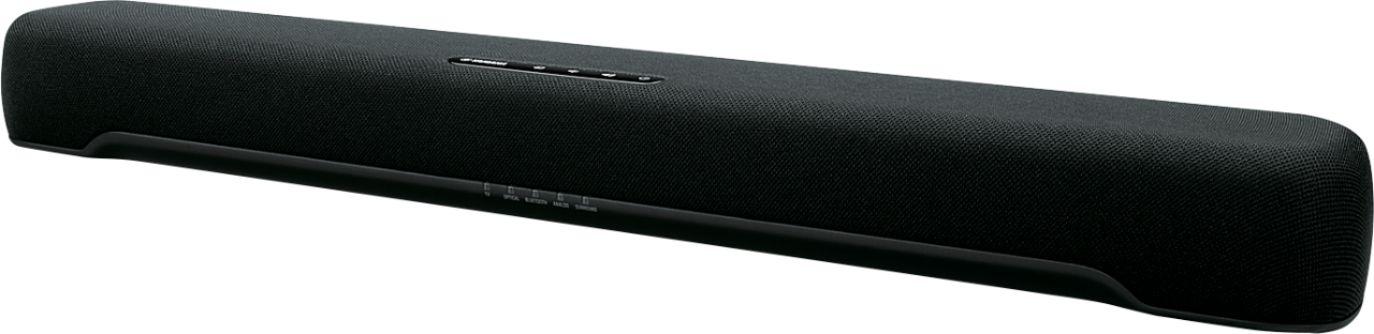
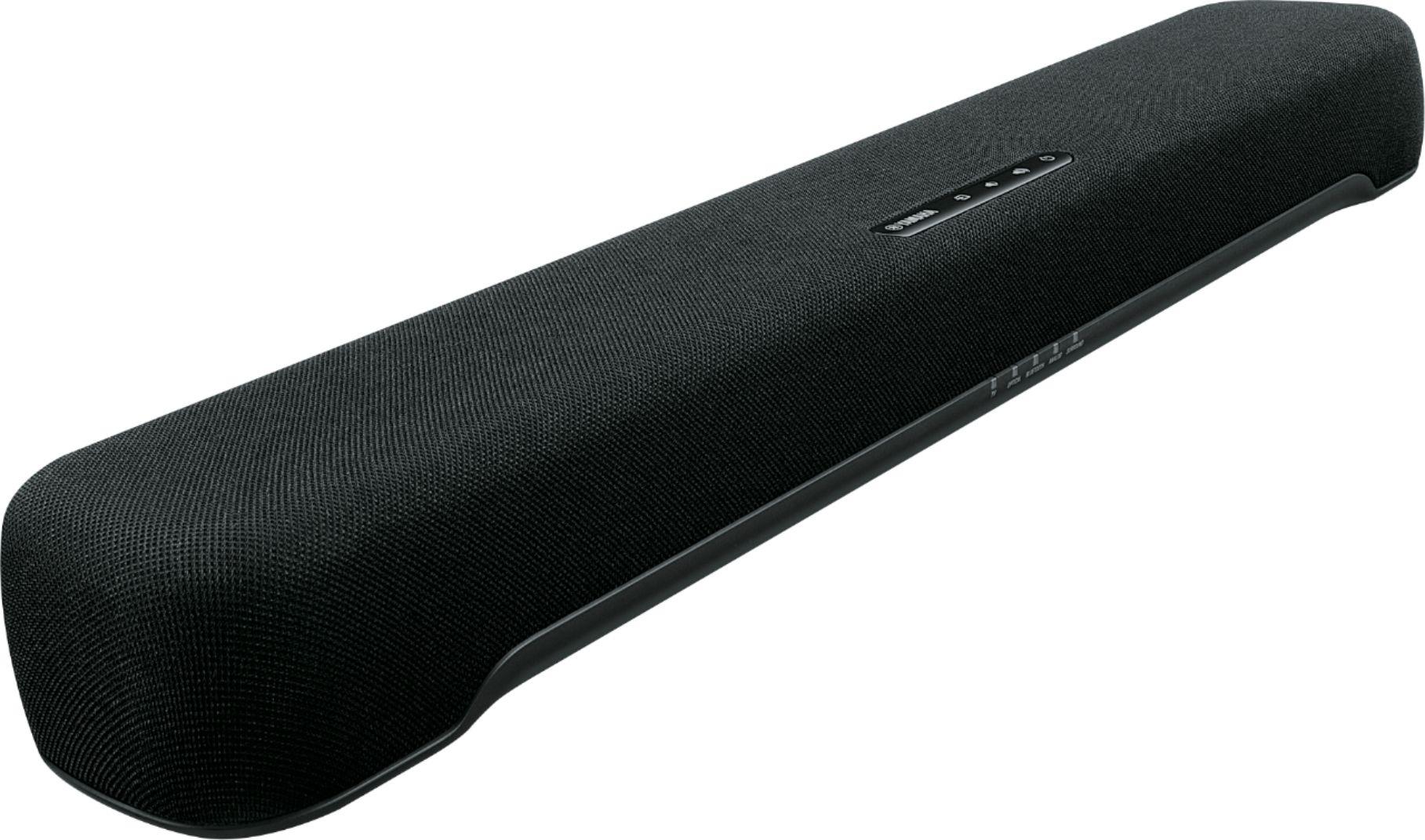
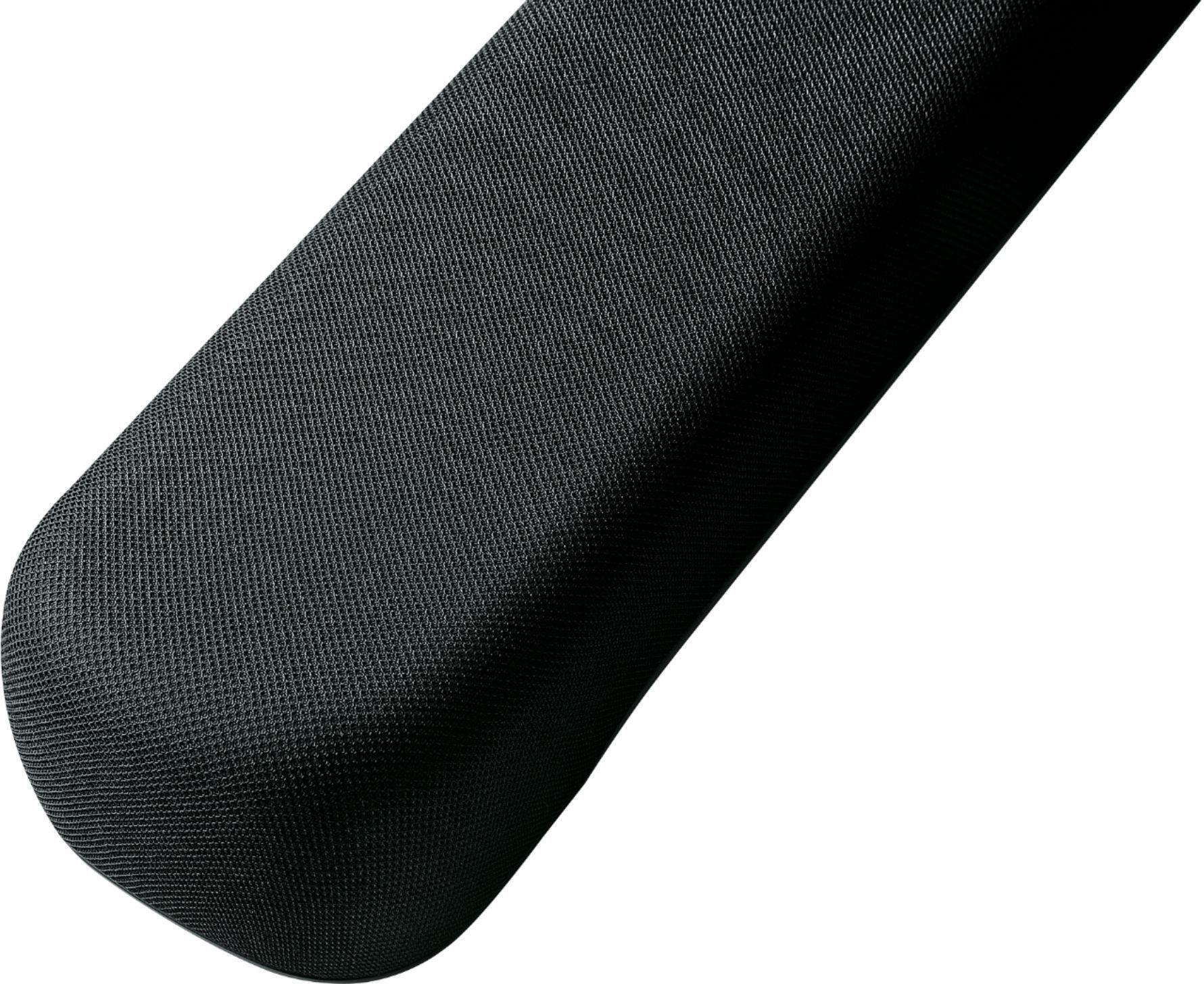
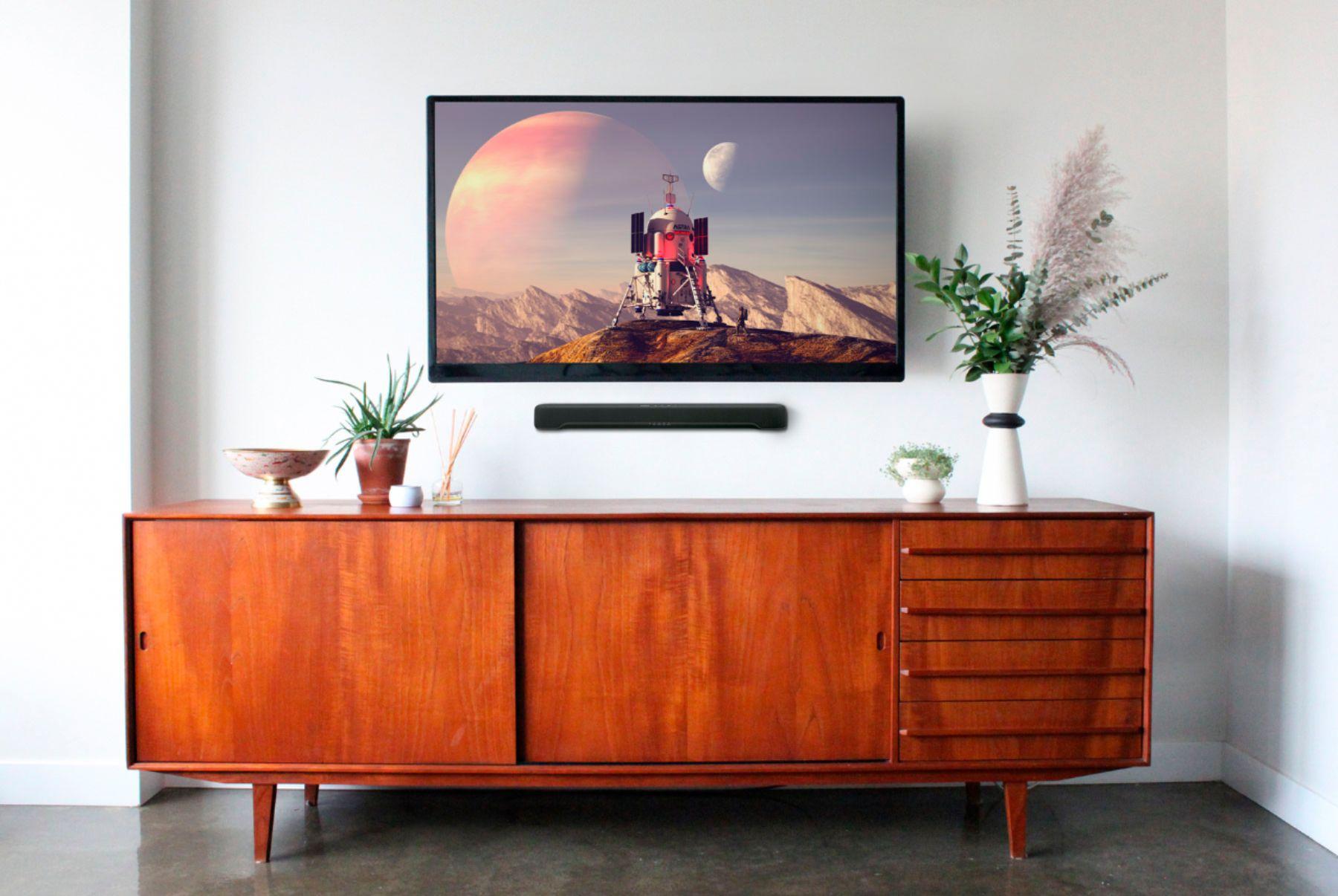
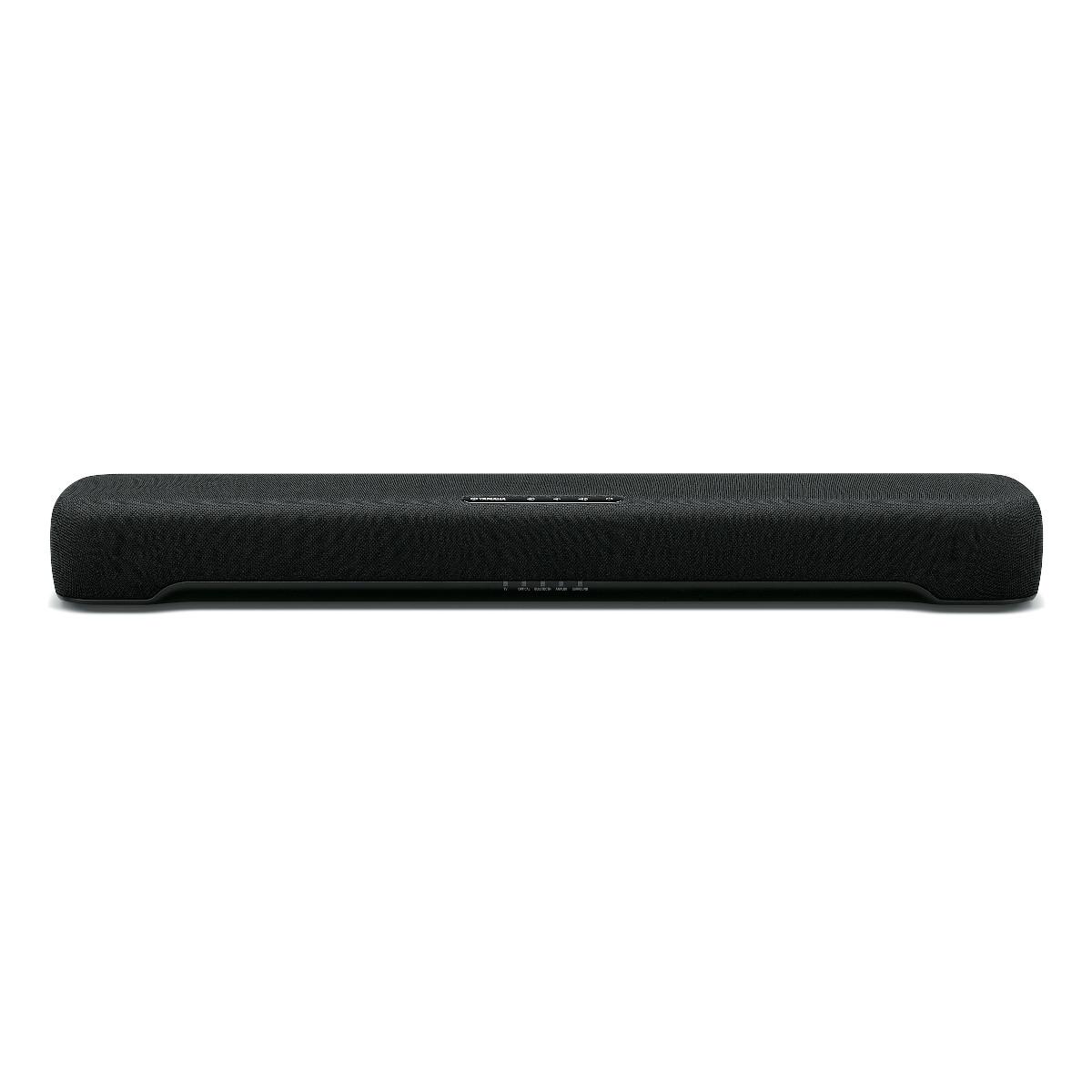
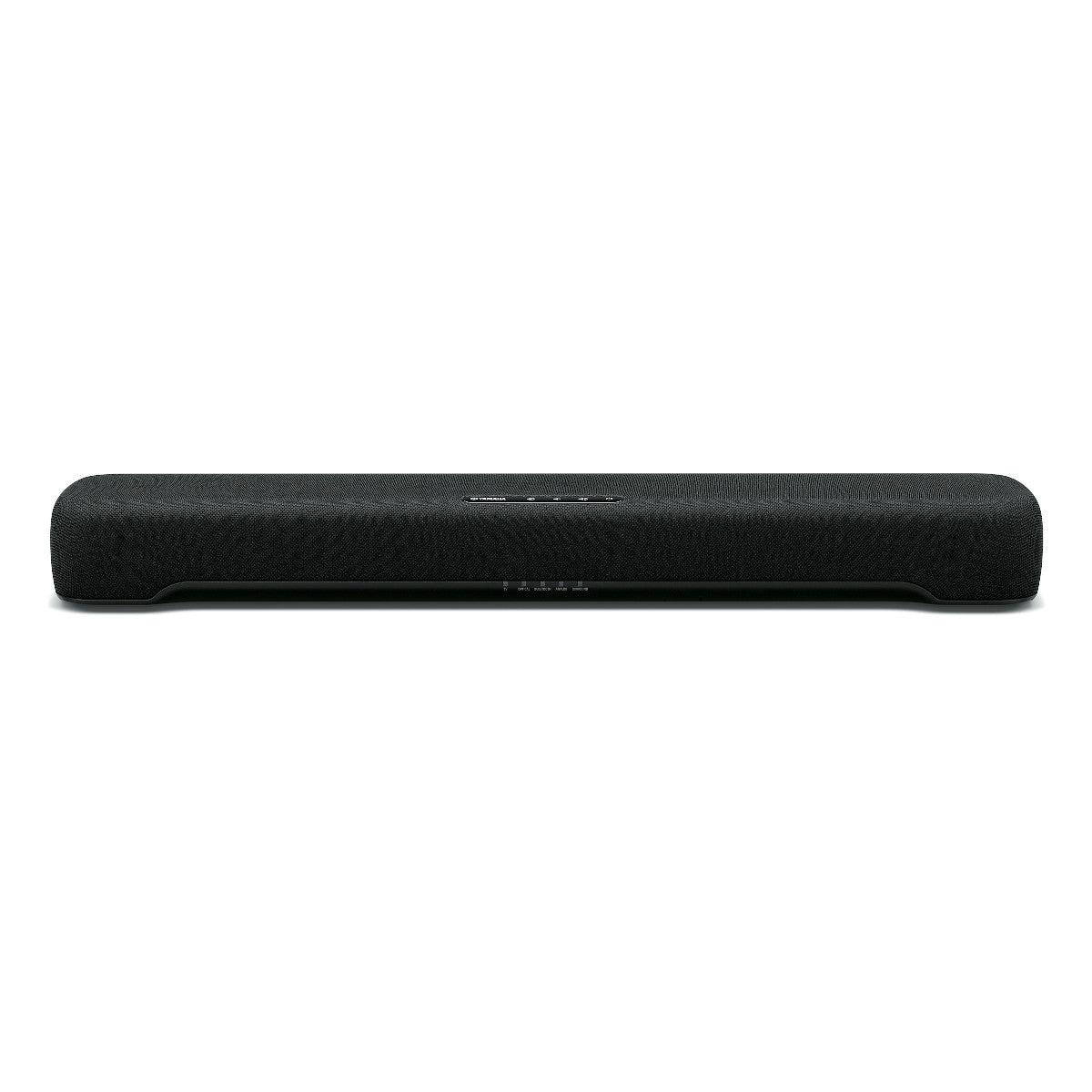
The Yamaha SR-C20A, launched in 2020, takes the opposite approach. At just 23.5 inches wide, it packs everything into one compact unit using a built-in subwoofer and passive radiators (basically, additional speakers that vibrate sympathetically to enhance bass without needing their own amplification). This all-in-one design prioritizes convenience and space efficiency.
Both approaches have merit, but they serve different users and situations. The question isn't which is "better" in absolute terms, but which better matches your specific needs and constraints.
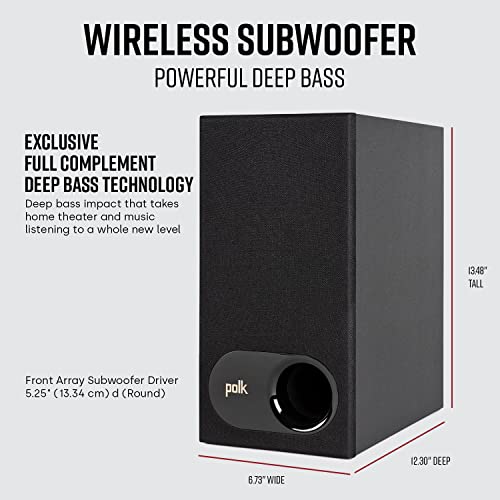
Bass performance represents the most significant difference between these soundbars. The Polk Signa S2's wireless subwoofer uses a dedicated 5.25-inch driver with its own 60-watt amplifier. This means deeper bass extension – it can reproduce lower frequencies that make explosions rumble and music feel more full-bodied.
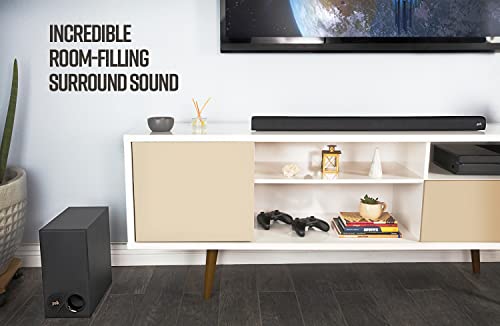
More importantly, you can position this subwoofer anywhere in your room. Bass frequencies are omnidirectional (they spread out in all directions), so placement flexibility lets you optimize for your room's acoustics. Corners typically amplify bass, while open areas provide more controlled response.
The Yamaha SR-C20A takes a different approach with its built-in 3-inch subwoofer and dual passive radiators. While the driver is smaller, Yamaha's engineering maximizes its impact within the space constraints. The passive radiators work like additional bass speakers but don't need their own power – they're driven by the air pressure from the active subwoofer.
In practical terms, the Polk delivers more impactful, deeper bass that better fills larger rooms. The Yamaha provides respectable bass for its size, but it's more controlled and suitable for smaller spaces or situations where you don't want to overwhelm nearby rooms.
Both soundbars include dialogue enhancement technology, but they implement it differently. The Polk Signa S2 uses VoiceAdjust technology, which allows you to boost dialogue frequencies without making everything sound artificially processed. This is crucial because many movies and TV shows mix dialogue lower than background music and effects.
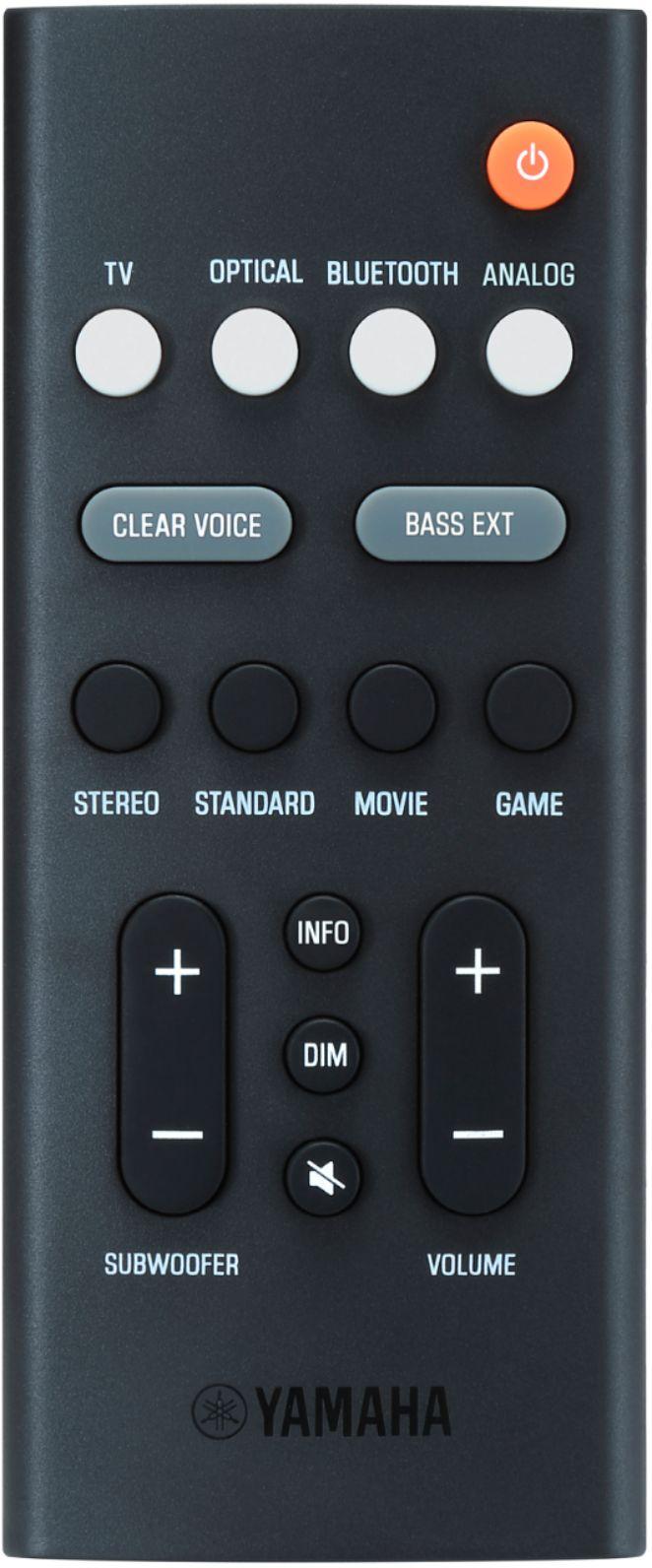
The Yamaha SR-C20A implements Clear Voice technology, which takes a more aggressive approach to dialogue enhancement. In testing, both systems significantly improve vocal clarity compared to TV speakers, but the Yamaha's more compact design means less natural soundstage width for dialogue positioning.
Here's something I've noticed after years of testing soundbars: dialogue clarity isn't just about frequency response – it's about separation. When bass frequencies are handled by a dedicated driver (like in the Polk), the main speakers can focus entirely on mid and high frequencies where voices live. This typically results in cleaner, more natural dialogue reproduction.
Soundstage refers to how wide and spacious the audio sounds – essentially, how well the soundbar creates the illusion of sound coming from beyond its physical boundaries. The Polk Signa S2's longer design provides better stereo separation, meaning left and right channels sound more distinct. This makes a noticeable difference when listening to music, where instrument placement matters.
The Yamaha SR-C20A compensates for its compact size using Virtual Surround Technology, which uses digital processing to create the impression of a wider soundstage. It's clever engineering, but it can't fully overcome the physics of having speakers closer together.
For music listening, the Polk generally provides a more engaging experience with better stereo imaging and bass impact. The Yamaha is perfectly adequate for casual music listening but won't satisfy serious music enthusiasts.
Dynamic range refers to the difference between the quietest and loudest sounds a system can reproduce cleanly. The Polk Signa S2 has an advantage here due to its separate amplification for bass and mid/high frequencies. This prevents the common problem where bass-heavy scenes cause dialogue to become compressed or distorted.
The Yamaha SR-C20A puts everything through shared amplification, which can limit dynamic range but results in more predictable, controlled sound. For apartment living or late-night viewing, this can actually be preferable.
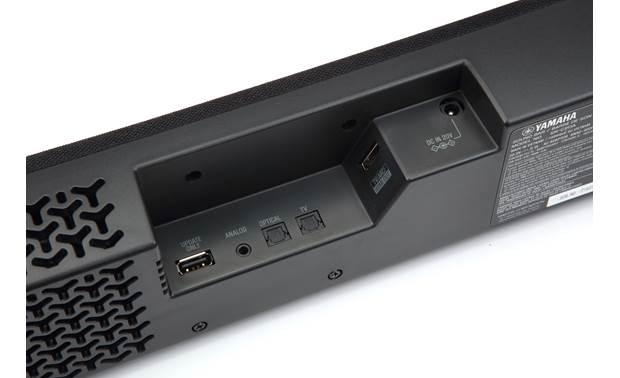
Both soundbars include the essential connections: HDMI ARC (Audio Return Channel, which lets you control volume with your TV remote), optical digital inputs, and Bluetooth for wireless music streaming. However, there are some meaningful differences.
The Polk Signa S2 includes AirPlay support, which is significant for Apple device users. AirPlay typically provides better audio quality than Bluetooth and allows for more seamless integration with Apple's ecosystem. The connectivity options are also rated higher overall, suggesting better compatibility with various devices.
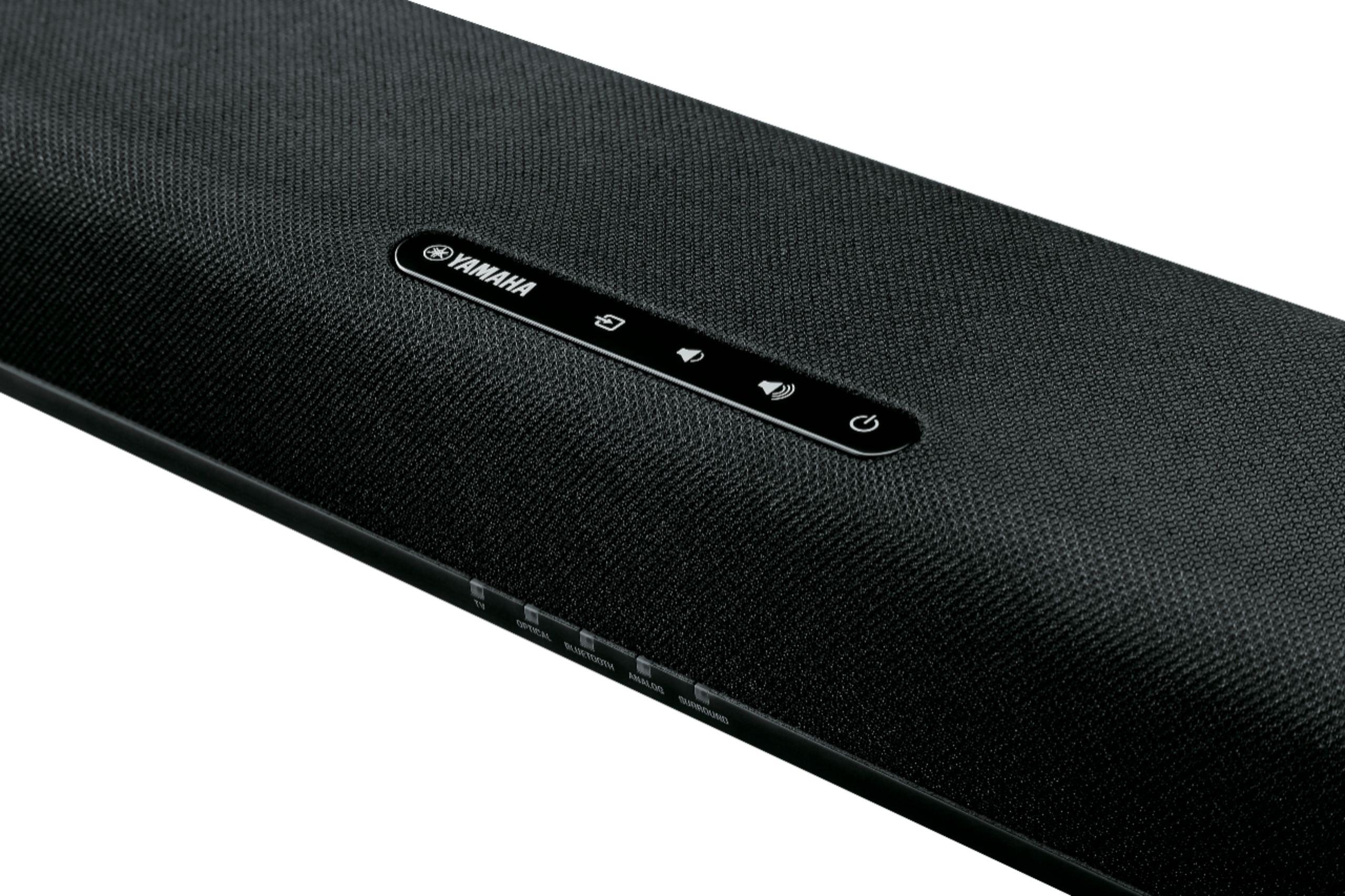
The Yamaha SR-C20A compensates with dual optical inputs – useful if you need to connect multiple devices – and includes a smartphone app for control. It also offers four distinct sound modes (Stereo, Standard, Movie, Game) compared to three on the Polk.
Neither soundbar supports Wi-Fi or advanced smart features, which is typical for the budget category. They're focused on doing the basics well rather than trying to be smart home hubs.
This is where the philosophical differences become practical. Setting up the Polk Signa S2 means finding space for both the soundbar and the wireless subwoofer, then optimizing the subwoofer's position for your room. It's not complicated, but it requires more thought and potentially some furniture rearrangement.
The Yamaha SR-C20A is genuinely plug-and-play. You place it, connect one cable, and you're done. It even includes built-in keyhole hangers for wall mounting without additional brackets.
In my experience, this setup difference matters more than many buyers initially realize. The convenience of the all-in-one design becomes apparent every time you need to vacuum around your entertainment center or rearrange furniture.
For dedicated home theater use, the Polk Signa S2 has clear advantages. Its deeper bass extension and wider soundstage create a more immersive experience for movies. The separate subwoofer placement allows you to optimize bass for your seating position, and the overall system can fill larger rooms more effectively.
However, neither soundbar supports modern surround sound formats like Dolby Atmos or DTS:X. They'll decode basic Dolby Digital and DTS but downmix everything to stereo. For true home theater enthusiasts, these are stepping stones toward more advanced systems rather than end-game solutions.
The Yamaha SR-C20A works well for casual home theater in smaller rooms, especially bedrooms or apartments where space is premium. Its controlled bass output also makes it neighbor-friendly for late-night viewing.
At the time of writing, the price difference between these soundbars reflects their performance gap fairly accurately. The Polk Signa S2 costs roughly $50 more but delivers measurably better audio performance, particularly for bass response and overall sound quality.
However, value isn't just about absolute performance – it's about getting what you need for your situation. If you have limited space and prioritize simplicity, the Yamaha SR-C20A represents excellent value. You're getting significant improvement over TV speakers without the complexity or space requirements of a two-piece system.
The Polk makes more sense when sound quality is your primary concern within budget constraints, and you have the space to accommodate a separate subwoofer.
Since these models were released (2019-2020), the budget soundbar market has continued evolving. Newer models increasingly include features like Dolby Atmos support, Wi-Fi connectivity, and voice assistant integration. However, these features often come at the expense of fundamental audio quality in the budget category.
Both the Polk Signa S2 and Yamaha SR-C20A represent a more focused approach: delivering the best possible audio performance for their price points without getting distracted by smart features that may not work reliably or add meaningful value.
Choose the Polk Audio Signa S2 if you have a TV 40 inches or larger, a medium to large room, and sound quality is your top priority within budget. It's also the better choice for music listening and situations where you can accommodate a separate subwoofer. The extra cost pays dividends in bass performance and overall audio quality.
The Yamaha SR-C20A makes more sense for smaller spaces, TVs under 40 inches, or situations where setup simplicity is paramount. It's also ideal for apartment living where controlled bass output prevents neighbor complaints, and the lower price point makes it accessible for budget-conscious buyers who still want meaningful improvement over TV speakers.
In my experience testing both systems, the Polk consistently delivers the more satisfying audio experience, but the Yamaha often provides better day-to-day convenience. Your choice should align with what matters more in your specific situation: maximum audio performance or maximum simplicity.
Both represent solid entries in the budget soundbar category, just serving different needs and preferences. The key is understanding which approach – separation or integration – better matches your space, priorities, and budget constraints.
| Polk Audio Signa S2 Sound Bar with Wireless Subwoofer | Yamaha SR-C20A Compact Sound Bar with Built-In Subwoofer |
|---|---|
| Design Philosophy - Impacts setup flexibility and bass performance | |
| 2-piece system with wireless subwoofer for optimal bass placement | All-in-one compact design prioritizing space efficiency |
| Physical Dimensions - Determines TV size compatibility and room fit | |
| 35.4" W x 2.1" H x 3.2" D (designed for 40"+ TVs) | 23.6" W x 2.5" H x 3.7" D (ideal for smaller TVs and spaces) |
| Subwoofer Configuration - Most important factor for bass quality | |
| Dedicated 5.25" wireless subwoofer with room placement flexibility | Built-in 3" subwoofer with dual passive radiators |
| Total Power Output - Affects maximum volume and dynamic range | |
| Higher total system power with separate amplification | 100W total (60W subwoofer, 40W main bar) |
| Frequency Response - Determines how deep bass extends | |
| 45 Hz – 20,000 Hz (deeper bass extension) | Not specified (limited by compact subwoofer design) |
| Connectivity Options - Important for device compatibility and future-proofing | |
| HDMI ARC, Optical, 3.5mm AUX, Bluetooth, AirPlay support | HDMI ARC, dual Optical inputs, 3.5mm AUX, Bluetooth 5.0 |
| Voice Enhancement Technology - Critical for dialogue clarity | |
| VoiceAdjust™ technology with customizable dialogue boost | Clear Voice technology for enhanced speech intelligibility |
| Sound Modes - Affects versatility for different content types | |
| Movie, Music, Night modes | Stereo, Standard, Movie, Game modes (more options) |
| Setup Complexity - Important for user experience and daily convenience | |
| Requires positioning both soundbar and wireless subwoofer | Single unit with wall-mount keyholes, plug-and-play setup |
| Best Room Size - Determines if performance matches your space | |
| Medium to large rooms, living rooms with 40"+ TVs | Small to medium rooms, bedrooms, apartments, smaller TVs |
| Release Year - Indicates technology generation and feature set | |
| 2019 (established design with proven wireless subwoofer performance) | 2020 (newer with refined compact integration technology) |
| Primary Value Proposition - Who should choose this option | |
| Better audio performance and bass for users prioritizing sound quality | Space efficiency and simplicity for users prioritizing convenience |
The Yamaha SR-C20A is specifically designed for small rooms and compact spaces. At just 23.6 inches wide, it fits perfectly under smaller TVs without overwhelming the space. Its built-in subwoofer with controlled bass output is ideal for apartments or bedrooms where you don't want to disturb neighbors. The Polk Audio Signa S2 is better suited for medium to large rooms due to its 35.4-inch width and more powerful wireless subwoofer.
The key difference is the subwoofer design. The Polk Audio Signa S2 uses a separate wireless subwoofer that you can place anywhere in your room for optimal bass, while the Yamaha SR-C20A has everything built into one compact unit. This makes the Polk better for sound quality and the Yamaha better for convenience and space-saving.
The Polk Audio Signa S2 delivers significantly better bass performance thanks to its dedicated 5.25-inch wireless subwoofer. The separate subwoofer can be positioned optimally in your room and provides deeper, more impactful bass. The Yamaha SR-C20A has respectable bass for its compact size using a built-in 3-inch subwoofer with passive radiators, but it can't match the depth and power of the Polk's dedicated bass unit.
The Yamaha SR-C20A is much easier to set up as it's a single unit that you simply place and connect to your TV. It even has built-in wall-mount keyholes for easy installation. The Polk Audio Signa S2 requires positioning both the soundbar and wireless subwoofer, then finding the optimal placement for the subwoofer in your room, which takes more time and consideration.
Both soundbars work for music, but the Polk Audio Signa S2 is better for serious music listening. Its wider design provides better stereo separation, and the wireless subwoofer delivers more impactful bass for music genres that benefit from low-end extension. The Yamaha SR-C20A is adequate for casual music listening but won't satisfy audiophiles due to its more compact soundstage.
Both soundbars significantly improve dialogue clarity over TV speakers. The Polk Audio Signa S2 uses VoiceAdjust technology that allows customizable dialogue enhancement, while the Yamaha SR-C20A features Clear Voice technology for speech intelligibility. The Polk typically delivers slightly cleaner dialogue due to better driver separation, but both perform well for TV shows and movies.
The Polk Audio Signa S2 is designed for TVs 40 inches and larger due to its 35.4-inch width, making it proportionally appropriate for bigger screens. The Yamaha SR-C20A works best with TVs 32 inches and smaller, though it can work with larger TVs if space is limited. Matching soundbar size to your TV creates better visual balance and typically better audio performance.
Value depends on your priorities. The Yamaha SR-C20A offers excellent value for users prioritizing space efficiency and simplicity, delivering good sound improvement at a lower price point. The Polk Audio Signa S2 provides better value for users who prioritize sound quality and have space for a wireless subwoofer, as the performance improvement justifies the higher cost.
Both soundbars support basic Dolby Digital decoding and Bluetooth streaming, but neither supports advanced formats like Dolby Atmos or DTS:X. The Polk Audio Signa S2 includes AirPlay support for Apple devices, giving it a slight connectivity advantage. For the budget category, both focus on fundamental audio improvement rather than cutting-edge surround sound features.
The Yamaha SR-C20A is ideal for apartment living due to its compact size, controlled bass output, and single-unit design. You won't have to worry about a separate subwoofer disturbing neighbors, and the smaller footprint works better in typical apartment spaces. The Polk Audio Signa S2 can work in apartments if you have adequate space and can control the wireless subwoofer placement.
Yes, both the Polk Audio Signa S2 and Yamaha SR-C20A can be wall mounted. The Yamaha includes built-in keyhole hangers for simple wall mounting without additional brackets. The Polk is wall mountable but requires consideration for wireless subwoofer placement since only the main bar mounts to the wall.
For dedicated home theater use, the Polk Audio Signa S2 is the better choice due to its superior bass extension, wider soundstage, and better dynamic range. The wireless subwoofer placement flexibility allows optimization for your seating position. However, the Yamaha SR-C20A works well for casual home theater in smaller rooms or secondary viewing areas where space is at a premium.
We've done our best to create useful and informative comparisons to help you decide what product to buy. Our research uses advanced automated methods to create this comparison and perfection is not possible - please contact us for corrections or questions. These are the sites we've researched in the creation of this article: rtings.com - youtube.com - bestbuy.com - rtings.com - consumerreports.org - rtings.com - youtube.com - hometechnologyreview.com - soundbars.com - youtube.com - manuals.plus - creativeaudio.net - parts-express.com - thomsunmusic.com - polkaudio.com - manuals.plus - polkaudio.com - polkaudio.com - polkaudio.com - bestbuy.com - youtube.com - youtube.com - polkaudio.com - t3.com - usa.yamaha.com - radiotimes.com - shop.usa.yamaha.com - whathifi.com - hifiheaven.net - usa.yamaha.com - sweetwater.com - hub.yamaha.com - bestbuy.com

Privacy Policy
Terms and Conditions - Affiliate Policy
Home Security
© Copyright 2008-2026.
11816 Inwood Rd #1211, Dallas, TX 75244