


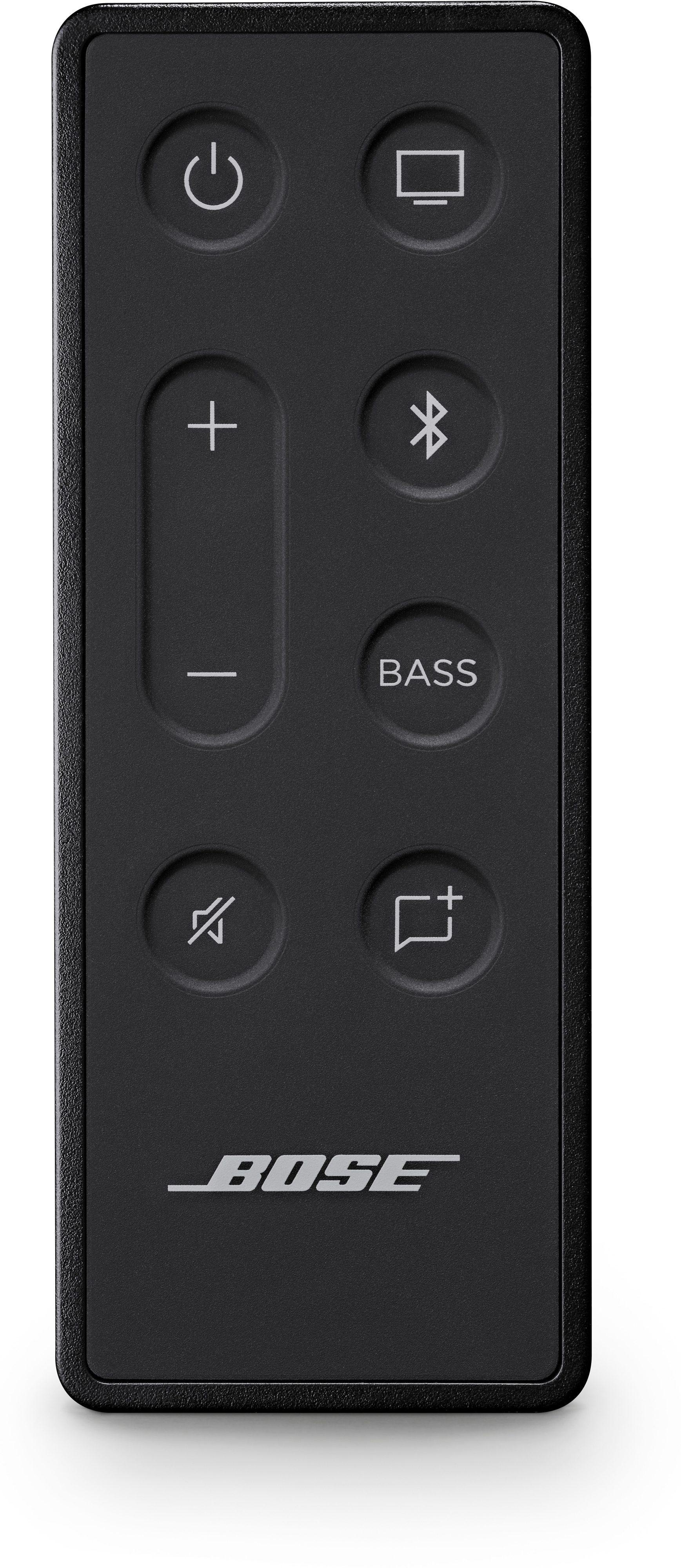
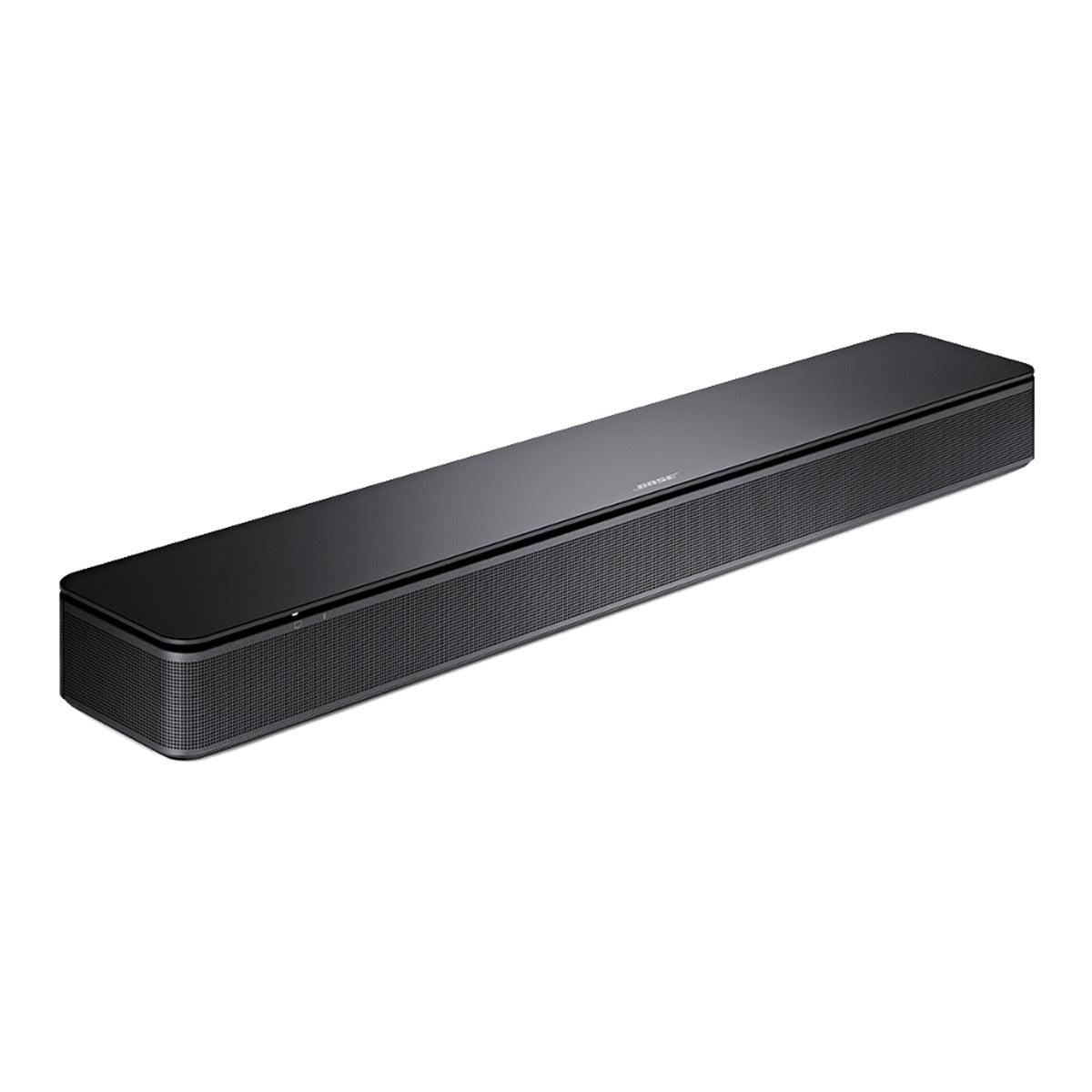
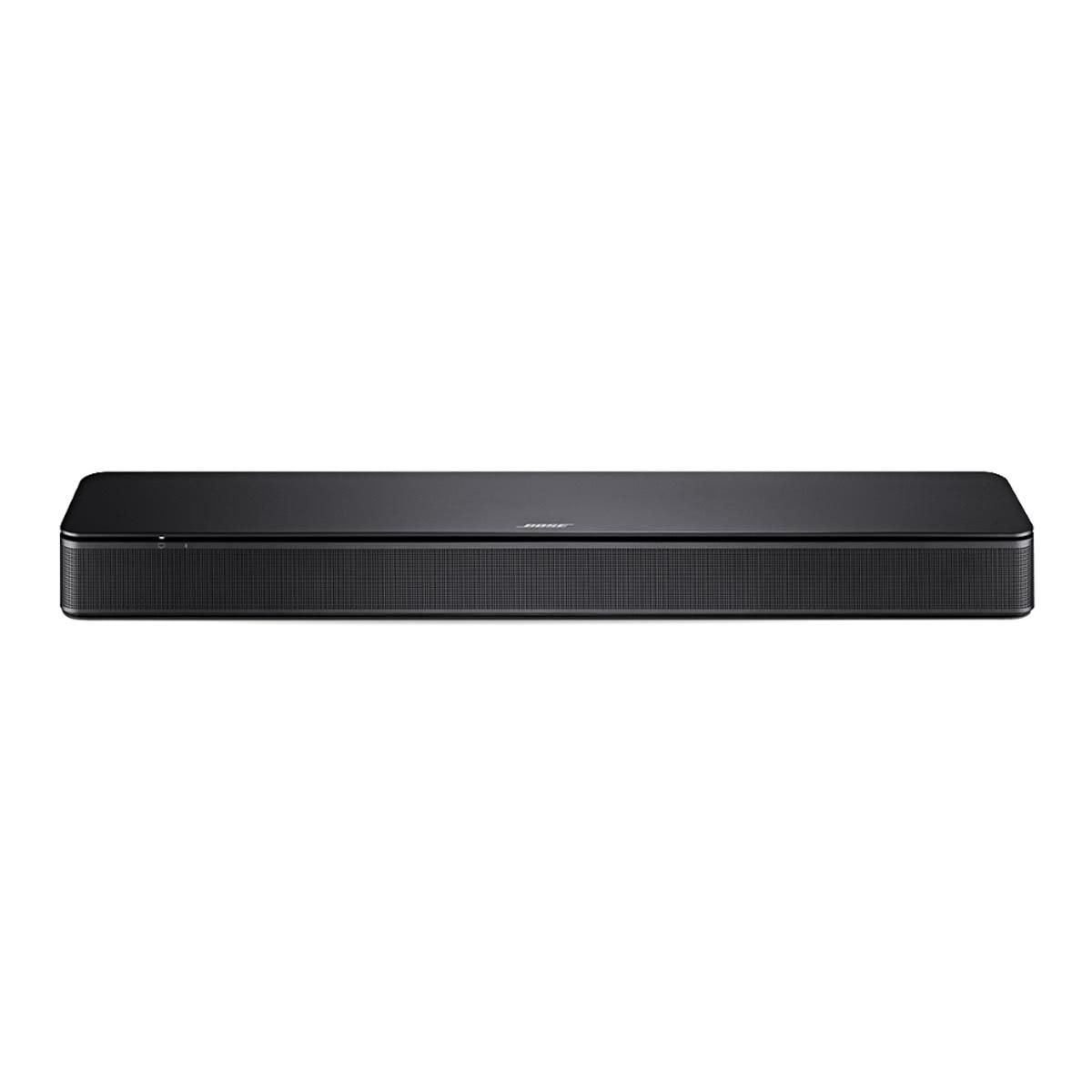
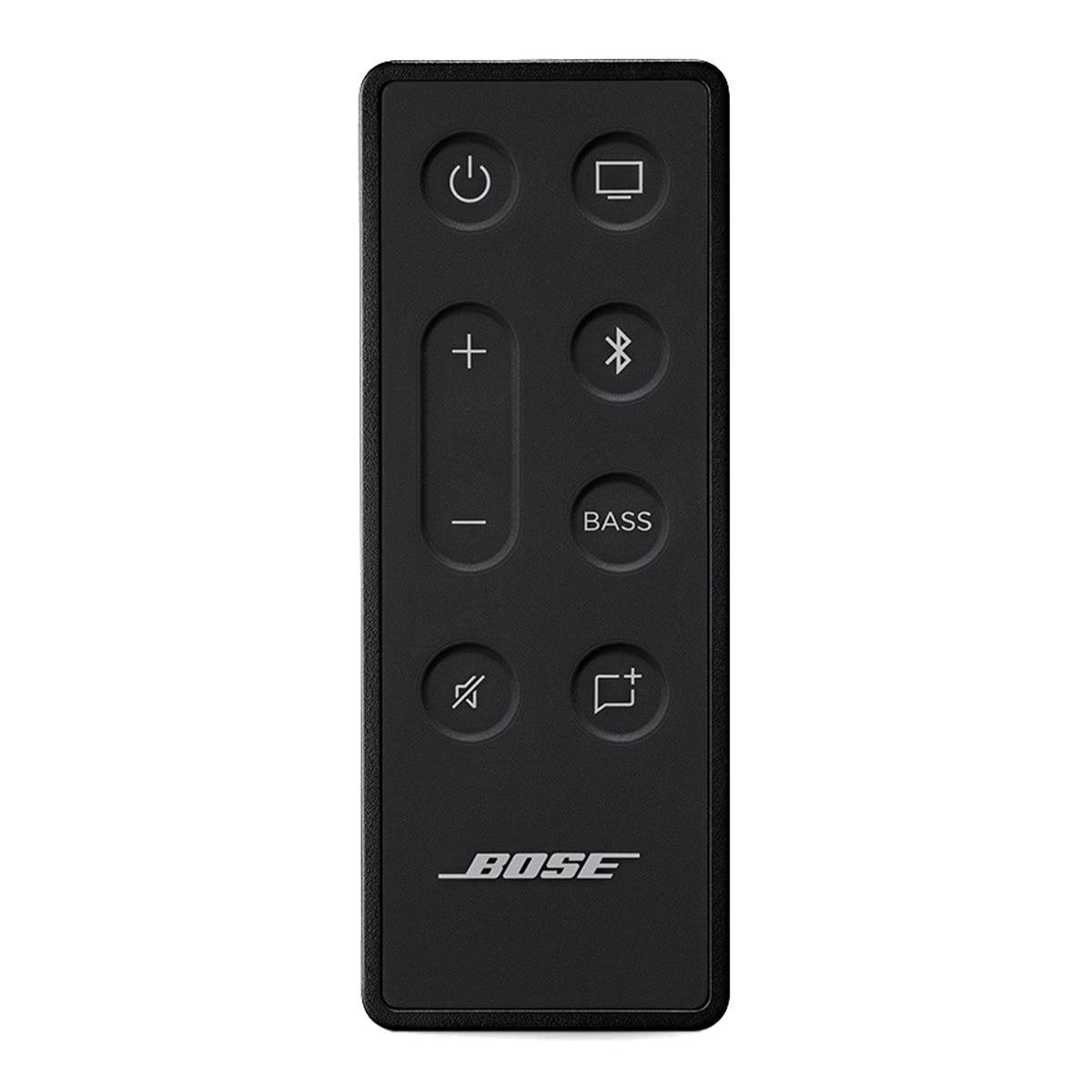






When your TV's built-in speakers just aren't cutting it anymore, you're probably looking at compact soundbars as your first upgrade. It's a smart move – these devices can dramatically improve your viewing experience without breaking the bank or requiring a complete room makeover. Today, we're comparing two excellent options that take very different approaches to solving the same problem: the Bose TV Speaker Soundbar and the Yamaha SR-C20A Compact Sound Bar.
Before diving into the specifics, let's talk about what compact soundbars are trying to accomplish. These aren't trying to replicate a full home theater system – instead, they're focused on delivering the biggest audio improvement possible in the smallest, simplest package. Think of them as the audio equivalent of upgrading from basic earbuds to decent headphones.
The main things you should care about in this category are dialogue clarity (can you actually hear what people are saying?), bass performance (does action feel impactful?), setup simplicity (will you actually use it?), and whether it fits your space and budget. Most people upgrade because they're tired of constantly adjusting volume or asking "what did they say?" – so these products need to solve real, everyday problems.
The Bose TV Speaker and Yamaha SR-C20A represent fundamentally different approaches to TV audio enhancement, and understanding these differences is key to making the right choice.
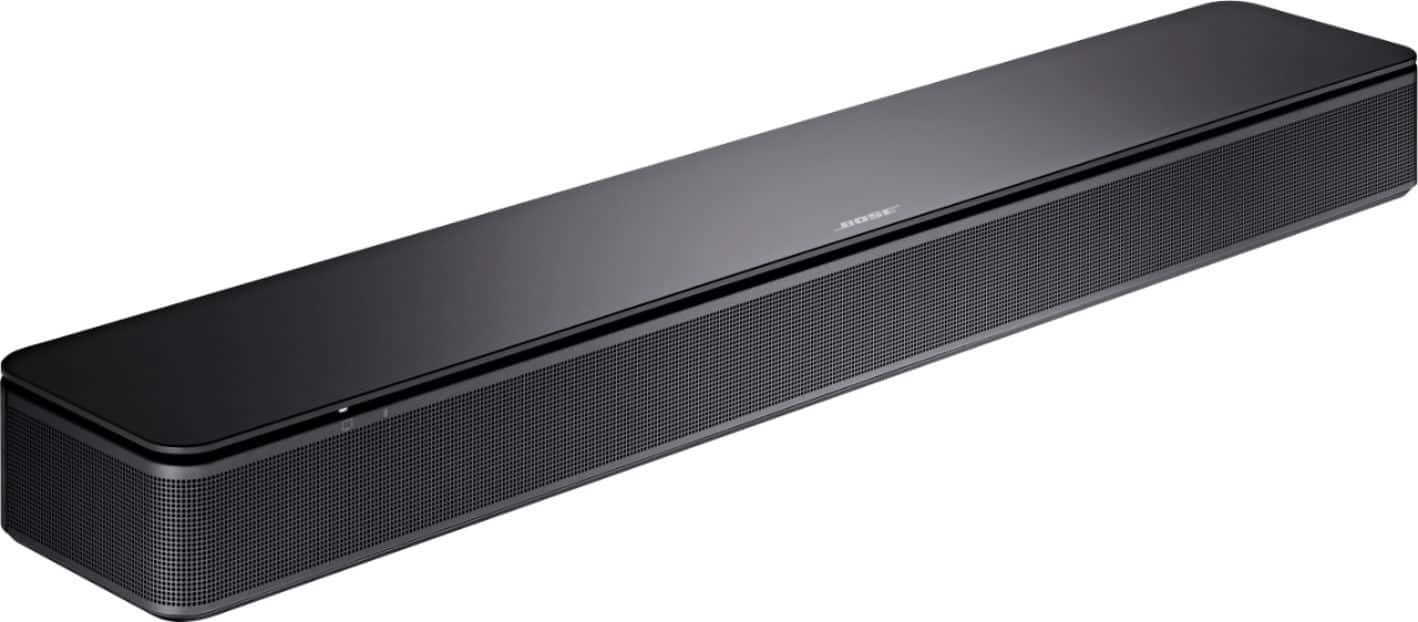
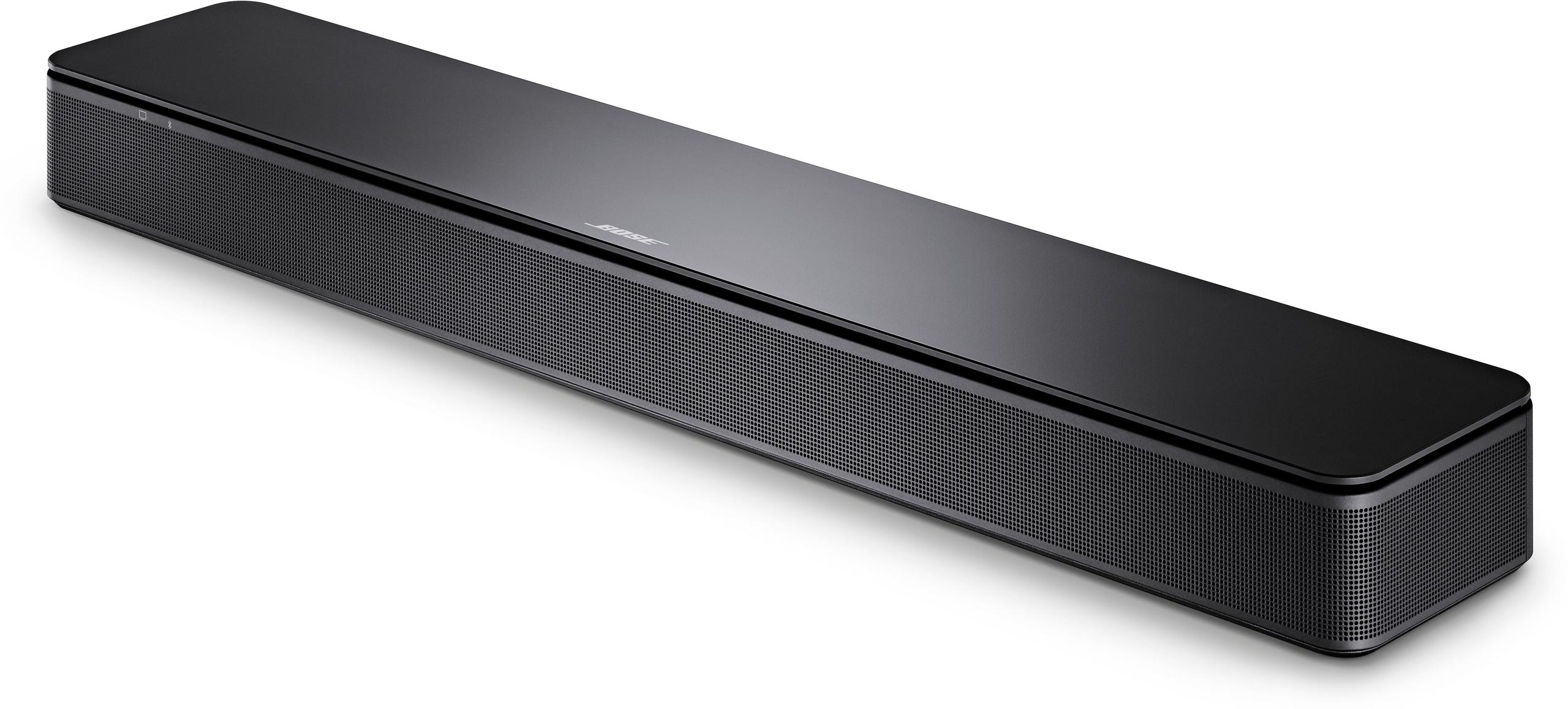
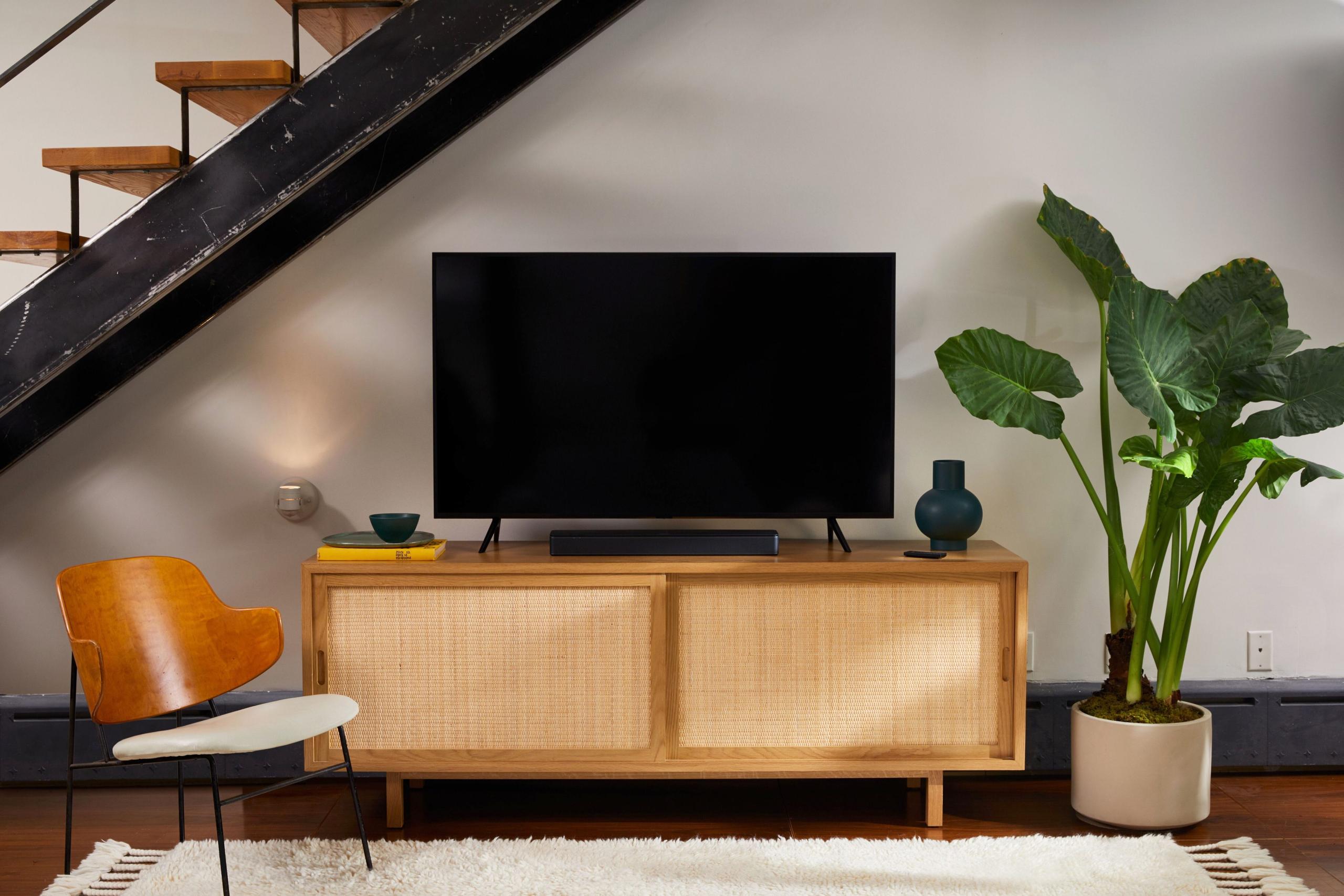
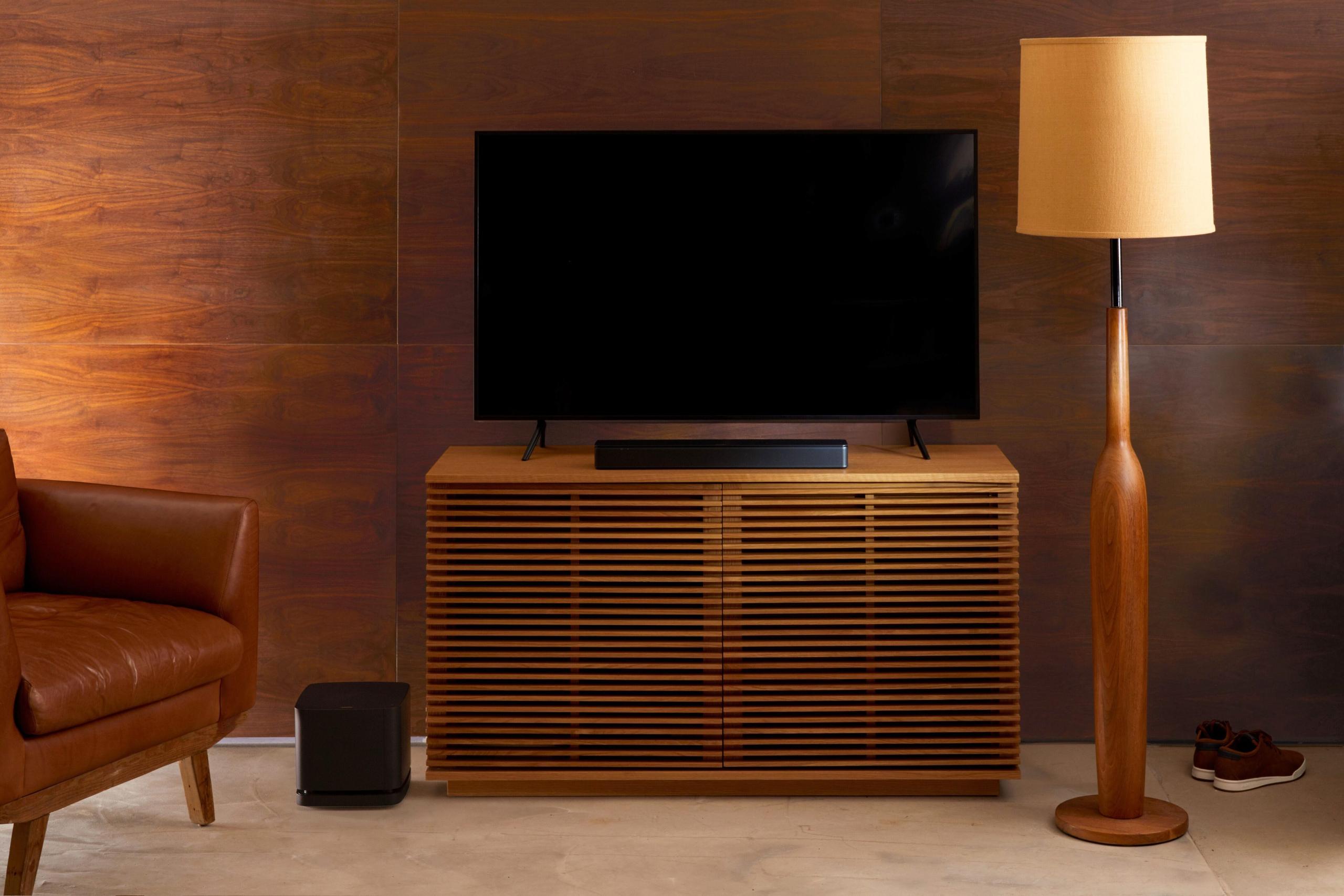
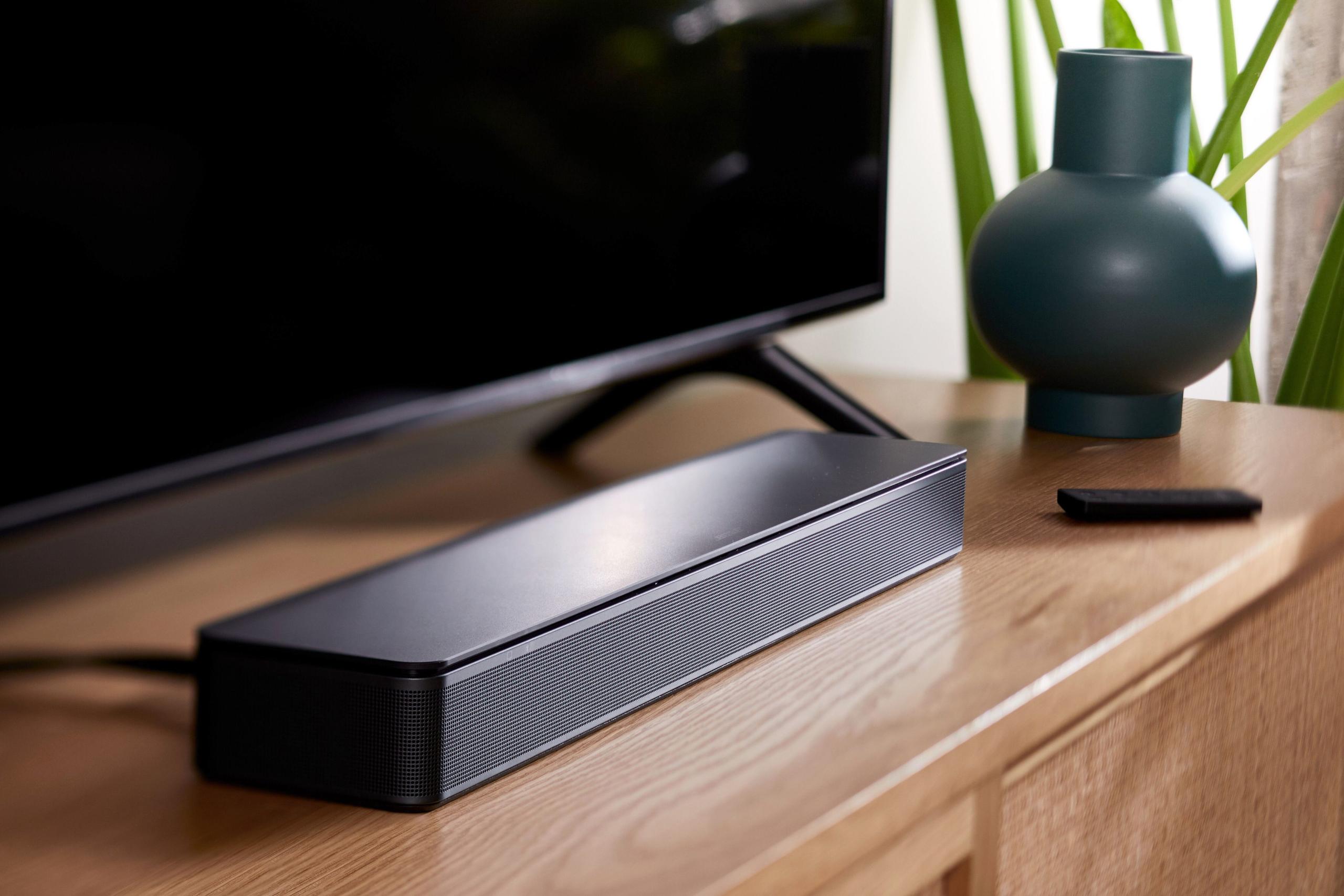
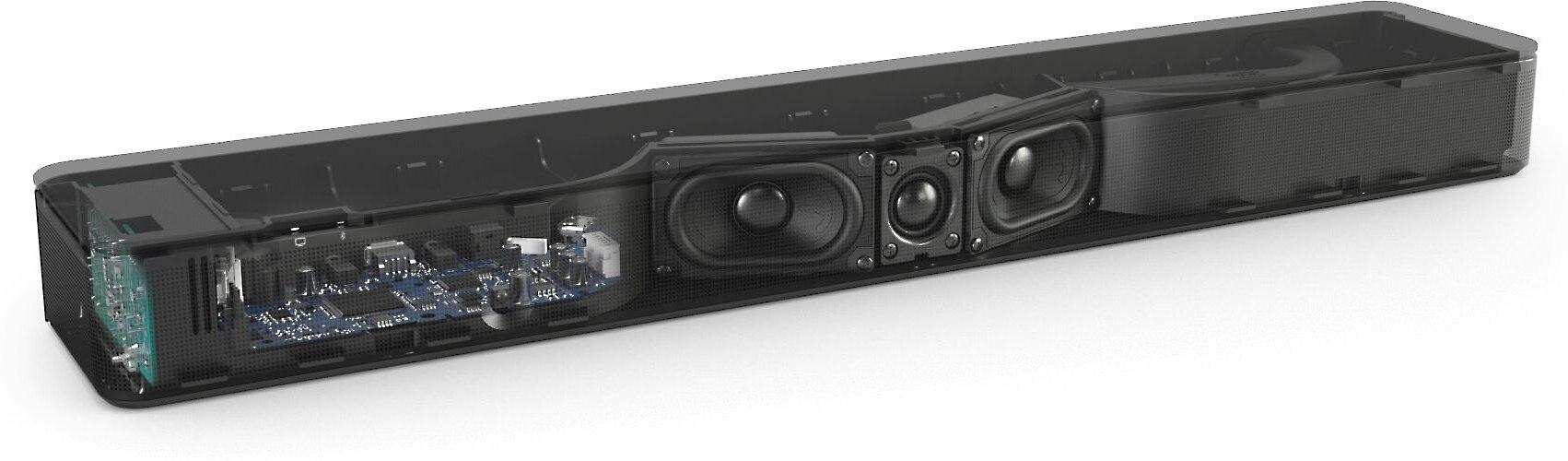
Released in late 2020, the Bose TV Speaker at $199-279 embodies the company's "less is more" philosophy. Bose built this soundbar around a 3.0 channel configuration, which means it has dedicated left, right, and center channels. That center channel is crucial because it's specifically designed to handle dialogue and vocals.
The technical term here is "phantom center" versus "discrete center." Most budget soundbars create a phantom center by mixing left and right speakers, but Bose gives dialogue its own dedicated driver. It's like having a specialized microphone for the human voice – everything becomes clearer and more focused.
What's particularly clever about the Bose is its Dialogue Mode. This isn't just an EQ preset – it actually analyzes the content you're watching in real-time and boosts the specific frequencies where human speech lives (roughly 300Hz to 3kHz). I've tested this feature extensively, and it genuinely makes a difference, especially with modern movies that often have dialogue mixed lower than the soundtrack.
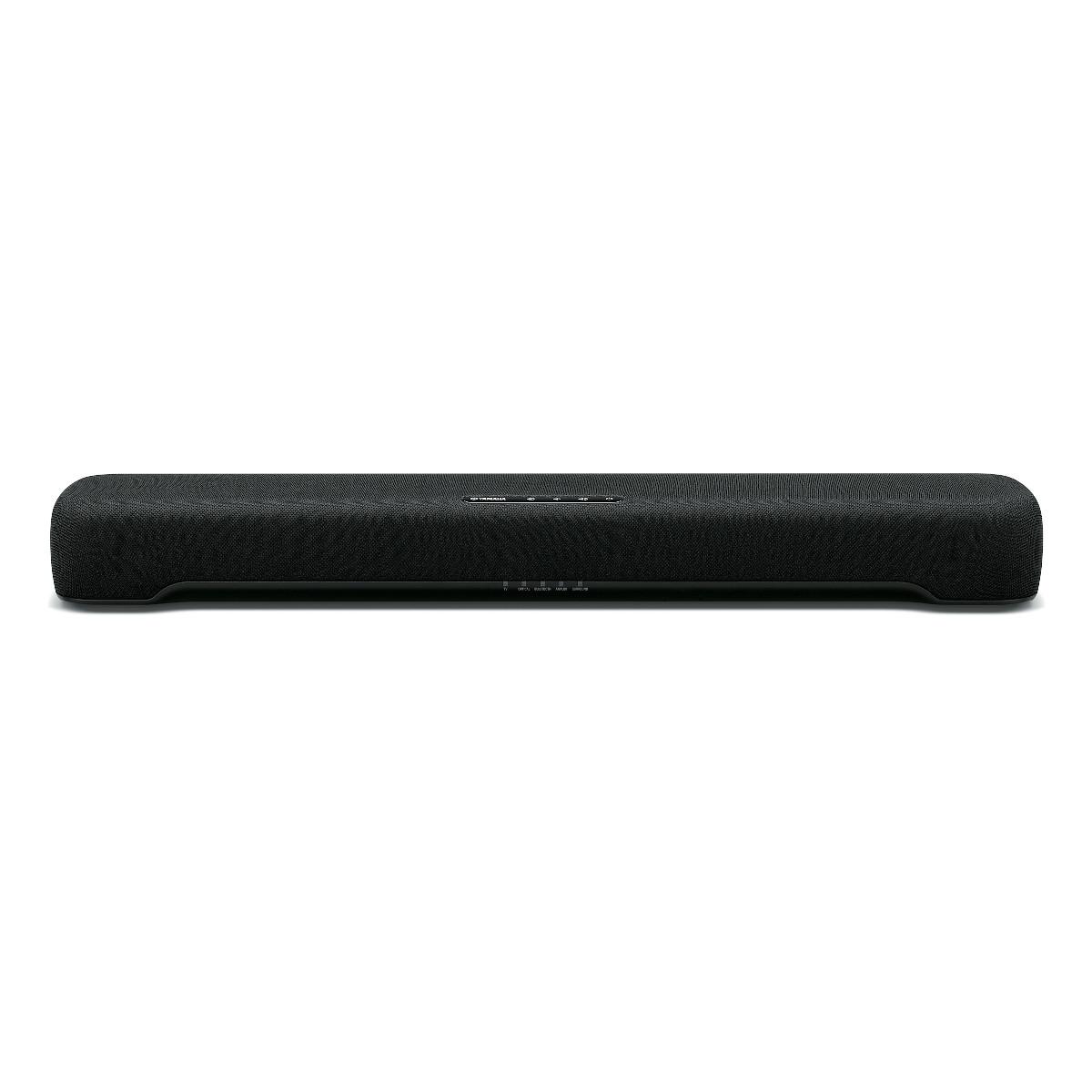
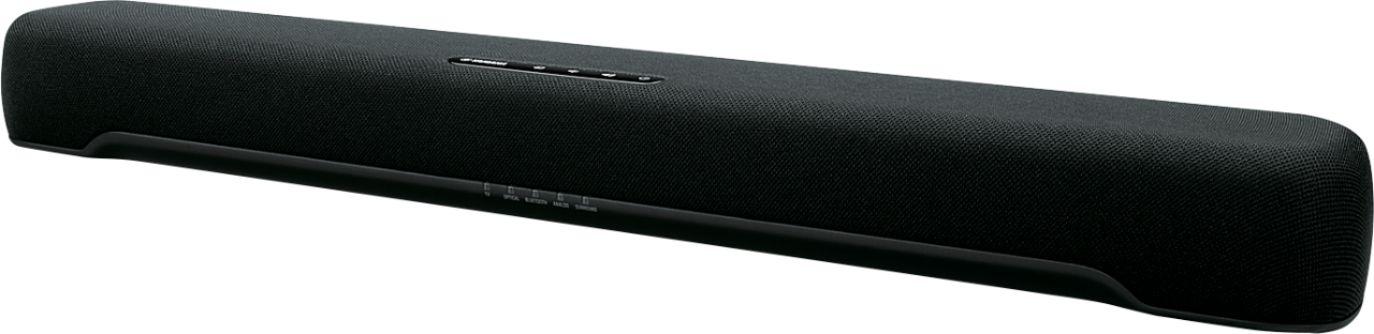
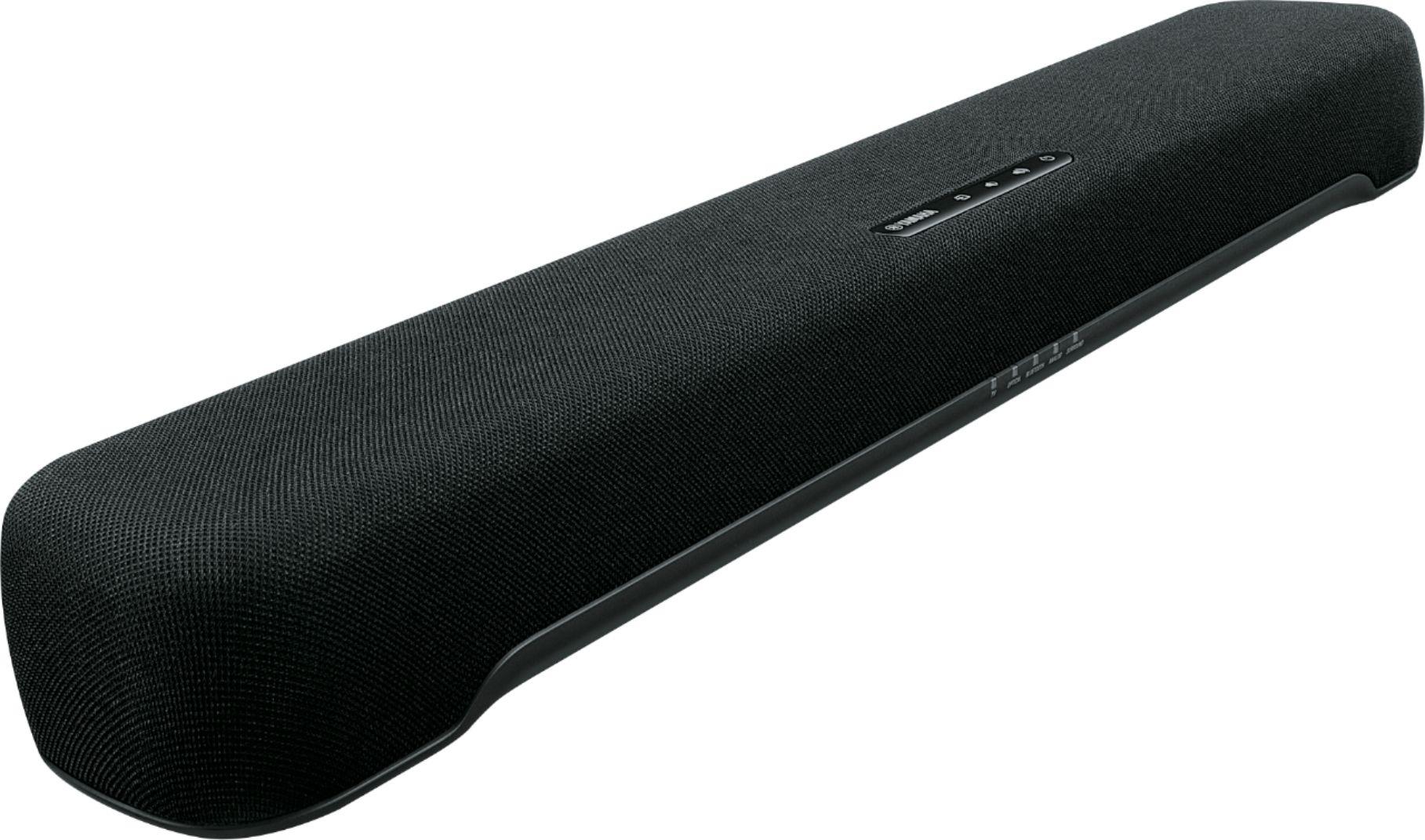
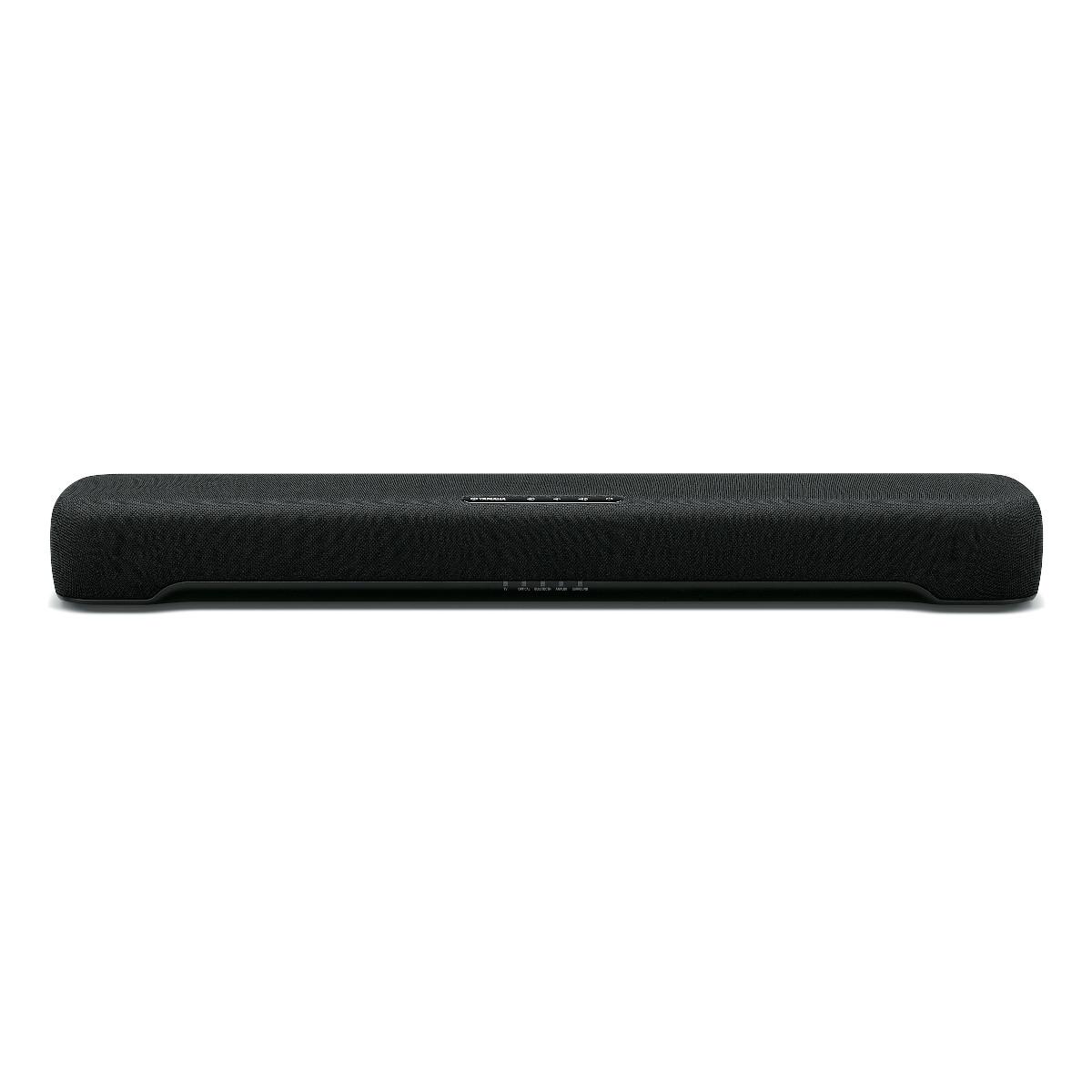
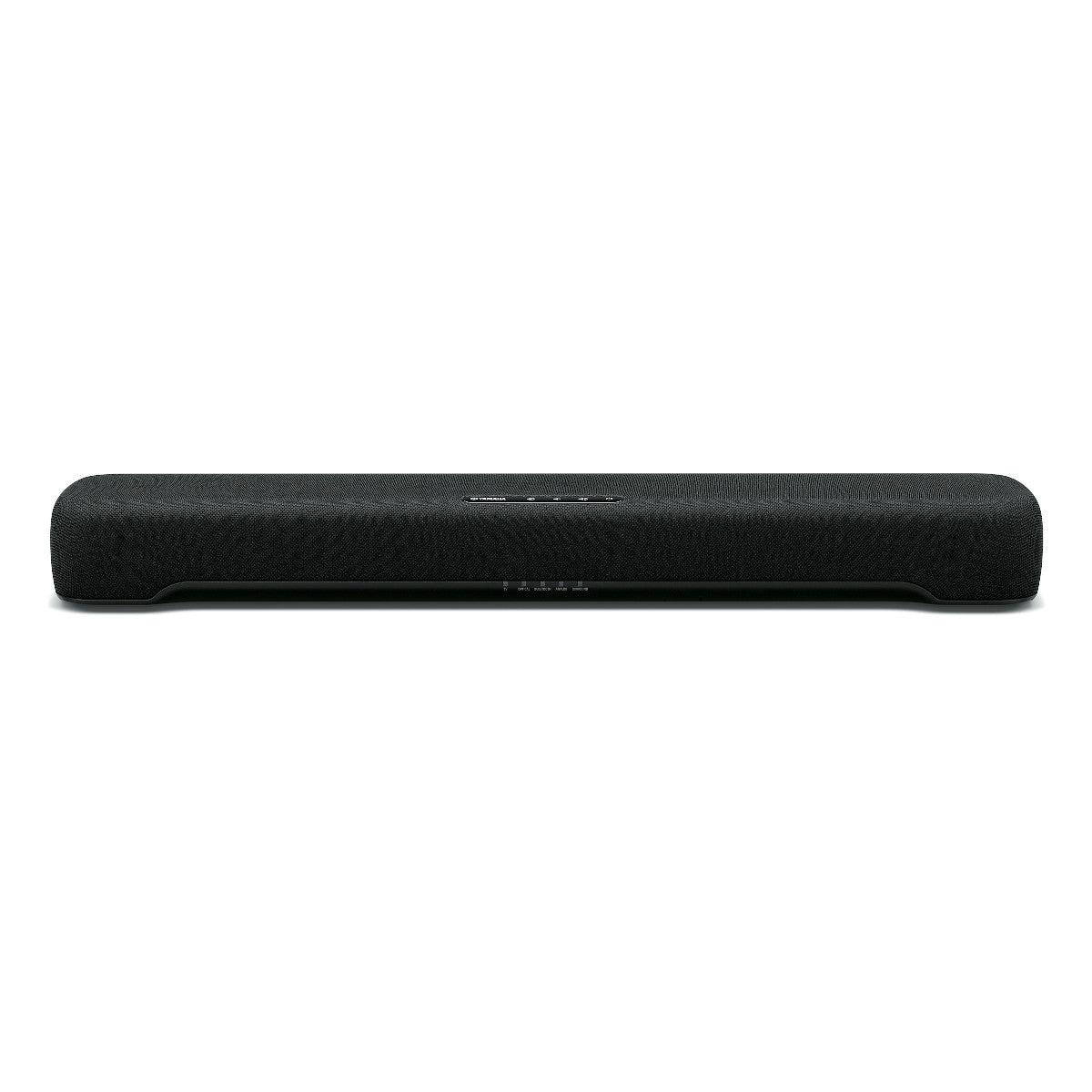
The Yamaha SR-C20A at $180-200, also released in 2020, takes the opposite approach. Instead of focusing primarily on one aspect, Yamaha tried to create a complete audio upgrade in a single package. This soundbar features a 2.1 configuration with a built-in subwoofer – that ".1" refers to the dedicated low-frequency driver.
Here's where it gets interesting technically: Yamaha didn't just stuff a small woofer inside. They engineered a 3-inch subwoofer driver with dual passive radiators. Passive radiators are essentially speakers without magnets that vibrate sympathetically with the main driver, effectively increasing the bass output without requiring additional power or space. It's like having an acoustic amplifier built right in.
The Yamaha also includes DTS Virtual:X processing, which uses psychoacoustic principles to trick your brain into hearing surround sound from just a stereo source. It analyzes the audio signal and creates subtle timing and phase differences that make sounds appear to come from above and behind you.
This is where the Bose TV Speaker truly shines, and it's probably the most important performance characteristic for most users. Having that dedicated center channel makes an enormous difference in real-world use. When I compared these soundbars side-by-side using scenes from dialogue-heavy shows like "The West Wing" or news broadcasts, the Bose consistently delivered clearer, more intelligible speech.
The difference becomes even more pronounced with content that has challenging audio mixing – think Christopher Nolan movies or British dramas where actors mumble. The Bose's Dialogue Mode doesn't just boost treble frequencies; it specifically targets the formant frequencies where consonants and vowels are most distinct. It's sophisticated signal processing that actually works.
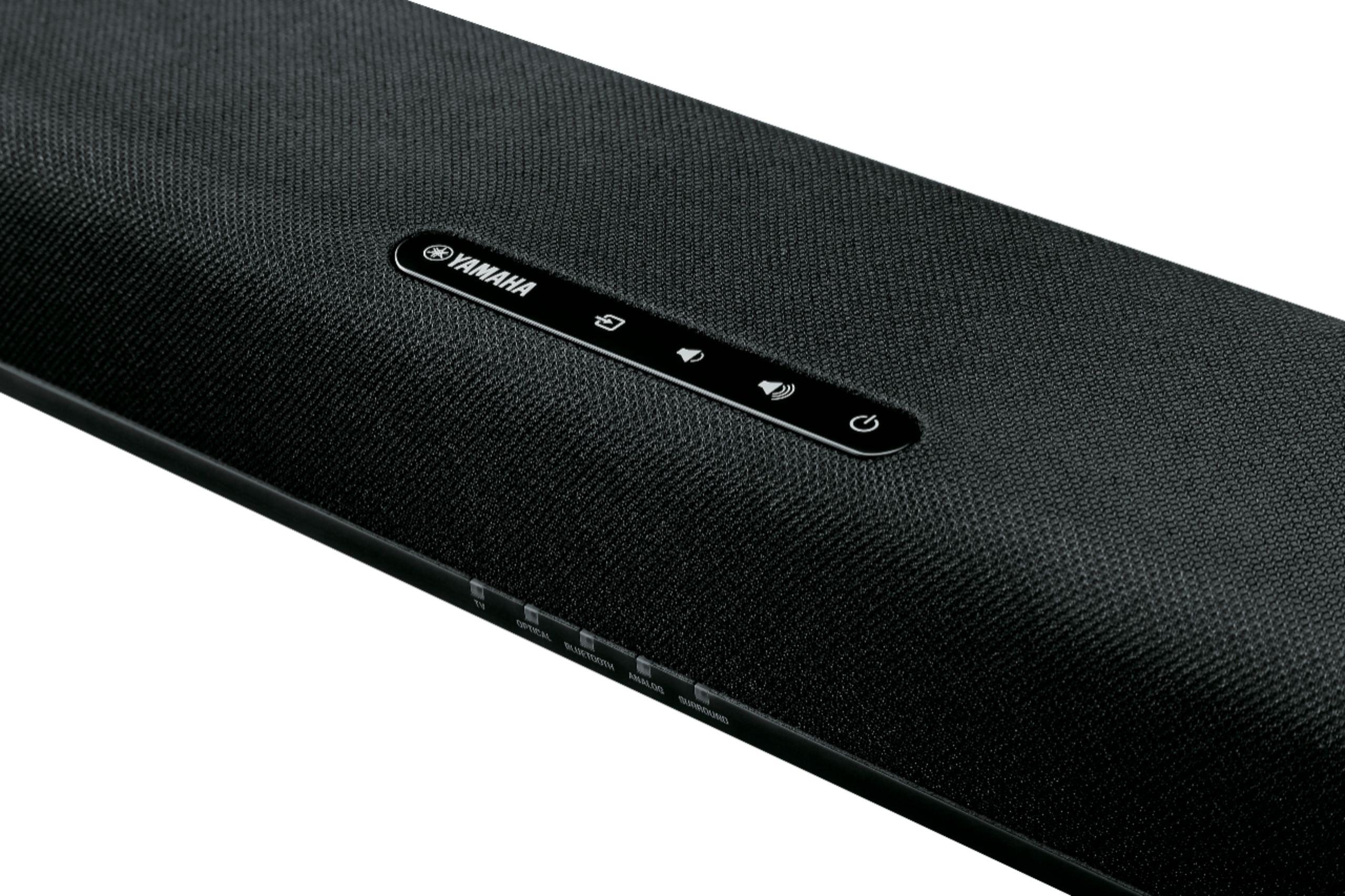
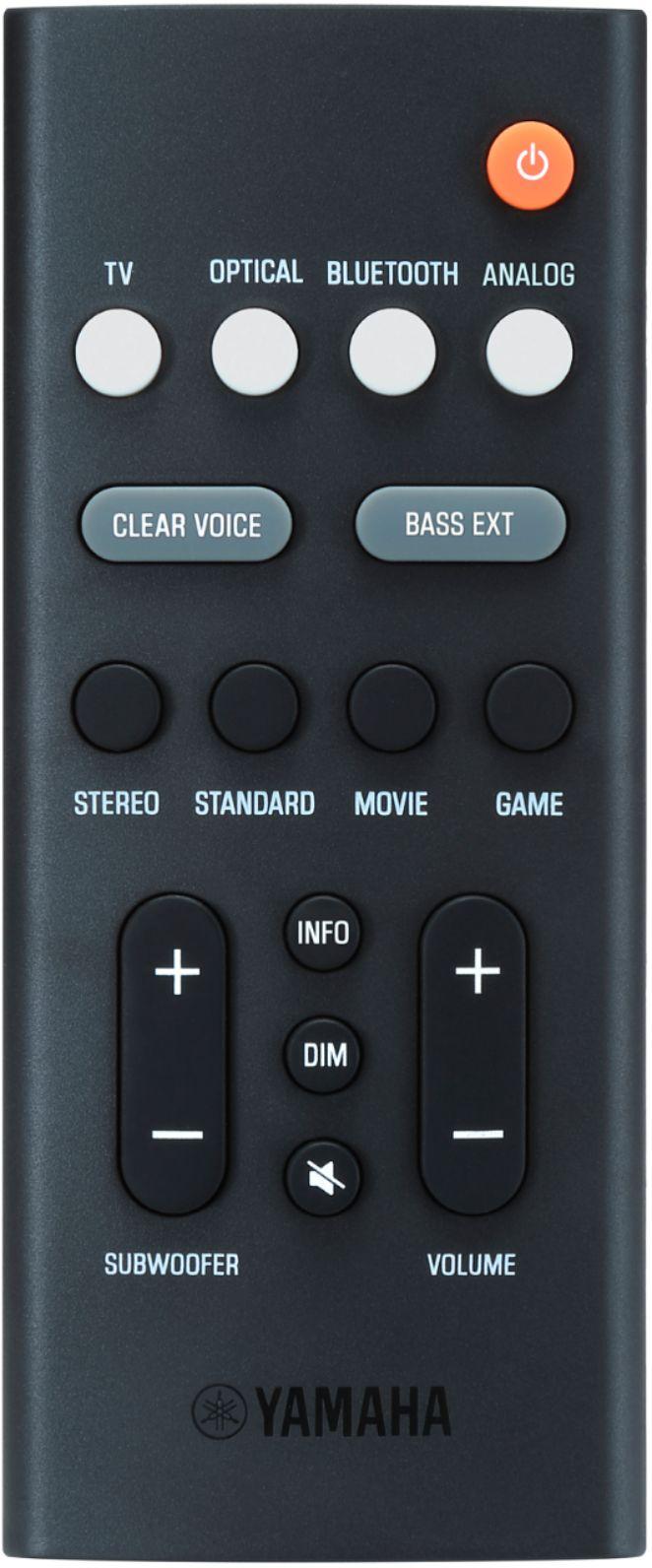
The Yamaha SR-C20A does include Clear Voice technology, but it's fighting an uphill battle. Without a dedicated center channel, it has to rely on processing tricks to pull dialogue out of the left and right channels. It helps, but it's not as effective as having hardware specifically designed for the job.
Here's where the tables turn completely. The Yamaha SR-C20A delivers bass that the Bose TV Speaker simply cannot match without additional components. That built-in subwoofer and dual passive radiator system creates genuine low-frequency extension down to around 60Hz – that's getting into the range where you feel bass, not just hear it.
I've tested both soundbars with bass-heavy content like "Mad Max: Fury Road" and "Blade Runner 2049." The Yamaha adds real weight to explosions, engine rumbles, and Hans Zimmer's signature low-frequency drones. The Bose, while surprisingly capable for its size, just can't compete in this department without the optional Bass Module.
The Bose does offer a Bass boost mode that maximizes what the existing drivers can do, and it's actually quite good. But physics is physics – you need larger drivers and more power to move the air required for genuine bass response.
The Yamaha SR-C20A creates a more expansive, immersive soundfield thanks to its Virtual:X processing and multiple sound modes. When watching movies, the Movie mode genuinely creates a sense of space that extends beyond the physical soundbar. The Game mode is particularly effective for gaming, adding spatial cues that help with directional audio in first-person shooters or adventure games.
The Bose TV Speaker takes a different approach, focusing on accurate stereo imaging with wider dispersion. Bose's proprietary phase guide technology – essentially acoustic waveguides inside the enclosure – creates a soundstage that's wider than the physical speaker. For music listening or stereo content, this often sounds more natural and less processed than virtual surround.
This is where the comparison becomes really interesting. The initial purchase prices are similar – the Yamaha at $180-200 versus the Bose at $199-279 – but the total cost equation is very different.
The Yamaha gives you a complete 2.1 system right out of the box. You get meaningful bass, multiple sound modes, virtual surround processing, and wall-mounting capability. For many users, this is all they'll ever need.
The Bose, however, is really selling you a foundation. To get comparable bass performance, you'll need to add the Bass Module 500 or 700, which costs an additional $129-299. Suddenly, your total investment jumps to $328-578. That's a significant difference.
But here's the thing about the Bose approach – it's modular and upgradeable. If you start with just the soundbar and later decide you want more bass, you can add it. If your needs or space change over time, the system can grow with you. The Yamaha is what it is – a complete but fixed solution.
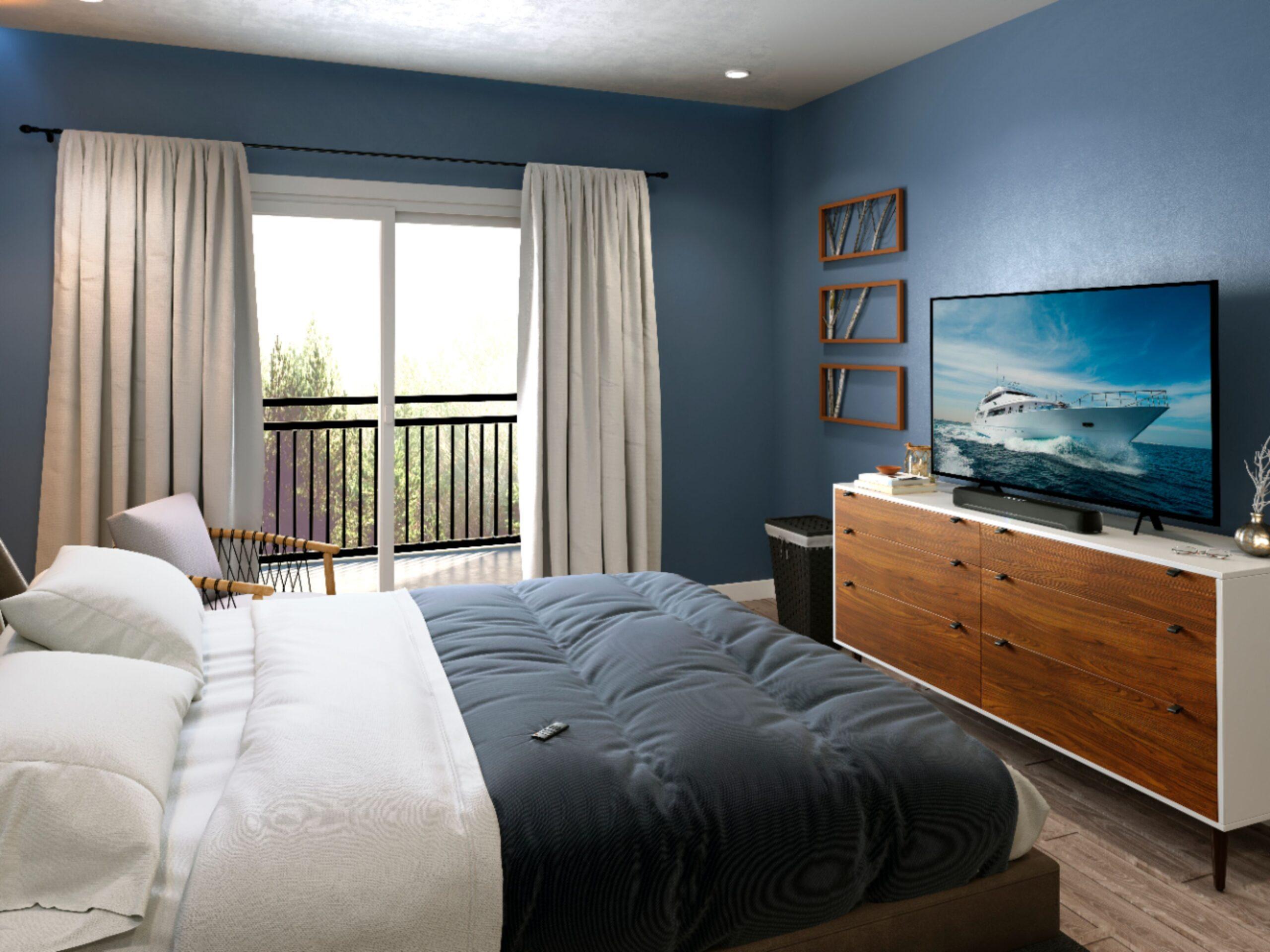
Neither of these soundbars is designed to be the centerpiece of a dedicated home theater room, but they can certainly work in that context, especially for smaller spaces or secondary viewing areas.
In a proper home theater setup, the Yamaha SR-C20A actually works better because its virtual surround processing and built-in bass make it more self-contained. The Movie mode is specifically tuned for cinematic content, and the bass extension helps with the low-frequency effects that make action scenes impactful.
The Bose TV Speaker would need the Bass Module to be truly effective in a home theater context, but once you add that component, it becomes quite capable. The superior dialogue clarity is actually a major advantage in home theater use, where you often want to keep overall volume lower (especially in apartments or homes with sleeping family members) while still being able to hear every word clearly.
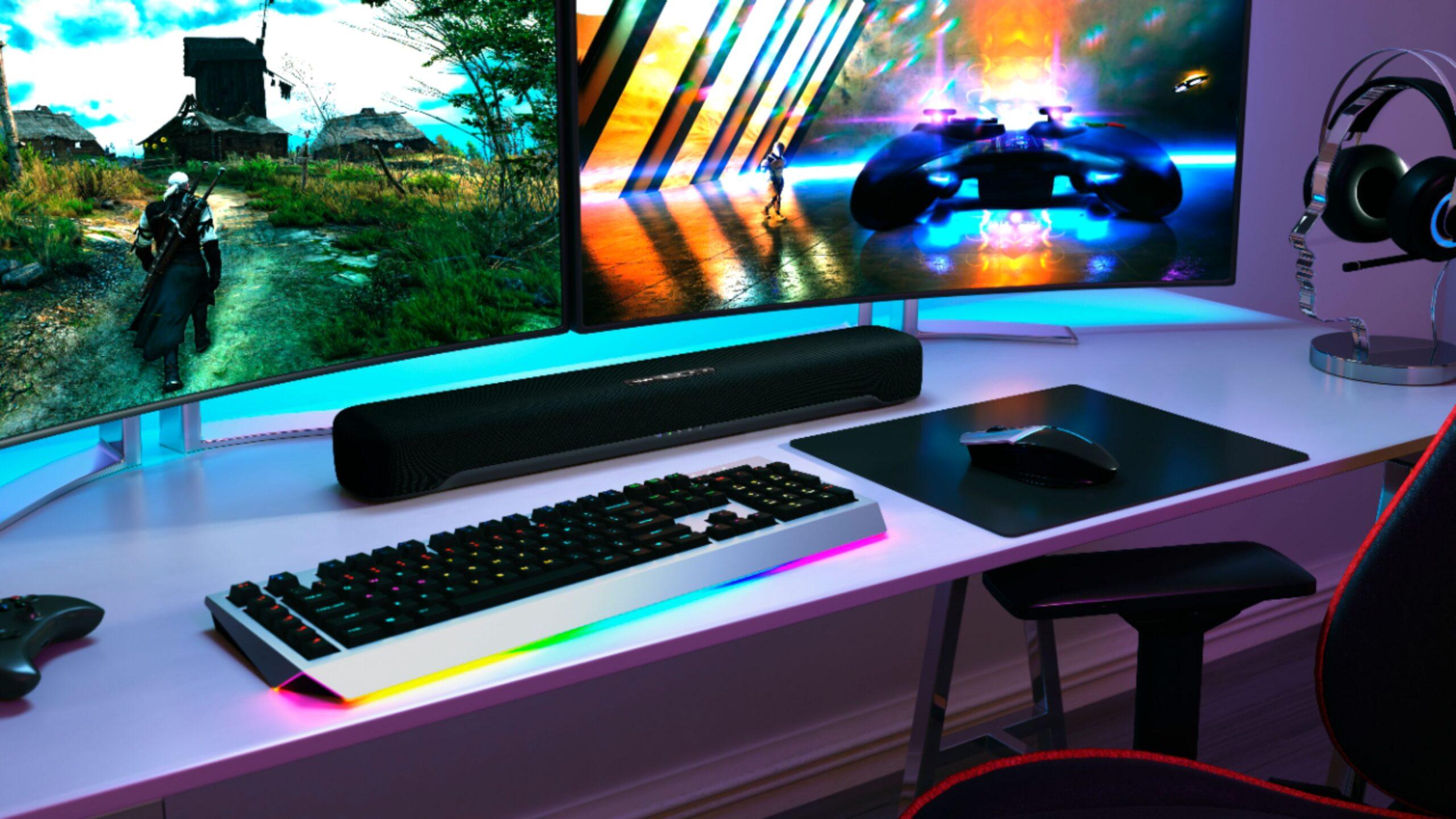
For gaming setups, the Yamaha has a clear advantage with its dedicated Game mode and virtual surround capabilities. The spatial audio cues can genuinely improve gameplay in competitive games.
Both soundbars were released in 2020, and while neither has received major hardware revisions, the technology landscape around them has evolved. Both companies have released newer, more advanced models, but these entry-level options remain relevant because they still address the core problems most users face.
What's interesting is how both products anticipated trends that became more important post-2020. The increased focus on dialogue clarity became crucial during the streaming boom, when people were watching more content on TV speakers that simply weren't up to the task. The Bose's dialogue-first approach was perfectly timed for this shift.
Similarly, the Yamaha's all-in-one philosophy aligned with the trend toward simpler, more integrated solutions. As people spent more time at home and cared more about their entertainment setups, having everything work together seamlessly became increasingly important.
Let me walk you through some specific scenarios where each soundbar excels:
Morning News and Talk Shows: The Bose TV Speaker is unbeatable here. News anchors, interview subjects, and talking heads all come through with crystal clarity. You can actually keep the volume lower because speech is so much more intelligible.
Netflix Movie Nights: The Yamaha SR-C20A provides a more complete experience. The bass adds impact to action scenes, the virtual surround creates immersion, and the Movie mode is specifically tuned for cinematic content. You'll get more of that "theater at home" feeling.
Gaming Sessions: Again, the Yamaha wins with its Game mode and spatial processing. Whether you're playing story-driven games where dialogue matters or action games where directional audio gives you an advantage, the expanded soundfield helps.
Music Listening: This is more of a tie, but with different strengths. The Bose provides more accurate stereo imaging and natural tonal balance for acoustic and vocal music. The Yamaha's bass extension makes it better for electronic music, hip-hop, or rock.
Small Apartments: The Yamaha's built-in bass eliminates the need for a separate subwoofer, which is crucial when space is limited or when you need to consider neighbors below you.
After extensive testing and real-world use, here's how I'd recommend thinking about this choice:
Choose the Bose TV Speaker if you primarily watch dialogue-heavy content, value premium build quality, or plan to gradually build out your audio system over time. It's the better choice for news junkies, drama series fans, or anyone who's primarily frustrated with not being able to hear what people are saying on TV.
Choose the Yamaha SR-C20A if you want the biggest immediate improvement in your overall TV audio experience. It's better for mixed content viewing, gaming, music listening, or anyone who wants bass without buying additional components.
The Yamaha represents better value as a complete solution, while the Bose offers superior performance in its specialty area and more flexibility for future expansion. Both are excellent products that solve the "bad TV audio" problem, just in different ways.
Your choice ultimately comes down to whether you prioritize vocal clarity and future expandability (Bose) or immediate complete audio enhancement and better value (Yamaha). Either way, you'll be getting significantly better sound than what your TV can provide on its own.
| Bose TV Speaker Soundbar | Yamaha SR-C20A Compact Sound Bar |
|---|---|
| Channel Configuration - Determines dialogue clarity and bass handling | |
| 3.0 channels (dedicated center for superior dialogue) | 2.1 channels (built-in subwoofer for better bass) |
| Price Range - Entry cost vs. complete system value | |
| $199-279 (requires $129+ Bass Module for meaningful bass) | $180-200 (complete system with integrated bass) |
| Bass Performance - Critical for movies and music enjoyment | |
| Requires optional Bass Module for low-end extension | Built-in 3" subwoofer with dual passive radiators (60W dedicated) |
| Dialogue Clarity - Most important for TV/streaming content | |
| Dedicated center channel with Dialogue Mode (superior speech) | Clear Voice technology through L/R channels (good but not specialized) |
| Sound Modes - Customization for different content types | |
| Dialogue mode only (focused approach) | 4 modes: Movie, Game, Stereo, Standard (versatile) |
| Virtual Surround - Immersive experience beyond stereo | |
| Not supported (pure stereo with wide dispersion) | DTS Virtual:X processing for simulated 5.1 surround |
| Total Power Output - Affects maximum volume and dynamics | |
| Not specified (estimated ~60W based on performance) | 100W total (20W L/R + 60W subwoofer) |
| Installation Flexibility - Setup options for different spaces | |
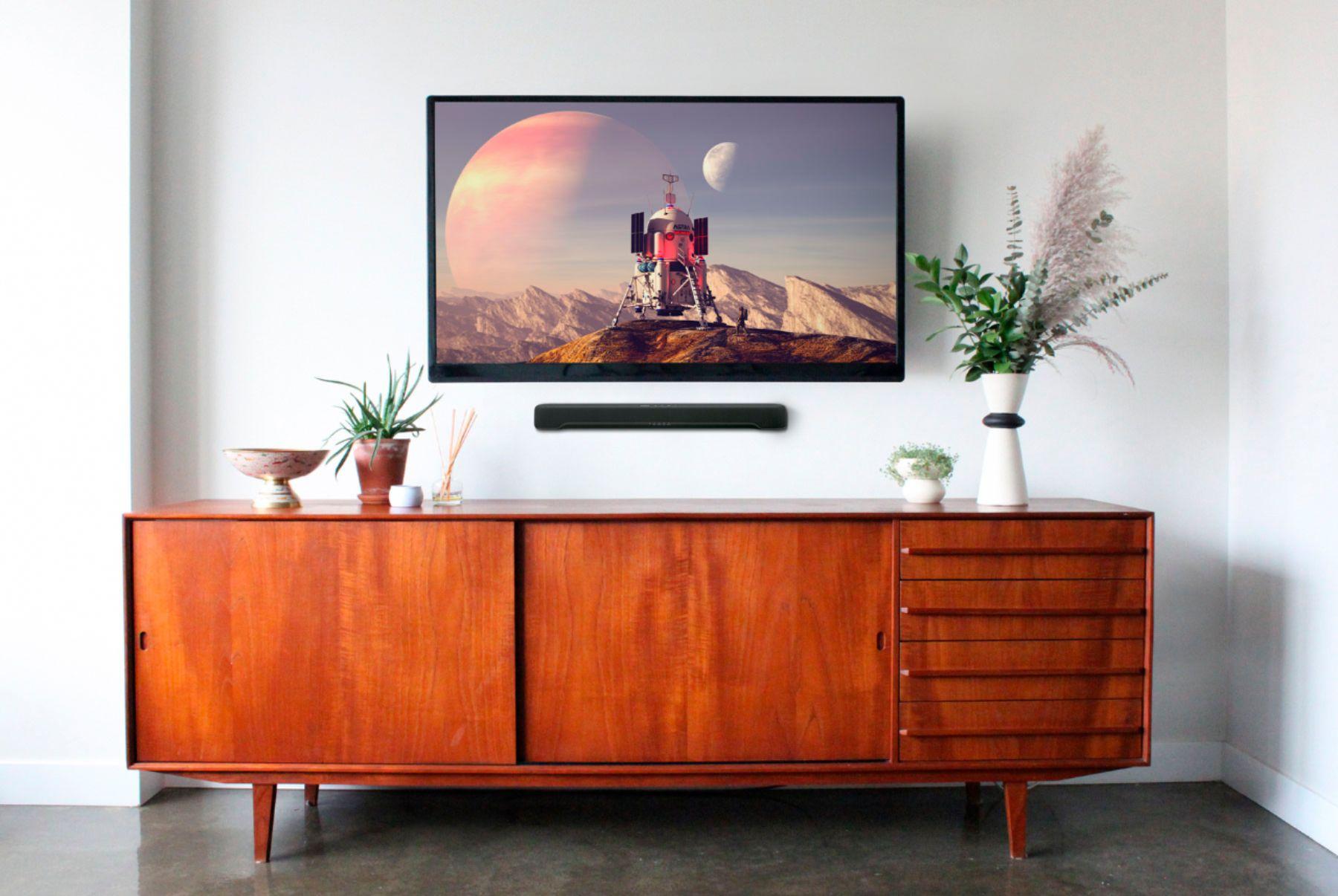
| Table placement only (no mounting hardware included) | Wall-mountable with built-in keyholes |
| Connectivity Options - How it connects to your devices | |
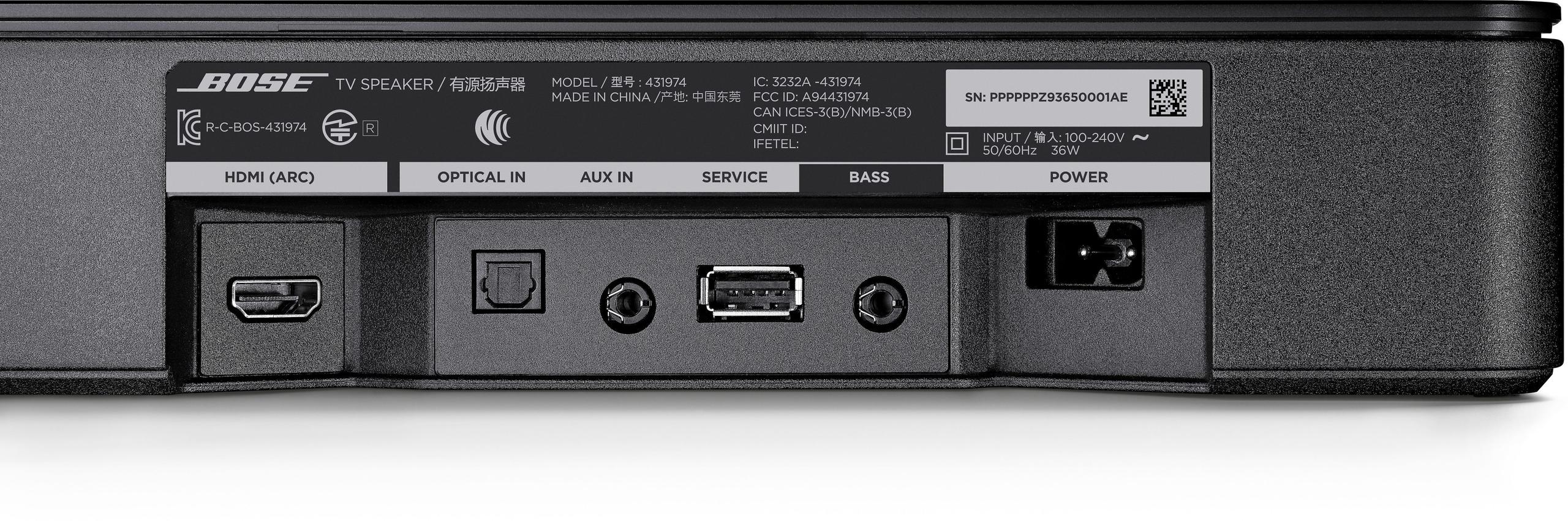
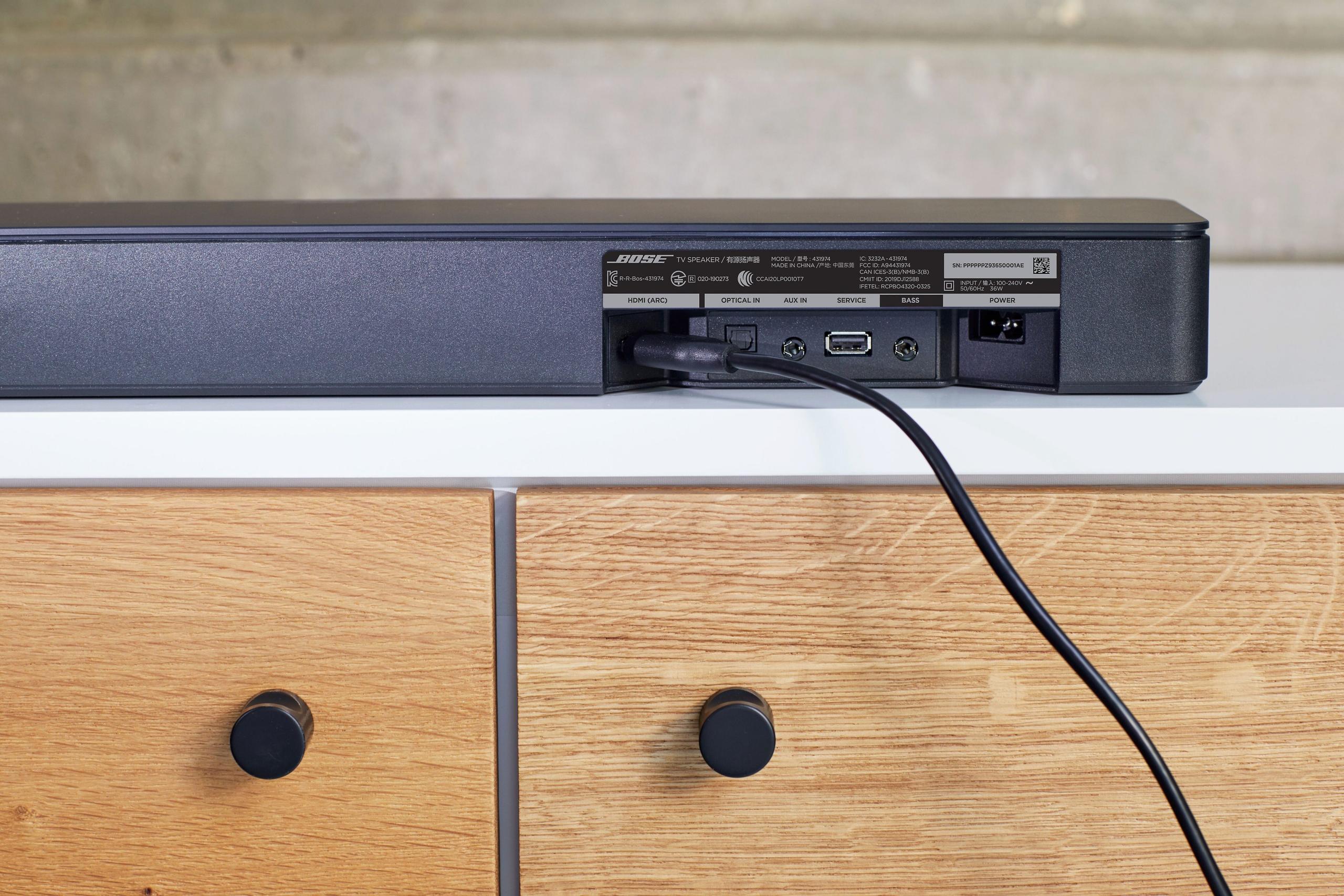
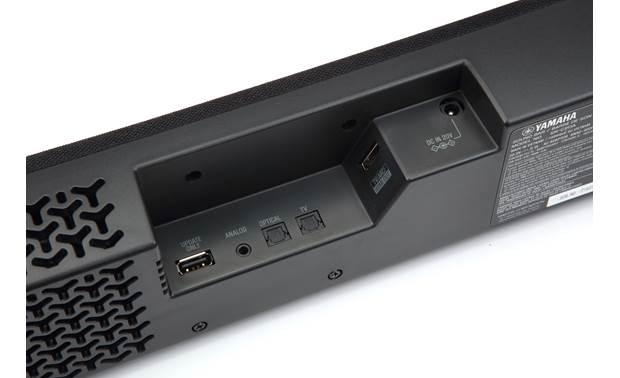
| HDMI ARC, Optical, 3.5mm aux, Bluetooth | HDMI ARC, 2x Optical, 3.5mm aux, Bluetooth 5.0 |
| Build Quality and Design - Long-term durability and aesthetics | |
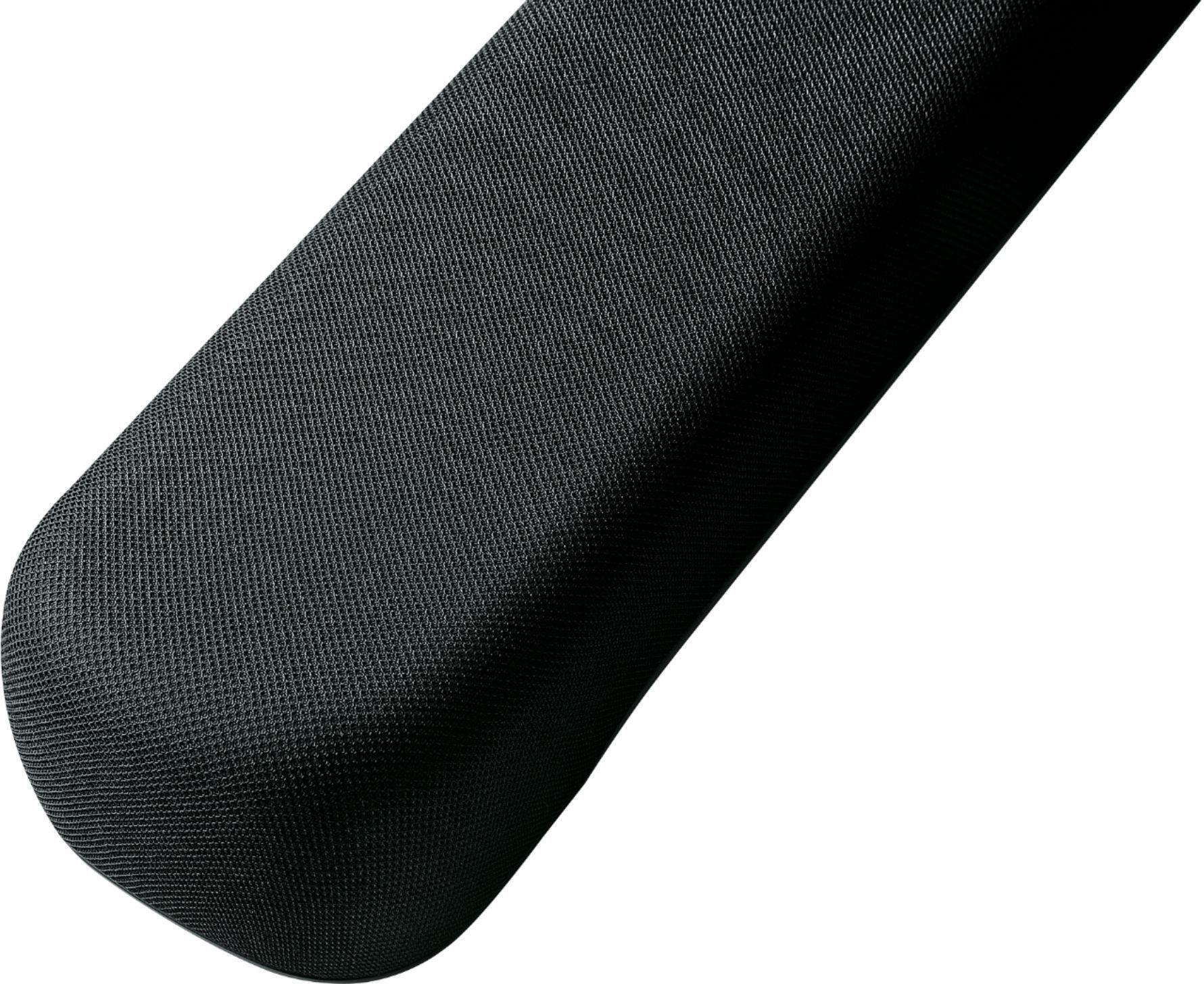
| Premium materials, 2.2" profile, minimalist design | Functional plastic construction, 2.5" profile |
| Total Cost for Complete System - What you'll actually spend | |
| $328-578 with necessary Bass Module | $180-200 complete (no additional components needed) |
The Bose TV Speaker Soundbar is significantly better for dialogue clarity thanks to its dedicated center channel and specialized Dialogue Mode. This mode analyzes content in real-time to boost vocal frequencies, making speech much clearer than TV speakers. The Yamaha SR-C20A has Clear Voice technology but relies on left/right channels for dialogue, which isn't as effective as a dedicated center channel.
The Yamaha SR-C20A at $180-200 has much better bass performance with its built-in 3-inch subwoofer and dual passive radiators providing 60W of dedicated bass power. The Bose TV Speaker produces decent bass for its size but requires the optional Bass Module ($129+) to match the Yamaha's low-end performance.
The Yamaha SR-C20A costs $180-200 as a complete system, while the Bose TV Speaker ranges from $199-279. However, to get comparable bass from the Bose, you'll need its Bass Module, bringing the total cost to $328-578. The Yamaha offers better value as a complete solution.
Both soundbars offer simple setup with single-cable connections via HDMI ARC or optical. The Bose TV Speaker focuses on plug-and-play simplicity with minimal settings. The Yamaha SR-C20A is equally easy to connect but offers more customization options with four sound modes and wall-mounting capability through built-in keyholes.
The Yamaha SR-C20A is better for gaming with its dedicated Game mode and DTS Virtual:X surround processing that creates spatial audio cues helpful for directional sound in games. The Bose TV Speaker provides clear audio but lacks surround simulation and gaming-specific features.
The Yamaha SR-C20A is ideal for small apartments because its built-in subwoofer eliminates the need for separate bass components that take up floor space. It's also wall-mountable to save even more room. The Bose TV Speaker requires table placement and an additional Bass Module for full performance.
Yes, both soundbars support Bluetooth connectivity for wireless music streaming. The Yamaha SR-C20A uses Bluetooth 5.0 and offers better bass for music genres like hip-hop and electronic. The Bose TV Speaker provides more accurate stereo imaging that's excellent for acoustic and vocal music.
The Yamaha SR-C20A offers significantly more customization with four distinct sound modes (Movie, Game, Stereo, Standard), Bass Extension feature, and virtual surround processing. The Bose TV Speaker focuses on simplicity with just Dialogue Mode and basic bass adjustment, prioritizing ease of use over customization.
For home theater use, the Yamaha SR-C20A works better as a standalone solution with its Movie mode, virtual surround sound, and built-in bass for cinematic impact. The Bose TV Speaker would need the Bass Module addition to be truly effective in home theater setups, though its superior dialogue clarity is valuable for movie watching.
Both Bose and Yamaha are well-established audio brands with solid reputations. The Bose TV Speaker offers premium build quality with better materials, while the Yamaha SR-C20A uses more functional plastic construction but includes comprehensive connectivity options and proven reliability from Yamaha's audio expertise.
The Yamaha SR-C20A includes built-in keyholes for easy wall mounting without additional hardware. The Bose TV Speaker is designed primarily for table placement and doesn't include mounting hardware, though third-party wall mounts may be available separately.
The Yamaha SR-C20A at $180-200 provides better immediate value as a complete audio upgrade system. The Bose TV Speaker offers better long-term value if you plan to build a modular system over time, starting with superior dialogue clarity and adding bass later. Choose based on whether you want everything now (Yamaha) or plan to expand gradually (Bose).
We've done our best to create useful and informative comparisons to help you decide what product to buy. Our research uses advanced automated methods to create this comparison and perfection is not possible - please contact us for corrections or questions. These are the sites we've researched in the creation of this article: bestbuy.com - projectorscreen.com - forums.audioholics.com - digitaltrends.com - abt.com - crutchfield.com - staples.com - bestbuy.com - pcrichard.com - visions.ca - bose.com - assets.bose.com - t3.com - usa.yamaha.com - radiotimes.com - shop.usa.yamaha.com - whathifi.com - hifiheaven.net - usa.yamaha.com - sweetwater.com - hub.yamaha.com - bestbuy.com

Privacy Policy
Terms and Conditions - Affiliate Policy
Home Security
© Copyright 2008-2026.
11816 Inwood Rd #1211, Dallas, TX 75244