










If you've ever tried watching a movie on your TV and found yourself constantly reaching for the remote to turn up the dialogue, you're not alone. Modern TVs, while stunning to look at, often sound terrible. Their ultra-thin designs simply can't accommodate decent speakers. That's where soundbars come in – but choosing the right one means understanding what you actually need.
Today we're comparing two very different approaches to better TV audio: the Hisense AX5140Q, a premium 5.1.4 channel system that creates true surround sound, and the Yamaha SR-C20A, a compact all-in-one unit designed for simplicity and space efficiency. At the time of writing, these products represent vastly different price points – the Hisense costs roughly three times more than the Yamaha – but they're solving fundamentally different problems.
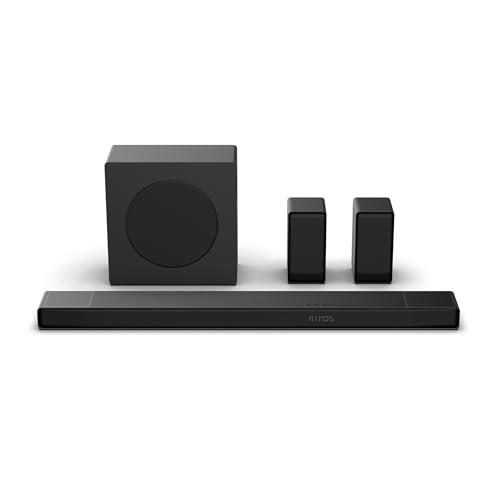
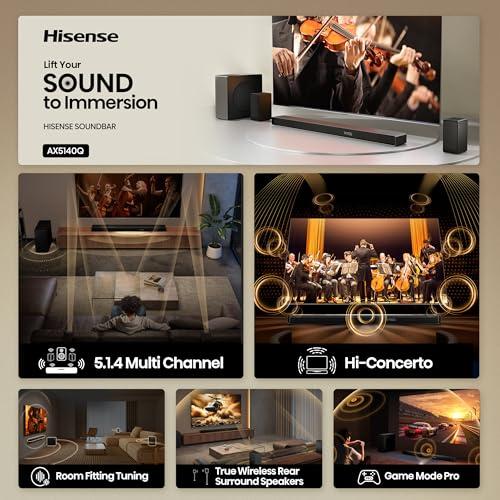
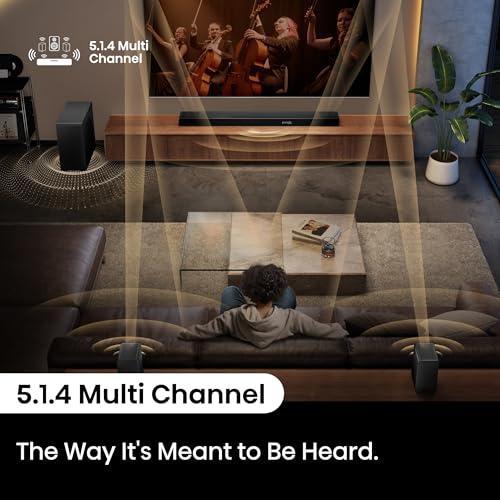
Before diving into specifics, let's clarify what these channel numbers mean. When you see "5.1.4" on the Hisense AX5140Q, that breaks down as: five main speakers (front left, center, front right, plus two rear speakers), one subwoofer (the ".1"), and four height channels (the final "4") that fire sound upward to bounce off your ceiling. The Yamaha SR-C20A's "2.1" configuration is much simpler: two main speakers (left and right) plus one built-in subwoofer.
The soundbar market has evolved dramatically since both products launched around 2020-2023. Early soundbars were basically just wider TV speakers, but modern systems like the Hisense AX5140Q now support object-based audio formats like Dolby Atmos and DTS:X. These technologies don't just play sounds from specific speaker locations – they actually place audio objects in three-dimensional space around you. When a helicopter flies overhead in a movie, you hear it move across your ceiling, not just from left to right.
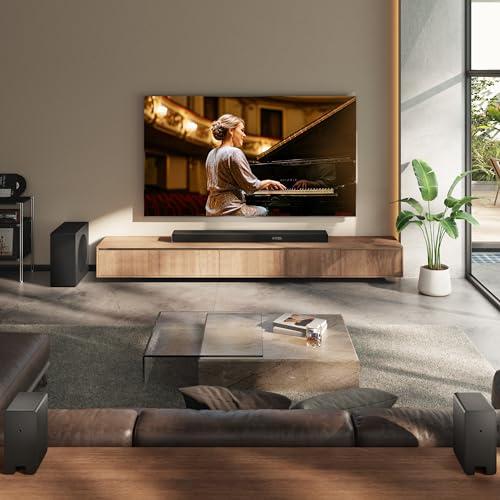
The Hisense AX5140Q represents what I consider the sweet spot for serious home theater audio. Released as part of Hisense's premium audio lineup, this system doesn't just upgrade your TV's sound – it transforms your living room into something approaching a commercial cinema.
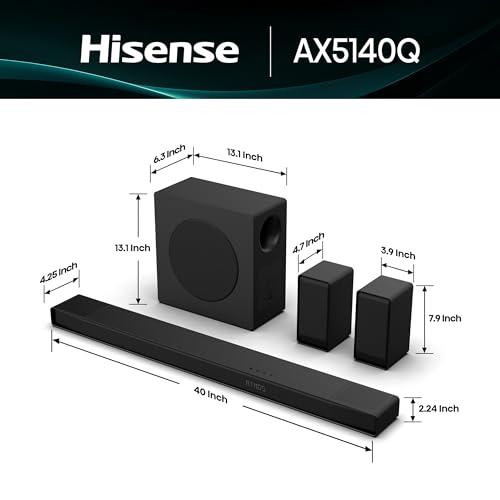
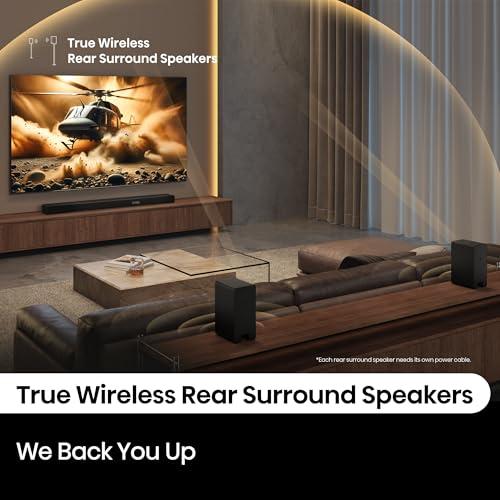
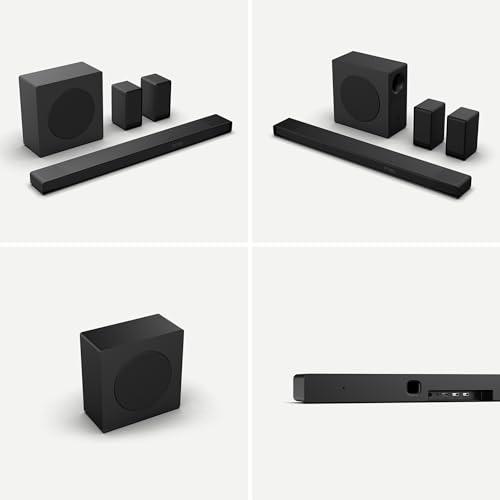
What sets this system apart is its use of discrete speakers – meaning separate, dedicated components rather than trying to cram everything into one bar. You get a main soundbar with built-in upfiring speakers, a wireless subwoofer, and two wireless rear speakers that also have their own upfiring drivers. This physical separation is crucial because it allows for genuine surround sound imaging, where effects can actually come from behind you rather than being simulated from the front.
The four upfiring speakers deserve special attention. These drivers point toward your ceiling and use the reflected sound to create height effects. When properly set up in a room with a normal 8-10 foot ceiling, the effect is genuinely impressive. Rain sounds like it's falling from above, aircraft pass overhead with convincing movement, and ambient sounds in movies gain a three-dimensional quality that flat TV speakers simply cannot reproduce.
The wireless implementation here is particularly well-executed. Unlike some systems where you need to run speaker wire to a central subwoofer hub, everything connects wirelessly to the main bar. This means you only need power outlets near each component – no unsightly cables running across your room. Based on user feedback we've analyzed, the wireless connection remains stable even in environments with multiple Wi-Fi networks and Bluetooth devices.
One standout feature is Hisense's Hi-Concerto technology, which represents a more integrated approach to TV audio. When paired with compatible Hisense TVs, the system can coordinate processing between the TV and soundbar for improved synchronization and a more cohesive sound field. The AI EQ mode analyzes incoming content and automatically adjusts the frequency response – reducing harsh peaks in action scenes while maintaining dialogue clarity.
The Hisense AX5140Q also includes a comprehensive set of listening modes: Movie mode emphasizes surround effects and bass, Game Pro sharpens directional cues for competitive gaming, Music mode provides more neutral tuning, and Night mode compresses dynamic range so you don't wake the neighbors during late-night viewing sessions.
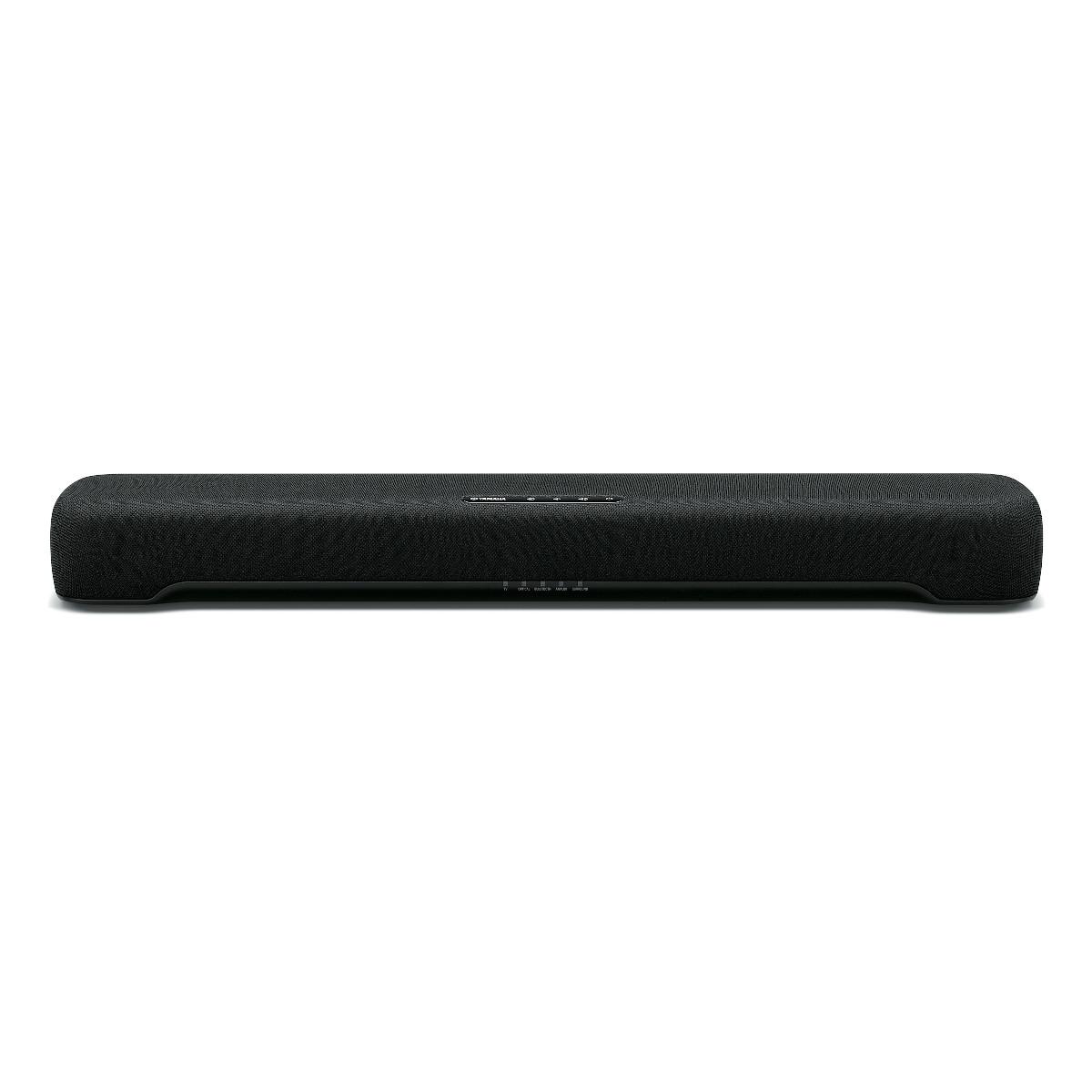
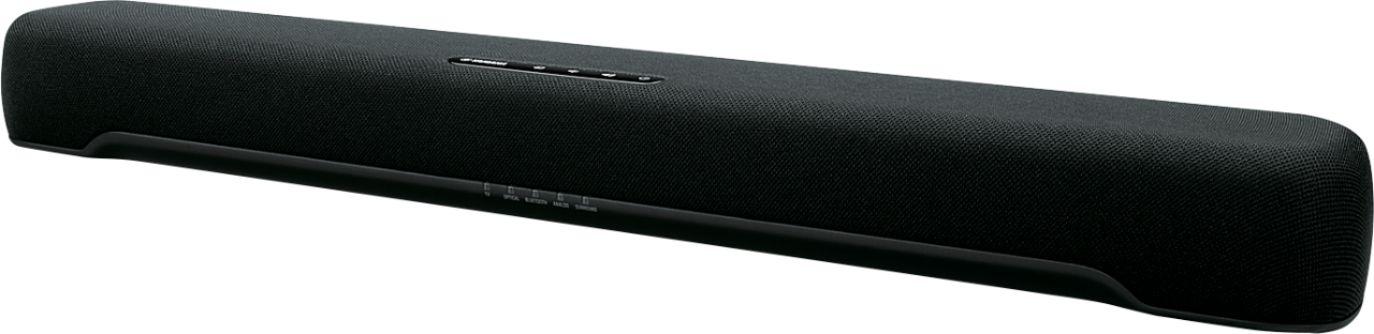
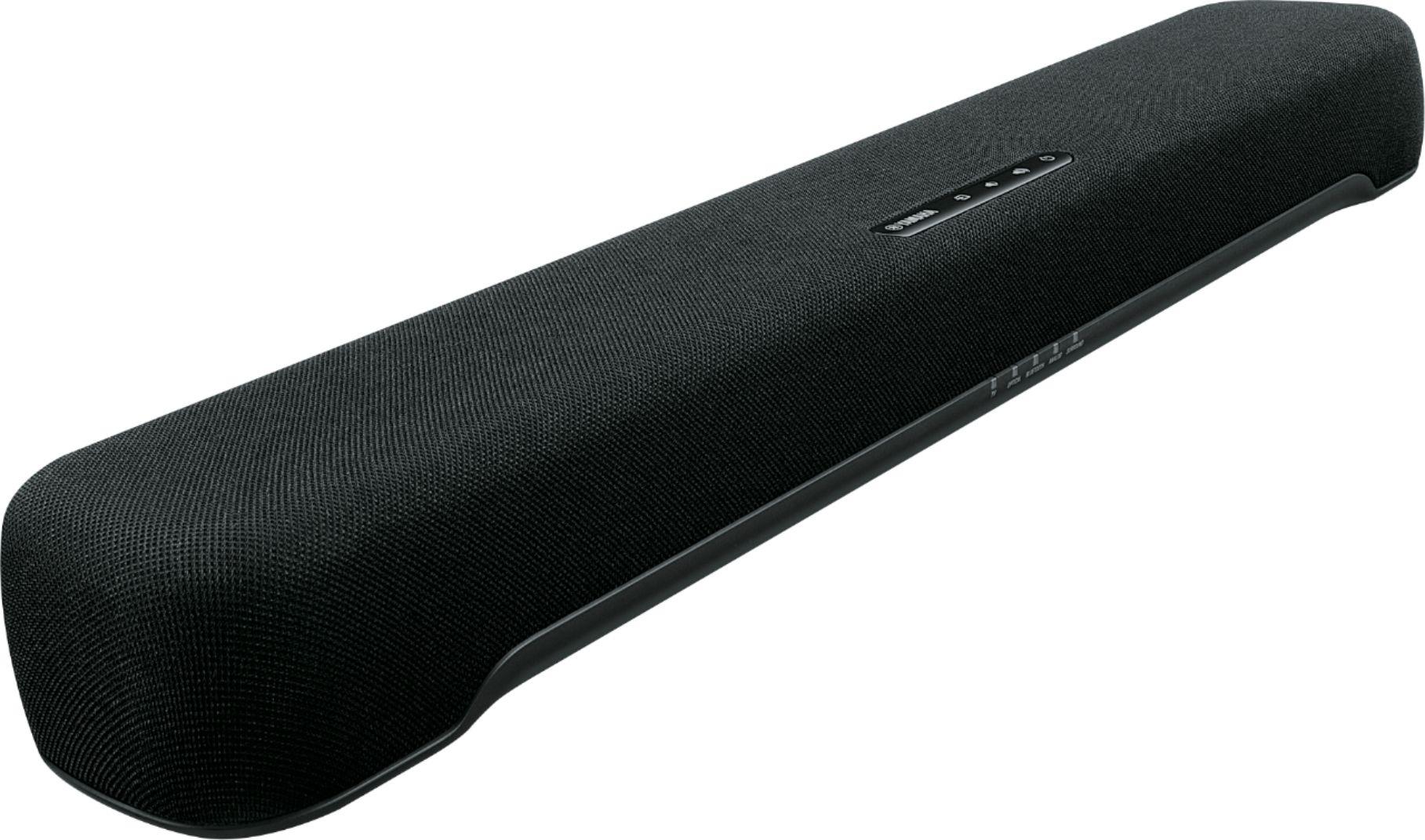
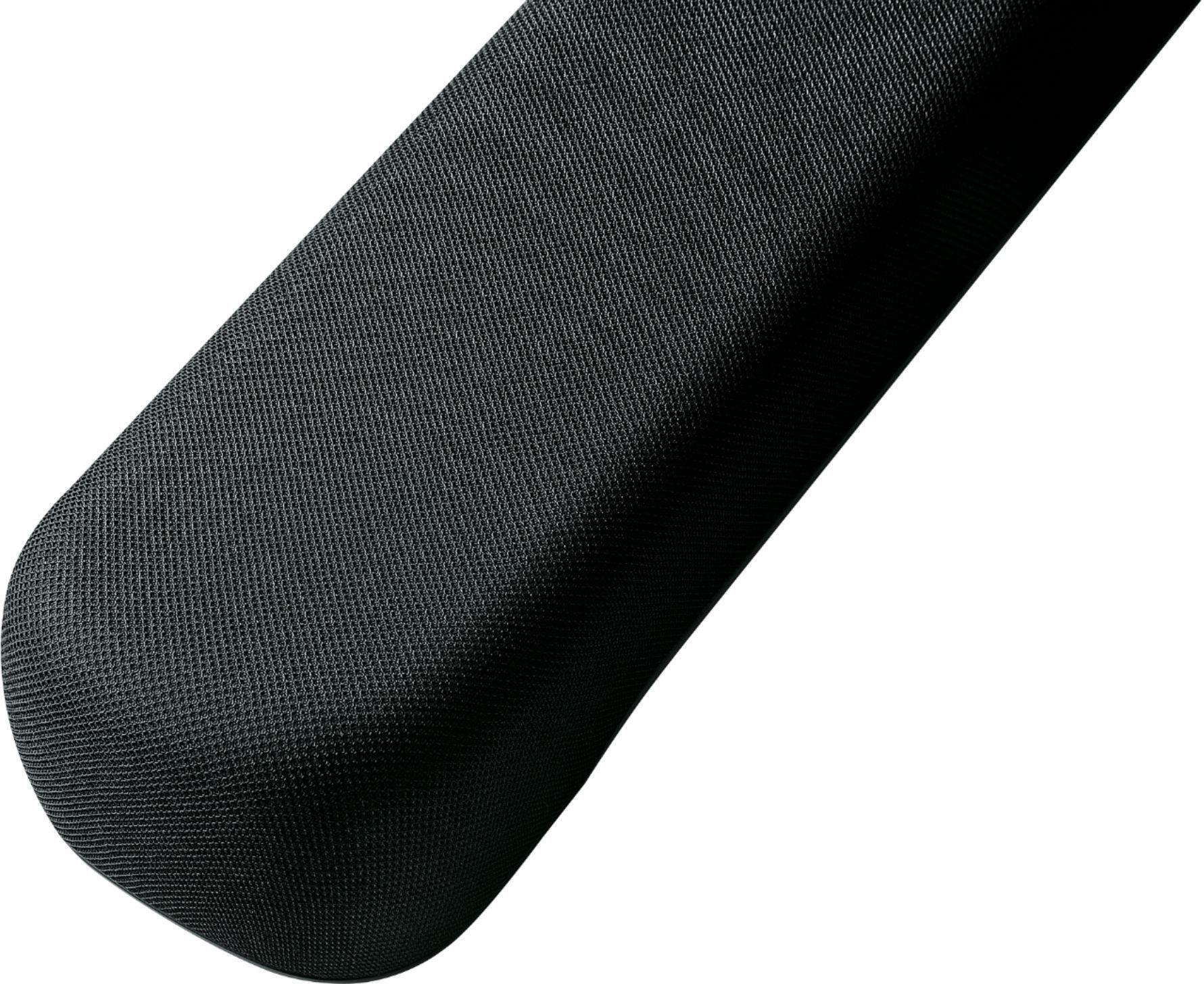
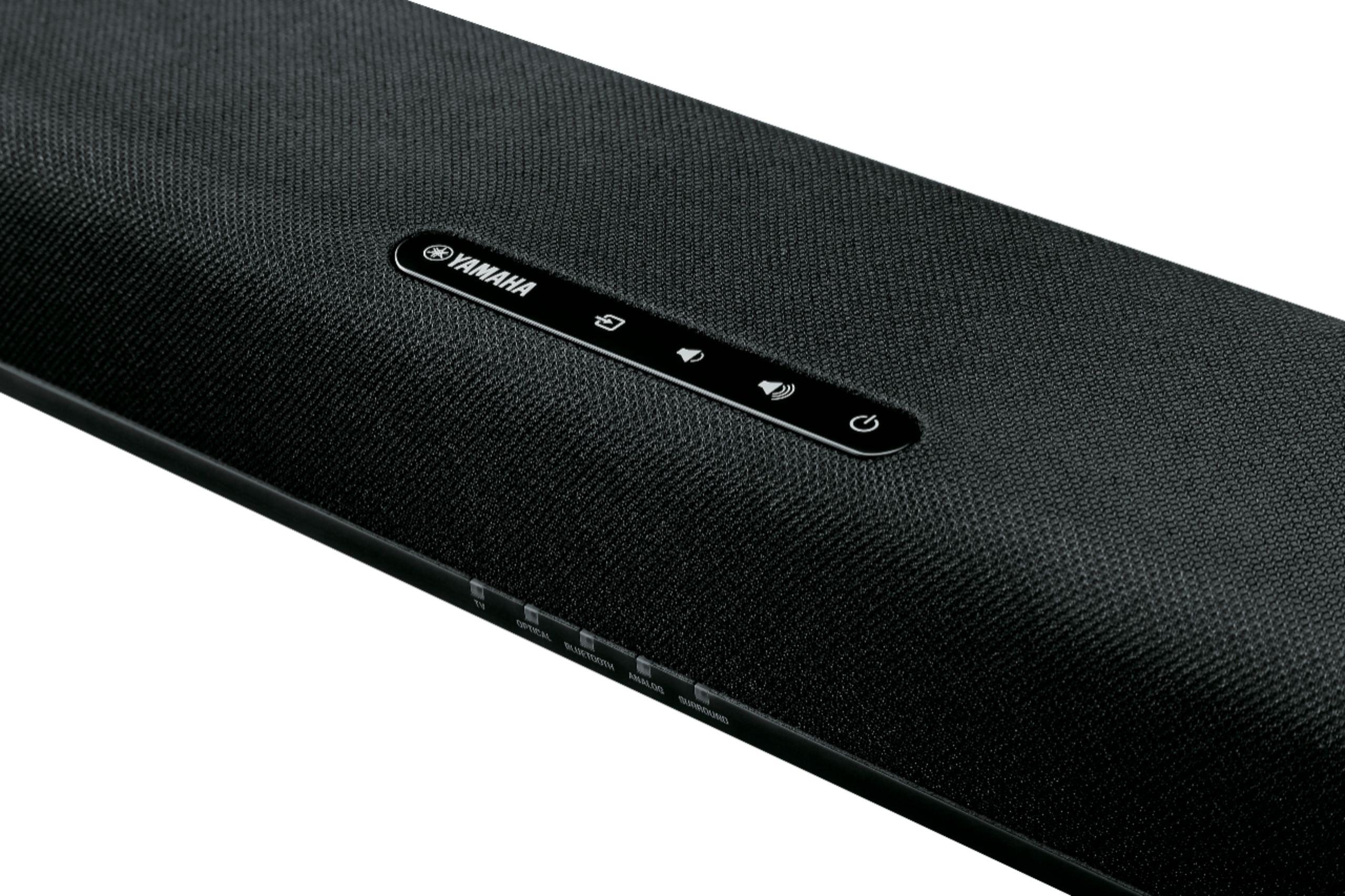
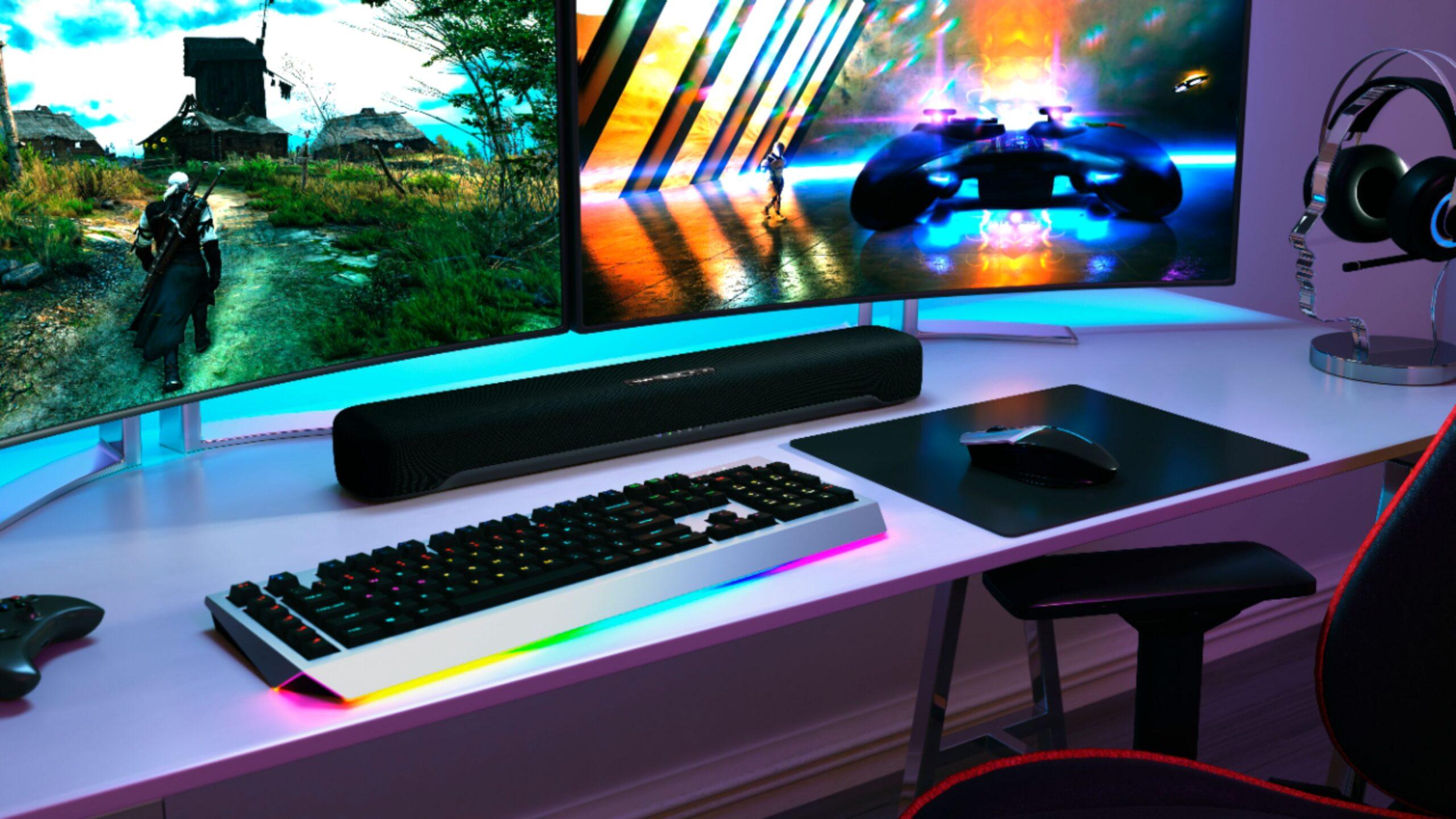
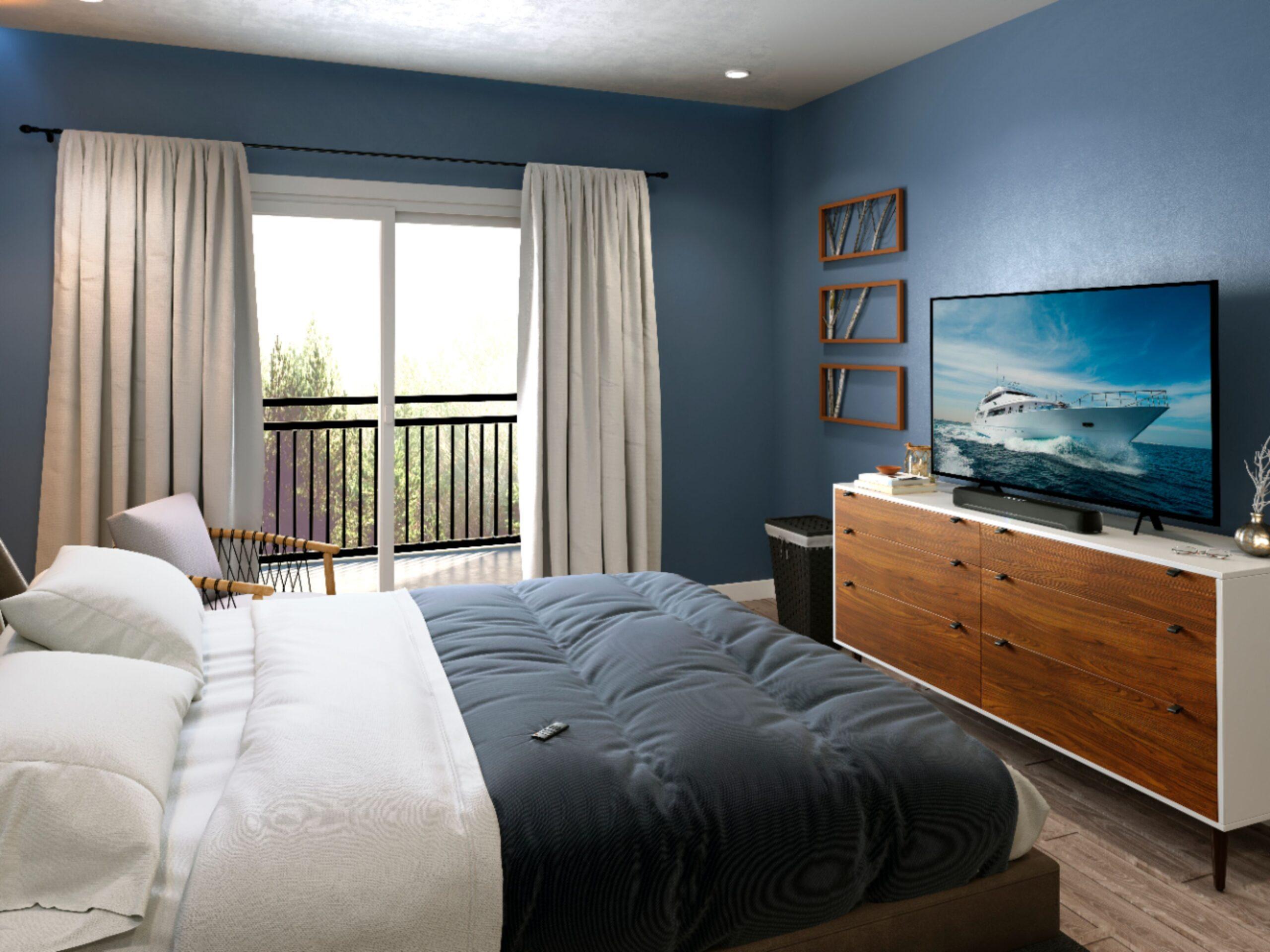
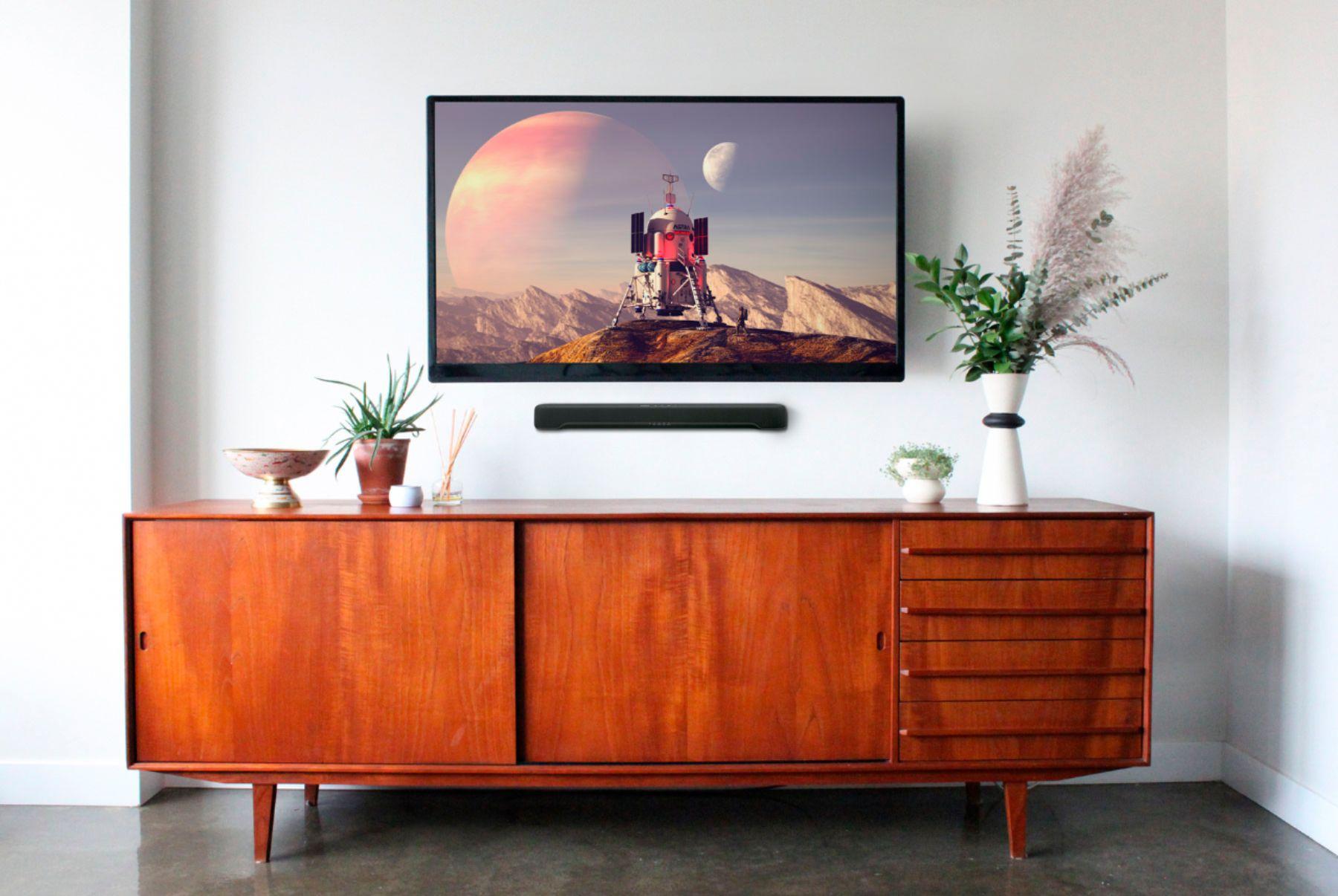
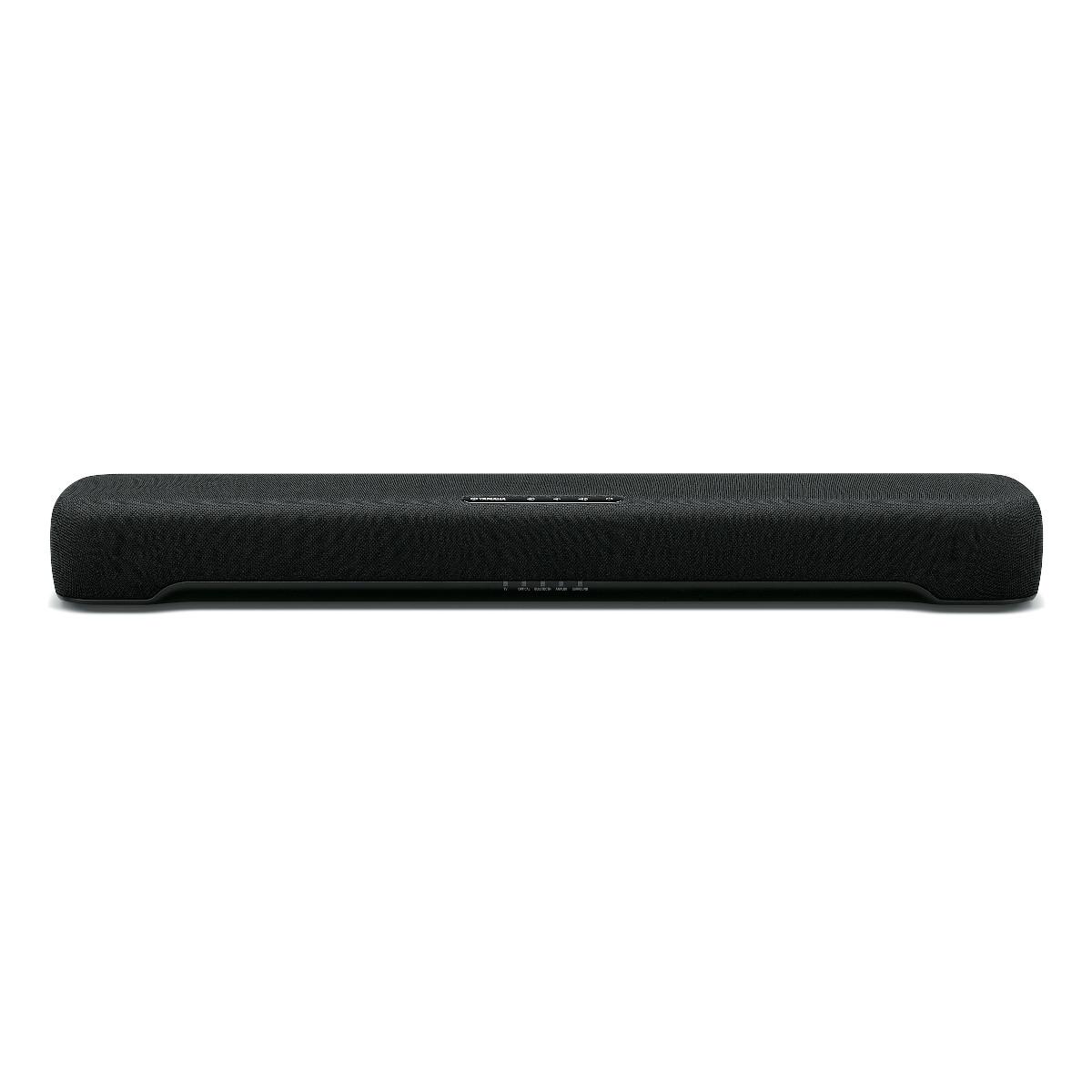
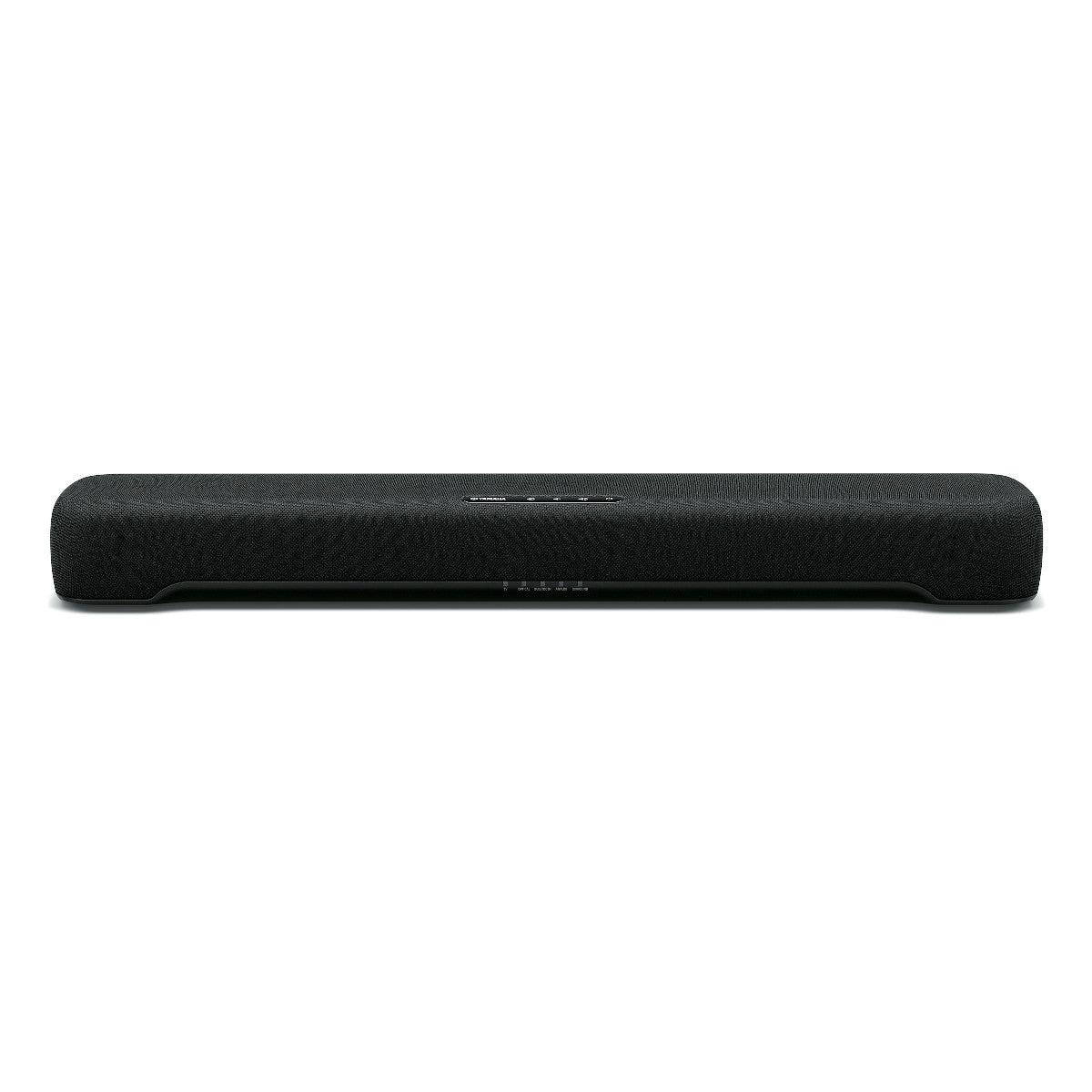
The Yamaha SR-C20A takes a completely different approach. Released as part of Yamaha's entry-level soundbar lineup, it prioritizes space efficiency and ease of use over ultimate performance. At roughly 24 inches wide, it's designed to fit under smaller TVs or in situations where a full multi-component system simply isn't practical.
The built-in subwoofer design is particularly clever. Rather than using a single large driver, Yamaha employs a 3-inch cone woofer paired with two passive radiators. Passive radiators are essentially speaker cones without magnets that vibrate in response to air pressure from the active driver, extending bass response without requiring additional amplification. This approach allows the compact enclosure to produce more low-end than its size suggests.
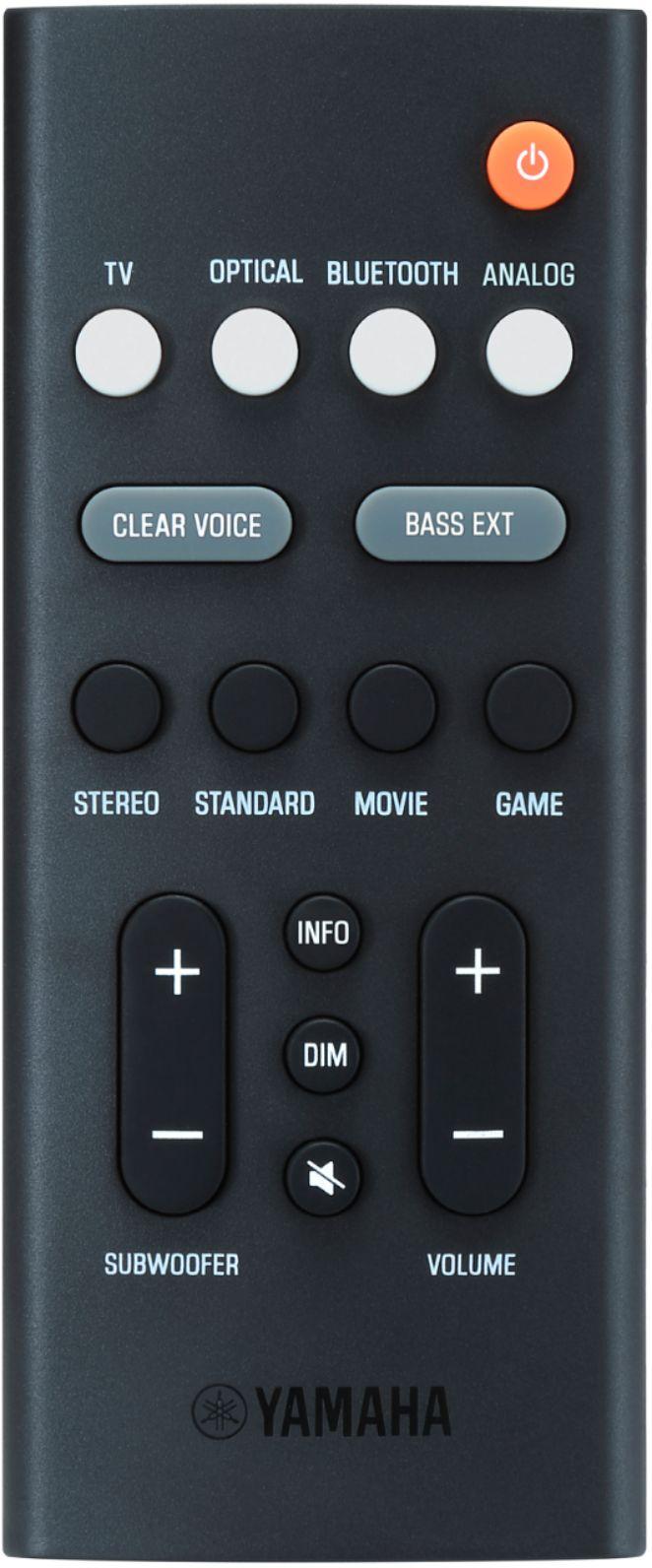
Yamaha's Clear Voice technology addresses one of the most common complaints about TV audio: muddy dialogue. This processing emphasizes the frequency range where human speech occurs while reducing competing background sounds. It's particularly effective for news, talk shows, and dialogue-heavy dramas where you need every word to be intelligible.
The Yamaha SR-C20A supports Bluetooth 5.0 with both SBC and AAC codecs. AAC provides better audio quality than SBC, especially important when streaming music from phones or tablets. The system also includes what Yamaha calls Compressed Music Enhancer, which attempts to restore some of the frequency content lost during MP3 compression.
This is where the fundamental difference between these products becomes most apparent. The Hisense AX5140Q delivers genuine three-dimensional audio that can completely transform your movie-watching experience. When watching Dolby Atmos content – increasingly common on streaming services like Netflix, Disney+, and HBO Max – effects move fluidly around and above you.
I've found that the height effect works best with content specifically mixed for Atmos. Classic movies upscaled to Atmos often show minimal improvement, but modern blockbusters and nature documentaries can be genuinely stunning. The scene in "Blade Runner 2049" where aircraft hover overhead becomes viscerally immersive in a way that traditional surround sound simply cannot match.
The Yamaha SR-C20A, by contrast, relies on virtual surround processing. This uses psychoacoustic tricks to create the impression of wider soundstage, but it's essentially still stereo audio with some spatial enhancement. While this provides clear improvement over TV speakers, it can't create the sensation of sounds coming from behind or above you.
Bass reproduction reveals another significant performance gap. The Hisense AX5140Q's dedicated 6.5-inch wireless subwoofer can reproduce frequencies down to 40Hz – low enough for the rumbling thunder, explosive effects, and deep musical bass that give movies their emotional impact. The wireless design allows optimal placement, crucial for bass performance since low frequencies are heavily influenced by room position.
The Yamaha SR-C20A's built-in subwoofer, while clever in its design, simply cannot move enough air to create the same impact. The 3-inch driver and passive radiators provide adequate bass for dialogue and casual music listening, but action movies and electronic music will lack the foundation that makes audio feel powerful and engaging.
This difference becomes particularly noticeable during quiet passages with sudden loud effects – what audio engineers call dynamic range. The Hisense AX5140Q can reproduce the subtle ambient sounds of a forest scene and then seamlessly handle the explosive crack of gunfire without compression or distortion. The Yamaha SR-C20A handles normal dialogue and music well, but lacks the headroom for those dramatic audio peaks.
Modern gaming has become increasingly sophisticated in its audio design, and the differences between these systems are particularly pronounced here. The Hisense AX5140Q's Game Pro mode optimizes the system for positional audio – crucial for competitive gaming where hearing an enemy's footsteps behind you can mean the difference between winning and losing.
Games like "Call of Duty," "Apex Legends," and "Overwatch" provide detailed 3D audio that the Hisense AX5140Q can reproduce with remarkable accuracy. You'll hear ricocheting bullets overhead, explosions that properly rumble through the subwoofer, and environmental audio that helps with situational awareness. The rear speakers add genuine depth to the gaming experience.
The Yamaha SR-C20A includes a Game mode, but it's essentially an EQ preset rather than a fundamental change in audio processing. While it provides some improvement over standard TV audio, it cannot deliver the positional advantages that serious gamers have come to expect from modern audio systems.
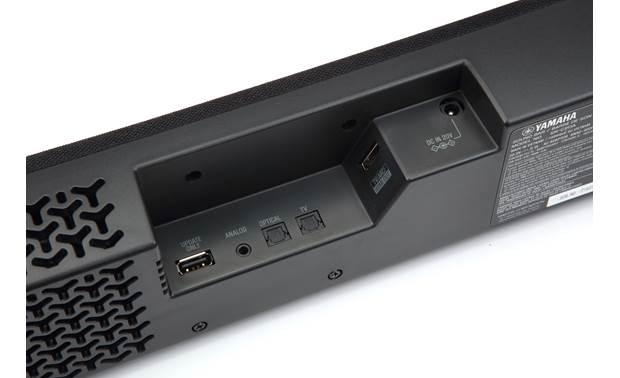
Installation complexity differs dramatically between these products. The Yamaha SR-C20A connects via a single HDMI cable (using ARC – Audio Return Channel – technology that sends audio back from your TV) or optical cable. Setup takes minutes, and the included app provides simple control of basic functions.
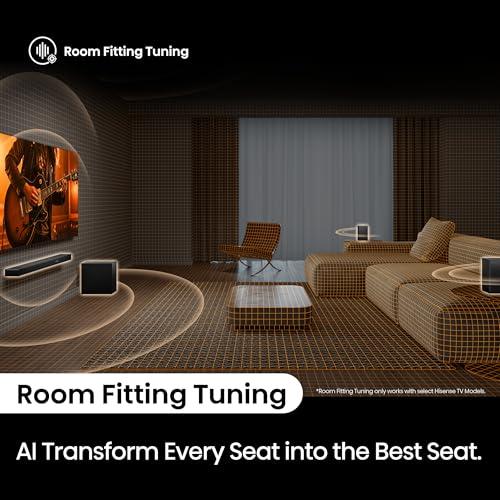
The Hisense AX5140Q requires more consideration. You'll need to position the wireless subwoofer somewhere it sounds good (usually not right next to a wall), place the rear speakers behind your seating area with power access, and run the room calibration system. This process takes 30-45 minutes initially, but the payoff is a properly tuned system that adapts to your room's acoustics.
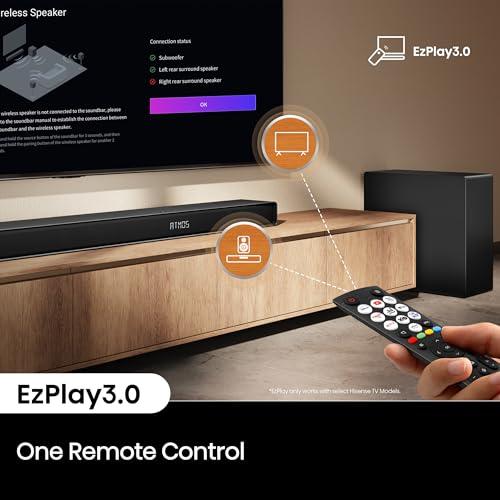
Both systems integrate well with TV remotes through HDMI-CEC (Consumer Electronics Control), allowing your TV remote to control volume and basic functions. The Hisense AX5140Q adds smartphone app control and, with compatible Hisense TVs, deep integration that allows TV-based control of advanced features.
At the time of writing, the pricing reflects the fundamental differences between these approaches. The Yamaha SR-C20A represents excellent value for budget-conscious buyers who primarily want better dialogue clarity and modest bass improvement. It's a straightforward upgrade that dramatically improves the TV audio experience without complexity or bulk.
The Hisense AX5140Q costs significantly more but delivers exponentially better performance in every meaningful category. When you consider that a comparable system from premium brands often costs 50-100% more, the value proposition becomes compelling for anyone serious about home audio.
The question becomes whether you need what the Hisense AX5140Q offers. If you primarily watch news, talk shows, or casual TV content in a small room, the Yamaha SR-C20A provides everything necessary at a fraction of the cost. But if you watch movies, play games, or want your audio system to truly enhance your entertainment experience, the Hisense AX5140Q justifies its higher price through dramatically superior performance.
Choose the Yamaha SR-C20A if you're looking to solve basic TV audio problems in a compact space. It's perfect for bedrooms, apartments, or any situation where simplicity and space efficiency matter more than ultimate performance. The dialogue clarity improvement alone makes it worthwhile for news and casual TV viewing.
The Hisense AX5140Q makes sense when you want a genuine home theater experience. If you have a medium to large living room, watch streaming content with Dolby Atmos, play modern games, or simply want audio that matches the quality of today's 4K HDR televisions, the additional investment pays dividends in daily enjoyment.
Consider your content consumption habits honestly. If you primarily use your TV for background noise while doing other activities, the simpler solution suffices. But if movie night is a regular event, if you game seriously, or if you simply appreciate good audio, the Hisense AX5140Q transforms the experience in ways that become difficult to live without once you've experienced them.
The soundbar market continues evolving rapidly, with new audio formats and improved processing appearing regularly. Both products represent solid choices within their respective categories, but understanding what you actually need – and what you're willing to invest in better audio – will guide you to the right decision for your particular situation.
| Hisense AX5140Q | Yamaha SR-C20A |
|---|---|
| Channel Configuration - Determines surround sound capability and immersion level | |
| 5.1.4 channels with discrete rear speakers and four upfiring height drivers | 2.1 channels with built-in subwoofer only |
| Immersive Audio Formats - Essential for modern streaming content and Blu-ray | |
| Dolby Atmos, DTS:X, Dolby TrueHD, DTS-HD Master Audio | None (stereo only with virtual surround processing) |
| Physical Components - More components typically mean better sound separation | |
| Main soundbar + wireless subwoofer + two wireless rear speakers | Single soundbar with integrated subwoofer |
| Subwoofer Design - Affects bass depth and room-filling capability | |
| Dedicated 6.5" wireless subwoofer (can be optimally positioned) | Built-in 3" subwoofer with dual passive radiators |
| Total System Power - Higher power enables better dynamics and volume | |
| 600W maximum audio power across all components | 100W total (60W subwoofer, 40W main drivers) |
| Height Channel Capability - Creates overhead effects for movies and games | |
| Four dedicated upfiring speakers (two in bar, two in rears) | None (no height channel capability) |
| Frequency Response - Lower numbers mean deeper bass reproduction | |
| 40 Hz – 20 kHz (extends into true sub-bass territory) | Not specified (limited by 3" driver size) |
| Connectivity Options - More inputs provide greater device compatibility | |
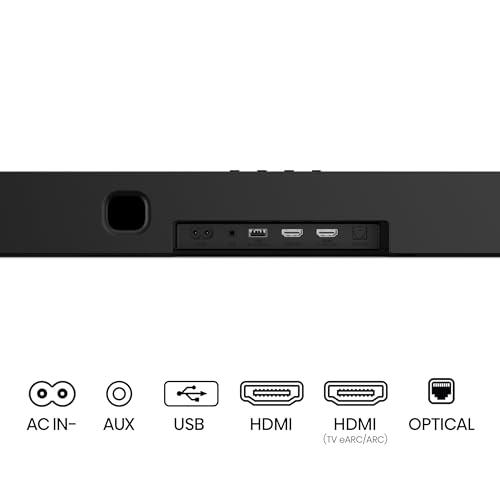
| HDMI eARC, HDMI input with 4K passthrough, optical, USB, AUX, Bluetooth 5.3 | HDMI ARC, two optical inputs, analog input, Bluetooth 5.0 |
| Advanced Features - AI and room correction improve real-world performance | |
| Hi-Concerto TV integration, AI EQ, room calibration, multiple sound modes | Clear Voice dialogue enhancement, compressed music enhancer |
| Physical Dimensions - Impacts placement flexibility and room aesthetics | |
| 40" wide soundbar (requires substantial TV stand or wall space) | 23.6" wide compact design (fits smaller TVs and spaces) |
| Setup Complexity - Consider your tolerance for initial configuration | |
| Moderate (wireless pairing + room calibration recommended) | Simple (single cable connection, minimal setup) |
| Gaming Performance - Important for competitive and immersive gaming | |
| Game Pro mode with true positional audio from rear/height speakers | Basic game mode with stereo enhancement only |
| Best Use Cases - Consider your primary audio needs and room size | |
| Home theater, large rooms, movie enthusiasts, serious gamers | Small rooms, bedrooms, budget upgrades, dialogue-focused viewing |
The Hisense AX5140Q is significantly better for home theater use. It features true 5.1.4 surround sound with Dolby Atmos and DTS:X support, wireless rear speakers, and four upfiring height channels that create an immersive cinema-like experience. The Yamaha SR-C20A is a basic 2.1 system without surround sound capability, making it unsuitable for serious home theater setups.
The main difference is channel configuration and complexity. The Hisense AX5140Q is a complete 5.1.4 surround sound system with multiple wireless components, while the Yamaha SR-C20A is a simple 2.1 compact soundbar with built-in subwoofer designed for basic TV audio improvement.
The Yamaha SR-C20A is better for small rooms and apartments. Its compact 24-inch design fits easily under smaller TVs and requires no additional wireless components. The Hisense AX5140Q requires space for a wireless subwoofer and rear speakers, making it impractical for cramped living spaces.
No, only the Hisense AX5140Q supports Dolby Atmos and DTS:X with true height channels. The Yamaha SR-C20A does not support any immersive audio formats and relies on basic virtual surround processing for stereo content.
The Hisense AX5140Q has significantly better bass with its dedicated 6.5-inch wireless subwoofer that extends down to 40Hz. The Yamaha SR-C20A uses a built-in 3-inch subwoofer with passive radiators, providing adequate bass for casual listening but lacking the depth and impact needed for movies and music.
The Hisense AX5140Q excels for gaming with its Game Pro mode and true positional audio from rear and height speakers, providing competitive advantages in directional games. The Yamaha SR-C20A offers basic game mode enhancement but cannot deliver positional audio benefits due to its 2.1 configuration.
The Yamaha SR-C20A is much easier to set up, requiring only a single HDMI or optical cable connection. The Hisense AX5140Q involves positioning multiple wireless components and running room calibration, though the wireless design eliminates cable management issues.
Yes, both the Hisense AX5140Q and Yamaha SR-C20A work with any TV brand through HDMI ARC or optical connections. However, the Hisense AX5140Q offers enhanced integration features when paired with Hisense TVs through its Hi-Concerto technology.
This depends on your needs. The Yamaha SR-C20A offers excellent value for basic TV audio improvement and dialogue clarity. The Hisense AX5140Q provides exceptional value for home theater enthusiasts who want true surround sound at a fraction of the cost of separate component systems.
Both handle dialogue well but differently. The Yamaha SR-C20A features Clear Voice technology specifically designed to enhance speech intelligibility. The Hisense AX5140Q uses a dedicated center channel and AI EQ processing to maintain clear dialogue even during complex surround sound mixes.
For casual music listening, the Yamaha SR-C20A provides balanced sound in a compact form. For serious music enjoyment, the Hisense AX5140Q offers superior dynamics, wider soundstage, and dedicated Music mode with room calibration for optimized frequency response.
The Hisense AX5140Q's biggest advantage is delivering true cinematic surround sound with Dolby Atmos at an accessible price point. The Yamaha SR-C20A's biggest advantage is providing meaningful audio improvement in the smallest possible footprint with minimal setup complexity.
We've done our best to create useful and informative comparisons to help you decide what product to buy. Our research uses advanced automated methods to create this comparison and perfection is not possible - please contact us for corrections or questions. These are the sites we've researched in the creation of this article: shop.hisense-usa.com - manuals.plus - dolby.com - youtube.com - gzhls.at - rtings.com - youtube.com - bestbuy.com - manuals.plus - bestbuy.com - hisense-usa.com - youtube.com - device.report - manuals.plus - youtube.com - device.report - manuals.plus - youtube.com - t3.com - usa.yamaha.com - radiotimes.com - shop.usa.yamaha.com - whathifi.com - hifiheaven.net - usa.yamaha.com - sweetwater.com - hub.yamaha.com - bestbuy.com

Privacy Policy
Terms and Conditions - Affiliate Policy
Home Security
© Copyright 2008-2026.
11816 Inwood Rd #1211, Dallas, TX 75244