







When your TV's built-in speakers make dialogue sound like it's coming from inside a tin can, you know it's time for an upgrade. Sound bars have become the go-to solution for millions of people who want better audio without the complexity of a full surround sound system. But here's where things get interesting: not all sound bars are created equal, and the differences between a budget option and a premium system can be dramatic.
Today we're comparing two very different approaches to TV audio enhancement: the TCL Q85H Q Class 7.1.4 Channel Sound Bar System at $499.99 and the Yamaha SR-C20A Compact Sound Bar at $179.99. These aren't really direct competitors – they're more like a sports car versus a reliable commuter vehicle. Both will get you where you need to go, but the journey will be completely different.
Before diving into the specifics, let's talk about what actually matters in a sound bar. The most important factor is channel configuration – those numbers like "2.1" or "7.1.4" that manufacturers love to throw around. The first number represents main speakers (left, center, right, etc.), the second is subwoofers, and if there's a third number, that's height channels for overhead effects.
Think of channels like instruments in an orchestra. A 2.1 system is like a jazz trio – intimate and focused. A 7.1.4 system is like a full symphony orchestra with sections positioned all around and above you. Both can sound great, but they create completely different experiences.
Room size compatibility is another crucial consideration that many people overlook. A powerful system in a small room can be overwhelming, while a compact unit in a large space might leave you straining to hear dialogue. It's like trying to heat a mansion with a space heater or cooling a closet with industrial air conditioning – the mismatch creates problems.
Connectivity has evolved rapidly in recent years too. HDMI eARC (enhanced Audio Return Channel) has become the gold standard because it can carry high-quality audio formats like Dolby Atmos without compression. Older connections like optical cables have bandwidth limitations that can bottleneck your audio quality.
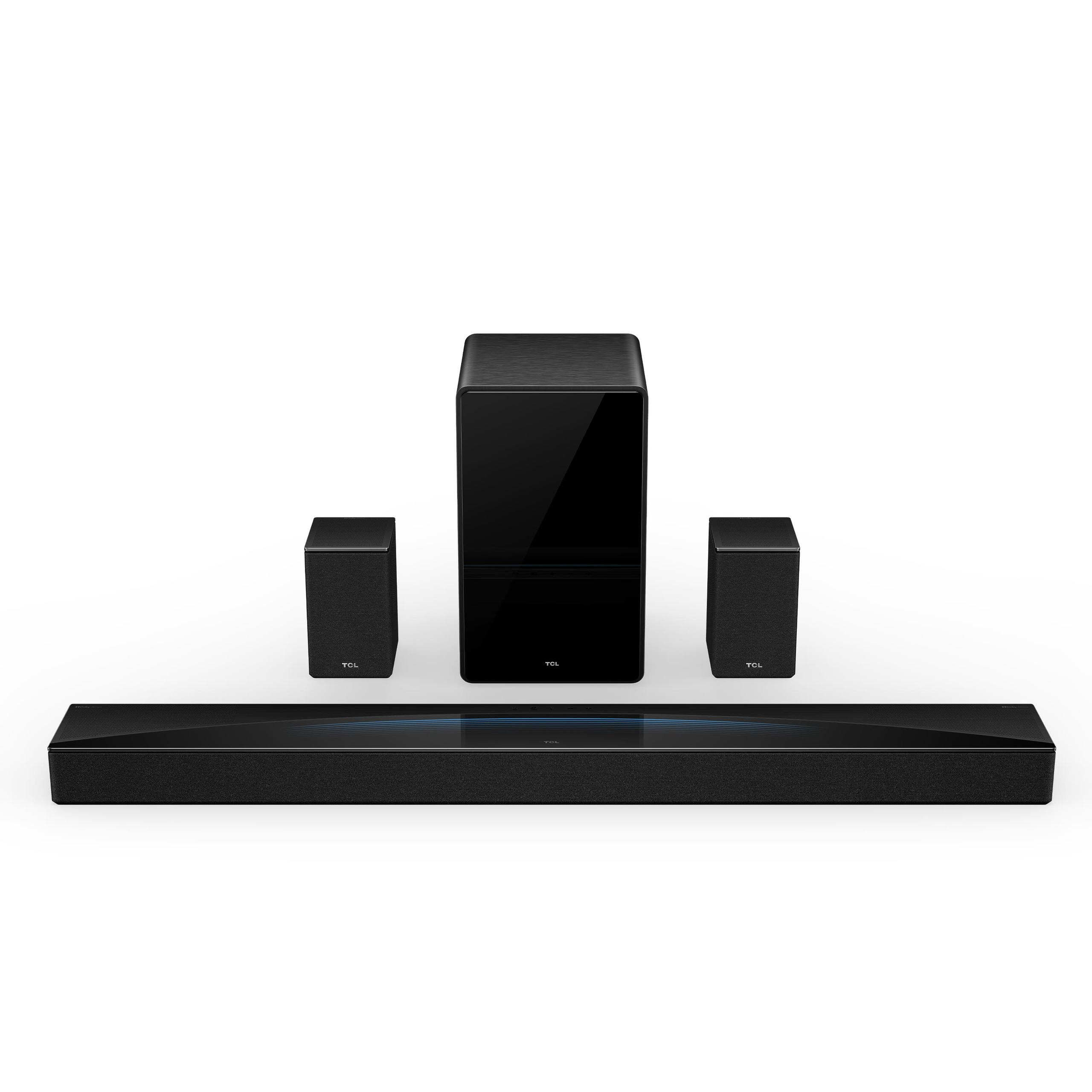
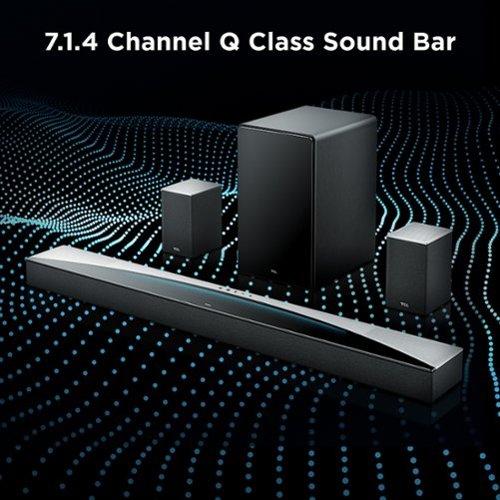
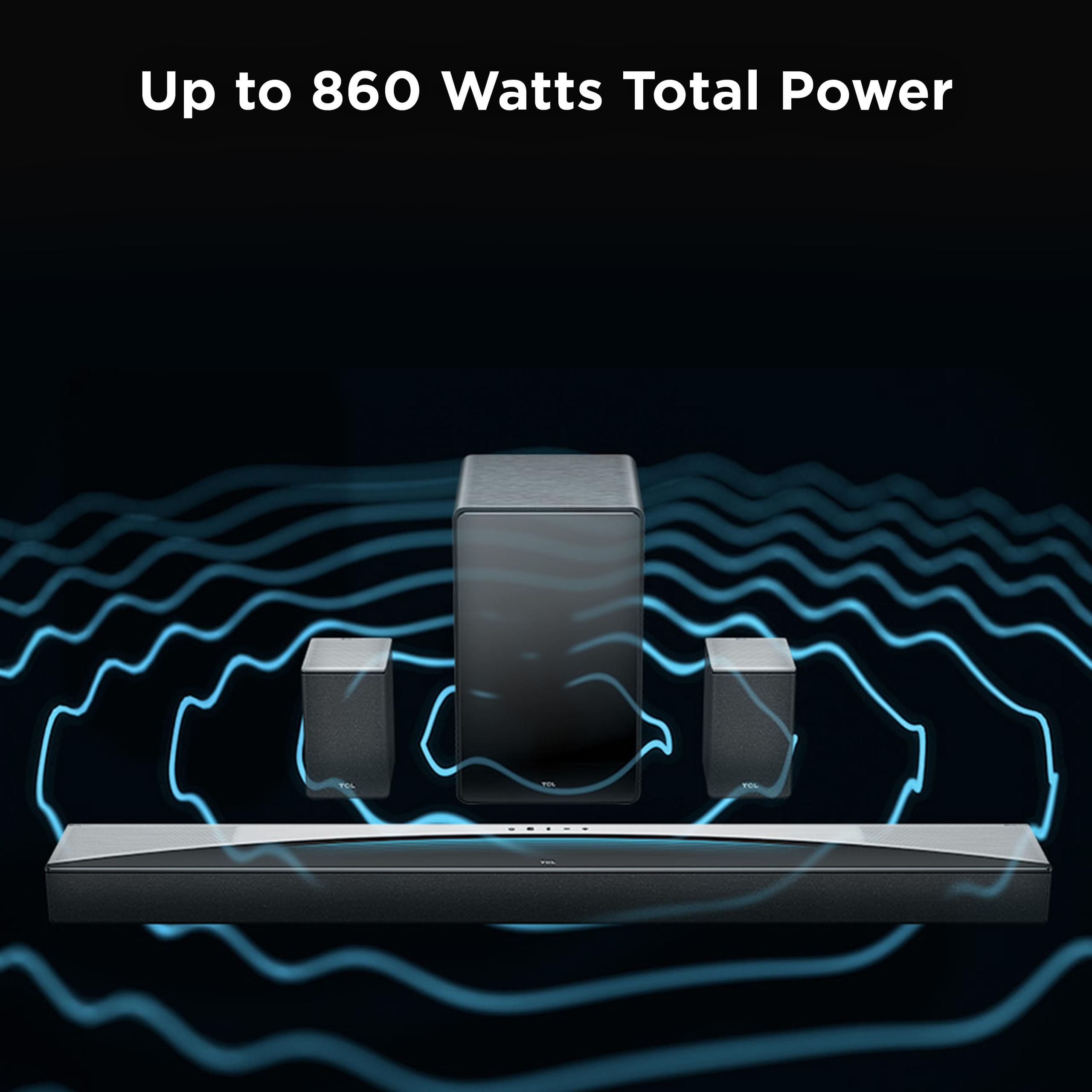
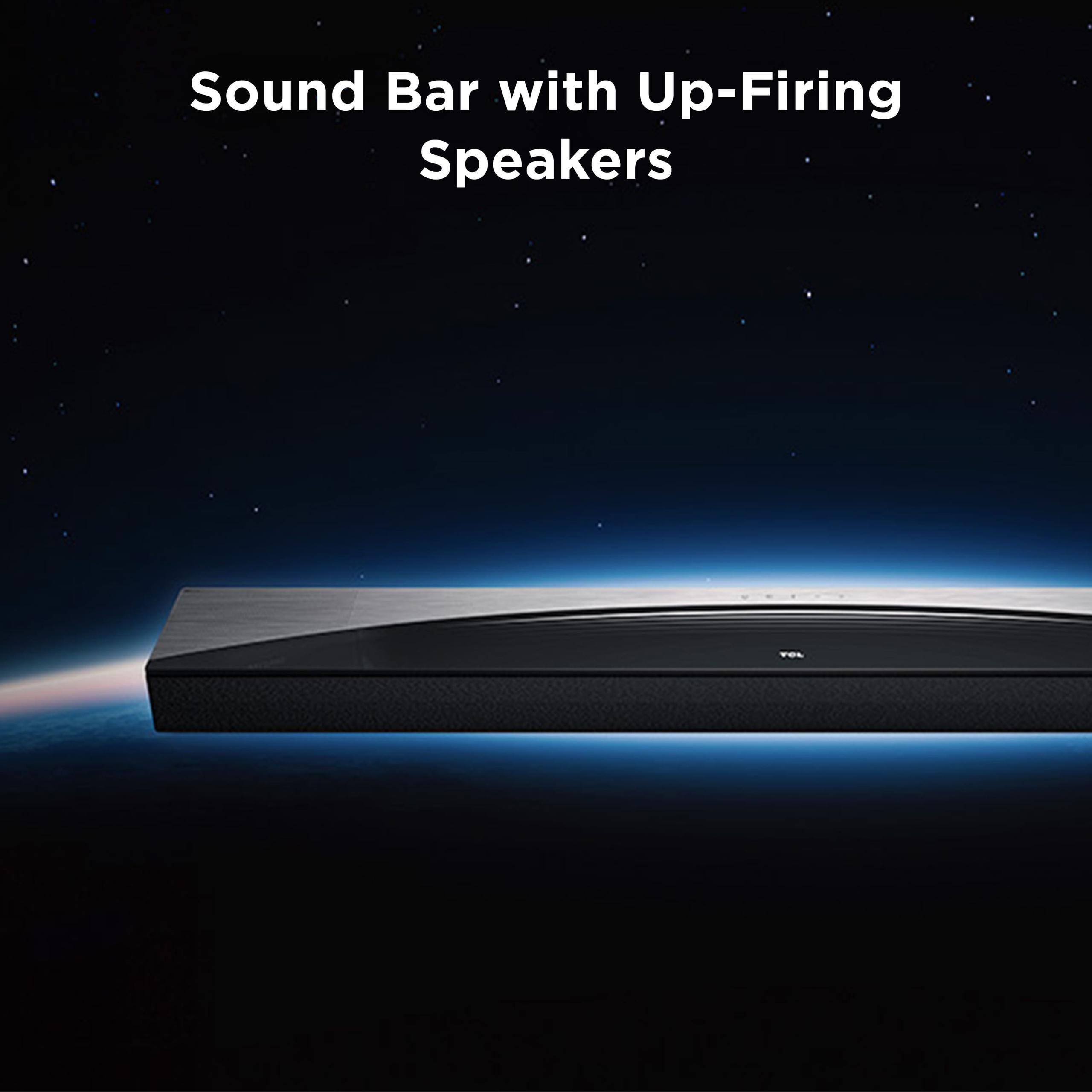
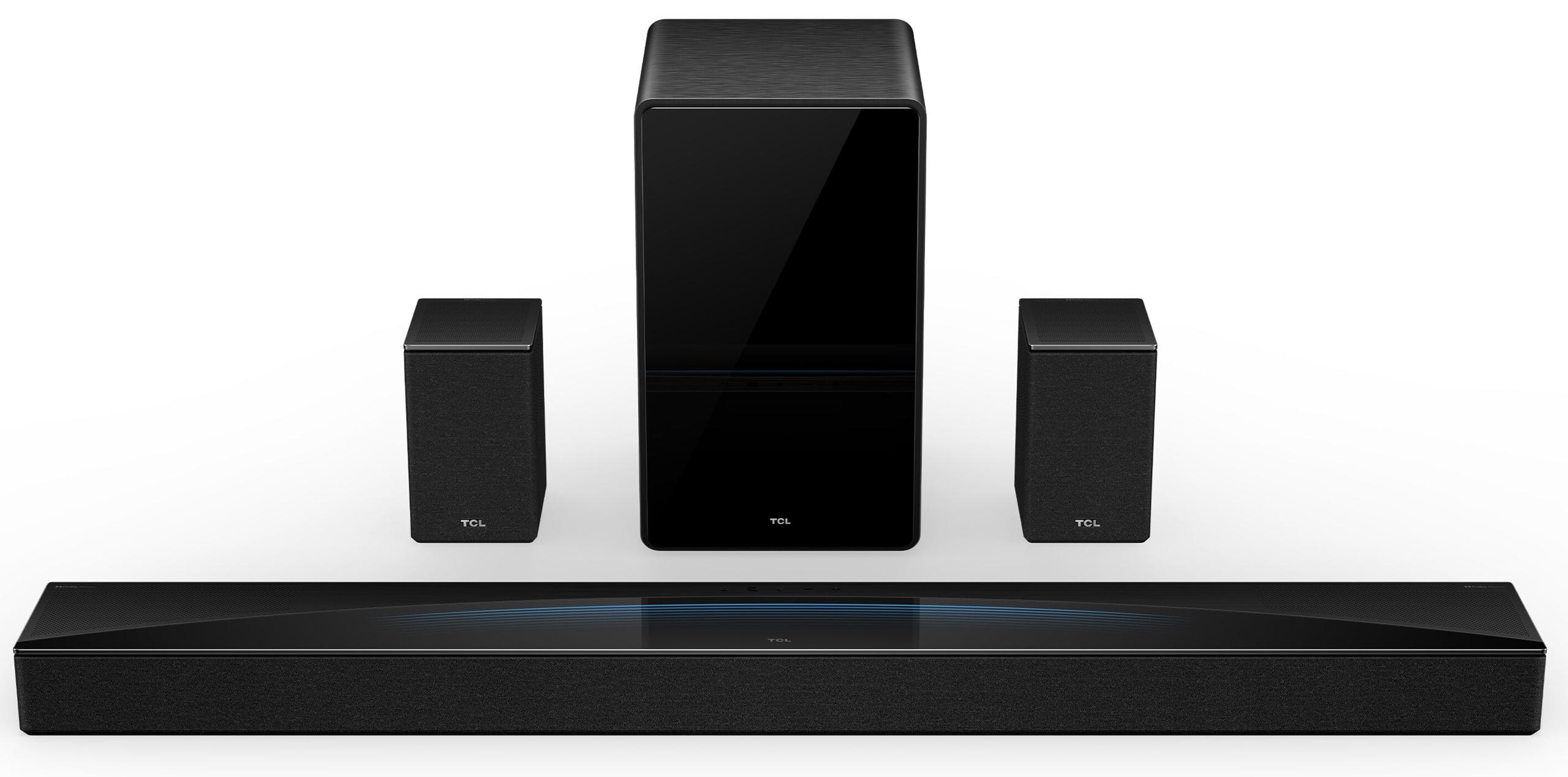
The TCL Q85H, released in 2024, represents TCL's flagship approach to home audio. This isn't just a sound bar – it's a complete audio ecosystem with a wireless subwoofer, satellite speakers, and up-firing drivers that bounce sound off your ceiling to create overhead effects.
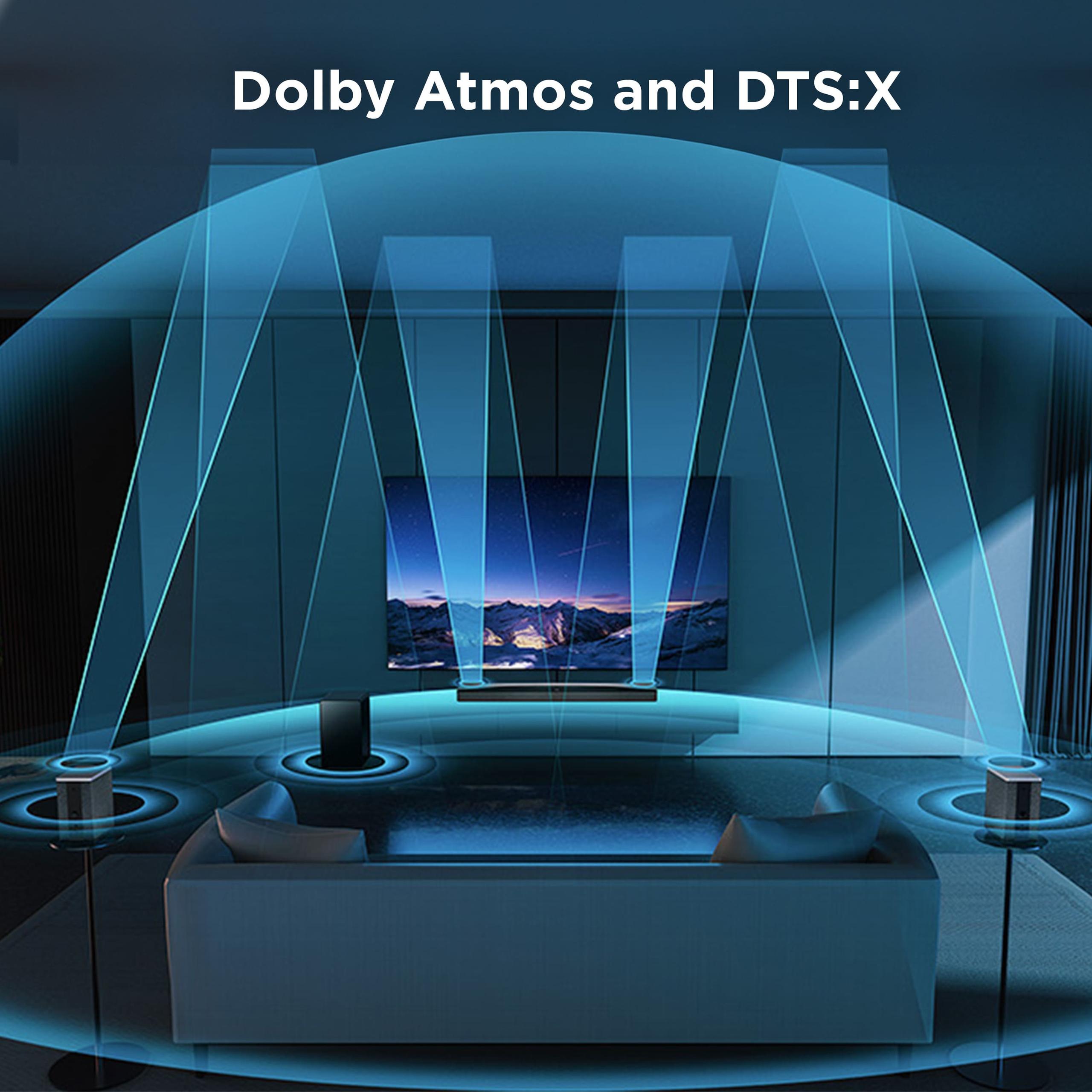
What makes this system special is its 7.1.4 configuration. Those four height channels use a clever technique called "acoustic reflection" where speakers fire upward, bouncing sound off your ceiling to create the illusion of speakers mounted overhead. When done well, this can make helicopters seem to fly over your head or rain appear to fall from above. It's the kind of effect that makes you instinctively look up the first time you experience it.
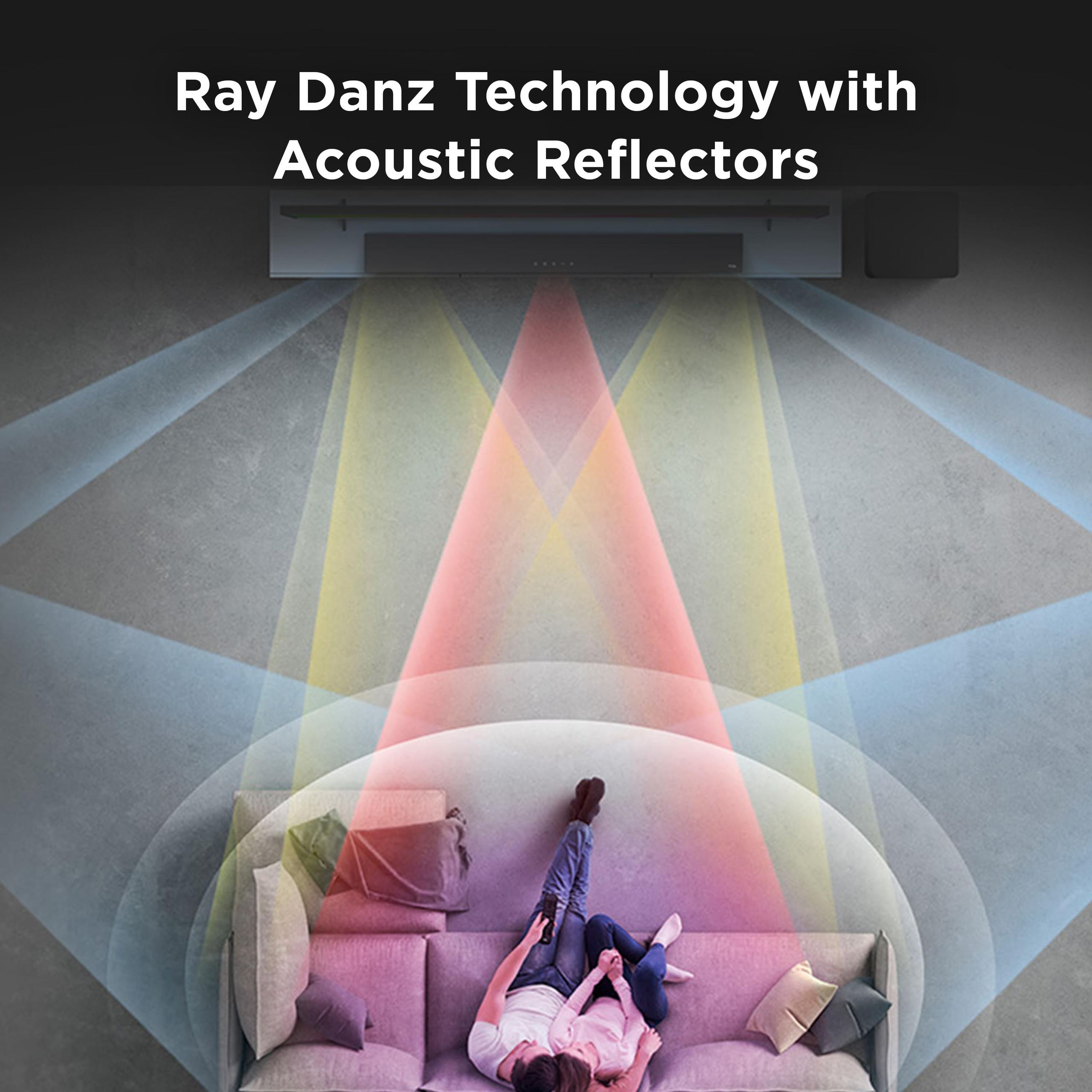
The Ray Danz Technology is TCL's proprietary approach to widening the soundstage. Instead of sound appearing to come from a narrow bar under your TV, acoustic reflectors spread the audio across a much wider area. In my experience with similar technologies, this can make a 65-inch TV sound like the audio is coming from speakers positioned well beyond the screen's edges.
AI Sonic room calibration sets this system apart from many competitors. Using your smartphone's microphone, the system analyzes your room's acoustics and adjusts the audio accordingly. Rooms with hard surfaces that create echoes get different treatment than carpeted rooms that absorb sound. It's like having an audio engineer tune your system for your specific space.
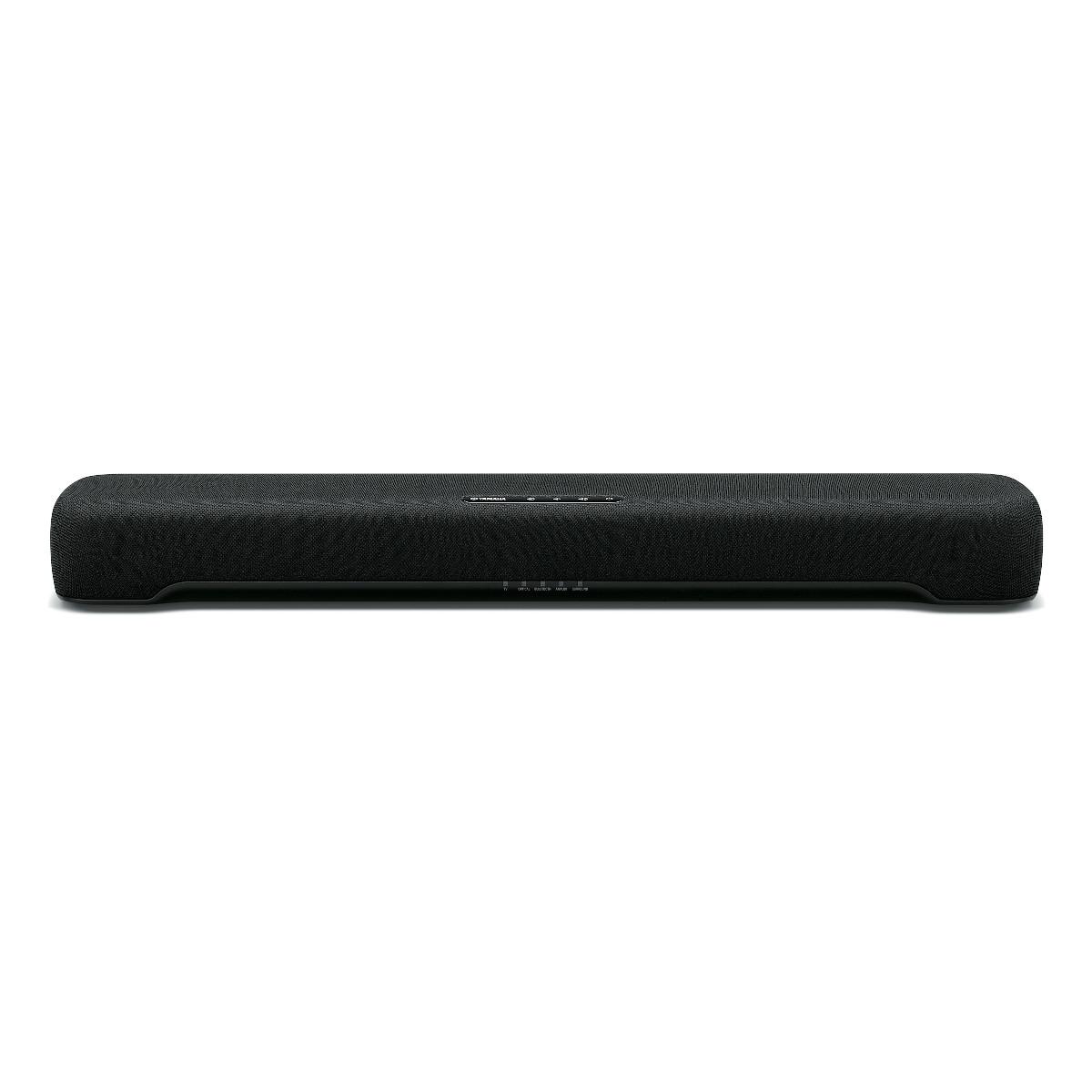
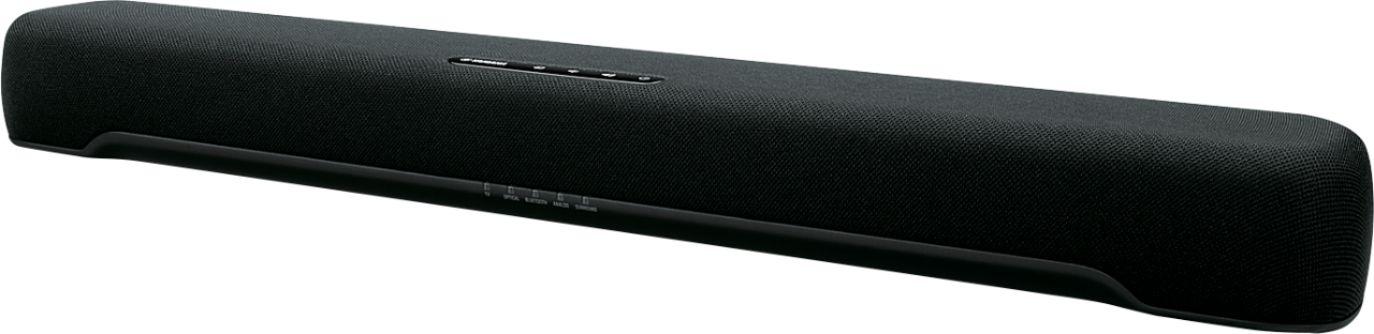
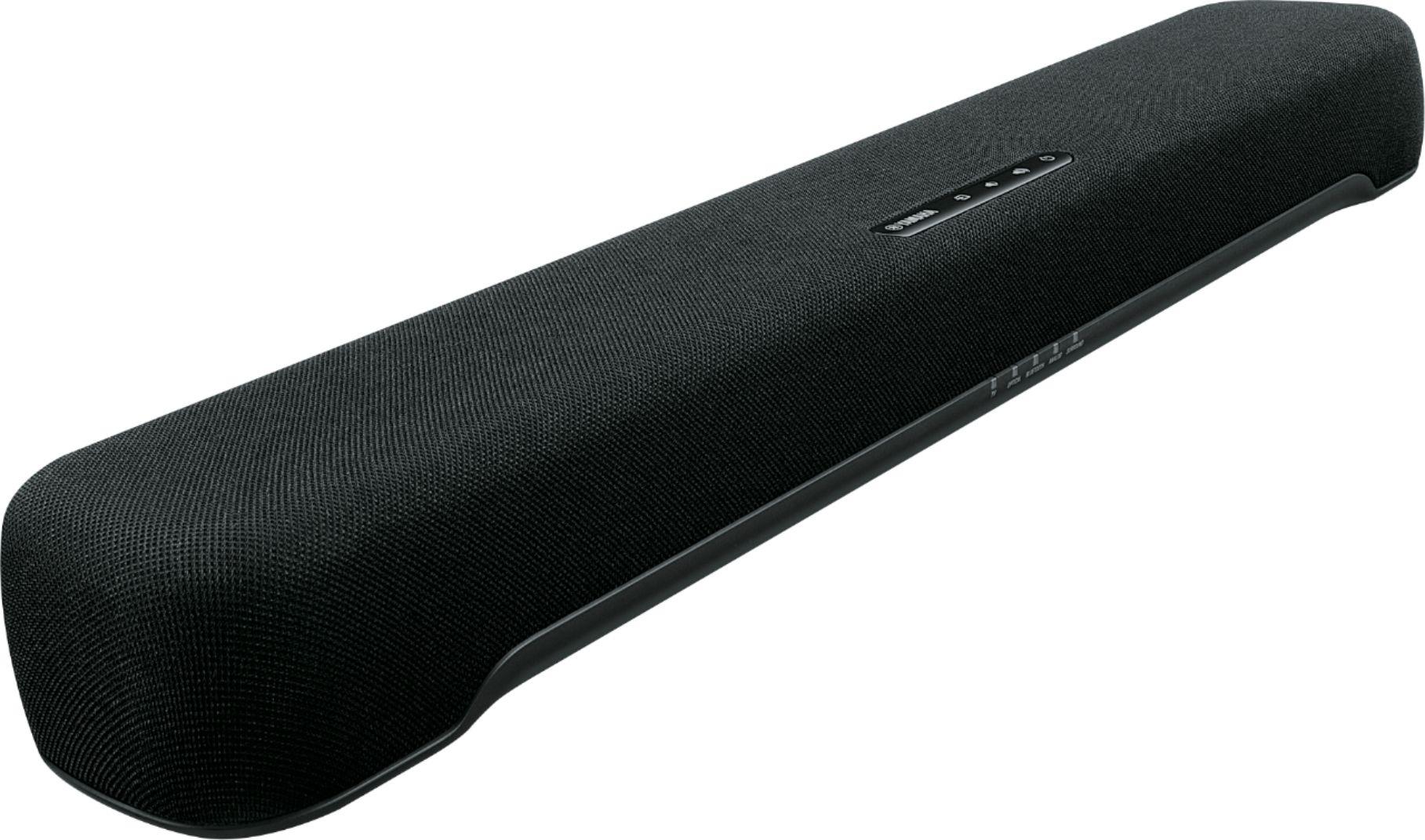
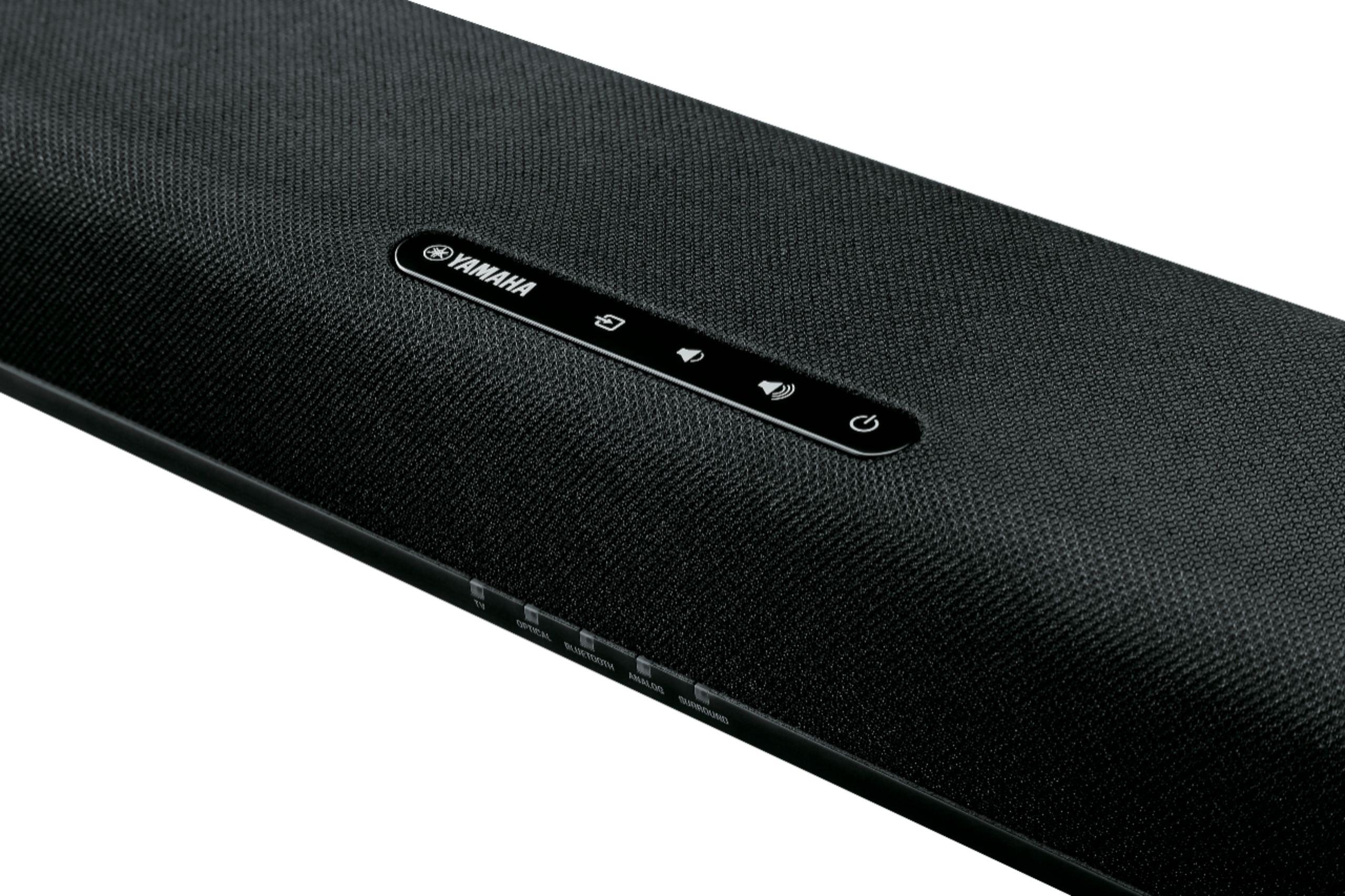
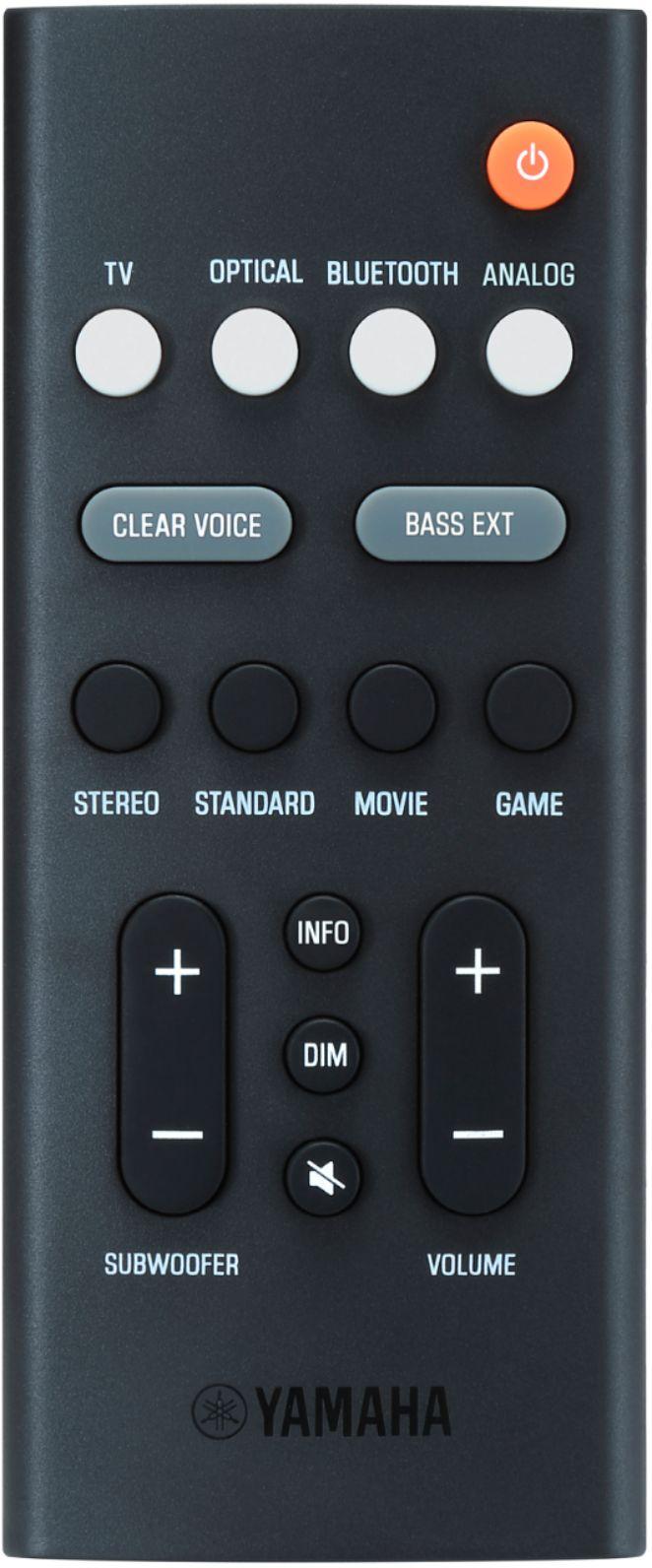
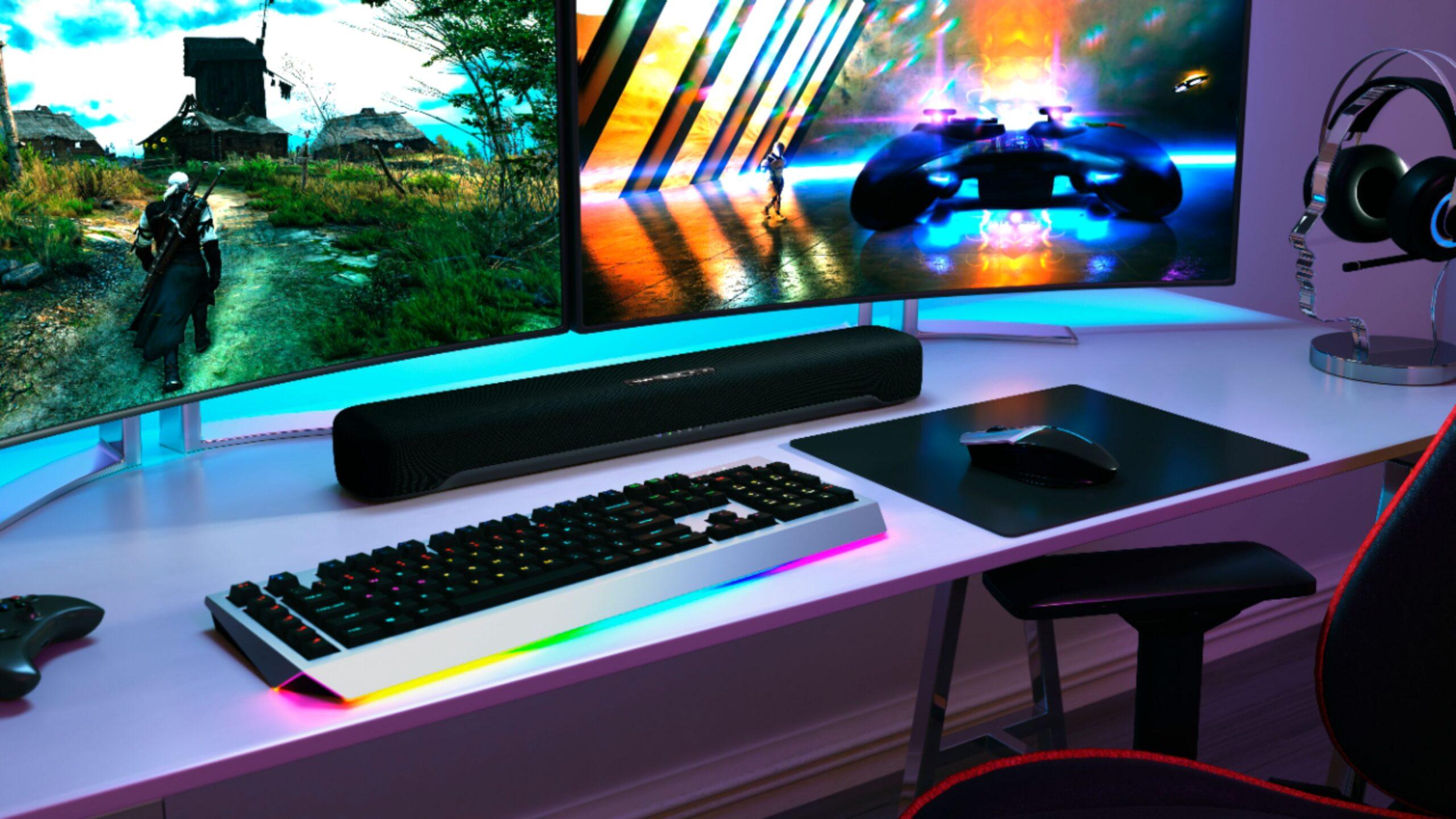
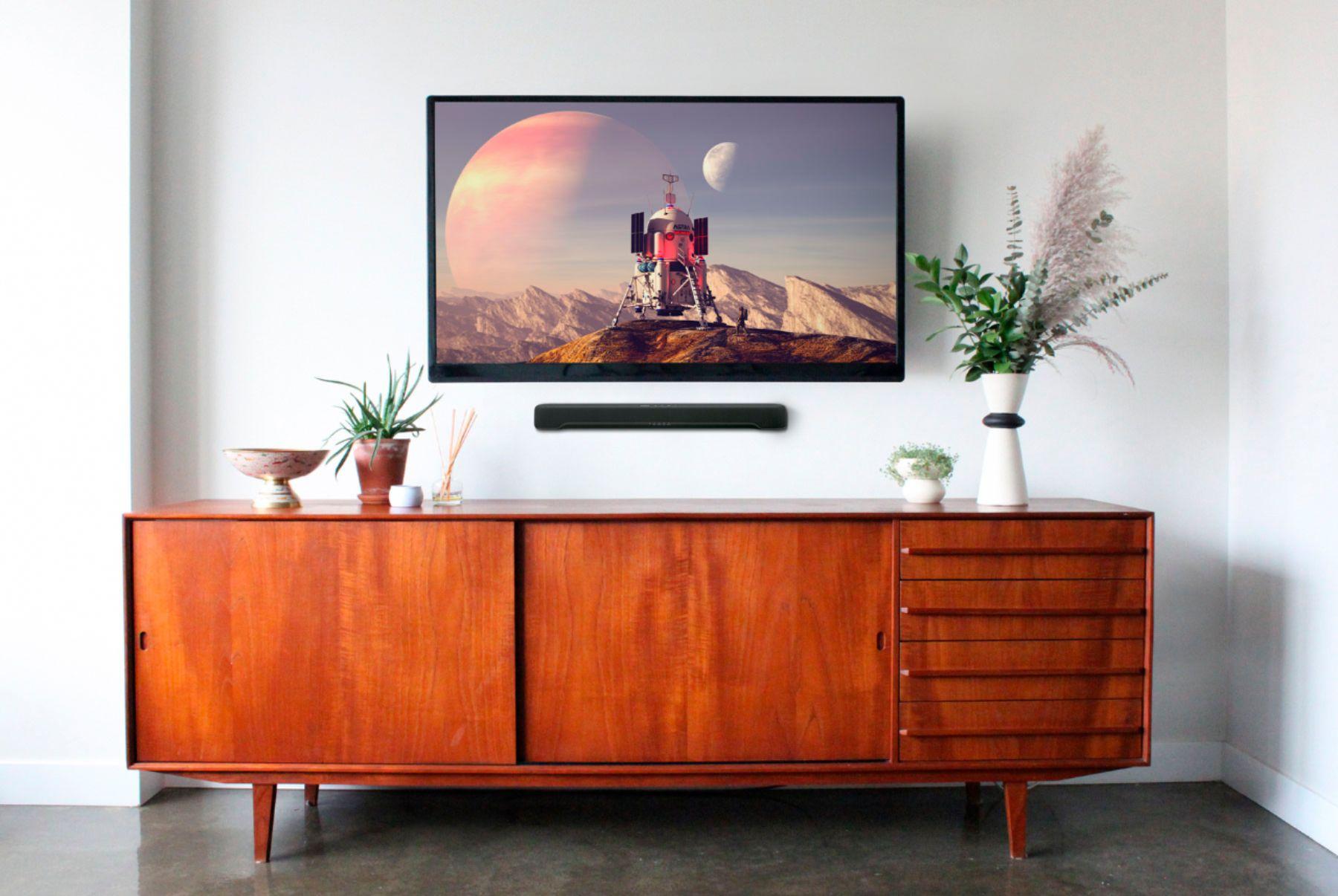
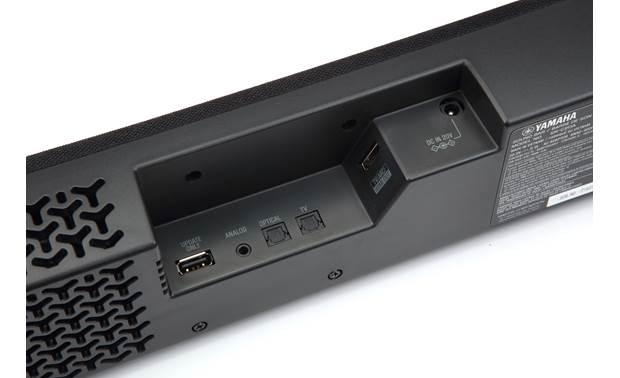
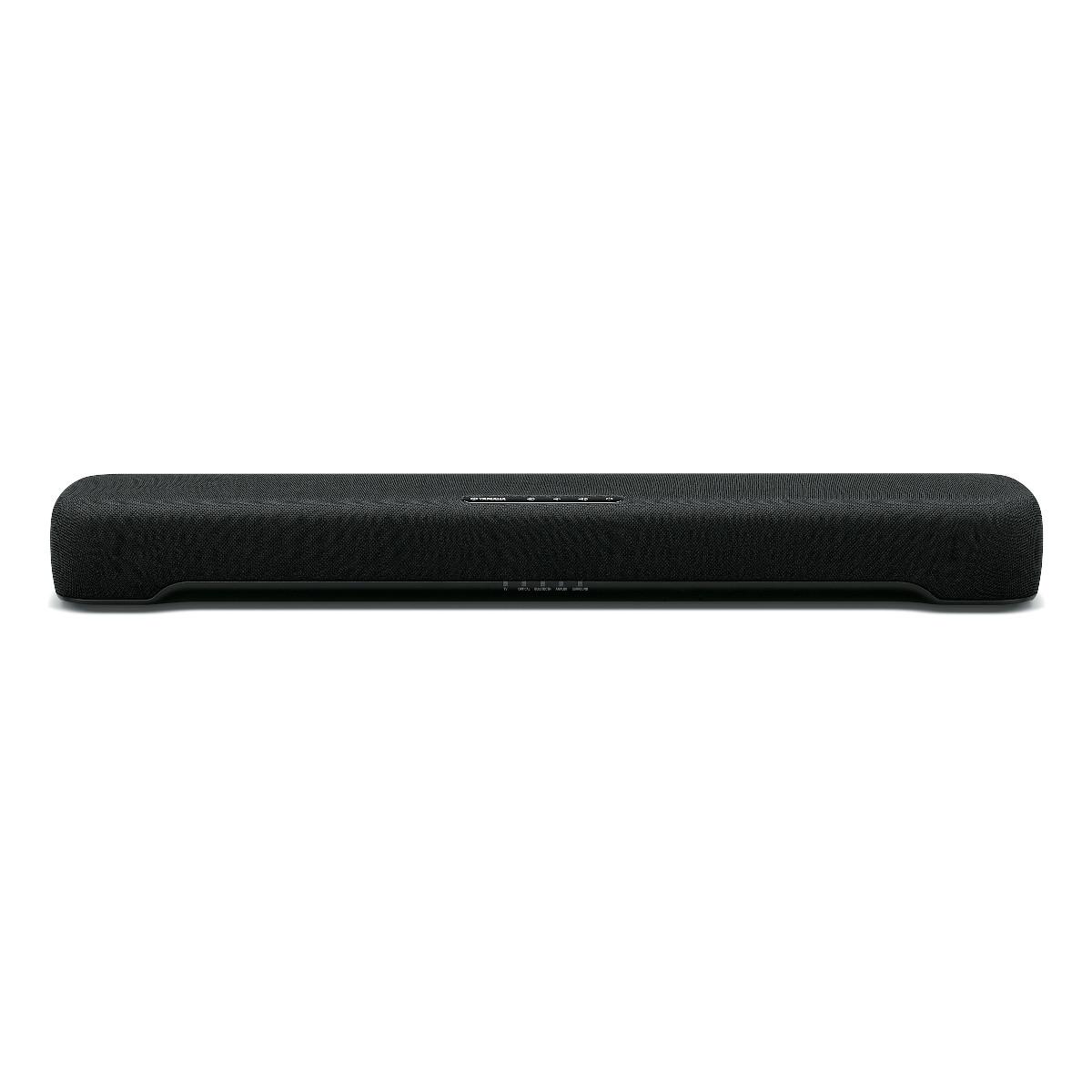
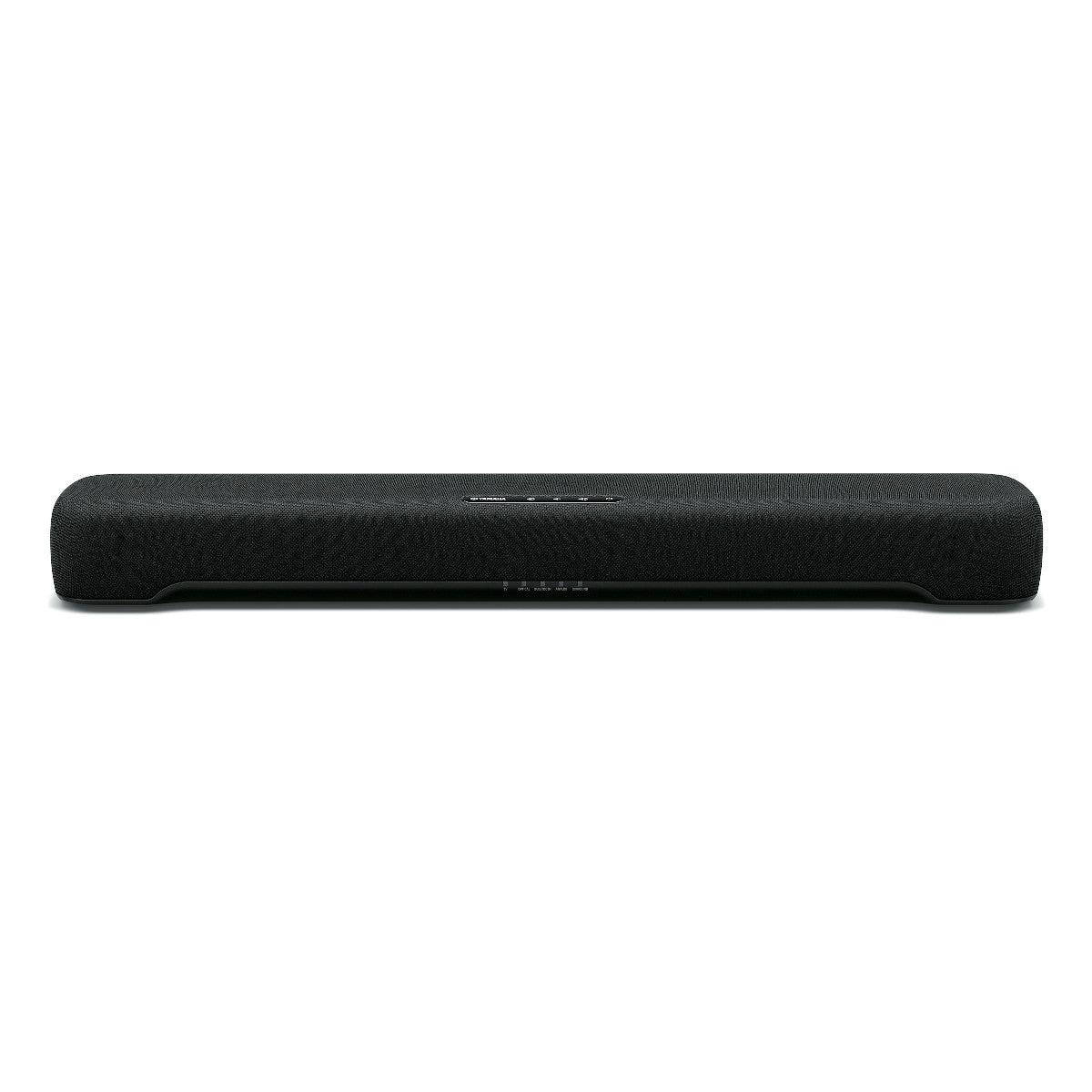
The Yamaha SR-C20A, released in the 2022-2023 timeframe, takes a completely different approach. This is minimalism at its finest – a single 23.5-inch unit that includes everything you need. No separate subwoofer to place, no satellite speakers to position, no complex setup procedures.
Yamaha's approach centers around making the most of limited space. The built-in subwoofer uses a 3-inch driver paired with dual passive radiators. Passive radiators are like speakers without the motor – they move in response to the active driver, effectively increasing the bass output without requiring additional amplification. It's an elegant engineering solution that maximizes low-end response in a compact package.
Clear Voice technology specifically targets the frequency range where human speech occurs. This isn't just an EQ adjustment – it's sophisticated digital processing that identifies and enhances dialogue while leaving music and sound effects relatively untouched. For people who struggle to hear TV dialogue clearly, this can be genuinely life-changing.
The immersion capabilities of these two systems aren't even in the same league. The TCL Q85H creates what audio engineers call a "sound field" – a three-dimensional space where different sounds appear to come from specific locations around and above you. When watching "Top Gun: Maverick," jet engines don't just get louder; they move from left to right and front to back as the planes maneuver on screen.
This happens because of genuine surround sound processing. The wireless satellite speakers physically place audio behind your listening position, while the up-firing drivers create height effects. Dolby Atmos content is mixed with specific instructions for where each sound should be placed in three-dimensional space, and the Q85H has the hardware to execute those instructions.
The Yamaha, by contrast, uses virtual surround processing. This is clever software that manipulates stereo audio to create the illusion of surround sound using just two main speakers. It works by exploiting how our brains process audio cues, using subtle delays and phase relationships to trick our perception. It's impressive for what it is, but it's fundamentally limited by physics – you can't truly recreate the experience of sound coming from behind you using speakers in front of you.
Bass response reveals another fundamental difference in philosophy. The Q85H's wireless subwoofer houses a 6.5-inch driver with substantial amplification. Larger drivers move more air, creating deeper, more impactful bass. The wireless design means you can position this subwoofer optimally in your room – bass waves are omnidirectional, so subwoofer placement significantly affects performance.
I've found that corner placement often works well for subwoofers because walls help reinforce the bass waves. With the Q85H, you have that flexibility. The Bass Boost feature can add even more low-end emphasis when you want to feel explosions in your chest during action movies.
The SR-C20A takes a more constrained but thoughtful approach. That 3-inch driver might seem tiny, but it's working with two passive radiators to effectively triple the bass output. The engineering challenge here is impressive – Yamaha's designers had to create meaningful bass response in a package where most manufacturers would simply give up on low frequencies entirely.
The trade-off is dynamic range. Dynamic range is the difference between the quietest and loudest sounds a system can reproduce cleanly. The Q85H's 860 watts of total power means it can handle everything from whispered dialogue to explosive action sequences without strain. The SR-C20A's 100 watts, while efficient, reaches its limits more quickly in large rooms or at high volumes.
Both systems recognize that dialogue clarity is often the primary reason people upgrade from TV speakers, but they solve the problem differently. The TCL Q85H uses a dedicated center channel – a physical speaker specifically designed for voice reproduction. This is how movie theaters and high-end home systems handle dialogue, because human speech occupies a specific frequency range that benefits from specialized drivers.
The center channel anchors dialogue to the screen, so voices don't seem to wander left or right as characters move. Even in complex scenes with multiple people talking, music playing, and sound effects happening simultaneously, the center channel keeps speech intelligible and properly positioned.
The Yamaha SR-C20A creates a "phantom center" using its left and right speakers. When both speakers play identical audio, your brain perceives the sound as coming from between them – hence "phantom." This works well for listeners positioned directly in front of the sound bar, but the effect breaks down if you're sitting significantly off-center.
Clear Voice technology compensates by applying frequency-specific enhancement to dialogue ranges. It's like having a graphic equalizer that automatically adjusts to make voices more prominent without affecting other audio elements. In practice, this can make poorly mixed TV shows much more watchable.
Both products reflect significant advances in sound bar technology over the past few years. The Q85H benefits from improvements in wireless audio transmission – older systems often suffered from latency issues where the subwoofer and satellites would be slightly out of sync with the main bar. Modern systems like this use more sophisticated protocols that maintain perfect synchronization.
HDMI 2.1 support in the Q85H also represents a major advancement. Earlier HDMI versions couldn't carry the full bandwidth required for uncompressed Dolby Atmos, forcing compromises in audio quality. HDMI 2.1 also enables gaming features like Variable Refresh Rate (VRR) and Auto Low Latency Mode (ALLM), making this system future-ready for next-generation gaming consoles.
The SR-C20A represents refinements in compact speaker design. Passive radiator technology has improved significantly, allowing smaller enclosures to produce more convincing bass. Digital signal processing has also become more sophisticated and less expensive, enabling features like Clear Voice in budget-friendly products.
For dedicated home theater use, the TCL Q85H is in its element. The system excels with properly mixed Dolby Atmos content – think big-budget movies on Netflix, Disney+, or 4K Blu-rays. The overhead effects during the opening sequence of "Blade Runner 2049" or the rainfall in "The Revenant" demonstrate what height channels can accomplish when used creatively.
Gaming represents another area where the Q85H shines. Modern games increasingly use spatial audio to provide competitive advantages – hearing footsteps approaching from behind or identifying the direction of gunfire. The satellite speakers and height channels create a genuine tactical advantage in competitive shooters while enhancing immersion in single-player adventures.
The room calibration becomes particularly valuable in challenging acoustic environments. Rooms with high ceilings, hard surfaces, or unusual layouts can wreak havoc on audio systems. The AI Sonic feature analyzes these challenges and applies corrective processing automatically.
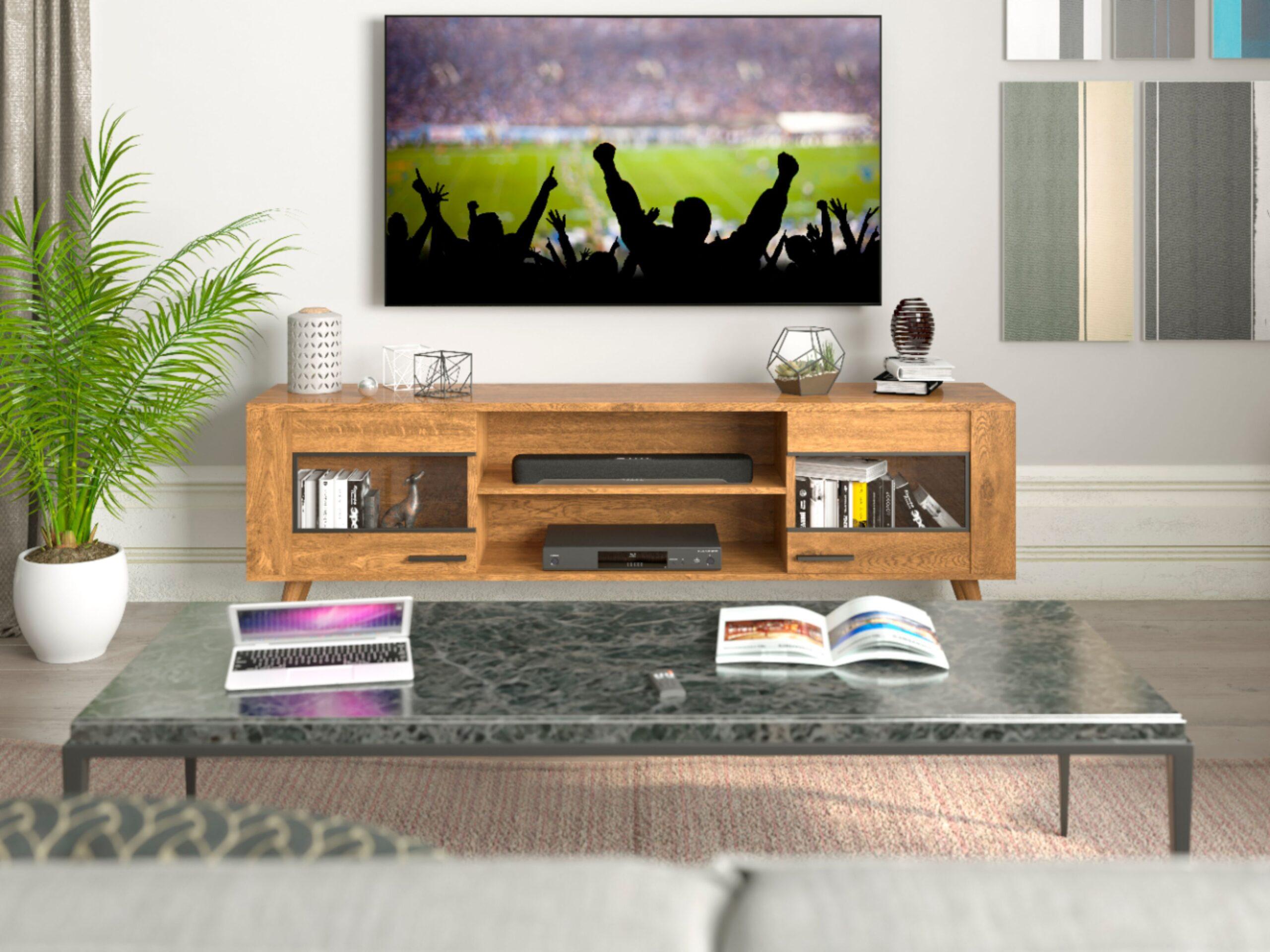
The Yamaha SR-C20A excels in more modest applications where simplicity trumps ultimate performance. Apartment living presents unique challenges – neighbor considerations, limited space, and often irregular room shapes. A compact system that doesn't require subwoofer placement provides meaningful improvement without complications.
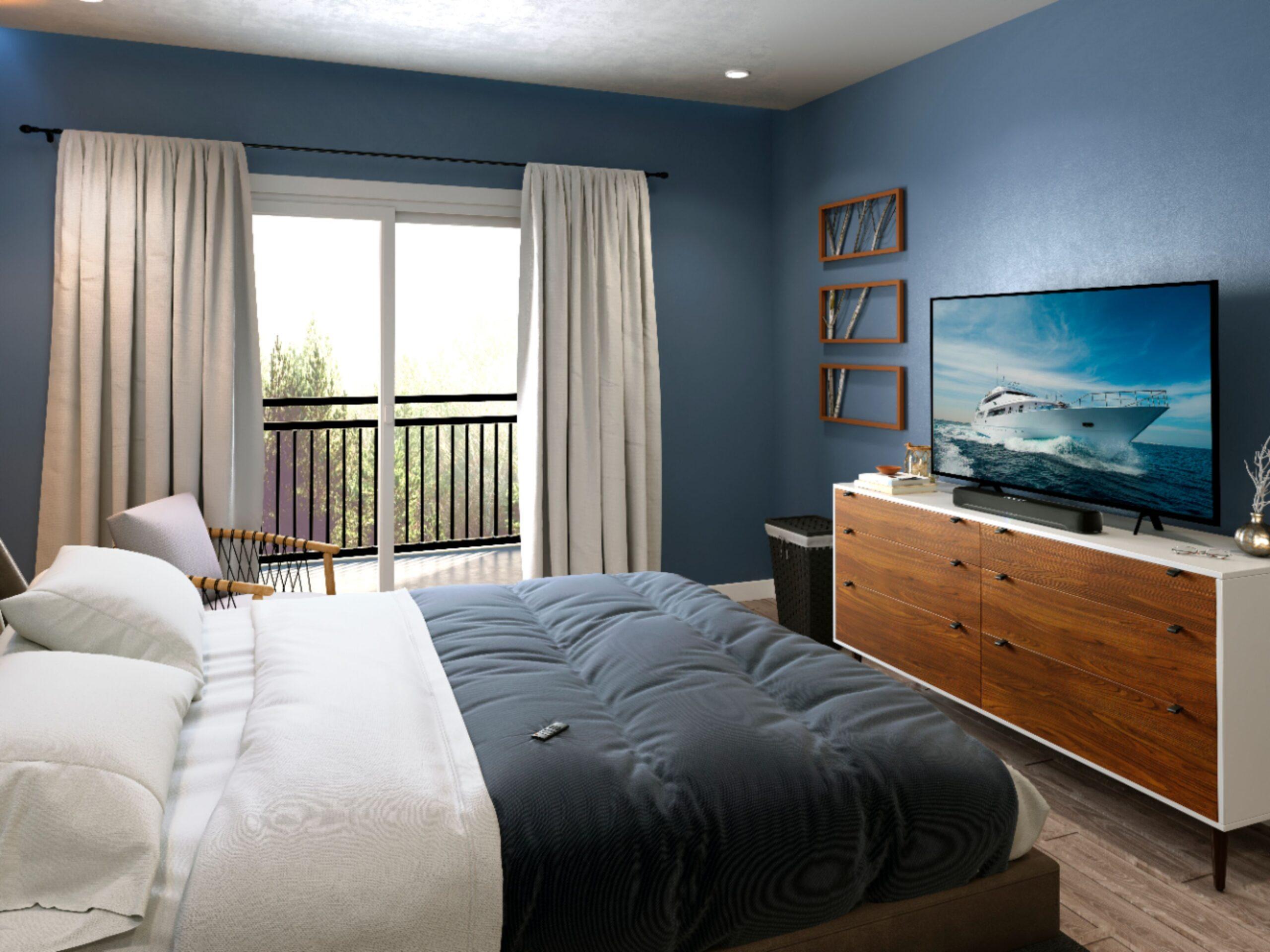
Secondary viewing locations like bedrooms, offices, or kitchens benefit from the SR-C20A's plug-and-play approach. These spaces often don't justify complex installations, but they still deserve better audio than built-in TV speakers provide. The built-in subwoofer eliminates placement concerns while still providing noticeably improved bass response.
I've found that the Clear Voice feature becomes particularly valuable for older listeners or anyone with hearing challenges. Age-related hearing loss often affects high frequencies first, making dialogue harder to understand. The targeted enhancement can restore clarity without making everything else unnaturally bright.
The decision between these systems should start with honest assessment of your space and usage patterns. The TCL Q85H requires commitment – physical space for the subwoofer and satellites, time for proper setup and calibration, and content that can take advantage of its capabilities. If you watch primarily news, talk shows, or older TV series, you're paying for features you won't use.
However, if you're building a primary entertainment space where you'll watch movies, play games, and host viewing parties, the Q85H delivers an experience that justifies its price. The system scales with better content and larger rooms in ways that compact alternatives simply cannot match.
The Yamaha SR-C20A makes sense when simplicity, space constraints, or budget considerations are paramount. It's also ideal for people who want immediate improvement without learning curves or complex setup procedures. The performance-per-dollar ratio is excellent if your expectations align with its capabilities.
For most people upgrading from TV speakers, either system will provide dramatic improvement. The question isn't whether you'll notice a difference – you absolutely will. The question is whether you need the advanced capabilities that come with higher complexity and cost.
Consider the Q85H if you have a dedicated TV room over 200 square feet, regularly consume high-quality content, and want the most immersive experience possible. Choose the SR-C20A if you prioritize simplicity, have space constraints, or want excellent value in a no-fuss package. Both represent smart engineering approaches to different problems – the key is choosing the one that matches your specific situation.
| TCL Q85H Q Class 7.1.4 Channel Sound Bar System | Yamaha SR-C20A Compact Sound Bar with Built-In Subwoofer |
|---|---|
| Price - Initial investment and included components | |
| $499.99 (includes wireless subwoofer and satellite speakers) | $179.99 (all-in-one unit, no additional components) |
| Channel Configuration - Determines spatial audio capabilities | |
| 7.1.4 channels (true surround with height effects) | 2.1 channels (stereo with built-in subwoofer) |
| Total Power Output - Affects volume and dynamic range | |
| 860W (room-filling power for large spaces) | 100W (adequate for small to medium rooms) |
| Spatial Audio Support - Immersive movie and gaming experience | |
| Dolby Atmos, DTS:X with physical height channels | Virtual surround processing only |
| Setup Complexity - Time and effort required | |
| Multi-component system requiring subwoofer and satellite placement | Single unit, plug-and-play installation |
| Room Size Optimization - Best performance coverage | |
| 200+ sq ft rooms with AI Sonic room calibration | Under 150 sq ft, no room correction |
| Connectivity Options - Future-proofing and compatibility | |
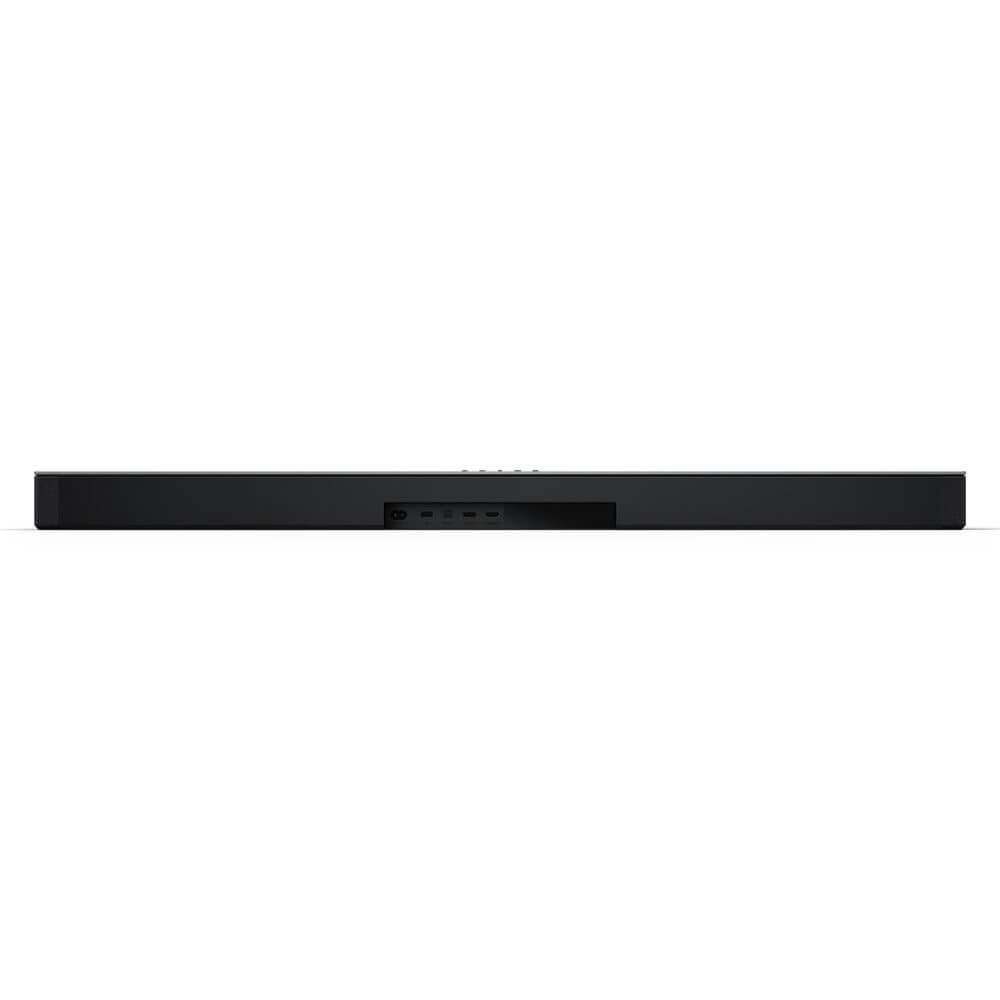
| HDMI 2.1 eARC, optical, Bluetooth 5.2, app control | HDMI ARC, optical, aux, Bluetooth 5.0, basic remote |
| Bass Performance - Low-frequency impact and depth | |
| Dedicated 6.5" wireless subwoofer with flexible placement | Built-in 3" driver with dual passive radiators |
| Dialogue Enhancement - Speech clarity in mixed content | |
| Dedicated center channel with multiple EQ presets | Clear Voice technology with phantom center imaging |
| Smart Features - App control and customization | |
| TCL Home Connect app with full EQ and calibration | Basic Sound Bar Remote app for input switching only |
The TCL Q85H Q Class 7.1.4 Channel Sound Bar System is significantly better for large rooms. With 860W of total power and AI Sonic room calibration, it can effectively fill spaces over 200 square feet. The Yamaha SR-C20A Compact Sound Bar with only 100W is best suited for rooms under 150 square feet.
The primary difference is system complexity and audio capabilities. The TCL Q85H at $499.99 is a complete 7.1.4 surround system with wireless subwoofer and satellite speakers for immersive home theater. The Yamaha SR-C20A at $179.99 is a compact all-in-one unit focused on simple TV audio enhancement.
The TCL Q85H has superior bass performance with its dedicated 6.5" wireless subwoofer that can be positioned anywhere in the room. The Yamaha SR-C20A uses a built-in 3" driver with passive radiators, which provides decent bass for its size but can't match the depth and impact of a separate subwoofer.
Only the TCL Q85H Q Class 7.1.4 Channel Sound Bar System supports true Dolby Atmos with physical height channels and up-firing speakers. The Yamaha SR-C20A uses virtual surround processing to simulate spatial effects but doesn't support actual Dolby Atmos decoding.
The Yamaha SR-C20A Compact Sound Bar is much easier to set up as a single plug-and-play unit. The TCL Q85H requires positioning and connecting a wireless subwoofer, satellite speakers, and running room calibration through the smartphone app.
The TCL Q85H costs $499.99 compared to $179.99 for the Yamaha SR-C20A - a $320 difference. The premium is worth it if you have a large room, want true surround sound, and regularly watch movies or play games. For basic TV audio improvement, the Yamaha offers better value.
Both excel at dialogue but use different approaches. The TCL Q85H has a dedicated center channel speaker specifically for voices, while the Yamaha SR-C20A uses Clear Voice technology to digitally enhance speech frequencies. The TCL provides more consistent dialogue positioning across seating positions.
Yes, both the TCL Q85H Q Class 7.1.4 Channel Sound Bar System and Yamaha SR-C20A Compact Sound Bar work with any TV brand through HDMI ARC/eARC or optical connections. The TCL offers enhanced integration with TCL and Roku TVs but isn't limited to those brands.
The TCL Q85H is superior for gaming with its true surround sound, height channels for spatial audio cues, and HDMI 2.1 support for next-gen gaming features. The Yamaha SR-C20A has a dedicated Game mode but lacks the immersive positioning effects that provide competitive advantages.
The TCL Q85H includes a wireless subwoofer as part of the system. The Yamaha SR-C20A has a built-in subwoofer, so neither requires purchasing additional bass components. However, the TCL's separate subwoofer provides much more powerful and flexible bass performance.
The TCL Q85H Q Class 7.1.4 Channel Sound Bar System offers more advanced connectivity with HDMI 2.1 eARC, Bluetooth 5.2, and comprehensive app control. The Yamaha SR-C20A Compact Sound Bar has standard HDMI ARC, Bluetooth 5.0, and basic app functionality - sufficient for most users but less future-proof.
The Yamaha SR-C20A is ideal for small apartments due to its compact 23.5" size, built-in subwoofer (no separate components), and neighbor-friendly volume levels. The TCL Q85H may be overkill for small spaces and requires room for multiple components, though it will certainly provide superior audio quality if space allows.
We've done our best to create useful and informative comparisons to help you decide what product to buy. Our research uses advanced automated methods to create this comparison and perfection is not possible - please contact us for corrections or questions. These are the sites we've researched in the creation of this article: gamerant.com - bestbuy.com - tcl.com - bestbuy.com - tcl.com - tcl.com - nfm.com - tcl.com - electronicexpress.com - tcl.com - tcl.com - digitaltrends.com - t3.com - usa.yamaha.com - radiotimes.com - shop.usa.yamaha.com - whathifi.com - hifiheaven.net - usa.yamaha.com - sweetwater.com - hub.yamaha.com - bestbuy.com

Privacy Policy
Terms and Conditions - Affiliate Policy
Home Security
© Copyright 2008-2026.
11816 Inwood Rd #1211, Dallas, TX 75244