












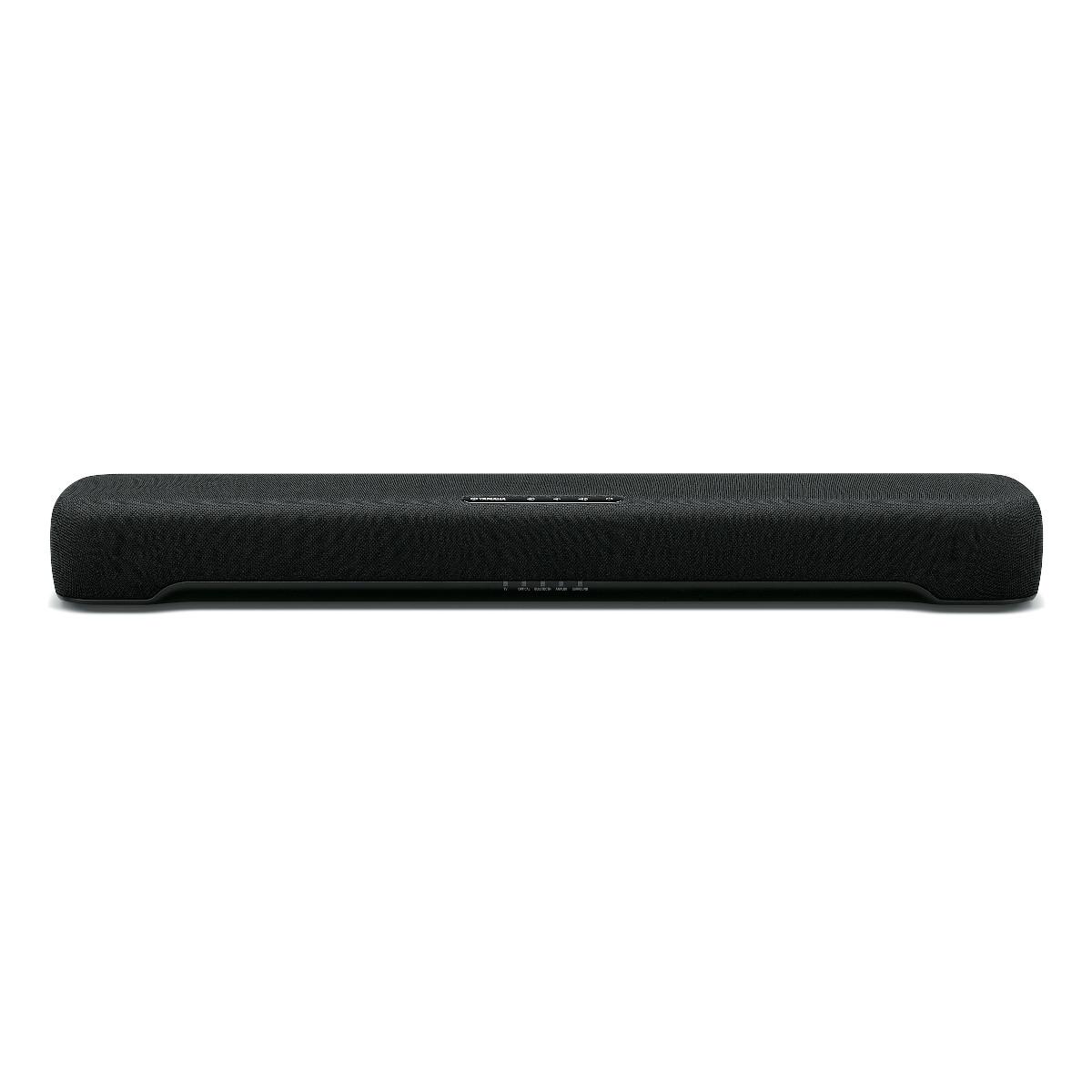
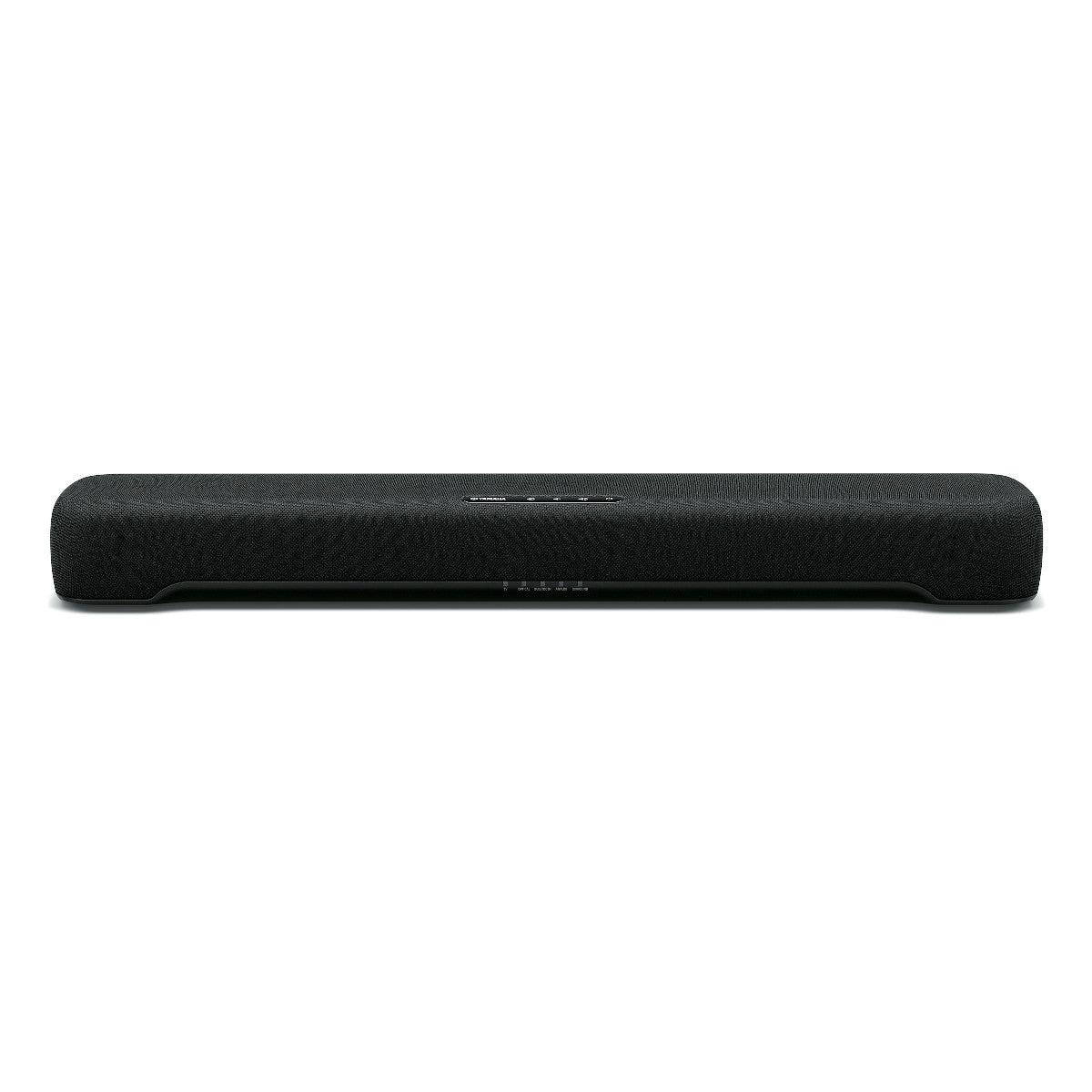
When your TV's built-in speakers leave you straining to hear dialogue and missing the impact of movie explosions, a soundbar becomes essential. But choosing between different approaches can be confusing. Today we're comparing two fundamentally different solutions: the Amazon Fire TV Soundbar Plus 5.1, a complete surround sound system, and the Yamaha SR-C20A, a space-saving compact bar with integrated bass.
These products represent opposite ends of the soundbar spectrum—one prioritizes maximum immersion while the other focuses on simplicity and space efficiency. Understanding their different approaches will help you decide which fits your specific needs and living situation.
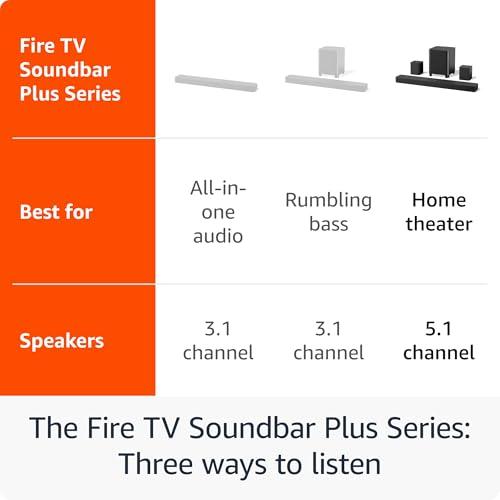
Before diving into specifics, let's clarify what makes soundbars tick. The numbers in soundbar names (like 2.1 or 5.1) indicate channel configuration. The first number represents main channels (left, center, right), while the second indicates subwoofers for bass. A 5.1 system includes left, center, right, left surround, right surround, plus a subwoofer—creating true surround sound where audio can move around you.
Most people buy soundbars to solve three main problems: weak TV speakers, poor dialogue clarity, and lack of bass impact. However, your room size, seating arrangement, and content preferences significantly influence which solution works best. A compact soundbar might excel in a bedroom setup but disappoint in a large family room during movie night.
The Amazon Fire TV Soundbar Plus 5.1 launched in 2023 as Amazon's second-generation soundbar effort, building on lessons learned from their original Fire TV Soundbar. This newer version introduced the option for true 5.1-channel configurations with wireless subwoofers and rear satellites—components that weren't available with the original model. Amazon positioned this as a value-oriented home theater system for Fire TV users wanting genuine surround sound without premium pricing.
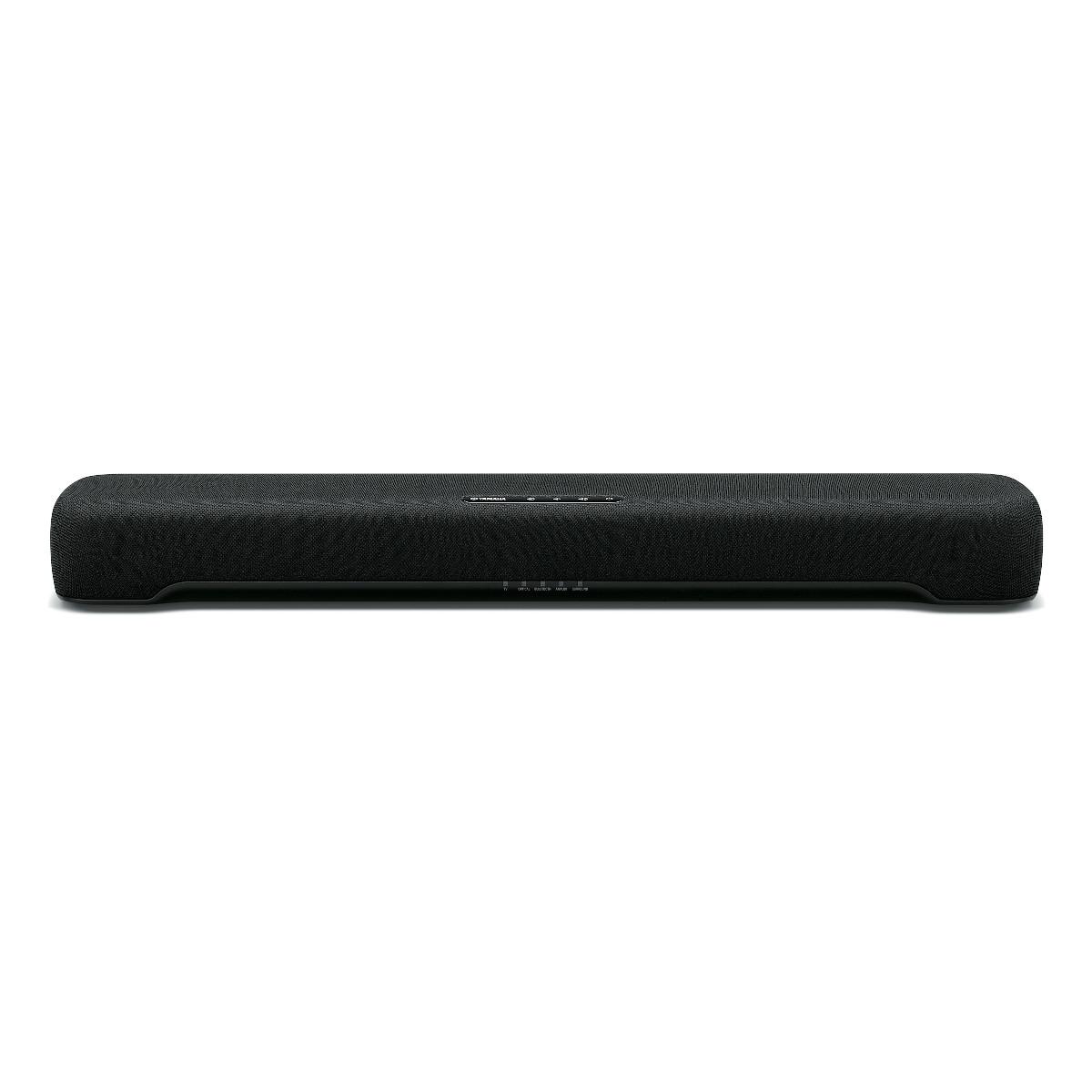
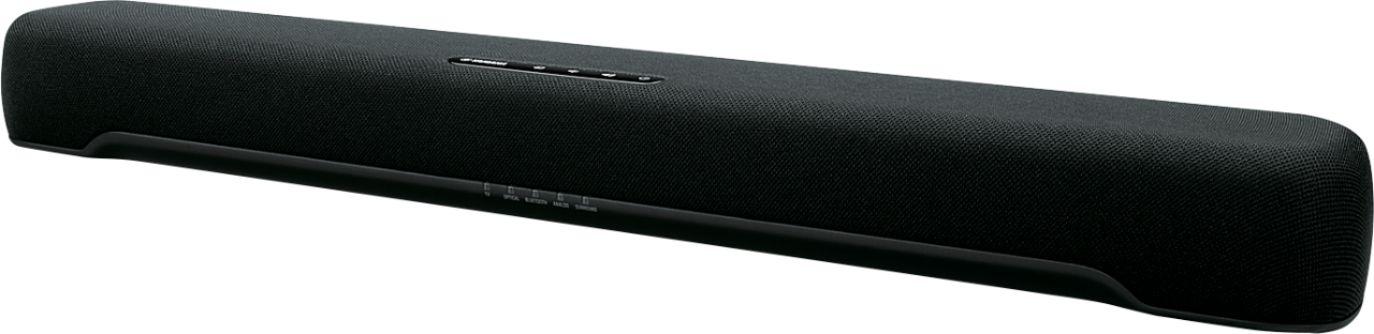
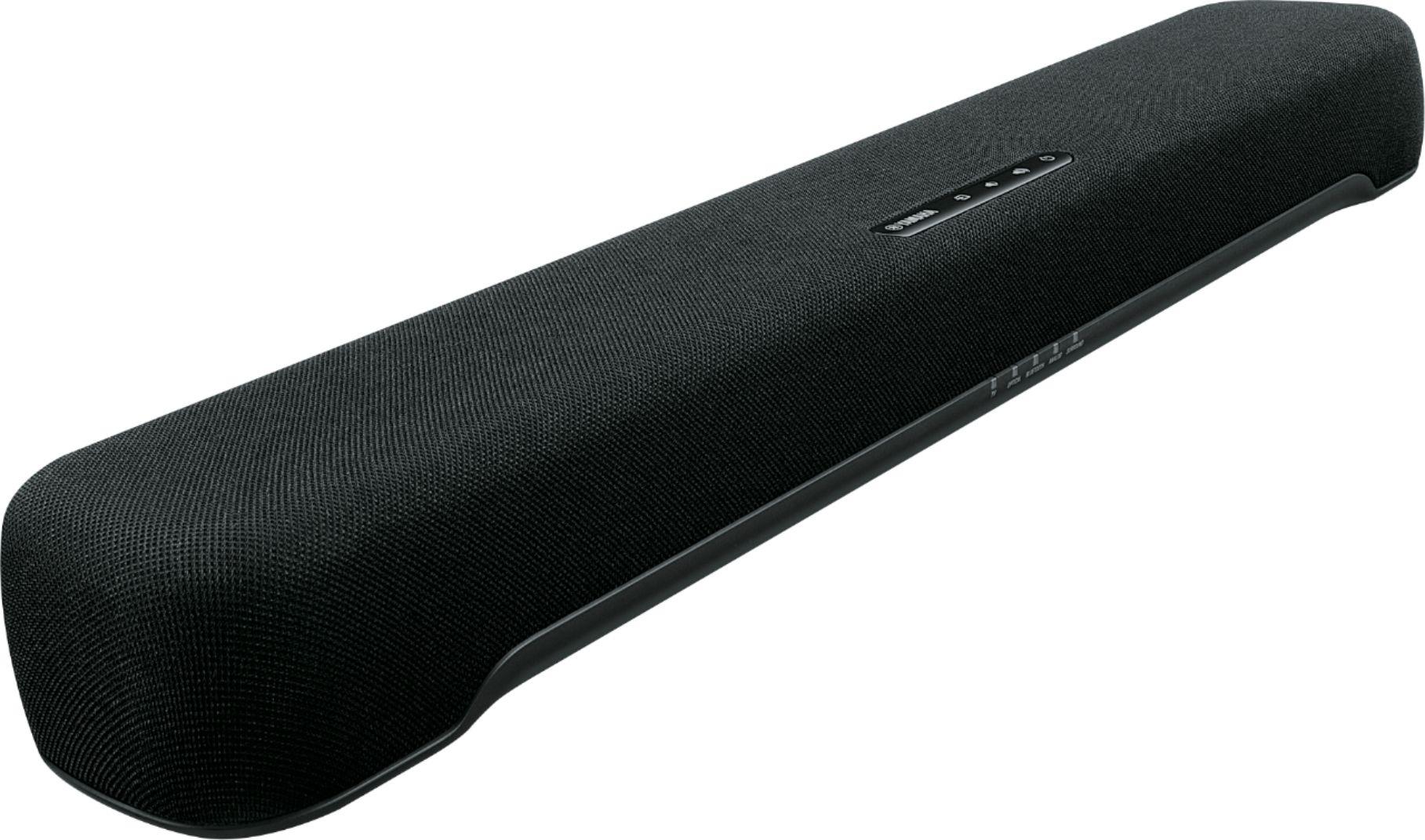
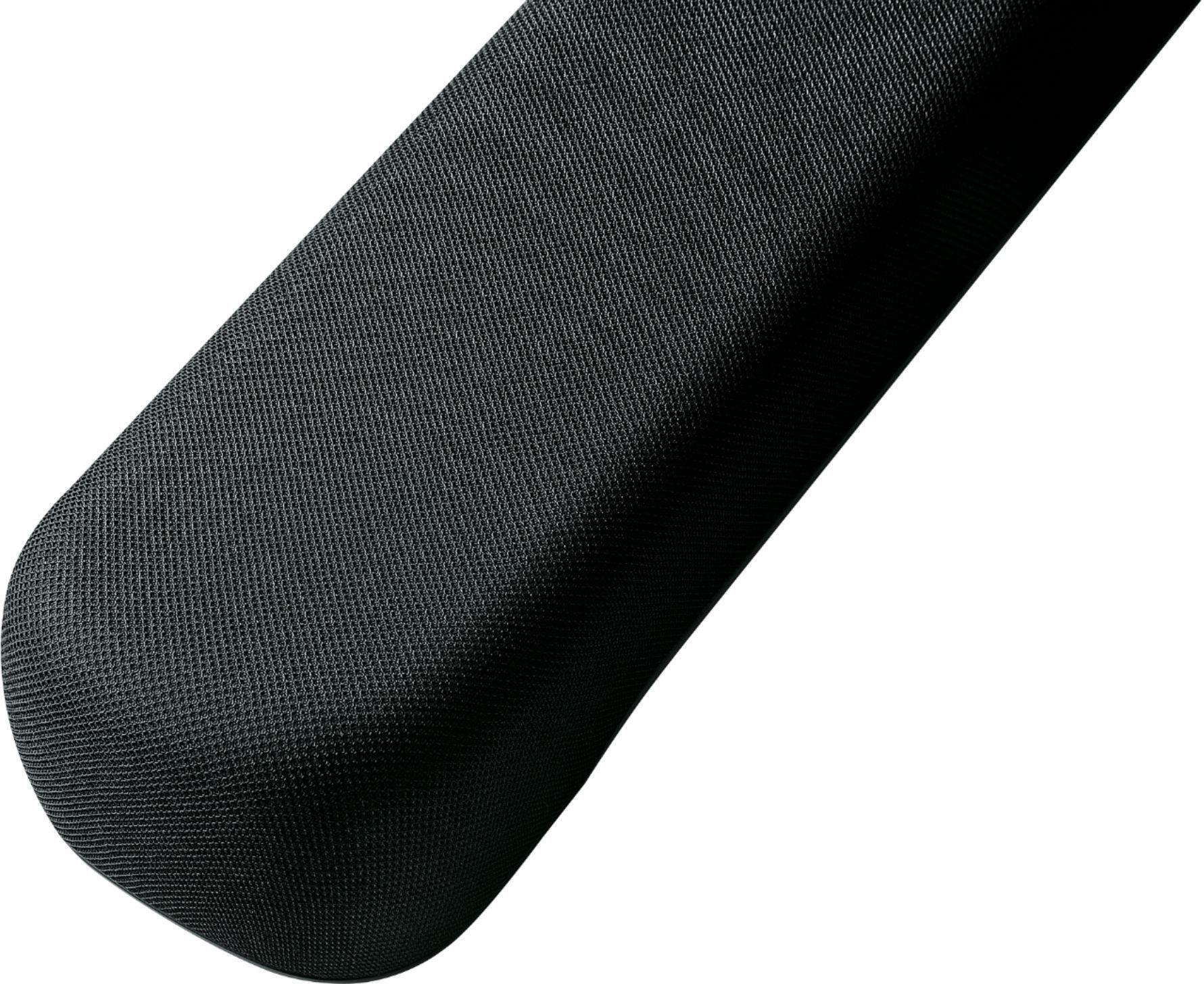
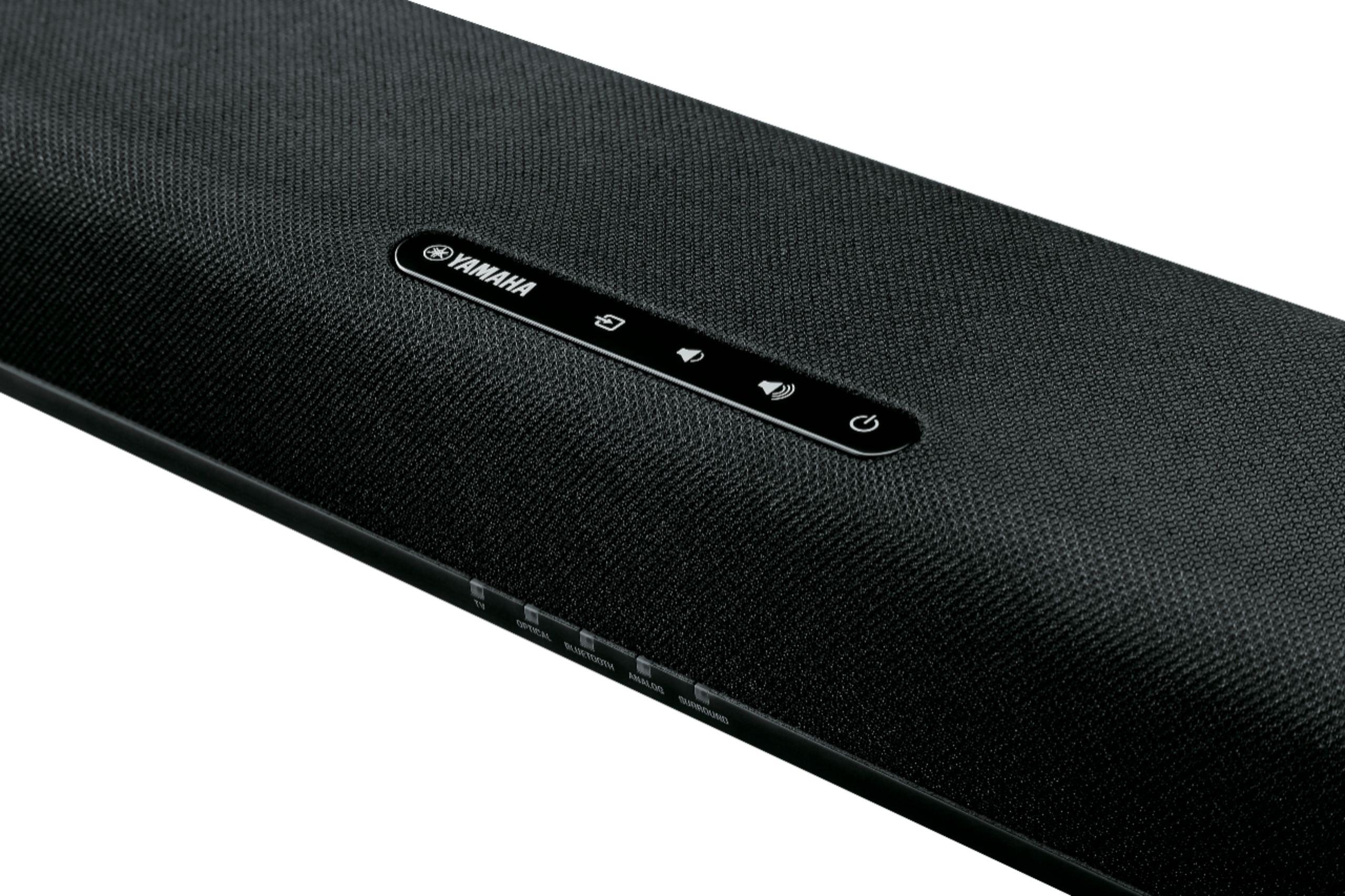
The Yamaha SR-C20A represents Yamaha's established approach to compact soundbars, launching around 2020. Yamaha has decades of audio engineering experience, and this model showcases their ability to extract impressive performance from small enclosures. While the specific release timeline spans several years, both products remain current and actively supported.
Since these releases, soundbar technology has continued evolving rapidly. Dolby Atmos support has become more common, even in budget models, while wireless connectivity and app control have become standard expectations rather than premium features.
The Amazon Fire TV Soundbar Plus 5.1 delivers what our research reveals as a slightly excited sound profile—meaning it emphasizes bass and treble over midrange frequencies. This creates an immediately impressive sound that makes explosions rumble and music sparkle, but can sometimes make voices sound thin during quieter dialogue scenes. The external subwoofer provides substantial low-frequency extension, though some reviewers note it occasionally sounds "one note" compared to premium systems with more sophisticated bass management.
In contrast, the Yamaha SR-C20A exhibits the balanced, natural sound signature Yamaha is known for. Its 100-watt output splits between a 60-watt built-in subwoofer and two 20-watt stereo drivers. The built-in 3-inch subwoofer works with dual passive radiators—essentially speakers without magnets that vibrate sympathetically to enhance bass response. This engineering creates surprisingly deep bass for such a compact unit, though it can't match the impact of a dedicated external subwoofer.
For most users, dialogue clarity determines soundbar satisfaction more than any other factor. The Amazon Fire TV Soundbar Plus 5.1 includes a dedicated center channel—a separate speaker specifically handling dialogue and vocals. This physical separation dramatically improves speech intelligibility compared to soundbars that mix dialogue with other audio elements. The system also features adjustable dialogue enhancement, letting you boost voice levels without affecting background music or effects.
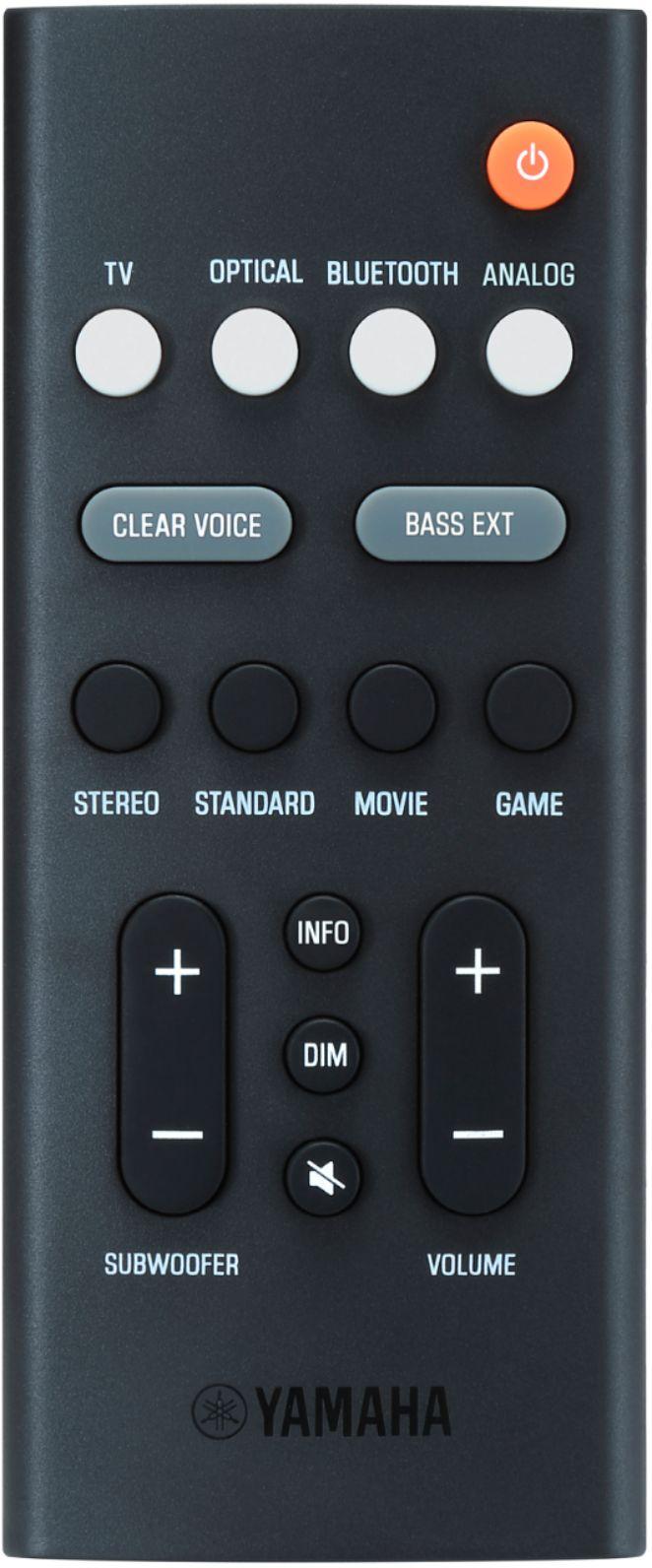
The Yamaha SR-C20A takes a different approach with its Clear Voice technology, which uses digital signal processing to enhance dialogue frequencies rather than relying on physical separation. Based on user feedback we've analyzed, this works remarkably well for such a compact system, though it can't quite match the natural separation of a dedicated center channel.
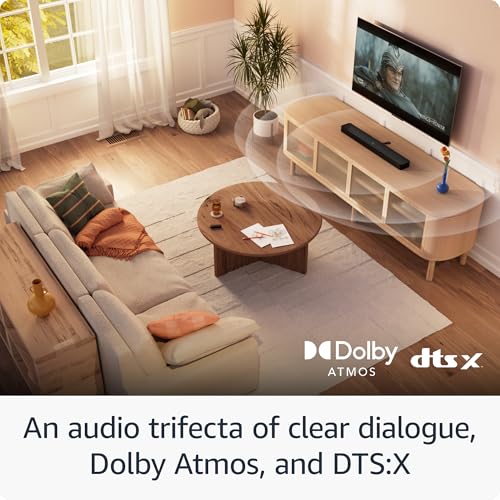
This is where these products diverge most dramatically. The Amazon Fire TV Soundbar Plus 5.1 delivers genuine 5.1-channel surround sound through physical rear speakers positioned behind your seating area. When a helicopter flies overhead in a movie, you hear it move from front to back through actual speakers placed around your room. The system supports Dolby Atmos and DTS:X—advanced audio formats that place sounds as objects in three-dimensional space—though it virtualizes height effects since it lacks upward-firing drivers.
The Yamaha SR-C20A creates virtual surround effects using psychoacoustic processing—essentially tricking your brain into hearing sounds from directions where no speakers exist. While impressive for a single unit, virtual surround can't replicate the convincing immersion of sounds actually coming from behind you. The system offers four sound modes (Stereo, Standard, Movie, Game) that optimize the virtual processing for different content types.
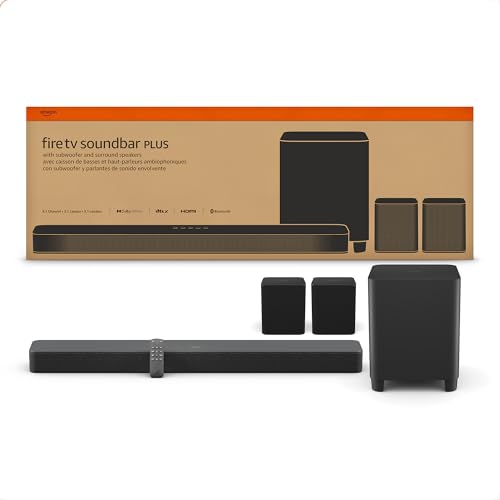
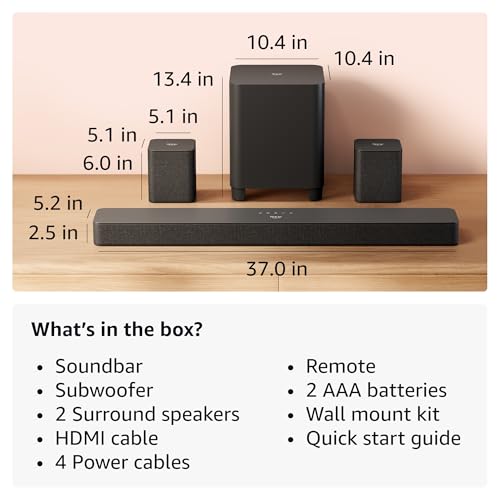
Your room dimensions significantly influence which system will work better. The Amazon Fire TV Soundbar Plus 5.1 requires space for multiple components: the main soundbar under your TV, a wireless subwoofer (typically placed near a wall for bass reinforcement), and two rear satellite speakers positioned behind your seating area. This configuration works best in medium to large rooms where you can achieve proper speaker spacing.
The system's total volume of nearly 8,000 cubic centimeters means it has a substantial physical presence. However, the wireless nature of the subwoofer and satellites provides flexibility in placement—you're not running speaker wires across your room.
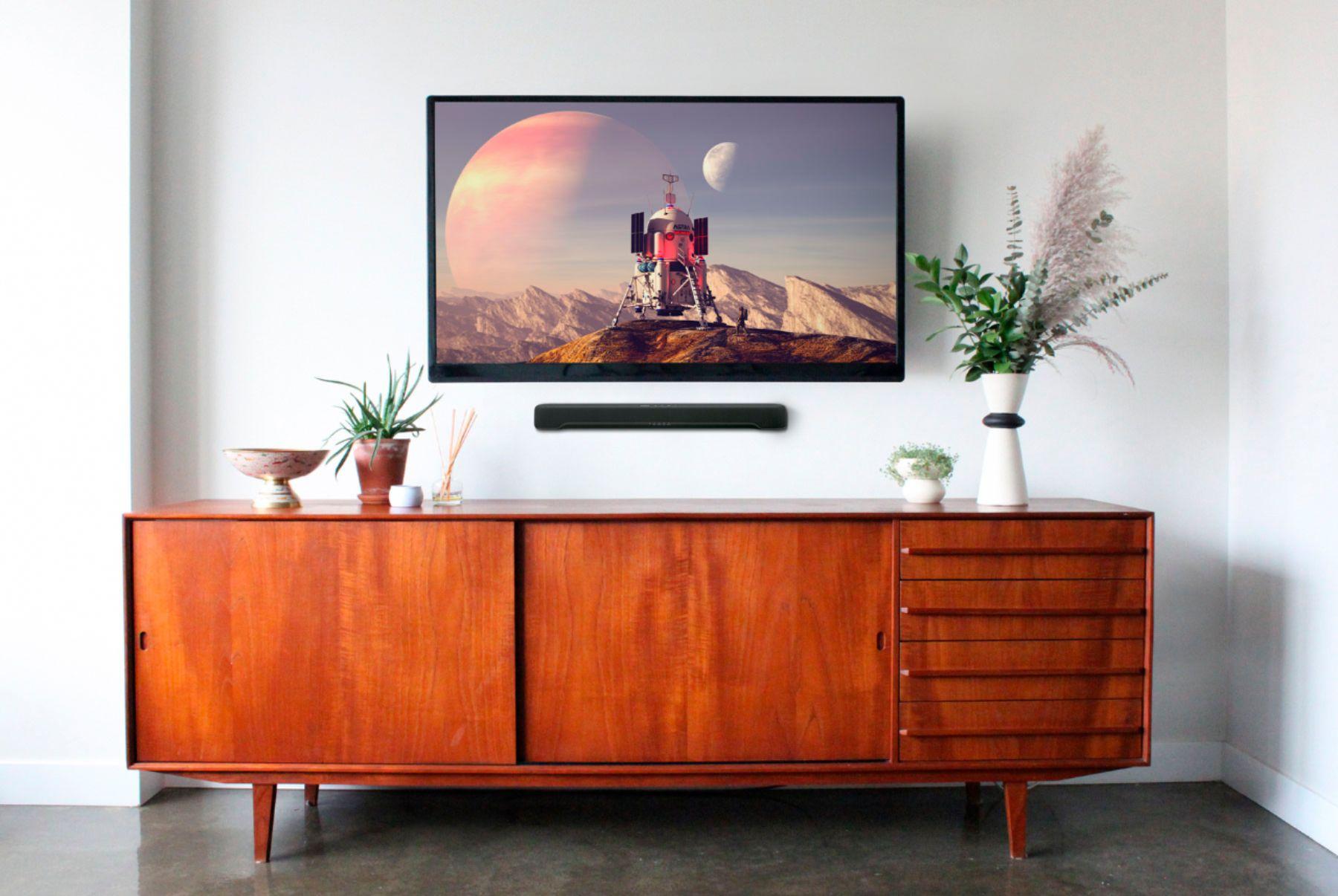
The Yamaha SR-C20A occupies just 3,600 cubic centimeters—about 45% less space than the Amazon system. At only 94mm high, it fits under most TVs without blocking the screen or IR sensors. The single-unit design means no satellite positioning considerations, making it ideal for apartments, bedrooms, or any space where multiple components aren't practical.
Modern soundbars need to connect easily with today's devices and integrate smoothly into your entertainment setup. The Amazon Fire TV Soundbar Plus 5.1 features HDMI eARC (enhanced Audio Return Channel)—a connection type that allows high-bandwidth audio transmission from compatible TVs and enables control using your TV's remote. This means you can adjust volume and settings without juggling multiple remotes.
The Fire TV integration is particularly seamless if you own compatible Amazon streaming devices. The soundbar appears in your Fire TV's audio settings, allowing unified control through familiar menus. However, the system notably lacks a dedicated smartphone app, limiting advanced customization options.
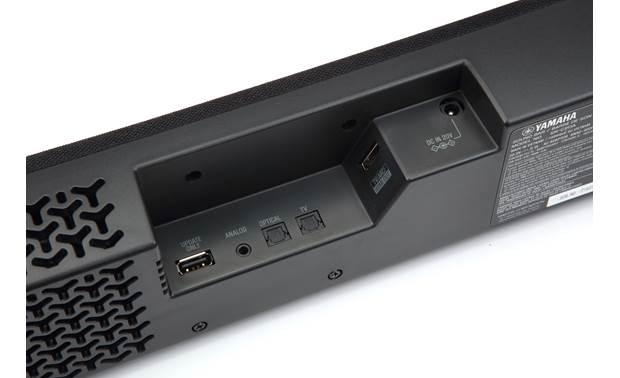
The Yamaha SR-C20A includes HDMI ARC (the standard version, not enhanced), dual optical inputs, and analog auxiliary input. While it doesn't support the highest-bandwidth audio formats like eARC does, it offers broader compatibility with older devices. More importantly, Yamaha provides a dedicated Sound Bar Remote app that gives granular control over EQ settings, sound modes, and other adjustments—features the Amazon system handles through basic LED indicators and voice prompts.
Audio latency—the delay between video and sound—becomes crucial for gaming where timing affects performance. Our research indicates the Amazon Fire TV Soundbar Plus 5.1 suffers from noticeable audio lag that can disrupt gaming experiences. Additionally, some users report handshaking problems when switching between different audio formats, causing brief dropouts that interrupt gameplay flow.
The Yamaha SR-C20A appears to handle gaming better, with its dedicated Game mode optimizing processing for lower latency. The simpler signal path of a single-unit design typically introduces less delay than systems requiring coordination between multiple wireless components.
At the time of writing, these systems occupy different price tiers, with the Amazon Fire TV Soundbar Plus 5.1 costing nearly three times more than the Yamaha SR-C20A. This price difference reflects fundamental differences in what you're buying.
The Amazon system provides genuine 5.1-channel surround sound, wireless subwoofer, and rear satellites—components that would cost significantly more if purchased separately from traditional audio manufacturers. For users wanting true surround sound without the complexity of individual components, it represents solid value within its category.
The Yamaha SR-C20A delivers exceptional performance per dollar in the compact soundbar category. Yamaha's audio engineering expertise shows in the balanced sound signature and effective dialogue enhancement. For users prioritizing space efficiency over maximum immersion, it's difficult to find better value.
If you're building a dedicated home theater setup, the Amazon Fire TV Soundbar Plus 5.1 better serves this purpose despite some limitations. The rear speakers create genuine surround effects that enhance movie immersion, while the external subwoofer provides the bass impact theatrical content demands. However, serious home theater enthusiasts might find the virtualized Dolby Atmos disappointing compared to systems with dedicated height channels.
The Yamaha SR-C20A works better as a TV improvement rather than a home theater centerpiece. It excels at making everyday TV watching more enjoyable—clearer dialogue, better music reproduction, and adequate bass for casual viewing. For secondary rooms or situations where simplicity trumps maximum performance, it's an excellent choice.
Neither system is perfect, and understanding their limitations helps set realistic expectations. The Amazon Fire TV Soundbar Plus 5.1 lacks up-firing drivers for true overhead Dolby Atmos effects, meaning height information gets downmixed to the existing speakers. Some users also report the system can sound harsh at higher volumes, and the bass occasionally overwhelms dialogue during action sequences.
The Yamaha SR-C20A faces the inherent limitations of compact design. While impressive for its size, it can't match the bass extension, maximum volume, or surround convincingness of larger systems. The virtual processing works well but never fully replicates the experience of sounds actually originating from multiple directions.
Choose the Amazon Fire TV Soundbar Plus 5.1 if you have a medium to large room with space for multiple components and prioritize immersive surround sound for movies and gaming. It's particularly appealing for Fire TV ecosystem users who value seamless integration. The system delivers room-filling sound and genuine surround effects that compact bars can't match.
Choose the Yamaha SR-C20A if space constraints, budget limitations, or simplicity preferences take priority over maximum immersion. It excels in bedrooms, apartments, offices, or any situation where a single-unit solution makes more sense. The excellent dialogue clarity and balanced sound signature make it ideal for users who primarily watch TV shows and casual content rather than action movies.
These products succeed in different ways for different users. The Amazon Fire TV Soundbar Plus 5.1 delivers genuine surround sound at a competitive price point, making it a solid choice for users wanting true home theater immersion without premium costs. However, its size requirements and technical quirks limit its appeal.
The Yamaha SR-C20A represents the best of compact soundbar design—balanced audio, excellent dialogue clarity, and smart features in a package that fits almost anywhere. While it can't match the immersion of true surround systems, it dramatically improves TV audio without the complexity or space requirements of multi-component setups.
Your choice ultimately depends on your priorities: maximum immersion versus space efficiency, true surround versus convenience, and room-filling power versus subtle improvement. Both products succeed within their intended roles, making the decision more about matching capabilities to your specific needs rather than declaring one universally superior.
| Amazon Fire TV Soundbar Plus 5.1 Channel System | Yamaha SR-C20A Compact Sound Bar with Built-In Subwoofer |
|---|---|
| Channel Configuration - Determines surround sound capability and immersion level | |
| True 5.1 channels with physical rear speakers | 2.1 channels with virtual surround processing |
| Subwoofer Design - Impacts bass performance and placement flexibility | |
| External wireless subwoofer (more powerful, flexible placement) | Built-in 3" subwoofer with dual passive radiators |
| Physical Footprint - Critical for room compatibility and WAF (Wife Acceptance Factor) | |
| Large multi-component system (7,941 cm³ total volume) | Ultra-compact single unit (3,609 cm³, fits under most TVs) |
| Audio Format Support - Future-proofing for premium content | |
| Dolby Atmos, DTS:X, Dolby TrueHD (virtualized height effects) | Dolby Digital, basic surround processing |
| HDMI Connection - Affects audio quality and control convenience | |
| HDMI eARC (supports highest quality audio, TV remote control) | HDMI ARC (good compatibility, slightly limited bandwidth) |
| Smart Features - App control and customization options | |
| Fire TV integration, no dedicated app | Yamaha Sound Bar Remote app with comprehensive controls |
| Setup Complexity - Time investment and technical skill required | |
| Multiple components, optimal speaker positioning needed | Single unit installation, minimal setup required |
| Dialogue Enhancement - Critical for TV show and movie clarity | |
| Dedicated center channel plus adjustable dialogue boost | Clear Voice technology with digital processing |
| Maximum Room Size - Performance scaling with space | |
| Medium to large rooms (200+ sq ft) with full impact | Small to medium rooms, optimal for intimate spaces |
| Gaming Performance - Latency considerations for console users | |
| Notable audio lag reported, format switching issues | Lower latency Game mode, stable performance |
| Power Output - Determines maximum volume and dynamic range | |
| Higher total system power, room-filling capability | 100W total (60W sub, 20W × 2 mains) |
| Value Proposition - Performance per dollar consideration | |
| True surround experience at competitive 5.1 pricing | Exceptional compact soundbar performance for the price |
The Yamaha SR-C20A is significantly better for small rooms due to its compact single-unit design that measures just 60cm wide. It fits under most TVs without blocking screens or IR sensors, while the Amazon Fire TV Soundbar Plus 5.1 requires space for multiple components including rear speakers and a wireless subwoofer that may overwhelm smaller spaces.
If you primarily watch TV shows and casual content, the Yamaha SR-C20A's 2.1 system with virtual surround provides excellent dialogue clarity and adequate immersion. However, for movies and gaming where you want sounds moving around you, the Amazon Fire TV Soundbar Plus 5.1 delivers genuine surround effects with physical rear speakers that virtual processing can't match.
The Amazon Fire TV Soundbar Plus 5.1 produces stronger, more impactful bass through its dedicated wireless subwoofer. While the Yamaha SR-C20A delivers impressive bass for its compact size using a built-in subwoofer with passive radiators, it can't match the low-frequency extension and power of an external subwoofer.
The Yamaha SR-C20A offers plug-and-play simplicity with a single unit that connects via one cable. The Amazon Fire TV Soundbar Plus 5.1 requires positioning multiple wireless components including rear speakers behind your seating area, though all components come pre-paired for easier installation than traditional surround systems.
Both excel at dialogue but through different approaches. The Amazon Fire TV Soundbar Plus 5.1 uses a dedicated center channel speaker specifically for voices, plus adjustable dialogue enhancement. The Yamaha SR-C20A employs Clear Voice digital processing that effectively boosts speech frequencies without a separate center channel.
The Amazon Fire TV Soundbar Plus 5.1 supports HDMI eARC for TV remote control and integrates seamlessly with Fire TV devices. The Yamaha SR-C20A offers HDMI ARC compatibility for basic TV remote functions, plus includes a dedicated smartphone app for advanced settings that the Amazon system lacks.
The Yamaha SR-C20A performs better for gaming with its dedicated Game mode and lower audio latency. The Amazon Fire TV Soundbar Plus 5.1 suffers from noticeable audio lag and occasional format switching issues that can disrupt gaming experiences, though it provides more immersive surround effects when latency isn't critical.
The Yamaha SR-C20A requires minimal space as a single 60cm unit that sits under your TV. The Amazon Fire TV Soundbar Plus 5.1 needs significantly more room for its main soundbar, wireless subwoofer placement near walls, and rear satellite speakers positioned behind seating areas.
Value depends on your needs. The Yamaha SR-C20A delivers exceptional performance per dollar in the compact category with balanced sound and smart features. The Amazon Fire TV Soundbar Plus 5.1 provides genuine 5.1 surround sound at competitive pricing compared to other true surround systems, making it good value if you need that immersion level.
The Amazon Fire TV Soundbar Plus 5.1 supports Dolby Atmos and DTS:X, though it virtualizes height effects since it lacks upward-firing speakers. The Yamaha SR-C20A focuses on traditional stereo and virtual surround processing without Dolby Atmos support, prioritizing clear dialogue and balanced audio over advanced format compatibility.
For dedicated home theater use, the Amazon Fire TV Soundbar Plus 5.1 better serves this purpose with genuine surround sound, external subwoofer, and support for advanced audio formats. The Yamaha SR-C20A works better as a TV audio upgrade rather than a home theater centerpiece, though it excels in secondary rooms or casual viewing scenarios.
The Amazon Fire TV Soundbar Plus 5.1 features HDMI eARC for highest-quality audio transmission, plus Bluetooth, optical, and USB inputs with seamless Fire TV integration. The Yamaha SR-C20A offers HDMI ARC, dual optical inputs, auxiliary input, and Bluetooth 5.0 with AAC support, plus provides more comprehensive app-based control options than the Amazon system.
We've done our best to create useful and informative comparisons to help you decide what product to buy. Our research uses advanced automated methods to create this comparison and perfection is not possible - please contact us for corrections or questions. These are the sites we've researched in the creation of this article: rtings.com - cordbusters.co.uk - techradar.com - developer.amazon.com - t3.com - hometechnologyreview.com - youtube.com - hometechnologyreview.com - whathifi.com - hometechnologyreview.com - hometechnologyreview.com - youm.design - hometechnologyreview.com - dolby.com - t3.com - usa.yamaha.com - radiotimes.com - shop.usa.yamaha.com - whathifi.com - hifiheaven.net - usa.yamaha.com - sweetwater.com - hub.yamaha.com - bestbuy.com

Privacy Policy
Terms and Conditions - Affiliate Policy
Home Security
© Copyright 2008-2026.
11816 Inwood Rd #1211, Dallas, TX 75244