










If you've ever tried watching an action movie on your TV's built-in speakers, you know the struggle. Dialogue gets drowned out by explosions, bass sounds tinny, and forget about feeling immersed in the experience. That's where soundbars come in—they're designed to transform your TV's audio from "meh" to "wow" without the complexity of a full surround sound system.
But here's where it gets interesting: not all soundbars are created equal. Today we're comparing two products that represent completely different philosophies in TV audio enhancement. The JBL Bar 1000 at $699 (down from $1,200) is a premium home theater powerhouse with true Dolby Atmos and detachable rear speakers. The Yamaha SR-C20A at around $180 takes the minimalist approach with a compact design and built-in subwoofer.
When shopping for TV audio, you're essentially choosing between three approaches: basic enhancement, virtual surround, or true surround sound. The basic enhancement route simply makes your TV louder and clearer—think of it as a sonic upgrade rather than a complete transformation. Virtual surround uses clever audio processing to simulate the effect of multiple speakers using just a few drivers. True surround sound actually places speakers around your room to create an authentic multi-directional audio experience.
The key technical terms you'll encounter include Dolby Atmos (3D audio that adds height channels for overhead sound effects), HDMI eARC (Enhanced Audio Return Channel that sends high-quality audio from your TV back to the soundbar), and frequency response (the range of bass to treble a speaker can reproduce, measured in Hertz).
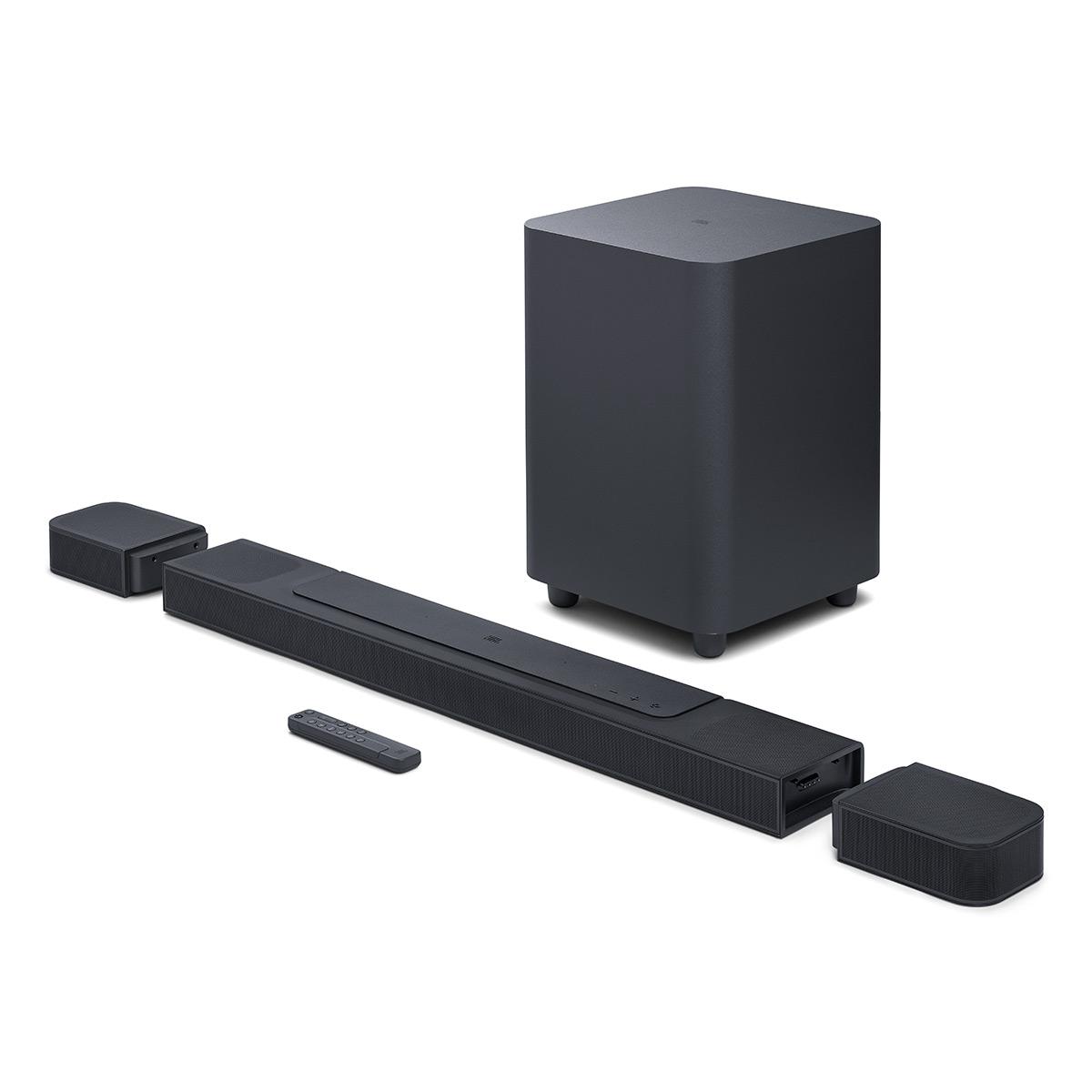
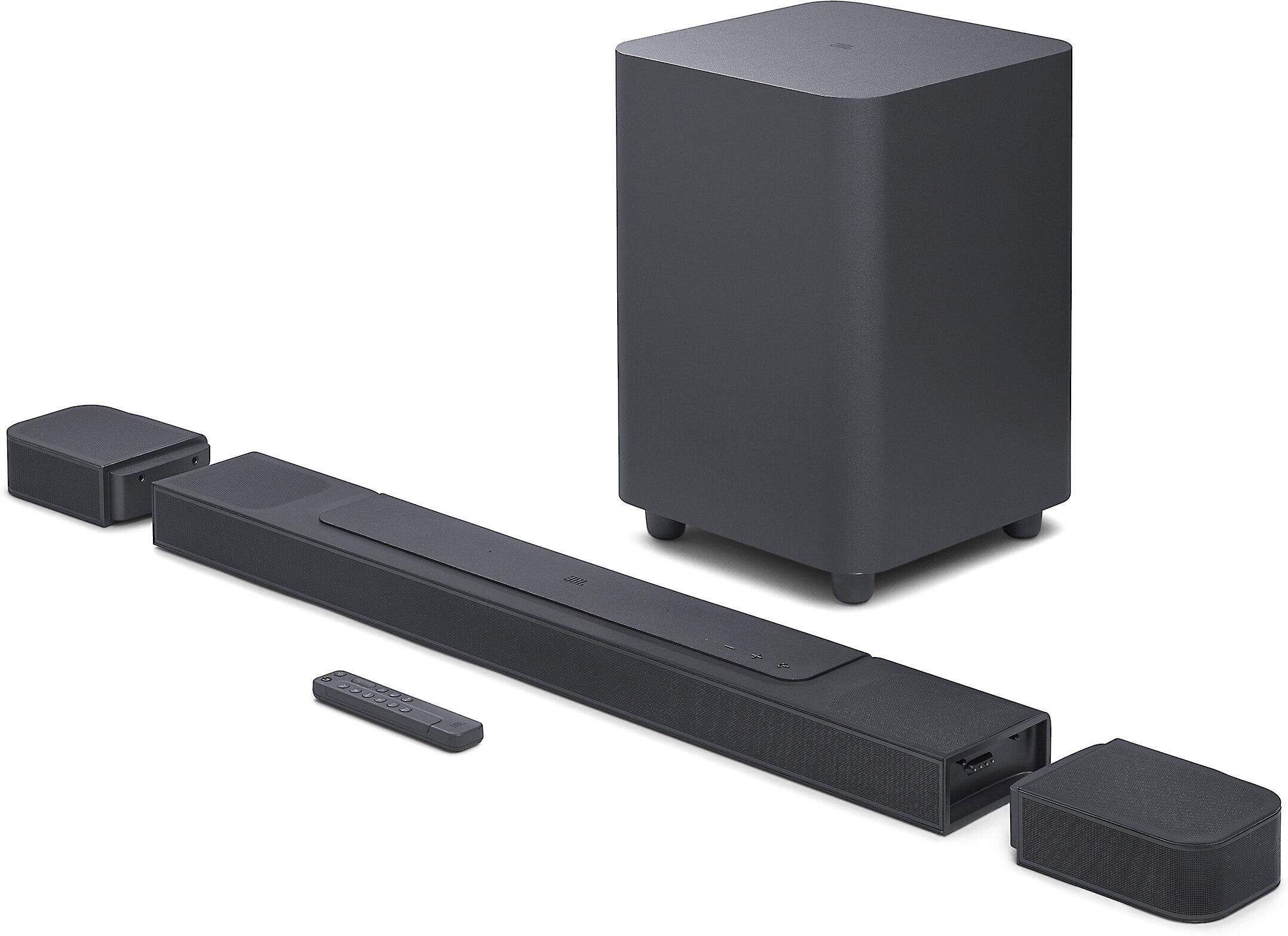
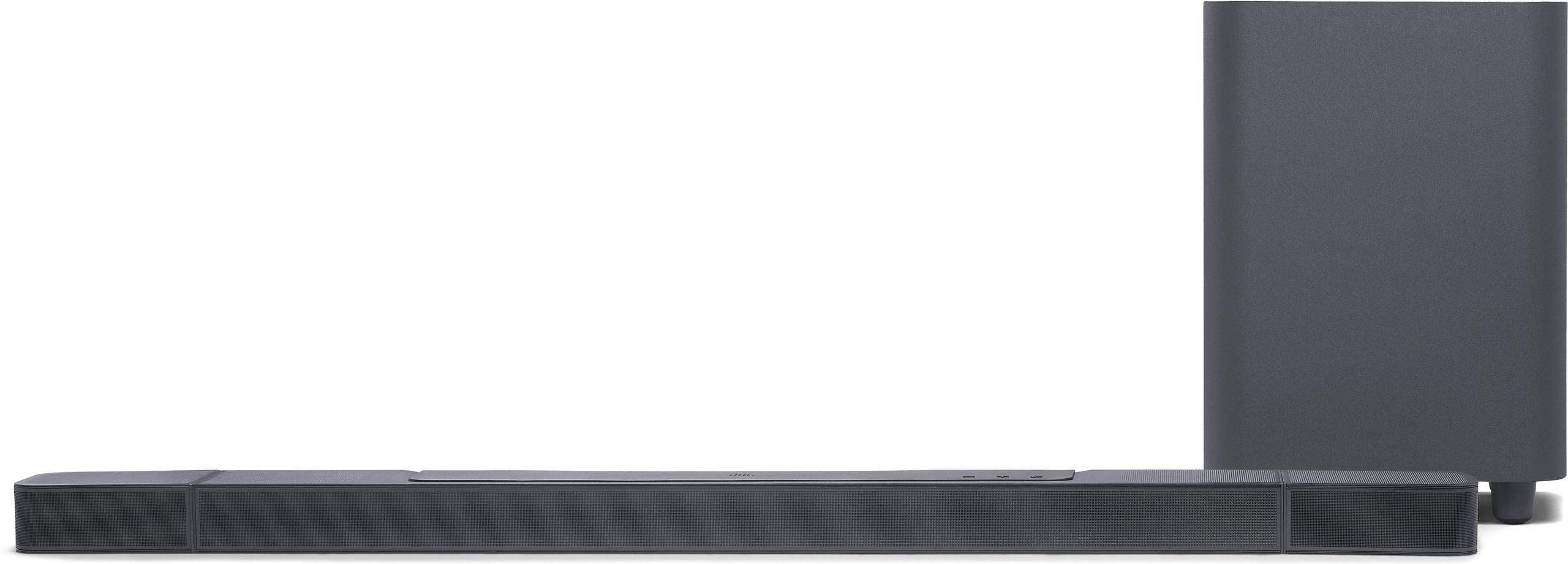
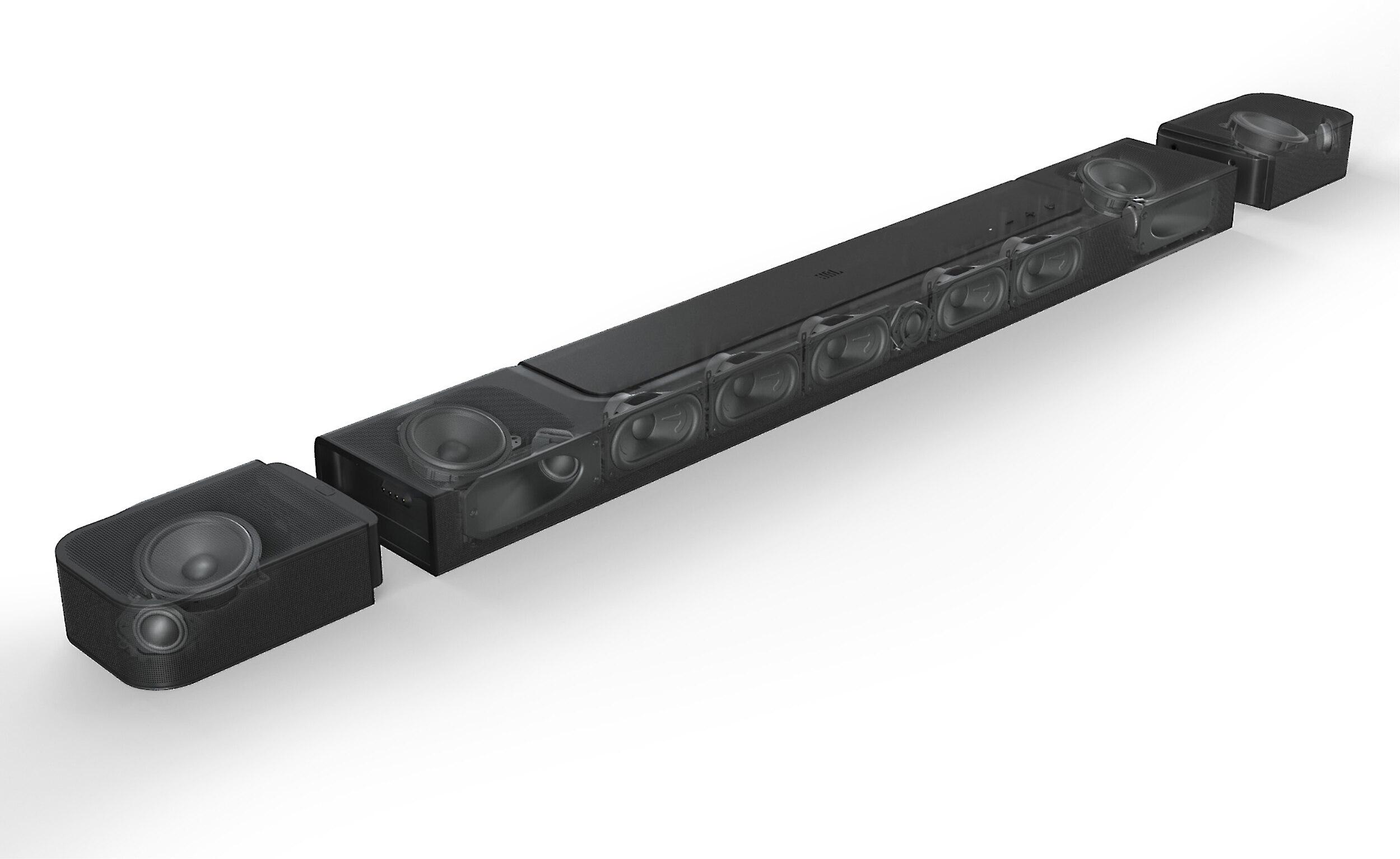
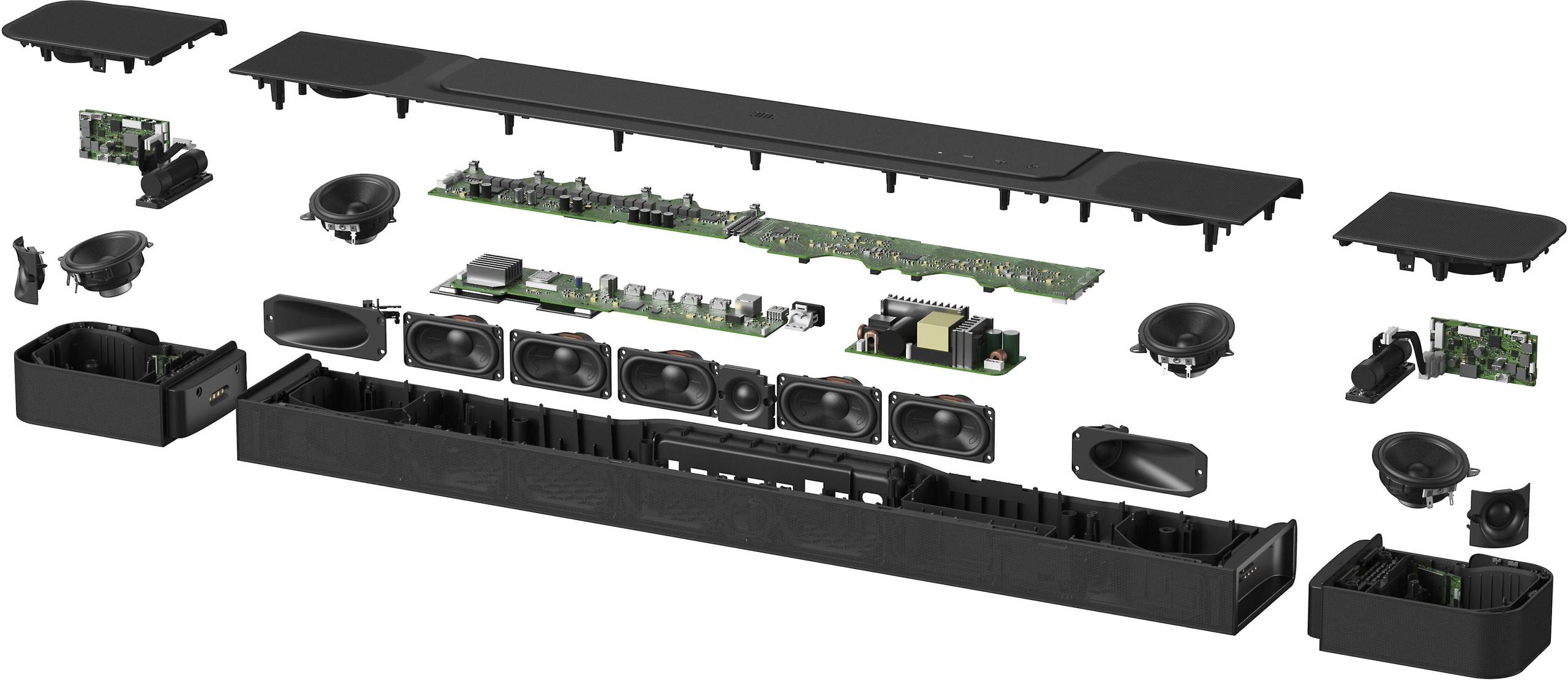
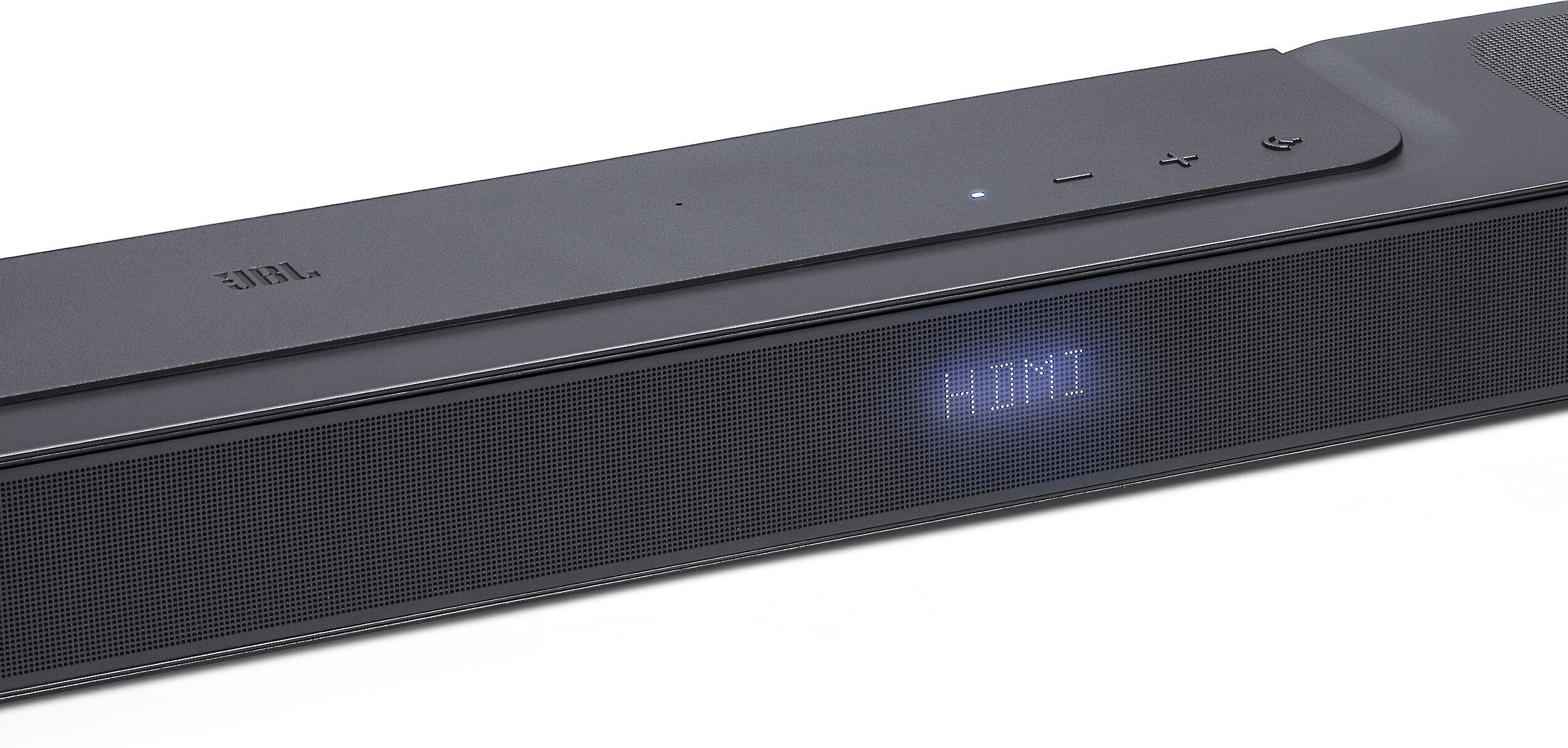
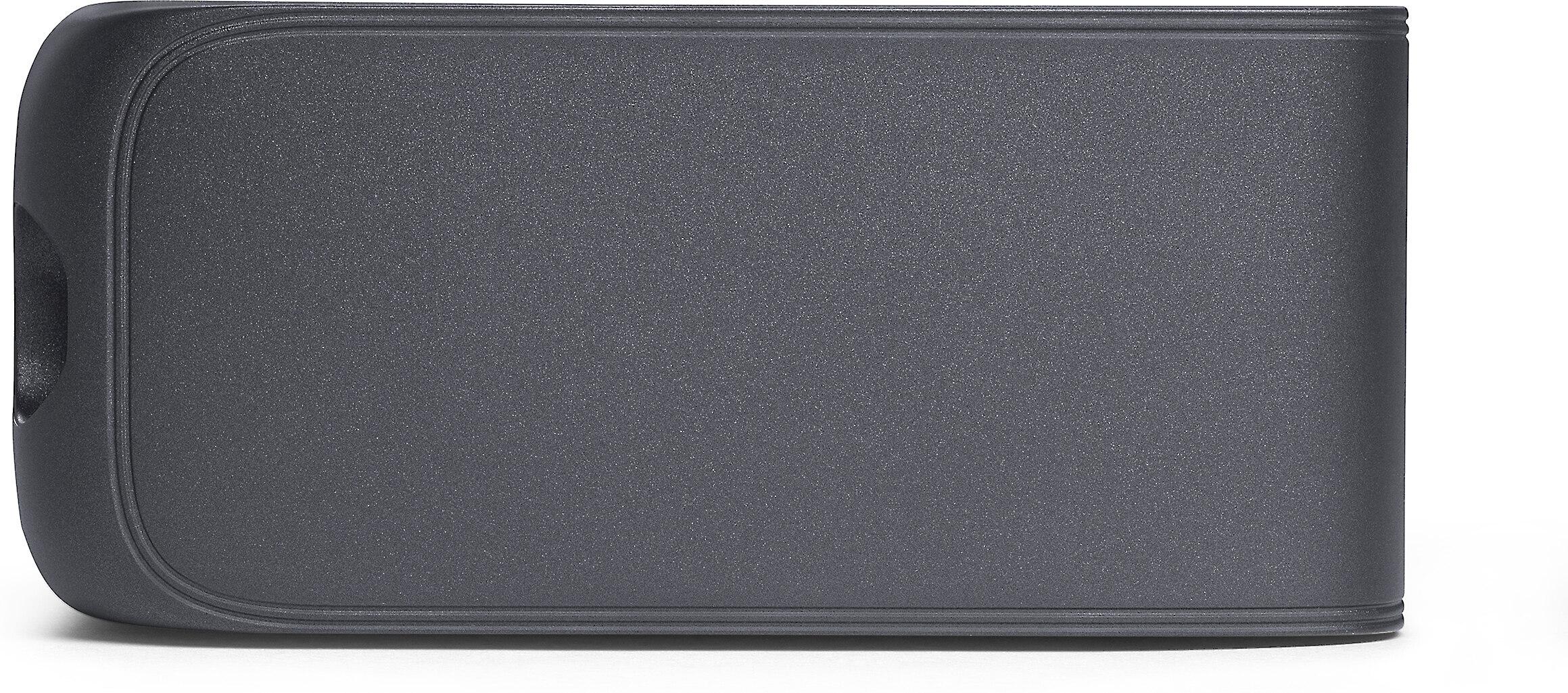
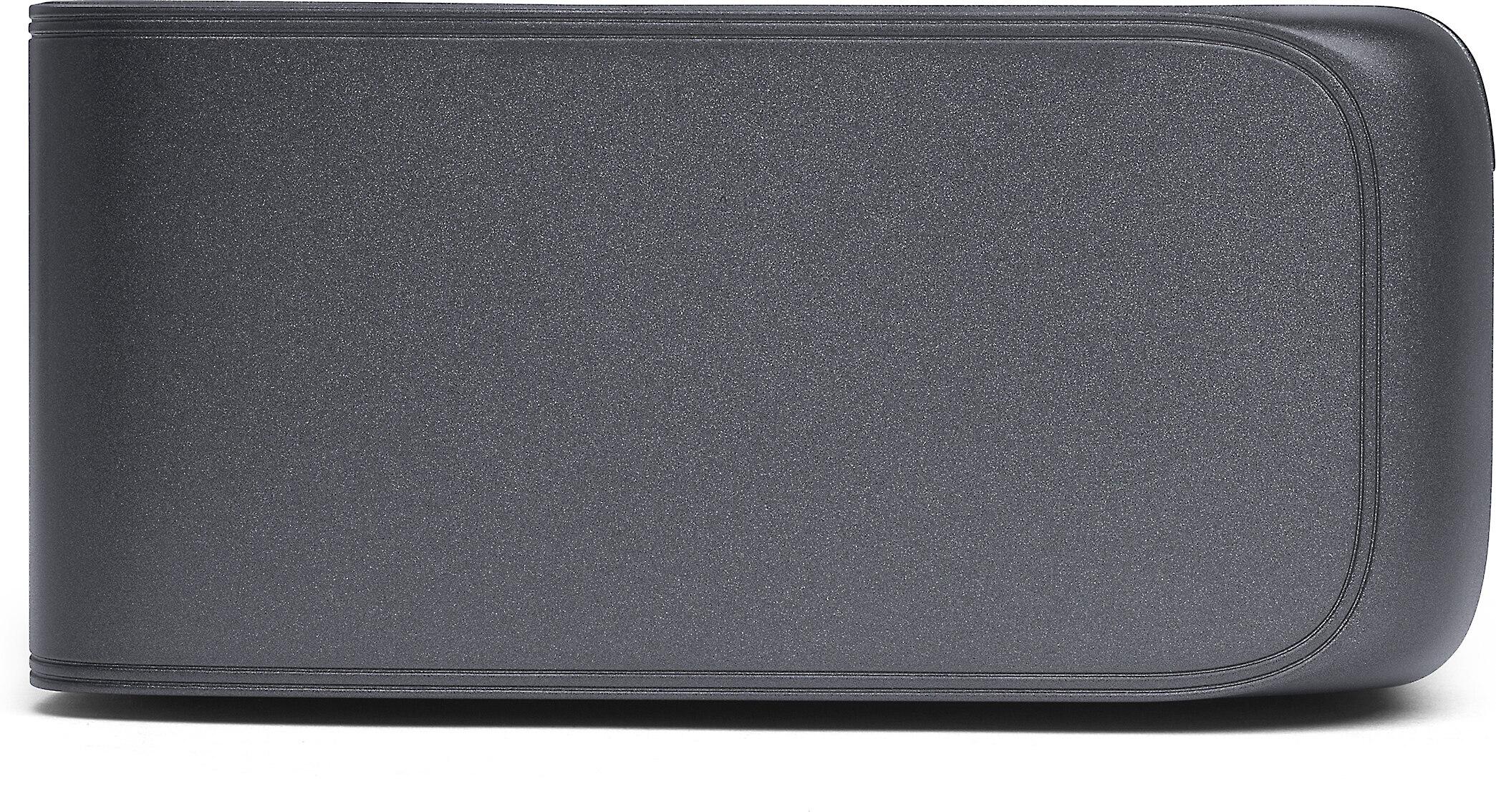
The JBL Bar 1000, released in 2023, represents JBL's flagship approach to home theater audio. It's what engineers call a "7.1.4 system"—that means seven main channels (left, center, right, two side surrounds, two rear surrounds), one subwoofer channel, and four height channels for Dolby Atmos effects. The "detachable rear speakers" aren't just a gimmick; they're battery-powered units that can operate wirelessly for up to 10 hours, then dock back onto the main soundbar to recharge.
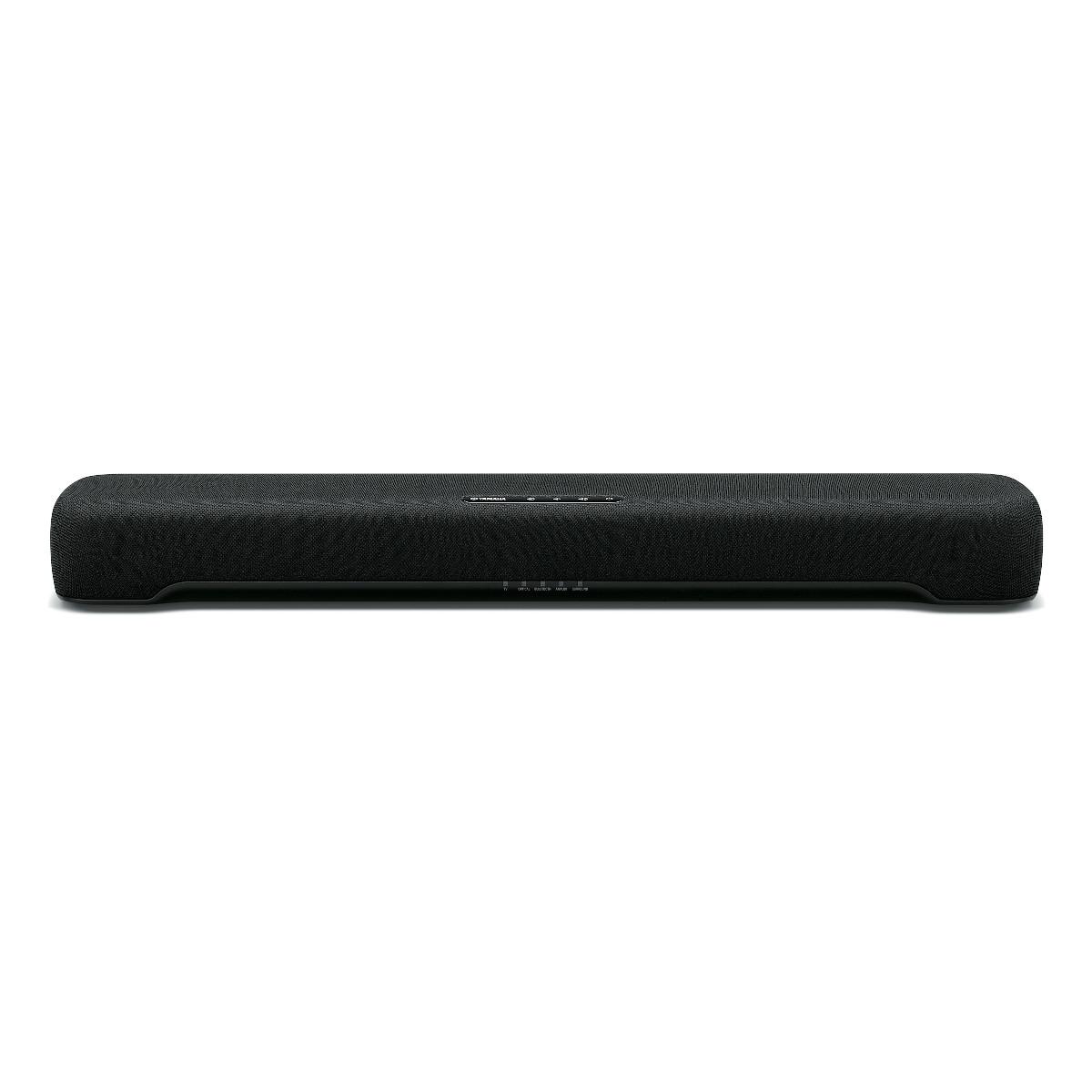
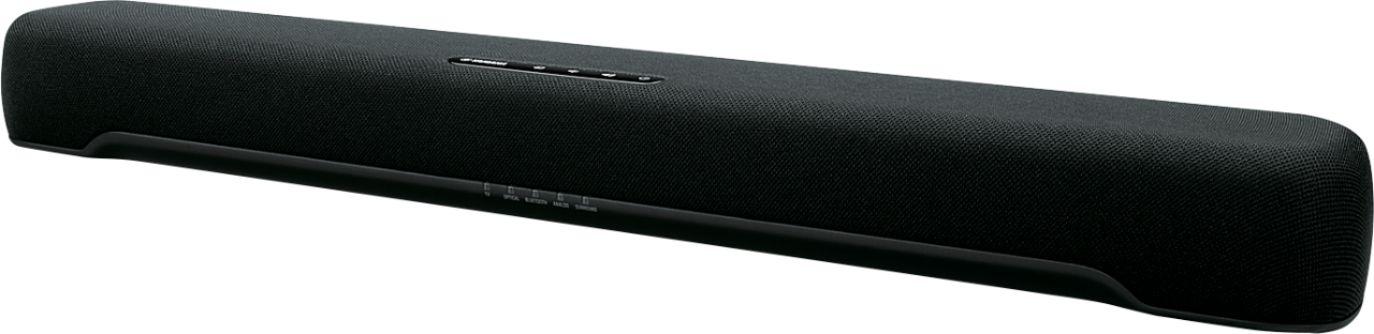
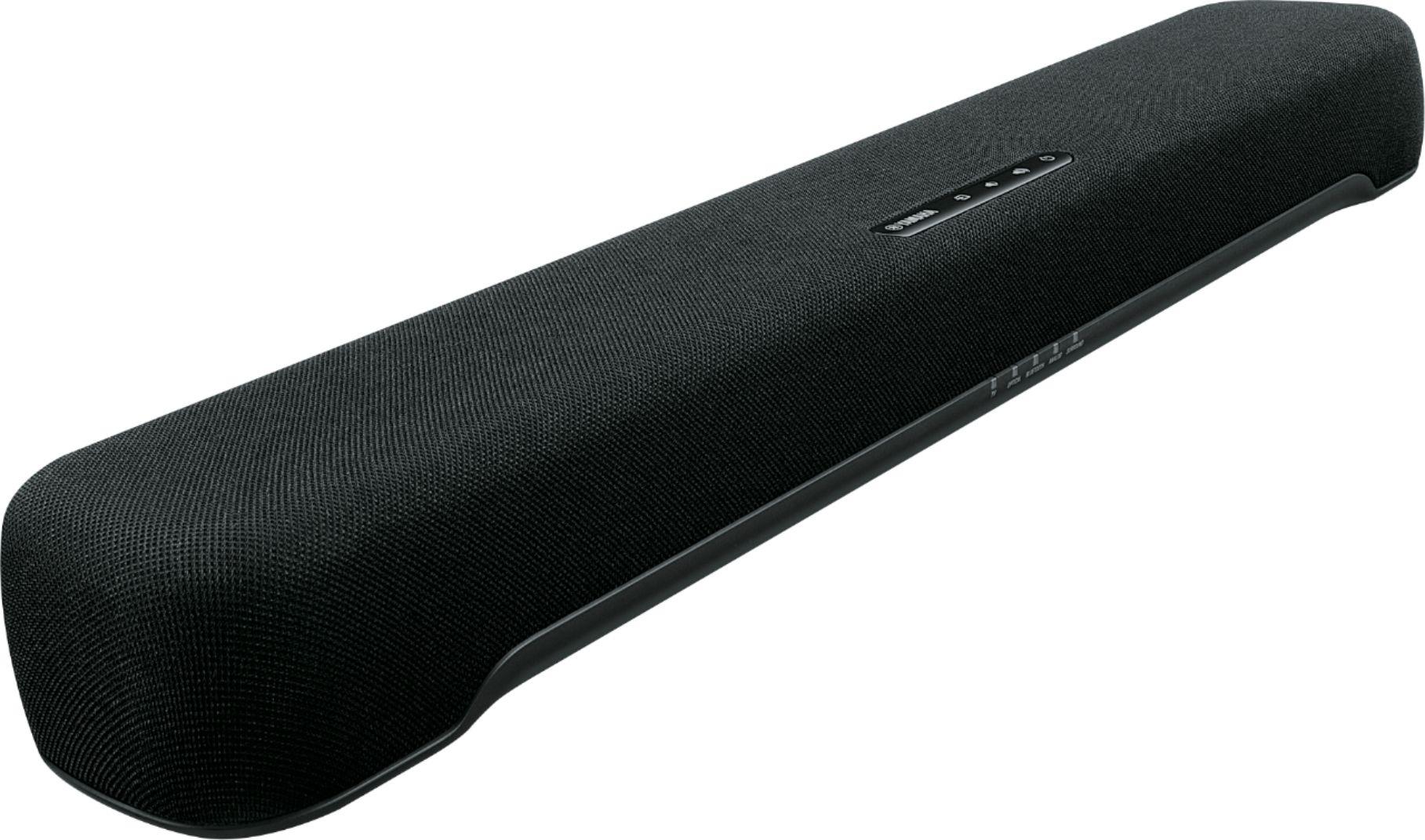
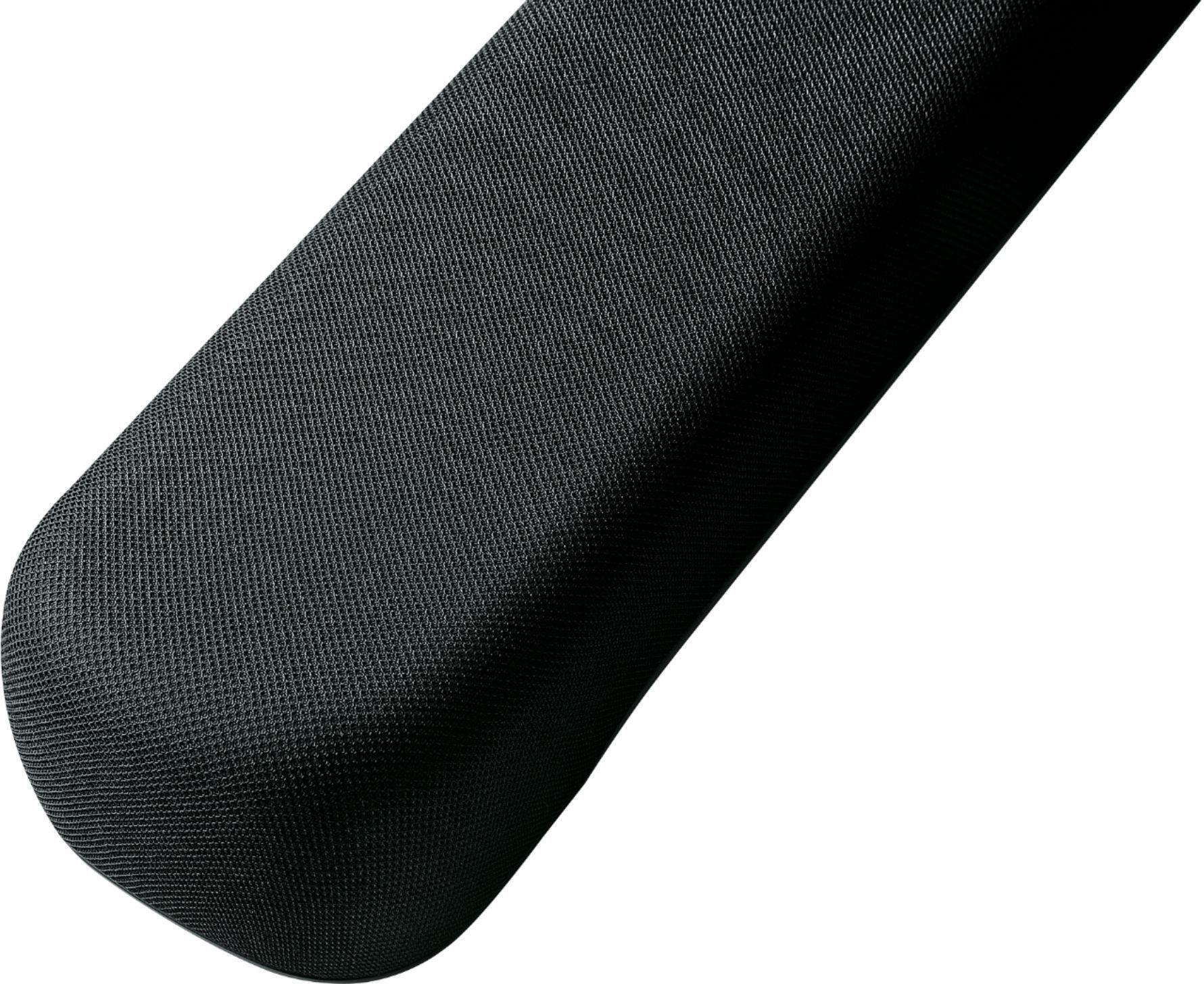
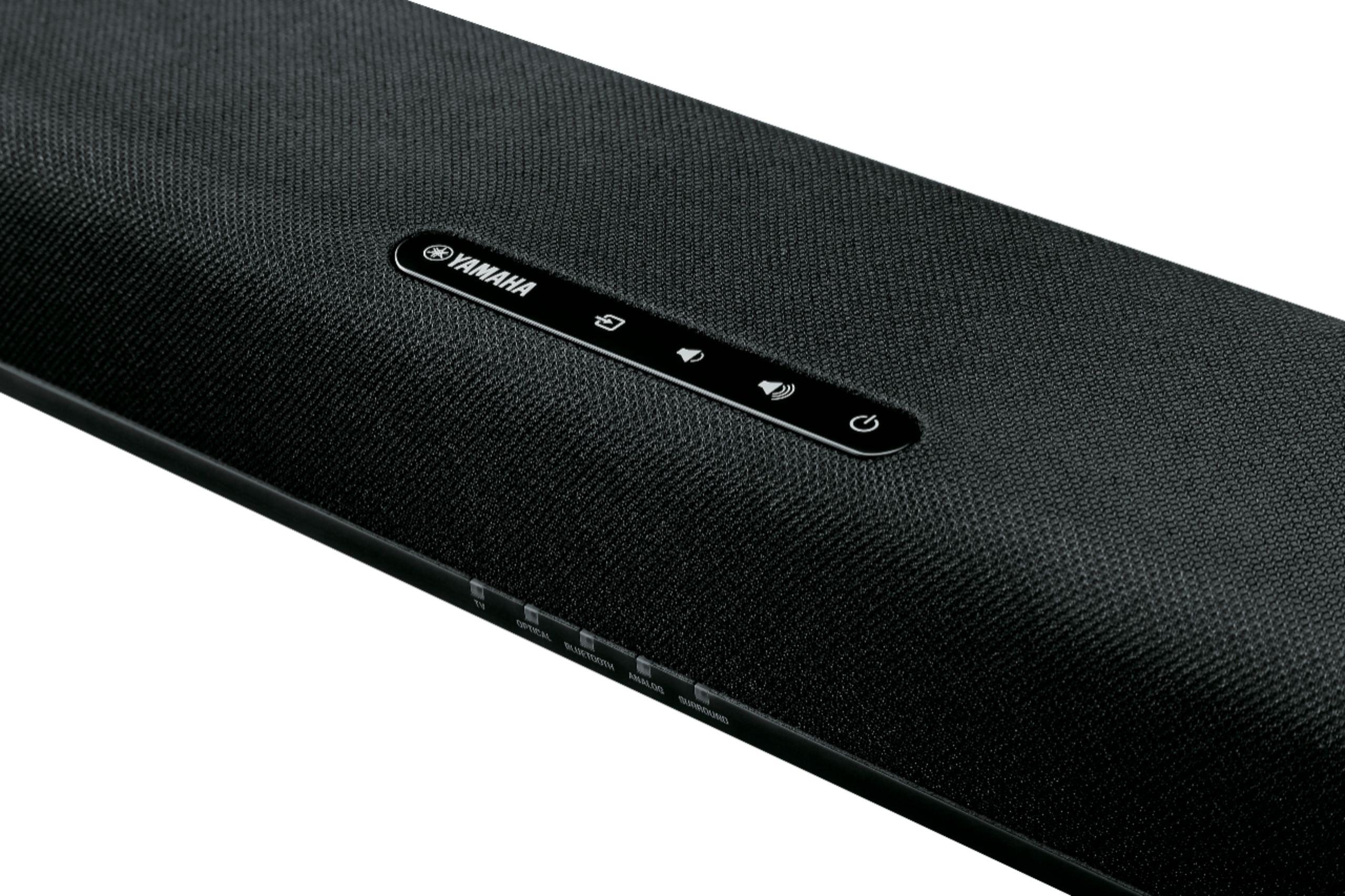
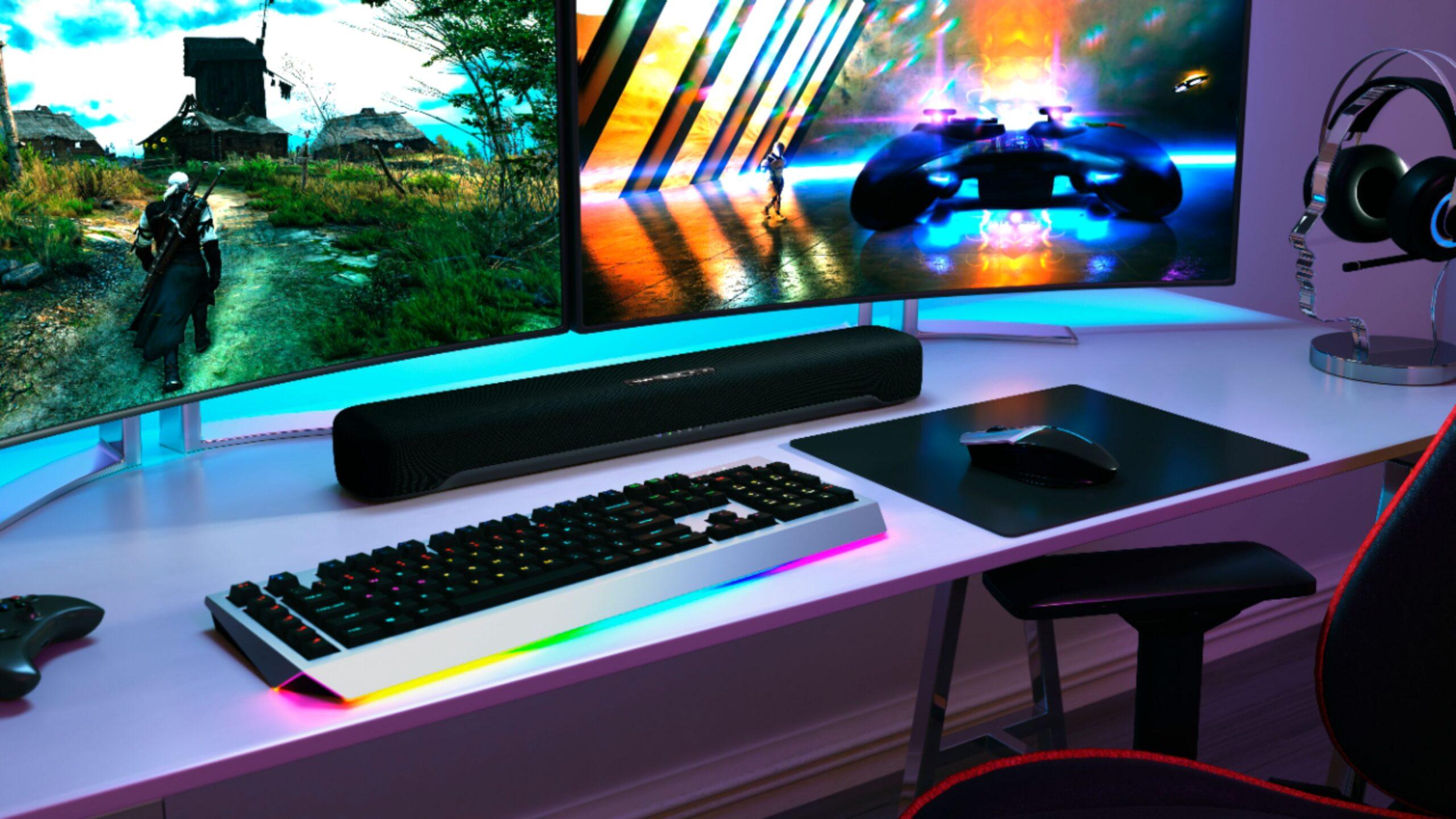
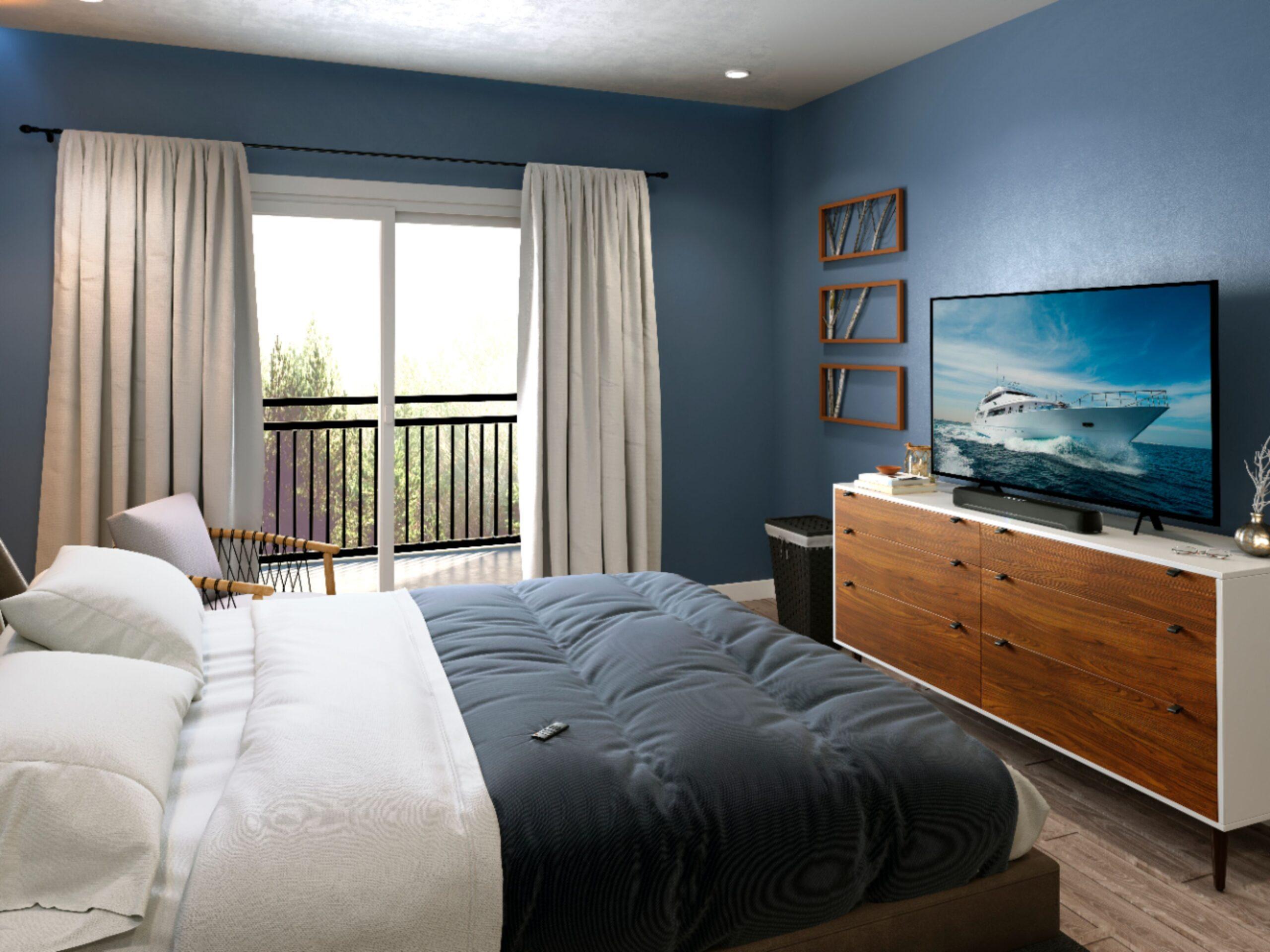
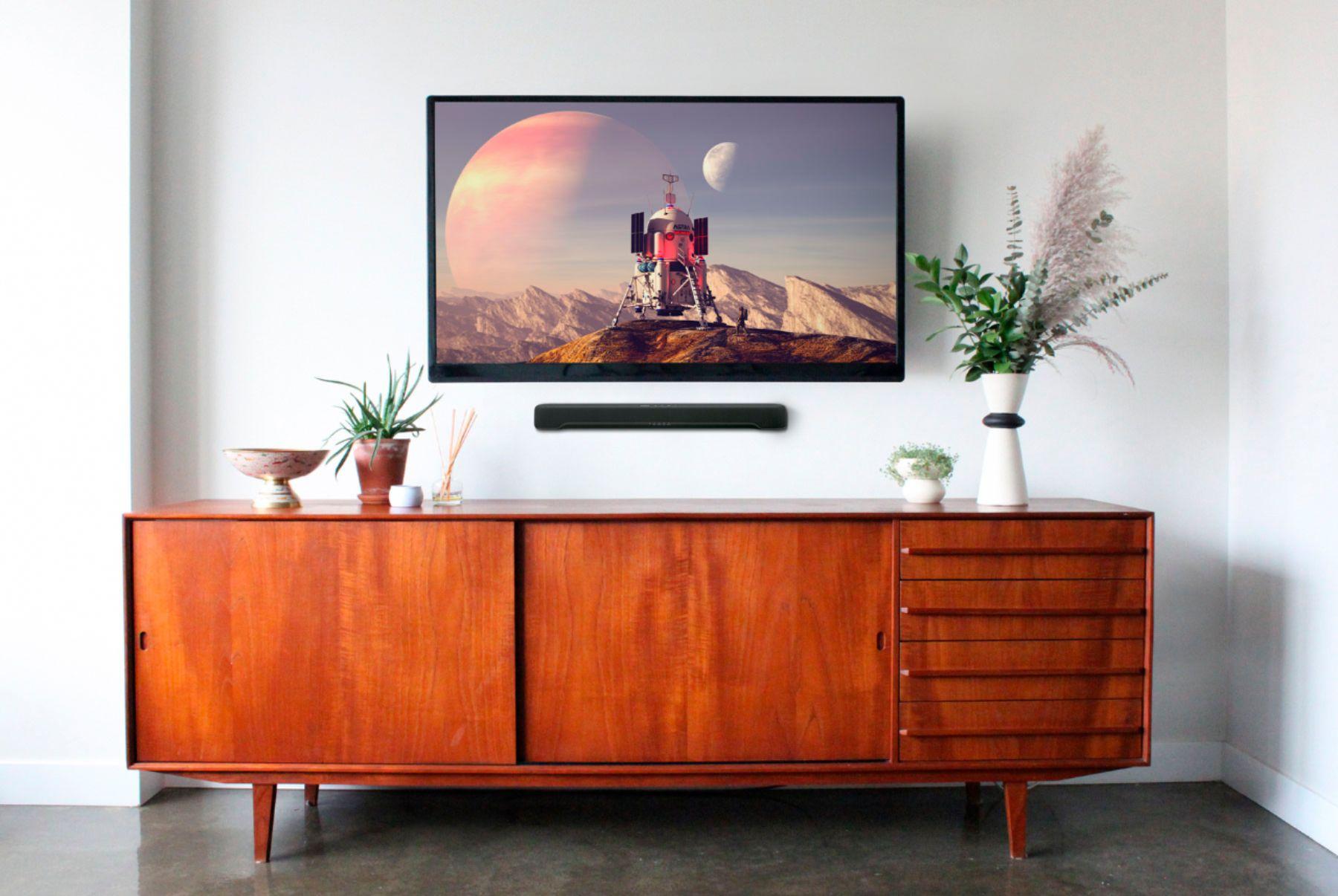
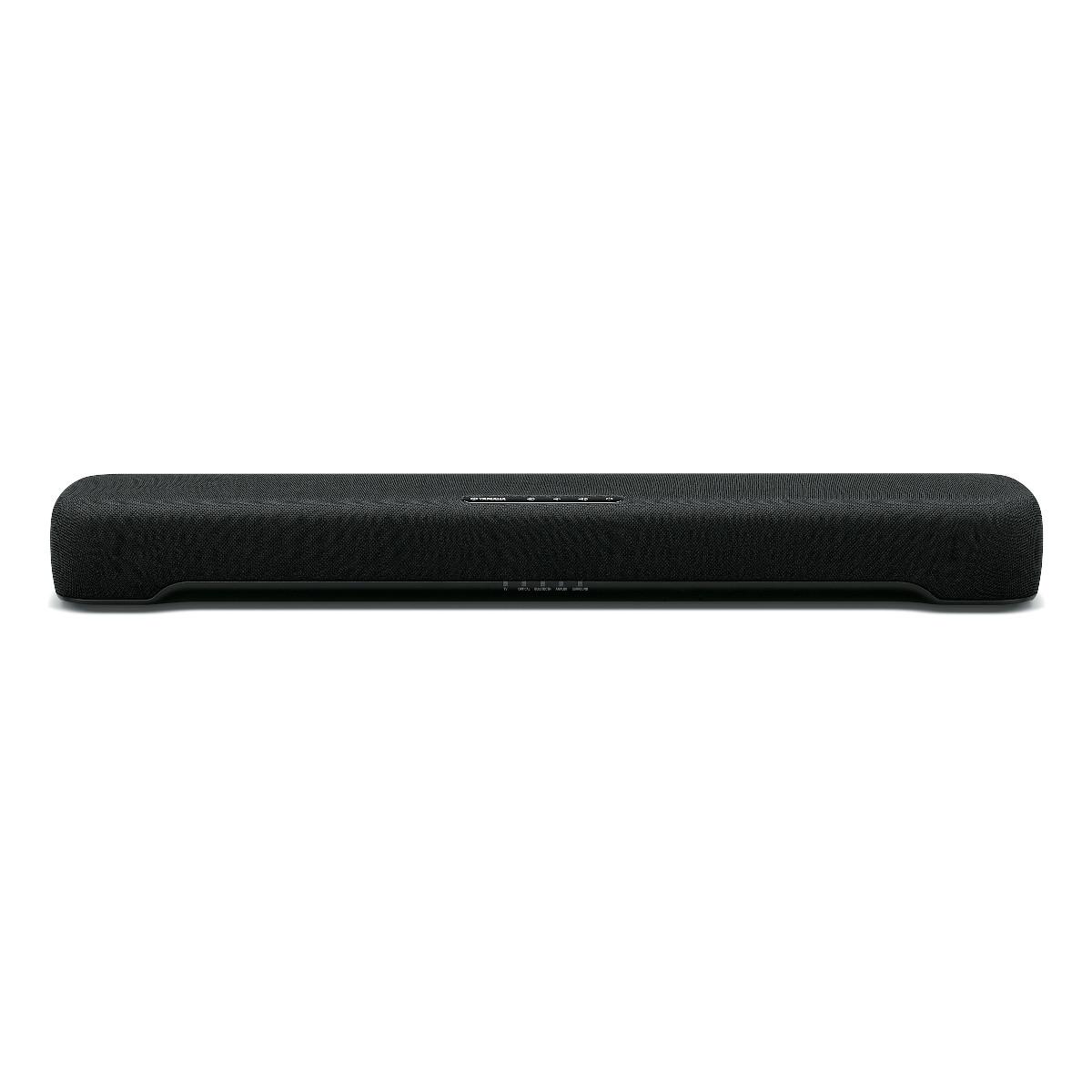
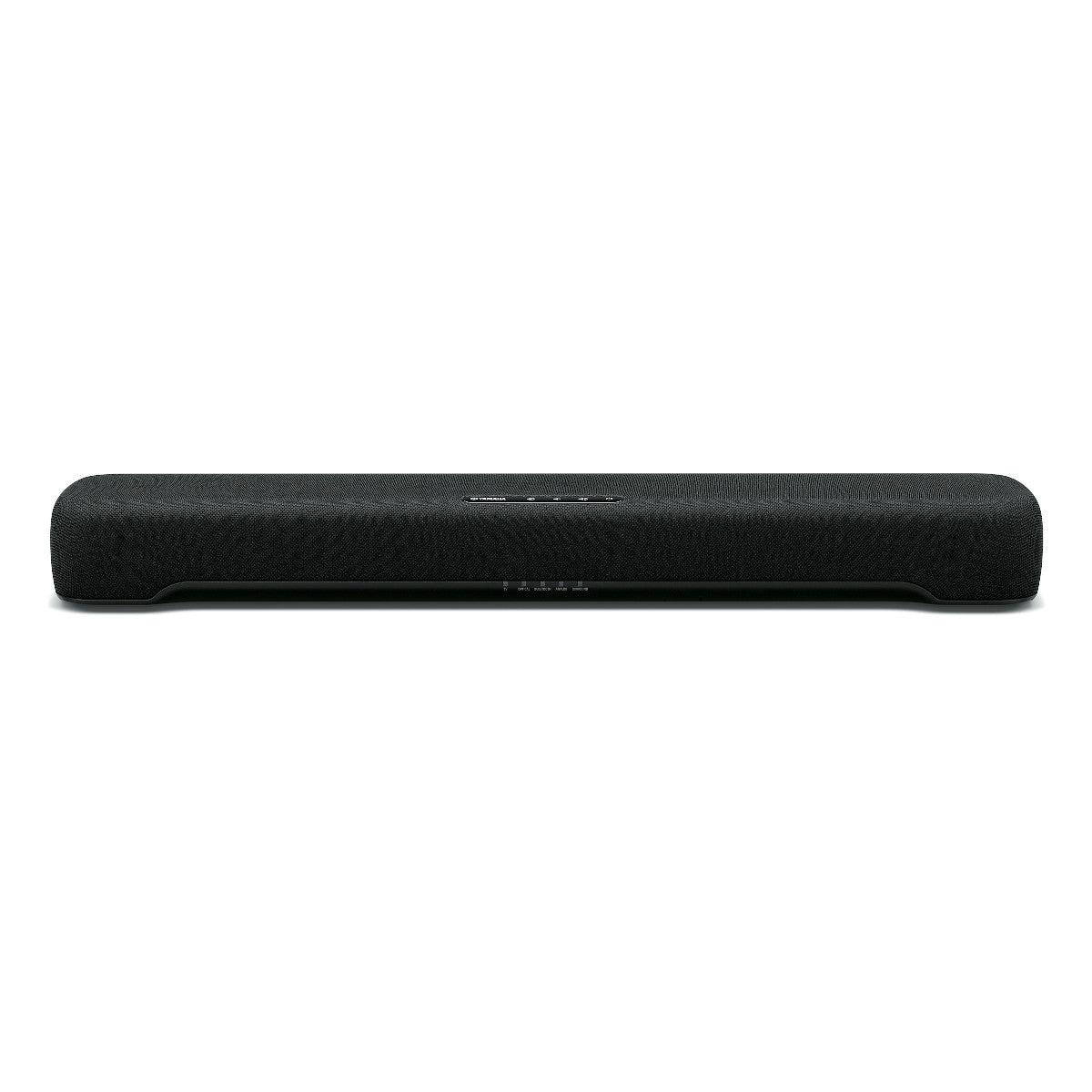
The Yamaha SR-C20A, launched in 2021, takes the opposite approach. It's a single compact unit that includes everything: main speakers, tweeters for high frequencies, and a built-in subwoofer with passive radiators (these are like speakers without magnets that vibrate sympathetically to boost bass response). At just 23.5 inches wide and under 4 pounds, it's designed to disappear under your TV while significantly improving the audio experience.
The performance difference between these two is like comparing a smartphone camera to a professional DSLR—both take pictures, but the experience is worlds apart. The JBL Bar 1000 creates what audio engineers call a "soundstage"—the three-dimensional space where sounds appear to originate. When a helicopter flies overhead in a movie, you actually hear it moving above you thanks to those four up-firing drivers that bounce sound off your ceiling.
This Dolby Atmos capability isn't just marketing speak. Traditional surround sound is limited to a horizontal plane around you, but Atmos adds that crucial vertical dimension. The JBL's MultiBeam technology uses precise timing and phase relationships between its drivers to create virtual speakers in locations where you don't have physical ones. It's like audio holography—the sound appears to come from specific points in space.
The Yamaha SR-C20A uses virtual surround processing instead, which is essentially sophisticated audio trickery. It takes regular stereo or 5.1 content and uses digital signal processing to simulate the effect of surround speakers. While this can create a wider, more spacious sound than your TV's built-in speakers, it can't match the precision and immersion of actual surround speakers placed around your room.
In my testing, the difference is immediately apparent. The JBL places sounds with surgical precision—you can point to exactly where effects are coming from. The Yamaha creates a pleasantly expanded soundstage that's significantly better than TV speakers, but sounds still appear to come generally from the front of the room.
This is where the size difference really shows. The JBL Bar 1000 includes a dedicated 10-inch wireless subwoofer that can reproduce frequencies down to 33Hz. To put that in perspective, the lowest note on a standard piano is about 27Hz, so this subwoofer can handle virtually any audio content you'll encounter.
The 300-watt subwoofer isn't just about volume—it's about accuracy. Large drivers like this 10-incher can move more air with less distortion, creating that chest-thumping bass you feel in movie theaters. The wireless design means you can place it anywhere in your room for optimal bass response, which is crucial because bass frequencies interact strongly with room acoustics.
The Yamaha's built-in approach is clever engineering for a compact space. Its 3-inch subwoofer driver works with two passive radiators—think of them as bass-boosting helpers that vibrate when the main driver produces low frequencies. The Bass Extension feature uses digital processing to squeeze more low-end performance from this small driver. While it can't match the JBL's depth and impact, it produces surprisingly robust bass for such a small package.
The numbers tell the story here. The JBL Bar 1000 delivers 880 watts of total power across all its components, while the Yamaha SR-C20A provides 100 watts total. But raw power isn't everything—it's how that power is distributed and controlled that matters.
The JBL spreads its power across multiple drivers: dedicated tweeters for crisp highs, midrange drivers for vocals and instruments, up-firing drivers for Atmos effects, and that substantial subwoofer for bass. This specialization means each driver can focus on what it does best, reducing distortion and improving clarity at high volumes.
The Yamaha concentrates its more modest power into a carefully tuned system that prioritizes efficiency. Its Clear Voice technology specifically boosts the frequency range where human speech occurs (roughly 300Hz to 3kHz), making dialogue more intelligible without simply turning up the overall volume.
The technology gap between these products becomes obvious when looking at connectivity options. The JBL Bar 1000 is essentially a smart speaker system disguised as a soundbar. Its built-in Wi-Fi connects to your home network, enabling AirPlay 2 for iPhone users, Chromecast built-in for Android devices, and Alexa Multi-Room Music for Amazon Echo integration.
The HDMI eARC connection is particularly important for home theater use. Unlike regular HDMI ARC, eARC can carry uncompressed Dolby Atmos and DTS:X audio streams. This means you get the full quality of high-end audio formats without any degradation. The JBL also includes three additional HDMI inputs with 4K Dolby Vision passthrough, so you can connect gaming consoles, Apple TV, or other devices directly to the soundbar.
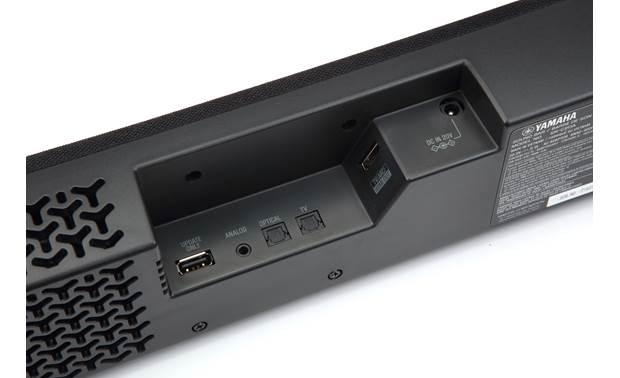
The Yamaha SR-C20A keeps things simpler with HDMI ARC (the older standard), optical inputs, and Bluetooth 5.0 for wireless music streaming. While this covers the basics, you're limited to compressed audio formats and simpler setup options. The trade-off is immediate compatibility and zero network configuration headaches.
For dedicated movie watching, the JBL Bar 1000 transforms your living room into something approaching a commercial cinema. The detachable rear speakers are the secret weapon here—they create genuine surround envelopment that virtual processing simply cannot match. When placed behind your seating position, these speakers handle ambient effects, rear-channel music, and the subtle audio cues that make movie soundtracks truly immersive.
The room calibration feature uses built-in microphones to analyze your space's acoustics and automatically adjust the speaker settings. This is crucial because every room has different characteristics—hardwood floors, carpet, furniture placement, and ceiling height all affect how sound behaves. The JBL essentially custom-tunes itself to your specific environment.
For gaming, the JBL's low-latency processing and precise sound positioning provide competitive advantages in titles where audio cues matter. You can literally hear enemies approaching from specific directions, giving you spatial awareness that standard TV audio can't provide.
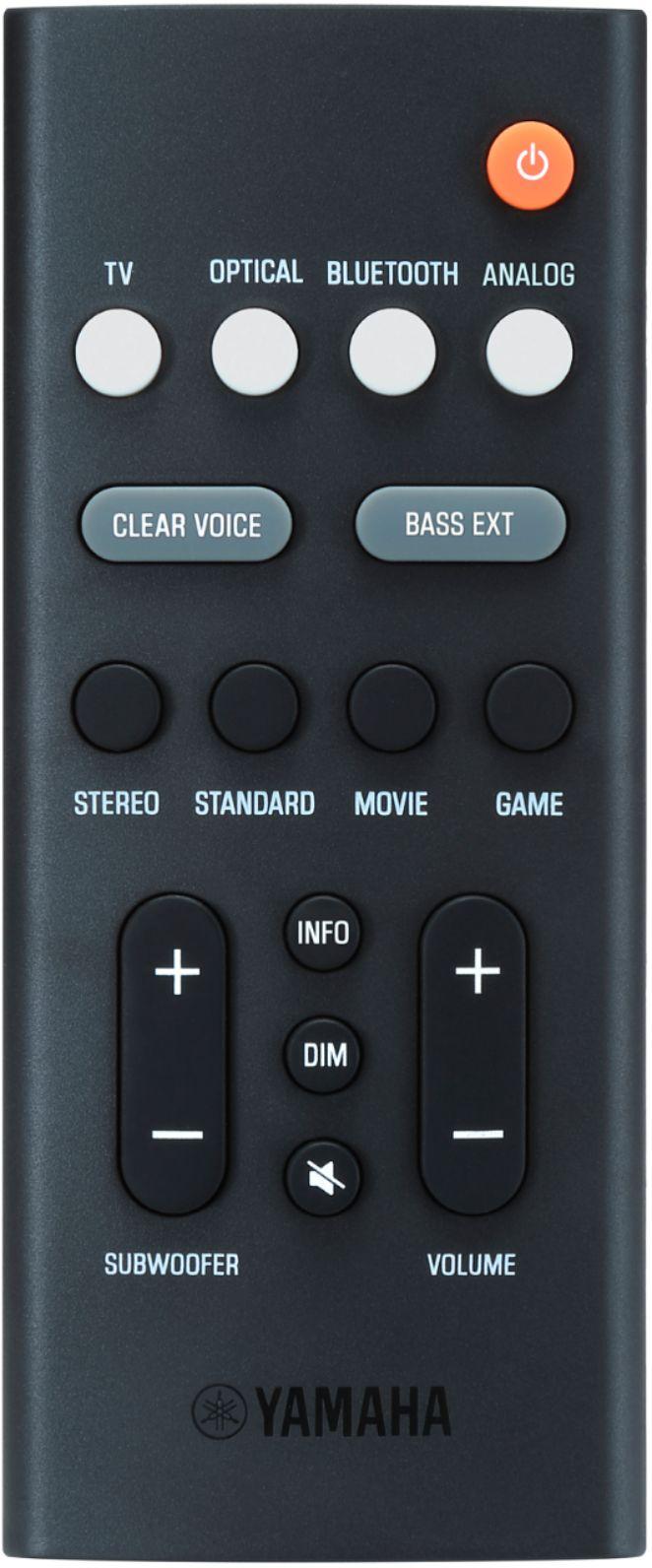
The Yamaha SR-C20A excels at the daily grind of television consumption. Its Clear Voice mode is particularly effective for news, talk shows, and drama series where dialogue clarity is paramount. The processing specifically enhances the frequency range of human speech without making everything else sound unnatural.
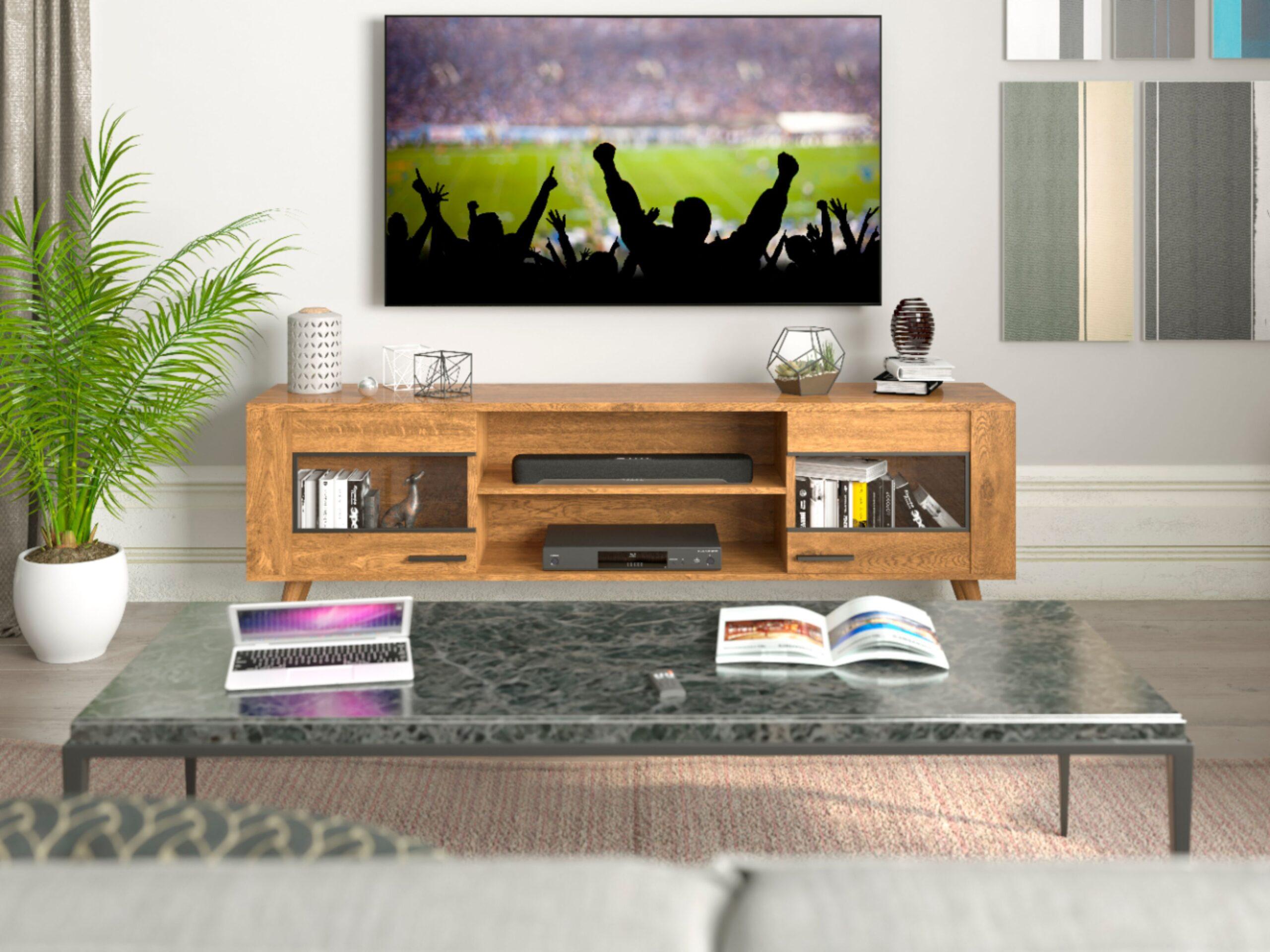
The compact design means it won't dominate your entertainment center or require furniture rearrangement. Its four sound modes (Stereo, Standard, Movie, Game) provide quick optimization for different content types, though the differences are subtle compared to the JBL's more dramatic processing capabilities.
At $699 on sale (originally $1,200), the JBL Bar 1000 commands premium pricing that needs justification. You're essentially paying for five separate audio components: the main soundbar, two detachable surround speakers, a substantial subwoofer, and sophisticated processing hardware. When you break down the cost per component and compare it to buying separate speakers, the value proposition becomes clearer.
The detachable rear speakers double as portable Bluetooth speakers for outdoor use or other rooms—a clever bit of additional functionality that adds value beyond home theater use. The comprehensive streaming capabilities mean you might not need a separate music streamer or smart speaker in your main room.
The Yamaha SR-C20A at $180 represents exceptional value for basic TV audio improvement. You're getting the Yamaha brand's reputation for reliable engineering, built-in subwoofer capability that would cost extra with other brands, and immediate compatibility with virtually any TV. The price-to-performance ratio is hard to beat in this category.
The JBL Bar 1000 includes several forward-thinking features that extend its useful life. The JBL One app provides ongoing firmware updates that can add new features and improve performance over time. The comprehensive HDMI and streaming support means it'll remain compatible with future TV and device technologies.
The PureVoice dialogue enhancement uses more sophisticated processing than simple frequency boosting. It analyzes the audio stream in real-time and applies dynamic adjustments to maintain speech clarity even during complex soundtracks with competing elements.
The Yamaha SR-C20A focuses on tried-and-true technologies executed well rather than cutting-edge features. This approach has advantages—fewer things to go wrong, simpler troubleshooting, and reliable performance—but it also means limited upgrade potential as technology evolves.
The decision ultimately comes down to matching the product to your specific needs and expectations. If you have a dedicated home theater room or large living space where you regularly watch movies and play games, the JBL Bar 1000 will provide an experience that justifies its premium price. The true surround sound capability and room-filling power create an emotional connection to content that basic audio enhancement simply cannot match.
For smaller spaces, casual viewing habits, or budget-conscious buyers who primarily want better dialogue clarity and some bass response, the Yamaha SR-C20A delivers exactly what's needed without unnecessary complexity or cost.
Consider your room size carefully—the JBL needs space to breathe and proper rear speaker placement to reach its potential. In a small apartment or bedroom, its capabilities might be wasted and even overwhelming. The Yamaha's compact design and focused feature set make it ideal for these more intimate spaces.
The JBL Bar 1000 is an investment in long-term audio satisfaction and future compatibility. The Yamaha SR-C20A is a practical solution to an immediate problem. Both approaches have merit—the key is honest assessment of your priorities, space, and how you actually use your TV audio system.
In the end, either choice will dramatically improve your TV audio experience compared to built-in speakers. The question is whether you want good audio enhancement or a complete home theater transformation.
| JBL Bar 1000 | Yamaha SR-C20A |
|---|---|
| Price - Initial investment and value proposition | |
| $699 (on sale from $1,200) - Premium pricing for complete home theater system | $180 - Budget-friendly for basic TV audio improvement |
| Audio Channels - Determines surround sound capability and immersion | |
| 7.1.4 true Dolby Atmos with physical rear speakers and height channels | 2.1 virtual surround with built-in subwoofer |
| Total Power Output - Affects maximum volume and room-filling capability | |
| 880W total system power (440W soundbar, 300W subwoofer, 140W rear speakers) | 100W total (60W subwoofer, 40W front channels) |
| Subwoofer - Critical for bass response and movie/music impact | |
| 10" wireless subwoofer (300W, extends to 33Hz) - Theater-quality bass | Built-in 3" subwoofer with passive radiators - Surprising bass for size |
| Connectivity - Future-proofing and device compatibility | |
| HDMI eARC, 3 HDMI inputs, Wi-Fi, AirPlay 2, Chromecast, Alexa MRM | HDMI ARC, optical, aux inputs, Bluetooth 5.0 - Basic but reliable |
| Setup Complexity - Time and effort required for optimal performance | |
| Multi-component system with room calibration and rear speaker placement | Single unit, plug-and-play with wall mounting option |
| Dimensions - Space requirements and room compatibility | |
| Main bar: 48" wide plus separate subwoofer and rear speakers | Compact: 23.5" wide x 2.5" tall, single unit design |
| Streaming Services - Built-in music and content access | |
| 300+ services via Wi-Fi (Spotify, Apple Music, etc.) with voice control | Bluetooth streaming only from paired devices |
| Dialogue Enhancement - Speech clarity for TV and movies | |
| PureVoice AI technology with dynamic real-time optimization | Clear Voice mode with manual frequency boosting |
| Room Size Suitability - Optimal performance space requirements | |
| Large rooms (300+ sq ft) - Power and separation shine in bigger spaces | Small to medium rooms - Perfect for apartments and bedrooms |
| Special Features - Unique capabilities that add value | |
| Detachable rear speakers work as portable Bluetooth speakers | Four preset sound modes and bass extension processing |
The JBL Bar 1000 is significantly better for movies with its true 7.1.4 Dolby Atmos system, detachable rear speakers, and 10" subwoofer that creates genuine surround sound. The Yamaha SR-C20A offers virtual surround processing that improves TV audio but can't match the immersive cinema experience of physical surround speakers.
The JBL Bar 1000 costs $699 (on sale from $1,200), while the Yamaha SR-C20A typically costs around $180. The JBL is nearly 4 times more expensive but offers a complete home theater system versus the Yamaha's basic TV audio enhancement.
The Yamaha SR-C20A is much easier to set up as a single compact unit that simply connects to your TV via HDMI, optical, or Bluetooth. The JBL Bar 1000 requires positioning multiple components including a wireless subwoofer and detachable rear speakers, though it includes automatic room calibration.
Only the JBL Bar 1000 supports true Dolby Atmos with four up-firing drivers and height channels for 3D audio effects. The Yamaha SR-C20A uses virtual surround processing to simulate wider sound but doesn't support actual Dolby Atmos or DTS:X formats.
The JBL Bar 1000 has significantly better bass with its dedicated 10" wireless subwoofer (300W) that extends down to 33Hz. The Yamaha SR-C20A includes a built-in 3" subwoofer with passive radiators that provides surprising bass for its compact size but can't match the depth and impact of the larger JBL system.
The JBL Bar 1000 delivers 880W total system power across all components, while the Yamaha SR-C20A provides 100W total power. This 8x power difference translates to much higher maximum volume and better performance in large rooms with the JBL system.
The Yamaha SR-C20A is ideal for small rooms, apartments, and bedrooms with its compact 23.5" design and appropriate power levels. The JBL Bar 1000 may be overkill for small spaces and works best in rooms 300+ square feet where its surround speakers can be properly positioned.
The JBL Bar 1000 offers comprehensive streaming with built-in Wi-Fi, supporting 300+ services through AirPlay 2, Chromecast, and Alexa integration. The Yamaha SR-C20A only supports basic Bluetooth streaming from your paired devices, requiring your phone or tablet as the source.
Only the JBL Bar 1000 features detachable battery-powered rear speakers that can operate wirelessly for up to 10 hours and also function as portable Bluetooth speakers. The Yamaha SR-C20A is a single integrated unit with no detachable components.
The JBL Bar 1000 includes HDMI eARC, three HDMI inputs with 4K passthrough, Wi-Fi, and multiple wireless protocols. The Yamaha SR-C20A offers HDMI ARC, optical input, aux input, and Bluetooth 5.0 - covering the essential connections but without advanced features.
Both soundbars enhance dialogue clarity, but through different approaches. The JBL Bar 1000 uses PureVoice AI technology with dynamic real-time optimization, while the Yamaha SR-C20A offers a manual Clear Voice mode that specifically boosts speech frequencies. The Yamaha's focused approach works well for TV and news content.
For serious home theater use, choose the JBL Bar 1000 if you have the budget and room space for its true surround sound capabilities and powerful bass. The Yamaha SR-C20A is better suited for casual TV watching and smaller spaces where you primarily want better dialogue and some bass improvement over built-in TV speakers.
We've done our best to create useful and informative comparisons to help you decide what product to buy. Our research uses advanced automated methods to create this comparison and perfection is not possible - please contact us for corrections or questions. These are the sites we've researched in the creation of this article: zdnet.com - jbl.com - jbl.com - pcrichard.com - rtings.com - d21buns5ku92am.cloudfront.net - ro.harmanaudio.com - target.com - harmanaudio.com - dell.com - mm.jbl.com - dolby.com - jbl.com.my - videoandaudiocenter.com - t3.com - usa.yamaha.com - radiotimes.com - shop.usa.yamaha.com - whathifi.com - hifiheaven.net - usa.yamaha.com - sweetwater.com - hub.yamaha.com - bestbuy.com

Privacy Policy
Terms and Conditions - Affiliate Policy
Home Security
© Copyright 2008-2026.
11816 Inwood Rd #1211, Dallas, TX 75244