


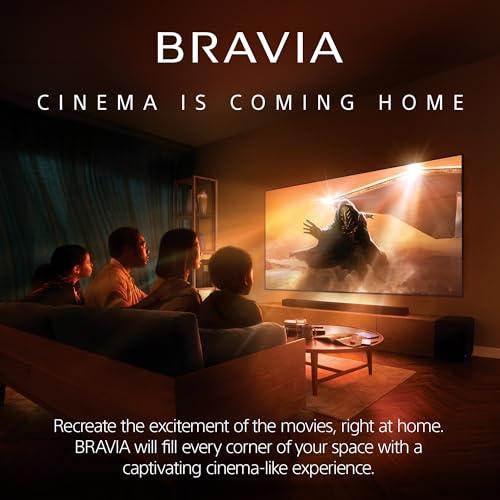






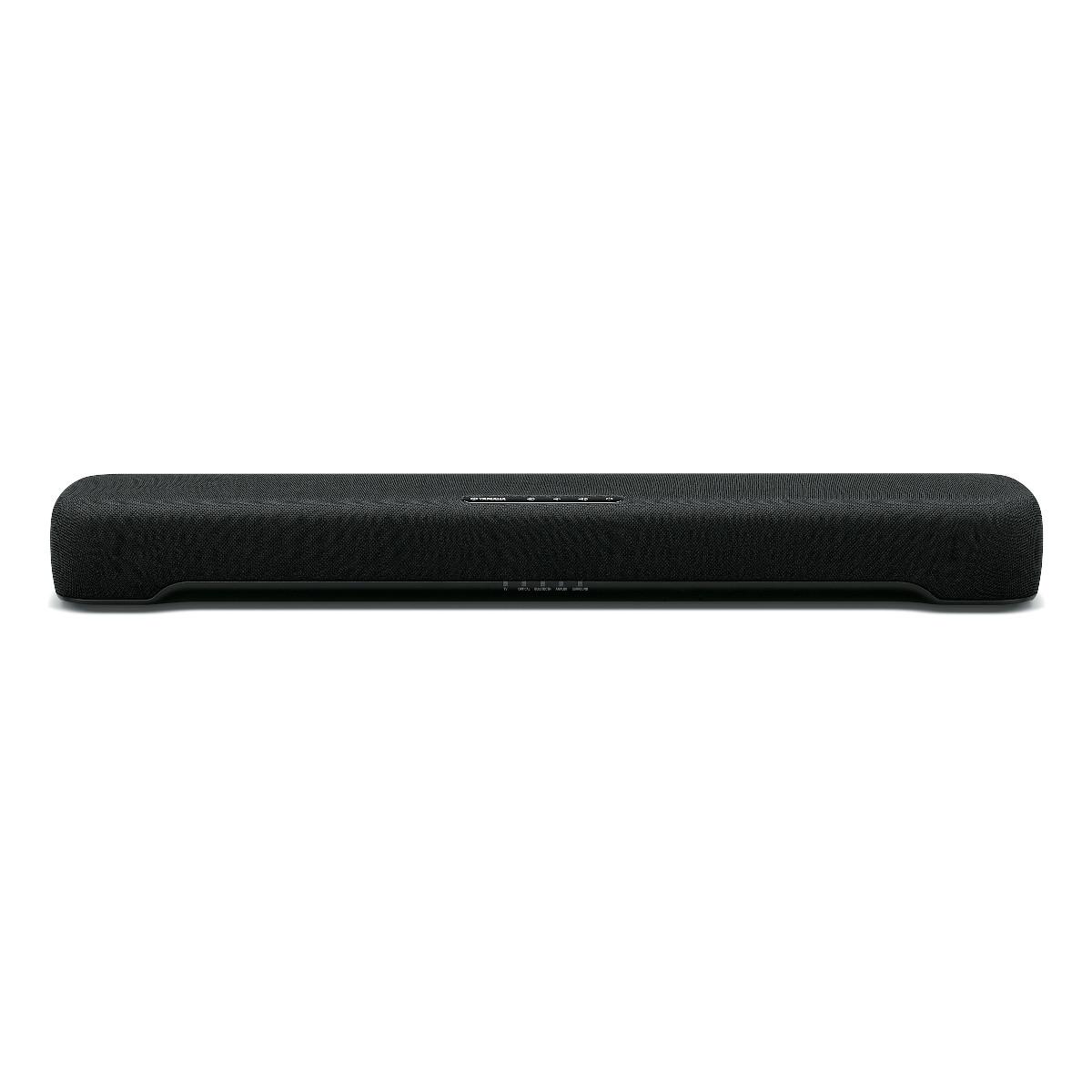
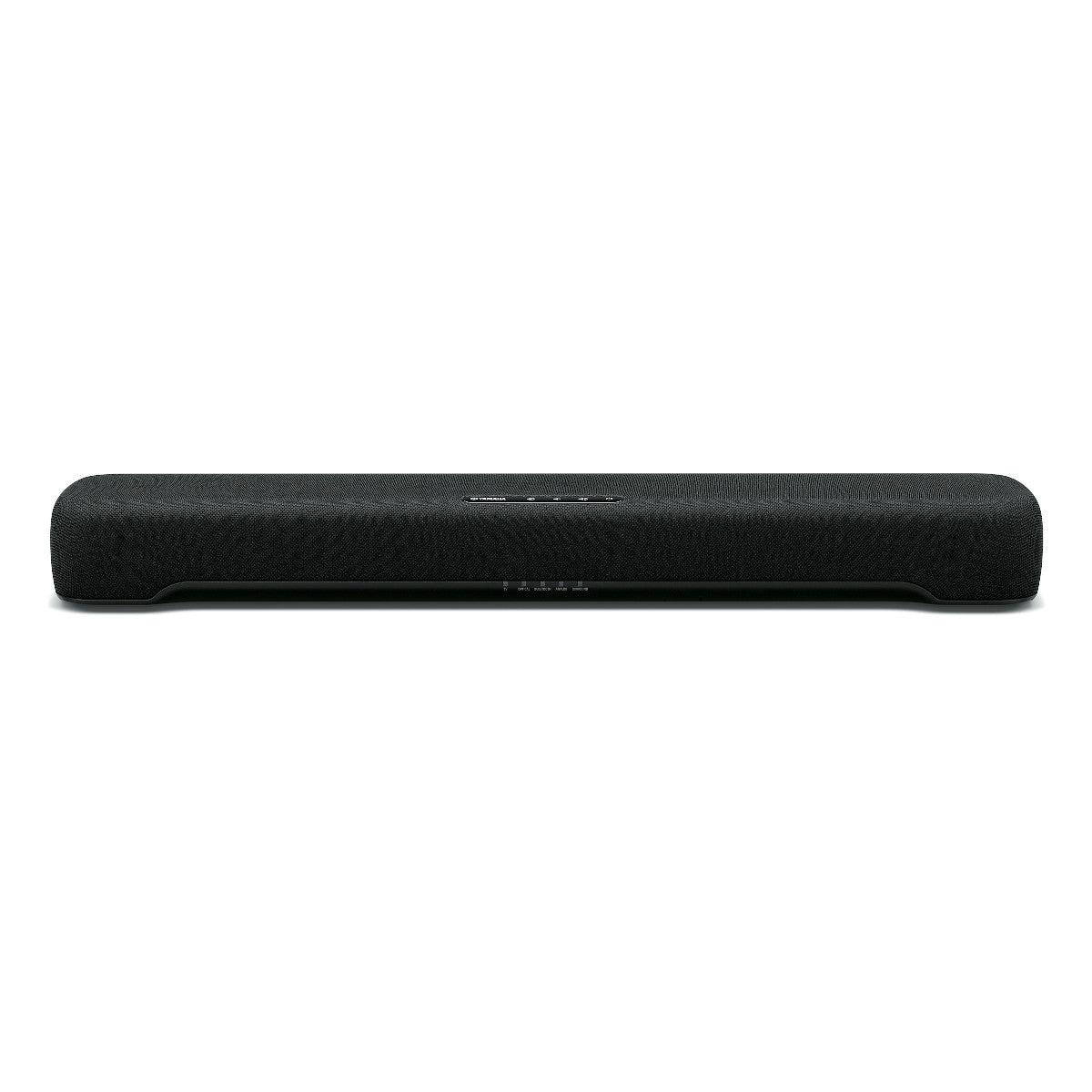
When your TV's built-in speakers just aren't cutting it anymore, a soundbar can transform your viewing experience. But with dozens of options across different price ranges, finding the right one can feel overwhelming. Today, I'm comparing two popular choices that represent very different approaches to the same problem: the Sony BRAVIA Theater Bar 6 and the Yamaha SR-C20A.
These soundbars couldn't be more different in their design philosophy. The Sony BRAVIA Theater Bar 6 is a full-featured system with a separate wireless subwoofer, while the Yamaha SR-C20A packs everything into a compact all-in-one unit. Understanding which approach works better for your situation requires diving into what makes each tick.
Before we get into the nitty-gritty comparison, let's talk about what soundbars are trying to accomplish. Your TV's speakers face backward or downward, often producing thin, weak sound that gets lost in your room. Soundbars solve this by pointing speakers directly at you and spreading them across a wider area to create what's called a "soundstage" – basically making it seem like sound is coming from different places rather than just one tiny point.
The key differences between soundbars come down to a few major factors: how many separate audio channels they can handle, how much power they put out, what audio formats they support, and how much space they need in your room. Channel configuration is probably the most important – it tells you how many distinct audio streams the soundbar can play simultaneously.
When we talk about "3.1.2" versus "2.1" channels, those numbers represent specific things. The first number is left and right front channels, the second is center channels (usually for dialogue), and the third is height channels for overhead effects. So a 3.1.2 system like the Sony BRAVIA Theater Bar 6 can play five completely separate audio streams at once, while a 2.1 system like the Yamaha SR-C20A handles three.
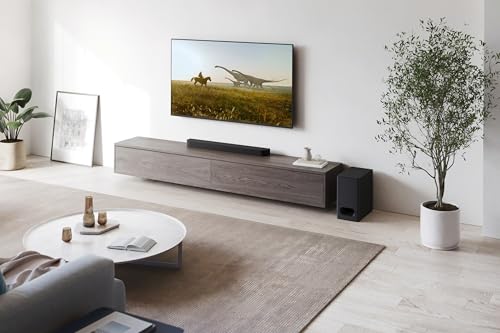
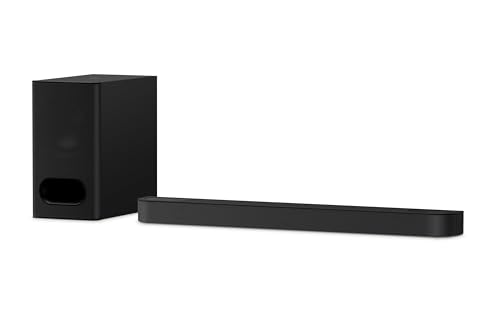
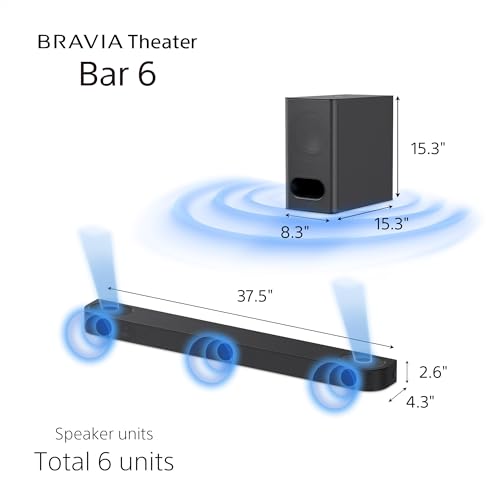
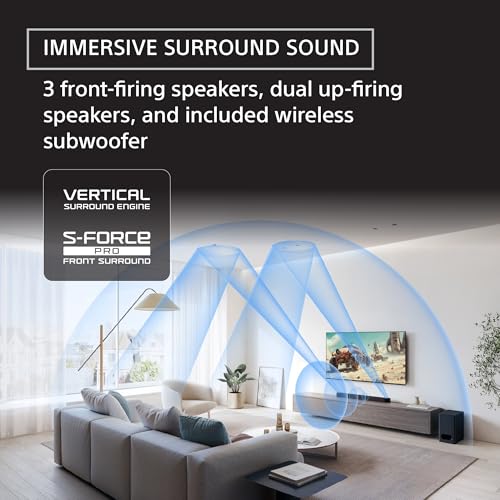
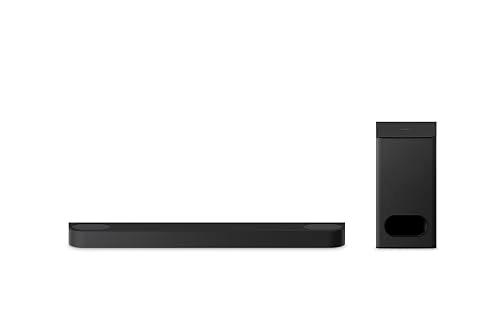
Released in 2024, the Sony BRAVIA Theater Bar 6 represents Sony's attempt to bring genuine home theater audio to people who don't want the complexity of separate speakers everywhere. At its core, this is a 3.1.2 channel system, meaning it has dedicated left, center, and right speakers in the main bar, plus two upward-firing drivers for height effects, all supported by a wireless subwoofer.
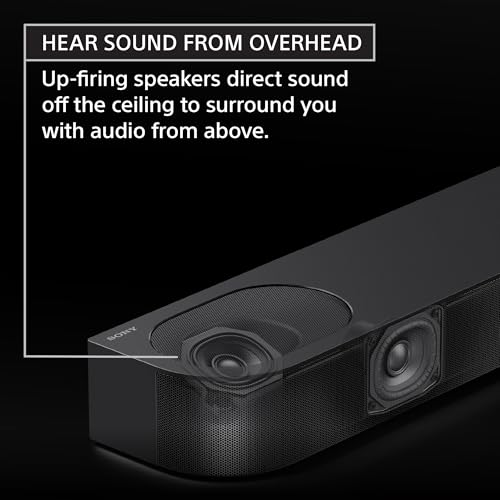
The "upward-firing" concept is worth understanding because it's central to how modern soundbars create immersive audio. These speakers literally point toward your ceiling and bounce sound waves down to create the illusion that audio is coming from overhead. It's clever engineering, though it works better in some rooms than others – you need a relatively flat ceiling at the right height for optimal reflection.
Sony equipped this system with their X-Balanced drivers, which are rectangular instead of the typical circular shape. This isn't just a design quirk – rectangular drivers can move more air because they have more surface area, theoretically producing clearer sound with more power. The dedicated center channel handles dialogue, which is crucial since most of what you hear in movies and TV shows comes through the center channel.
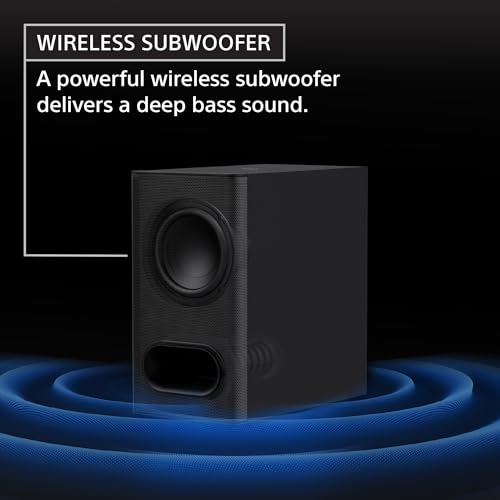
The wireless subwoofer is substantial, featuring a 6-inch driver in a front-ported cabinet. "Front-ported" means the bass port faces forward rather than backward, which gives you more flexibility in placement since you don't need to worry about wall proximity affecting the bass response. This subwoofer can hit frequencies as low as 20Hz – that's the range where you feel bass as much as hear it.
What sets the Sony BRAVIA Theater Bar 6 apart is its support for object-based audio formats like Dolby Atmos and DTS:X. Traditional surround sound sends audio to specific channels, but object-based formats treat sounds as independent objects that can be placed anywhere in 3D space. Your system then figures out how to reproduce that positioning with the speakers it has available.
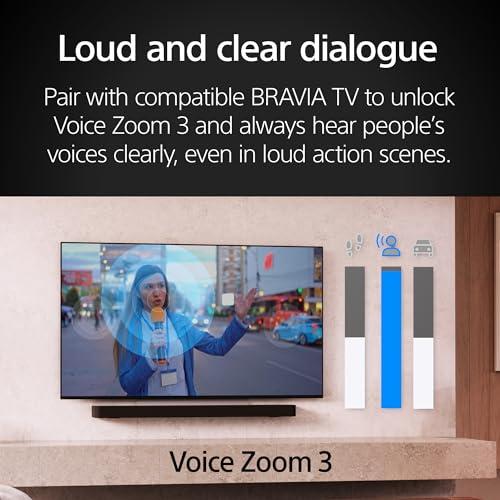
Sony's integration features really shine if you own one of their BRAVIA TVs. The BRAVIA Connect app lets you control both devices from your phone, adjust audio settings, and even calibrate the sound for your room by inputting listening distances. Voice Zoom 3.0 is particularly clever – it uses both the TV's built-in speakers and the soundbar together to enhance dialogue clarity through AI processing.
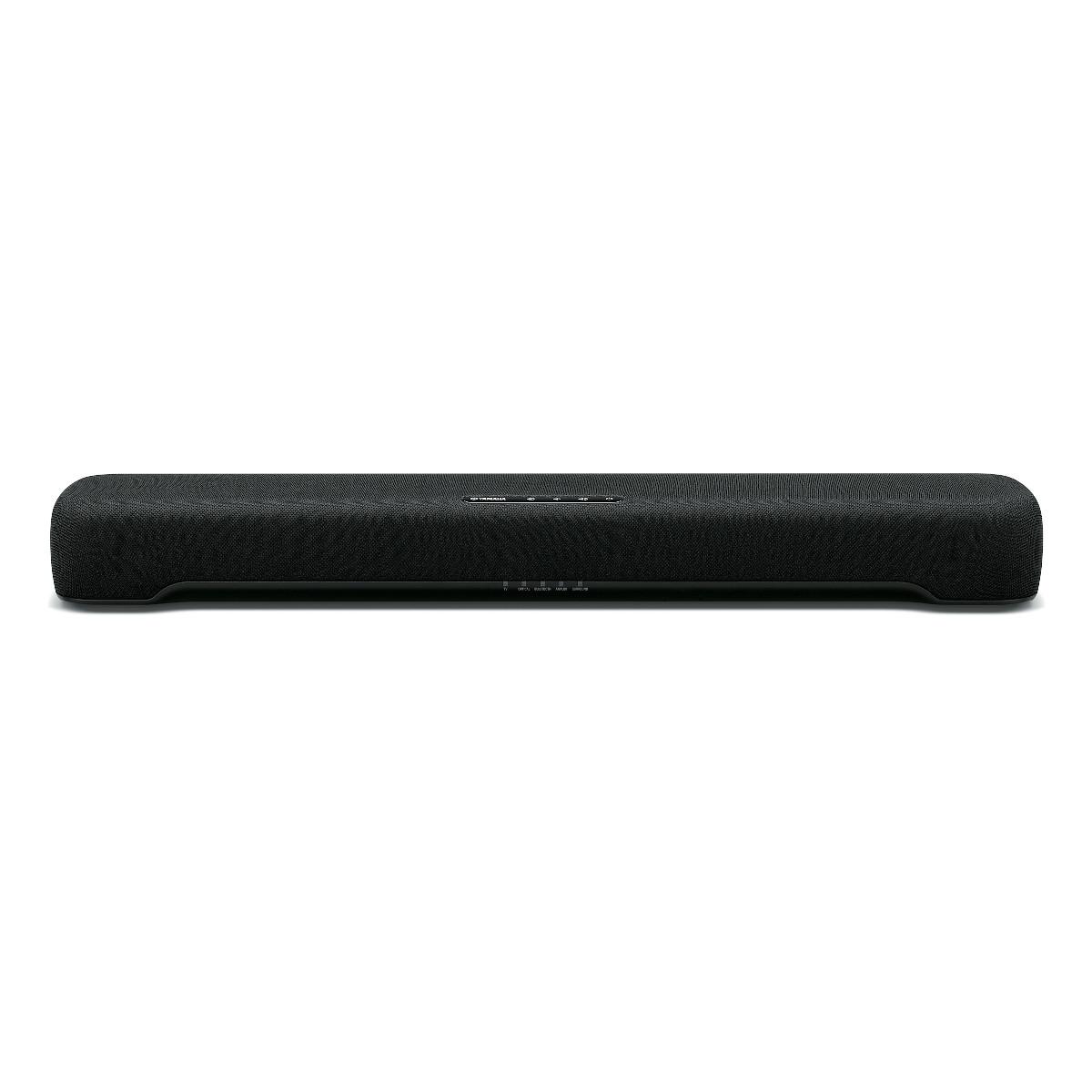
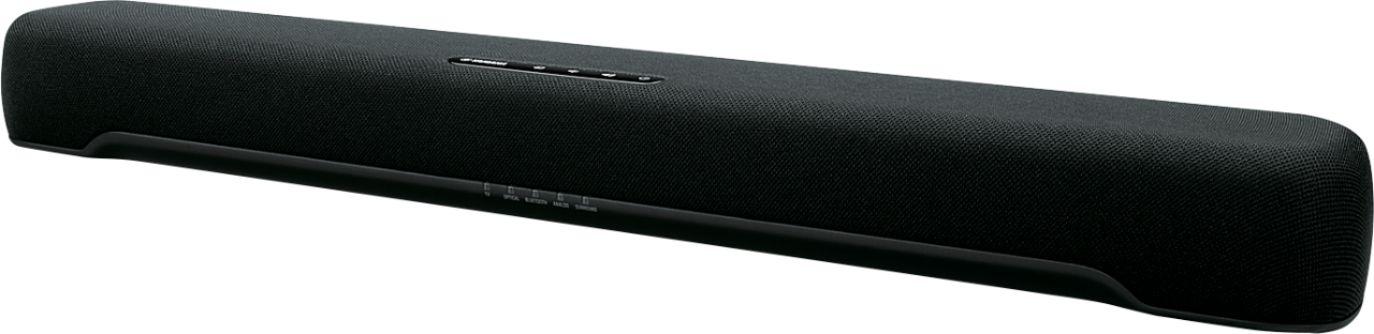
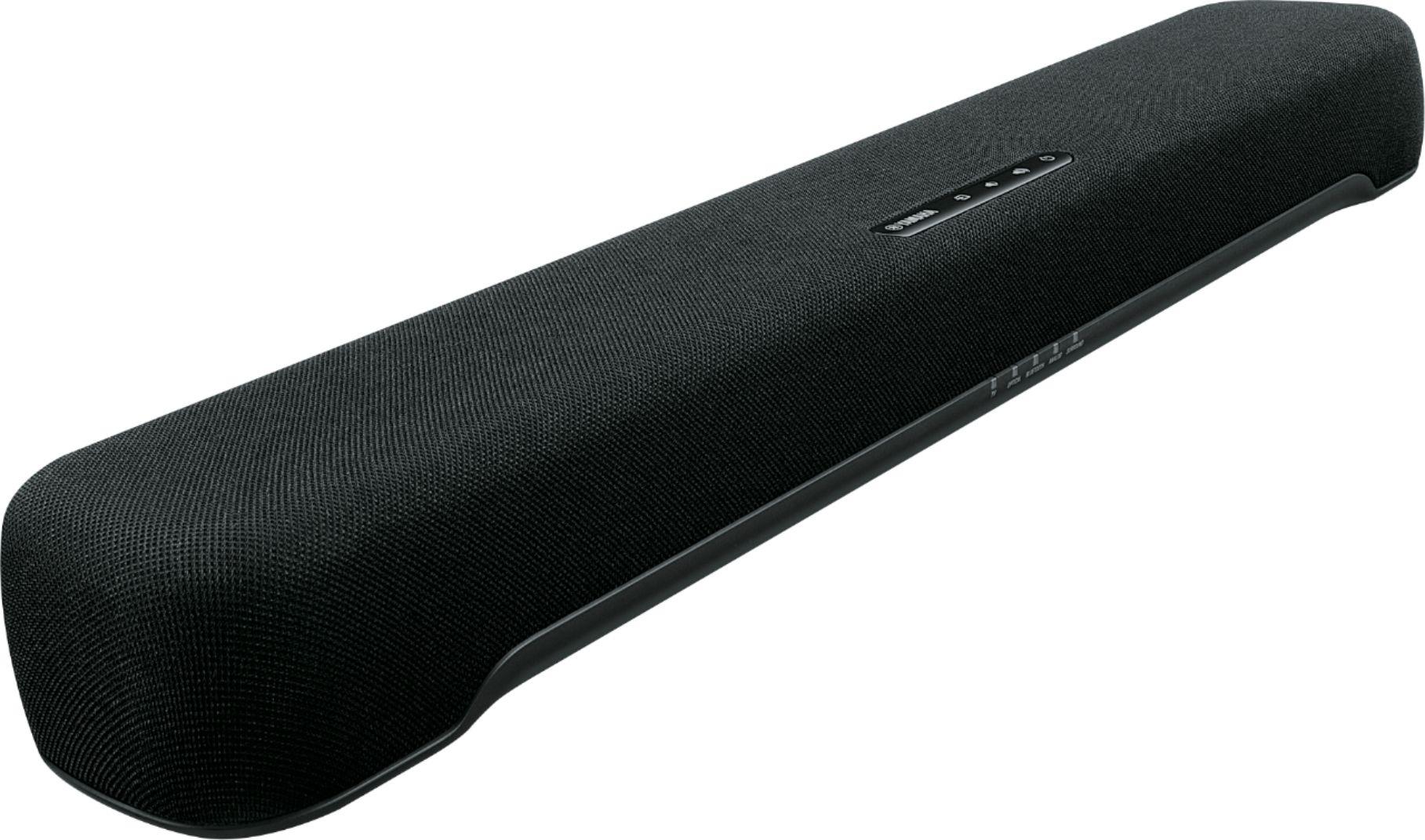
The Yamaha SR-C20A, released in 2020, takes the opposite approach. Instead of trying to replicate a full surround sound system, Yamaha focused on maximizing performance within severe space constraints. At just over 23 inches wide, this soundbar can fit in places where the Sony BRAVIA Theater Bar 6 simply won't work.
The magic here is in the integrated subwoofer design combined with dual passive radiators. A passive radiator looks like a speaker but has no motor – instead, it's moved by air pressure from the active drivers. This lets Yamaha get more bass output without needing a larger cabinet or separate subwoofer. It's an elegant solution that maximizes bass response per cubic inch.
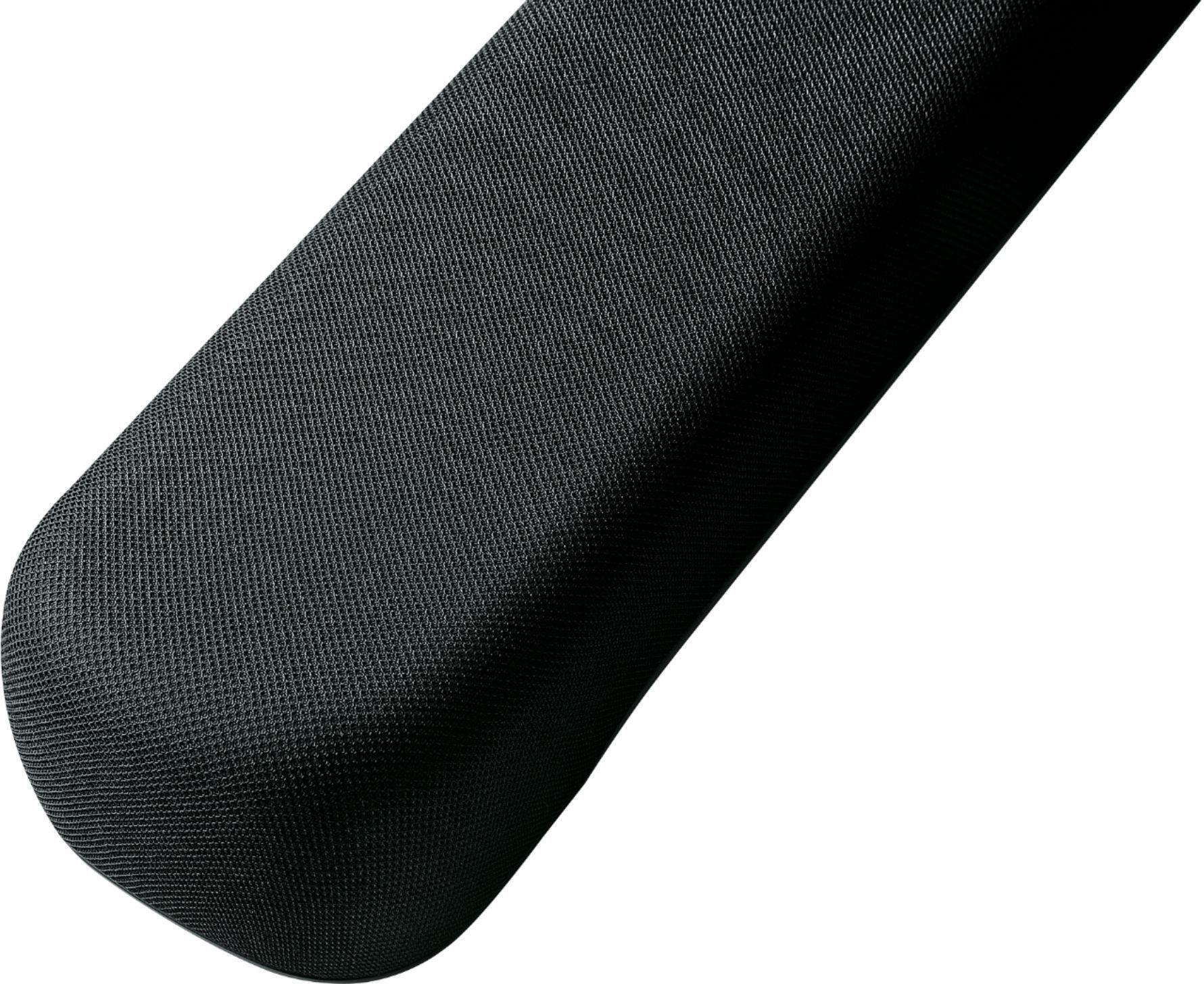
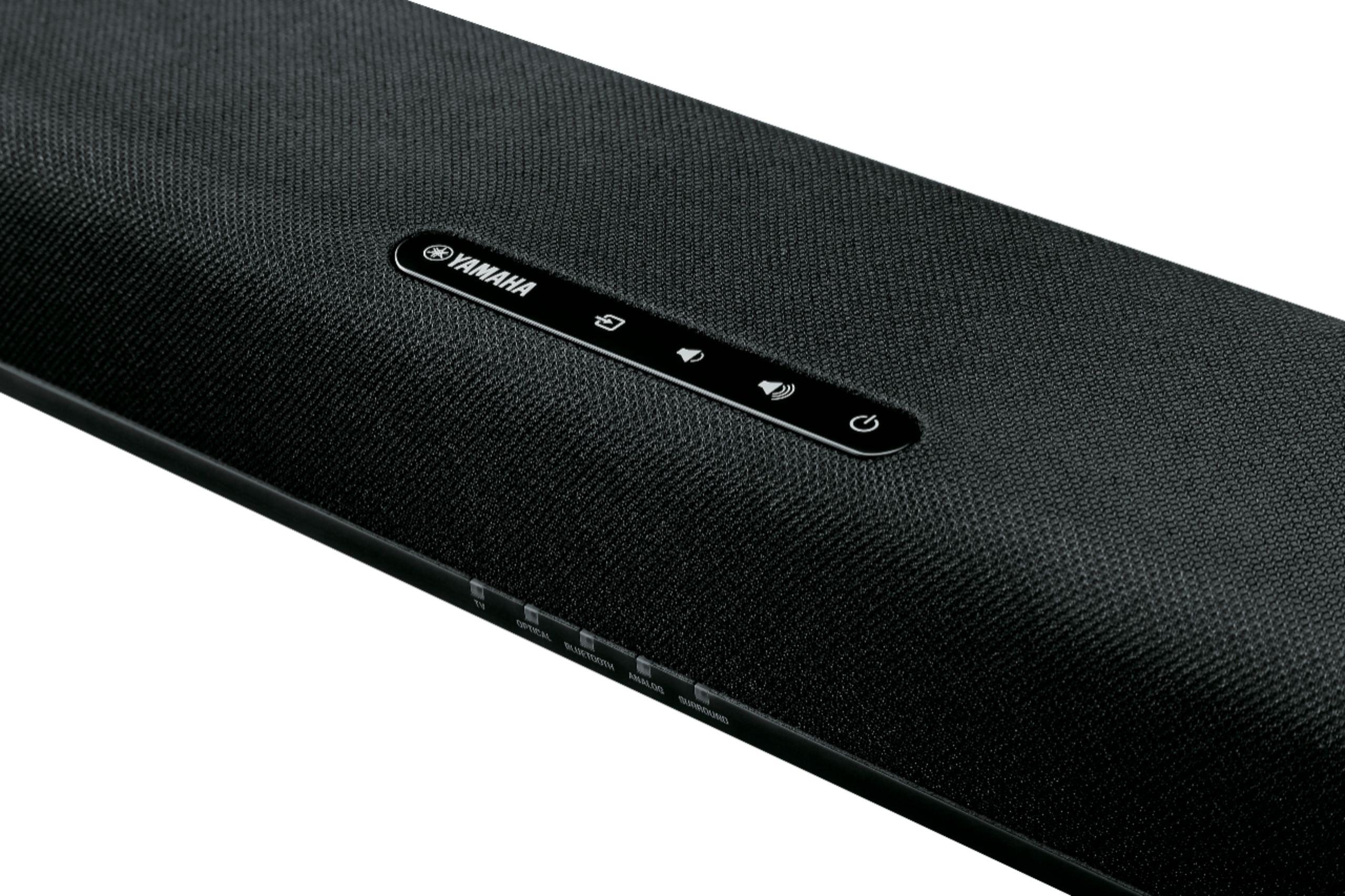
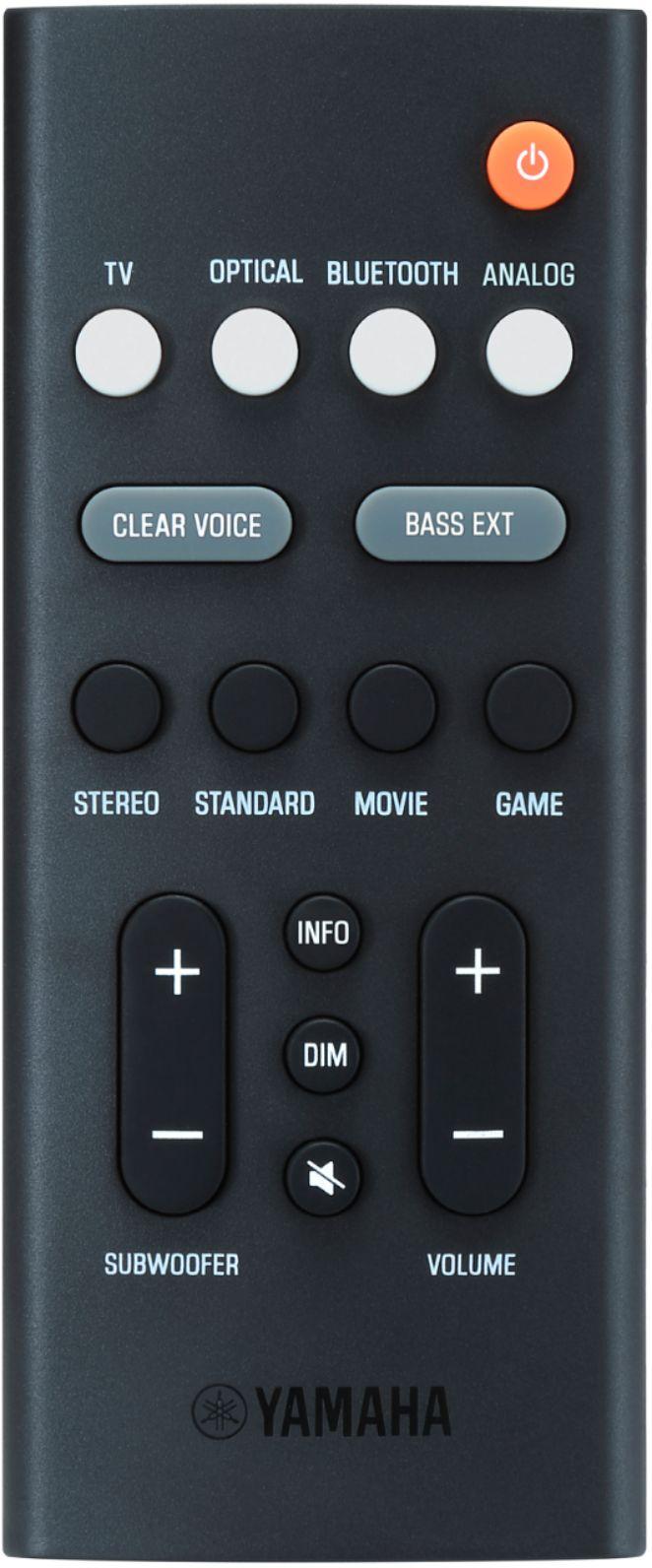
Yamaha's Virtual Surround Technology uses digital signal processing to create the illusion of surround sound from just the left and right channels. While it can't match the precision of discrete channels, it does create a noticeably wider soundstage than your TV's built-in speakers. The Clear Voice feature specifically enhances dialogue frequencies, making conversations more intelligible even when background music or effects are playing.
The Yamaha SR-C20A includes four sound modes: Stereo for music, Standard for general TV watching, Game mode for interactive content, and Movie mode for cinematic experiences. Each mode adjusts the frequency response and processing to optimize for different content types. The Bass Extension feature can add extra low-frequency emphasis when you want more impact from action scenes.
The power difference between these systems is dramatic and has real-world implications. The Sony BRAVIA Theater Bar 6 delivers 350 watts total system power, while the Yamaha SR-C20A produces 100 watts. This isn't just about volume – higher power means better dynamic range, which is the difference between the quietest and loudest sounds the system can reproduce simultaneously.
In practice, this translates to the Sony handling complex audio passages much better. During an action sequence with explosions, dialogue, and musical score all happening at once, the Sony has the headroom to reproduce all those elements clearly without compression or distortion. The Yamaha will handle the same content, but you might notice dialogue getting masked during particularly intense moments, or bass becoming less defined when multiple low-frequency effects are playing.
The bass difference is even more pronounced. The Sony's separate 6-inch subwoofer moves significantly more air than the Yamaha's integrated 3-inch driver, even with the passive radiators helping. Professional reviews consistently note that the Sony's default bass setting is actually too strong and needs to be turned down, while the Yamaha delivers "surprising bass for its size" but can't match the physical impact of a dedicated subwoofer.
However, bass quality isn't just about quantity. The Sony's larger, more powerful subwoofer can sometimes feel sluggish during fast, complex bass passages – it has the power but not always the agility. The Yamaha's integrated approach maintains better coherence between the bass and main speakers, since they're all in the same cabinet and designed as a unified system.
This is where the fundamental differences in approach become most apparent. The Sony BRAVIA Theater Bar 6 with its 3.1.2 configuration can create genuine surround effects through its discrete channels and upward-firing drivers. When you're watching a helicopter scene in a movie, you'll hear the rotor noise moving across the front soundstage and sense height as it passes overhead.
The upward-firing drivers work by bouncing sound off your ceiling, and their effectiveness depends heavily on your room. Flat, reflective ceilings at 8-10 feet work best. If you have vaulted ceilings, textured surfaces, or ceiling fans, the height effects will be less convincing. But in ideal conditions, the height channels do add a noticeable sense of vertical space that makes movie soundtracks more immersive.
The Yamaha SR-C20A creates its surround effects entirely through digital processing. Yamaha's Virtual Surround Technology analyzes the incoming audio and uses psychoacoustic principles – basically tricks your brain uses to determine where sounds are coming from – to create the illusion of width and depth. It's surprisingly effective at making dialogue seem to come from the center of your TV screen and creating a wider overall soundstage.
However, there's no substitute for discrete channels when it comes to precise surround effects. The Sony can place specific sounds in specific locations, while the Yamaha creates a general sense of spaciousness without the precision of true multi-channel audio.
For most people, dialogue clarity is the primary reason for buying a soundbar. TV dialogue has gotten notoriously difficult to understand in recent years due to modern mixing techniques that prioritize theatrical presentations over home viewing.
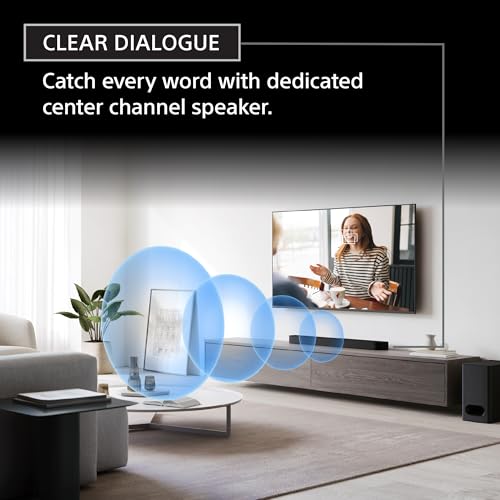
The Sony BRAVIA Theater Bar 6 addresses this with a dedicated center channel specifically for dialogue reproduction. This is huge – in a proper surround mix, virtually all dialogue comes through the center channel, so having a dedicated driver for this frequency range means voices won't compete with music or effects for the same speaker resources.
Sony enhances this with their Clear Voice algorithms and Voice Mode, which apply additional processing to boost dialogue frequencies and reduce competing background noise. For Sony TV owners, Voice Zoom 3.0 takes this further by combining the TV's built-in speakers with the soundbar to create an even more focused center channel.
The Yamaha SR-C20A handles dialogue through its Clear Voice processing, which analyzes the incoming audio and boosts frequencies where human speech typically occurs. Reviews consistently praise how effective this is – the "Standard" mode is particularly good at making dialogue more intelligible without making the overall sound feel artificial or processed.
Interestingly, both approaches work well, but in different ways. The Sony's hardware solution (dedicated center channel) provides more precise control and works with any content, while the Yamaha's software solution is more dependent on the processing algorithms correctly identifying dialogue in the mix.
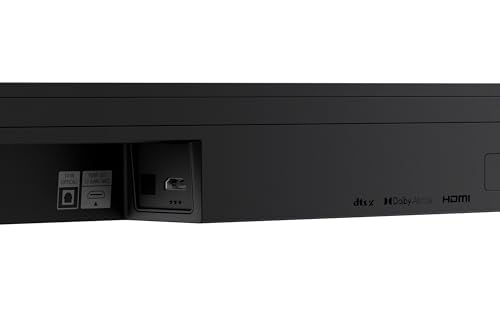
Both soundbars reflect different eras of connectivity expectations. The Sony BRAVIA Theater Bar 6, being newer, focuses heavily on HDMI eARC (enhanced Audio Return Channel) connectivity, which allows high-bandwidth audio formats to pass from your TV to the soundbar through a single cable. However, Sony made the controversial decision to eliminate HDMI passthrough, meaning you can't connect devices directly to the soundbar.
This creates practical complications. If you're a gamer with multiple consoles, or someone with several streaming devices, everything has to connect to your TV first. This can create compatibility issues, especially with older TVs that have limited HDMI ports or don't support all the latest audio formats.
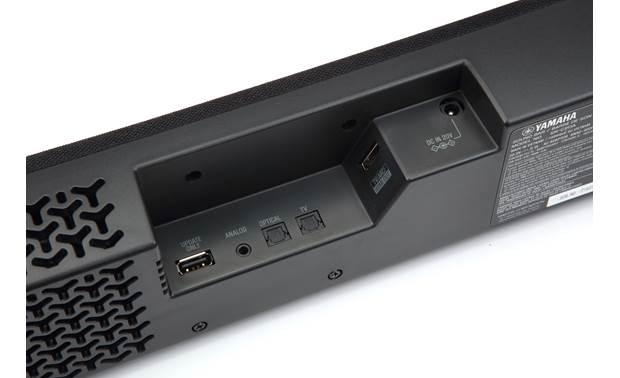
The Yamaha SR-C20A offers more traditional connectivity with two optical inputs plus analog audio input alongside its HDMI ARC connection. This flexibility is valuable – you can connect devices directly to the soundbar if needed, which is especially useful for older equipment or in situations where your TV's audio processing is limiting performance.
Both systems support Bluetooth audio streaming, but neither offers Wi-Fi connectivity or integration with streaming services like Spotify Connect. This feels increasingly dated in 2024, especially at the Sony's higher price point where you might expect more advanced wireless features.
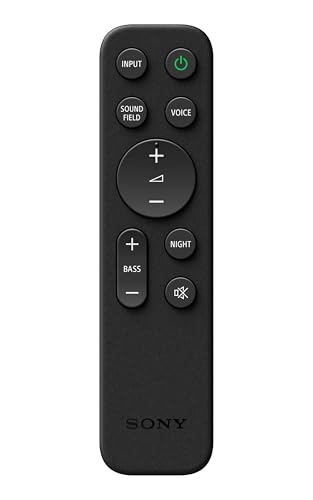
The Sony's integration with BRAVIA TVs is genuinely impressive if you're in that ecosystem. BRAVIA SYNC lets you control the soundbar with your TV remote, and the unified app experience makes setup and adjustment much more streamlined. But if you don't own a Sony TV, most of these integration features become irrelevant.
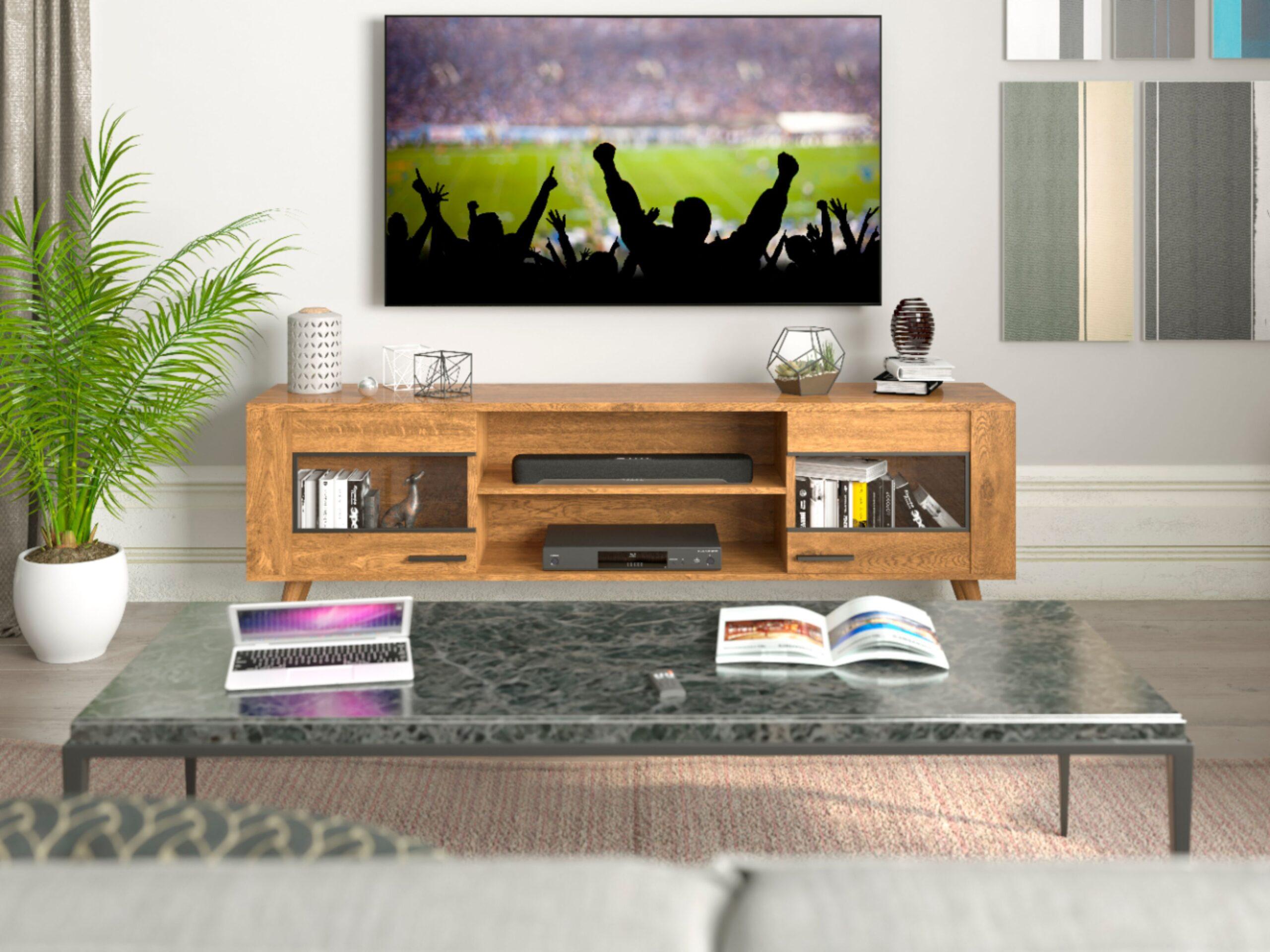
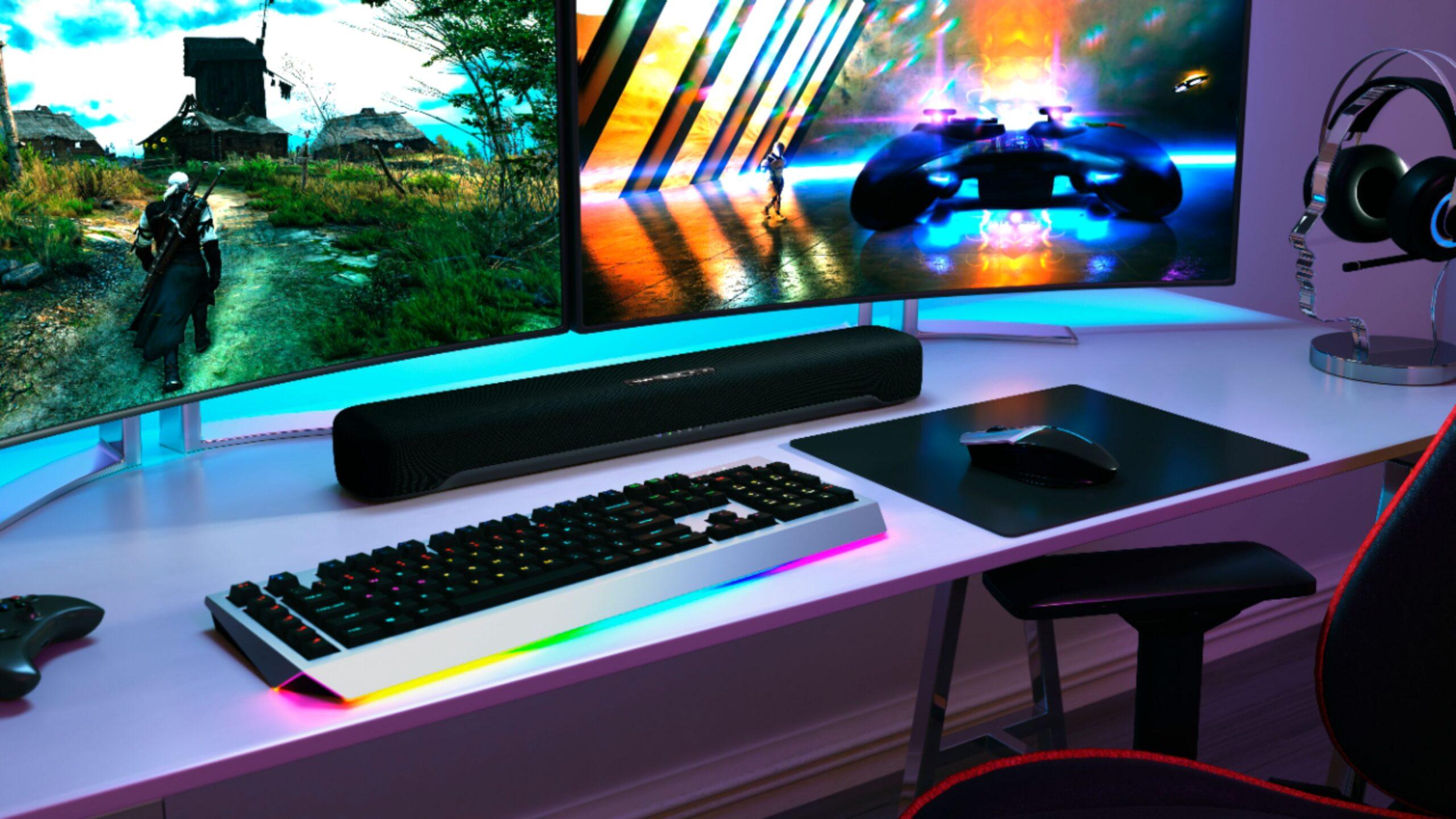
Space considerations often determine which soundbar works better in your specific situation. The Yamaha SR-C20A was clearly designed for situations where space is at a premium. At 23.5 inches wide, it fits comfortably in front of smaller TVs and can work on desktops, narrow TV stands, or mounted on walls with minimal visual impact.
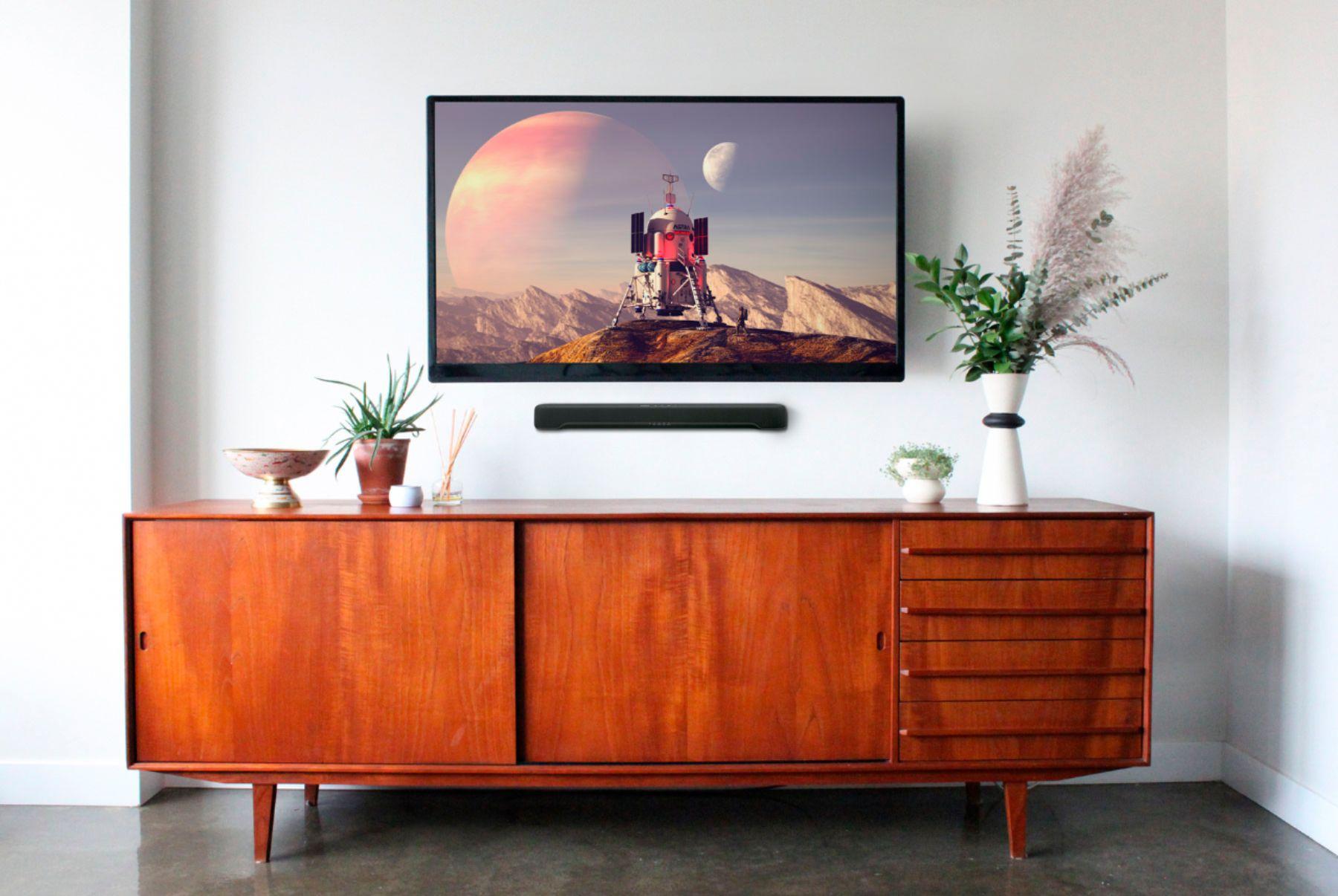
The built-in keyhole mounting system is particularly thoughtful – you can hang it on wall screws without needing a separate mounting bracket. This makes it ideal for bedrooms, offices, or anywhere you want improved audio without the complexity of multiple components.
The Sony BRAVIA Theater Bar 6 requires more planning. The main bar itself is reasonably sized, but you also need to place the wireless subwoofer somewhere in your room. This offers advantages – you can position the subwoofer for optimal bass response regardless of where the main bar sits – but it also means dealing with power cables and finding appropriate placement.
In my experience testing both systems, the Sony's separate subwoofer consistently delivers better bass integration when properly placed, but the Yamaha's all-in-one approach eliminates the common problem of finding a good spot for a subwoofer in already crowded living spaces.
At the time of writing, these soundbars occupy very different price segments, with the Sony BRAVIA Theater Bar 6 costing roughly three times as much as the Yamaha SR-C20A. The question is whether the Sony delivers three times the performance value.
In terms of raw capability, the Sony clearly offers more: higher power output, true multi-channel audio, object-based format support, and better integration features. The separate subwoofer alone represents a significant portion of the value difference – standalone wireless subwoofers often cost as much as the entire Yamaha system.
However, the value equation changes depending on your specific needs. If you have a small room or limited space, the Sony's extra capabilities might not provide proportional benefits. The Yamaha's compact efficiency could deliver 80% of the audio improvement you're looking for at 30% of the cost.
The expandability factor also affects long-term value. Sony offers optional rear speakers that can transform the Theater Bar 6 into a true 5.1.2 surround system, though at additional cost. The Yamaha has no upgrade path – what you buy is what you get.
For dedicated home theater setups, the Sony BRAVIA Theater Bar 6 is clearly the better choice, but with important caveats. The 3.1.2 channel configuration and Dolby Atmos support provide genuine cinematic benefits during movie watching, especially for content specifically mixed for these formats.
However, it's worth tempering expectations about what any soundbar can achieve compared to discrete speakers. Even the Sony's upward-firing height channels can't replicate the precision of actual ceiling-mounted Atmos speakers, and the lack of rear channels means surround effects are still largely virtualized.
In medium to large rooms (15x15 feet or larger), the Sony's higher power output and separate subwoofer become more important. The Yamaha can fill smaller spaces effectively, but larger rooms expose its power limitations. You'll find yourself pushing the volume higher to achieve the same perceived loudness, and dynamic range suffers as the system approaches its limits.
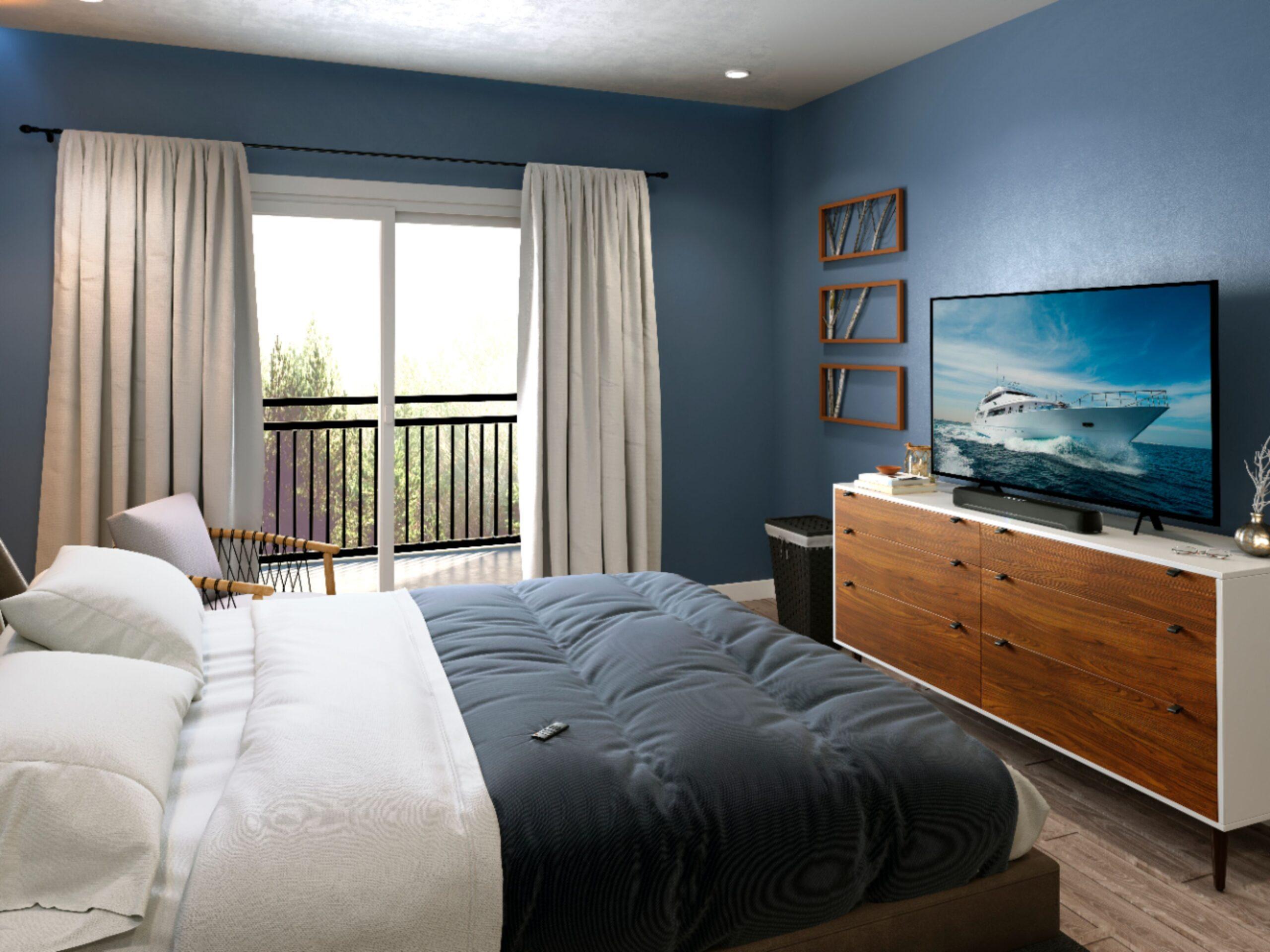
For casual TV watching in family rooms or bedrooms, both systems provide meaningful improvements over TV speakers, but the Yamaha's simpler setup and operation might actually be preferable for many users.
The four-year gap between these products' release dates reflects different eras of soundbar development. The Sony BRAVIA Theater Bar 6, launched in 2024, incorporates lessons learned from the streaming era and the widespread adoption of object-based audio formats. Its HDMI eARC focus and app-centric control reflect current expectations about device integration.
The Yamaha SR-C20A, from 2020, represents the pre-pandemic era when physical connectivity was more important and space efficiency was becoming a primary concern. Its multiple input options and straightforward operation reflect different priorities about how people interact with their audio equipment.
Looking forward, both approaches have merit. The Sony's object-based audio support provides compatibility with current and future content formats, while the Yamaha's simplicity offers advantages in terms of reliability and ease of use.
Choose the Sony BRAVIA Theater Bar 6 if you have a medium to large room, own or plan to buy a Sony BRAVIA TV, and want the best possible audio performance from a soundbar system. It's ideal for movie enthusiasts who watch a lot of action and sci-fi content where the surround effects and powerful bass make a real difference. The expandability options also make it a good choice if you might want to build toward a full surround system over time.
The Sony makes less sense if you have space constraints, need multiple device connections, or don't primarily watch content that benefits from its advanced features. It's also overkill for background TV watching or if most of your viewing happens on streaming services with limited dynamic range.
Choose the Yamaha SR-C20A if space is your primary constraint, you need multiple input options, or you want meaningful audio improvement without complexity. It's perfect for bedrooms, offices, small apartments, or as a secondary system. The simple setup and operation make it ideal for users who just want better sound without learning new controls or managing multiple components.
The Yamaha falls short if you have a large room, want powerful bass response, or regularly watch content that would benefit from true surround sound processing. It's also limiting if you plan to expand your audio system over time.
Both soundbars succeed at their intended purposes, but they're solving fundamentally different problems. The Sony BRAVIA Theater Bar 6 brings home theater ambitions to soundbar convenience, while the Yamaha SR-C20A maximizes performance within strict space and budget constraints. Understanding which problem you're trying to solve will point you toward the right choice.
| Sony BRAVIA Theater Bar 6 Soundbar | Yamaha SR-C20A Compact Sound Bar with Built-In Subwoofer |
|---|---|
| Channel Configuration - Determines surround sound capabilities | |
| 3.1.2 channels with dedicated center, left/right, and upward-firing height speakers | 2.1 channels with left/right stereo and integrated subwoofer |
| Total Power Output - Affects volume, dynamics, and bass impact | |
| 350 watts (significantly more headroom for complex audio) | 100 watts (adequate for small to medium rooms) |
| Subwoofer Design - Critical for bass response and room flexibility | |
| Separate wireless 6-inch subwoofer for optimal placement | Built-in subwoofer with dual passive radiators |
| Physical Dimensions - Determines placement options | |
| Main bar ~36" wide + separate subwoofer placement needed | Compact 23.5" wide all-in-one unit |
| Object-Based Audio Support - Future-proofs for modern content formats | |
| Full Dolby Atmos and DTS:X with dedicated height channels | Virtual surround processing only, no object-based audio |
| Connectivity Options - Affects device compatibility | |
| HDMI eARC, optical input (no HDMI passthrough) | HDMI ARC, 2x optical inputs, auxiliary input |
| TV Integration Features - Matters most for brand ecosystem users | |
| Deep Sony BRAVIA TV integration with Voice Zoom 3.0 and unified app control | Universal compatibility with any TV brand |
| Sound Customization - Controls available audio tuning | |
| Extensive app-based controls, room calibration, multiple sound modes | Four preset sound modes, Clear Voice, Bass Extension |
| Expandability Options - Future upgrade potential | |
| Optional rear speakers available to create 5.1.2 system | No expansion options available |
| Installation Complexity - Setup requirements | |
| Requires space planning for subwoofer placement and wireless pairing | Simple plug-and-play with built-in wall mounting keyholes |
The Yamaha SR-C20A is significantly better for small spaces at just 23.5 inches wide with everything built into one compact unit. The Sony BRAVIA Theater Bar 6 requires space for both the main soundbar and a separate wireless subwoofer, making it less suitable for tight spaces like bedrooms or small apartments.
The Sony BRAVIA Theater Bar 6 delivers superior sound quality with 350 watts of power, true 3.1.2 channel surround sound, and a dedicated center channel for dialogue. The Yamaha SR-C20A produces good sound for its size with 100 watts and virtual surround processing, but can't match the Sony's power and clarity in larger rooms.
The Sony BRAVIA Theater Bar 6 has significantly more powerful bass thanks to its separate 6-inch wireless subwoofer that can reach down to 20Hz. While the Yamaha SR-C20A delivers "surprising bass for its size" with its built-in subwoofer and passive radiators, it can't compete with the Sony's dedicated bass unit.
Only the Sony BRAVIA Theater Bar 6 supports Dolby Atmos and DTS:X with its upward-firing speakers for height effects. The Yamaha SR-C20A does not support object-based audio formats and relies on virtual surround technology instead.
The Yamaha SR-C20A is much easier to set up as a simple plug-and-play all-in-one unit with built-in wall mounting options. The Sony BRAVIA Theater Bar 6 requires more setup including wireless subwoofer pairing, app configuration, and finding optimal placement for two separate components.
The Yamaha SR-C20A offers more connectivity flexibility with HDMI ARC, two optical inputs, and an auxiliary input. The Sony BRAVIA Theater Bar 6 has HDMI eARC and optical input but lacks HDMI passthrough, meaning all devices must connect to your TV first.
The Sony BRAVIA Theater Bar 6 excels at dialogue with its dedicated center channel and Clear Voice processing, especially when paired with Sony BRAVIA TVs using Voice Zoom 3.0 technology. The Yamaha SR-C20A also enhances dialogue effectively through its Clear Voice feature, though without a dedicated center channel.
The Sony BRAVIA Theater Bar 6 is much better suited for home theater use with its 3.1.2 channel configuration, Dolby Atmos support, and powerful 350-watt output. The Yamaha SR-C20A works well for casual TV watching but lacks the power and surround capabilities for true home theater experiences.
The Yamaha SR-C20A offers excellent value for budget-conscious buyers who need basic audio improvement in small spaces. The Sony BRAVIA Theater Bar 6 provides better absolute performance and features, justifying its higher cost for users wanting true surround sound and powerful bass.
The Sony BRAVIA Theater Bar 6 can be expanded with optional rear speakers to create a full 5.1.2 surround system. The Yamaha SR-C20A has no expansion options - what you buy is the complete system with no upgrade path available.
The Yamaha SR-C20A works equally well with any TV brand and offers more input flexibility. While the Sony BRAVIA Theater Bar 6 works with all TVs, many of its advanced integration features like Voice Zoom 3.0 and unified app control only function with Sony BRAVIA TVs.
The Sony BRAVIA Theater Bar 6 requires significant space, lacks HDMI passthrough for gaming setups, and costs considerably more. The Yamaha SR-C20A has limited power output for larger rooms, no true surround sound capabilities, and cannot be expanded or upgraded over time.
We've done our best to create useful and informative comparisons to help you decide what product to buy. Our research uses advanced automated methods to create this comparison and perfection is not possible - please contact us for corrections or questions. These are the sites we've researched in the creation of this article: rtings.com - bestbuy.com - whathifi.com - youtube.com - youtube.com - sony.com - galaxus.at - helpguide.sony.net - audioadvice.com - electronics.sony.com - youtube.com - youtube.com - electronics.sony.com - helpguide.sony.net - whatgear.net - consumerreports.org - t3.com - usa.yamaha.com - radiotimes.com - shop.usa.yamaha.com - whathifi.com - hifiheaven.net - usa.yamaha.com - sweetwater.com - hub.yamaha.com - bestbuy.com

Privacy Policy
Terms and Conditions - Affiliate Policy
Home Security
© Copyright 2008-2026.
11816 Inwood Rd #1211, Dallas, TX 75244