








Shopping for a TV audio upgrade can feel overwhelming. On one hand, you've got sophisticated home theater systems promising cinema-quality sound. On the other, simple soundbars offer immediate improvement without complexity. The Sony HT-A9M2 BRAVIA Theater Quad and Yamaha SR-C20A represent these two philosophies perfectly—and at the time of writing, they're priced about as far apart as audio products can be.
The Sony HT-A9M2 launched in 2024 as Sony's flagship wireless home theater system, building on years of spatial audio research. Meanwhile, the Yamaha SR-C20A arrived in 2020 as a budget-friendly soundbar that's since been discontinued but remains widely available. These products target completely different buyers, yet both aim to solve the same fundamental problem: making your TV sound dramatically better than its built-in speakers.
Before diving into specifics, let's establish what separates good audio from great audio. The most important factors are dialogue clarity (can you understand every word without rewinding?), bass response (do explosions feel impactful?), spatial accuracy (can you pinpoint where sounds come from?), and dynamic range (the difference between whisper-quiet dialogue and thunderous action scenes).
Traditional TV speakers fail at all these tasks. They're physically too small to produce meaningful bass, too close together to create width, and too underpowered to handle sudden volume changes. This is where dedicated audio systems step in—but they take radically different approaches.
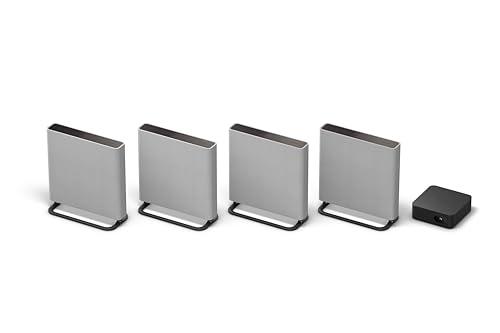
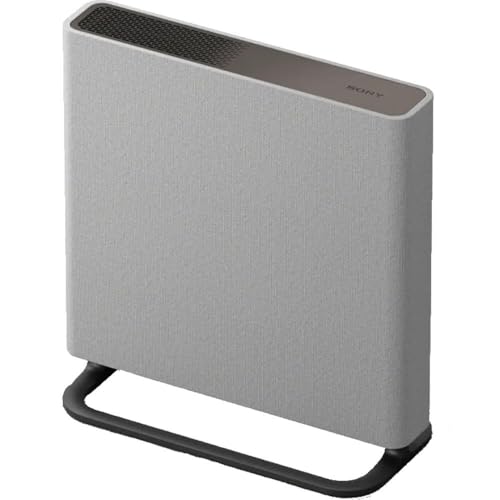
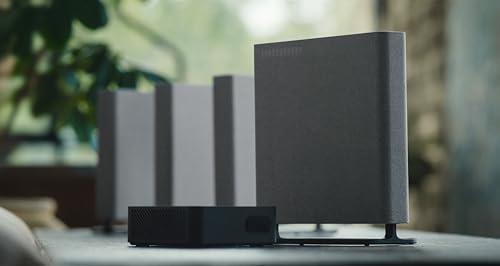
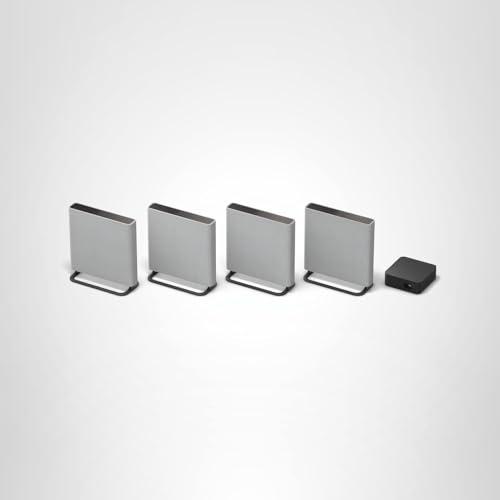
The Sony HT-A9M2 is what engineers call a "4.0.4 channel system," which sounds complicated but breaks down simply. The first number (4) represents ground-level speakers—front left, front right, rear left, and rear right. The second number (0) indicates no dedicated center speaker for dialogue. The third number (4) shows height speakers that fire sound toward your ceiling to create overhead effects.
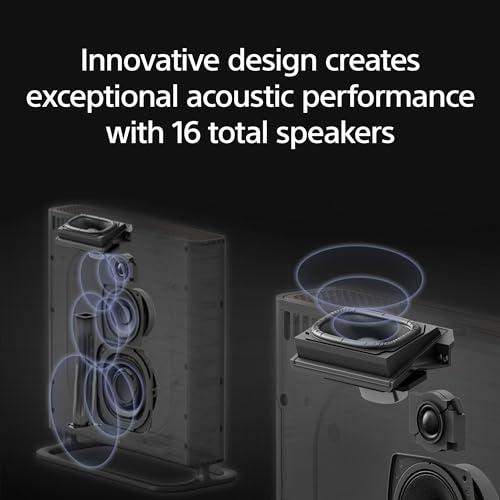
This means you're placing four separate wireless speakers around your room, each containing four individual drivers (the actual speaker cones that produce sound). That's 16 total drivers working together, coordinated by a central control box that processes audio and sends wireless signals to each speaker.
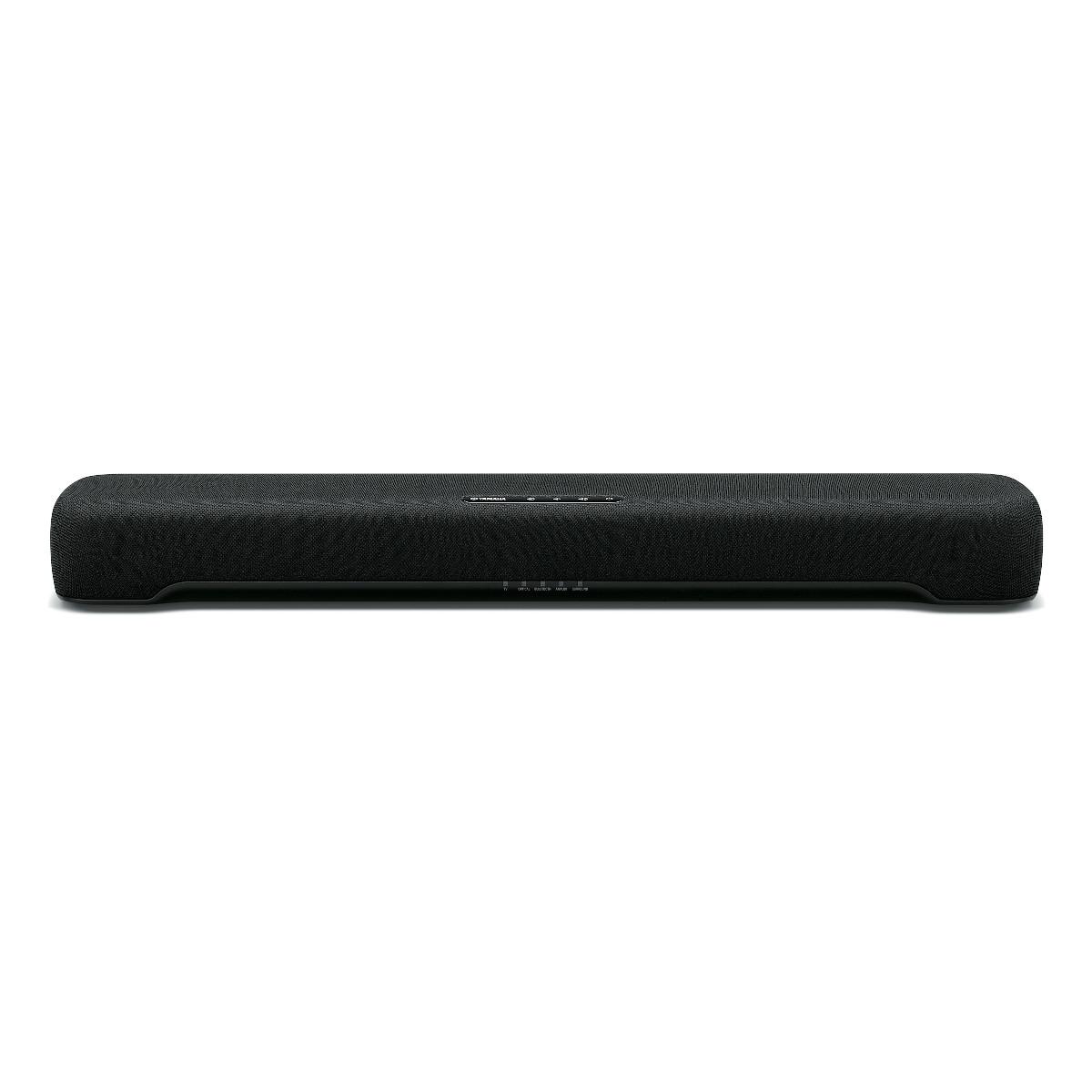
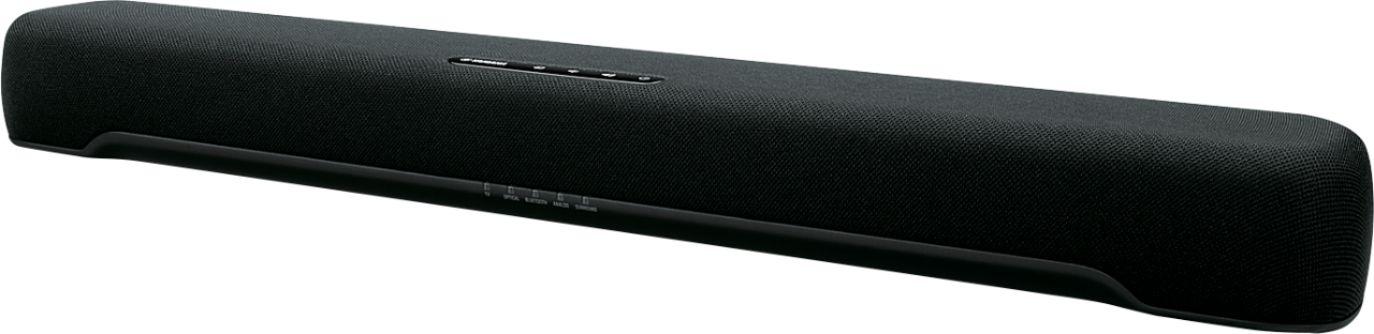
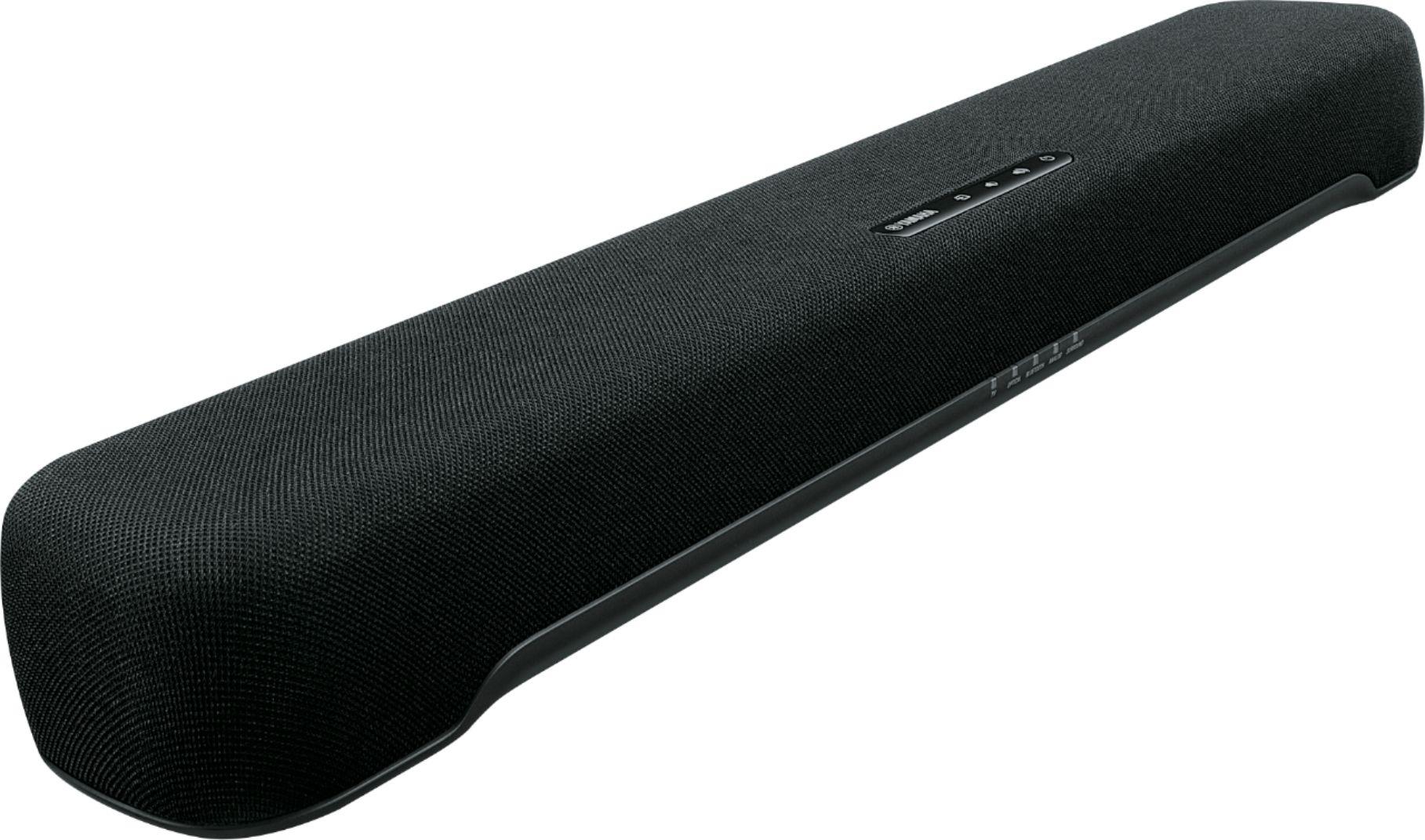
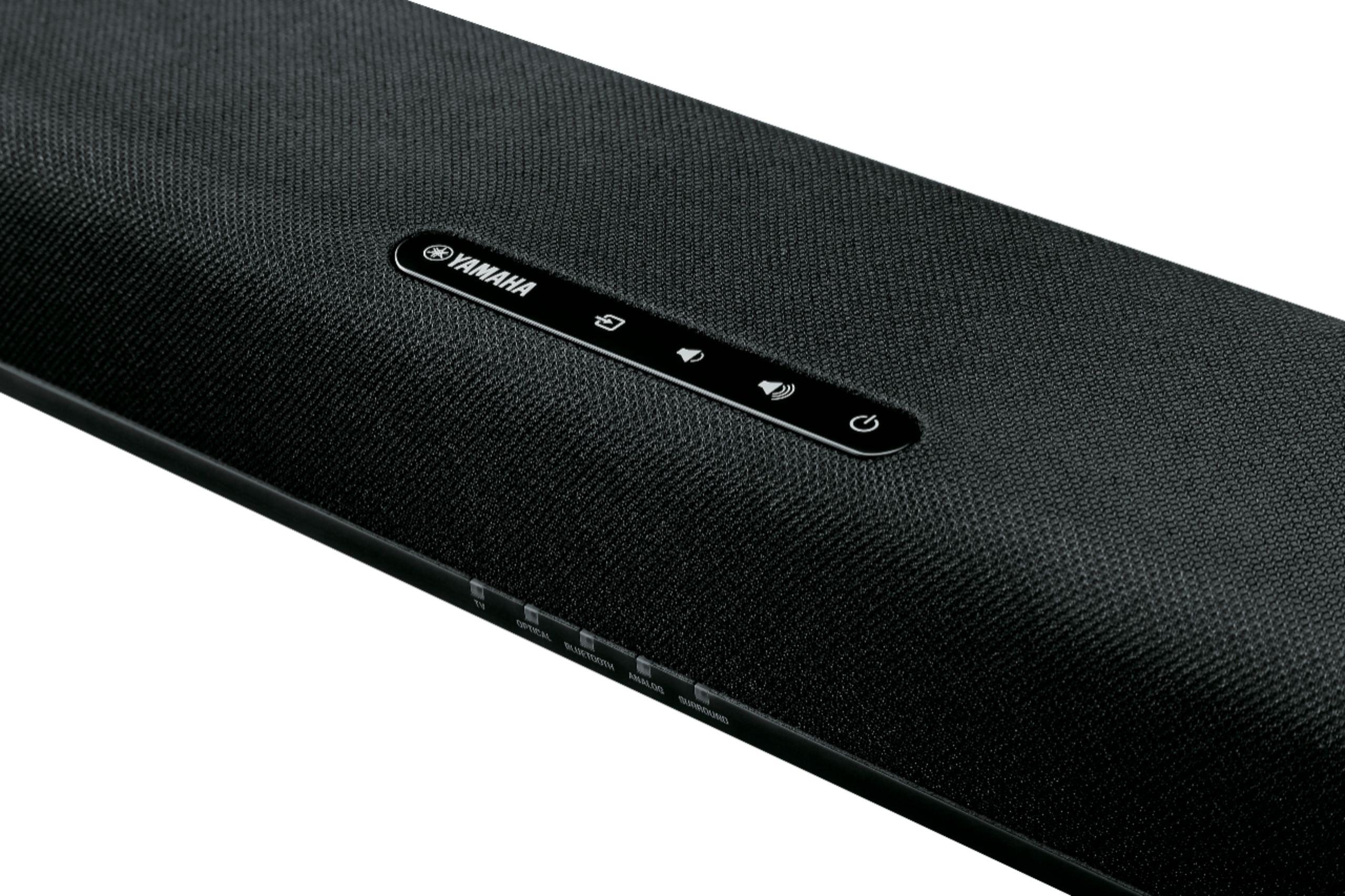
In contrast, the Yamaha SR-C20A takes the all-in-one approach. It's a single bar containing stereo drivers plus a built-in subwoofer (the larger driver responsible for low-frequency sounds like explosions and bass guitar). Yamaha adds two passive radiators—speaker-like components that vibrate sympathetically to enhance bass without requiring their own amplification.
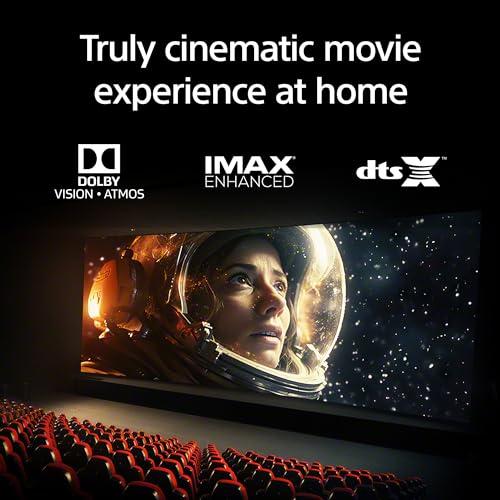
Here's where these systems diverge most dramatically. The Sony HT-A9M2 creates what's called true surround sound. When a helicopter flies overhead in a movie, separate speakers behind and above you actually produce those sounds. Your brain naturally localizes where each sound originates, creating genuine three-dimensional audio.
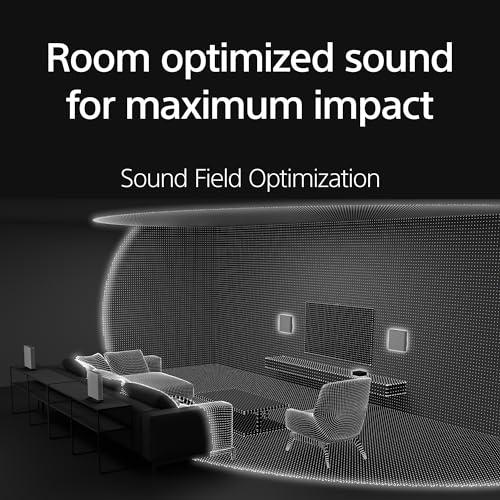
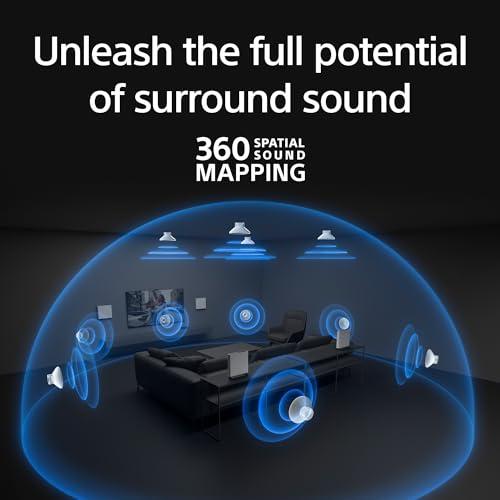
Sony's 360 Spatial Sound Mapping technology takes this further. The system measures your room using built-in microphones, then uses wall reflections and ceiling bounces to create "phantom speakers"—locations where your brain perceives sound sources even though no physical speaker exists there. It's like acoustic sleight of hand, expanding the apparent speaker array from four units to potentially a dozen or more perceived positions.
The Yamaha SR-C20A relies on virtual surround processing. Digital signal processing algorithms analyze stereo or multi-channel audio, then manipulate timing, phase, and frequency to trick your brain into perceiving width and depth. It's effective to a point—dialogue becomes more centered, and action scenes gain some spaciousness—but it can't replicate the precision of actual speakers positioned around you.
Based on extensive research into user and professional reviews, the difference is immediately apparent. The Sony HT-A9M2 creates moments where you'll genuinely turn around thinking someone spoke behind you. Rain appears to fall from above, and gunshots crack from specific directions. The Yamaha SR-C20A makes everything sound bigger and clearer than TV speakers, but directional effects remain more suggestion than reality.
This comparison reveals an interesting trade-off in product philosophy. The Yamaha SR-C20A includes everything needed for immediate bass impact. Its 3-inch subwoofer and dual passive radiators can shake a small room during action scenes. For many users, this out-of-box bass response feels more impressive initially.
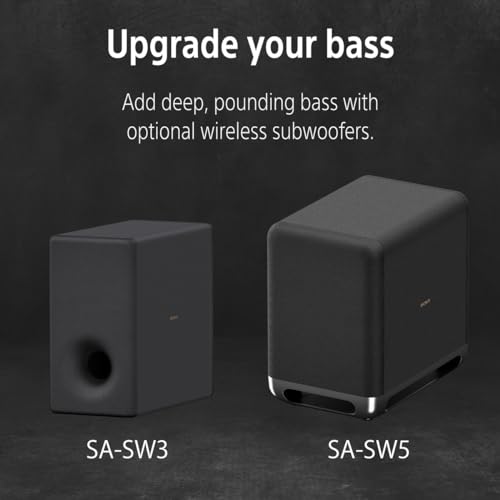
The Sony HT-A9M2 takes a more nuanced approach. Its 16 drivers produce articulate, clean bass where you can distinguish individual bass guitar notes or the precise thump of different drum kit pieces. However, reaching the deepest frequencies that make your couch rumble during explosions typically requires adding Sony's optional wireless subwoofer—a significant additional investment at the time of writing.
Professional reviews consistently note this difference. The Yamaha SR-C20A satisfies most casual listeners who want movies to feel more impactful immediately. The Sony HT-A9M2 appeals to listeners who prioritize bass quality and precision over raw quantity, though it may leave some feeling underwhelmed without that additional subwoofer.
Nothing ruins a movie like constantly rewinding to catch missed dialogue. Both systems address this, but through different technologies.
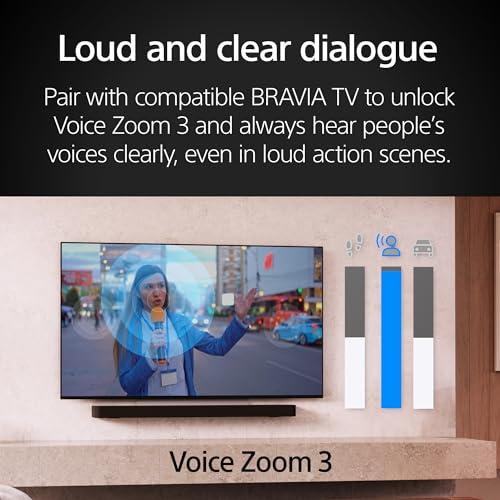
The Sony HT-A9M2 employs Voice Zoom 3, an AI-powered feature that uses machine learning to identify human speech patterns in real-time. It can separate dialogue from background music and effects, then enhance speech frequencies while leaving other elements unchanged. Combined with the system's phantom center channel—where dialogue appears to emanate directly from your TV screen—speech clarity becomes exceptional even during chaotic action sequences.
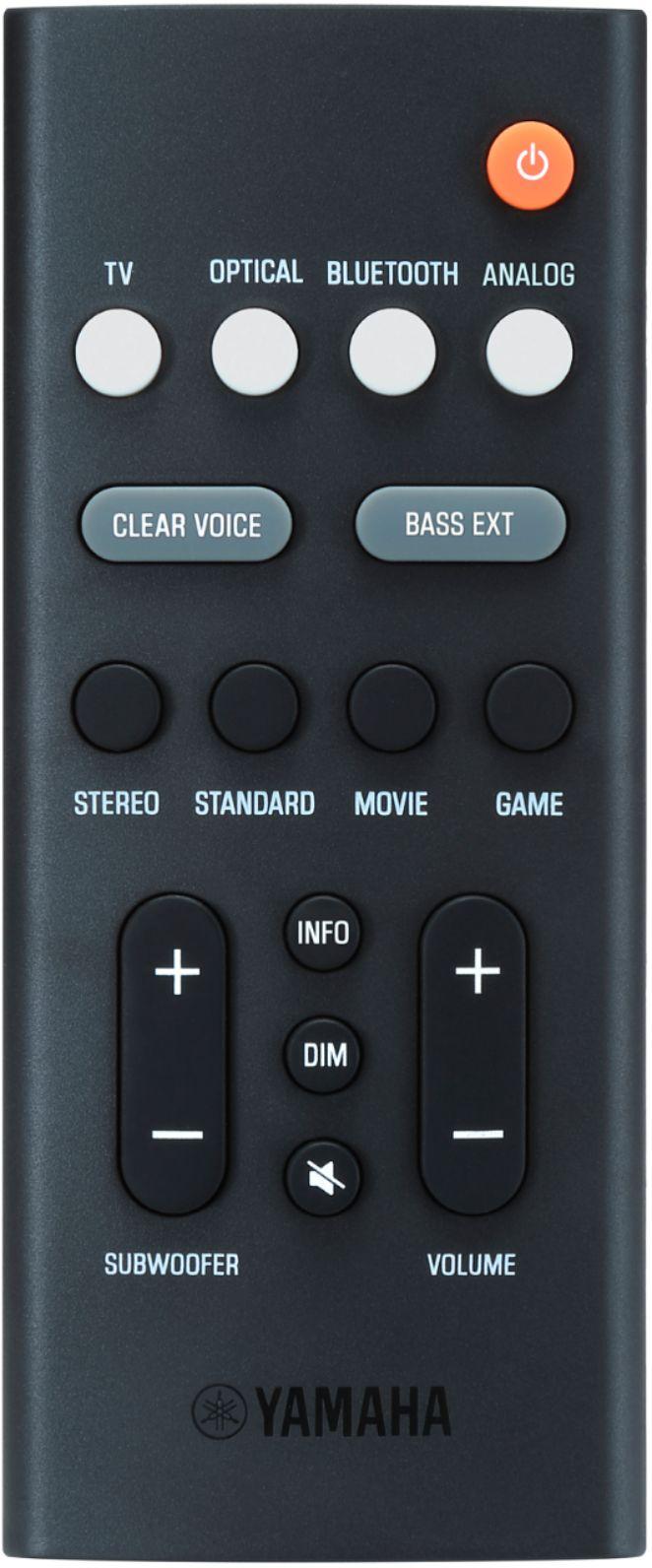
The Yamaha SR-C20A uses Clear Voice technology, essentially an intelligent equalizer that boosts frequencies where human voices typically occur. It's effective for TV shows and simpler content, though complex movie soundtracks with layered effects can still cause dialogue to get buried.
Our research suggests the Sony's approach handles demanding content significantly better. Users report being able to understand whispered dialogue in movies like "Tenet" or "The Dark Knight" without constantly adjusting volume. The Yamaha works well for news, sitcoms, and straightforward dramas but may still require volume juggling during blockbuster films.
Since 2020, gaming consoles have become increasingly sophisticated about audio. The PlayStation 5 and Xbox Series X can output spatial audio that takes advantage of advanced home theater systems. This is where the Sony HT-A9M2 particularly shines.
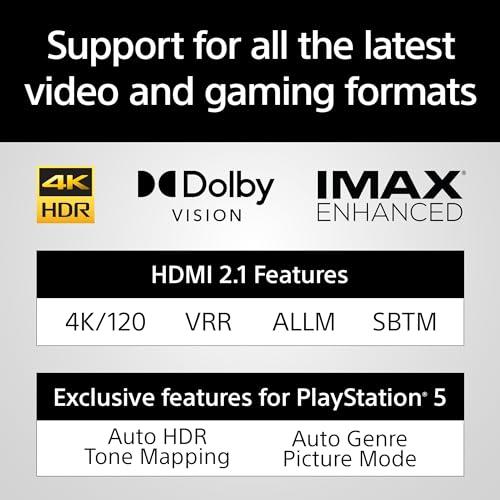
The system supports HDMI 2.1, the latest connection standard that enables 4K gaming at 120 frames per second while maintaining full audio quality. Features like Variable Refresh Rate (VRR) eliminate screen tearing, while Auto Low Latency Mode (ALLM) reduces input delay—the time between pressing a controller button and seeing the result on screen.
For PS5 owners specifically, the Sony HT-A9M2 supports Auto HDR Tone Mapping, which automatically optimizes both picture and sound settings based on game content. The spatial audio in games like "Spider-Man: Miles Morales" or "Call of Duty" becomes genuinely immersive, with footsteps, gunfire, and environmental effects positioned accurately in 3D space.
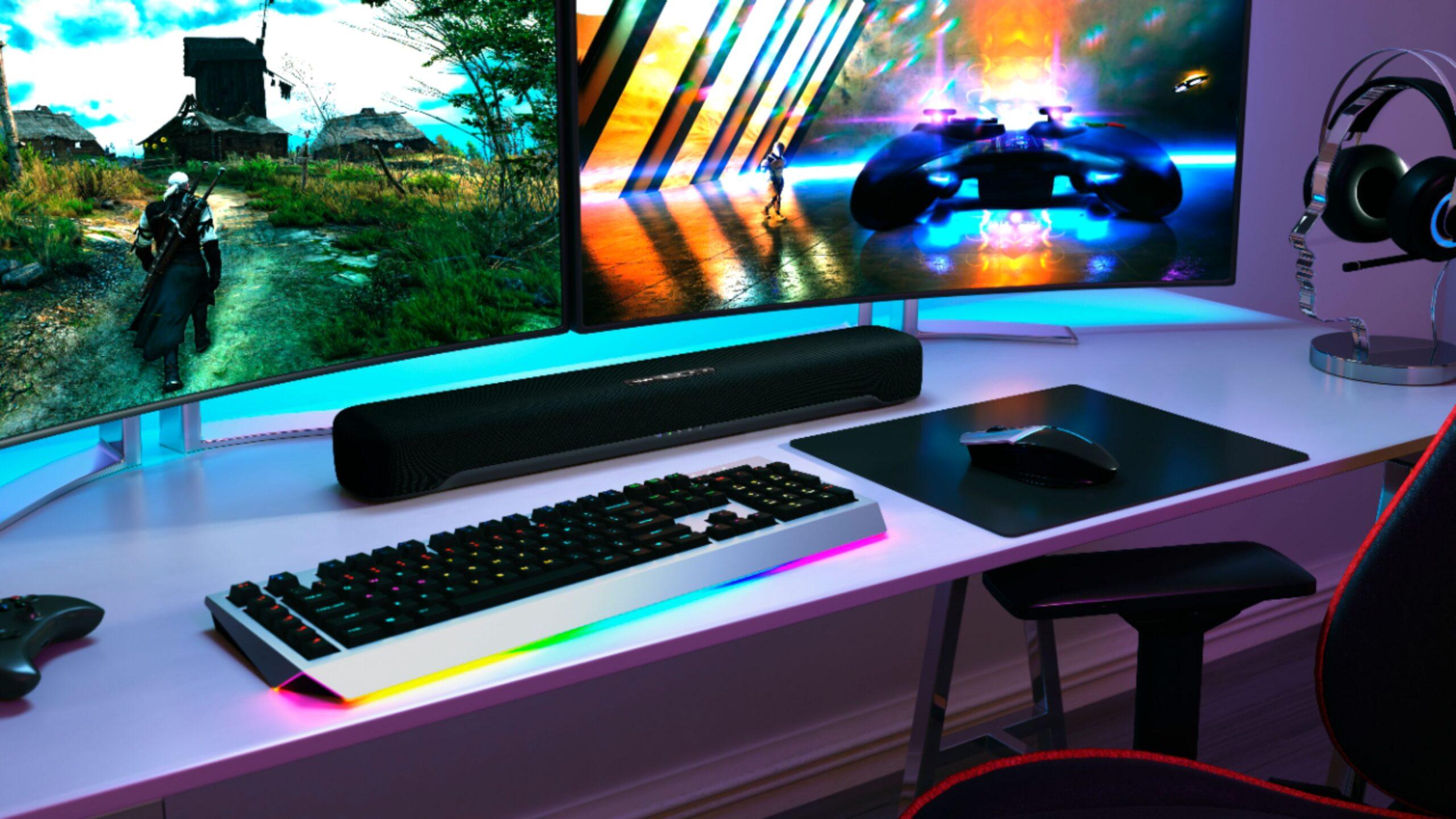
The Yamaha SR-C20A includes basic HDMI ARC (Audio Return Channel) support and a dedicated Game mode that reduces audio processing delay. While adequate for casual gaming, it lacks the advanced features that unlock next-generation console capabilities.
Your room significantly impacts which system makes sense. The Sony HT-A9M2 excels in medium to large rooms where you can position speakers appropriately. The Sound Field Optimization feature automatically measures distances between speakers and walls, then adjusts timing and volume to create coherent surround effects even if speaker placement isn't perfect.
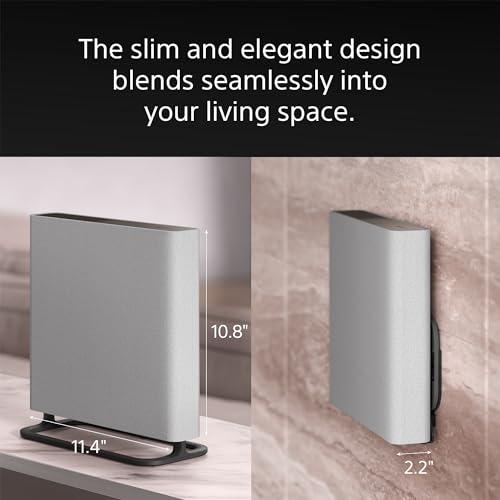
However, this flexibility comes with complexity. You're placing four separate speakers that each need power outlets. While they connect wirelessly to the control box, you're still managing multiple components and ensuring optimal positioning for the best sound.
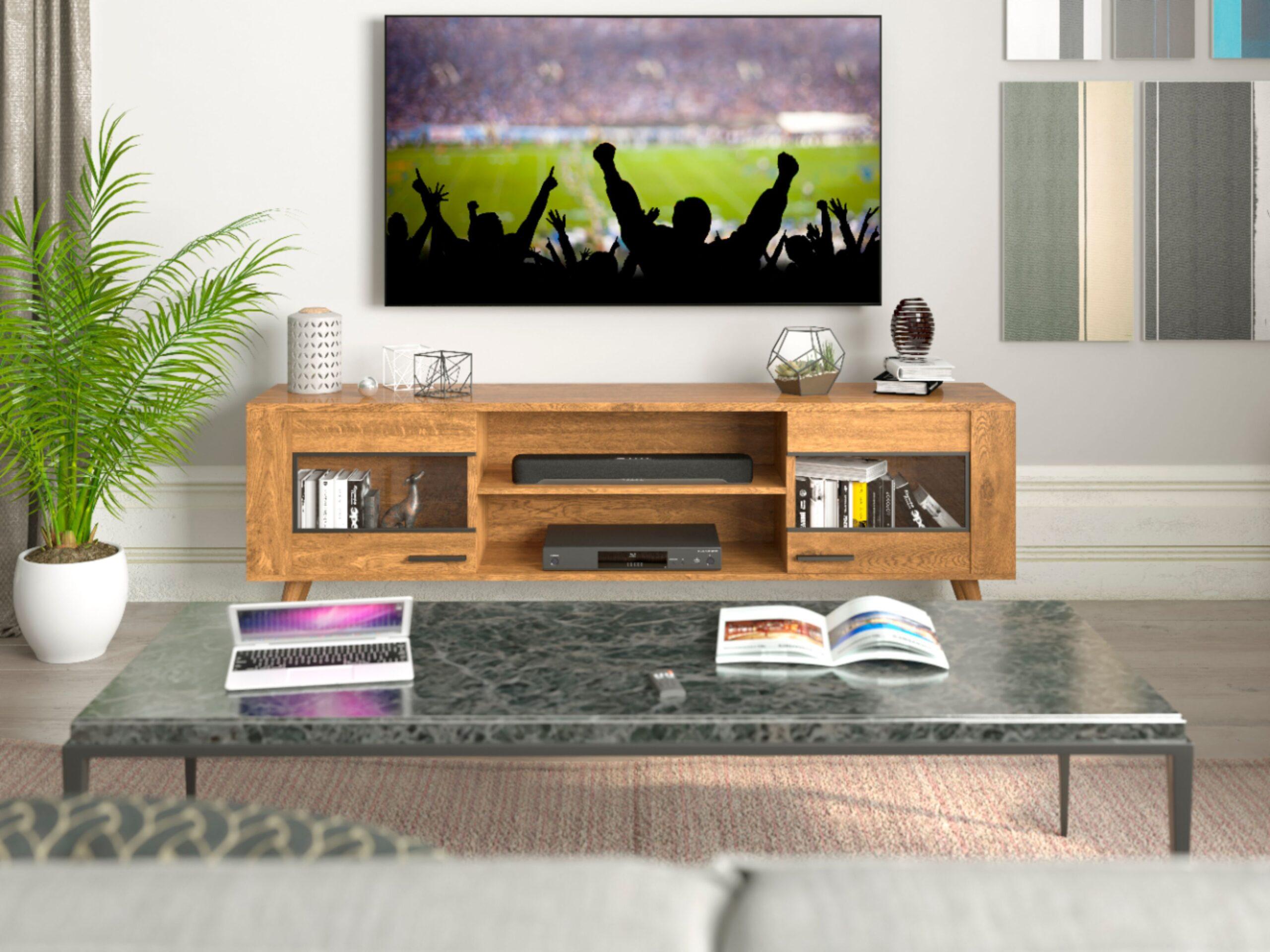
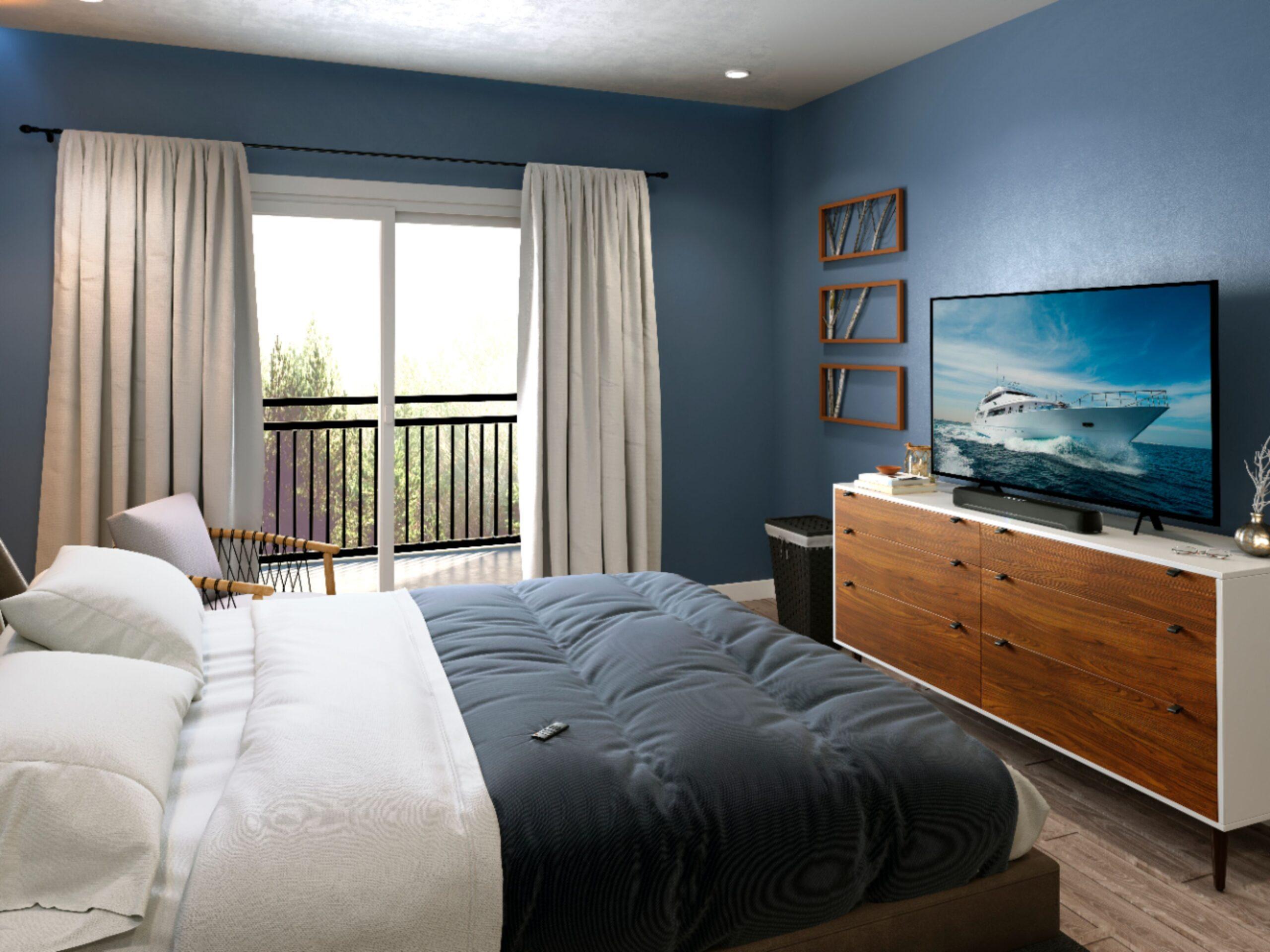
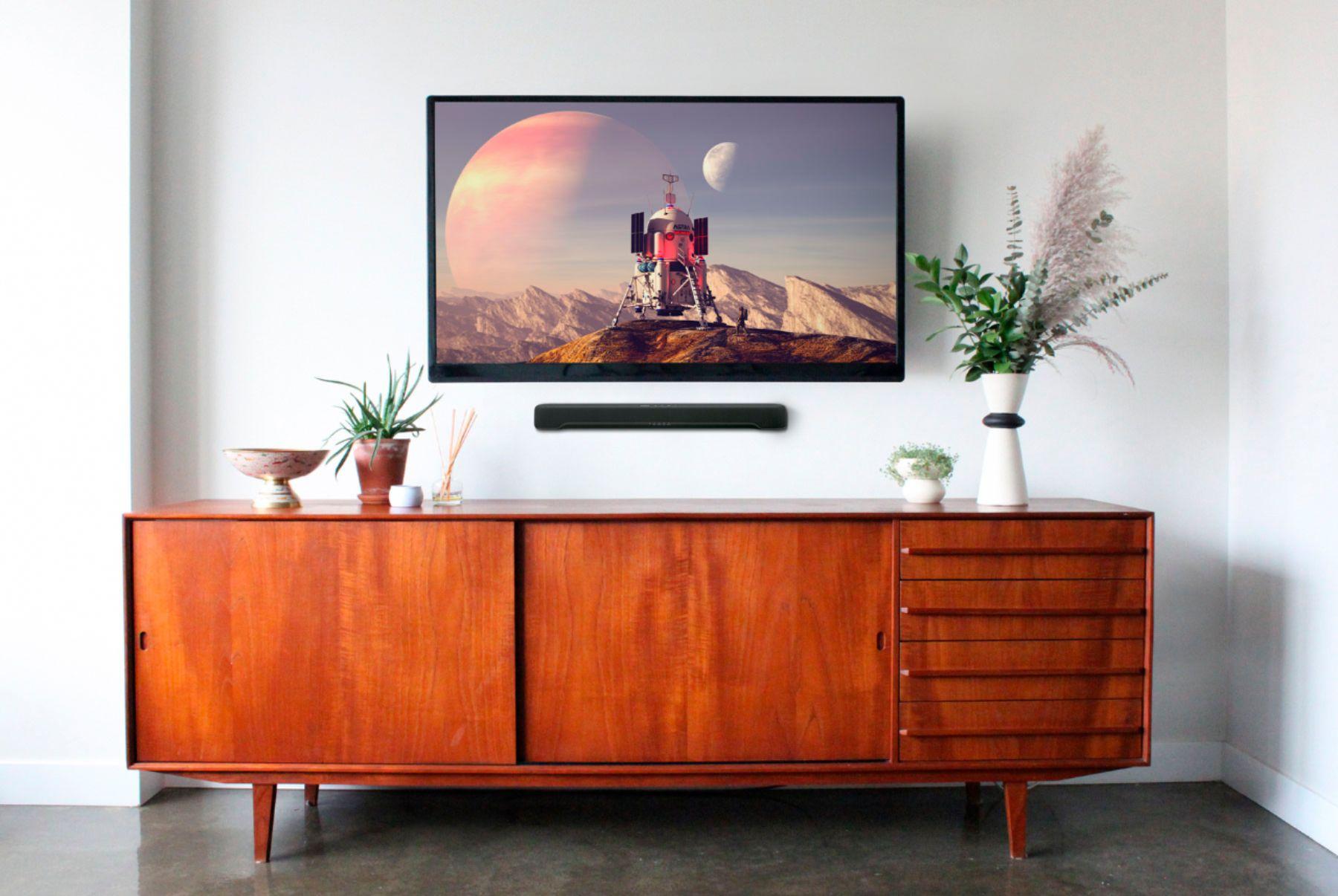
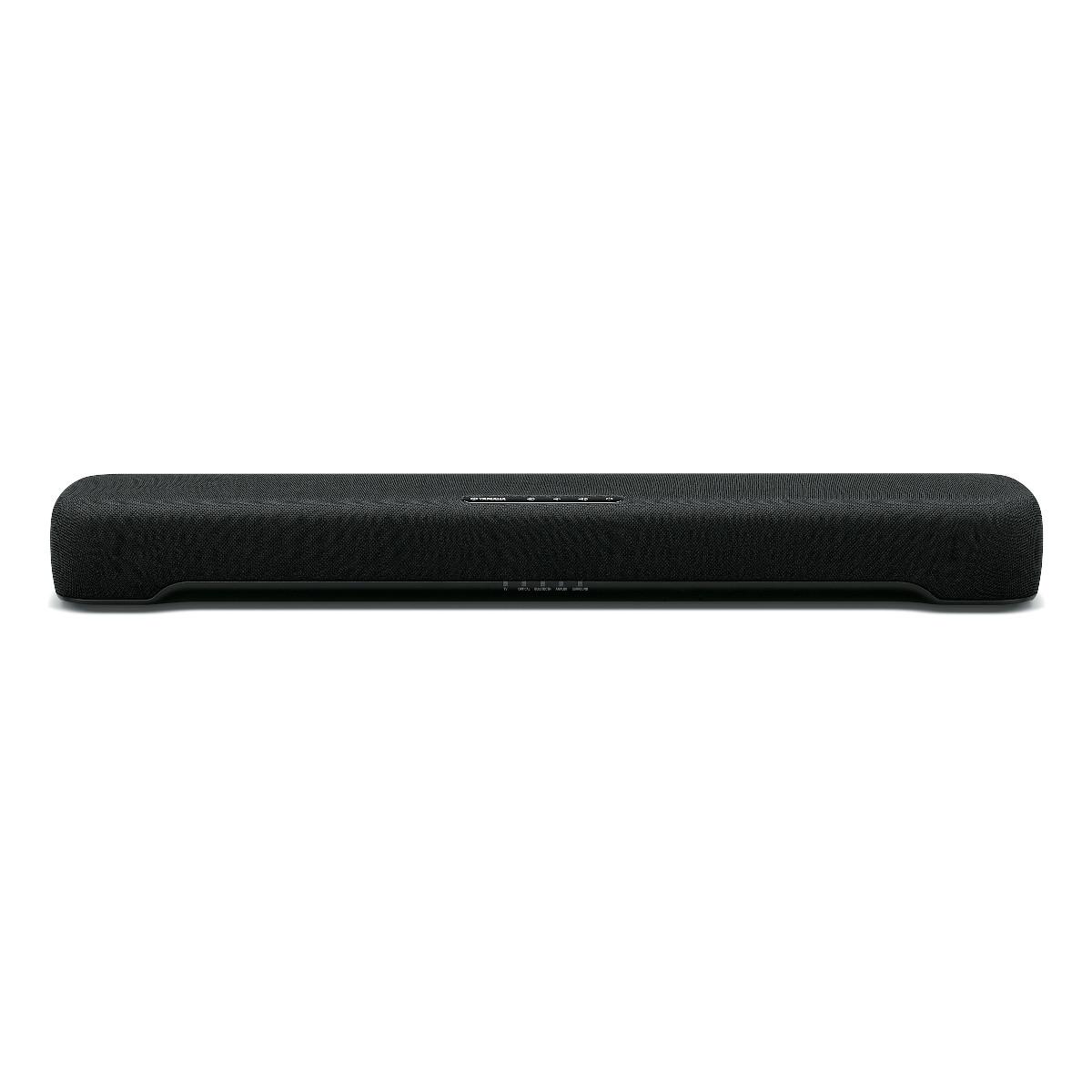
The Yamaha SR-C20A thrives in smaller spaces—apartments, bedrooms, or secondary TV areas. At just 23.6 inches wide and under 4 pounds, it fits beneath most TVs without overwhelming the space. Wall mounting requires only simple keyhole brackets, and setup is genuinely plug-and-play.
Based on user feedback analysis, the Sony HT-A9M2 struggles in rooms smaller than about 200 square feet where speakers can't be properly separated. Conversely, the Yamaha SR-C20A may not generate sufficient volume for rooms larger than about 300 square feet.
The Sony HT-A9M2 represents cutting-edge audio processing as of 2024. Its DSEE Ultimate technology uses AI to upscale compressed music from streaming services, restoring detail lost during compression. Support for 360 Reality Audio creates immersive music experiences where instruments are positioned around you, similar to how Dolby Atmos works for movies.
The system also supports LDAC, Sony's high-quality Bluetooth codec that transmits nearly CD-quality audio wirelessly—significant for smartphone music listening. Regular firmware updates continue adding features and improving performance.
The Yamaha SR-C20A, being a 2020 product that's now discontinued, represents more mature but static technology. Its Bluetooth 5.0 support and basic audio processing work well for their intended purposes, but don't expect new capabilities over time.
At the time of writing, these products exist in completely different price universes. The Sony HT-A9M2 costs roughly 15-20 times more than the Yamaha SR-C20A, which fundamentally changes how we evaluate them.
The Yamaha SR-C20A offers exceptional value for its price point. Users consistently report it transforms TV audio from barely tolerable to genuinely enjoyable. For apartments, bedrooms, or casual viewing, it solves the core problem effectively and affordably.
The Sony HT-A9M2 targets enthusiasts willing to invest significantly for premium performance. However, many professional reviews suggest adding Sony's wireless subwoofer for optimal performance, which increases the total investment substantially. This isn't a system you buy casually—it's for users who view audio quality as a priority worth significant expense.
For dedicated home theater rooms, the Sony HT-A9M2 approaches the performance of traditional receiver-based systems while offering superior convenience. The ability to place speakers wirelessly eliminates complex cable runs, while automatic room calibration handles much of the setup complexity that typically requires professional installation or extensive audio knowledge.
Movie nights become genuinely immersive experiences. Action films like "Top Gun: Maverick" showcase the system's ability to place jet engines precisely in 3D space. Dialogue-heavy dramas benefit from the superior speech clarity, while concert films and music documentaries reveal spatial details that stereo systems simply can't reproduce.
The Yamaha SR-C20A works well for casual home theater use—family movie nights, binge-watching series, or background entertainment. It won't create that "wow" moment when friends experience your system, but it consistently makes content more enjoyable than TV speakers allow.
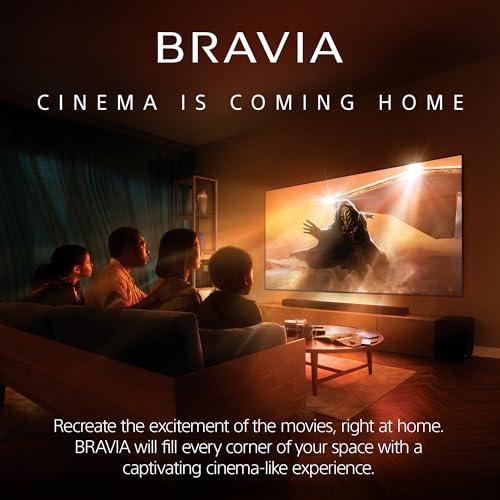
These products serve fundamentally different users and scenarios. The Sony HT-A9M2 makes sense if you have a dedicated entertainment space, value audio quality highly, and can accommodate the complexity and expense of a premium system. It's particularly compelling for PS5 owners or those with compatible Sony TVs who can leverage the advanced integration features.
The Yamaha SR-C20A excels as an affordable upgrade for smaller spaces, secondary TVs, or users who want immediate improvement without complexity. Its built-in bass and simple setup make it ideal for apartments, bedrooms, or situations where you need results quickly without learning about speaker placement and room acoustics.
Consider the Sony HT-A9M2 if you're building a primary entertainment system in a proper room, can justify the significant investment, and value having the best available wireless home theater technology. The learning curve and setup complexity pay off with genuinely impressive spatial audio that approaches dedicated home theater rooms.
Choose the Yamaha SR-C20A if you want the most improvement per dollar spent, need something that works immediately out of the box, or are upgrading a secondary viewing area. Its simplicity and effective performance make it an easy recommendation for most casual TV watchers.
Both products succeed at their intended purposes—the key is honestly assessing which purpose matches your needs, space, and priorities.
| Sony HT-A9M2 BRAVIA Theater Quad | Yamaha SR-C20A Compact Sound Bar |
|---|---|
| Speaker Configuration - Determines surround sound quality and immersion level | |
| 4.0.4-channel system with 4 separate wireless speakers, 16 total drivers | 2.1-channel soundbar with built-in subwoofer, single unit design |
| Total Power Output - Affects maximum volume and dynamic range | |
| 504W total (31.5W per driver across 16 channels) | 100W total (60W subwoofer + 40W stereo) |
| Surround Sound Technology - Real vs virtual spatial effects | |
| True Dolby Atmos/DTS:X with 360 Spatial Sound Mapping, physical height channels | DTS Virtual:X processing only, software-simulated surround |
| Room Calibration - Automatic optimization for your space | |
| Sound Field Optimization with microphone-based room measurement | None (basic plug-and-play setup) |
| Bass Response - Low-frequency impact for movies and music | |
| Clean, articulate bass; may benefit from optional subwoofer for deepest frequencies | Built-in 3" subwoofer with dual passive radiators provides immediate impact |
| Dialogue Enhancement - Speech clarity in complex soundtracks | |
| Voice Zoom 3 AI technology with machine learning speech separation | Clear Voice frequency boosting for basic dialogue improvement |
| Gaming Features - Next-gen console compatibility | |
| Full HDMI 2.1 with 4K120Hz, VRR, ALLM, Auto HDR Tone Mapping for PS5 | Basic HDMI ARC, Game mode for reduced latency |
| Physical Setup Requirements - Installation complexity and space needs | |
| 4 separate speakers requiring power outlets and strategic placement | Single 23.6" soundbar, wall-mountable with keyhole brackets |
| High-Resolution Audio Support - Premium music streaming quality | |
| DSEE Ultimate upscaling, LDAC Bluetooth, 360 Reality Audio, up to 192kHz/24-bit | Bluetooth 5.0 with SBC/AAC codecs, no high-res support |
| Smart Features and Connectivity - Modern streaming and control options | |
| Wi-Fi, Spotify Connect, AirPlay 2, BRAVIA Connect app, BRAVIA TV integration | Bluetooth streaming, basic app control, TV remote compatibility |
| Ideal Room Size - Where each system performs best | |
| Medium to large rooms (200+ sq ft) with proper speaker separation | Small to medium spaces (100-300 sq ft), apartments, bedrooms |
| Target User - Who should consider each system | |
| Home theater enthusiasts with premium budgets wanting true cinematic immersion | Budget-conscious buyers seeking immediate TV audio improvement |
The Sony HT-A9M2 is a premium 4.0.4-channel wireless home theater system with four separate speakers that create true surround sound, while the Yamaha SR-C20A is a compact 2.1-channel soundbar with built-in subwoofer in a single unit. The Sony provides genuine 3D audio immersion, while the Yamaha offers simple plug-and-play improvement over TV speakers.
The Yamaha SR-C20A is ideal for small spaces, apartments, and bedrooms. At just 23.6 inches wide, it fits under most TVs without overwhelming the room. The Sony HT-A9M2 requires strategic placement of four separate speakers and works best in medium to large rooms where speakers can be properly positioned for optimal surround effects.
The Yamaha SR-C20A includes a built-in 3-inch subwoofer with dual passive radiators, providing immediate bass impact out of the box. The Sony HT-A9M2 produces clean, articulate bass but may benefit from adding Sony's optional wireless subwoofer for the deepest frequencies and maximum cinematic impact.
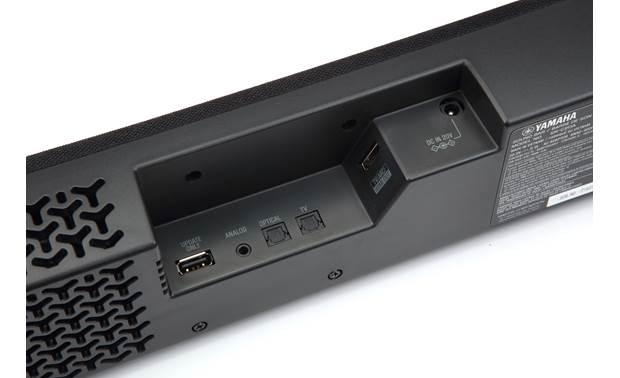
The Yamaha SR-C20A offers true plug-and-play simplicity with a single unit that connects via HDMI, optical, or auxiliary cables in minutes. The Sony HT-A9M2 requires placing four wireless speakers around your room, running automatic room calibration, and optimizing speaker positions—typically taking 30-60 minutes for best results.
The Sony HT-A9M2 excels for next-gen gaming with full HDMI 2.1 support, 4K120Hz passthrough, Variable Refresh Rate (VRR), and Auto Low Latency Mode (ALLM). It also supports PS5-specific features like Auto HDR Tone Mapping. The Yamaha SR-C20A offers basic gaming support with HDMI ARC and a Game mode but lacks advanced next-gen console features.
The Sony HT-A9M2 uses Voice Zoom 3 AI technology that intelligently separates and enhances dialogue using machine learning, making speech clear even in complex movie soundtracks. The Yamaha SR-C20A features Clear Voice technology that boosts speech frequencies, providing good improvement over TV speakers but may struggle with layered action movie audio.
Yes, but with different capabilities. The Sony HT-A9M2 supports high-quality LDAC Bluetooth, Wi-Fi streaming, Spotify Connect, AirPlay 2, and 360 Reality Audio for immersive music experiences. The Yamaha SR-C20A offers Bluetooth 5.0 streaming with standard SBC and AAC codecs, plus a compressed music enhancer feature.
The Sony HT-A9M2 creates genuine surround sound with four physical speakers positioned around your room, plus upfiring drivers for overhead effects. Its 360 Spatial Sound Mapping technology uses room acoustics to create additional phantom speakers. The Yamaha SR-C20A uses virtual surround processing to simulate width and depth from a single soundbar.
For dedicated home theater rooms, the Sony HT-A9M2 delivers cinema-quality immersion with true Dolby Atmos, precise sound positioning, and room calibration that rivals traditional receiver-based systems. The Yamaha SR-C20A provides solid improvement for casual movie watching but lacks the spatial accuracy and dynamic range for serious home theater applications.
The Sony HT-A9M2 performs best in rooms 200+ square feet where speakers can be properly separated and positioned. The Yamaha SR-C20A excels in smaller spaces from 100-300 square feet, making it perfect for bedrooms, apartments, or secondary viewing areas where the Sony's four-speaker setup wouldn't fit properly.
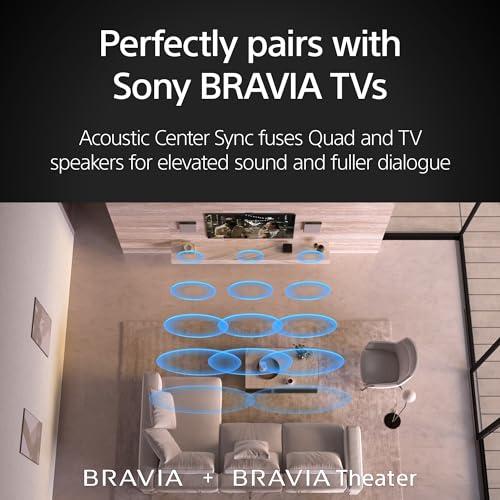
The Yamaha SR-C20A works with any TV that has HDMI ARC, optical, or auxiliary outputs—virtually all modern TVs. The Sony HT-A9M2 works with any TV but unlocks special features like Acoustic Center Sync and seamless control when paired with compatible Sony BRAVIA TVs, enhancing the overall experience.
The Yamaha SR-C20A provides excellent immediate value for budget-conscious buyers, dramatically improving TV audio at an affordable price point. The Sony HT-A9M2 represents a significant investment but offers premium performance, regular firmware updates, expandability options, and cutting-edge features that maintain relevance as technology evolves.
We've done our best to create useful and informative comparisons to help you decide what product to buy. Our research uses advanced automated methods to create this comparison and perfection is not possible - please contact us for corrections or questions. These are the sites we've researched in the creation of this article: bestbuy.com - whathifi.com - whathifi.com - youtube.com - rtings.com - audiosciencereview.com - bhphotovideo.com - skybygramophone.com - sony.com - manuals.plus - audioadvice.com - dell.com - valueelectronics.com - youtube.com - merlinstv.com - videoandaudiocenter.com - electronics.sony.com - sony.com - bestbuy.com - beachcamera.com - sony.com - win.consulting - sony.com - t3.com - usa.yamaha.com - radiotimes.com - shop.usa.yamaha.com - whathifi.com - hifiheaven.net - usa.yamaha.com - sweetwater.com - hub.yamaha.com - bestbuy.com

Privacy Policy
Terms and Conditions - Affiliate Policy
Home Security
© Copyright 2008-2026.
11816 Inwood Rd #1211, Dallas, TX 75244